
Sustainable Travel in the Caribbean: How to Minimize Your Impact
Learn how to enjoy the beauty of the Caribbean while preserving it for future generations. This guide covers eco-friendly accommodations, responsible tour operators, and ways to support local communities.

The very things that make the Caribbean so magical—its coral reefs, rainforests, and pristine beaches—are also fragile. Tourism is the lifeblood of most island economies, but it puts real pressure on ecosystems and communities. The good news: traveling more responsibly rarely means traveling less enjoyably. Here's how to make your island-hopping trip lighter on the places you love.
Choose Eco-Conscious Accommodations
Look for hotels and guesthouses with meaningful sustainability credentials rather than vague "green" marketing. Signs of genuine commitment include solar power, rainwater harvesting, reef-safe policies, locally sourced food, and staff drawn from the surrounding community. Smaller, locally owned properties often keep more of your money in the local economy than large all-inclusive resorts.
Protect the Reefs
Caribbean coral reefs are under severe stress from warming seas and pollution. You can help: always wear reef-safe sunscreen (free of oxybenzone and octinoxate), never touch or stand on coral while snorkeling or diving, and keep a respectful distance from marine life. Choose dive and snorkel operators who follow marine-park guidelines and brief guests properly.
Cut Down on Single-Use Plastic
Many islands lack the infrastructure to process the waste that tourism generates. Bring a reusable water bottle, a filter if tap water isn't potable, a cloth shopping bag, and a reusable straw. Refuse plastic where you can—small choices add up quickly across millions of annual visitors.
Support Local Communities
The most sustainable travel is also the most rewarding. Eat at family-run restaurants, buy crafts directly from artisans, hire local guides, and book tours run by island residents rather than international chains. This keeps tourism revenue circulating locally and gives you a far richer, more authentic experience.
Travel Responsibly Between Islands
Where practical, favor ferries over short-hop flights to cut your carbon footprint, and consider spending longer on fewer islands instead of rushing through many. Slower travel is not only greener—it lets you connect more deeply with each place. When you do fly, consider a reputable carbon-offset program.
Respect Nature and Wildlife
Stick to marked trails in national parks, never feed wild animals, and don't remove shells, coral, or sand as souvenirs. During sea-turtle nesting season, follow local rules on beaches and avoid bright lights near nesting sites. Leave every place exactly as you found it—or better.
The Bottom Line
Sustainable Caribbean travel isn't about sacrifice; it's about intention. By choosing responsible operators, protecting the reefs, minimizing waste, and putting money into local hands, you help ensure these islands stay as breathtaking for the next generation of travelers as they are for you today.
The IslandHop editorial team researches and writes practical, first-hand Caribbean travel guides to help you plan smarter island-hopping trips.
Related Articles

Top 10 Beaches in the Caribbean You Must Visit
From the pink sands of Harbour Island to the secluded coves of the Exumas, discover the most stunning beaches in the Caribbean that should be on every traveler's bucket list.

The Ultimate Caribbean Food Guide: Must-Try Dishes on Each Island
Explore the diverse culinary traditions of the Caribbean, from Jamaica's jerk chicken to Trinidad's doubles. This guide will help you navigate the local food scene on your next island adventure.
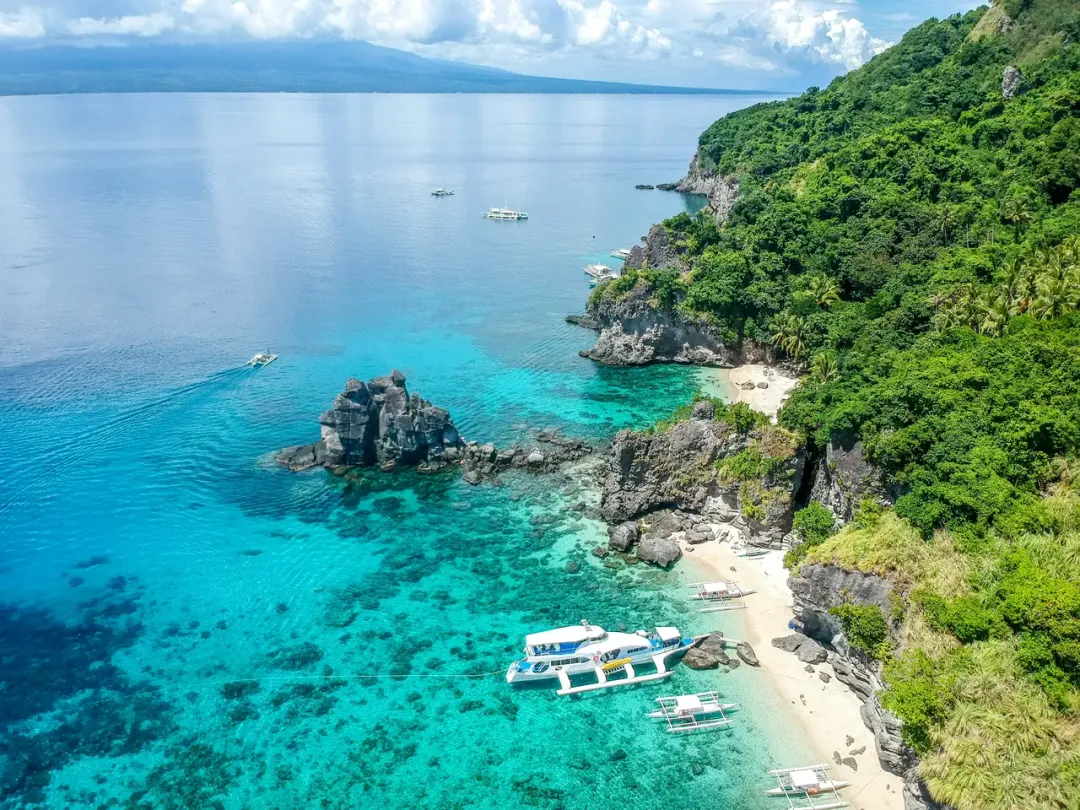
The Ultimate Caribbean Packing Guide for Every Season
Not sure what to pack for your Caribbean getaway? This comprehensive guide covers everything you need for beach days, rainforest hikes, and evening outings, with tips for different seasons and activities.