About Curaçao
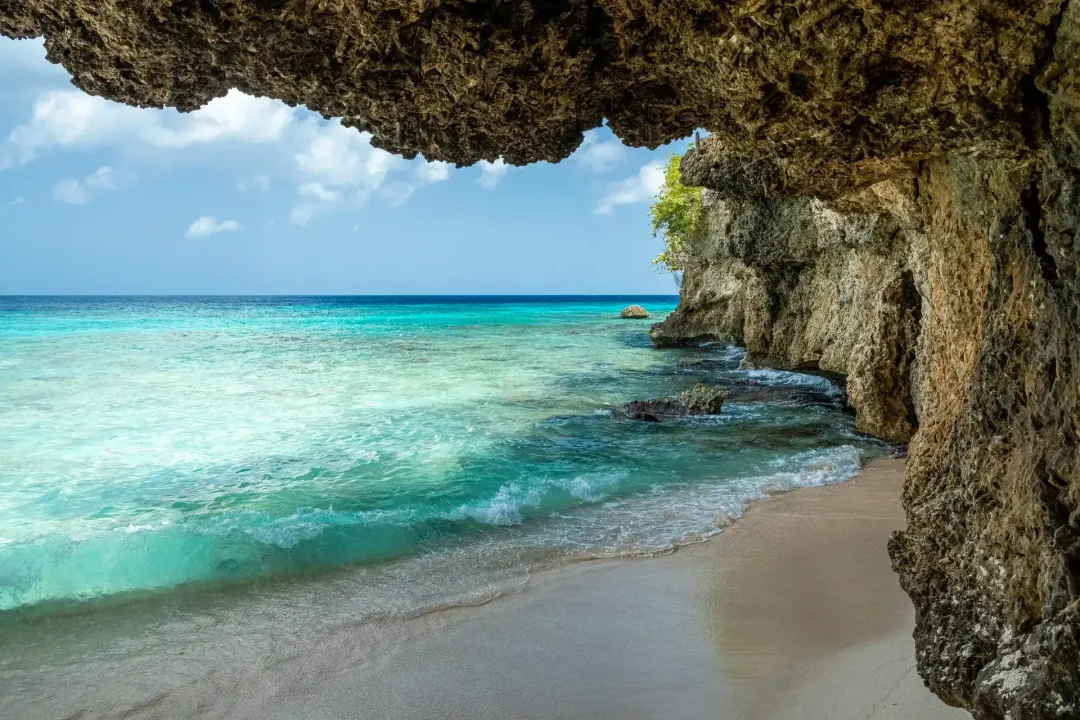
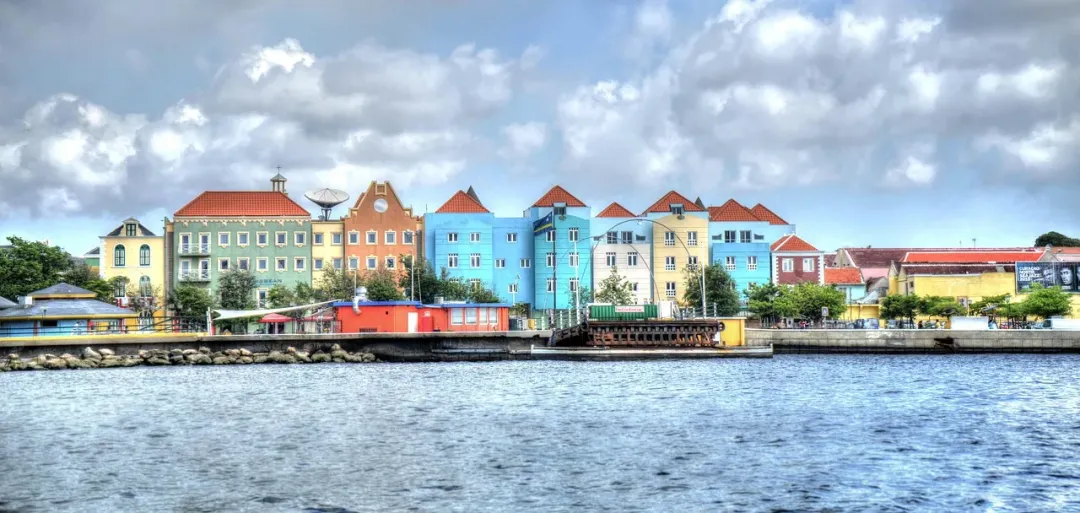
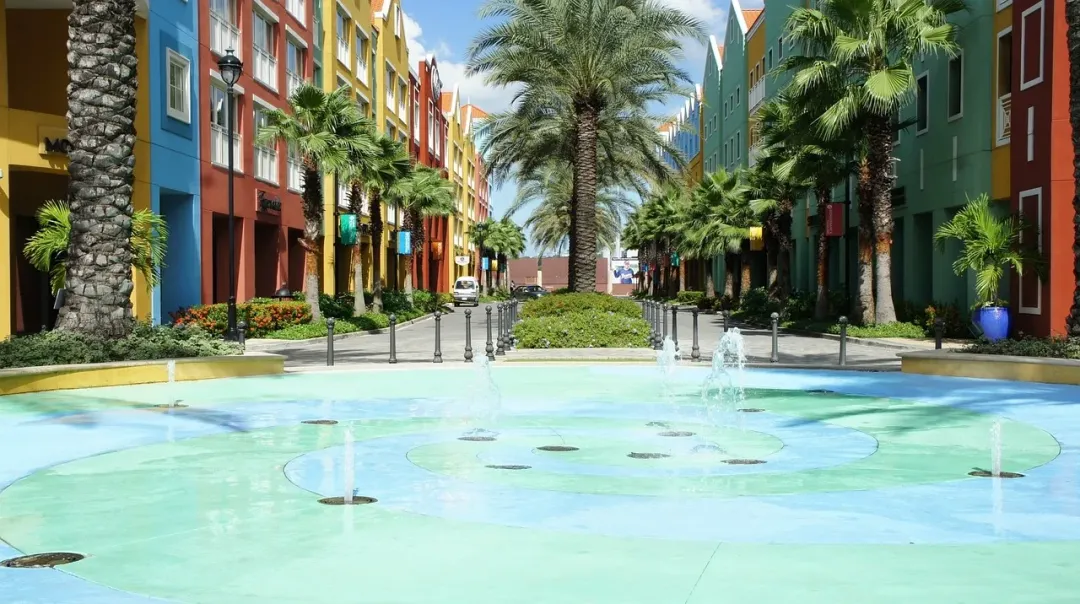
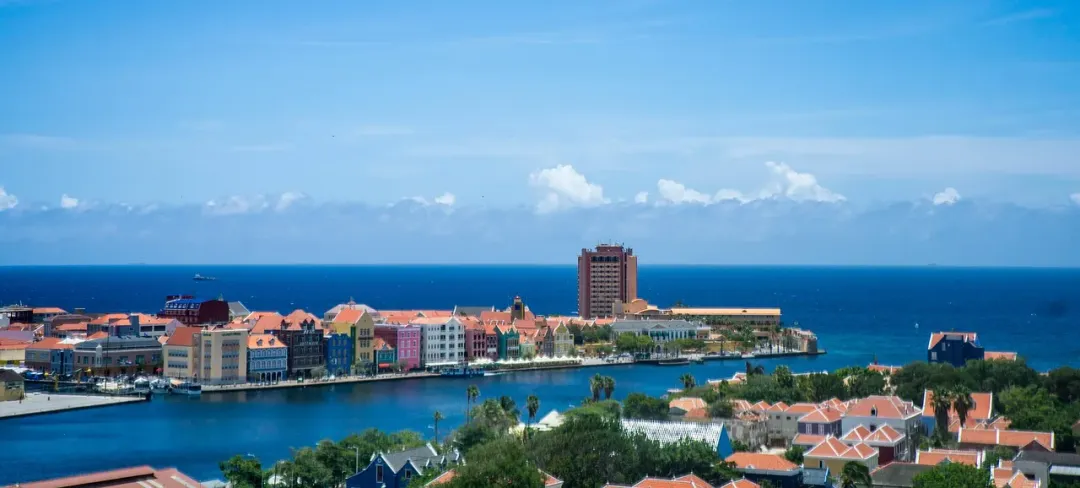
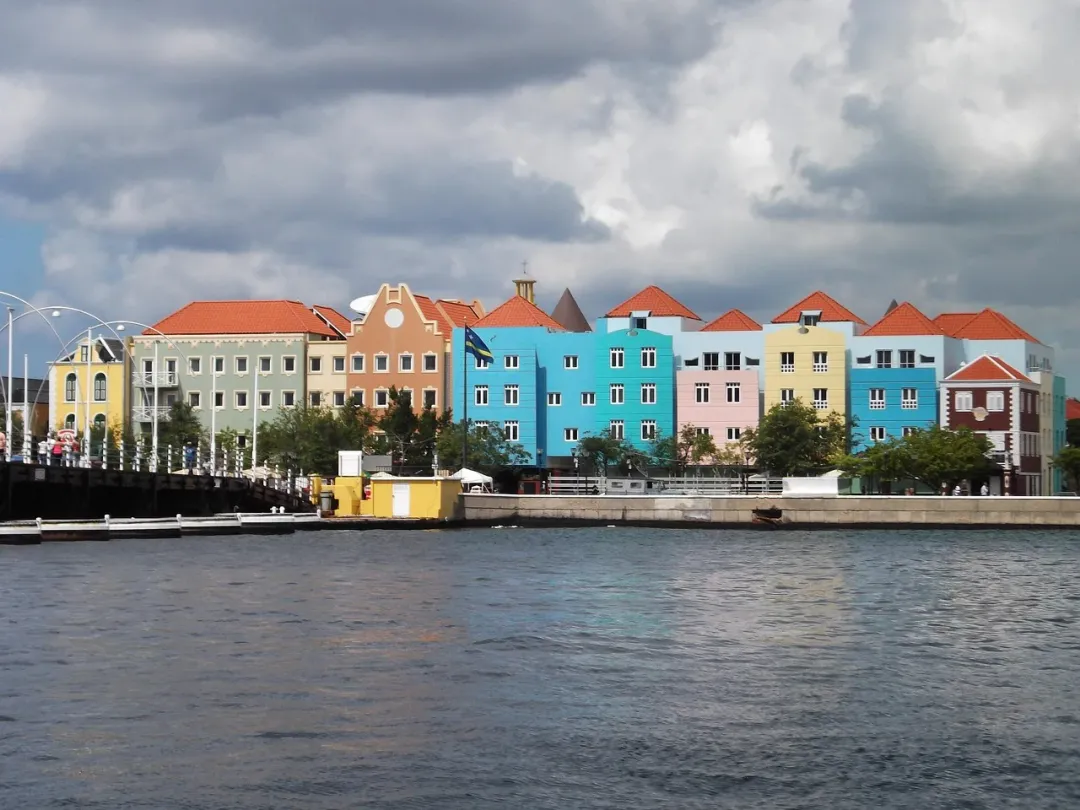
Curaçao, a constituent country of the Kingdom of the Netherlands, is located in the southern Caribbean Sea, known for its distinctive blend of European and Caribbean influences. The island's capital, Willemstad, is a UNESCO World Heritage site, featuring colorful Dutch colonial architecture along the waterfront of St. Anna Bay. The vibrant pastel-colored buildings of the Handelskade, the floating Queen Emma Bridge, and the historic Pietermaai District showcase the island's rich cultural heritage. Beyond its cultural attractions, Curaçao is renowned for its pristine beaches, particularly along the sheltered southwestern coast, where calm, crystal-clear waters provide ideal conditions for swimming, snorkeling, and diving. The island boasts over 35 beaches, from the popular Mambo Beach with its facilities and entertainment to secluded coves like Kleine Knip. Curaçao is also a premier diving destination, with healthy coral reefs, dramatic drop-offs, and the unique mushroom-shaped coral formations at the Underwater Marine Park. The island's arid climate and unique landscape feature cacti, aloe vera plants, and divi-divi trees, with Christoffel National Park offering hiking trails and wildlife viewing. Curaçao's culture is a vibrant mix of over 50 nationalities, reflected in its language (Papiamentu, a creole language combining Portuguese, Spanish, Dutch, and African elements), cuisine, music, and festivals, including the colorful Carnival celebrations.
Size
171 sq mi (444 km²)
Population
158,000
Language
Dutch, Papiamentu, English, Spanish
Currency
Netherlands Antillean Guilder (ANG)
Time Zone
UTC-4 (Atlantic Time)
Best Time to Visit
Year-round (outside hurricane belt)
Highlights
Best Things to Do in Curaçao
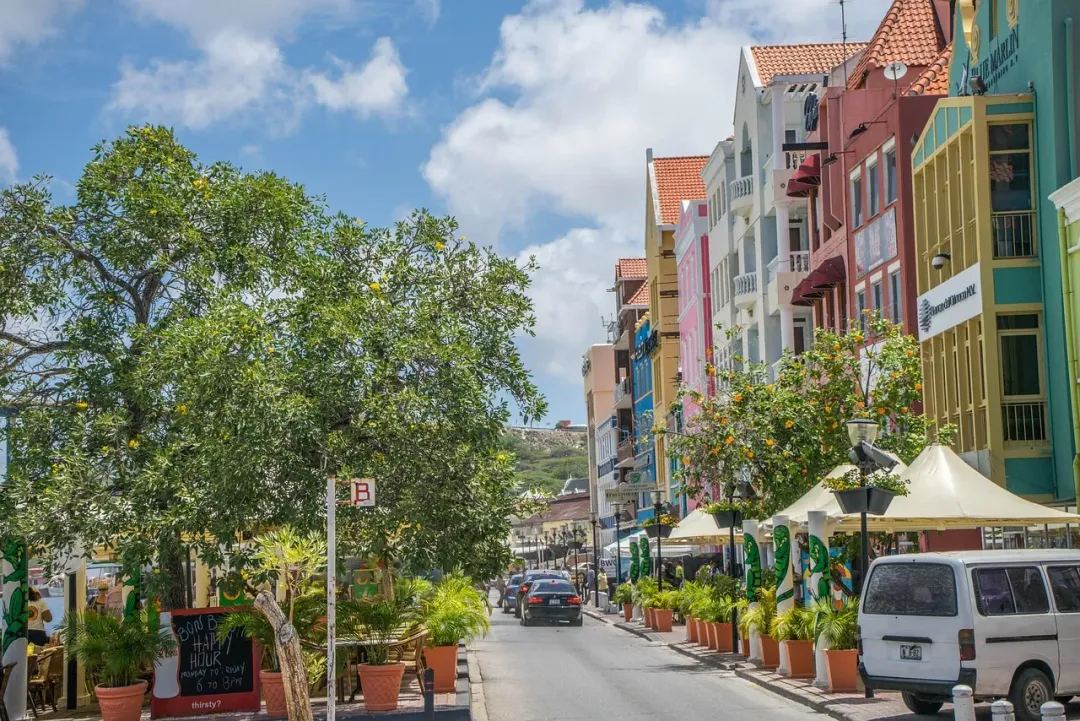
Curaçao packs a remarkable range of experiences into an island you can drive across in under an hour. Start in Willemstad, where the Handelskade waterfront is every bit as photogenic in person as it looks on postcards - a row of Dutch colonial merchant houses painted in vivid pinks, ochres, and blues, reflected in the still waters of St. Anna Bay. Cross the Queen Emma pontoon bridge (locals call her the Swinging Old Lady) into Otrobanda, then loop back through the Pietermaai District, where crumbling plantation houses have been reborn as boutique hotels, cocktail bars, and street-art canvases.
Beyond the capital, the island divides neatly into a wild, windswept north and a calm, beach-lined south. Playa Kenepa Grandi (Grote Knip) is the beach that ends up on everyone's camera roll - a crescent of white sand backed by cliffs, with water that shifts from turquoise to deep sapphire depending on the light. Arrive before 10 a.m. on weekdays to claim a spot near the waterline; by noon on weekends the small parking lot is full.
Divers should not leave without booking a boat trip to the Mushroom Forest, a surreal underwater landscape on the northwest coast near Santa Cruz Bay where centuries-old star coral heads have grown into enormous mushroom-shaped pillars. Visibility regularly exceeds 30 meters, and many operators pair the dive with a swim through the nearby Blue Room, a partially submerged sea cave that glows electric blue when sunlight hits the entrance at the right angle. Back on dry land, the Hato Caves reveal a different underground world - limestone chambers formed over 300,000 years, where guided walks pass Arawak petroglyphs, dripping stalactites, and a colony of long-nosed fruit bats. Paths are paved and lit, making the caves accessible to most visitors.
At Landhuis Chobolobo, the Senior family has distilled the genuine Curaçao liqueur since 1896, using dried peels of the laraha citrus fruit that grows only on this island. Guided tours walk you through the copper pot stills and end with a tasting of the full color range - blue, orange, green, red, and the original clear. Shete Boka National Park, on the rugged north coast, is the antithesis of the calm southern beaches: waves crash through blowholes and narrow inlets carved into volcanic limestone, and from October through March you may spot hawksbill sea turtles nesting in the sheltered coves. The Curaçao Sea Aquarium, just east of Willemstad, is home to the Dolphin Academy and open-water enclosures where you can snorkel alongside sea turtles, sharks, and rays - general admission runs around $21 USD for adults, with dolphin encounters priced separately.
Snorkel or Dive the Mushroom Forest
Book a boat trip to this northwest-coast dive site where massive star coral formations resemble giant mushrooms. Visibility often tops 30 meters, and most operators include a swim through the luminous Blue Room cave.
Walk the Handelskade Waterfront
Stroll the pastel-colored Dutch colonial buildings along St. Anna Bay in Punda, then cross the Queen Emma pontoon bridge to Otrobanda for a different perspective of Willemstad's UNESCO World Heritage skyline.
Beach Day at Playa Kenepa Grandi
Arrive early to this cliff-backed crescent of white sand and turquoise water - widely considered the island's most beautiful beach. There is a small entrance fee and a basic snack bar, but no lounger rentals.
Tour Landhuis Chobolobo Distillery
Visit the 19th-century plantation house where Senior's genuine Curaçao liqueur is still made from dried laraha citrus peels. Guided tours cover the copper stills and end with a tasting of every color.
Explore Hato Caves
Walk through 300,000-year-old limestone chambers on a guided tour that passes Arawak petroglyphs, stalactite formations, and an underground pool. Located near the airport, it fits easily into an arrival or departure day.
Hike Shete Boka National Park
Follow the trail along the dramatic north coast to see waves crashing through blowholes and sea turtles nesting in sheltered coves between October and March. Boka Tabla, a partially collapsed cave, is the highlight.
Visit the Curaçao Sea Aquarium
Home to the Dolphin Academy and open-water enclosures, the aquarium lets you snorkel with sea turtles and rays. General admission is around $21 USD; dolphin swims and encounters are booked separately.
Wander the Pietermaai District
This revitalized neighborhood east of Punda mixes restored colonial architecture with street art, boutique hotels, and a walkable strip of restaurants and bars that comes alive after dark with live music most Thursdays.
Where to Stay in Curaçao
Where you base yourself on Curaçao depends on what kind of trip you want. Willemstad puts you in the middle of the action - Punda is the postcard side with the Handelskade, shopping streets, and museums, while Otrobanda across the bay has a grittier, more local feel with lower hotel rates. The Pietermaai District, wedged between the two, is the sweet spot for travelers who want walkable restaurants and nightlife with character: think converted townhouses with plunge pools, starting around $120-180 per night for a well-reviewed boutique.
Jan Thiel Beach, about 15 minutes east of the capital, is the resort zone - modern hotels like Papagayo Beach Hotel line a calm, swimmable bay surrounded by restaurants, dive shops, and a small shopping area. It suits families and couples who want beach access without renting a car for every outing, with mid-range rooms running $150-250 per night.
For the best snorkeling and diving, head to Westpunt on the island's far northwest tip, about an hour's drive from the airport. This is where you will find Playa Kenepa, Playa Kalki (Alice in Wonderland dive site), and Cas Abao Beach within a short drive. Accommodation here skews toward small dive lodges, guesthouses, and vacation rentals - places like Rancho El Sobrino offer apartment-style stays from around $90 per night. The trade-off is distance: you will need a rental car, and dining options are limited compared to the city.
Budget travelers should look at apartments and guesthouses in the residential streets behind Pietermaai or around Scharloo, where clean studios start around $55-75 per night on booking platforms.
Where to Eat in Curaçao
Curaçaoan cuisine - known locally as Krioyo cooking - draws from African, Dutch, Spanish, and indigenous Arawak traditions, and the best way to taste it is at Plasa Bieu (Old Market) in the Punda neighborhood. This covered food hall houses a handful of family-run kitchen stalls where the day's menu is scrawled on a board above the counter: kabritu stoba (slow-braised goat stew), galinja stoba (chicken stew), keshi yena (a hollowed-out Gouda cheese shell stuffed with spiced meat, raisins, and olives), and funchi (a firm cornmeal side similar to polenta). A full plate with a drink runs about $8-12 USD, and the best stalls start to sell out by 1 p.m., so aim for an early lunch.
For a sit-down version of local dishes in a more polished setting, Rozendaels near Mambo Beach serves French-Caribbean plates in a candlelit tropical garden - their keshi yena and karni stoba are standouts, with mains around $18-28. In the Pietermaai District, Ginger is a small courtyard restaurant worth seeking out for its Carib-Asian fusion menu - think curries, noodle plates, and spicy stews with generous vegetarian options, most dishes $15-22. De Gouverneur, perched on the Otrobanda waterfront with a terrace looking straight at the Handelskade, is the spot for a sundowner cocktail that turns into dinner - international and Caribbean dishes, mains $20-35.
For beachside dining, the Mambo Beach Boulevard strip east of Willemstad offers everything from quick fish tacos to upscale seafood, all with sand between your toes. Jan Thiel has a similar setup on a smaller scale, with Zest standing out for its Caribbean-Mediterranean plates and ocean views. Wherever you eat, try a Awa di Lamunchi (fresh lemonade) or a local Amstel Bright beer brewed on-island.
Best Time to Visit Curaçao
Curaçao sits well south of the hurricane belt, which means there is no true off-season and the island rarely sees tropical storm activity. Temperatures hold steady between 78 and 88 degrees Fahrenheit year-round, with trade winds keeping the heat comfortable. The dry season from January through September is the most popular window, with February and March bringing Carnival - the Grand Parade typically falls in mid-to-late February (February 15 in 2026), preceded by weeks of music festivals, pageants, and street parties.
For divers, September and October offer the calmest seas and best visibility, often exceeding 100 feet, and these months coincide with the annual coral spawning event. The short rainy season from October through December brings brief afternoon showers that rarely disrupt plans, and hotel rates drop noticeably.
Trade winds blow strongest between January and June, which is great for kitesurfing at spots like Sint Joris Bay but can make boat dives to exposed northwest sites like Mushroom Forest choppier. The bottom line: any month works, but February through April gives you the best mix of dry weather, festive energy, and reasonable rates before peak summer pricing.
Getting Around Curaçao
Rental cars are the best way to explore. Public buses (Konvoi) run limited routes. Taxis available but expensive. The island is compact and easy to drive.
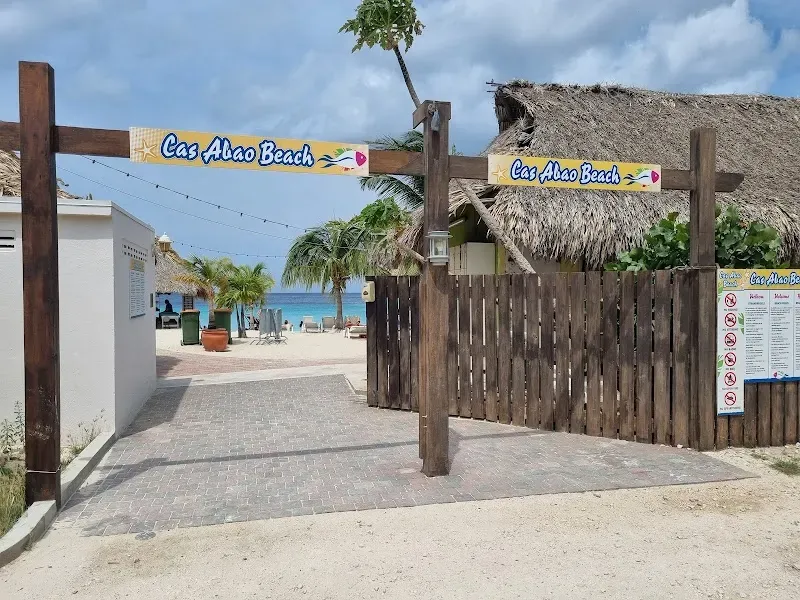
Cas Abao Beach
White sand beach with snorkel & kayaks rentals, plus a banana boat ride, daiquiri bar & restaurant.
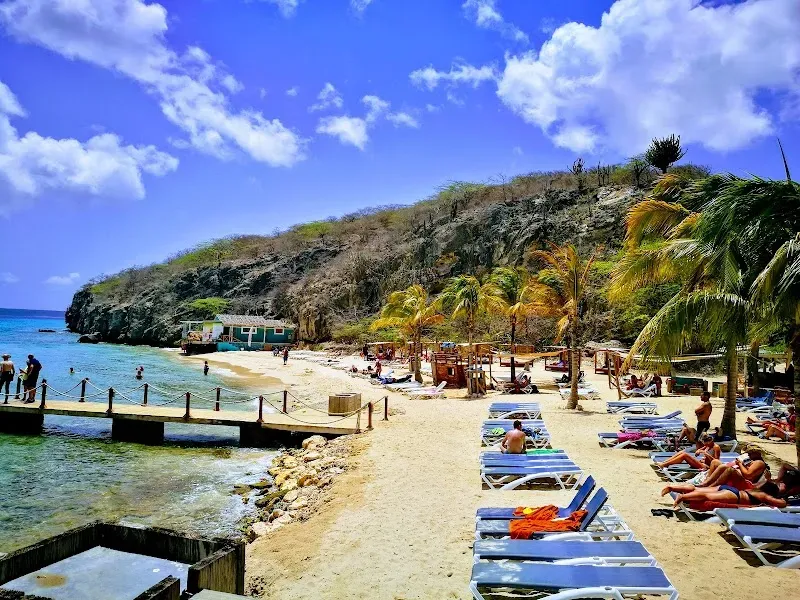
Kokomo Beach
Kokomo Beach is a nature attraction on Curaçao. This natural area showcases the lush tropical landscapes and diverse ecosystems that Curaçao is known for. Visitors can explore the local flora and fauna in a serene setting.
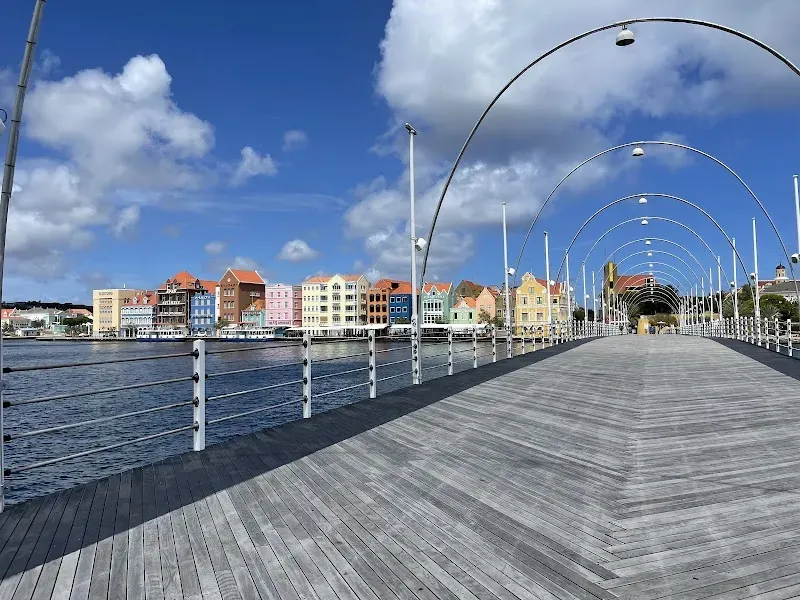
Queen Emma Bridge
Called the Swinging Old Lady, this 1888 pontoon pedestrian bridge opens laterally for passing ships.
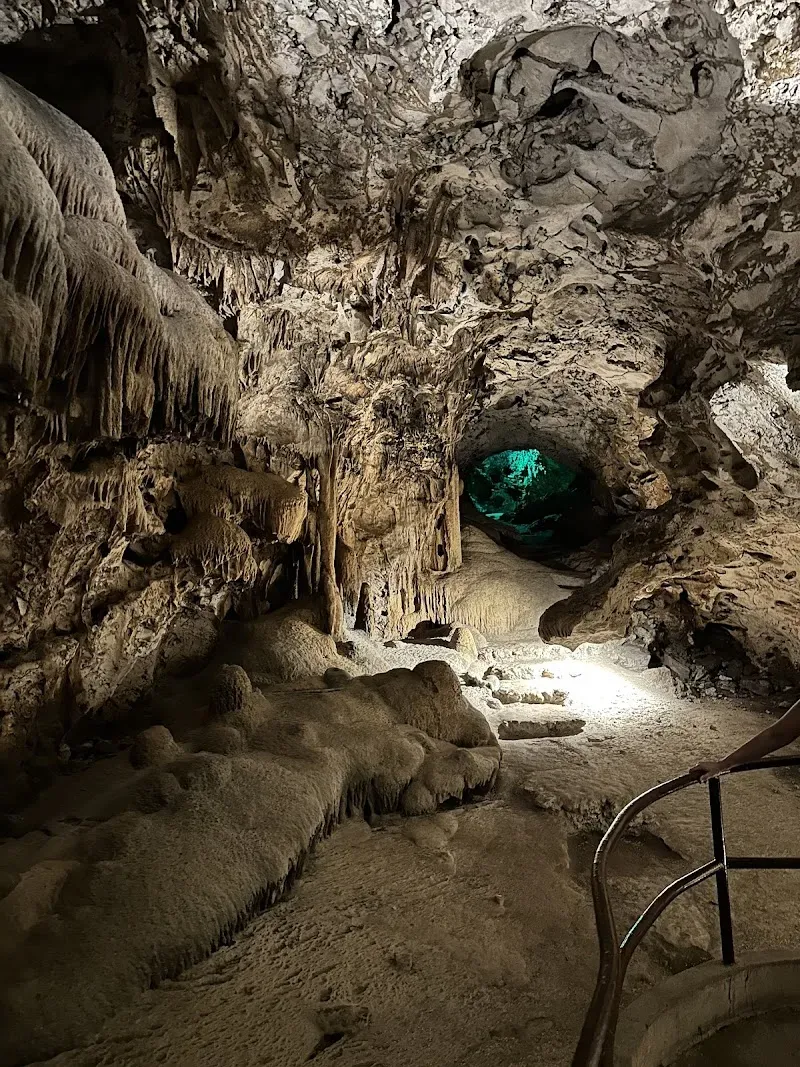
Hato Caves
Hato Caves is a nature attraction on Curaçao. This natural area showcases the lush tropical landscapes and diverse ecosystems that Curaçao is known for. Visitors can explore the local flora and fauna in a serene setting.
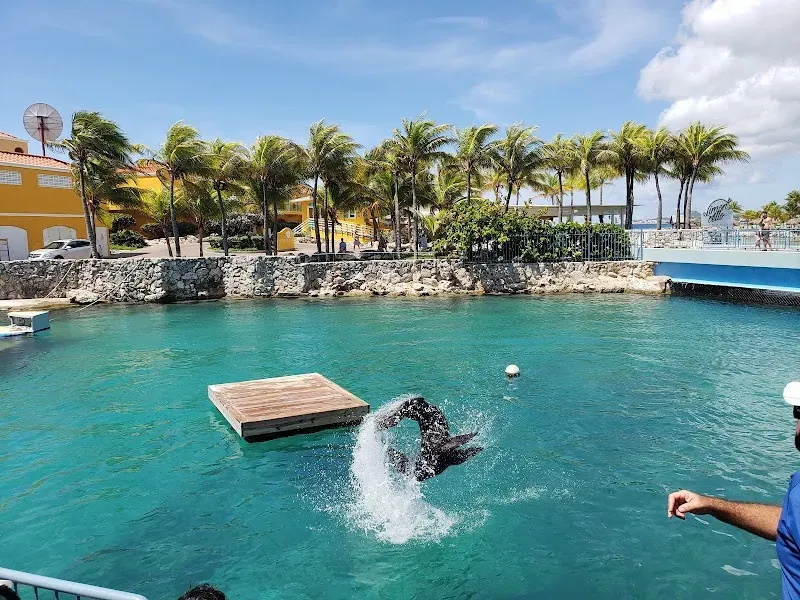
Curaçao Sea Aquarium
Marine museum with live shows featuring dolphins & sea lions, plus shark & stingray experiences.
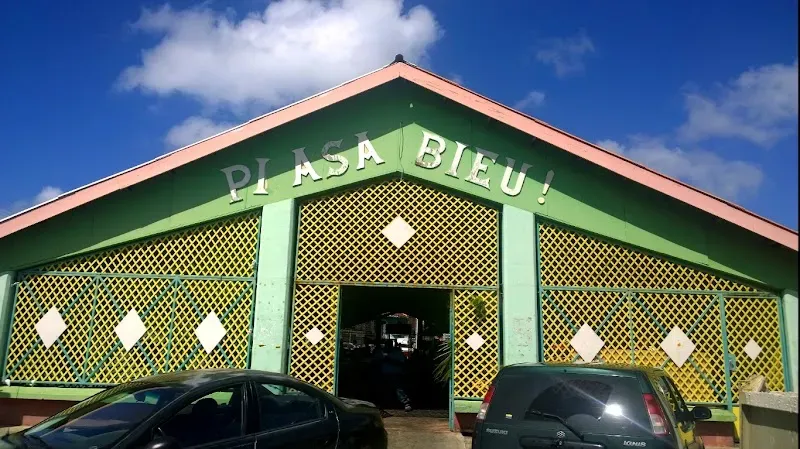
Old Market
Airy, rustic market with picnic tables & counters with open kitchens serving classic Curaçaoan eats.
Hotels in Curaçao
Search for available rates by selecting your travel dates
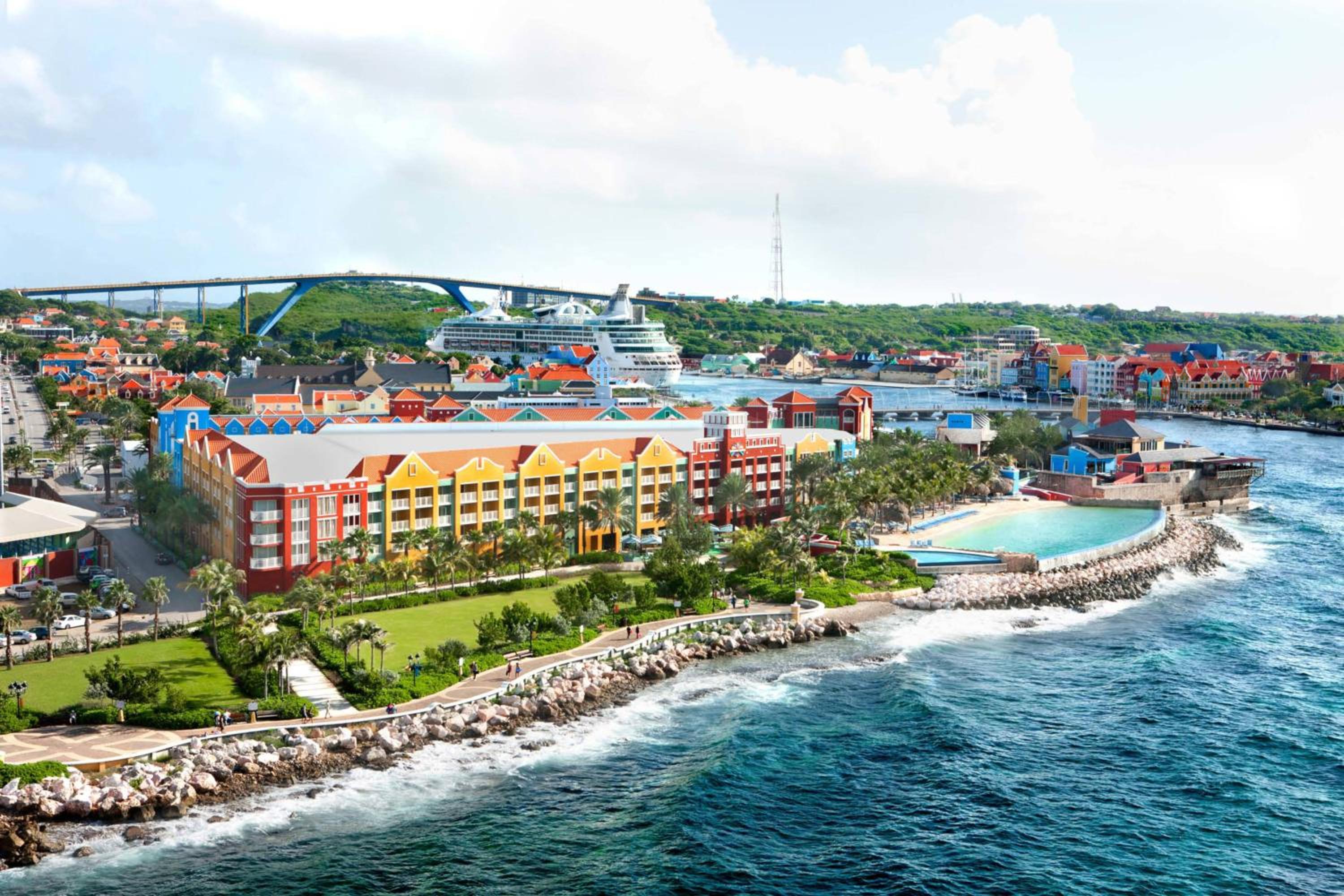
Renaissance Wind Creek Curacao Resort
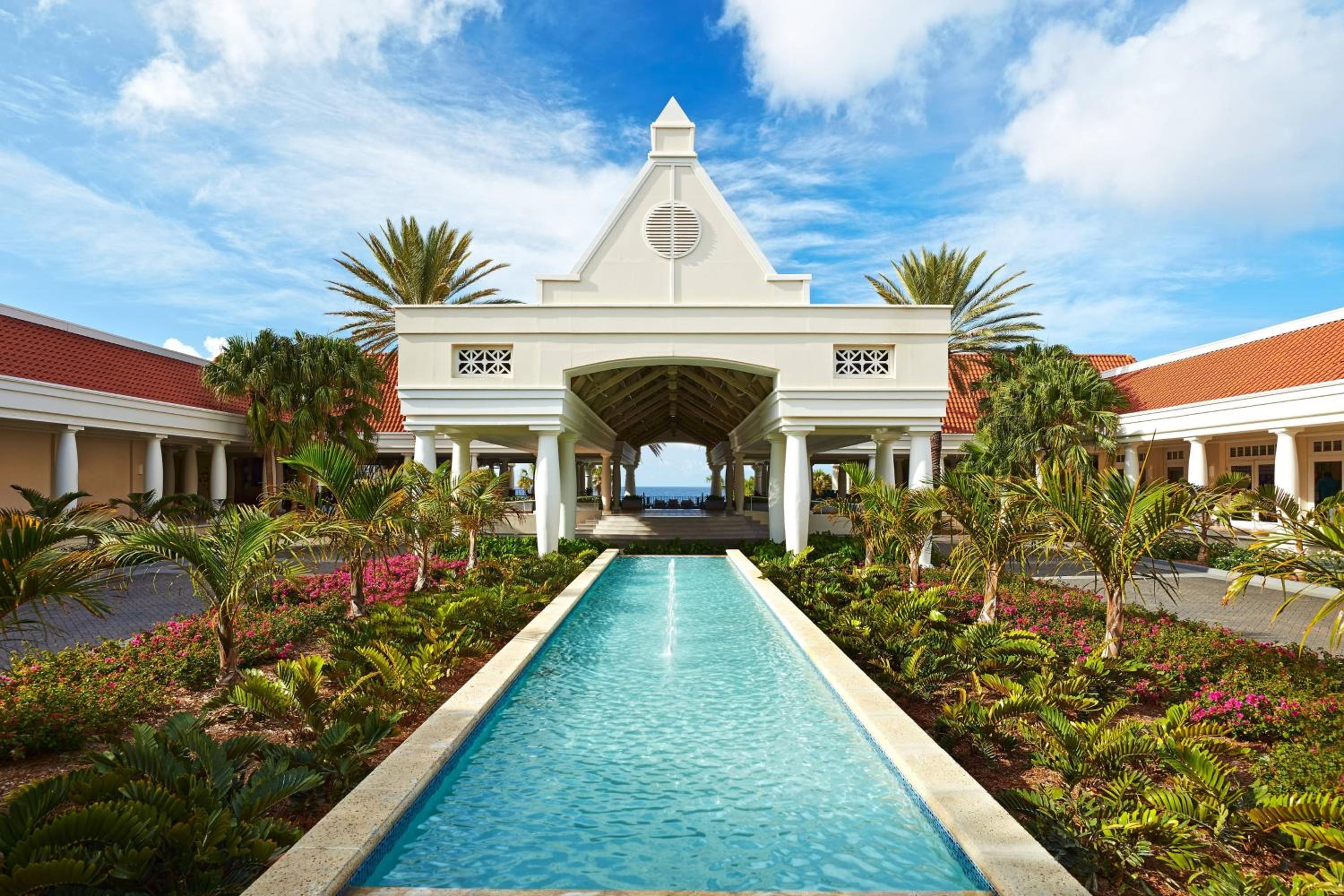
Curaçao Marriott Beach Resort
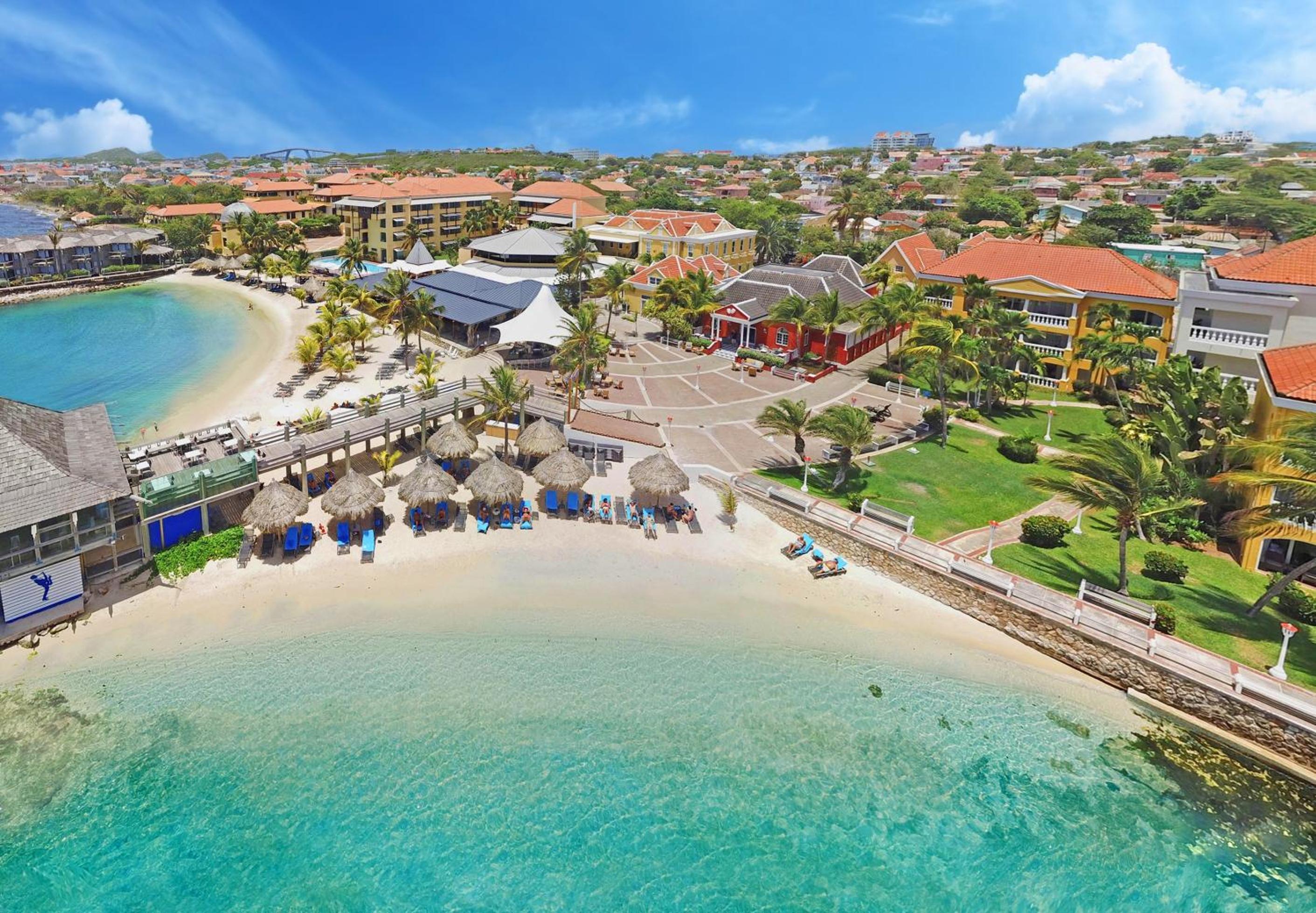
Curacao Avila Beach Hotel
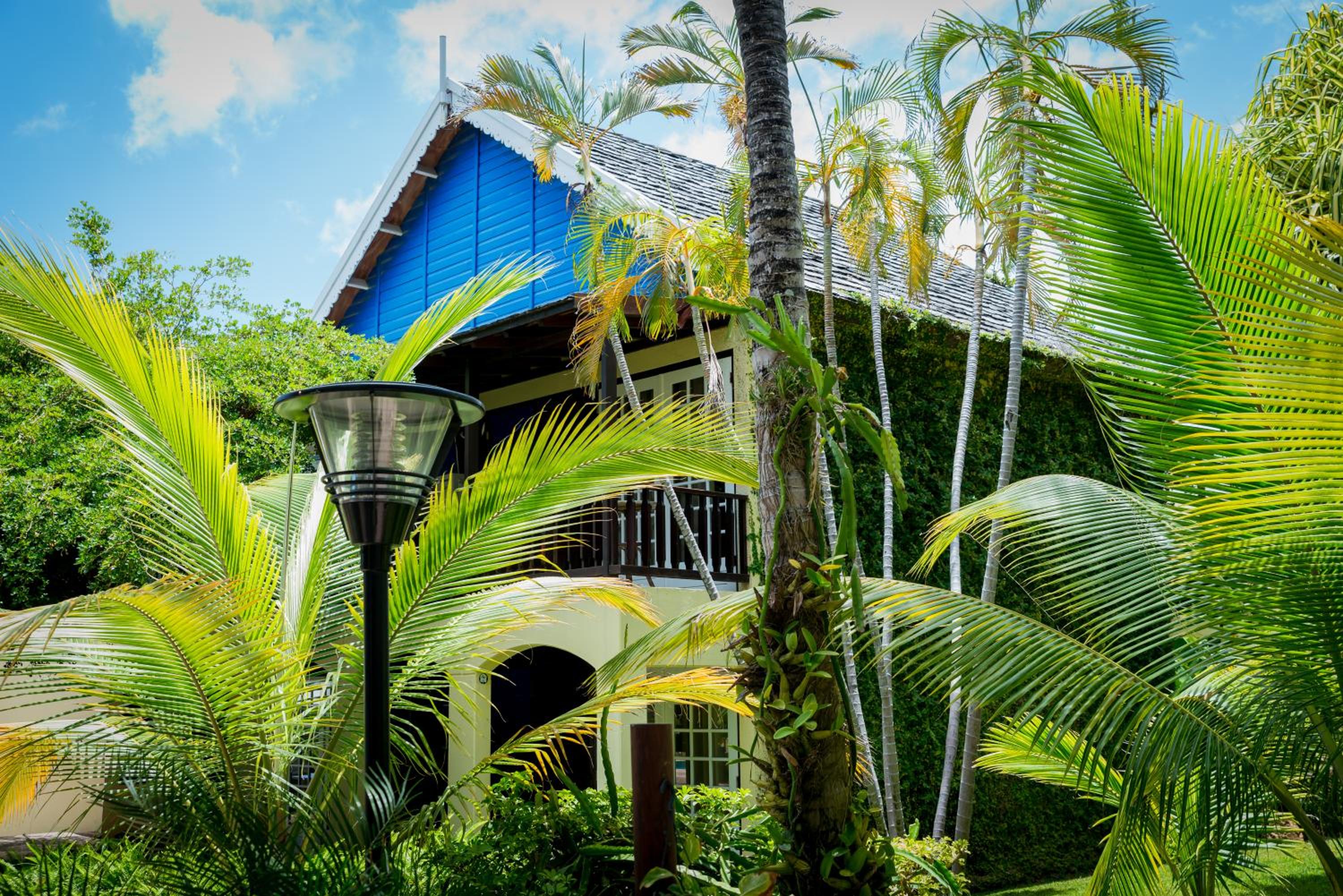
LionsDive Beach Resort
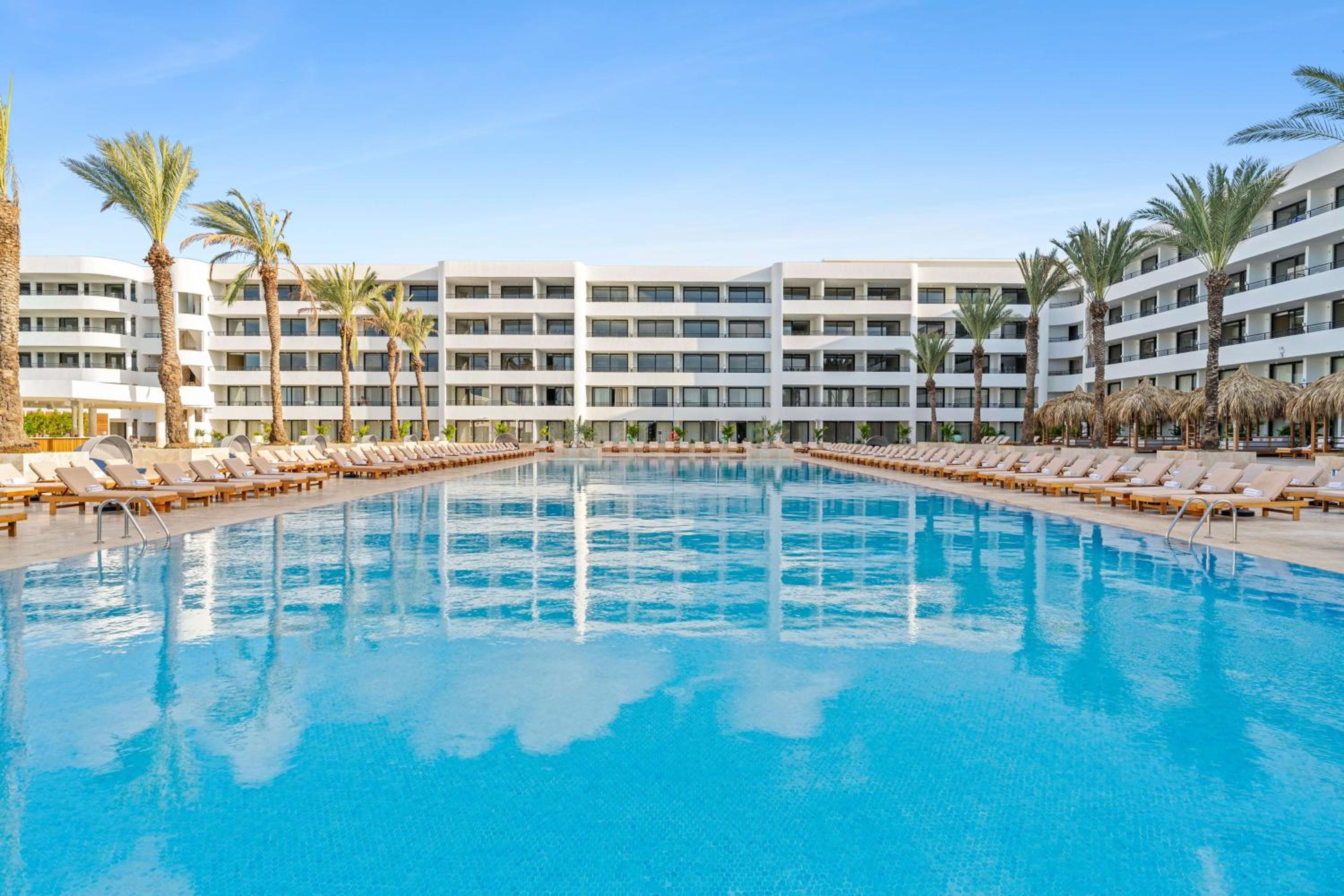
The Rif At Mangrove Beach Corendon Curacao All-Inclusive, Curio by Hilton
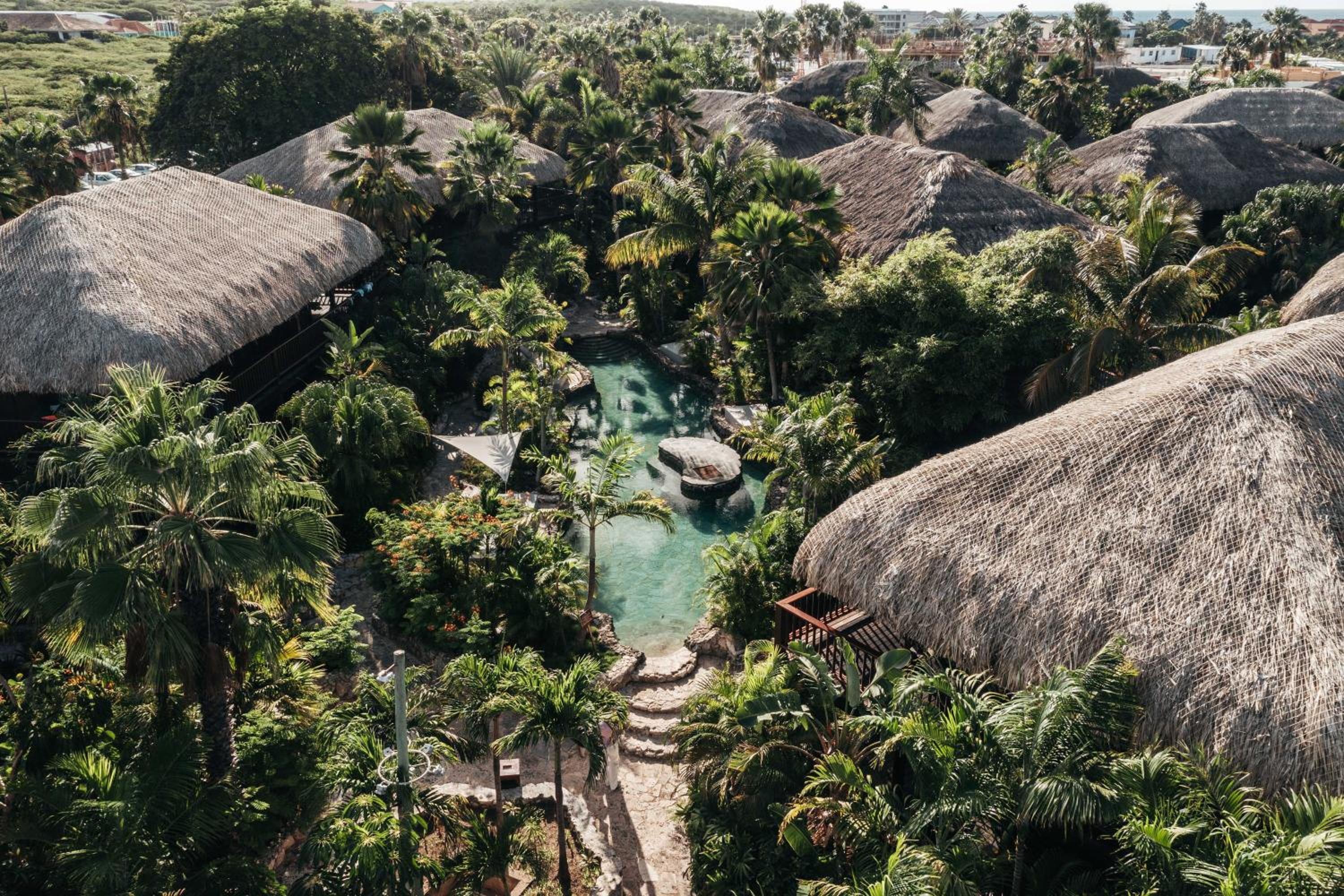
The Kontiki
Top Restaurants in Curaçao
Popular dining spots near Curaçao
No restaurants available for Curaçao yet.
Frequently Asked Questions About Curaçao
Weather in Curaçao
Average Temperature
78°F to 88°F (26°C to 31°C)
Rainy Season
October to December (brief showers)
Hurricane Season
Outside the hurricane belt
Best Time to Visit
Year-round (outside hurricane belt)
Travel Tips
- Curaçao lies outside the hurricane belt, making it a year-round destination
- US dollars are widely accepted, though change may be given in local currency
- Tap water is safe to drink and among the best in the world
- Driving is on the right side of the road
- Learn a few words of Papiamentu, like 'Bon Bini' (Welcome) and 'Danki' (Thank you)
Daily Budget (USD)
Visa Requirements
US, UK, EU, and Canadian citizens need a valid passport. No visa required for stays up to 90 days.
Safety
Curaçao is generally safe. Exercise normal precautions in Willemstad. Avoid swimming alone on secluded beaches. The island is outside the hurricane belt.
Getting Around
Rental cars are the best way to explore. Public buses (Konvoi) run limited routes. Taxis available but expensive. The island is compact and easy to drive.
Popular Activities
Best For
Get Curaçao Travel Tips
Subscribe for curated tips, deals, and inspiration for your Curaçao trip.
Read More About Curaçao
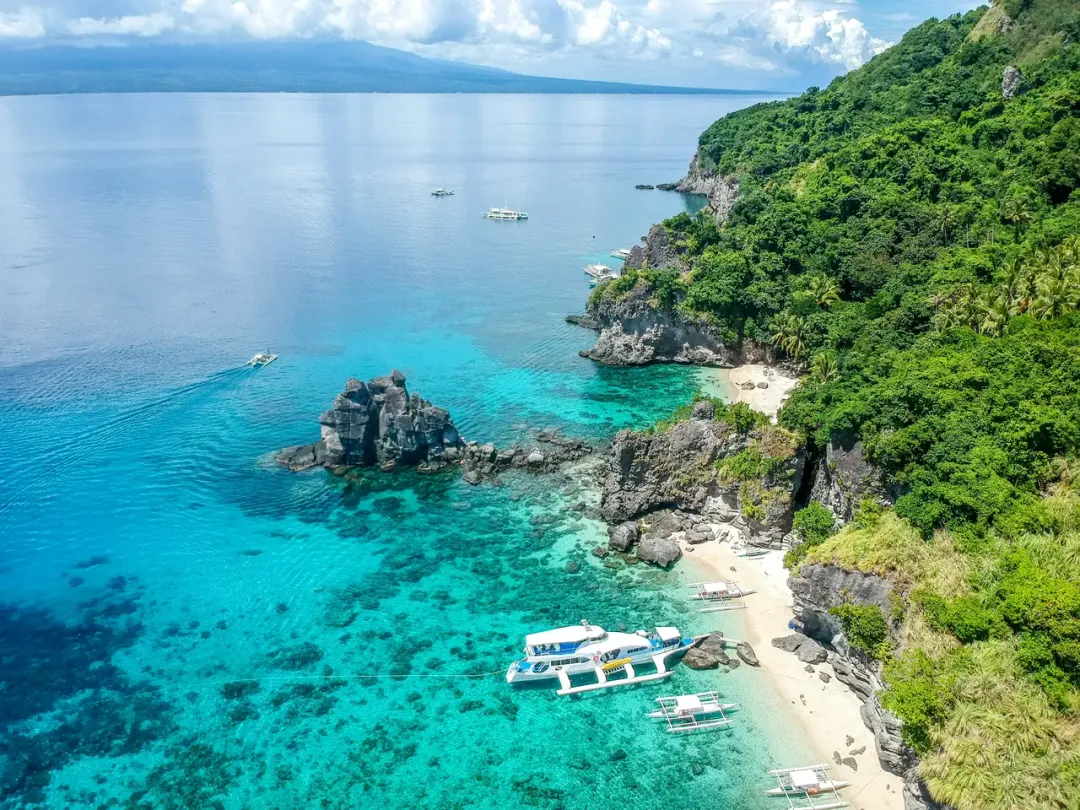
The Ultimate Caribbean Packing Guide for Every Season
Everything you need for beach days, rainforest hikes, and evening outings.
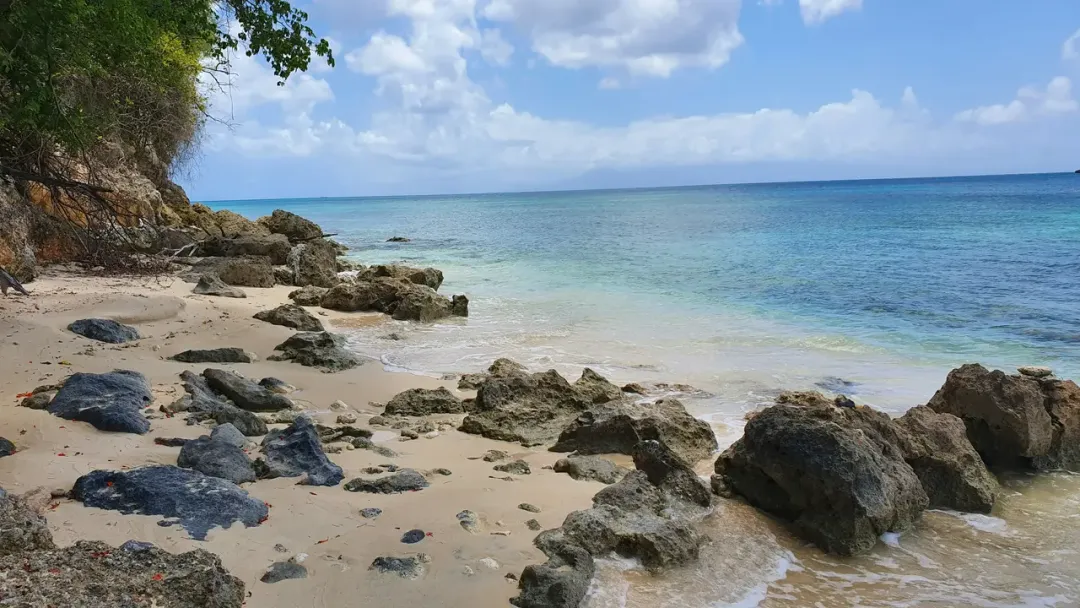
Beyond the Resort: Hidden Gems in the Caribbean
Discover lesser-known treasures and authentic experiences away from the crowds.
Caribbean Festivals: A Year-Round Celebration Guide
From Trinidad's Carnival to Jamaica's Reggae Sumfest, plan your trip around these events.