About Barbados
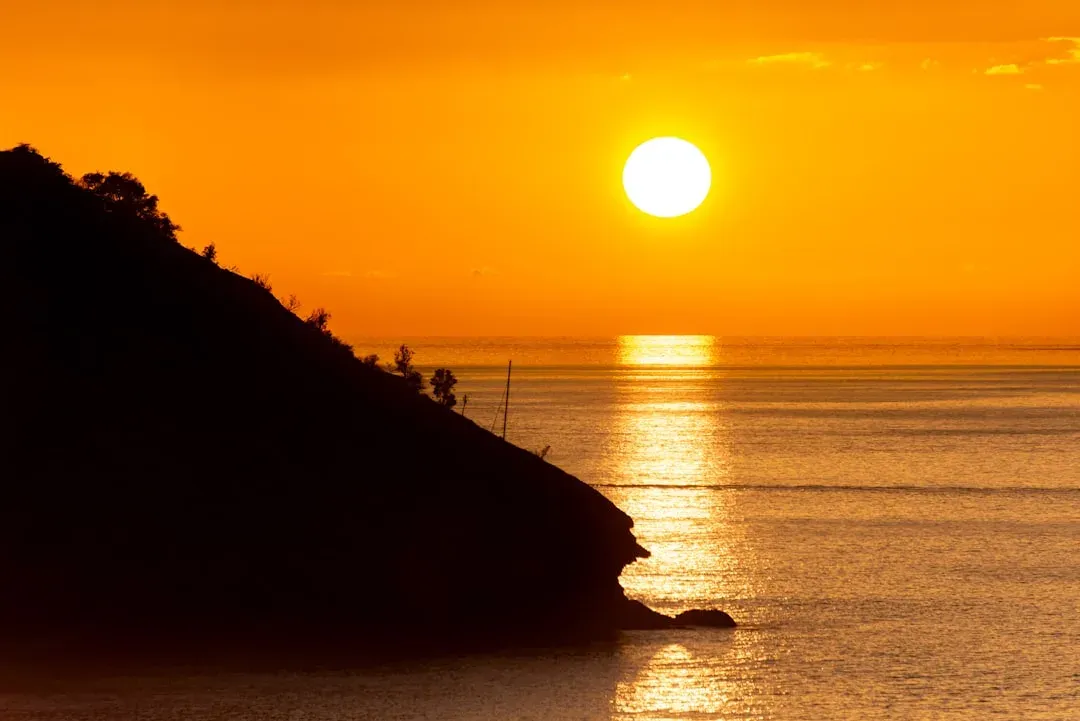
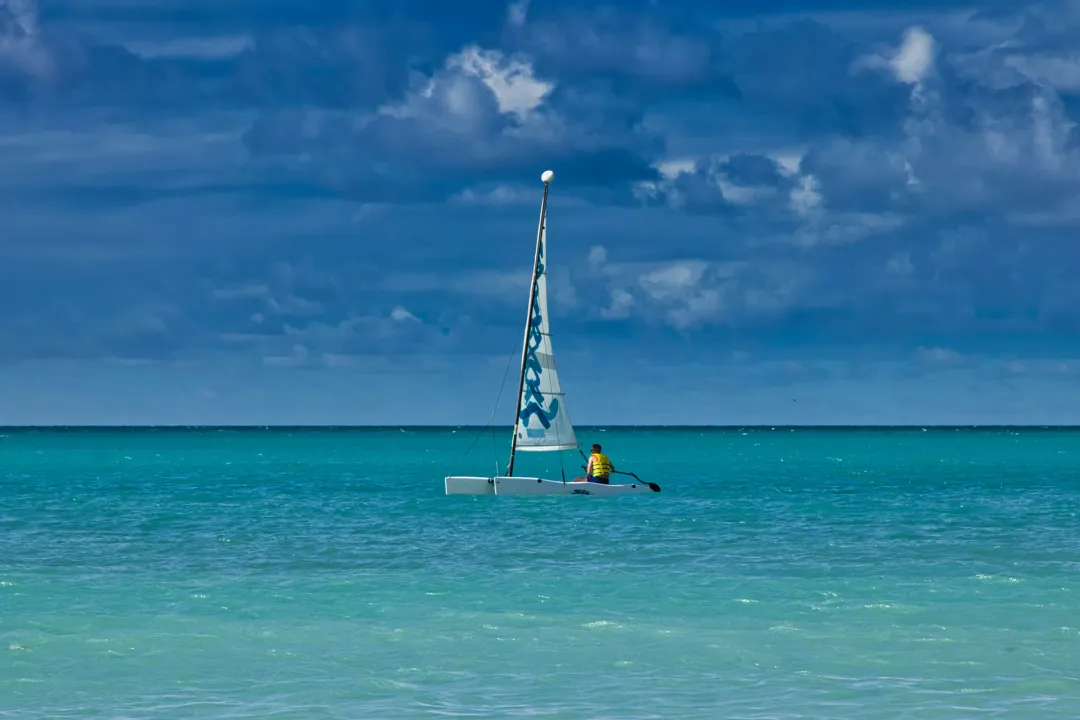
Barbados, the easternmost island in the Caribbean, is a unique blend of British tradition and Caribbean culture. Known as the 'Little England' of the Caribbean, Barbados boasts a rich colonial history evident in its architecture, afternoon tea traditions, and passion for cricket. Beyond its cultural heritage, the island is blessed with stunning natural beauty, from the calm, turquoise waters of the west coast to the dramatic, surf-worthy Atlantic waves of the east. Barbados is also famous for its rum production, with Mount Gay Rum being the oldest rum brand in the world. The island's friendly locals, known as Bajans, are known for their warm hospitality and vibrant culture.
Size
166 sq mi (430 km²)
Population
287,000
Language
English, Bajan Creole
Currency
Barbadian Dollar (BBD)
Time Zone
UTC-4 (Atlantic Time)
Best Time to Visit
December to April
Highlights
Best Things to Do in Barbados
Barbados packs a surprising amount of variety into just 166 square miles, and the best approach is to treat it as three distinct islands. Start underground at Harrison's Cave in the central parish of St. Thomas, where a tram glides through a crystallized limestone cavern system stretching over a mile and a half, past stalactites, stalagmites, and subterranean streams that pool into emerald-green lakes. Book the first morning tour to beat the cruise ship crowds, and if you want more than the standard tram ride, the adventure pass includes a zip line course and a Mount Gay rum tasting right on the property.
From the cave, it is a short drive east to Bathsheba, where the Atlantic crashes against mushroom-shaped boulders that have become the most photographed scene on the island. The Soup Bowl break here is world-class, drawing competitive surfers from October through March when north swells push waves to twelve feet, but even non-surfers should walk the coastal trail and stop for lunch at the Roundhouse, perched above the spray.
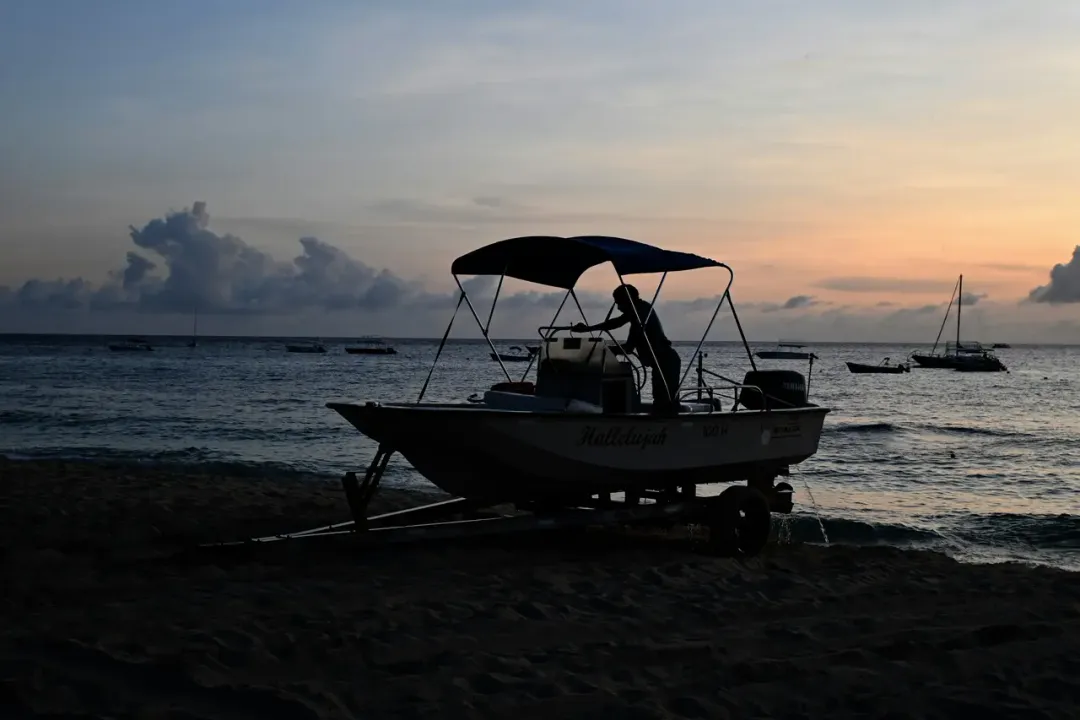
On the calm Caribbean side, the west coast catamaran cruises are the single best half-day you can spend. Operators like Cool Runnings and El Tigre sail from Bridgetown south along the Platinum Coast, stopping at Carlisle Bay where you snorkel over six sunken shipwrecks and swim alongside hawksbill and green turtles in shallow, gin-clear water. Lunch, rum punch, and snorkel gear are included on the five-hour sailings.
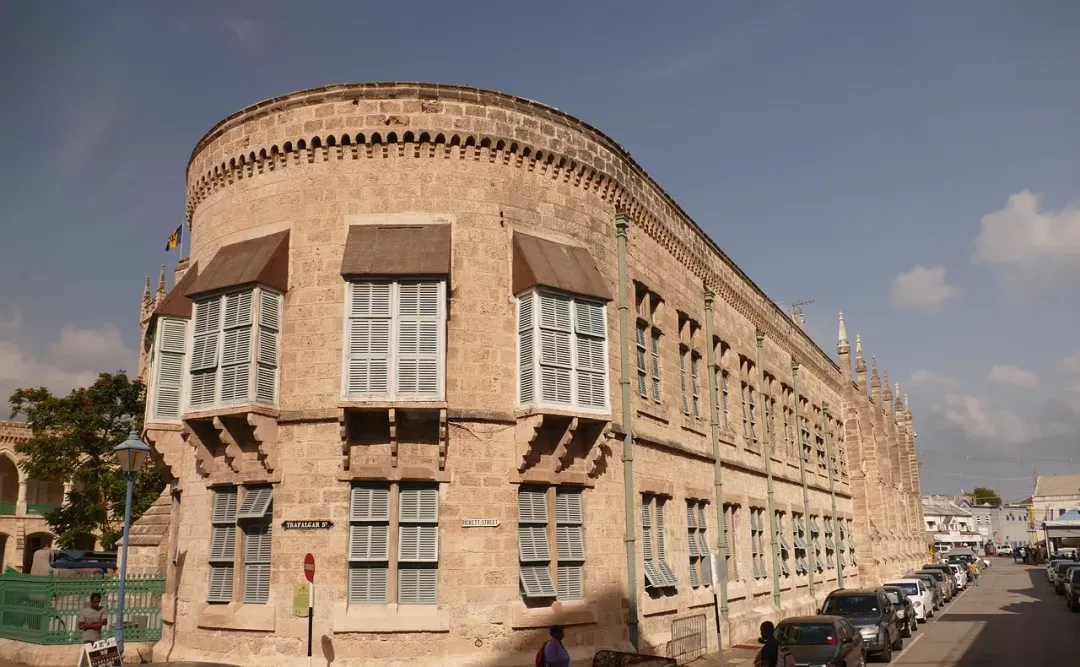
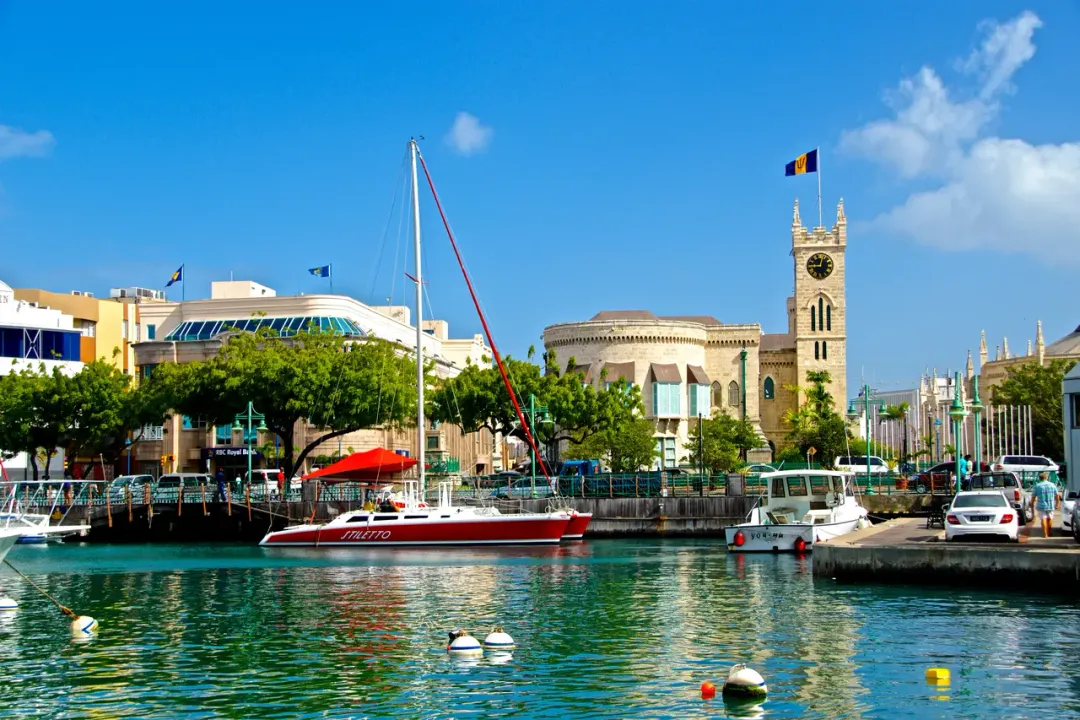
Downtown Bridgetown itself deserves more than a quick pass. The UNESCO World Heritage Site encompasses over 115 landmark buildings from the seventeenth through nineteenth centuries, including the Garrison Savannah, one of the oldest racetracks in the Americas, and the beautifully restored Nidhe Israel Synagogue, dating to 1654. Walk Broad Street, cut through the Careenage waterfront, and you will feel the layers of colonial and post-colonial history in every coral-stone facade.
No visit is complete without a proper rum education. Mount Gay, distilling since 1703 and the oldest commercial rum brand on Earth, offers tastings and cocktail workshops at its St. Lucy headquarters. St. Nicholas Abbey pairs its rum with a tour of a Jacobean plantation house built in 1658, one of only three surviving in the Western Hemisphere. Foursquare, run by fourth-generation distiller Richard Seale, is the connoisseur's pilgrimage in St. Philip, producing single-barrel releases that rival aged scotch. Space out the distillery visits, pair them with a beach day, and let the rum culture sink in slowly, the way Bajans intended.
Harrison's Cave Eco-Adventure Park
Ride a tram through a spectacular crystallized limestone cavern with underground streams and waterfalls in the central highlands of St. Thomas. Arrive early to avoid cruise ship groups, and consider the adventure pass for the zip line and rum tasting on-site.
Catamaran Cruise with Turtle Snorkeling
Sail the calm west coast on a five-hour catamaran cruise that stops at Carlisle Bay, where you swim with hawksbill turtles and snorkel over six shipwrecks. Lunch, rum punch, and gear are included with most operators.
Surfing at Bathsheba's Soup Bowl
Paddle out at the island's premier Atlantic surf break, where north swells from October to March produce powerful right-hand reef waves reaching twelve feet. Best at low to mid-tide, this spot suits intermediate to advanced surfers.
Mount Gay Rum Distillery Tour
Visit the world's oldest commercial rum distillery in St. Lucy for a guided walkthrough of the aging warehouses, followed by a premium tasting flight and cocktail workshop. Book the signature experience for small-group access.
Oistins Fish Fry
Join the legendary Friday night open-air food market in the south coast fishing village of Oistins. Arrive by 6:30 pm to grab grilled marlin, flying fish, and lobster from vendors like Uncle George's before the crowds peak.
Historic Bridgetown and Garrison Walking Tour
Explore the UNESCO World Heritage Site encompassing over 115 landmark buildings, the seventeenth-century Nidhe Israel Synagogue, the Careenage waterfront, and the Garrison Savannah, one of the oldest racetracks in the Americas.
St. Nicholas Abbey Plantation and Distillery
Tour a rare 1658 Jacobean great house set among mahogany forests in St. Peter, then sample estate-grown rum and ride the heritage steam railway through sugarcane fields down to Cherry Tree Hill lookout.
Rum Shop Crawl
Hop between a few of the island's thousand-plus rum shops, the community social hubs where Bajans gather for dominoes, cricket debate, and shots of Mount Gay over the counter. Try fish cakes and pudding and souse alongside your pour.
Where to Stay in Barbados
The west coast, known locally as the Platinum Coast, is where the money lives. This Caribbean-facing strip from Holetown north to Speightstown offers mirror-flat water, powdery sand, and resorts that cater to honeymooners and luxury seekers. The Colony Club is reopening in 2025 as part of Marriott's Luxury Collection with swim-up rooms starting around $515 per night. The Blue Monkey Hotel and Beach Club, a boutique newcomer on the Platinum Coast, brings a Lebanese-inflected restaurant called Amara and a rooftop sunset lounge. Expect west coast accommodation to run $400 to $800-plus a night in high season for anything upscale, though smaller guesthouses in Speightstown can dip below $200.
The south coast is where most visitors land, and for good reason. The stretch from Hastings through Rockley to St. Lawrence Gap is packed with restaurants, nightlife, and mid-range hotels within walking distance of beaches that have just enough wave action to keep things interesting. The Rockley, a recent opening, starts at around $250 a night and puts you within striking distance of both Oistins and the Bridgetown UNESCO zone. Hotel Indigo Bridgetown opens in early 2026 with 132 rooms, a rooftop bar, and rates from about $480, adding a polished urban option to the south coast.
The east coast is a different world entirely. Bathsheba and the surrounding parishes of St. Joseph and St. Andrew have a handful of intimate guesthouses and eco-lodges where you wake to the sound of the Atlantic rather than a pool DJ. This is the coast for surfers, writers, and anyone who wants Barbados at its rawest. Accommodation here is limited but affordable, often under $150 a night, and you will need a car to reach the rest of the island.
Where to Eat in Barbados
Eating in Barbados means navigating two parallel worlds: the polished west coast dining rooms and the street-level Bajan food culture that is frankly more interesting. Start with the national dish, cou-cou and flying fish. Cou-cou is a savory cornmeal-and-okra preparation similar to polenta, served alongside steamed or fried flying fish draped in a tomato-based creole sauce. You will find it at nearly every local restaurant, but the roadside vendors and rum shops serve it with the most character.
The Oistins Fish Fry is non-negotiable. Every Friday evening, this south coast fishing village erupts into an open-air festival where dozens of vendors grill marlin, tuna, mahi-mahi, swordfish, and lobster over charcoal pits while sound systems blast soca and calypso. Get there by 6:30 pm, head straight to Pat's Place or Uncle George's stall, and eat standing up with a Banks beer in hand. Saturday nights are good too, with smaller crowds and the same quality. Bring cash, as not all stalls take cards.
For fine dining, The Cliff on the west coast is the flagship, set on a coral bluff with underwater-lit seas beneath your table and menus crafted by Michelin-starred chef Matt Worswick. The Tides in Holetown occupies a restored coral-stone house shaded by mahogany trees, with the Caribbean lapping at its open frontage, excellent for a long seafood lunch. Champers, technically on the south coast near Rockley, bridges both worlds with ocean-view terrace dining and Caribbean-inflected plates that rely on local ingredients without the Platinum Coast price tag. Reserve well ahead for all three during December through April.
Between meals, duck into a rum shop. There are over a thousand scattered across every parish, humble counters where Bajans play dominoes, debate cricket, and drink Mount Gay neat. Order a fish cutter, the island's signature sandwich of fried flying fish on a salt bread roll, and you are having lunch for under five dollars.
Best Time to Visit Barbados
Barbados sits farther east and slightly farther south than most Caribbean islands, which places it outside the main hurricane corridor. Direct hits are rare, occurring roughly once every twenty years, making it one of the safest bets in the region during the June-to-November storm season. The dry season from December through April delivers consistent sunshine, calm seas on the west coast, and temperatures between 75 and 85 degrees Fahrenheit, but this is also peak season with the highest prices and heaviest crowds.
The sweet spot for value is late April through June, when rates drop significantly, the weather remains excellent, and the island feels noticeably quieter. Surfers should aim for October through March, when north Atlantic swells push Bathsheba's Soup Bowl to its best, with wave faces reaching twelve feet on big days.
If you want to experience Crop Over, the island's biggest cultural event and one of the Caribbean's premier carnival celebrations, plan for late July through the first week of August. Hotel rates spike for Crop Over week, but the energy is unmatched.
The shoulder months of May, June, and November offer the best balance of pleasant weather, lower prices, and fewer tourists, making them ideal for travelers who want the real Barbados without the high-season premium.
Getting Around Barbados
Reggae buses (ZR vans) and public buses are cheap and frequent. Taxis available but unmetered - agree on fares in advance. Rental cars drive on the left.
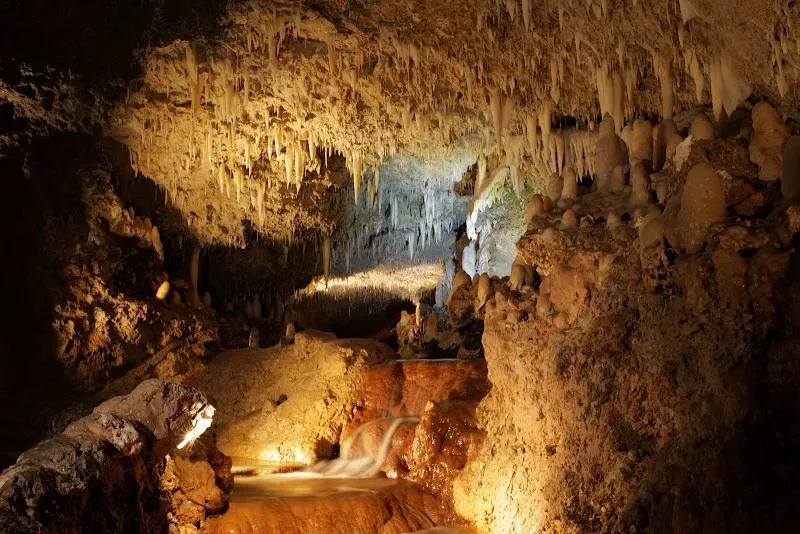
Harrison's Cave Eco-Adventure Park
Harrison's Cave Eco-Adventure Park is a nature attraction on Barbados. This natural area showcases the lush tropical landscapes and diverse ecosystems that Barbados is known for. Visitors can explore the local flora and fauna in a serene setting.
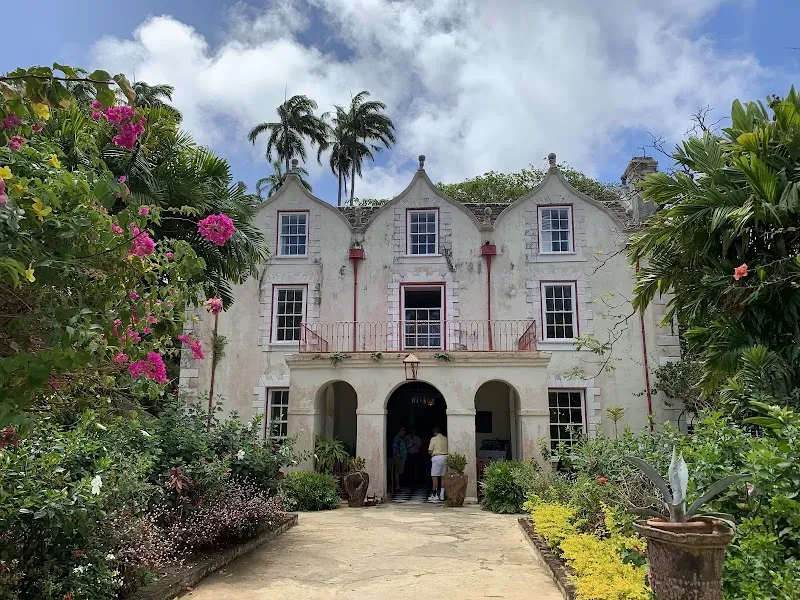
St. Nicholas Abbey and Steam Railway
One of only three genuine Jacobean mansions surviving in the western hemisphere, built circa 1658 on a working sugar plantation in Saint Peter. The estate's small copper pot still produces a sought-after single-estate rum sold exclusively on site, and a vintage steam railway carries visitors through the cane fields to the distillery. Tours of the great house include original slave-era artefacts, a rum film show, and tastings of the premium estate bottlings.
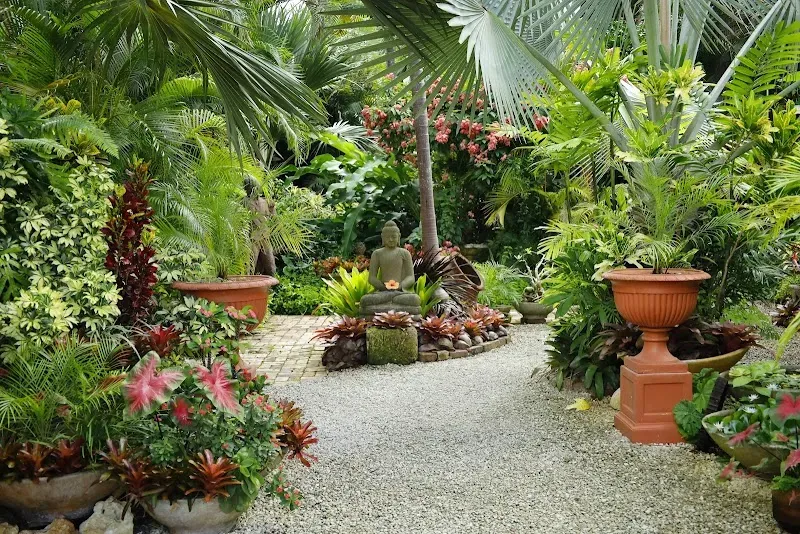
Hunte's Gardens
Hunte's Gardens is a nature attraction on Barbados. This natural area showcases the lush tropical landscapes and diverse ecosystems that Barbados is known for. Visitors can explore the local flora and fauna in a serene setting.
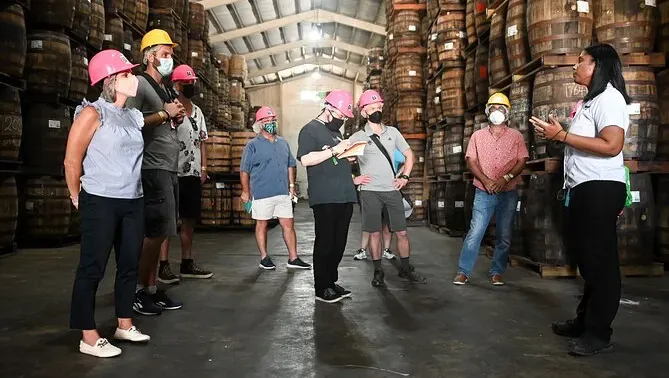
Mount Gay Rum Distillery
The world's oldest commercial rum producer, founded in 1703, at the heart of Barbados' rum heritage. The St. Lucy estate tour traces three centuries of rum-making history through vintage copper pot stills, aging warehouses filled with charred oak barrels, and an immersive tasting bar. Signature pours include the iconic Eclipse, the rich Black Barrel, and limited single-estate cask editions.
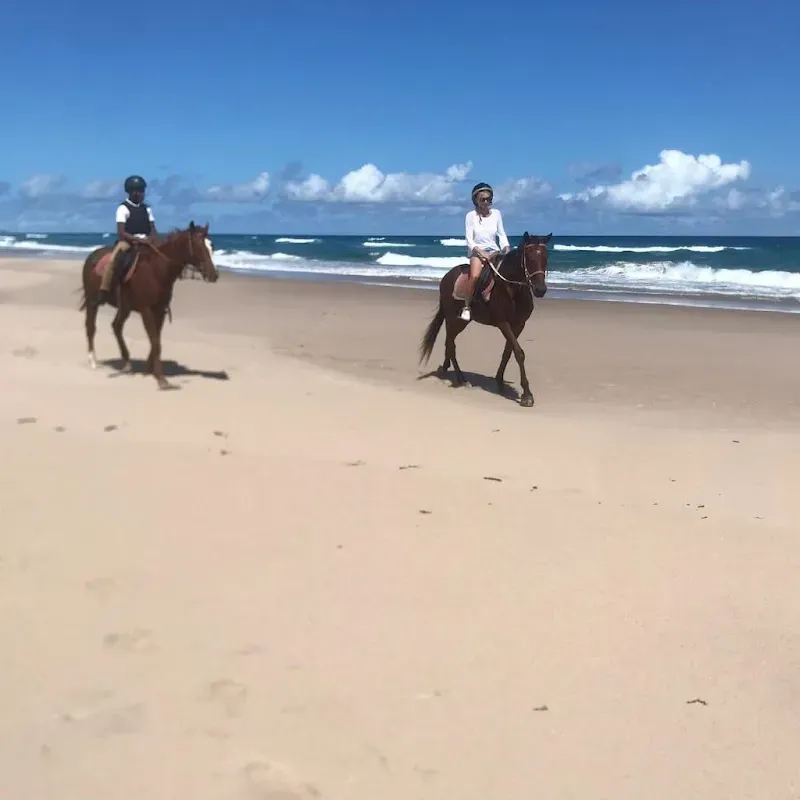
Nature Fun Ranch
Nature Fun Ranch is a nature attraction on Barbados. This natural area showcases the lush tropical landscapes and diverse ecosystems that Barbados is known for. Visitors can explore the local flora and fauna in a serene setting.
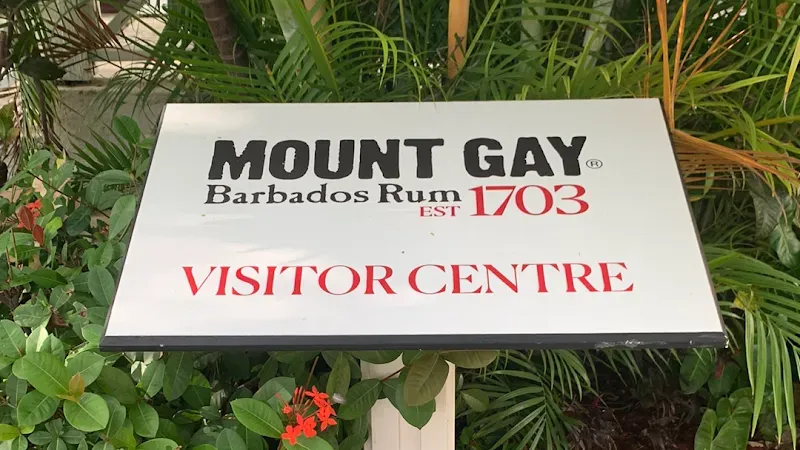
Mount Gay Visitors' Centre
Mount Gay Visitors' Centre is a nature attraction on Barbados. This natural area showcases the lush tropical landscapes and diverse ecosystems that Barbados is known for. Visitors can explore the local flora and fauna in a serene setting.
Hotels in Barbados
Search for available rates by selecting your travel dates
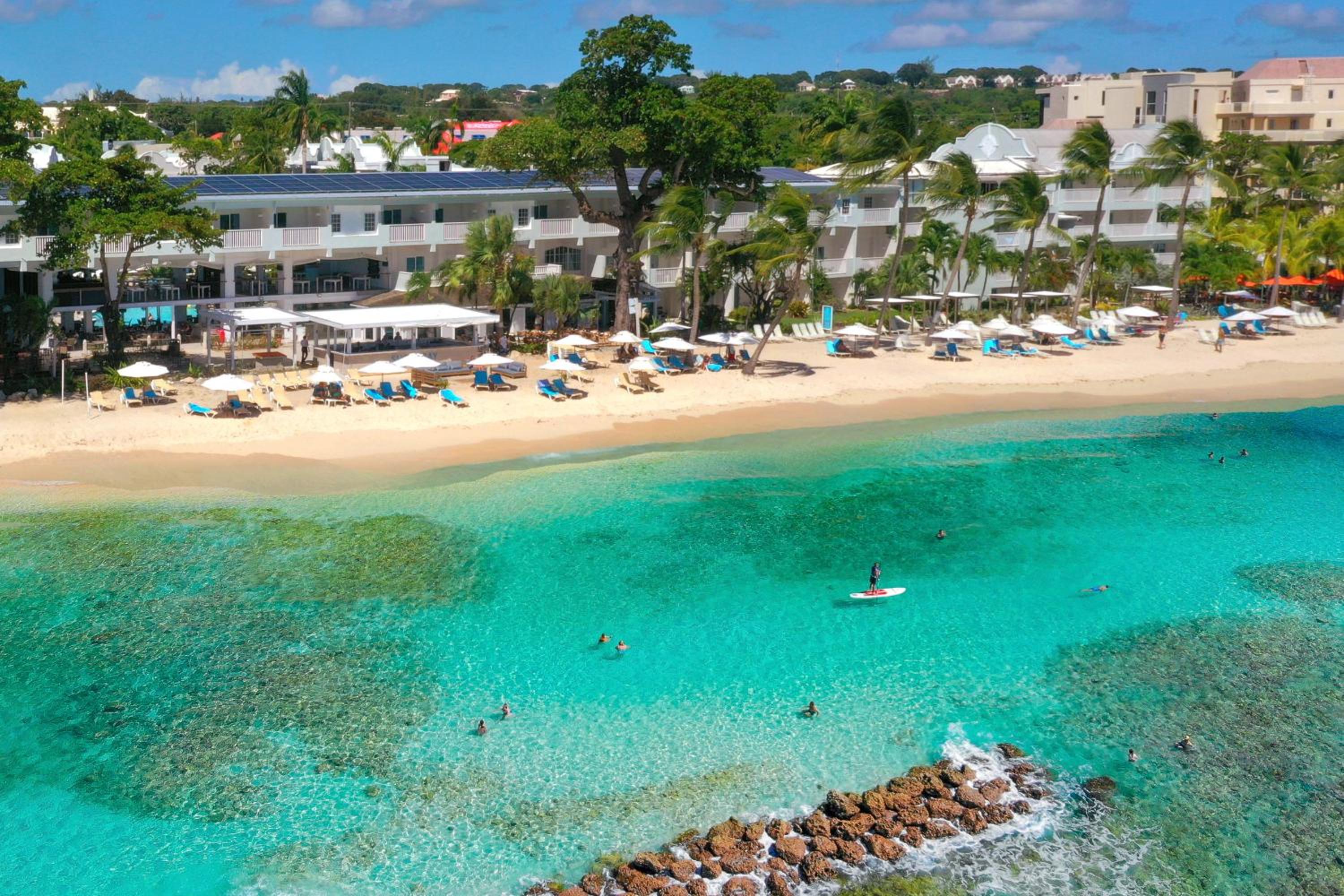
Sugar Bay Barbados - All Inclusive
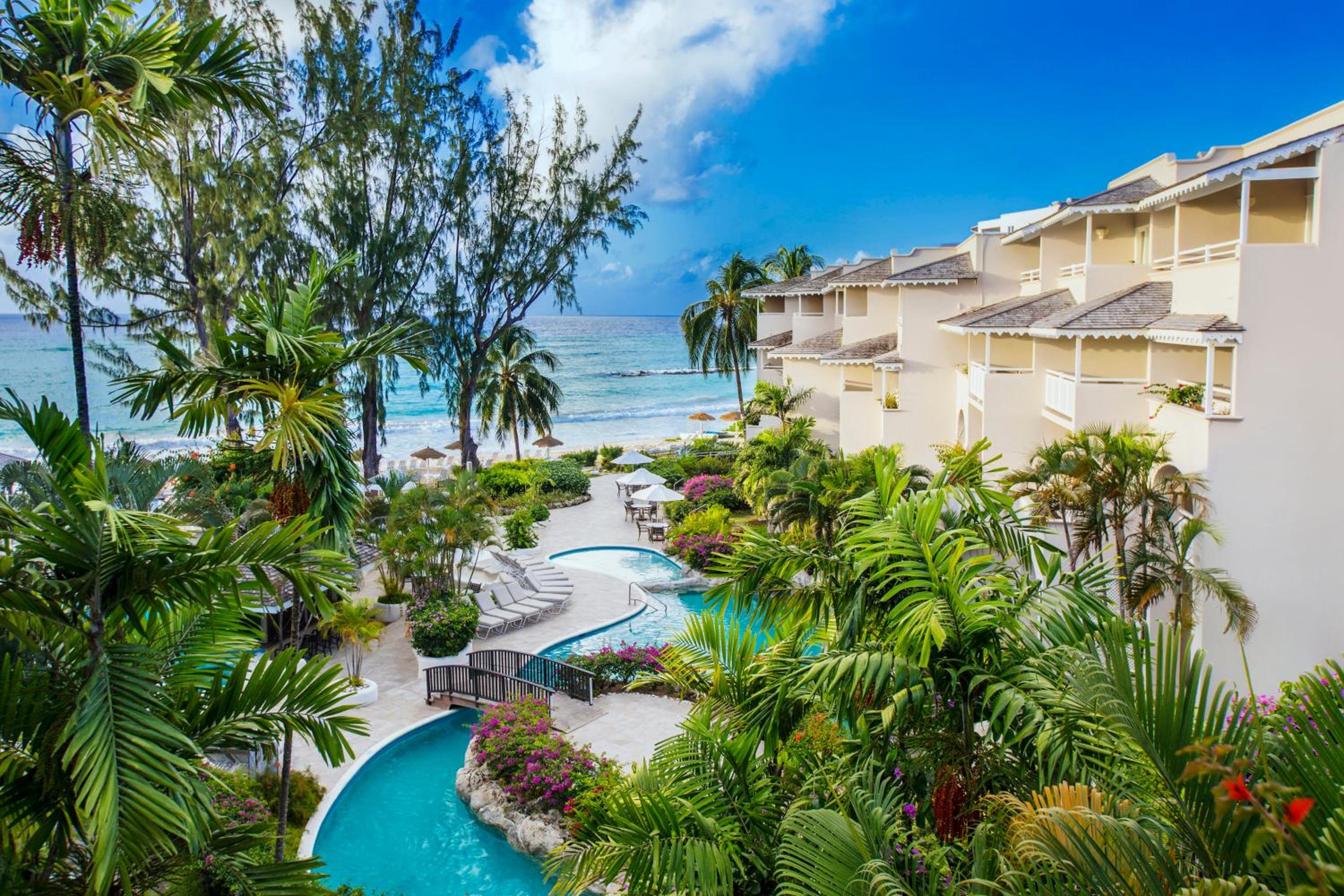
Bougainvillea Barbados
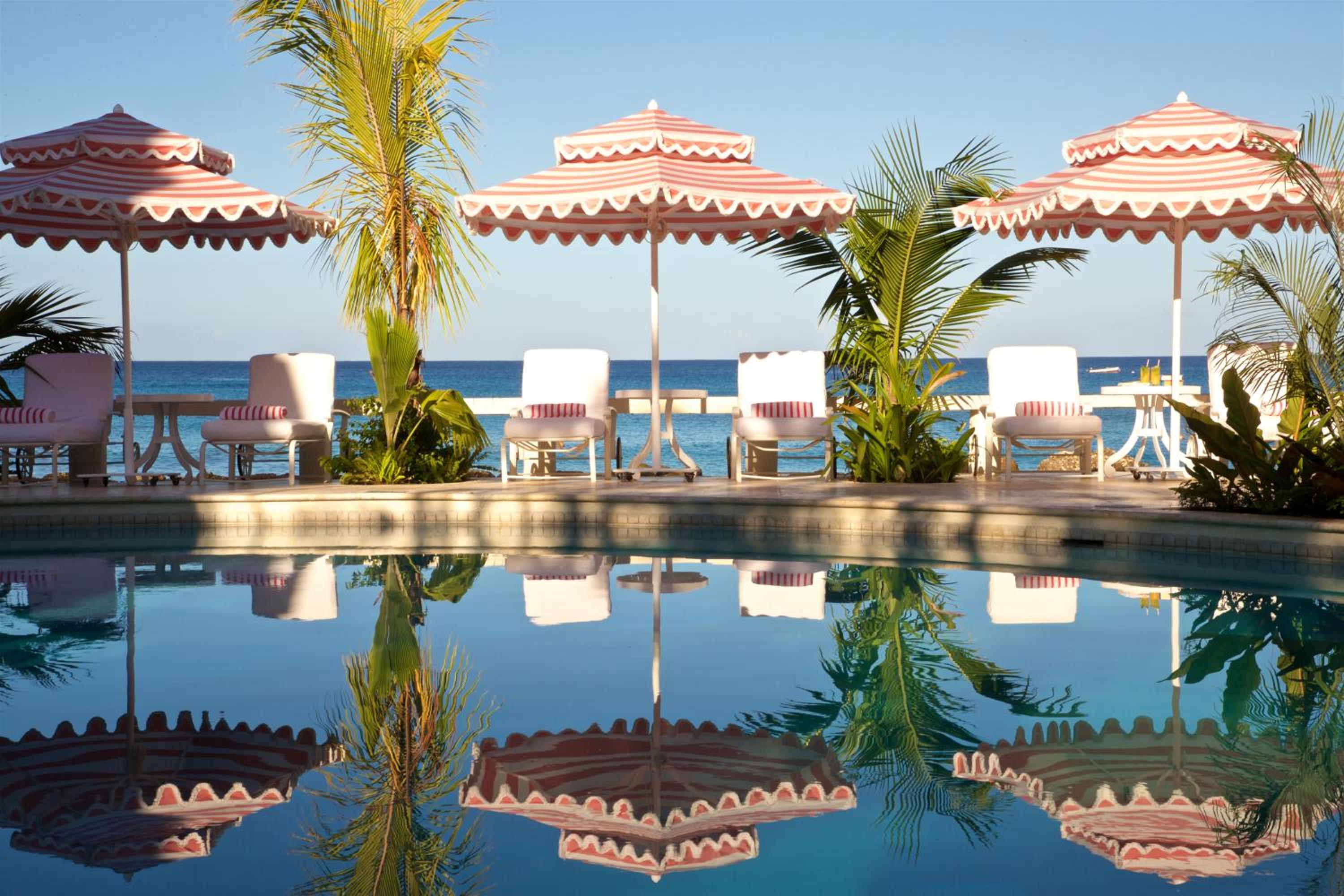
Cobblers Cove - Barbados
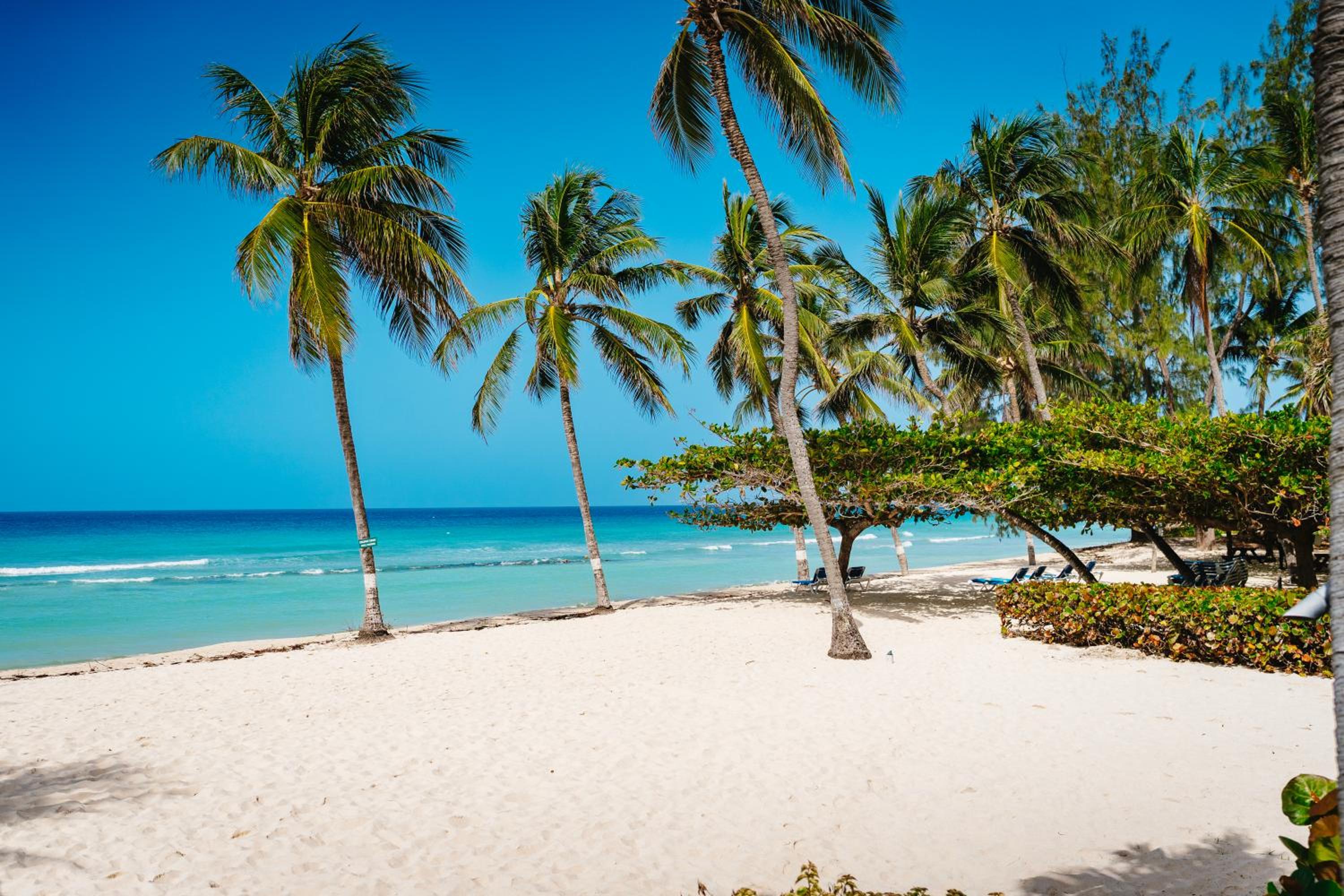
Coconut Court Beach Hotel
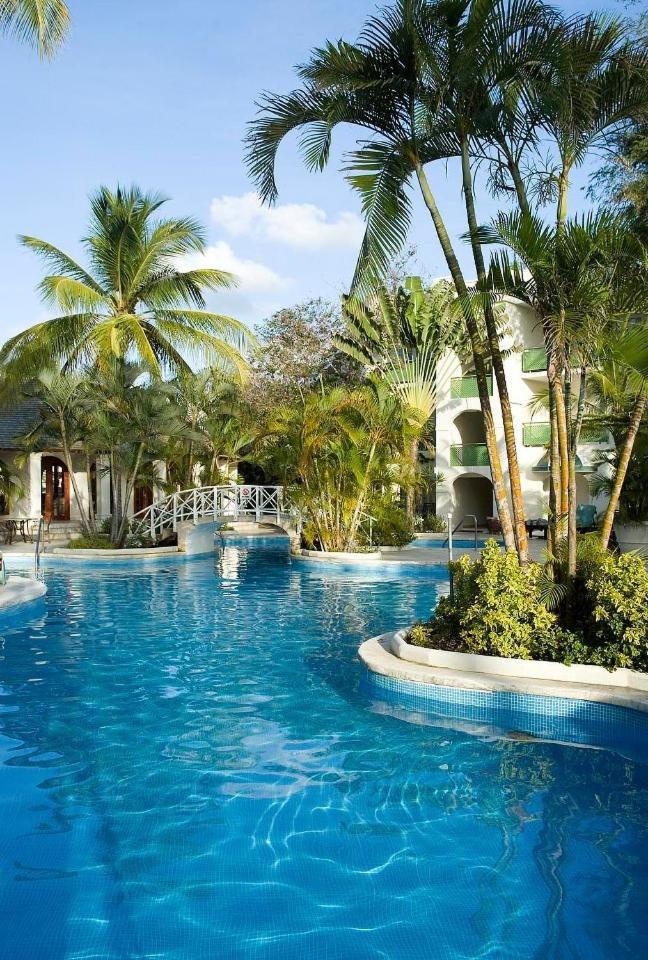 0
0Mango Bay All Inclusive
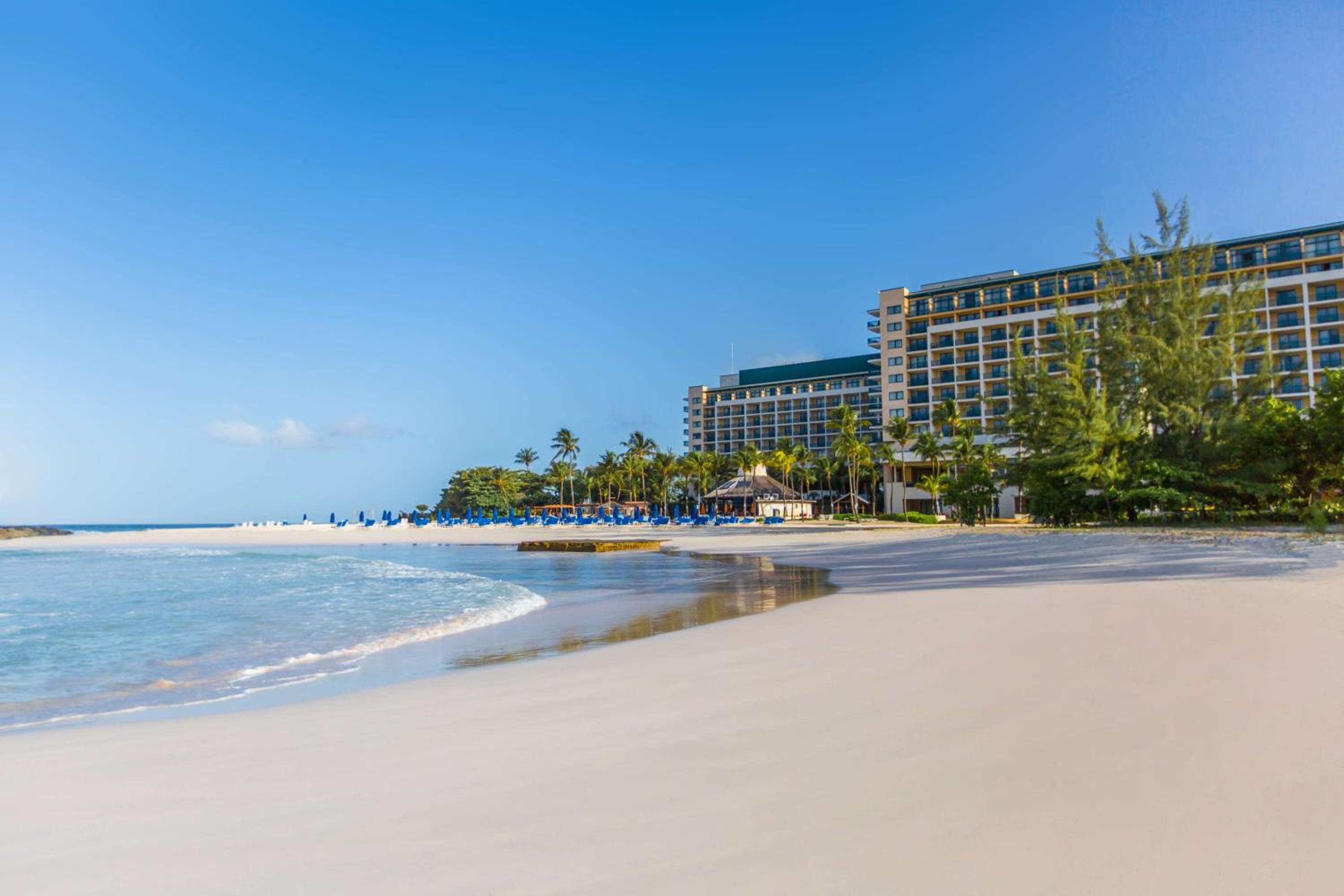
Hilton Barbados Resort
Top Restaurants in Barbados
Popular dining spots near Barbados

Oistins Fish Fry
Famous open-air fish market and grill on the south coast.

Champers Restaurant
Upscale waterfront dining with Caribbean-international fusion.
Frequently Asked Questions About Barbados
Weather in Barbados
Average Temperature
75°F to 85°F (24°C to 29°C)
Rainy Season
June to November
Hurricane Season
June to November
Best Time to Visit
December to April
Travel Tips
- The Barbadian dollar is pegged to the US dollar at a rate of 2:1
- Driving is on the left side of the road
- Public transportation is reliable and affordable
- Dress modestly when not at the beach
- Try the national dish, flying fish and cou-cou
Daily Budget (USD)
Visa Requirements
US, UK, EU, and Canadian citizens need a valid passport. No visa required for stays up to 6 months.
Safety
Barbados is one of the safest Caribbean islands. Standard beach safety precautions apply. Avoid isolated areas at night in Bridgetown.
Getting Around
Reggae buses (ZR vans) and public buses are cheap and frequent. Taxis available but unmetered - agree on fares in advance. Rental cars drive on the left.
Popular Activities
Best For
Get Barbados Travel Tips
Subscribe for curated tips, deals, and inspiration for your Barbados trip.
Read More About Barbados
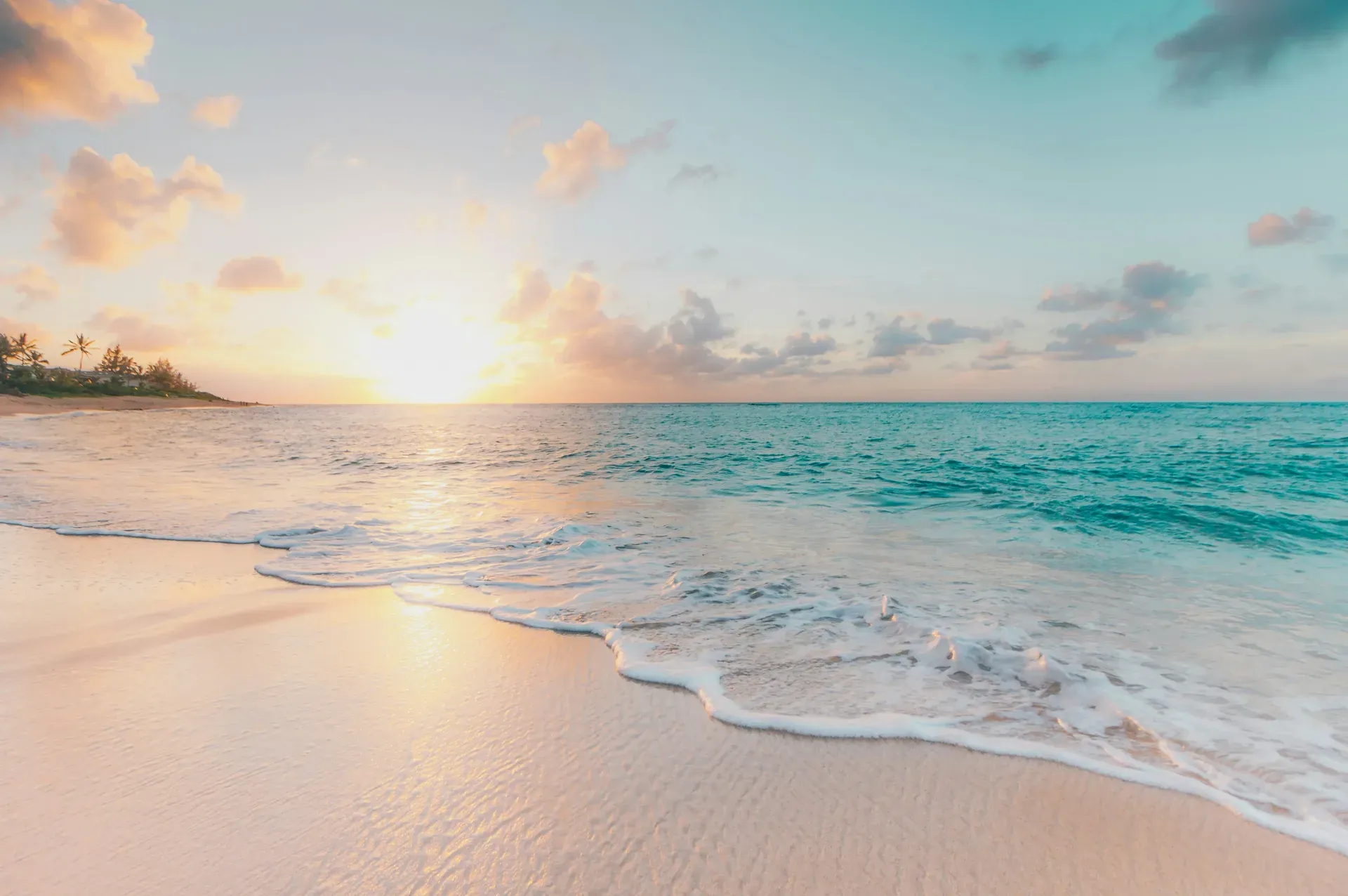
Top 10 Beaches in the Caribbean You Must Visit
From pink sands to secluded coves, discover the most stunning Caribbean beaches for your bucket list.
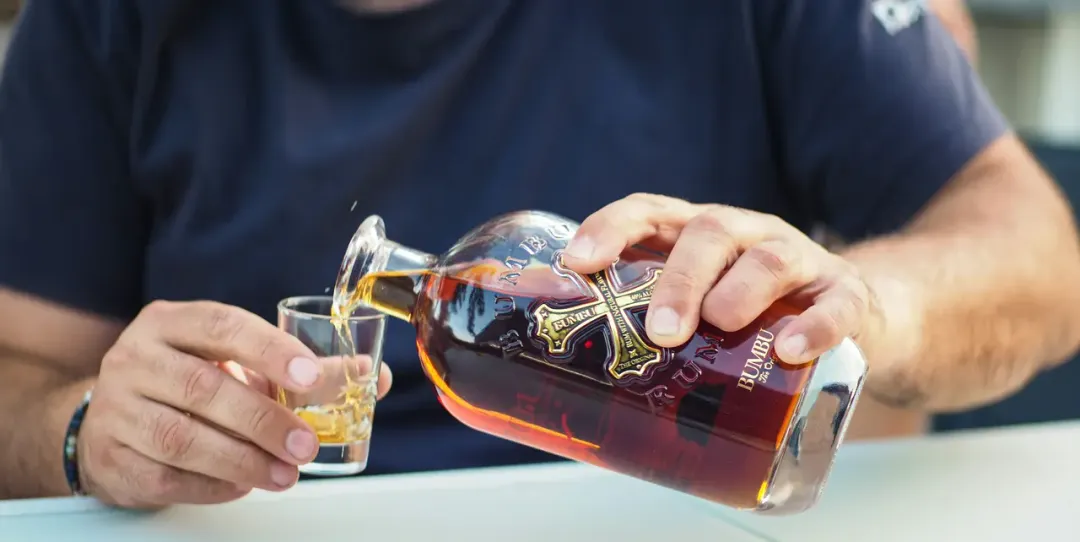
The Ultimate Caribbean Food Guide: Must-Try Dishes on Each Island
Explore the diverse culinary traditions of the Caribbean, from jerk chicken to doubles.
Caribbean Festivals: A Year-Round Celebration Guide
From Trinidad's Carnival to Jamaica's Reggae Sumfest, plan your trip around these events.