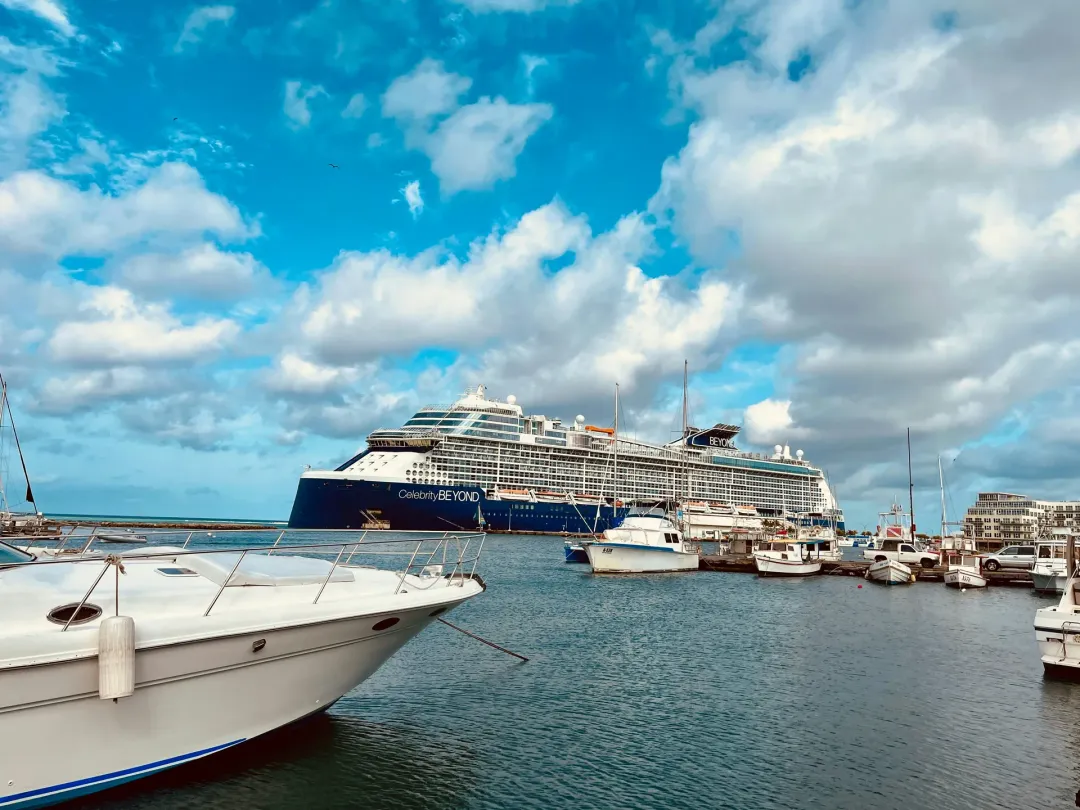
About Aruba
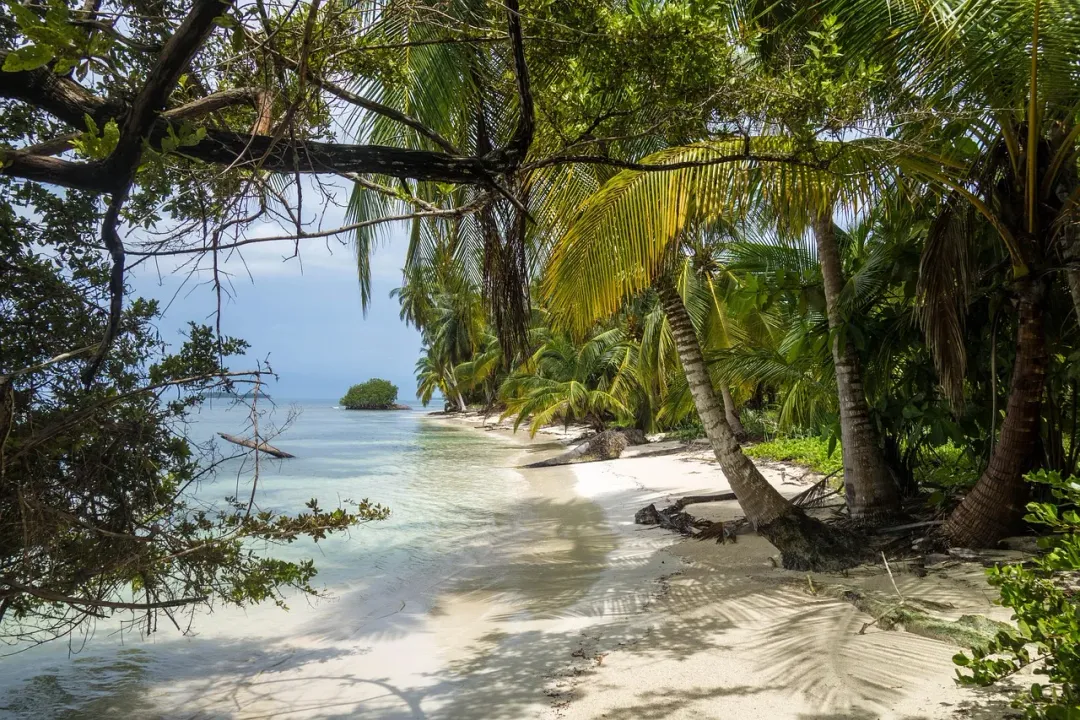
Aruba, a constituent country of the Kingdom of the Netherlands, is located in the southern Caribbean Sea, known for its dry, sunny climate, pristine beaches, and friendly locals. Unlike many Caribbean islands, Aruba lies outside the hurricane belt, making it a reliable vacation destination year-round. The island's landscape is diverse, featuring white sandy beaches on the western and southern coasts, and a rugged, volcanic landscape with desert-like terrain on the northeastern coast. Aruba's culture is a rich tapestry of indigenous, European, and Caribbean influences, reflected in its cuisine, music, and festivals. The island is also known for its safety, high standard of living, and excellent infrastructure, making it a comfortable and convenient destination for travelers. With its perfect combination of natural beauty, cultural richness, and modern amenities, Aruba truly lives up to its slogan, 'One Happy Island.'
Size
69.08 sq mi (178.91 km²)
Population
106,766
Language
Dutch, Papiamento, English, Spanish
Currency
Aruban Florin (AWG)
Time Zone
UTC-4 (Atlantic Time)
Best Time to Visit
Year-round (outside hurricane belt)
Highlights
Best Things to Do in Aruba
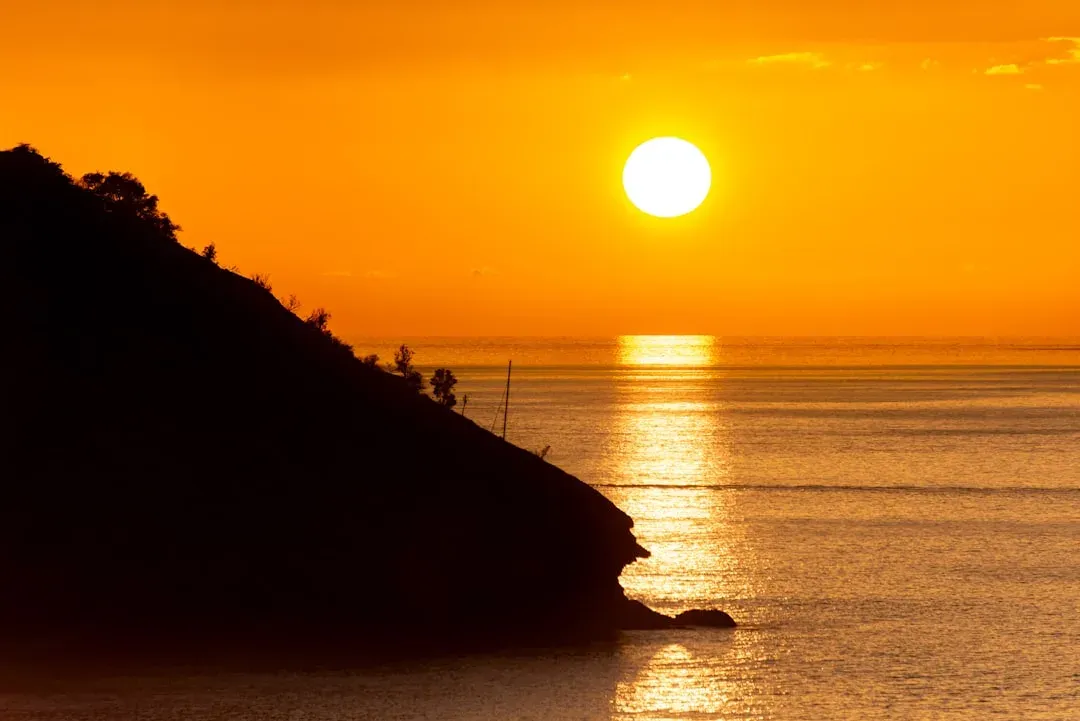
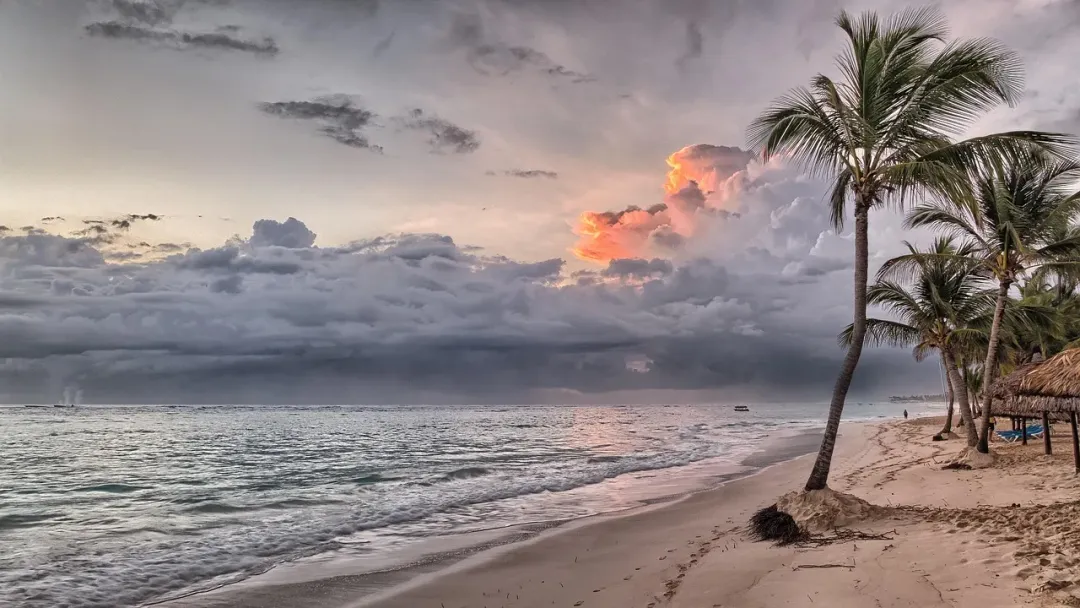
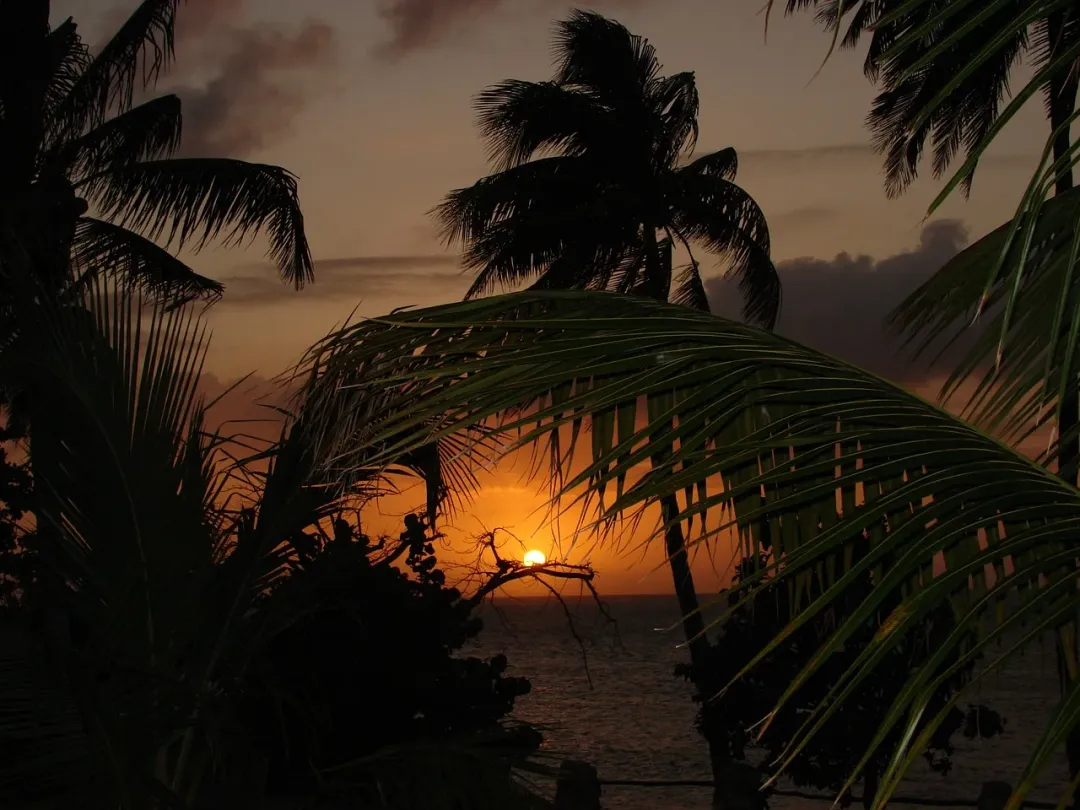
Aruba packs a surprising amount of variety into just 70 square miles, and the best way to experience it is to get beyond the resort strip. Start at Eagle Beach, consistently ranked among the world's finest stretches of sand. It is wider and quieter than neighboring Palm Beach, with powdery white sand that seems to stretch endlessly beneath a pair of iconic wind-bent fofoti trees. Arrive early in the morning for near-solitude, or time your visit for late afternoon when the sunset paints everything amber and rose.
Between February and June, you may spot sectioned-off areas protecting leatherback turtle nests - give them a wide berth and appreciate that this beach is still wild enough for nesting sea turtles.
Head south to Baby Beach, a sheltered crescent near the old Lago refinery at the island's southeastern tip. The shallow, bathtub-calm lagoon is ideal for families with small children and for snorkelers who want to float above parrotfish without fighting current. Bring your own shade and snacks - there is a small snack bar, but not much else.
The rugged interior is another world entirely. Arikok National Park covers nearly a fifth of the island and trades white sand for cactus-studded hills, limestone caves, and Arawak rock drawings.
The hike to the Natural Pool, known locally as Conchi, is the park's crown jewel - a volcanic rock basin on the wild northern coast where Atlantic waves crash over the rim and fill a calm swimming hole. You can hike the roughly 45-minute trail from the Boca Prins entrance or join a UTV or Jeep tour. Either way, arrive before 10 a.m. to beat the midday crowds that pack the pool between 11 and 2. At the island's northwestern tip, the California Lighthouse stands 98 feet above the dunes.
Climb to the top for panoramic views of the coastline, then walk down to the dunes below for one of Aruba's most photogenic landscapes. Nearby, Fisherman's Huts is where the island's windsurf and kitesurf culture lives. The steady trade winds that blow year-round make this stretch one of the Caribbean's premier spots for both sports - equipment rentals and lessons are available right on the sand from outfitters like Aruba Active Vacations and Vela Aruba. Downtown Oranjestad is worth a half-day.
A free electric streetcar connects the cruise port to the colorful Dutch colonial facades along Caya G.F. Betico Croes, where duty-free jewelry shops sit alongside local boutiques. Fort Zoutman, the island's oldest structure, houses a small historical museum. Walk the marina boardwalk at dusk when the restaurants light up along the waterfront. Finally, no Aruba trip is complete without the flamingo photo op on Renaissance Island. This private island, accessible only by water taxi from the Renaissance Resort in Oranjestad, splits into two sections: family-friendly Iguana Beach and adults-only Flamingo Beach, where pink flamingos wander casually among sunbathers. Day passes cost around $125 per person and sell out fast - they go on sale every Saturday at 9 a.m. for the following week. Book the moment they drop.
Snorkeling at Boca Catalina and Mangel Halto
Boca Catalina, near the Malmok coast, offers crystal-clear shallow water teeming with tropical fish and is perfect for beginners. Mangel Halto, further south, has mangrove-fringed coves where you can spot sea turtles and colorful reef life just steps from shore.
UTV or Jeep Tour to the Natural Pool
Guided off-road tours through Arikok National Park wind past cacti and limestone formations before arriving at Conchi, the dramatic volcanic rock pool on the northern coast. De Palm Tours and ABC Tours run popular half-day excursions that include cave stops and the natural bridge.
Windsurfing and Kiteboarding at Fisherman's Huts
Aruba's consistent trade winds of 15-25 knots make Fisherman's Huts one of the Caribbean's top spots for wind sports. Multiple schools on-site offer gear rental and instruction for all levels, with flat-water conditions ideal for learning.
Sunset Catamaran Cruise
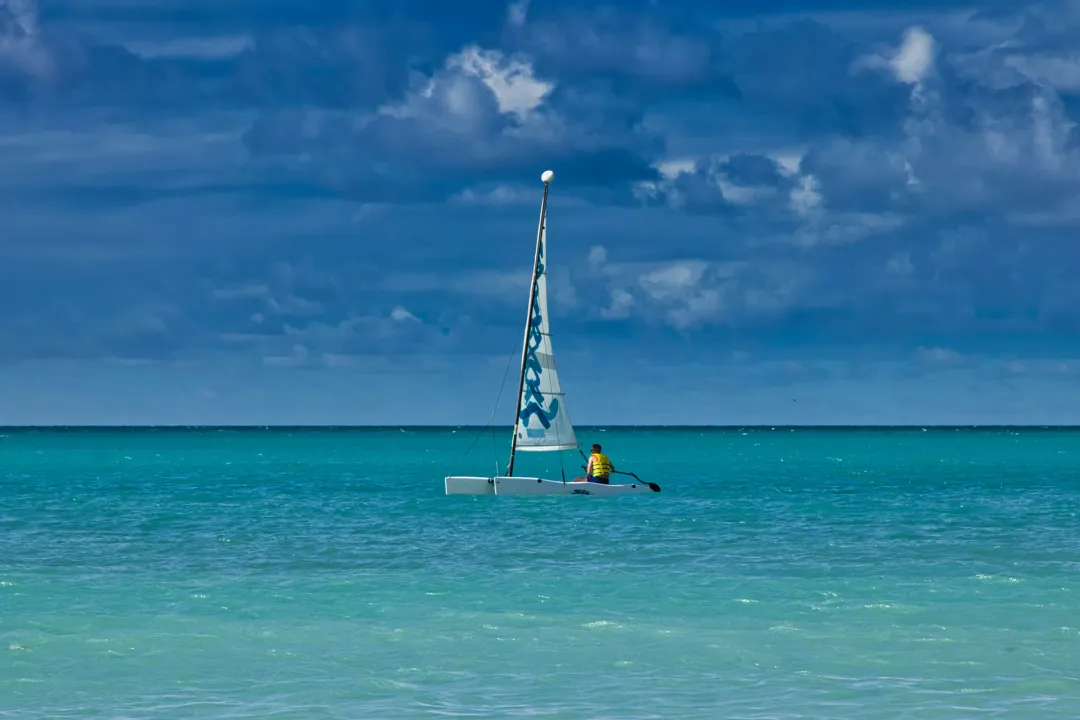
Several operators run afternoon sails along the Palm Beach coast with open bars, snorkeling stops, and rope swings. The Jolly Pirates wooden sailing ship is a local favorite for its lively atmosphere, while Pelican Adventures offers a more relaxed option.
Flamingo Beach on Renaissance Island
This adults-only private beach on Renaissance Island is home to a small flock of wild flamingos that pose obligingly for photos. Day passes sell out weekly, so book the moment they release on Saturday mornings at 9 a.m.
Exploring Arikok National Park on Foot
The park's trail network ranges from easy coastal walks to the more demanding Conchi hiking trail. The Cunucu Arikok trail passes restored heritage houses and ancient Arawak cave paintings, offering a window into the island's pre-colonial history.
Oranjestad Cultural Walk and Shopping
The capital's Dutch colonial architecture lines streets filled with duty-free shops, local galleries, and waterfront restaurants. Ride the free electric streetcar between the cruise port and the main shopping district along Caya G.F. Betico Croes.
Stand-Up Paddleboarding at Malmok Beach
The calm, gin-clear waters off Malmok are ideal for stand-up paddleboarding, with visibility so good you can spot fish and small rays beneath your board. Rental shops along the beach offer hourly and half-day rates.
Where to Stay in Aruba
Aruba's hotel geography splits neatly into four zones, and the right one depends entirely on what kind of trip you want. Palm Beach is the high-rise strip - this is where you find the Ritz-Carlton, Hyatt Regency, Marriott, and Hilton lined up along a mile of busy, beautiful sand. The beach is gorgeous but crowded, and the surrounding blocks are packed with restaurants, bars, casinos, and shops you can walk to without ever calling a cab. If you want a full-service resort with pool scenes, nightly entertainment, and maximum convenience, Palm Beach delivers.
Expect to pay $350 to $700 per night for a quality room in high season. Eagle Beach, just south, is the low-rise zone by local ordinance - no building taller than four stories. The result is a quieter, more spacious atmosphere on what many travelers consider Aruba's best beach. Bucuti and Tara Beach Resort, an adults-only boutique property, consistently ranks as the top hotel on the island.
Amsterdam Manor and Manchebo Beach Resort are excellent mid-range alternatives. Rates run $250 to $500 per night, and the tradeoff is fewer walkable dining options - you will want a rental car or rely on taxis for dinner. Downtown Oranjestad appeals to travelers who care more about culture and dining than beach proximity. The Renaissance Aruba Resort and Casino sits right on the marina and includes access to Renaissance Island and its flamingo beach.
It is the most urban option, with shopping, restaurants, and the historical district at your doorstep. Rooms start around $200 per night. Noord, the district between Palm Beach and the interior, is where you find villa rentals, guesthouses, and a growing number of boutique properties. It is the best value zone on the island, with nightly rates often under $150, and puts you within a short drive of both beach areas and Arikok National Park. The tradeoff is that you absolutely need a car, but for independent travelers and longer stays, Noord makes the most financial sense.
Where to Eat in Aruba
Aruba's food scene is far more interesting than most visitors expect from a small Caribbean island. The local cuisine blends Dutch, Spanish, and Caribbean influences, and the signature dish to seek out is keshi yena - a hollowed-out ball of Gouda cheese stuffed with spiced chicken or beef, raisins, and olives, then baked until the cheese melts into a golden shell. You will find it at local spots like The Old Cunucu House in Palm Beach and Gasparito Restaurant in Noord, both of which serve traditional Aruban home cooking in rustic settings for $20 to $35 per entree. For the freshest and most memorable seafood experience on the island, drive south to Zeerovers in the fishing village of Savaneta.
This is not a restaurant in any conventional sense - it is an open-air fish shack on the dock where you order wahoo, snapper, or shrimp by weight at the counter, they fry it to order, and you eat from a basket at a wooden table overlooking the water. Sides are fried plantain, pan bati (a local cornbread), and vinegary onion relish. Expect to spend $15 to $25 per person. The line can stretch past an hour on weekends, but locals consider it non-negotiable.
Closed Mondays. At the other end of the spectrum, Palm Beach and Eagle Beach deliver serious fine dining. Barefoot Restaurant sets tables directly on the sand near the airport strip, with dishes like seared scallops and truffle-basted tenderloin against a backdrop of Caribbean sunsets. Madame Janette, tucked in a softly lit garden courtyard in Noord, has been an island institution for decades, serving everything from Dutch-style schnitzel to Caribbean lobster.
Both run $50 to $80 per person for dinner. Passions on the Beach offers candlelit tables on Eagle Beach with tiki torches after dark - it is one of the most romantic dinner settings in the Caribbean. For something more intimate, 2 Fools and a Bull seats just 17 guests around an open kitchen for a five-course tasting menu that books out weeks ahead. Reserve early.
Best Time to Visit Aruba
Aruba sits south of the hurricane belt, which makes it one of the safest Caribbean destinations year-round - the island has not taken a direct hurricane hit in recorded modern history. Average temperatures hold steady around 82 degrees Fahrenheit every month, with only brief rain showers even during the nominal wet season from October through December.
The peak tourist season runs from mid-December through April, coinciding with North American winter and Aruba's spectacular Carnival celebrations. The Grand Carnival Parade, typically held in February, fills Oranjestad's streets with elaborate costumes, steel drums, and dancing - it is the island's biggest cultural event.
Hotel rates and crowds peak during this window. The consistent trade winds that blow 15 to 25 knots year-round keep the heat manageable and make Aruba a premier wind sports destination. May through August offers the strongest and most reliable wind patterns, which is prime season for windsurfers and kiteboarders at Fisherman's Huts. These months also bring thinner crowds and lower prices than the winter peak, making late spring and early summer the sweet spot for travelers who want excellent weather, great wind conditions, and better rates.
Getting Around Aruba
Rental cars and scooters widely available. Arubus public transit serves main routes. Taxis are plentiful but unmetered. The island is small and easy to navigate.
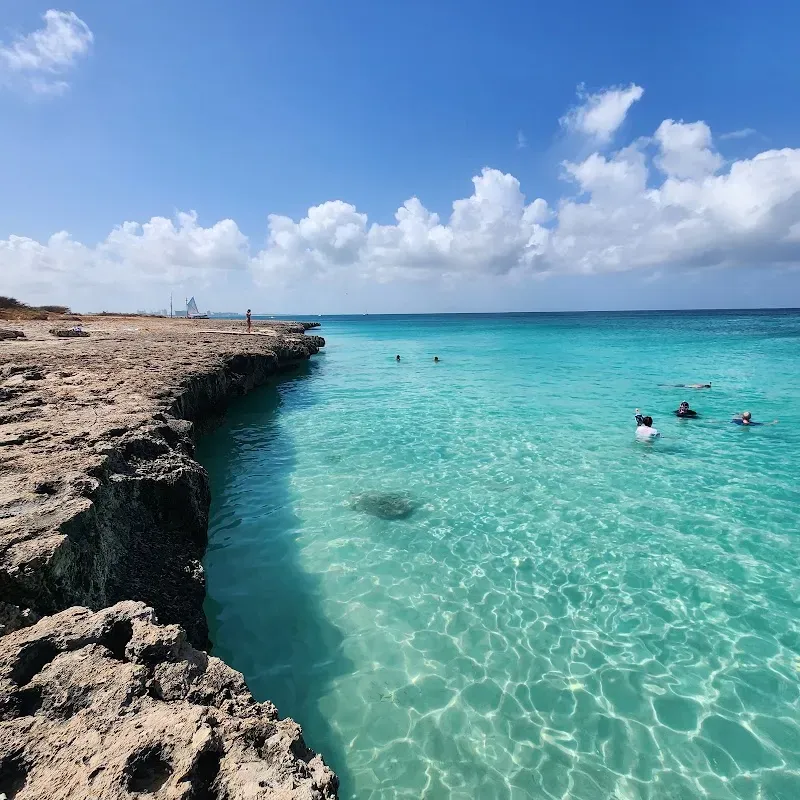
Tres Trapi Beach
Tres Trapi Beach is a nature attraction on Aruba. This natural area showcases the lush tropical landscapes and diverse ecosystems that Aruba is known for. Visitors can explore the local flora and fauna in a serene setting.
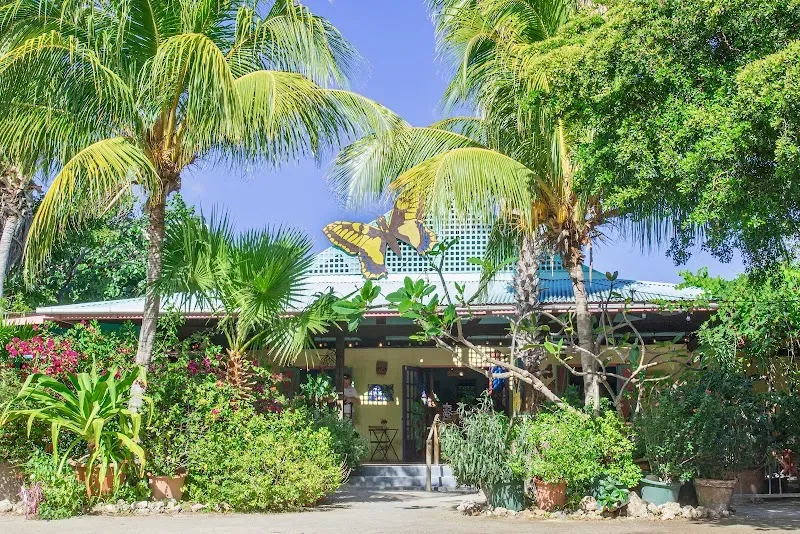
The Butterfly Farm Aruba
The Butterfly Farm Aruba is a nature attraction on Aruba. This natural area showcases the lush tropical landscapes and diverse ecosystems that Aruba is known for. Visitors can explore the local flora and fauna in a serene setting.
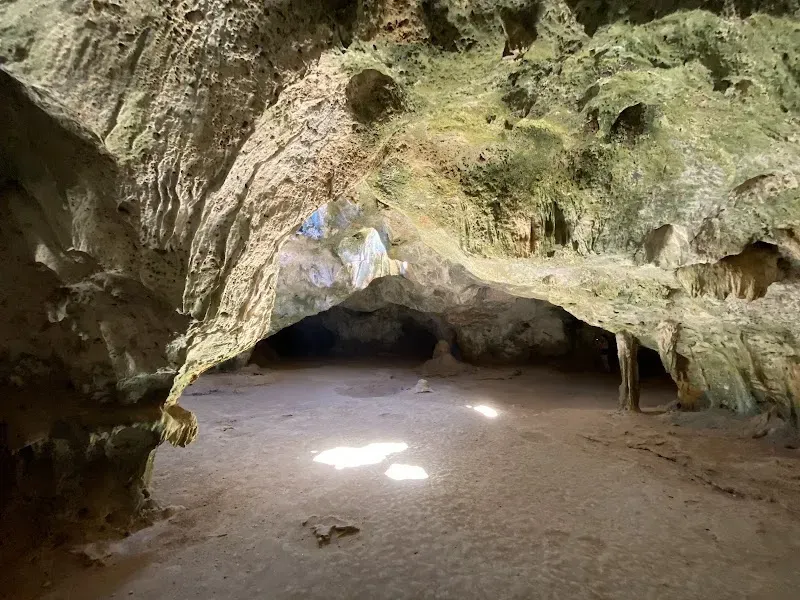
Arikok National Park
Arikok National Park is a nature attraction on Aruba. This natural area showcases the lush tropical landscapes and diverse ecosystems that Aruba is known for. Visitors can explore the local flora and fauna in a serene setting.
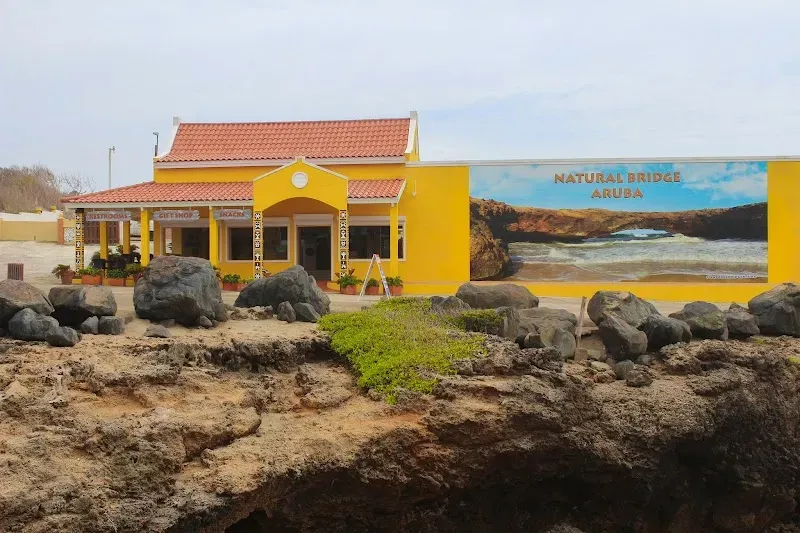
Natural Bridge Aruba
Natural Bridge Aruba is a nature attraction on Aruba. This natural area showcases the lush tropical landscapes and diverse ecosystems that Aruba is known for. Visitors can explore the local flora and fauna in a serene setting.
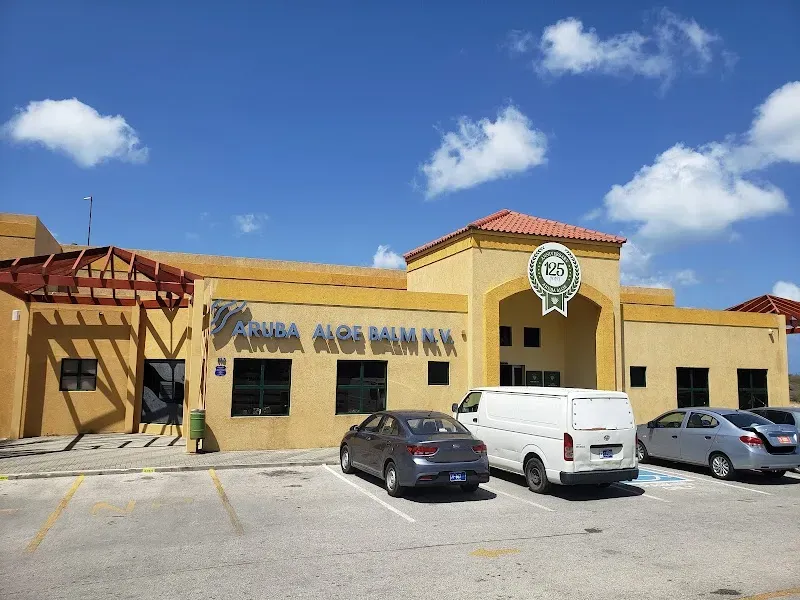
Aruba Aloe Factory Museum and Store
Aruba Aloe Factory Museum and Store is a cultural attraction on Aruba. Visitors can experience the vibrant local culture and artistic traditions of Aruba at this destination. It is a window into the creative spirit and community life of the island.
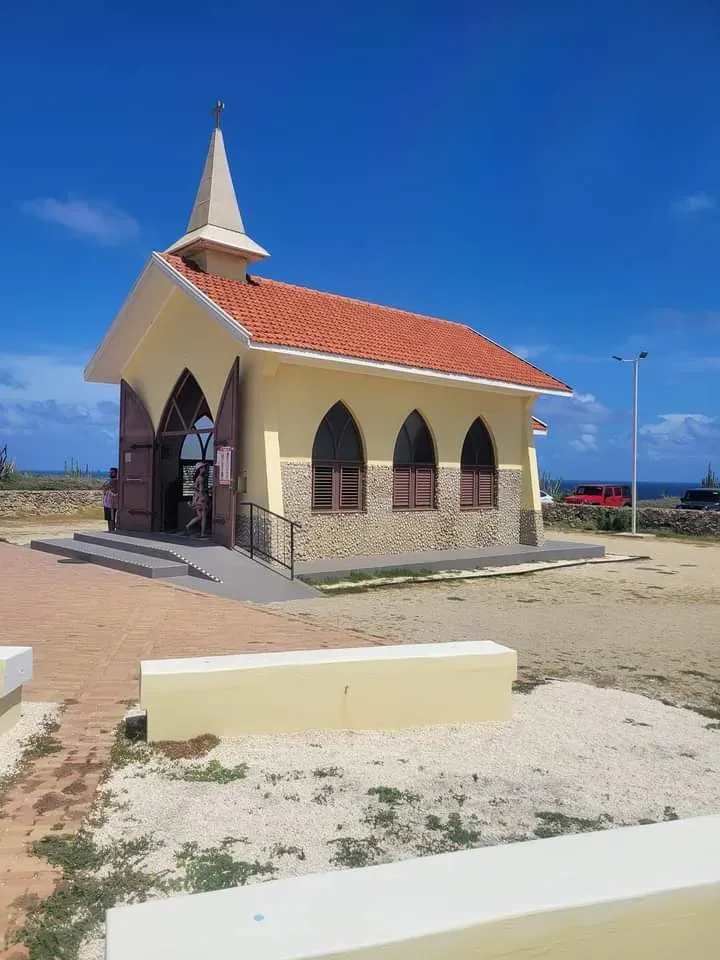
Alto Vista Chapel
Alto Vista Chapel is a nature attraction on Aruba. This natural area showcases the lush tropical landscapes and diverse ecosystems that Aruba is known for. Visitors can explore the local flora and fauna in a serene setting.
Hotels in Aruba
Search for available rates by selecting your travel dates
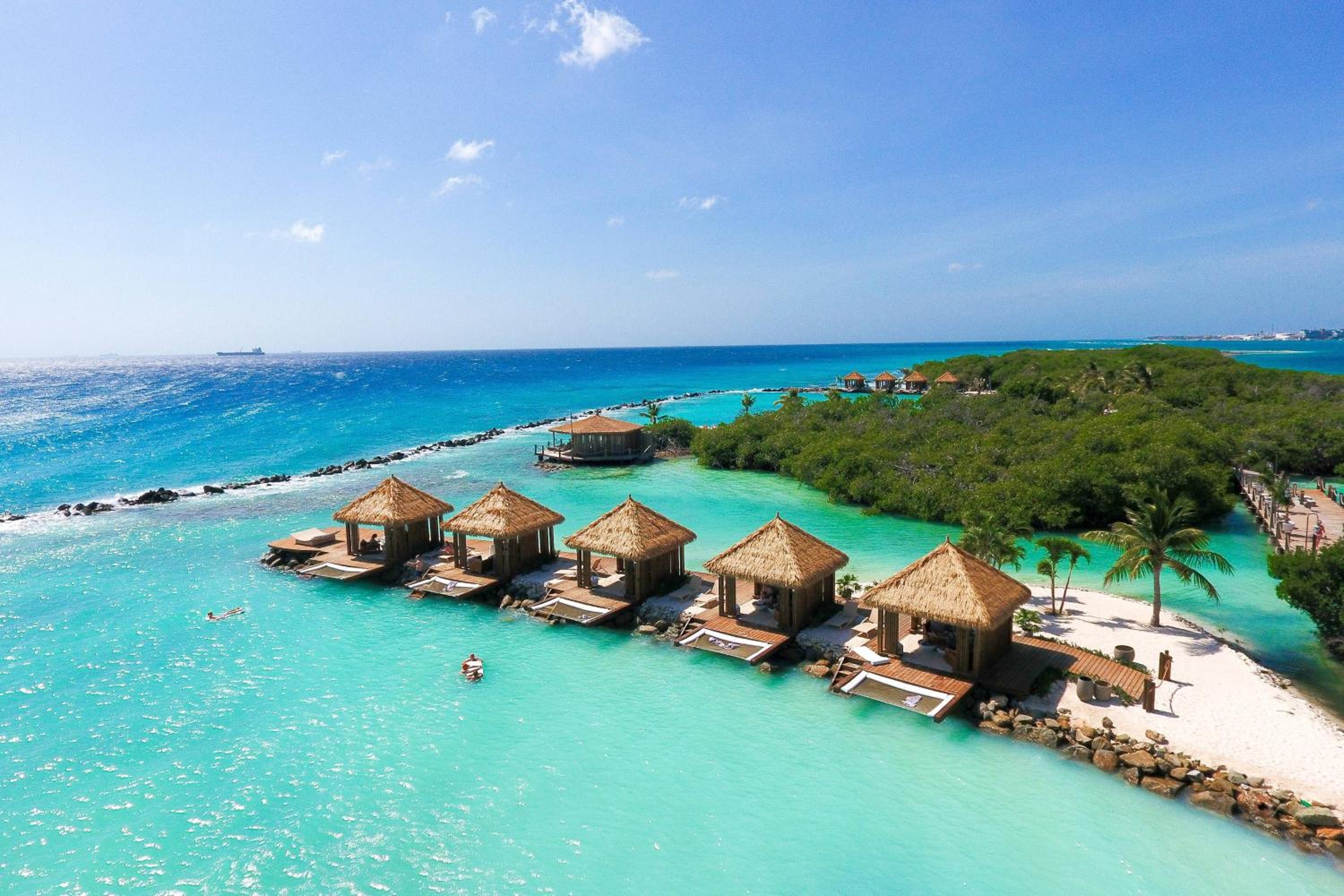
Renaissance Wind Creek Aruba Resort

Radisson Blu Aruba
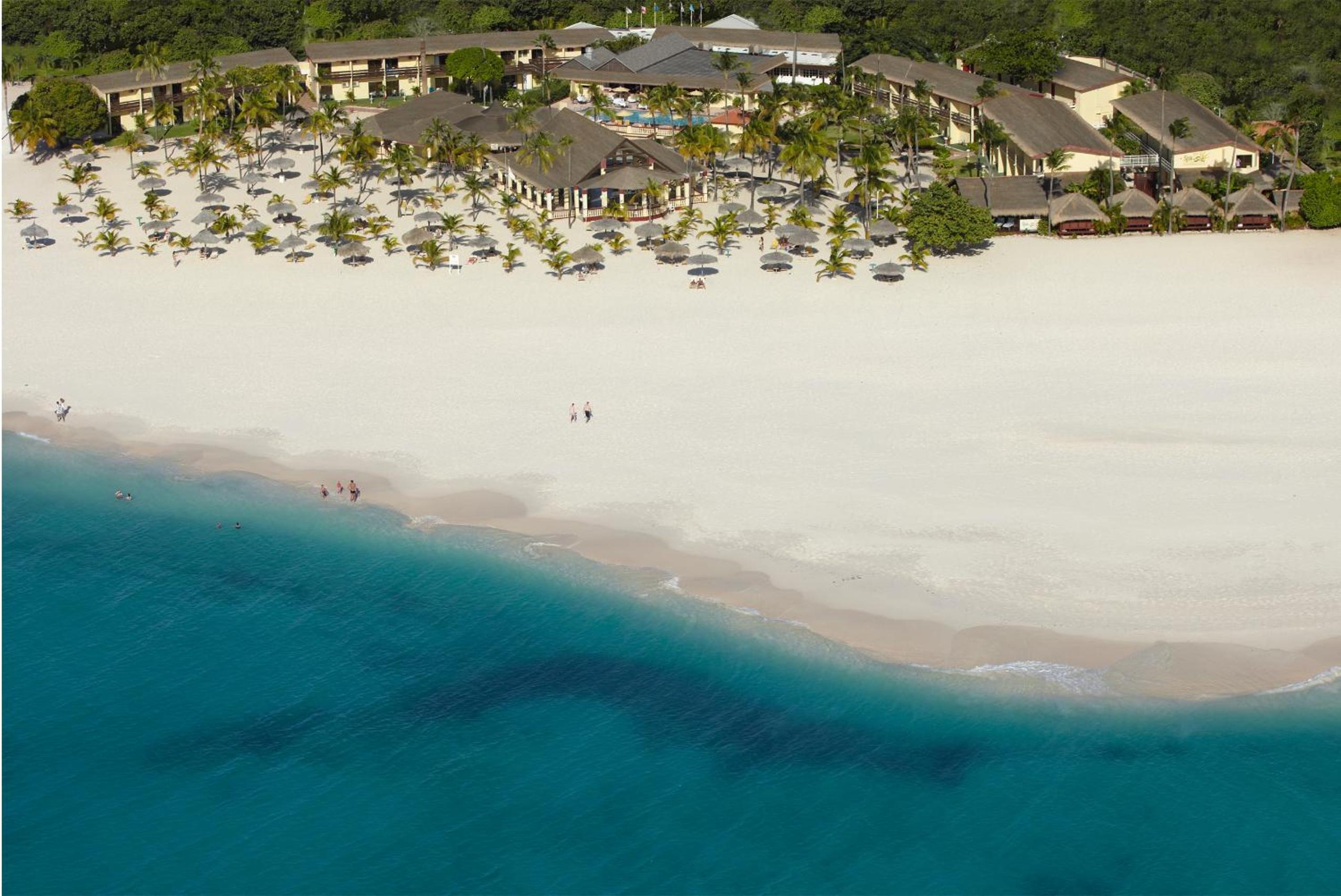
Manchebo Beach Resort and Spa
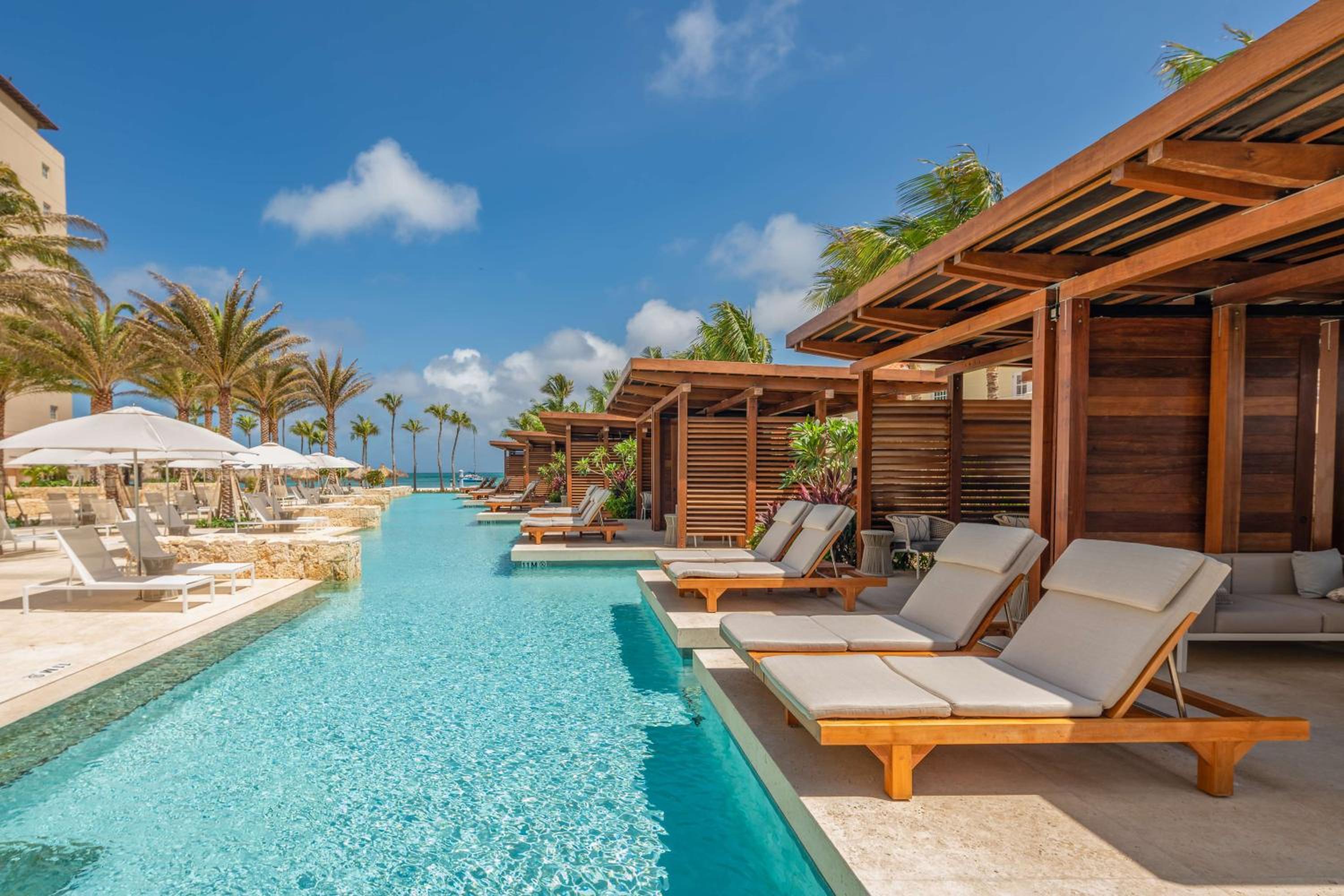
Hyatt Regency Aruba Resort & Casino
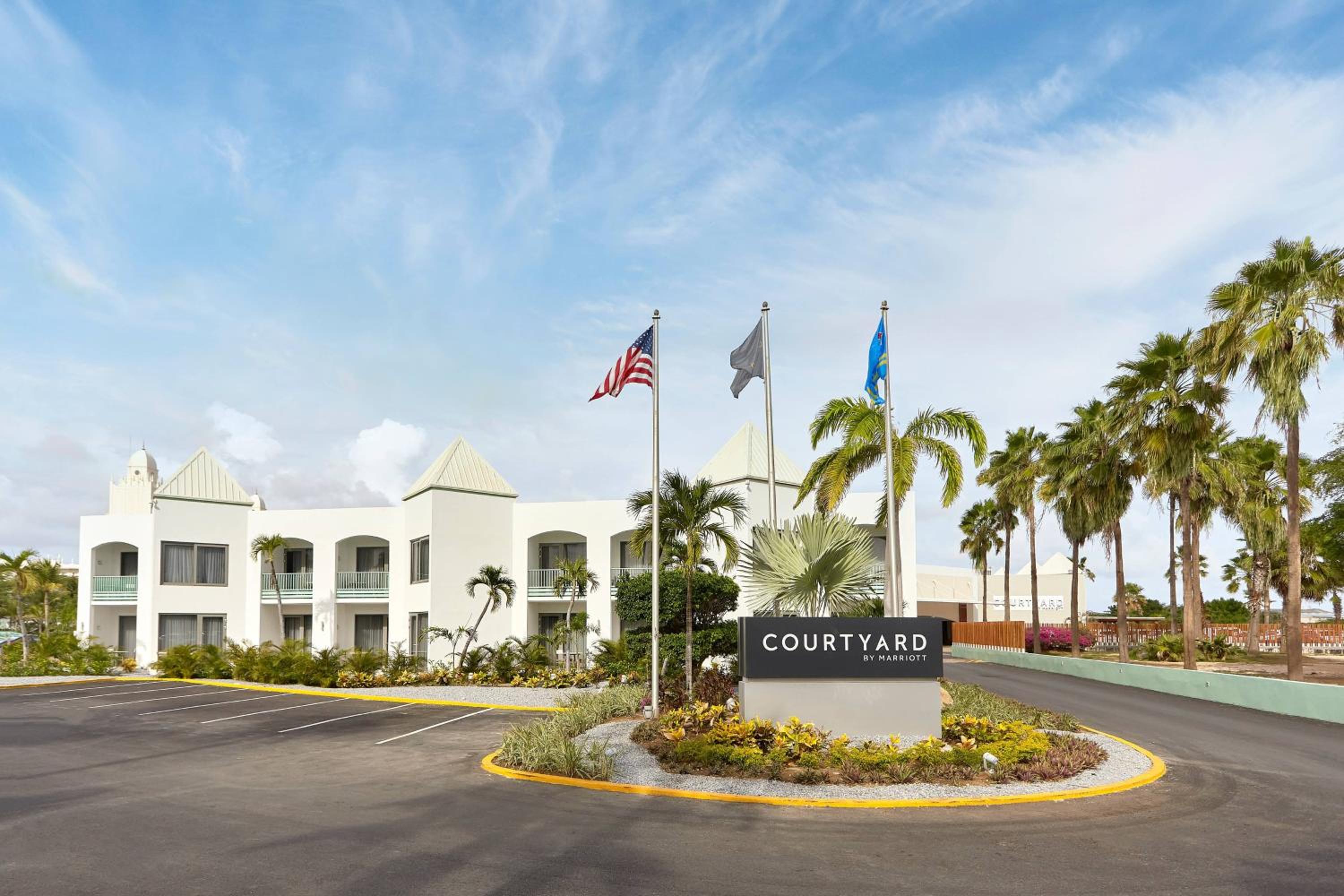
Courtyard by Marriott Aruba Resort
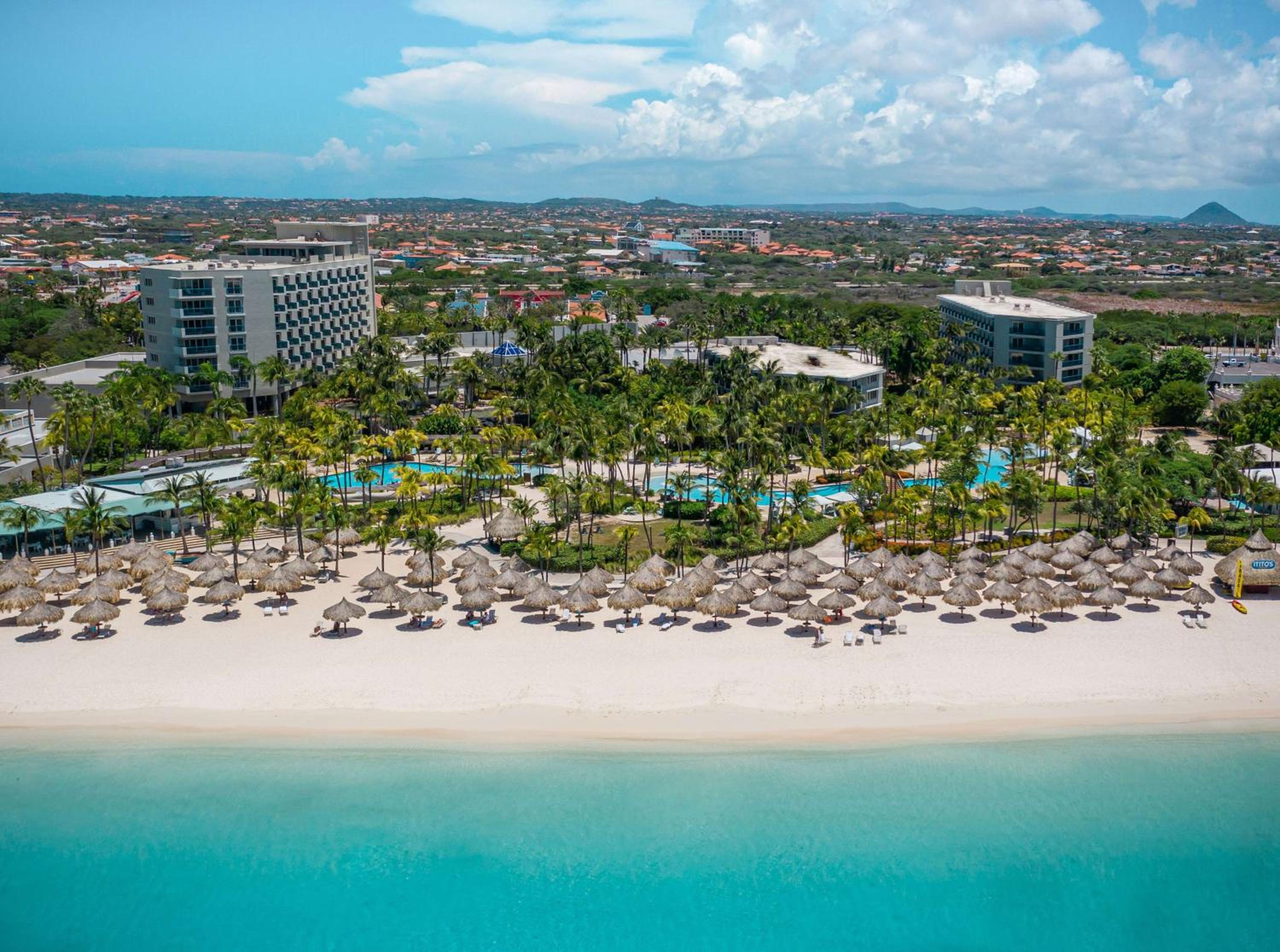
Hilton Aruba Caribbean Resort & Casino
Top Restaurants in Aruba
Popular dining spots near Aruba
No restaurants available for Aruba yet.
Frequently Asked Questions About Aruba
Weather in Aruba
Average Temperature
76°F to 89°F (24°C to 32°C)
Rainy Season
October to January (brief showers)
Hurricane Season
Outside the hurricane belt
Best Time to Visit
Year-round (outside hurricane belt)
Travel Tips
- The Aruban Florin is pegged to the US dollar, and US dollars are widely accepted
- Tap water is safe to drink and among the purest in the world
- Sunscreen is essential due to the strong UV rays
- Rent a car to explore the island's diverse landscapes
- Try the local Balashi beer and Pastechi pastries
Daily Budget (USD)
Visa Requirements
US, UK, EU, and Canadian citizens need a valid passport. No visa required for stays up to 30 days (extendable to 180 days).
Safety
Aruba is one of the safest Caribbean islands with very low crime. Standard precautions apply. Strong sun and trade winds - use high SPF sunscreen.
Getting Around
Rental cars and scooters widely available. Arubus public transit serves main routes. Taxis are plentiful but unmetered. The island is small and easy to navigate.
Popular Activities
Best For
Get Aruba Travel Tips
Subscribe for curated tips, deals, and inspiration for your Aruba trip.
Read More About Aruba
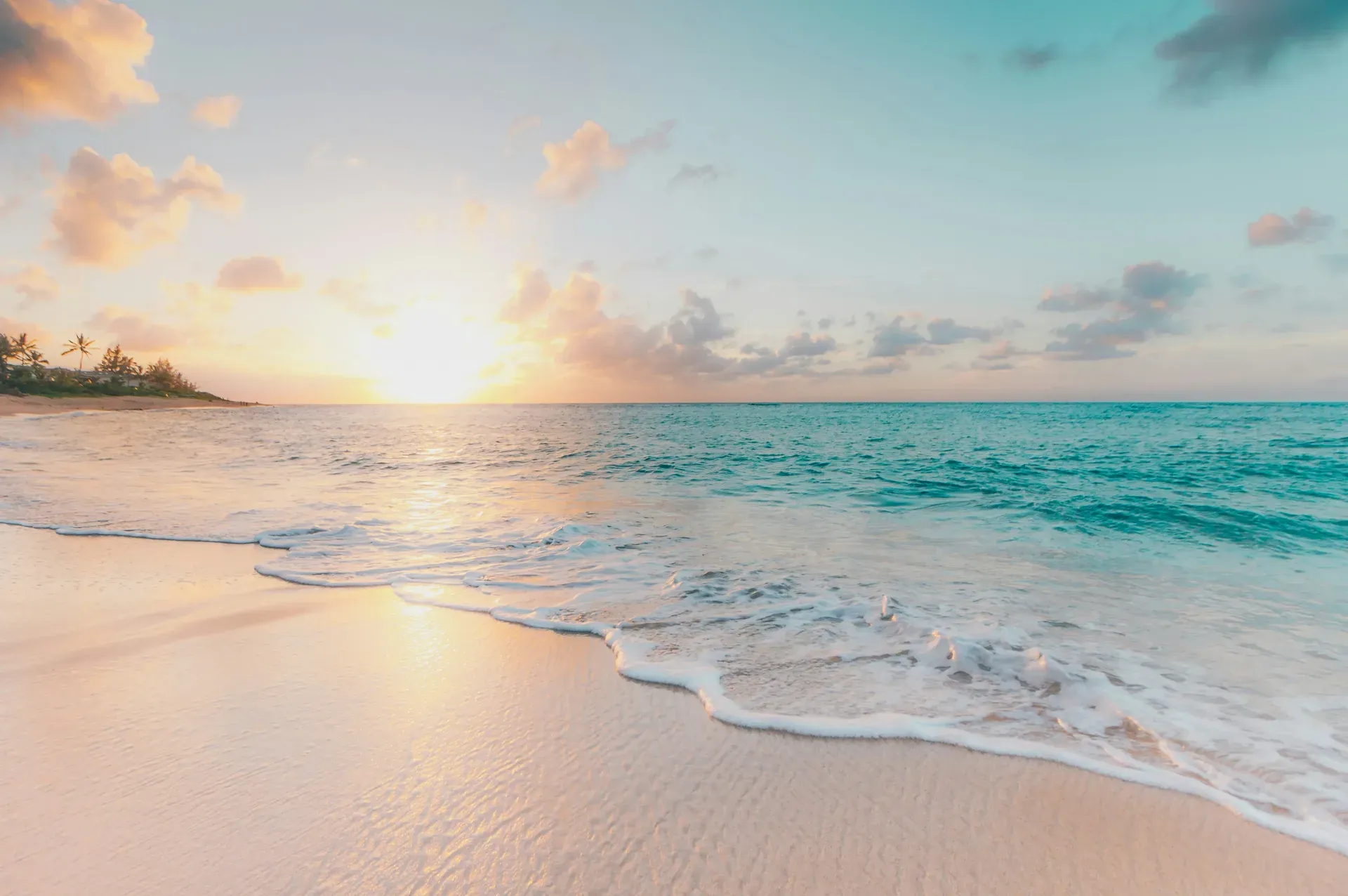
Top 10 Beaches in the Caribbean You Must Visit
From pink sands to secluded coves, discover the most stunning Caribbean beaches for your bucket list.
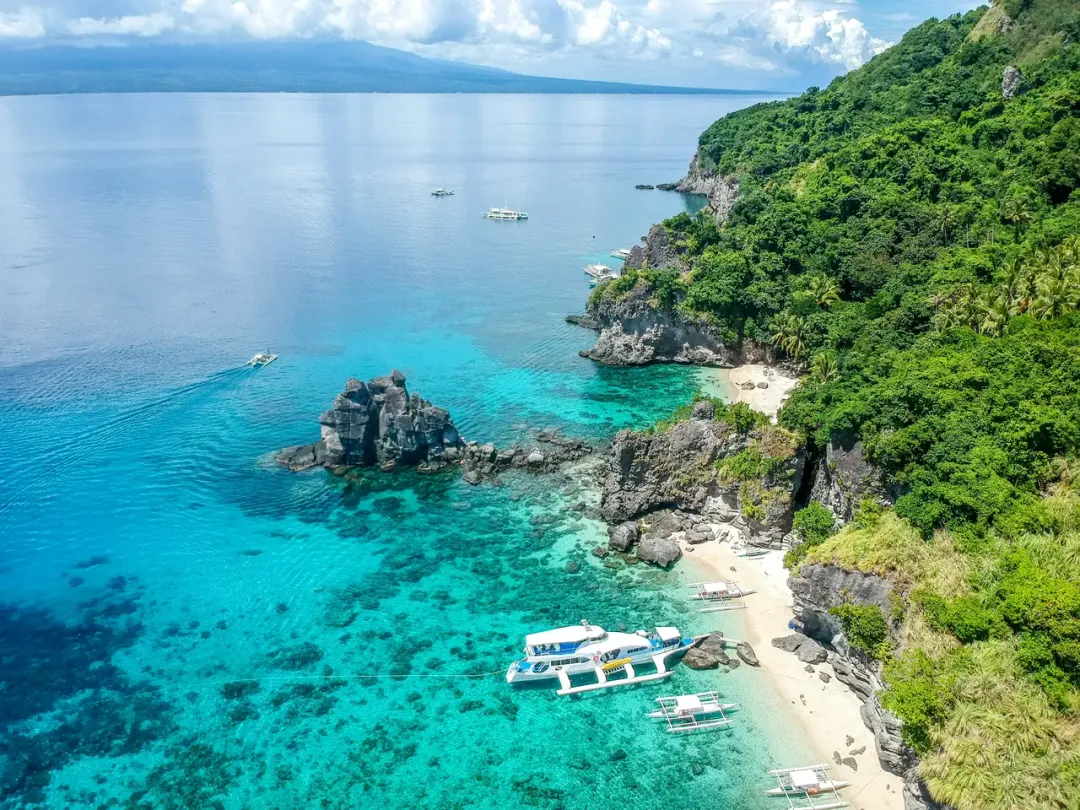
The Ultimate Caribbean Packing Guide for Every Season
Everything you need for beach days, rainforest hikes, and evening outings.
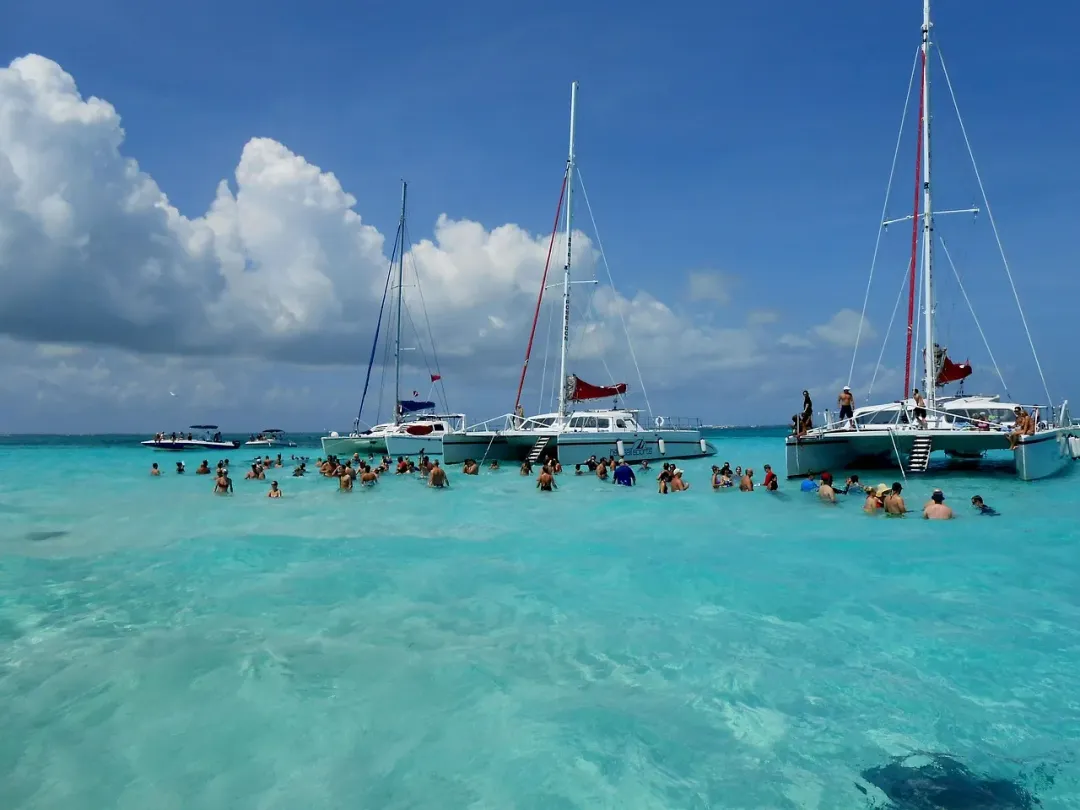
Family-Friendly Caribbean: Islands Perfect for All Ages
The best islands, resorts, and activities for families with children of all ages.