About Bonaire
Bonaire, a special municipality of the Netherlands in the southern Caribbean, is renowned worldwide as a diver's paradise. The island's entire coastline is protected as the Bonaire National Marine Park, featuring some of the most pristine coral reefs in the Caribbean with over 350 fish species and 57 coral species. What makes Bonaire unique for divers is its shore diving accessibility-many dive sites can be accessed directly from the shore, marked by yellow stones along the coastal road. Beyond diving, Bonaire offers excellent windsurfing conditions at Lac Bay, where consistent trade winds and shallow, clear waters create ideal conditions for beginners and experts alike. The island's landscape is arid and desert-like, with cacti, divi-divi trees, and the distinctive red-orange rock formations of Washington Slagbaai National Park, home to parrots, iguanas, and wild donkeys. Bonaire is also known for its pink flamingo sanctuaries, particularly at the salt pans in the south, where thousands of flamingos nest and feed. The capital, Kralendijk, is a charming small town with colorful Dutch colonial architecture, waterfront restaurants, and shops. Bonaire has positioned itself as a leader in sustainable tourism, with a strong focus on conservation, renewable energy, and eco-friendly practices, making it an ideal destination for environmentally conscious travelers.
Size
111 sq mi (288 km²)
Population
20,000
Language
Dutch, Papiamentu, English, Spanish
Currency
US Dollar (USD)
Time Zone
UTC-4 (Atlantic Time)
Best Time to Visit
Year-round (outside hurricane belt)
Highlights
Best Things to Do in Bonaire
Bonaire is the kind of island where the reef starts at the shoreline and the whole place feels like a nature reserve - because most of it actually is. The Bonaire National Marine Park rings the entire coast, and the island's signature experience is shore diving: pull over at one of the yellow-painted stones that mark 63 official dive sites along the coastal road, kit up at your truck, walk into the water, and within minutes you are drifting over pristine coral gardens teeming with parrotfish, trumpetfish, and hawksbill turtles. No boat required.
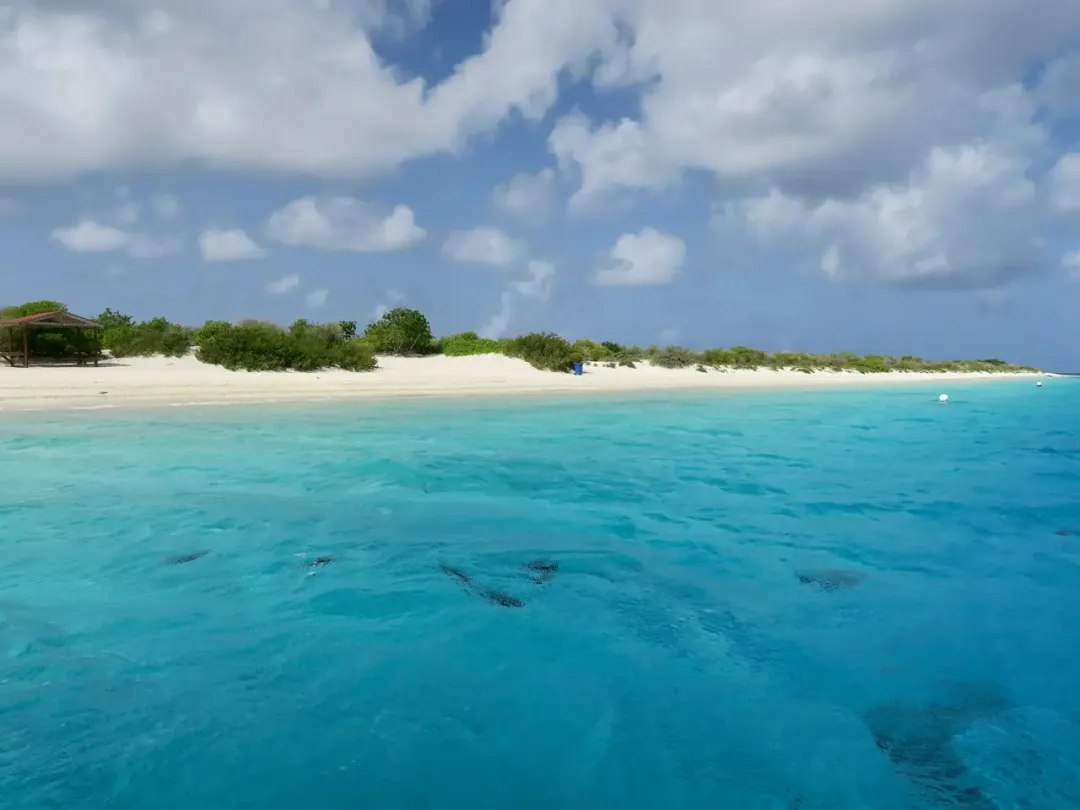
Something Wild, 1000 Steps, and Hilma Hooker - a freighter deliberately sunk in 90 feet of water off the central coast - are among the most celebrated sites, but even unremarkable-sounding spots like Bari Reef deliver world-class encounters. If you are not a diver, snorkeling is almost equally rewarding here because the drop-off begins so close to shore. Te Amo Beach near the airport and Klein Bonaire, the uninhabited islet a water taxi ride from Kralendijk, offer superb shallow reefs.
Beyond the water, Washington Slagbaai National Park covers the rugged northern third of the island and is best explored in a high-clearance vehicle or by mountain bike. The park's trails lead through arid cactus landscape to secluded bays like Playa Funchi and Boca Slagbaai, where flamingos often wade in the shallows and iguanas sun themselves on the rocks. Speaking of flamingos, the salt pans at the island's southern tip support one of the Caribbean's largest breeding colonies - thousands of Caribbean flamingos turn the flat landscape pink from January through July.
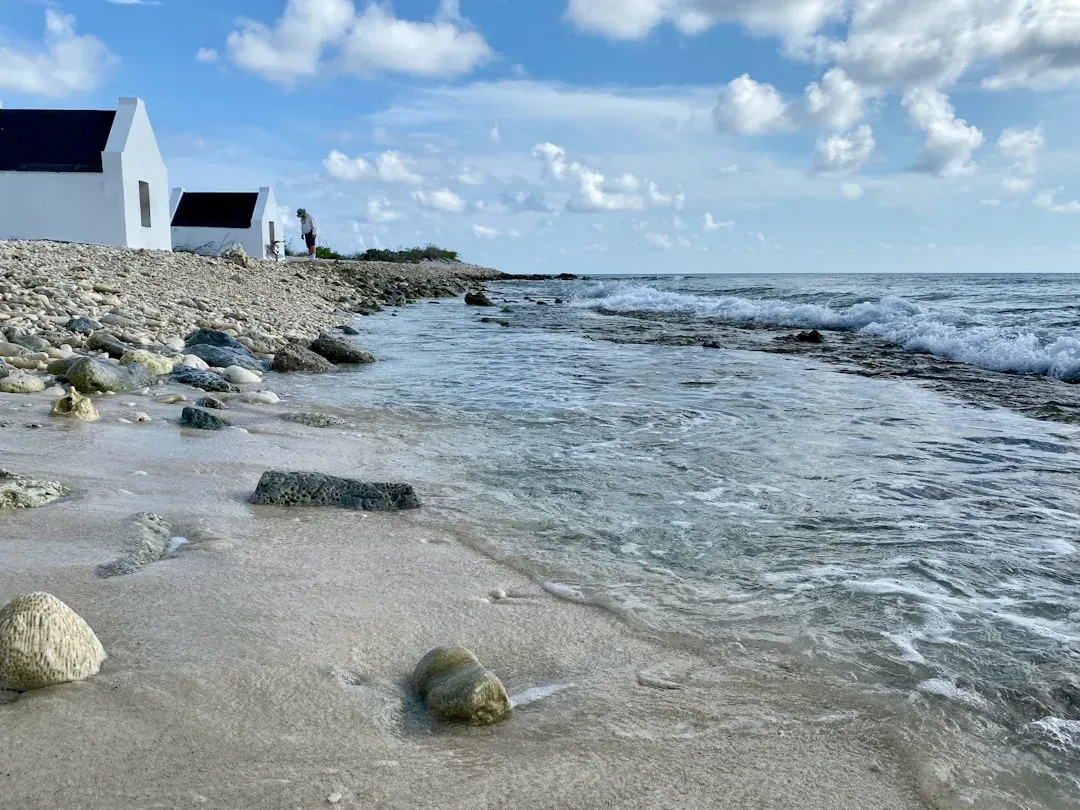
The adjacent white slave huts, small stone shelters dating to the 1850s, are a sobering reminder of the island's salt-harvesting history. Kralendijk itself is a compact, walkable town of pastel-painted buildings along the waterfront. The weekly Cruise Market on Wilhelminaplein sets up when ships are in port, and Terramar Museum on the waterfront has local crafts alongside standard shops. For an afternoon away from the sea, visit the Donkey Sanctuary, home to over 700 rescued wild donkeys descended from animals brought to the island centuries ago by the Spanish.
Shore Dive at 1000 Steps
Despite the name, only 67 steps lead down the limestone cliff to one of Bonaire's best dive and snorkel sites. A sloping reef covered in star coral and sea fans drops into deep blue water. Hawksbill turtles and spotted eagle rays are frequent visitors. Entry is easy and the site is rarely crowded.
Dive the Hilma Hooker Wreck
This 236-foot freighter, seized in 1984 with a hidden cargo of marijuana, was deliberately sunk and now sits upright in 100 feet of water encrusted in sponges and coral. Massive tarpon patrol the deck while horse-eye jacks swirl above. Suitable for advanced open water divers.
Snorkel Klein Bonaire
A ten-minute water taxi from Kralendijk delivers you to this uninhabited islet with some of the healthiest reef in the Caribbean. The western shore has a gentle sandy entry and visibility frequently exceeds 100 feet. Sea turtles are almost guaranteed. Bring everything you need - there are no facilities.
Windsurf or Kitesurf Lac Bay
The shallow, warm waters and consistent trade winds at Lac Bay on the eastern coast make it one of the world's top windsurfing and kitesurfing destinations. Beginners benefit from waist-deep water stretching hundreds of meters offshore. Jibe City and Bonaire Windsurf Place rent equipment and offer lessons.
Drive Through Washington Slagbaai National Park
A rugged loop road traverses the island's wild northern tip past salt flats, secluded coves, and cactus-covered hills. Stop at the Seru Largu overlook for panoramic views, swim at Playa Funchi, and spot flamingos at Gotomeer lake. A pickup truck or SUV is essential - the road is unpaved and rough.
Watch Flamingos at the Southern Salt Pans
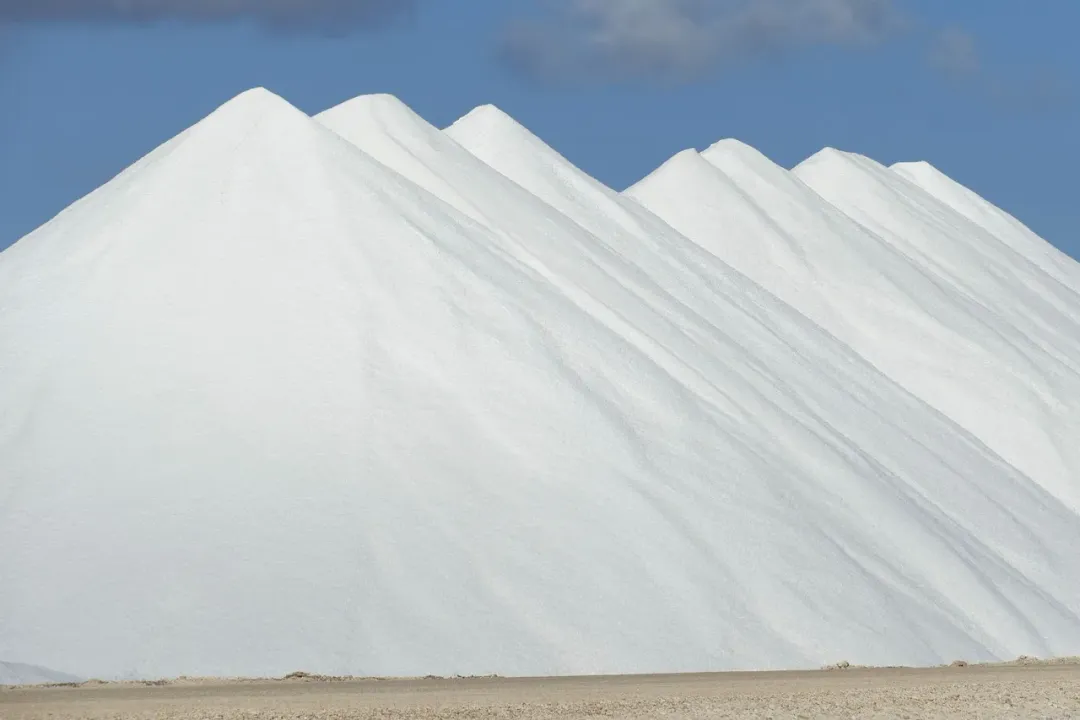
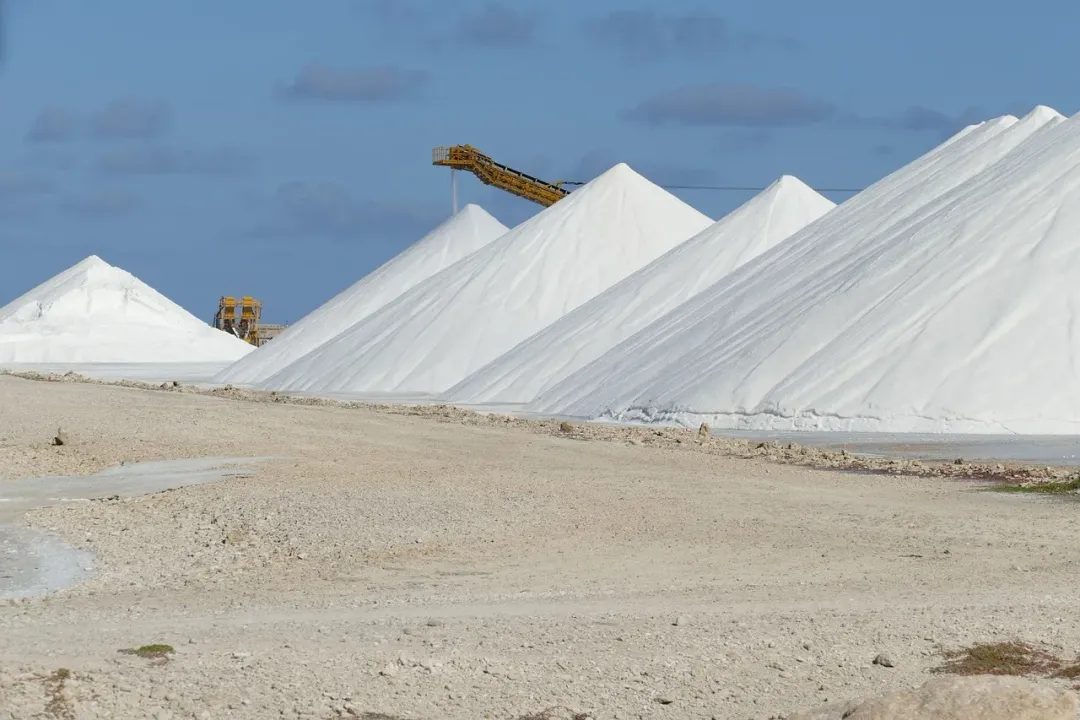
The Cargill salt works at Bonaire's southern tip creates vast shallow pools where thousands of Caribbean flamingos feed and breed. Peak season runs January through July. Observe from the roadside with binoculars - approaching the pans disturbs the birds. The nearby white slave huts provide historical context.
Visit the Donkey Sanctuary
Over 700 wild donkeys, descended from animals brought by Spanish colonizers, live at this rescue facility near the airport. Visitors can walk among the donkeys, feed them carrots, and learn about the island's colonial history. Admission is by donation and the sanctuary depends on visitor support.
Night Dive at Town Pier
Kralendijk's town pier is considered one of the top night dives in the Caribbean. After dark, the pilings come alive with orange cup corals, octopuses, seahorses, and hunting tarpon. A permit is required and diving is allowed only after 6:30 p.m. when boat traffic stops.
Where to Stay in Bonaire
Bonaire's accommodation scene is built around divers and outdoor enthusiasts, which means functional comfort over flashy luxury. Buddy Dive Resort, just north of Kralendijk, is the island's most popular dive resort with its own house reef, drive-through tank filling station, and apartment-style units starting around $200 a night.
Captain Don's Habitat, founded by the legendary conservationist Captain Don Stewart, offers a similar dive-focused setup with a strong community feel from around $175. For something more upscale, Harbour Village Beach Club is Bonaire's closest thing to a luxury resort, with a private beach, spa, and rooms from around $350 in high season.
Divi Flamingo Beach Resort on the Kralendijk waterfront puts you in walking distance of restaurants and shops, with rates from $180. Budget travelers have real options here unlike most Caribbean islands - The Bamboo Bali Resort offers Balinese-style bungalows from $90, and numerous Airbnb and VRBO properties across the island run $60 to $120 a night for studios and one-bedrooms.
For self-catering, apartments in and around Kralendijk are the best value, especially for week-long dive trips where you want a kitchen and a place to rinse and store gear. Most dive resorts offer packages bundling accommodation, unlimited shore diving, and truck rental that represent genuine savings over booking separately. High season runs December through April, but because Bonaire sits outside the hurricane belt, the island is truly a year-round destination with only modest price fluctuations between seasons.
Where to Eat in Bonaire
Bonaire's dining scene punches above its weight for an island of 20,000 people. The cuisine reflects the island's Dutch-Caribbean identity with strong influences from South America, particularly Venezuela, just 50 miles to the south.
At Brass Boer, a pop-up-turned-permanent restaurant from a Michelin-starred Dutch chef, tasting menus feature local fish, goat, and tropical ingredients prepared with European technique - expect to spend around $80 to $100 per person. At The Bistro at Harbour Village, French-Caribbean dishes are served poolside in an elegant setting from $40 to $60 a plate.
For waterfront casual dining, It Rains Fishes on the Kralendijk seaside promenade has been a local institution for years, serving fresh catch of the day, Indonesian rijsttafel, and Dutch-Creole fusion at $20 to $35 for mains. Cactus Blue on the main strip does creative cocktails and globally inspired plates.
For authentic local food, seek out the snack trucks and small kitchens that locals frequent: Posada Para Mira on the Rincon road serves the best stewed goat (kabritu stobá) on the island alongside funchi (cornmeal polenta) and fried plantains for under $15. Gio's, a beloved ice cream and gelateria in Kralendijk, is the go-to afternoon stop. On Friday evenings, the Kralendijk waterfront comes alive with food vendors and live music during the weekly Kriabon farmers market. Grocery options are decent - Van den Tweel supermarket stocks Dutch and American products, and Warehouse Bonaire has bulk supplies for longer stays. Budget around $40 to $60 per person per day eating out, significantly less than most Caribbean islands.
Best Time to Visit Bonaire
Bonaire's position below the hurricane belt makes it a genuine year-round destination, and this is its greatest practical advantage over most Caribbean islands. Temperatures hold steady between 78 and 88 degrees Fahrenheit throughout the year, and rainfall is minimal - the island receives only about 22 inches annually.
The brief rainy season from October through January brings short showers that rarely disrupt plans. Water visibility is best from March through October when seas are calmest, though diving conditions are good year-round.
Wind picks up during the dry season from January through September, making the period from April through August ideal for windsurfers and kitesurfers at Lac Bay. High season pricing and crowds peak December through April when North American and European visitors arrive in greatest numbers. Flamingo nesting season runs January through July. Bonaire Dive Week in June and the Bonaire Regatta in October are popular annual events worth planning around.
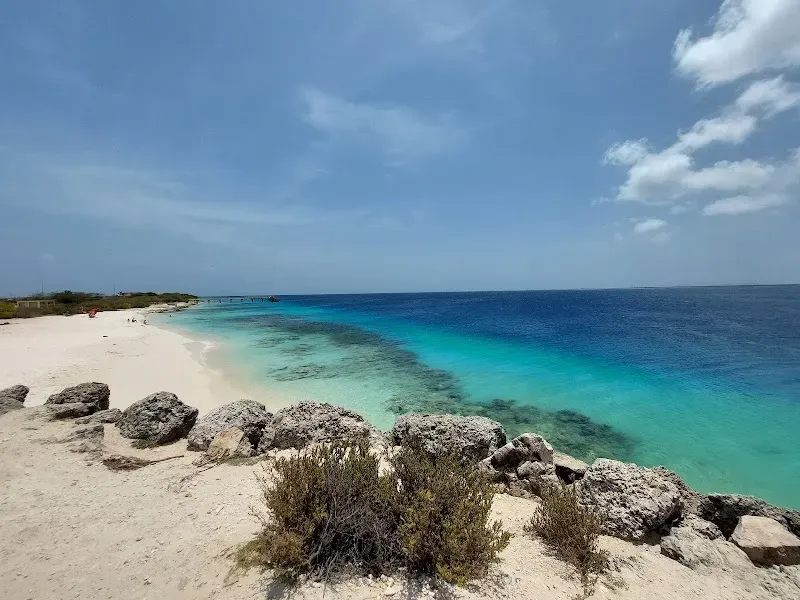
Te Amo Beach
Te Amo Beach is a nature attraction on Bonaire. This natural area showcases the lush tropical landscapes and diverse ecosystems that Bonaire is known for. Visitors can explore the local flora and fauna in a serene setting.
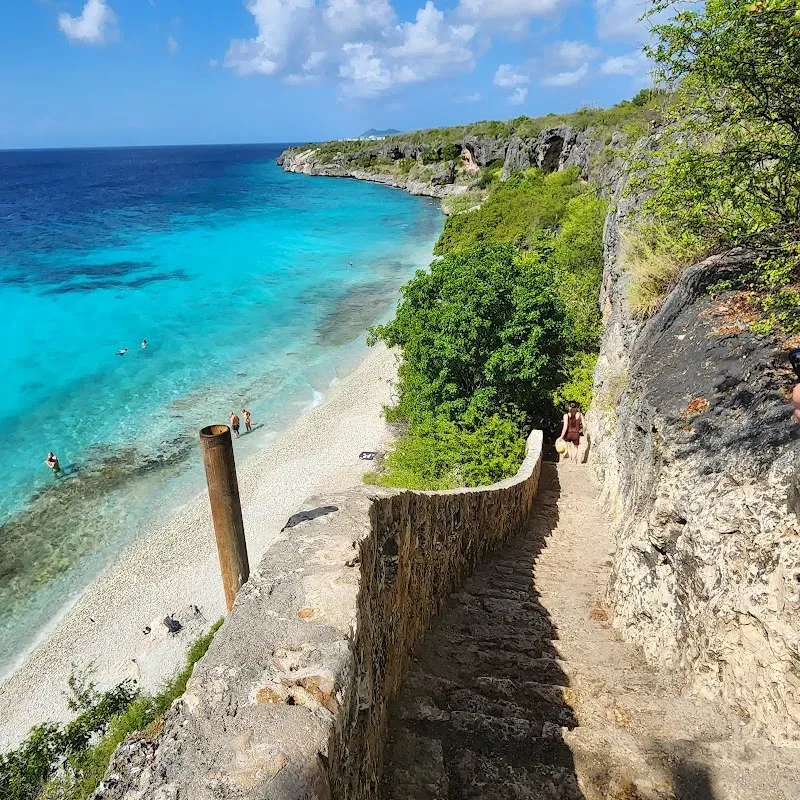
1000 Steps (16)
1000 Steps (16) is a nature attraction on Bonaire. This natural area showcases the lush tropical landscapes and diverse ecosystems that Bonaire is known for. Visitors can explore the local flora and fauna in a serene setting.
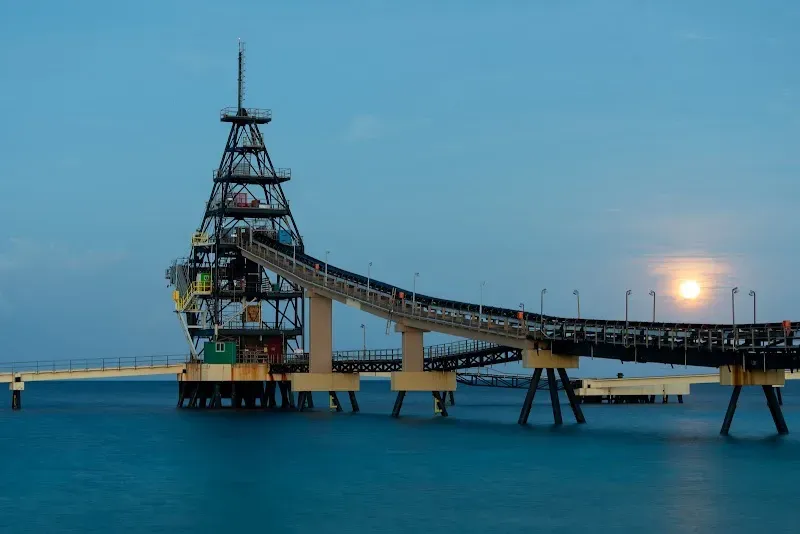
Salt Pier (49)
Salt Pier (49) is a nature attraction on Bonaire. This natural area showcases the lush tropical landscapes and diverse ecosystems that Bonaire is known for. Visitors can explore the local flora and fauna in a serene setting.
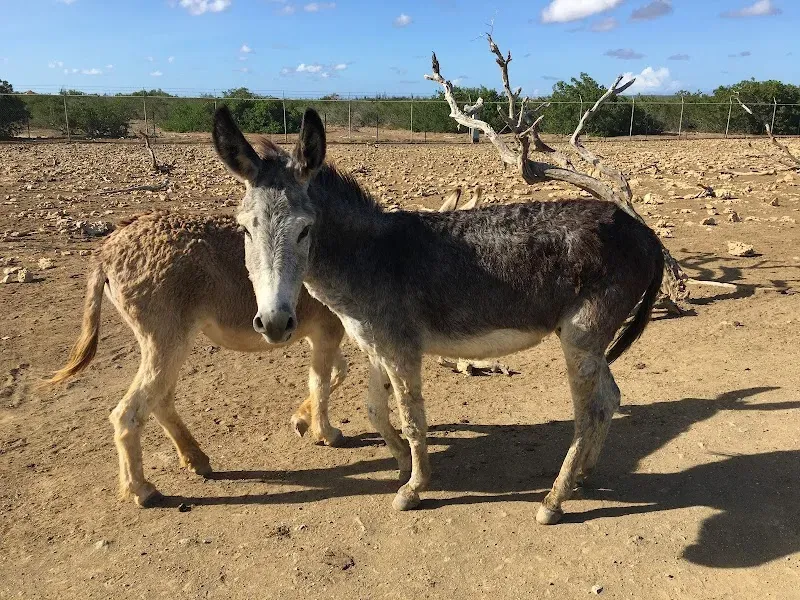
Donkey Sanctuary Bonaire
Donkey Sanctuary Bonaire is a nature attraction on Bonaire. This natural area showcases the lush tropical landscapes and diverse ecosystems that Bonaire is known for. Visitors can explore the local flora and fauna in a serene setting.
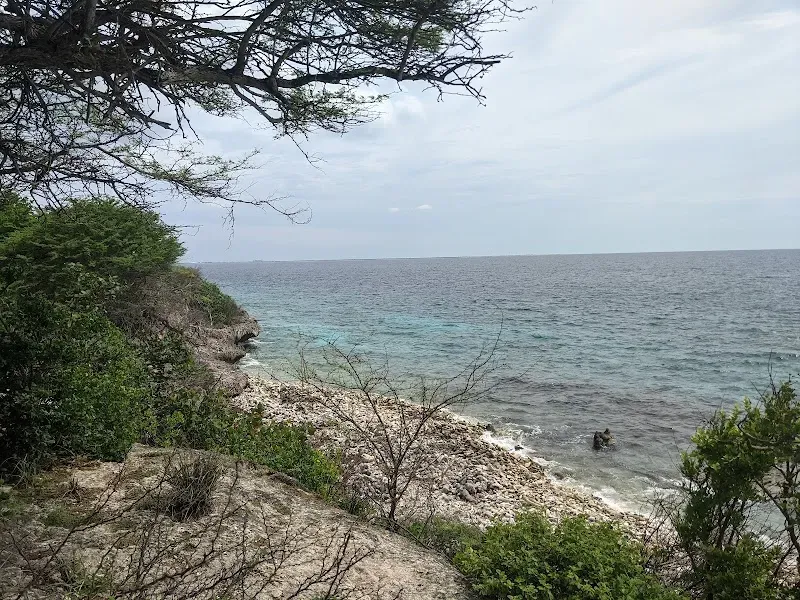
Karpata (9)
Karpata (9) is a nature attraction on Bonaire. This natural area showcases the lush tropical landscapes and diverse ecosystems that Bonaire is known for. Visitors can explore the local flora and fauna in a serene setting.
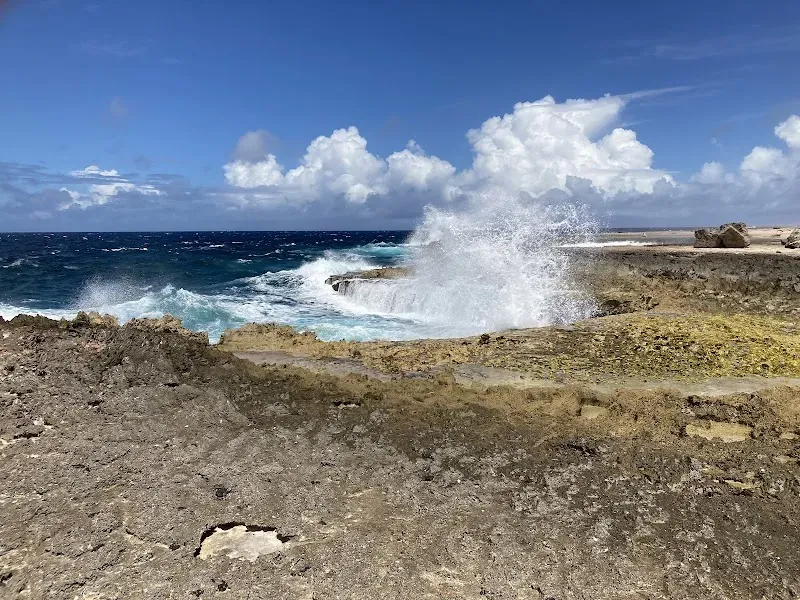
Blow Hole
Blow Hole is a nature attraction on Bonaire. This natural area showcases the lush tropical landscapes and diverse ecosystems that Bonaire is known for. Visitors can explore the local flora and fauna in a serene setting.
Hotels in Bonaire
Search for available rates by selecting your travel dates
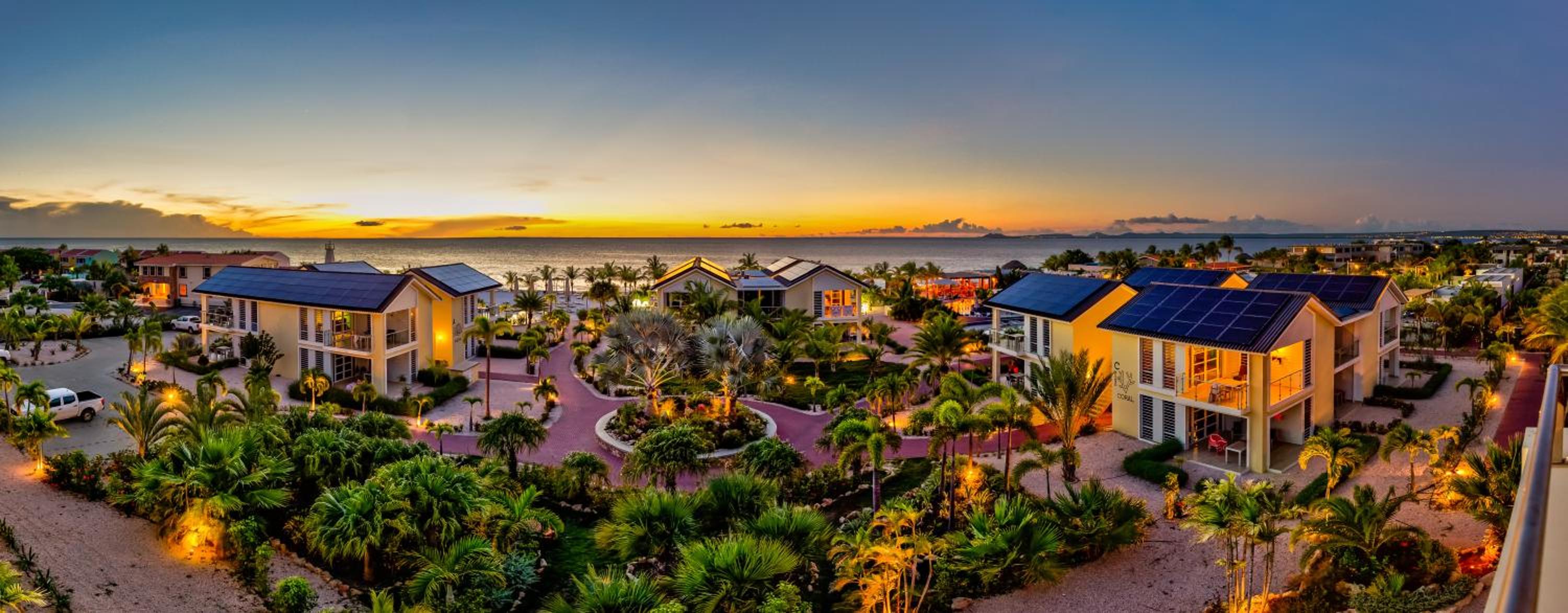
Delfins Beach Resort Bonaire, Tapestry Collection by Hilton
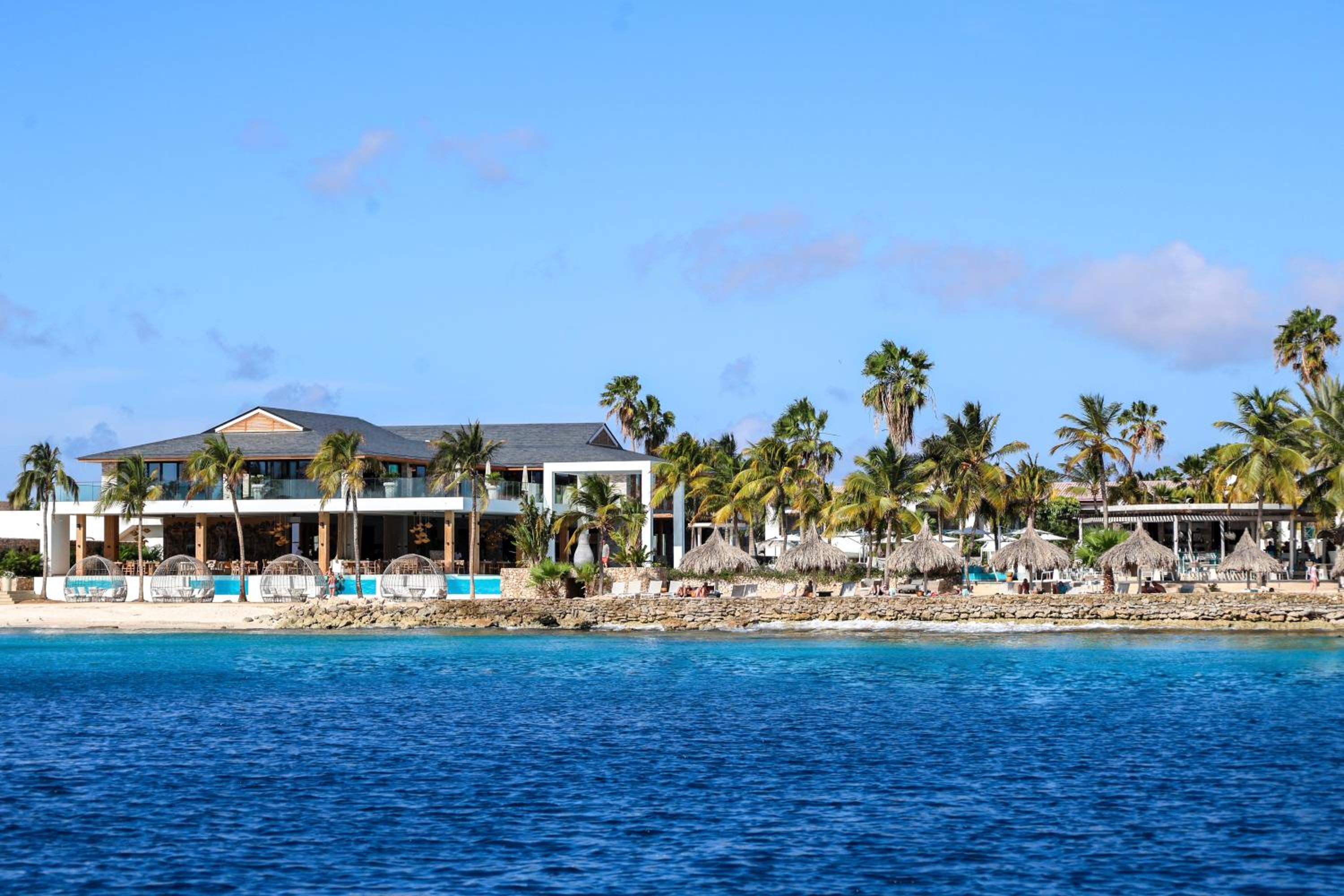
Van der Valk Plaza Resort Bonaire - All Inclusive
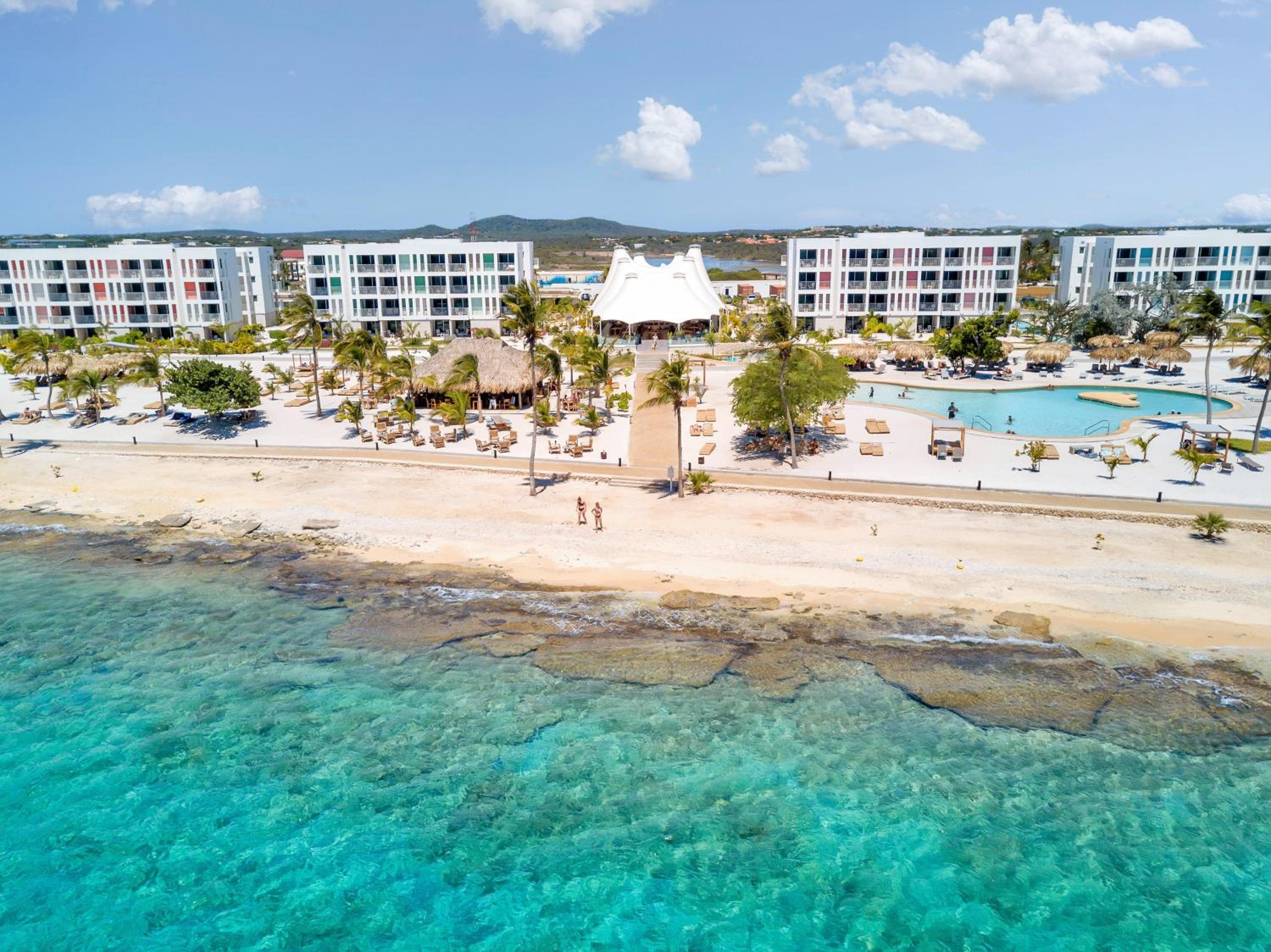
Chogogo Dive & Beach Resort Bonaire
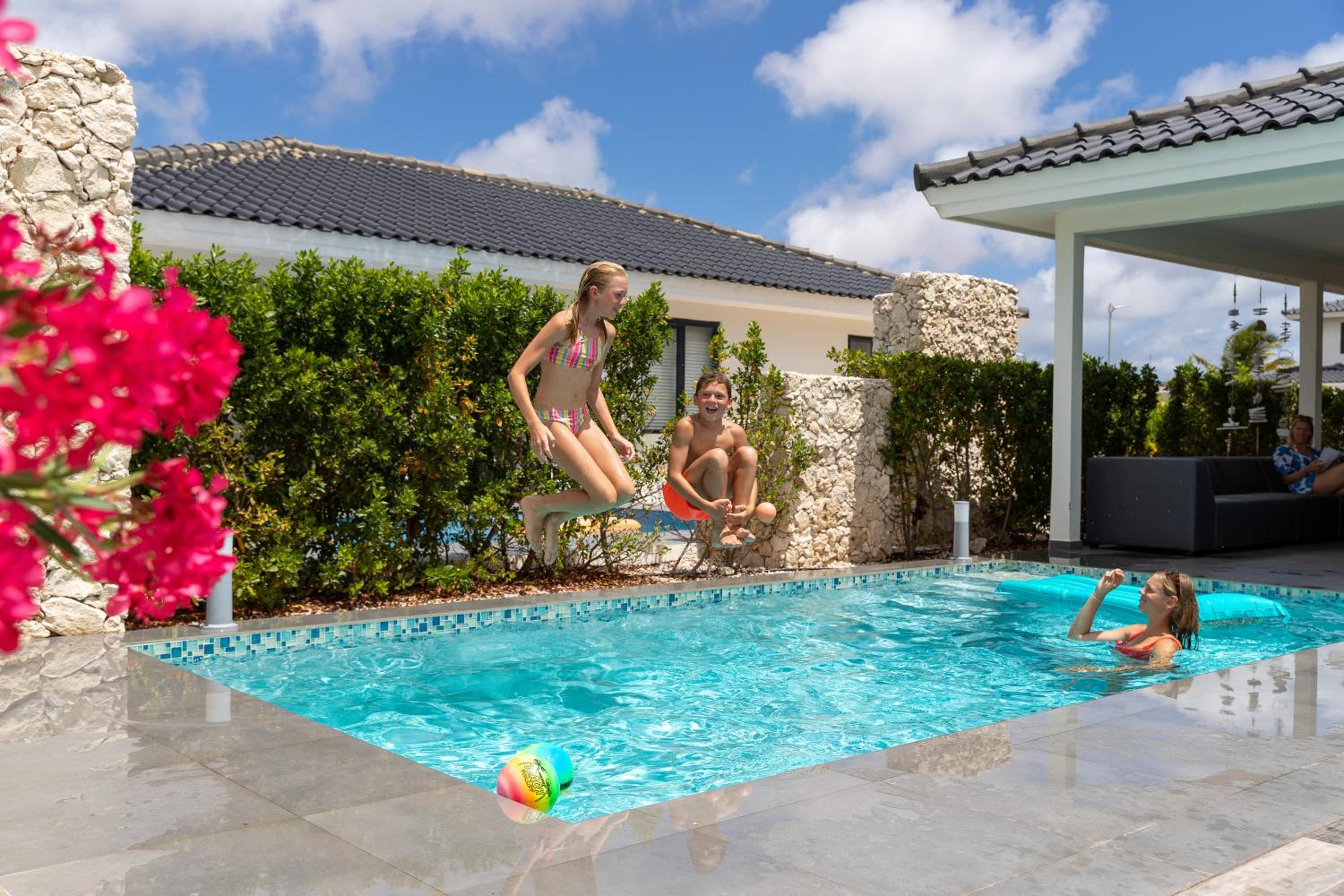 0
0Grand Windsock Bonaire
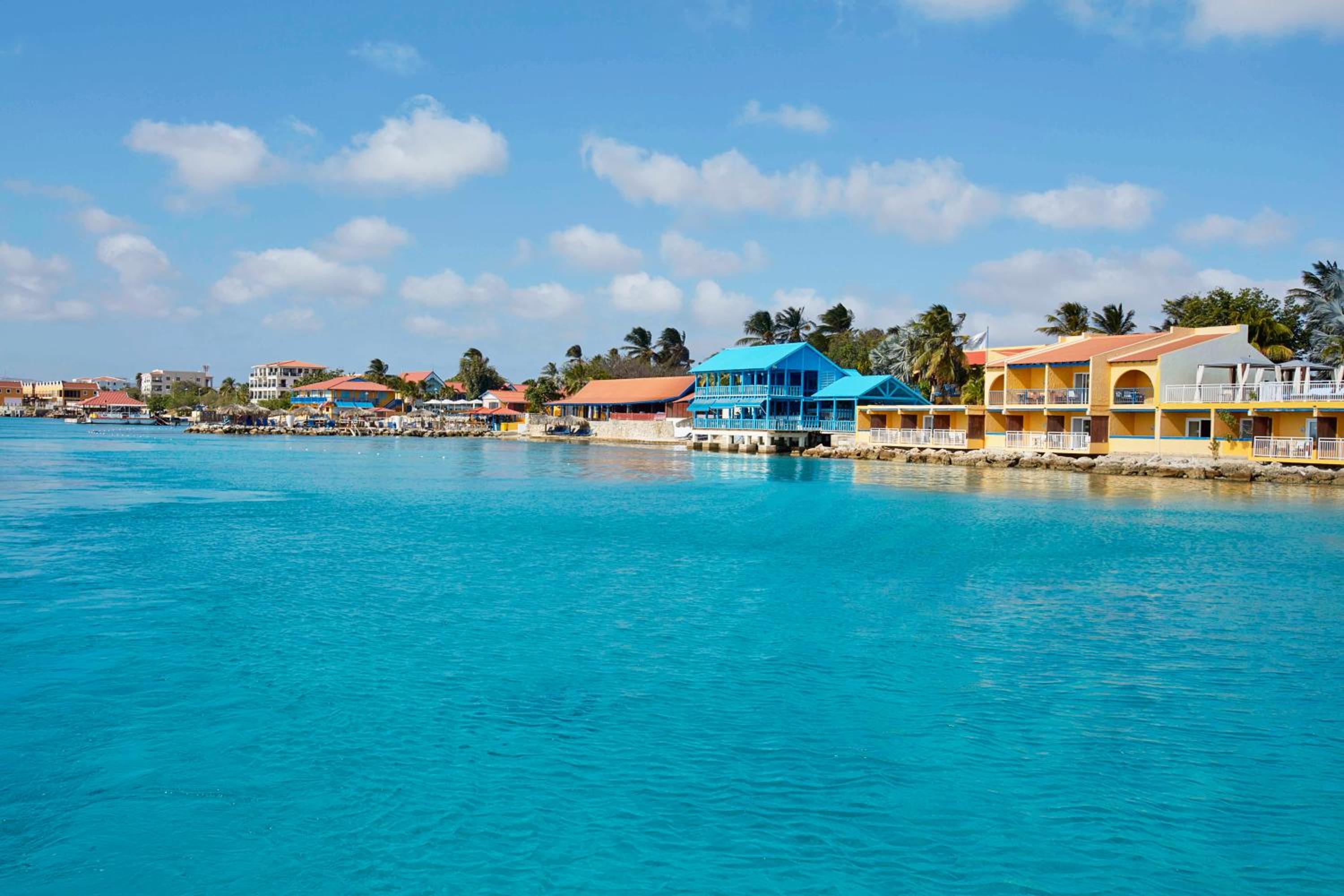
Divi Flamingo Beach Resort
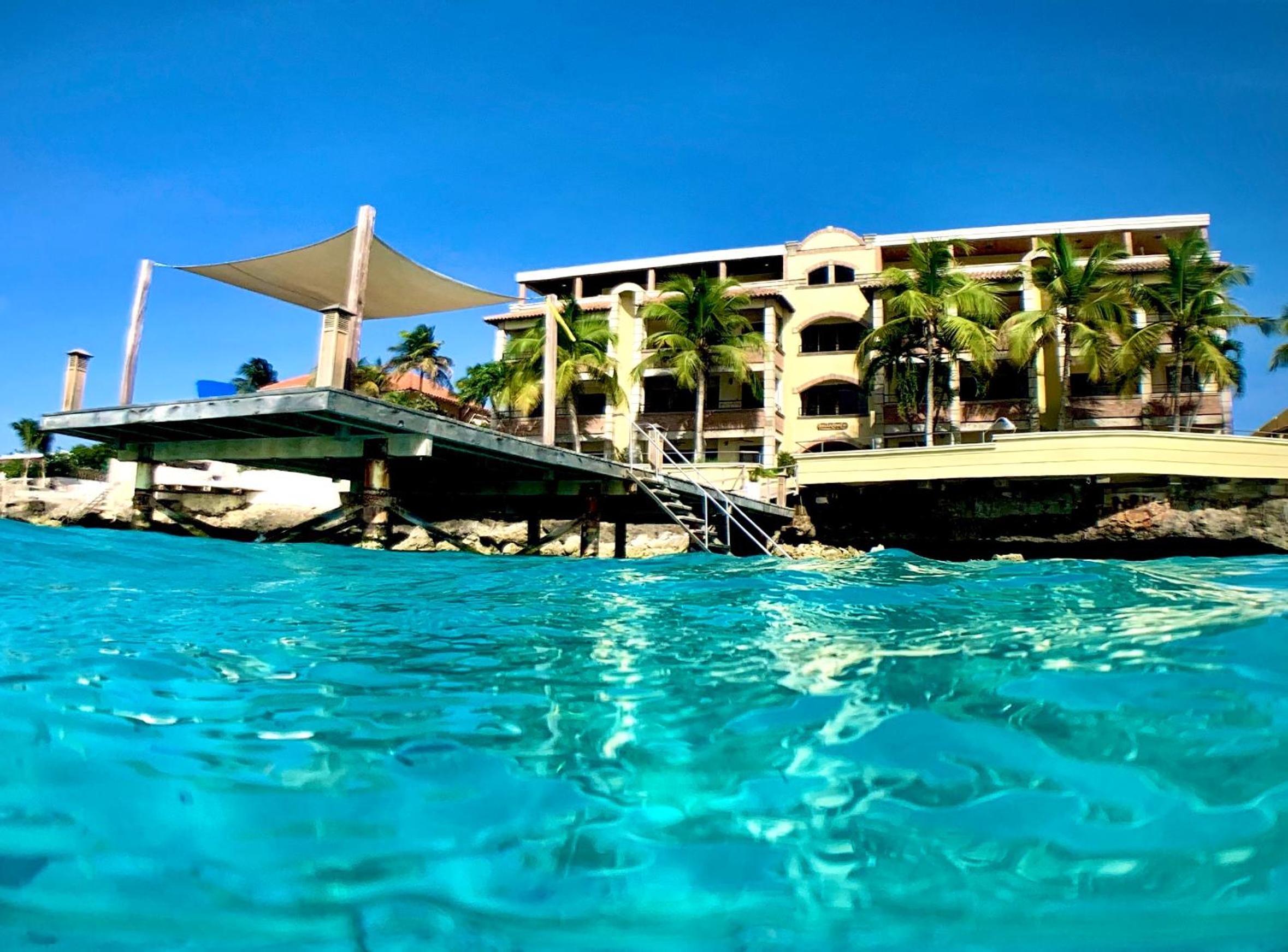
The Bellafonte - Luxury Oceanfront Hotel
Top Restaurants in Bonaire
Popular dining spots near Bonaire
No restaurants available for Bonaire yet.
Weather in Bonaire
Average Temperature
78°F to 88°F (26°C to 31°C)
Rainy Season
October to January (brief showers)
Hurricane Season
Outside the hurricane belt
Best Time to Visit
Year-round (outside hurricane belt)
Travel Tips
- Bonaire lies outside the hurricane belt, making it a year-round destination
- The US dollar is the official currency
- Tap water is safe to drink
- Driving is on the right side of the road
- Purchase a nature tag for diving and snorkeling to support marine conservation
Get Bonaire Travel Tips
Subscribe for curated tips, deals, and inspiration for your Bonaire trip.
Read More About Bonaire
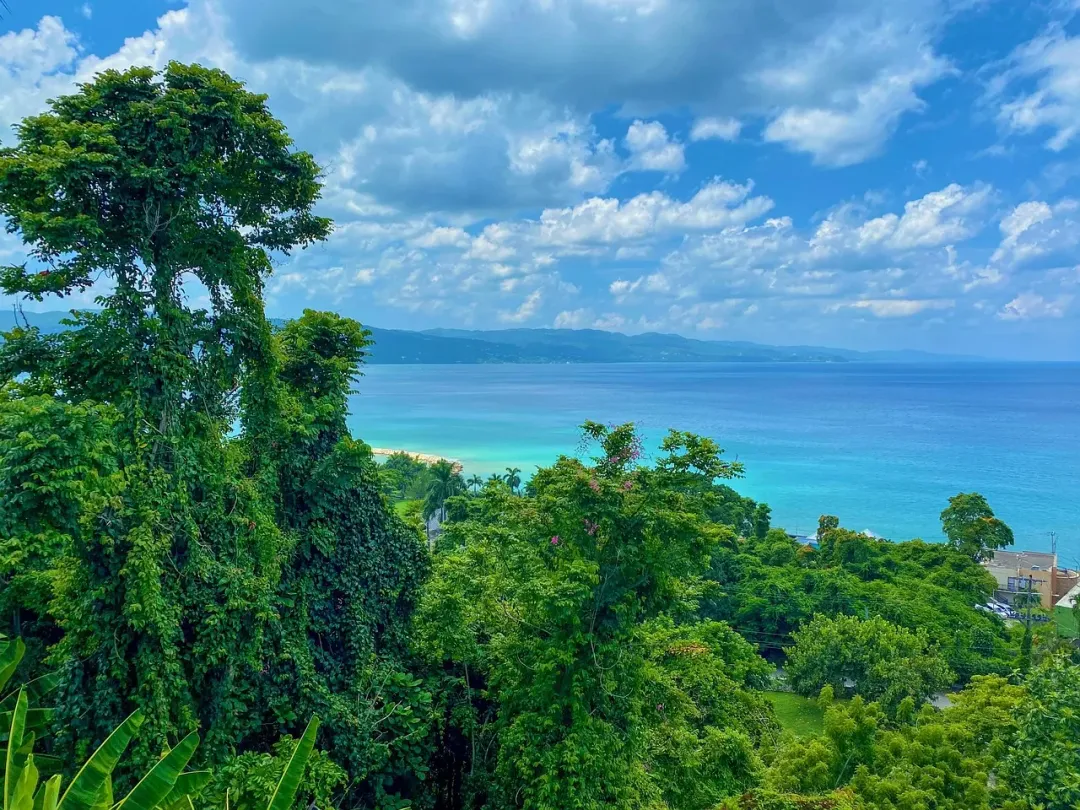
Sustainable Travel in the Caribbean: How to Minimize Your Impact
Enjoy the Caribbean while preserving it for future generations.
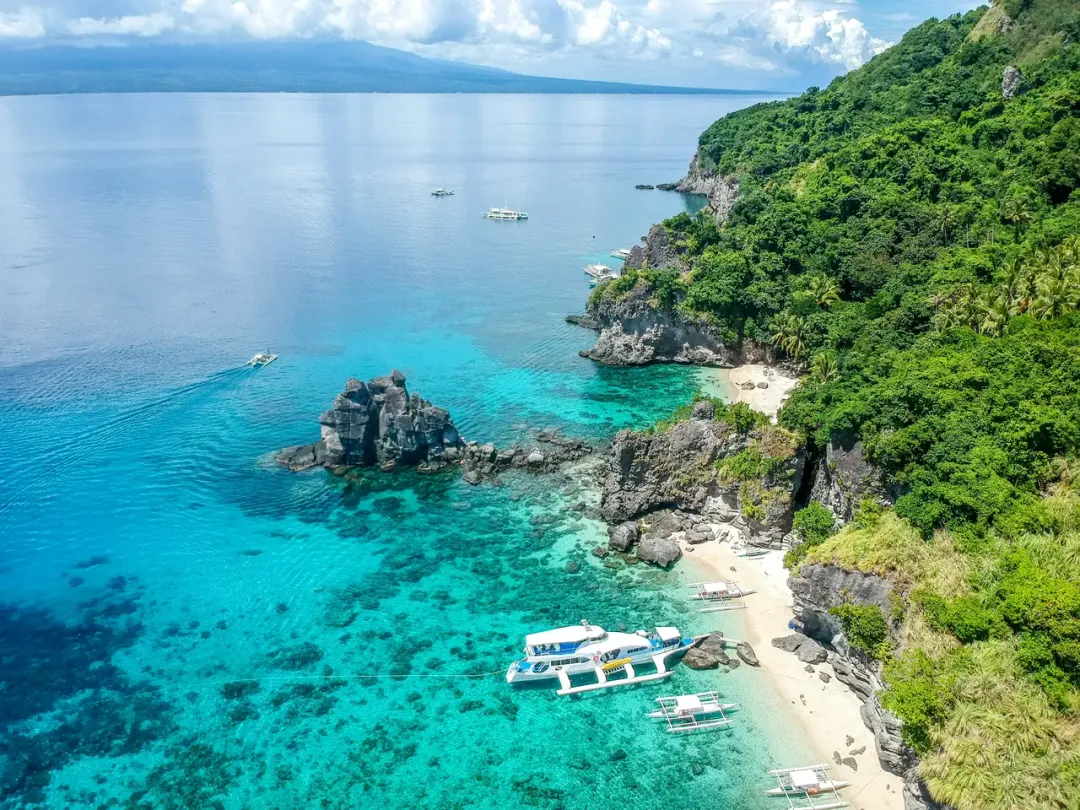
The Ultimate Caribbean Packing Guide for Every Season
Everything you need for beach days, rainforest hikes, and evening outings.
Beyond the Resort: Hidden Gems in the Caribbean
Discover lesser-known treasures and authentic experiences away from the crowds.