
Things to Do in Aruba
One Happy Island. Explore 21 attractions and 57 bookable experiences across the island.
Aruba packs a surprising amount of variety into just 70 square miles, and the best way to experience it is to get beyond the resort strip. Start at Eagle Beach, consistently ranked among the world's finest stretches of sand. It is wider and quieter than neighboring Palm Beach, with powdery white sand that seems to stretch endlessly beneath a pair of iconic wind-bent fofoti trees. Arrive early in the morning for near-solitude, or time your visit for late afternoon when the sunset paints everything amber and rose.
Between February and June, you may spot sectioned-off areas protecting leatherback turtle nests - give them a wide berth and appreciate that this beach is still wild enough for nesting sea turtles.
Head south to Baby Beach, a sheltered crescent near the old Lago refinery at the island's southeastern tip. The shallow, bathtub-calm lagoon is ideal for families with small children and for snorkelers who want to float above parrotfish without fighting current. Bring your own shade and snacks - there is a small snack bar, but not much else.
The rugged interior is another world entirely. Arikok National Park covers nearly a fifth of the island and trades white sand for cactus-studded hills, limestone caves, and Arawak rock drawings.
The hike to the Natural Pool, known locally as Conchi, is the park's crown jewel - a volcanic rock basin on the wild northern coast where Atlantic waves crash over the rim and fill a calm swimming hole. You can hike the roughly 45-minute trail from the Boca Prins entrance or join a UTV or Jeep tour. Either way, arrive before 10 a.m. to beat the midday crowds that pack the pool between 11 and 2. At the island's northwestern tip, the California Lighthouse stands 98 feet above the dunes.
Climb to the top for panoramic views of the coastline, then walk down to the dunes below for one of Aruba's most photogenic landscapes. Nearby, Fisherman's Huts is where the island's windsurf and kitesurf culture lives. The steady trade winds that blow year-round make this stretch one of the Caribbean's premier spots for both sports - equipment rentals and lessons are available right on the sand from outfitters like Aruba Active Vacations and Vela Aruba. Downtown Oranjestad is worth a half-day.
A free electric streetcar connects the cruise port to the colorful Dutch colonial facades along Caya G.F. Betico Croes, where duty-free jewelry shops sit alongside local boutiques. Fort Zoutman, the island's oldest structure, houses a small historical museum. Walk the marina boardwalk at dusk when the restaurants light up along the waterfront. Finally, no Aruba trip is complete without the flamingo photo op on Renaissance Island. This private island, accessible only by water taxi from the Renaissance Resort in Oranjestad, splits into two sections: family-friendly Iguana Beach and adults-only Flamingo Beach, where pink flamingos wander casually among sunbathers. Day passes cost around $125 per person and sell out fast - they go on sale every Saturday at 9 a.m. for the following week. Book the moment they drop.
Top Activities
Snorkeling at Boca Catalina and Mangel Halto
Boca Catalina, near the Malmok coast, offers crystal-clear shallow water teeming with tropical fish and is perfect for beginners. Mangel Halto, further south, has mangrove-fringed coves where you can spot sea turtles and colorful reef life just steps from shore.
UTV or Jeep Tour to the Natural Pool
Guided off-road tours through Arikok National Park wind past cacti and limestone formations before arriving at Conchi, the dramatic volcanic rock pool on the northern coast. De Palm Tours and ABC Tours run popular half-day excursions that include cave stops and the natural bridge.
Windsurfing and Kiteboarding at Fisherman's Huts
Aruba's consistent trade winds of 15-25 knots make Fisherman's Huts one of the Caribbean's top spots for wind sports. Multiple schools on-site offer gear rental and instruction for all levels, with flat-water conditions ideal for learning.
Sunset Catamaran Cruise
Several operators run afternoon sails along the Palm Beach coast with open bars, snorkeling stops, and rope swings. The Jolly Pirates wooden sailing ship is a local favorite for its lively atmosphere, while Pelican Adventures offers a more relaxed option.
Flamingo Beach on Renaissance Island
This adults-only private beach on Renaissance Island is home to a small flock of wild flamingos that pose obligingly for photos. Day passes sell out weekly, so book the moment they release on Saturday mornings at 9 a.m.
Exploring Arikok National Park on Foot
The park's trail network ranges from easy coastal walks to the more demanding Conchi hiking trail. The Cunucu Arikok trail passes restored heritage houses and ancient Arawak cave paintings, offering a window into the island's pre-colonial history.
Oranjestad Cultural Walk and Shopping
The capital's Dutch colonial architecture lines streets filled with duty-free shops, local galleries, and waterfront restaurants. Ride the free electric streetcar between the cruise port and the main shopping district along Caya G.F. Betico Croes.
Stand-Up Paddleboarding at Malmok Beach
The calm, gin-clear waters off Malmok are ideal for stand-up paddleboarding, with visibility so good you can spot fish and small rays beneath your board. Rental shops along the beach offer hourly and half-day rates.
Attractions in Aruba
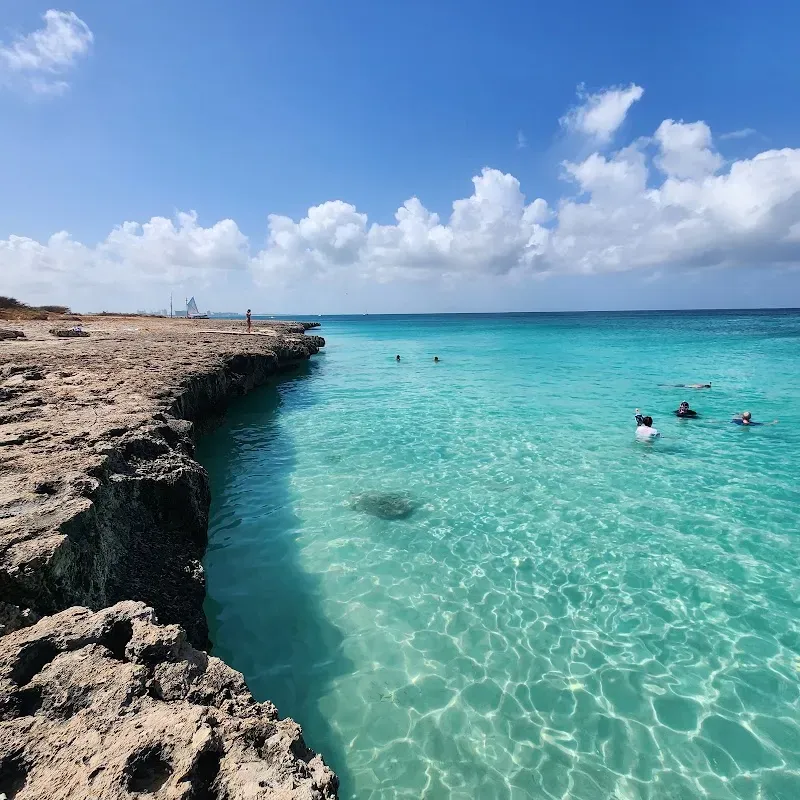
Tres Trapi Beach
Tres Trapi Beach is a nature attraction on Aruba. This natural area showcases the lush tropical landscapes and diverse ecosystems that Aruba is known for. Visitors can explore the local flora and fauna in a serene setting.
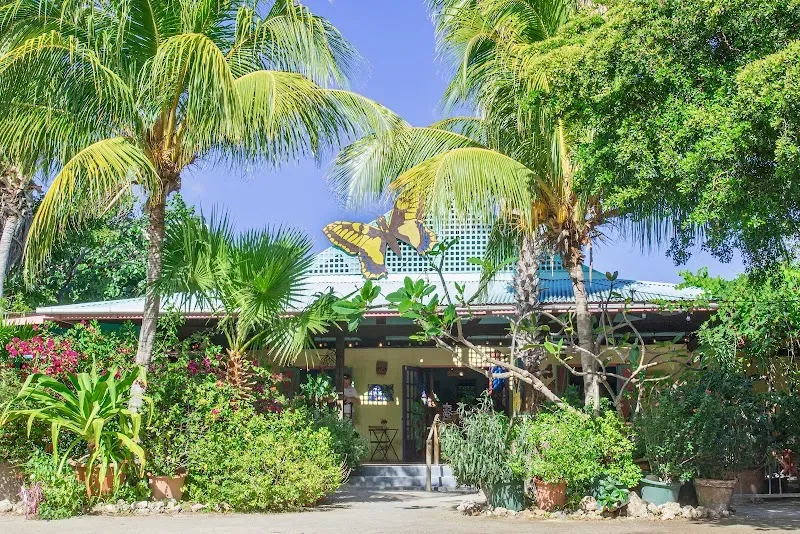
The Butterfly Farm Aruba
The Butterfly Farm Aruba is a nature attraction on Aruba. This natural area showcases the lush tropical landscapes and diverse ecosystems that Aruba is known for. Visitors can explore the local flora and fauna in a serene setting.
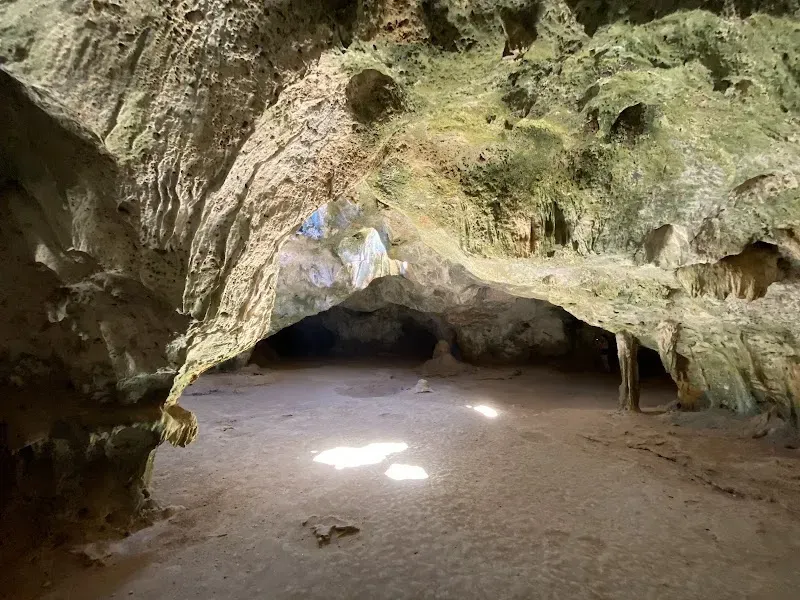
Arikok National Park
Arikok National Park is a nature attraction on Aruba. This natural area showcases the lush tropical landscapes and diverse ecosystems that Aruba is known for. Visitors can explore the local flora and fauna in a serene setting.
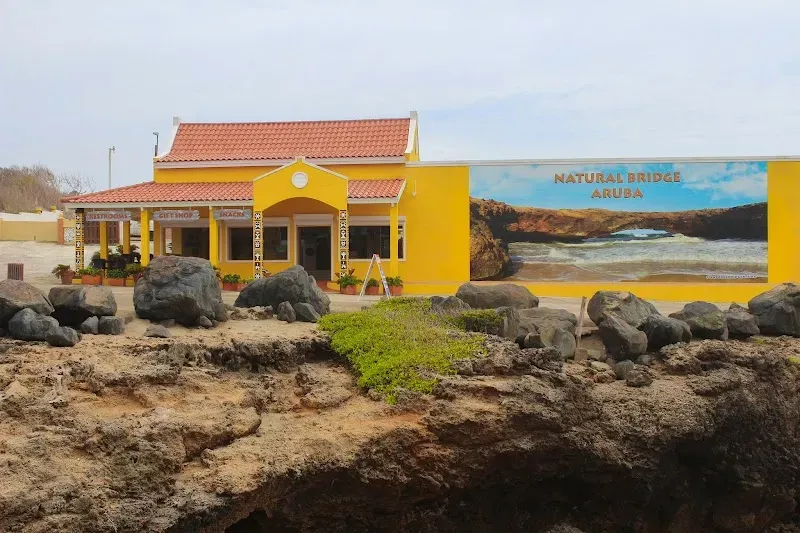
Natural Bridge Aruba
Natural Bridge Aruba is a nature attraction on Aruba. This natural area showcases the lush tropical landscapes and diverse ecosystems that Aruba is known for. Visitors can explore the local flora and fauna in a serene setting.
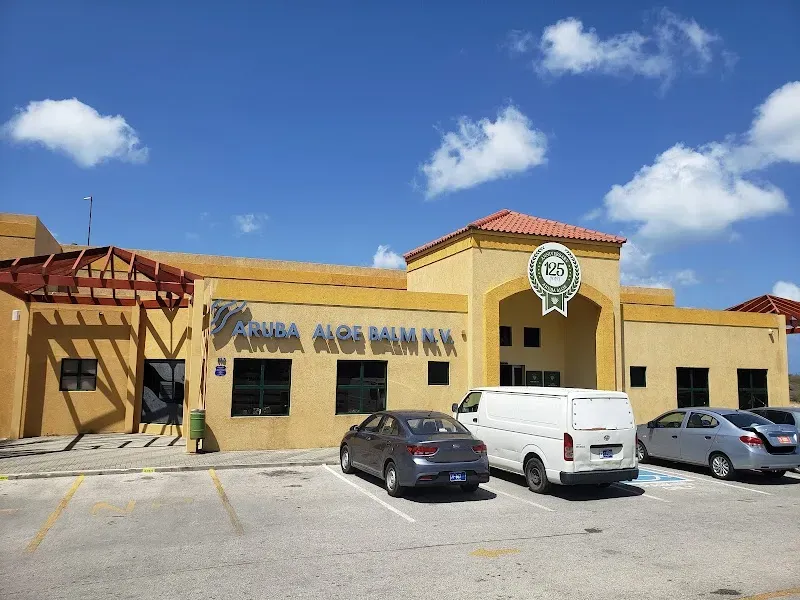
Aruba Aloe Factory Museum and Store
Aruba Aloe Factory Museum and Store is a cultural attraction on Aruba. Visitors can experience the vibrant local culture and artistic traditions of Aruba at this destination. It is a window into the creative spirit and community life of the island.
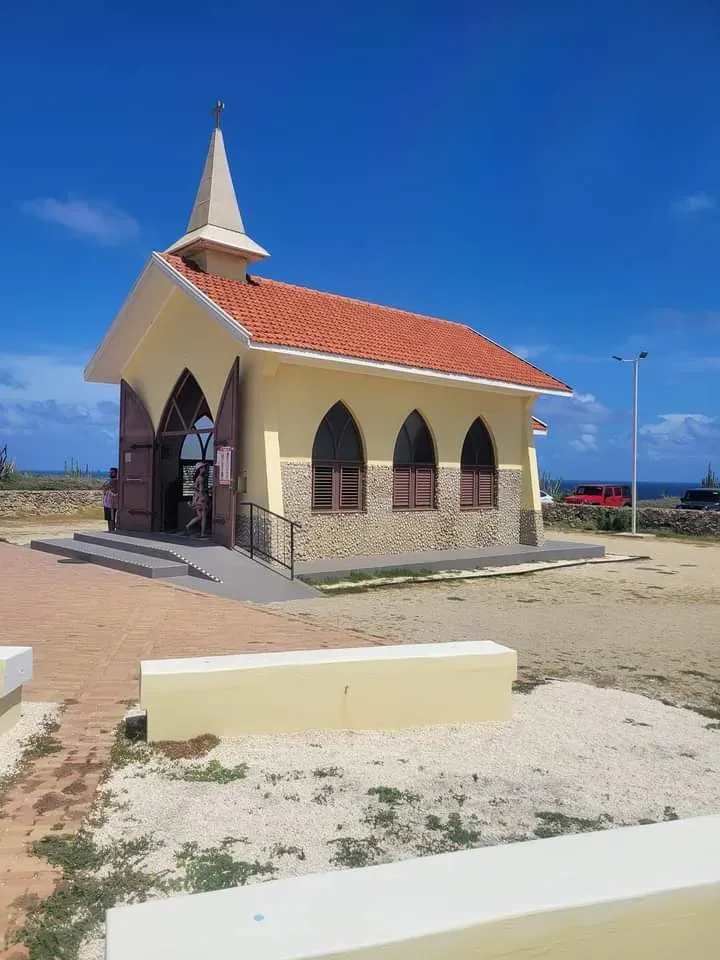
Alto Vista Chapel
Alto Vista Chapel is a nature attraction on Aruba. This natural area showcases the lush tropical landscapes and diverse ecosystems that Aruba is known for. Visitors can explore the local flora and fauna in a serene setting.
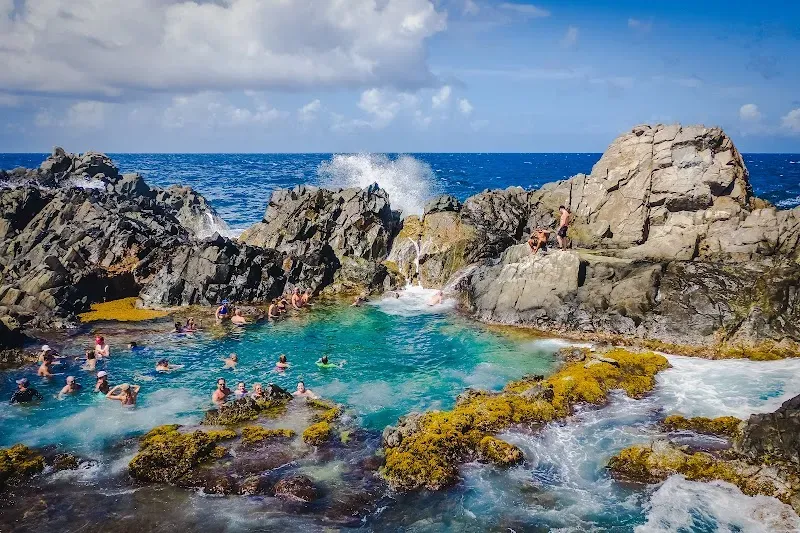
Conchi Natural Pool
This small natural pool on the coast is protected from the rough seas by encircling rocks.
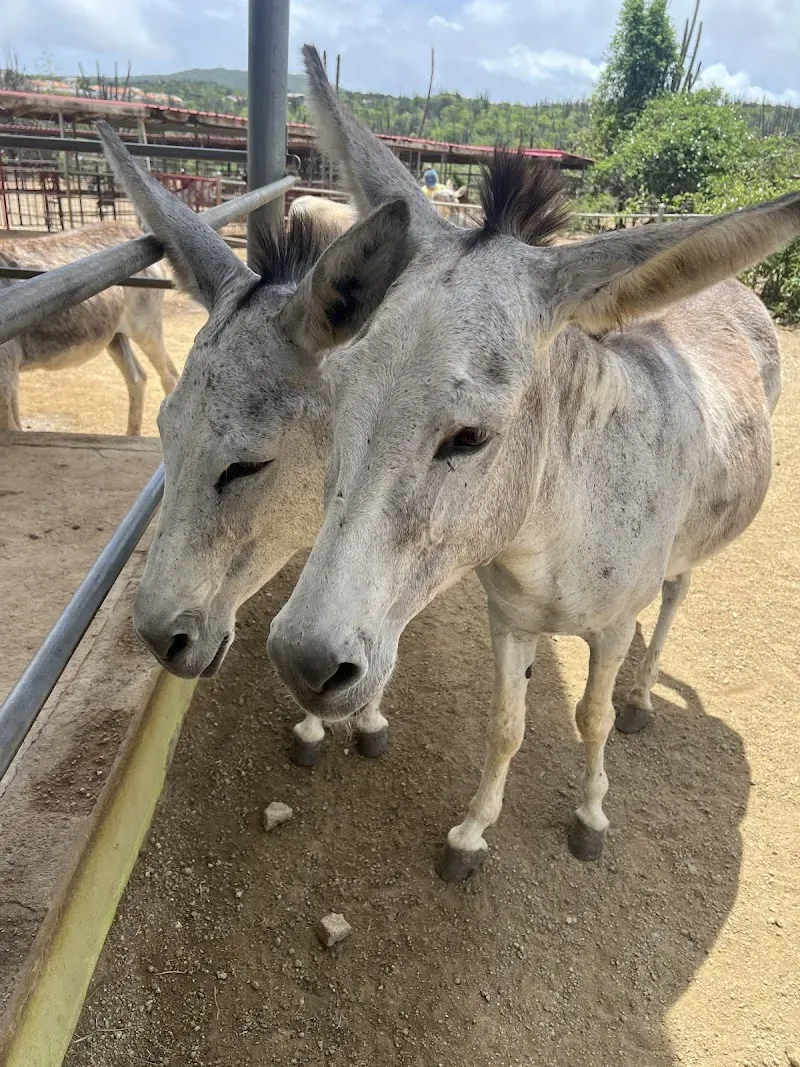
Donkey Sanctuary Aruba
Safe haven for injured or abused wild donkeys, with a gift shop & feeding opportunities.
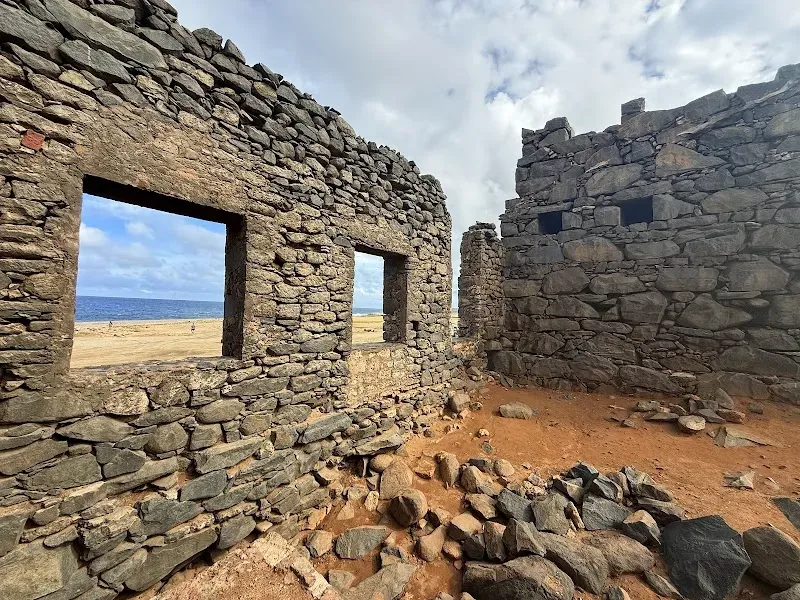
Bushiribana Ruins
Bushiribana Ruins is a historical site on Aruba. This historic site reflects the rich cultural heritage and storied past of Aruba. It offers a glimpse into the events and traditions that have shaped the island over centuries.
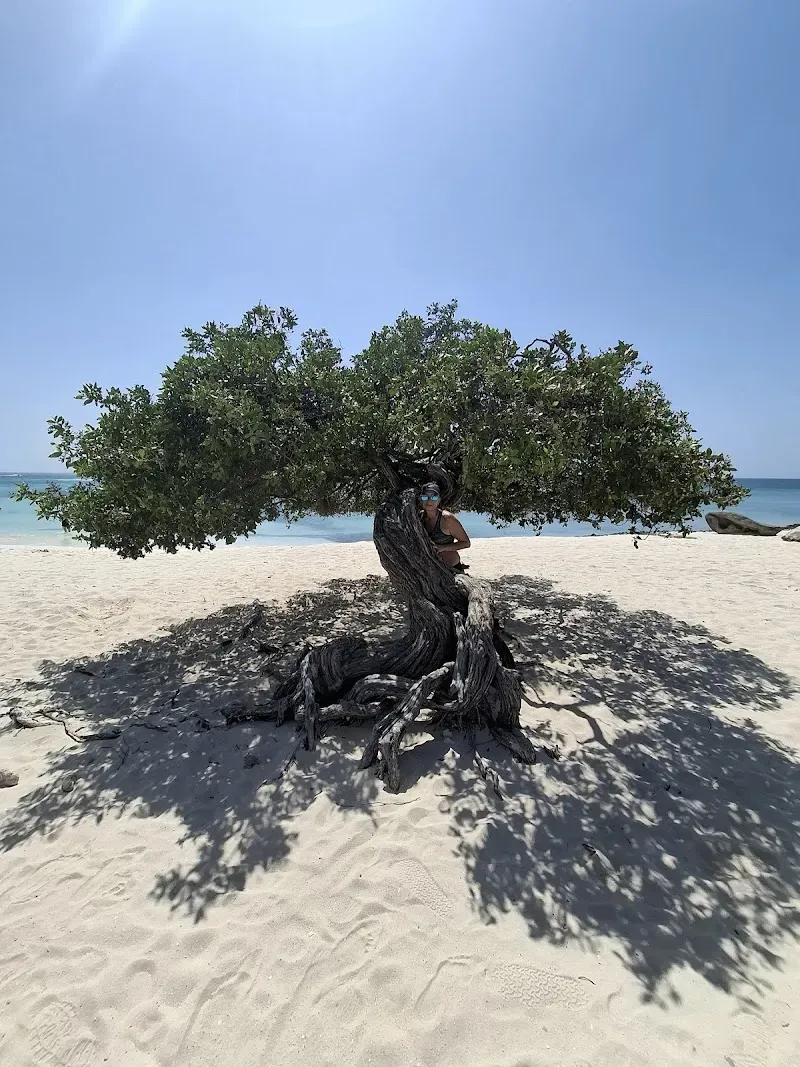
Fofoti Tree
Fofoti Tree is a nature attraction on Aruba. This natural area showcases the lush tropical landscapes and diverse ecosystems that Aruba is known for. Visitors can explore the local flora and fauna in a serene setting.
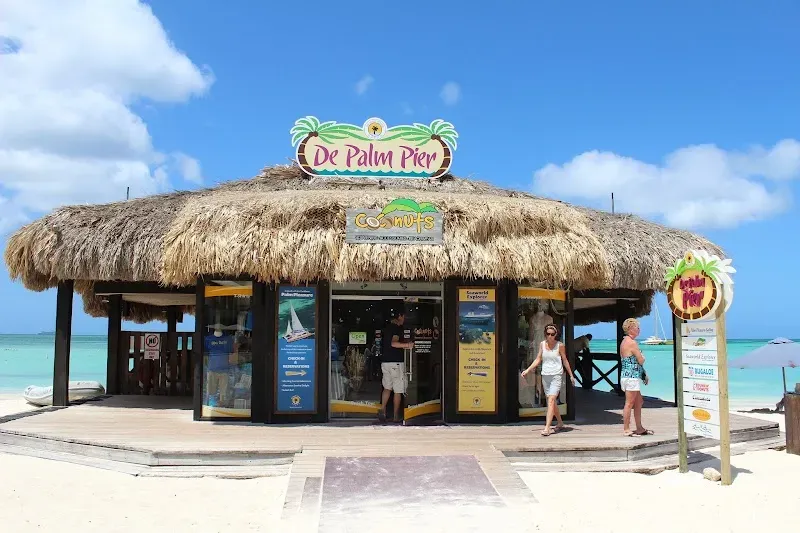
De Palm Pier
De Palm Pier is a nature attraction on Aruba. This natural area showcases the lush tropical landscapes and diverse ecosystems that Aruba is known for. Visitors can explore the local flora and fauna in a serene setting.
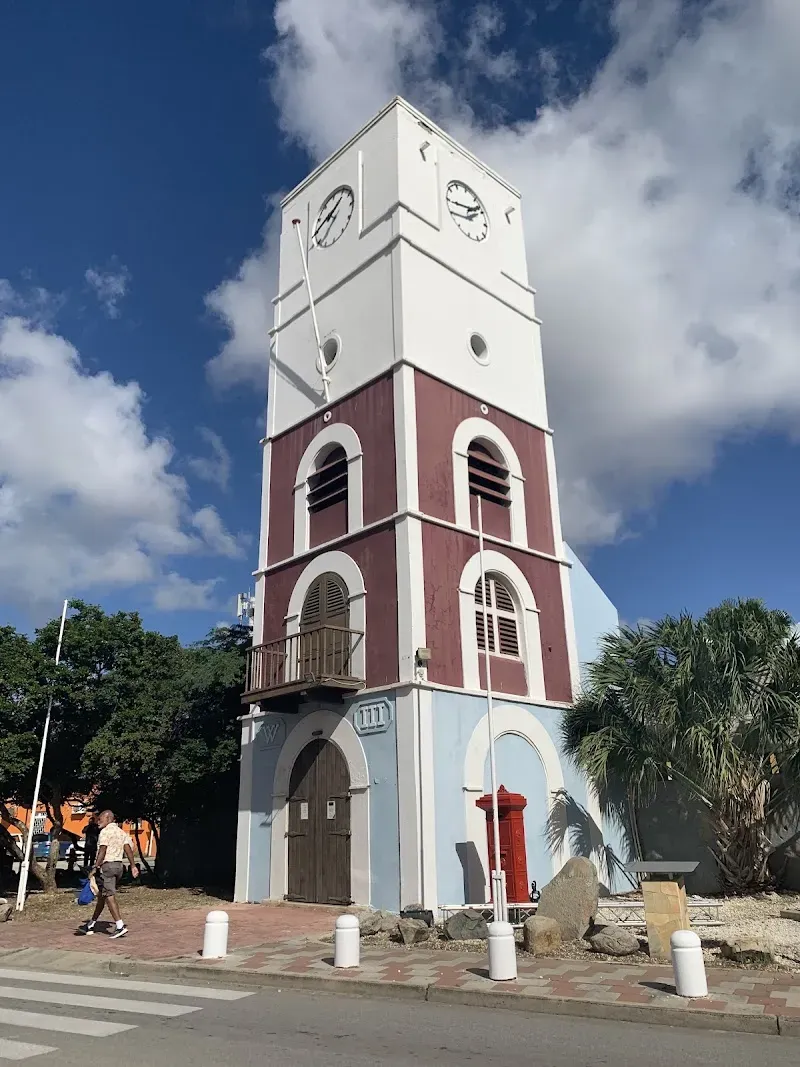
Museo Histórico Aruba
Built in 1798, this restored military fort with a courtyard & a tower features a history museum.
Explore More of Aruba
Find hotels, restaurants, and bookable experiences on our full island page.