Bay Islands
Caribbean Treasures of Honduras
About Bay Islands
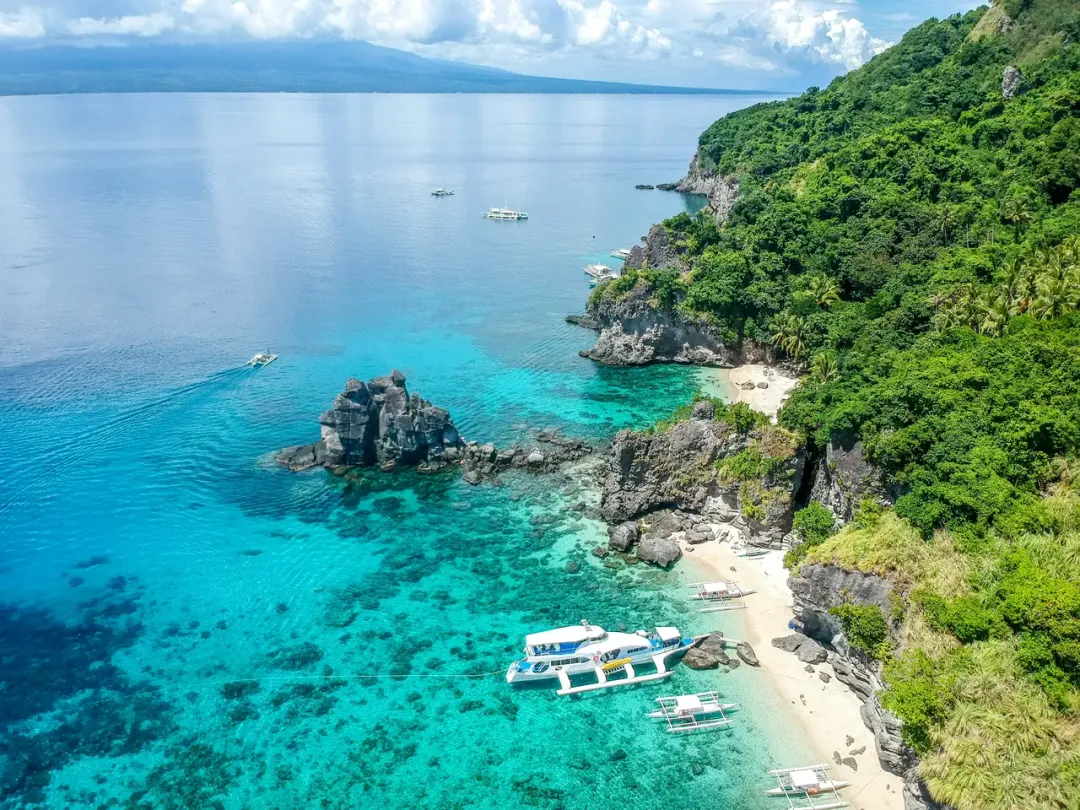
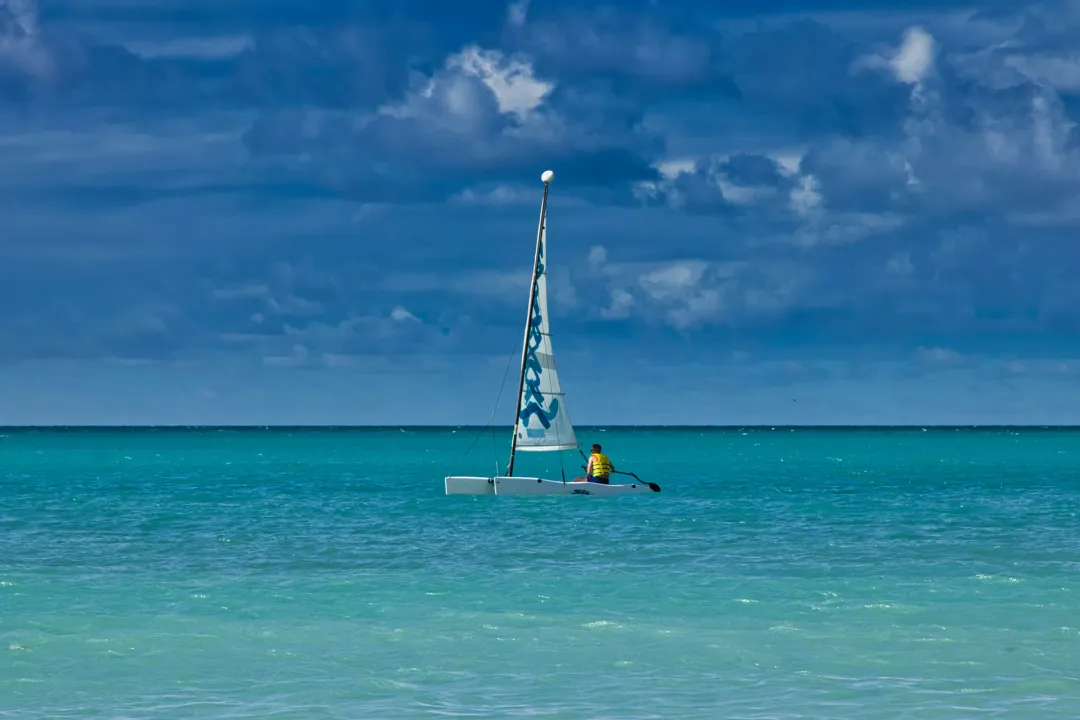
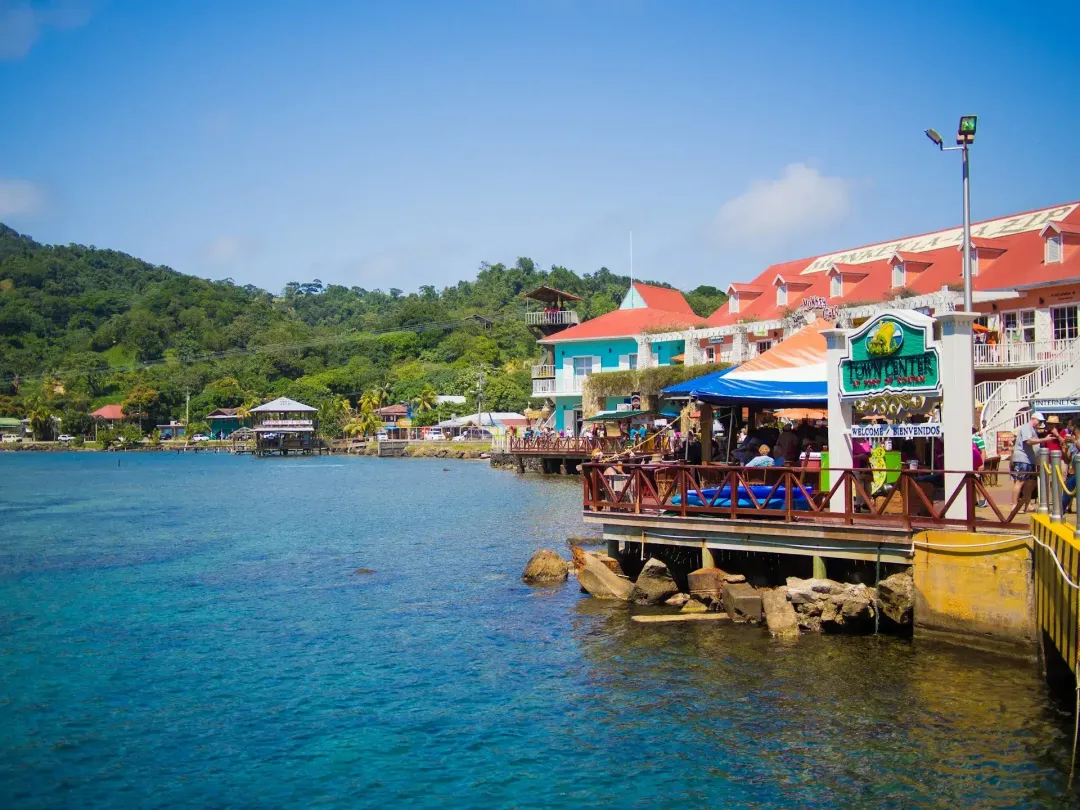
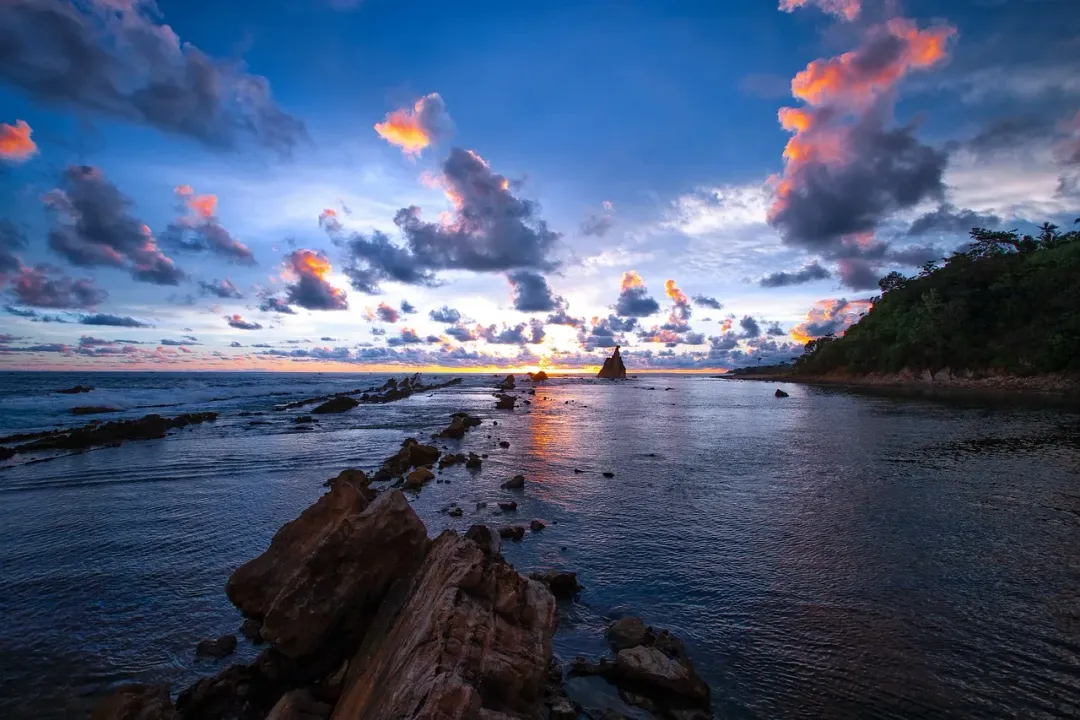
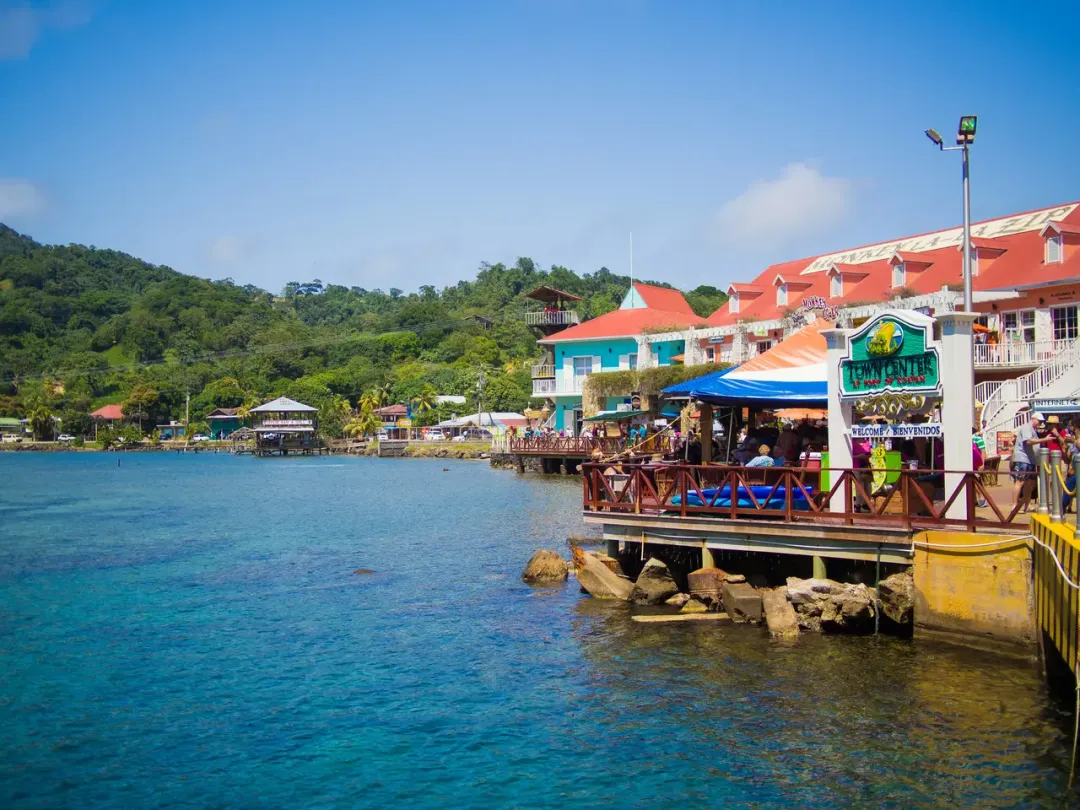
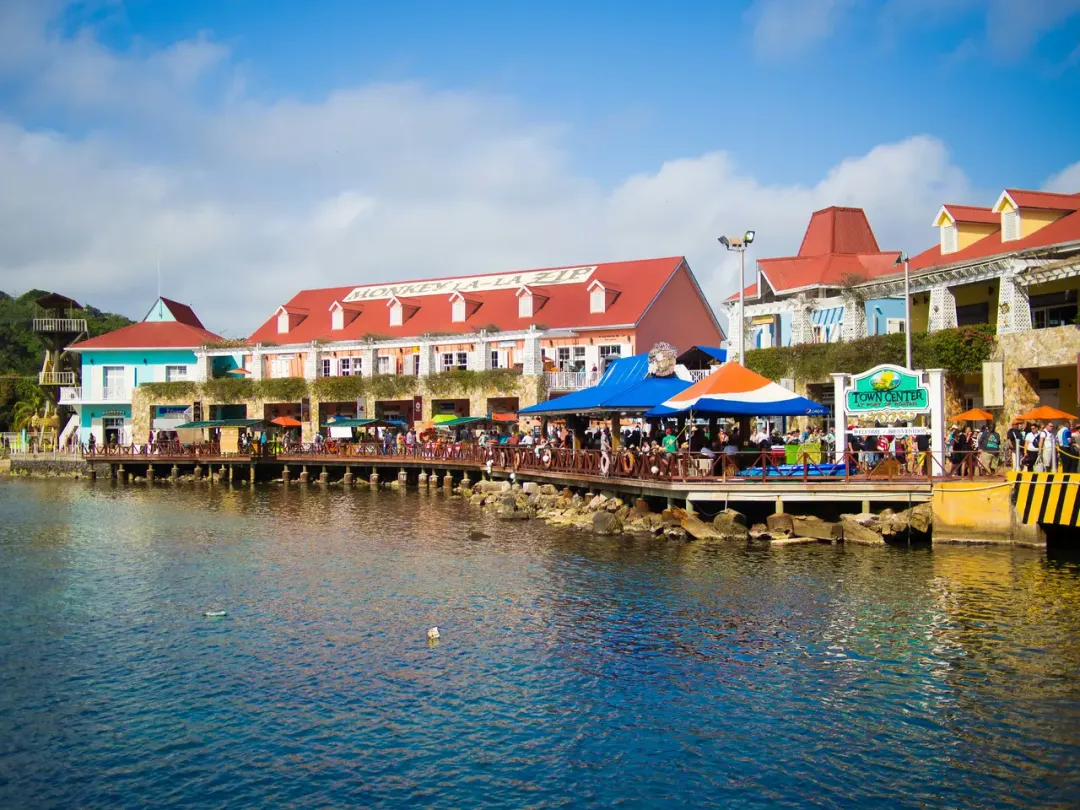
The Bay Islands (Islas de la Bahía) are an archipelago off the northern coast of Honduras, comprising three main islands-Roatán, Utila, and Guanaja-along with numerous smaller cays. Roatán, the largest and most developed island, stretches about 40 miles long and is known for its stunning coral reef, part of the Mesoamerican Barrier Reef System, the second-largest in the world. This reef system makes the Bay Islands a premier diving and snorkeling destination, with exceptional marine biodiversity, including colorful coral formations, tropical fish, sea turtles, and occasional whale sharks. The islands' unique cultural heritage stems from their complex history, having been inhabited by indigenous peoples, then contested by Spanish and British colonizers, and later populated by Garifuna people (descendants of African, Arawak, and Carib peoples). This diverse background is reflected in the islands' English-speaking population, distinct from mainland Honduras, and their vibrant mix of Latin American and Caribbean cultures. Roatán offers a range of accommodations from luxury resorts to budget hostels, particularly around West Bay and West End, while Utila is known as a backpacker haven and one of the most affordable places in the world to earn diving certifications. Guanaja, the least developed of the three main islands, provides a more secluded experience with its lush mountains and limited road access. Beyond diving, visitors can enjoy activities such as zip-lining through the jungle canopy, exploring mangrove forests by kayak, visiting animal sanctuaries, or simply relaxing on pristine beaches. The islands' cuisine features fresh seafood with Caribbean and Latin American influences, and their relaxed atmosphere makes them an ideal destination for those seeking a balance of adventure and tranquility.
Size
125 sq mi (324 km²) combined
Population
110,000
Language
Spanish, English, Garifuna
Currency
Honduran Lempira (HNL), US Dollar widely accepted
Time Zone
UTC-6 (Central Time)
Best Time to Visit
February to June
Highlights
Best Things to Do in Bay Islands
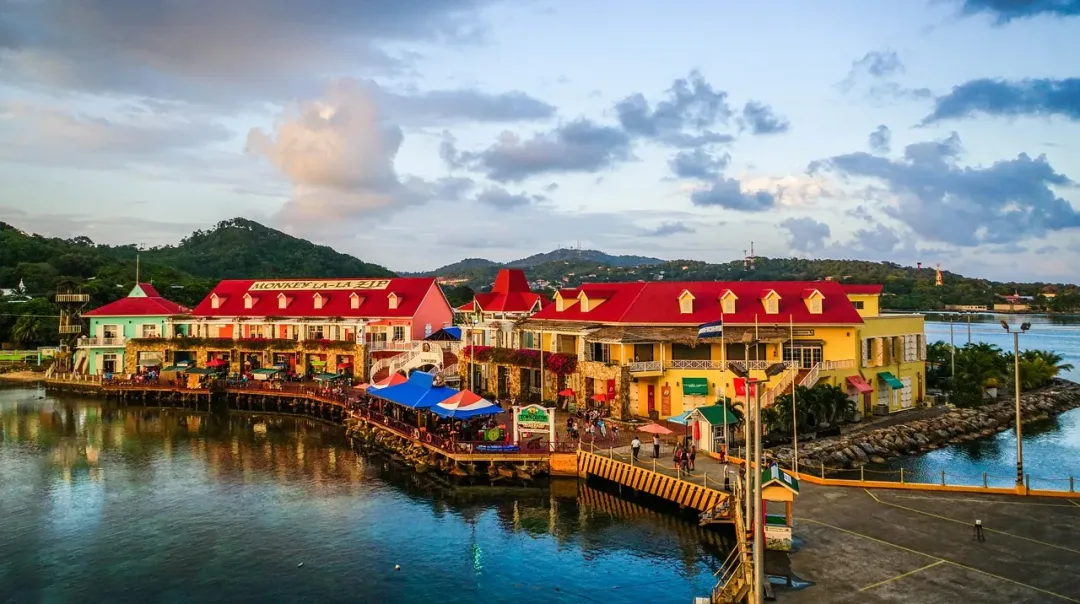
The Bay Islands reward travelers who come for the reef and stay for everything else. On Roatán, start at West End, a sand-street village strung along a turquoise cove where dive shops, reggae bars, and taco stands share the waterfront. Walk south along the shoreline path to West Bay Beach, consistently ranked among Central America's best - the reef starts just 50 feet from shore, and you can snorkel directly from the sand over brain coral and parrotfish without paying a dime. For a deeper encounter, book a two-tank dive at one of West End's many PADI shops. The Mesoamerican Barrier Reef here rivals Belize for visibility and variety - Mary's Place, a dramatic volcanic crack dive on the south side, and the Odyssey wreck off West End are standout sites.
Back on land, the Carambola Botanical Gardens near Sandy Bay wind through 40 acres of tropical plants and jungle trails where you will likely spot iguanas and agouti. Nearby, Daniel Johnson's Monkey and Sloth Hangout lets you hold sloths and interact with capuchin monkeys in a surprisingly well-run sanctuary. For a dose of Garifuna culture, take a water taxi from West End to Punta Gorda on the northeast tip of Roatán, the oldest Garifuna settlement in Honduras, where the rhythms of punta music fill the air on weekends and women prepare machuca (mashed plantains with coconut fish soup) the traditional way.
Utila, a 45-minute ferry ride from Roatán, is the backpacker island, famous as one of the cheapest places on earth to get PADI certified. Beyond diving, Utila has a surprisingly lively nightlife scene for its size, centered on Tranquila Bar and Treetanic Bar, built into a massive tree above the harbor. The Iron Bound section of the island has rocky volcanic terrain and tide pools worth exploring on foot. Guanaja, the least visited of the three, is for those seeking genuine solitude - its interior is covered in Caribbean pine forest and cascading waterfalls, including the Michael Rock waterfall trail that few tourists ever find.
Dive Mary's Place off Roatán's South Shore
A series of volcanic fissures in the reef wall create dramatic swim-throughs draped in sponges and sea fans. The crevices funnel light into cathedral-like shafts, and you will often spot moray eels and lobsters tucked into the cracks. Suitable for advanced open water divers.
Snorkel West Bay Beach from Shore
The reef begins roughly 50 feet from the sand at West Bay. Wade in with a mask and fins and you are immediately over healthy coral gardens teeming with parrotfish, blue tangs, and spotted eagle rays. No boat trip required, and the calm western waters keep conditions gentle year-round.
Get PADI Certified on Utila
Utila is one of the most affordable places in the world for dive certification. Open Water courses run around $280 to $350 USD and typically include accommodation. The island's shallow, calm waters and resident whale shark population (peak season March to May and September to October) make it ideal for new divers.
Visit the Garifuna Village of Punta Gorda
The oldest Garifuna settlement in Honduras sits on Roatán's northeastern coast. Come on a Saturday evening for punta drumming and dance, sample machuca (mashed green plantain with coconut fish soup), and learn about the Garifuna people's remarkable history of resistance and survival.
Explore Carambola Botanical Gardens
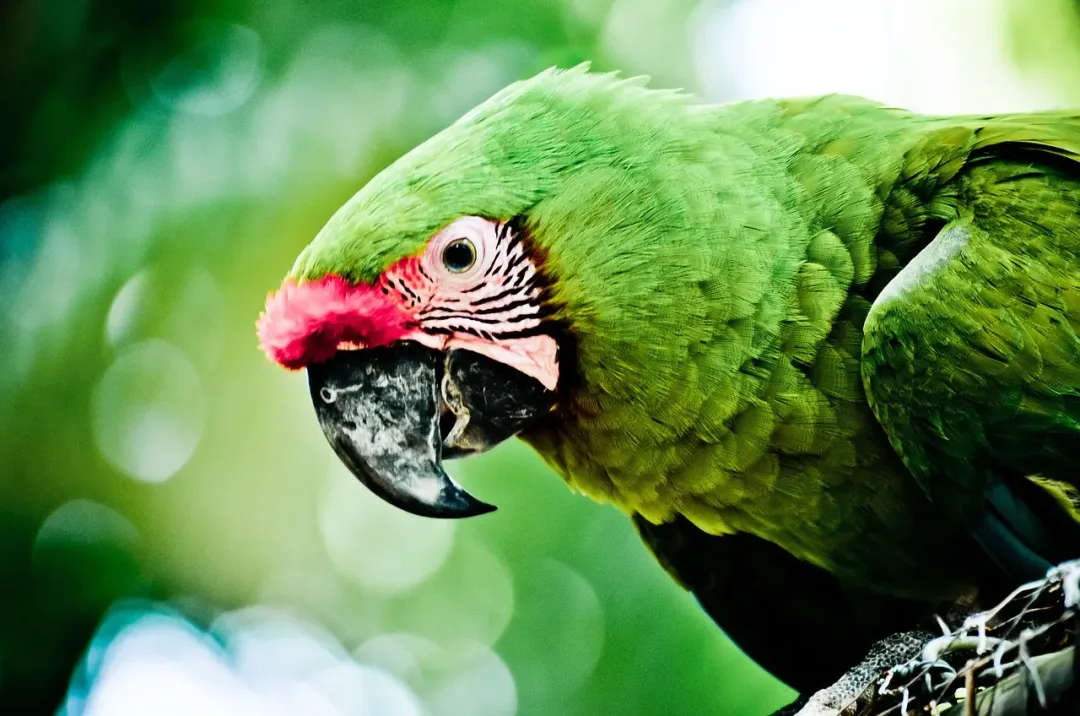
Forty acres of trails wind through native tropical plants, towering mahogany trees, and an iguana breeding station near Sandy Bay. The elevated jungle path offers views over the coast, and resident parrots and agouti are regularly spotted along the route. Allow about two hours.
Kayak the Mangroves at Jonesville
Paddle through tunnels of red mangrove on Roatán's south side, where the roots shelter juvenile fish, seahorses, and upside-down jellyfish. The route opens to a calm lagoon with pelicans and frigate birds overhead. Several outfitters in French Harbour rent kayaks for around $15 to $20.
Hike to Michael Rock Waterfall on Guanaja
Guanaja's mountainous interior hides several waterfalls accessible only on foot. The Michael Rock trail passes through Caribbean pine forest and ends at a freshwater cascade where you can swim in a natural pool. The island's lack of roads makes it feel genuinely remote.
Where to Stay in Bay Islands
Roatán concentrates most of the Bay Islands' accommodation. West Bay Beach is the luxury end, anchored by properties like Infinity Bay Spa and Beach Resort ($200 to $400 a night) and the Grand Roatán ($250 to $500), both directly on the sand with pools and dive operations on site. West End, a ten-minute walk north, is where budget and mid-range travelers cluster. Dive resorts like Splash Inn ($80 to $120) include accommodation in their certification packages, and beachfront cabins at places like Mariposa Lodge start around $60.
For a quieter experience, the south shore communities of French Harbour and First Bight have smaller boutique options like Pristine Bay ($300 to $600) with a golf course and reef access. Utila is the budget champion of the Caribbean. Hostels and dive lodge bunks start at $10 to $15, and private rooms with air conditioning run $30 to $50. Mango Inn and Utila Dive Centre both offer solid packages combining accommodation and certification.
Guanaja has limited options - the overwater cabins at Graham's Place and the hillside rooms at Dunbar Rock are among the few choices, priced at $150 to $300. Vacation rentals on all three islands have expanded considerably, with Roatán condos on the West Bay strip available from $100 to $200 a night through Airbnb and VRBO. Book well ahead for February through April, when dry season demand peaks.
Where to Eat in Bay Islands
Bay Islands cuisine reflects the collision of Caribbean and Honduran flavors. The staple is baleada - a flour tortilla folded around refried beans, cheese, and cream - available at roadside stands across Roatán for under a dollar. Seafood dominates restaurant menus: whole fried snapper, coconut shrimp, and grilled lobster tail (typically $12 to $20) are standard fare. In West End, Sundowners Beach Bar serves grouper tacos with mango salsa right on the sand, while Cannibal Café does hearty breakfasts and fresh-caught fish of the day at honest prices. The Thirsty Turtle in West Bay offers upscale Caribbean seafood with sunset views and cocktails in the $8 to $12 range.
For authentic Garifuna cooking, seek out the small eateries in Punta Gorda or Oak Ridge, where women prepare hudut (fish cooked in coconut milk over mashed plantain) and cassava bread from scratch. On Utila, the restaurants along Main Street cater to the dive crowd with big portions and low prices - Mango Café is a gathering spot for breakfast burritos and strong coffee, and RJ's BBQ does slow-smoked ribs that rival anything on the mainland.
For a splurge, Vintage Pearl on Roatán's east end serves wine-paired Caribbean fusion in an intimate setting. Fresh fruit is abundant and cheap - look for roadside vendors selling rambutan, star fruit, and mangoes by the bag. Kalik and Port Royal are the local beer choices, and gifiti, a Garifuna herbal rum infusion, is the drink you have to try at least once.
Best Time to Visit Bay Islands
The Bay Islands' dry season runs from February through June, with March and April offering the best combination of calm seas, low humidity, and excellent underwater visibility reaching 100 feet or more. This is peak dive season and accommodation fills up, so book at least two months ahead for West Bay and Utila.
The rainy season from October through January brings afternoon showers and occasional heavy rains, though mornings are often clear and diving remains good. Hurricane season officially runs June through November, though direct hits on the Bay Islands are uncommon - the last major storm was Hurricane Mitch in 1998. September and October carry the highest weather risk.
Whale shark season on Utila peaks March through May and again September through October, drawing divers specifically for encounters with these gentle giants. Water temperatures hover around 80 to 82°F year-round, so a thin wetsuit or rash guard is sufficient. Budget travelers benefit from visiting in September or October when accommodation rates drop 30 to 40 percent.

Gumbalimba Park
Park offering interactive animal attractions as well as a swimming pool, gardens & kids' play areas.
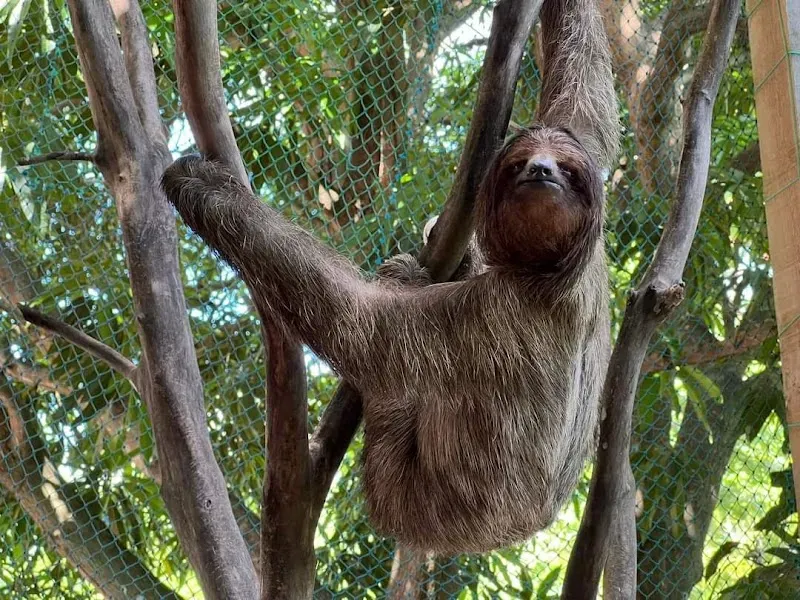
Daniel Johnson's Monkey and Sloth Hang Out
Daniel Johnson's Monkey and Sloth Hang Out is a nature attraction on Bay Islands. This natural area showcases the lush tropical landscapes and diverse ecosystems that Bay Islands is known for. Visitors can explore the local flora and fauna in a serene setting.
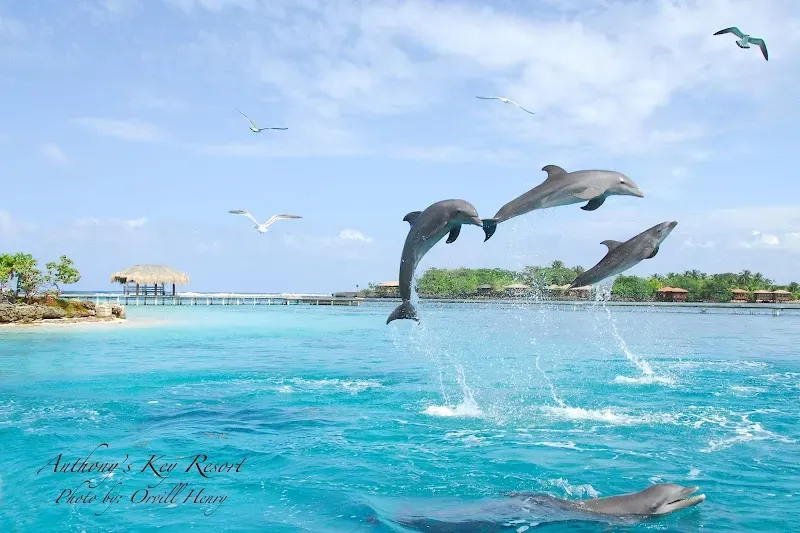
Roatan Institute for Marine Sciences
Roatan Institute for Marine Sciences is a nature attraction on Bay Islands. This natural area showcases the lush tropical landscapes and diverse ecosystems that Bay Islands is known for. Visitors can explore the local flora and fauna in a serene setting.
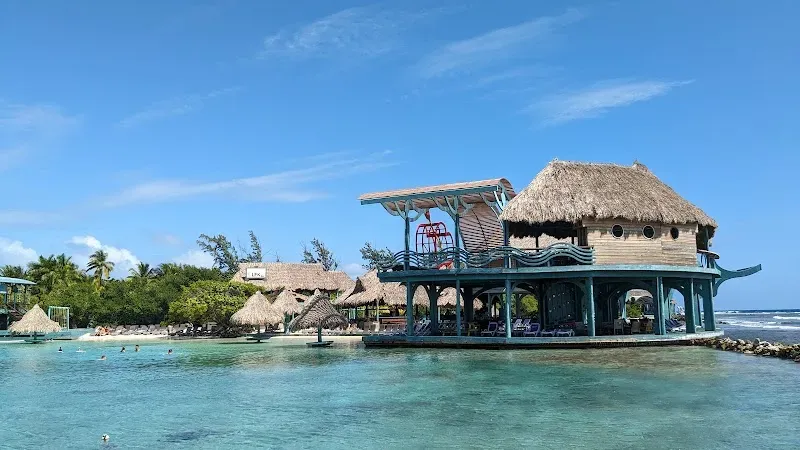
Little French Key Resort
Refined quarters in an upscale private island hotel offering a swim-up bar & water horseback riding.
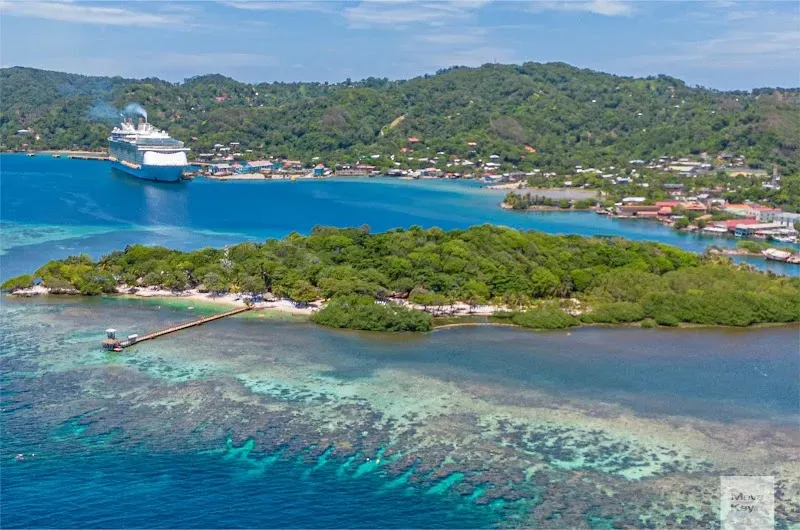
Maya Key
Maya Key is a nature attraction on Bay Islands. This natural area showcases the lush tropical landscapes and diverse ecosystems that Bay Islands is known for. Visitors can explore the local flora and fauna in a serene setting.
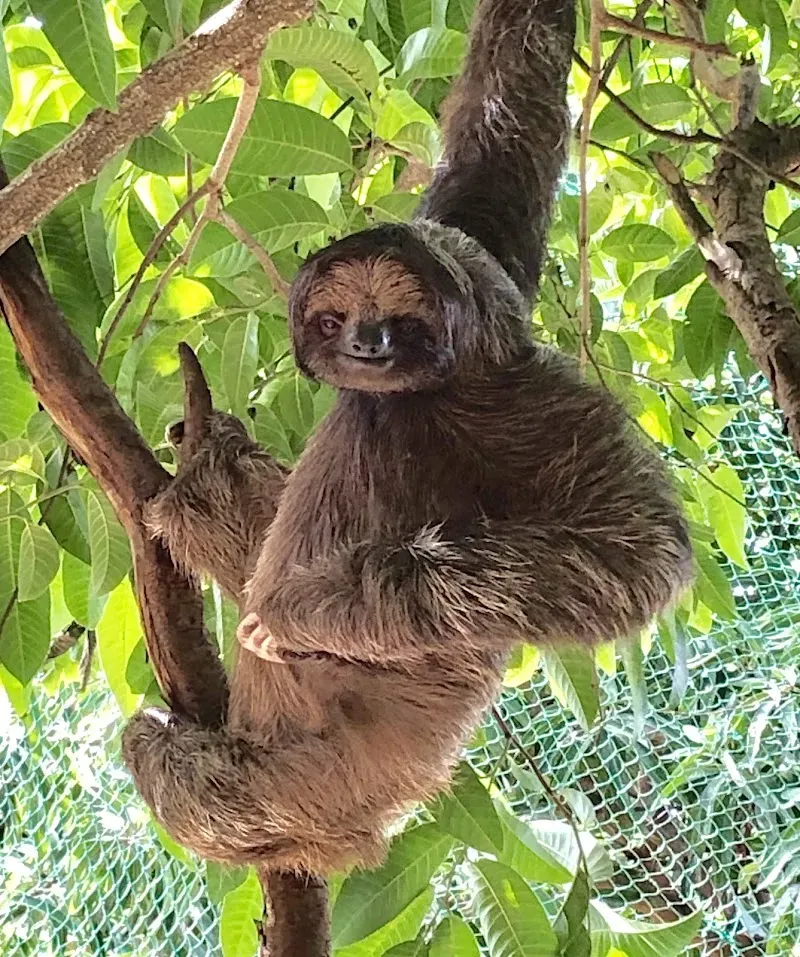
AJ's Monkeys and Sloths
AJ's Monkeys and Sloths is a nature attraction on Bay Islands. This natural area showcases the lush tropical landscapes and diverse ecosystems that Bay Islands is known for. Visitors can explore the local flora and fauna in a serene setting.
Hotels in Bay Islands
Search for available rates by selecting your travel dates
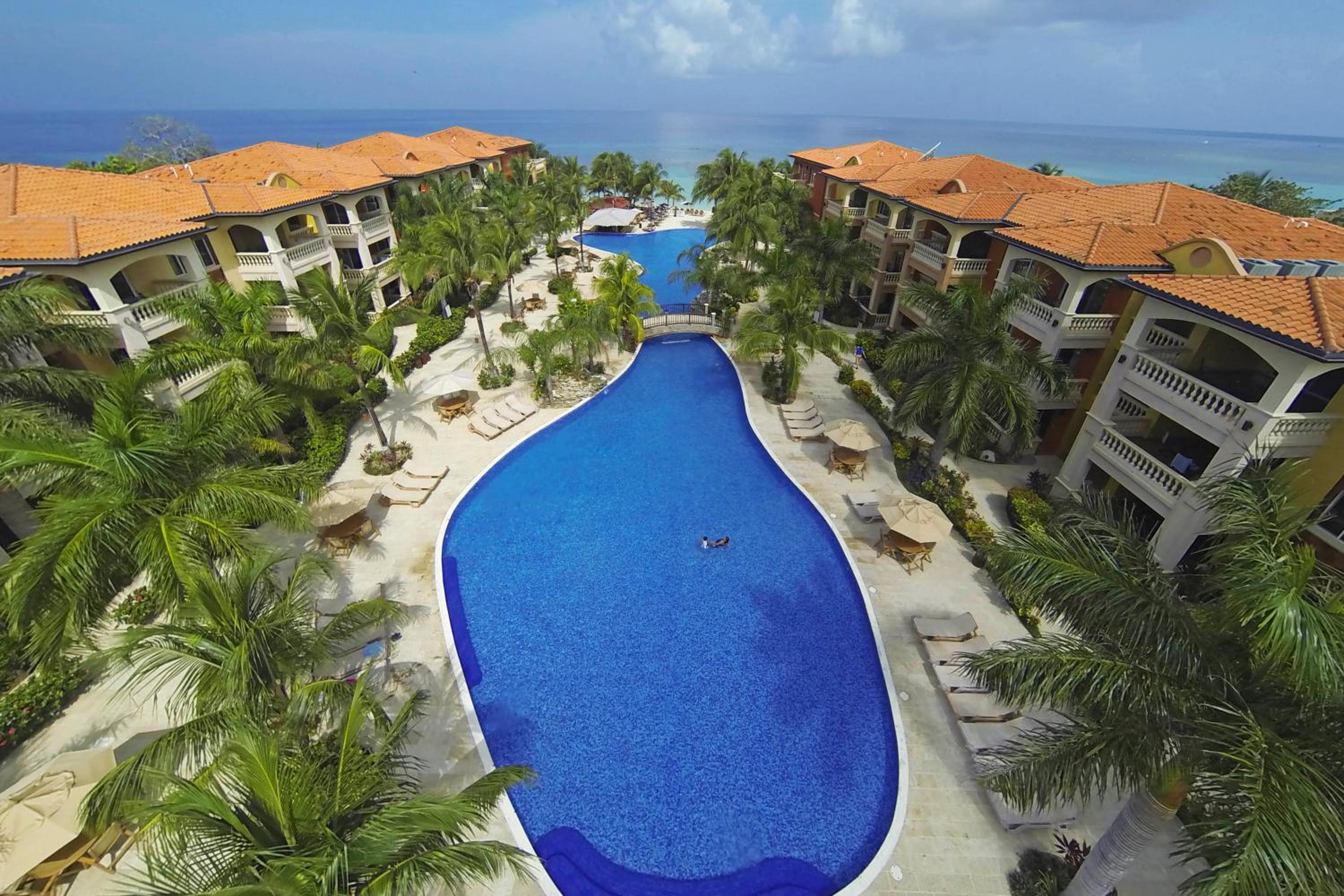
Infinity Bay Spa & Beach Resort
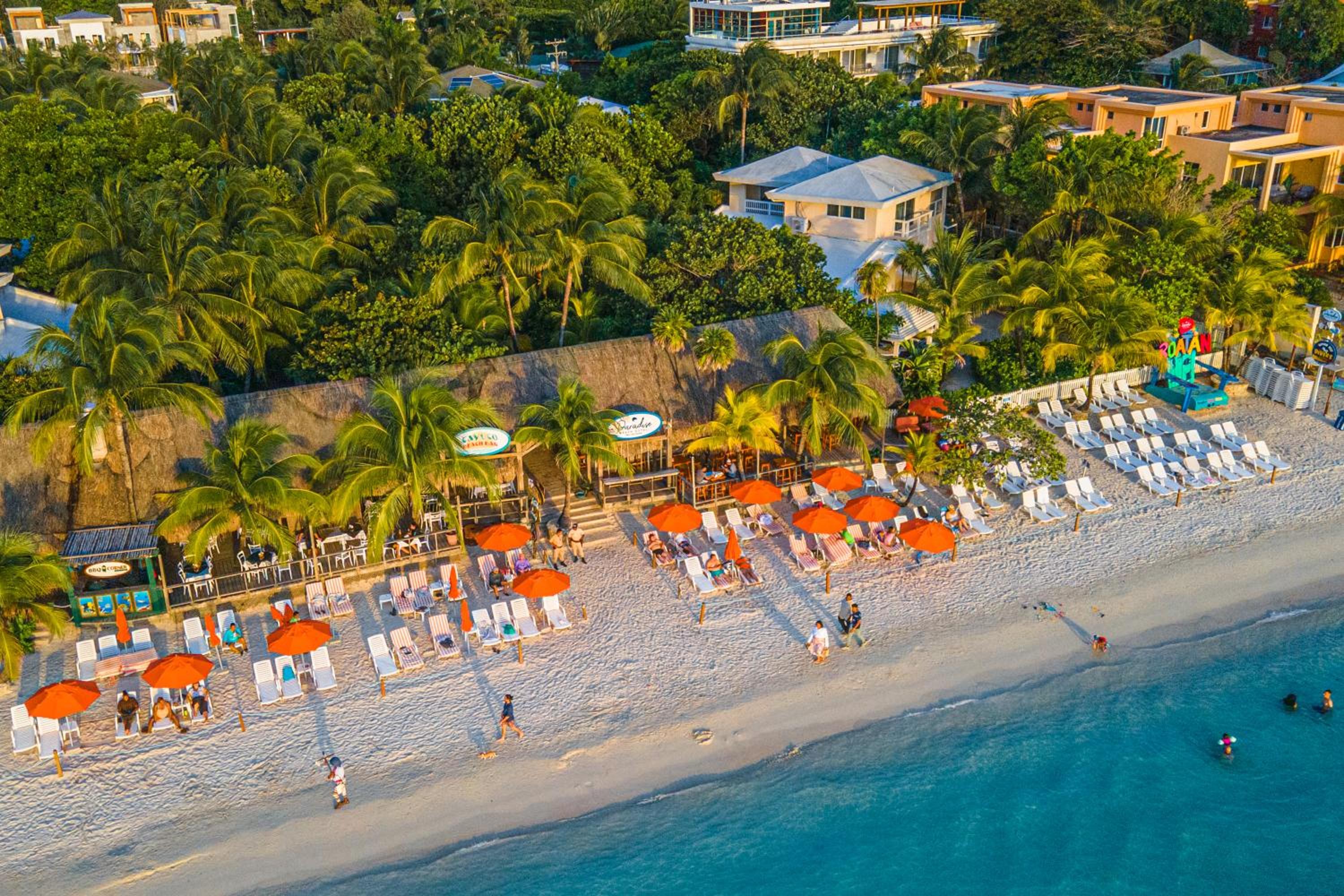
Paradise Beach Resort & Dive Center
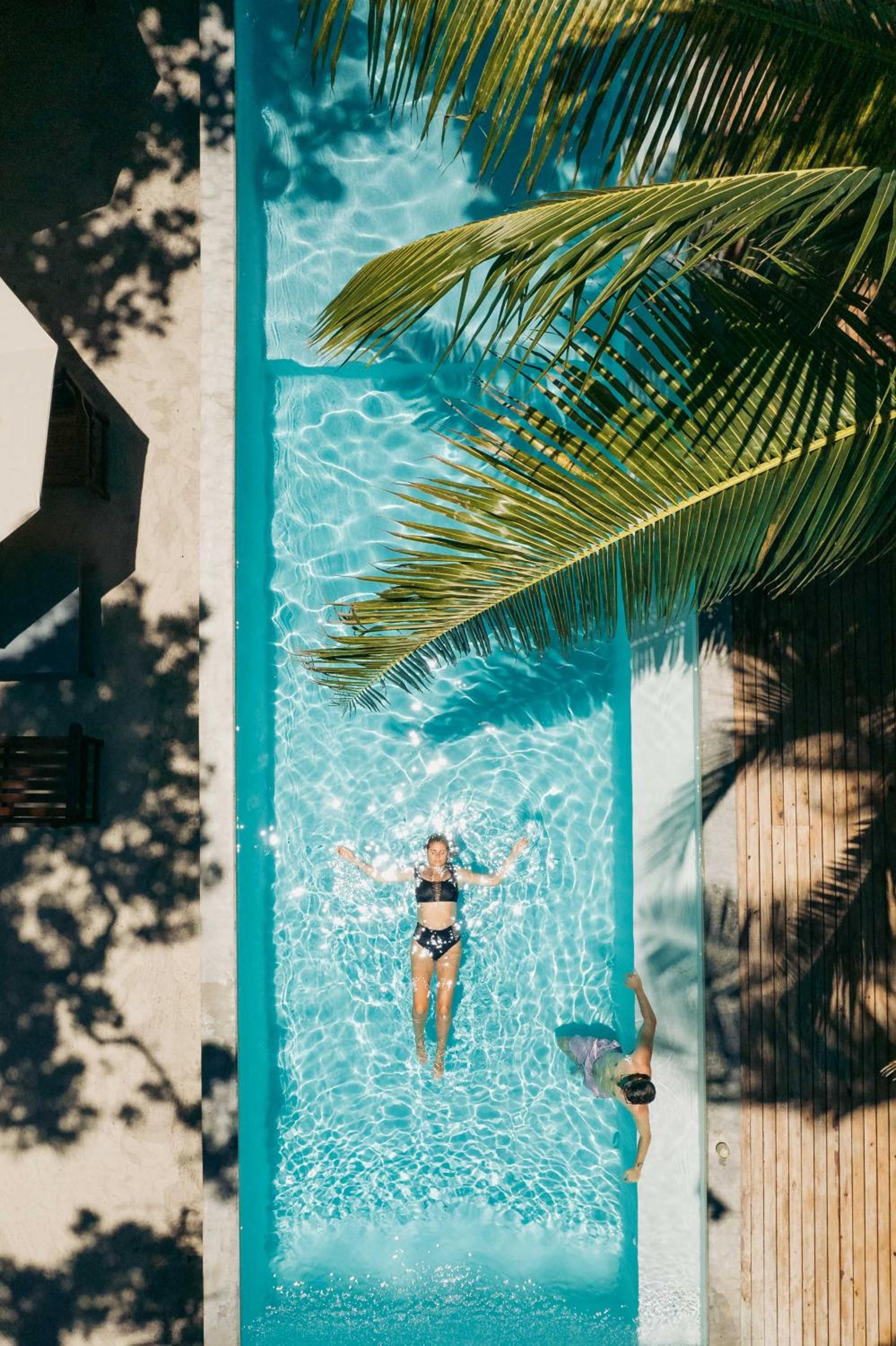 0
0Arca Boutique Hotel
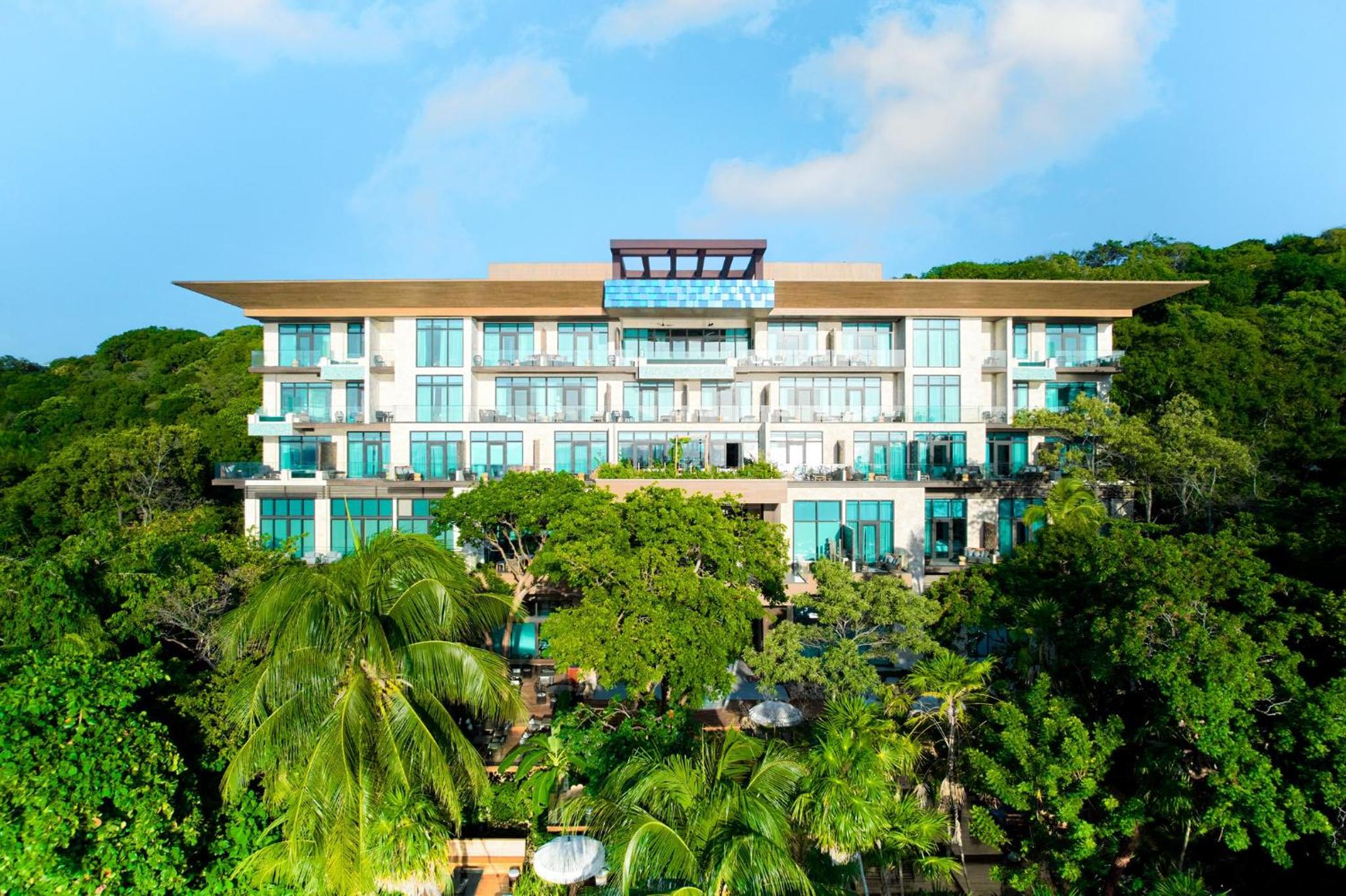
Kimpton Grand Roatan Resort and Spa by IHG
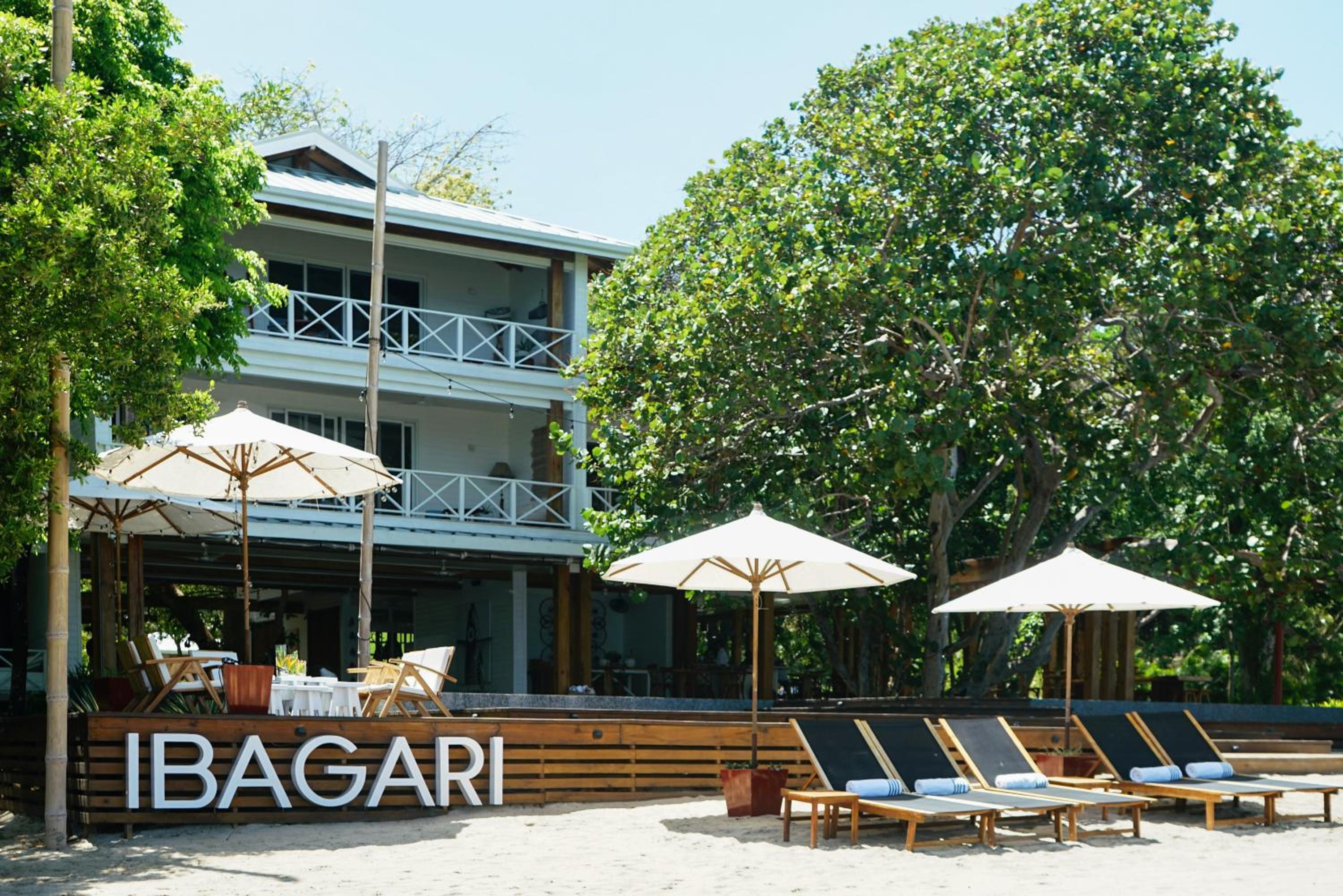
Ibagari Boutique Hotel
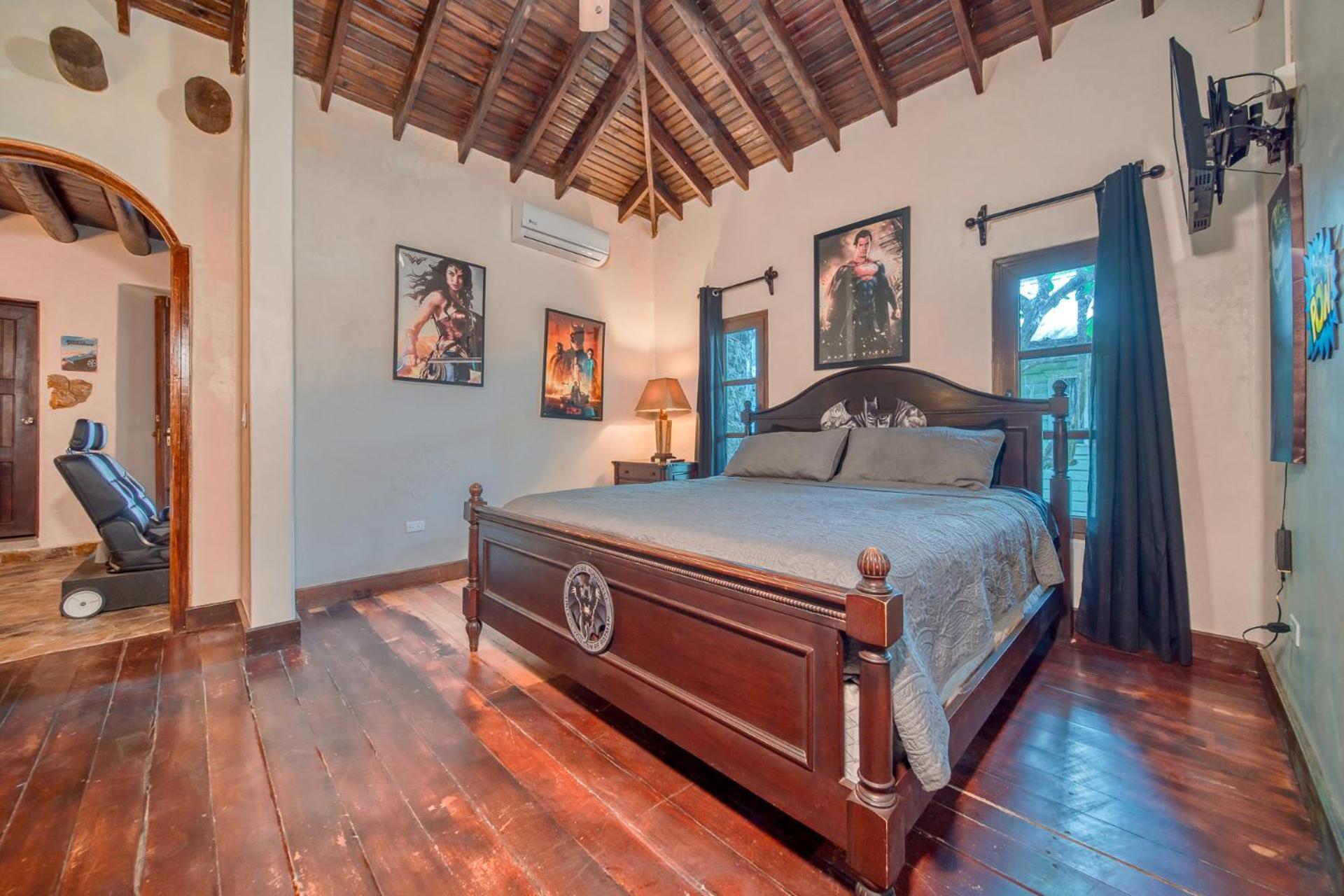
Caribe Tesoro
Top Restaurants in Bay Islands
Popular dining spots near Bay Islands
No restaurants available for Bay Islands yet.
Weather in Bay Islands
Average Temperature
75°F to 85°F (24°C to 29°C)
Rainy Season
October to January
Hurricane Season
June to November
Best Time to Visit
February to June
Travel Tips
- English is widely spoken, especially on Roatán
- US dollars are accepted at most businesses
- Driving is on the right side of the road
- A valid passport is required for entry
- Ferry services connect the islands to mainland Honduras
- Bring reef-safe sunscreen for diving and snorkeling
Get Bay Islands Travel Tips
Subscribe for curated tips, deals, and inspiration for your Bay Islands trip.