
Things to Do in Bonaire
Diver's Paradise. Explore 26 attractions across the island.
Bonaire is the kind of island where the reef starts at the shoreline and the whole place feels like a nature reserve - because most of it actually is. The Bonaire National Marine Park rings the entire coast, and the island's signature experience is shore diving: pull over at one of the yellow-painted stones that mark 63 official dive sites along the coastal road, kit up at your truck, walk into the water, and within minutes you are drifting over pristine coral gardens teeming with parrotfish, trumpetfish, and hawksbill turtles. No boat required.
Something Wild, 1000 Steps, and Hilma Hooker - a freighter deliberately sunk in 90 feet of water off the central coast - are among the most celebrated sites, but even unremarkable-sounding spots like Bari Reef deliver world-class encounters. If you are not a diver, snorkeling is almost equally rewarding here because the drop-off begins so close to shore. Te Amo Beach near the airport and Klein Bonaire, the uninhabited islet a water taxi ride from Kralendijk, offer superb shallow reefs.
Beyond the water, Washington Slagbaai National Park covers the rugged northern third of the island and is best explored in a high-clearance vehicle or by mountain bike. The park's trails lead through arid cactus landscape to secluded bays like Playa Funchi and Boca Slagbaai, where flamingos often wade in the shallows and iguanas sun themselves on the rocks. Speaking of flamingos, the salt pans at the island's southern tip support one of the Caribbean's largest breeding colonies - thousands of Caribbean flamingos turn the flat landscape pink from January through July.
The adjacent white slave huts, small stone shelters dating to the 1850s, are a sobering reminder of the island's salt-harvesting history. Kralendijk itself is a compact, walkable town of pastel-painted buildings along the waterfront. The weekly Cruise Market on Wilhelminaplein sets up when ships are in port, and Terramar Museum on the waterfront has local crafts alongside standard shops. For an afternoon away from the sea, visit the Donkey Sanctuary, home to over 700 rescued wild donkeys descended from animals brought to the island centuries ago by the Spanish.
Top Activities
Shore Dive at 1000 Steps
Despite the name, only 67 steps lead down the limestone cliff to one of Bonaire's best dive and snorkel sites. A sloping reef covered in star coral and sea fans drops into deep blue water. Hawksbill turtles and spotted eagle rays are frequent visitors. Entry is easy and the site is rarely crowded.
Dive the Hilma Hooker Wreck
This 236-foot freighter, seized in 1984 with a hidden cargo of marijuana, was deliberately sunk and now sits upright in 100 feet of water encrusted in sponges and coral. Massive tarpon patrol the deck while horse-eye jacks swirl above. Suitable for advanced open water divers.
Snorkel Klein Bonaire
A ten-minute water taxi from Kralendijk delivers you to this uninhabited islet with some of the healthiest reef in the Caribbean. The western shore has a gentle sandy entry and visibility frequently exceeds 100 feet. Sea turtles are almost guaranteed. Bring everything you need - there are no facilities.
Windsurf or Kitesurf Lac Bay
The shallow, warm waters and consistent trade winds at Lac Bay on the eastern coast make it one of the world's top windsurfing and kitesurfing destinations. Beginners benefit from waist-deep water stretching hundreds of meters offshore. Jibe City and Bonaire Windsurf Place rent equipment and offer lessons.
Drive Through Washington Slagbaai National Park
A rugged loop road traverses the island's wild northern tip past salt flats, secluded coves, and cactus-covered hills. Stop at the Seru Largu overlook for panoramic views, swim at Playa Funchi, and spot flamingos at Gotomeer lake. A pickup truck or SUV is essential - the road is unpaved and rough.
Watch Flamingos at the Southern Salt Pans
The Cargill salt works at Bonaire's southern tip creates vast shallow pools where thousands of Caribbean flamingos feed and breed. Peak season runs January through July. Observe from the roadside with binoculars - approaching the pans disturbs the birds. The nearby white slave huts provide historical context.
Visit the Donkey Sanctuary
Over 700 wild donkeys, descended from animals brought by Spanish colonizers, live at this rescue facility near the airport. Visitors can walk among the donkeys, feed them carrots, and learn about the island's colonial history. Admission is by donation and the sanctuary depends on visitor support.
Night Dive at Town Pier
Kralendijk's town pier is considered one of the top night dives in the Caribbean. After dark, the pilings come alive with orange cup corals, octopuses, seahorses, and hunting tarpon. A permit is required and diving is allowed only after 6:30 p.m. when boat traffic stops.
Attractions in Bonaire
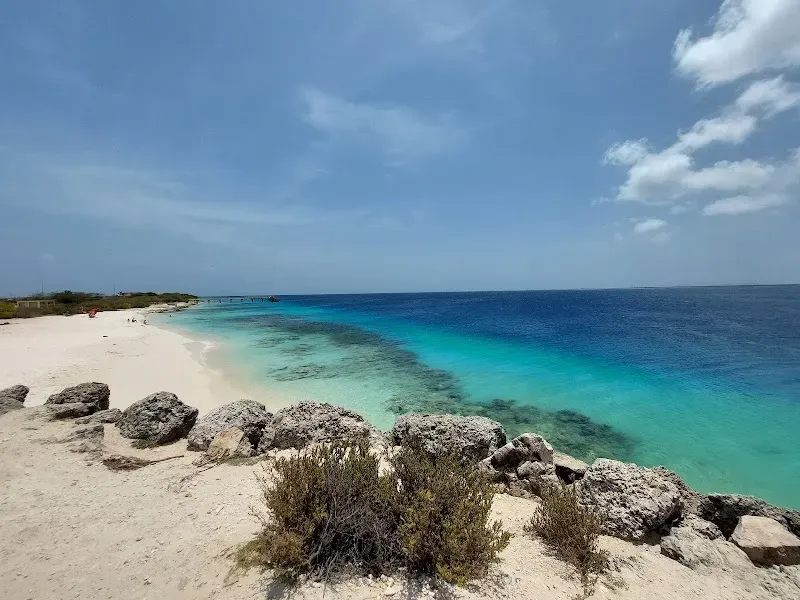
Te Amo Beach
Te Amo Beach is a nature attraction on Bonaire. This natural area showcases the lush tropical landscapes and diverse ecosystems that Bonaire is known for. Visitors can explore the local flora and fauna in a serene setting.
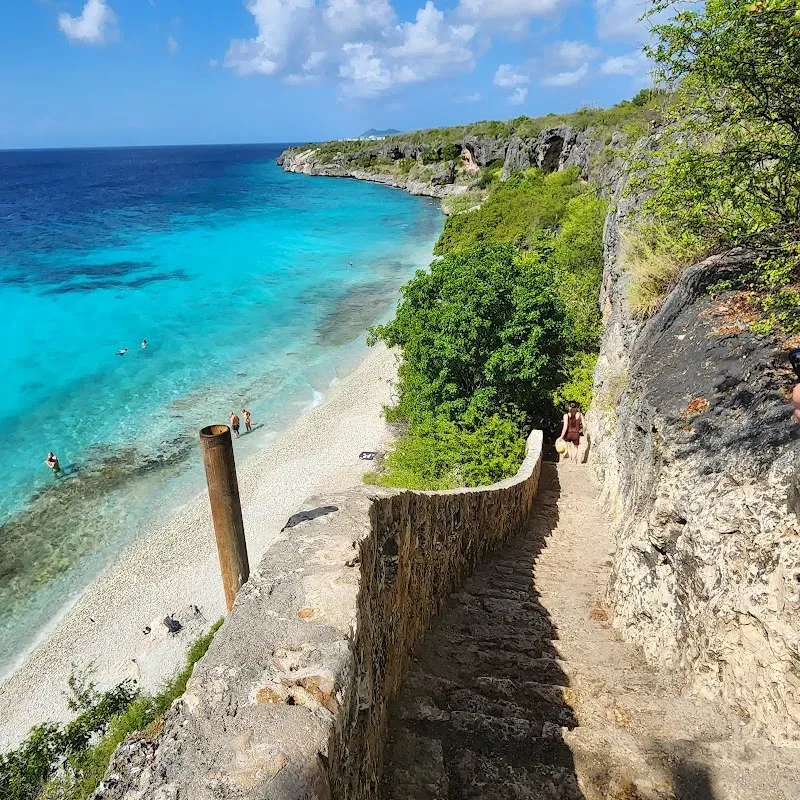
1000 Steps (16)
1000 Steps (16) is a nature attraction on Bonaire. This natural area showcases the lush tropical landscapes and diverse ecosystems that Bonaire is known for. Visitors can explore the local flora and fauna in a serene setting.
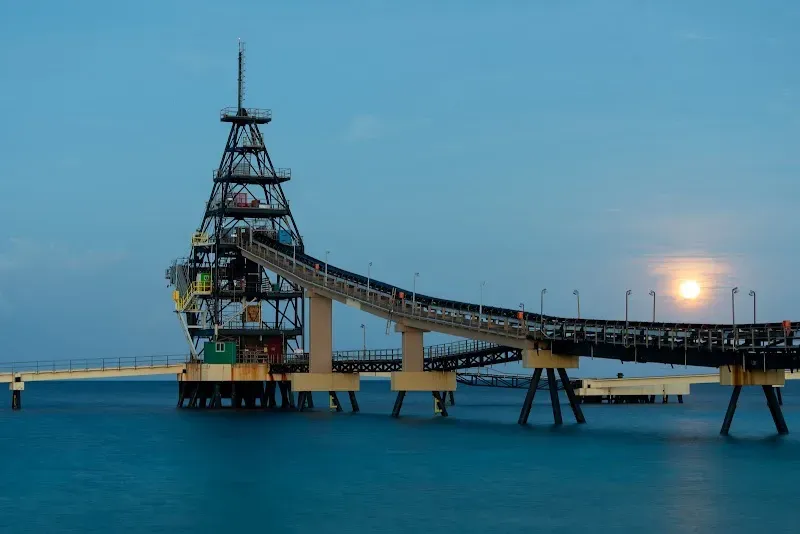
Salt Pier (49)
Salt Pier (49) is a nature attraction on Bonaire. This natural area showcases the lush tropical landscapes and diverse ecosystems that Bonaire is known for. Visitors can explore the local flora and fauna in a serene setting.
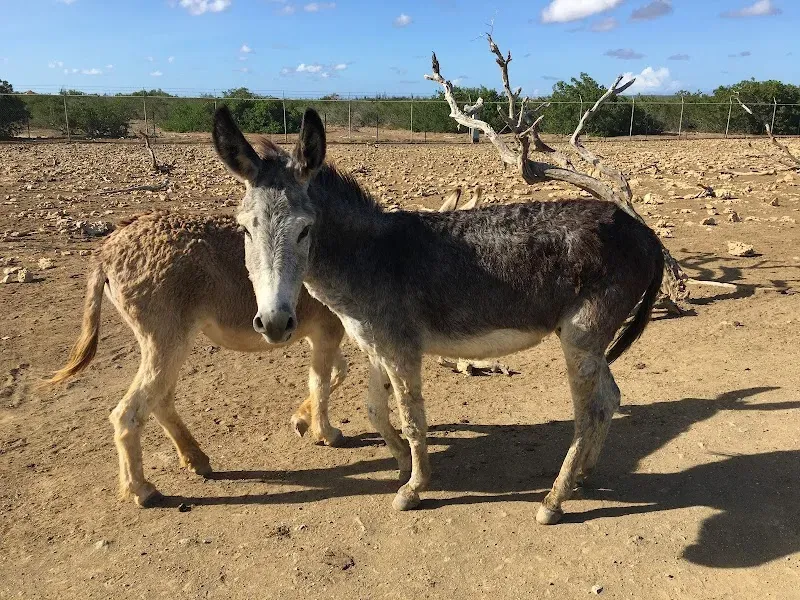
Donkey Sanctuary Bonaire
Donkey Sanctuary Bonaire is a nature attraction on Bonaire. This natural area showcases the lush tropical landscapes and diverse ecosystems that Bonaire is known for. Visitors can explore the local flora and fauna in a serene setting.
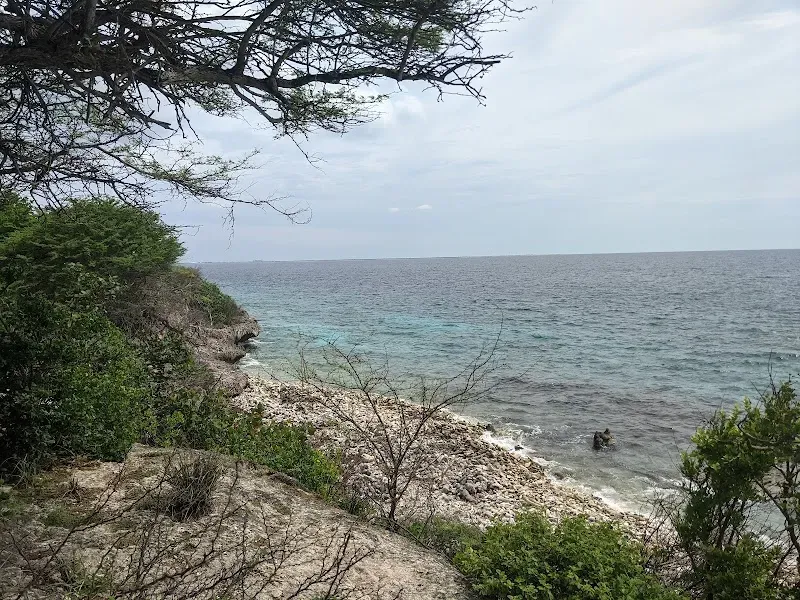
Karpata (9)
Karpata (9) is a nature attraction on Bonaire. This natural area showcases the lush tropical landscapes and diverse ecosystems that Bonaire is known for. Visitors can explore the local flora and fauna in a serene setting.
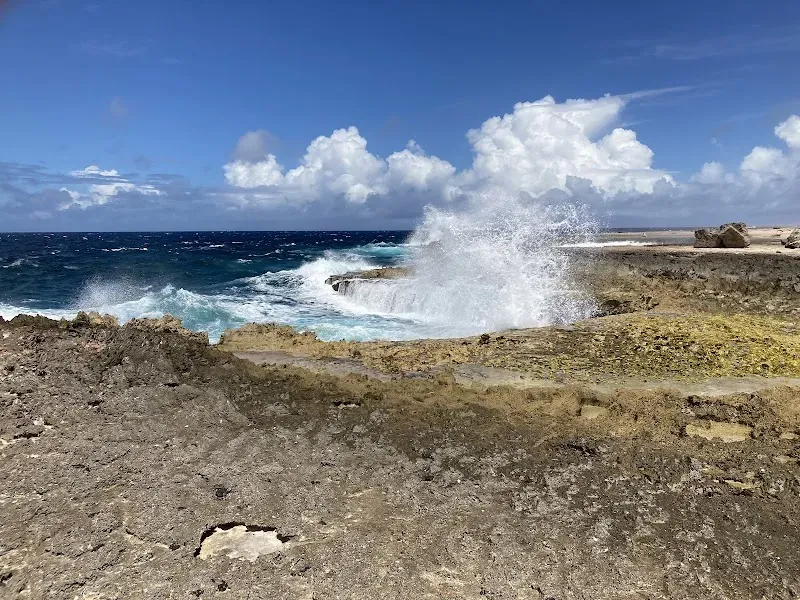
Blow Hole
Blow Hole is a nature attraction on Bonaire. This natural area showcases the lush tropical landscapes and diverse ecosystems that Bonaire is known for. Visitors can explore the local flora and fauna in a serene setting.
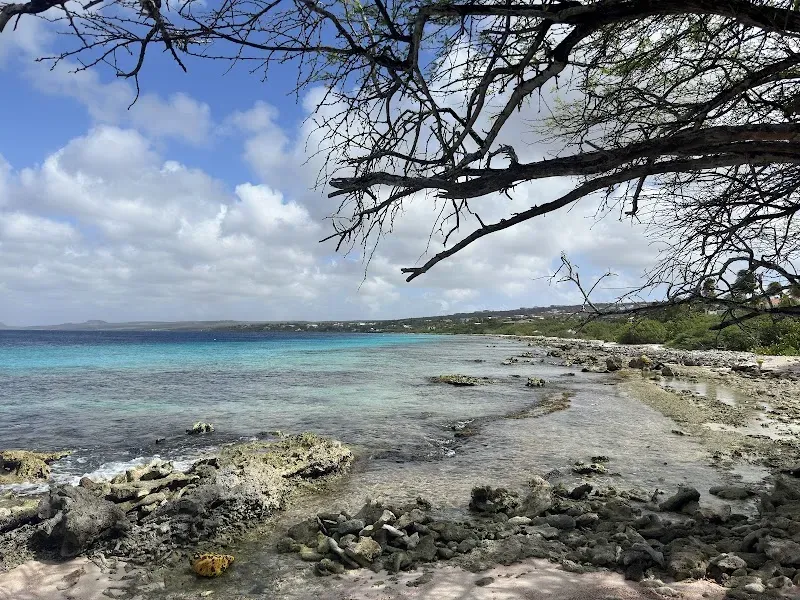
Andrea I Dive site (23)
Andrea I Dive site (23) is a nature attraction on Bonaire. This natural area showcases the lush tropical landscapes and diverse ecosystems that Bonaire is known for. Visitors can explore the local flora and fauna in a serene setting.
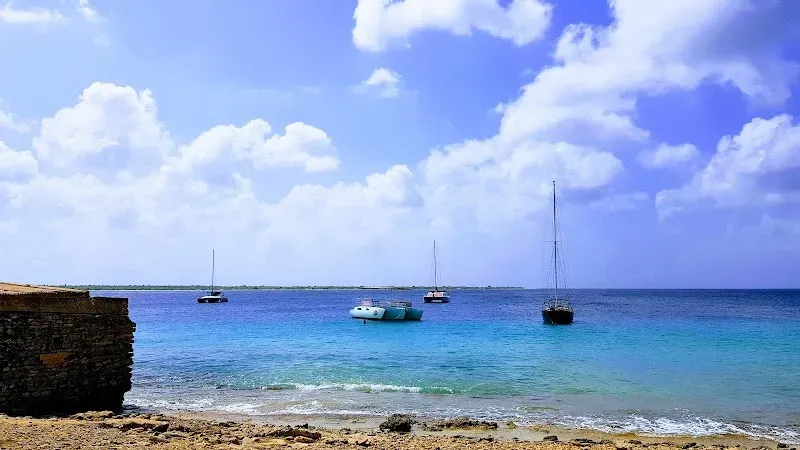
Bari Reef (30)
Bari Reef (30) is a nature attraction on Bonaire. This natural area showcases the lush tropical landscapes and diverse ecosystems that Bonaire is known for. Visitors can explore the local flora and fauna in a serene setting.
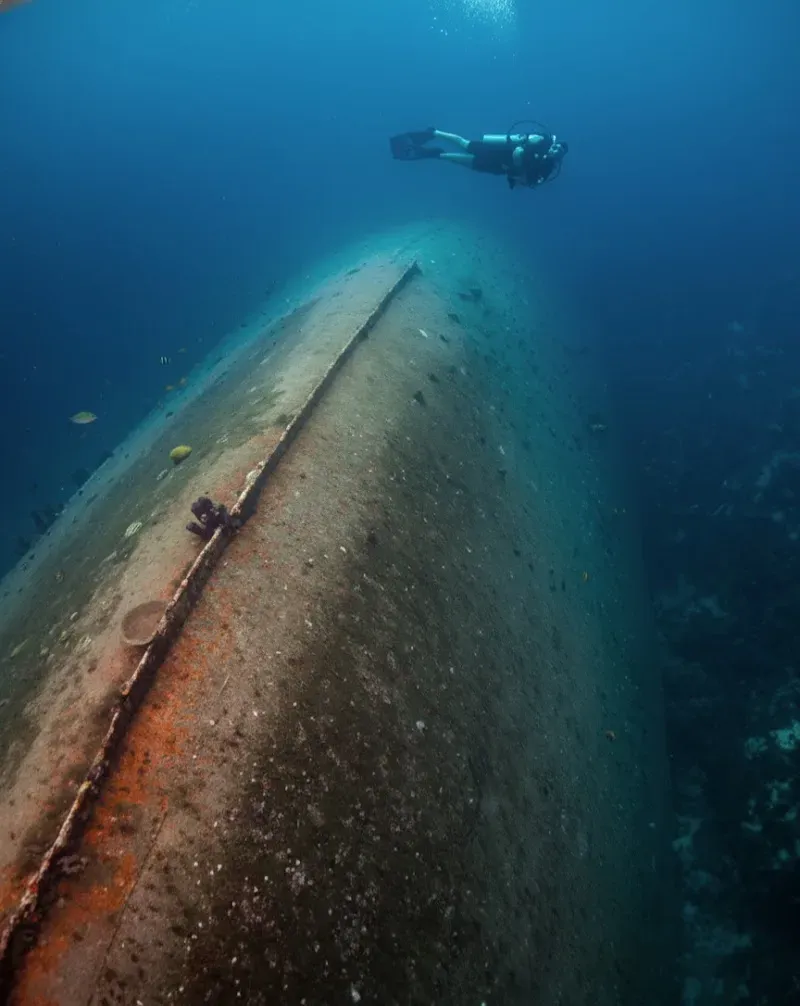
Hilma Hooker (43)
Hilma Hooker (43) is a nature attraction on Bonaire. This natural area showcases the lush tropical landscapes and diverse ecosystems that Bonaire is known for. Visitors can explore the local flora and fauna in a serene setting.
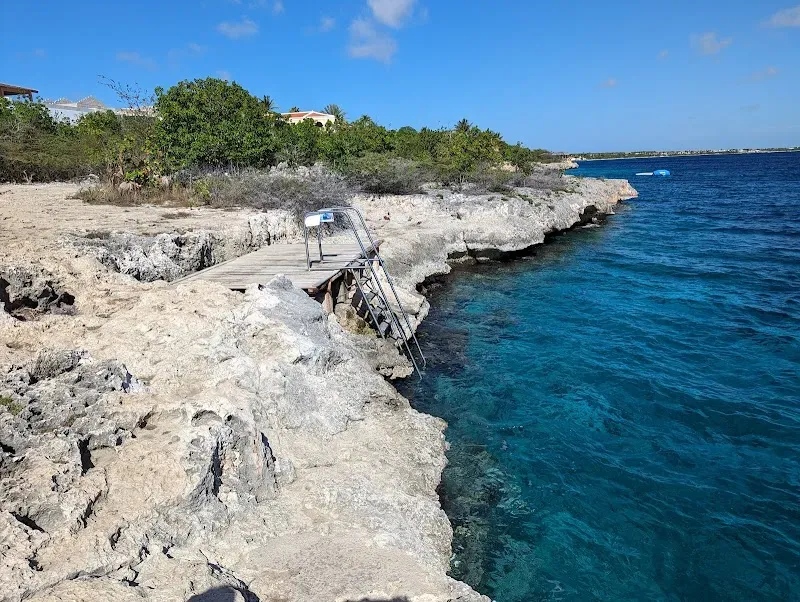
Oil Slick Leap (20)
Oil Slick Leap (20) is a nature attraction on Bonaire. This natural area showcases the lush tropical landscapes and diverse ecosystems that Bonaire is known for. Visitors can explore the local flora and fauna in a serene setting.
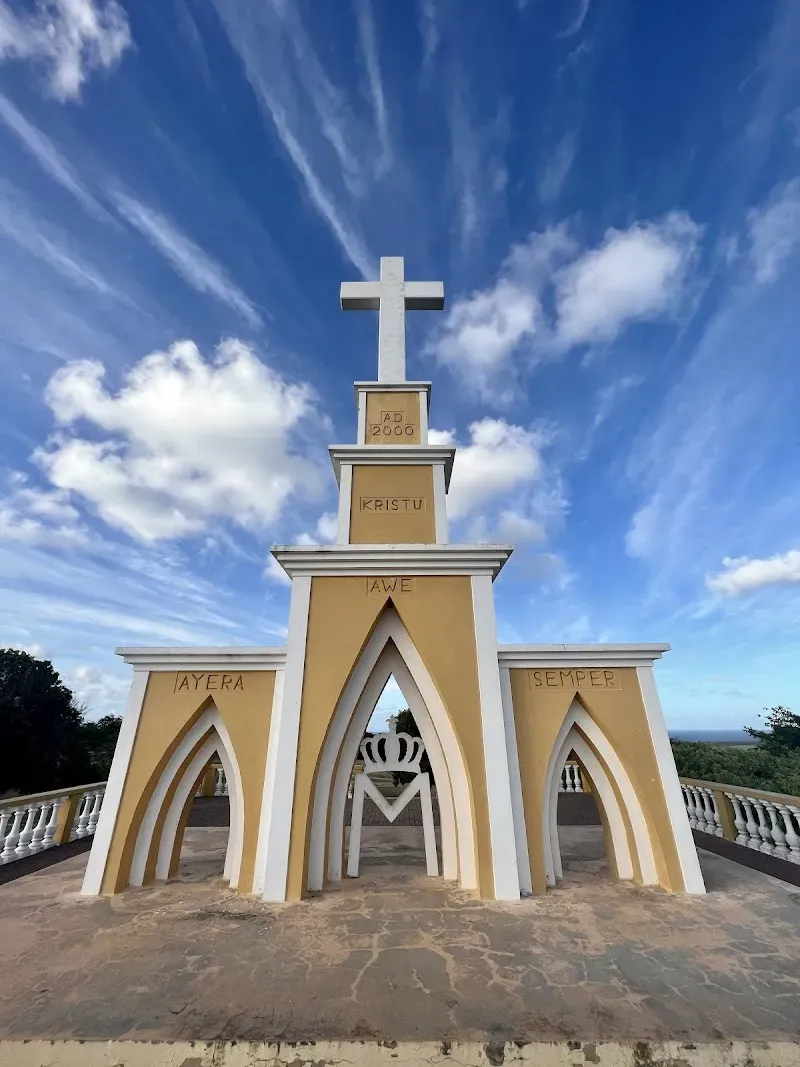
Cruz Seru Largu
Cruz Seru Largu is a nature attraction on Bonaire. This natural area showcases the lush tropical landscapes and diverse ecosystems that Bonaire is known for. Visitors can explore the local flora and fauna in a serene setting.
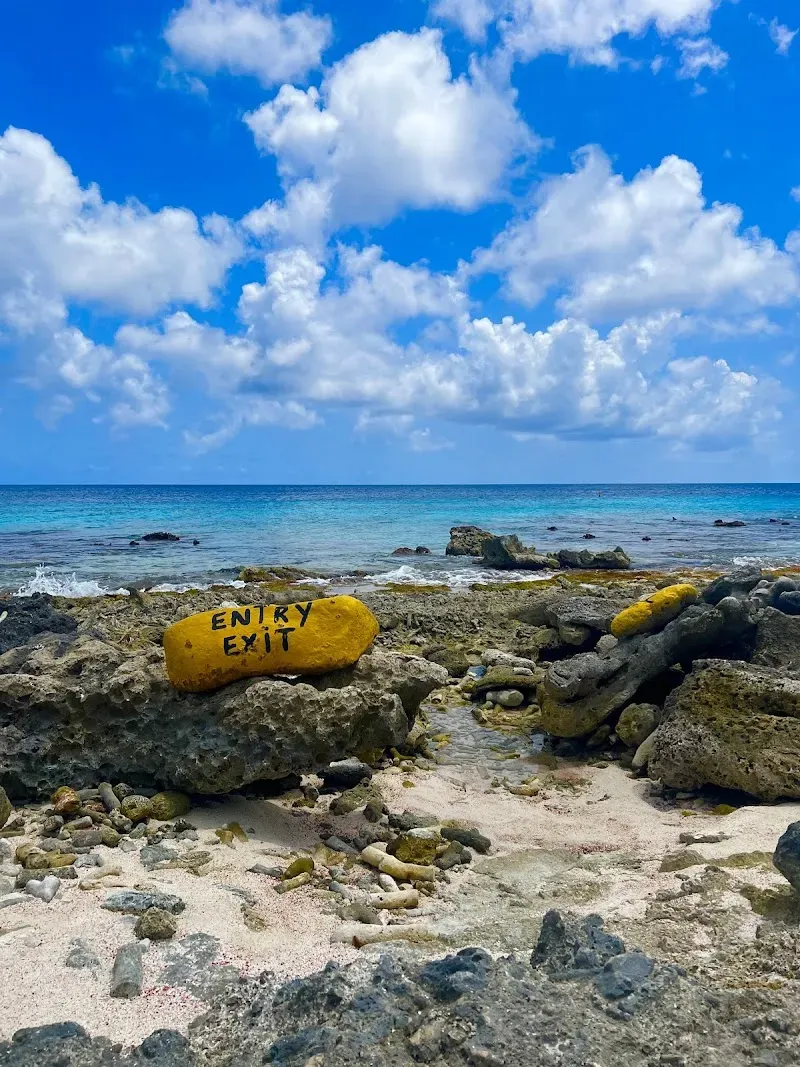
Andrea II Dive Site (22)
Andrea II Dive Site (22) is a nature attraction on Bonaire. This natural area showcases the lush tropical landscapes and diverse ecosystems that Bonaire is known for. Visitors can explore the local flora and fauna in a serene setting.
Explore More of Bonaire
Find hotels, restaurants, and bookable experiences on our full island page.