Corn Islands
Nicaragua's Caribbean Secret
About Corn Islands
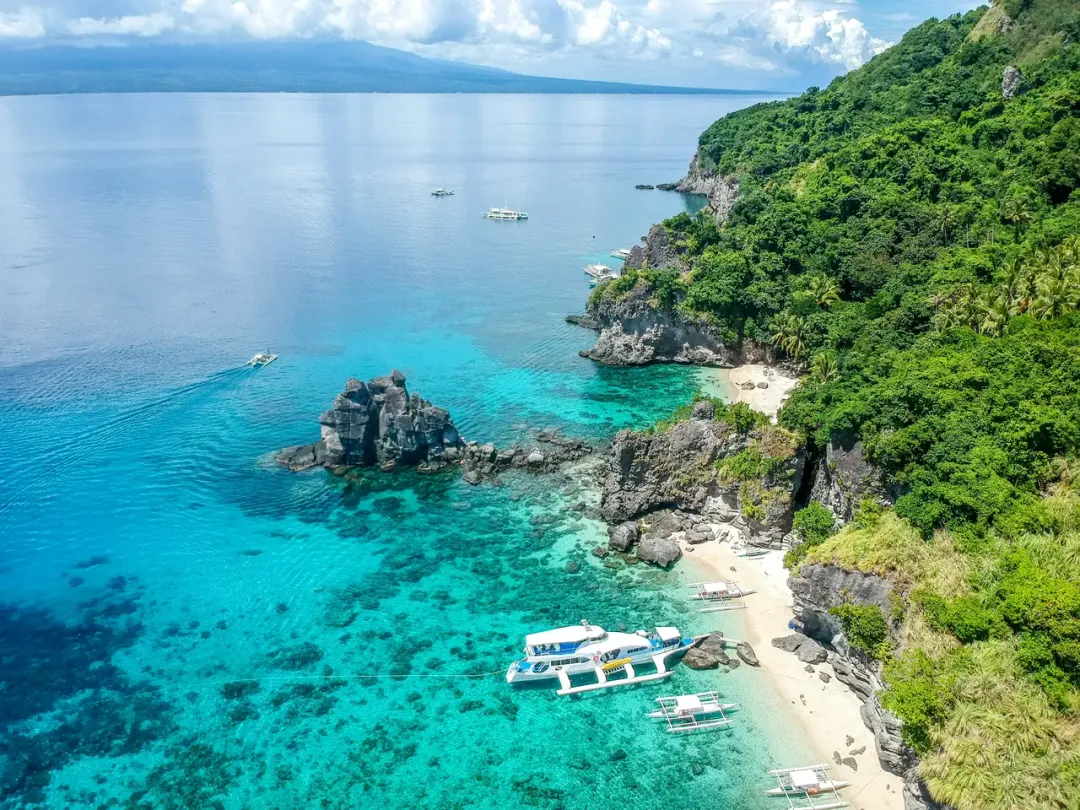
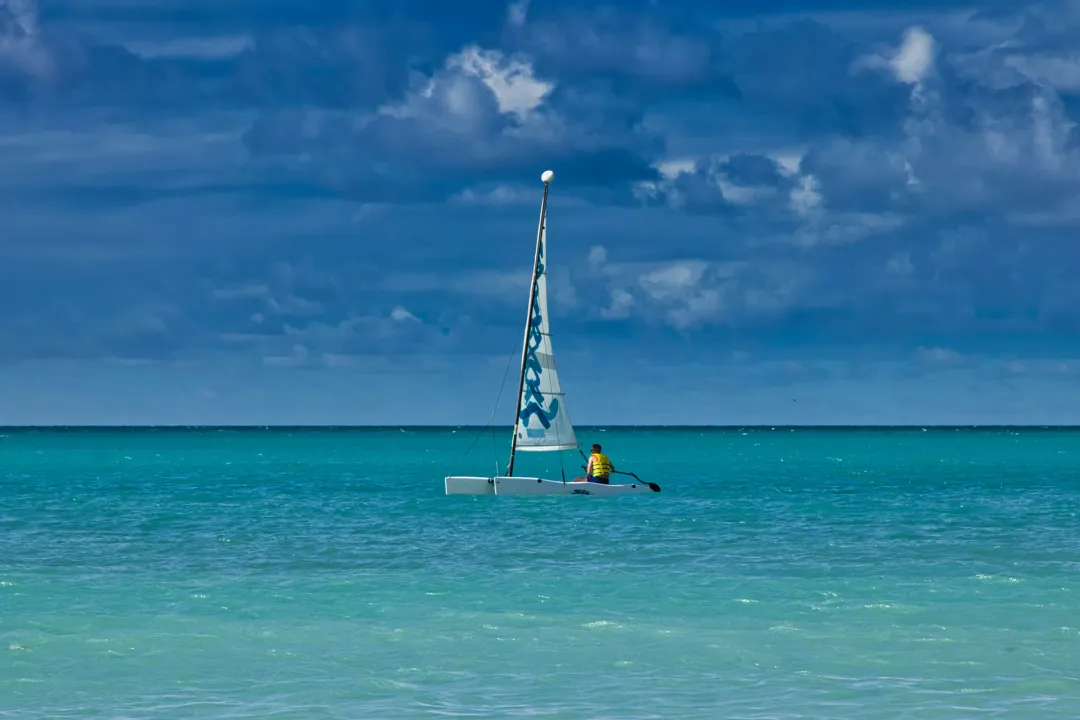
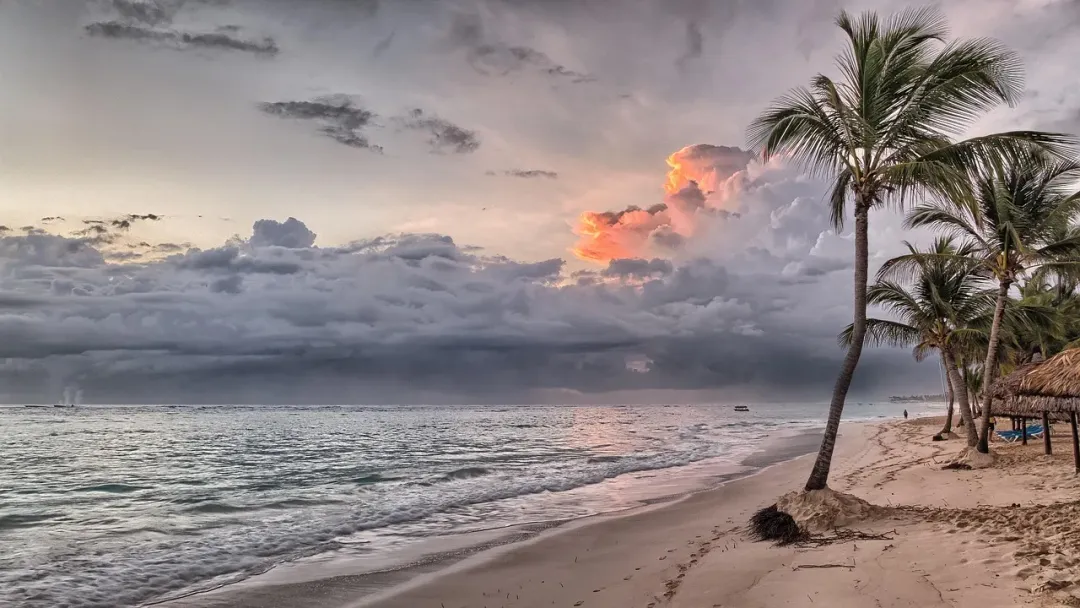
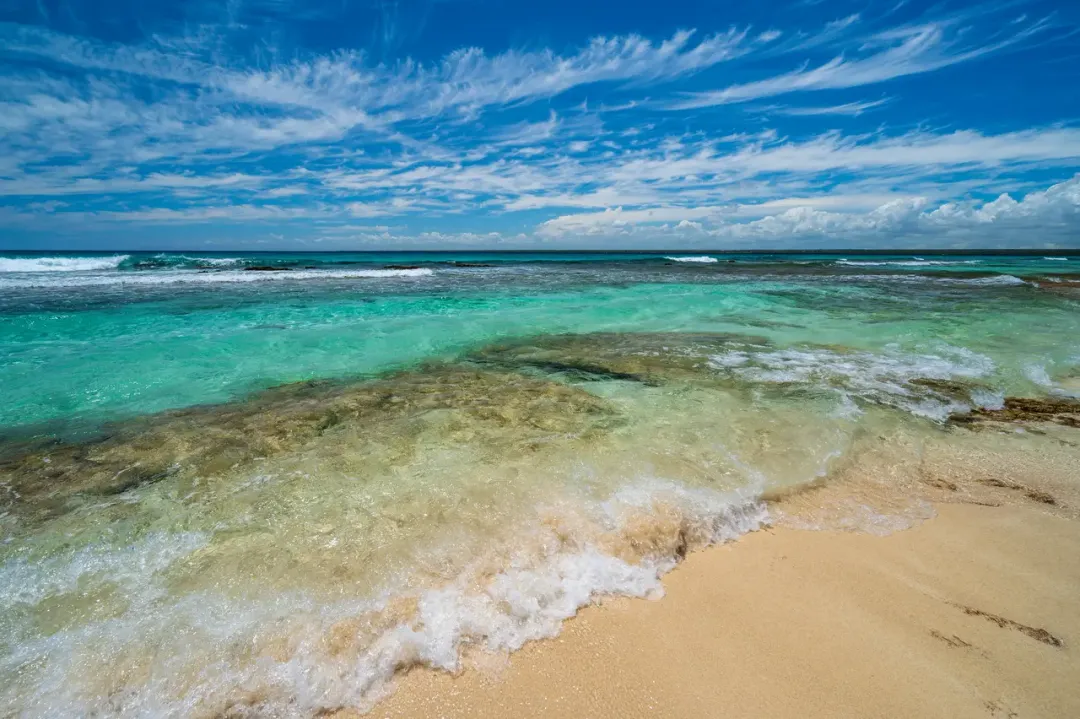
The Corn Islands (Islas del Maíz) consist of Big Corn Island (Great Corn Island) and Little Corn Island, located about 43 miles off Nicaragua's Caribbean coast. These islands offer visitors an authentic Caribbean experience that has largely escaped mass tourism development. Big Corn Island, spanning about 4 square miles, features a road circling the island, several beaches with clear turquoise waters, and a small airstrip connecting it to mainland Nicaragua. The main settlement of Brig Bay has a relaxed atmosphere with colorful wooden houses, small restaurants serving fresh seafood, and a few basic accommodations. Little Corn Island, accessible only by boat from Big Corn and covering less than 1.5 square miles, has no cars or roads, only footpaths winding through lush vegetation, connecting pristine beaches and small villages. This smaller island has developed a reputation among travelers seeking a truly off-the-grid experience, with electricity limited to certain hours in some areas and accommodations ranging from basic cabanas to eco-lodges. Both islands are surrounded by crystal-clear waters and healthy coral reefs, offering excellent opportunities for snorkeling and diving, with visibility often exceeding 100 feet and marine life including nurse sharks, rays, turtles, and colorful tropical fish. The islands' culture is distinctly different from mainland Nicaragua, with English and Creole being the primary languages and a population descended from African slaves, European settlers, and indigenous peoples. Local cuisine features fresh seafood, particularly lobster (though there's a closed season from March to July), coconut-infused dishes, and tropical fruits. The pace of life on the Corn Islands is decidedly unhurried, with hammocks swinging in the breeze and locals gathering to play dominoes or share stories, making these islands an ideal destination for travelers seeking to disconnect and experience Caribbean life as it was decades ago.
Size
5.4 sq mi (14 km²) combined
Population
7,400
Language
English, Creole, Spanish
Currency
Nicaraguan Córdoba (NIO), US Dollar widely accepted
Time Zone
UTC-6 (Central Time)
Best Time to Visit
January to May

Highlights
Best Things to Do in Corn Islands
The Corn Islands are as close to old Caribbean as it gets - no chain hotels, no cruise ships, no velvet ropes. Big Corn Island is the arrival point, with La Costeña flights from Managua landing on a tiny airstrip near Brig Bay. Circle the island on foot or by taxi in under an hour, stopping at Long Bay on the southwest side, where the reef is close enough to shore that you can snorkel over elkhorn coral and spotted eagle rays without a boat. Picnic Beach on the north tip is a quieter stretch of sand backed by coconut palms and is often deserted on weekday mornings.
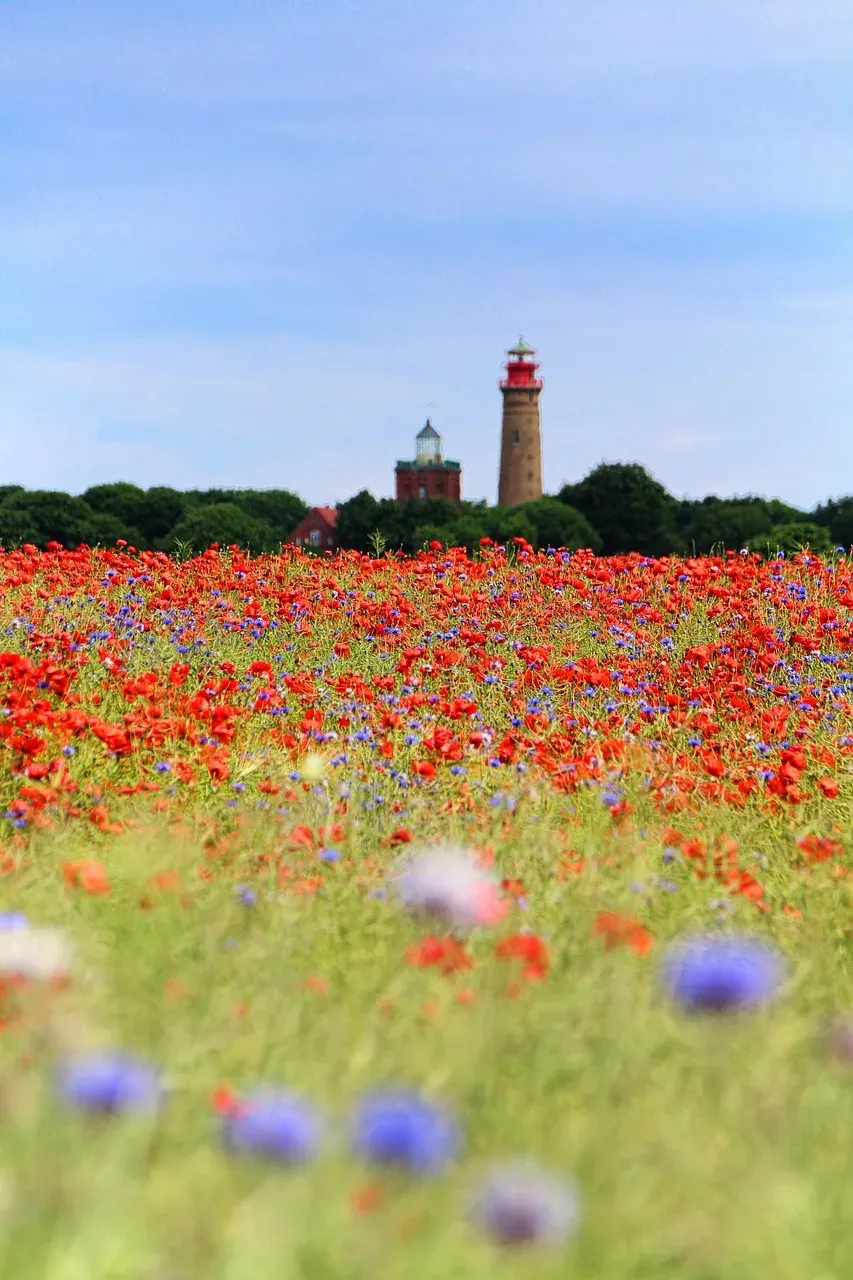
The Big Corn lighthouse, perched on Quinn Hill, offers the best elevated view of the island - climb up late afternoon when the light turns the surrounding water electric blue. Rent a bicycle and ride the loop road past brightly painted wooden houses, churches blasting gospel music, and women selling coconut bread from their porches.
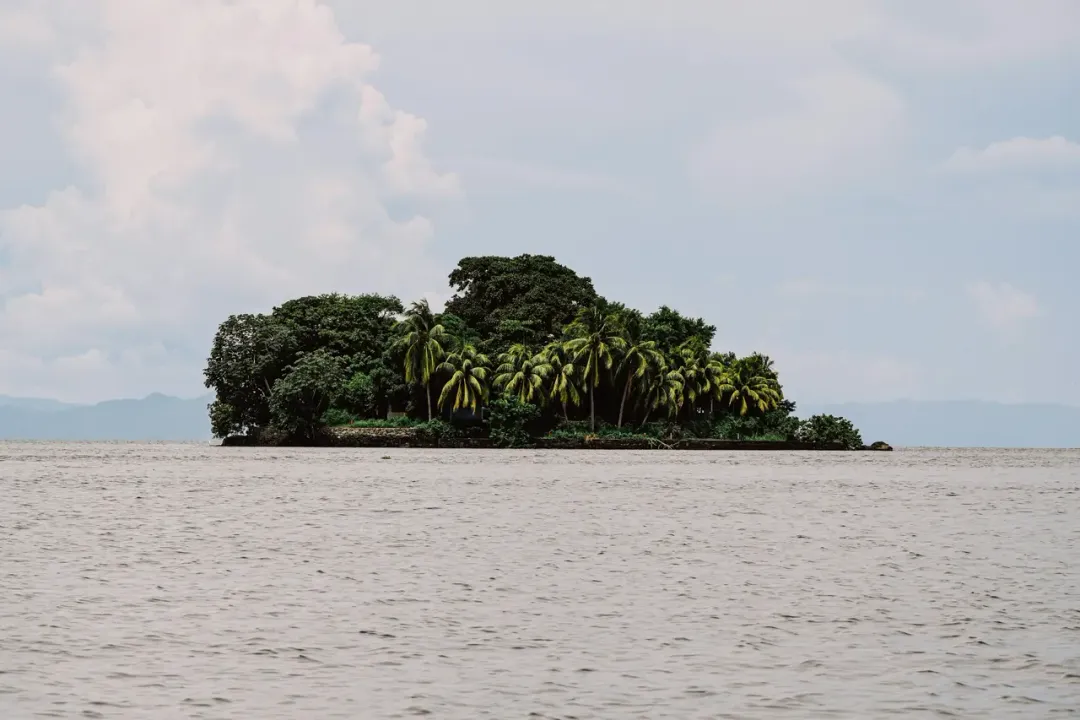
The real magic, though, is Little Corn. A panga boat (around $6 USD each way) bounces across open water for 30 minutes from Big Corn to deposit you at the village dock, and from there the only way to move is on foot. No cars, no roads, no ATMs. Sandy footpaths wind through jungle and beach, connecting a handful of guesthouses, dive shops, and barefoot restaurants. Otto Beach, on the east side, is a flawless crescent of white sand with coral heads just offshore - bring a mask and snorkel from your lodge because there is nothing to rent here. The walk across the island from the village to Otto Beach takes about 15 minutes through dense vegetation where you will hear more howler monkeys than people.
Diving around Little Corn is exceptional and uncrowded. Blowing Rock, a submerged seamount about a mile offshore, is the signature site - nurse sharks, barracuda, and spotted eagle rays patrol the pinnacle, and visibility regularly exceeds 30 meters. Dolphin Rock and Yellowtail are equally rewarding, with healthy hard coral and schools of creole wrasse. Dive shops on Little Corn charge around $35 to $40 per tank, making this one of the cheapest quality diving in the Caribbean. At night, the options are simple: rum at Tranquilo Café, star-gazing from the dock, and early bed to do it all again tomorrow.
Dive Blowing Rock off Little Corn
A submerged seamount rising from the deep about a mile offshore. Nurse sharks rest on the ledges, barracuda cruise the blue water, and the hard coral coverage is exceptional. Visibility regularly hits 30 meters. Two-tank dives cost around $70 USD through Dolphin Dive or Dive Little Corn.
Snorkel Otto Beach from Shore
Little Corn's east-side beach has coral heads within 30 feet of the sand. Bring your own mask - rental options are limited. Parrotfish, sergeant majors, and juvenile barracuda are common, and the beach itself is a postcard-perfect crescent with zero development behind it.
Walk the Little Corn Island Loop
A network of sandy footpaths connects the village, the beaches, and the north end of the island. The full loop takes about 90 minutes at a relaxed pace, passing through jungle, past secluded coves, and along the rocky windward shore. No map needed - the island is small enough to explore by instinct.
Snorkel Long Bay on Big Corn
The reef at Long Bay on Big Corn's southwest coast starts in shallow water and extends over a healthy mix of elkhorn and brain coral. Eagle rays and sea turtles are regularly spotted. No boat required - just wade in from the beach. The adjacent beach bar rents basic snorkel gear for a few dollars.
Climb to Big Corn Lighthouse
The lighthouse on Quinn Hill is the highest point on Big Corn. A short but steep trail leads to panoramic views of the island and surrounding Caribbean. Time your visit for late afternoon when the low sun turns the shallow water into shades of turquoise and emerald.
Take a Panga to Little Corn Island
The 30-minute open boat ride from Big Corn to Little Corn costs about $6 USD each way and runs twice daily. The crossing can be rough in swells, so sit near the back and hold on. Arriving at Little Corn's tiny dock with nothing but a backpack is the quintessential unplugged Caribbean moment.
Where to Stay in Corn Islands
Big Corn has the widest range of accommodation, though "wide" is relative here. Arenas Beach Hotel on the southwest coast offers the closest thing to a conventional beach resort, with air-conditioned rooms, a pool, and a dive shop from around $80 to $130 USD per night. Casa Canada on the north end has comfortable hillside rooms with ocean views from $60 to $100. Budget guesthouses and cabanas around Brig Bay start at $20 to $35.
Little Corn is where the character properties live. Yemaya Island Hideaway, tucked on the north end, is the island's upscale option with stylish bungalows, a yoga deck, and a restaurant serving the best food on either island, from $180 to $300 USD per night. Derek's Place on the east coast has simple but clean wooden cabins steps from the beach at $25 to $50. Sunshine Hotel near the village offers basic rooms with fans from $15 to $30.
Farm Peace Love, a permaculture eco-lodge on the north side, draws the yoga-and-sustainability crowd with dorm beds from $12 and private cabins from $40. Electricity on Little Corn runs on generators and solar - expect limited air conditioning and intermittent WiFi. Bring cash from Big Corn, as there are no ATMs on Little Corn and few places accept cards. Book ahead for January through April when the small number of rooms fills up quickly.
Where to Eat in Corn Islands
Eating on the Corn Islands is informal, fresh, and built around whatever came off the boats that morning. On Big Corn, the cluster of restaurants near Brig Bay serves the staples: whole fried snapper with coconut rice and beans (around $6 to $10 USD), grilled lobster tail when it is in season from July through February ($12 to $18), and rondon, a rich coconut seafood stew with tubers and dumplings that is the signature dish of Nicaragua's Caribbean coast. Seva's, near the main dock, is a reliable spot for rondon and cold Toña beers on a breezy porch.
Island Bakery and Sweets near South End sells fresh coconut bread and cinnamon rolls in the morning. On Little Corn, the dining scene is tiny but surprisingly good. Tranquilo Café, a palapa restaurant on the west side, does excellent wood-fired pizza, fresh ceviche, and rum cocktails at sunset - it doubles as the island's social hub.
Habana Libre serves Cuban-Caribbean fusion with grilled fish and black beans in a candlelit garden setting. Turned Turtle at Yemaya resort offers the most polished dining experience on either island, with a changing menu built around the daily catch, local produce, and creative cocktails. Meals on Little Corn typically cost $8 to $15 USD for a main course. Bring a water bottle - tap water is not drinkable on either island, and bottled water adds up. Flor de Caña, Nicaragua's excellent rum, is cheap and everywhere.
Best Time to Visit Corn Islands
The dry season from January through May is the prime window, with February through April offering the clearest skies and calmest seas. Dive visibility peaks during these months, regularly exceeding 30 meters at sites like Blowing Rock.
This is also the busiest period on the small islands, so book accommodation on Little Corn well ahead. The wet season runs June through November, with September and October bringing the heaviest rains and highest hurricane risk - Hurricane Eta and Hurricane Iota struck the islands in November 2020, and the memory remains fresh.
July and August see moderate rain, usually in short afternoon bursts, with reasonable diving conditions in between. Lobster season opens July 1, making late summer a good time for seafood lovers. Water temperatures stay between 80 and 84°F year-round. Budget travelers find the best deals in June and November, when prices dip and the islands empty out between seasons.
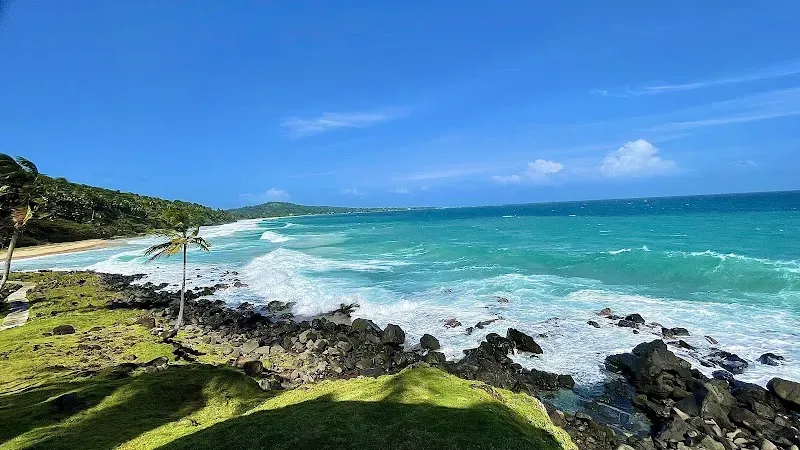
Morgan House
Morgan House is a nature attraction on Corn Islands. This natural area showcases the lush tropical landscapes and diverse ecosystems that Corn Islands is known for. Visitors can explore the local flora and fauna in a serene setting.
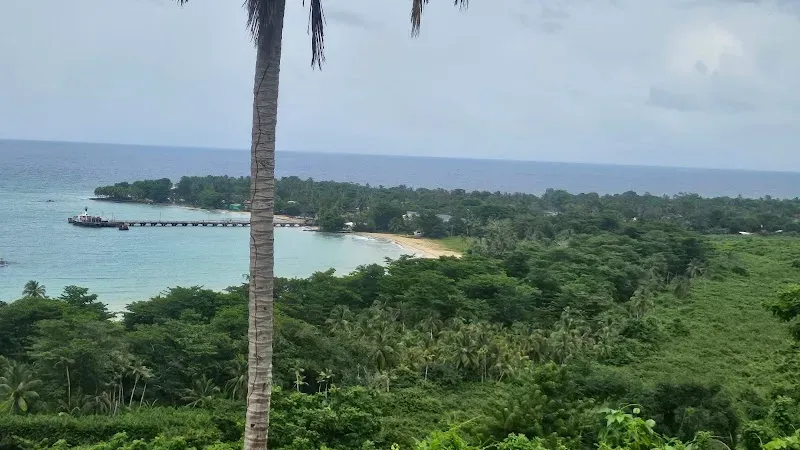
Mirador
Mirador is a nature attraction on Corn Islands. This natural area showcases the lush tropical landscapes and diverse ecosystems that Corn Islands is known for. Visitors can explore the local flora and fauna in a serene setting.
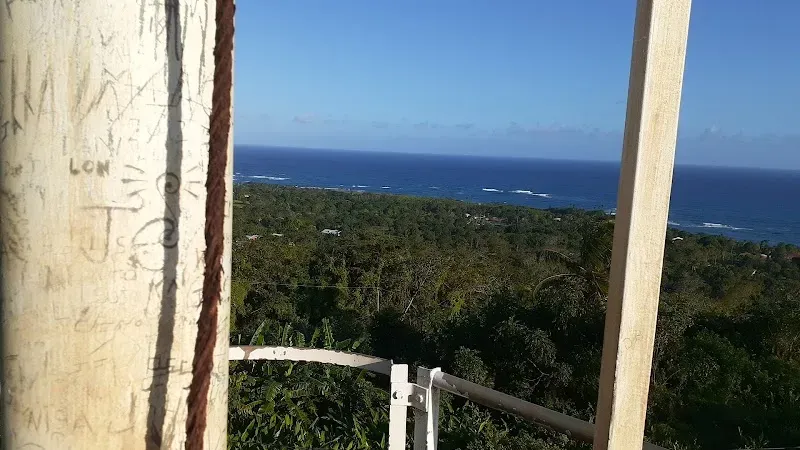
Mount Pleasant
Mount Pleasant is a nature attraction on Corn Islands. This natural area showcases the lush tropical landscapes and diverse ecosystems that Corn Islands is known for. Visitors can explore the local flora and fauna in a serene setting.
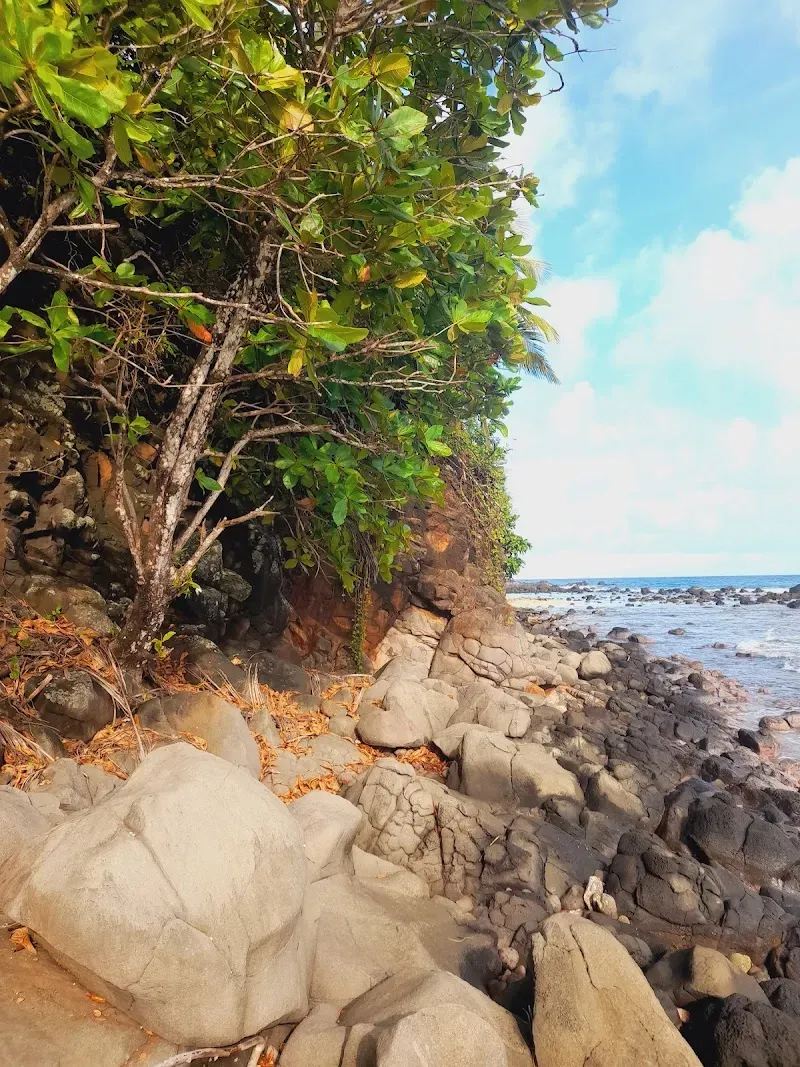
Manjanil Beach
Manjanil Beach is a nature attraction on Corn Islands. This natural area showcases the lush tropical landscapes and diverse ecosystems that Corn Islands is known for. Visitors can explore the local flora and fauna in a serene setting.
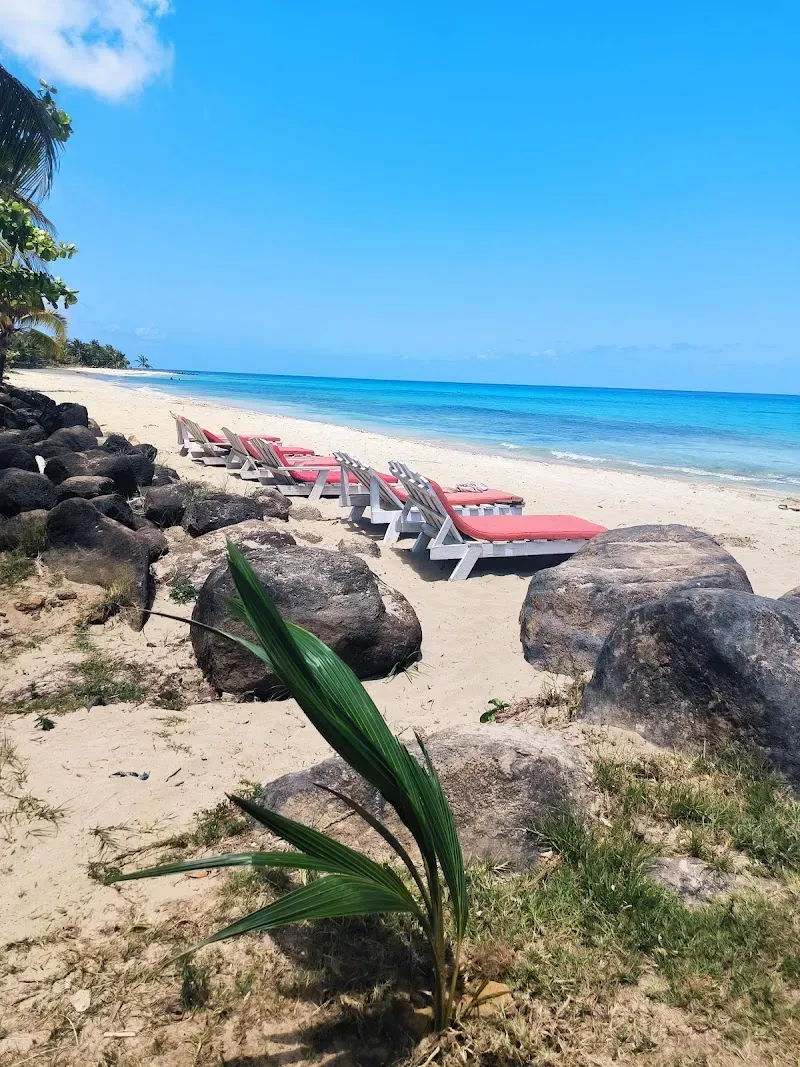
Paraíso Beach
Paraíso Beach is a nature attraction on Corn Islands. This natural area showcases the lush tropical landscapes and diverse ecosystems that Corn Islands is known for. Visitors can explore the local flora and fauna in a serene setting.
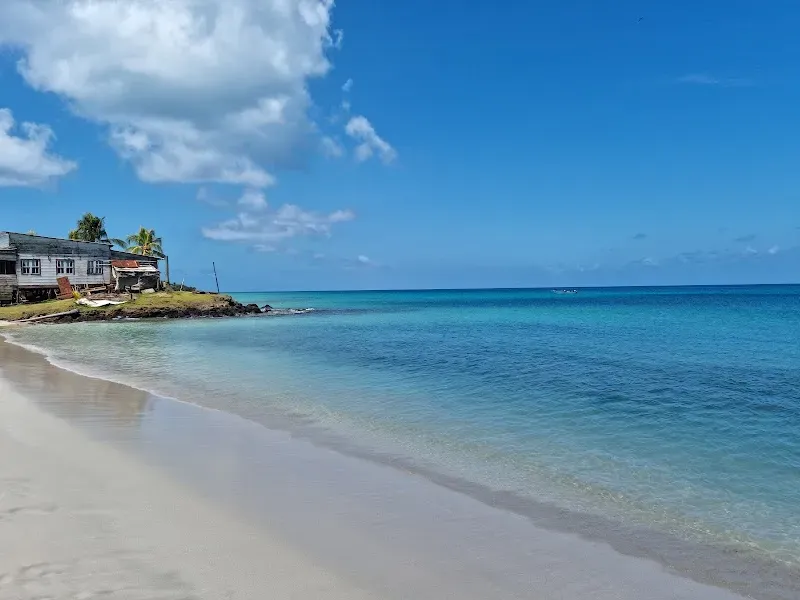
Bahía de los Ojos Azules de Tavicito
Bahía de los Ojos Azules de Tavicito is a nature attraction on Corn Islands. This natural area showcases the lush tropical landscapes and diverse ecosystems that Corn Islands is known for. Visitors can explore the local flora and fauna in a serene setting.
Hotels in Corn Islands
Search for available rates by selecting your travel dates
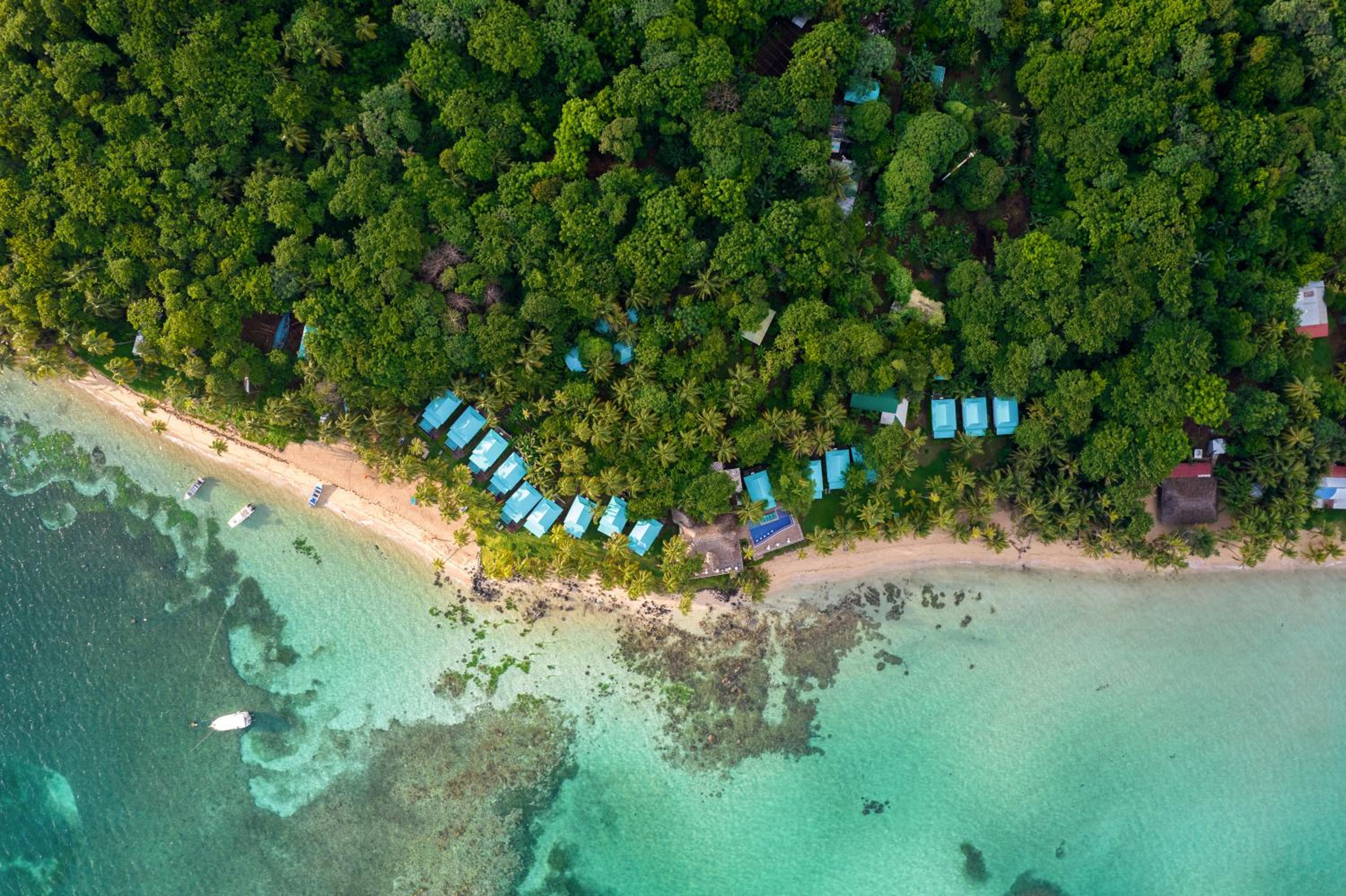
Yemaya Reefs, Member of Small Luxury Hotels of the World
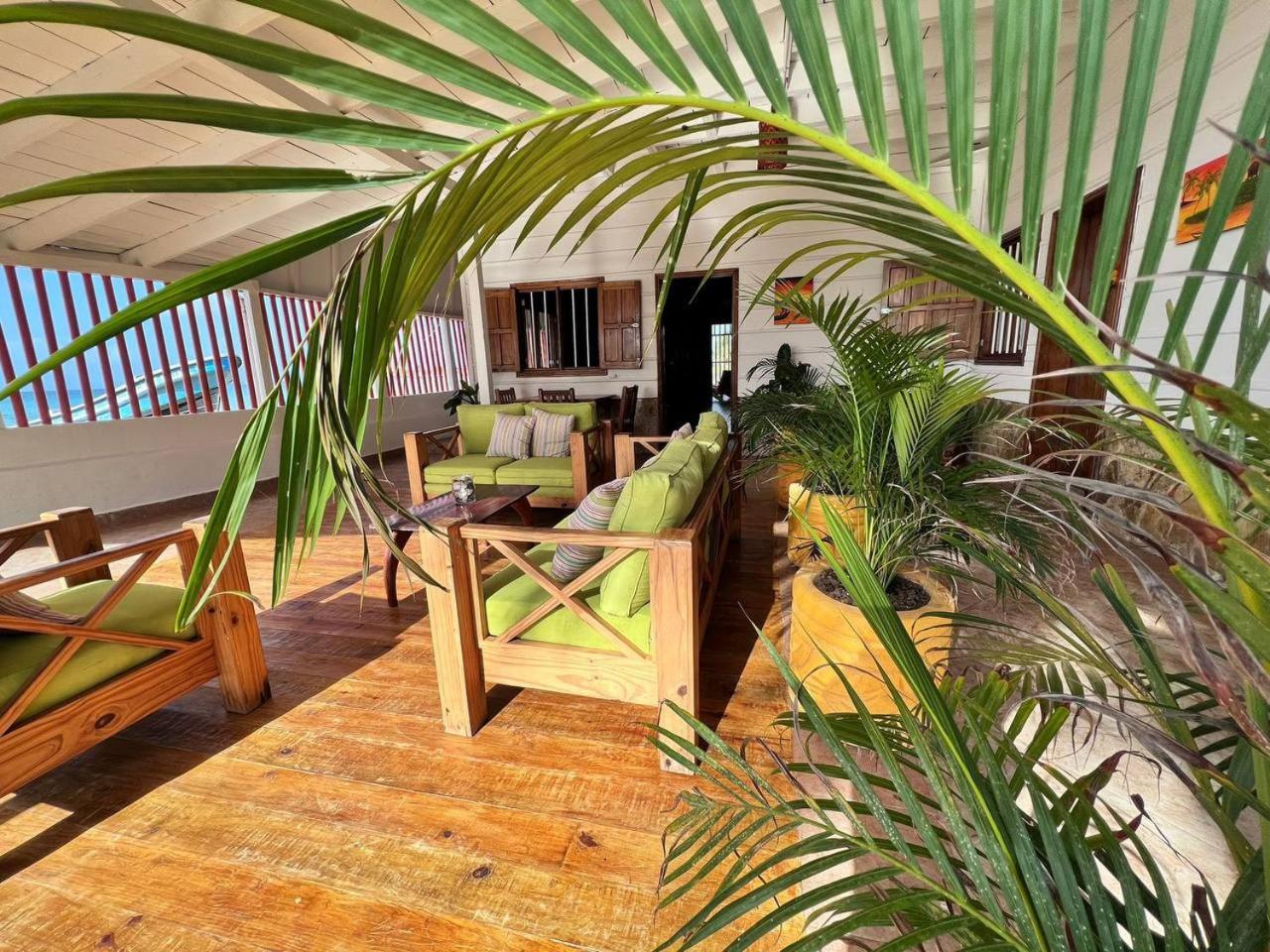
Sunset Bay B&B
 0
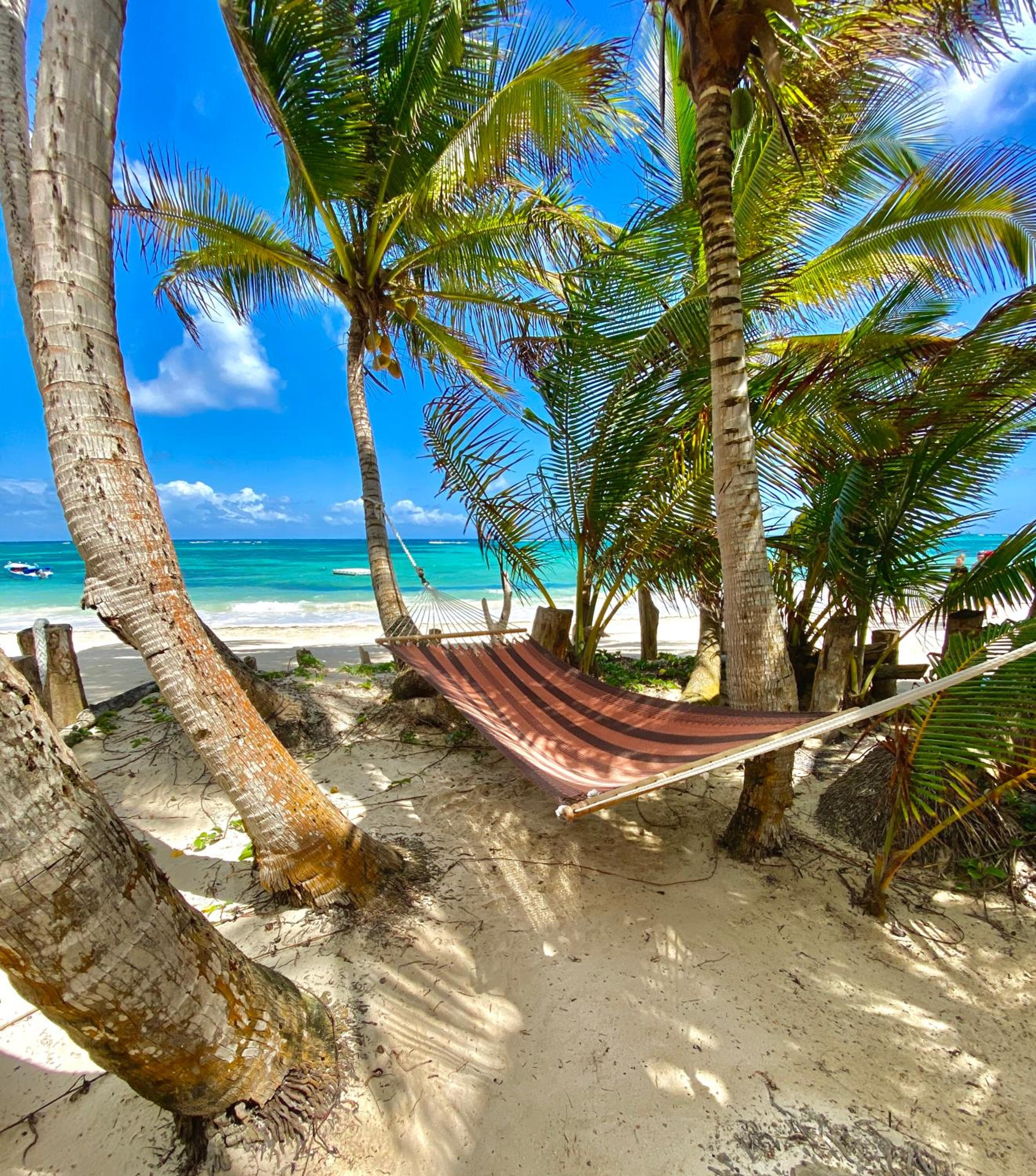
0Little Corn Island Beach and Bungalow
0Little Corn Island Beach and Bungalow
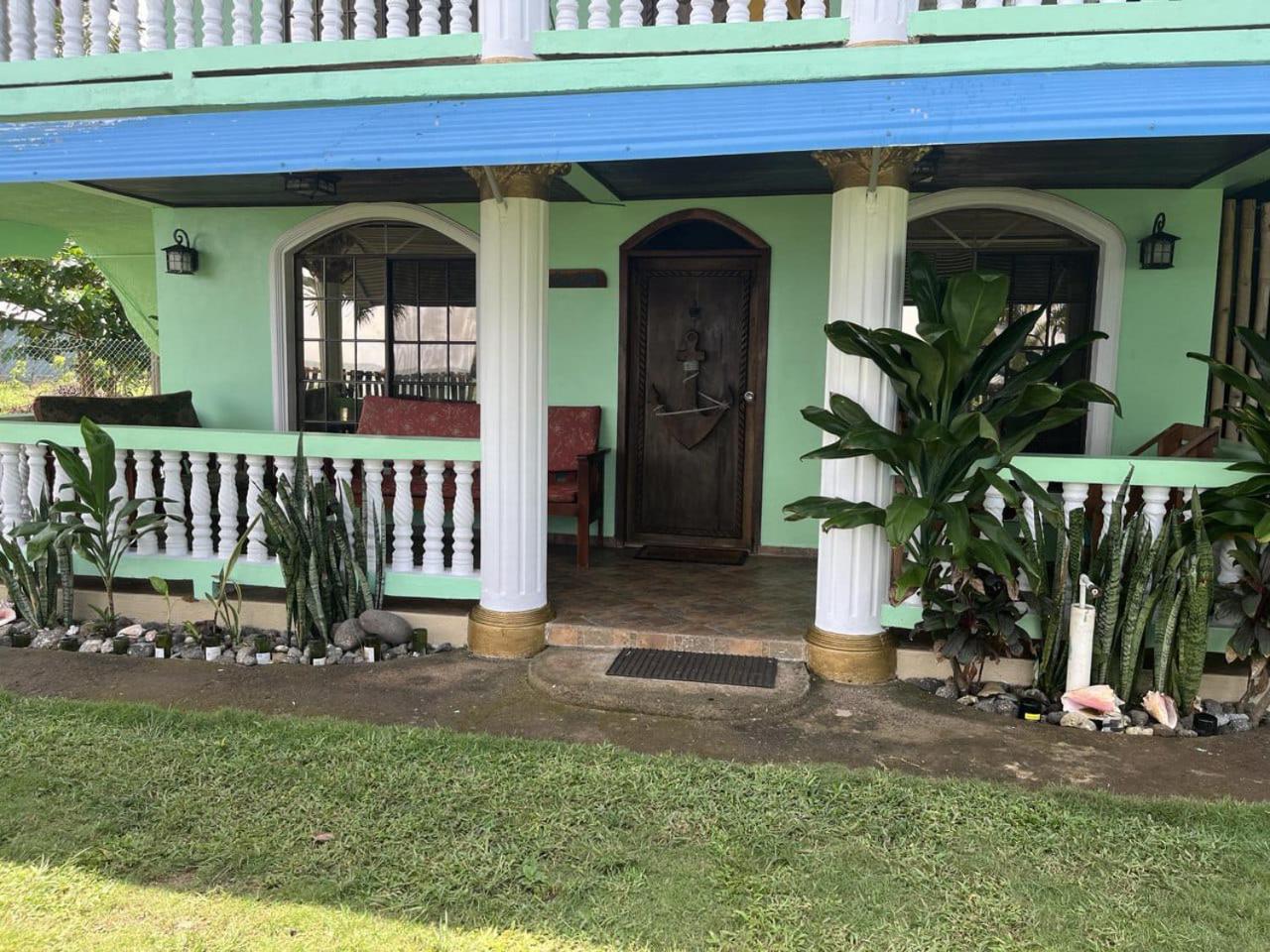
Hospedaje Rosa Del Mar & Sweets Cafe
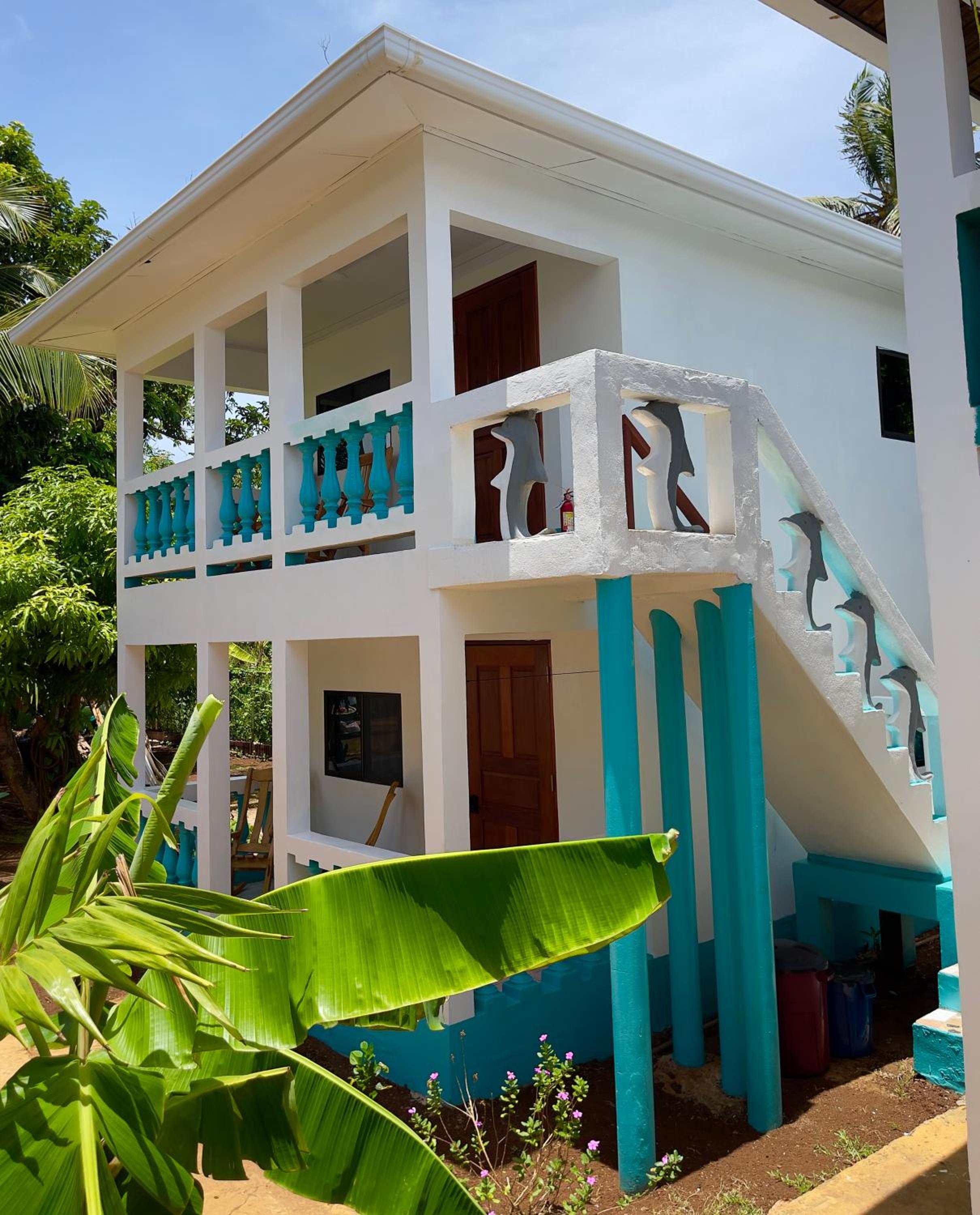
Apartments at Los Delfines Little Corn
Top Restaurants in Corn Islands
Popular dining spots near Corn Islands
No restaurants available for Corn Islands yet.
Weather in Corn Islands
Average Temperature
75°F to 85°F (24°C to 29°C)
Rainy Season
June to October
Hurricane Season
June to November
Best Time to Visit
January to May
Travel Tips
- English and Creole are more widely spoken than Spanish
- US dollars are accepted alongside Córdobas
- No ATMs on Little Corn Island
- A valid passport is required for entry
- Flights connect Big Corn to Managua, with boat transfers to Little Corn
- Little Corn has no motorized vehicles
Get Corn Islands Travel Tips
Subscribe for curated tips, deals, and inspiration for your Corn Islands trip.