
Things to Do in Corn Islands
Nicaragua's Caribbean Secret. Explore 8 attractions across the island.
The Corn Islands are as close to old Caribbean as it gets - no chain hotels, no cruise ships, no velvet ropes. Big Corn Island is the arrival point, with La Costeña flights from Managua landing on a tiny airstrip near Brig Bay. Circle the island on foot or by taxi in under an hour, stopping at Long Bay on the southwest side, where the reef is close enough to shore that you can snorkel over elkhorn coral and spotted eagle rays without a boat. Picnic Beach on the north tip is a quieter stretch of sand backed by coconut palms and is often deserted on weekday mornings.
The Big Corn lighthouse, perched on Quinn Hill, offers the best elevated view of the island - climb up late afternoon when the light turns the surrounding water electric blue. Rent a bicycle and ride the loop road past brightly painted wooden houses, churches blasting gospel music, and women selling coconut bread from their porches.
The real magic, though, is Little Corn. A panga boat (around $6 USD each way) bounces across open water for 30 minutes from Big Corn to deposit you at the village dock, and from there the only way to move is on foot. No cars, no roads, no ATMs. Sandy footpaths wind through jungle and beach, connecting a handful of guesthouses, dive shops, and barefoot restaurants. Otto Beach, on the east side, is a flawless crescent of white sand with coral heads just offshore - bring a mask and snorkel from your lodge because there is nothing to rent here. The walk across the island from the village to Otto Beach takes about 15 minutes through dense vegetation where you will hear more howler monkeys than people.
Diving around Little Corn is exceptional and uncrowded. Blowing Rock, a submerged seamount about a mile offshore, is the signature site - nurse sharks, barracuda, and spotted eagle rays patrol the pinnacle, and visibility regularly exceeds 30 meters. Dolphin Rock and Yellowtail are equally rewarding, with healthy hard coral and schools of creole wrasse. Dive shops on Little Corn charge around $35 to $40 per tank, making this one of the cheapest quality diving in the Caribbean. At night, the options are simple: rum at Tranquilo Café, star-gazing from the dock, and early bed to do it all again tomorrow.
Top Activities
Dive Blowing Rock off Little Corn
A submerged seamount rising from the deep about a mile offshore. Nurse sharks rest on the ledges, barracuda cruise the blue water, and the hard coral coverage is exceptional. Visibility regularly hits 30 meters. Two-tank dives cost around $70 USD through Dolphin Dive or Dive Little Corn.
Snorkel Otto Beach from Shore
Little Corn's east-side beach has coral heads within 30 feet of the sand. Bring your own mask - rental options are limited. Parrotfish, sergeant majors, and juvenile barracuda are common, and the beach itself is a postcard-perfect crescent with zero development behind it.
Walk the Little Corn Island Loop
A network of sandy footpaths connects the village, the beaches, and the north end of the island. The full loop takes about 90 minutes at a relaxed pace, passing through jungle, past secluded coves, and along the rocky windward shore. No map needed - the island is small enough to explore by instinct.
Snorkel Long Bay on Big Corn
The reef at Long Bay on Big Corn's southwest coast starts in shallow water and extends over a healthy mix of elkhorn and brain coral. Eagle rays and sea turtles are regularly spotted. No boat required - just wade in from the beach. The adjacent beach bar rents basic snorkel gear for a few dollars.
Climb to Big Corn Lighthouse
The lighthouse on Quinn Hill is the highest point on Big Corn. A short but steep trail leads to panoramic views of the island and surrounding Caribbean. Time your visit for late afternoon when the low sun turns the shallow water into shades of turquoise and emerald.
Take a Panga to Little Corn Island
The 30-minute open boat ride from Big Corn to Little Corn costs about $6 USD each way and runs twice daily. The crossing can be rough in swells, so sit near the back and hold on. Arriving at Little Corn's tiny dock with nothing but a backpack is the quintessential unplugged Caribbean moment.
Attractions in Corn Islands
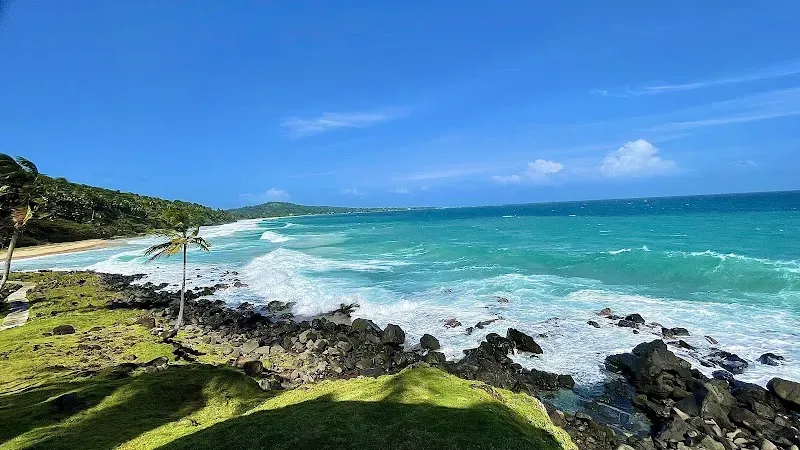
Morgan House
Morgan House is a nature attraction on Corn Islands. This natural area showcases the lush tropical landscapes and diverse ecosystems that Corn Islands is known for. Visitors can explore the local flora and fauna in a serene setting.
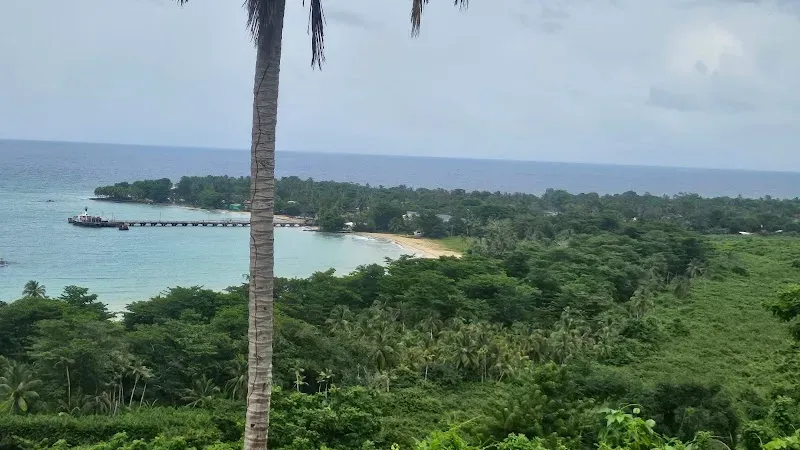
Mirador
Mirador is a nature attraction on Corn Islands. This natural area showcases the lush tropical landscapes and diverse ecosystems that Corn Islands is known for. Visitors can explore the local flora and fauna in a serene setting.
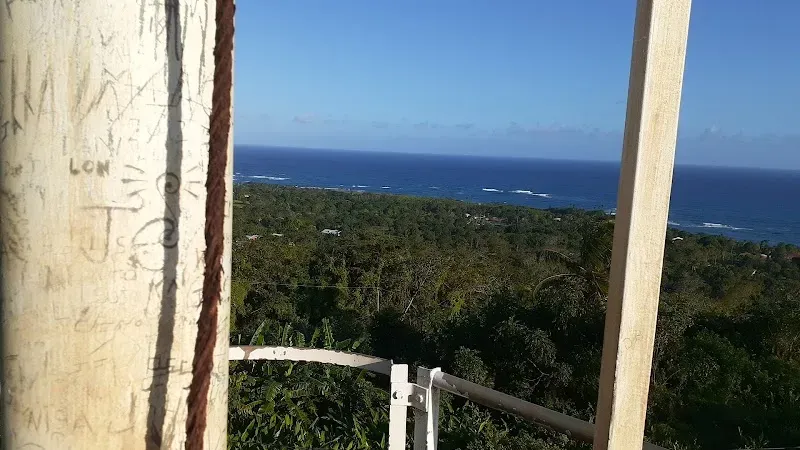
Mount Pleasant
Mount Pleasant is a nature attraction on Corn Islands. This natural area showcases the lush tropical landscapes and diverse ecosystems that Corn Islands is known for. Visitors can explore the local flora and fauna in a serene setting.
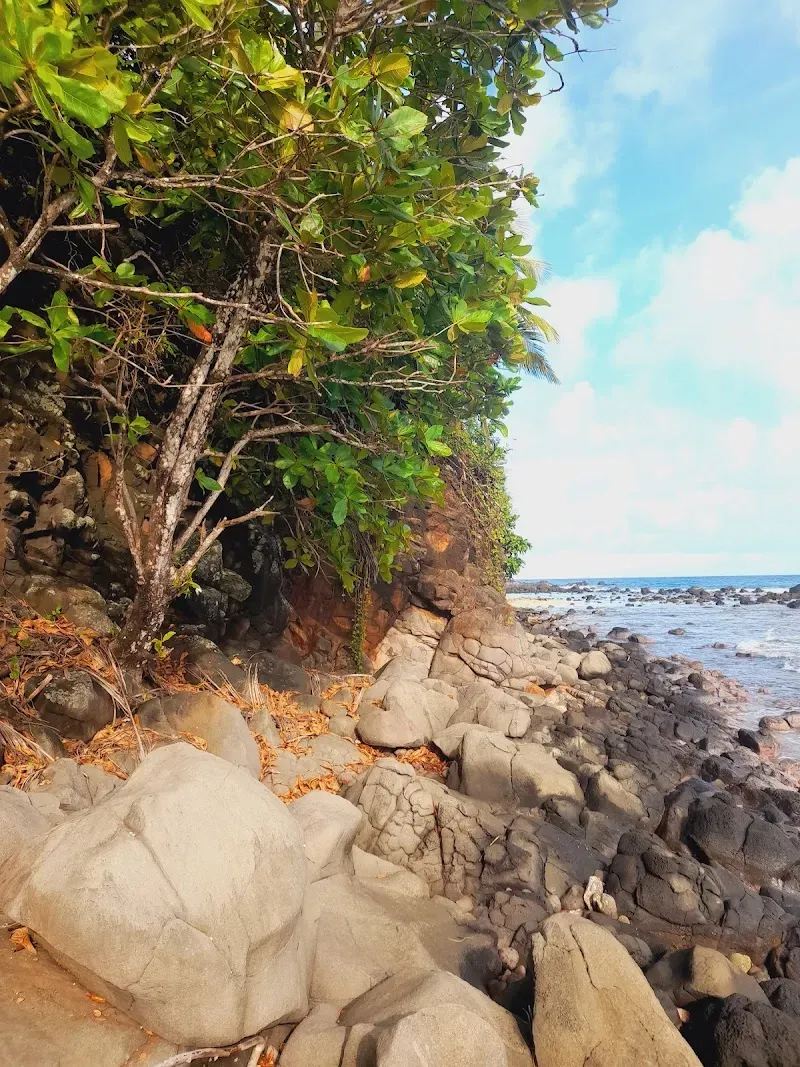
Manjanil Beach
Manjanil Beach is a nature attraction on Corn Islands. This natural area showcases the lush tropical landscapes and diverse ecosystems that Corn Islands is known for. Visitors can explore the local flora and fauna in a serene setting.
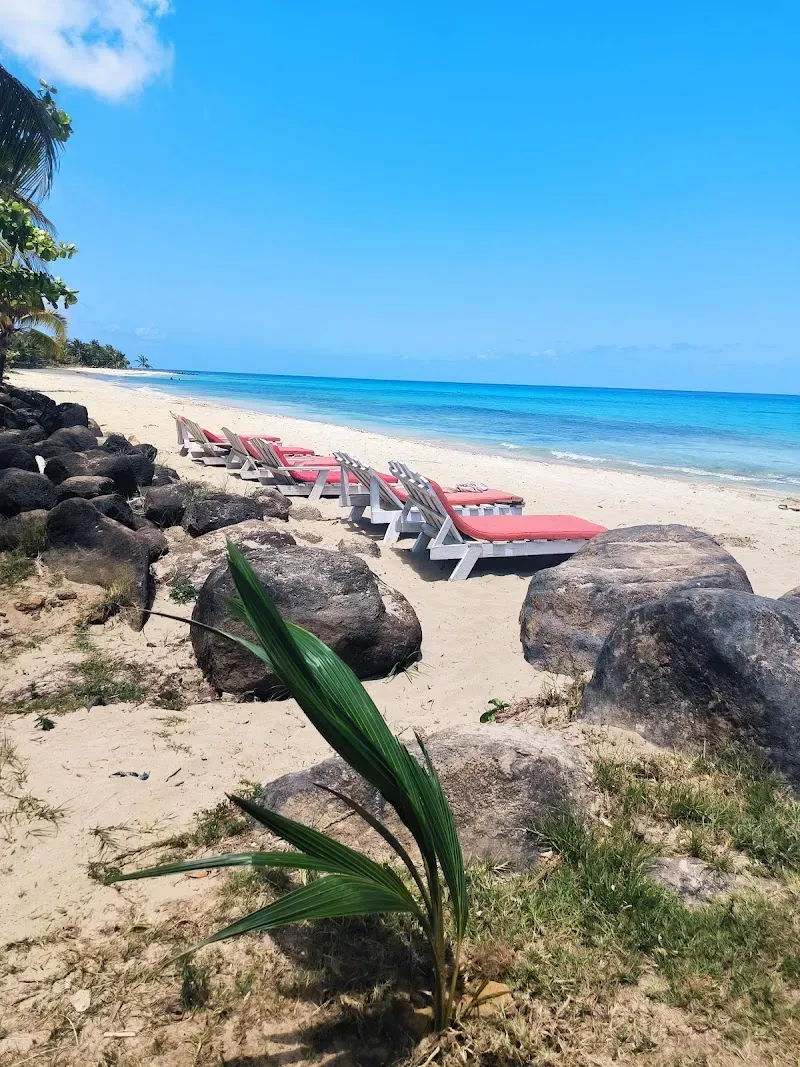
Paraíso Beach
Paraíso Beach is a nature attraction on Corn Islands. This natural area showcases the lush tropical landscapes and diverse ecosystems that Corn Islands is known for. Visitors can explore the local flora and fauna in a serene setting.
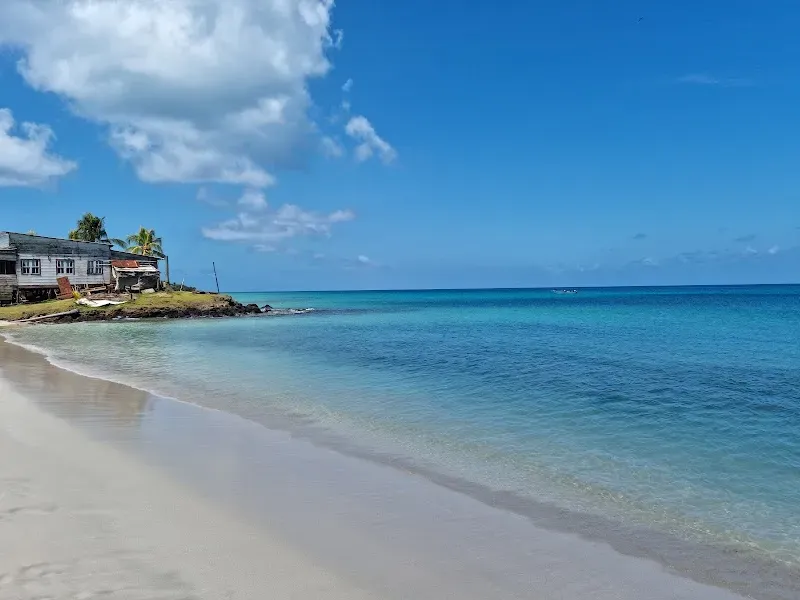
Bahía de los Ojos Azules de Tavicito
Bahía de los Ojos Azules de Tavicito is a nature attraction on Corn Islands. This natural area showcases the lush tropical landscapes and diverse ecosystems that Corn Islands is known for. Visitors can explore the local flora and fauna in a serene setting.
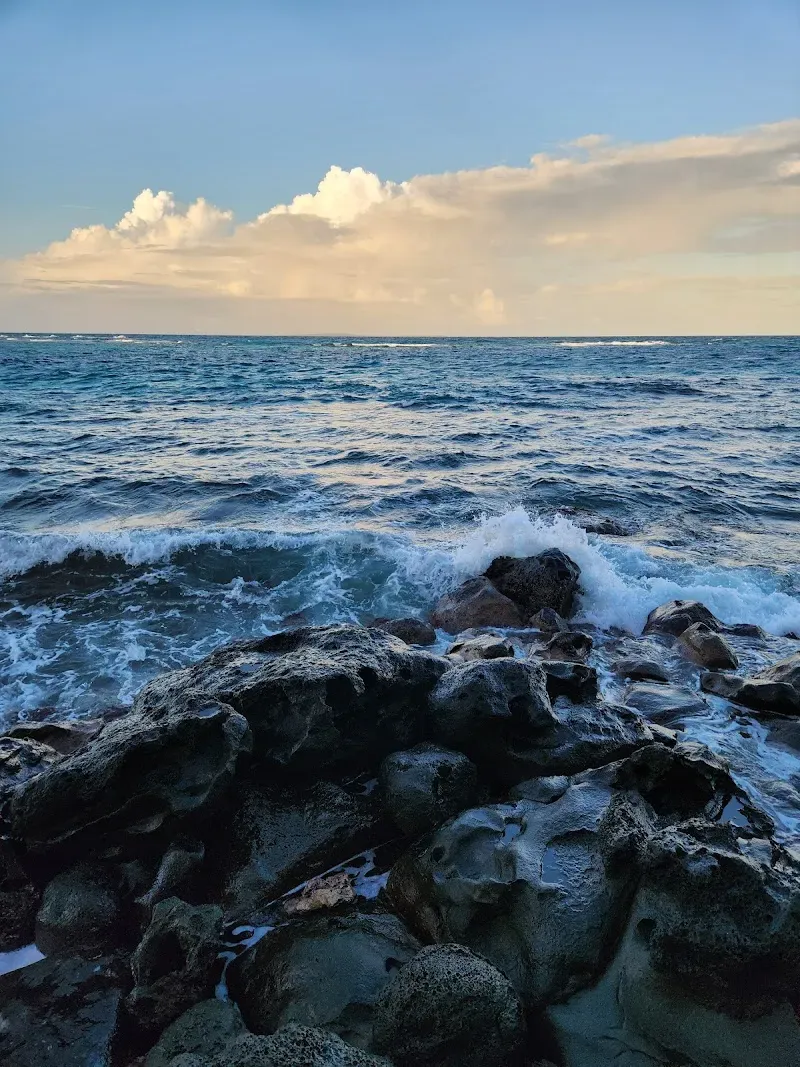
Springhole
Springhole is a nature attraction on Corn Islands. This natural area showcases the lush tropical landscapes and diverse ecosystems that Corn Islands is known for. Visitors can explore the local flora and fauna in a serene setting.
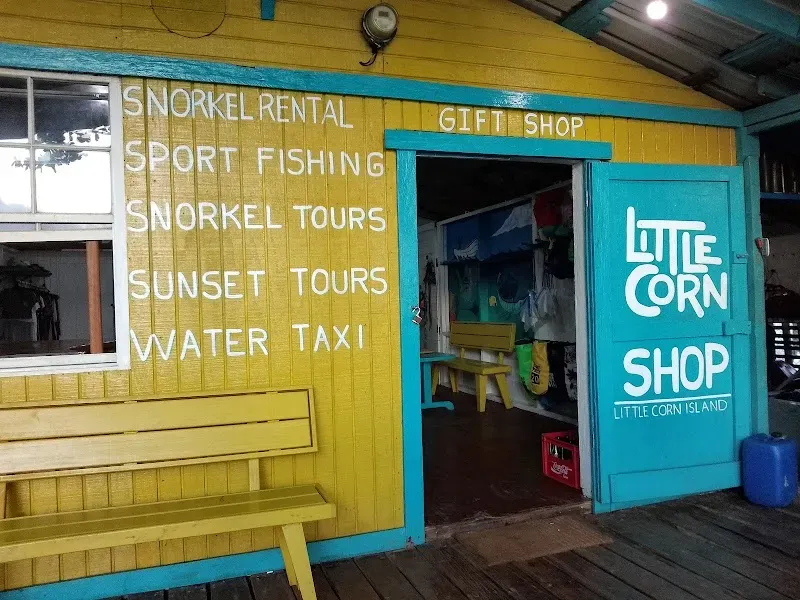
Little Corn Shop
Little Corn Shop is a nature attraction on Corn Islands. This natural area showcases the lush tropical landscapes and diverse ecosystems that Corn Islands is known for. Visitors can explore the local flora and fauna in a serene setting.
Explore More of Corn Islands
Find hotels, restaurants, and bookable experiences on our full island page.