Cozumel and Isla Mujeres
Mexico's Caribbean Jewels
About Cozumel and Isla Mujeres
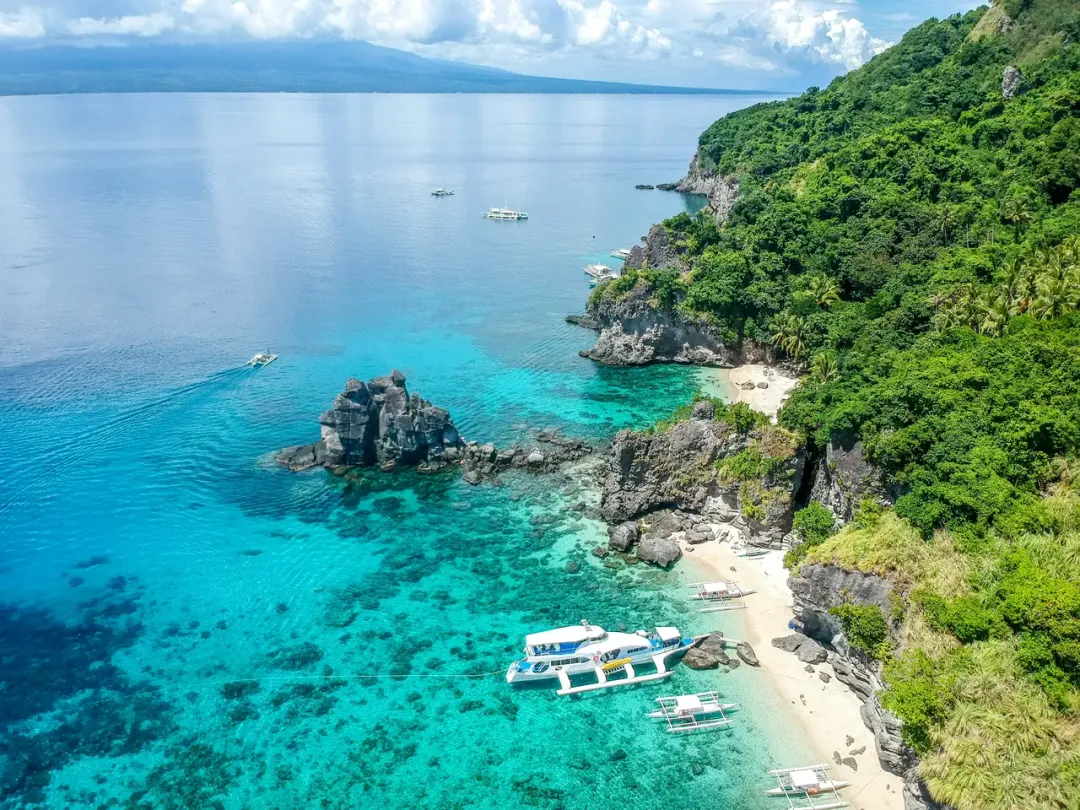
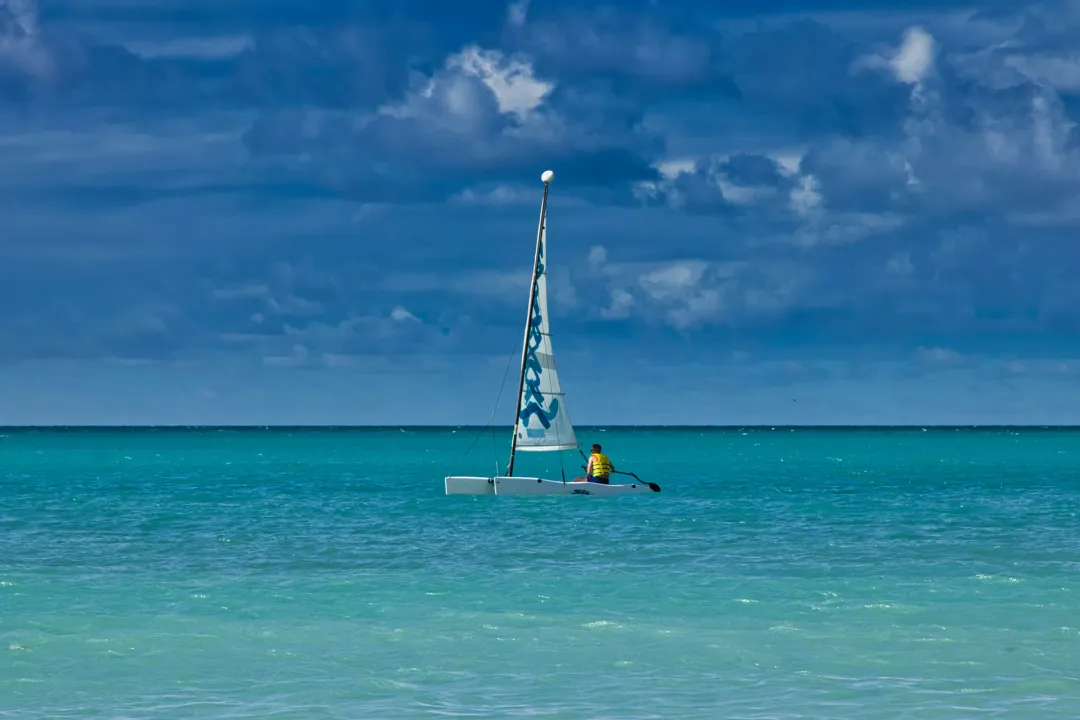
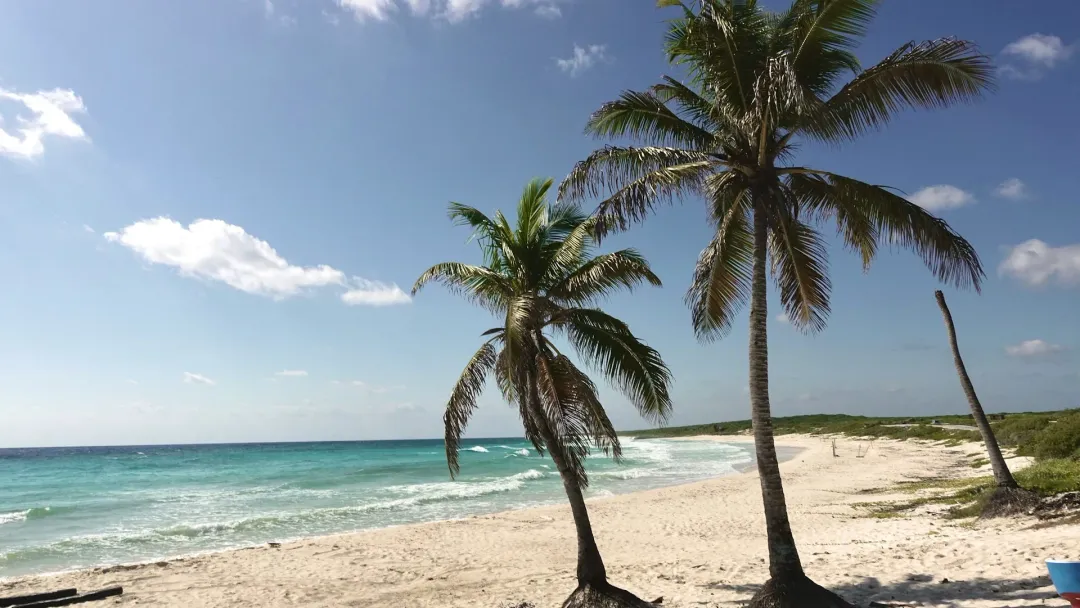
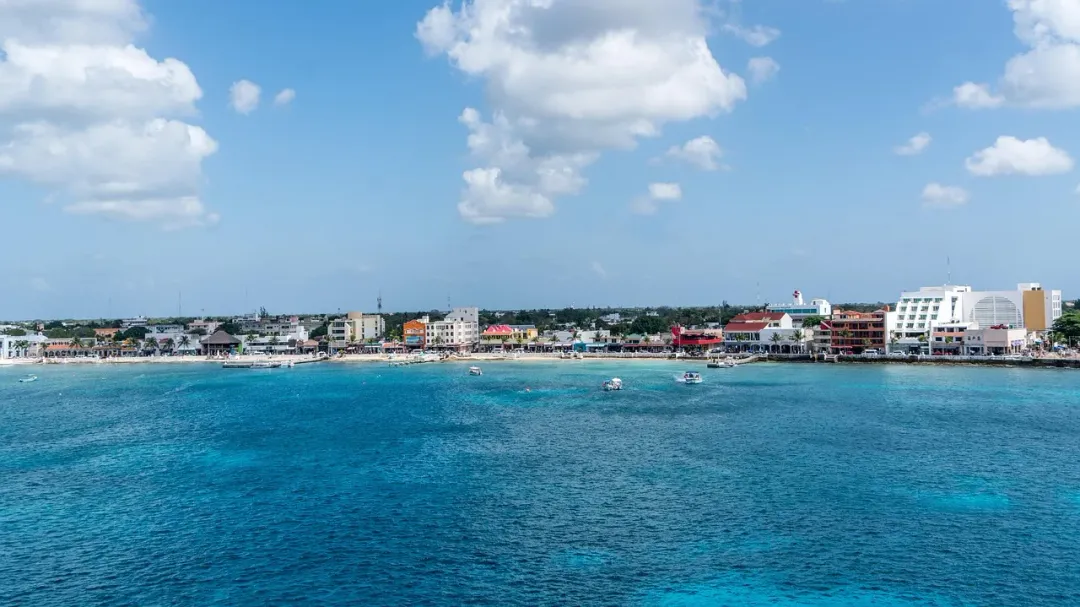
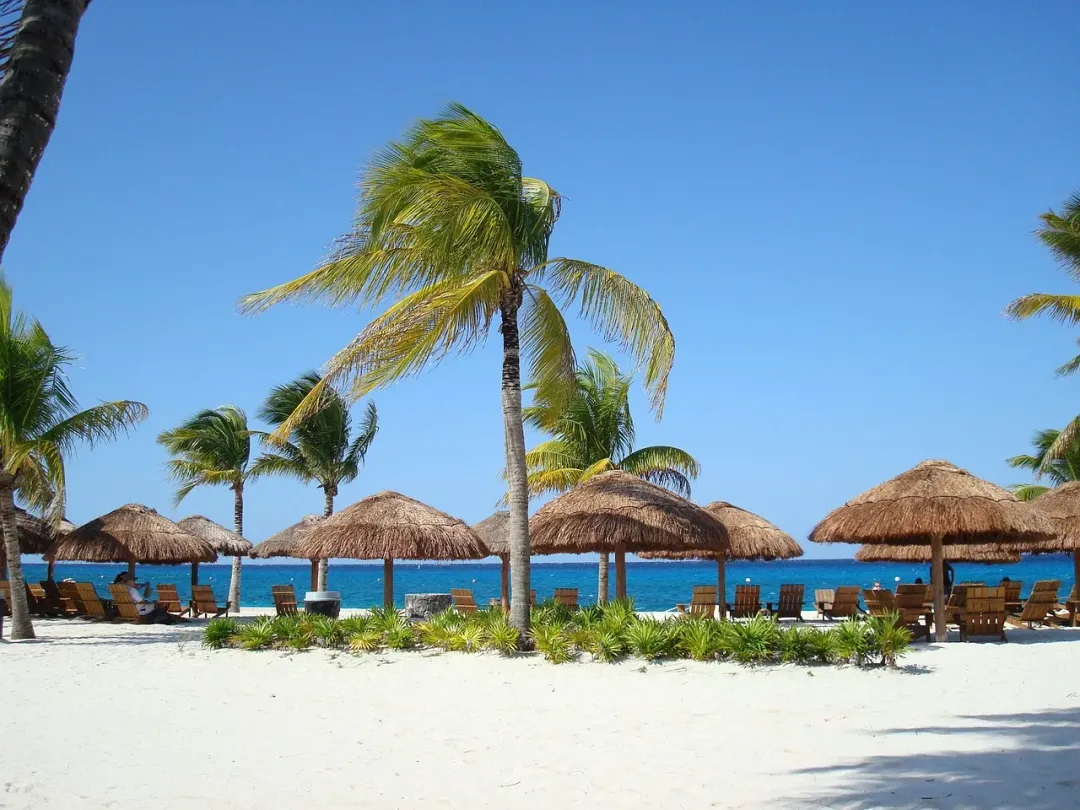
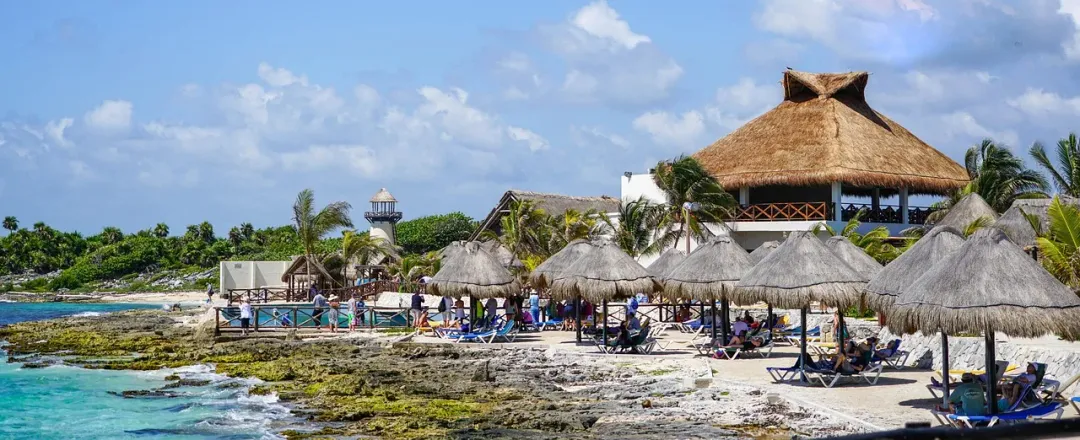
Cozumel and Isla Mujeres are two of Mexico's most popular island destinations in the Caribbean Sea, each with its own distinct character. Cozumel, Mexico's largest inhabited island at 189 square miles, lies 12 miles off the eastern coast of the Yucatán Peninsula opposite Playa del Carmen. Known primarily for its exceptional diving and snorkeling opportunities, Cozumel is surrounded by part of the Mesoamerican Reef System, the second-largest coral reef system in the world. The island's western side features calm, clear waters ideal for water activities, while the less-developed eastern shore has rougher waters and a more rugged coastline with natural rock formations and small beaches. San Miguel, the island's main town, offers a mix of tourist amenities and authentic Mexican culture, with a waterfront promenade, restaurants, shops, and a central plaza that comes alive in the evenings. Isla Mujeres, much smaller at just 4.3 miles long and half a mile wide, is located about 8 miles northeast of Cancún. This island is known for its relaxed atmosphere, beautiful Playa Norte (North Beach) with shallow, crystal-clear waters, and a more intimate scale that allows visitors to explore by golf cart or bicycle. Both islands have historical significance, with Cozumel having been an important site for the Maya, particularly as a sanctuary for Ix Chel, the goddess of fertility and medicine, while Isla Mujeres was named by Spanish conquistadors who found numerous female-shaped idols on the island, dedicated to the Maya goddess Ixchel. Today, both islands balance tourism development with preservation of their natural beauty and cultural heritage, offering visitors experiences ranging from luxury resorts to eco-adventures, archaeological sites, and interactions with local communities. Their proximity to the mainland tourist hubs of Cancún and the Riviera Maya makes them easily accessible while still providing a distinct island experience.
Size
189 sq mi (490 km²) for Cozumel, 4.3 sq mi (11.2 km²) for Isla Mujeres
Population
100,000 (Cozumel), 13,000 (Isla Mujeres)
Language
Spanish, English widely spoken in tourist areas
Currency
Mexican Peso (MXN), US Dollar widely accepted
Time Zone
UTC-5 (Eastern Time)
Best Time to Visit
November to April
Highlights
Best Things to Do in Cozumel and Isla Mujeres
Cozumel and Isla Mujeres sit close to the mainland but feel like different worlds from the resort corridor of Cancún. On Cozumel, the diving is the headliner. Jacques Cousteau put Palancar Reef on the map in 1961, and six decades later the drift dives along the island's southwestern wall remain among the best in the Western Hemisphere. Palancar Gardens, with its towering coral pillars and resident green turtles, is accessible to intermediate divers, while Santa Rosa Wall drops off dramatically for advanced profiles. Non-divers can experience the reef at El Cielo, a shallow sandbar on the south side where you wade in waist-deep turquoise water surrounded by hundreds of starfish - most snorkel tours from the cruise port include a stop here.
In San Miguel, the island's only real town, skip the waterfront souvenir shops and walk two blocks inland to the Museo de la Isla de Cozumel, which covers the island's Maya history and coral reef ecology in a well-curated space. Rent a scooter or Jeep and drive the coastal road south to Punta Sur Eco Beach Park, a 247-acre reserve at the island's southern tip with a Maya lighthouse, crocodile lagoon, and a beautiful stretch of empty windward beach where the surf crashes against ironshore limestone. The east coast road continues north past wild beaches like Chen Rio, one of the few swimmable spots on the rough windward side, with a restaurant serving ceviche right on the sand.
Isla Mujeres, accessible by a 15-minute Ultramar ferry from Cancún's Puerto Juarez, rewards a full-day visit or, better, an overnight stay after the day-trippers leave. Playa Norte is the main draw - a crescent of soft white sand with shallow, bathwater-warm water that extends 50 meters out, consistently ranked among the best beaches in Mexico. Rent a golf cart (around 700 to 900 MXN per day) and drive south to the Punta Sur sculpture garden at the island's tip, where waves crash against cliffs below the remnants of a small Maya temple dedicated to Ixchel.
MUSA, the Underwater Museum of Art, sits in the waters between Isla Mujeres and Cancún - over 500 submerged sculptures by Jason deCaires Taylor create an eerie artificial reef best explored by snorkel or shallow dive.
Drift Dive Palancar Reef on Cozumel
The current carries you along towering coral formations, swim-throughs, and walls dropping to 130 feet. Palancar Gardens is the most popular section, with pillar corals and frequent turtle encounters. Two-tank boat dives cost $80 to $120 USD through San Miguel operators.
Snorkel El Cielo Sandbar
A shallow sandbar off Cozumel's south coast where the water is waist-deep and hundreds of starfish dot the white sand bottom. The turquoise color is extraordinary for photos. Most catamaran snorkel tours from the cruise port include El Cielo and cost around $50 to $70 USD.
Visit MUSA Underwater Museum
Over 500 life-sized sculptures sit on the sea floor between Isla Mujeres and Cancún, created by artist Jason deCaires Taylor to promote coral growth. Snorkel tours from Isla Mujeres cost around $40 to $60 USD and let you float over haunting human figures now colonized by sponges and brain coral.
Explore Punta Sur Eco Beach Park on Cozumel
A 247-acre reserve at the southern tip of Cozumel with a Maya navigation tower, a crocodile observation area, and a windswept beach with dramatic ironshore formations. The Celarain Lighthouse offers panoramic views. Entry is around 18 USD and includes access to snorkel areas on the leeward side.
Golf Cart Tour of Isla Mujeres
Rent a golf cart for 700 to 900 MXN per day and cover the entire island in a few hours. Start at Playa Norte, drive south past Hacienda Mundaca (a pirate's estate turned garden), and end at the Punta Sur sculpture park on the dramatic southern cliffs above the crashing waves.
Visit San Gervasio Maya Ruins on Cozumel
The largest archaeological site on Cozumel was once a pilgrimage destination for Maya women honoring Ixchel, the goddess of fertility and medicine. The jungle paths connect several structures, and the site rarely feels crowded. Entry costs around 12 USD and a guide adds valuable context for about 30 USD.
Swim with Whale Sharks near Isla Mujeres
From mid-June through mid-September, whale sharks congregate in the plankton-rich waters north of Isla Mujeres in the largest known gathering of these animals. Licensed tours depart from both Isla Mujeres and Cancún, costing $150 to $200 USD per person with strict interaction rules to protect the animals.
Drive Cozumel's Wild East Coast
Rent a Jeep or scooter and follow the coastal road along Cozumel's undeveloped windward side. Stop at Chen Rio for ceviche at the beachfront restaurant, explore the rocky coves at El Mirador, and watch the waves pound the ironshore. The contrast with the calm western shore is striking.
Where to Stay in Cozumel and Isla Mujeres
On Cozumel, the western (leeward) coast holds nearly all the hotels and resorts. The area around San Miguel town is the most walkable, with mid-range options like Hotel B Cozumel ($150 to $250 USD) on the waterfront and budget hotels like Amigos Hostel starting around $25 for a dorm bed. South of town, the hotel zone stretches along the calm coast with all-inclusive resorts like Cozumel Palace ($300 to $500 USD) and Iberostar Cozumel ($200 to $350 USD), both with house reefs for snorkeling. For divers, staying near the southern marine park makes sense - Scuba Club Cozumel offers dive-and-stay packages from around $150 per night. The north side of the island is quieter, with vacation rentals becoming the dominant option through Airbnb ($80 to $200 per night for apartments).
Isla Mujeres has a more intimate scale. Playa Norte is the premium address - Ixchel Beach Hotel ($180 to $350 USD) and Na Balam ($200 to $400 USD) sit right on the sand. The downtown area around Hidalgo Street has budget posadas and hotels from $40 to $80 USD, and you are never more than a five-minute walk from the beach. Casa de los Sueños on the southern cliffs offers a boutique splurge with ocean views from $300 to $500.
Both islands are affordable by Caribbean standards, especially compared to the hotel zone in Cancún across the water.
Where to Eat in Cozumel and Isla Mujeres
Cozumel’s food scene punches above what you might expect from a cruise port island. In San Miguel, walk past the tourist-facing waterfront and head to Mezcalito's for wood-fired tacos and mezcal on the east coast, or La Cocay on Calle 8 for upscale Mediterranean-Mexican fusion with a wine list that surprises. Buccanos at Night, a beach club by day that transforms into a fine dining spot after dark, serves grilled octopus and catch-of-the-day ceviche right on the water for 300 to 500 MXN per plate.
For street-level authenticity, the market stalls around Salas and the main plaza sell salbutes (fried tortillas topped with shredded turkey, pickled onion, and avocado) and panuchos for 20 to 40 MXN each. Chilango’s on the waterfront does excellent tacos al pastor and is where off-duty dive guides eat, which tells you everything.
On Isla Mujeres, Hidalgo Street is the main dining strip. Lola Valentina serves creative Mexican cuisine with rooftop seating and cocktails in the 150 to 200 MXN range. Ruben’s Restaurant is a decades-old local institution for whole grilled fish and garlic shrimp at honest prices. For breakfast, head to Mango Café Isla for chilaquiles and fresh-squeezed orange juice - arrive before 9 a.m. or expect a wait. Playa Norte's beach bars serve solid fish tacos and cold Coronas with your feet in the sand.
Tikin-xic, a Yucatecan specialty of fish marinated in achiote paste and slow-grilled in banana leaves, is the regional dish to seek out on both islands.
Best Time to Visit Cozumel and Isla Mujeres
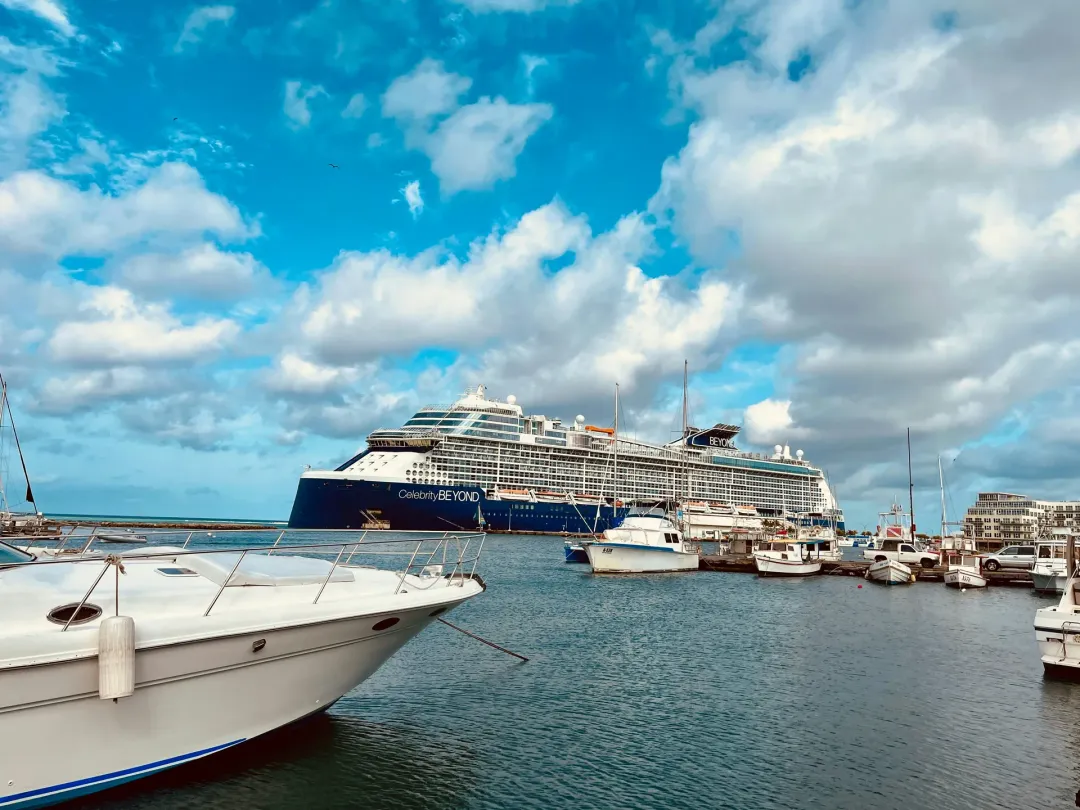
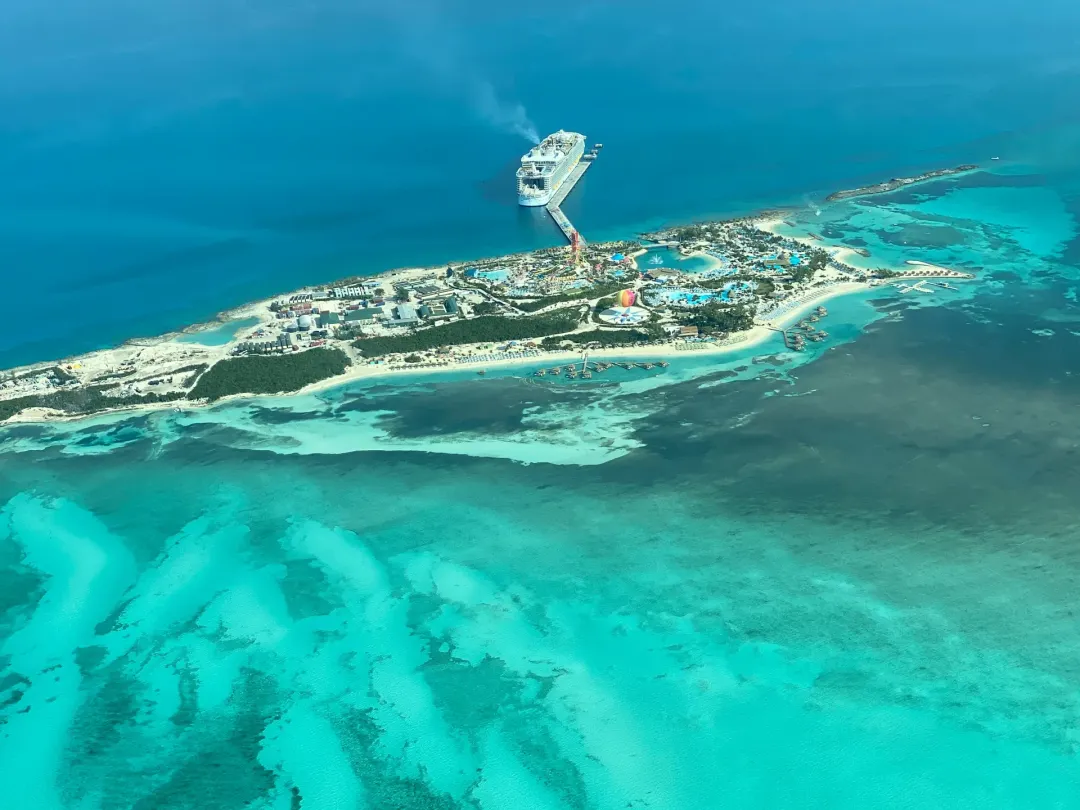
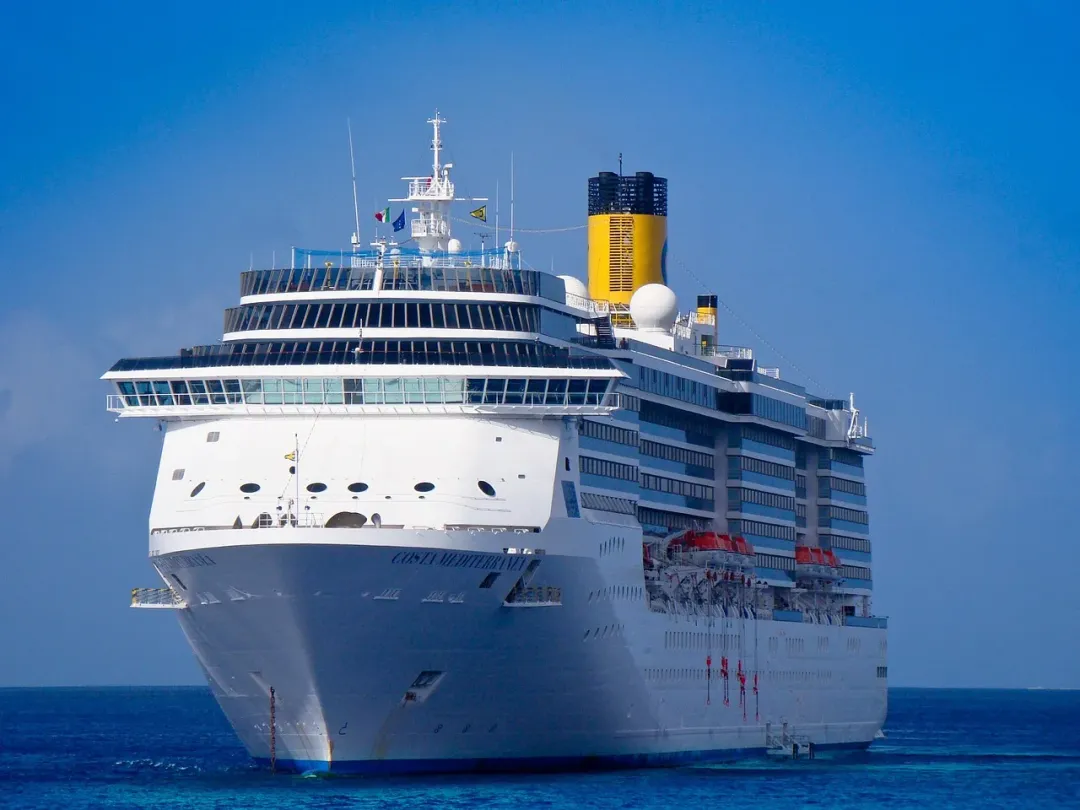
The dry season from November through April is the peak window, with daytime temperatures in the low 80s Fahrenheit, low humidity, and calm Caribbean seas ideal for diving and snorkeling. Visibility on Cozumel's reefs peaks during this period, often exceeding 100 feet. December through March is the most popular (and priciest) stretch, driven by North American winter escapes and cruise ship traffic - Cozumel can receive three to five ships per day in high season.
For fewer crowds and reasonable prices, late April and May offer warm, mostly dry weather with noticeably thinner tourism. Whale shark season near Isla Mujeres runs mid-June through mid-September, drawing snorkelers specifically for those encounters.
The rainy season runs June through October, with September and October carrying the highest hurricane risk and heaviest rainfall. Summer humidity is intense but hotel rates drop 30 to 40 percent. Cozumel's Carnaval celebration in February is one of Mexico's best, with elaborate parades through San Miguel worth timing a visit around.
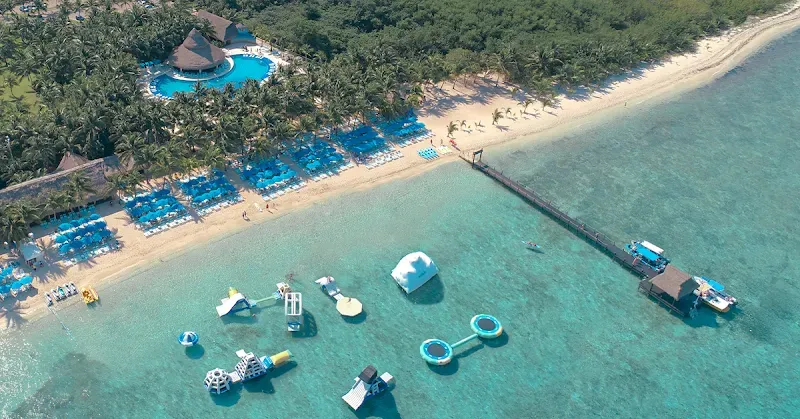
Paradise Beach Cozumel
Paradise Beach Cozumel is a nature attraction on Cozumel. This natural area showcases the lush tropical landscapes and diverse ecosystems that Cozumel is known for. Visitors can explore the local flora and fauna in a serene setting.
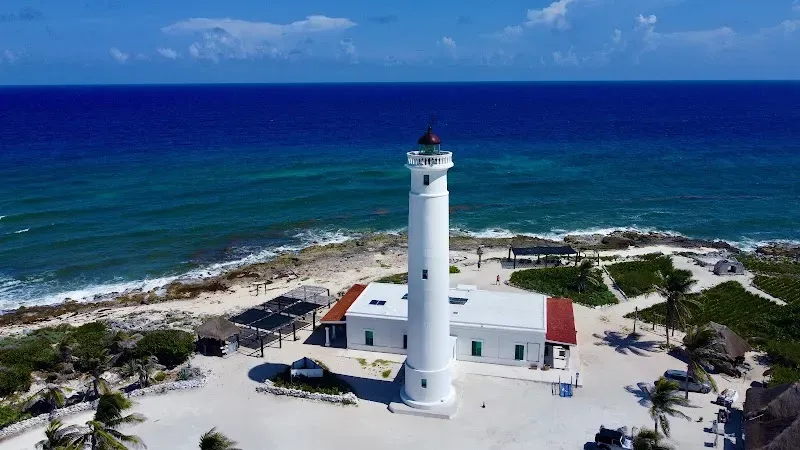
Punta Sur Eco Beach Park
Centred around an inlet filled with small islands, this eco park has a wealth of wildlife to see.
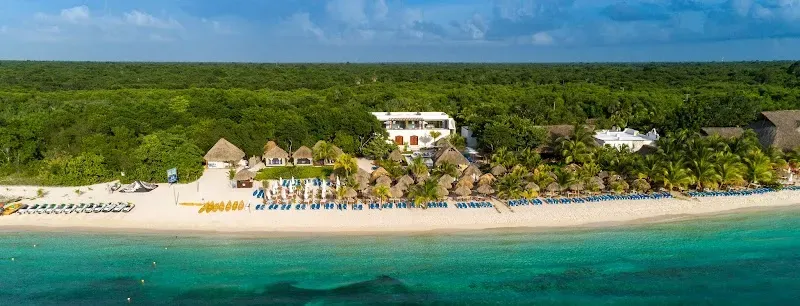
Mr Sanchos Beach Club
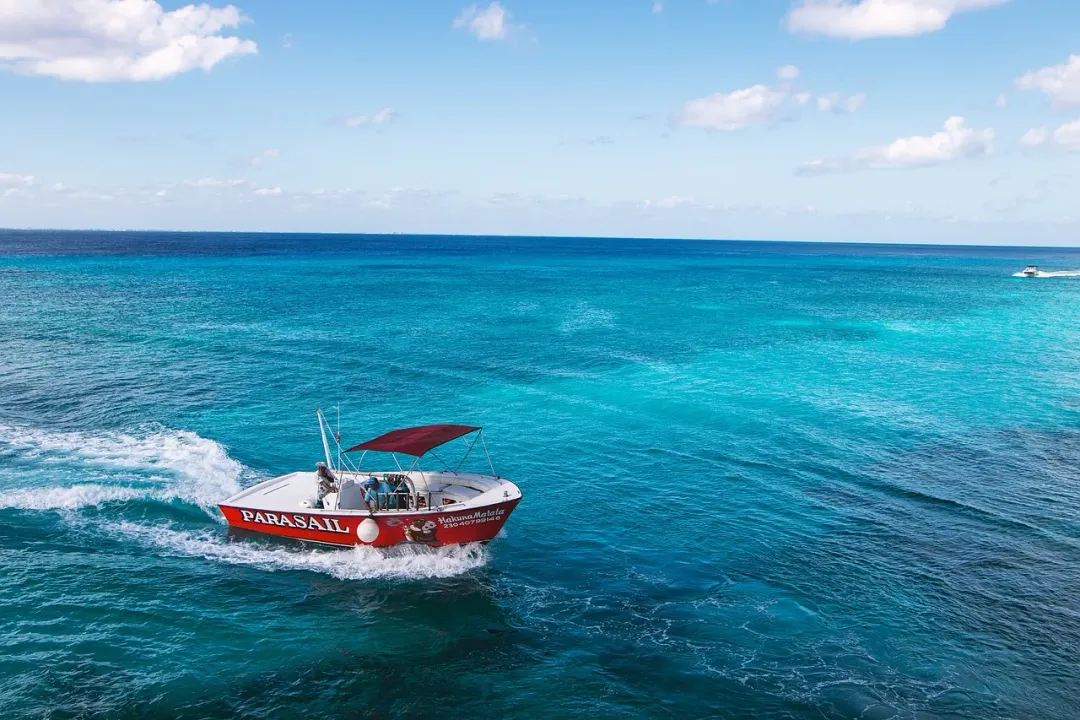
Tropical resort with pools & dining, plus a water park, parasailing, jet-skiing & spa services.
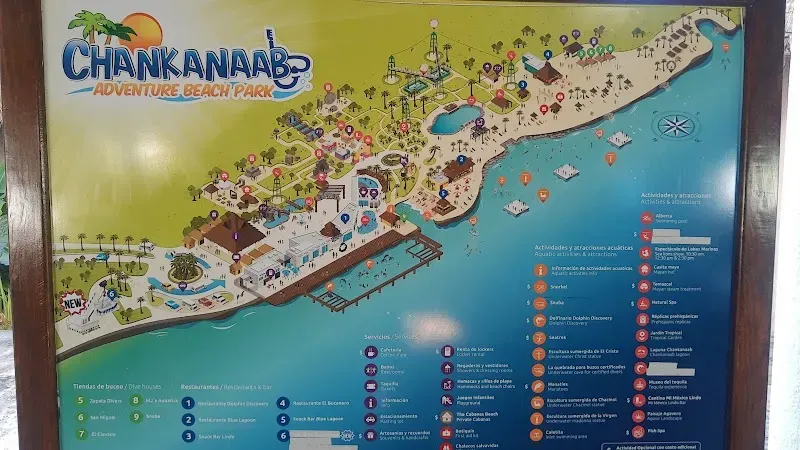
Chankanaab Beach Adventure Park
Water park offering shops, bars/eateries & a lagoon for snorkeling, diving & swimming with dolphins.
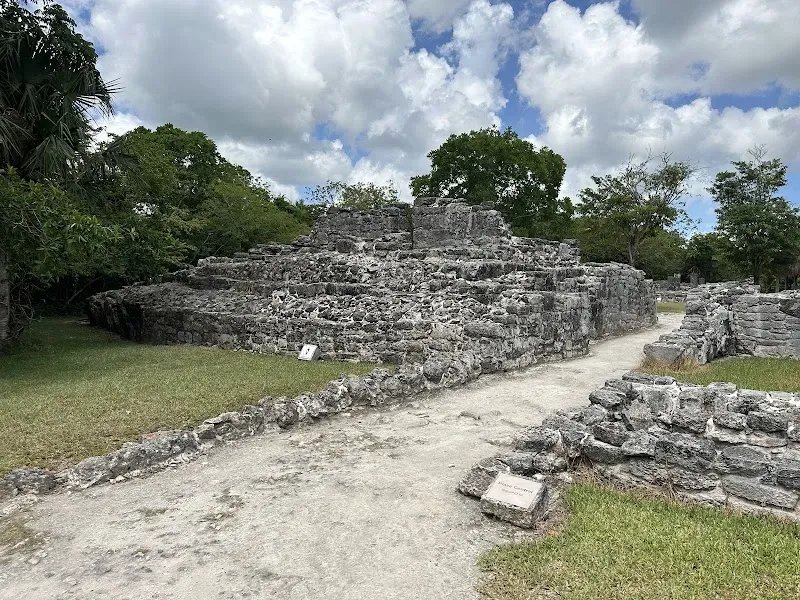
Zona Arqueológica San Gervasio
Zona Arqueológica San Gervasio is a historical site on Cozumel. This historic site reflects the rich cultural heritage and storied past of Cozumel. It offers a glimpse into the events and traditions that have shaped the island over centuries.
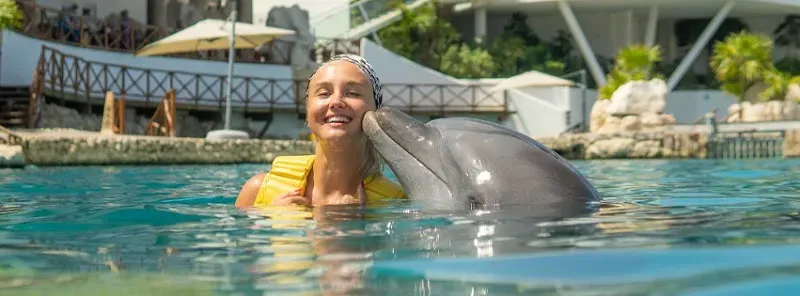
Dolphinaris Cozumel
Marine attraction allowing visitors to feed, pet & swim with trained dolphins in a tropical setting.
Hotels in Cozumel and Isla Mujeres
Search for available rates by selecting your travel dates
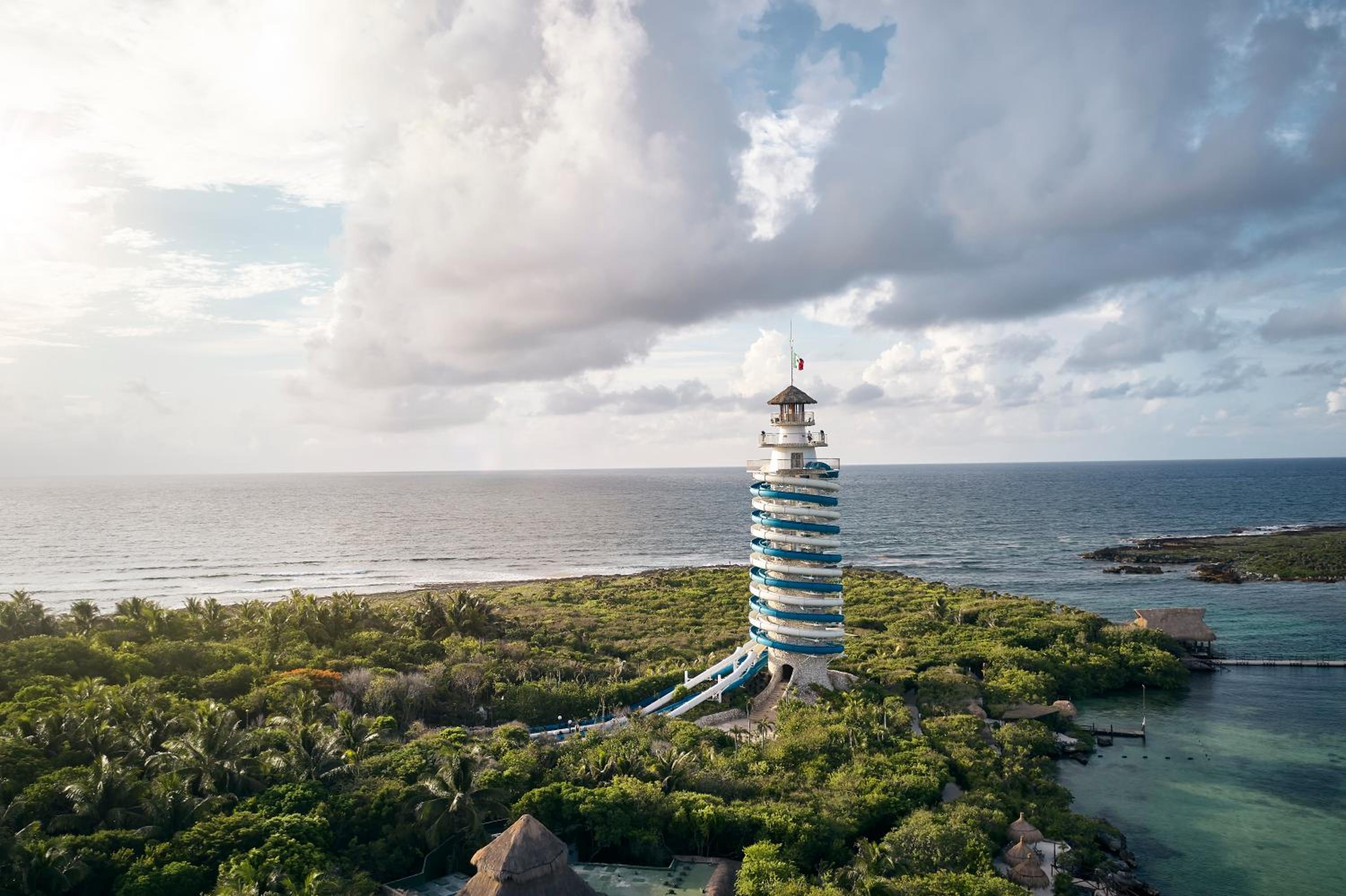
Hotel Xcaret Arte - All Parks All Fun Inclusive - Adults Only
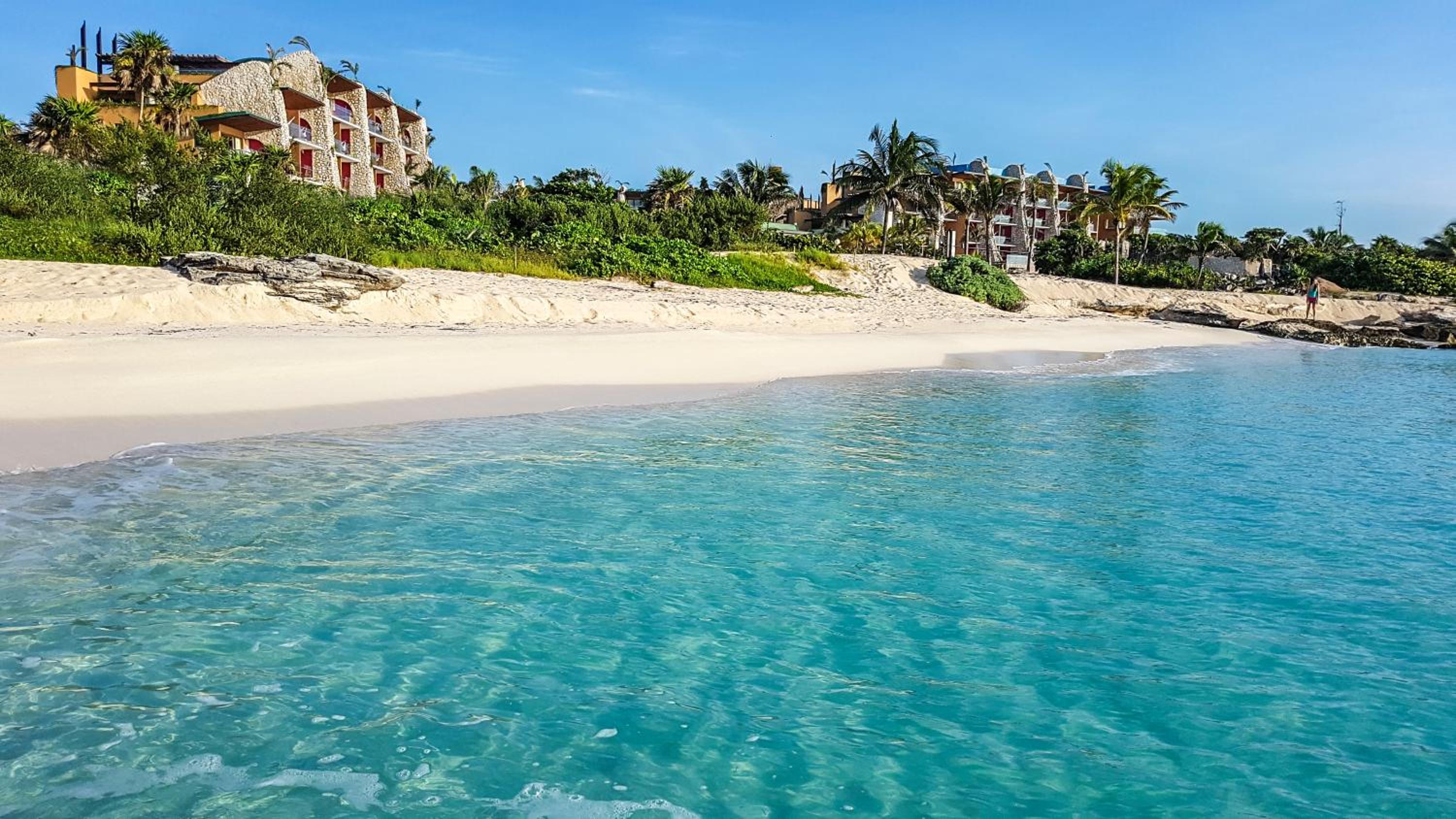
Hotel Xcaret Mexico All Parks All Fun Inclusive
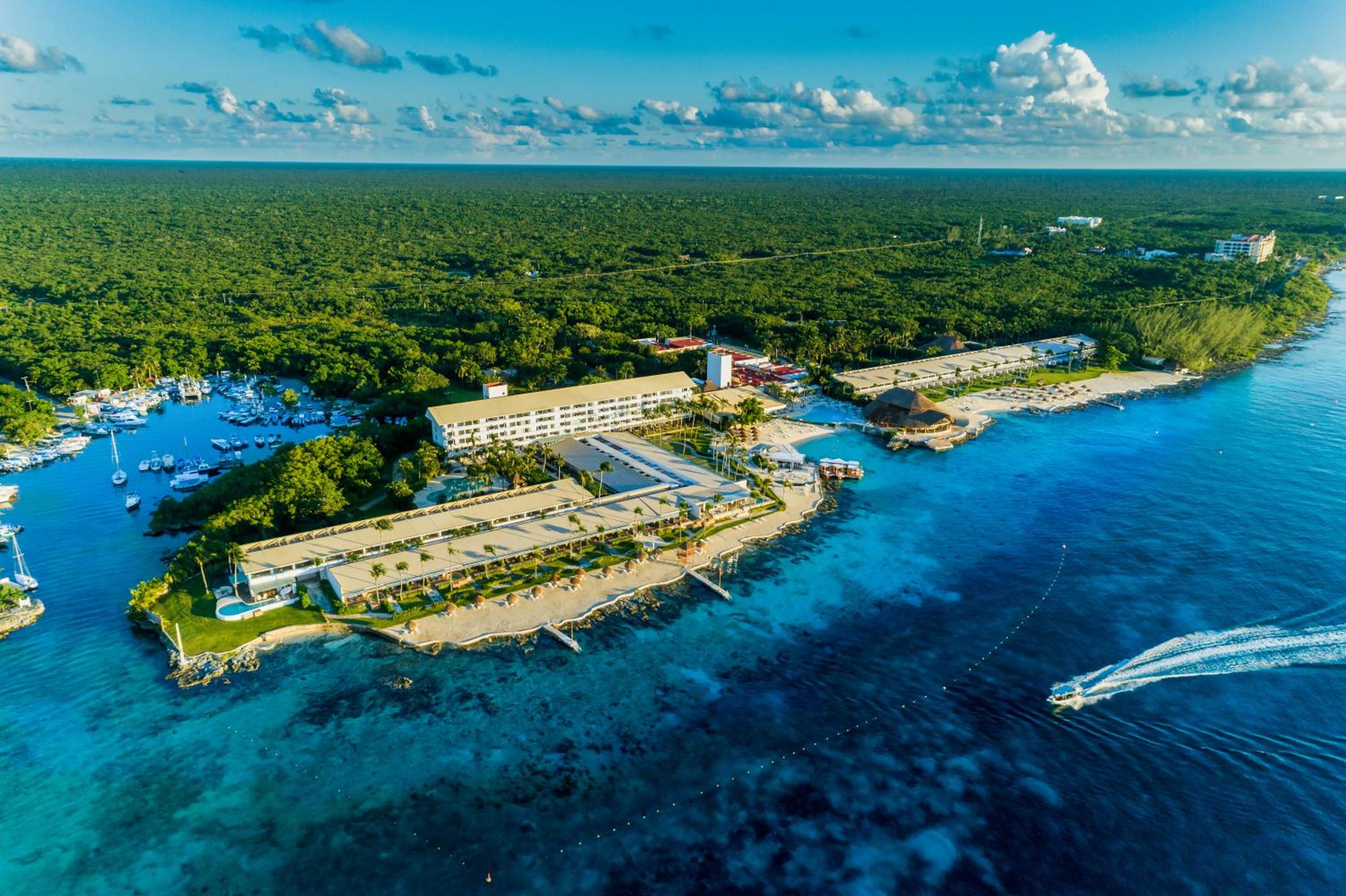
Presidente InterContinental Cozumel Resort & Spa by IHG
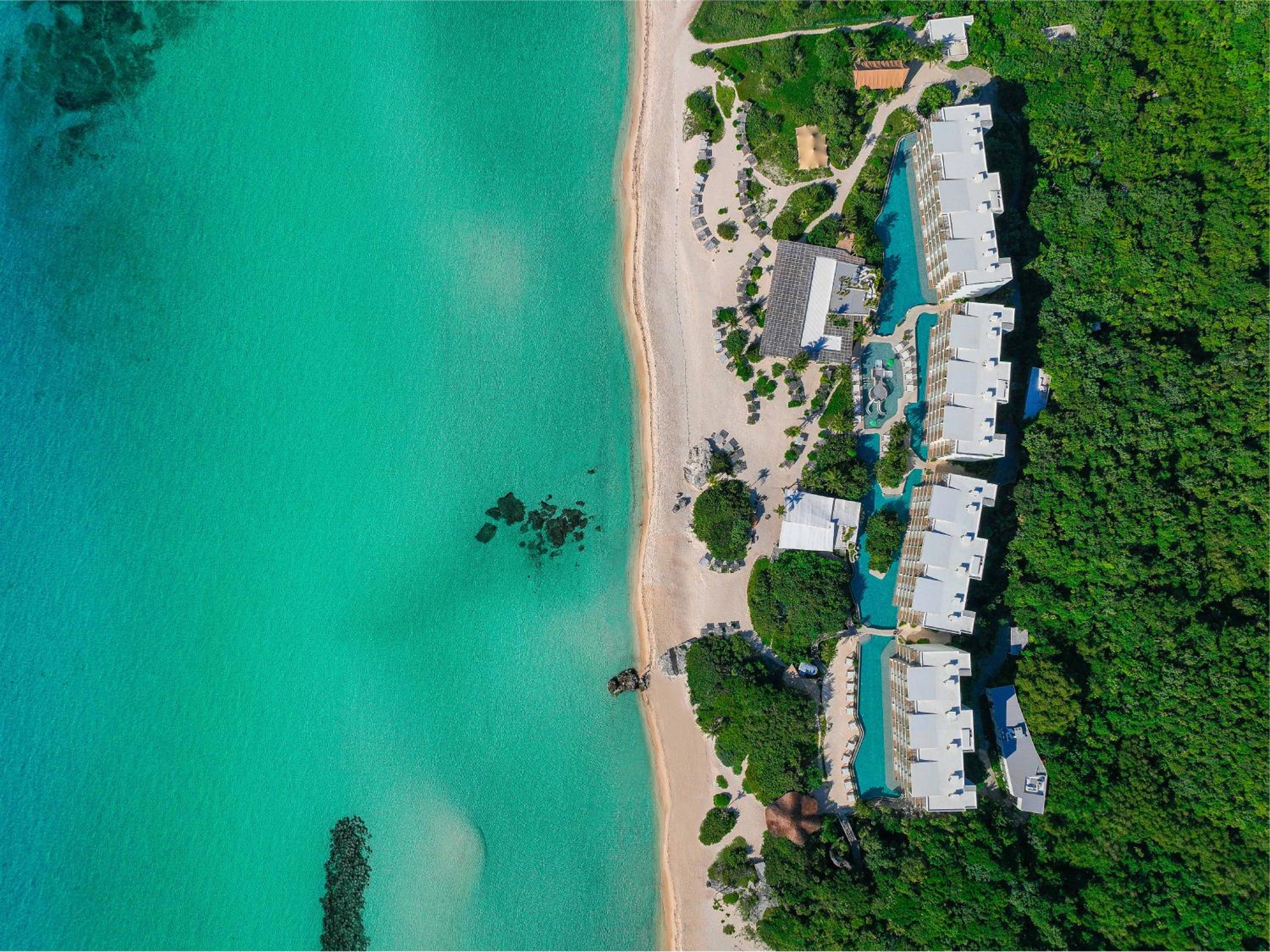
Palmaïa The House of AïA All Inclusive Wellness Resort
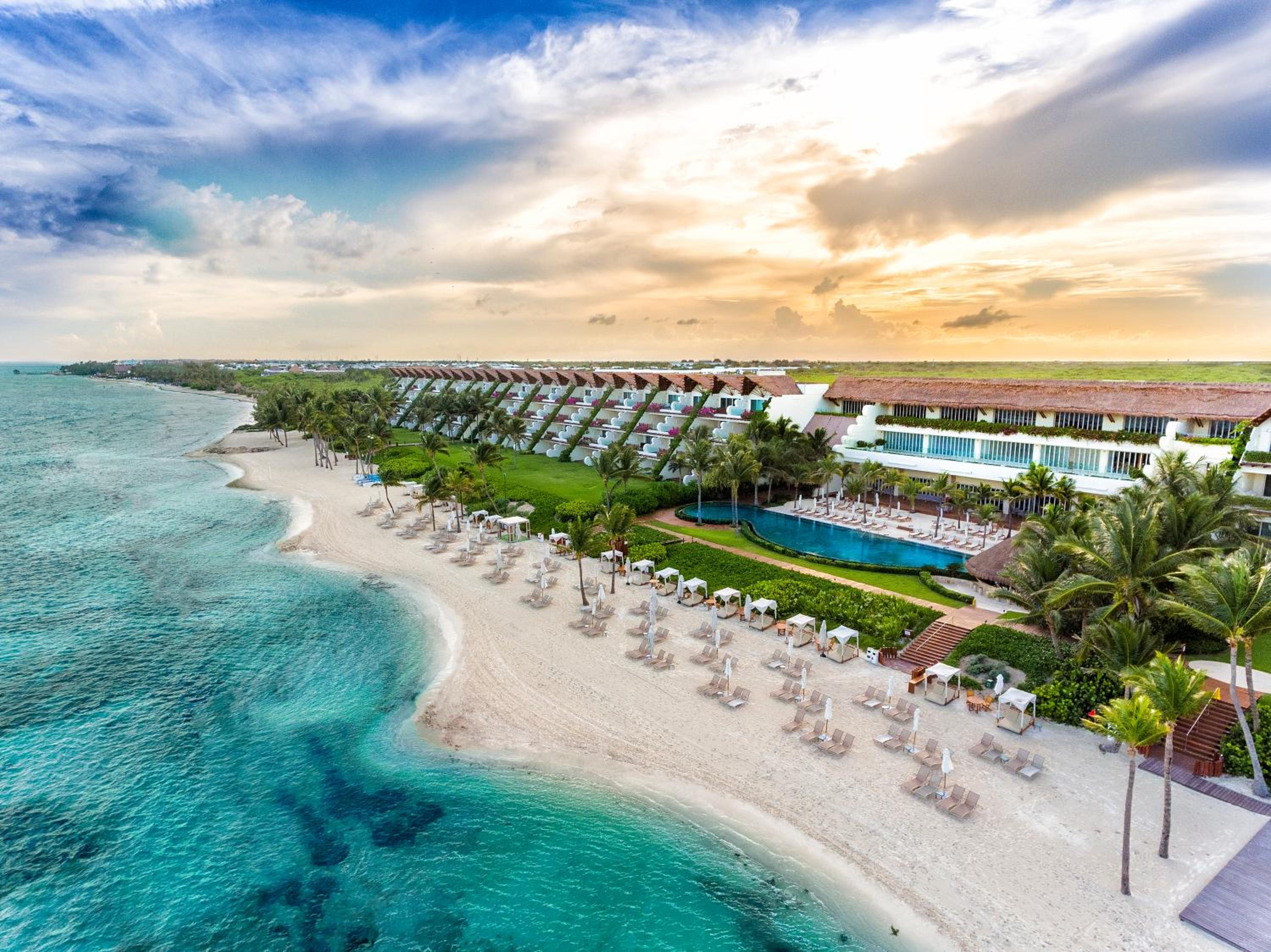
Grand Velas Riviera Maya - All Inclusive
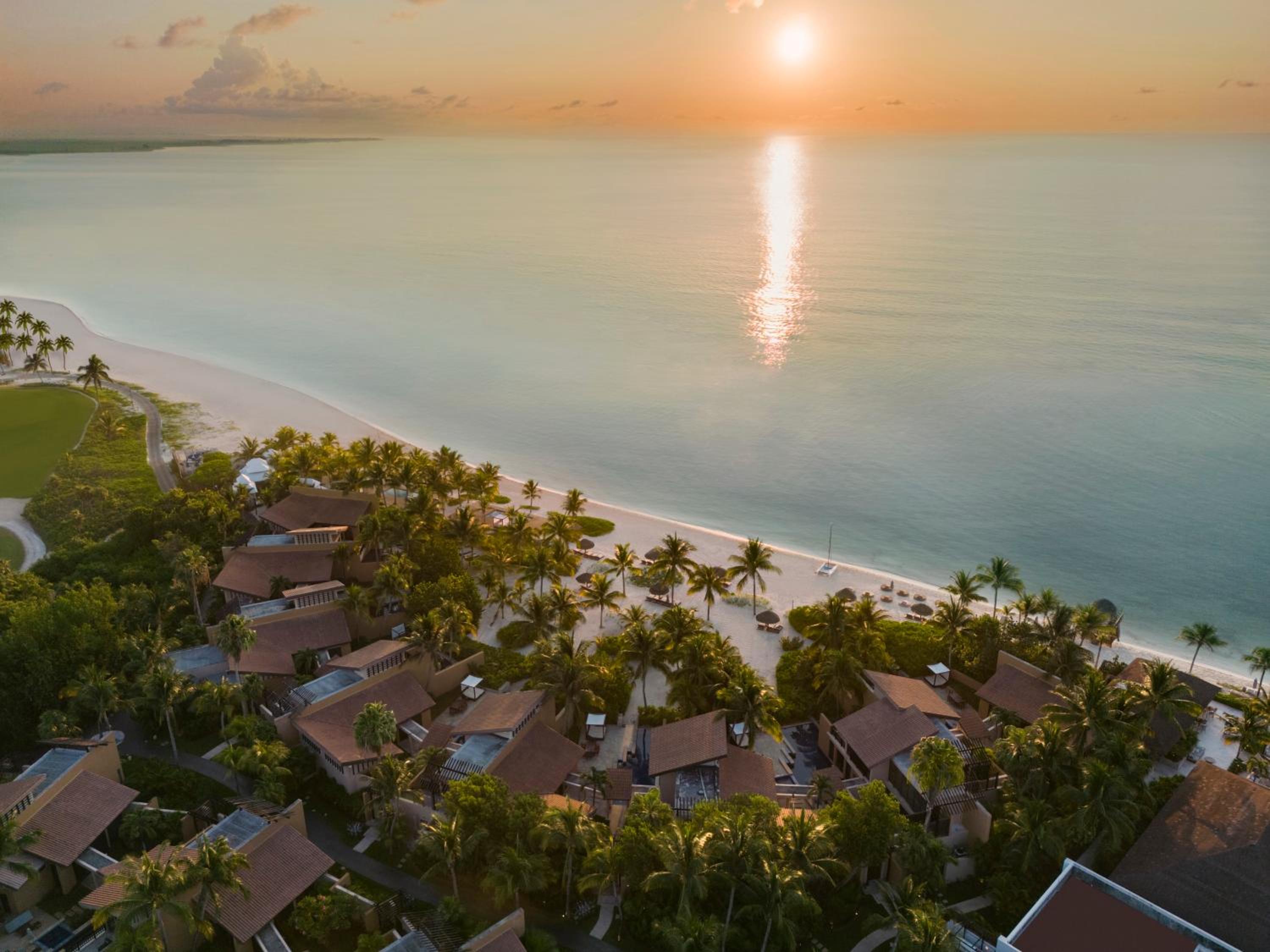
Banyan Tree Mayakoba
Top Restaurants in Cozumel and Isla Mujeres
Popular dining spots near Cozumel and Isla Mujeres
No restaurants available for Cozumel and Isla Mujeres yet.
Weather in Cozumel and Isla Mujeres
Average Temperature
75°F to 85°F (24°C to 29°C)
Rainy Season
June to October
Hurricane Season
June to November
Best Time to Visit
November to April
Travel Tips
- Spanish is the official language, but English is widely spoken in tourist areas
- Mexican Peso is the currency, but US dollars are widely accepted
- Driving is on the right side of the road
- A valid passport is required for entry
- Ferry services connect both islands to the mainland
- Cozumel has an international airport with direct flights from the US
Get Cozumel and Isla Mujeres Travel Tips
Subscribe for curated tips, deals, and inspiration for your Cozumel and Isla Mujeres trip.