Haiti
Pearl of the Antilles
About Haiti
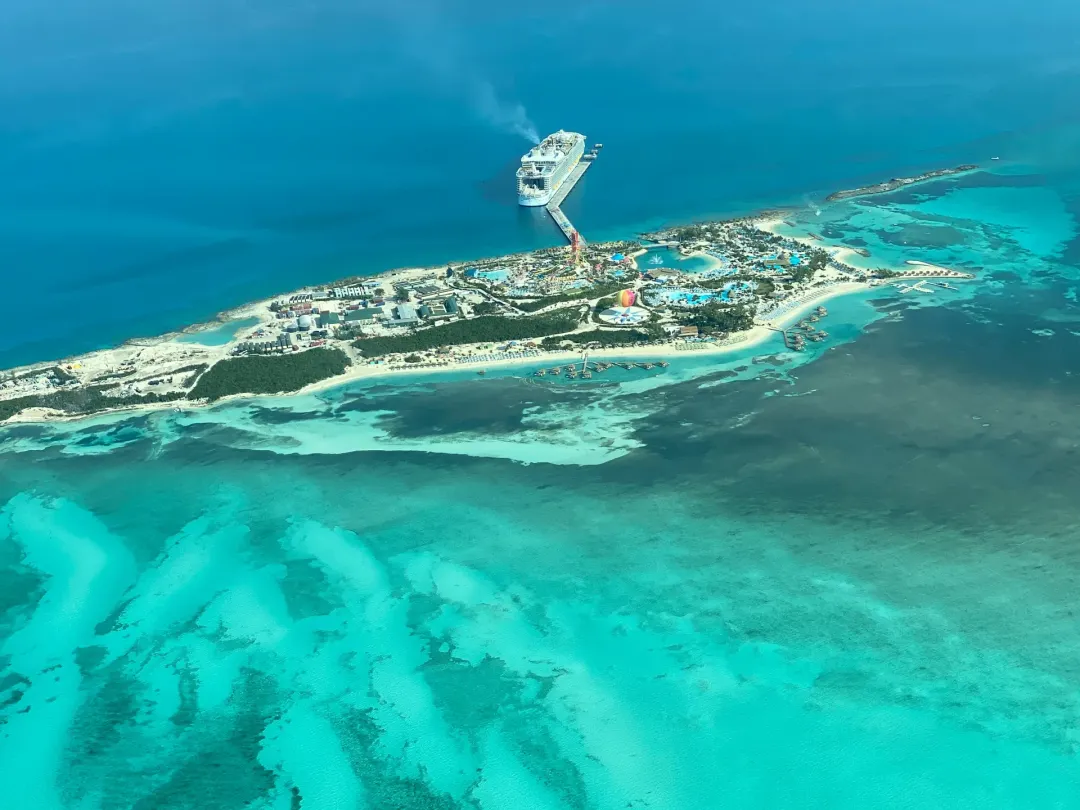
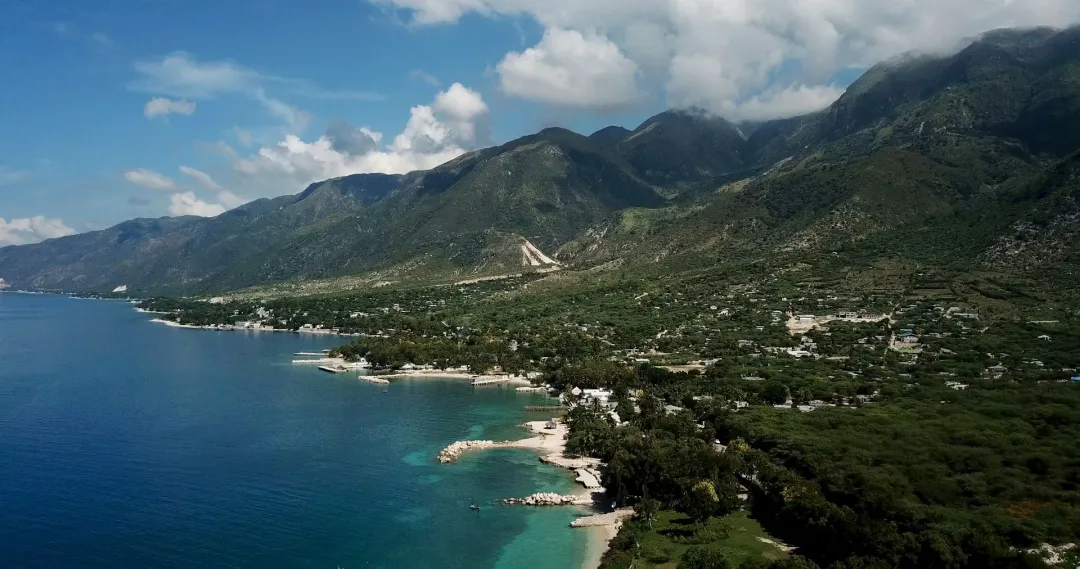
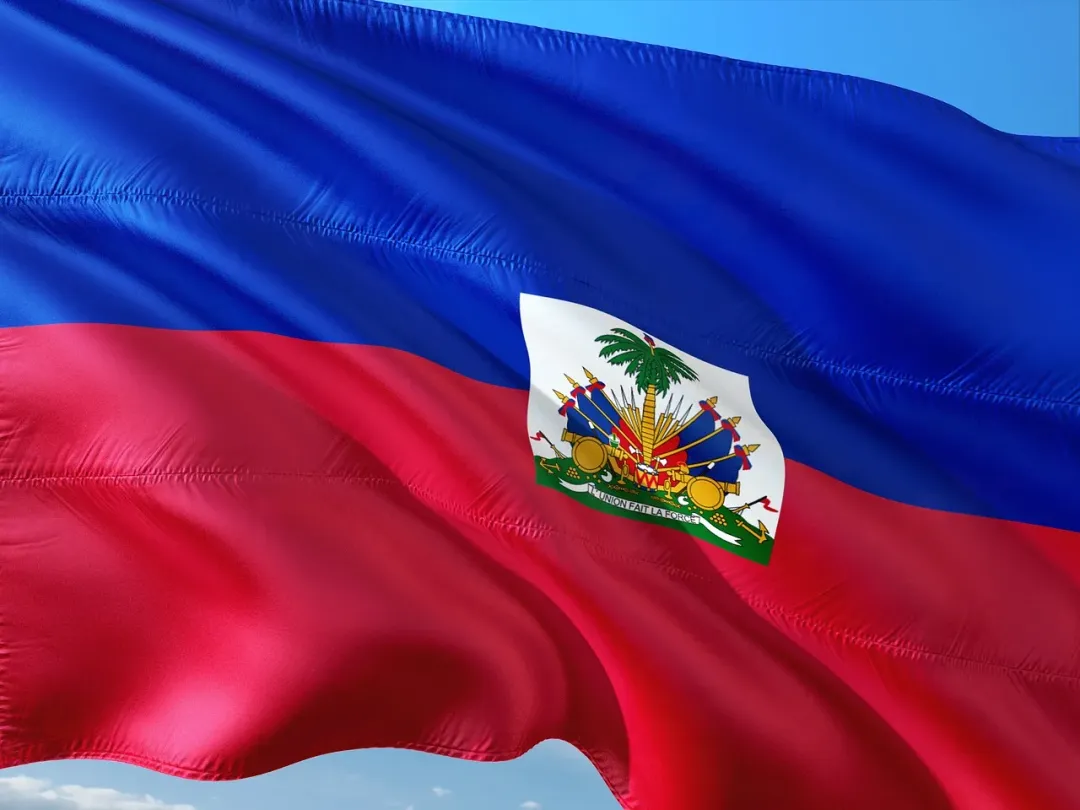
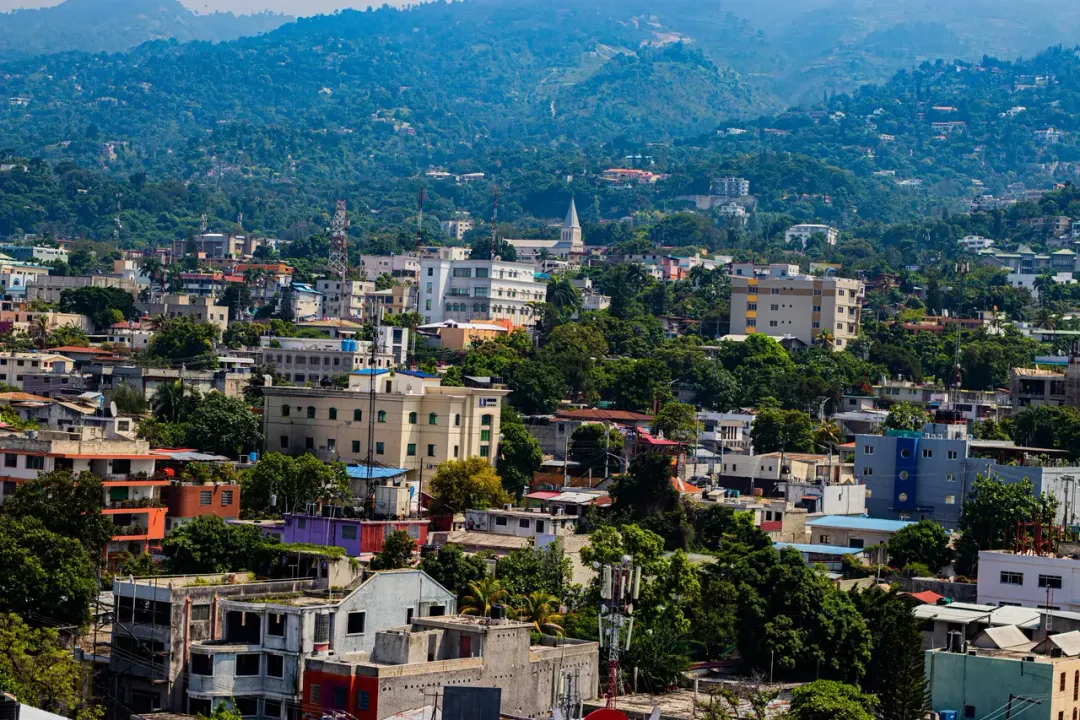
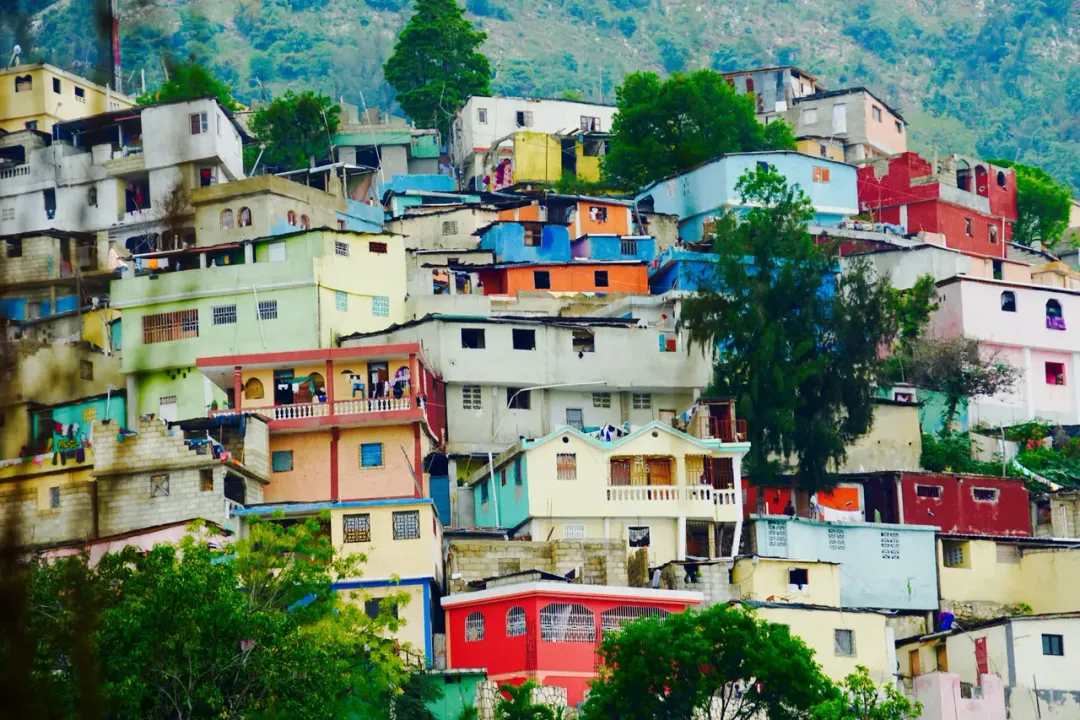
Haiti occupies the western third of the island of Hispaniola, which it shares with the Dominican Republic, and has a complex and significant history as the first independent Black republic in the world and the only nation established as a result of a successful slave revolt. The country's landscape is predominantly mountainous, with the name 'Haiti' derived from the indigenous Taíno word meaning 'land of high mountains.' These mountains are interspersed with small coastal plains and river valleys, creating diverse ecosystems from dry forests to lush tropical vegetation. Haiti's cultural heritage is extraordinarily rich, blending African, French, and Caribbean influences evident in its vibrant art scene, particularly painting and sculpture, its music traditions including rara, kompa, and mizik rasin, and its unique religious practices, especially Vodou, which combines elements of West African religions with Roman Catholicism. The capital, Port-au-Prince, though severely damaged by the 2010 earthquake, remains the cultural and economic heart of the country, home to the Iron Market, the National Museum, and the remains of the National Palace. Despite facing significant challenges including political instability, natural disasters, and economic hardship, Haiti's resilient people maintain a strong sense of cultural identity and community. For travelers willing to look beyond the headlines, Haiti offers historical sites like the Citadelle Laferrière (a UNESCO World Heritage site), beautiful beaches such as those at Labadee, and the opportunity to experience a culture that has made profound contributions to world history, art, and music.
Size
10,714 sq mi (27,750 km²)
Population
11.4 million
Language
Haitian Creole, French
Currency
Haitian Gourde (HTG)
Time Zone
UTC-5 (Eastern Time)
Best Time to Visit
November to March
Highlights
Best Things to Do in Haiti
Haiti is not for the faint of heart, but for travelers willing to engage with complexity, it offers some of the most powerful experiences in the Caribbean. The Citadelle Laferrière, perched at nearly 3,000 feet atop a mountain behind the northern city of Cap-Haïtien, is the largest fortress in the Americas and a UNESCO World Heritage Site. The hike up takes about 90 minutes on foot or you can ride a horse partway, and the reward is a massive stone citadel built by Henri Christophe in the early 1800s to defend against a French return that never came. At its base sit the ruins of Sans-Souci Palace, once called the Versailles of the Caribbean, now a haunting skeleton of arches and staircases overtaken by tropical vegetation.
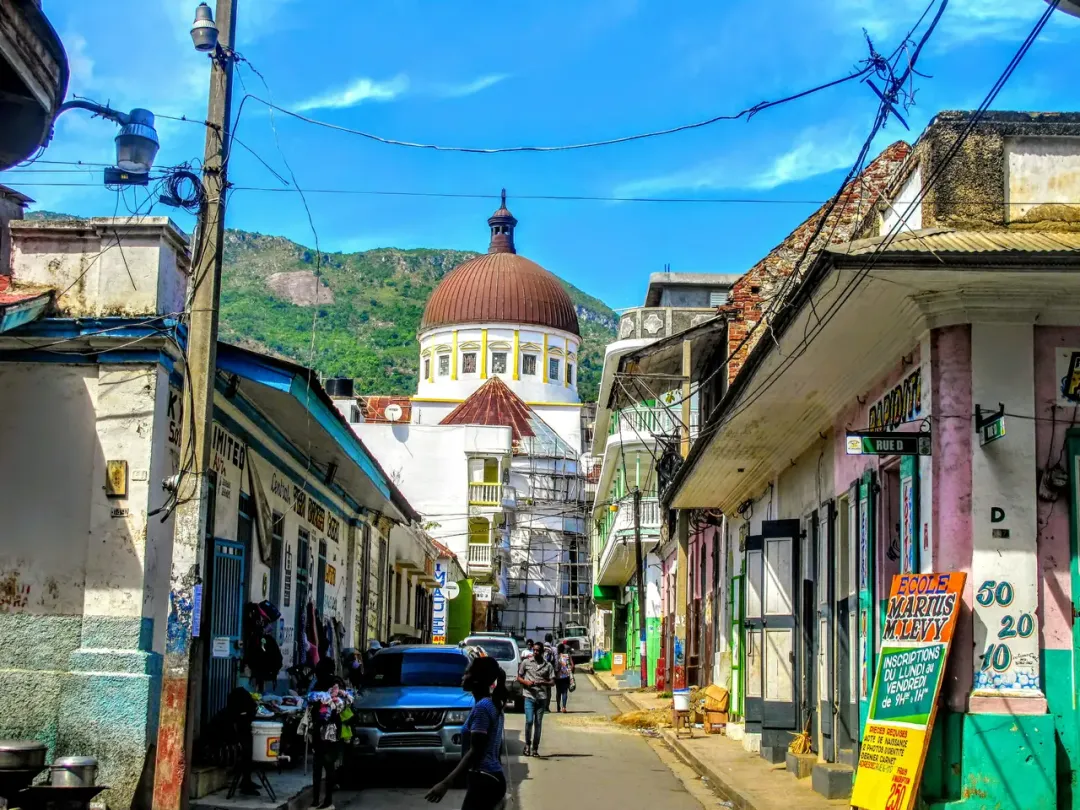
In the south, Bassin Bleu near Jacmel is a series of turquoise pools and waterfalls hidden in a limestone canyon - the hike in takes about 45 minutes through river crossings and farmland, and local guides are essential both for navigation and for supporting the community. Jacmel itself is Haiti's cultural capital, a coastal town with ornate gingerbread architecture, paper-maché workshops that supply its legendary Carnival, and a growing art scene centered along Rue du Commerce and the waterfront.
Port-au-Prince, despite its challenges, has extraordinary art. The Musée du Panthéon National Haïtien (MUPANAH) tells the story of Haitian independence and houses King Henri Christophe's silver pistol. The Iron Market, rebuilt after the 2010 earthquake, is a sensory overload of Haitian art, spices, and artisan metalwork.
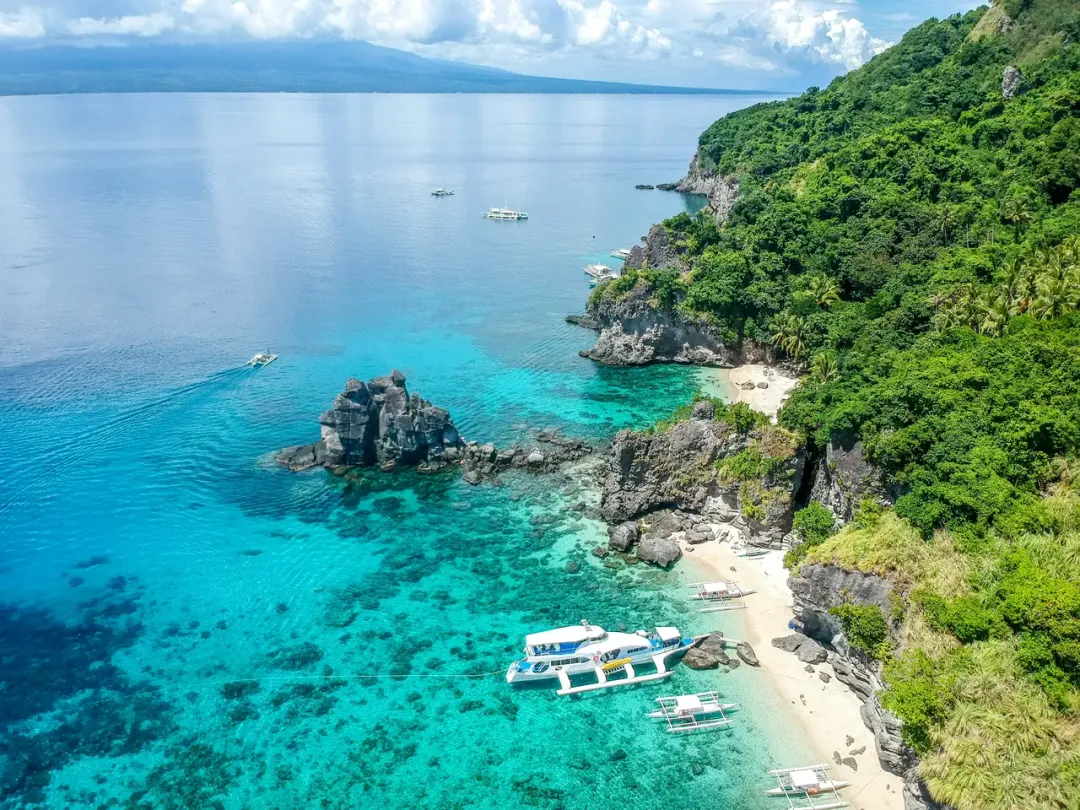
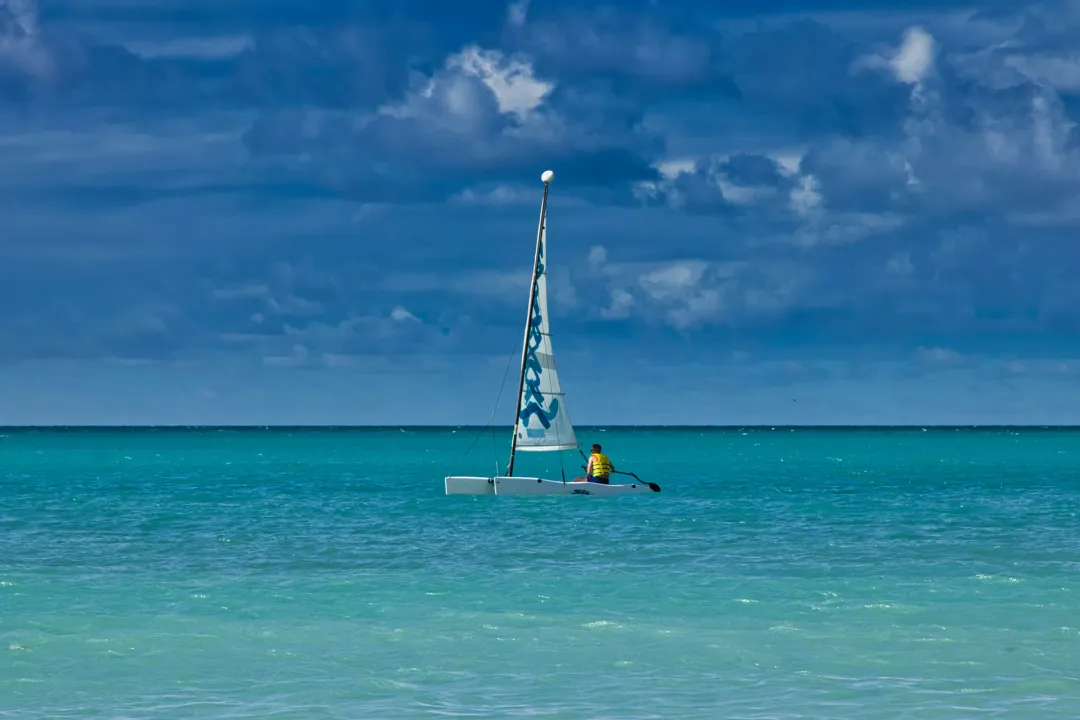
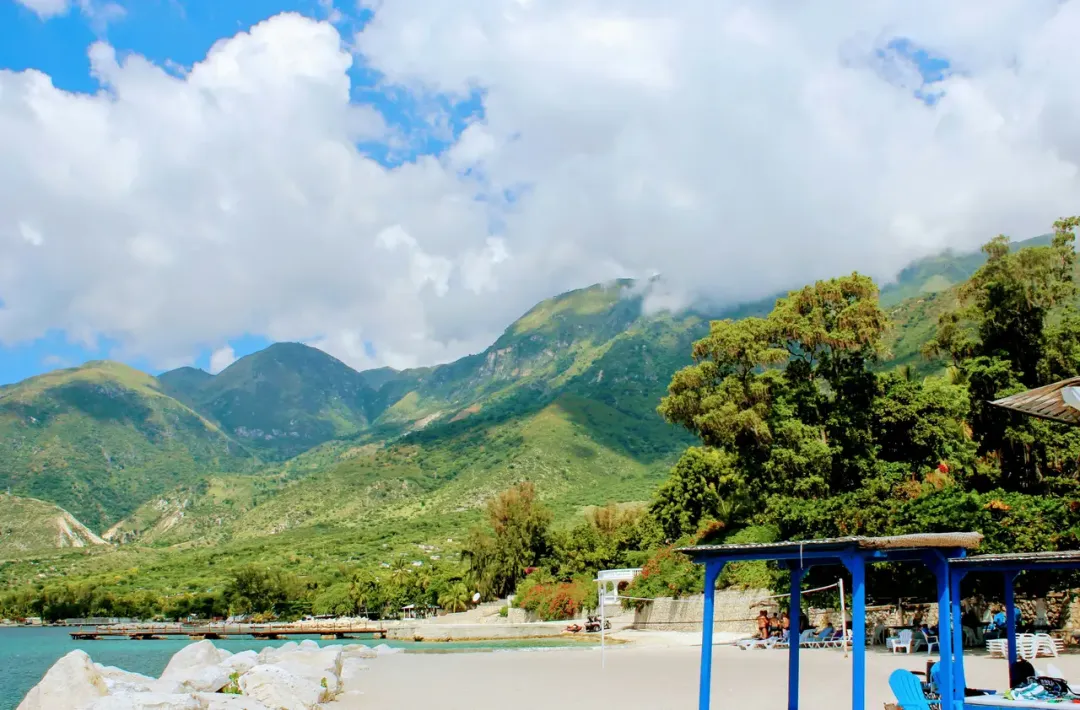
On the southern peninsula, the coastline between Les Cayes and Jérémie holds some of Haiti's most beautiful and least-visited beaches, including Port Salut's long stretch of golden sand backed by palms. Île-à-Vache, a small island off Les Cayes accessible by boat, offers quiet beaches and simple guesthouses far from the intensity of the mainland.
Hike to the Citadelle Laferrière
The largest fortress in the Americas sits atop a mountain south of Cap-Haïtien. The climb takes about 90 minutes on foot or you can hire a horse for the steeper sections. Inside, 365 cannons line the walls and the views stretch to the Atlantic. Pair it with a visit to the Sans-Souci Palace ruins at the base.
Swim at Bassin Bleu Near Jacmel
A series of cobalt-blue natural pools connected by waterfalls, tucked into a limestone canyon outside Jacmel. The 45-minute hike in crosses a river several times and requires a local guide. The deepest pool has a rope swing and cliff-jumping spot. Bring water shoes and cash for your guide.
Explore Jacmel's Art Scene and Carnival Workshops
Jacmel is Haiti's creative heart, famous for its paper-maché masks and Carnival floats. Visit artisan workshops along Rue du Commerce where craftsmen build elaborate masks and sculptures year-round. The Jacmel Carnival in February is smaller and more artistic than Port-au-Prince's, with costumed processions through colonial streets.
Visit the Iron Market in Port-au-Prince
The Marché en Fer is a sprawling marketplace under ornate iron arches, rebuilt after the 2010 earthquake. Inside you will find Haitian paintings, metalwork sculptures cut from oil drums, spices, herbal remedies, and Vodou ceremonial objects. Negotiate prices and go with a local guide for the best experience.
Relax on Île-à-Vache
This small island off the southern coast near Les Cayes is Haiti's most accessible beach retreat. A 30-minute boat ride from the mainland brings you to quiet coves, simple guesthouses, and seafood grilled on the sand. Abaka Bay Resort is the most established property, but local fishermen also rent rooms.
Experience a Rara Festival
During Lent, Rara bands take to the roads across Haiti with bamboo trumpets, drums, and sequined banners in processions that are part spiritual ceremony, part street party. The most intense Rara celebrations happen in Léogâne and the Artibonite Valley. These are raw, powerful cultural events unlike anything else in the Caribbean.
Walk Port Salut Beach
On the southern peninsula, Port Salut stretches for nearly two miles of golden sand lined with coconut palms. The water is calm and warm, and beachside vendors grill fresh lobster and fish. It remains blissfully uncrowded compared to any beach in the Dominican Republic next door.
Where to Stay in Haiti
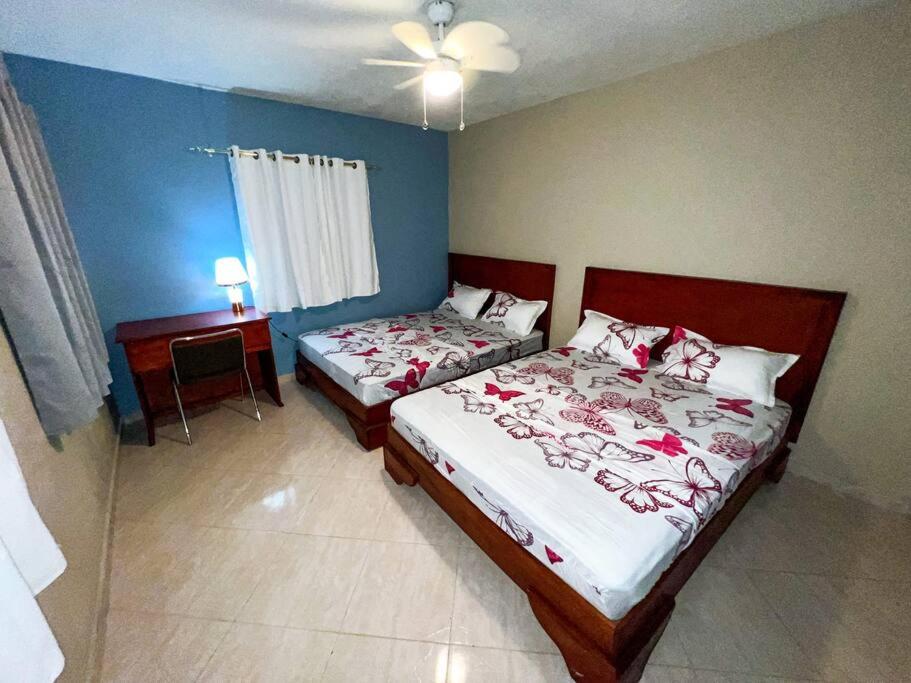
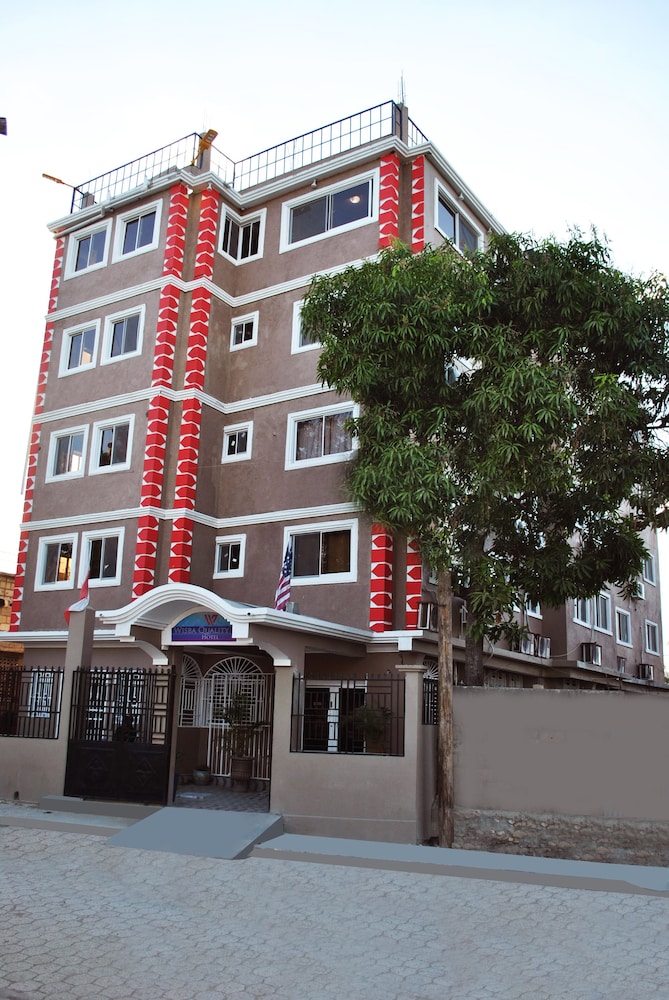
Haiti's accommodation options are limited compared to other Caribbean islands, but there are solid choices for different budgets. In Port-au-Prince, the Marriott is the most reliable international-standard hotel, with rates from $150 to $250 a night, a rooftop pool, and reliable power and internet. The Karibe Hotel in Pétionville is a long-standing favorite with gardens, a pool, and rates from $120 to $200. In Pétionville, the hillside suburb above Port-au-Prince where most restaurants and nightlife concentrate, several boutique guesthouses offer clean rooms for $50 to $80.
In Cap-Haïtien, the Habitation Jouissant sits on a hillside above the city with a pool and restaurant, charging $80 to $130 a night - it is the natural base for visiting the Citadelle. Jacmel has charming options in restored gingerbread houses: Hotel Florita on the main square has character-filled rooms from $60 to $100 and a rooftop bar with ocean views.
On Île-à-Vache, Abaka Bay Resort offers beachfront bungalows from $120 to $200 with meals included. Budget travelers staying in local guesthouses and eating street food can manage on $35 a day, though comfort levels vary significantly. A local fixer or guide who can arrange reliable transport and accommodation is worth the investment, typically $30 to $50 a day, and transforms the logistics of traveling in Haiti.
Where to Eat in Haiti
Haitian cuisine is the most underrated in the Caribbean - bold, flavorful, and rooted in African, French, and Taino traditions. The national dish is griot, chunks of pork marinated in sour orange and Scotch bonnet pepper, then fried until crispy and served with pikliz, a fiery cabbage and carrot slaw pickled in vinegar and habaneros that accompanies nearly every meal. Diri ak djon djon, rice cooked with tiny black mushrooms found only in Haiti's northern mountains, is earthy, aromatic, and unlike any rice dish you have had elsewhere.
In Pétionville, the restaurant scene has grown considerably: Papaye serves generous plates of griot, tassot (dried fried goat), and legim (a vegetable stew) for $8 to $15 in a clean, air-conditioned setting popular with Haitian professionals. Magdoos offers Lebanese-Haitian fusion reflecting the country's significant Lebanese diaspora community. For street food, fritay vendors set up at dusk across Port-au-Prince, selling fried plantains, accra (malanga fritters), and griot from metal carts - a full plate costs less than $2.
In Jacmel, Restaurant Le Florita at Hotel Florita serves French-Haitian cuisine on a balcony overlooking the town square. In Cap-Haïtien, Lakay Restaurant does excellent seafood and creole standards. Haitian coffee, grown in the mountains above Thiotte and Baptiste, is exceptional when you can find it freshly roasted - look for Rebo and Haitian Bleu brands.
Rum is Barbancourt, Haiti's world-class export: the five-star (eight-year) reserve is smooth enough to sip neat and costs a fraction of comparably aged rums elsewhere.
Best Time to Visit Haiti
Haiti's most comfortable travel window runs from November through March, when temperatures sit in the high 70s to mid-80s Fahrenheit with lower humidity and minimal rain. January and February bring the driest weather and coincide with Carnival season, culminating in the Jacmel Carnival celebrations that are worth planning around.
The rainy season peaks from April through June and again in October and November, with heavy afternoon downpours that can make unpaved roads impassable, particularly in rural areas and the southern peninsula. Hurricane season runs June through November, with September and October carrying the highest risk. Haiti's mountainous terrain means flash flooding is a genuine concern during heavy rains.
The summer months are hot and humid but can work for coastal destinations. Rara festival season during Lent (usually March to April) is one of Haiti's most extraordinary cultural experiences and a compelling reason to visit during the shoulder season.
Getting Around Haiti
Tap-taps (colorful shared trucks) and motos (motorcycle taxis) are the main local transport. Private drivers with SUVs are recommended for long distances. Roads outside Port-au-Prince are rough.
Domestic flights connect Port-au-Prince to Cap-Haïtien and Jérémie.

Cayes
Cayes is a nature attraction on Haiti. This natural area showcases the lush tropical landscapes and diverse ecosystems that Haiti is known for. Visitors can explore the local flora and fauna in a serene setting.

Otrou
Otrou is a nature attraction on Haiti. This natural area showcases the lush tropical landscapes and diverse ecosystems that Haiti is known for. Visitors can explore the local flora and fauna in a serene setting.

Kimarah joseph
Kimarah joseph is a nature attraction on Haiti. This natural area showcases the lush tropical landscapes and diverse ecosystems that Haiti is known for. Visitors can explore the local flora and fauna in a serene setting.

Bassin diamant
Bassin diamant is a nature attraction on Haiti. This natural area showcases the lush tropical landscapes and diverse ecosystems that Haiti is known for. Visitors can explore the local flora and fauna in a serene setting.

Baz JPP
Baz JPP is a nature attraction on Haiti. This natural area showcases the lush tropical landscapes and diverse ecosystems that Haiti is known for. Visitors can explore the local flora and fauna in a serene setting.

Complejo TIEMPO LIBRE
Complejo TIEMPO LIBRE is a nature attraction on Haiti. This natural area showcases the lush tropical landscapes and diverse ecosystems that Haiti is known for. Visitors can explore the local flora and fauna in a serene setting.
Hotels in Haiti
Search for available rates by selecting your travel dates
 0
0
Top Restaurants in Haiti
Popular dining spots near Haiti
No restaurants available for Haiti yet.
Weather in Haiti
Average Temperature
75°F to 90°F (24°C to 32°C)
Rainy Season
April to June, October to November
Hurricane Season
June to November
Best Time to Visit
November to March
Travel Tips
- Haitian Creole and French are the official languages
- US dollars are widely accepted alongside the Haitian Gourde
- Driving is on the right side of the road
- A valid passport is required for entry
- Check travel advisories before planning your trip
- Consider hiring a local guide for the best experience
Daily Budget (USD)
Visa Requirements
US, Canadian, and EU citizens need a valid passport. No visa required for stays up to 90 days. A tourist fee of $10 is collected on arrival.
Safety
Travel advisories should be checked before visiting. Hire a local guide or fixer for trips outside established tourist areas. Port-au-Prince has security concerns; the north coast and southern peninsula are generally calmer.
Getting Around
**Tap-taps** (colorful shared trucks) and **motos** (motorcycle taxis) are the main local transport. Private drivers with SUVs are recommended for long distances. Roads outside **Port-au-Prince** are rough. Domestic flights connect Port-au-Prince to **Cap-Haïtien** and **Jérémie**.
Popular Activities
Best For
Get Haiti Travel Tips
Subscribe for curated tips, deals, and inspiration for your Haiti trip.