Isla Margarita
The Pearl of the Caribbean
About Isla Margarita
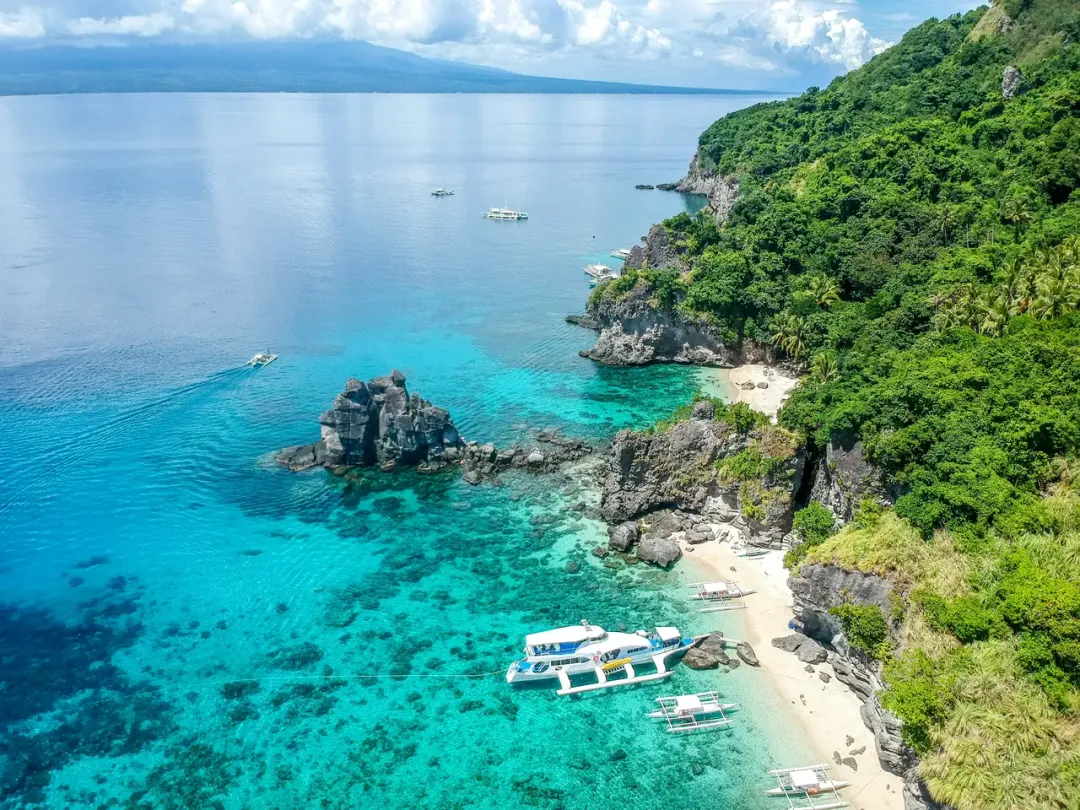
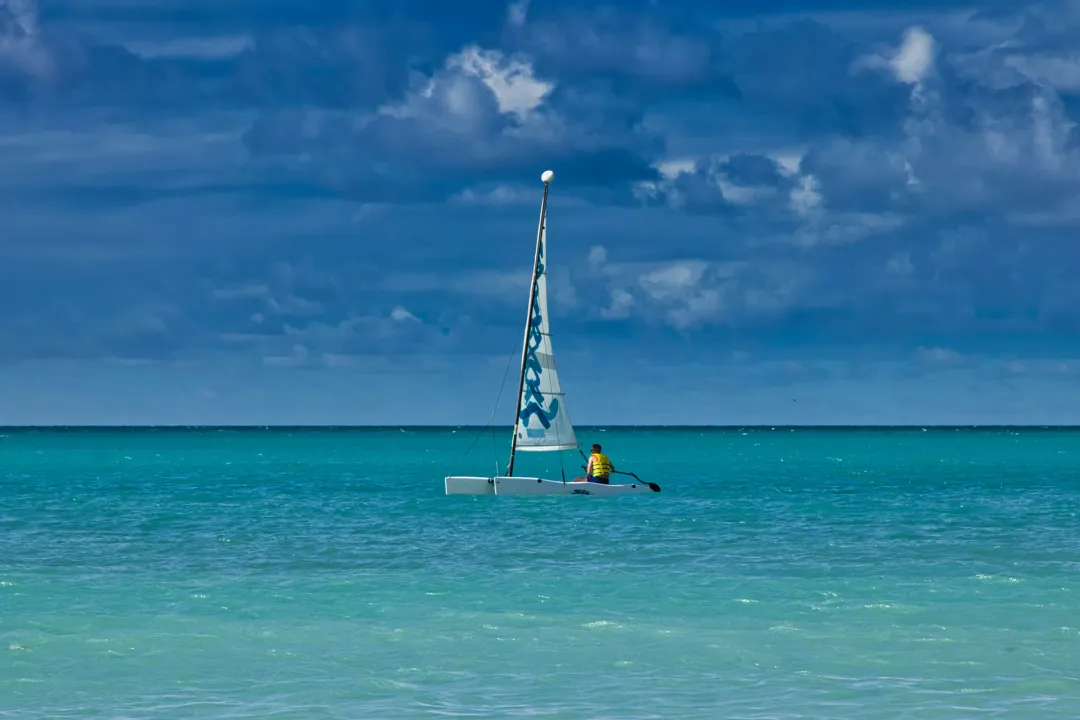
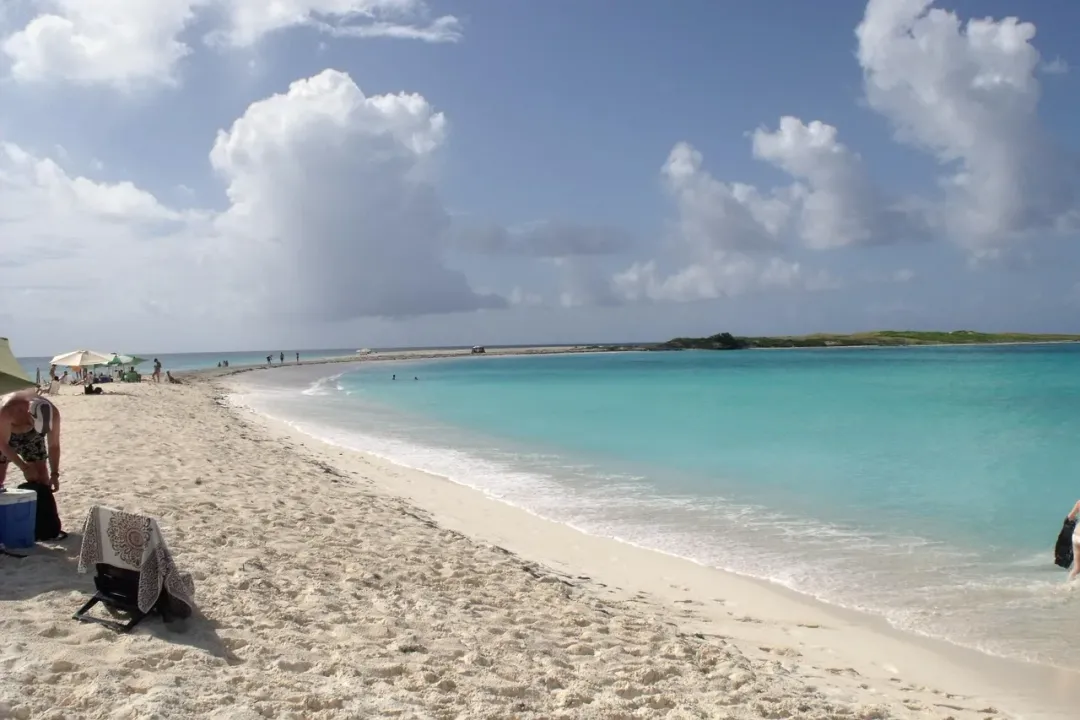
Isla Margarita (officially Nueva Esparta) is Venezuela's largest island in the Caribbean Sea, located about 25 miles north of the mainland. The island consists of two peninsulas connected by a narrow isthmus called La Restinga, creating a diverse landscape that includes 50 beaches with crystal-clear waters, desert areas with sand dunes, mangrove forests, and mountains reaching up to 3,000 feet in the Macanao Peninsula. The eastern peninsula is more developed and populated, home to the capital city of La Asunción with its historic cathedral and castle, and Porlamar, the commercial center known for its duty-free shopping at places like Sambil and La Vela shopping centers. Margarita has long been a popular vacation destination for Venezuelans and international tourists, particularly from Europe and South America, attracted by its year-round warm climate, beautiful beaches ranging from bustling resort areas like Playa El Agua to more secluded spots like Playa Parguito, and water sports including windsurfing and kiteboarding, especially at El Yaque beach, considered one of the world's premier windsurfing locations. The island's culture reflects its history as one of the first Spanish settlements in the Caribbean, with colonial architecture, traditional festivals, and a cuisine featuring fresh seafood, particularly in dishes like fish empanadas and the traditional fish stew 'sancocho de pescado.' Natural attractions include La Restinga National Park with its lagoon and mangrove forests, Cerro El Copey National Park with hiking trails and diverse flora and fauna, and the smaller nearby islands of Coche and Cubagua, accessible by boat for day trips. While the island has faced challenges related to Venezuela's economic situation in recent years, it remains a destination that offers visitors a unique combination of Caribbean beaches, South American culture, and natural diversity.
Size
444 sq mi (1,150 km²)
Population
500,000
Language
Spanish
Currency
Venezuelan Bolívar (VES), US Dollar widely used
Time Zone
UTC-4 (Venezuelan Time)
Best Time to Visit
December to April
Highlights
Best Things to Do in Isla Margarita
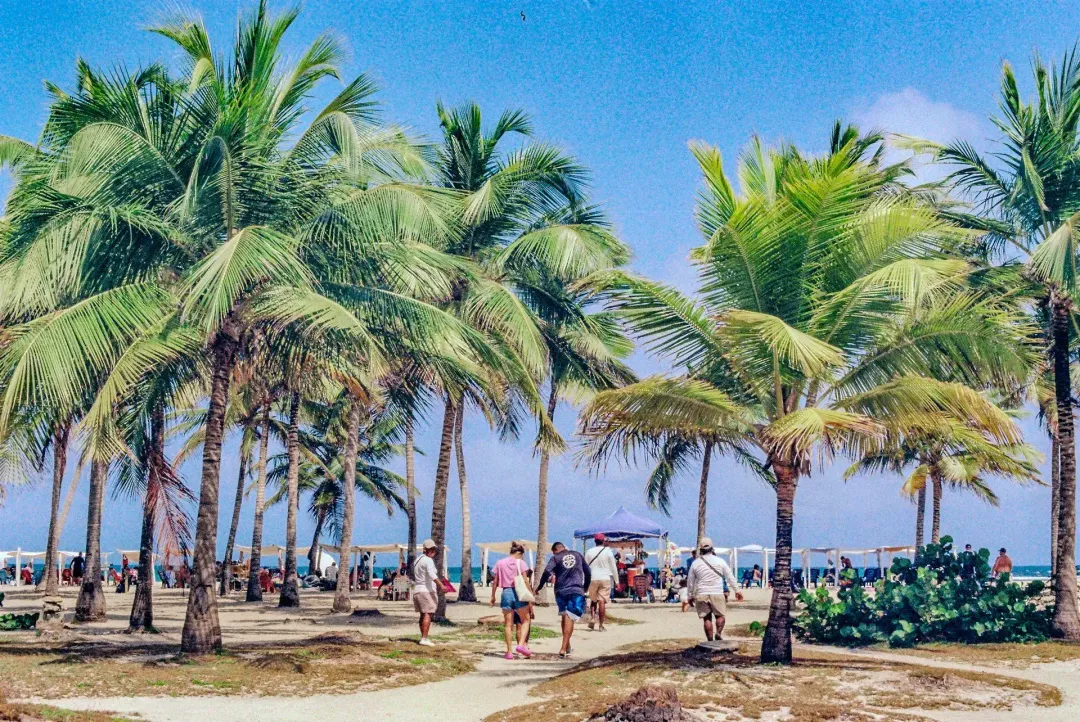
Isla Margarita is Venezuela's beach playground, an island large enough to hold genuine geographic variety - from desert dunes to cloud-forest peaks to 50 beaches scattered along its coastline. Start at Playa El Agua on the northeast coast, a three-kilometer stretch of golden sand backed by palm-thatched restaurants and bars that fills with Venezuelan families on weekends and empties midweek. The waves here are stronger than the western beaches, making it popular with body surfers and boogie boarders.
For something quieter, head west to Playa Parguito, a surfer's beach with consistent breaks and a more local crowd. El Yaque, on the southern tip near the airport, is an entirely different experience - steady trade winds and flat, shallow water have made it one of the world's top windsurfing and kiteboarding destinations. Gear rental runs around $30 to $50 USD per session, and the vibe at the beachside posadas is pure wind-sport culture.
Inland, La Restinga National Park protects a lagoon fringed by mangrove channels that you explore by small motorboat (around $10 to $15 USD per person for a 45-minute tour). The boatmen cut the engine to glide through natural tunnels of interlocking mangrove roots while pointing out oysters clinging to the roots, herons stalking the shallows, and scarlet ibis nesting in the canopy. The boat drops you at a sandbar beach on the Caribbean side where you can swim before the return trip.
For a different landscape entirely, drive up to Cerro El Copey National Park in the island's mountainous center, where cloud forest and orchids replace the coastal aridity. The trail to the summit at 960 meters passes through three distinct vegetation zones and rewards with views stretching to the mainland on clear days. In Porlamar, the island's commercial center, the appeal is duty-free shopping - Sambil Margarita and Rattan Plaza draw mainland Venezuelans for electronics, perfumes, and clothing at prices below Caracas. The colonial capital of La Asunción, quieter and more charming, has the 16th-century Castillo de Santa Rosa and the Catedral de Nuestra Señora de La Asunción, the oldest church in eastern Venezuela. For a day trip, take a boat to Isla de Coche, a low-lying island known for its kiteboarding conditions and quieter beaches, or to tiny Cubagua, once the center of the colonial pearl trade and now an uninhabited archaeological site.
Windsurf or Kiteboard at El Yaque
El Yaque's shallow, flat water and consistent 15 to 25-knot trade winds draw windsurfers and kiteboarders from around the world. The beach has multiple rental shops and schools, with lessons starting at around $50 USD. Peak wind season runs November through May, with the strongest conditions in January and February.
Boat Through La Restinga Mangroves
Small motorboats navigate the channels of La Restinga National Park's mangrove lagoon, passing through natural root tunnels and stopping to point out nesting scarlet ibis and oysters growing on submerged roots. The tour ends at a Caribbean sandbar beach. Boats cost $10 to $15 USD per person.
Hike Cerro El Copey National Park
The trail to the 960-meter summit passes through three vegetation zones, from dry scrub to cloud forest thick with orchids and bromeliads. On clear days, the mainland coast is visible from the top. Bring layers - temperatures drop noticeably at altitude. Allow three to four hours round trip.
Surf Playa Parguito
Margarita's most consistent surf break produces waves in the three-to-six-foot range, with the best conditions from November through March. Board rental runs around $10 to $15 USD for a half day. The beach has a local surf culture with a handful of board shops and relaxed beachfront restaurants.
Visit the Castillo de Santa Rosa in La Asunción
This 17th-century Spanish colonial fortress sits on a hill above the island's capital. The fort played a role in Venezuela's independence wars and now houses a small museum with period weapons and historical displays. The panoramic view from the ramparts alone makes the visit worthwhile. Entry is free.
Day Trip to Isla de Coche
A 45-minute ferry from Punta de Piedras brings you to this flat, wind-swept island known for its pristine beaches and growing kiteboarding scene. Playa La Punta is the main draw, with calm turquoise water and a handful of beachside restaurants. The island is far less developed than Margarita, offering genuine quiet.
Snorkel at Playa El Faro
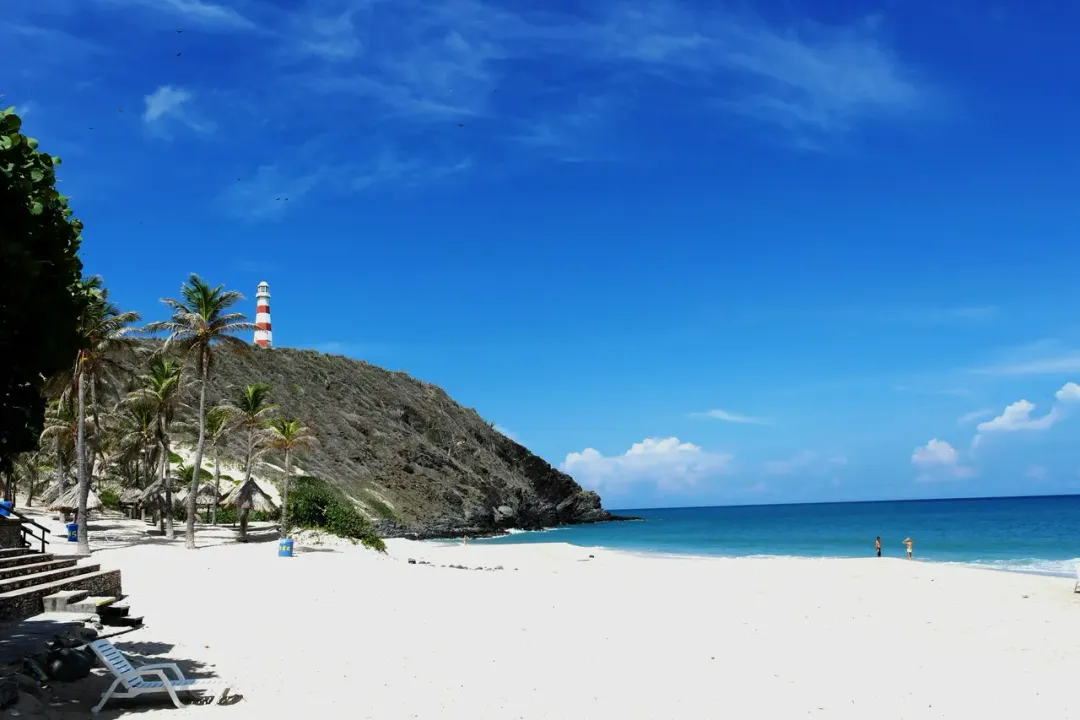
Near the Punta Ballena lighthouse on the eastern tip, this rocky cove has some of the clearest water on the island and coral formations close to shore. It is less visited than the main beaches, so you often share the water with only a few fishermen. Bring your own gear as there are no rental shops.
Where to Stay in Isla Margarita
Isla Margarita's accommodation ranges from all-inclusive beach resorts to budget posadas. The Playa El Agua strip on the northeast coast has the densest hotel concentration, with properties like Hesperia Isla Margarita ($100 to $200 USD) and Dunes Hotel and Beach Resort ($80 to $160 USD) offering pool-and-beach packages. The beachfront posadas along Playa El Agua run $30 to $60 per night and put you steps from the sand without the resort markup.
El Yaque has its own cluster of wind-sport-oriented guesthouses - Yaque Motion and Yaque Paradise offer rooms from $40 to $80 with equipment storage and direct beach access. Porlamar, the commercial center, is the budget base, with hotels from $20 to $50 per night, though the city beaches are not the island's best. For a more upscale experience, the Pampatar area east of Porlamar has boutique options like Hotel Costa Linda Beach ($70 to $130) near the colonial fort and fishing harbor.
Vacation rentals through Airbnb have expanded across the island, with apartments starting around $25 per night and beachfront houses from $60 to $120. Due to Venezuela's economic situation, prices for foreign visitors paying in USD are remarkably low by Caribbean standards. However, quality and service can be inconsistent, so check recent reviews. Book directly when possible, as many smaller properties do not appear on international booking platforms.
Where to Eat in Isla Margarita
Margarita's food is Venezuelan to its core, built on fresh seafood and the flavors of the Caribbean coast. The essential dish is empanada de cazón - a cornmeal pocket stuffed with stewed baby shark, fried golden and eaten with a squeeze of lime - sold at roadside stands across the island for less than a dollar.
Pabellón criollo, Venezuela's national dish of shredded beef with black beans, rice, and fried plantains, appears on nearly every restaurant menu. Along the Playa El Agua strip, beachfront restaurants serve whole grilled pargo rojo (red snapper) and langosta (lobster) for $10 to $20 USD, accompanied by tostones (fried green plantains) and ensalada rallada (grated cabbage and carrot).
In Porlamar, the Mercado de Conejeros is worth a morning visit for fresh produce, spices, and arepas stuffed with queso de mano (a soft local cheese). For a sit-down meal, El Rancho de Pablo in the Pampatar area serves generous portions of parrilla mixta (mixed grill) and sancocho de pescado (fish stew) at Venezuelan prices that shock visitors from other Caribbean islands.
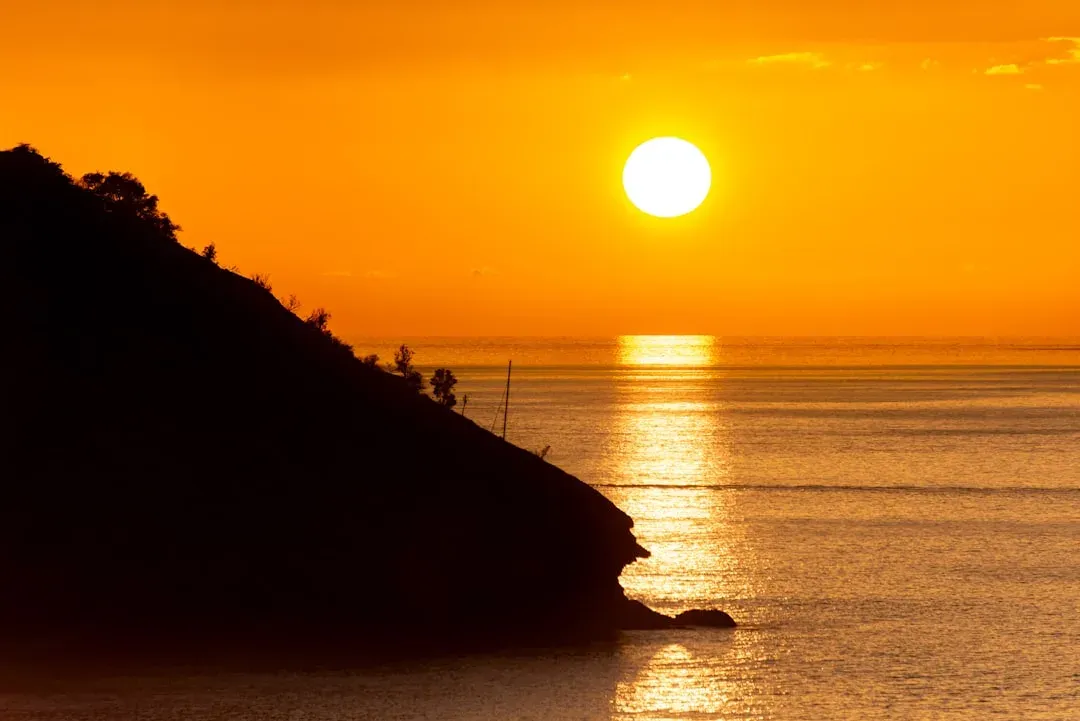
Restaurant Cocody near Playa Guacuco specializes in grilled seafood with French-Caribbean influences and is considered one of the best tables on the island. Juice bars blending fresh mango, guanabana, parchita (passion fruit), and papaya are everywhere and cost under $2 USD. The local beer is Polar, served ice-cold, and ron (rum) from Cacique or Diplomatico is a source of national pride. For a sunset drink, the chiringuitos along Playa El Agua and the bars at El Yaque are hard to beat.
Best Time to Visit Isla Margarita
Isla Margarita sits south of the hurricane belt and enjoys year-round warm weather, making it a genuine all-season destination. The dry season from December through April offers the most reliable sunshine, with temperatures in the low 80s Fahrenheit and steady trade winds that are a gift for windsurfers and kiteboarders. This is peak tourist season for Venezuelan and European visitors, particularly around Christmas, Carnaval (February), and Semana Santa.
The wet season runs roughly July through December, with October and November seeing the most rainfall, though showers are typically brief afternoon bursts rather than all-day events. Wind conditions at El Yaque are strongest from January through May. Surf at Playa Parguito peaks November through March when north swells arrive.
Hotel rates during the wet season can be 30 to 50 percent lower than peak, and the island is noticeably emptier. Water temperatures hover between 78 and 84°F year-round. For the best overall experience, aim for January through March, when dry weather, strong winds, and lively atmosphere converge.
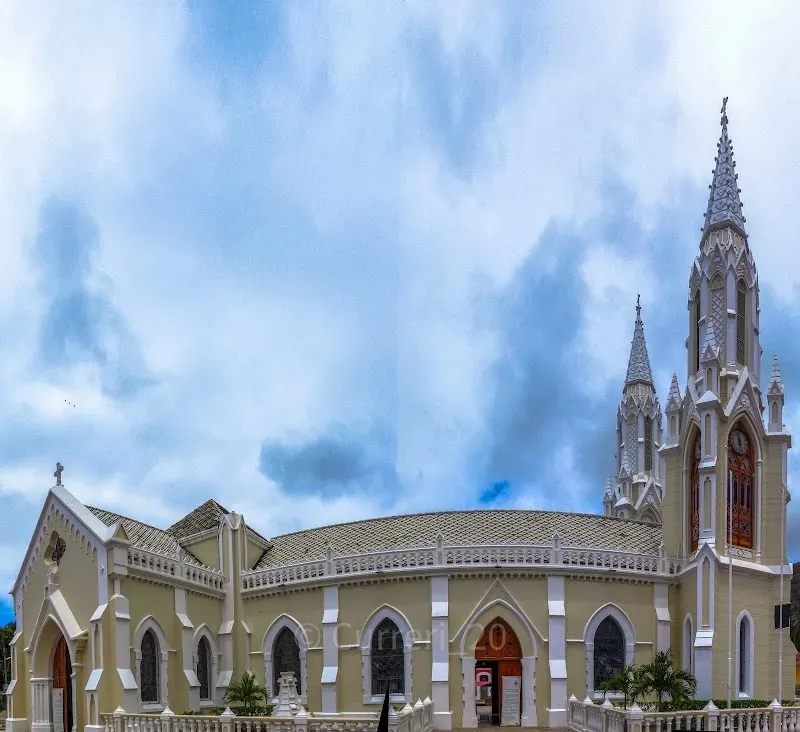
The minor Basilica of Our Lady of the Valley
The minor Basilica of Our Lady of the Valley is a historical site on Isla Margarita. This historic site reflects the rich cultural heritage and storied past of Isla Margarita. It offers a glimpse into the events and traditions that have shaped the island over centuries.
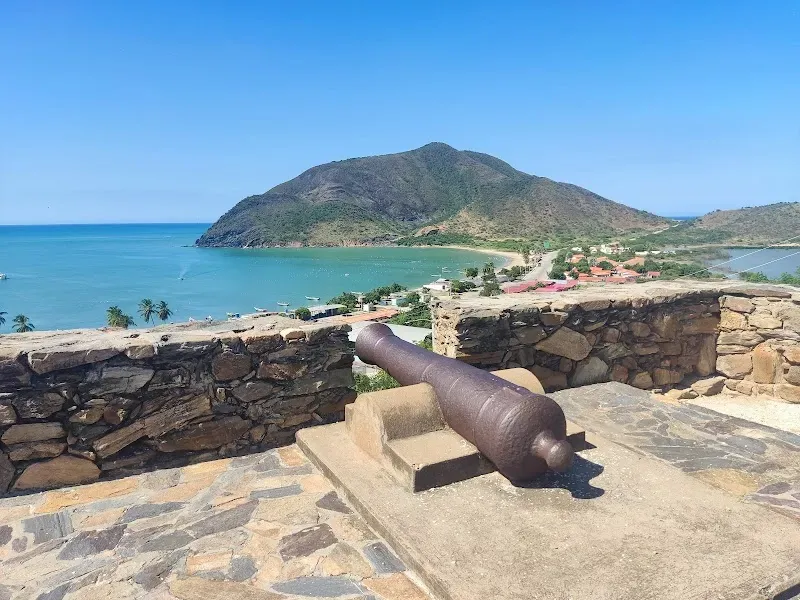
Fortin de La Galera
Fortin de La Galera is a historical site on Isla Margarita. This historic site reflects the rich cultural heritage and storied past of Isla Margarita. It offers a glimpse into the events and traditions that have shaped the island over centuries.
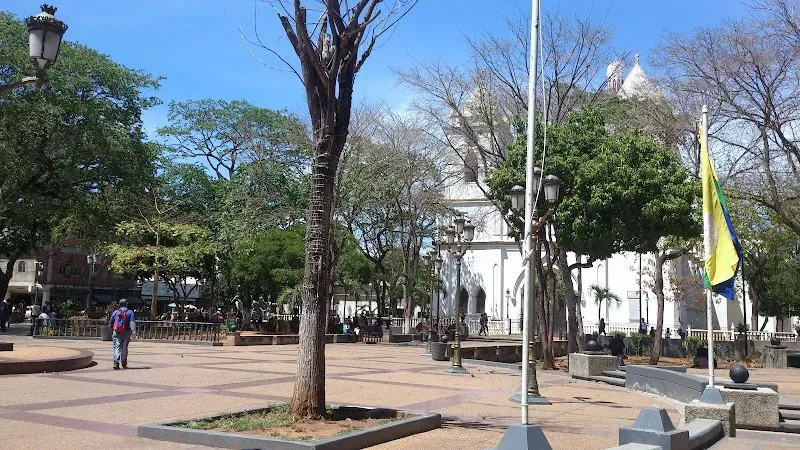
Plaza Bolivar de Porlamar
Plaza Bolivar de Porlamar is a nature attraction on Isla Margarita. This natural area showcases the lush tropical landscapes and diverse ecosystems that Isla Margarita is known for. Visitors can explore the local flora and fauna in a serene setting.
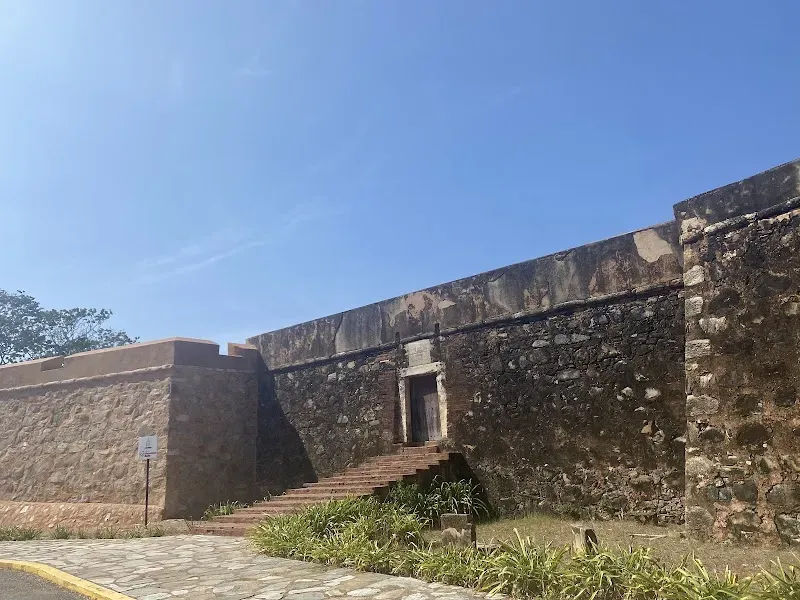
Santa Rosa de la Eminencia castle
Santa Rosa de la Eminencia castle is a nature attraction on Isla Margarita. This natural area showcases the lush tropical landscapes and diverse ecosystems that Isla Margarita is known for. Visitors can explore the local flora and fauna in a serene setting.
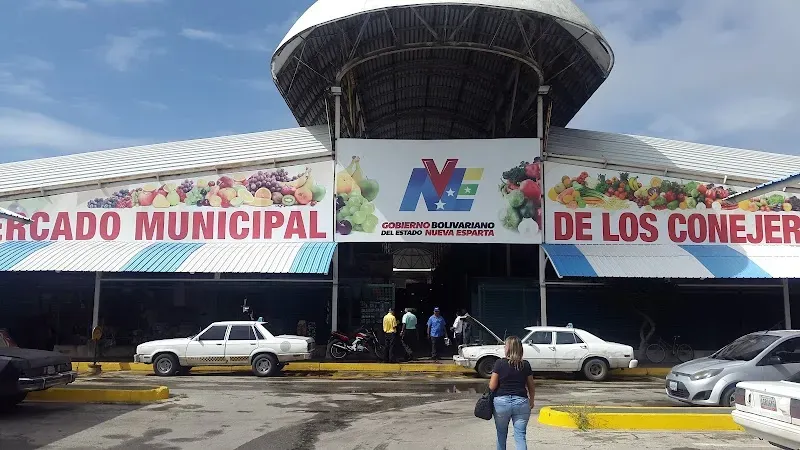
Conejeros Market
Conejeros Market is a nature attraction on Isla Margarita. This natural area showcases the lush tropical landscapes and diverse ecosystems that Isla Margarita is known for. Visitors can explore the local flora and fauna in a serene setting.
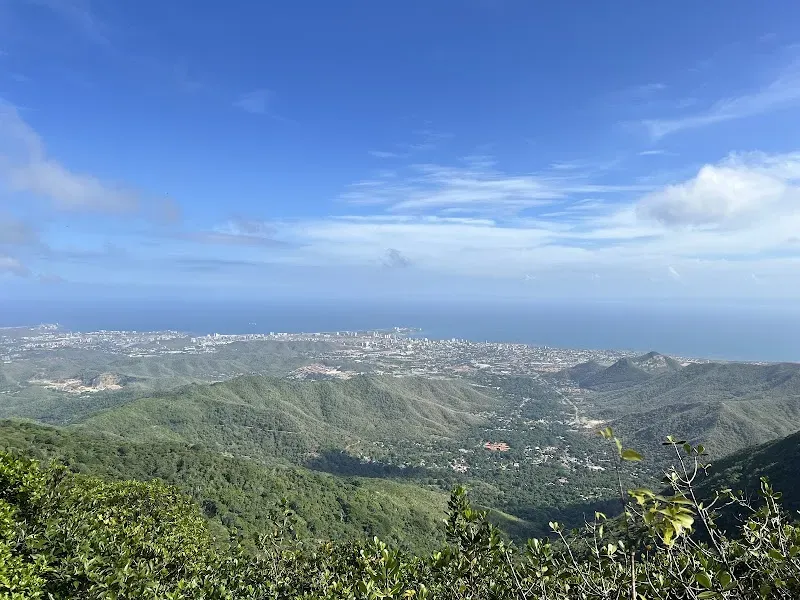
Parque Nacional Cerro El Copey
Parque Nacional Cerro El Copey is a nature attraction on Isla Margarita. This natural area showcases the lush tropical landscapes and diverse ecosystems that Isla Margarita is known for. Visitors can explore the local flora and fauna in a serene setting.
Hotels in Isla Margarita
Search for available rates by selecting your travel dates
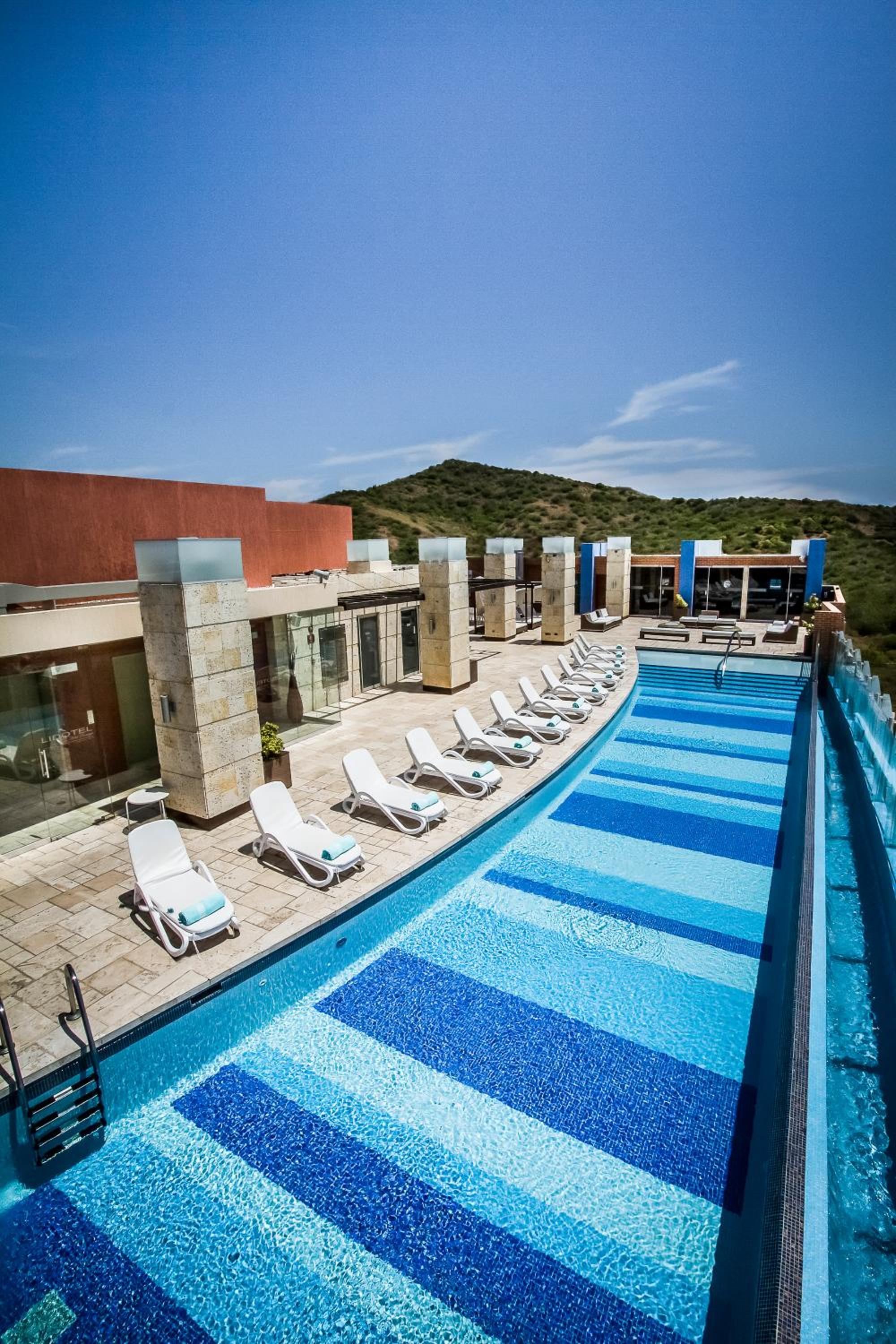
Lidotel Margarita
 0
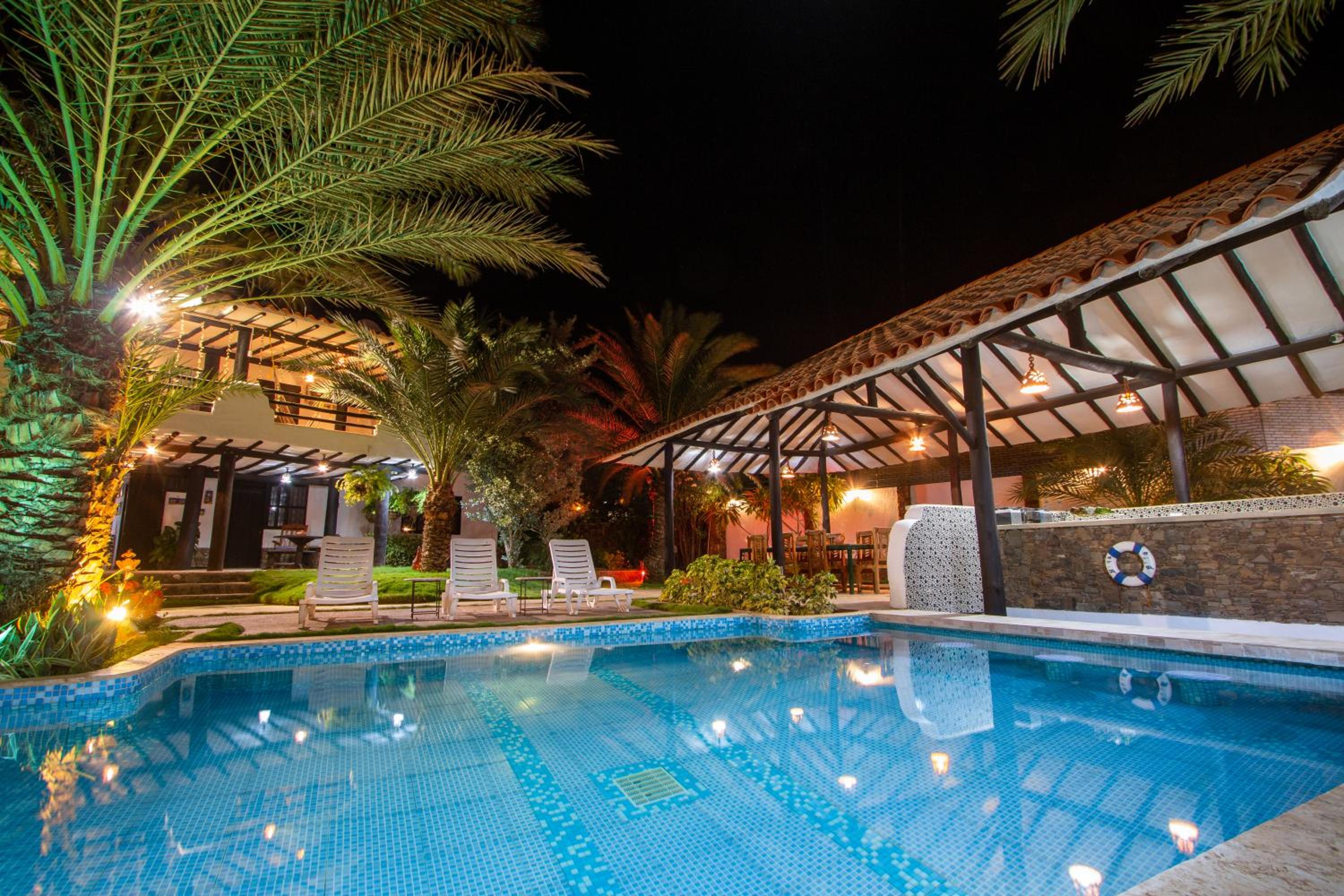
0Playa El YAQUE Posada Yaque Sol, Isla de Margarita
 0
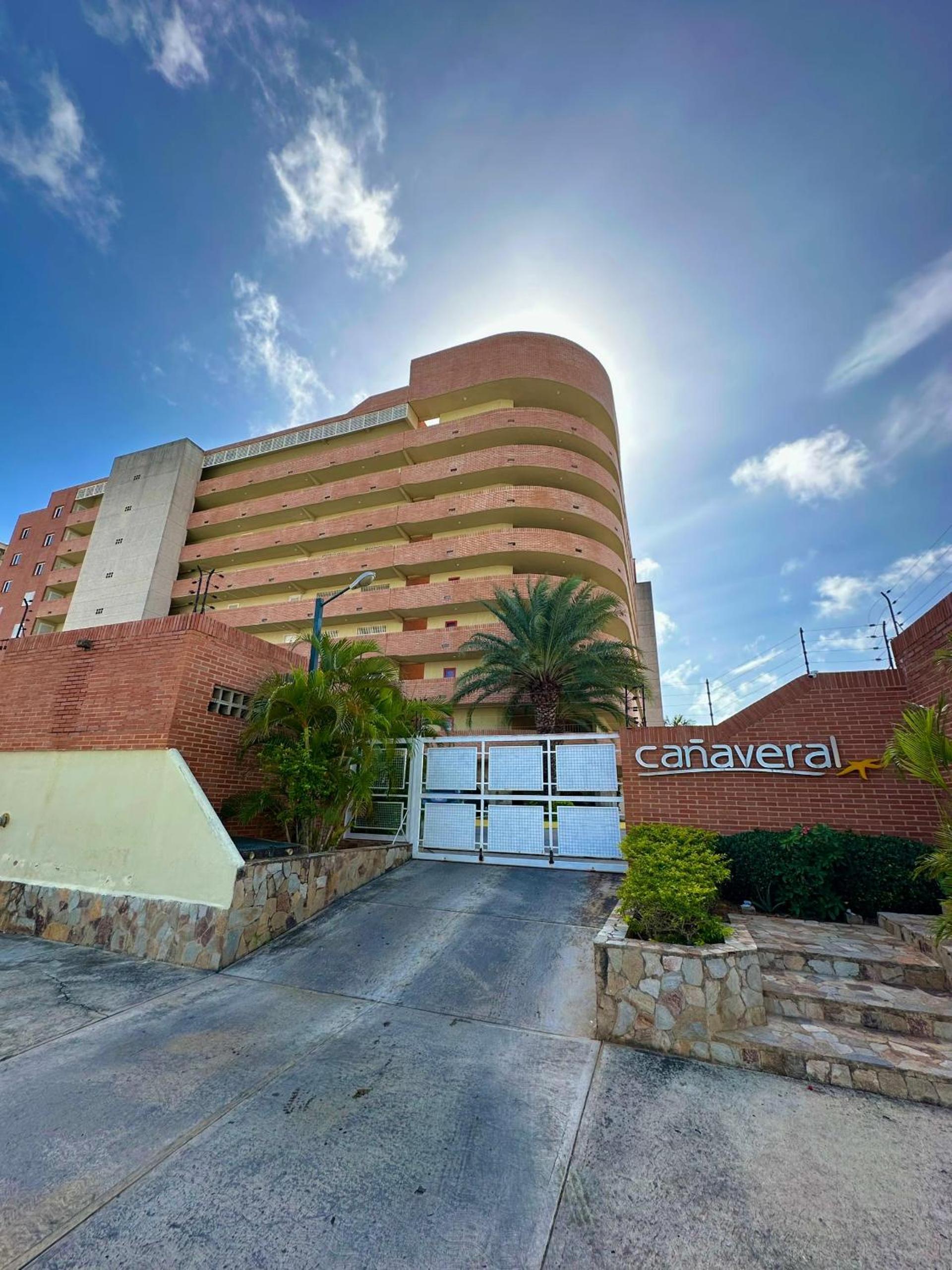
0Lujoso departamento en Playa el Angel
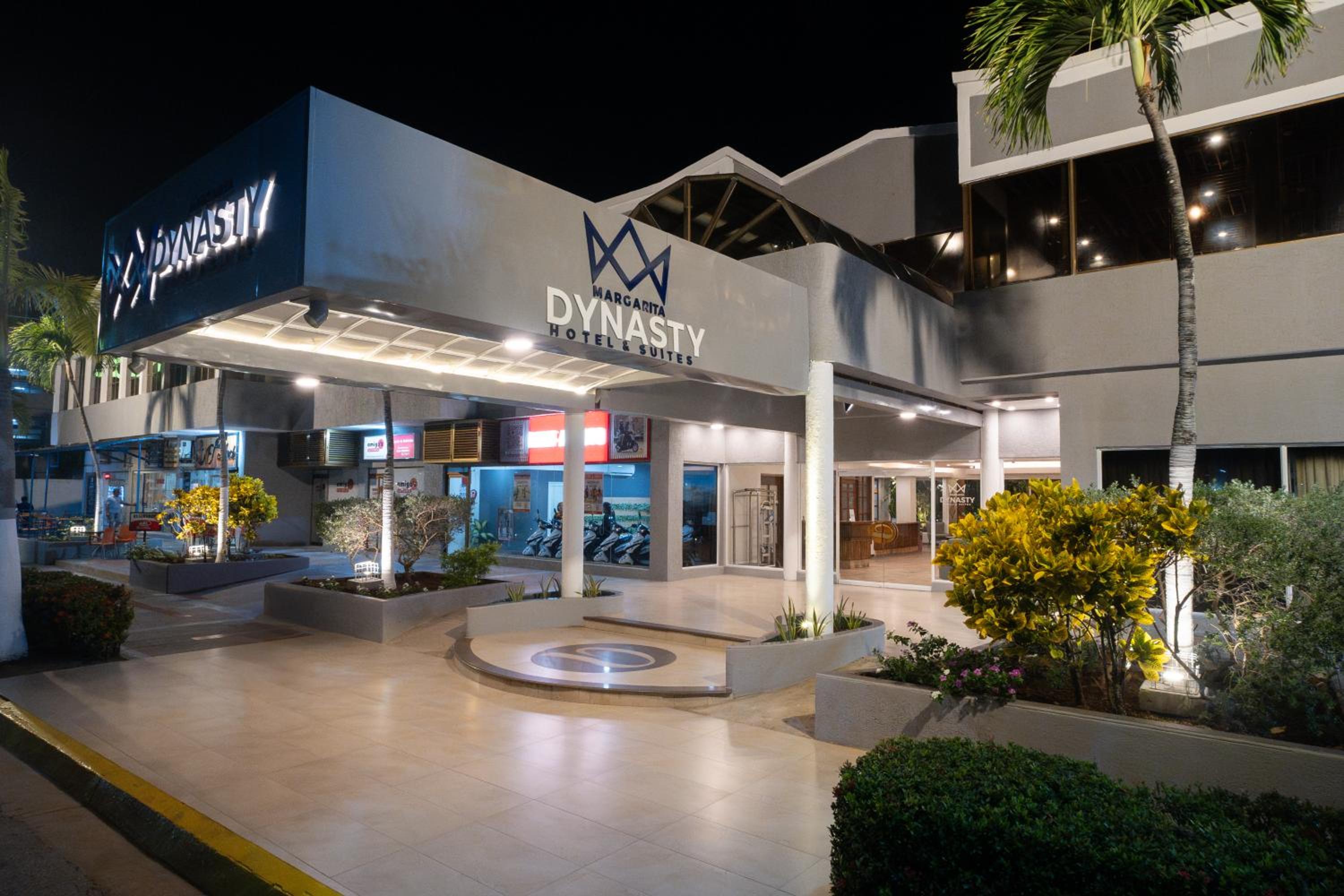
Hotel Margarita Dynasty
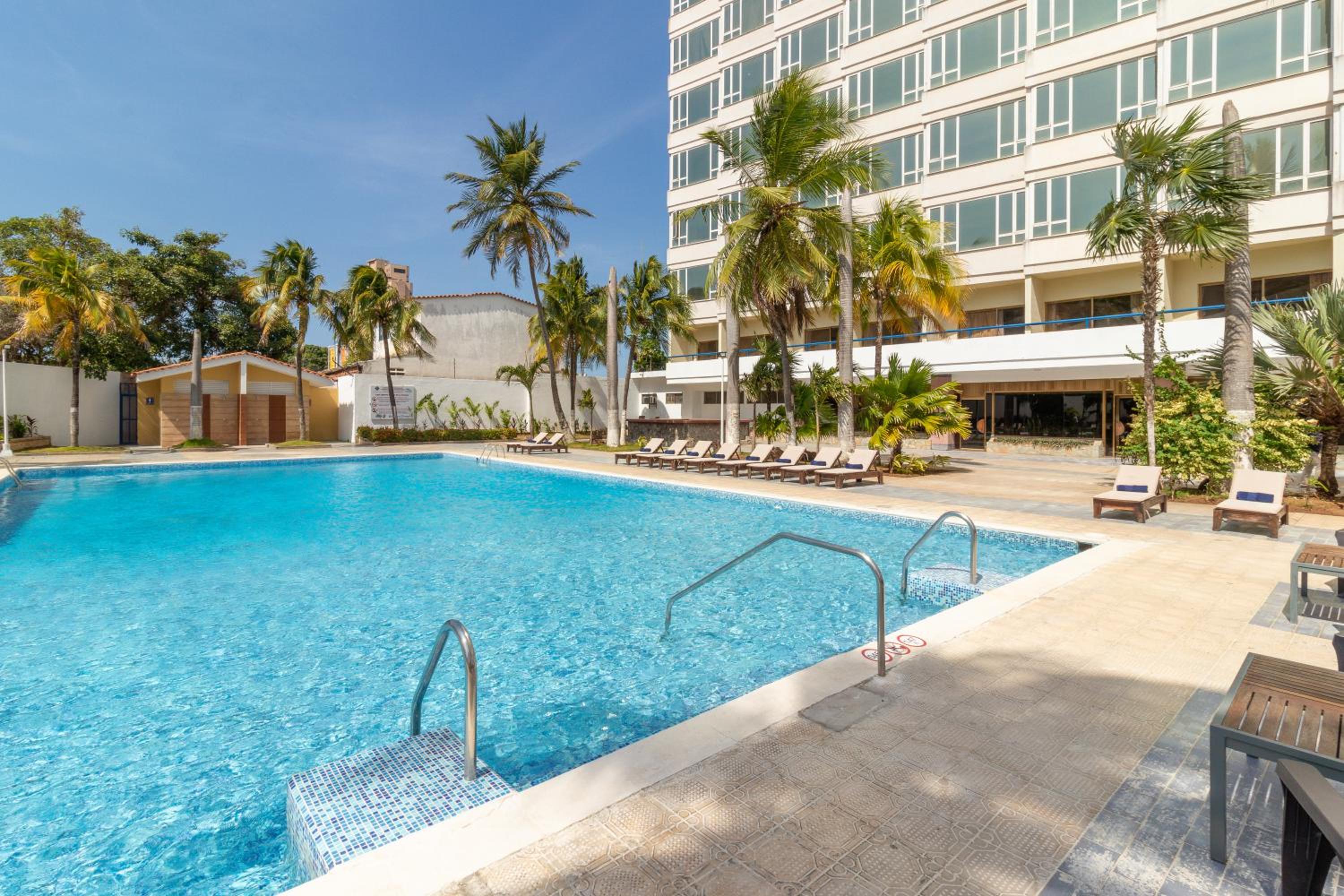
Hotel Faranda Express Puerta del Sol Porlamar
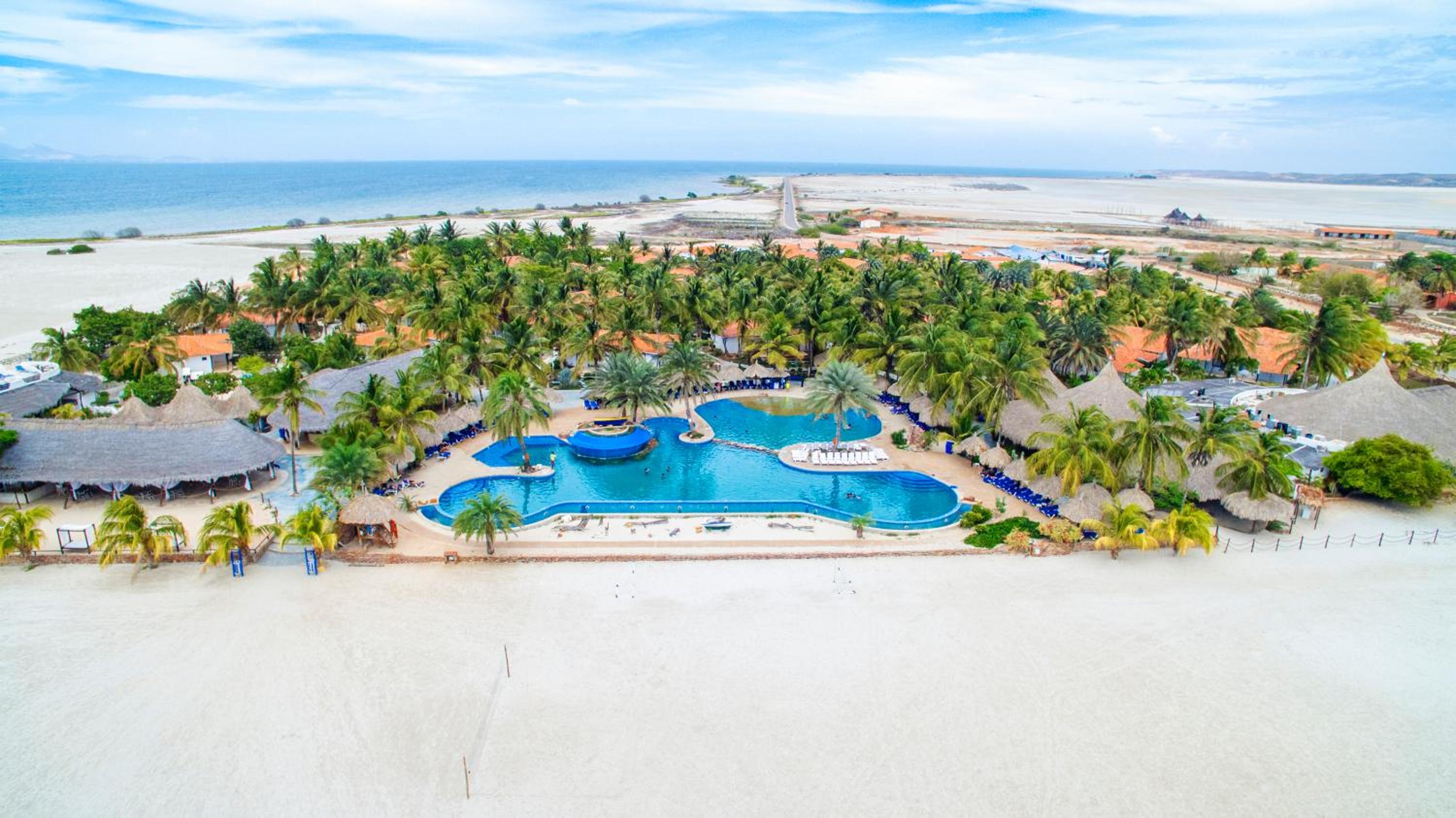 0
0Sunsol Punta Blanca
Top Restaurants in Isla Margarita
Popular dining spots near Isla Margarita
No restaurants available for Isla Margarita yet.
Weather in Isla Margarita
Average Temperature
75°F to 90°F (24°C to 32°C)
Rainy Season
July to December
Hurricane Season
June to November (rarely affected)
Best Time to Visit
December to April
Travel Tips
- Spanish is the primary language
- US dollars are widely accepted due to currency fluctuations
- Driving is on the right side of the road
- A valid passport is required for entry
- Check current travel advisories before planning your trip
- Ferry services connect the island to mainland Venezuela
Get Isla Margarita Travel Tips
Subscribe for curated tips, deals, and inspiration for your Isla Margarita trip.