Isla Saona
Dominican Republic's Island Paradise
About Isla Saona
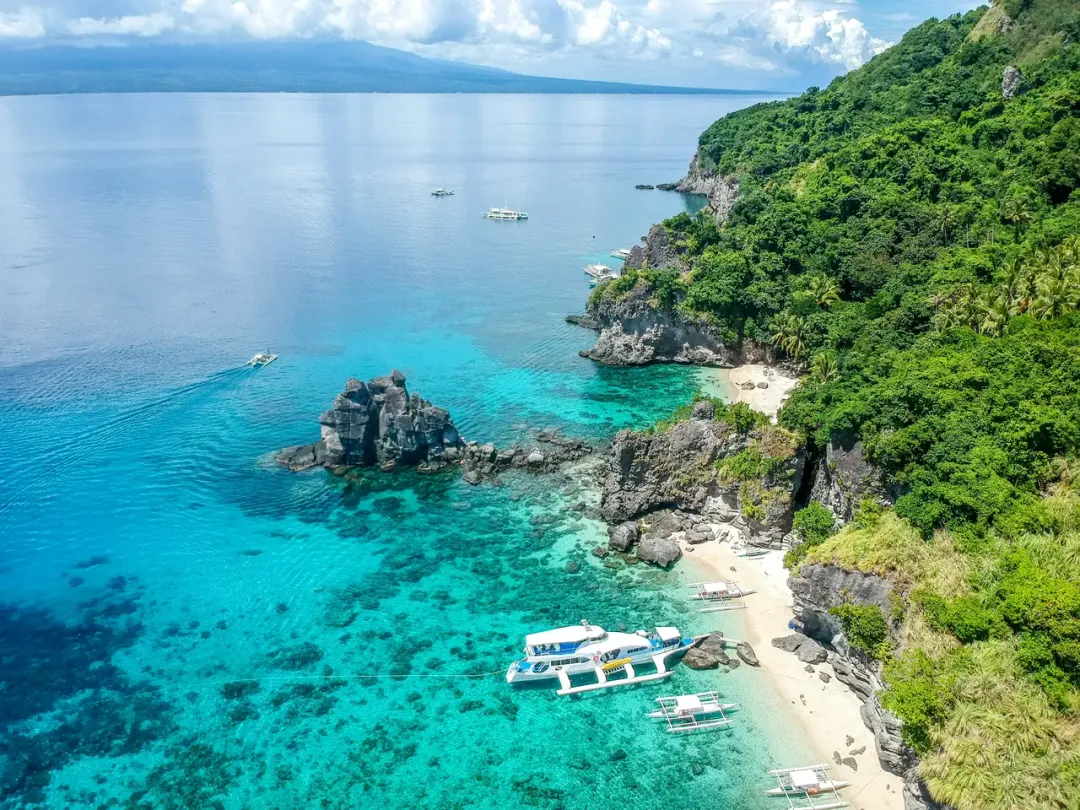
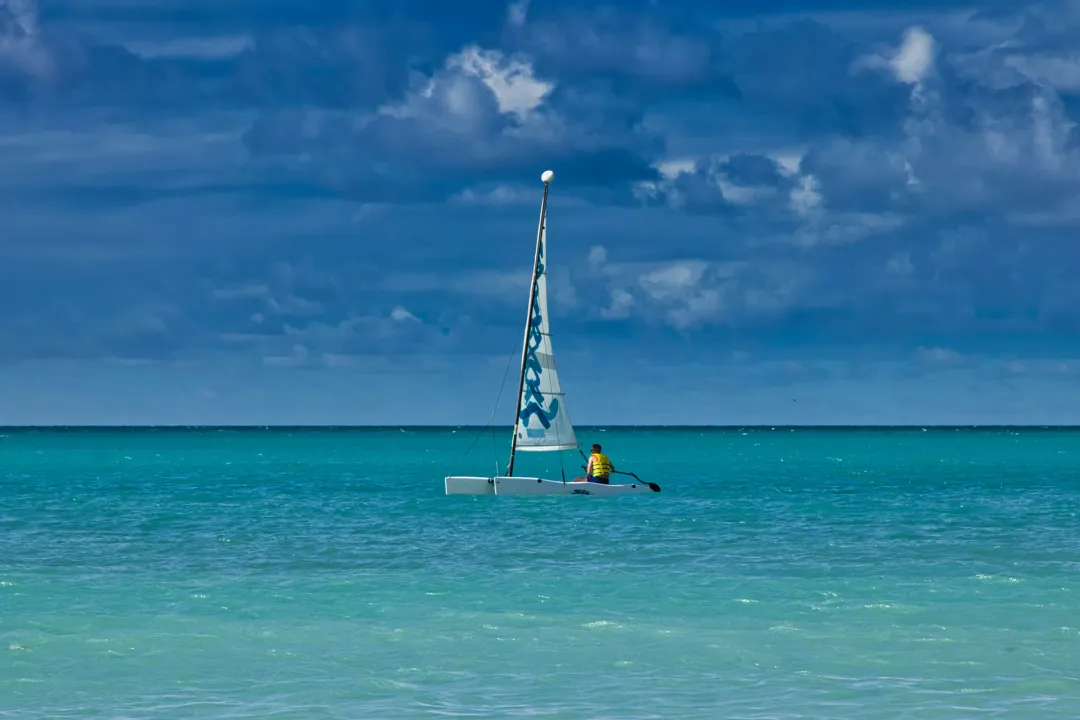
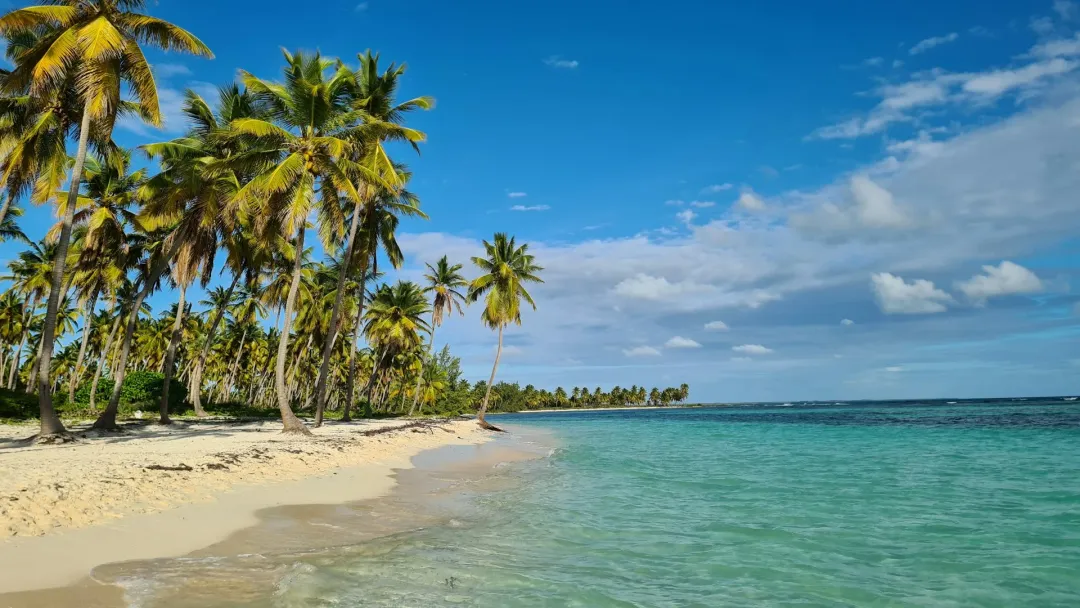
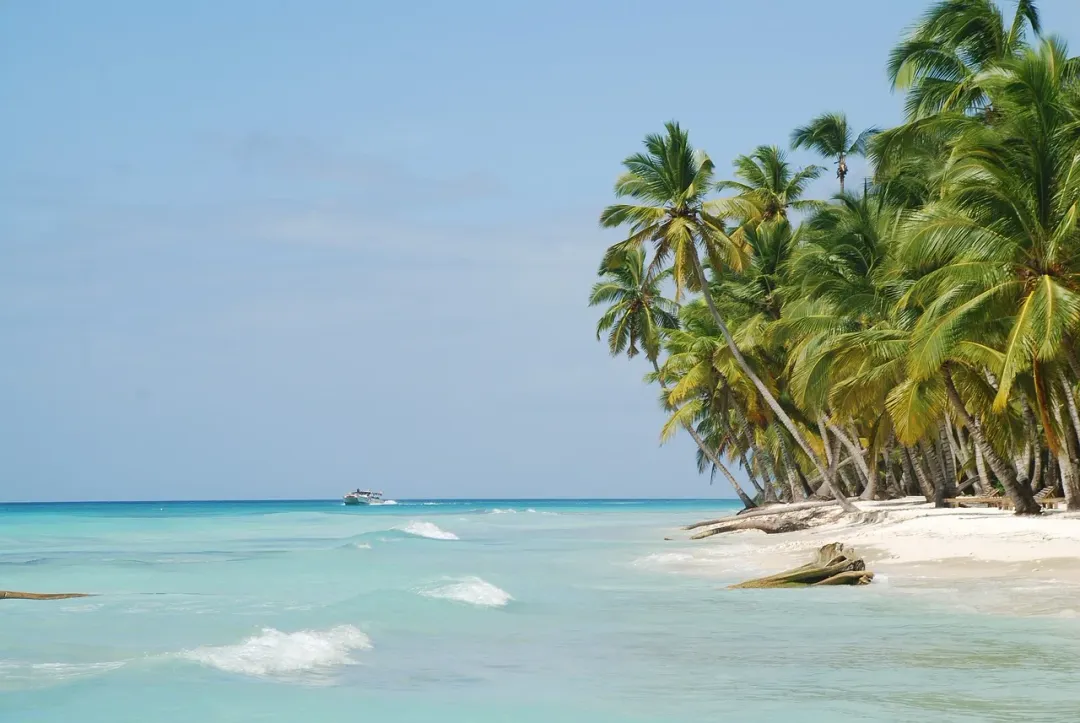
Isla Saona is a tropical island located off the southeastern coast of the Dominican Republic, forming part of the Cotubanamá National Park (formerly Del Este). This protected paradise covers approximately 42 square miles and is known for its stunning natural beauty, featuring pristine white-sand beaches lined with coconut palms, crystal-clear turquoise waters, and lush vegetation. The island was named by Christopher Columbus after his friend Michele da Cuneo's hometown of Savona, Italy, when he discovered it in May 1494 during his second voyage to the Americas. Today, Isla Saona remains largely undeveloped, with just a few small fishing villages, including Mano Juan, where about 500 residents live in colorful wooden houses and maintain traditional fishing practices. The island has become one of the Dominican Republic's most popular excursions, with thousands of visitors arriving daily on catamarans and speedboats from Bayahibe and Punta Cana to enjoy its idyllic beaches, particularly at Canto de la Playa. A highlight of many tours is a stop at the 'natural pool' (piscina natural), a large sandbank in the middle of the sea where visitors can wade in shallow, crystal-clear water and often spot starfish. As part of a national park, Isla Saona is home to diverse ecosystems, including mangrove forests, coral reefs, and tropical forests that support various bird species, including the endangered Hispaniolan parrot. The island's protected status has helped preserve its natural beauty, though concerns about the environmental impact of tourism have led to efforts to manage visitor numbers and practices. Despite its popularity as a day-trip destination, Isla Saona maintains a sense of unspoiled tranquility, particularly in areas away from the main tourist beaches, offering visitors a glimpse of Caribbean paradise.
Size
42 sq mi (110 km²)
Population
500
Language
Spanish
Currency
Dominican Peso (DOP), US Dollar widely accepted
Time Zone
UTC-4 (Atlantic Time)
Best Time to Visit
December to April
Highlights
Best Things to Do in Isla Saona
Most visitors experience Isla Saona as part of a mass-market catamaran day trip from Bayahibe or Punta Cana, and while those tours deliver a beautiful beach day, they also deposit hundreds of people onto the same strip of sand at the same time. The smarter play is to book a smaller speedboat excursion from Bayahibe that departs earlier and hits the island before the catamaran flotillas arrive.
You will land at Mano Juan, a genuine fishing village of about 500 residents living in brightly painted wooden houses along sandy lanes - this is not a staged tourism experience but an actual working community where kids play in the streets and fishermen mend nets in front of their homes. Walk through the village to the tiny turtle conservation project where hawksbill and green sea turtles are raised before release.
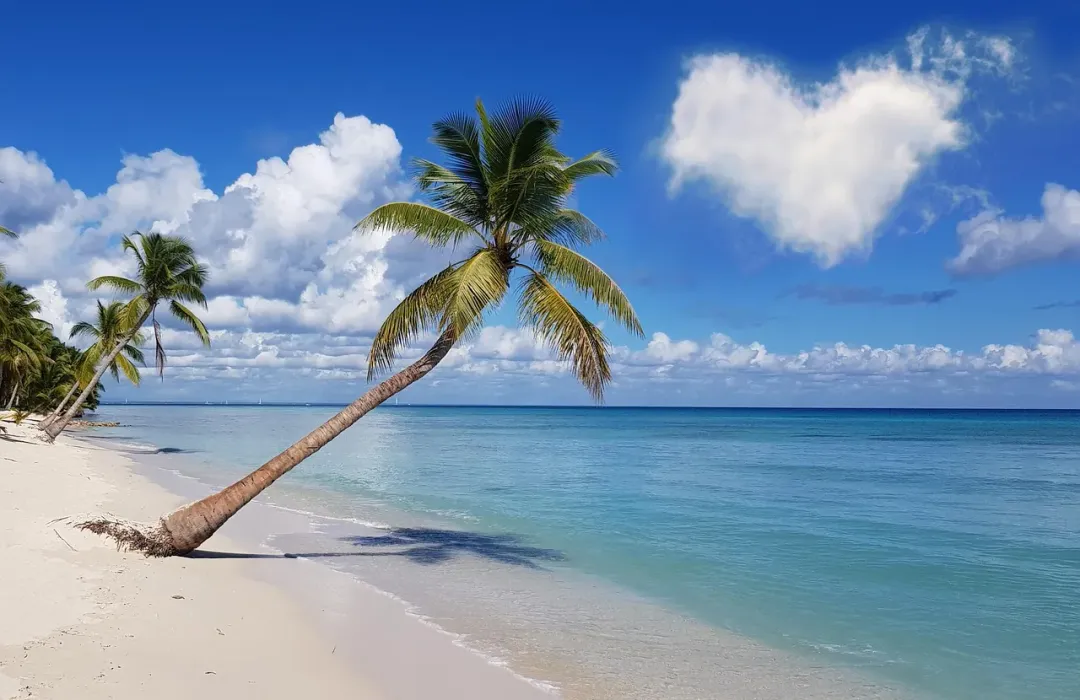
From Mano Juan, boats continue to Canto de la Playa on the island's southeastern shore, a long crescent of white sand backed by coconut palms that is the postcard image of Isla Saona. The water here is impossibly clear and shallow enough to wade out a hundred meters. En route, most tours stop at the famous piscina natural, a large sandbank in open water where you can stand waist-deep in turquoise sea and spot starfish on the sandy bottom - though the starfish have been stressed by handling, so resist the urge to pick them up regardless of what other tourists are doing.
The eastern end of the island around Punta Cana (not to be confused with the resort area) is wilder and less visited, with rocky shoreline, mangrove channels, and birdwatching opportunities - Isla Saona hosts nesting colonies of frigatebirds, brown pelicans, and the endangered Ridgway's hawk. For snorkeling, the reef off the island's southern coast between Mano Juan and Punta Catuano offers the best coral diversity, though you will need to arrange a private boat to access it since the standard tours skip this area. The Cotubanamá cave near the western landing point contains Taino petroglyphs and is worth a quick stop if your guide offers it.
Visit Mano Juan Fishing Village
This small community of about 500 residents is one of the few permanent settlements on the island. Colorful wooden houses line sandy paths, and the pace of life is unhurried. Visit the sea turtle conservation nursery where endangered hatchlings are raised before being released into Cotubanamá National Park waters.
Wade in the Piscina Natural
A large natural sandbank in the middle of the sea creates a shallow wading pool with turquoise water. Starfish are visible on the sandy bottom. Most tour boats stop here on the way to or from the island. Resist handling the starfish - they are a protected species under stress from tourist contact.
Beach Day at Canto de la Playa
The island's most famous beach is a long arc of white sand backed by coconut palms with shallow, calm turquoise water. Arrive early on a private boat to enjoy it before the catamaran crowds from Punta Cana arrive around midday. Bring reef-safe sunscreen - the reflection off the white sand intensifies the burn.
Snorkel the Southern Reef
The reef between Mano Juan and Punta Catuano offers the island's best coral diversity, with elkhorn coral, sea fans, and schools of blue tang and parrotfish. This area is not included on standard tours, so arrange a private boat from Bayahibe to access it.
Explore Cotubanamá Cave
Near the western boat landing, this cave contains Taino petroglyphs and pictographs. The indigenous Taino people used caves throughout Hispaniola as ceremonial spaces. A quick guided visit takes about 20 minutes and adds cultural depth to what is otherwise a beach-focused day.
Birdwatching at the Eastern Mangroves
The mangrove channels and rocky coast on the island's eastern end host nesting frigatebirds, brown pelicans, and roseate terns. A kayak or small boat excursion through the mangroves offers the best access. This area sees very few tourists and feels genuinely wild.
Catamaran Cruise from Bayahibe
The classic Isla Saona experience is the full-day catamaran tour departing Bayahibe, with music, drinks, a stop at the natural pool, and a barbecue lunch on the beach. It is a party atmosphere and not for solitude seekers, but the boat ride along the coast of Cotubanamá National Park is scenic and the open bar is generous.
Where to Stay in Isla Saona
Isla Saona has no hotels or formal tourist accommodation - the island is part of Cotubanamá National Park and overnight stays are not generally available to visitors. The vast majority of people visit on day trips from the mainland. Your base will be either Bayahibe or the Punta Cana resort corridor.
Bayahibe is the closer and more authentic option, a former fishing village that has grown into a small tourism hub. Hotels here range from budget guesthouses at $40 to $60 per night (Hostal Bayahibe, Hotel Eden) to comfortable mid-range options like Hotel Bayahibe and Dreams Dominicus at $150 to $250 per night. The Viva Dominicus complex on Dominicus Beach offers all-inclusive packages from around $200 per person per night.
Punta Cana, about 90 minutes east, has the larger resort selection with properties like Iberostar, Barceló, and Hard Rock ranging from $200 to $500 per night all-inclusive, but the transfer to the Bayahibe boat dock adds time and cost to the Saona excursion. If you want to maximize your time and arrive first at the island, stay in Bayahibe the night before and book a private speedboat departure at dawn.
Where to Eat in Isla Saona
On Isla Saona itself, meals are limited to whatever your tour operator provides - typically a beach barbecue of grilled chicken, rice, salad, and fresh fruit, served buffet-style under palm shelters with unlimited rum punch and local Presidente beer. The quality varies by operator; Tropical Sun Excursions and Saona Dreams consistently get good marks for their lunch spreads. In Mano Juan village, a couple of very small local eateries serve fried fish and rice for a few hundred pesos, but they are not always open and cater mainly to residents.
The real dining happens on the mainland. In Bayahibe, Mare Nostrum on the waterfront serves excellent grilled seafood and pasta at $12 to $25 per plate, with fresh-caught lobster available in season for around $30. Saona Café is a relaxed spot for morning coffee and crêpes before your boat departure. Restaurant Madre on the main road does reliable criollo cooking - la bandera dominicana (the flag plate of rice, beans, and stewed meat) runs about $6 and is the national lunch staple.
For a splurge, Tracadero Steakhouse in Dominicus offers imported cuts and Dominican-raised beef in a polished setting. Do not miss trying mamajuana, the Dominican herbal rum infusion made with bark, herbs, red wine, and honey - every restaurant has its own recipe, and locals swear by its restorative properties.
Best Time to Visit Isla Saona
December through April is the prime window, with lower humidity, minimal rain, and calmer seas that make the boat crossing from Bayahibe smooth and comfortable. January through March sees the highest visitor numbers, and the catamaran tours to Isla Saona can feel especially crowded during this peak.
May and June offer a good shoulder-season compromise with fewer tourists, slightly lower prices, and weather that is still mostly dry. The wet season from July through November brings afternoon rain showers and rougher seas that occasionally cancel boat departures - September and October carry the highest hurricane risk.
Water clarity for snorkeling is best from January through April. If you visit during peak season, booking a private speedboat rather than a group catamaran is worth the extra cost to beat the crowds to the beach.
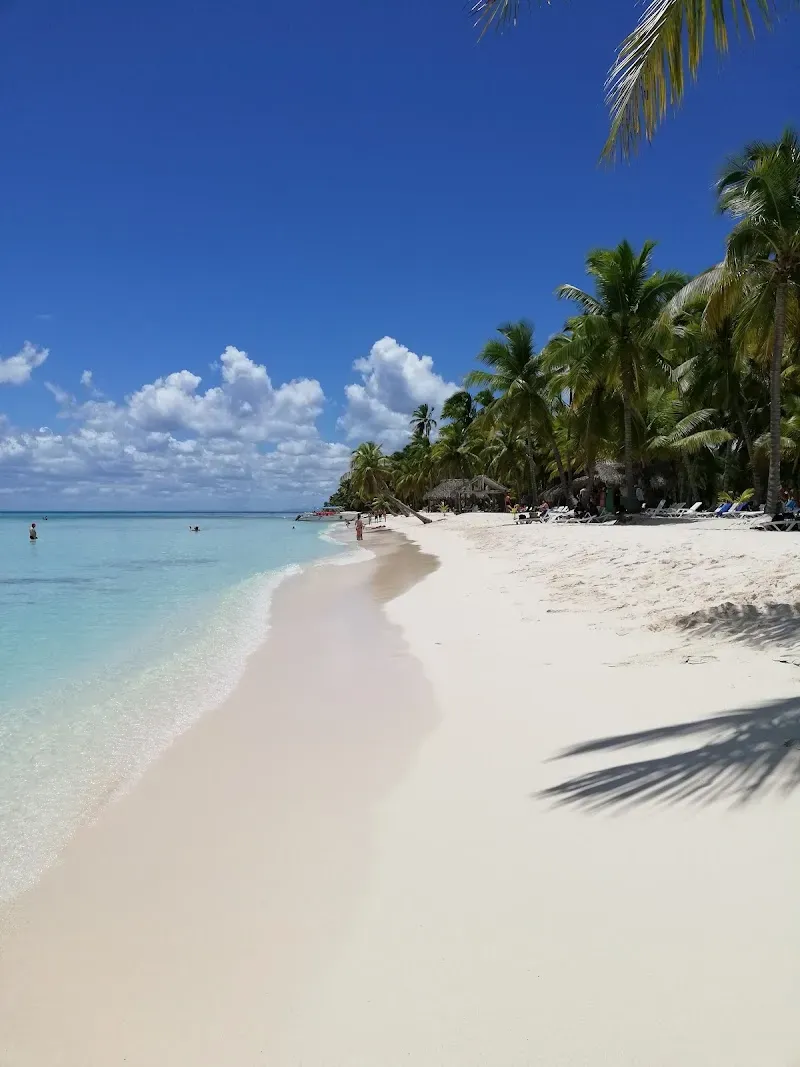
Saona Island
Saona Island is a nature attraction on Isla Saona. This natural area showcases the lush tropical landscapes and diverse ecosystems that Isla Saona is known for. Visitors can explore the local flora and fauna in a serene setting.
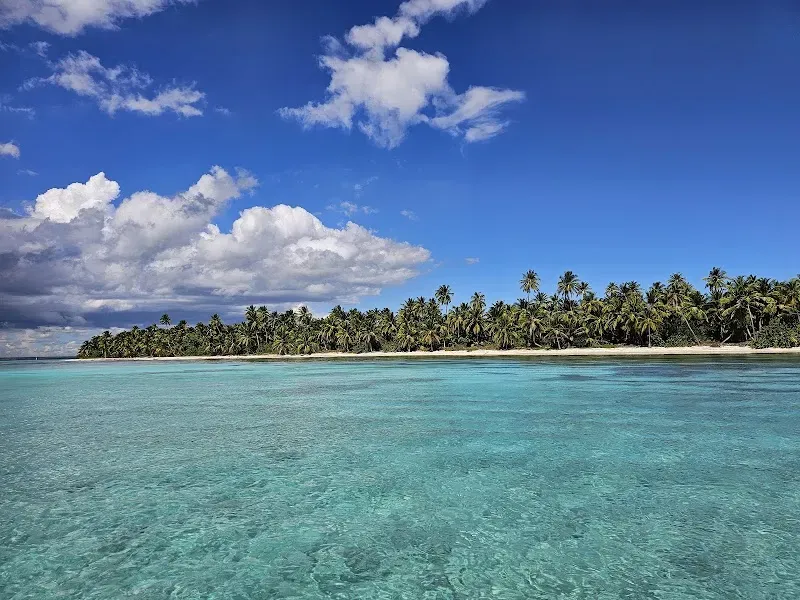
Piscina Natural Saona
Piscina Natural Saona is a nature attraction on Isla Saona. This natural area showcases the lush tropical landscapes and diverse ecosystems that Isla Saona is known for. Visitors can explore the local flora and fauna in a serene setting.
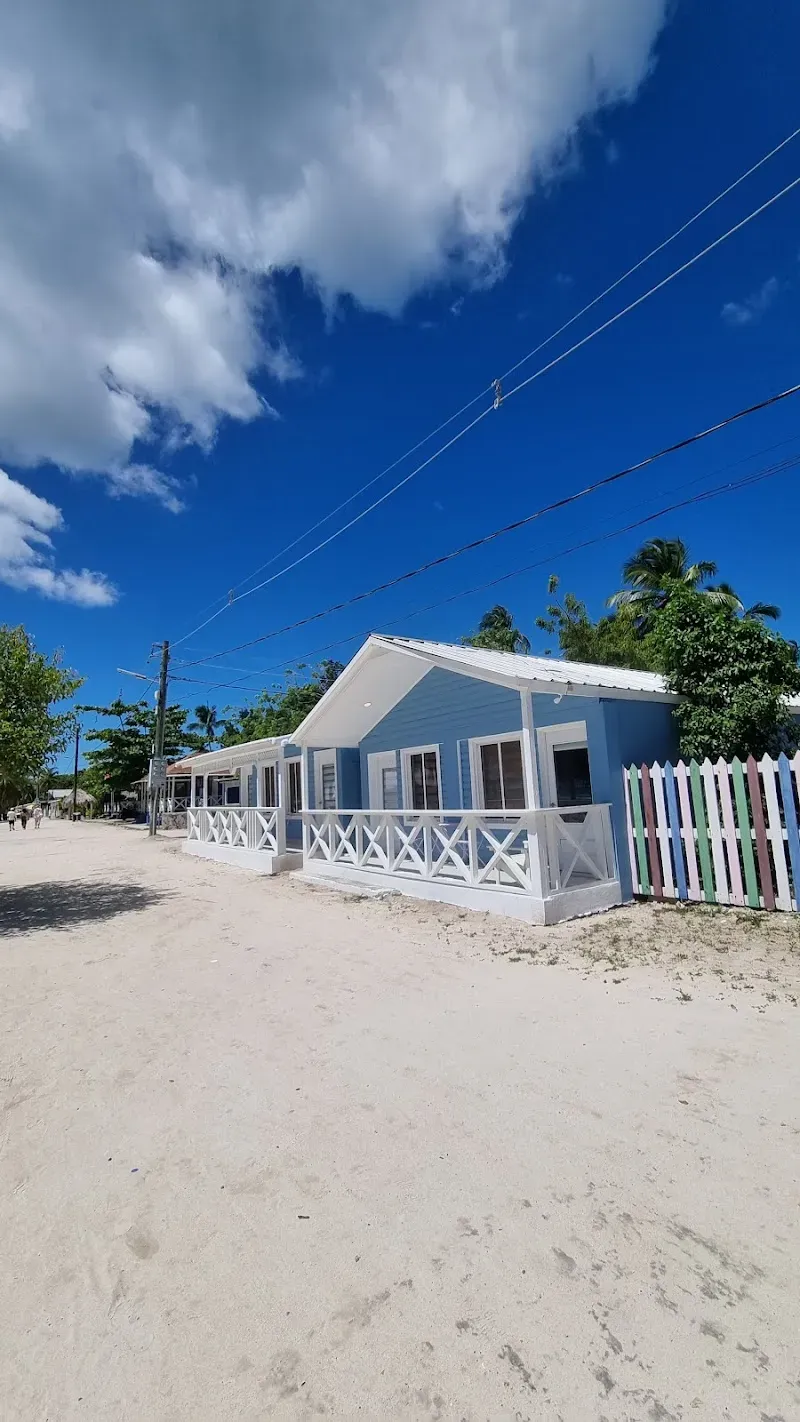
Playa de los Flamencos
Playa de los Flamencos is a nature attraction on Isla Saona. This natural area showcases the lush tropical landscapes and diverse ecosystems that Isla Saona is known for. Visitors can explore the local flora and fauna in a serene setting.
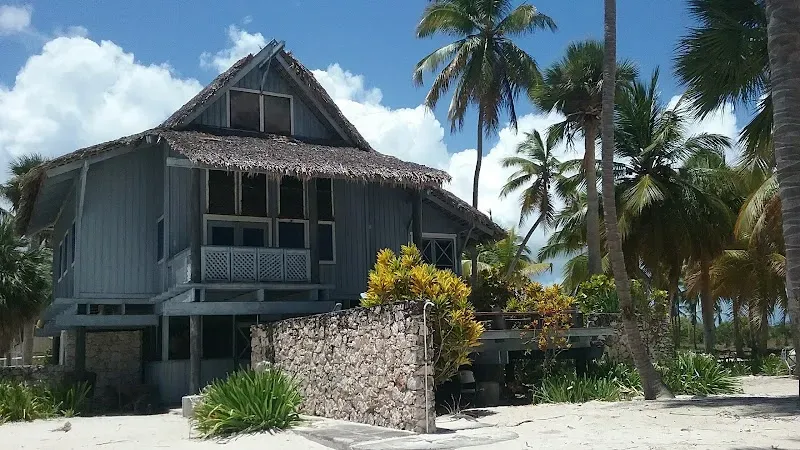
Canto de La Playa
Backed by a palm grove, this secluded sandy stretch is popular for coral reef snorkeling.
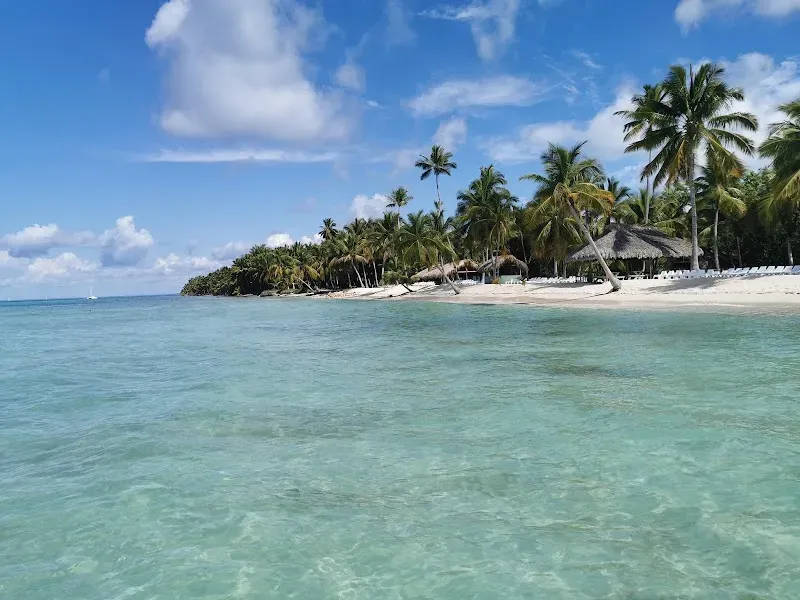
Parque Nacional del Este
Reserve with rainforest trails & cave paintings, plus beaches & dolphin spotting on coastal islands.
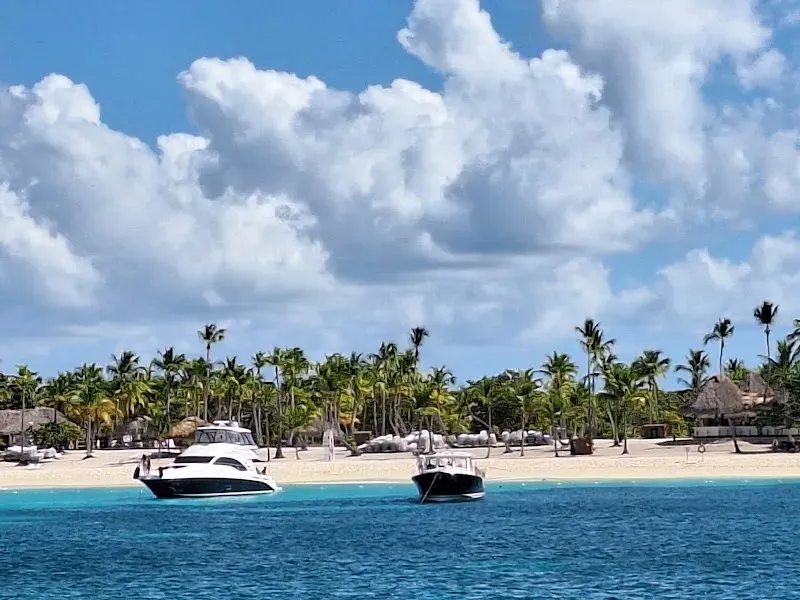
Playa Don Joe
Playa Don Joe is a nature attraction on Isla Saona. This natural area showcases the lush tropical landscapes and diverse ecosystems that Isla Saona is known for. Visitors can explore the local flora and fauna in a serene setting.
Hotels in Isla Saona
Search for available rates by selecting your travel dates
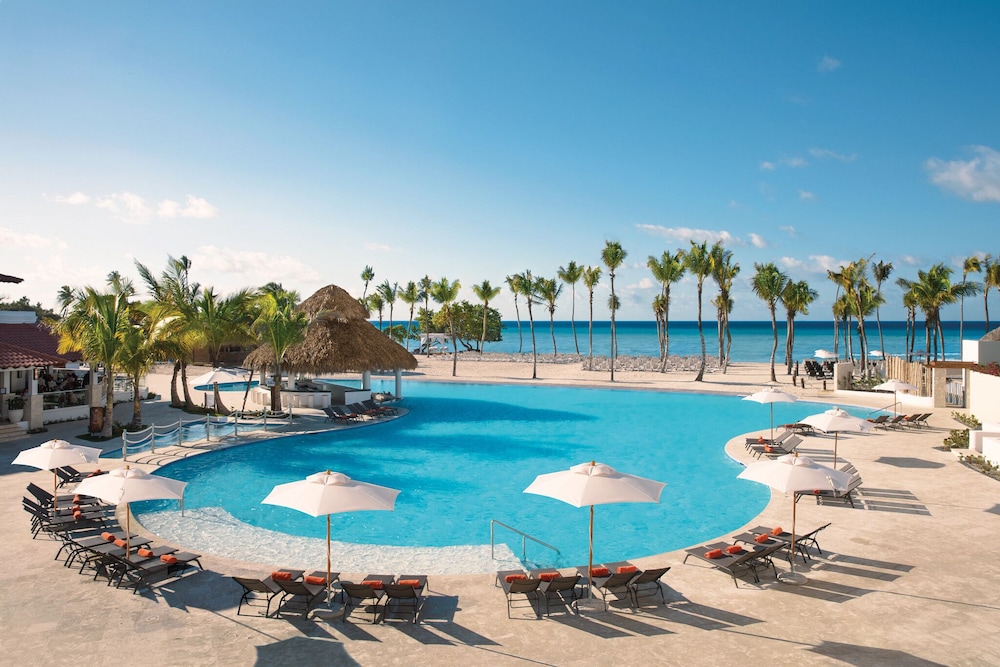
Dreams Dominicus La Romana - All Inclusive
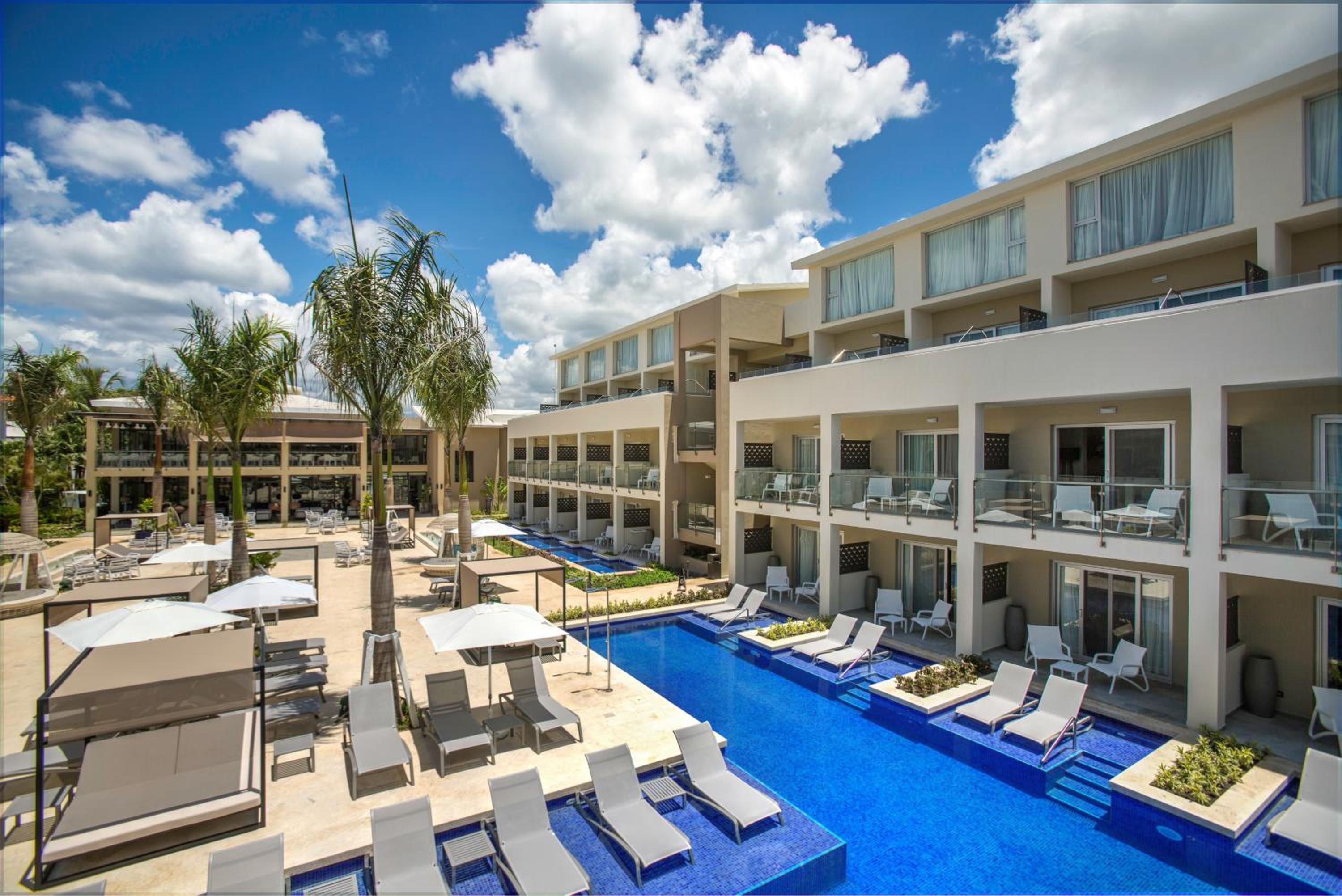
Catalonia Royal La Romana Adults Only - All Inclusive
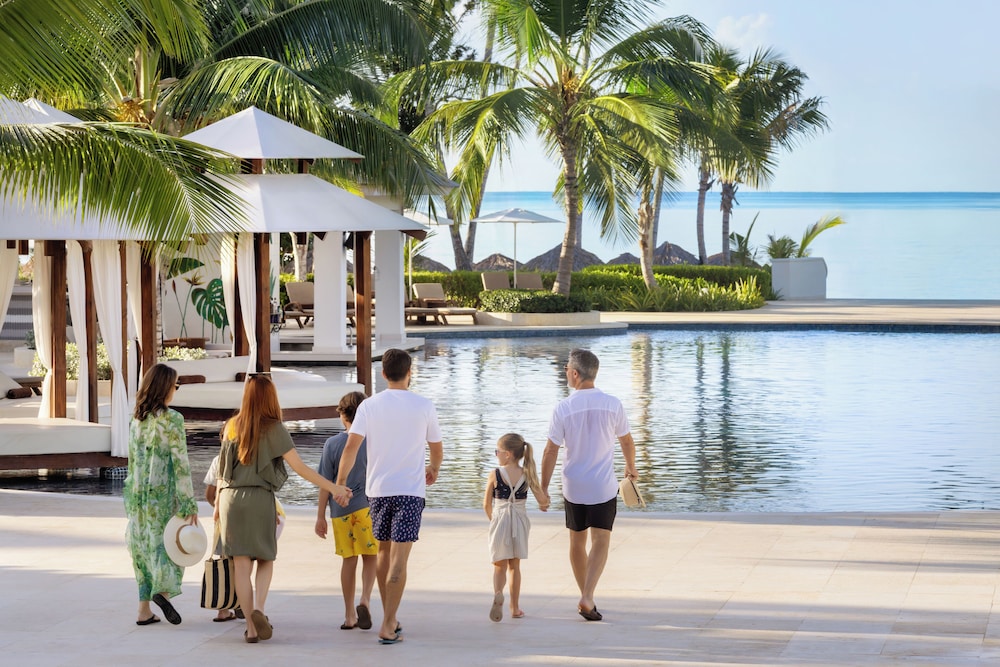
Dreams La Romana Resort & Spa - All Inclusive
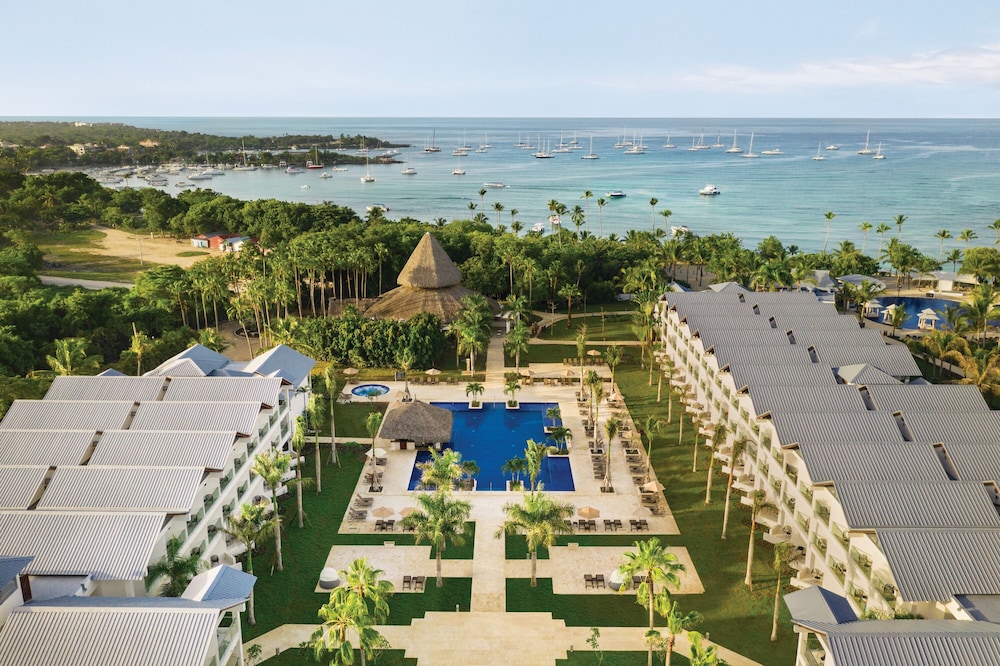
Secrets La Romana Resort & Spa - Adults Only - All Inclusive
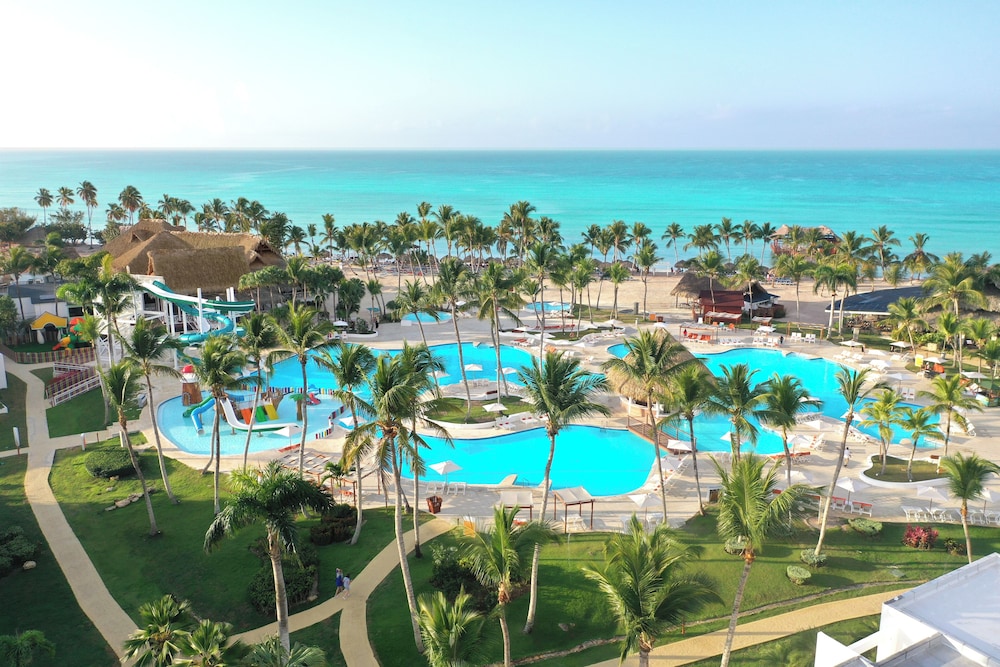
Sunscape Dominicus La Romana - All Inclusive
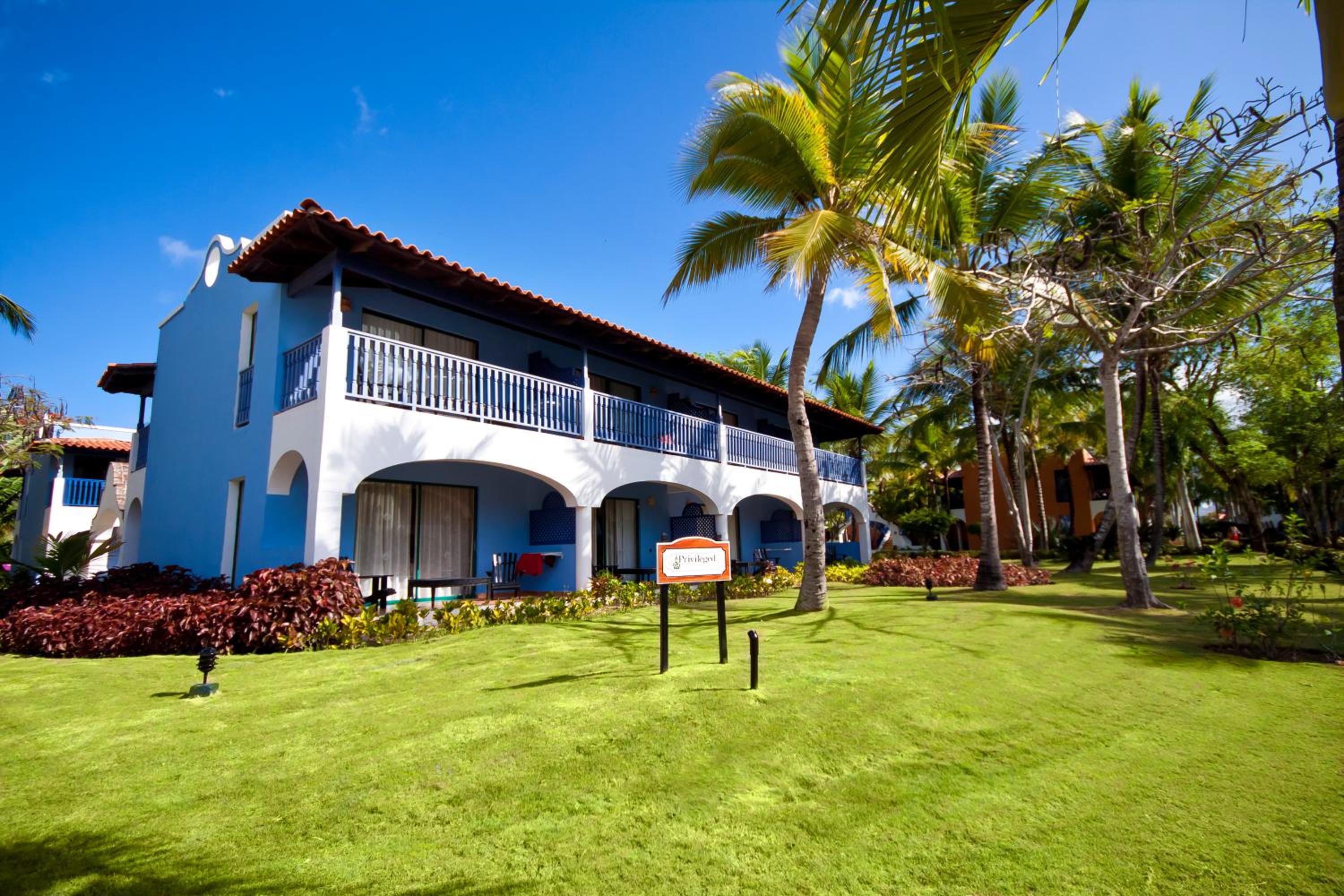
Catalonia Bayahibe - All Inclusive
Top Restaurants in Isla Saona
Popular dining spots near Isla Saona
No restaurants available for Isla Saona yet.
Weather in Isla Saona
Average Temperature
75°F to 85°F (24°C to 29°C)
Rainy Season
May to November
Hurricane Season
June to November
Best Time to Visit
December to April
Travel Tips
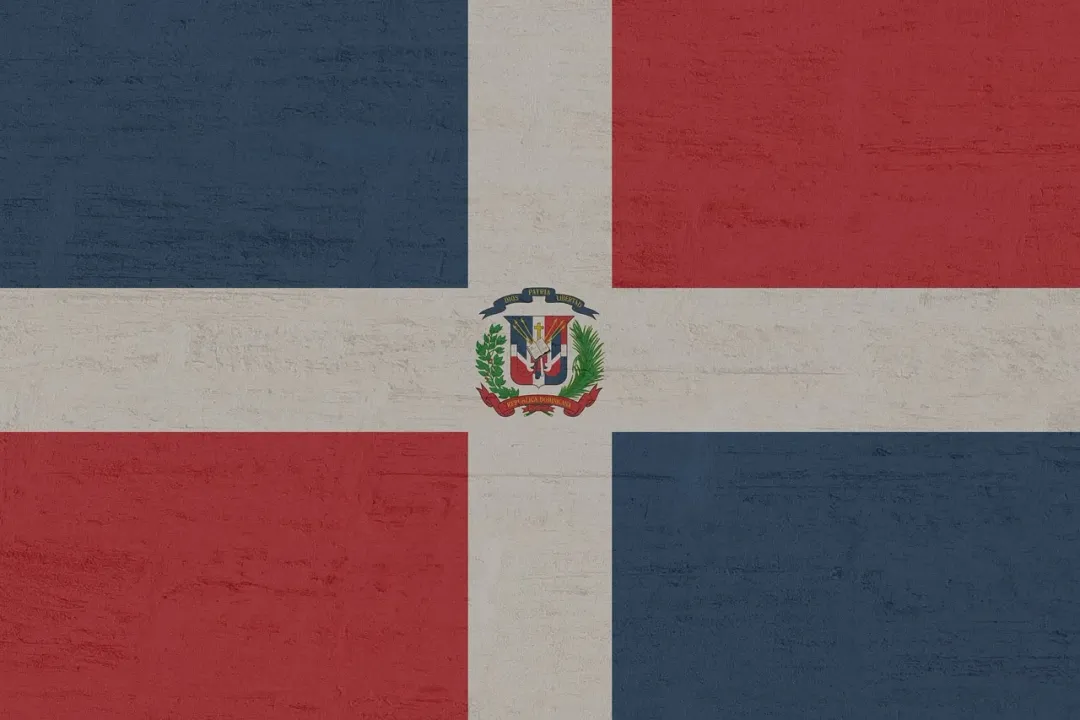
- Spanish is the official language
- Dominican Peso is the currency, but US dollars are accepted
- The island is only accessible by boat
- A valid passport is required for entry to the Dominican Republic
- Most visits are day trips, with limited overnight accommodations
- Bring biodegradable sunscreen to protect the coral reefs
Get Isla Saona Travel Tips
Subscribe for curated tips, deals, and inspiration for your Isla Saona trip.