
Things to Do in Les Saintes
The Archipelago with the Most Beautiful Bay in the Caribbean. Explore 23 attractions across the island.
Les Saintes is one of those rare Caribbean destinations that delivers on the cliché of a postcard-perfect bay without sacrificing authenticity. The ferry from Trois-Rivières on Guadeloupe's Basse-Terre takes just 20 minutes and deposits you at the dock in Le Bourg on Terre-de-Haut, where the real charm begins immediately. The village is a cluster of red-roofed Creole houses climbing up hillsides from a harbor filled with sailboats and traditional Saintois fishing boats called saintoises. There are no cars for tourists - the island is explored by foot, scooter, or electric bike, and its compact size means you can reach every beach and viewpoint within 30 minutes.
The essential hike is up to Fort Napoléon, a 19th-century fortification perched on a hill above Le Bourg that never actually saw combat. The fort now houses a surprisingly good museum covering the 1782 Battle of the Saintes between the British and French fleets, along with a botanical garden of cacti and succulents where iguanas sun themselves on the stone walls. The panoramic view from the ramparts - sweeping across the bay, the neighboring islands, and the volcanic profile of La Soufrière on Basse-Terre - is the single best vista in the Guadeloupe archipelago.
Below the fort, Pain de Sucre beach is the island's most photographed spot: a small cove of clear water flanked by a sugarloaf rock formation that offers excellent snorkeling with sea turtles, parrotfish, and barracuda. Pompierre Beach on the eastern side is broader and more sheltered, good for families and less experienced swimmers.
For a quieter experience, take the inter-island ferry to Terre-de-Bas, where hiking trails wind through hillside forest to secluded Anse à Dos and the pottery workshop at Grande Anse, where artisans still produce traditional Caribbean ceramics. The Saintois are descendants of Breton fishermen, and their culture feels distinctly different from the rest of Guadeloupe - lighter skin, a more reserved manner, and a fishing tradition that remains central to island identity. Every morning, the catch comes in at the dock, and by noon it is on your plate.
Top Activities
Hike to Fort Napoléon
The 20-minute uphill walk from Le Bourg leads to the island's signature attraction: a 19th-century fort with a museum on the Battle of the Saintes, a botanical garden of cacti and iguanas, and panoramic views over the bay and neighboring islands. Open daily, entry around 5 euros. Go early morning to avoid the midday heat.
Snorkel at Pain de Sucre
This iconic cove is named after its sugarloaf rock formation and offers the island's best underwater scenery. Sea turtles, barracuda, and schools of tropical fish populate the clear water around the rock. Bring your own mask and fins or rent from shops in Le Bourg. The beach is small and fills up by midday.
Explore Le Bourg Village
The main village is a charming tangle of narrow lanes, red-roofed Creole houses, boutiques, and waterfront restaurants. The harbor is always picturesque, with traditional saintoises boats and visiting yachts. Walk without a map and you will stumble onto bakeries, art galleries, and hidden viewpoints above the rooftops.
Take the Ferry to Terre-de-Bas
The second inhabited island is quieter, greener, and far less touristy. Hiking trails lead through forested hills to Anse à Dos, a secluded beach rarely visited by day-trippers. The pottery workshop at Grande Anse produces traditional Caribbean ceramics. The inter-island ferry runs several times daily.
Swim at Pompierre Beach
On the eastern side of Terre-de-Haut, this wide, sheltered beach has calm water and white sand shaded by sea grapes and coconut palms. It is more family-friendly than Pain de Sucre and less crowded. A 15-minute walk from Le Bourg along a paved path.
Rent a Scooter and Circle the Island
Terre-de-Haut is small enough to circumnavigate in an hour by scooter, but you will want a full morning to stop at every viewpoint, beach, and overlook. Rental shops in Le Bourg charge around 30 to 40 euros per day. The road climbs through residential hills with views at every turn.
Taste Le Tourment d'Amour
The island's signature pastry is a small tart filled with coconut jam, sometimes varied with banana or guava. Every bakery in Le Bourg makes its own version, and opinions on who does it best are strongly held. Buy a few and conduct your own taste test - they cost about 2 euros each.
Attractions in Les Saintes
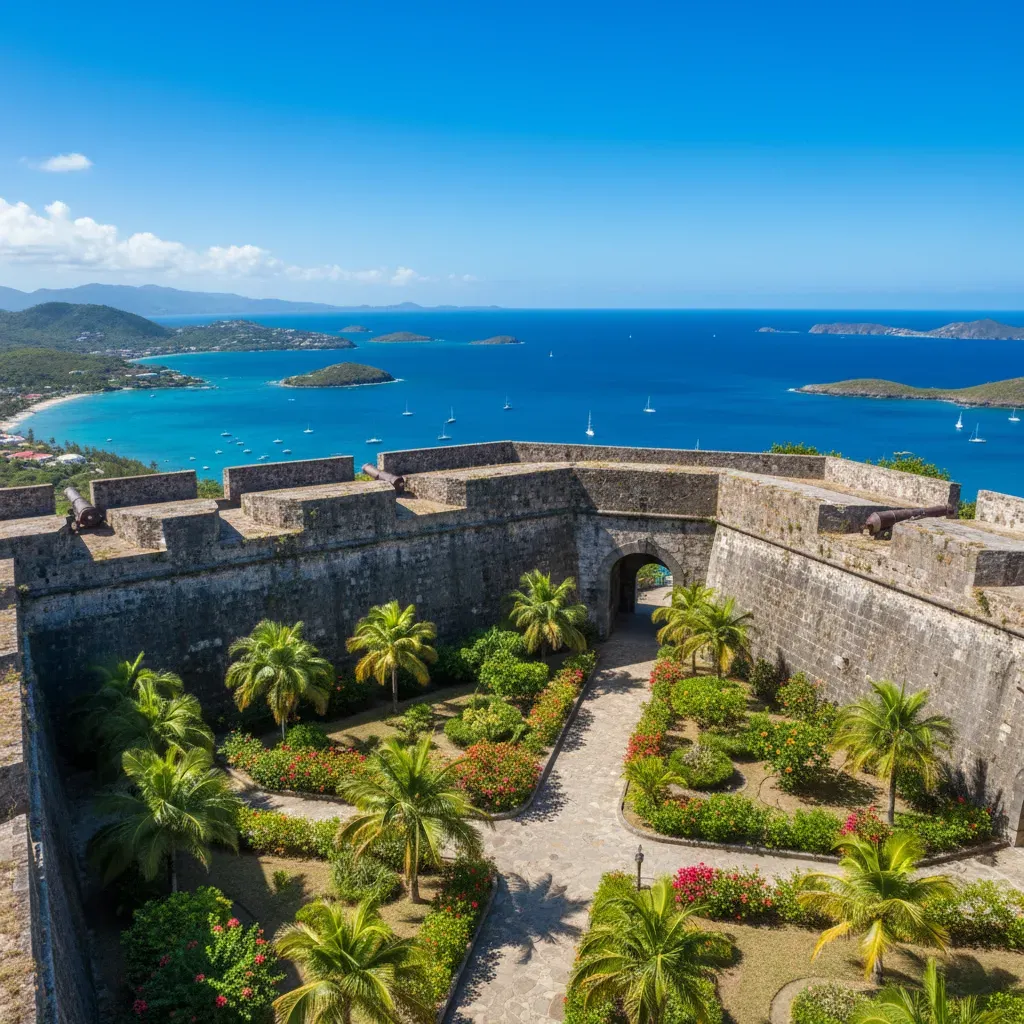
Fort Napoléon
A hilltop fortress built in the 19th century offering the finest panoramic views of the Bay of Les Saintes, consistently ranked among the most beautiful bays in the world. Houses a museum and a cactus garden home to iguanas.
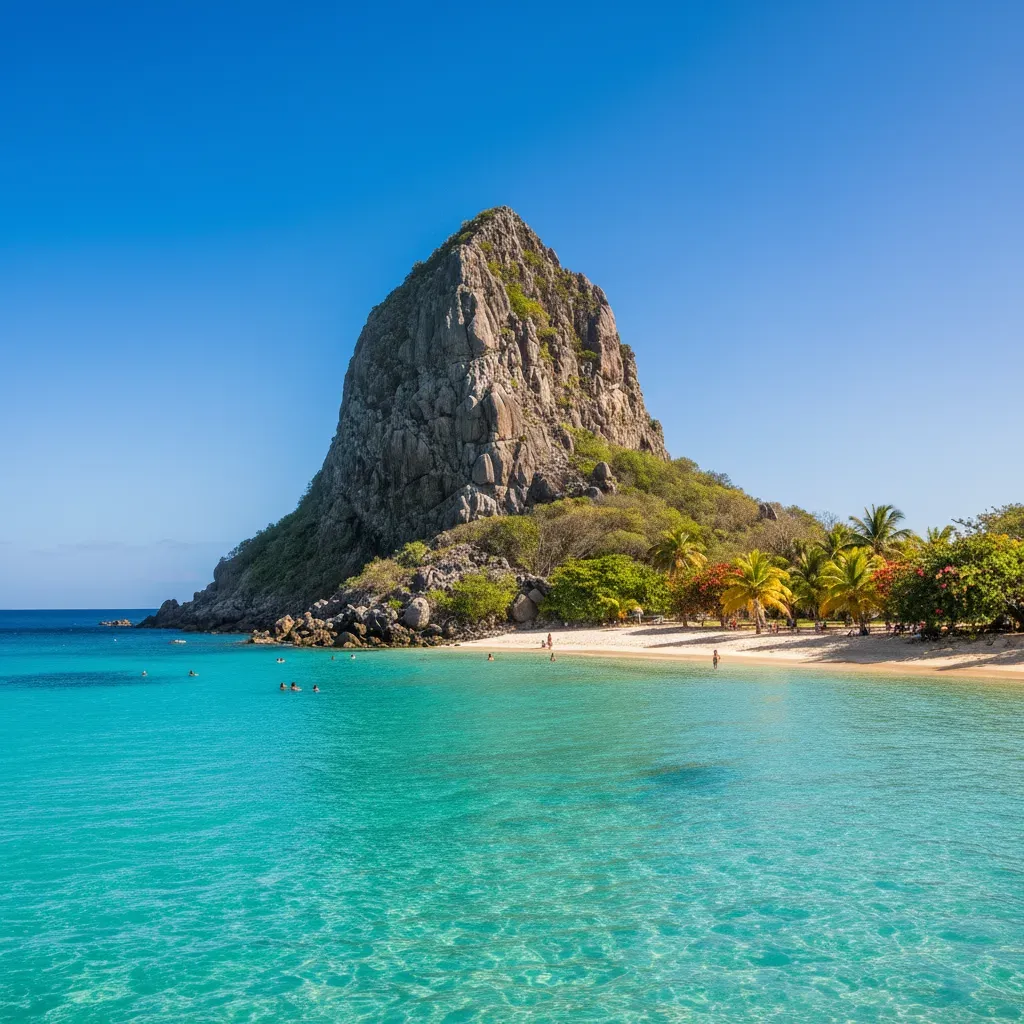
Pain de Sucre
An iconic sugarloaf-shaped volcanic rock rising from turquoise waters, with a small sheltered beach at its base. One of the best snorkeling spots in Guadeloupe's archipelago with abundant marine life and crystal-clear visibility.
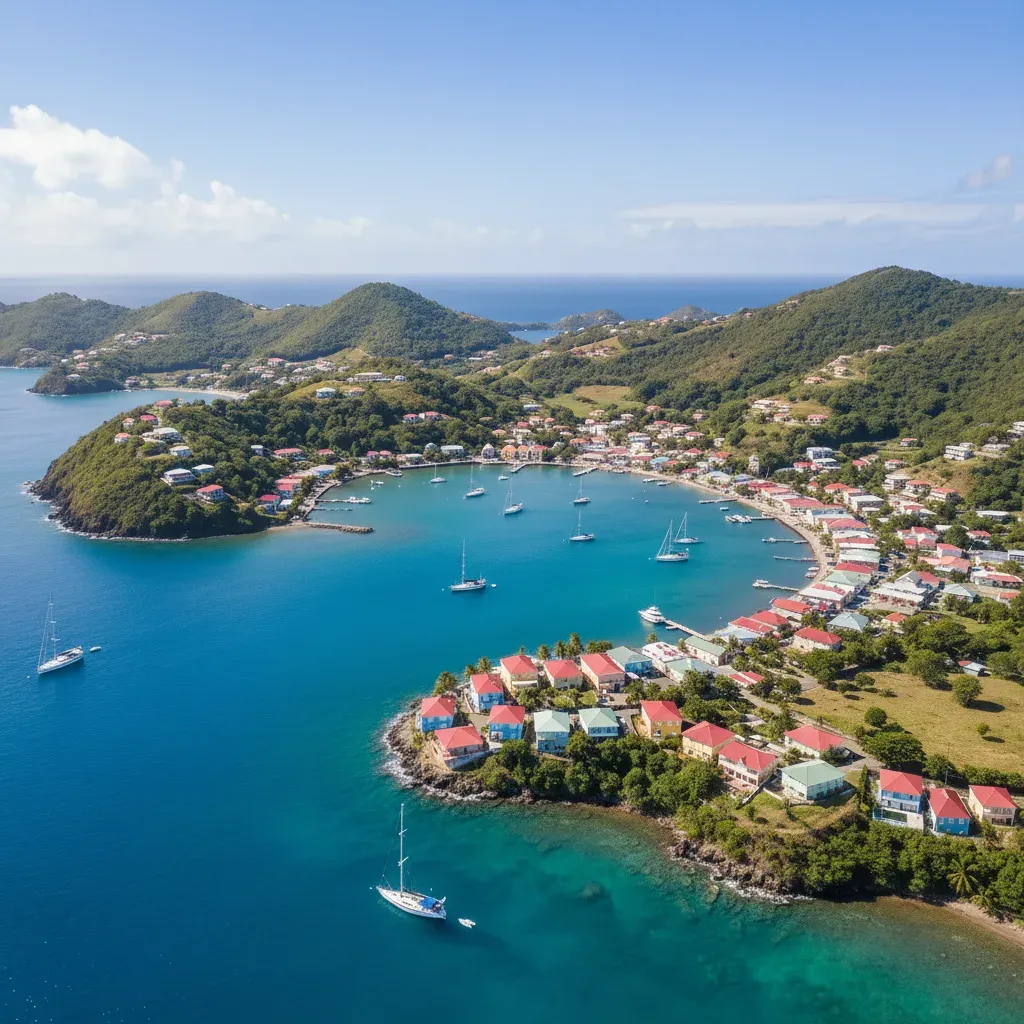
Baie des Saintes
Often compared to the Bay of Rio de Janeiro, this sheltered bay dotted with colorful fishing boats and framed by green hills is considered one of the most beautiful in the world. Best seen from the heights of Fort Napoléon or Le Chameau.
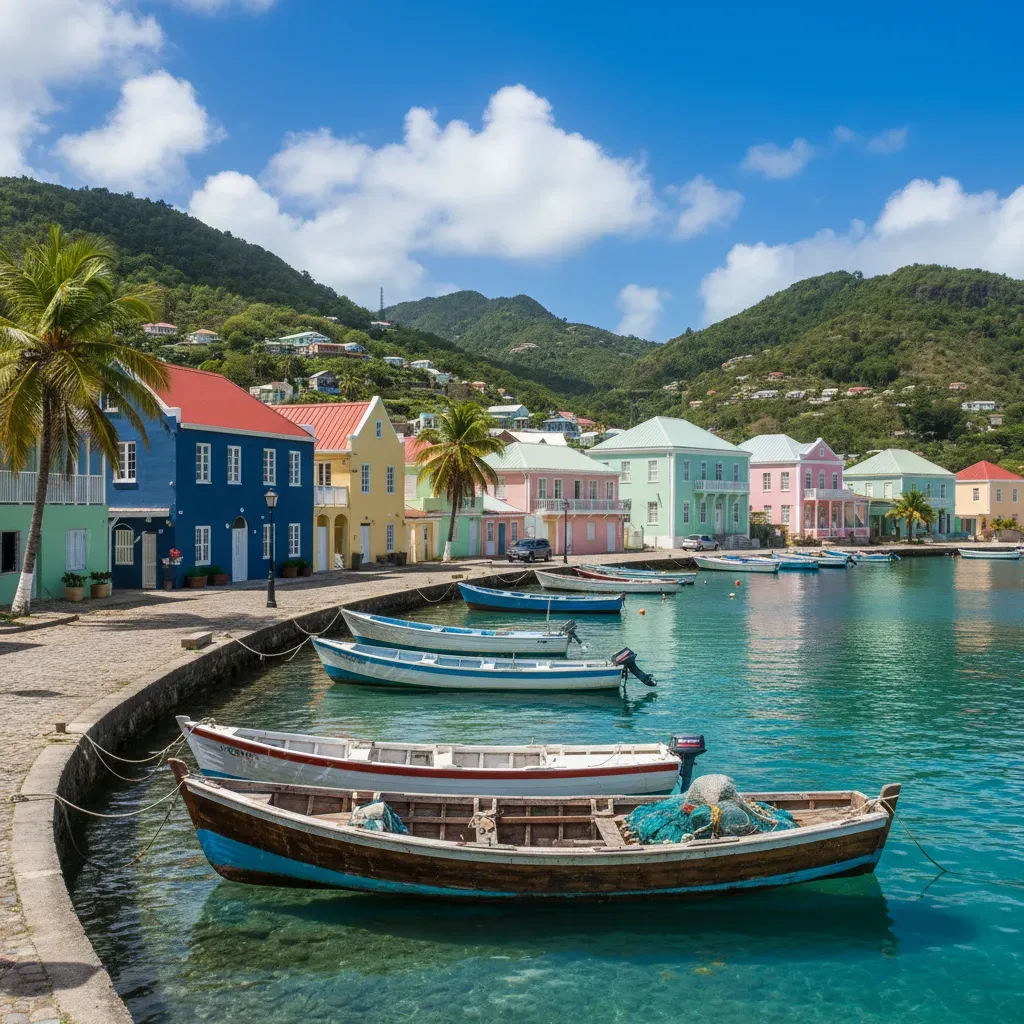
Le Bourg
The charming main village of Terre-de-Haut with narrow streets, red-roofed Creole houses, and a distinctly Mediterranean atmosphere. No cars - just scooters and pedestrians browsing boutiques and sampling tourment d'amour pastries.
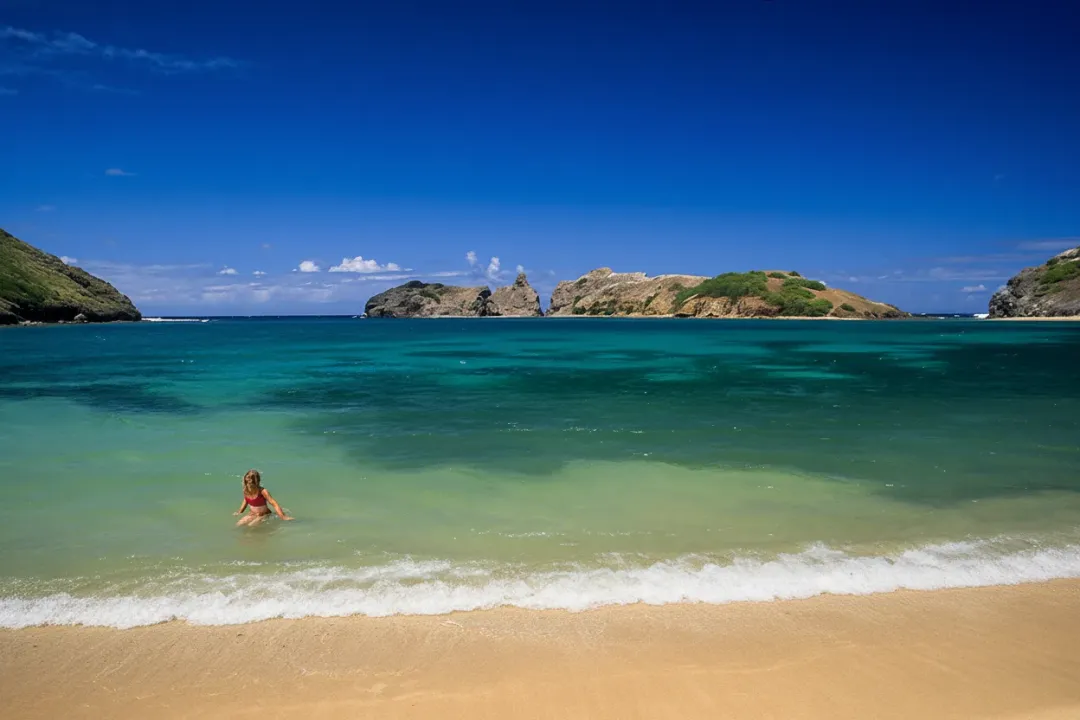
Plage de Pompierre
A secluded crescent beach sheltered by hills and palm trees on the windward side of Terre-de-Haut. Less crowded than Pain de Sucre, with calm waters ideal for swimming and picnicking under the sea grape trees.
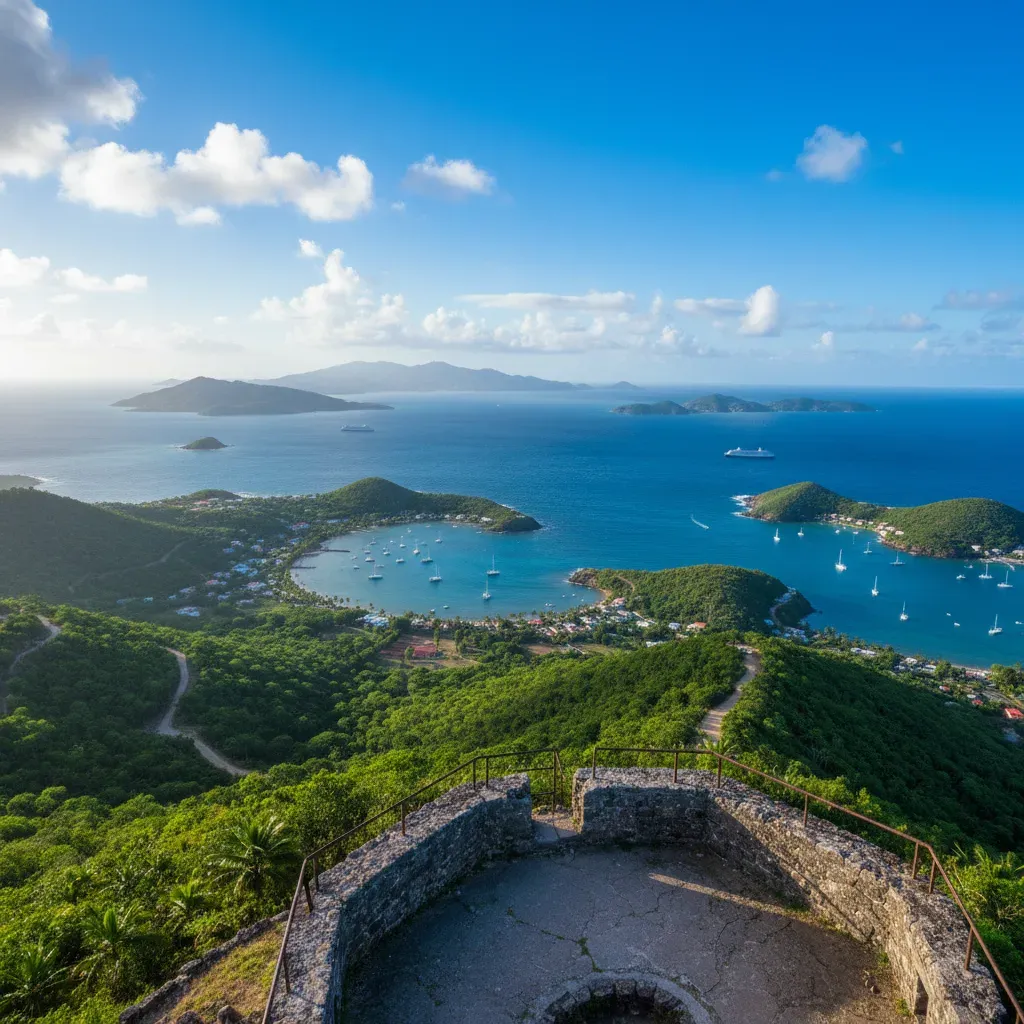
Le Chameau
The highest point of Terre-de-Haut at 309m, topped by an old military tower. The steep 45-minute hike through tropical vegetation rewards with a 360° view of the entire archipelago, Guadeloupe, Dominica, and Marie-Galante.
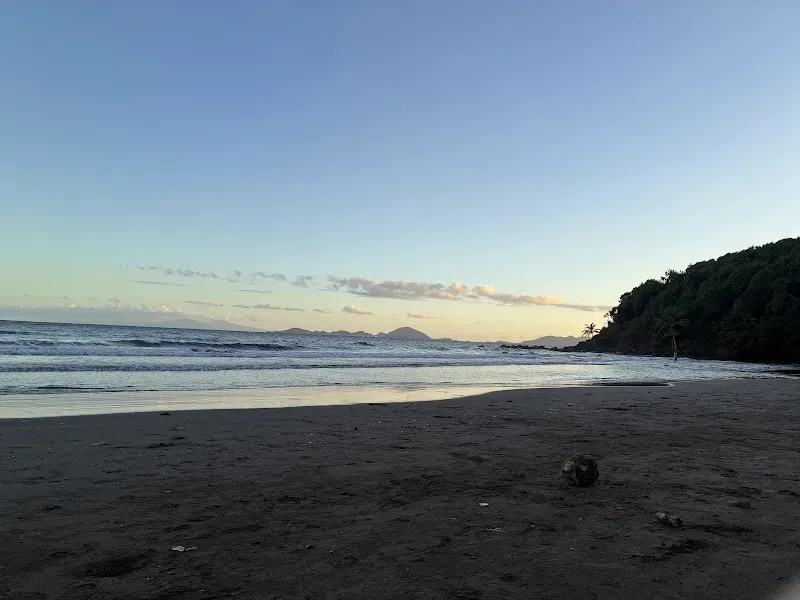
Plage de Bananier
Plage de Bananier is a nature attraction on Les Saintes. This natural area showcases the lush tropical landscapes and diverse ecosystems that Les Saintes is known for. Visitors can explore the local flora and fauna in a serene setting.
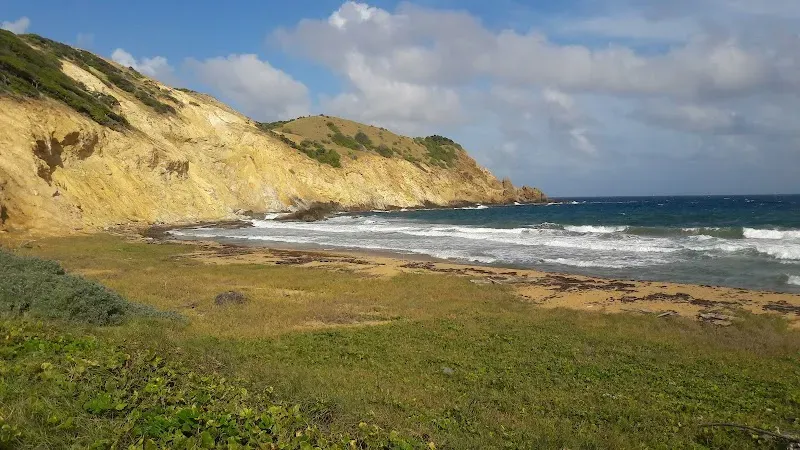
Plage de Grande Anse
Gold-sand beach with palm trees, about 1 km. long, featuring local eateries & water-sport rentals.
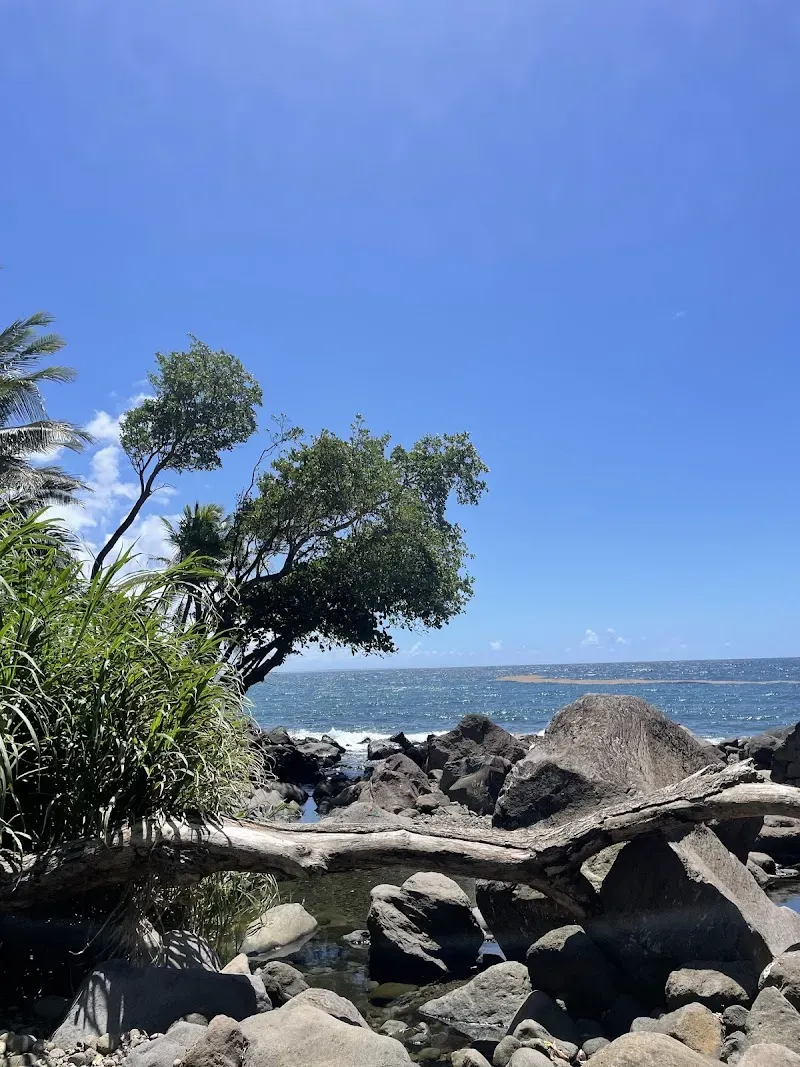
Cascade la Coulisse
Cascade la Coulisse is a nature attraction on Les Saintes. This natural area showcases the lush tropical landscapes and diverse ecosystems that Les Saintes is known for. Visitors can explore the local flora and fauna in a serene setting.
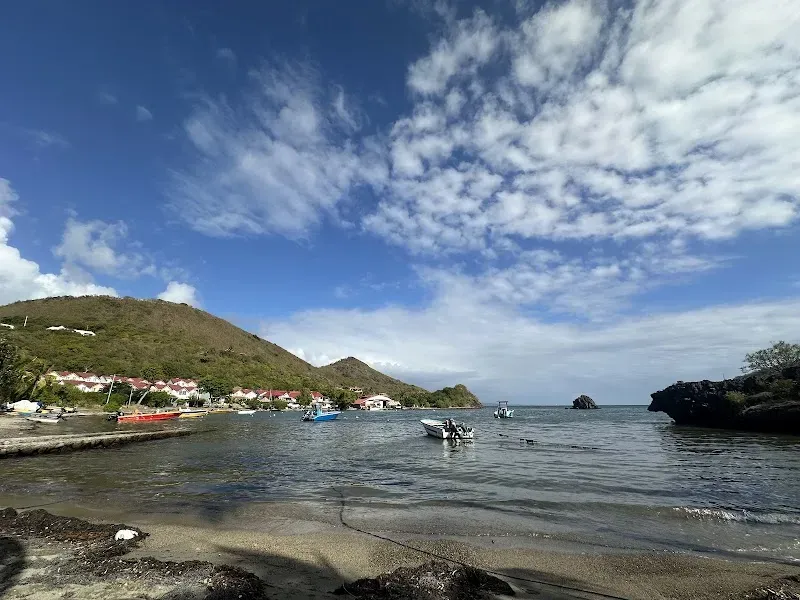
Plage de la Baie du Marigot
Plage de la Baie du Marigot is a nature attraction on Les Saintes. This natural area showcases the lush tropical landscapes and diverse ecosystems that Les Saintes is known for. Visitors can explore the local flora and fauna in a serene setting.
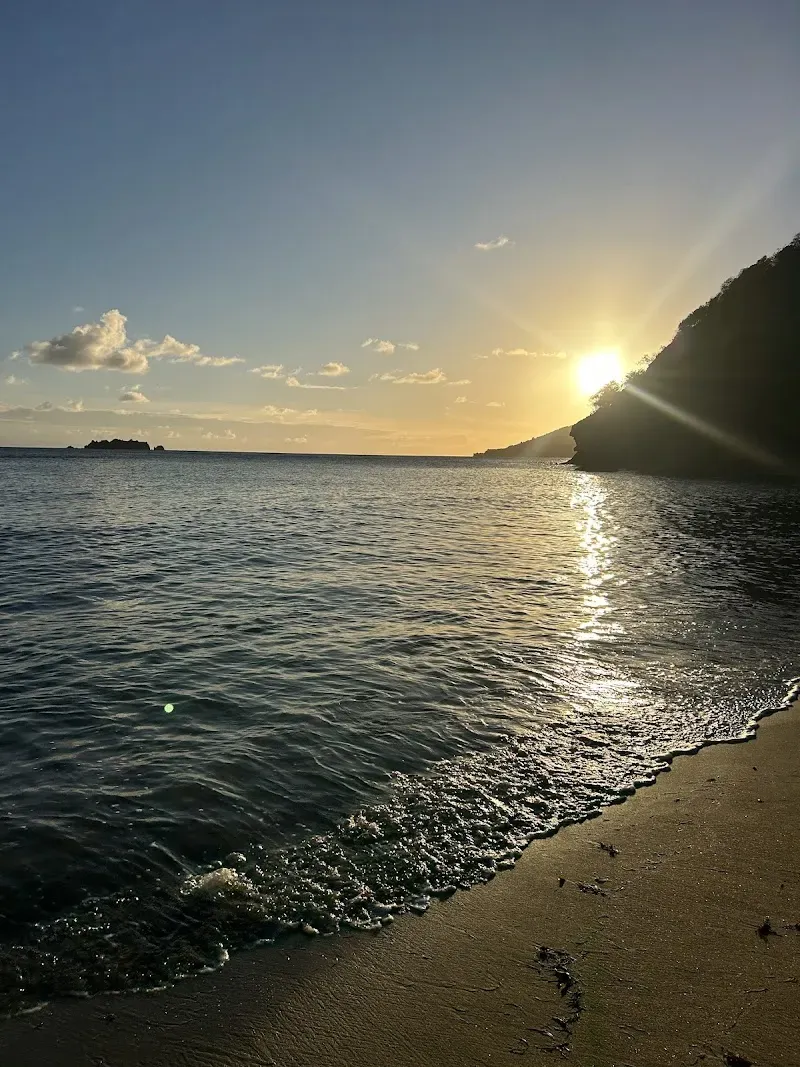
Plage de l'Anse Crawen
Plage de l'Anse Crawen is a nature attraction on Les Saintes. This natural area showcases the lush tropical landscapes and diverse ecosystems that Les Saintes is known for. Visitors can explore the local flora and fauna in a serene setting.
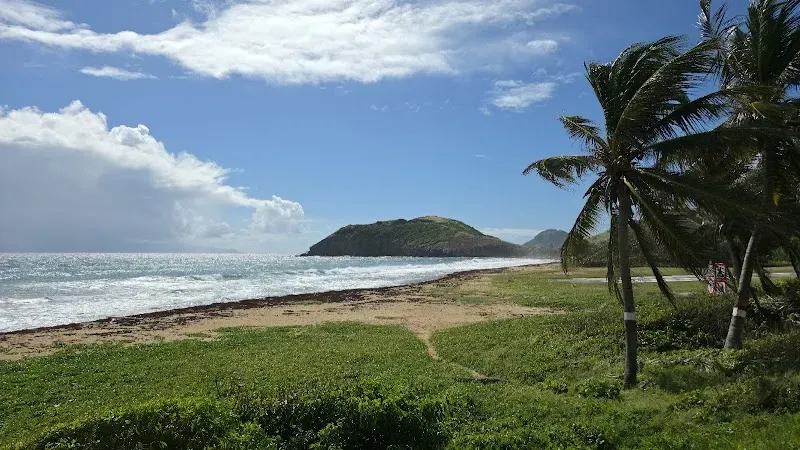
Plage de l'Anse Rodrigue
Plage de l'Anse Rodrigue is a nature attraction on Les Saintes. This natural area showcases the lush tropical landscapes and diverse ecosystems that Les Saintes is known for. Visitors can explore the local flora and fauna in a serene setting.
Explore More of Les Saintes
Find hotels, restaurants, and bookable experiences on our full island page.