Les Saintes
The Archipelago with the Most Beautiful Bay in the Caribbean
About Les Saintes
Les Saintes is a small archipelago comprising eight islands, with only Terre-de-Haut and Terre-de-Bas being inhabited. Located just 15 minutes by boat from southern Guadeloupe, these islands offer an authentic glimpse into traditional Caribbean life with a distinct French influence.
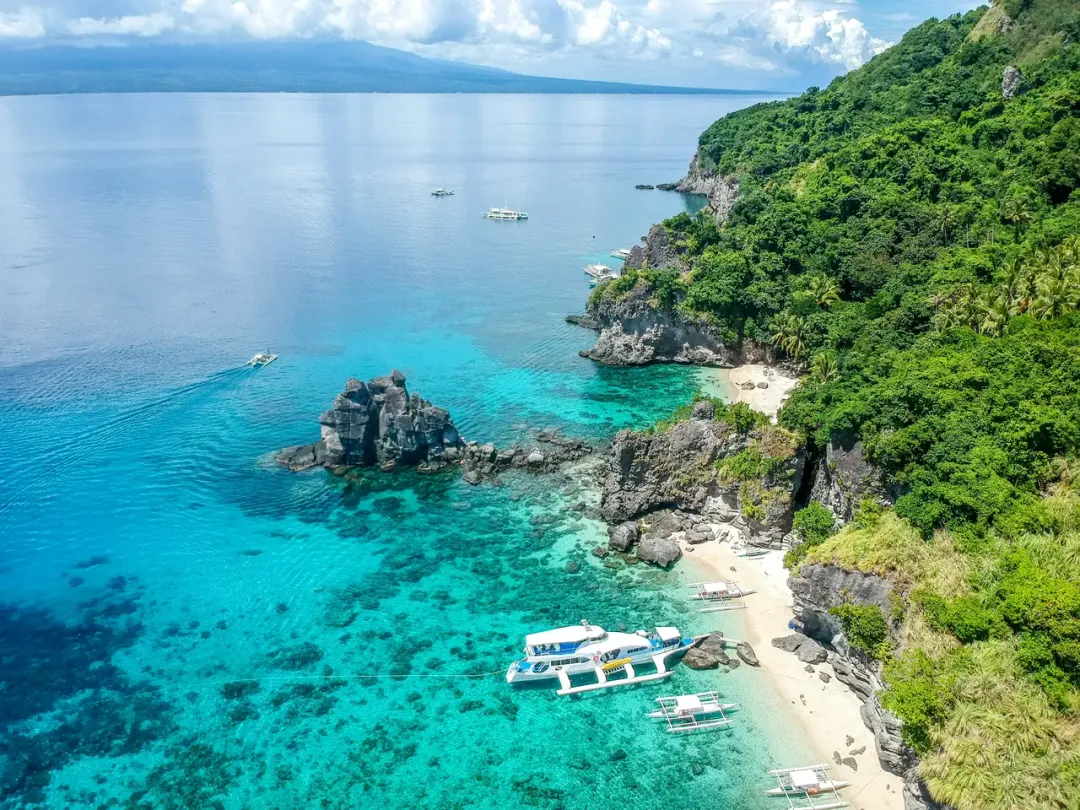
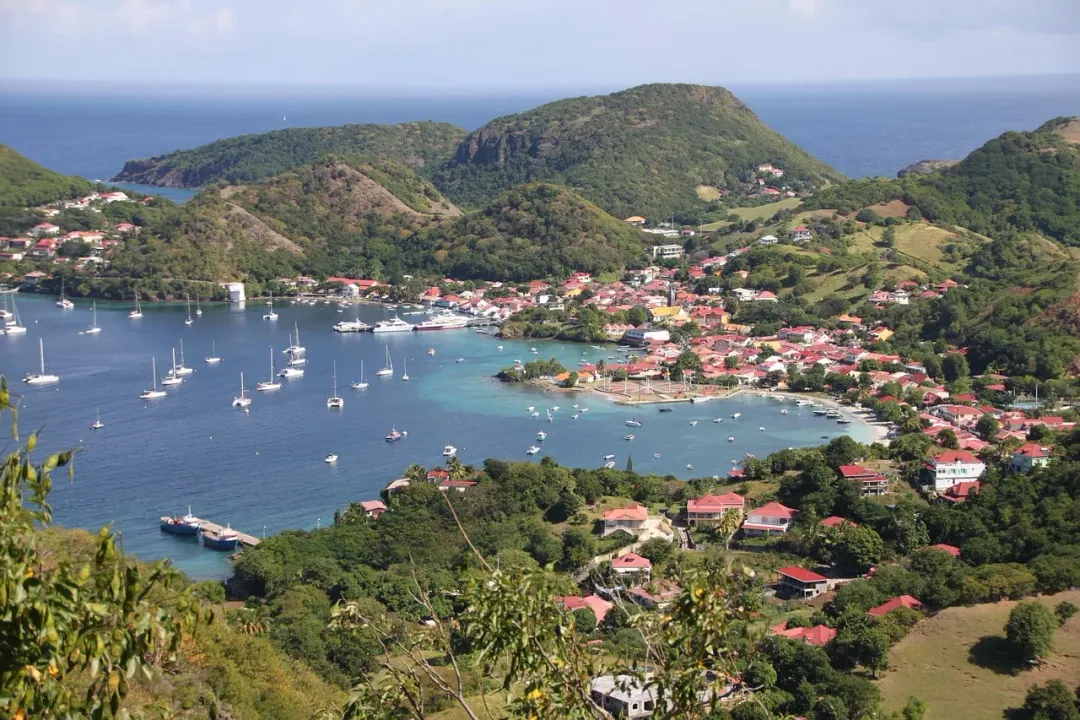
The Bay of Les Saintes is the crown jewel of the archipelago, recognized as one of the most beautiful bays in the world. The main village on Terre-de-Haut, Le Bourg, is a charming collection of red-roofed houses, boutiques, and restaurants that climb up the hillsides from the harbor.
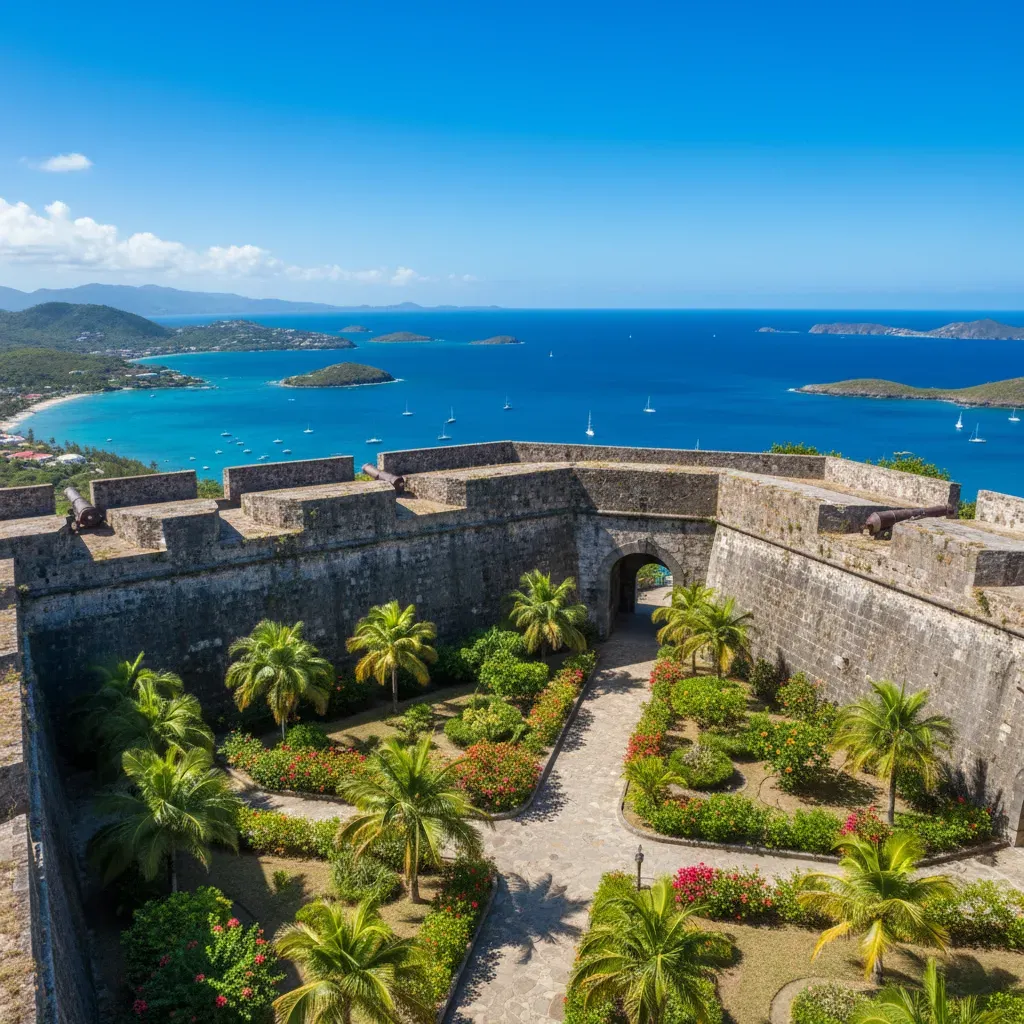
Fort Napoléon, perched on a hill overlooking the bay, offers both historical insights and panoramic views. Built in the 19th century, the fort now houses a museum dedicated to the islands' history and a botanical garden featuring native cacti and iguanas.
The islands are known for their excellent snorkeling and diving opportunities, with vibrant coral reefs and diverse marine life. Pain de Sucre Beach, named after the distinctive sugarloaf-shaped volcanic formation nearby, is one of the most popular spots for swimming and snorkeling.
Les Saintes has a strong maritime tradition, and the locals, known as Saintois, are primarily fishermen. This seafaring heritage is reflected in the local cuisine, which features fresh seafood with French and Creole influences. Don't miss trying the local specialty, le tourment d'amour, a small tart filled with coconut, banana, or guava jam.
Terre-de-Bas, the second inhabited island, is less visited and offers a more rustic experience with hiking trails and secluded beaches. The island is home to the Pottery of Grande Anse, where traditional Caribbean pottery techniques are still practiced.
With no cars, limited development, and a relaxed pace of life, Les Saintes provides a peaceful retreat that feels worlds away from the more touristy parts of the Caribbean.
Size
12.8 sq mi (33 km²)
Population
3,000
Language
French
Currency
Euro (€)
Time Zone
UTC-4 (Atlantic Time)
Best Time to Visit
December to April for dry weather, though May to June and November offer fewer crowds while still having good weather.


Highlights
Best Things to Do in Les Saintes
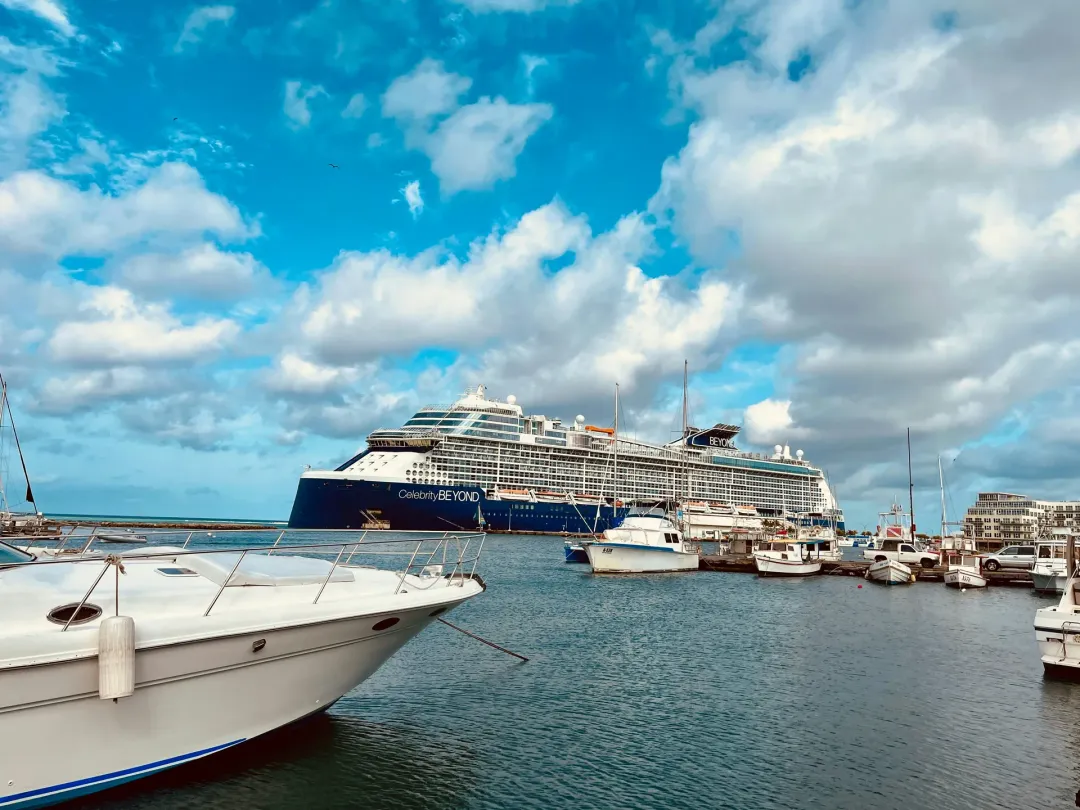
Les Saintes is one of those rare Caribbean destinations that delivers on the cliché of a postcard-perfect bay without sacrificing authenticity. The ferry from Trois-Rivières on Guadeloupe's Basse-Terre takes just 20 minutes and deposits you at the dock in Le Bourg on Terre-de-Haut, where the real charm begins immediately. The village is a cluster of red-roofed Creole houses climbing up hillsides from a harbor filled with sailboats and traditional Saintois fishing boats called saintoises. There are no cars for tourists - the island is explored by foot, scooter, or electric bike, and its compact size means you can reach every beach and viewpoint within 30 minutes.
The essential hike is up to Fort Napoléon, a 19th-century fortification perched on a hill above Le Bourg that never actually saw combat. The fort now houses a surprisingly good museum covering the 1782 Battle of the Saintes between the British and French fleets, along with a botanical garden of cacti and succulents where iguanas sun themselves on the stone walls. The panoramic view from the ramparts - sweeping across the bay, the neighboring islands, and the volcanic profile of La Soufrière on Basse-Terre - is the single best vista in the Guadeloupe archipelago.
Below the fort, Pain de Sucre beach is the island's most photographed spot: a small cove of clear water flanked by a sugarloaf rock formation that offers excellent snorkeling with sea turtles, parrotfish, and barracuda. Pompierre Beach on the eastern side is broader and more sheltered, good for families and less experienced swimmers.
For a quieter experience, take the inter-island ferry to Terre-de-Bas, where hiking trails wind through hillside forest to secluded Anse à Dos and the pottery workshop at Grande Anse, where artisans still produce traditional Caribbean ceramics. The Saintois are descendants of Breton fishermen, and their culture feels distinctly different from the rest of Guadeloupe - lighter skin, a more reserved manner, and a fishing tradition that remains central to island identity. Every morning, the catch comes in at the dock, and by noon it is on your plate.
Hike to Fort Napoléon
The 20-minute uphill walk from Le Bourg leads to the island's signature attraction: a 19th-century fort with a museum on the Battle of the Saintes, a botanical garden of cacti and iguanas, and panoramic views over the bay and neighboring islands. Open daily, entry around 5 euros. Go early morning to avoid the midday heat.
Snorkel at Pain de Sucre
This iconic cove is named after its sugarloaf rock formation and offers the island's best underwater scenery. Sea turtles, barracuda, and schools of tropical fish populate the clear water around the rock. Bring your own mask and fins or rent from shops in Le Bourg. The beach is small and fills up by midday.
Explore Le Bourg Village
The main village is a charming tangle of narrow lanes, red-roofed Creole houses, boutiques, and waterfront restaurants. The harbor is always picturesque, with traditional saintoises boats and visiting yachts. Walk without a map and you will stumble onto bakeries, art galleries, and hidden viewpoints above the rooftops.
Take the Ferry to Terre-de-Bas
The second inhabited island is quieter, greener, and far less touristy. Hiking trails lead through forested hills to Anse à Dos, a secluded beach rarely visited by day-trippers. The pottery workshop at Grande Anse produces traditional Caribbean ceramics. The inter-island ferry runs several times daily.
Swim at Pompierre Beach
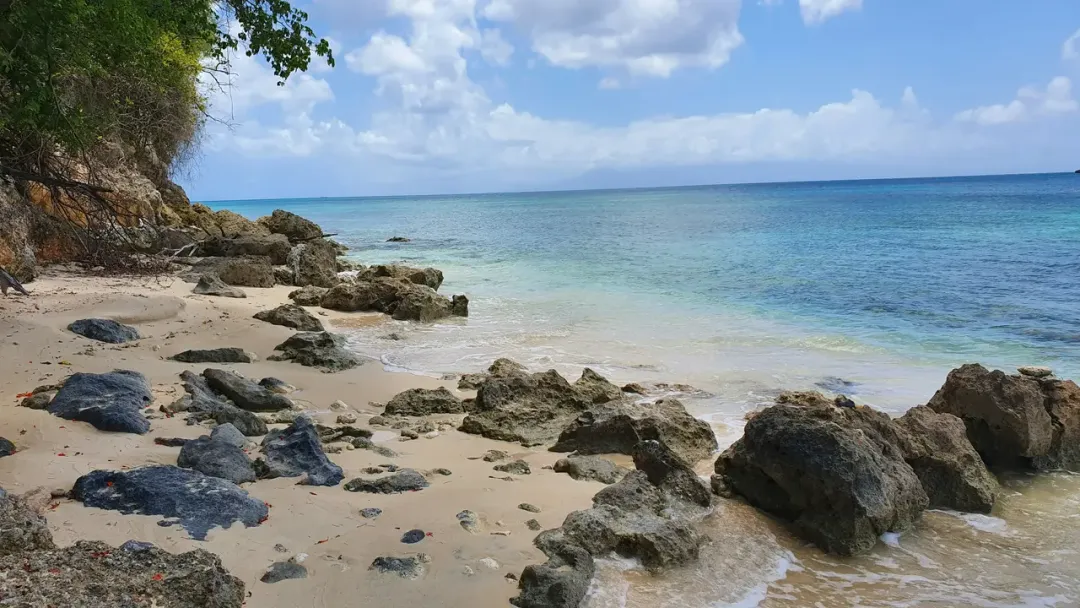
On the eastern side of Terre-de-Haut, this wide, sheltered beach has calm water and white sand shaded by sea grapes and coconut palms. It is more family-friendly than Pain de Sucre and less crowded. A 15-minute walk from Le Bourg along a paved path.
Rent a Scooter and Circle the Island
Terre-de-Haut is small enough to circumnavigate in an hour by scooter, but you will want a full morning to stop at every viewpoint, beach, and overlook. Rental shops in Le Bourg charge around 30 to 40 euros per day. The road climbs through residential hills with views at every turn.
Taste Le Tourment d'Amour
The island's signature pastry is a small tart filled with coconut jam, sometimes varied with banana or guava. Every bakery in Le Bourg makes its own version, and opinions on who does it best are strongly held. Buy a few and conduct your own taste test - they cost about 2 euros each.
Where to Stay in Les Saintes
Les Saintes is a small island with limited accommodation, and everything books up fast in high season, so plan well ahead for December through April visits. On Terre-de-Haut, the Hôtel Bois Joli is the best-known property, perched on a hillside with bay views, a pool, and a well-regarded restaurant - rates run 130 to 220 euros per night.
Hôtel Les Petits Saints aux Anacardiers, set in tropical gardens above Anse Mire, offers more upscale rooms and suites from 150 to 300 euros. For budget travelers, several chambres d'hôtes and gîtes in and around Le Bourg provide clean, simple rooms from 50 to 90 euros per night, often with breakfast included. Ti Kaz La on the hillside above the village is a reliable choice with friendly hosts and good views.
Airbnb and vacation rental listings have grown in recent years, with studios from 60 euros and small houses from 100 euros per night. Terre-de-Bas has far fewer options - a handful of gîtes and one or two small guesthouses, suitable if you want genuine solitude.
Keep in mind that Les Saintes has no ATM on Terre-de-Bas and only one or two on Terre-de-Haut, so bring sufficient cash and confirm that your accommodation accepts cards before arriving.
Where to Eat in Les Saintes
Les Saintes punches well above its weight for a tiny island, thanks to the French insistence on eating well regardless of geography. In Le Bourg, the waterfront is lined with restaurants serving fresh-caught fish and Creole-French fusion. Le Ti Kaz, overlooking the harbor, does an excellent grilled langouste and a colombo de poulet that draws locals and visitors alike - mains run 15 to 28 euros.
Chez Jeannette is a Le Bourg institution for Creole home cooking: fricassée de chatrou (octopus stew), boudin créole, and accras served in a casual, family-run setting for 10 to 20 euros per plate. For something more refined, the restaurant at Hôtel Bois Joli serves a fixed-price menu featuring local seafood with French technique and stunning bay views - expect 30 to 45 euros per person.
The bakeries in Le Bourg are essential morning stops for croissants, pain au chocolat, and the famous tourment d'amour tarts. For a casual lunch, grab a bokit (the Guadeloupean fried sandwich) from a street vendor near the dock - stuffed with fresh fish or chicken and hot sauce, it is deeply satisfying for under 5 euros.
Fresh fruit juices from mango, passion fruit, and guava are everywhere, and the local rum punch is mixed strong. The fishing heritage means the fish is genuinely hours-old on your plate, and the quality difference from mainland restaurants is noticeable.
Best Time to Visit Les Saintes
December through April is the peak season, with dry weather, comfortable temperatures in the upper 70s to mid-80s, and the calmest seas for the ferry crossing from Guadeloupe. This is also the busiest and most expensive period - accommodation books up weeks or months ahead, and the ferry can sell out on weekends.
May and early June offer a pleasant shoulder season with fewer visitors and slightly lower prices before the wet season arrives. July through November brings more rain, higher humidity, and the risk of tropical storms, though mornings are often clear and the island empties of tourists. Hurricane season peaks in September and October.
The ferry from Trois-Rivières is rarely cancelled due to weather, but rougher seas can make the crossing uncomfortable in the rainy season. For the best snorkeling visibility, January through March is ideal.
Getting Around Les Saintes
Terre-de-Haut is small enough to explore on foot, though scooters and electric bikes are available for rent. There are no cars for rent on the island. To visit Terre-de-Bas, take the local ferry that runs between the two islands several times daily.
Fort Napoléon
A hilltop fortress built in the 19th century offering the finest panoramic views of the Bay of Les Saintes, consistently ranked among the most beautiful bays in the world. Houses a museum and a cactus garden home to iguanas.
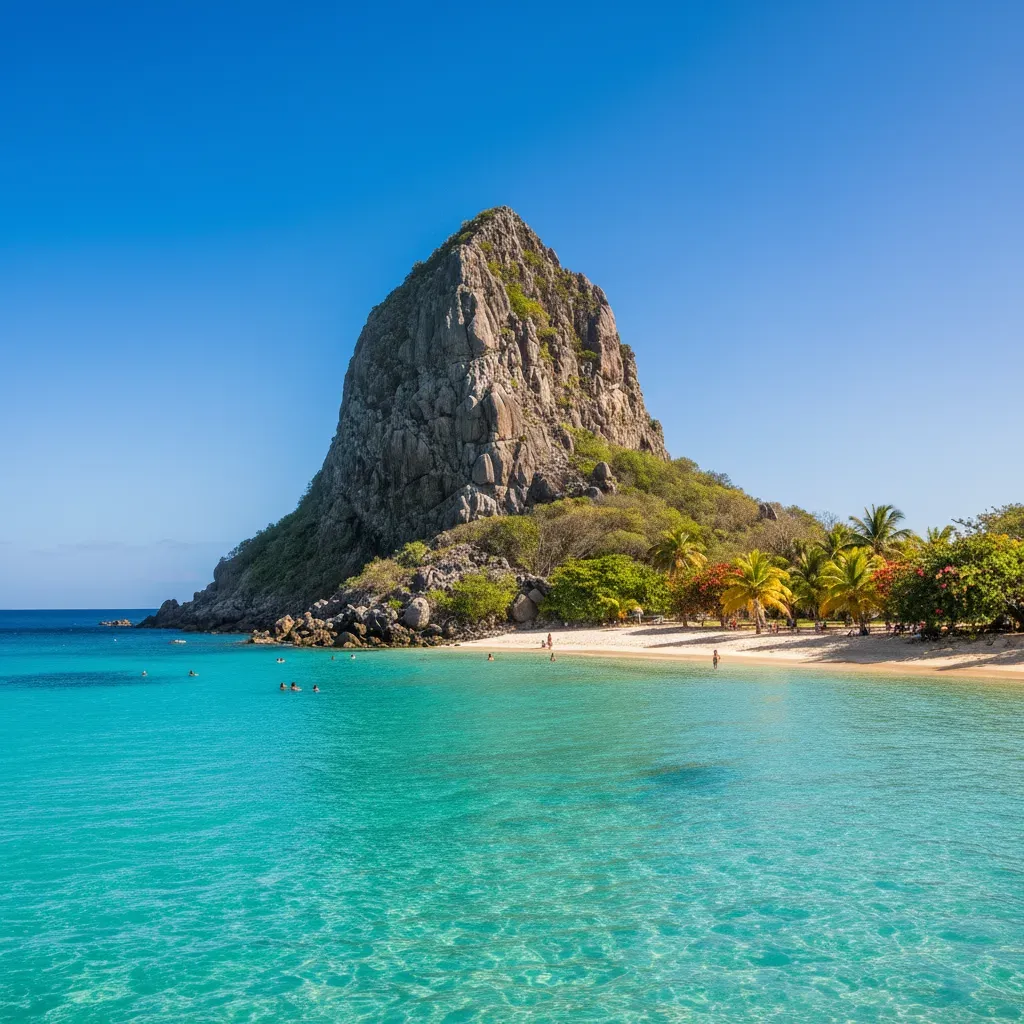
Pain de Sucre
An iconic sugarloaf-shaped volcanic rock rising from turquoise waters, with a small sheltered beach at its base. One of the best snorkeling spots in Guadeloupe's archipelago with abundant marine life and crystal-clear visibility.
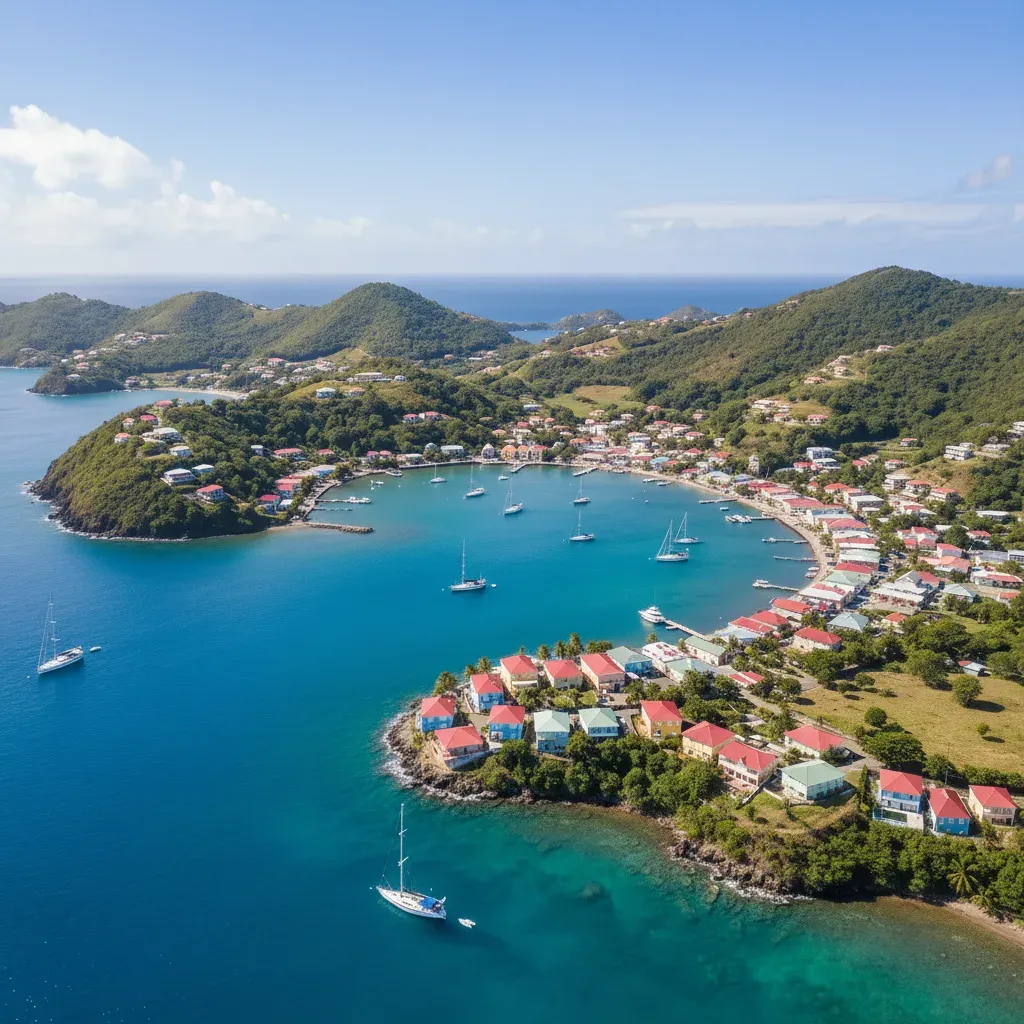
Baie des Saintes
Often compared to the Bay of Rio de Janeiro, this sheltered bay dotted with colorful fishing boats and framed by green hills is considered one of the most beautiful in the world. Best seen from the heights of Fort Napoléon or Le Chameau.
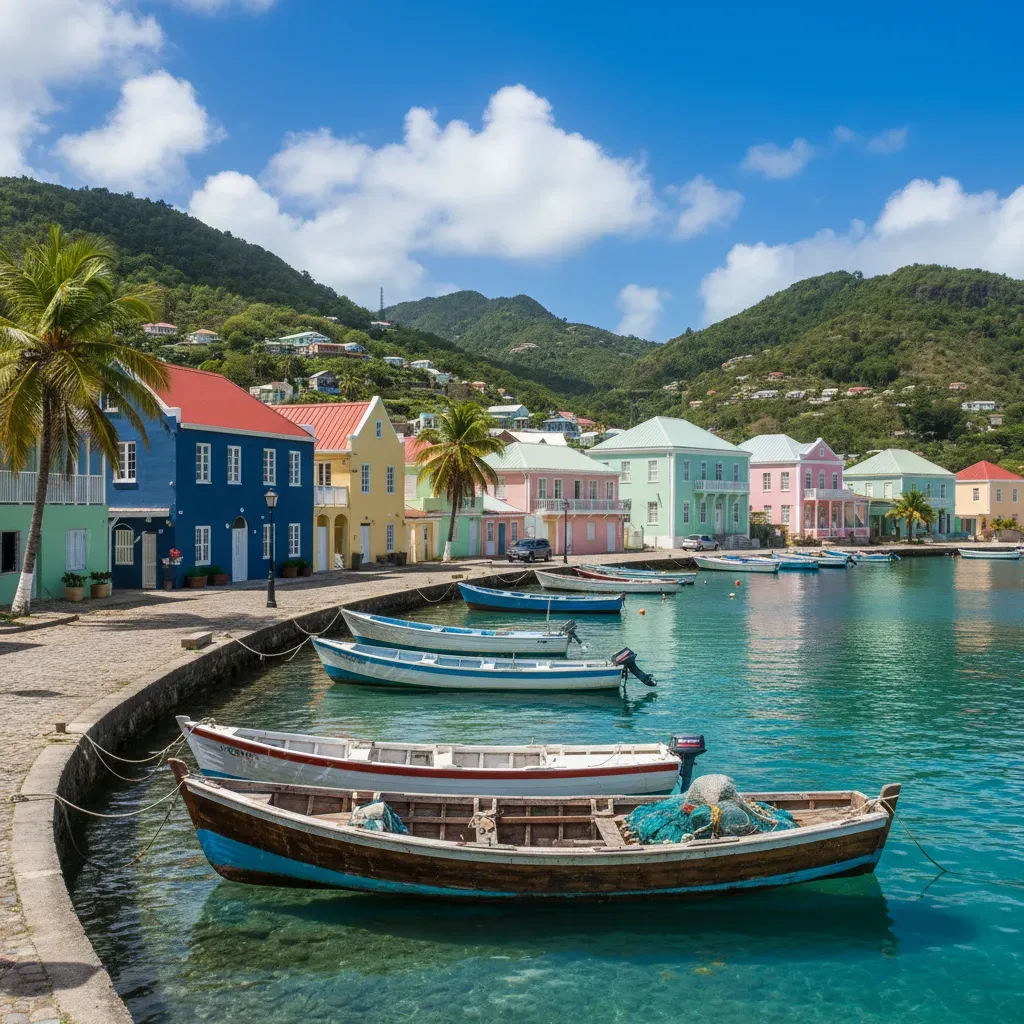
Le Bourg
The charming main village of Terre-de-Haut with narrow streets, red-roofed Creole houses, and a distinctly Mediterranean atmosphere. No cars - just scooters and pedestrians browsing boutiques and sampling tourment d'amour pastries.
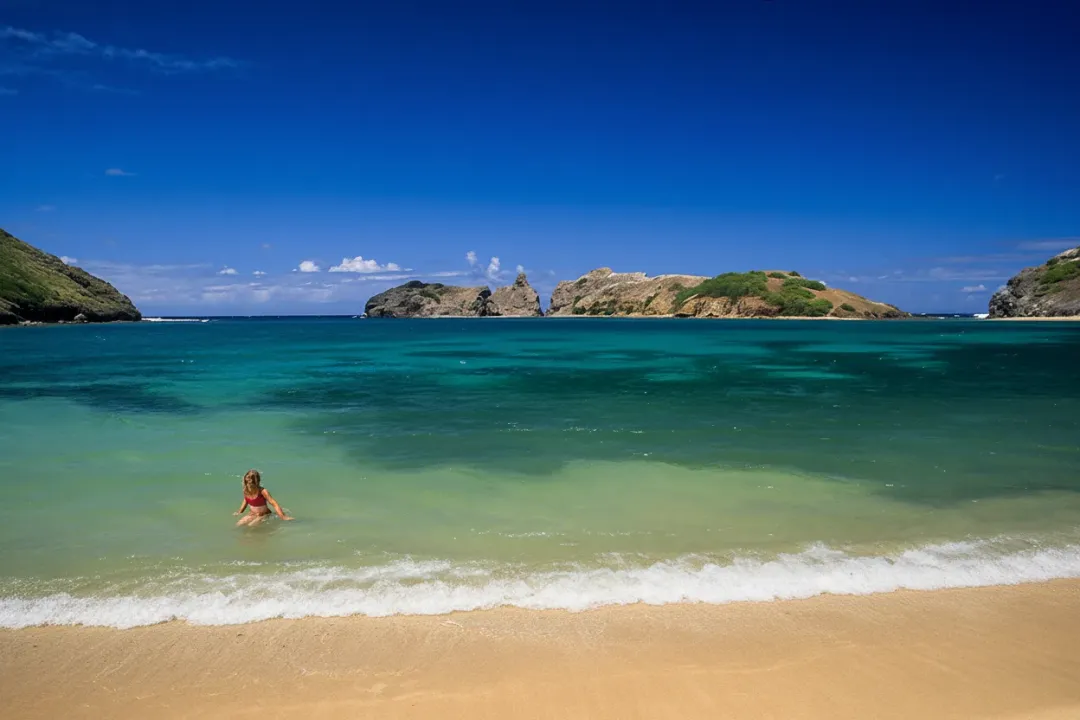
Plage de Pompierre
A secluded crescent beach sheltered by hills and palm trees on the windward side of Terre-de-Haut. Less crowded than Pain de Sucre, with calm waters ideal for swimming and picnicking under the sea grape trees.
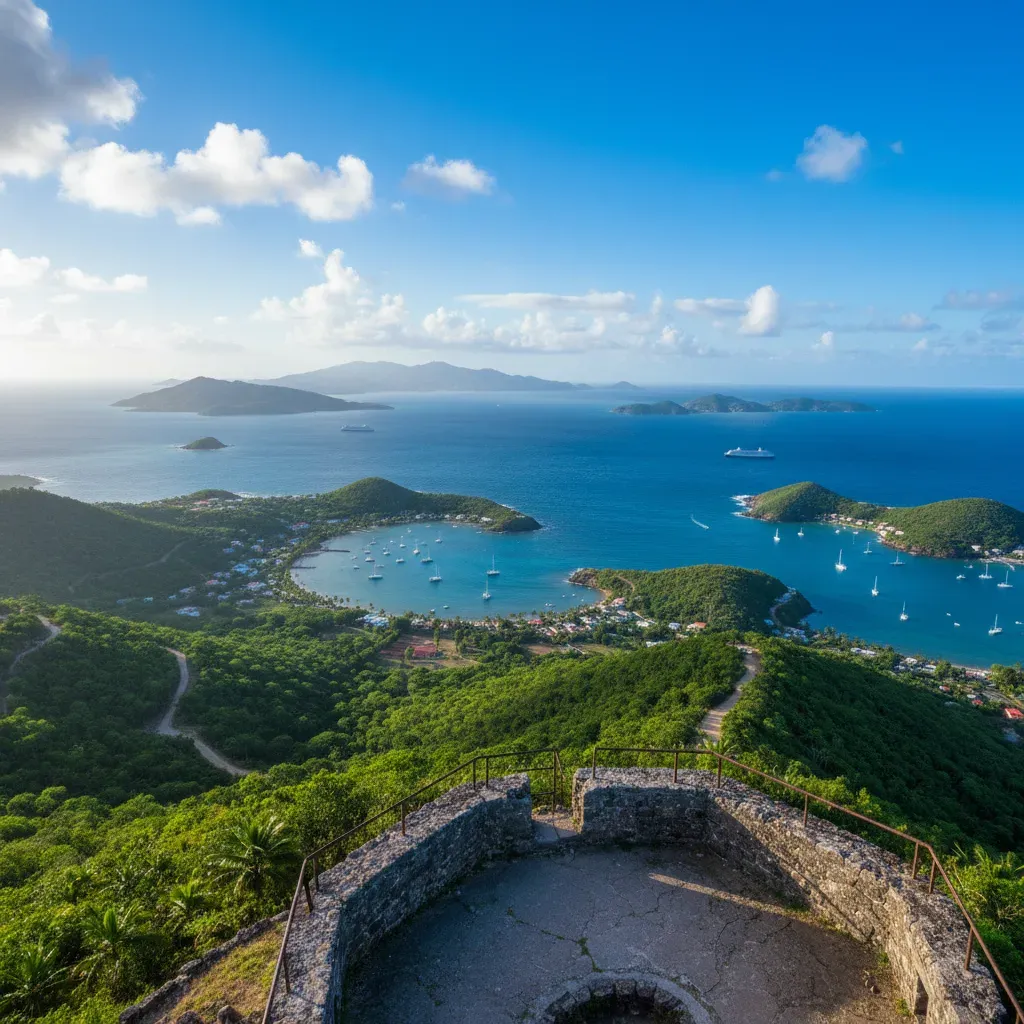
Le Chameau
The highest point of Terre-de-Haut at 309m, topped by an old military tower. The steep 45-minute hike through tropical vegetation rewards with a 360° view of the entire archipelago, Guadeloupe, Dominica, and Marie-Galante.
Hotels in Les Saintes
Search for available rates by selecting your travel dates
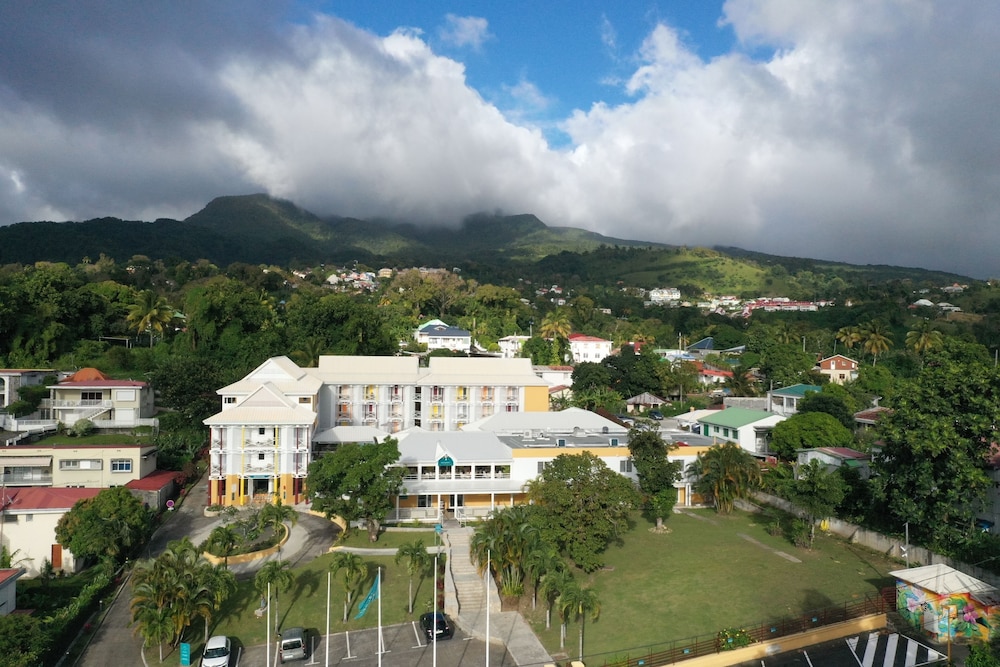 0
0Hotel Saint - Georges
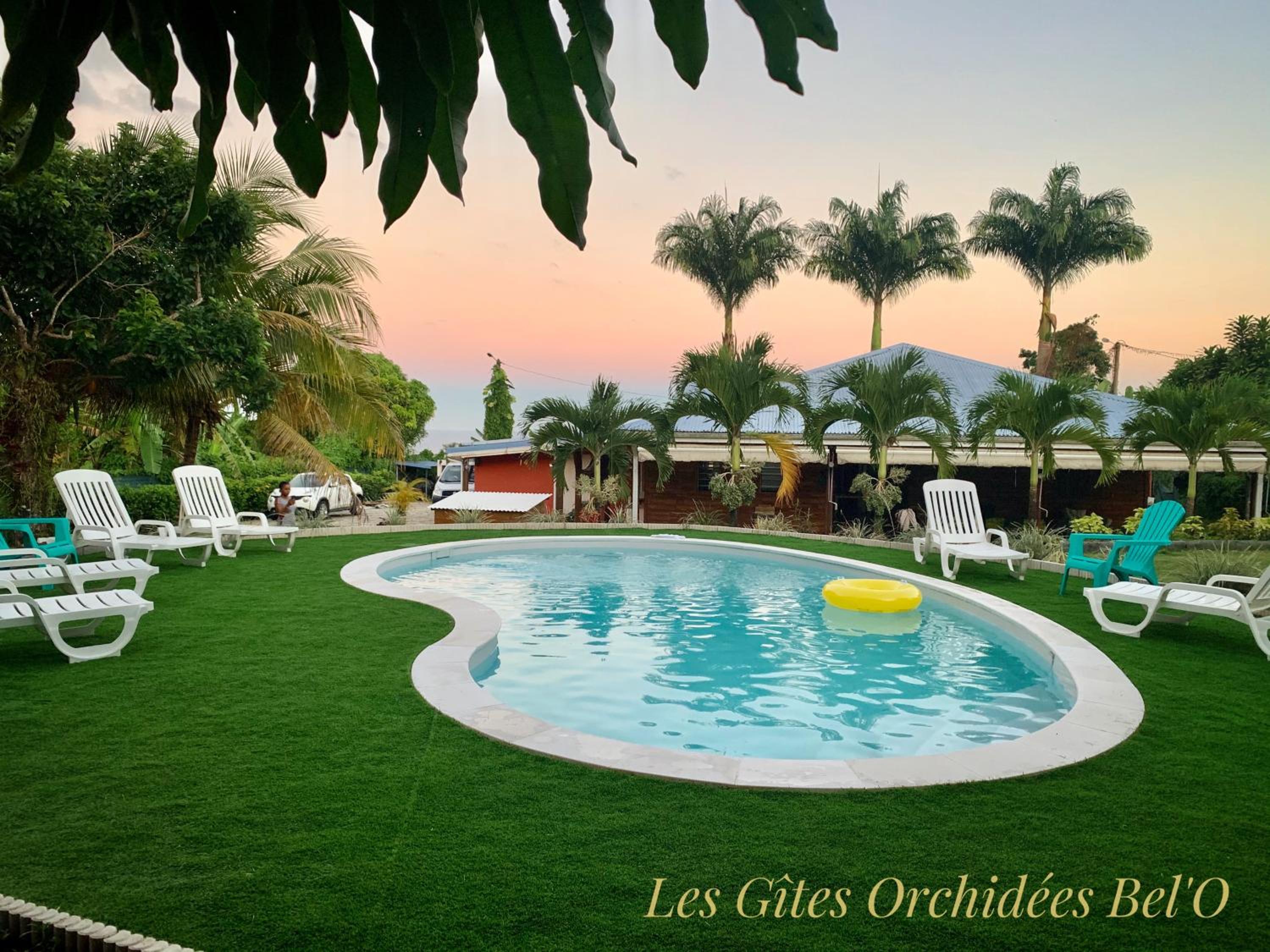
Les Gites Orchidees Bel'o
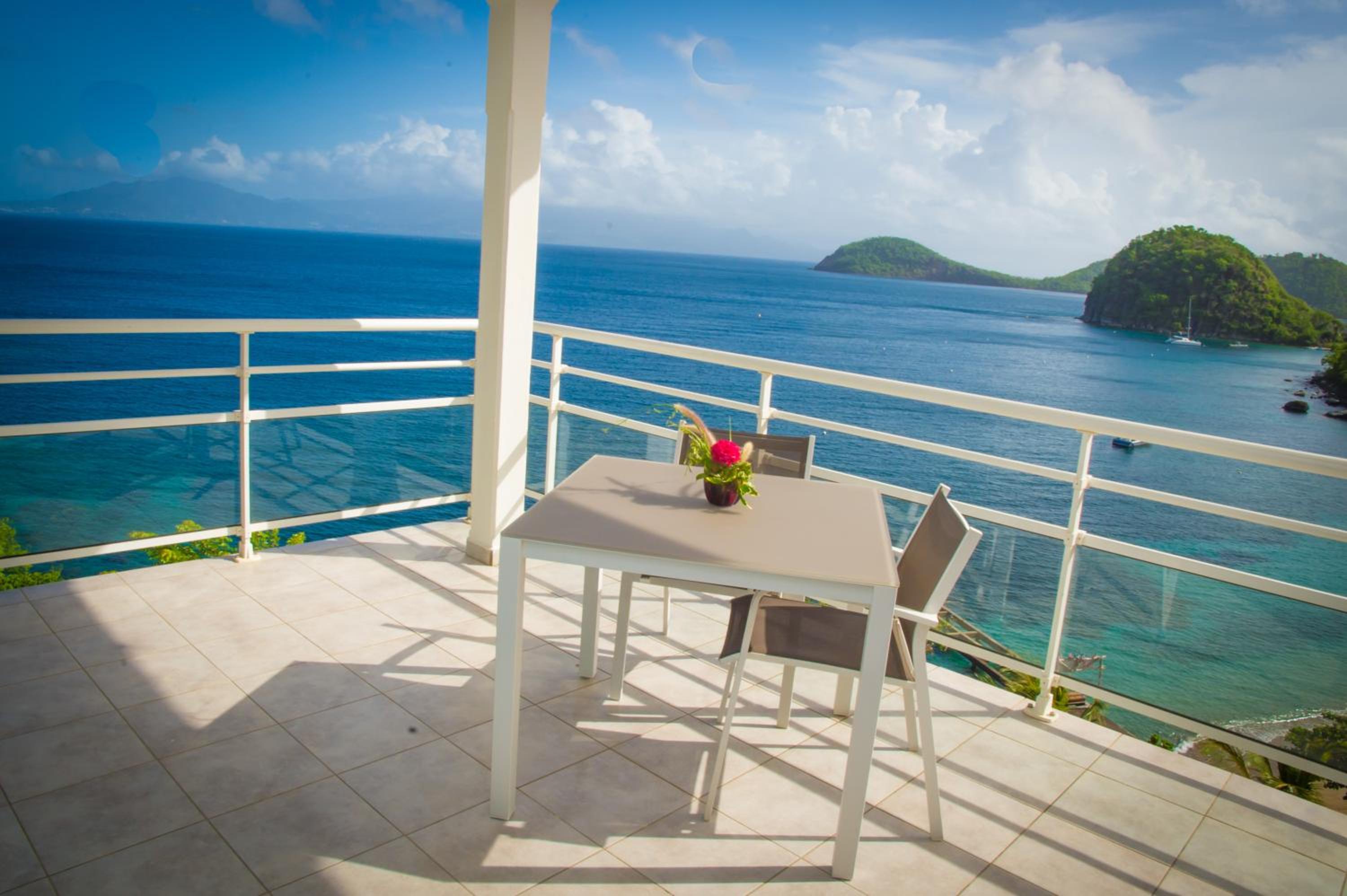
Hôtel Bois Joli
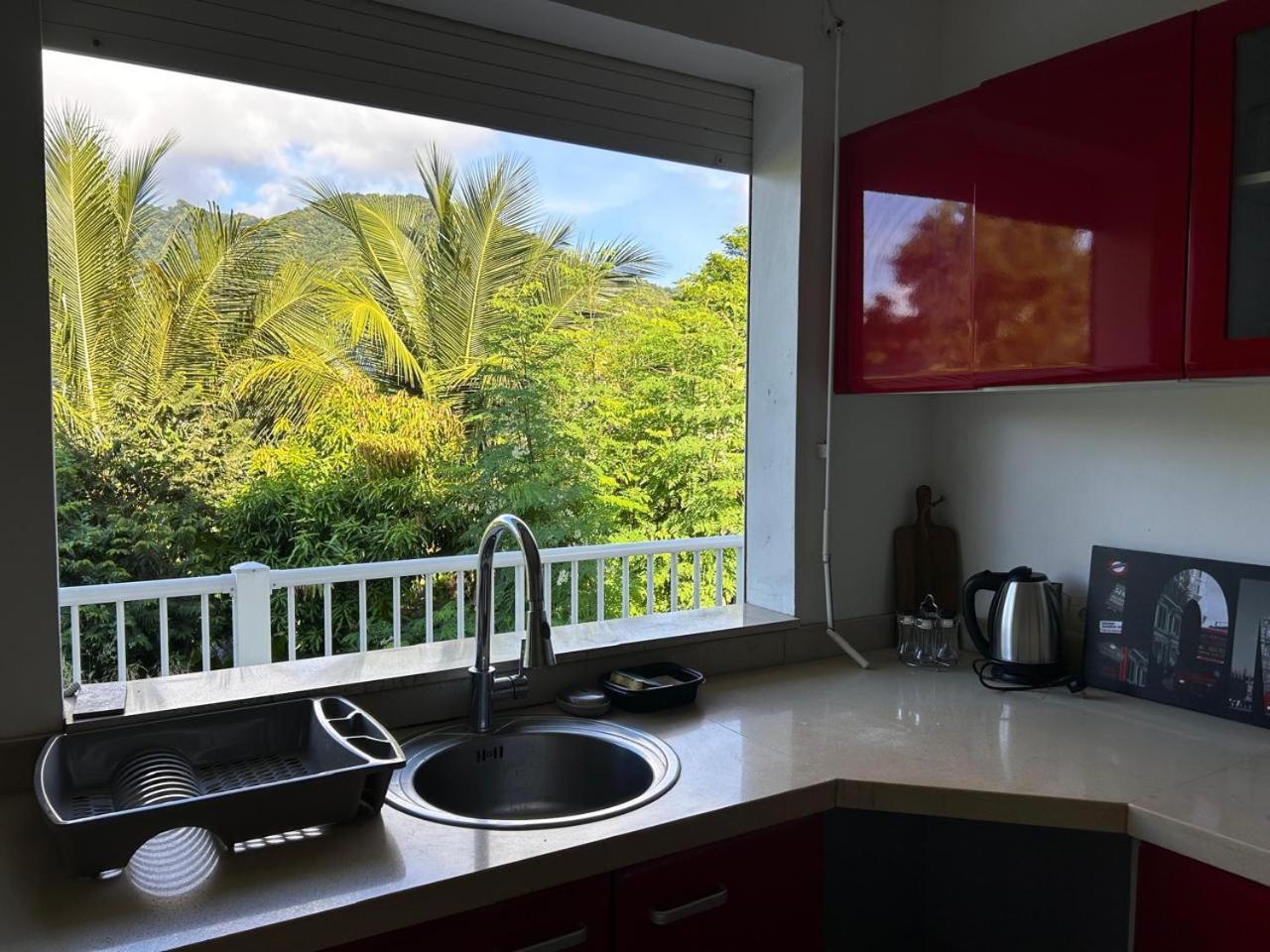
Les Jardins de Delgres
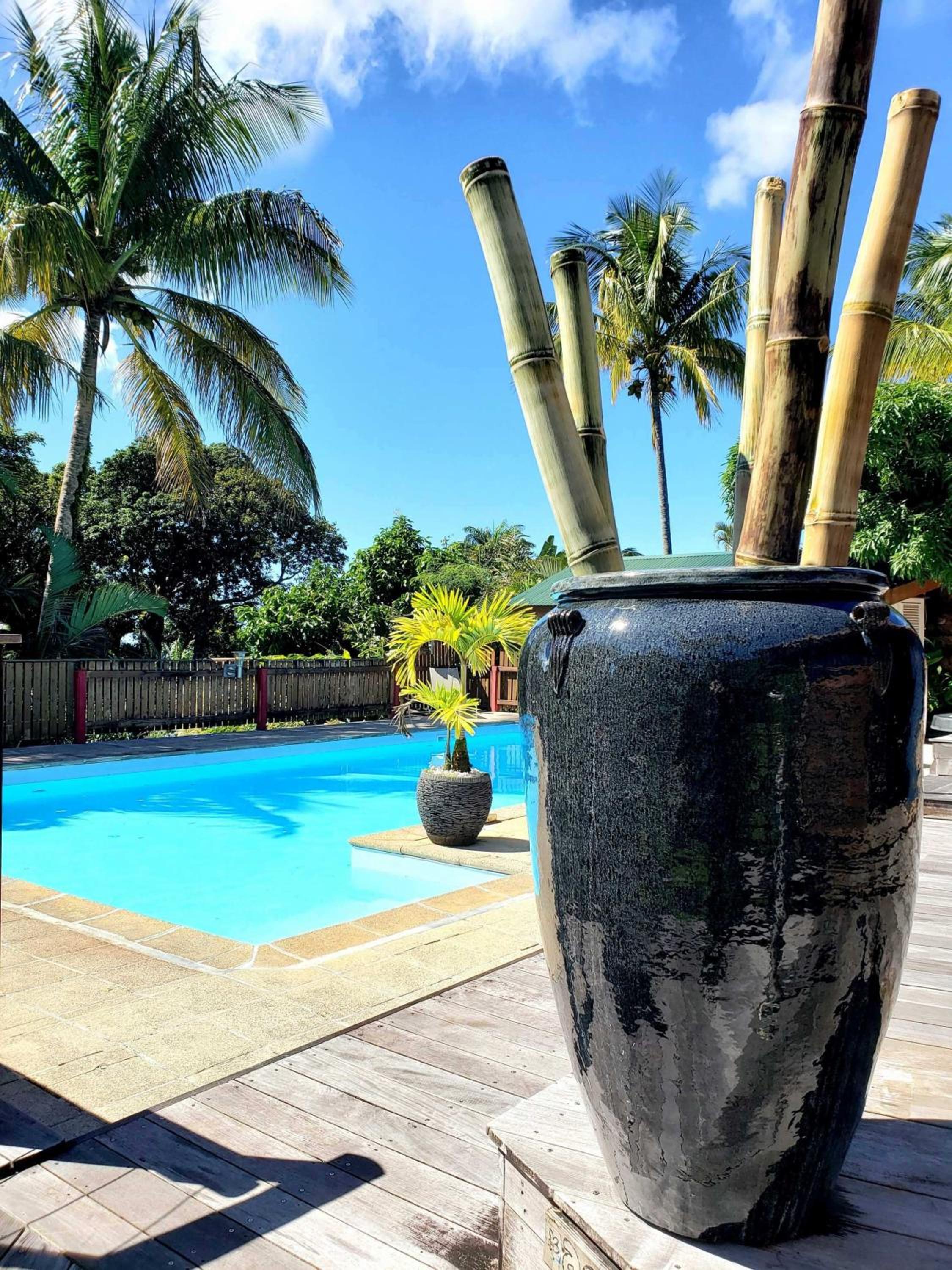 0
0Les Bananes Vertes Ecolodges
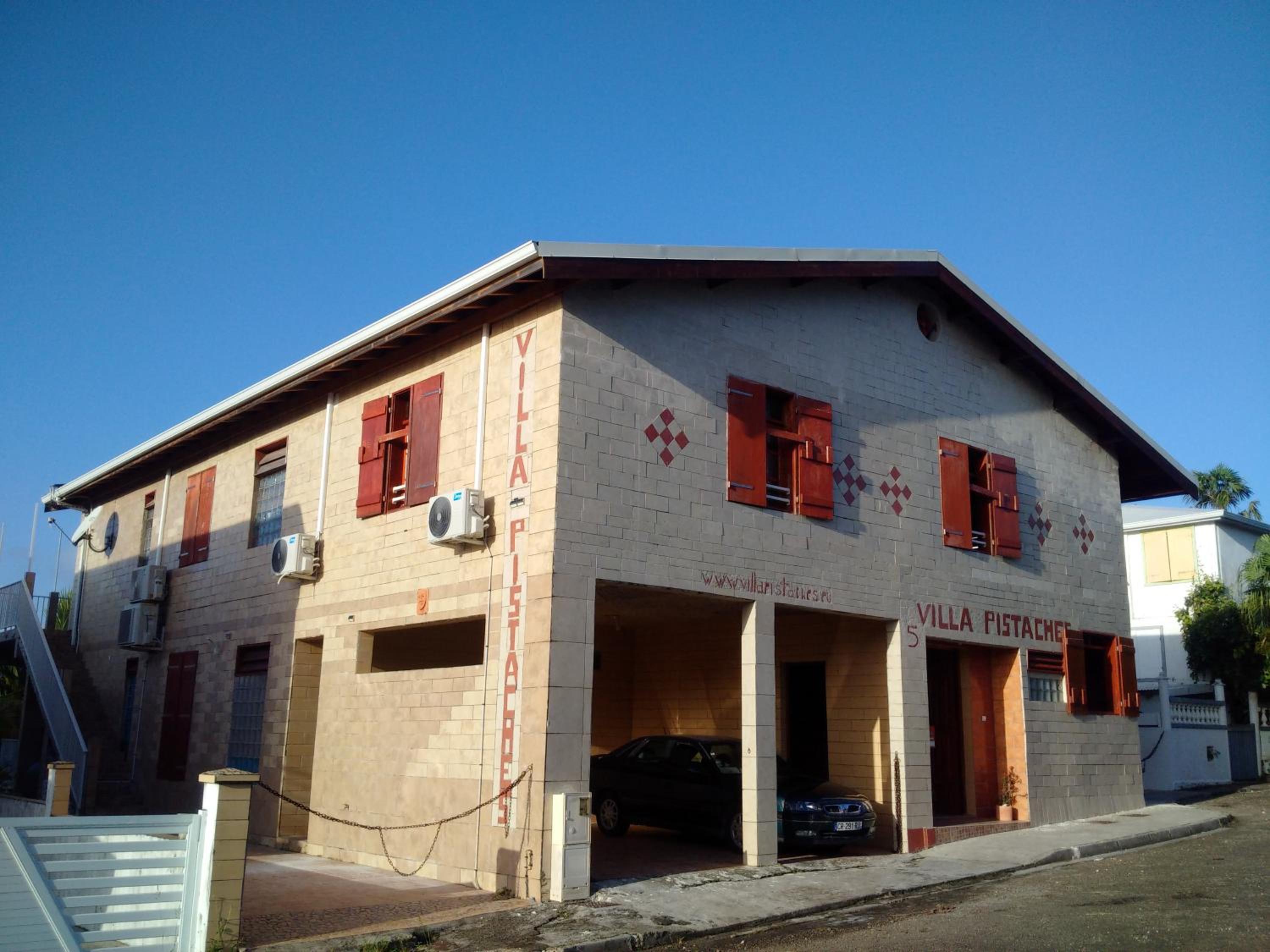
Villa Pistaches
Top Restaurants in Les Saintes
Popular dining spots near Les Saintes
No restaurants available for Les Saintes yet.
Weather in Les Saintes
Average Temperature
75°F to 85°F (24°C to 29°C)
Rainy Season
May to November
Hurricane Season
June to November
Best Time to Visit
December to April for dry weather, though May to June and November offer fewer crowds while still having good weather.
Travel Tips
- Book accommodations well in advance, especially during high season
- Bring cash as ATMs are limited and not all places accept credit cards
- Wear comfortable shoes for walking and hiking on the hilly terrain
- Consider visiting on weekdays to avoid crowds from weekend visitors from Guadeloupe
- Pack reef-safe sunscreen and snorkeling gear to explore the vibrant marine life
- Learn a few basic French phrases as English is not widely spoken
Daily Budget (EUR)
Visa Requirements
As part of France, visitors need to follow French/Schengen visa requirements. Citizens of the EU, US, Canada, and many other countries can visit without a visa for up to 90 days.
Safety
Les Saintes is generally very safe with low crime rates. The main concerns are sun exposure and water safety. There are limited medical facilities on the islands, with more comprehensive care available in Guadeloupe.
Getting Around
Terre-de-Haut is small enough to explore on foot, though scooters and electric bikes are available for rent. There are no cars for rent on the island. To visit Terre-de-Bas, take the local ferry that runs between the two islands several times daily.
Popular Activities
Best For
Get Les Saintes Travel Tips
Subscribe for curated tips, deals, and inspiration for your Les Saintes trip.