Little Cayman
Dive into Tranquility
About Little Cayman
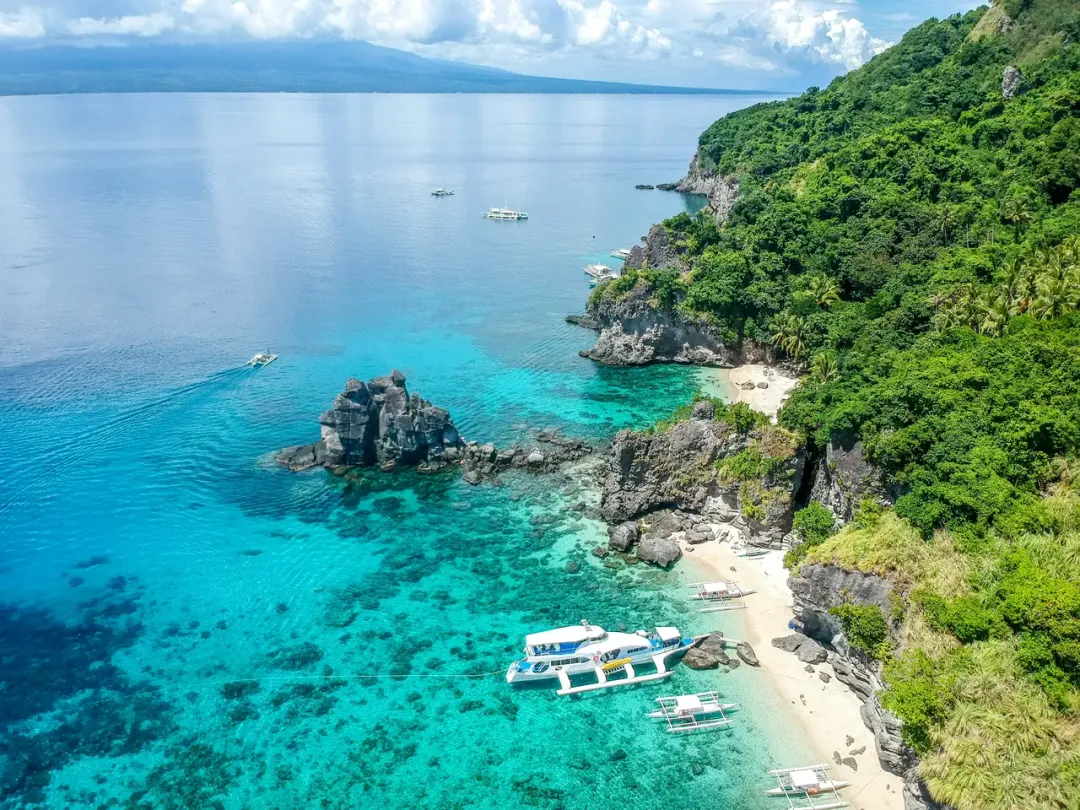
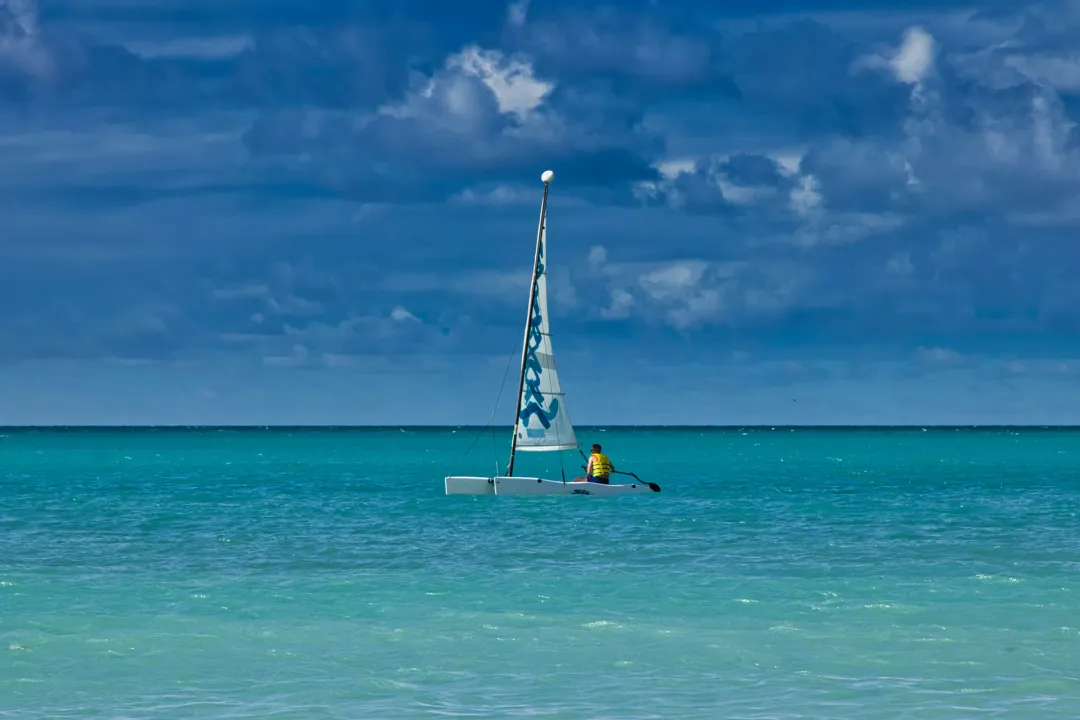
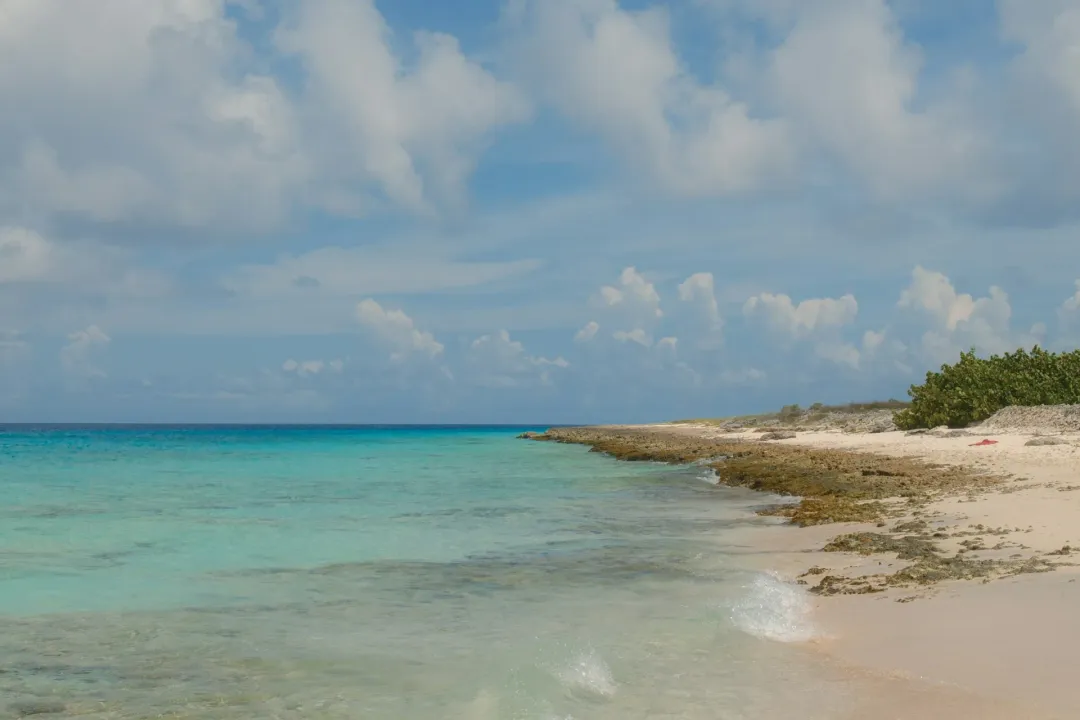
Little Cayman, the smallest and least developed of the three Cayman Islands, spans just 10 square miles and maintains a permanent population of fewer than 200 residents, creating an atmosphere of exceptional tranquility and natural beauty. The island is renowned among diving enthusiasts for Bloody Bay Wall, considered one of the world's premier dive sites, where the coral reef dramatically drops from 20 feet to over 6,000 feet, creating a vertical underwater wall teeming with marine life including colorful tropical fish, turtles, and occasional eagle rays and sharks. Beyond diving, Little Cayman offers pristine, often deserted beaches with powdery white sand and crystal-clear waters, particularly at Point of Sand on the eastern tip, where visitors can wade to nearby Owen Island, an uninhabited islet. The island serves as an important nature sanctuary, home to the largest breeding colony of red-footed boobies in the Western Hemisphere at the Booby Pond Nature Reserve, as well as frigate birds, West Indian whistling ducks, and iguanas. Little Cayman's limited development consists of a small number of dive resorts, vacation rentals, and a few restaurants, with no major towns, shopping centers, or nightlife, making it ideal for travelers seeking to disconnect and enjoy nature. Transportation around the island is primarily by bicycle or scooter on the single main road, where iguanas sunning themselves often have the right of way. Despite its small size and limited amenities, Little Cayman offers a genuine escape from the modern world, where the pace of life slows dramatically, stars fill the unpolluted night sky, and the natural environment remains largely as it has been for centuries.
Size
10 sq mi (26 km²)
Population
170
Language
English
Currency
Cayman Islands Dollar (KYD), US Dollar widely accepted
Time Zone
UTC-5 (Eastern Time)
Best Time to Visit
December to April
Highlights
Best Things to Do in Little Cayman
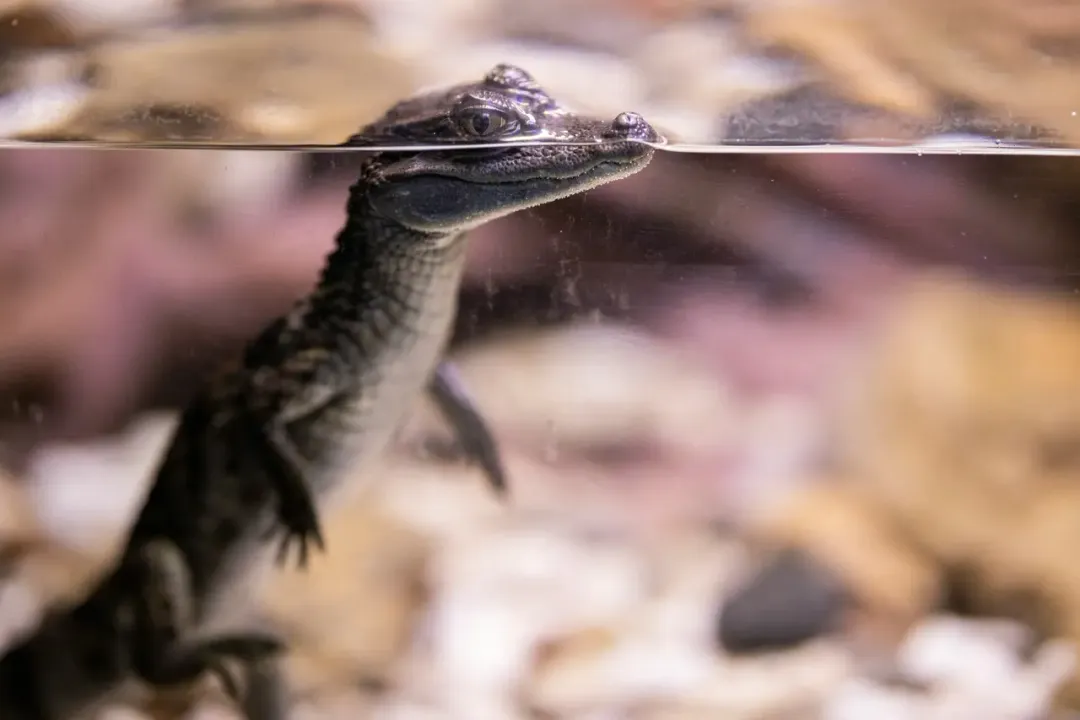
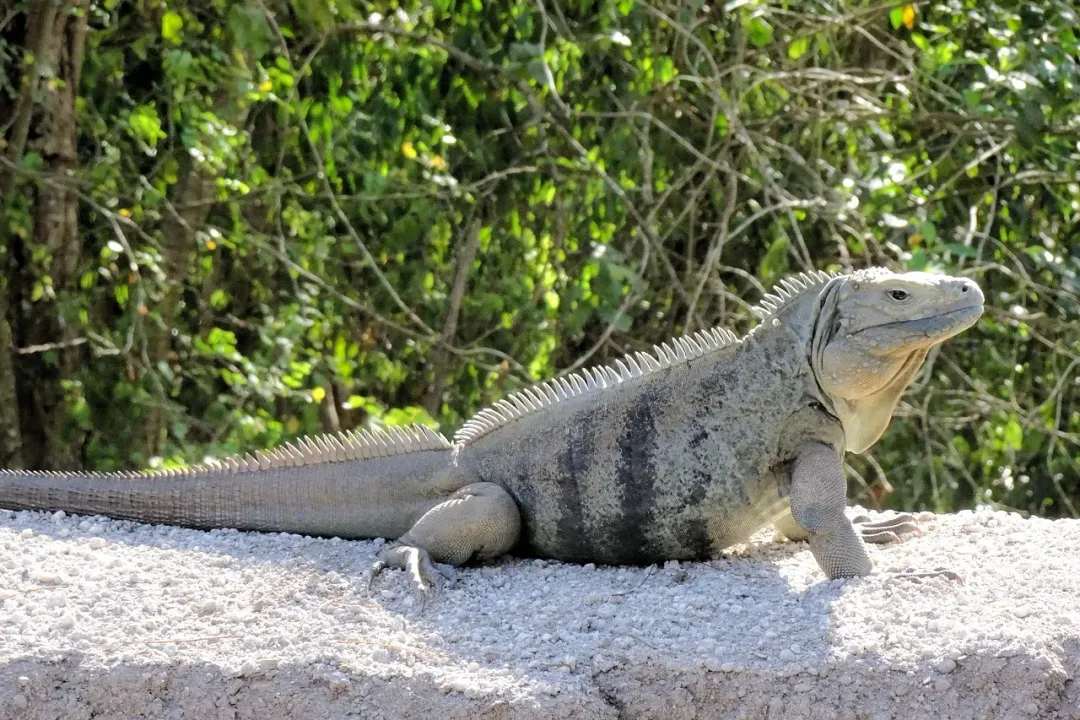
Little Cayman exists for people who think Cayman Brac is too crowded, which tells you everything about what to expect. This 10-square-mile island has a permanent population under 200, one paved road, no traffic lights, no banks, and a single grocery store that gets restocked by barge. The iguanas genuinely outnumber the people, and they sun themselves on the warm road with a confidence that suggests they know the law is on their side (it is - rock iguanas are protected, and you stop for them).
The reason most people come is Bloody Bay Wall, widely regarded as one of the top five wall dives on the planet. The reef flat starts in just 18 to 20 feet of crystal-clear water and then drops vertically to over 6,000 feet in a single plunge. The wall is covered in massive barrel sponges, black coral, gorgonian fans, and deepwater sea fans, with eagle rays, reef sharks, green turtles, and dense schools of horse-eye jacks cruising the blue. Visibility regularly exceeds 100 feet and can top 150 feet on a calm winter morning. Dive sites like Mixing Bowl, Great Wall West, and Randy's Gazebo are world-famous among serious divers. Even the shallow reef on top of the wall is stunning for snorkelers, with parrotfish, trumpetfish, and juvenile reef sharks moving through elkhorn and staghorn coral gardens.
The island's two dive resorts, Little Cayman Beach Resort and Southern Cross Club, run morning two-tank boat trips to the wall and afternoon single-tank dives - the boat ride is about 10 minutes, which is part of what makes the diving here so effortless.
Above water, the Booby Pond Nature Reserve is a Ramsar Wetland of International Importance and home to the largest breeding colony of red-footed boobies in the Western Hemisphere, with roughly 20,000 birds. The National Trust visitor center has a telescope trained on the nesting platforms, and magnificent frigatebirds circle overhead constantly. Point of Sand, at the island's eastern tip, is a spectacular beach with powder-white sand, shallow turquoise water, and usually no more than a few people. Owen Island, a tiny sand cay in South Hole Sound reachable by a short kayak paddle or even wading at low tide, is the definition of a deserted island - bring a cooler, a book, and nothing else.
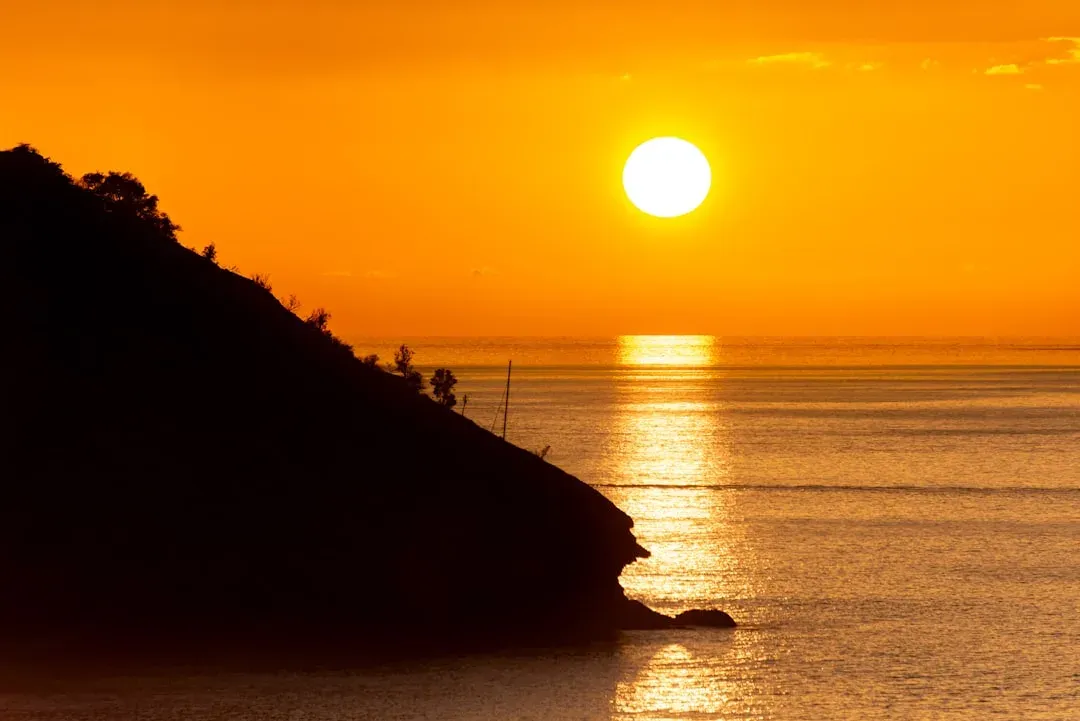
Jackson's Point on the north shore is a good sunset spot with a picnic shelter. At night, the absence of light pollution makes Little Cayman one of the best stargazing locations in the Caribbean.
Dive Bloody Bay Wall
One of the world's premier wall dives, dropping from 20 feet to over 6,000 feet. Sites like Mixing Bowl, Great Wall West, and Randy's Gazebo feature massive barrel sponges, black coral trees, eagle rays, and reef sharks. Visibility regularly exceeds 100 feet. Both island dive resorts run daily boat trips with a 10-minute ride to the wall.
Snorkel the Bloody Bay Marine Park
The shallow reef flat above the wall is accessible to snorkelers and teeming with parrotfish, trumpetfish, juvenile reef sharks, and healthy coral formations. Boat-based snorkel trips are available through the dive resorts, or you can enter from the shore at designated points along the north coast.
Visit the Booby Pond Nature Reserve
Home to roughly 20,000 red-footed boobies and a significant population of magnificent frigatebirds, this Ramsar Wetland has a National Trust visitor center with a viewing telescope. Peak nesting season runs from December through June. The visitor center is free and located just off the main road near the airport.
Kayak to Owen Island
This tiny uninhabited sand cay in South Hole Sound is reachable by a short kayak paddle or by wading at low tide. Bring snorkel gear for the surrounding grass beds where juvenile green turtles feed, and a cooler with drinks and lunch. It is the closest thing to a private island experience you can have for free.
Beach Day at Point of Sand
At the island's eastern tip, this beach has powder-white sand, shallow turquoise water, and almost no one on it. The bottom is sandy and gently sloping, making it excellent for wading and swimming. There are no facilities, so bring water, shade, and sun protection.
Cycle the Island Loop
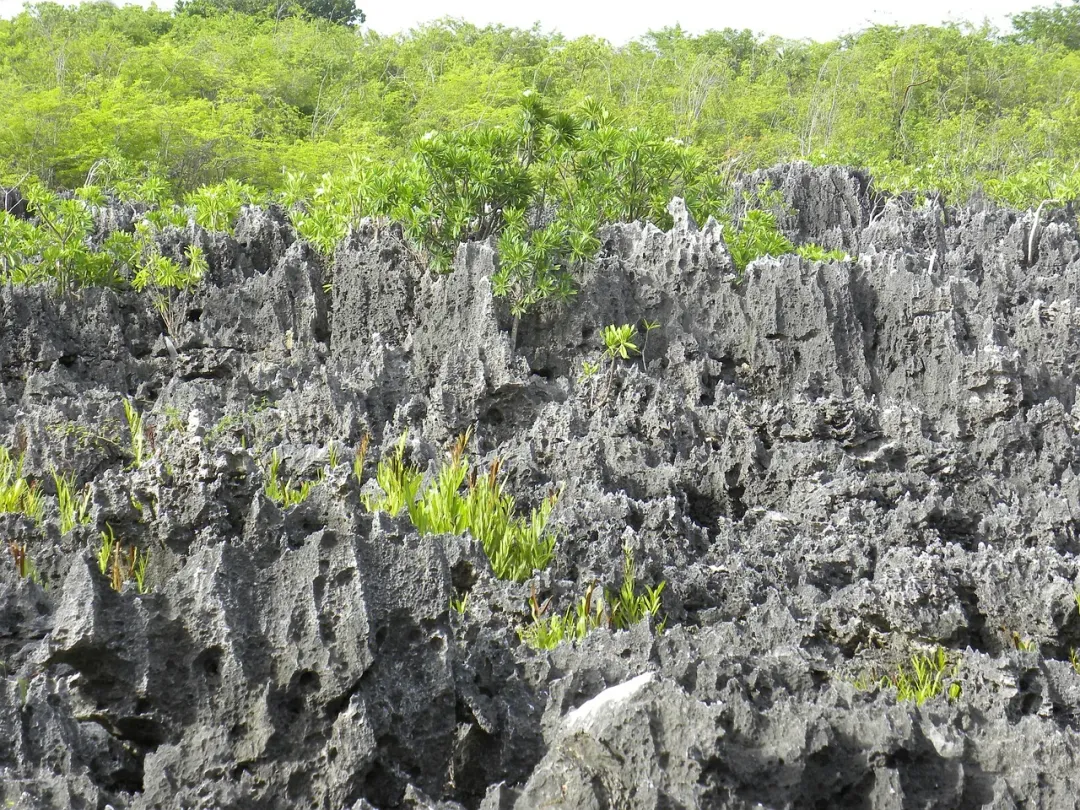
The single paved road that circles Little Cayman is about 12 miles long and flat enough for casual cycling. Most resorts provide bicycles free of charge. The ride passes through scrubland, along the ironshore coastline, and past wetlands where herons and egrets wade. Budget about two hours with stops.
Stargaze at Jackson's Point
With no light pollution and no development, Little Cayman offers some of the best night skies in the Caribbean. Jackson's Point on the north shore has a picnic shelter and unobstructed views. The Milky Way is clearly visible on moonless nights, and shooting stars are common during the Perseid and Geminid meteor showers.
Fly Fish the South Shore Flats
The shallow flats along Little Cayman's south shore hold bonefish, permit, and tarpon. Guided fly fishing trips are available through Southern Cross Club, which has a long reputation as a fishing lodge. Peak season runs November through June when the flats are calmest.
Where to Stay in Little Cayman
Little Cayman has only a handful of places to stay, and most visitors choose between the island's two main dive resorts. Little Cayman Beach Resort on the north shore is the larger property, with around 40 rooms, a pool, a dive operation, and the island's most active bar and restaurant. Rates run approximately $250 to $400 a night depending on season, and all-inclusive dive packages start around $350 per person per day including meals, accommodation, and two-tank morning dives.
Southern Cross Club on the south shore is smaller and more intimate, with 14 beachfront rooms, an excellent kitchen, and a reputation as one of the best small dive and fishing lodges in the Caribbean. Rates are similar, with packages from around $375 per person per day including meals and diving. The Pirates Point Resort, founded by the legendary Texan chef and diver Gladys Howard, was a beloved institution for decades - check its current status before planning around it.
Beyond the resorts, a small number of vacation rental cottages and condos are available, mostly in the $150 to $250 range, but self-catering requires planning since the island's single grocery store (Village Square) has limited stock and everything arrives by barge.
There are no budget options in the traditional sense - this is a remote island with limited infrastructure, and the cost reflects that. Book well ahead for the December through April peak season, as total room inventory on the island is probably under 80 units.
Where to Eat in Little Cayman
Dining on Little Cayman is essentially dining at your resort, and that is not a complaint. Southern Cross Club serves some of the best food in the Cayman Islands, with a daily-changing menu built around fresh fish, local produce, and elevated Caribbean-Southern cooking - the lionfish tacos and grilled wahoo are standouts, and the kitchen regularly sources lobster from local fishermen during the November through March season.
Little Cayman Beach Resort's restaurant, the Bird of Paradise, serves buffet-style meals for resort guests and the island's broader community, with a mix of international and Caribbean dishes at a more casual level. The Hungry Iguana, attached to Little Cayman Beach Resort, is the island's only standalone bar and grill, open to non-guests and serving burgers, wings, conch fritters, and cold Caybrew beer in a friendly, no-frills atmosphere - it is also the island's de facto social hub, especially on weekend evenings.
Beyond these, options are essentially nonexistent. There is no town, no strip of restaurants, no takeout joints. The Village Square grocery store stocks basics but is not a place to plan ambitious meals around. Most visitors on dive packages eat all meals at their resort, and the package pricing reflects this. If you are staying in a rental, stock up on Grand Cayman before flying over, or plan to eat at one of the resort restaurants, which generally welcome outside guests with a reservation.
Tap water is safe to drink - it comes from reverse osmosis desalination. The drinking culture is relaxed: rum punch at the pool bar, a cold beer at the Hungry Iguana, and early to bed because the dive boat leaves at 7 AM.
Best Time to Visit Little Cayman
The peak season from December through April offers the best conditions, with water temperatures around 79 to 82 degrees Fahrenheit, calm seas, and visibility on Bloody Bay Wall regularly exceeding 100 feet. This is also the driest period, with warm days in the low 80s and comfortable evenings. Peak dive season coincides with the island's busiest period, so book resorts and flights from Grand Cayman well in advance.
May and June bring warmer water temperatures and excellent diving with slightly fewer visitors. The wet season from June through November brings afternoon rain showers, warmer air temperatures in the upper 80s, and the possibility of hurricanes - September and October carry the highest storm risk.
Summer diving is still excellent, with water temperatures climbing to 84 to 86 degrees and manta ray sightings more common. The Booby Pond nesting season peaks from January through April.
Getting Around Little Cayman
Most visitors get around by bicycle, which resorts provide free of charge. A single paved road loops the island.
Rental cars are available but barely necessary. Cayman Airways Express flies from Grand Cayman in about 35 minutes.
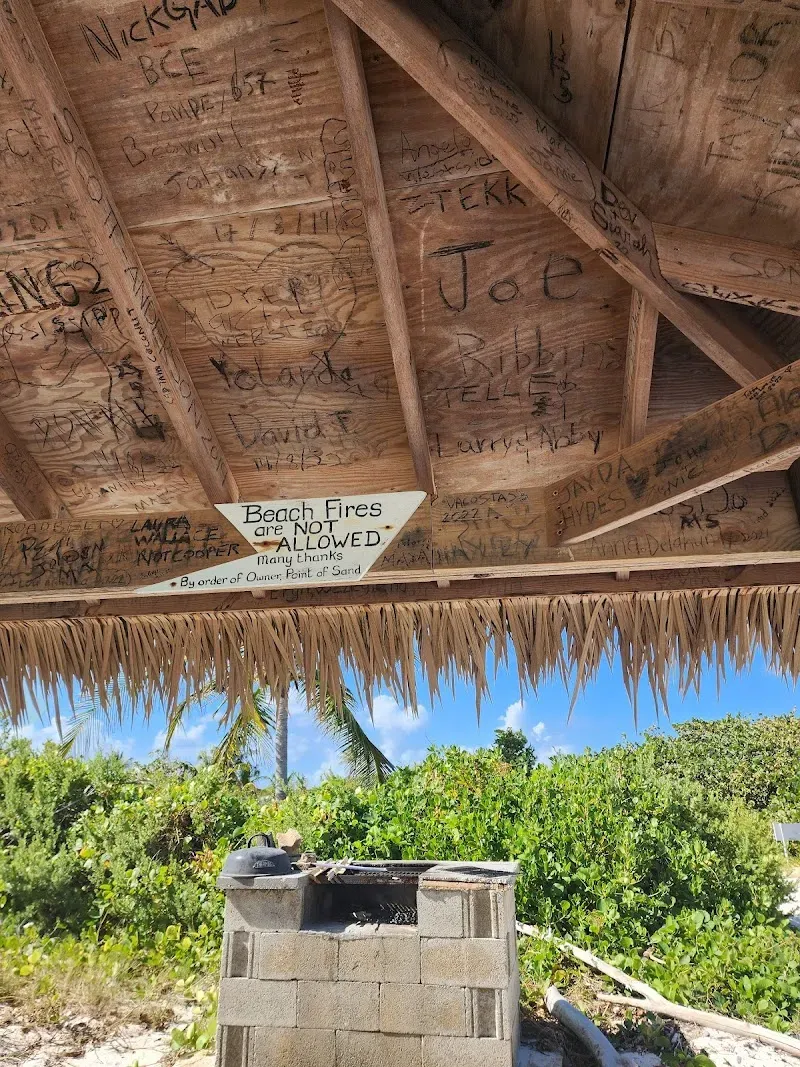
Point Of Sand
Point Of Sand is a nature attraction on Little Cayman. This natural area showcases the lush tropical landscapes and diverse ecosystems that Little Cayman is known for. Visitors can explore the local flora and fauna in a serene setting.
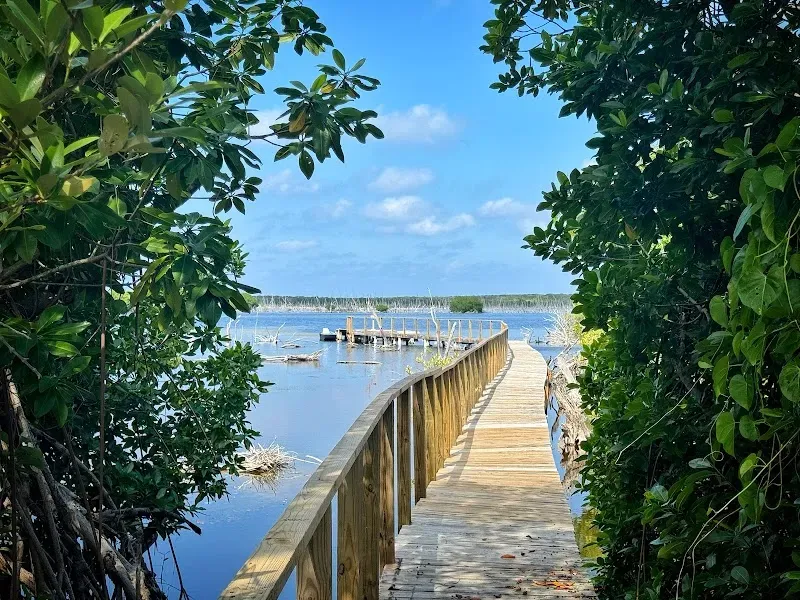
Tarpon Lake Walk
Tarpon Lake Walk is a nature attraction on Little Cayman. This natural area showcases the lush tropical landscapes and diverse ecosystems that Little Cayman is known for. Visitors can explore the local flora and fauna in a serene setting.
Hotels in Little Cayman
Search for available rates by selecting your travel dates
 0
0Conch Club Cottage
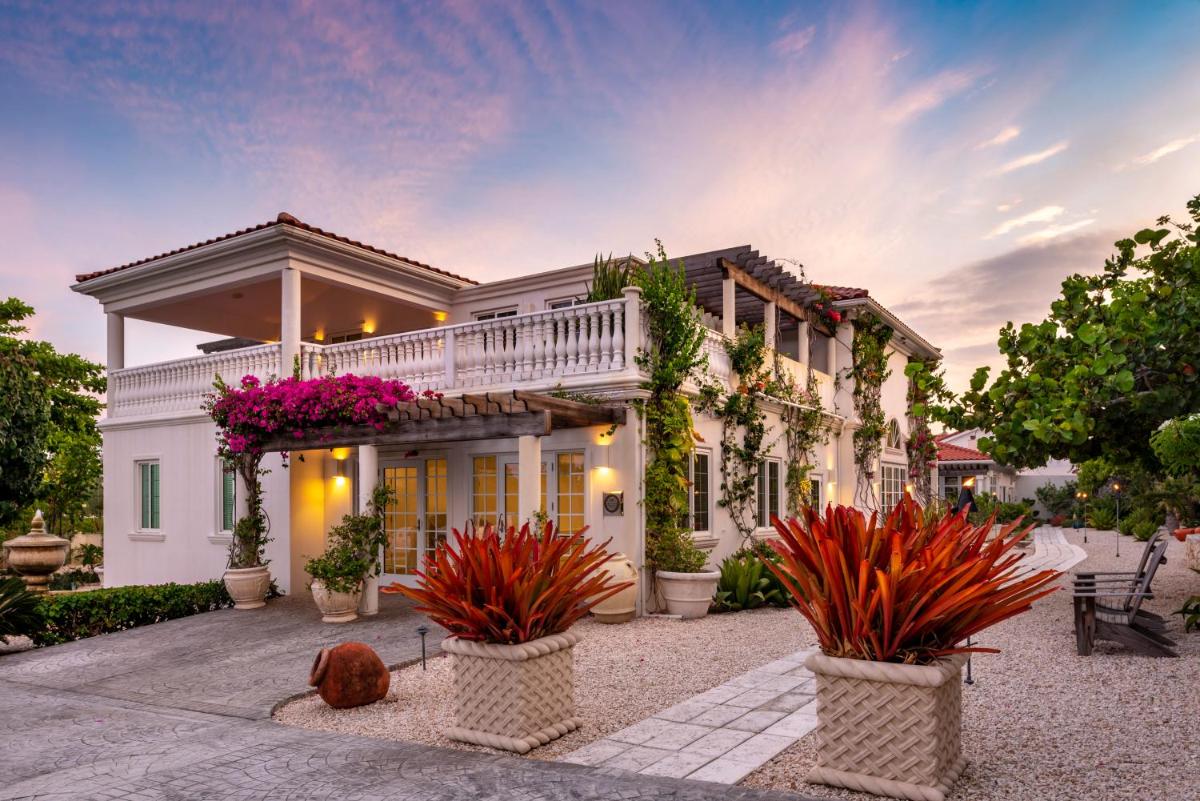
Le Soleil D'or
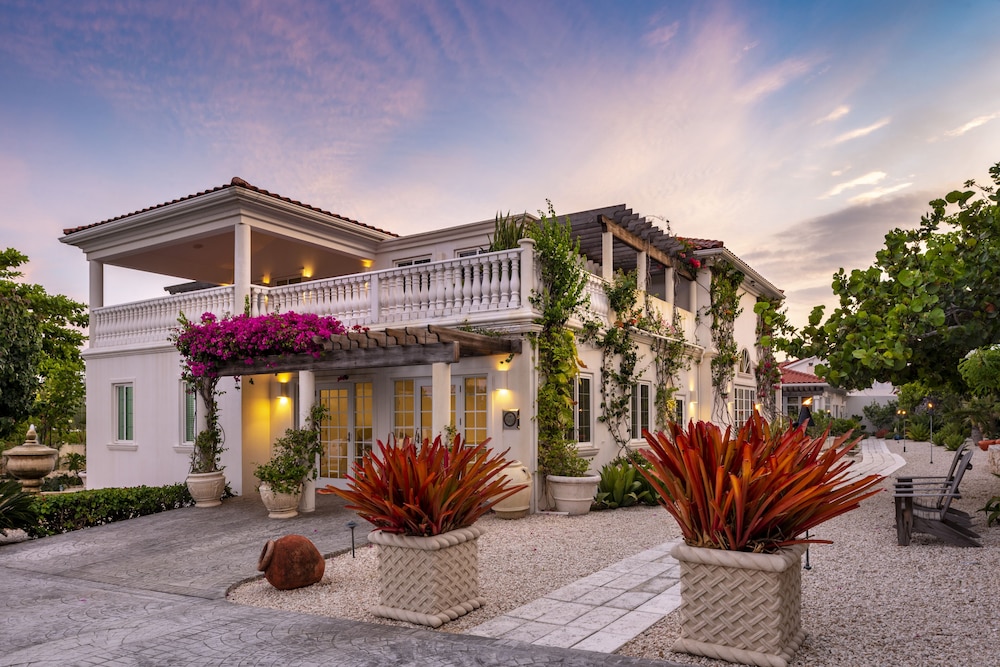
Le Soleil d'Or CaymanBrac

Featherstone Cottage, Cayman Brac
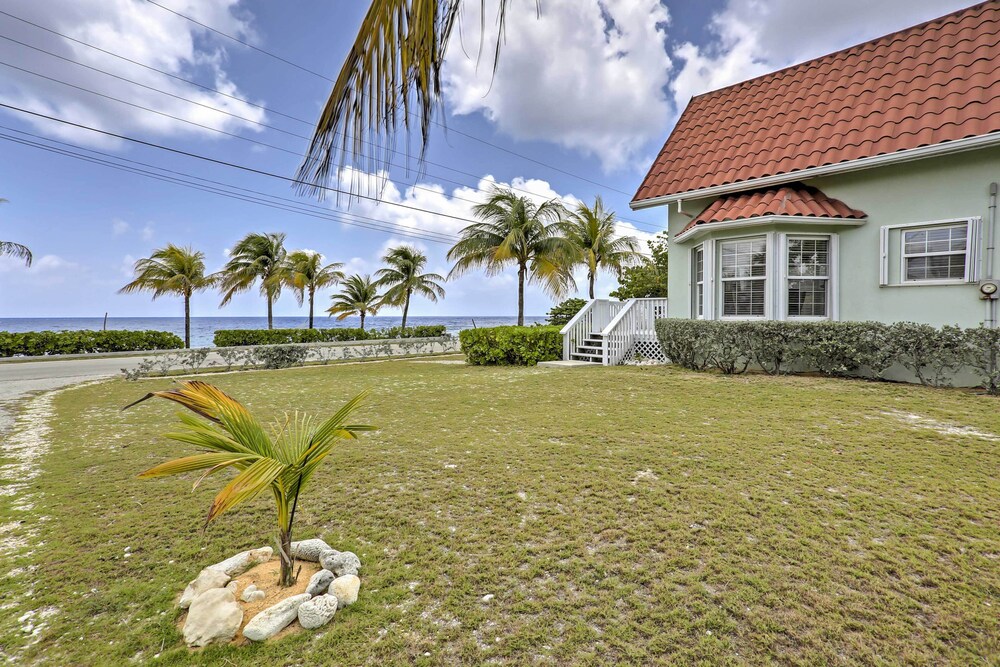
Lovely 'sea Dreams Villa' w/ Private Beach & Deck!
 0
0Perfect for Staycations in Little Cayman
Top Restaurants in Little Cayman
Popular dining spots near Little Cayman
No restaurants available for Little Cayman yet.
Weather in Little Cayman
Average Temperature
75°F to 85°F (24°C to 29°C)
Rainy Season
May to October
Hurricane Season
June to November
Best Time to Visit
December to April
Travel Tips
- English is the official language
- Cayman Islands Dollar is the currency, but US dollars are widely accepted
- Driving is on the left side of the road
- A valid passport is required for entry
- The island is accessible by small aircraft from Grand Cayman
- Book accommodations well in advance as options are limited
Daily Budget (KYD)
Visa Requirements
US, UK, EU, and Canadian citizens need a valid passport. No visa required for stays up to 30 days.
Safety
Little Cayman is extremely safe with virtually no crime. The main hazards are sun exposure on the exposed beaches and strong currents at certain dive sites along Bloody Bay Wall. Iguanas on the road are a real driving hazard - they have the right of way.
Getting Around
Most visitors get around by bicycle, which resorts provide free of charge. A single paved road loops the island. Rental cars are available but barely necessary. Cayman Airways Express flies from Grand Cayman in about 35 minutes.
Popular Activities
Best For
Get Little Cayman Travel Tips
Subscribe for curated tips, deals, and inspiration for your Little Cayman trip.