
Things to Do in Little Cayman
Dive into Tranquility. Explore 2 attractions across the island.
Little Cayman exists for people who think Cayman Brac is too crowded, which tells you everything about what to expect. This 10-square-mile island has a permanent population under 200, one paved road, no traffic lights, no banks, and a single grocery store that gets restocked by barge. The iguanas genuinely outnumber the people, and they sun themselves on the warm road with a confidence that suggests they know the law is on their side (it is - rock iguanas are protected, and you stop for them).
The reason most people come is Bloody Bay Wall, widely regarded as one of the top five wall dives on the planet. The reef flat starts in just 18 to 20 feet of crystal-clear water and then drops vertically to over 6,000 feet in a single plunge. The wall is covered in massive barrel sponges, black coral, gorgonian fans, and deepwater sea fans, with eagle rays, reef sharks, green turtles, and dense schools of horse-eye jacks cruising the blue. Visibility regularly exceeds 100 feet and can top 150 feet on a calm winter morning. Dive sites like Mixing Bowl, Great Wall West, and Randy's Gazebo are world-famous among serious divers. Even the shallow reef on top of the wall is stunning for snorkelers, with parrotfish, trumpetfish, and juvenile reef sharks moving through elkhorn and staghorn coral gardens.
The island's two dive resorts, Little Cayman Beach Resort and Southern Cross Club, run morning two-tank boat trips to the wall and afternoon single-tank dives - the boat ride is about 10 minutes, which is part of what makes the diving here so effortless.
Above water, the Booby Pond Nature Reserve is a Ramsar Wetland of International Importance and home to the largest breeding colony of red-footed boobies in the Western Hemisphere, with roughly 20,000 birds. The National Trust visitor center has a telescope trained on the nesting platforms, and magnificent frigatebirds circle overhead constantly. Point of Sand, at the island's eastern tip, is a spectacular beach with powder-white sand, shallow turquoise water, and usually no more than a few people. Owen Island, a tiny sand cay in South Hole Sound reachable by a short kayak paddle or even wading at low tide, is the definition of a deserted island - bring a cooler, a book, and nothing else.
Jackson's Point on the north shore is a good sunset spot with a picnic shelter. At night, the absence of light pollution makes Little Cayman one of the best stargazing locations in the Caribbean.
Top Activities
Dive Bloody Bay Wall
One of the world's premier wall dives, dropping from 20 feet to over 6,000 feet. Sites like Mixing Bowl, Great Wall West, and Randy's Gazebo feature massive barrel sponges, black coral trees, eagle rays, and reef sharks. Visibility regularly exceeds 100 feet. Both island dive resorts run daily boat trips with a 10-minute ride to the wall.
Snorkel the Bloody Bay Marine Park
The shallow reef flat above the wall is accessible to snorkelers and teeming with parrotfish, trumpetfish, juvenile reef sharks, and healthy coral formations. Boat-based snorkel trips are available through the dive resorts, or you can enter from the shore at designated points along the north coast.
Visit the Booby Pond Nature Reserve
Home to roughly 20,000 red-footed boobies and a significant population of magnificent frigatebirds, this Ramsar Wetland has a National Trust visitor center with a viewing telescope. Peak nesting season runs from December through June. The visitor center is free and located just off the main road near the airport.
Kayak to Owen Island
This tiny uninhabited sand cay in South Hole Sound is reachable by a short kayak paddle or by wading at low tide. Bring snorkel gear for the surrounding grass beds where juvenile green turtles feed, and a cooler with drinks and lunch. It is the closest thing to a private island experience you can have for free.
Beach Day at Point of Sand
At the island's eastern tip, this beach has powder-white sand, shallow turquoise water, and almost no one on it. The bottom is sandy and gently sloping, making it excellent for wading and swimming. There are no facilities, so bring water, shade, and sun protection.
Cycle the Island Loop
The single paved road that circles Little Cayman is about 12 miles long and flat enough for casual cycling. Most resorts provide bicycles free of charge. The ride passes through scrubland, along the ironshore coastline, and past wetlands where herons and egrets wade. Budget about two hours with stops.
Stargaze at Jackson's Point
With no light pollution and no development, Little Cayman offers some of the best night skies in the Caribbean. Jackson's Point on the north shore has a picnic shelter and unobstructed views. The Milky Way is clearly visible on moonless nights, and shooting stars are common during the Perseid and Geminid meteor showers.
Fly Fish the South Shore Flats
The shallow flats along Little Cayman's south shore hold bonefish, permit, and tarpon. Guided fly fishing trips are available through Southern Cross Club, which has a long reputation as a fishing lodge. Peak season runs November through June when the flats are calmest.
Attractions in Little Cayman
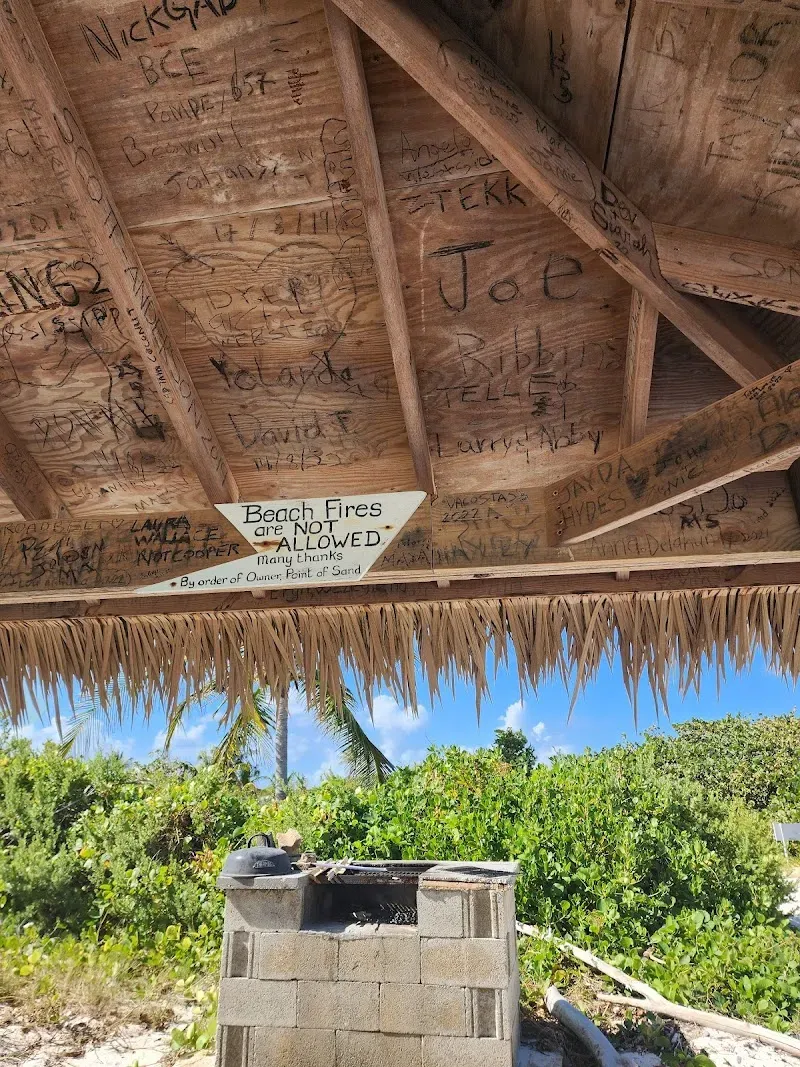
Point Of Sand
Point Of Sand is a nature attraction on Little Cayman. This natural area showcases the lush tropical landscapes and diverse ecosystems that Little Cayman is known for. Visitors can explore the local flora and fauna in a serene setting.
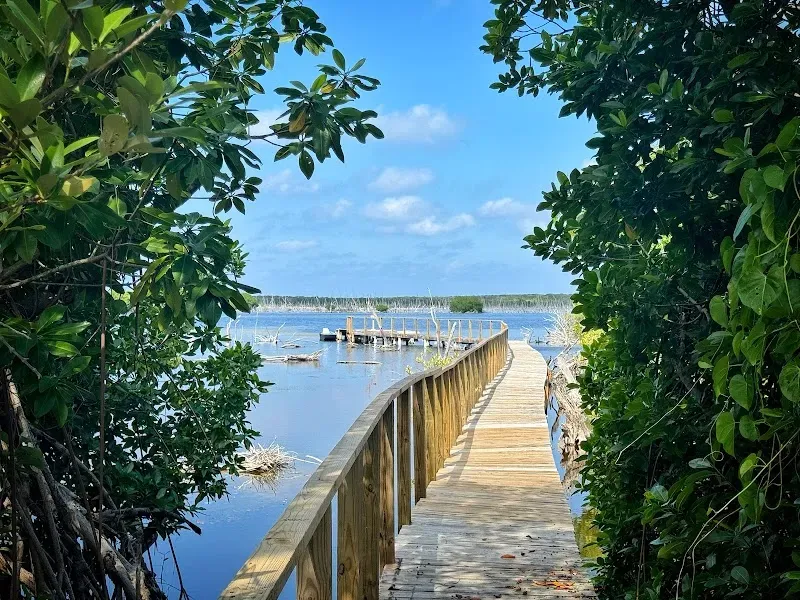
Tarpon Lake Walk
Tarpon Lake Walk is a nature attraction on Little Cayman. This natural area showcases the lush tropical landscapes and diverse ecosystems that Little Cayman is known for. Visitors can explore the local flora and fauna in a serene setting.
Explore More of Little Cayman
Find hotels, restaurants, and bookable experiences on our full island page.