
Things to Do in Marie-Galante
The Island of a Hundred Windmills. Explore 21 attractions across the island.
Marie-Galante is what people imagine when they dream of the Caribbean before it was developed - sugar cane fields waving in the trade winds, empty beaches with no loungers or vendors, and a pace of life that treats hurrying as a character flaw. The island is circular and relatively flat, making it one of the few Caribbean islands genuinely suited to exploring by bicycle, though a rental car gives you more flexibility to hit the distilleries and remote beaches in a single day.
Start with the rum. Marie-Galante produces some of the finest rhum agricole in the French Antilles, and the three working distilleries - Bielle, Bellevue, and Poisson (Domaine de Bellevue should not be confused with Distillerie Bellevue, which is a separate operation) - all offer tours and tastings.
Distillerie Bielle, in the hills above Grand-Bourg, is the most polished visitor experience, with an on-site shop where you can buy aged rums unavailable off-island. Distillerie Bellevue still uses an ox-driven cane mill during harvest season (February through June), which is a remarkable thing to witness in the 21st century.
After the distilleries, head to Château Murat, a restored 18th-century sugar plantation that now houses an ecomuseum documenting the island's sugar and slavery history - the ruins of the mill, boiling house, and great house are set among gardens with views across the southern coast. For beaches, Plage de la Feuillère on the southern coast is the headliner - a long curve of white sand with calm, shallow water and a protective reef offshore - but Anse Canot on the northwest coast and Plage de Vieux-Fort at the island's northern tip are emptier and more dramatic. The interior has surprises too: Gueule Grand Gouffre is a massive coastal sinkhole where the ocean crashes into a collapsed cave roof, creating a natural spectacle best viewed from the cliff edge. The Trou à Diable cave system near Capesterre can be explored with a guide and offers a cool respite from the heat. On Tuesday and Saturday mornings, the Grand-Bourg market fills with local produce, spices, and prepared food - arrive early for the best selection of boudin créole (blood sausage) and fresh fruit.
Top Activities
Tour the Rum Distilleries
Marie-Galante's three distilleries - Bielle, Bellevue, and Poisson - produce award-winning rhum agricole from fresh-pressed cane juice. Bielle offers the most complete visitor experience with guided tours and an on-site boutique. Bellevue's ox-powered cane mill operates during the February-to-June harvest. Tastings are free or cost a few euros.
Relax at Plage de la Feuillère
This southern coast beach is consistently rated among the most beautiful in all of Guadeloupe. White sand stretches for nearly a kilometer, the water is calm and turquoise, and a protective reef offshore makes for safe swimming. A couple of beach bars serve drinks and simple plates. Weekdays are nearly empty.
Visit Château Murat
This restored 18th-century sugar plantation near Grand-Bourg is the island's most important historical site. The ecomuseum covers the sugar trade, slavery, and the island's agricultural heritage. The grounds include the original mill tower, boiling house ruins, and botanical gardens with medicinal plants. Entry is around 5 euros.
See Gueule Grand Gouffre
A spectacular coastal sinkhole on the northern coast where the sea surges into a collapsed cave system. The cliff-edge viewpoint is dramatic, especially when swells are running. Free to visit, with a short trail from the road. Watch your footing near the edge - there are no guardrails.
Cycle Around the Island
Marie-Galante's flat terrain and quiet roads make it one of the Caribbean's best cycling destinations. A full circuit of the coast is about 70 kilometers and can be done in a day with stops. Bike rentals are available near the ferry dock in Grand-Bourg and at some guesthouses for around 15 to 20 euros per day.
Explore the Trou à Diable Cave
Near Capesterre, this cave system extends underground with stalactite formations and cool, dark chambers. A local guide is recommended as the interior is unlit and navigation can be confusing. Bring a headlamp, closed-toe shoes, and expect to get muddy.
Browse the Grand-Bourg Market
The Tuesday and Saturday morning market in Grand-Bourg is the island's social hub. Vendors sell tropical fruit, spices, fresh fish, boudin créole, and accras (salt cod fritters). Arrive before 9 AM for the best selection. It is the most authentic slice of daily life on the island.
Swim at Anse Canot
This small beach on the northwest coast is tucked into a rocky cove with turquoise water and excellent snorkeling along the rock edges. Less visited than Feuillère, it offers more solitude and a wilder setting. No facilities - bring water and snacks.
Attractions in Marie-Galante
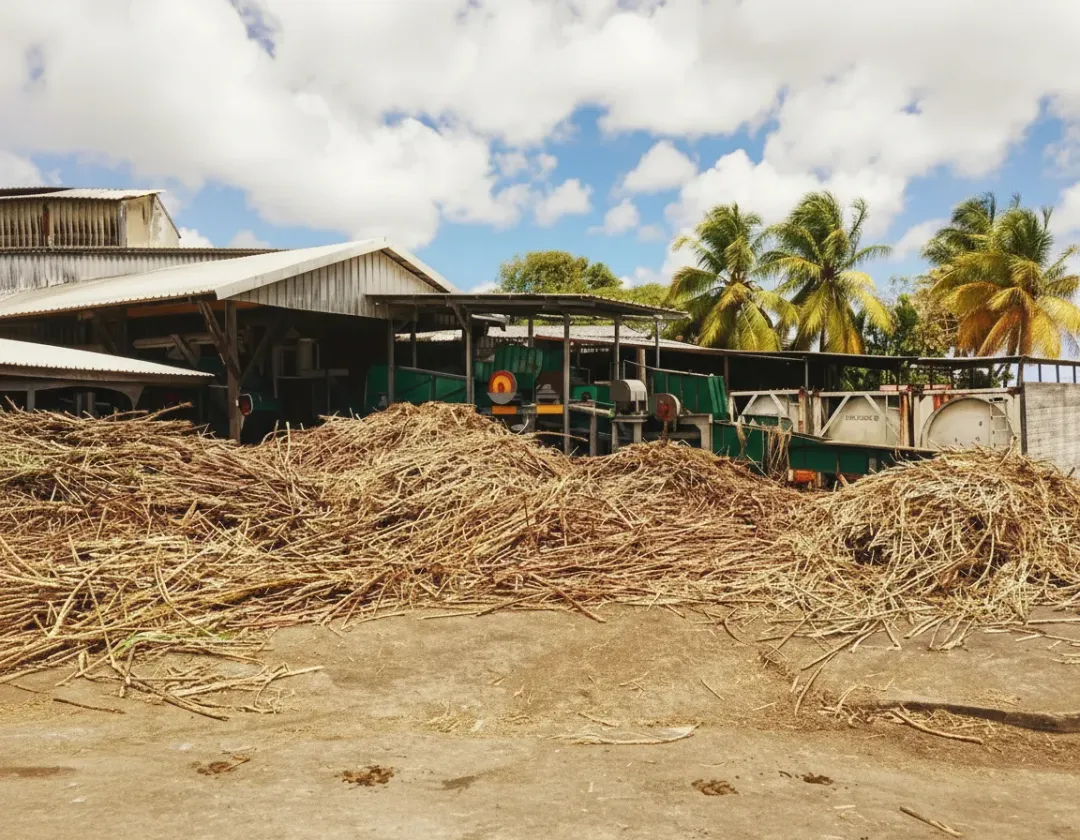
Distillerie Bielle
One of three working rum distilleries on the island, Bielle produces some of the finest rhum agricole in the Caribbean using traditional methods. Tour the estate, watch the sugar cane pressing, and taste aged rums in the tasting room.
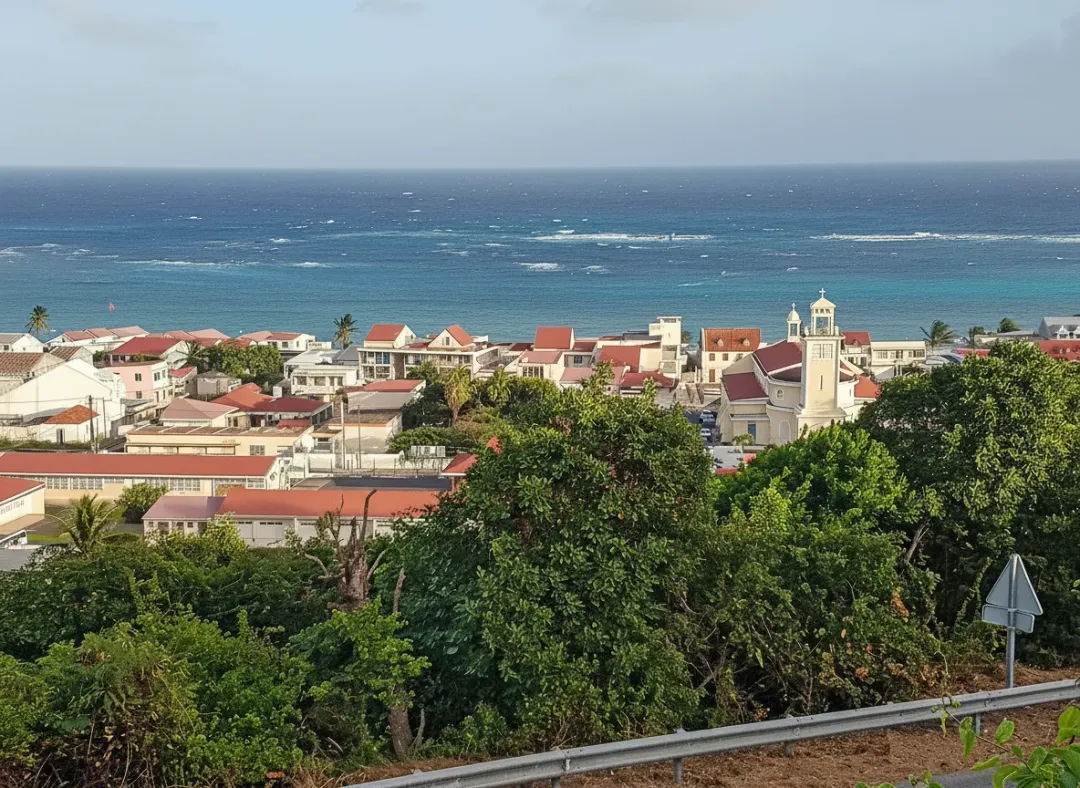
Plage de la Feuillère
A pristine 5km stretch of white sand and turquoise water along the southern coast, often ranked among the most beautiful beaches in the French Antilles. Uncrowded even in high season, with gentle waves and coconut palms.
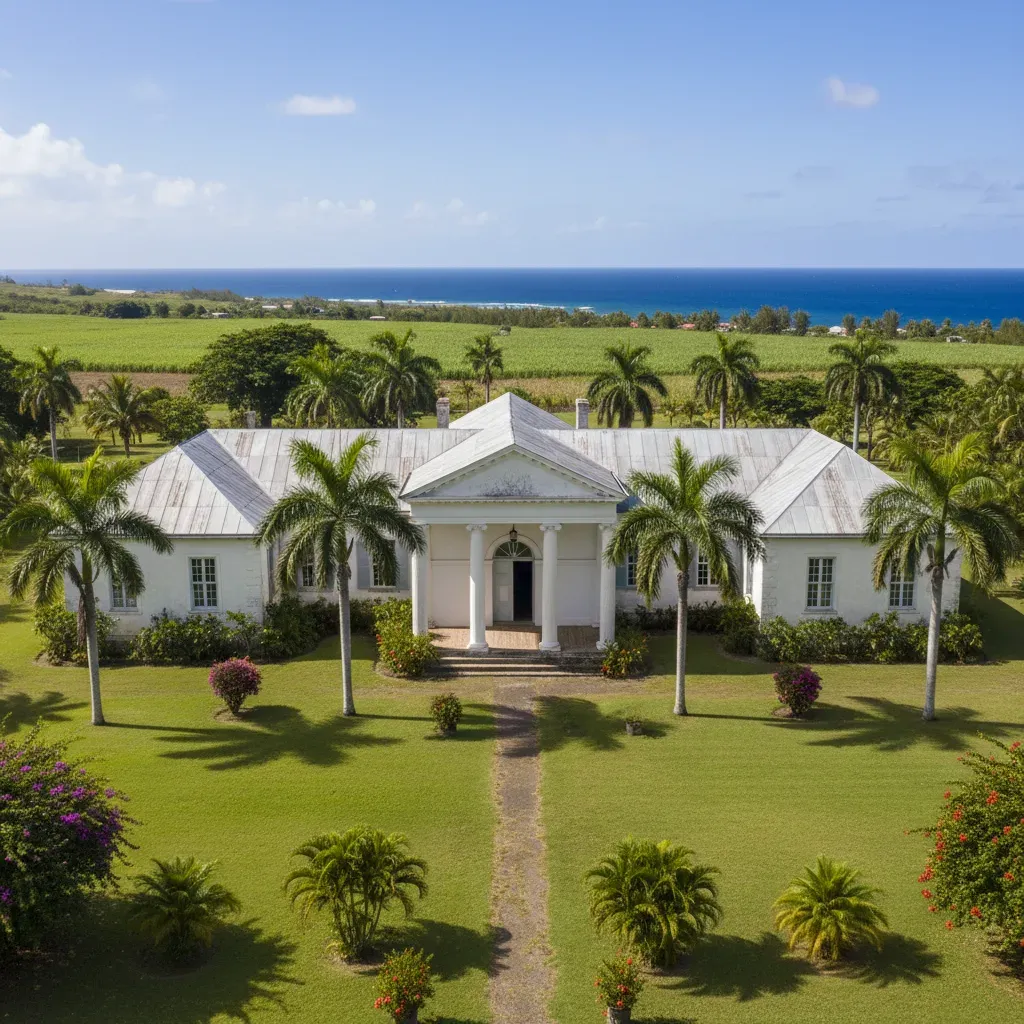
Château Murat
The largest former sugar plantation in Guadeloupe's archipelago, with a restored great house, sugar mill ruins, and an ecomuseum. The grounds offer panoramic views and tell the story of sugar, slavery, and the island's colonial past.
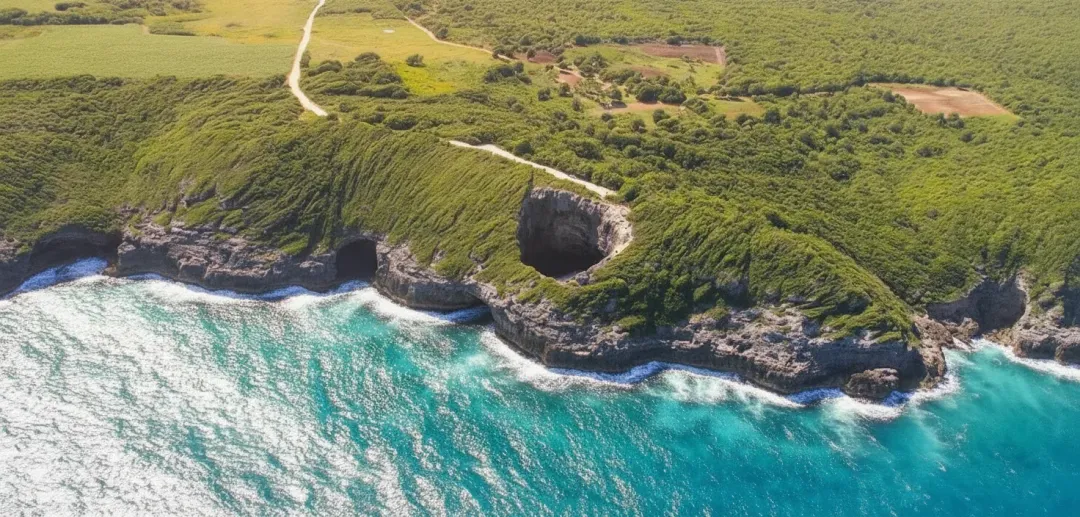
Gueule Grand Gouffre
A massive natural sinkhole where the sea rushes into a collapsed cliff cave, creating a dramatic 50m-wide chasm. The rugged coastal trail leading here passes limestone formations and crashing Atlantic waves.
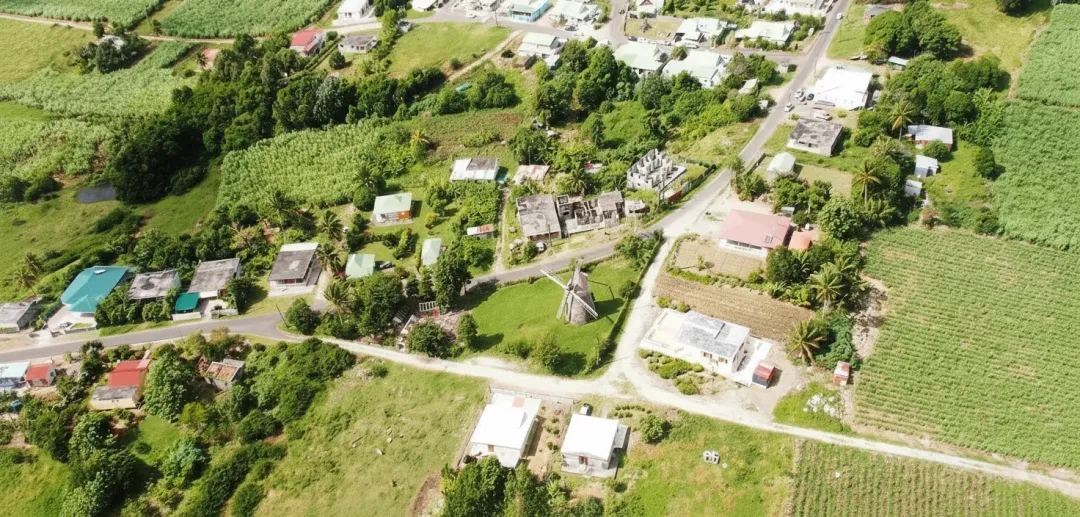
Moulin de Bézard
The only fully restored windmill on the island of a hundred windmills. This 19th-century sugar cane windmill still operates during harvest season, offering a living link to Marie-Galante's sugar heritage.
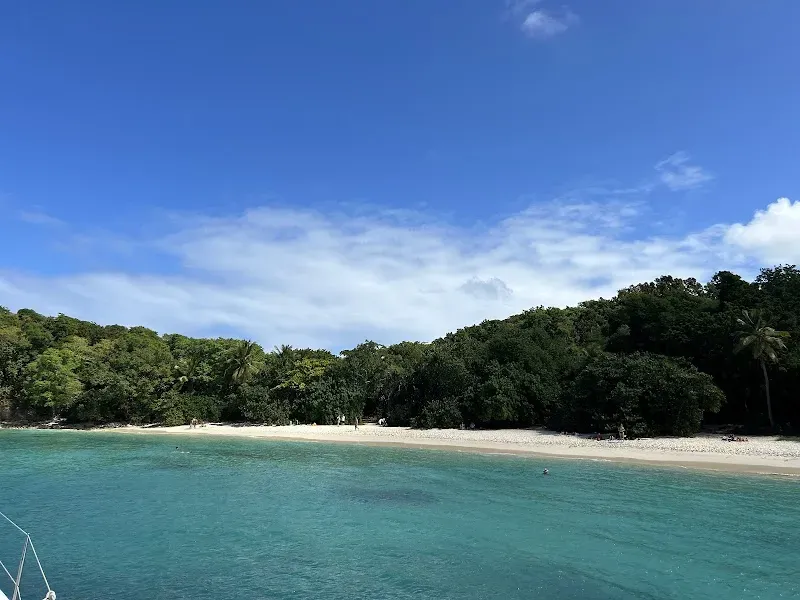
Anse Canot
Anse Canot is a nature attraction on Marie-Galante. This natural area showcases the lush tropical landscapes and diverse ecosystems that Marie-Galante is known for. Visitors can explore the local flora and fauna in a serene setting.
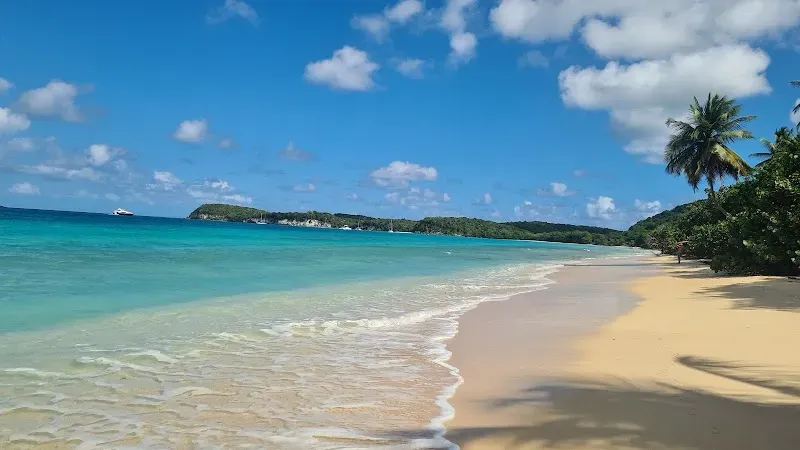
Plage de Moustique
Plage de Moustique is a nature attraction on Marie-Galante. This natural area showcases the lush tropical landscapes and diverse ecosystems that Marie-Galante is known for. Visitors can explore the local flora and fauna in a serene setting.
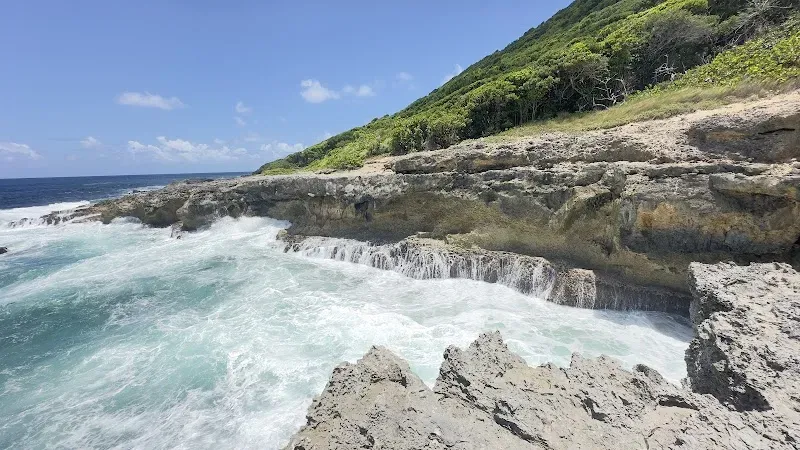
Plage d'anse feuillard
Plage d'anse feuillard is a nature attraction on Marie-Galante. This natural area showcases the lush tropical landscapes and diverse ecosystems that Marie-Galante is known for. Visitors can explore the local flora and fauna in a serene setting.
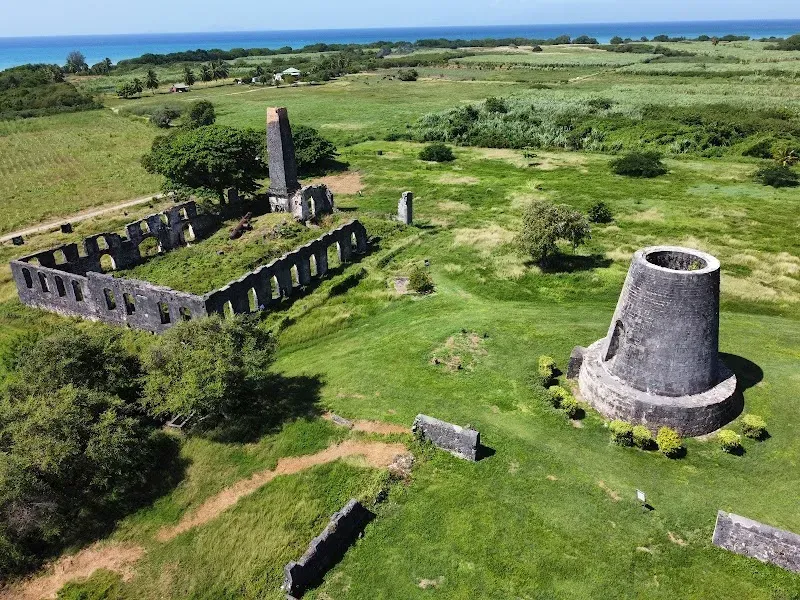
Habitation Roussel - Trianon
Habitation Roussel - Trianon is a nature attraction on Marie-Galante. This natural area showcases the lush tropical landscapes and diverse ecosystems that Marie-Galante is known for. Visitors can explore the local flora and fauna in a serene setting.
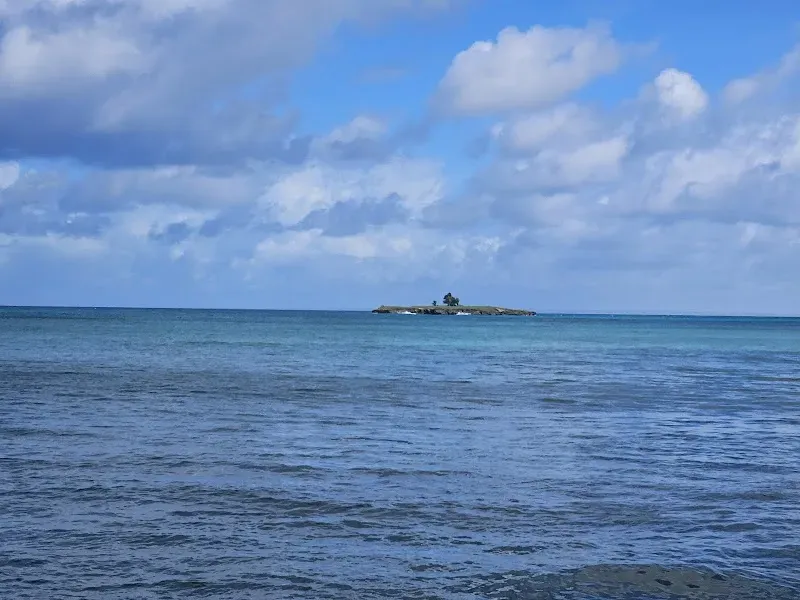
Plage du Vieux Fort
Plage du Vieux Fort is a nature attraction on Marie-Galante. This natural area showcases the lush tropical landscapes and diverse ecosystems that Marie-Galante is known for. Visitors can explore the local flora and fauna in a serene setting.
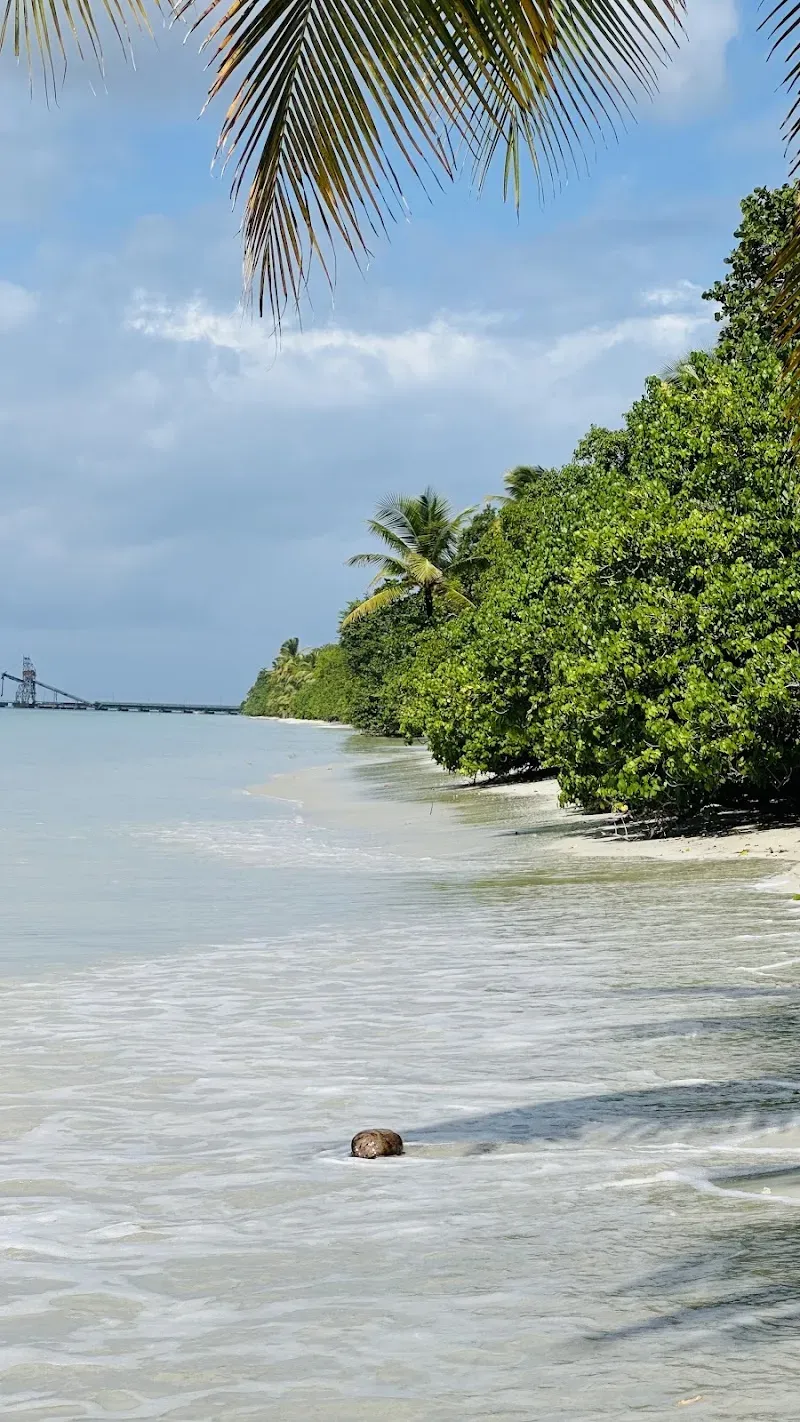
Plage Auremi
Plage Auremi is a nature attraction on Marie-Galante. This natural area showcases the lush tropical landscapes and diverse ecosystems that Marie-Galante is known for. Visitors can explore the local flora and fauna in a serene setting.
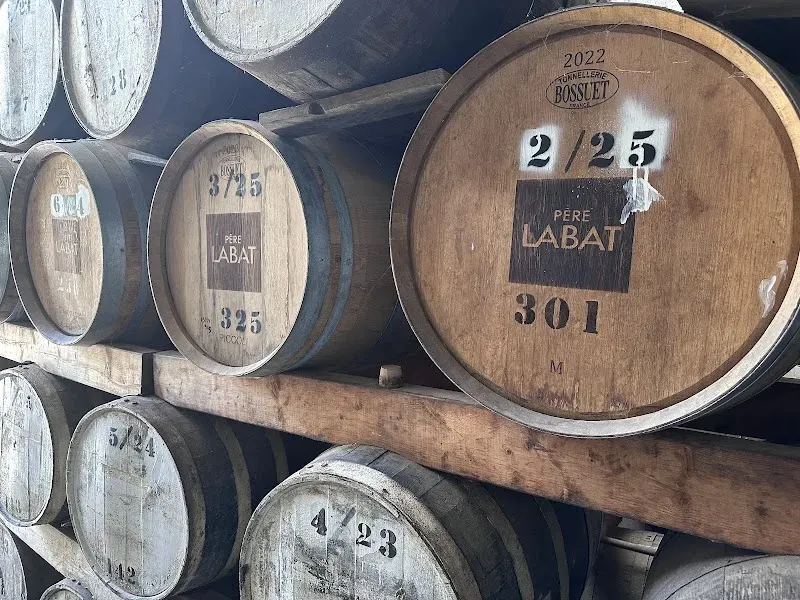
Distillerie Père Labat
A working rhum agricole distillery on Marie-Galante named after the Dominican friar who wrote the first treatise on Caribbean rum-making. Visitors watch sugarcane being pressed by an ox-powered mill and juice fermenting in open wooden vats before distillation in traditional copper columns. The range of barrel-aged expressions drawn straight from the bonbonne can be tasted on site.
Explore More of Marie-Galante
Find hotels, restaurants, and bookable experiences on our full island page.