Marie-Galante
The Island of a Hundred Windmills
About Marie-Galante
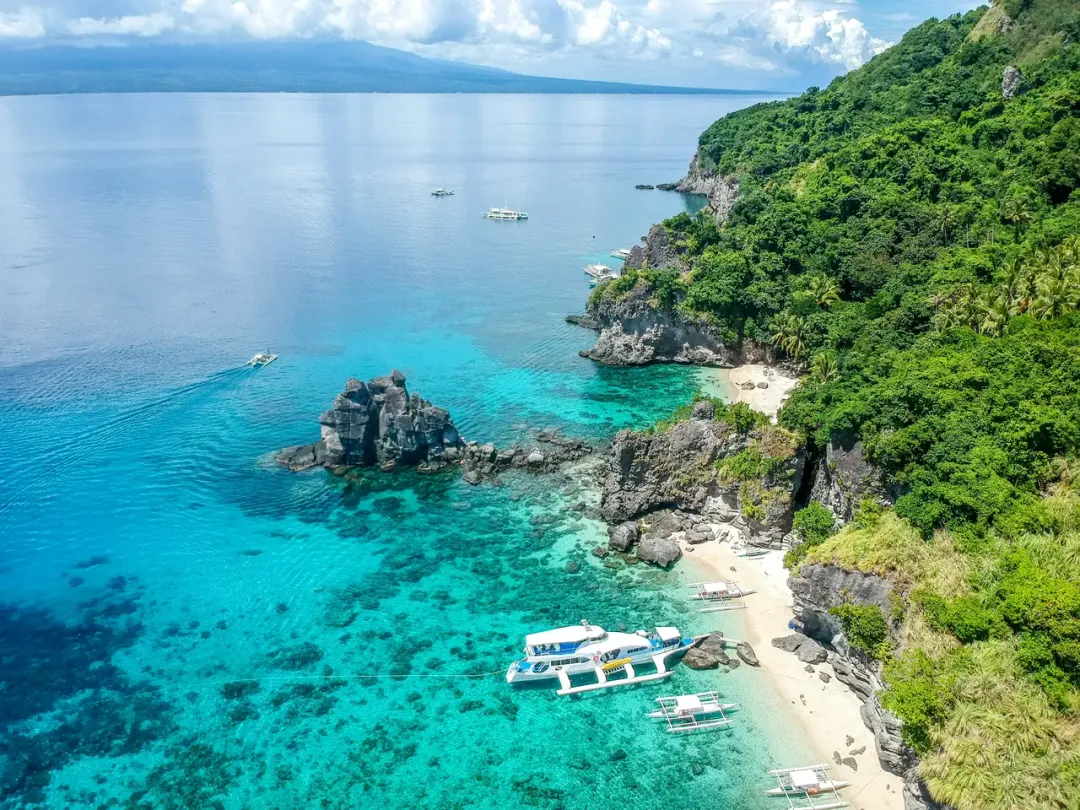
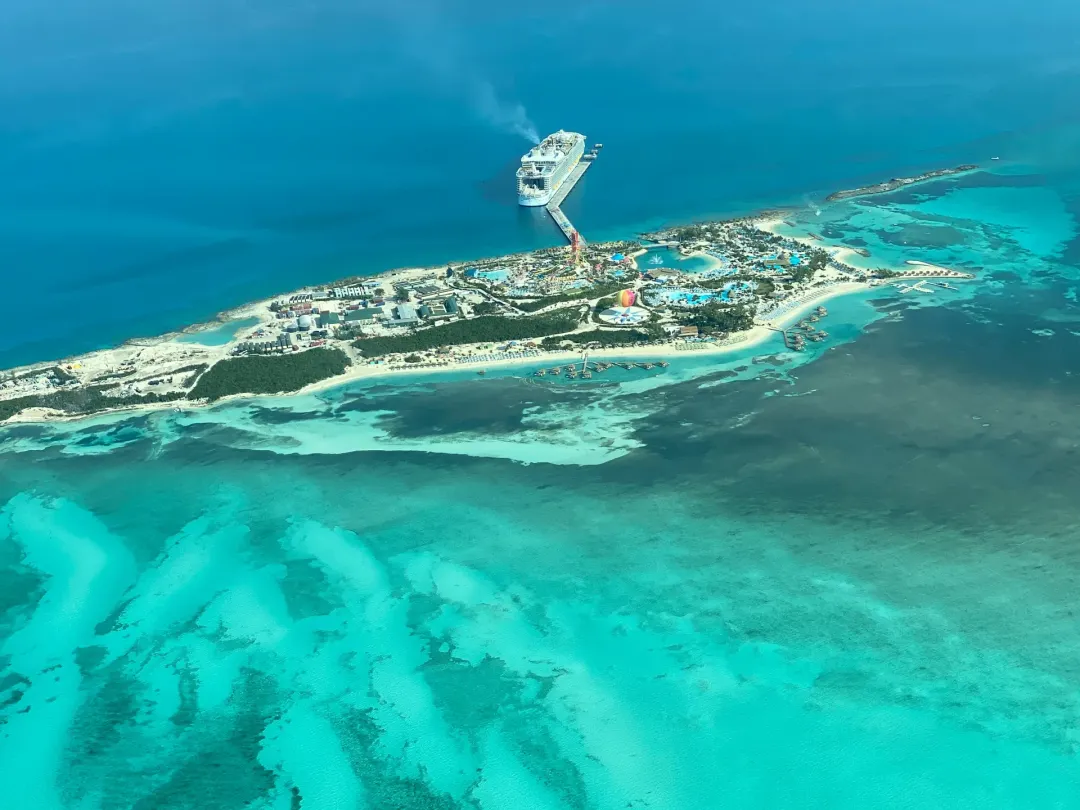
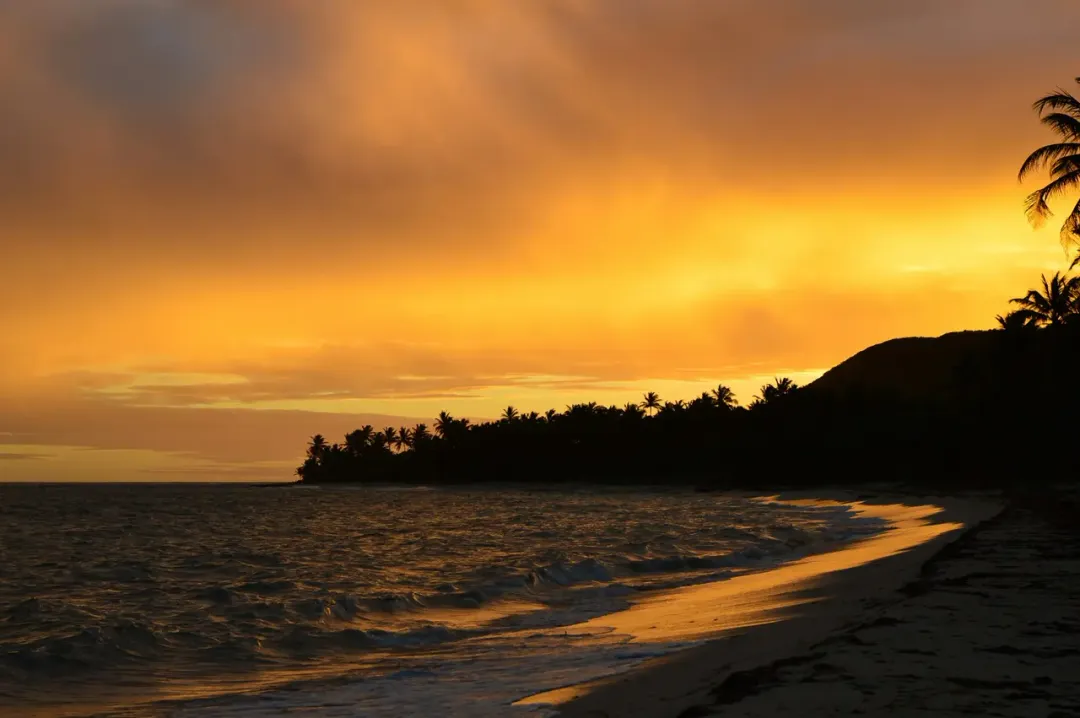
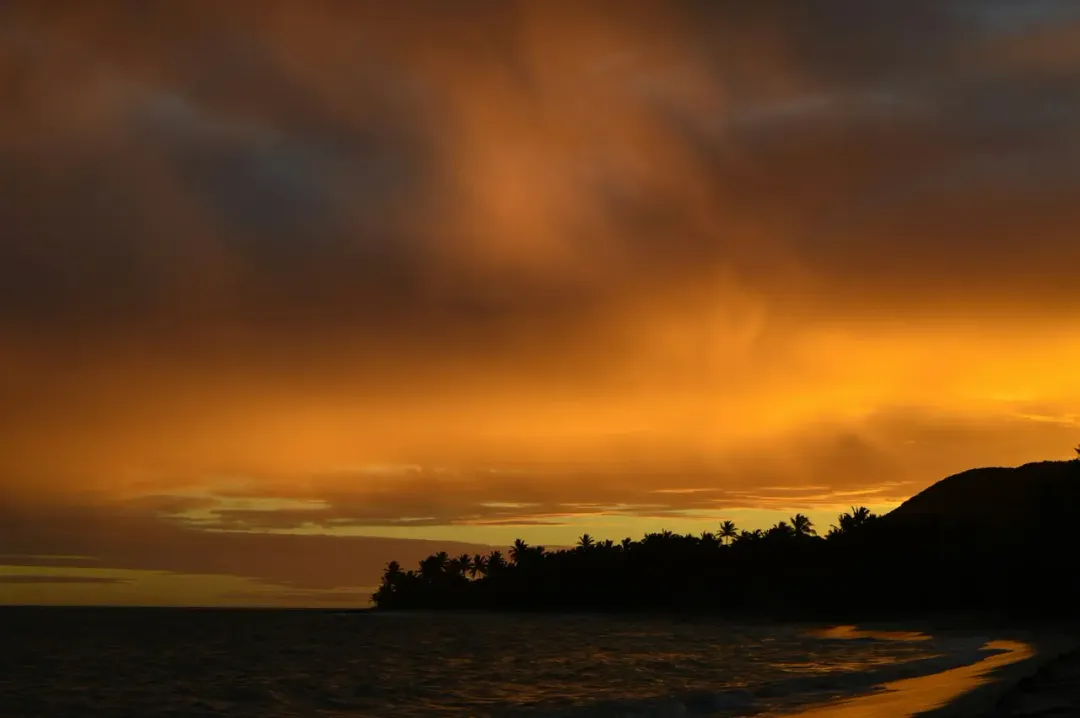
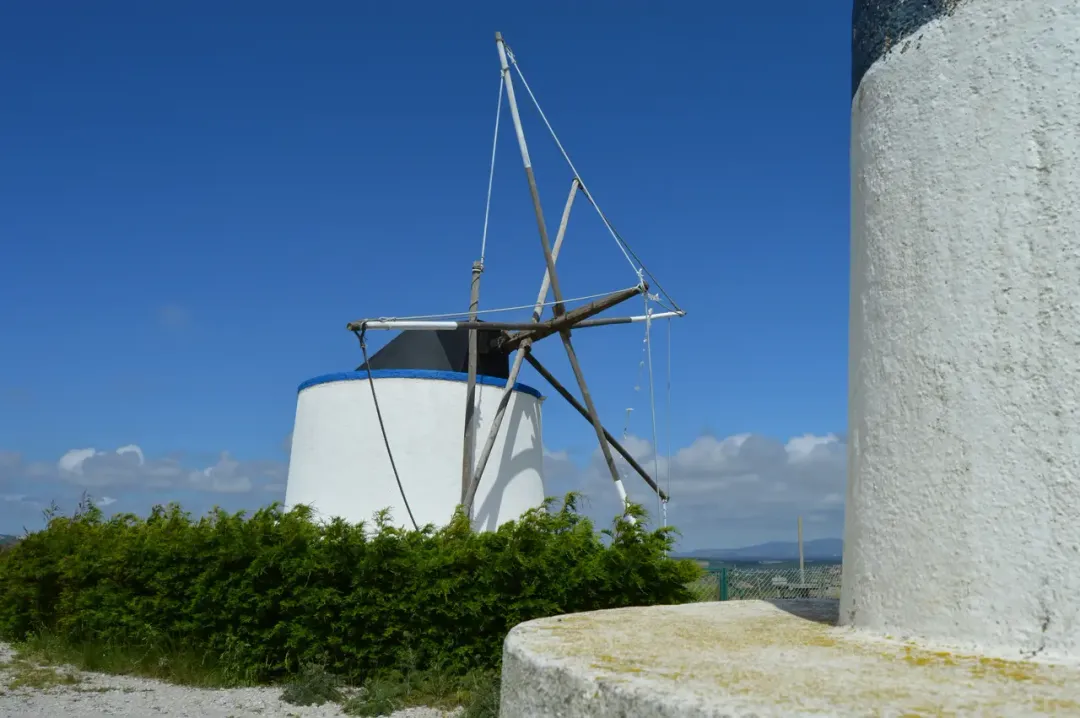
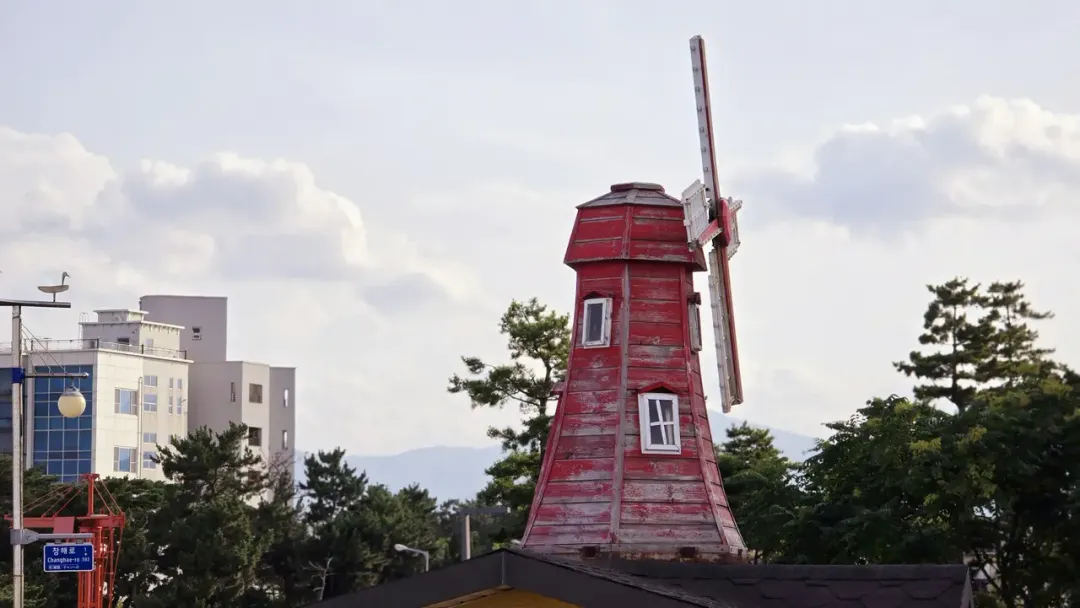
Marie-Galante, a dependency of Guadeloupe, is a circular island about 15 miles southeast of Guadeloupe's main islands. Often called 'The Island of a Hundred Windmills' (L'île aux cent moulins), Marie-Galante is renowned for its unspoiled landscapes and authentic Caribbean character. The island's relatively flat terrain was once covered with sugar plantations, each with its own windmill, many of which still stand today as picturesque stone towers. Marie-Galante is famous for its exceptional rum production, with three active distilleries (Bielle, Bellevue, and Poisson) that continue to use traditional methods to produce some of the Caribbean's finest agricultural rum. The island's coastline features some of the most beautiful and uncrowded beaches in the French Antilles, with pristine white sand and crystal-clear waters. Grand-Bourg, the main town, offers a glimpse into traditional Caribbean life with its colorful market, colonial architecture, and laid-back atmosphere. Despite being part of France, Marie-Galante has maintained its authentic Creole culture, with local music, dance, and cuisine that reflect its rich heritage. The island remains largely untouched by mass tourism, offering visitors a genuine experience of Caribbean life at a slower pace.
Size
61 sq mi (158 km²)
Population
11,000
Language
French, Antillean Creole
Currency
Euro (EUR)
Time Zone
UTC-4 (Atlantic Time)
Best Time to Visit
December to May
Highlights
Best Things to Do in Marie-Galante
Marie-Galante is what people imagine when they dream of the Caribbean before it was developed - sugar cane fields waving in the trade winds, empty beaches with no loungers or vendors, and a pace of life that treats hurrying as a character flaw. The island is circular and relatively flat, making it one of the few Caribbean islands genuinely suited to exploring by bicycle, though a rental car gives you more flexibility to hit the distilleries and remote beaches in a single day.
Start with the rum. Marie-Galante produces some of the finest rhum agricole in the French Antilles, and the three working distilleries - Bielle, Bellevue, and Poisson (Domaine de Bellevue should not be confused with Distillerie Bellevue, which is a separate operation) - all offer tours and tastings.
Distillerie Bielle, in the hills above Grand-Bourg, is the most polished visitor experience, with an on-site shop where you can buy aged rums unavailable off-island. Distillerie Bellevue still uses an ox-driven cane mill during harvest season (February through June), which is a remarkable thing to witness in the 21st century.
After the distilleries, head to Château Murat, a restored 18th-century sugar plantation that now houses an ecomuseum documenting the island's sugar and slavery history - the ruins of the mill, boiling house, and great house are set among gardens with views across the southern coast. For beaches, Plage de la Feuillère on the southern coast is the headliner - a long curve of white sand with calm, shallow water and a protective reef offshore - but Anse Canot on the northwest coast and Plage de Vieux-Fort at the island's northern tip are emptier and more dramatic. The interior has surprises too: Gueule Grand Gouffre is a massive coastal sinkhole where the ocean crashes into a collapsed cave roof, creating a natural spectacle best viewed from the cliff edge. The Trou à Diable cave system near Capesterre can be explored with a guide and offers a cool respite from the heat. On Tuesday and Saturday mornings, the Grand-Bourg market fills with local produce, spices, and prepared food - arrive early for the best selection of boudin créole (blood sausage) and fresh fruit.
Tour the Rum Distilleries
Marie-Galante's three distilleries - Bielle, Bellevue, and Poisson - produce award-winning rhum agricole from fresh-pressed cane juice. Bielle offers the most complete visitor experience with guided tours and an on-site boutique. Bellevue's ox-powered cane mill operates during the February-to-June harvest. Tastings are free or cost a few euros.
Relax at Plage de la Feuillère
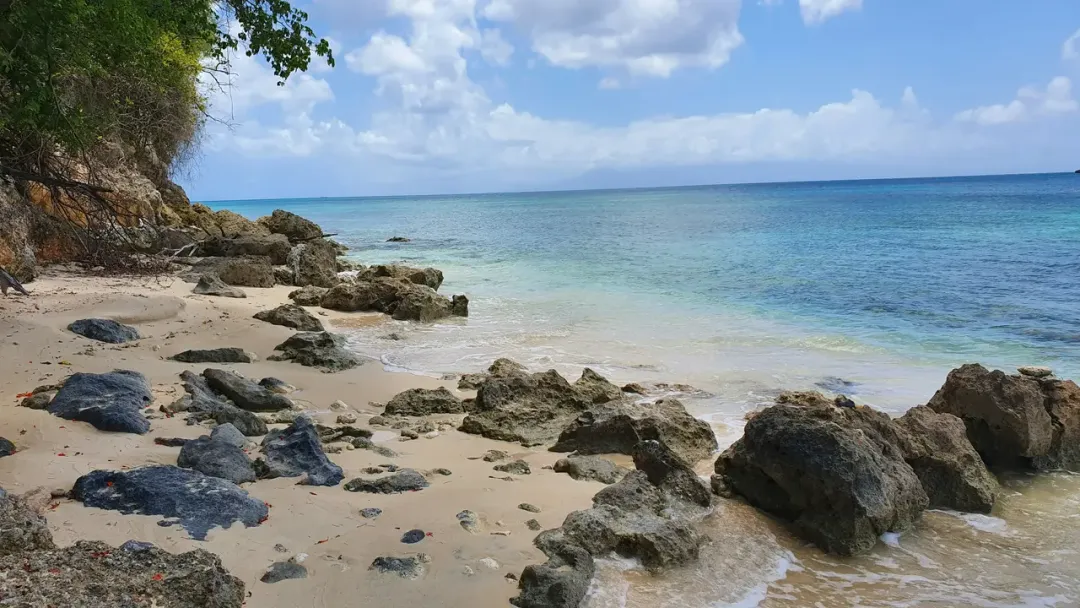
This southern coast beach is consistently rated among the most beautiful in all of Guadeloupe. White sand stretches for nearly a kilometer, the water is calm and turquoise, and a protective reef offshore makes for safe swimming. A couple of beach bars serve drinks and simple plates. Weekdays are nearly empty.
Visit Château Murat
This restored 18th-century sugar plantation near Grand-Bourg is the island's most important historical site. The ecomuseum covers the sugar trade, slavery, and the island's agricultural heritage. The grounds include the original mill tower, boiling house ruins, and botanical gardens with medicinal plants. Entry is around 5 euros.
See Gueule Grand Gouffre
A spectacular coastal sinkhole on the northern coast where the sea surges into a collapsed cave system. The cliff-edge viewpoint is dramatic, especially when swells are running. Free to visit, with a short trail from the road. Watch your footing near the edge - there are no guardrails.
Cycle Around the Island
Marie-Galante's flat terrain and quiet roads make it one of the Caribbean's best cycling destinations. A full circuit of the coast is about 70 kilometers and can be done in a day with stops. Bike rentals are available near the ferry dock in Grand-Bourg and at some guesthouses for around 15 to 20 euros per day.
Explore the Trou à Diable Cave
Near Capesterre, this cave system extends underground with stalactite formations and cool, dark chambers. A local guide is recommended as the interior is unlit and navigation can be confusing. Bring a headlamp, closed-toe shoes, and expect to get muddy.
Browse the Grand-Bourg Market
The Tuesday and Saturday morning market in Grand-Bourg is the island's social hub. Vendors sell tropical fruit, spices, fresh fish, boudin créole, and accras (salt cod fritters). Arrive before 9 AM for the best selection. It is the most authentic slice of daily life on the island.
Swim at Anse Canot
This small beach on the northwest coast is tucked into a rocky cove with turquoise water and excellent snorkeling along the rock edges. Less visited than Feuillère, it offers more solitude and a wilder setting. No facilities - bring water and snacks.
Where to Stay in Marie-Galante
Marie-Galante has no international chain hotels and no all-inclusive resorts, which is precisely its appeal. Accommodation is dominated by gîtes (vacation rentals) and chambres d'hôtes (guesthouses), most concentrated around Grand-Bourg and near Plage de la Feuillère.
Le Soleil Levant, near Capesterre, offers clean, comfortable rooms with breakfast from around 70 to 100 euros per night and has a pool and garden setting. Habitation Murat, near the Château Murat plantation, provides charming bungalows in a lush garden setting for 80 to 120 euros.
For a more immersive experience, several families rent rooms in their homes through Gîtes de France listings, typically 40 to 60 euros per night with breakfast included - the hosts often cook dinner for an additional 15 to 25 euros, and these home-cooked Creole meals are frequently the culinary highlight of a stay. Self-catering gîtes and apartments are plentiful on booking platforms, starting around 50 euros per night for a studio and going up to 150 for a house with a pool. During the annual Terre de Blues music festival in late May, everything books out weeks in advance - reserve early if your visit coincides. Most properties include access to a car rental or can arrange one, which is essential since public transport is minimal.
Where to Eat in Marie-Galante
Marie-Galante's food scene is unpretentious and deeply rooted in Creole tradition. In Grand-Bourg, Le Touloulou near the waterfront is the island's most popular restaurant, serving grilled langouste (spiny lobster), colombo de poulet (a curry-spiced chicken stew that is the island's signature dish), and accras de morue (salt cod fritters) at around 15 to 25 euros per main course.
La Table de Marie, also in Grand-Bourg, offers a refined take on local cuisine with fresh fish and rum-based desserts. Near Plage de la Feuillère, a couple of casual beach restaurants serve grilled fish, plantains, and cold Gwada beer for a relaxed lunch directly on the sand.
For the most authentic eating experience, look for roadside lolos - informal cook shops run by local women who prepare daily specials like court-bouillon de poisson (fish in spiced tomato broth), fricassée de lambi (stewed conch), and generous portions of rice and red beans. A full plate at a lolo costs 8 to 12 euros. The Saturday market in Grand-Bourg is the place to sample boudin créole, coconut sweets, and fresh juice. Rum is woven into the culture here - a ti-punch (white rhum agricole, lime, and cane sugar) before dinner is practically mandatory, and the local distillery rums are a genuine bargain at 10 to 15 euros a bottle.
Best Time to Visit Marie-Galante
The dry season from December through May is the best time to visit Marie-Galante, with steady trade winds, low humidity, and temperatures in the upper 70s to mid-80s Fahrenheit. February through April is particularly pleasant and coincides with the cane harvest, when the distilleries are in full operation and you can watch the ox-driven mill at Bellevue in action.
Late May brings the Terre de Blues festival, a three-day world music event that transforms Grand-Bourg into a lively party - book accommodation months ahead if you want to attend. The wet season from July through November brings afternoon showers and higher humidity, though mornings are usually clear.
Hurricane risk peaks in September and October, and the ferry from Pointe-à-Pitre can be cancelled in rough seas. Weekdays are always quieter than weekends, when Guadeloupean families come over on the ferry for beach days.
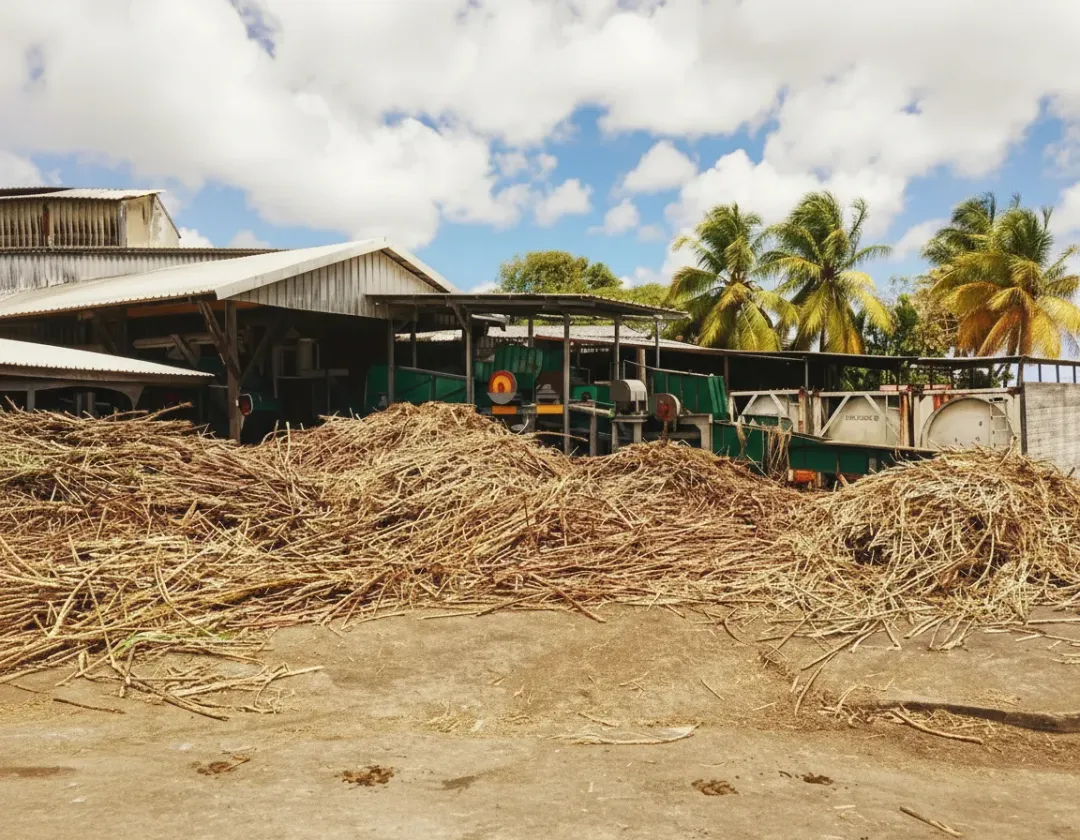
Distillerie Bielle
One of three working rum distilleries on the island, Bielle produces some of the finest rhum agricole in the Caribbean using traditional methods. Tour the estate, watch the sugar cane pressing, and taste aged rums in the tasting room.
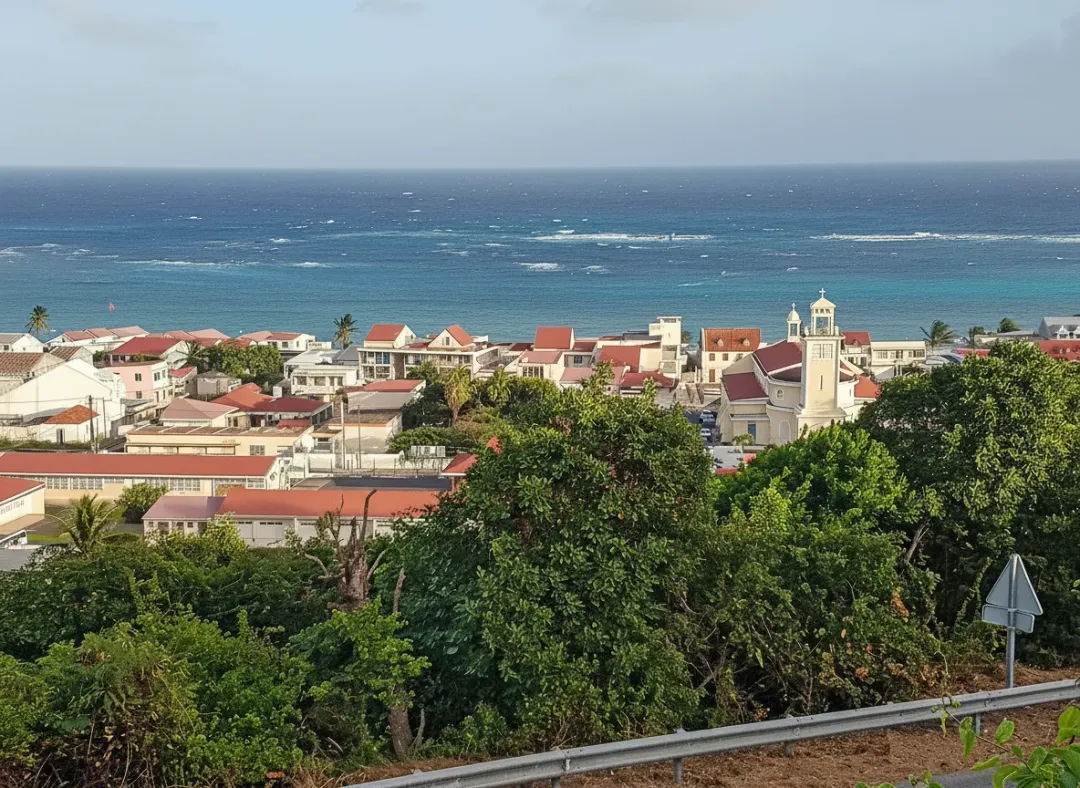
Plage de la Feuillère
A pristine 5km stretch of white sand and turquoise water along the southern coast, often ranked among the most beautiful beaches in the French Antilles. Uncrowded even in high season, with gentle waves and coconut palms.
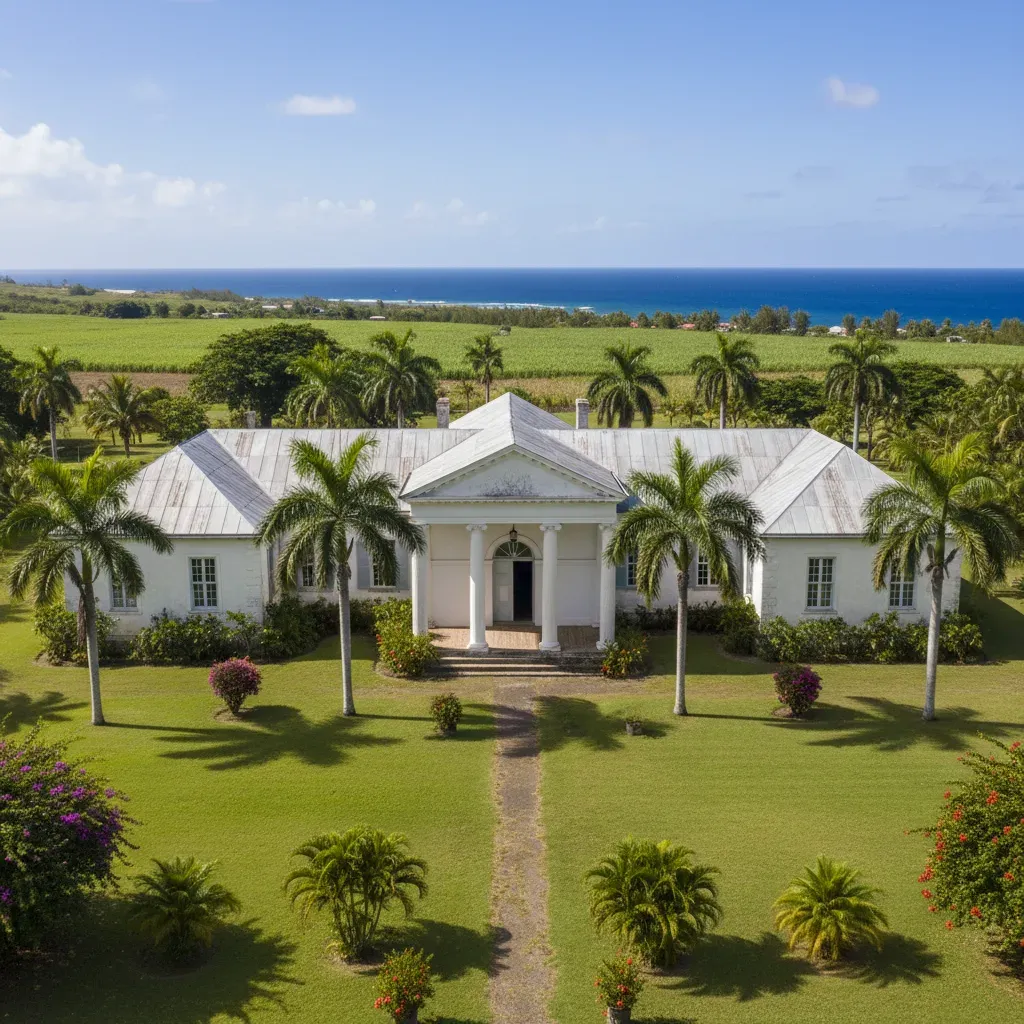
Château Murat
The largest former sugar plantation in Guadeloupe's archipelago, with a restored great house, sugar mill ruins, and an ecomuseum. The grounds offer panoramic views and tell the story of sugar, slavery, and the island's colonial past.
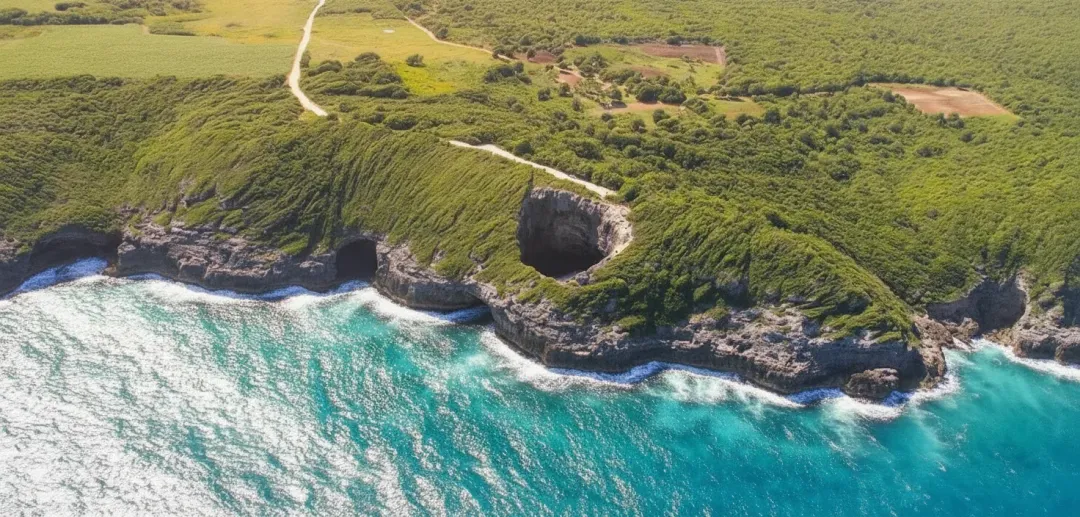
Gueule Grand Gouffre
A massive natural sinkhole where the sea rushes into a collapsed cliff cave, creating a dramatic 50m-wide chasm. The rugged coastal trail leading here passes limestone formations and crashing Atlantic waves.
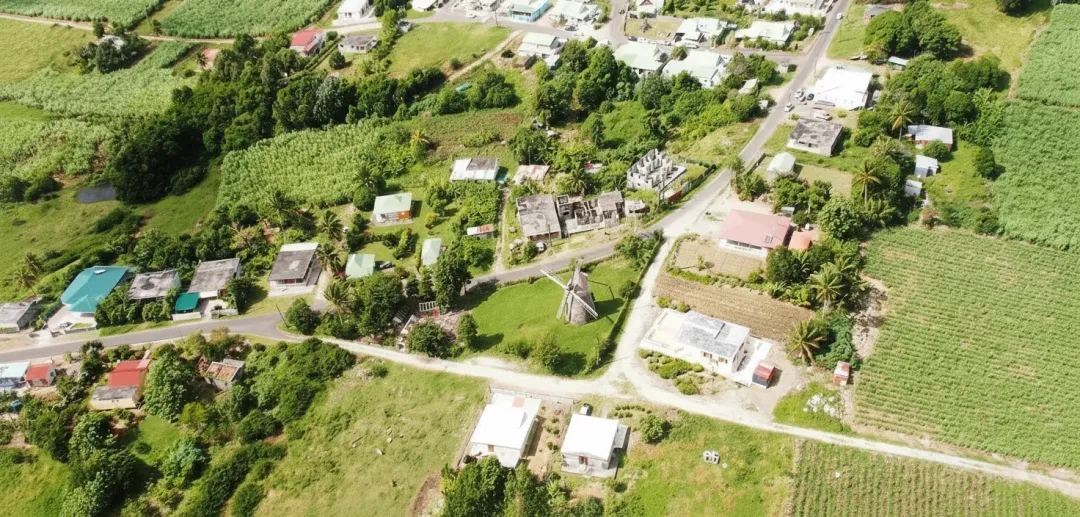
Moulin de Bézard
The only fully restored windmill on the island of a hundred windmills. This 19th-century sugar cane windmill still operates during harvest season, offering a living link to Marie-Galante's sugar heritage.
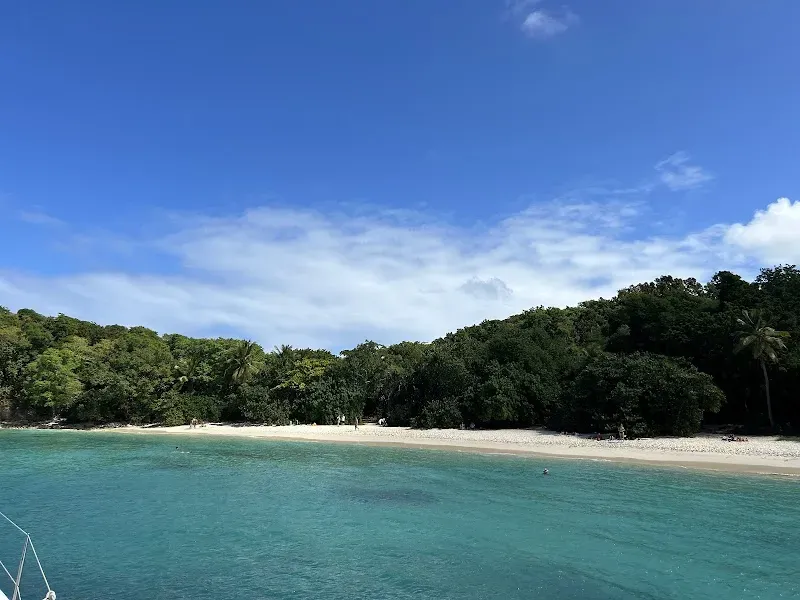
Anse Canot
Anse Canot is a nature attraction on Marie-Galante. This natural area showcases the lush tropical landscapes and diverse ecosystems that Marie-Galante is known for. Visitors can explore the local flora and fauna in a serene setting.
Hotels in Marie-Galante
Search for available rates by selecting your travel dates
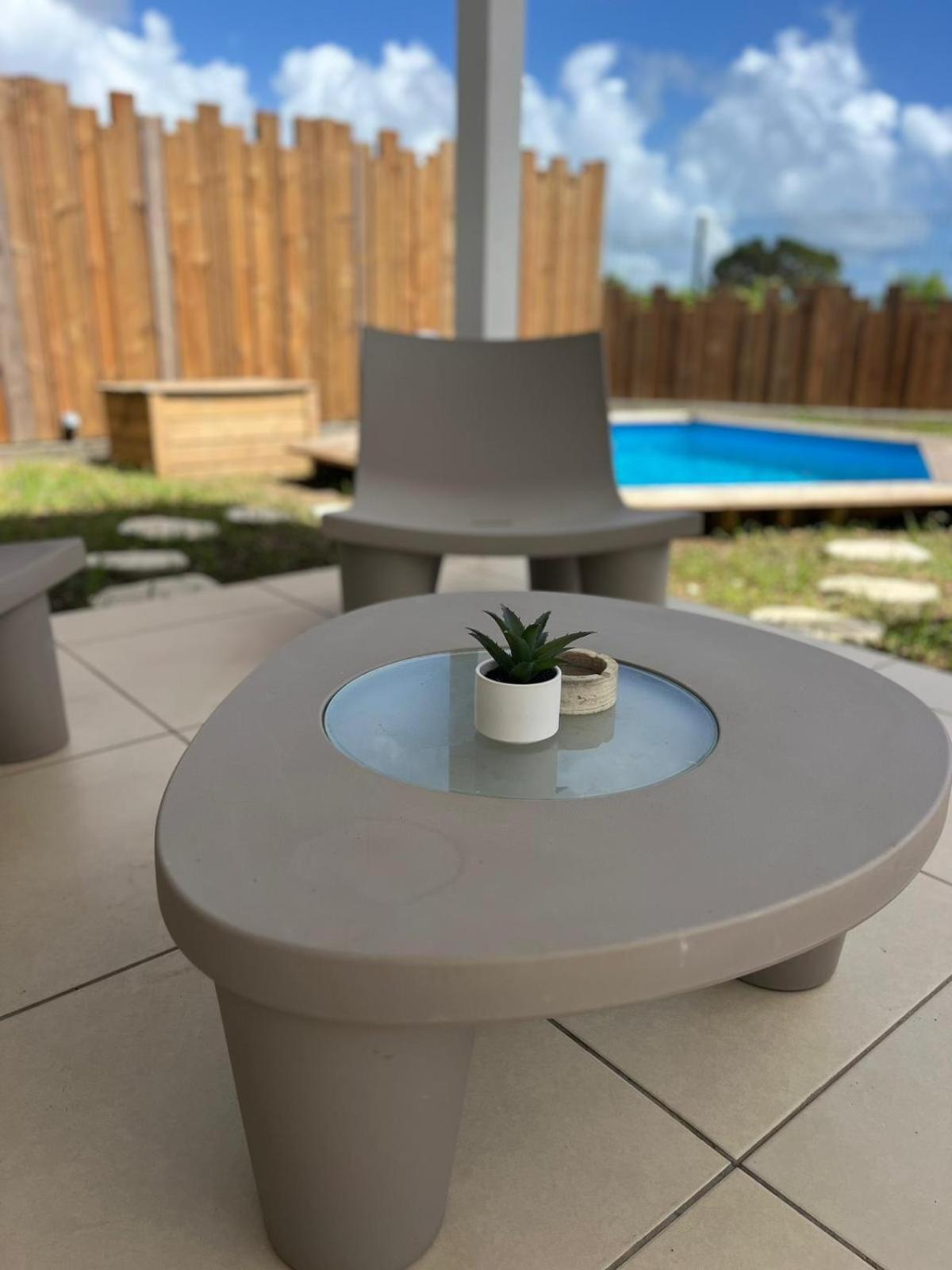
Ruddy’s house
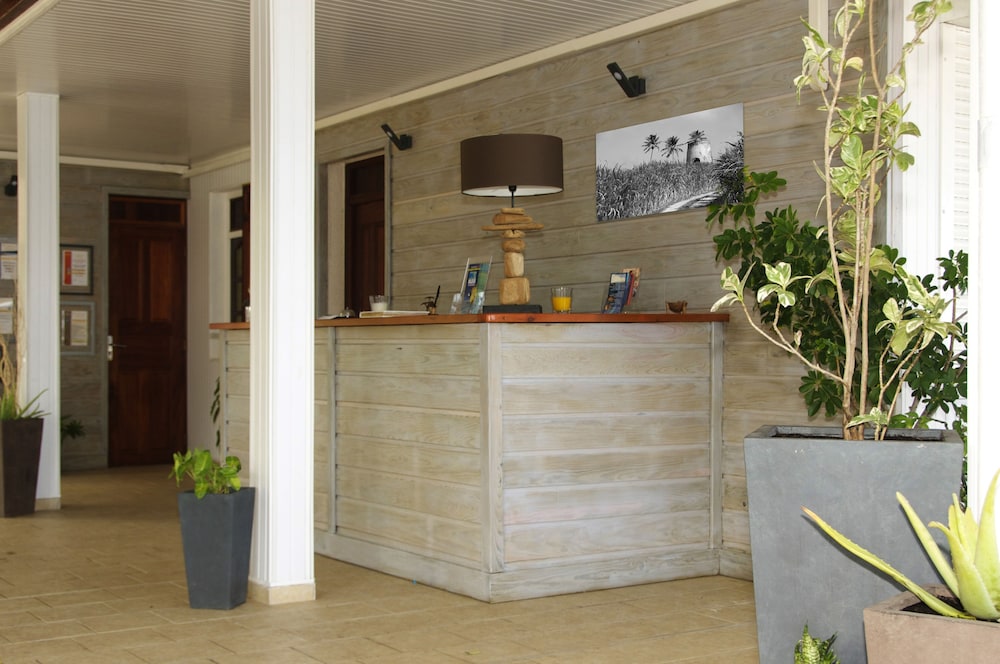
Hotel Le Soleil Levant
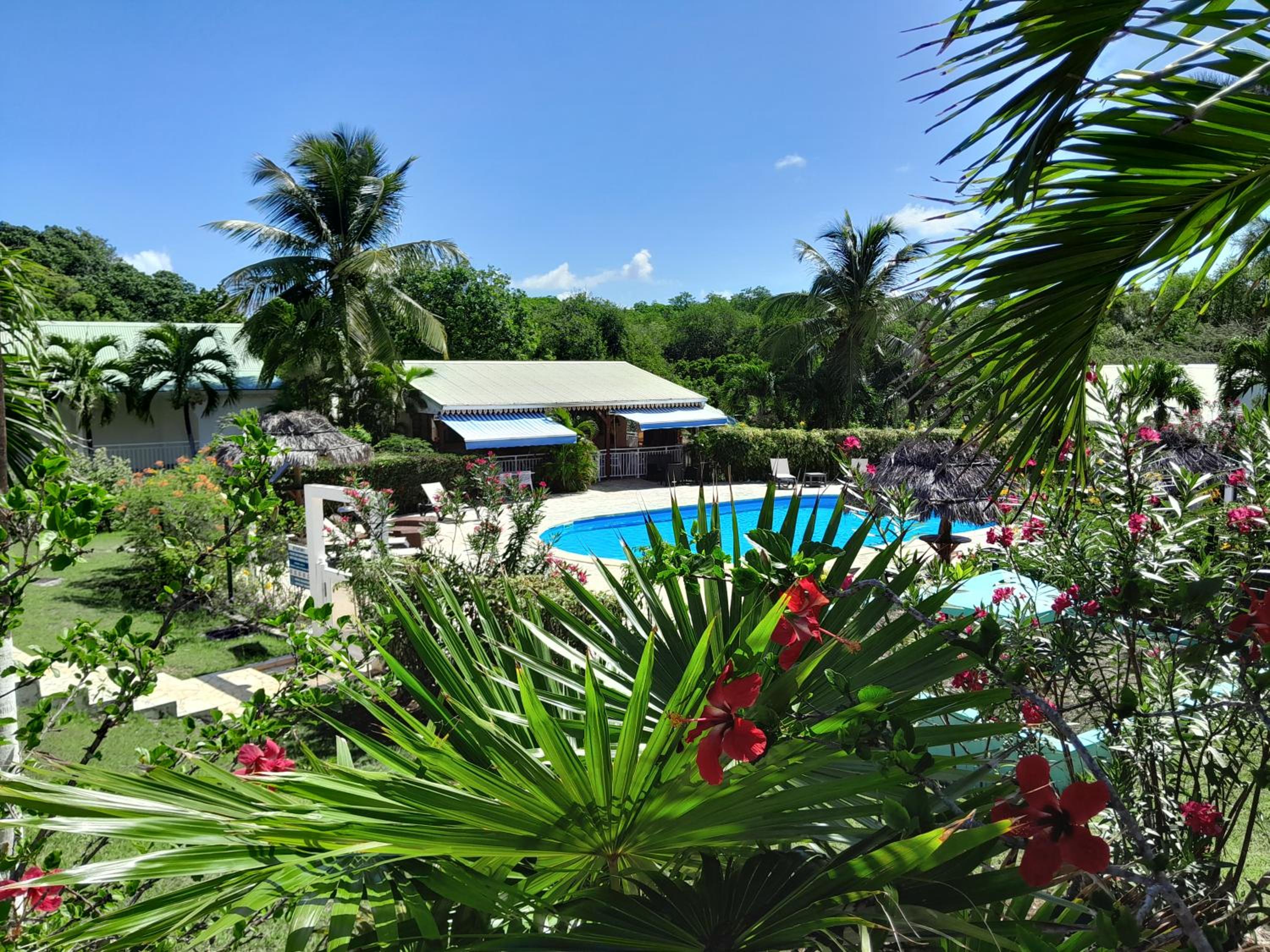
Au Village de Menard
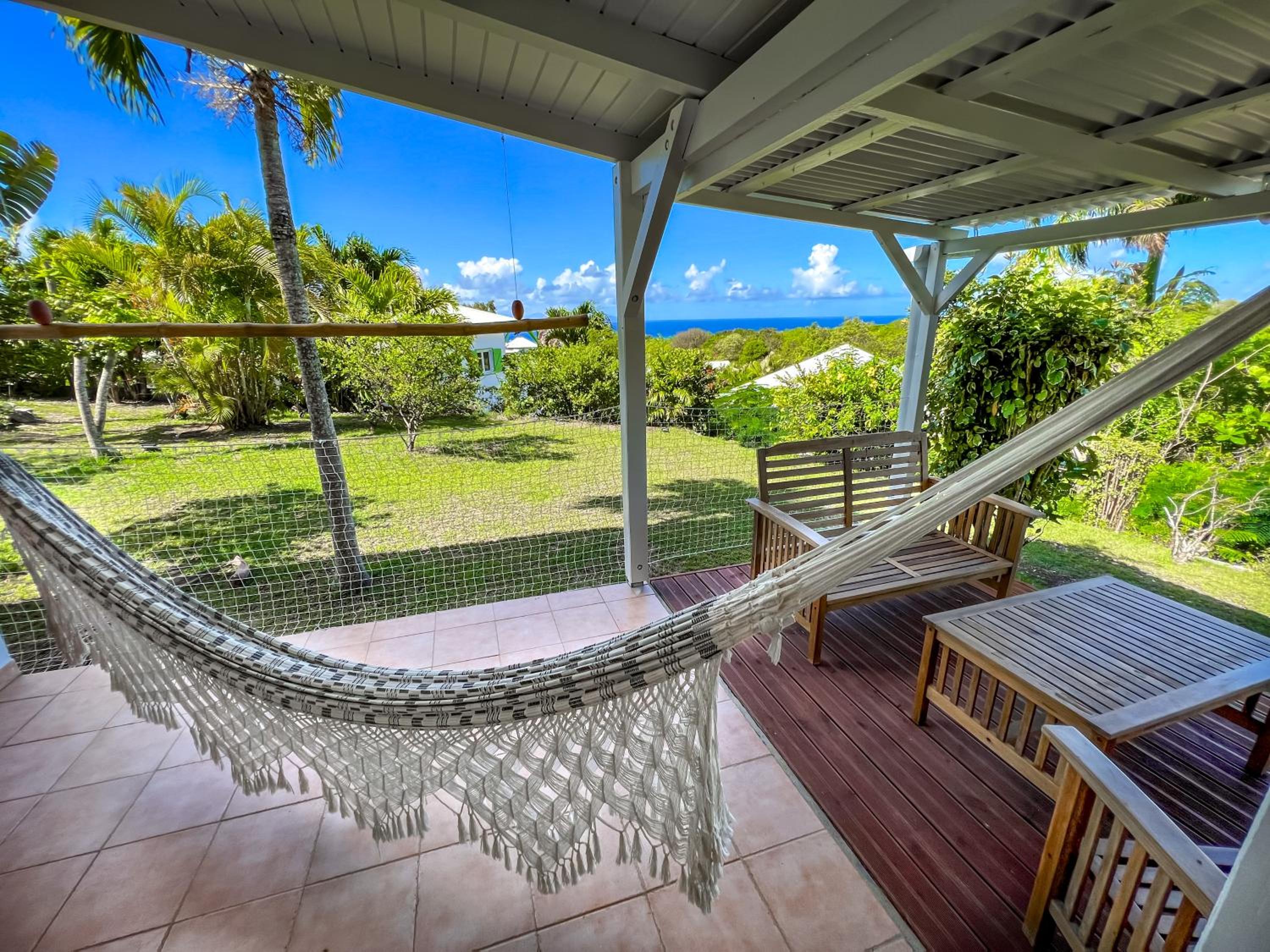
Gîte Bleu Caraïbes - Vue mer
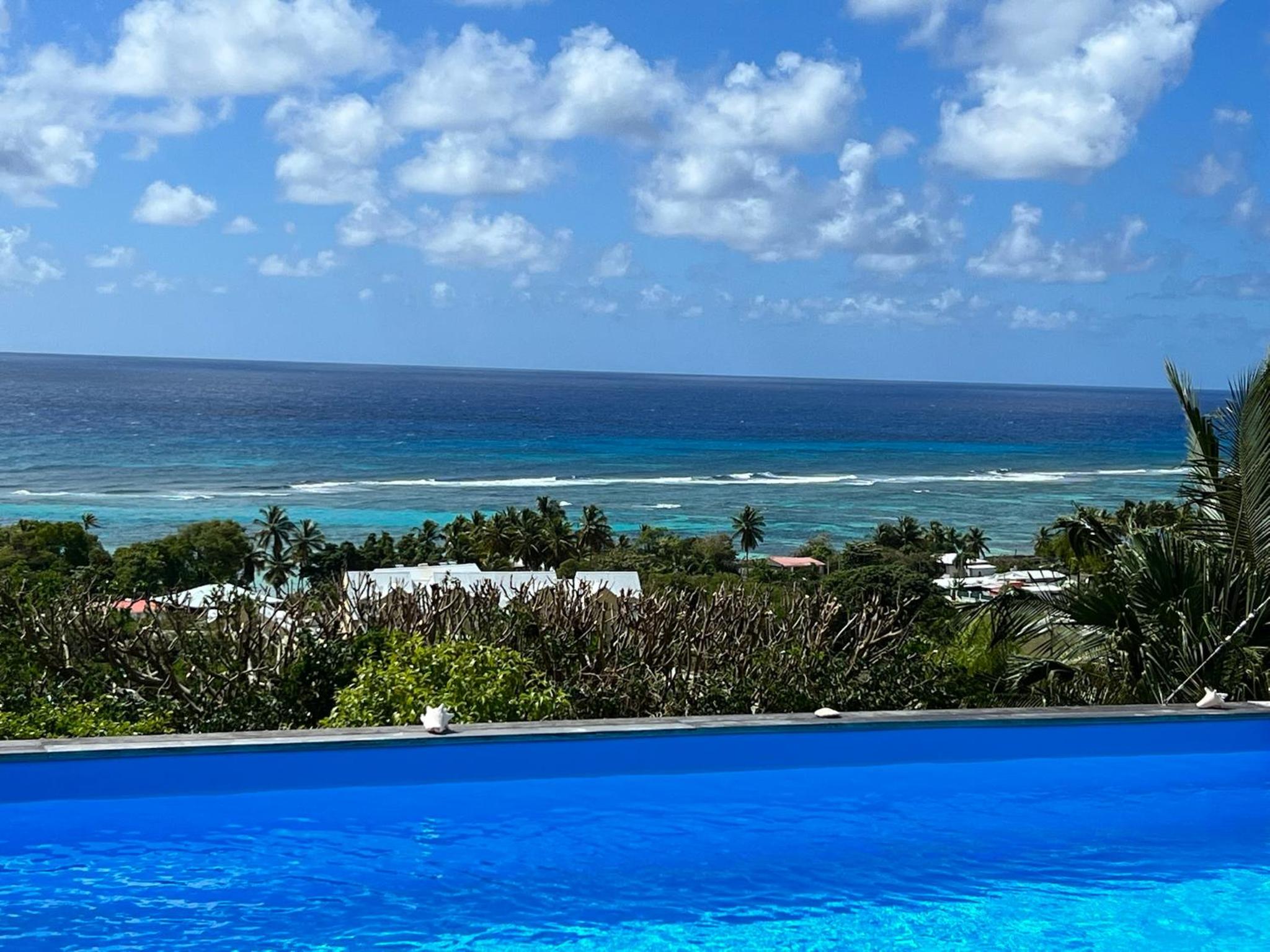
Chez Marie & Philippe - La Villa By Ferdi'Nan
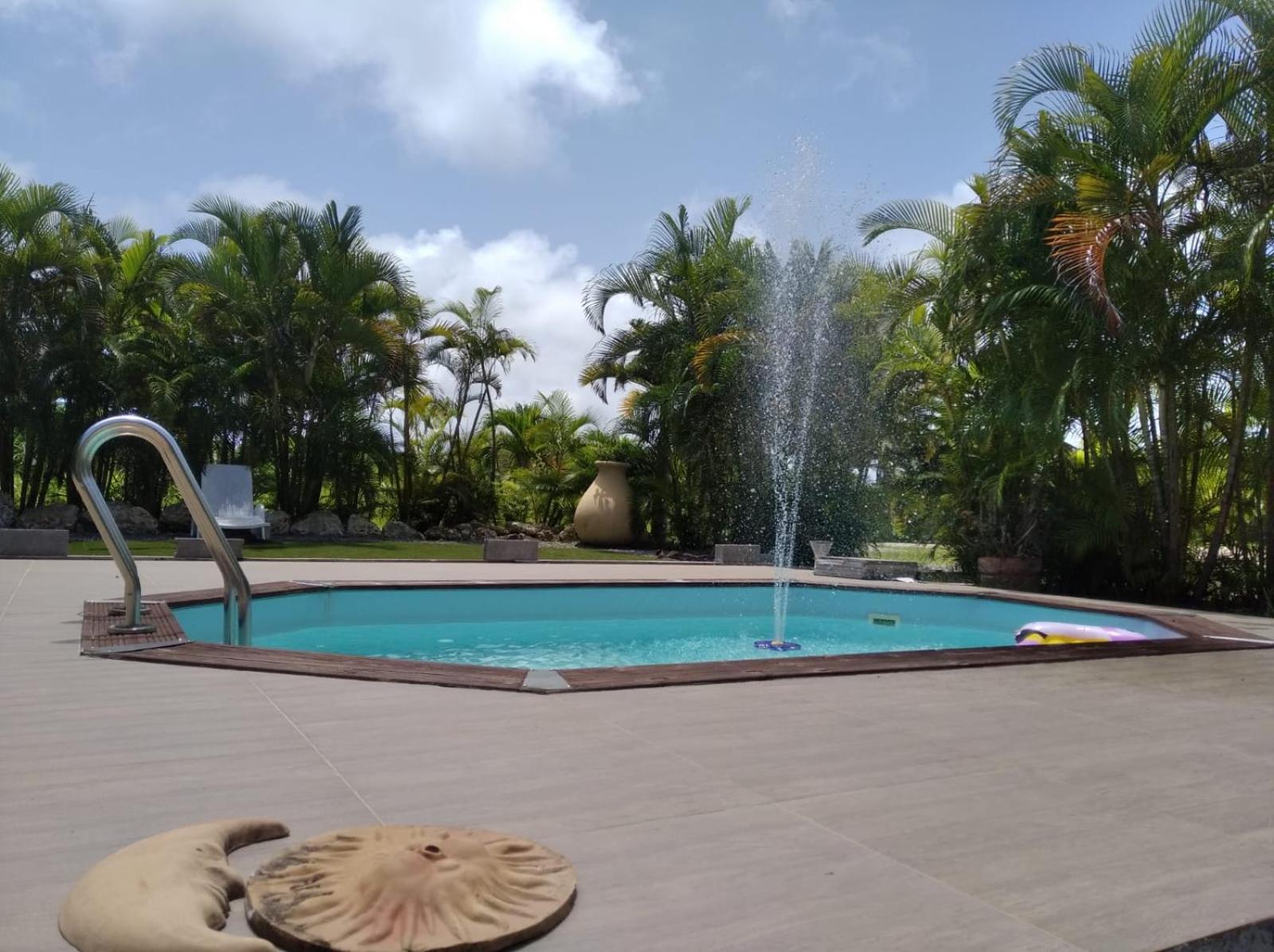
L'ASETA Paradise
Top Restaurants in Marie-Galante
Popular dining spots near Marie-Galante
No restaurants available for Marie-Galante yet.
Weather in Marie-Galante
Average Temperature
75°F to 85°F (24°C to 29°C)
Rainy Season
July to November
Hurricane Season
June to November
Best Time to Visit
December to May
Travel Tips
- Ferries to Marie-Galante depart from Pointe-à-Pitre in Guadeloupe
- Renting a car or scooter is the best way to explore the island
- Visit during the week to avoid weekend crowds from Guadeloupe
- Try the local rhum agricole at one of the three distilleries
- The island is relatively flat, making it ideal for cycling
Get Marie-Galante Travel Tips
Subscribe for curated tips, deals, and inspiration for your Marie-Galante trip.