
Things to Do in Montserrat
The Emerald Isle of the Caribbean. Explore 7 attractions across the island.
Montserrat is one of the most extraordinary and least-visited islands in the Caribbean, shaped by two defining forces: Irish colonial heritage and a volcano that buried half the island in the 1990s. The Soufrière Hills volcano began erupting in 1995, and over the following years pyroclastic flows destroyed the capital Plymouth, the airport, and most of the southern settlements. Today, Plymouth is often called the modern-day Pompeii of the Caribbean - rooftops poke through hardened ash, church steeples stand half-buried, and entire neighborhoods are frozen in time.
You can view the exclusion zone from the Montserrat Volcano Observatory (MVO), which has an excellent interpretive center explaining the eruption timeline with seismograph readings and video footage. Guided tours into the periphery of the exclusion zone take you close enough to see buried buildings and the eerie landscape of gray ash plains, though conditions and access depend on current volcanic activity levels. The inhabited northern third of the island is lush, green, and remarkably peaceful.
The Centre Hills Forest Reserve is a protected area of montane rainforest that shelters the endemic Montserrat oriole, one of the rarest birds in the Americas, along with the forest thrush and the galliwasp lizard. The Oriole Walkway trail is the best route for birdwatchers, winding through dense canopy with good chances of sighting the oriole between March and July. Rendezvous Beach, accessible only by boat or a steep 30-minute hike from Little Bay, is the island's only white sand beach - a beautiful crescent backed by cliffs with excellent snorkeling on the rocky edges.
Little Bay itself is where the new capital is slowly being built and where the ferry from Antigua docks. Jack Boy Hill overlooks the eastern exclusion zone and the airport buried under volcanic debris, with a panoramic viewpoint that puts the scale of the disaster into perspective. On St. Patrick's Day, Montserrat celebrates its dual heritage as the only country outside Ireland to mark March 17 as a national holiday - but here it also commemorates a failed slave uprising in 1768, blending Irish and African traditions in a week of festivities, music, and cultural events.
Top Activities
Tour the Plymouth Exclusion Zone
Guided tours take you to the edges of the buried capital, where rooftops and church steeples emerge from hardened volcanic ash. The experience is haunting and educational. Access depends on current volcanic activity levels - check with the Montserrat Volcano Observatory before booking. Tours typically cost $40 to $60 per person.
Visit the Montserrat Volcano Observatory
The MVO monitors the Soufrière Hills volcano around the clock and runs an interpretive center open to the public. Exhibits include seismograph readings, pyroclastic flow simulations, and video footage from the 1997 eruptions. Scientists are often on hand to answer questions. Entry is about $5.
Hike to Rendezvous Beach
Montserrat's only white sand beach is a steep 30-minute hike down from Little Bay or a short boat ride. The crescent of pale sand is backed by cliffs and usually deserted. Snorkeling along the rocky edges reveals healthy coral and tropical fish. Bring your own water and snacks - there are no facilities.
Birdwatch in the Centre Hills
The Centre Hills Forest Reserve protects montane rainforest home to the endemic Montserrat oriole, one of the rarest birds in the Western Hemisphere. The Oriole Walkway is the best trail, passing through dense canopy at elevations where the oriole is most active, especially between March and July. A local naturalist guide significantly improves your chances.
Dive the Sunken Jetty at Plymouth
Volcanic activity created unique underwater environments off Montserrat's coast. The old Plymouth jetty, partially buried by pyroclastic flows, is now an artificial reef teeming with marine life. Visibility is excellent and the site is suitable for intermediate divers. Green Monkey Dive Shop in Little Bay runs trips.
Attend St. Patrick's Festival
Montserrat is the only place outside Ireland that celebrates St. Patrick's Day as a national holiday, but the week-long festival in March blends Irish and African heritage, commemorating both the island's Irish settlers and a failed slave uprising in 1768. Events include calypso performances, masquerade dancers, historical lectures, and plenty of rum.
Kayak Along the Northwest Coast
The sheltered coastline between Little Bay and Rendezvous Bay offers calm paddling with views of volcanic cliffs, hidden coves, and the chance to spot sea turtles. Scuba Montserrat rents kayaks and can arrange guided tours. Morning sessions are best before the afternoon winds pick up.
Attractions in Montserrat
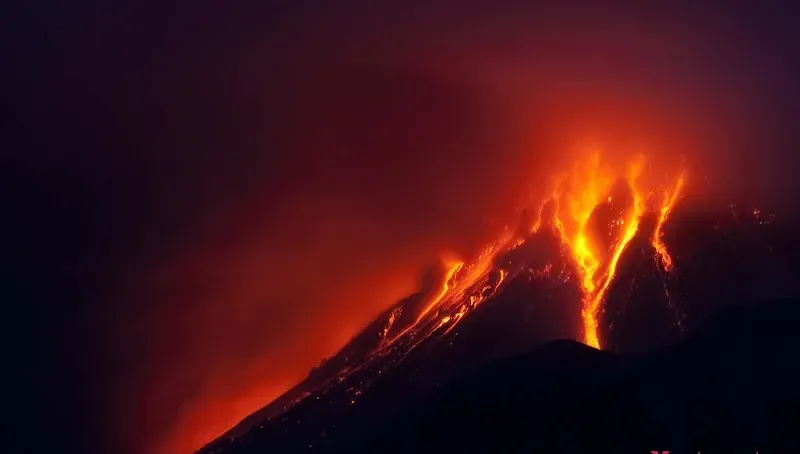
Montserrat Volcano Observatory
Montserrat Volcano Observatory is a nature attraction on Montserrat. This natural area showcases the lush tropical landscapes and diverse ecosystems that Montserrat is known for. Visitors can explore the local flora and fauna in a serene setting.
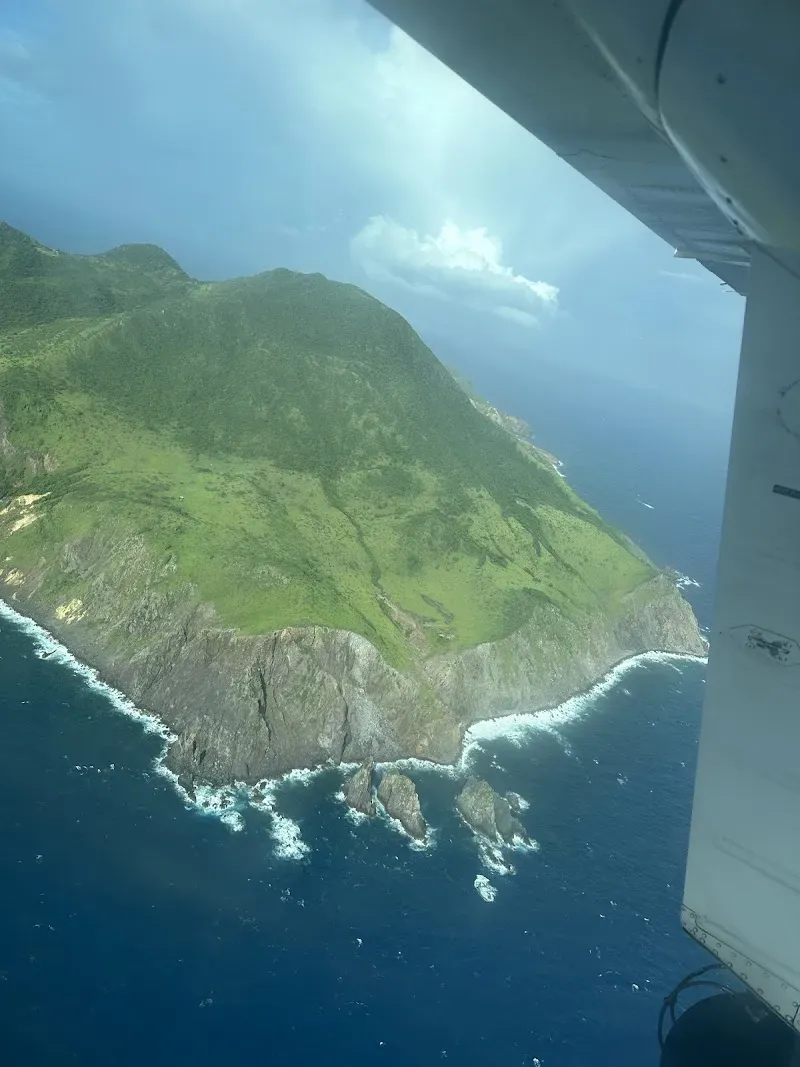
Hell's Gate
Hell's Gate is a nature attraction on Montserrat. This natural area showcases the lush tropical landscapes and diverse ecosystems that Montserrat is known for. Visitors can explore the local flora and fauna in a serene setting.
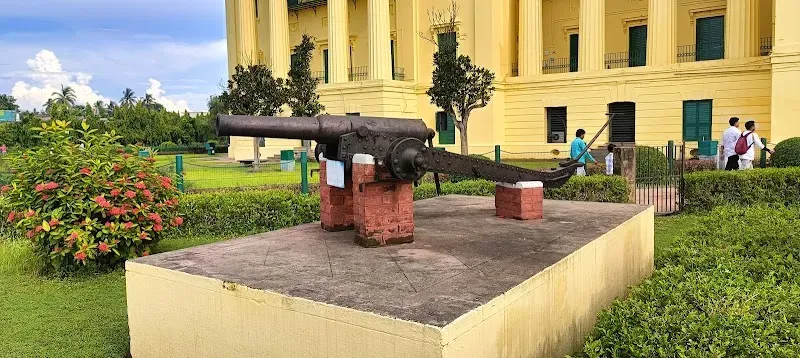
Spanish Point
Spanish Point is a nature attraction on Montserrat. This natural area showcases the lush tropical landscapes and diverse ecosystems that Montserrat is known for. Visitors can explore the local flora and fauna in a serene setting.
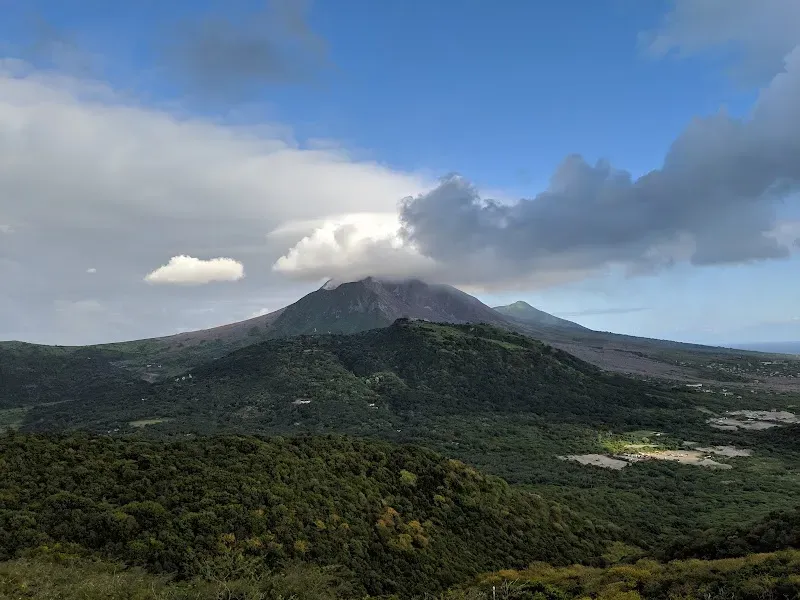
Garibaldi Hill Viewpoint
Garibaldi Hill Viewpoint is a nature attraction on Montserrat. This natural area showcases the lush tropical landscapes and diverse ecosystems that Montserrat is known for. Visitors can explore the local flora and fauna in a serene setting.
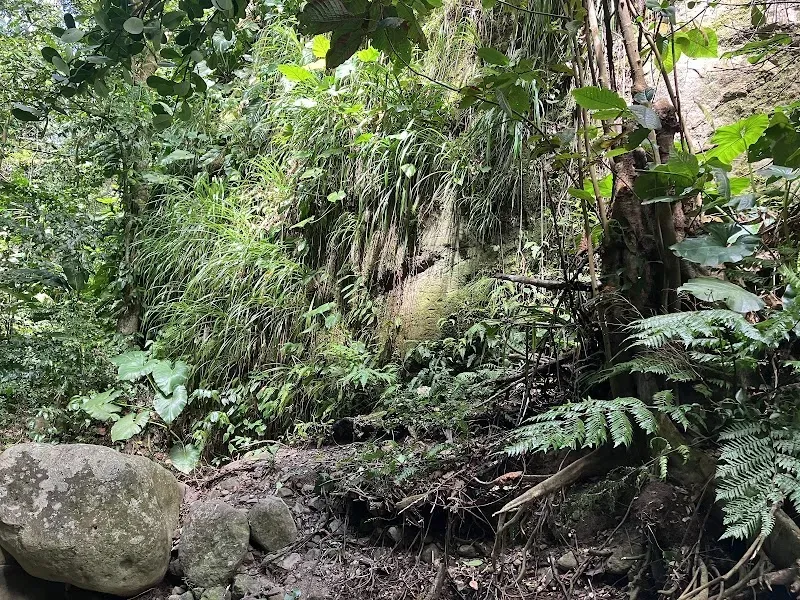
Soldier Ghaut Petroglyphs
Soldier Ghaut Petroglyphs is a nature attraction on Montserrat. This natural area showcases the lush tropical landscapes and diverse ecosystems that Montserrat is known for. Visitors can explore the local flora and fauna in a serene setting.
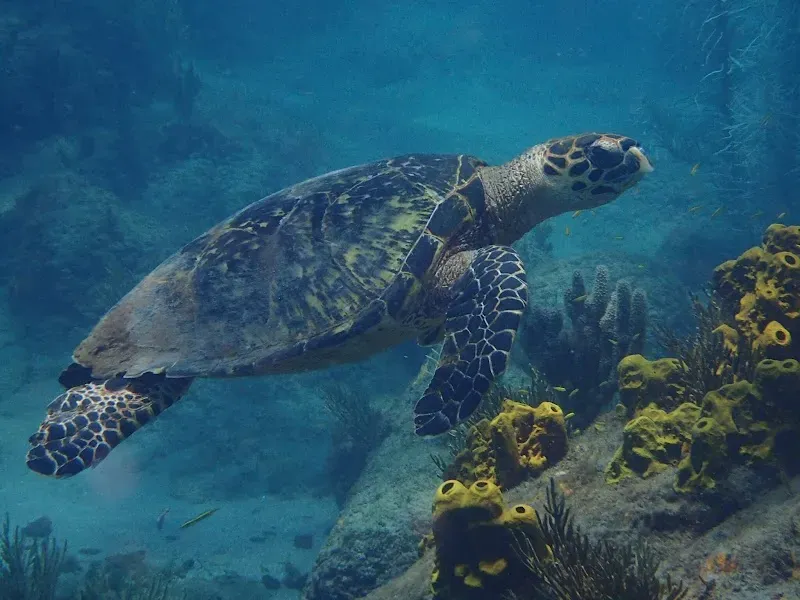
Woodlands Reef
Woodlands Reef is a nature attraction on Montserrat. This natural area showcases the lush tropical landscapes and diverse ecosystems that Montserrat is known for. Visitors can explore the local flora and fauna in a serene setting.
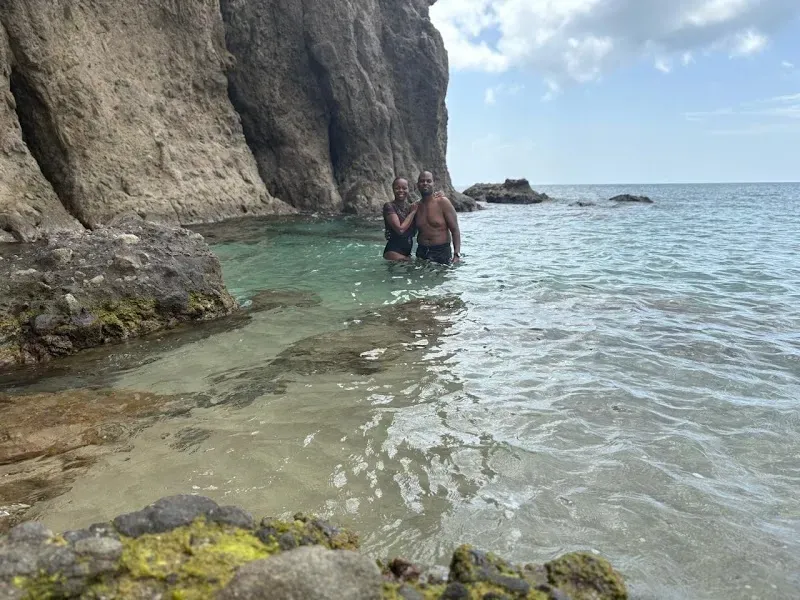
Fish ‘N Fins Clubhouse
Fish ‘N Fins Clubhouse is a nature attraction on Montserrat. This natural area showcases the lush tropical landscapes and diverse ecosystems that Montserrat is known for. Visitors can explore the local flora and fauna in a serene setting.
Explore More of Montserrat
Find hotels, restaurants, and bookable experiences on our full island page.