Montserrat
The Emerald Isle of the Caribbean
About Montserrat
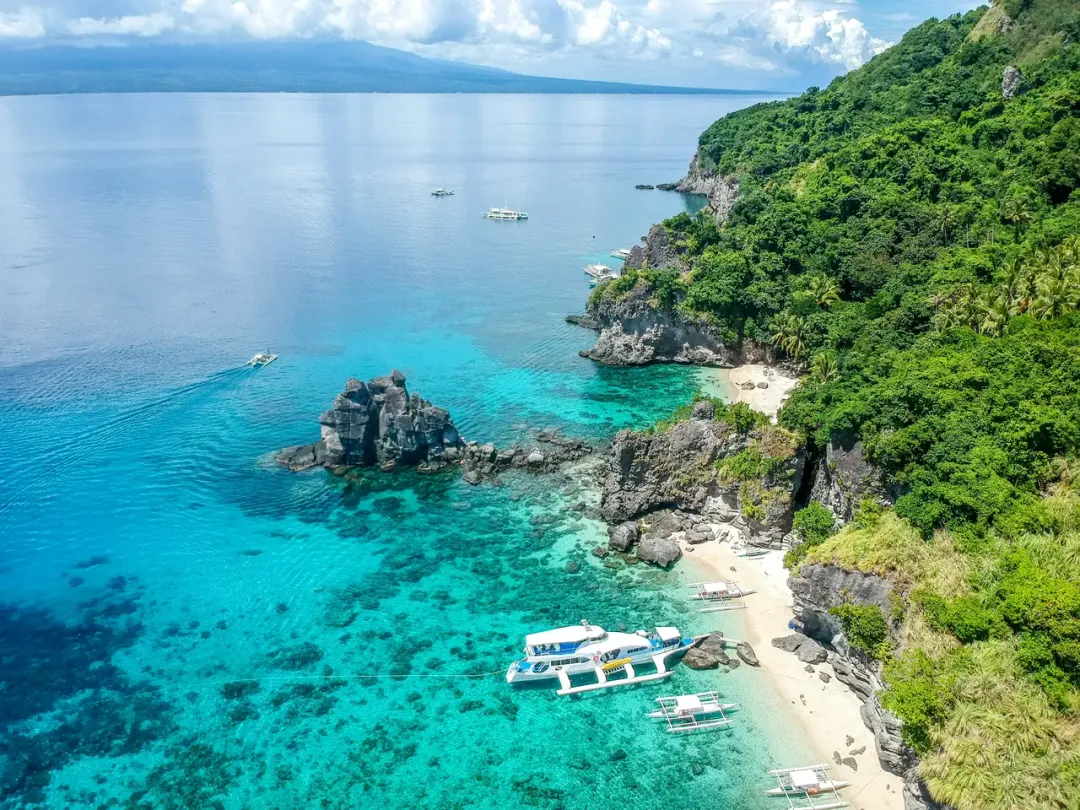
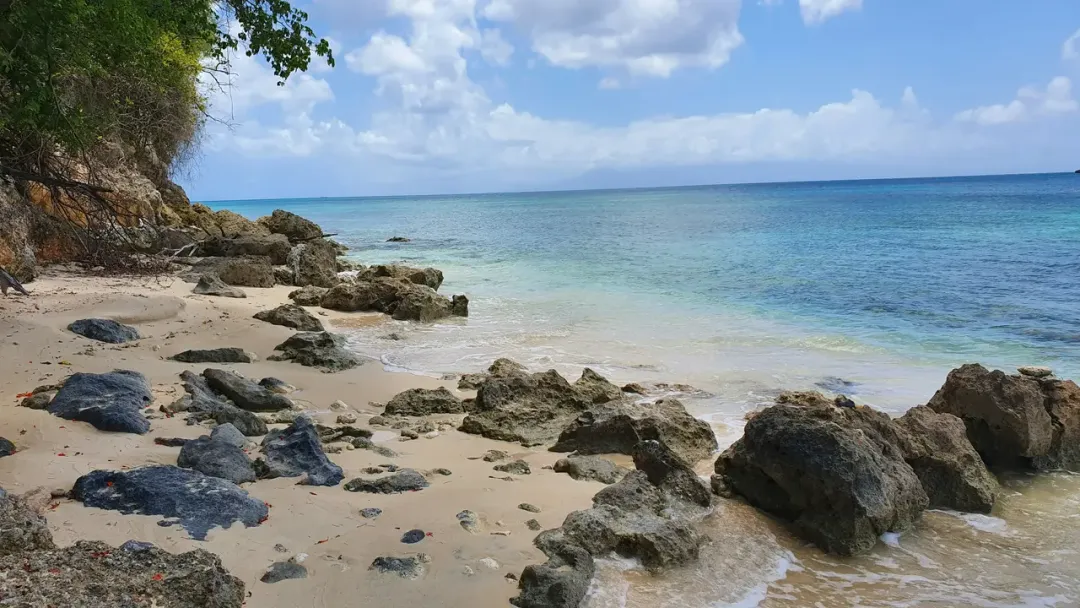
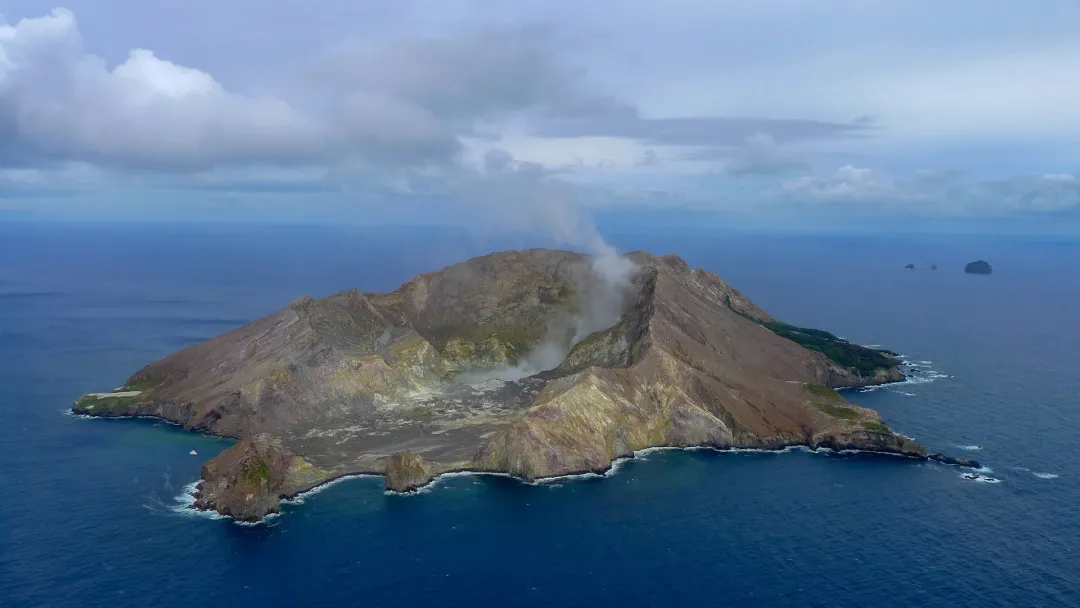
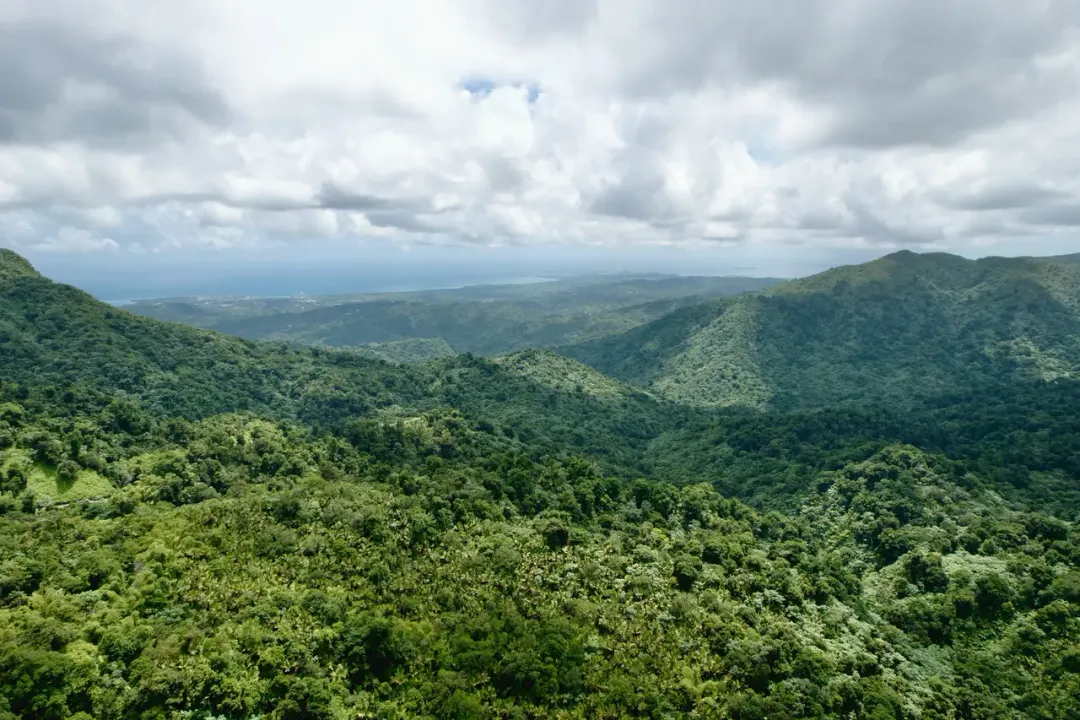
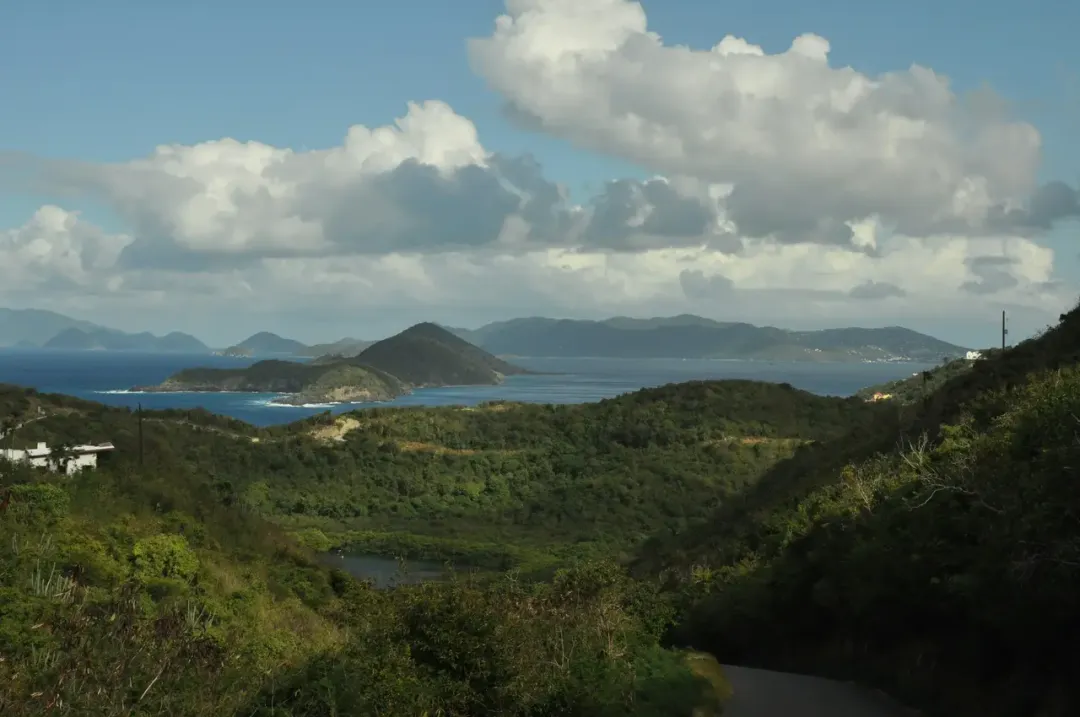
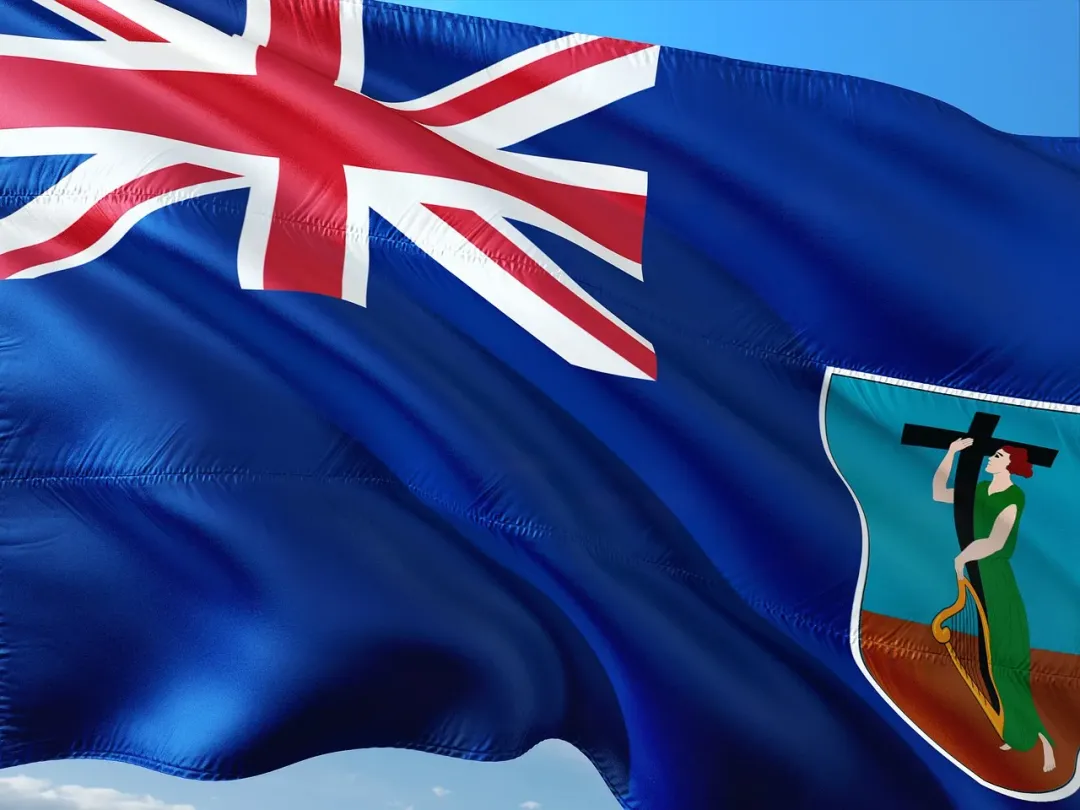
Montserrat, a British Overseas Territory in the Lesser Antilles, is known as the 'Emerald Isle of the Caribbean' both for its lush vegetation and strong Irish heritage, evident in the shamrock stamp on passports and St. Patrick's Day as a national holiday. The island's recent history has been dramatically shaped by the Soufrière Hills volcano, which erupted in 1995, burying the southern part of the island including the capital, Plymouth, and forcing two-thirds of the population to evacuate. Today, this exclusion zone offers a unique, haunting landscape of abandoned buildings partially buried in ash, accessible only with authorized guides. The northern part of the island remains lush and green, with new developments including the town of Little Bay, which is being developed as the new capital. Despite its small size and population, Montserrat maintains a rich cultural scene, particularly in music, with the island being home to Air Studios Montserrat, founded by Beatles producer George Martin, where numerous famous artists recorded in the 1970s and 80s. The island's natural attractions include hiking trails through the Centre Hills, home to the endemic Montserrat oriole, black beaches formed from volcanic sand, and coral reefs for diving and snorkeling. With its combination of natural wonders, geological significance, and cultural heritage, Montserrat offers visitors a distinctive Caribbean experience focused on eco-tourism and geological interest rather than traditional beach tourism.
Size
39 sq mi (102 km²)
Population
5,000
Language
English
Currency
Eastern Caribbean Dollar (XCD)
Time Zone
UTC-4 (Atlantic Time)
Best Time to Visit
December to May
Highlights
Best Things to Do in Montserrat
Montserrat is one of the most extraordinary and least-visited islands in the Caribbean, shaped by two defining forces: Irish colonial heritage and a volcano that buried half the island in the 1990s. The Soufrière Hills volcano began erupting in 1995, and over the following years pyroclastic flows destroyed the capital Plymouth, the airport, and most of the southern settlements. Today, Plymouth is often called the modern-day Pompeii of the Caribbean - rooftops poke through hardened ash, church steeples stand half-buried, and entire neighborhoods are frozen in time.
You can view the exclusion zone from the Montserrat Volcano Observatory (MVO), which has an excellent interpretive center explaining the eruption timeline with seismograph readings and video footage. Guided tours into the periphery of the exclusion zone take you close enough to see buried buildings and the eerie landscape of gray ash plains, though conditions and access depend on current volcanic activity levels. The inhabited northern third of the island is lush, green, and remarkably peaceful.
The Centre Hills Forest Reserve is a protected area of montane rainforest that shelters the endemic Montserrat oriole, one of the rarest birds in the Americas, along with the forest thrush and the galliwasp lizard. The Oriole Walkway trail is the best route for birdwatchers, winding through dense canopy with good chances of sighting the oriole between March and July. Rendezvous Beach, accessible only by boat or a steep 30-minute hike from Little Bay, is the island's only white sand beach - a beautiful crescent backed by cliffs with excellent snorkeling on the rocky edges.
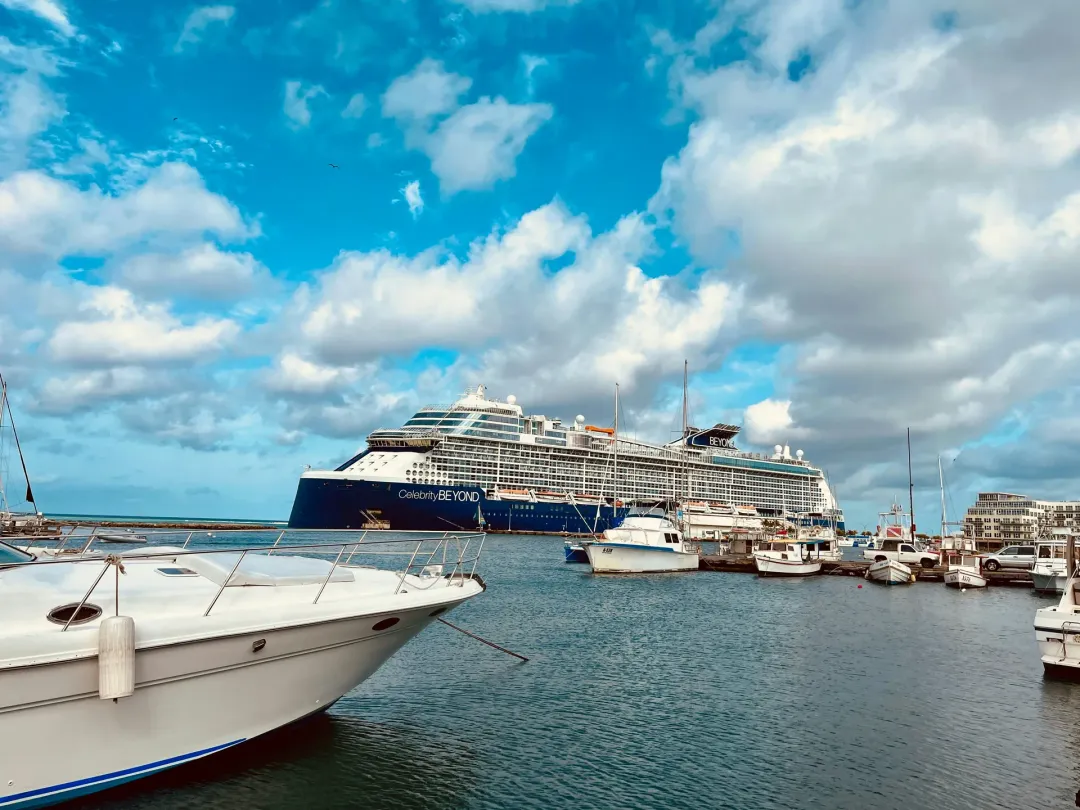
Little Bay itself is where the new capital is slowly being built and where the ferry from Antigua docks. Jack Boy Hill overlooks the eastern exclusion zone and the airport buried under volcanic debris, with a panoramic viewpoint that puts the scale of the disaster into perspective. On St. Patrick's Day, Montserrat celebrates its dual heritage as the only country outside Ireland to mark March 17 as a national holiday - but here it also commemorates a failed slave uprising in 1768, blending Irish and African traditions in a week of festivities, music, and cultural events.
Tour the Plymouth Exclusion Zone
Guided tours take you to the edges of the buried capital, where rooftops and church steeples emerge from hardened volcanic ash. The experience is haunting and educational. Access depends on current volcanic activity levels - check with the Montserrat Volcano Observatory before booking. Tours typically cost $40 to $60 per person.
Visit the Montserrat Volcano Observatory
The MVO monitors the Soufrière Hills volcano around the clock and runs an interpretive center open to the public. Exhibits include seismograph readings, pyroclastic flow simulations, and video footage from the 1997 eruptions. Scientists are often on hand to answer questions. Entry is about $5.
Hike to Rendezvous Beach
Montserrat's only white sand beach is a steep 30-minute hike down from Little Bay or a short boat ride. The crescent of pale sand is backed by cliffs and usually deserted. Snorkeling along the rocky edges reveals healthy coral and tropical fish. Bring your own water and snacks - there are no facilities.
Birdwatch in the Centre Hills
The Centre Hills Forest Reserve protects montane rainforest home to the endemic Montserrat oriole, one of the rarest birds in the Western Hemisphere. The Oriole Walkway is the best trail, passing through dense canopy at elevations where the oriole is most active, especially between March and July. A local naturalist guide significantly improves your chances.
Dive the Sunken Jetty at Plymouth
Volcanic activity created unique underwater environments off Montserrat's coast. The old Plymouth jetty, partially buried by pyroclastic flows, is now an artificial reef teeming with marine life. Visibility is excellent and the site is suitable for intermediate divers. Green Monkey Dive Shop in Little Bay runs trips.
Attend St. Patrick's Festival
Montserrat is the only place outside Ireland that celebrates St. Patrick's Day as a national holiday, but the week-long festival in March blends Irish and African heritage, commemorating both the island's Irish settlers and a failed slave uprising in 1768. Events include calypso performances, masquerade dancers, historical lectures, and plenty of rum.
Kayak Along the Northwest Coast
The sheltered coastline between Little Bay and Rendezvous Bay offers calm paddling with views of volcanic cliffs, hidden coves, and the chance to spot sea turtles. Scuba Montserrat rents kayaks and can arrange guided tours. Morning sessions are best before the afternoon winds pick up.
Where to Stay in Montserrat
Montserrat's small size and population mean accommodation options are limited but charming. The island has no large resorts or chain hotels, which is part of its appeal. Tropical Mansion Suites in Sweeney's is the closest thing to a conventional hotel, with clean, comfortable rooms from $100 to $160 a night and a pool.
Olveston House, once the guest house where Beatles producer George Martin hosted musicians recording at his nearby Air Studios, offers rooms full of music history from $80 to $130 - photographs of Elton John, The Police, and Dire Straits line the walls. Gingerbread Hill in St. Peter's provides self-catering cottages with spectacular volcano views from $90 to $140, and the owner is an invaluable source of local knowledge.
Villa rentals are increasingly popular, with several well-maintained properties in the Woodlands and Olveston areas ranging from $70 to $200 a night, many with full kitchens that help manage food costs on an island where restaurant options are limited. The budget floor is around $50 a night for basic guesthouses. For the most unique experience, ask locals about home stays or informal rentals that do not appear online - Montserrat is small enough that word of mouth still works. Be aware that the ferry from Antigua does not run daily, and the small FlyMontserrat airline operates limited schedules, so plan your arrival and departure carefully.
Where to Eat in Montserrat
Dining on Montserrat is simple, hearty, and centered on whatever was caught or grown that day. The island has perhaps a dozen restaurants, and none of them are trying to impress a food critic - they are feeding a community.
Pont's Beach View in Little Bay is the social hub, serving grilled fish, goat water stew (the national dish, a thick, spiced goat stew influenced by Irish stew traditions), and cold Carib beers at picnic tables overlooking the harbor. Ziggy's Restaurant in Mahogany Loop is the closest thing to fine dining on the island, with a rotating menu of grilled lobster, jerk chicken, and fresh catch in the $15 to $30 range.
Tina's, a no-frills local spot in Brades, serves massive plates of stewed chicken, rice and peas, and fried plantain for under $10. Goat water is the dish you must try - it is slow-cooked for hours with cloves, thyme, and local rum, and every cook on the island has their own version.
Mountain chicken, traditionally Montserrat's signature delicacy, refers to the giant desmarest's frog (Leptodactylus fallax), which is now critically endangered and cannot be served. The Friday night lime at Pont's or wherever the crowd gathers is the island's main social event - locals and visitors mix over barbecued ribs, rum punch, and calypso music. Montserrat's water is clean and safe to drink straight from the tap, a rarity in the Caribbean. Bring specialty food items from Antigua, as grocery selection on the island is limited and imported goods are expensive.
Best Time to Visit Montserrat
Montserrat's dry season from December through May offers the most comfortable conditions, with temperatures in the upper 70s to mid-80s Fahrenheit and lower humidity. January through April is the sweet spot, with reliable sunshine and calm seas ideal for diving and kayaking. St. Patrick's Week in mid-March is the island's biggest event and worth planning around. The wet season from June through November brings heavier rainfall and higher humidity, though mornings are often clear. Hurricane season peaks in September and October, and Montserrat's small size means storm impacts can be significant.
Volcanic activity is monitored year-round by the MVO - the volcano's alert level determines access to the exclusion zone and can change with little notice. For birdwatching in the Centre Hills, March through July is best for spotting the endemic Montserrat oriole during breeding season. Ferry and flight schedules between Antigua and Montserrat are limited, so book early during peak season.
Getting Around Montserrat
Rental cars are the primary way to get around. Roads are well-maintained in the inhabited northern zone.
Taxis are available but limited. No public bus system. The island is small enough to drive end to end in 30 minutes.
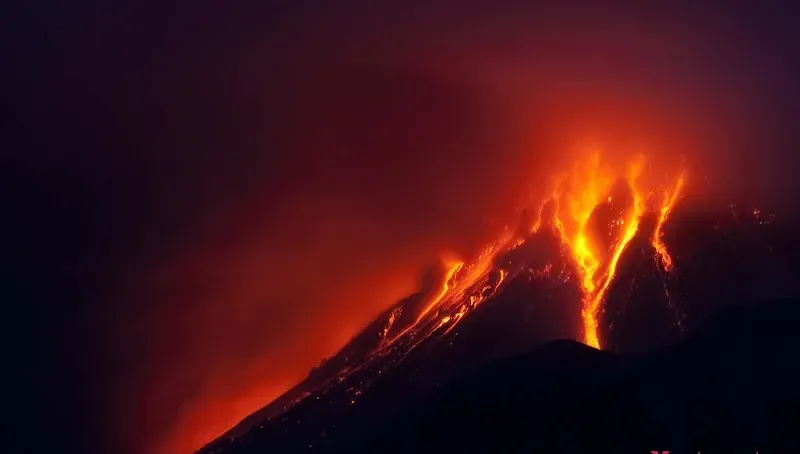
Montserrat Volcano Observatory
Montserrat Volcano Observatory is a nature attraction on Montserrat. This natural area showcases the lush tropical landscapes and diverse ecosystems that Montserrat is known for. Visitors can explore the local flora and fauna in a serene setting.
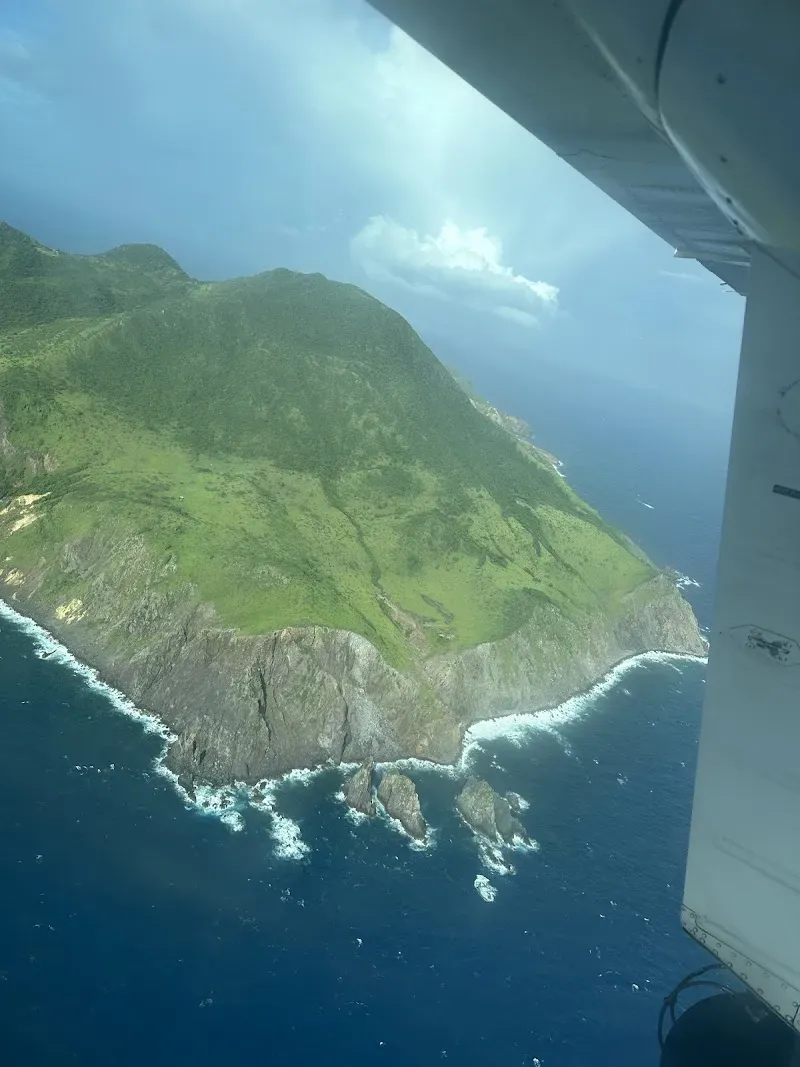
Hell's Gate
Hell's Gate is a nature attraction on Montserrat. This natural area showcases the lush tropical landscapes and diverse ecosystems that Montserrat is known for. Visitors can explore the local flora and fauna in a serene setting.
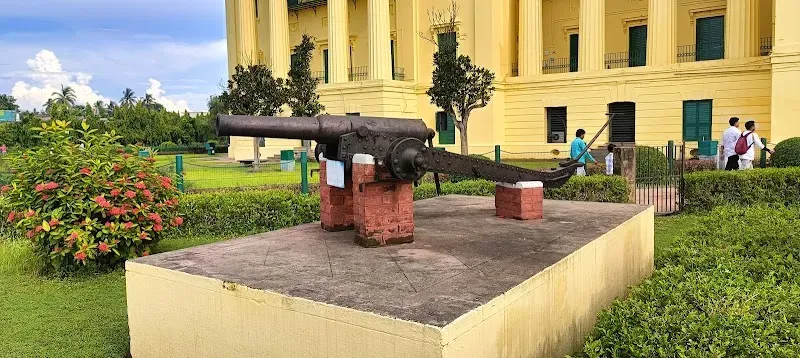
Spanish Point
Spanish Point is a nature attraction on Montserrat. This natural area showcases the lush tropical landscapes and diverse ecosystems that Montserrat is known for. Visitors can explore the local flora and fauna in a serene setting.
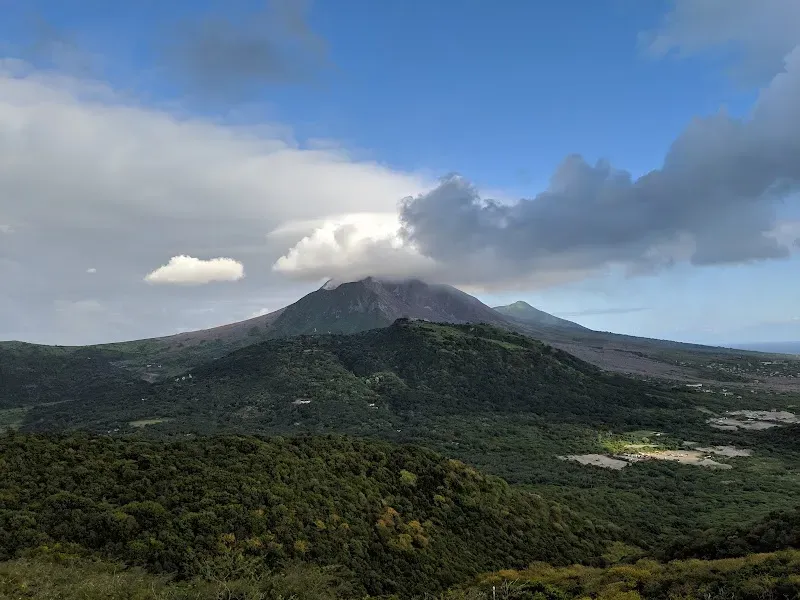
Garibaldi Hill Viewpoint
Garibaldi Hill Viewpoint is a nature attraction on Montserrat. This natural area showcases the lush tropical landscapes and diverse ecosystems that Montserrat is known for. Visitors can explore the local flora and fauna in a serene setting.
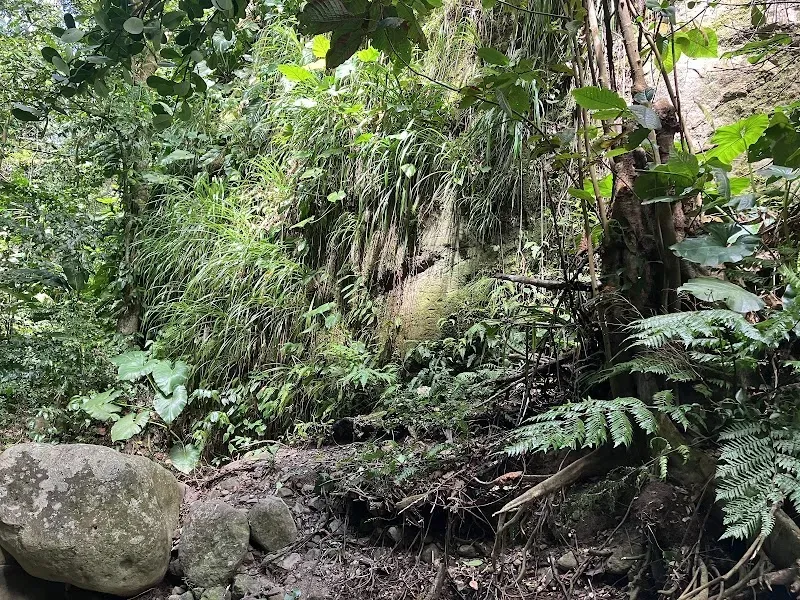
Soldier Ghaut Petroglyphs
Soldier Ghaut Petroglyphs is a nature attraction on Montserrat. This natural area showcases the lush tropical landscapes and diverse ecosystems that Montserrat is known for. Visitors can explore the local flora and fauna in a serene setting.
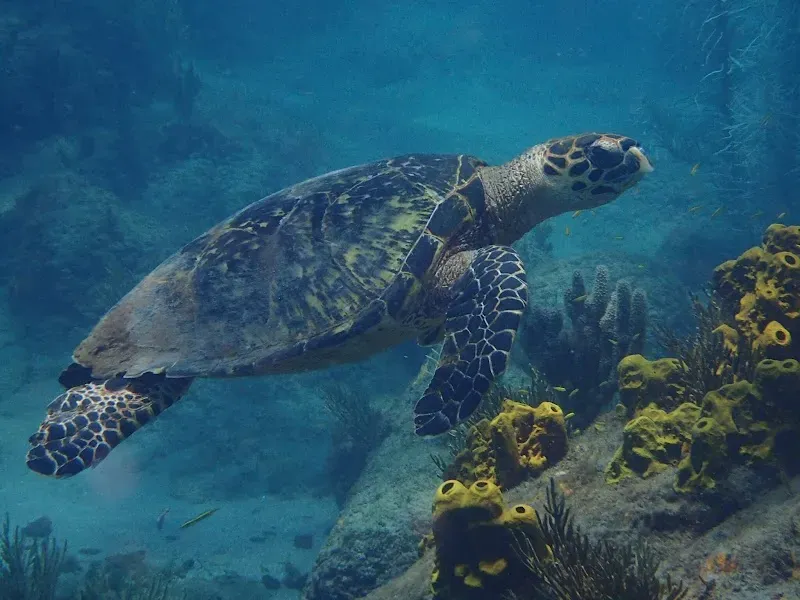
Woodlands Reef
Woodlands Reef is a nature attraction on Montserrat. This natural area showcases the lush tropical landscapes and diverse ecosystems that Montserrat is known for. Visitors can explore the local flora and fauna in a serene setting.
Hotels in Montserrat
Search for available rates by selecting your travel dates
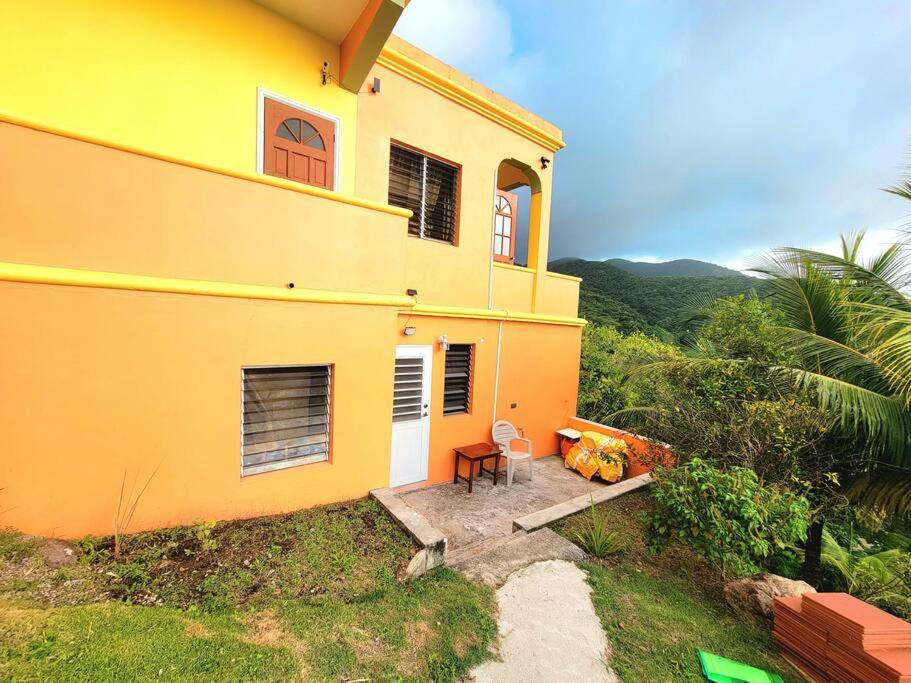
Seaview Guesthouse Apt #2
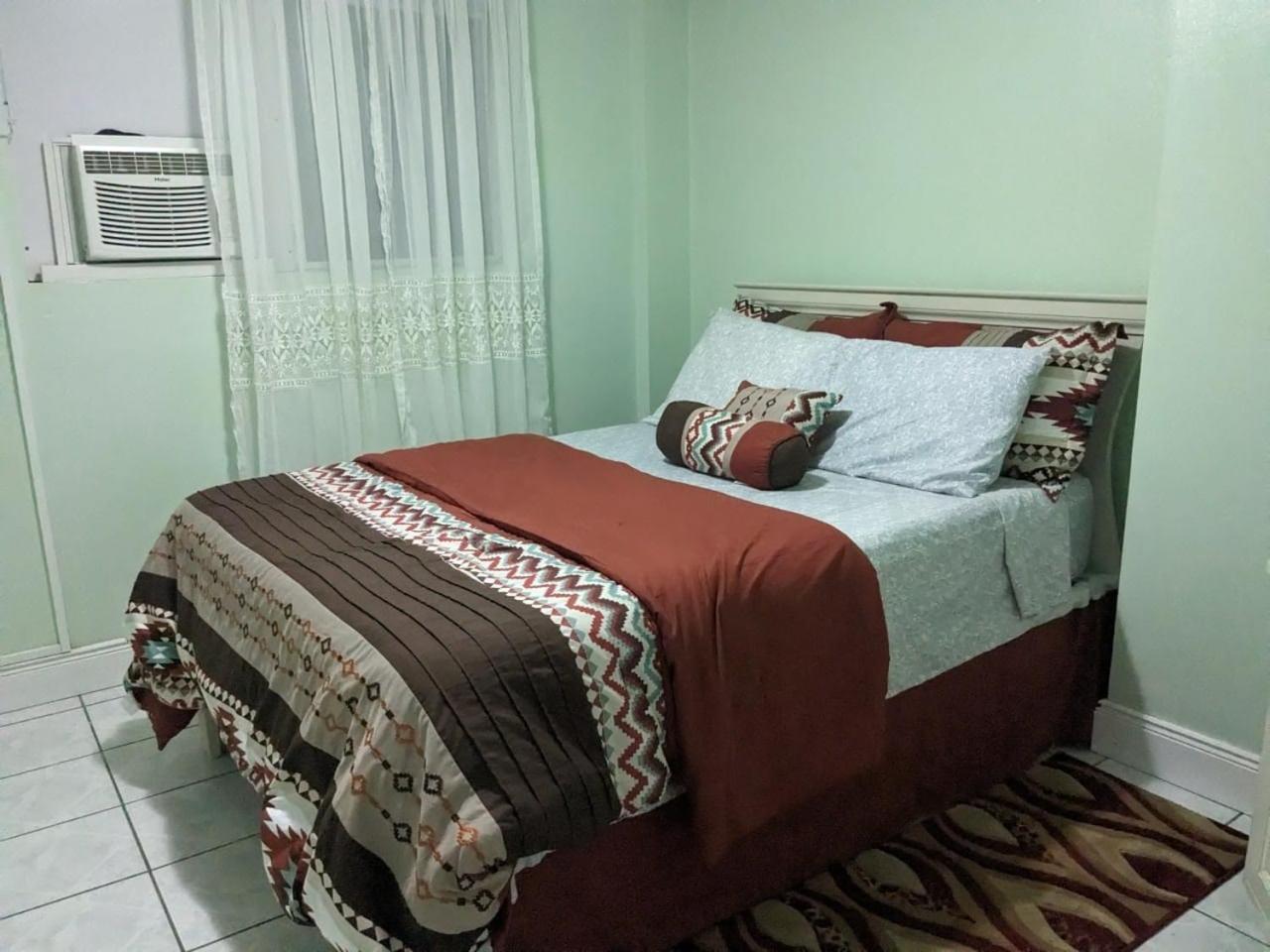
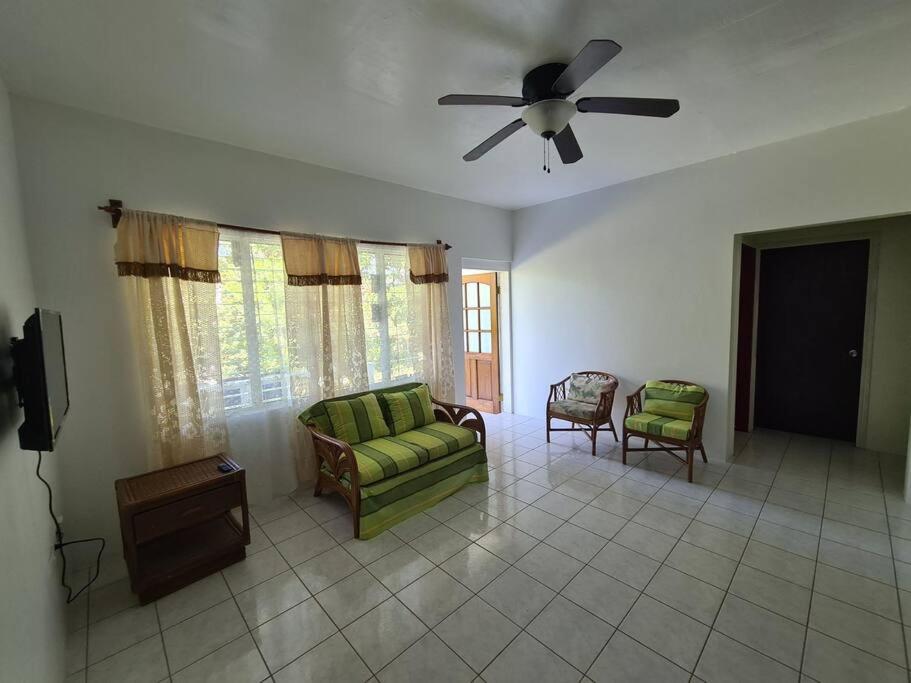
Modern North Side Hideaway with Aircon
 0
0Montserrat Mountain View Retreat
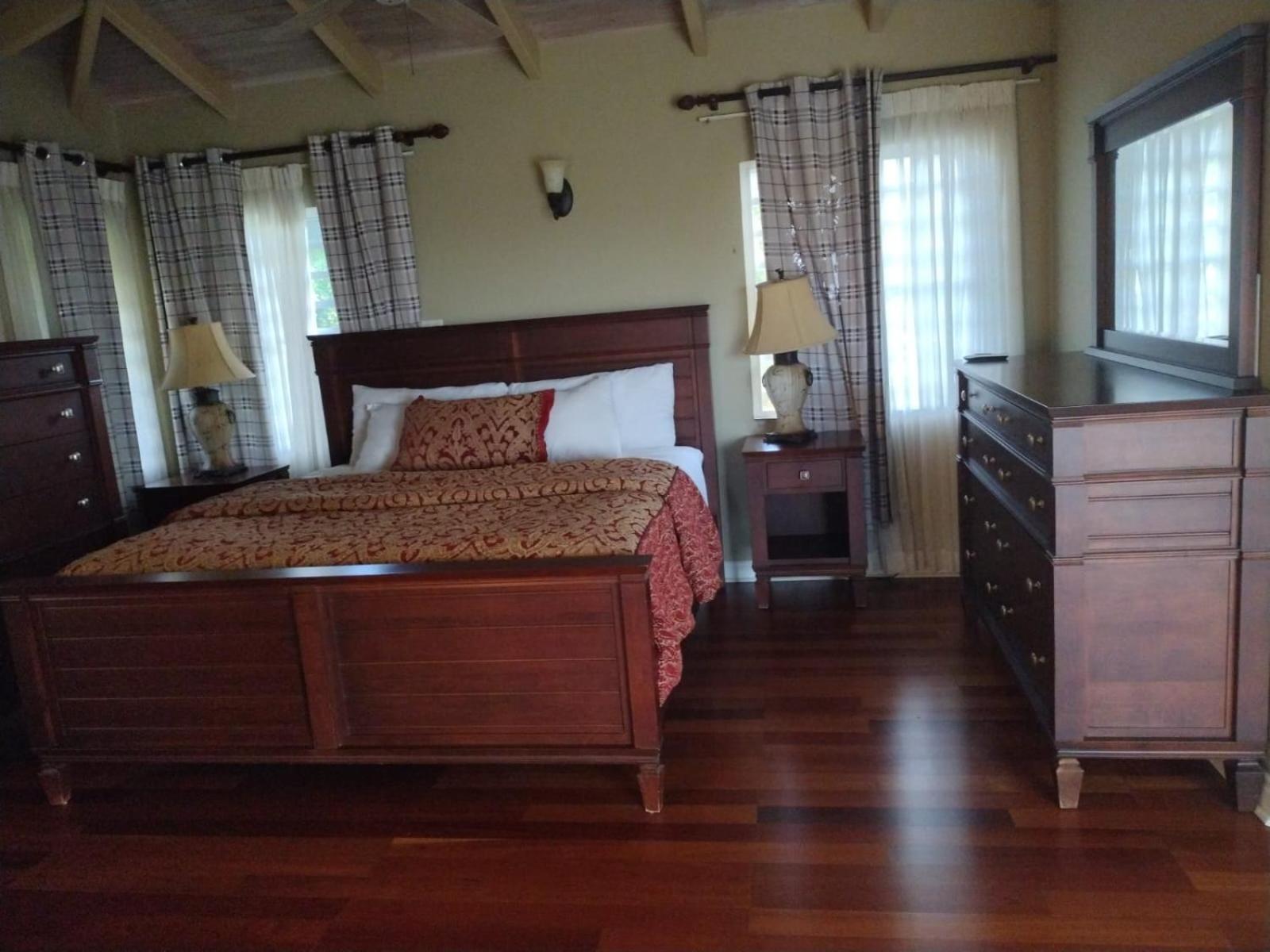
Luxury Spacious Villa with Aircon and Pool Table
 0
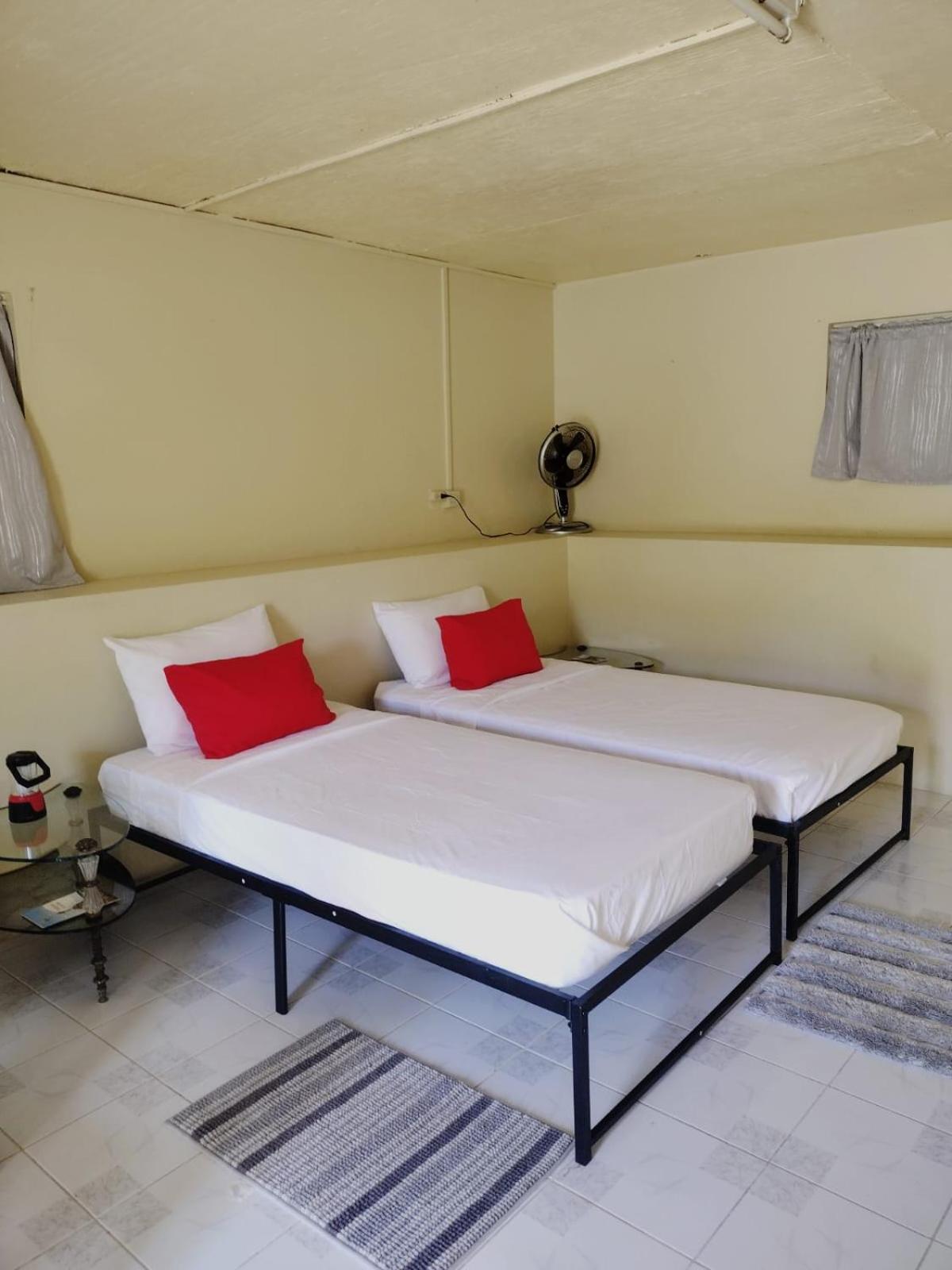
0Old Town Studio with Separate Affiliated Pool House
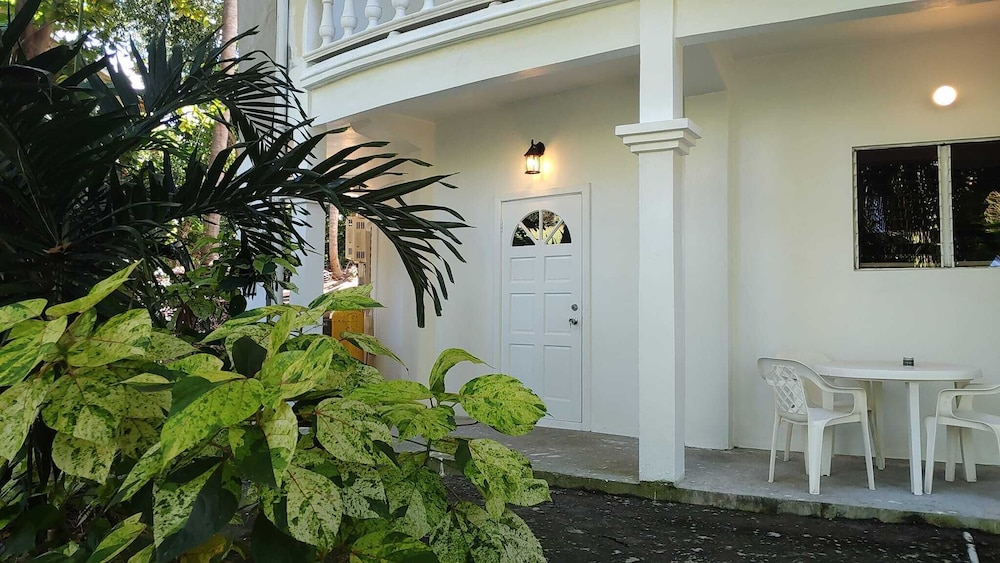
Chez Mango Villas
Top Restaurants in Montserrat
Popular dining spots near Montserrat
No restaurants available for Montserrat yet.
Weather in Montserrat
Average Temperature
75°F to 85°F (24°C to 29°C)
Rainy Season
July to November
Hurricane Season
June to November
Best Time to Visit
December to May
Travel Tips
- English is the official language
- Eastern Caribbean Dollar is the currency, but US dollars are accepted
- Driving is on the left side of the road
- A valid passport is required for entry
- Access to Plymouth and the exclusion zone requires a guide
- Ferry services connect Montserrat to Antigua
Daily Budget (USD)
Visa Requirements
US, UK, EU, and Canadian citizens need a valid passport. No visa required for stays up to 6 months. Entry is through Antigua with a connecting ferry or flight.
Safety
Montserrat is extremely safe with virtually no crime against tourists. The primary hazard is the exclusion zone around the Soufrière Hills volcano - never enter without an authorized guide. Volcanic activity is monitored continuously by the Montserrat Volcano Observatory.
Getting Around
Rental cars are the primary way to get around. Roads are well-maintained in the inhabited northern zone. Taxis are available but limited. No public bus system. The island is small enough to drive end to end in 30 minutes.
Popular Activities
Best For
Get Montserrat Travel Tips
Subscribe for curated tips, deals, and inspiration for your Montserrat trip.