Petite Terre
Guadeloupe's Natural Sanctuary
About Petite Terre
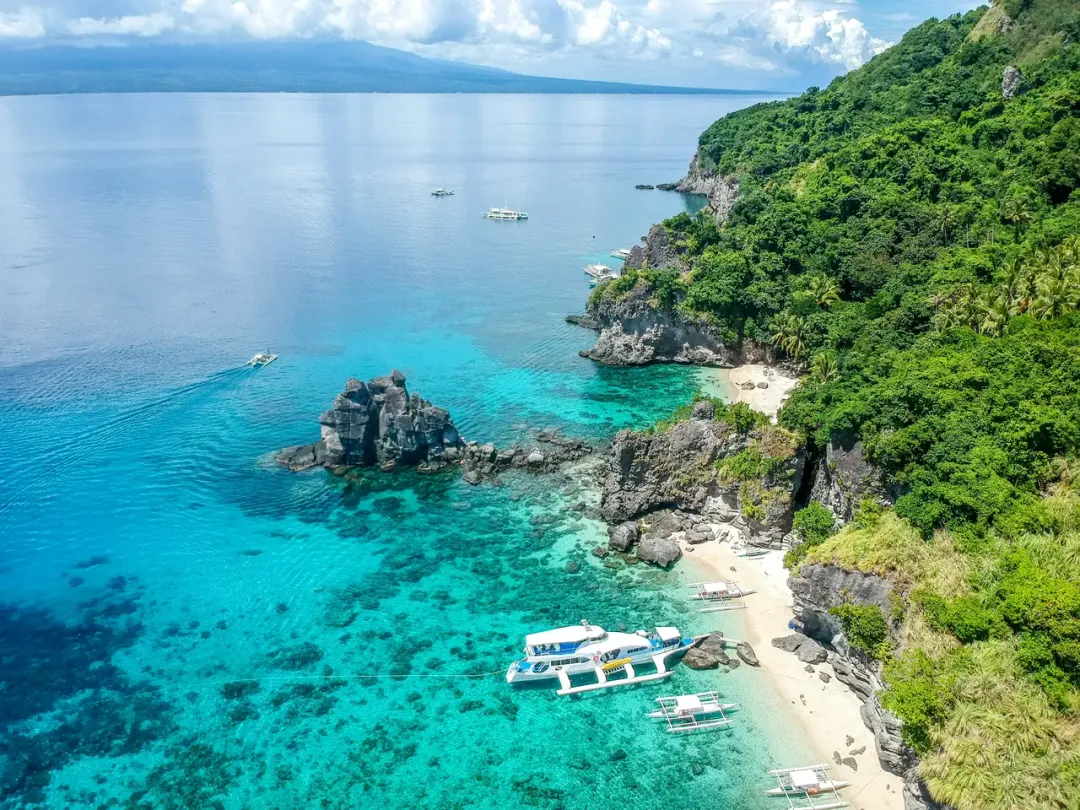
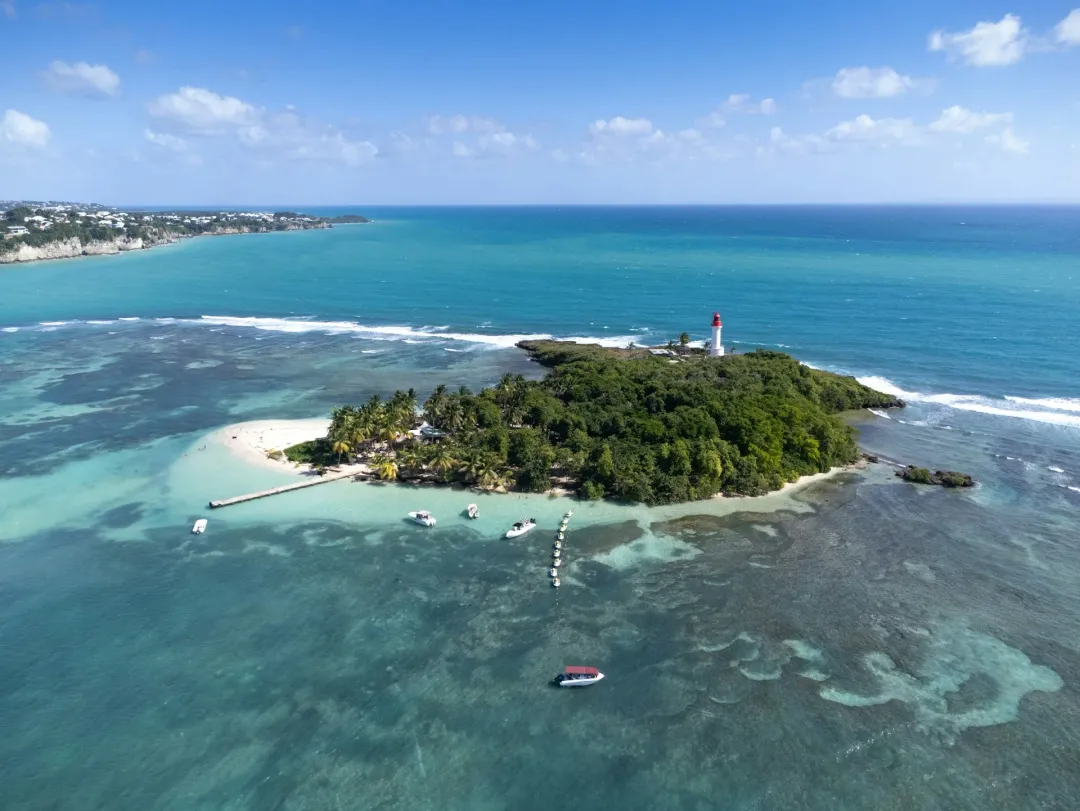
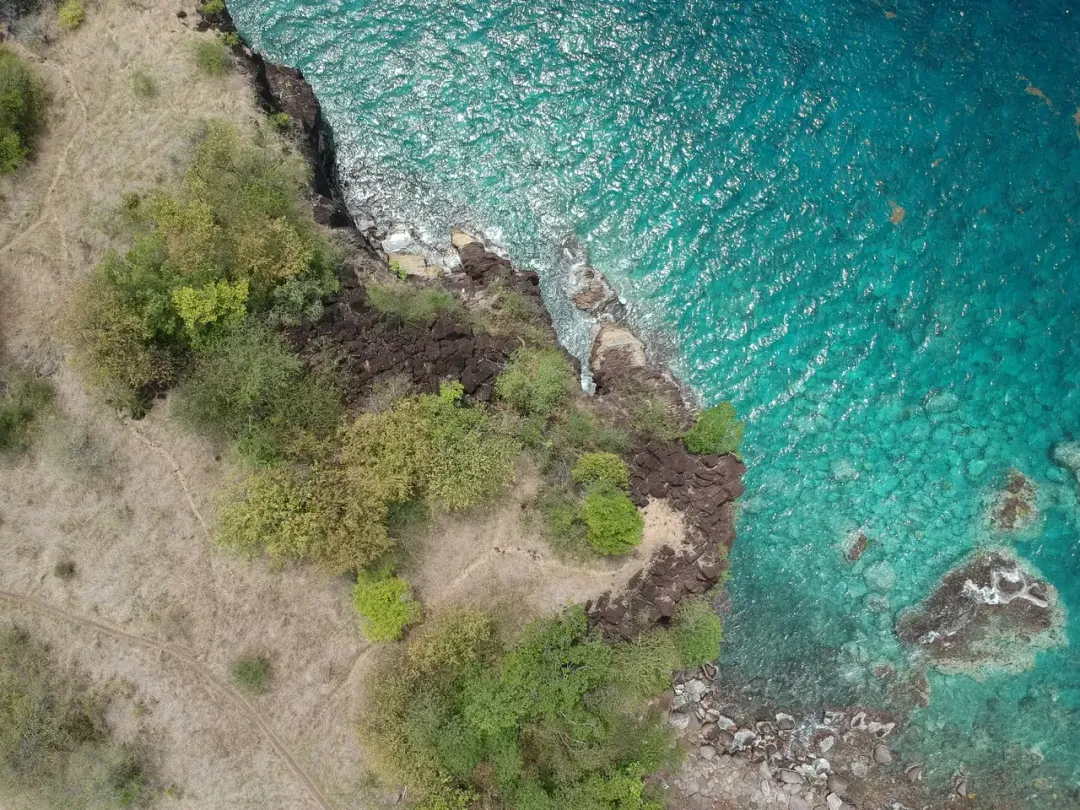
Petite Terre is a small archipelago consisting of two uninhabited islands, Terre de Bas and Terre de Haut, located about 10 kilometers southeast of La Désirade and approximately 35 kilometers from mainland Guadeloupe. Designated as a national nature reserve since 1998, these islands represent one of the most pristine and ecologically significant areas in the Lesser Antilles. Terre de Bas, the larger of the two islands at about 117 hectares, features a lighthouse built in 1840 that offers panoramic views of the surrounding Caribbean Sea. The islands are renowned for their exceptional biodiversity, particularly the high concentration of Petite Terre iguanas (Iguana delicatissima), an endangered species endemic to the Lesser Antilles, with an estimated population of 10,000 individuals thriving in this protected environment. The surrounding waters form a marine reserve extending 200 meters from the shore, featuring vibrant coral reefs and crystal-clear waters that provide excellent snorkeling and diving opportunities, with visibility often exceeding 30 meters and marine life including colorful tropical fish, sea turtles, and occasionally nurse sharks and eagle rays. The islands' beaches, particularly the northern beach of Terre de Bas, offer pristine white sand and turquoise waters, though swimming conditions vary with tides and currents. As a strictly protected nature reserve, Petite Terre has no permanent human inhabitants or infrastructure beyond the lighthouse, a small ranger station, and basic picnic facilities. Access is limited to day trips organized by authorized tour operators from Guadeloupe, with a maximum of 200 visitors allowed per day to minimize environmental impact. These conservation measures have preserved Petite Terre as an ecological haven, offering visitors a glimpse of the Caribbean as it existed before widespread human development, making it an ideal destination for nature enthusiasts, photographers, and those seeking to experience the region's natural beauty in its most unspoiled form.
Size
1.7 sq mi (4.5 km²) combined
Population
0 (uninhabited)
Language
French (visitors and rangers)
Currency
Euro (EUR)
Time Zone
UTC-4 (Atlantic Time)
Best Time to Visit
December to May
Highlights
Best Things to Do in Petite Terre
Petite Terre is a day trip, not a destination for overnight stays, and that constraint actually concentrates the experience into something memorable. The two uninhabited islets - Terre de Bas and the smaller Terre de Haut - are a national nature reserve with a strict daily cap of 200 visitors, meaning the beaches and reefs never feel overrun. Most boats depart from Saint-François on Grande-Terre at around 8 AM, and the crossing takes 60 to 90 minutes depending on sea conditions and the type of vessel. Choose your operator carefully: some run large motorized catamarans that pack in 40 to 50 people, while others offer smaller boats with groups of 12 to 15 that feel more like an expedition than a tour.
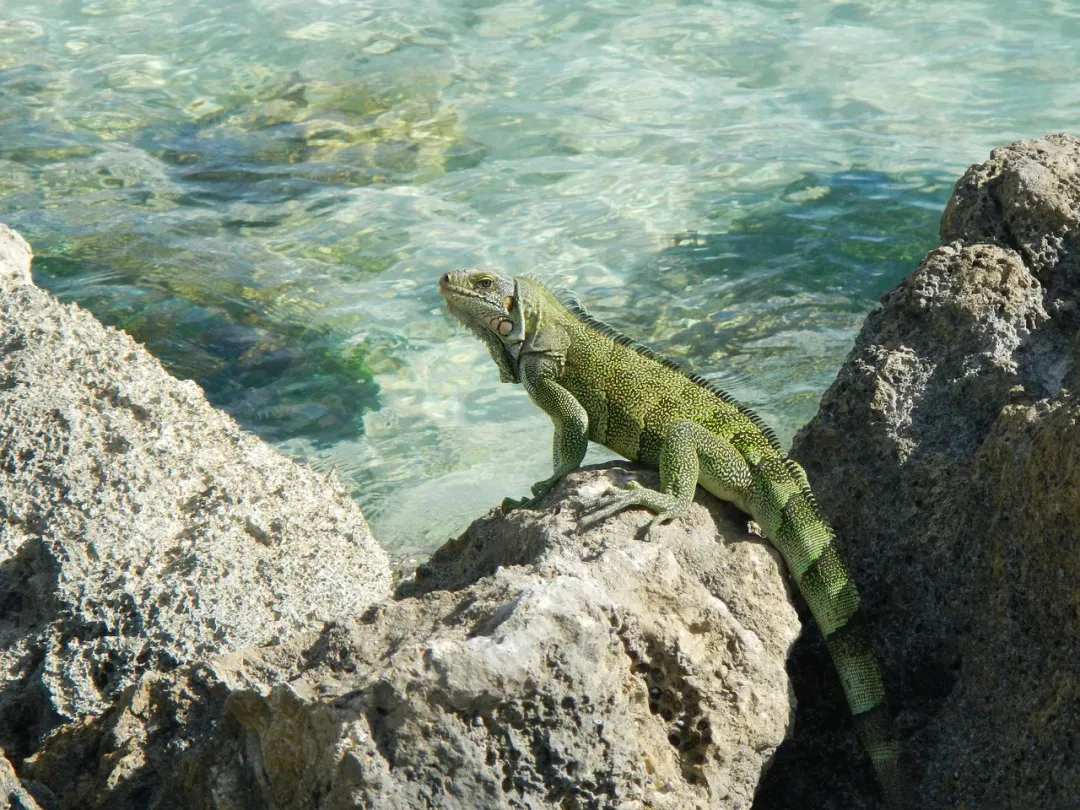
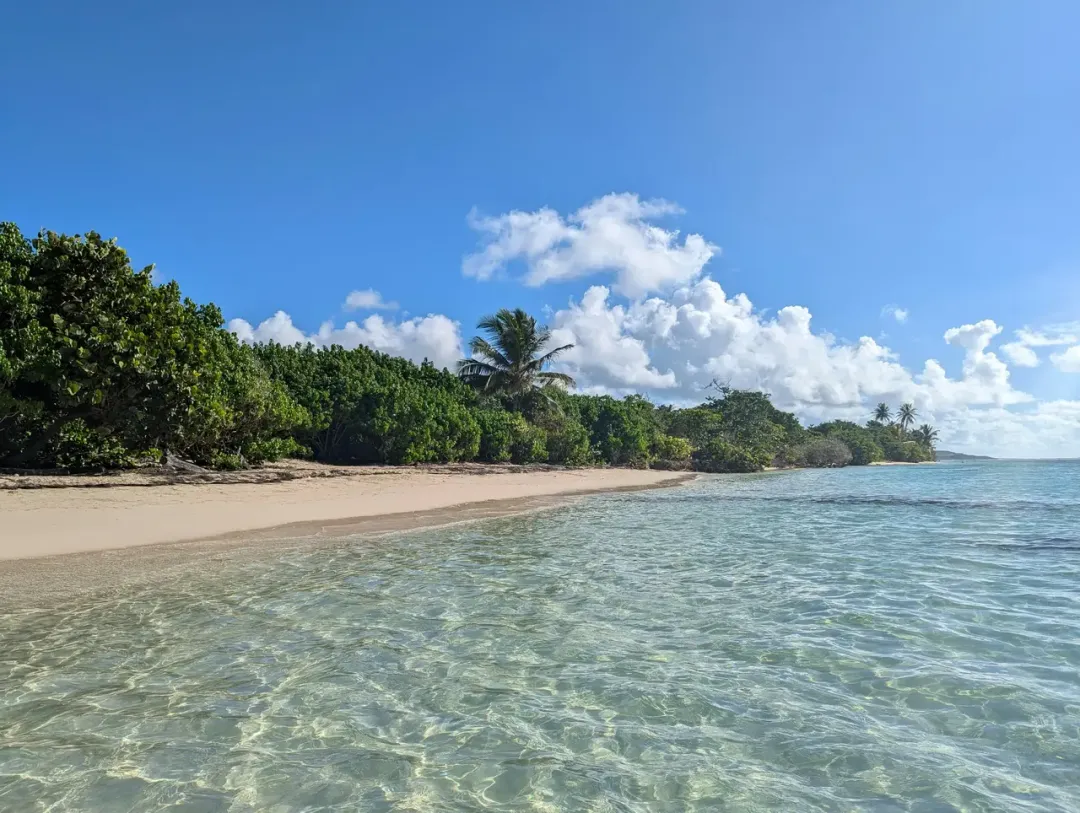
On arrival at Terre de Bas, you land on the northern beach - a sweep of white sand and turquoise water that looks computer-generated but is entirely real. Within minutes of stepping ashore, you will encounter the Petite Terre iguana (Iguana delicatissima), the island's most famous resident. An estimated 10,000 of these Lesser Antillean iguanas live on the islets, and they are remarkably habituated to humans, basking on the sand and trails without much concern for visitors. Do not feed or touch them - rangers enforce the rules and fines are real.
The snorkeling here is exceptional. The marine reserve surrounding the islands extends 200 meters from shore, and the protected reefs are thick with sea fans, brain coral, and parrotfish. Sea turtles are regular sightings, and nurse sharks cruise the shallows near the mangrove edges.
The 1840 lighthouse on Terre de Bas is worth the short walk from the beach - it is no longer operational, but the view from the surrounding area takes in the full sweep of both islets and the open Atlantic beyond. Rangers give brief ecological talks near the lighthouse most mornings, explaining the reserve's conservation efforts and the threats facing the iguanas from habitat loss on other islands.
Bring polarized sunglasses for the water, reef shoes for the rocky patches near the lighthouse trail, and a waterproof bag for your phone.
Snorkel the Marine Reserve
The protected waters around Petite Terre offer some of the best snorkeling in all of Guadeloupe. Visibility regularly exceeds 30 meters, and the healthy reef supports sea fans, elkhorn coral, parrotfish, trumpetfish, and sergeant majors. Sea turtles are common, and nurse sharks are occasionally spotted in the shallows. Most operators provide masks and fins.
Observe the Lesser Antillean Iguanas
Petite Terre hosts one of the largest remaining populations of Iguana delicatissima, with an estimated 10,000 individuals. They bask on the beaches and trails and are remarkably calm around humans. This is one of the few places in the Caribbean where you can observe these endangered reptiles in their natural habitat without disturbance.
Visit the 1840 Lighthouse
A short trail from the main beach leads to the historic lighthouse on Terre de Bas. Built in 1840, it is no longer operational but offers an elevated vantage point over both islets and the surrounding sea. Rangers often give ecological briefings in the lighthouse area, explaining the reserve's conservation work.
Swim at the Northern Beach
The main landing beach on Terre de Bas is a pristine crescent of white sand with shallow, calm turquoise water. With only 200 visitors allowed per day, it never feels crowded. The water is warm and clear year-round, and the lack of motorized water sports keeps the atmosphere serene.
Spot Sea Turtles
Green sea turtles and hawksbill turtles frequent the waters around Petite Terre, grazing on sea grass beds near the shore. Early morning snorkelers have the best chance of extended encounters before the turtles move to deeper water. Keep a respectful distance and avoid chasing them.
Explore by Kayak or Paddleboard
Some tour operators bring kayaks or stand-up paddleboards, allowing you to explore the coastline beyond the main snorkeling area. The channel between Terre de Bas and Terre de Haut is shallow and sheltered, and paddling along the mangrove edges reveals juvenile fish and small rays.
Where to Stay in Petite Terre
There is no accommodation on Petite Terre - the islands are uninhabited and overnight stays are not permitted. Visitors come on day trips and return to Guadeloupe the same afternoon. The departure point for most boat excursions is Saint-François on the eastern tip of Grande-Terre, and staying nearby the night before your trip makes the early morning departure much easier.
In Saint-François, La Créole Beach Hôtel & Spa is the best-known waterfront property, with rooms from about 150 to 250 euros per night. Hôtel Amaudo is a quieter, mid-range option at 90 to 140 euros with a pool and garden setting. Budget travelers will find Airbnb rentals and small gîtes starting around 50 to 70 euros per night throughout Saint-François. The town has a pleasant marina, several good restaurants, and a golf course, making it a solid base for a couple of nights even beyond the Petite Terre excursion.
If you prefer to stay elsewhere on Guadeloupe, Sainte-Anne (about 20 minutes west) and Le Gosier (30 minutes) both have wider hotel selections, though you will need to drive to Saint-François for the boat.
Where to Eat in Petite Terre
On Petite Terre itself, most tour operators include a picnic lunch as part of the day trip - typically a Creole spread of grilled chicken or fish, rice, salad, accras de morue (salt cod fritters), and tropical fruit, served on the beach with rum punch and juice. The quality varies by operator; read reviews before booking and ask specifically about the lunch. There are no restaurants, no food vendors, and no facilities of any kind on the islands beyond basic dry toilets and a picnic shelter.
Back in Saint-François, dining options are solid. Le Zagaya near the marina serves excellent grilled seafood and lobster in a waterfront setting, with mains at 18 to 30 euros. Chez Man Michel is a local institution for Creole cooking - colombo de cabri (goat curry), court-bouillon de poisson, and generous portions of root vegetables and rice.
The weekly market near the marina (Wednesday and Saturday mornings) has prepared food stalls where you can try bokit (a Guadeloupean fried bread sandwich stuffed with fish, chicken, or cheese) for a few euros - it is the island's most popular street food and genuinely addictive. For a ti-punch after your Petite Terre day trip, pull up a stool at any bar along the marina strip and toast to the iguanas.
Best Time to Visit Petite Terre
The dry season from December through May offers the best conditions for a Petite Terre excursion. Seas are generally calmer during this window, making the 60-to-90-minute crossing from Saint-François more comfortable. January through March brings the clearest water for snorkeling, with visibility often exceeding 35 meters.
The wet season from July through November sees rougher seas and more frequent cancellations - operators will not depart if conditions are dangerous, and refunds or rebookings can disrupt a tight travel schedule.
Trade winds blow consistently from the east, and even in dry season the crossing can be choppy on windy days. If you are prone to seasickness, take medication before boarding. Weekdays draw fewer visitors than weekends, when Guadeloupean residents fill the boats.
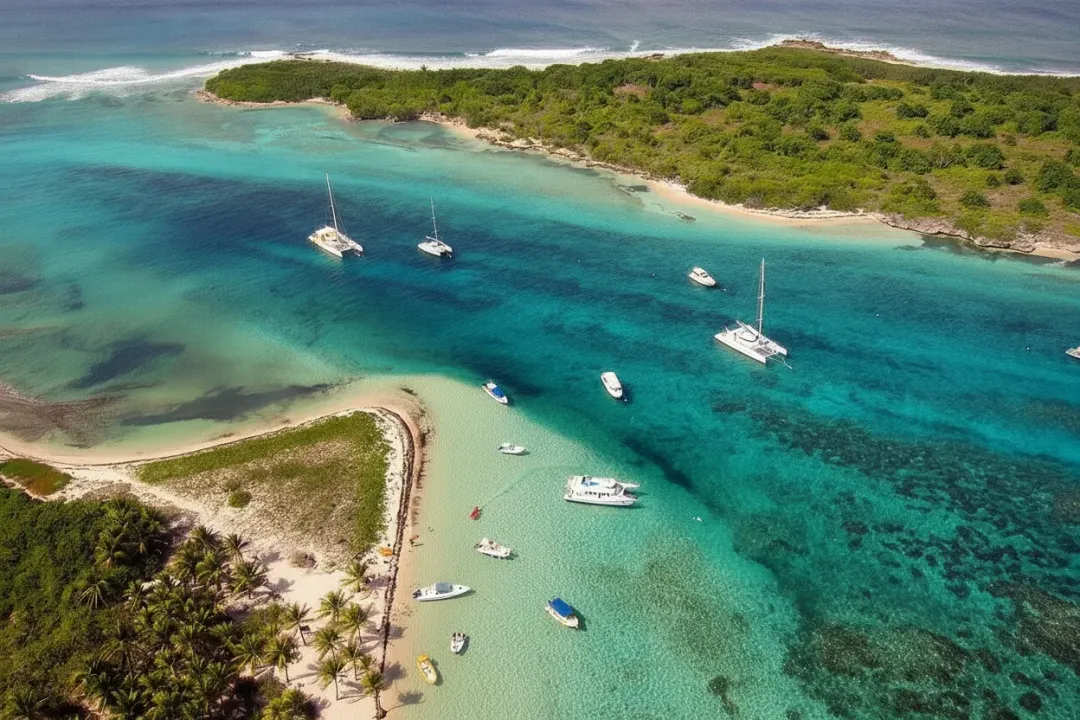
Lagon de Petite Terre
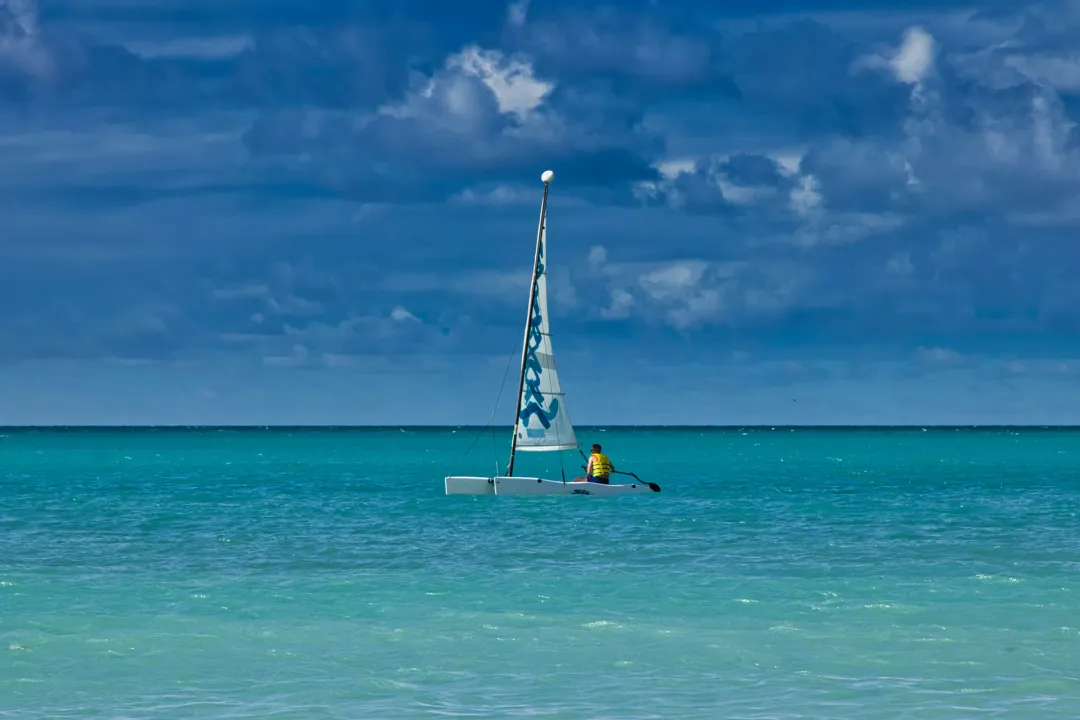
A shallow turquoise lagoon between the two islets of Petite Terre, renowned for its crystal-clear waters and abundant marine life. Snorkeling here reveals sea turtles, rays, nurse sharks, and colorful reef fish in a protected natural reserve.
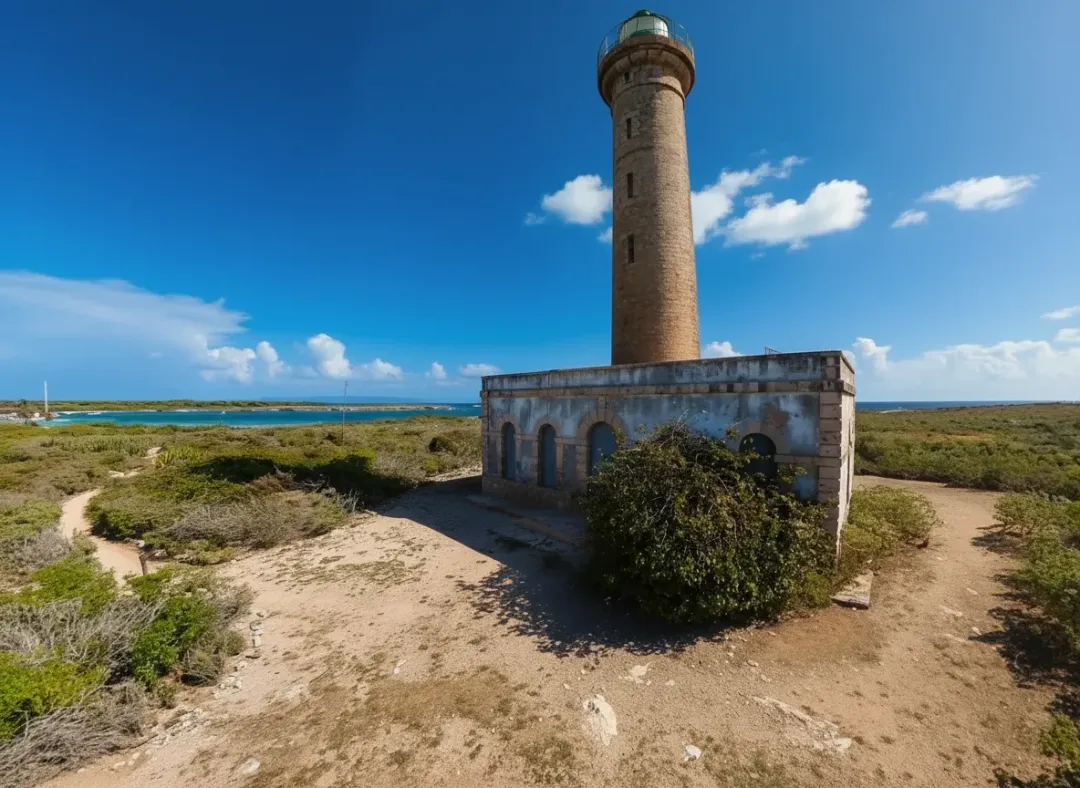
Phare de Petite Terre
A 19th-century lighthouse on Terre-de-Bas, now housing a small museum about the reserve's ecosystem. The surrounding area is home to one of the largest populations of the endangered Lesser Antillean iguana.
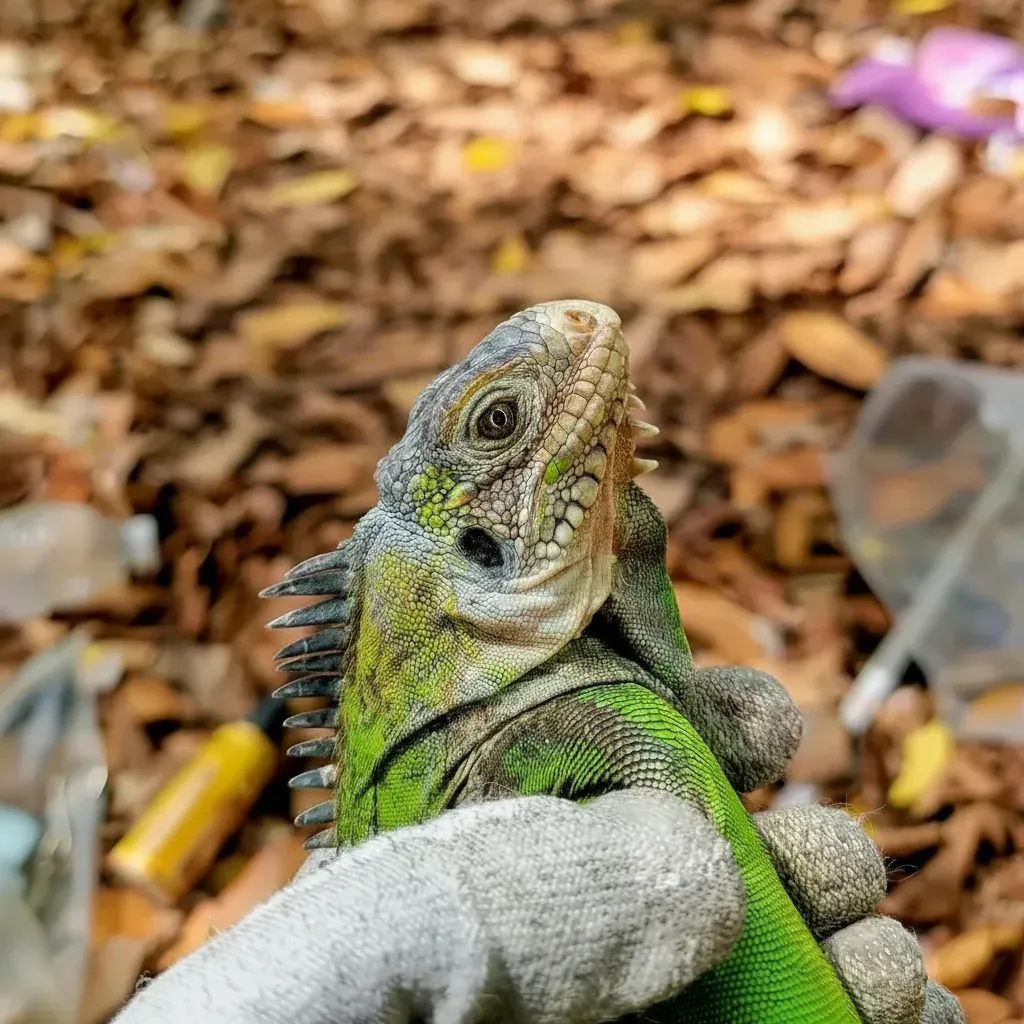
Réserve Naturelle des Îlets de Petite Terre
A strictly protected nature reserve covering both islets, home to over 10,000 Lesser Antillean iguanas - the largest colony in the world. The reserve also protects nesting sea turtles, hermit crabs, and rare coastal vegetation.
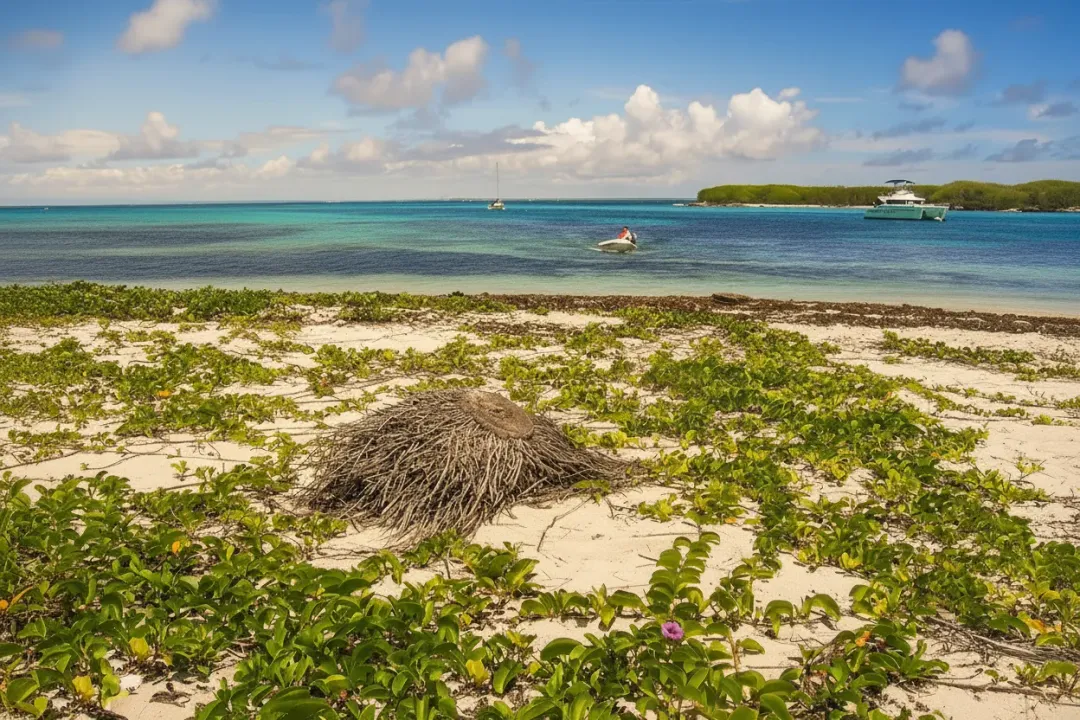
Plage de Terre-de-Haut
A pristine white-sand beach on the northern shore of Terre-de-Haut, accessible only by boat. The untouched setting, lack of development, and warm shallow waters make it one of the most exclusive beach experiences in the archipelago.
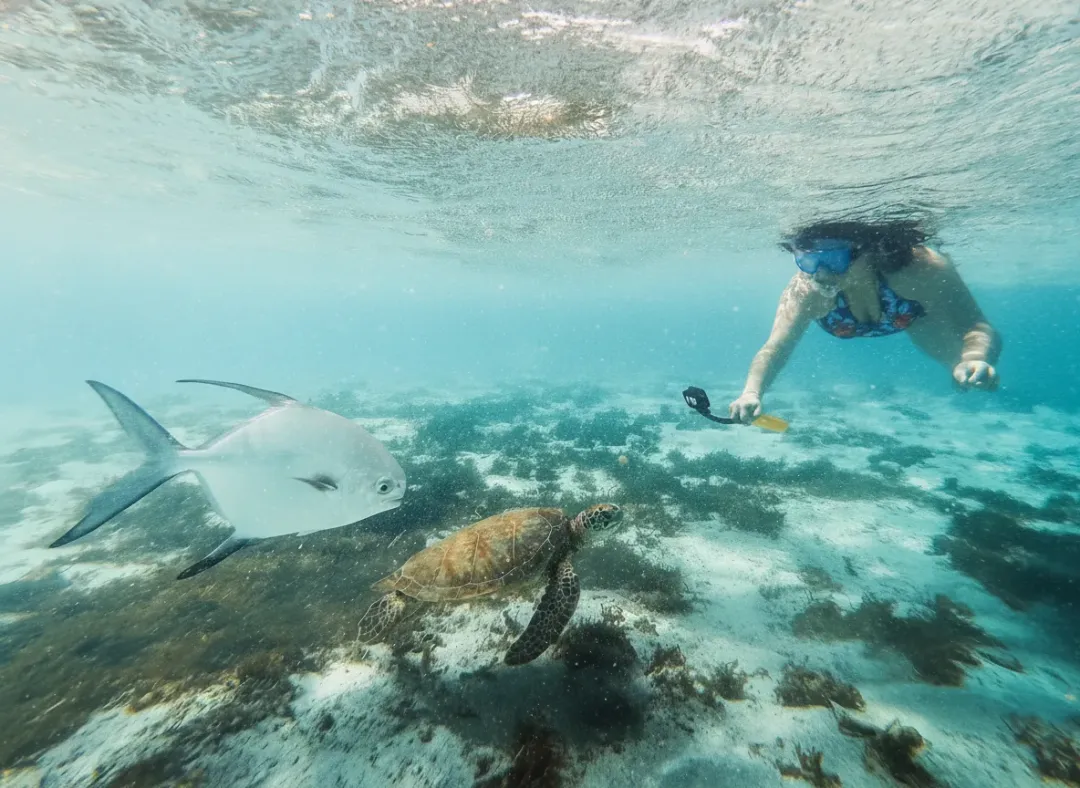
Récif Corallien de Petite Terre
A vibrant coral reef surrounding the islets, part of the protected marine zone. The reef hosts staghorn and brain corals, sea fans, and an extraordinary density of tropical fish species rarely seen elsewhere in Guadeloupe.
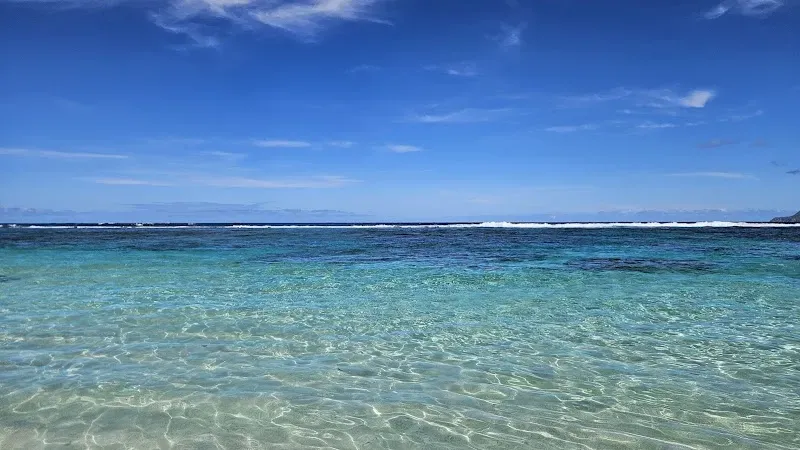
Plage grande anse des salines
Plage grande anse des salines is a nature attraction on Petite Terre. This natural area showcases the lush tropical landscapes and diverse ecosystems that Petite Terre is known for. Visitors can explore the local flora and fauna in a serene setting.
Hotels in Petite Terre
Search for available rates by selecting your travel dates
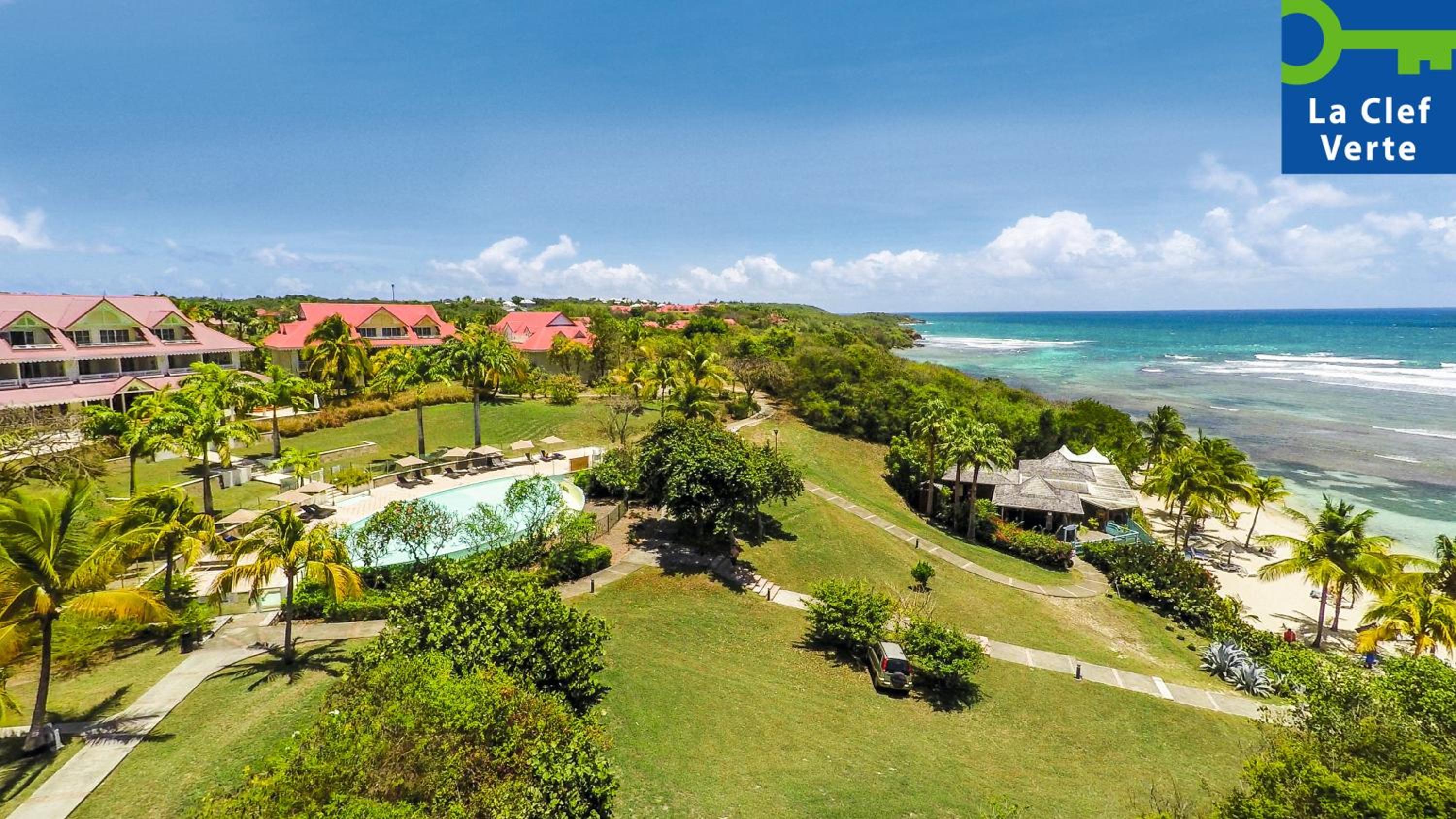
Résidence Pierre & Vacances Premium Les Tamarins
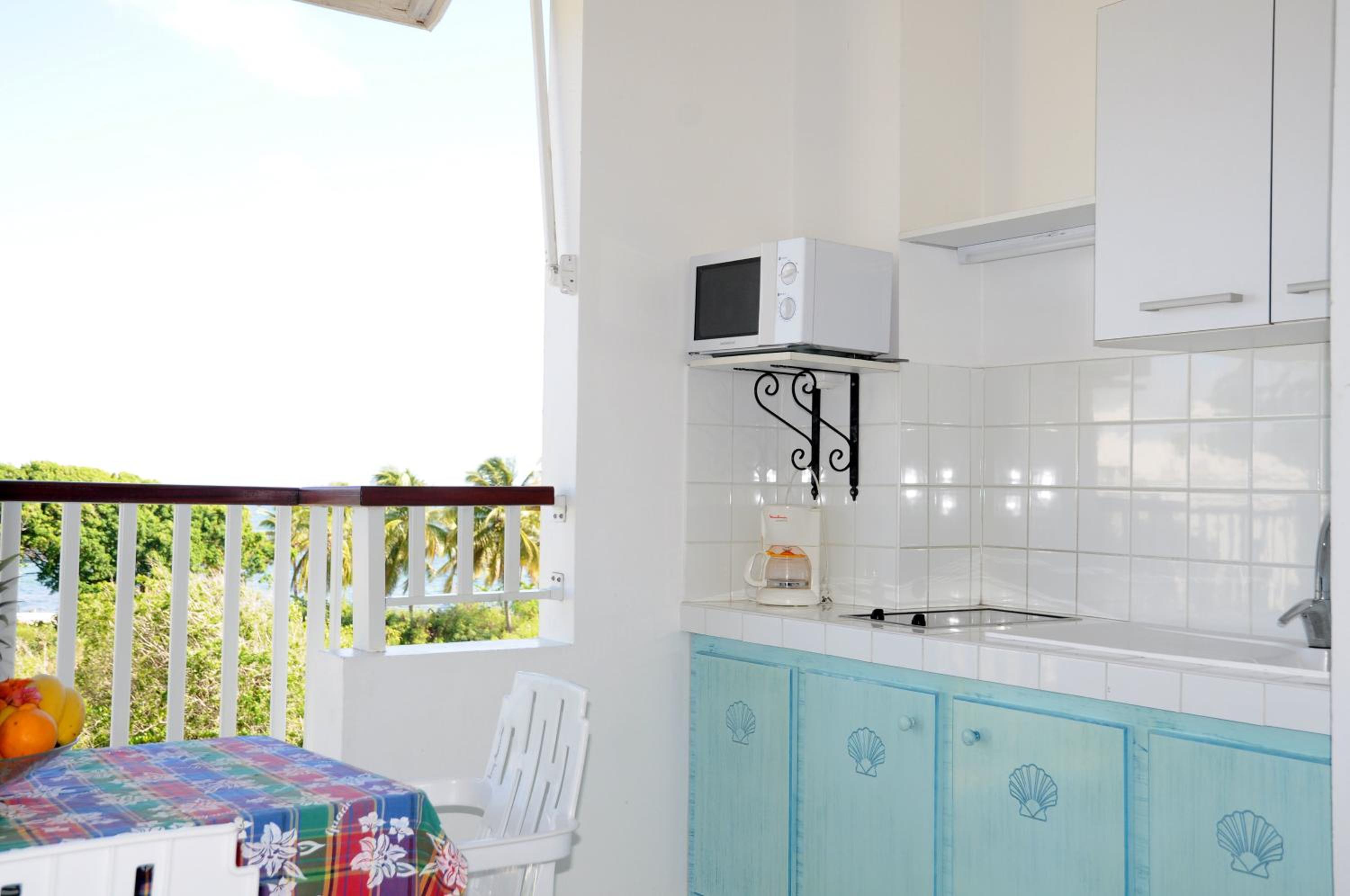
Résidence Tropicale
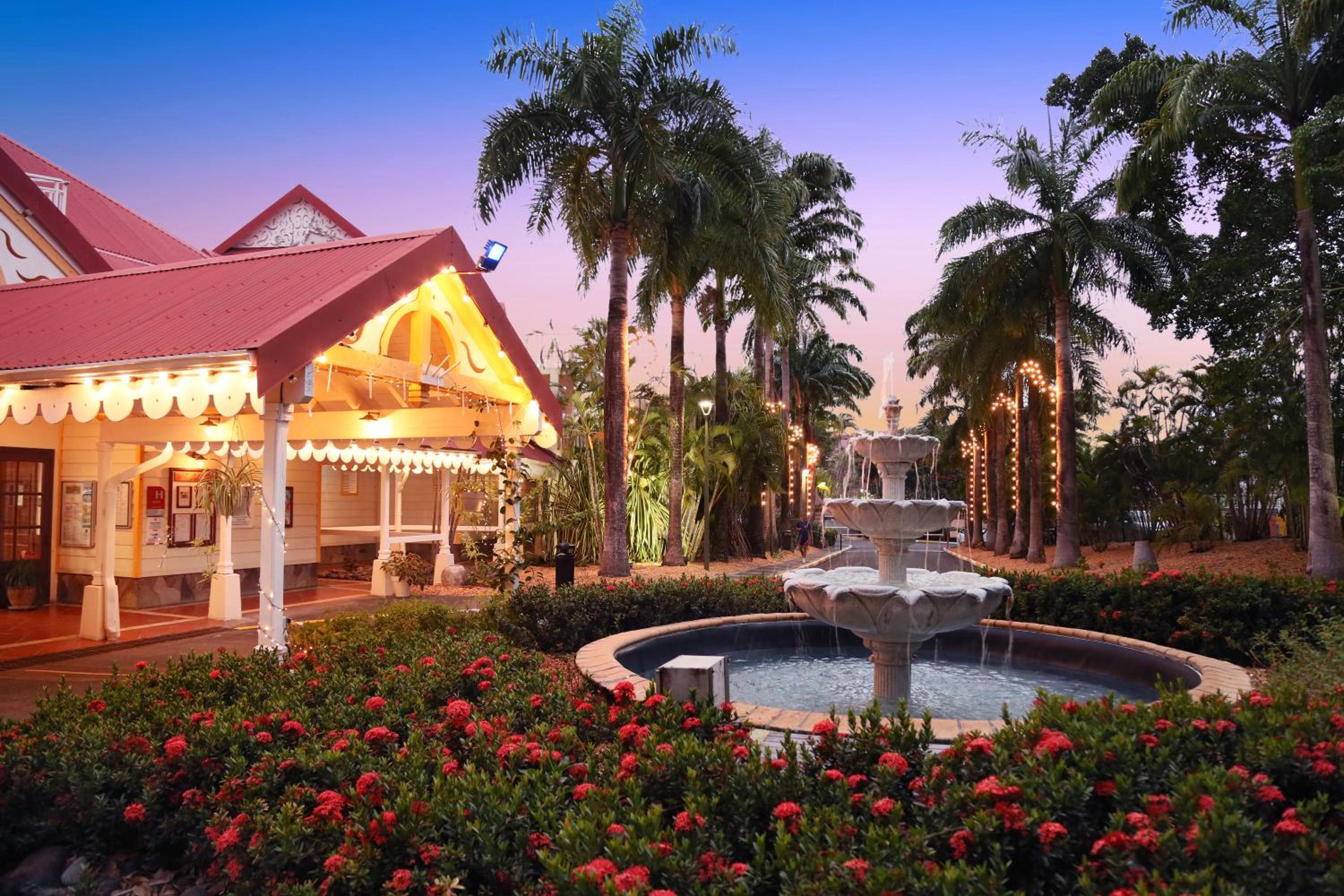
Village Pierre & Vacances Sainte Anne
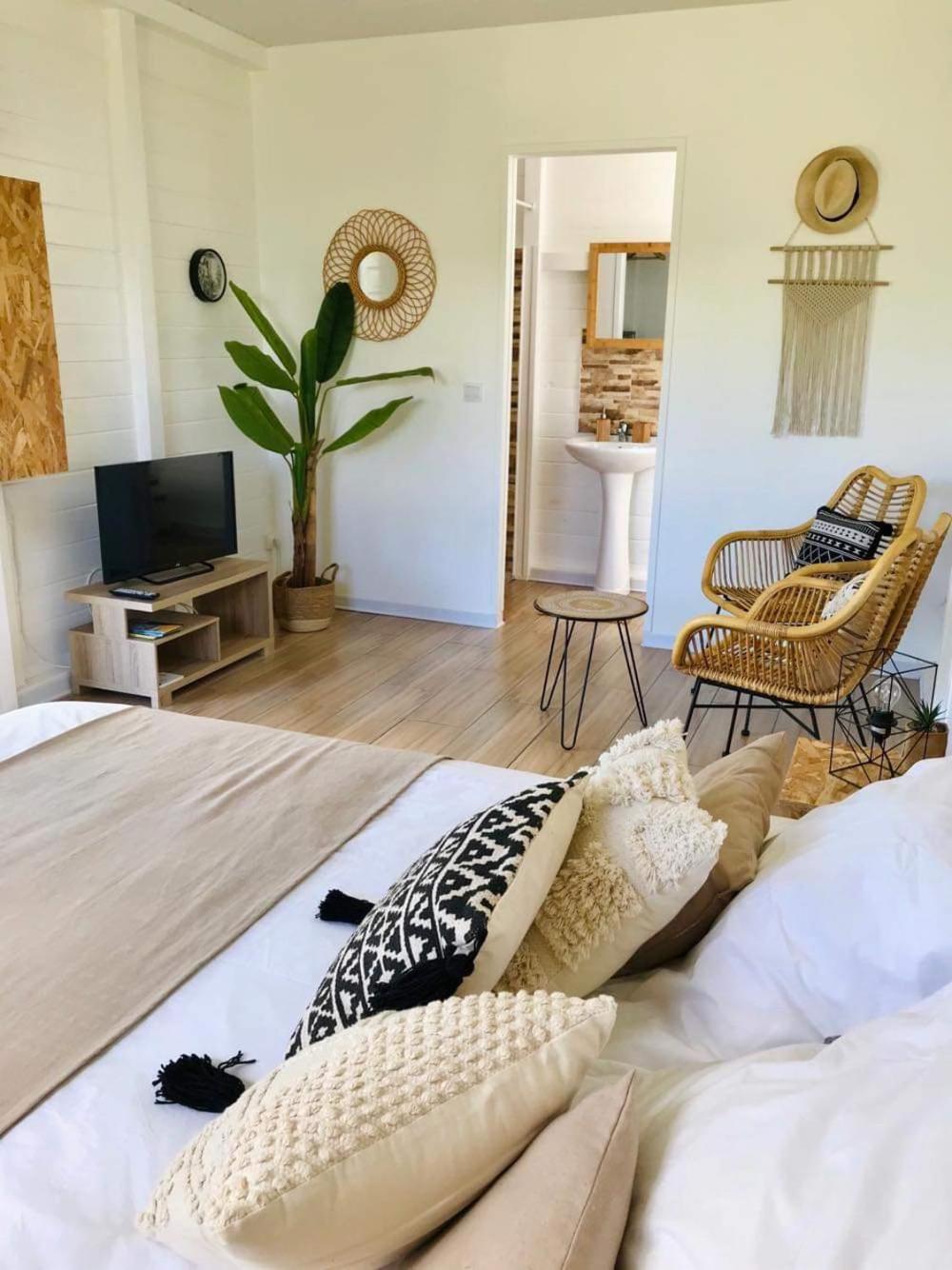
Kaz et Palmiers
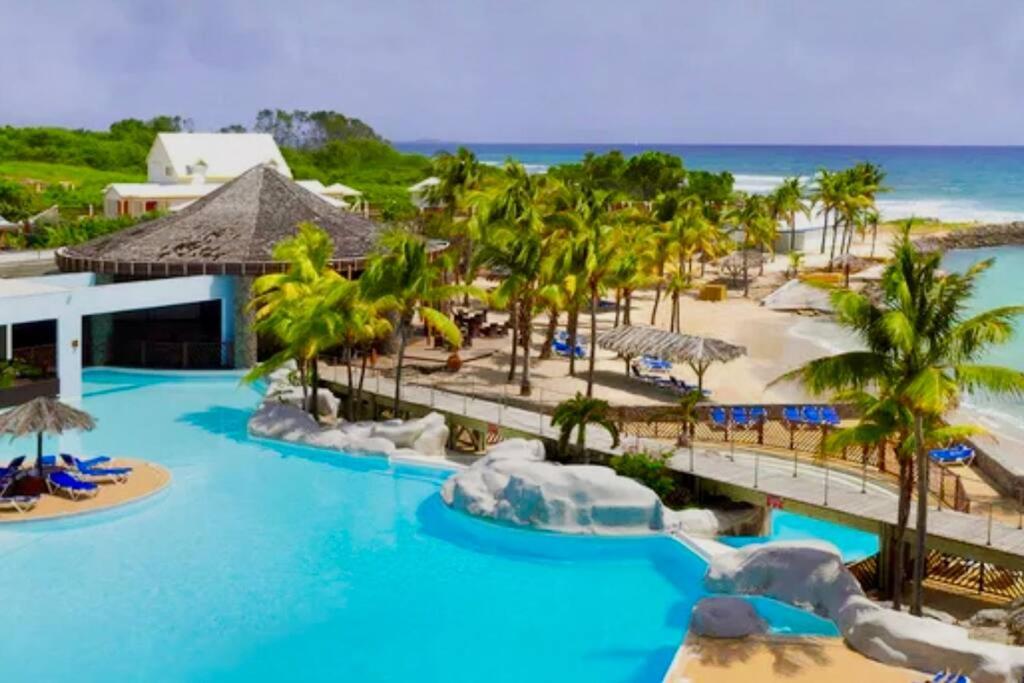 0
0Studio paisible
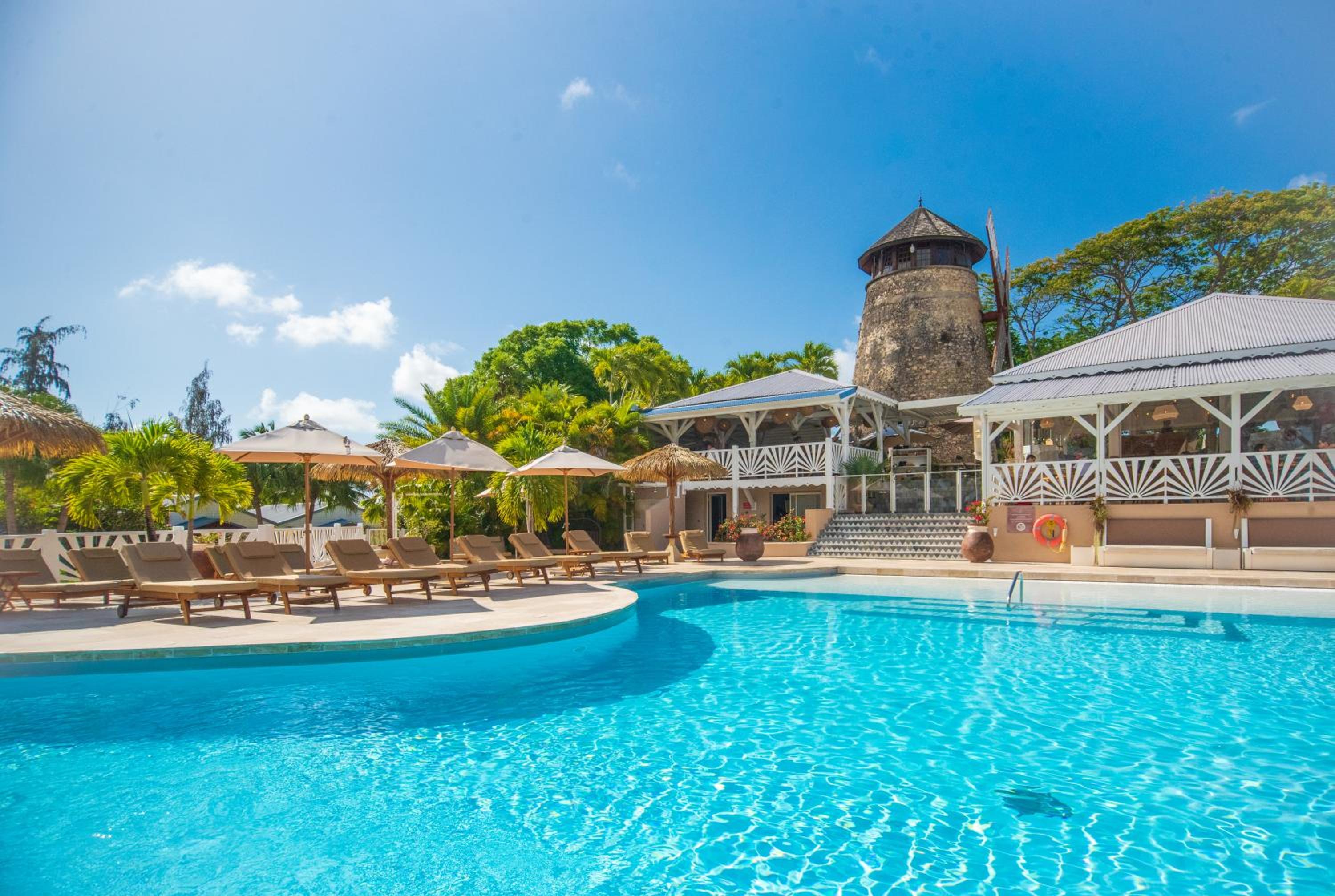
Le Relais du Moulin - Hôtel de Charme & Spa Adult Only
Top Restaurants in Petite Terre
Popular dining spots near Petite Terre
No restaurants available for Petite Terre yet.
Weather in Petite Terre
Average Temperature
75°F to 85°F (24°C to 29°C)
Rainy Season
July to November
Hurricane Season
June to November
Best Time to Visit
December to May
Travel Tips
- French is the official language of the region
- Euro is the currency used in Guadeloupe
- Only accessible by boat through authorized tour operators
- No facilities beyond basic picnic areas and dry toilets
- Bring all necessary supplies including water, food, and sun protection
- Visitor numbers are limited to 200 per day
- Respect wildlife and follow conservation guidelines
Get Petite Terre Travel Tips
Subscribe for curated tips, deals, and inspiration for your Petite Terre trip.