
Things to Do in Petite Terre
Guadeloupe's Natural Sanctuary. Explore 22 attractions across the island.
Petite Terre is a day trip, not a destination for overnight stays, and that constraint actually concentrates the experience into something memorable. The two uninhabited islets - Terre de Bas and the smaller Terre de Haut - are a national nature reserve with a strict daily cap of 200 visitors, meaning the beaches and reefs never feel overrun. Most boats depart from Saint-François on Grande-Terre at around 8 AM, and the crossing takes 60 to 90 minutes depending on sea conditions and the type of vessel. Choose your operator carefully: some run large motorized catamarans that pack in 40 to 50 people, while others offer smaller boats with groups of 12 to 15 that feel more like an expedition than a tour.
On arrival at Terre de Bas, you land on the northern beach - a sweep of white sand and turquoise water that looks computer-generated but is entirely real. Within minutes of stepping ashore, you will encounter the Petite Terre iguana (Iguana delicatissima), the island's most famous resident. An estimated 10,000 of these Lesser Antillean iguanas live on the islets, and they are remarkably habituated to humans, basking on the sand and trails without much concern for visitors. Do not feed or touch them - rangers enforce the rules and fines are real.
The snorkeling here is exceptional. The marine reserve surrounding the islands extends 200 meters from shore, and the protected reefs are thick with sea fans, brain coral, and parrotfish. Sea turtles are regular sightings, and nurse sharks cruise the shallows near the mangrove edges.
The 1840 lighthouse on Terre de Bas is worth the short walk from the beach - it is no longer operational, but the view from the surrounding area takes in the full sweep of both islets and the open Atlantic beyond. Rangers give brief ecological talks near the lighthouse most mornings, explaining the reserve's conservation efforts and the threats facing the iguanas from habitat loss on other islands.
Bring polarized sunglasses for the water, reef shoes for the rocky patches near the lighthouse trail, and a waterproof bag for your phone.
Top Activities
Snorkel the Marine Reserve
The protected waters around Petite Terre offer some of the best snorkeling in all of Guadeloupe. Visibility regularly exceeds 30 meters, and the healthy reef supports sea fans, elkhorn coral, parrotfish, trumpetfish, and sergeant majors. Sea turtles are common, and nurse sharks are occasionally spotted in the shallows. Most operators provide masks and fins.
Observe the Lesser Antillean Iguanas
Petite Terre hosts one of the largest remaining populations of Iguana delicatissima, with an estimated 10,000 individuals. They bask on the beaches and trails and are remarkably calm around humans. This is one of the few places in the Caribbean where you can observe these endangered reptiles in their natural habitat without disturbance.
Visit the 1840 Lighthouse
A short trail from the main beach leads to the historic lighthouse on Terre de Bas. Built in 1840, it is no longer operational but offers an elevated vantage point over both islets and the surrounding sea. Rangers often give ecological briefings in the lighthouse area, explaining the reserve's conservation work.
Swim at the Northern Beach
The main landing beach on Terre de Bas is a pristine crescent of white sand with shallow, calm turquoise water. With only 200 visitors allowed per day, it never feels crowded. The water is warm and clear year-round, and the lack of motorized water sports keeps the atmosphere serene.
Spot Sea Turtles
Green sea turtles and hawksbill turtles frequent the waters around Petite Terre, grazing on sea grass beds near the shore. Early morning snorkelers have the best chance of extended encounters before the turtles move to deeper water. Keep a respectful distance and avoid chasing them.
Explore by Kayak or Paddleboard
Some tour operators bring kayaks or stand-up paddleboards, allowing you to explore the coastline beyond the main snorkeling area. The channel between Terre de Bas and Terre de Haut is shallow and sheltered, and paddling along the mangrove edges reveals juvenile fish and small rays.
Attractions in Petite Terre
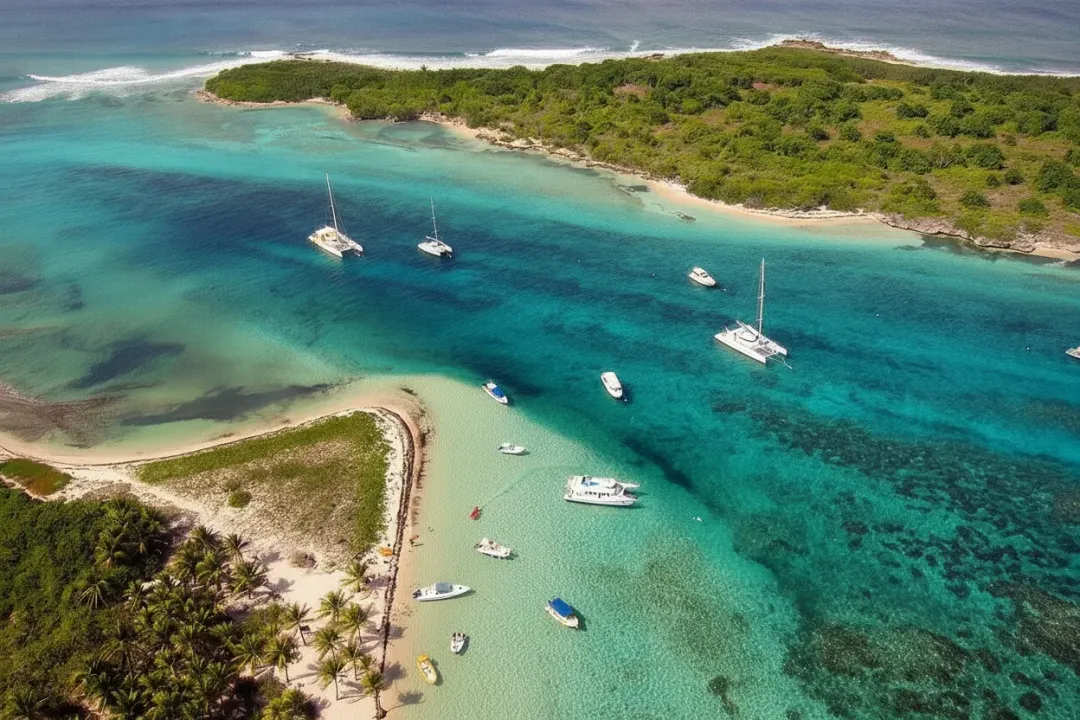
Lagon de Petite Terre
A shallow turquoise lagoon between the two islets of Petite Terre, renowned for its crystal-clear waters and abundant marine life. Snorkeling here reveals sea turtles, rays, nurse sharks, and colorful reef fish in a protected natural reserve.
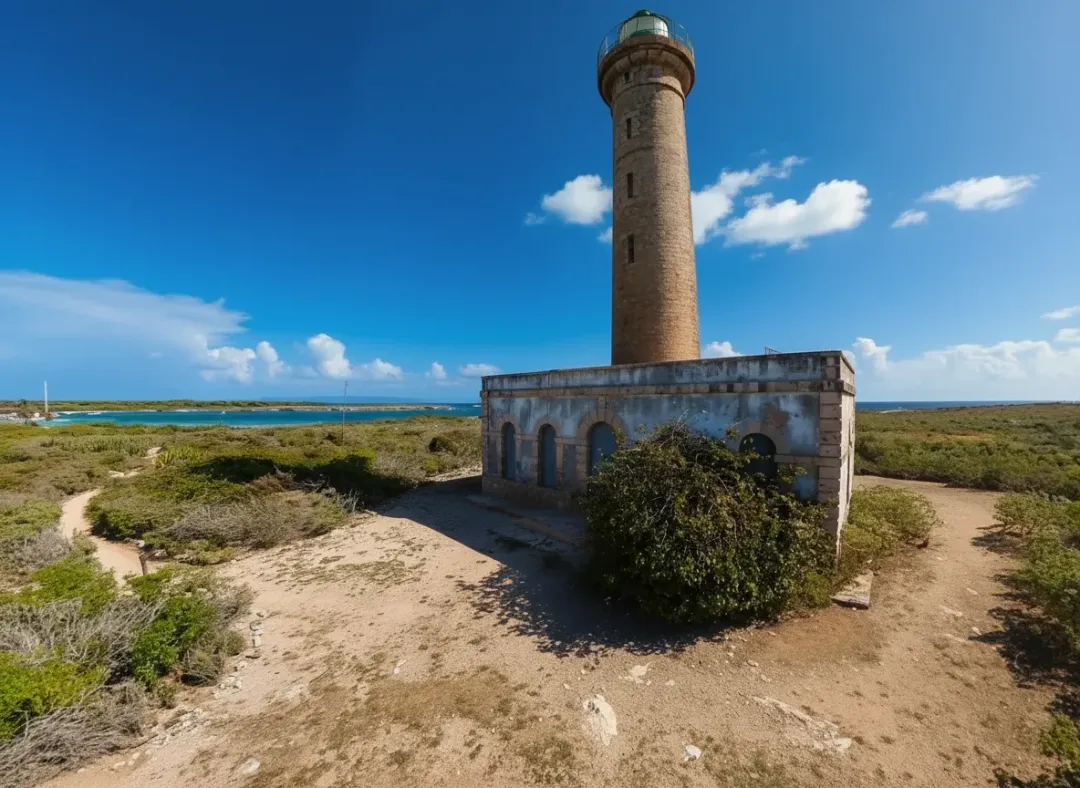
Phare de Petite Terre
A 19th-century lighthouse on Terre-de-Bas, now housing a small museum about the reserve's ecosystem. The surrounding area is home to one of the largest populations of the endangered Lesser Antillean iguana.
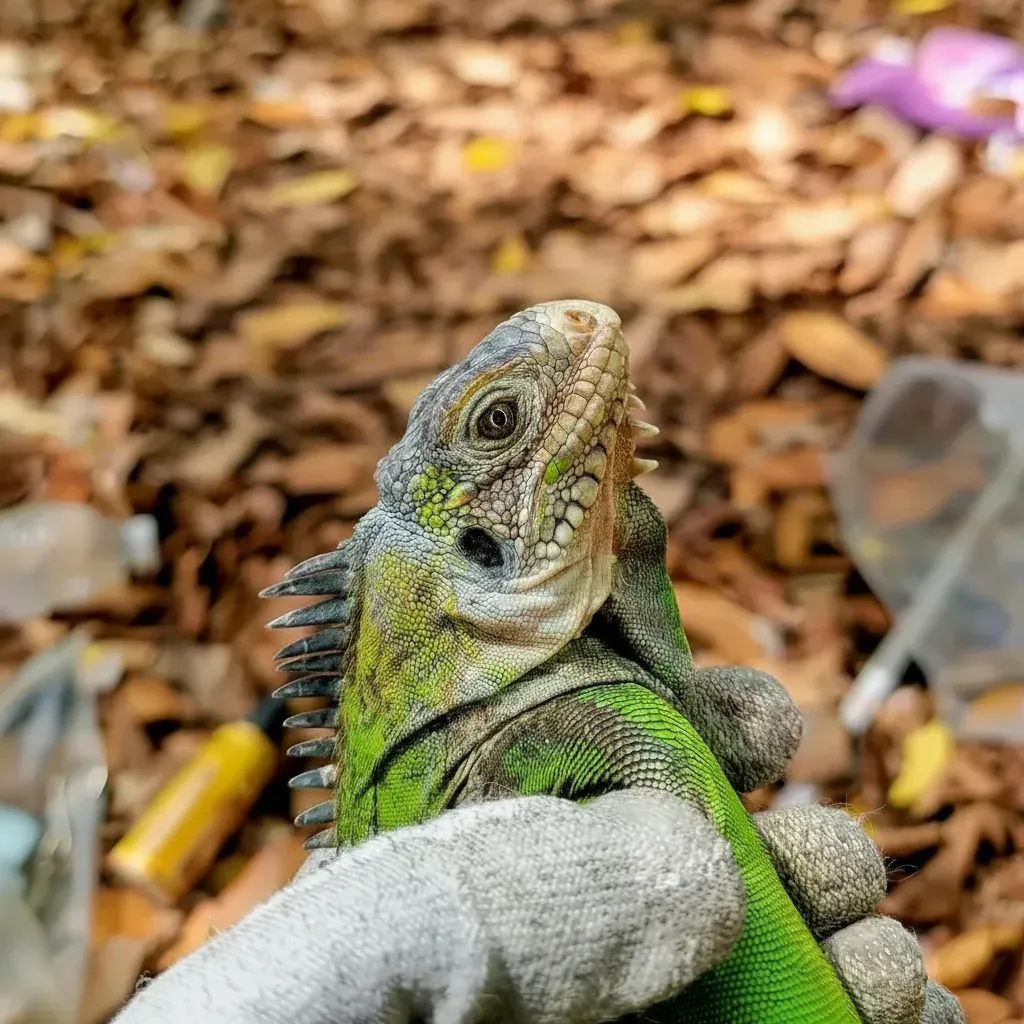
Réserve Naturelle des Îlets de Petite Terre
A strictly protected nature reserve covering both islets, home to over 10,000 Lesser Antillean iguanas - the largest colony in the world. The reserve also protects nesting sea turtles, hermit crabs, and rare coastal vegetation.
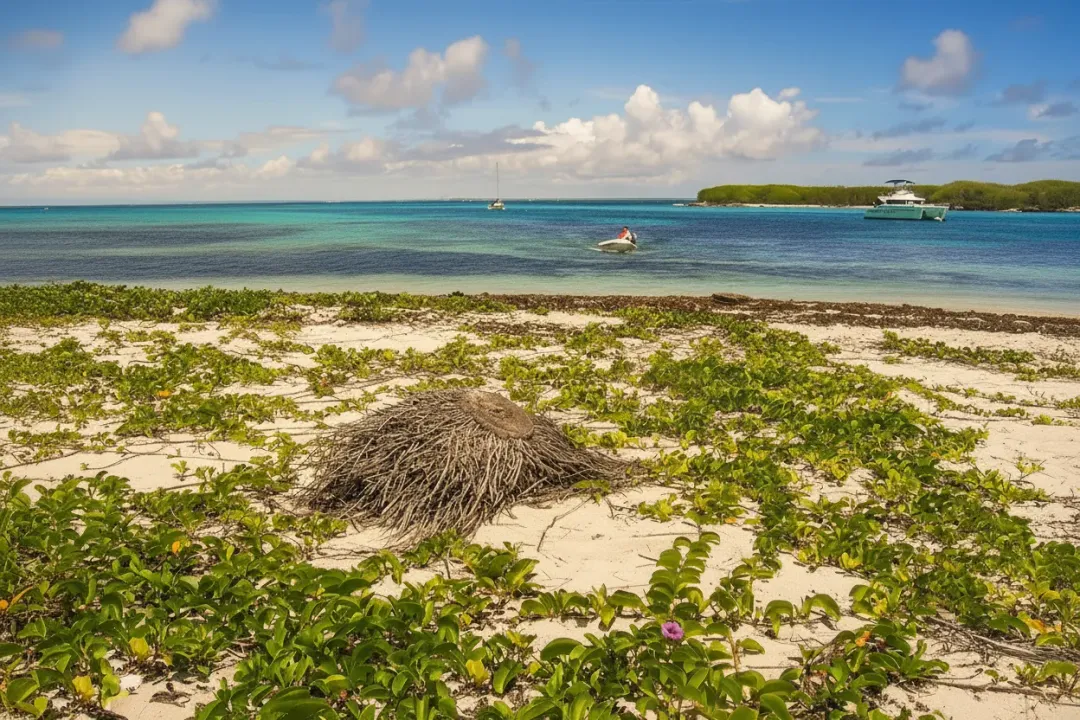
Plage de Terre-de-Haut
A pristine white-sand beach on the northern shore of Terre-de-Haut, accessible only by boat. The untouched setting, lack of development, and warm shallow waters make it one of the most exclusive beach experiences in the archipelago.
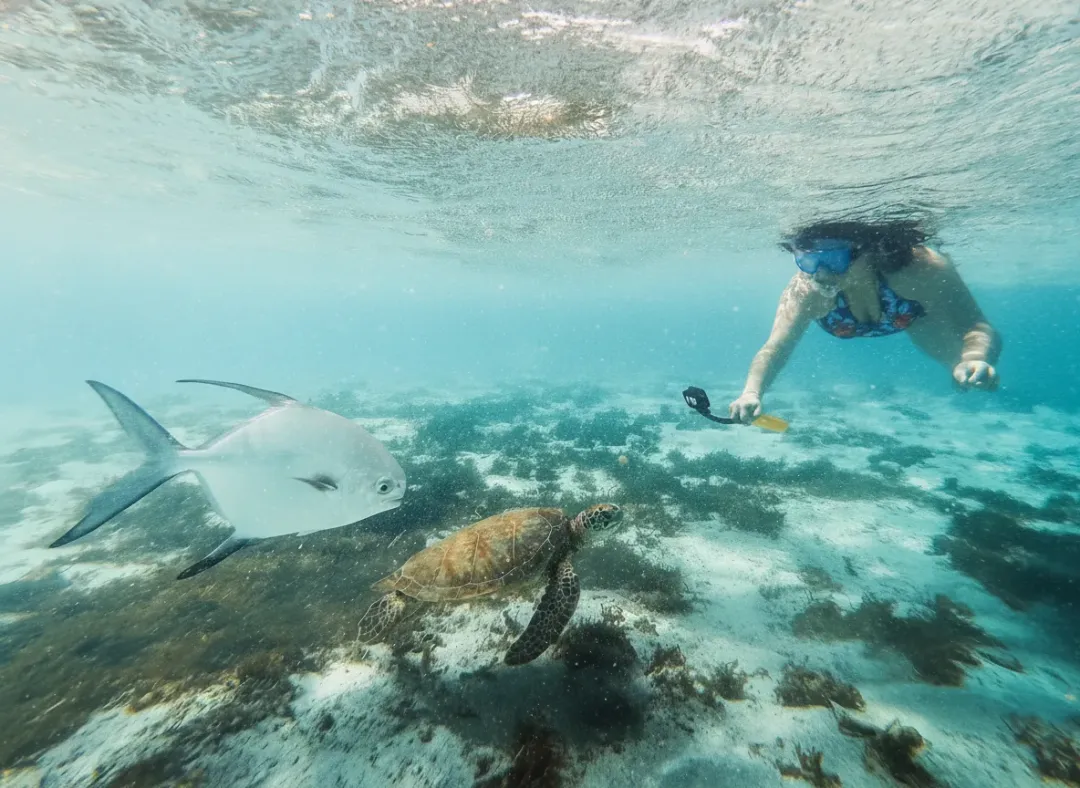
Récif Corallien de Petite Terre
A vibrant coral reef surrounding the islets, part of the protected marine zone. The reef hosts staghorn and brain corals, sea fans, and an extraordinary density of tropical fish species rarely seen elsewhere in Guadeloupe.
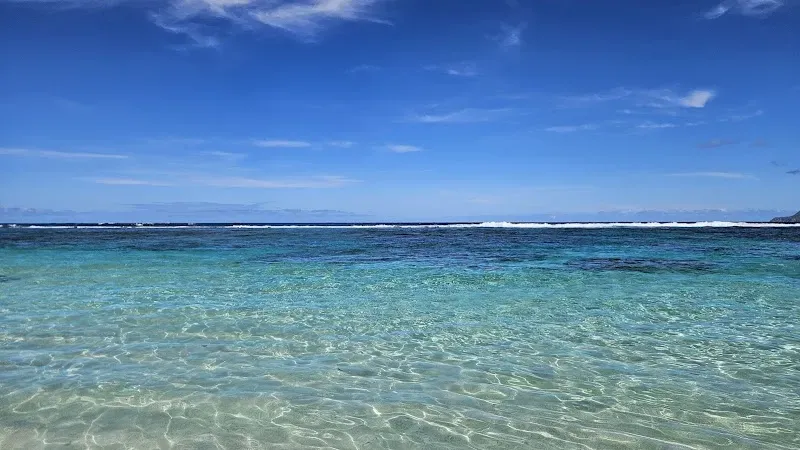
Plage grande anse des salines
Plage grande anse des salines is a nature attraction on Petite Terre. This natural area showcases the lush tropical landscapes and diverse ecosystems that Petite Terre is known for. Visitors can explore the local flora and fauna in a serene setting.
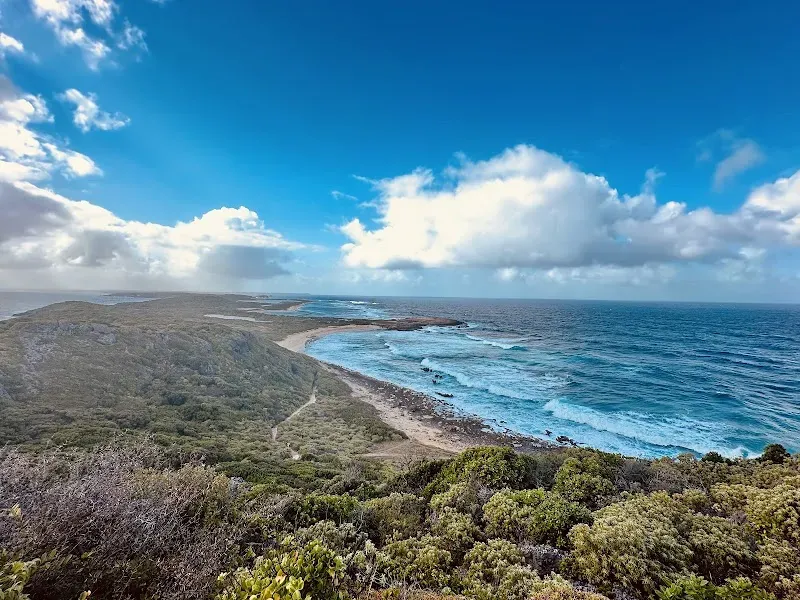
Pointe des Châteaux
Popular peninsula with waves crashing onto unique rock formations & indigenous plant & ocean life.
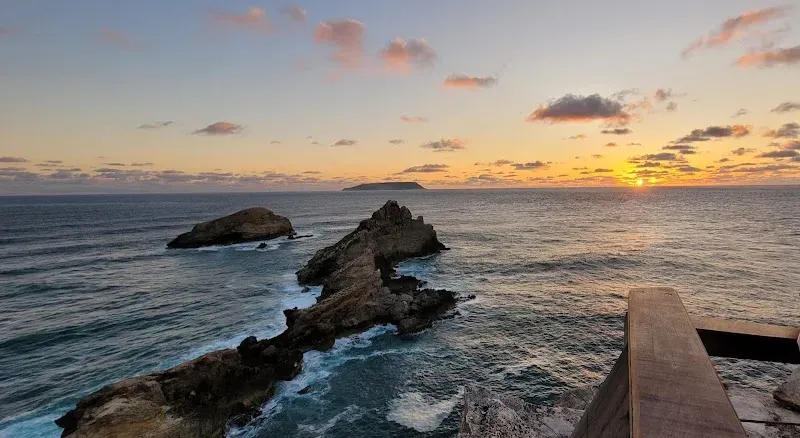
Pointes des colibris
Pointes des colibris is a nature attraction on Petite Terre. This natural area showcases the lush tropical landscapes and diverse ecosystems that Petite Terre is known for. Visitors can explore the local flora and fauna in a serene setting.
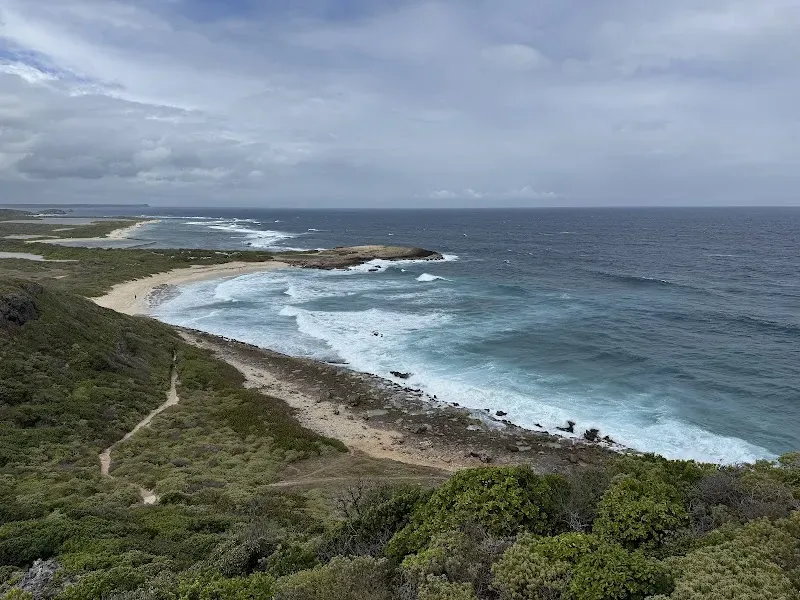
Plage de l'Anse des châteaux
Plage de l'Anse des châteaux is a nature attraction on Petite Terre. This natural area showcases the lush tropical landscapes and diverse ecosystems that Petite Terre is known for. Visitors can explore the local flora and fauna in a serene setting.
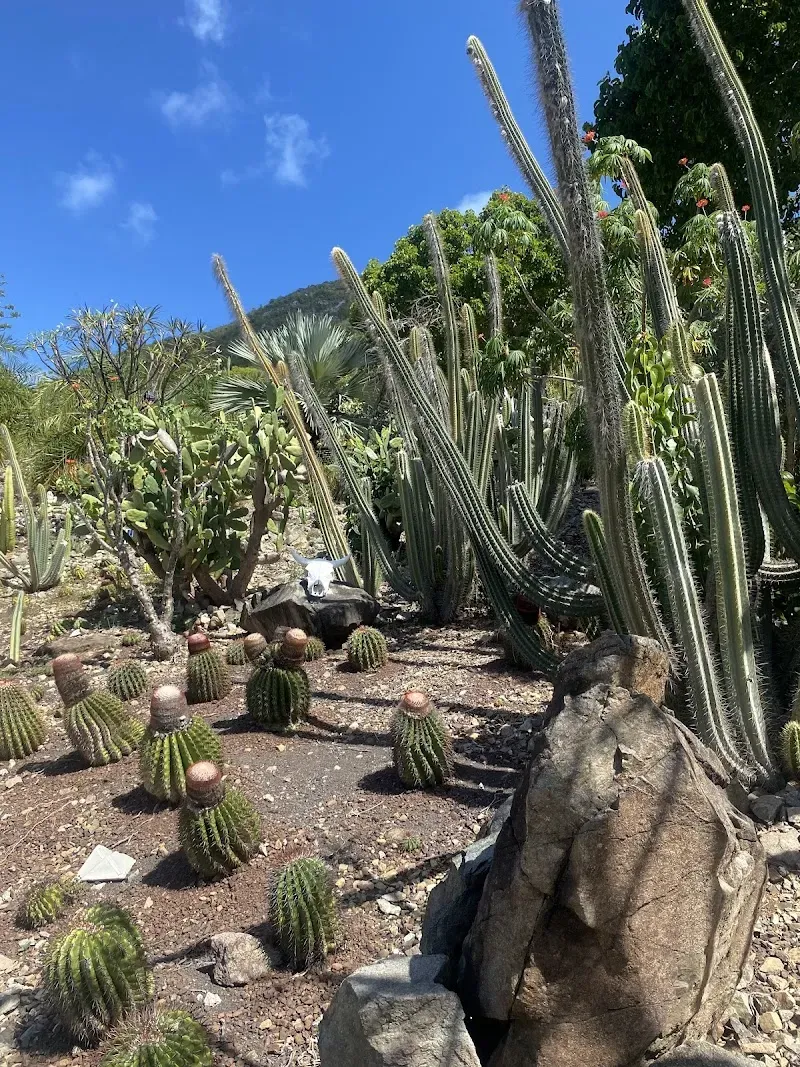
du Désert, La Désirade Botanical Garden
du Désert, La Désirade Botanical Garden is a nature attraction on Petite Terre. This natural area showcases the lush tropical landscapes and diverse ecosystems that Petite Terre is known for. Visitors can explore the local flora and fauna in a serene setting.
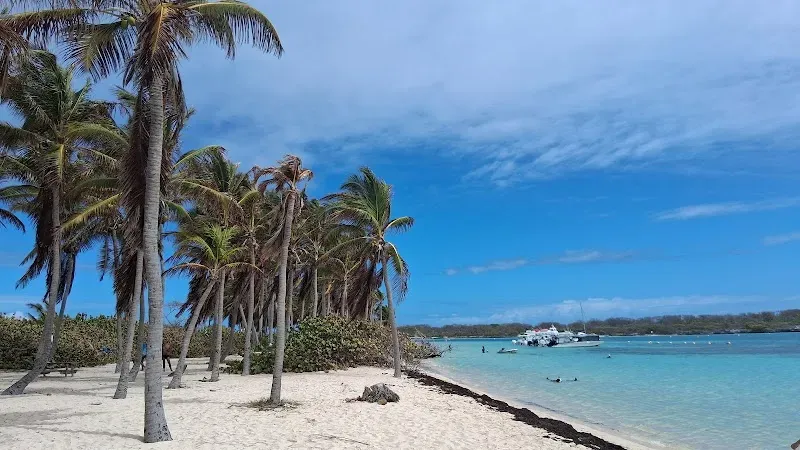
Plage De Petite Terre
Plage De Petite Terre is a nature attraction on Petite Terre. This natural area showcases the lush tropical landscapes and diverse ecosystems that Petite Terre is known for. Visitors can explore the local flora and fauna in a serene setting.
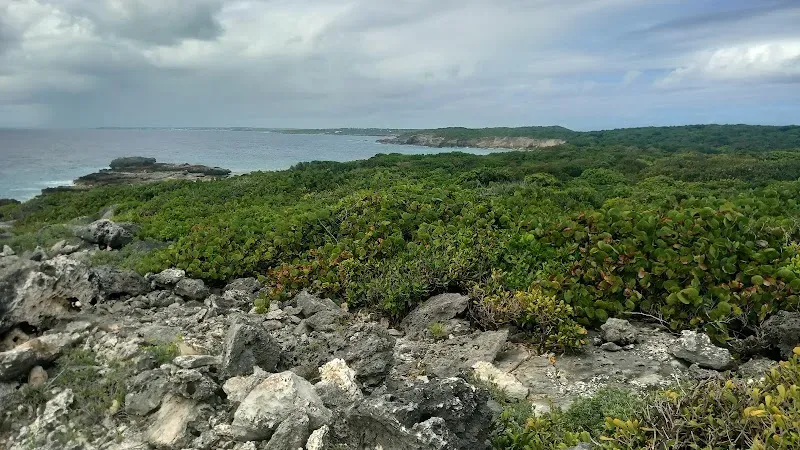
Plage de la Baie Degrat
Plage de la Baie Degrat is a nature attraction on Petite Terre. This natural area showcases the lush tropical landscapes and diverse ecosystems that Petite Terre is known for. Visitors can explore the local flora and fauna in a serene setting.
Explore More of Petite Terre
Find hotels, restaurants, and bookable experiences on our full island page.