San Andrés and Providencia
Colombia's Caribbean Paradise
About San Andrés and Providencia
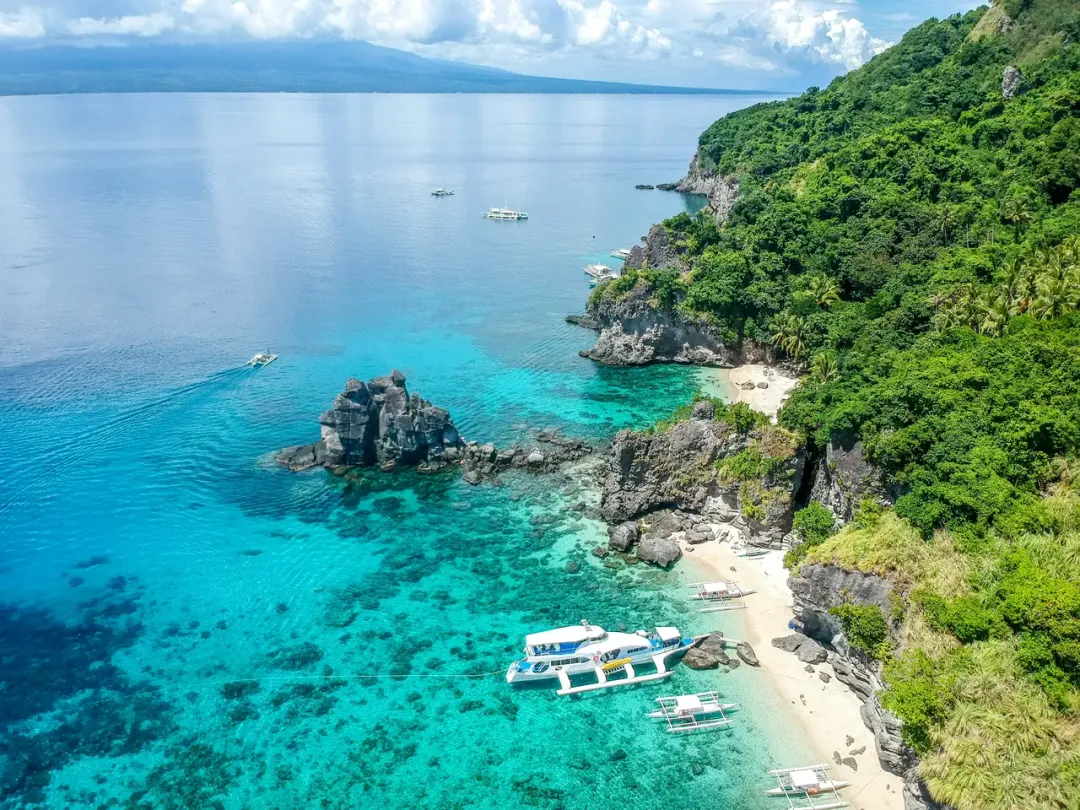
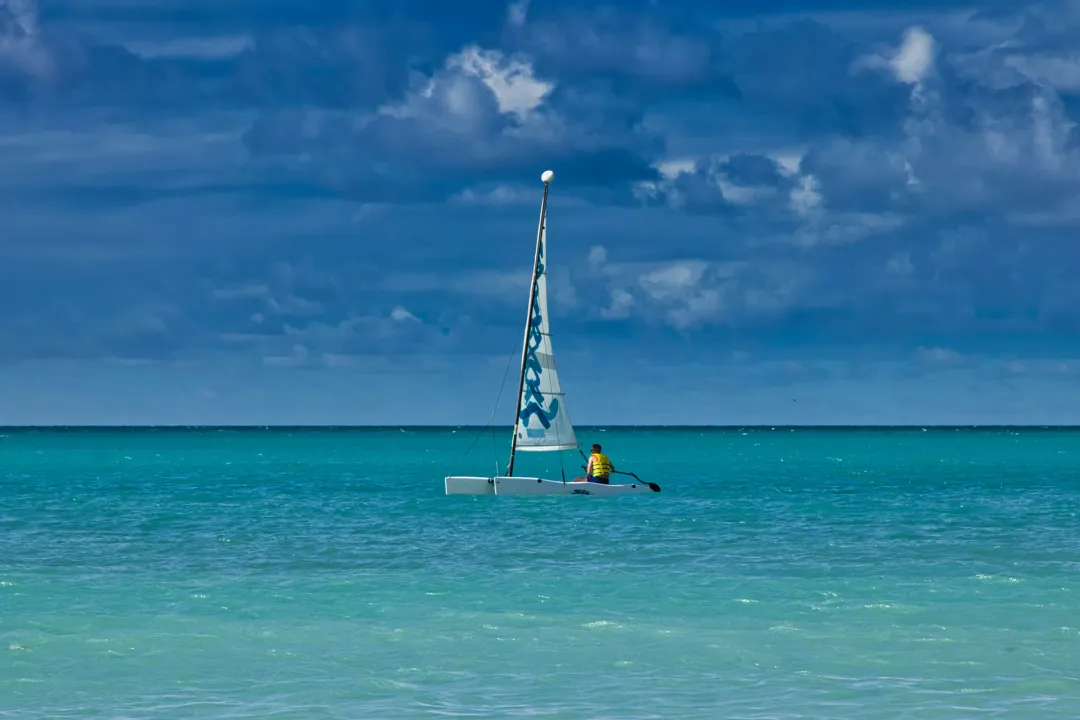
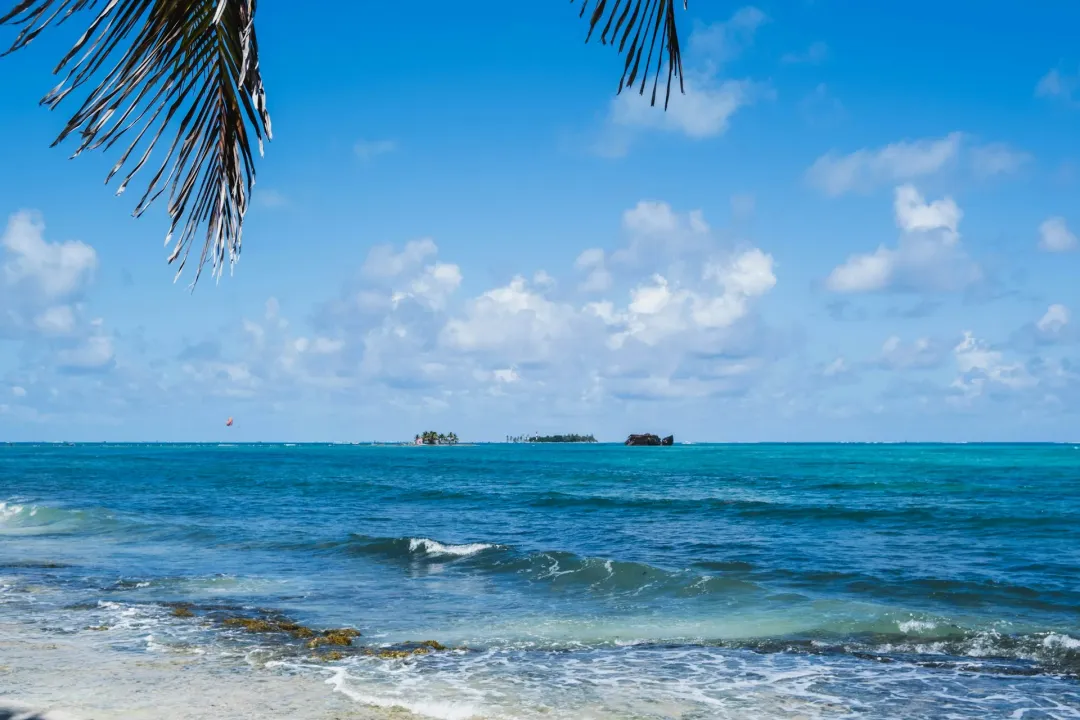
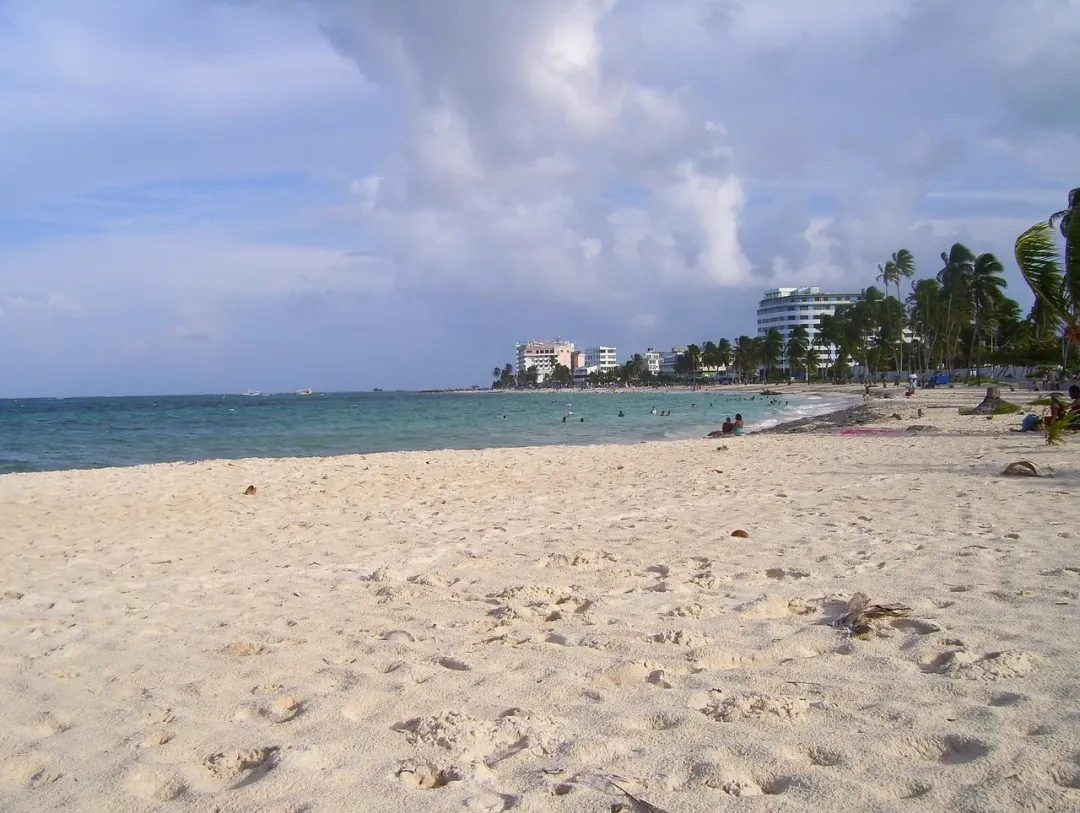
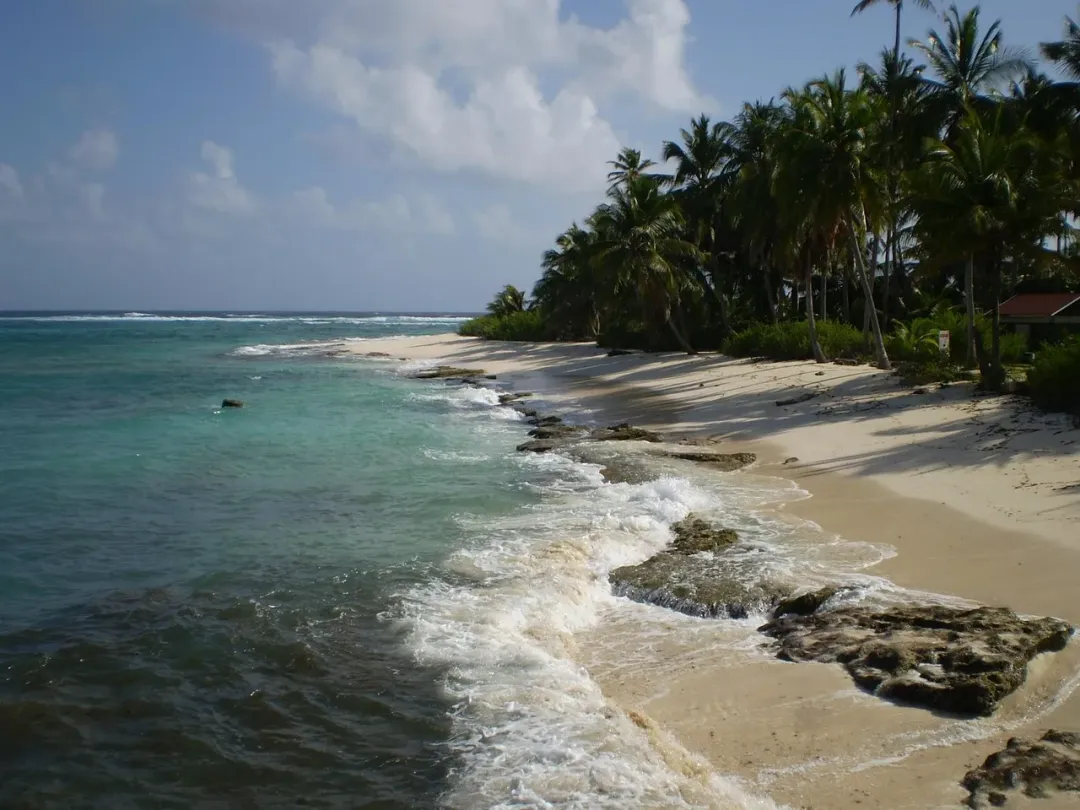
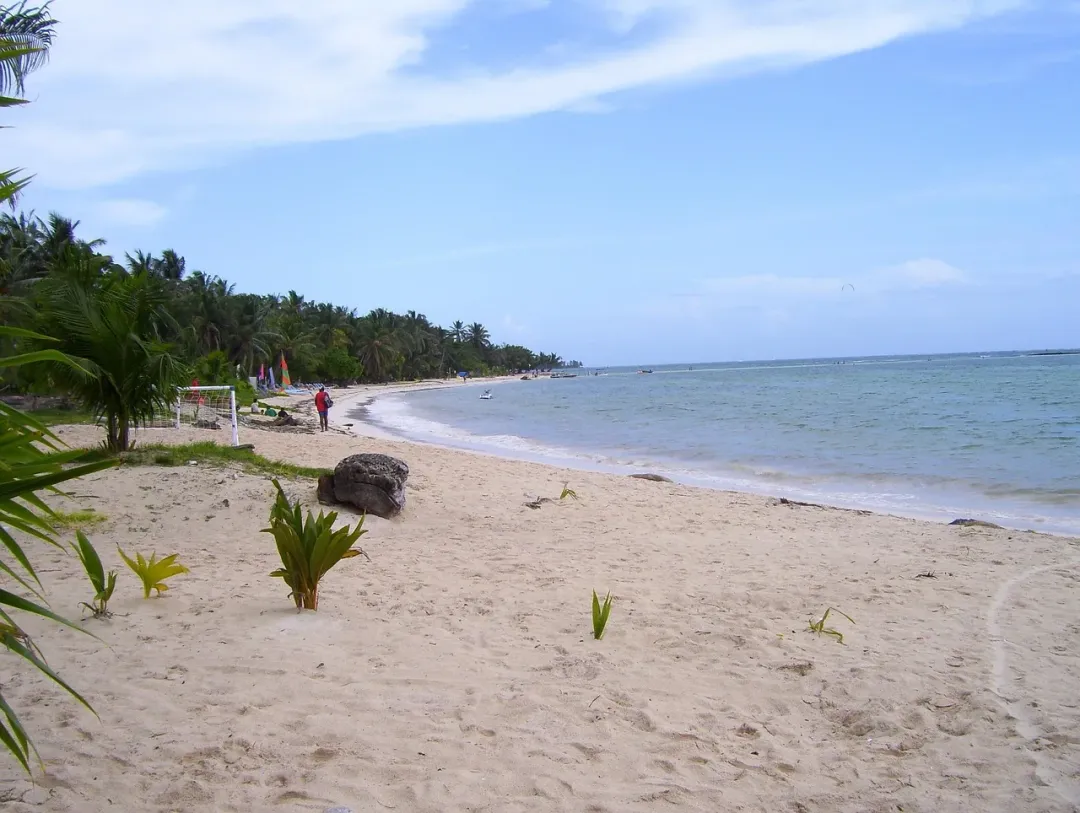
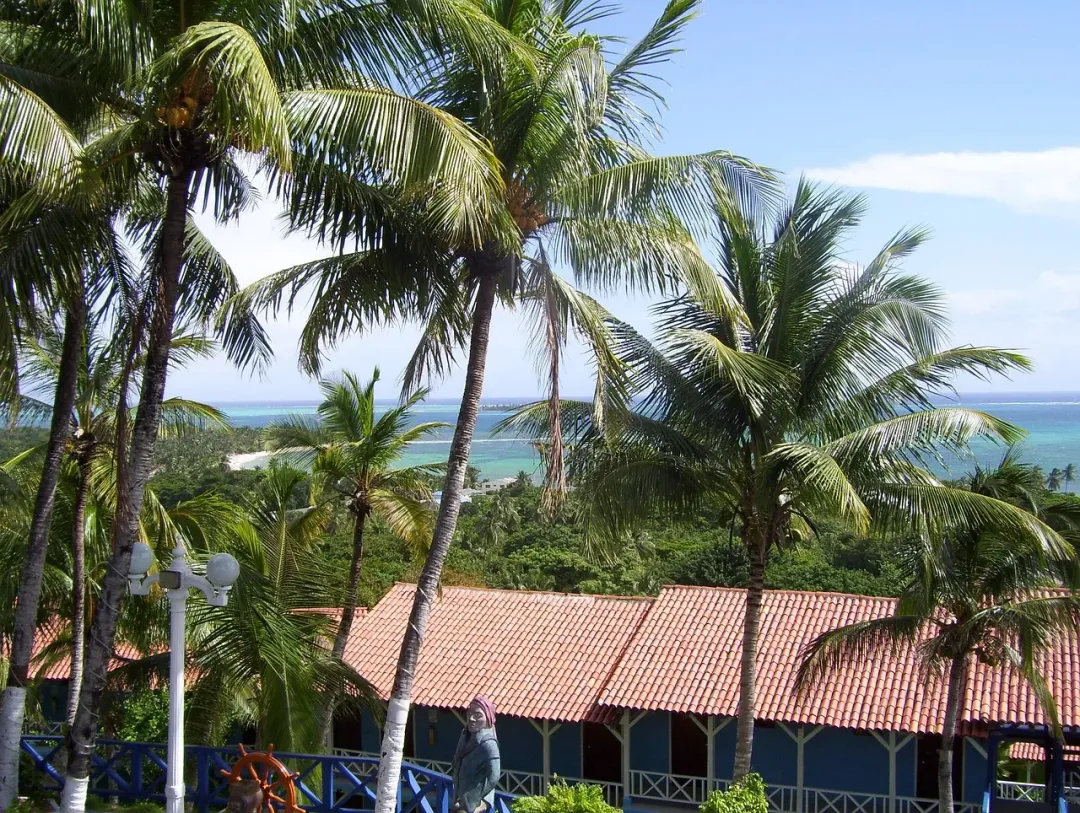
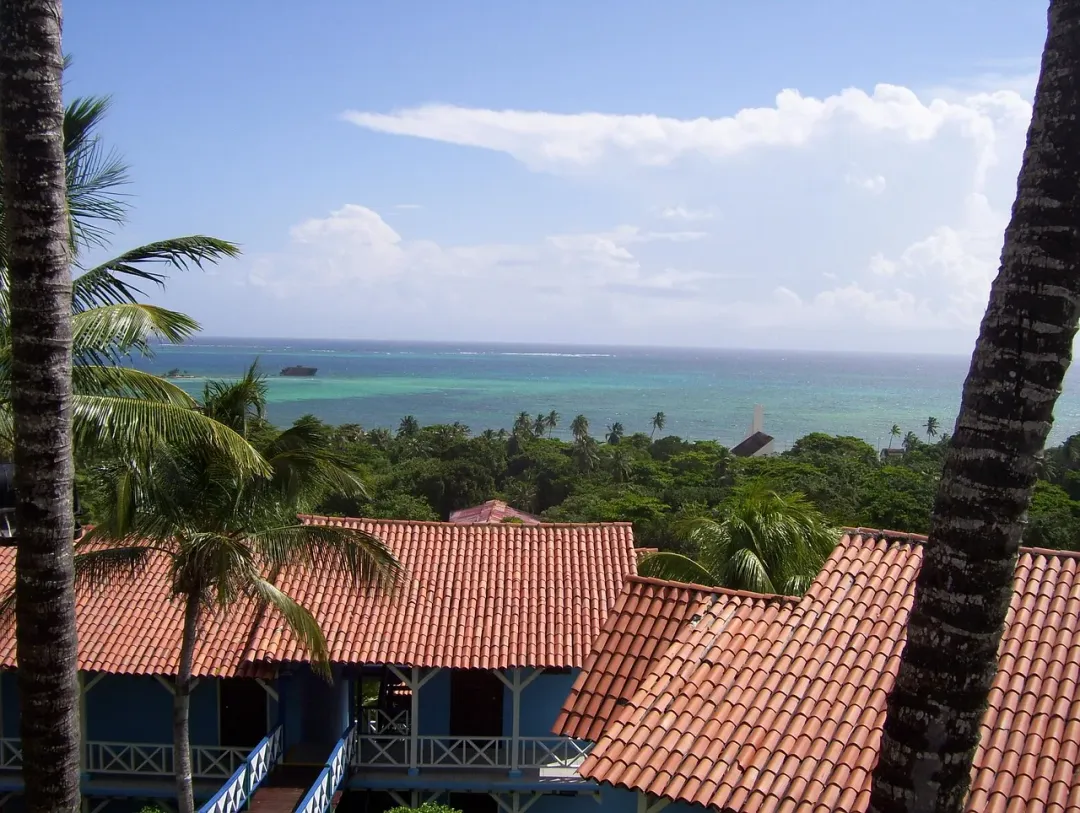
San Andrés and Providencia (also known as Old Providence) form an archipelago belonging to Colombia but located closer to Nicaragua, about 470 miles northwest of the Colombian mainland. This geographical position has created a distinctive cultural blend, with the islands' native Raizal people speaking an English-based Creole alongside Spanish and maintaining traditions that differ significantly from mainland Colombia. San Andrés, the larger and more developed island, is known for its stunning 'Sea of Seven Colors,' where the Caribbean waters display an extraordinary range of blue and turquoise hues due to the combination of shallow waters, coral reefs, and white sand. The island features a bustling main town with duty-free shopping, numerous beaches such as Spratt Bight with its long stretch of white sand, and attractions like La Piscinita, a natural pool ideal for snorkeling, and the Morgan's Cave, linked to the pirate Henry Morgan who allegedly hid treasure on the island. Providencia, smaller and less developed, offers a more authentic and tranquil experience with its mountainous landscape, pristine beaches like Manzanillo, and the third-largest barrier reef in the world, providing exceptional diving and snorkeling opportunities. The islands' cuisine reflects their cultural fusion, featuring seafood dishes like rondón (a coconut seafood stew), patacones (fried plantains), and fresh tropical fruits. Despite being a popular tourist destination, particularly for Colombians, the archipelago maintains environmental protection measures, including visitor limits for Providencia, to preserve its natural beauty and unique ecosystem. With their combination of natural wonders, cultural distinctiveness, and relaxed Caribbean atmosphere, San Andrés and Providencia offer visitors an experience that differs significantly from both mainland Colombia and other Caribbean destinations.
Size
10 sq mi (26 km²) for San Andrés, 6.2 sq mi (17 km²) for Providencia
Population
75,000
Language
Spanish, English, Creole
Currency
Colombian Peso (COP)
Time Zone
UTC-5 (Colombia Time)
Best Time to Visit
January to April
Highlights
Best Things to Do in San Andrés and Providencia
San Andrés and Providencia feel like two entirely different trips packed into one archipelago. On San Andrés, the famous Sea of Seven Colors is best appreciated from a boat tour to the surrounding cays, where shallow sandbars and reef formations create shifting gradients of turquoise, cobalt, and aquamarine that have to be seen to be believed. Start at Spratt Bight, the long public beach in the center of town, where Raizal families picnic on weekends and the water is calm enough for small children.
Rent a golf cart or scooter (around 80,000 to 120,000 COP per day) and circle the island in under two hours, stopping at La Piscinita on the west side, a natural rock pool where you snorkel directly from a wooden platform over parrotfish and sea fans for a 15,000 COP entry fee. Continue south to El Hoyo Soplador, a blowhole that shoots seawater skyward when the wind and tide cooperate - it is more dramatic than it sounds.
Johnny Cay, a tiny islet ten minutes by boat from Spratt Bight, is the quintessential day trip: white sand, reggae music, fried fish vendors, and coconut water served straight from the shell. The boat ride costs around 30,000 COP round trip. Morgan’s Cave, allegedly connected to the pirate Henry Morgan, is a modest but atmospheric stop on the south end of San Andrés with a small museum and coconut-shell carvings sold by local artisans.
Providencia is the real prize for travelers willing to go further. A 20-minute flight or three-hour catamaran ride from San Andrés brings you to an island that feels decades removed from modern tourism. Crab Cay, connected to the main island by a pedestrian bridge, has a snorkeling reef just off the rocks that rivals anything in the ABC islands. Hike to the Peak, the island's highest point at 360 meters, for panoramic views of the barrier reef - the third-largest in the world - stretching in a pale arc around the island's western shore. The trail starts near Casabaja and takes about 90 minutes up. Southwest Bay and Manzanillo Beach are Providencia’s finest stretches of sand, and you will likely have them largely to yourself outside Colombian holiday weeks.
Boat Tour to the Sea of Seven Colors
A half-day boat excursion from San Andrés takes you over the shallow waters between Haynes Cay and Aquarium Cay, where the shifting reef and sand create an extraordinary palette of blues and greens. Most tours include snorkeling stops and cost between 80,000 and 120,000 COP per person.
Snorkel La Piscinita Natural Pool
A natural rock formation on San Andrés's west coast creates a sheltered pool teeming with tropical fish. Wooden platforms let you enter the water easily, and the clarity is exceptional. Entry costs around 15,000 COP and basic snorkel gear is available for rent on site.
Day Trip to Johnny Cay
This small islet a ten-minute boat ride from Spratt Bight is a natural regional park with white sand, coconut palms, and reggae speakers on the beach. Local vendors grill fish and serve coconut rice, and the snorkeling off the western edge is surprisingly good. Round-trip boats cost around 30,000 COP.
Hike to the Peak on Providencia
The highest point on Providencia at 360 meters offers sweeping views of the barrier reef and the entire island. The trail starts near Casabaja, passes through tropical forest, and takes roughly 90 minutes to the summit. Bring water and sturdy shoes - the path gets steep near the top.
Dive Providencia's Barrier Reef
The third-largest barrier reef in the world wraps around Providencia's western shore. Felipe's Place, a dive site near Crab Cay, features walls covered in gorgonians and frequent turtle sightings. Two-tank dives cost around 250,000 to 300,000 COP through operators in Aguadulce.
Explore Crab Cay by Foot and Snorkel
Connected to Providencia by a colorful pedestrian bridge, Crab Cay is a rocky outcrop surrounded by clear water and healthy reef. Snorkel from the rocks on the southern side to see brain coral, angelfish, and occasional nurse sharks in the shallows. No entrance fee.
Ride a Golf Cart Around San Andrés
Renting a golf cart is the best way to see San Andrés in a day. The island road loops roughly 30 kilometers, passing West View, La Piscinita, the Blowhole, and the quieter southern beaches. Carts rent for 80,000 to 120,000 COP per day and are available near Spratt Bight.
Where to Stay in San Andrés and Providencia
San Andrés has the widest range of accommodation. The hotel zone along Spratt Bight anchors the mid-range options, with properties like Hotel Casablanca and GHL Relax Hotel Sunrise offering beachfront rooms from 300,000 to 600,000 COP ($75 to $150 USD) per night. The Decameron chain operates several all-inclusive resorts on the island starting around 500,000 COP per person per night, popular with Colombian families. For budget travelers, the Loma neighborhood inland has guesthouses and posadas from 80,000 to 150,000 COP.
San Andrés also has a growing number of Airbnb apartments, particularly useful for longer stays, starting around 120,000 COP per night for a studio. Providencia is smaller and more expensive relative to its offerings. Posada Nativa programs let you stay with local Raizal families, providing an authentic cultural experience from around 100,000 to 200,000 COP per night including meals.
Deep Blue Hotel, the island’s most upscale option, sits above Maracaibo Bay with rooms from $200 to $400 USD and a dive center on site. Smaller guesthouses in Aguadulce and Southwest Bay fill the mid-range gap at $60 to $120. Providencia books up fast during Colombian holidays (Semana Santa, June, December), so reserve well ahead for those periods.
Both islands have limited luxury options compared to other Caribbean destinations, but the trade-off is authenticity and value.
Where to Eat in San Andrés and Providencia
The food on San Andrés and Providencia reflects the Raizal Creole heritage more than mainland Colombian cuisine. Rondón, the signature dish, is a slow-cooked coconut milk stew with fish, conch, yuca, breadfruit, plantain, and dumplings - it is rich, complex, and unlike anything you will find on the continent.
On San Andrés, Miss Celia in the Loma neighborhood serves one of the best versions, cooked over wood fire in the traditional way, for around 35,000 to 45,000 COP. Along the main strip near Spratt Bight, La Regatta is a longtime favorite for seafood platters and lobster tail with coconut rice at 50,000 to 80,000 COP per plate.
Fisherman’s Place on the east side serves grilled whole snapper with patacones in a casual open-air setting right on the water. For budget meals, the informal comedores around the Centro Comercial serve set lunches (almuerzo corriente) for 15,000 to 20,000 COP.
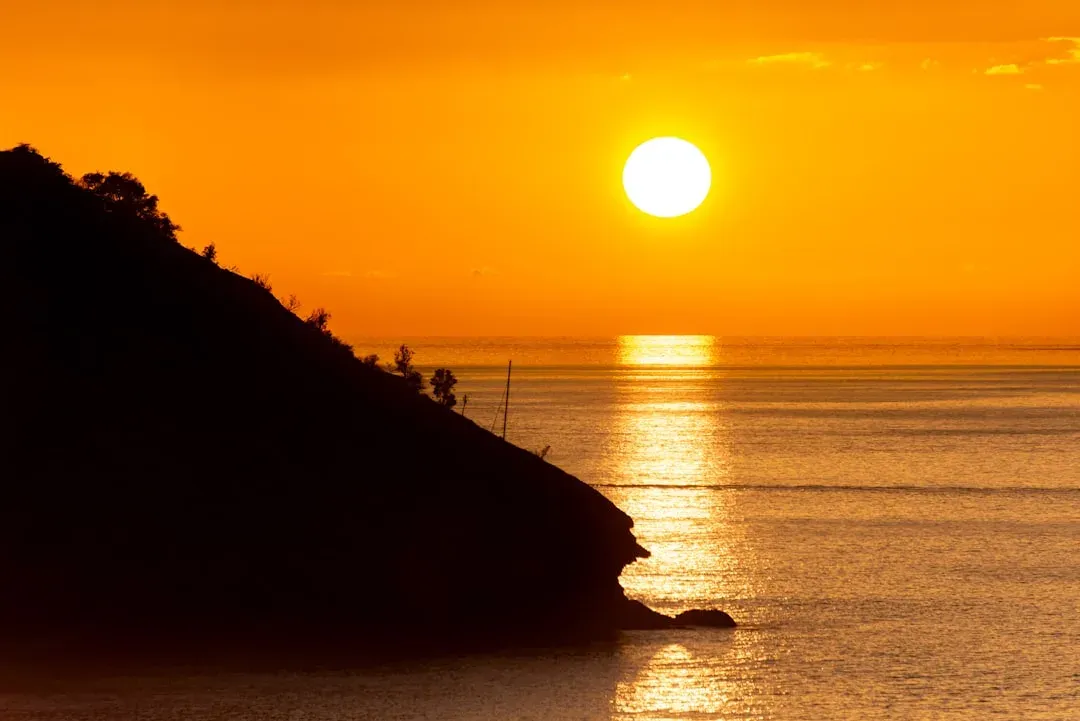
On Providencia, the restaurant scene is intimate. Café Studio near Aguadulce does excellent fresh juice and criollo breakfasts, while Roland’s Roots Bar in Southwest Bay is the place for cold Club Colombia beers and grilled fish at sunset. Coco bread, a sweet coconut flatbread baked by Raizal women, is sold house to house and is best eaten warm with butter. Fresh fruit is abundant - look for breadfruit chips, tamarind candy, and soursop juice at roadside stands. The local spirit is bush rum, an herbal infusion with medicinal roots that islanders swear cures everything.
Best Time to Visit San Andrés and Providencia
The dry season from January through April offers the best weather, with low humidity, calm seas, and consistent sunshine. February and March are ideal for diving around Providencia, when visibility on the barrier reef can exceed 30 meters.
This coincides with peak tourism season for Colombian visitors, particularly during Semana Santa (Easter week), when flights and hotels sell out weeks in advance and prices spike 30 to 50 percent. May and June bring transitional weather with occasional afternoon showers but fewer crowds and better rates.
The wet season runs roughly July through November, with October and November seeing the most rain. Although the islands sit within the hurricane belt, direct hits are rare - though Hurricane Iota devastated Providencia in November 2020, the island has since rebuilt. Water temperatures remain a warm 80 to 84°F year-round. For the best balance of weather, availability, and price, aim for late January through mid-March or the month of June.
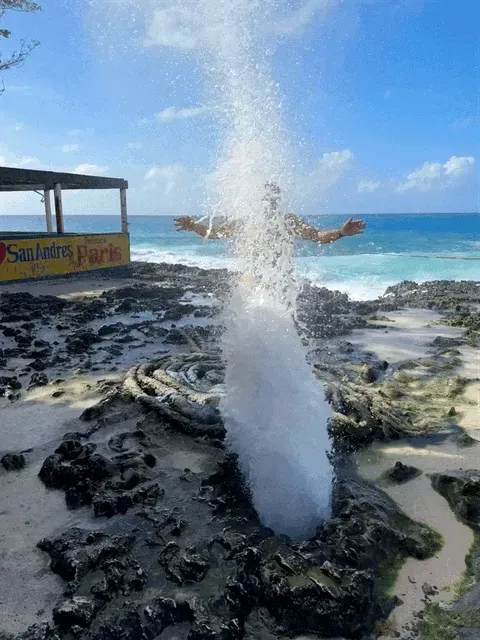
Hoyo Soplador
Natural phenomenon where a hole in the beach shoots out ocean water when there are strong waves.
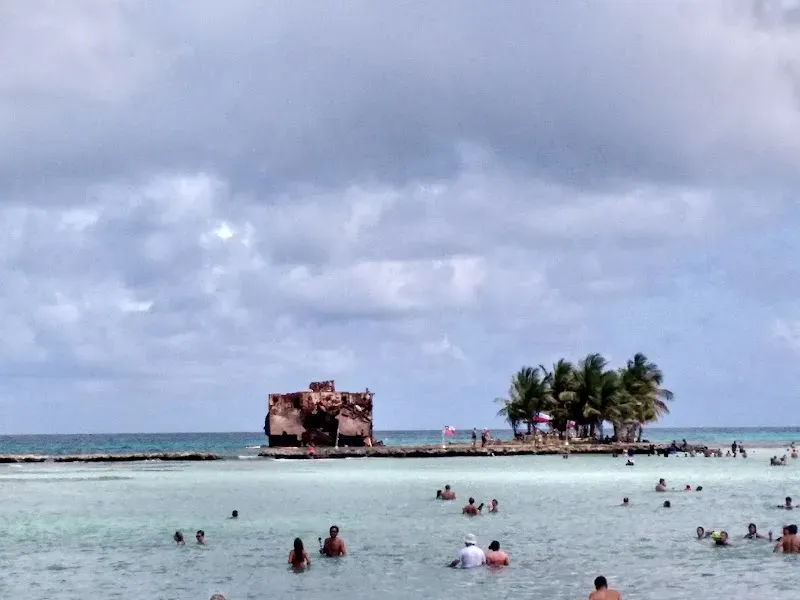
Rocky Cay
Rocky Cay is a nature attraction on San Andrés. This natural area showcases the lush tropical landscapes and diverse ecosystems that San Andrés is known for. Visitors can explore the local flora and fauna in a serene setting.
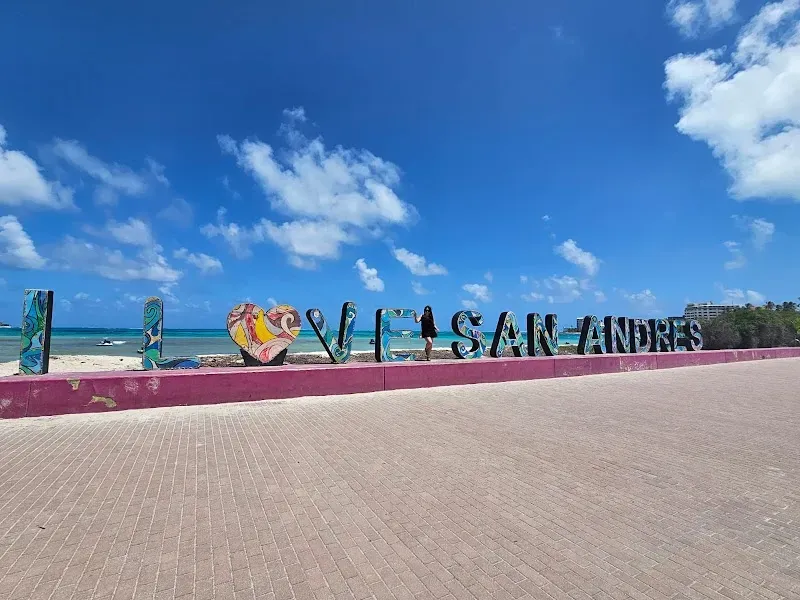
Letrero I love San Andrés
Letrero I love San Andrés is a nature attraction on San Andrés. This natural area showcases the lush tropical landscapes and diverse ecosystems that San Andrés is known for. Visitors can explore the local flora and fauna in a serene setting.
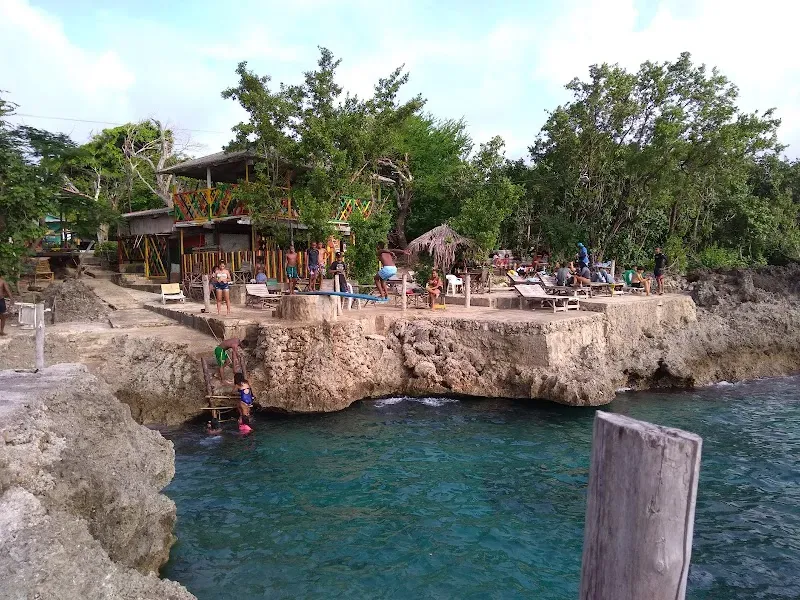
La Piscinita
Popular snorkeling site set among cliffs & known for clear, calm waters filled with tropical fish.
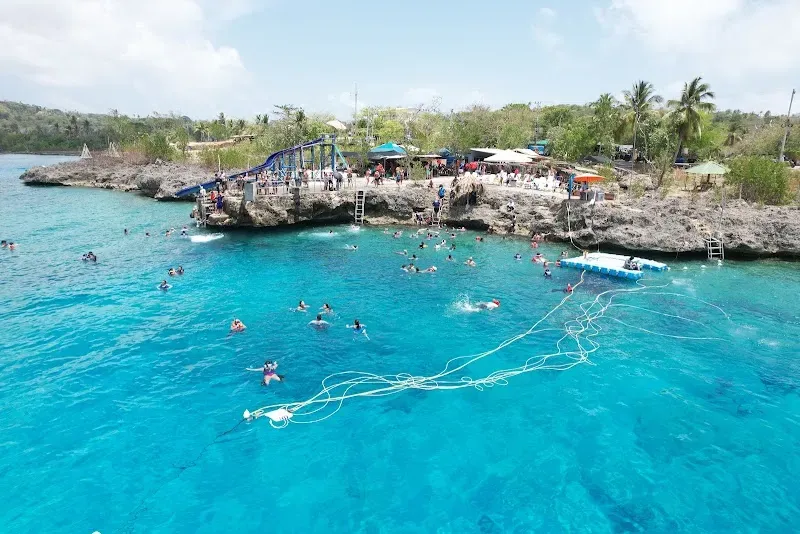
Eco Parque West View
Jumping-off spot with clear seas for snorkeling & fish-feeding, plus a water slides & sunset views.
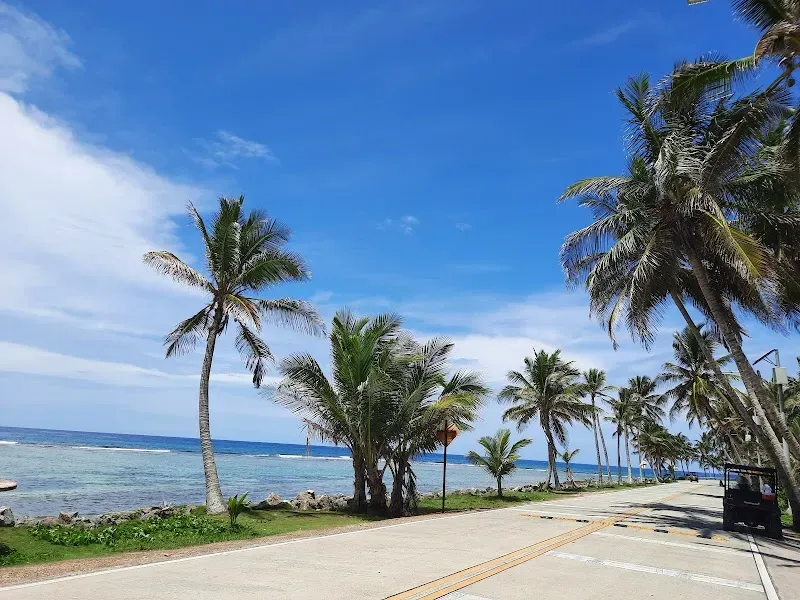
Palm Road (calle de las palmas)
Palm Road (calle de las palmas) is a nature attraction on San Andrés. This natural area showcases the lush tropical landscapes and diverse ecosystems that San Andrés is known for. Visitors can explore the local flora and fauna in a serene setting.
Hotels in San Andrés and Providencia
Search for available rates by selecting your travel dates
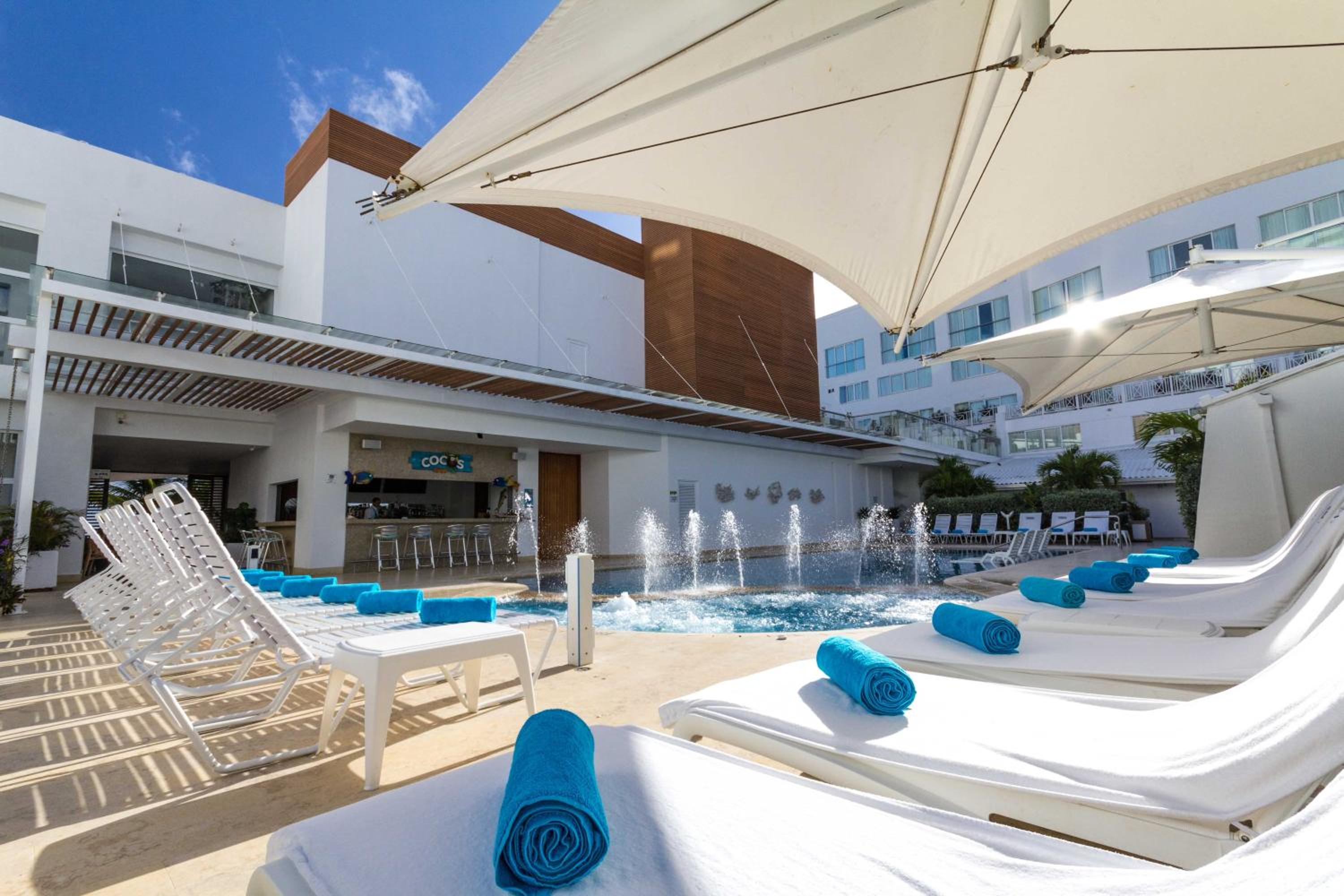
Hotel Casablanca
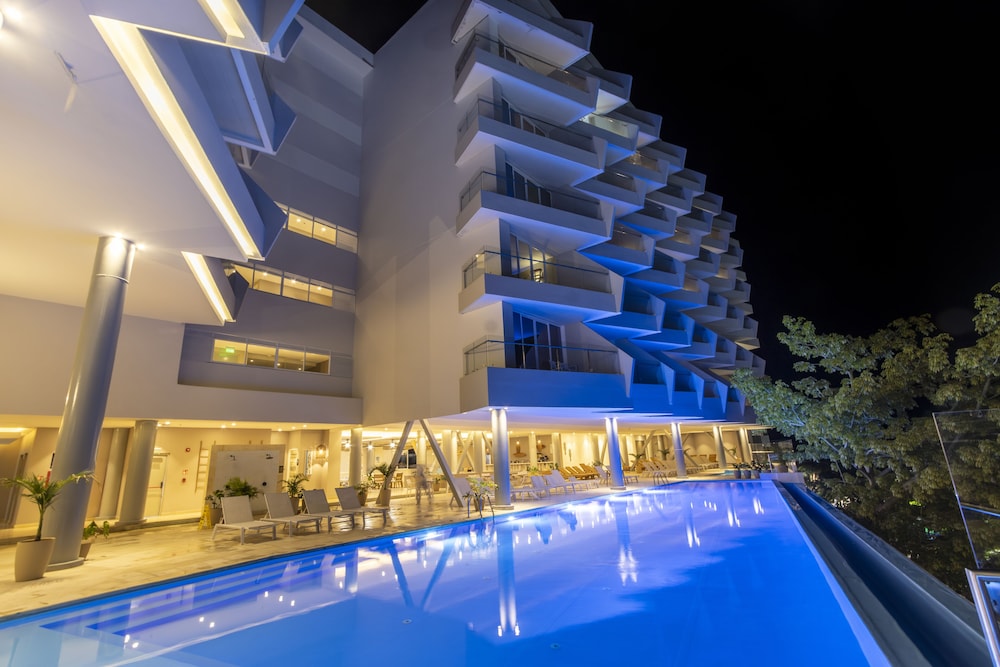
Grand Sirenis San Andres
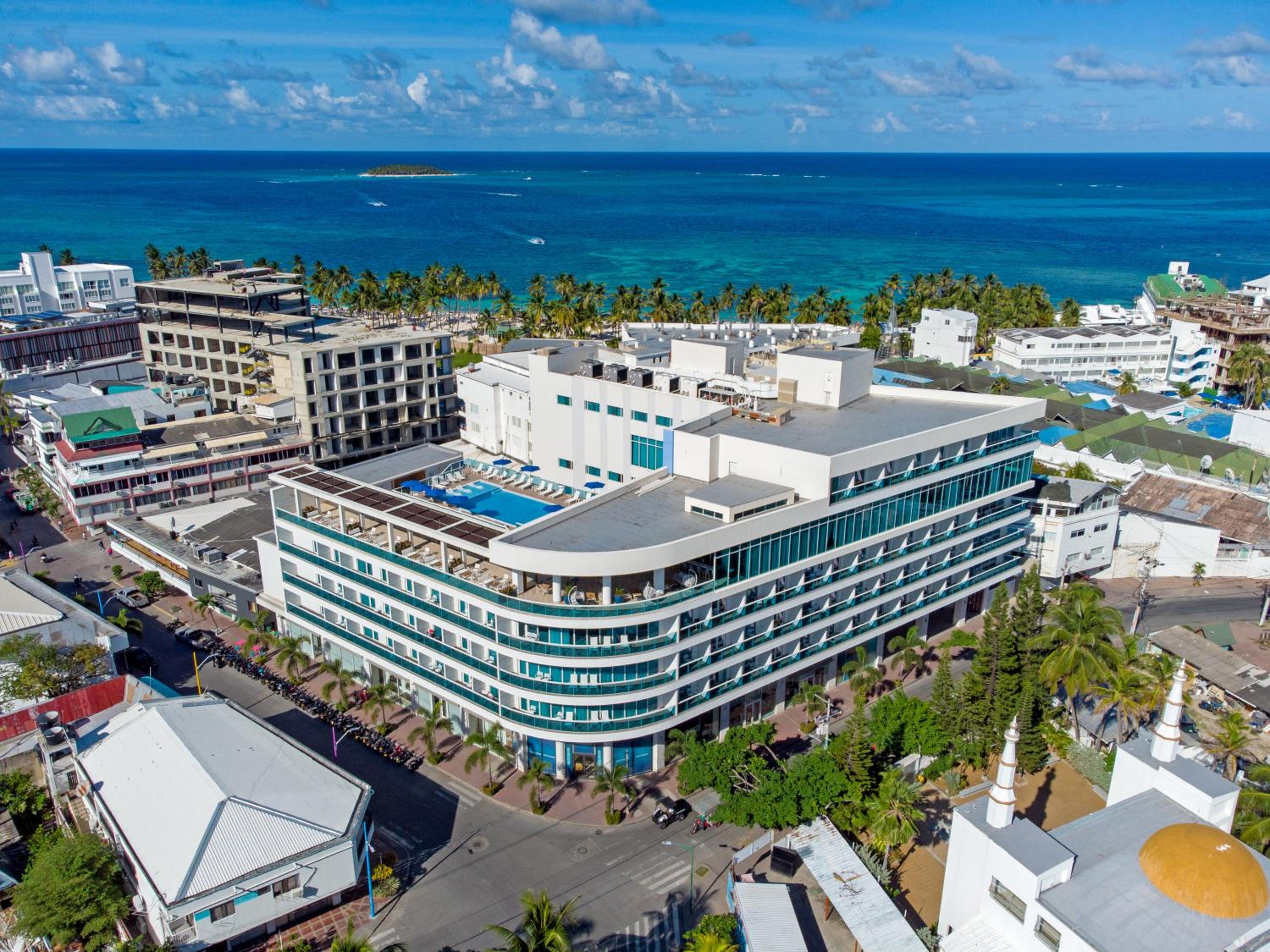
Aquamare Hotel
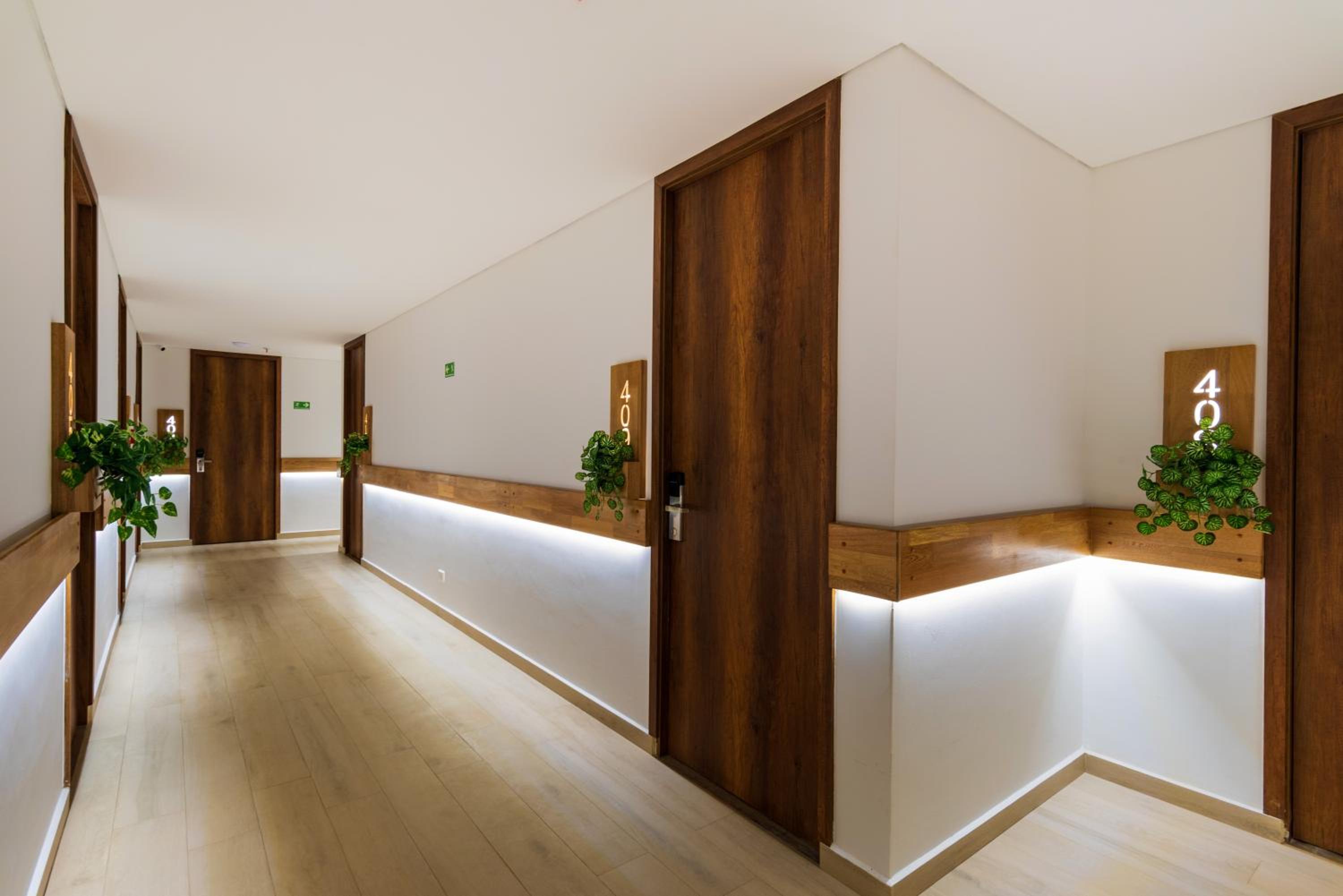
Sea Avenue Hotel
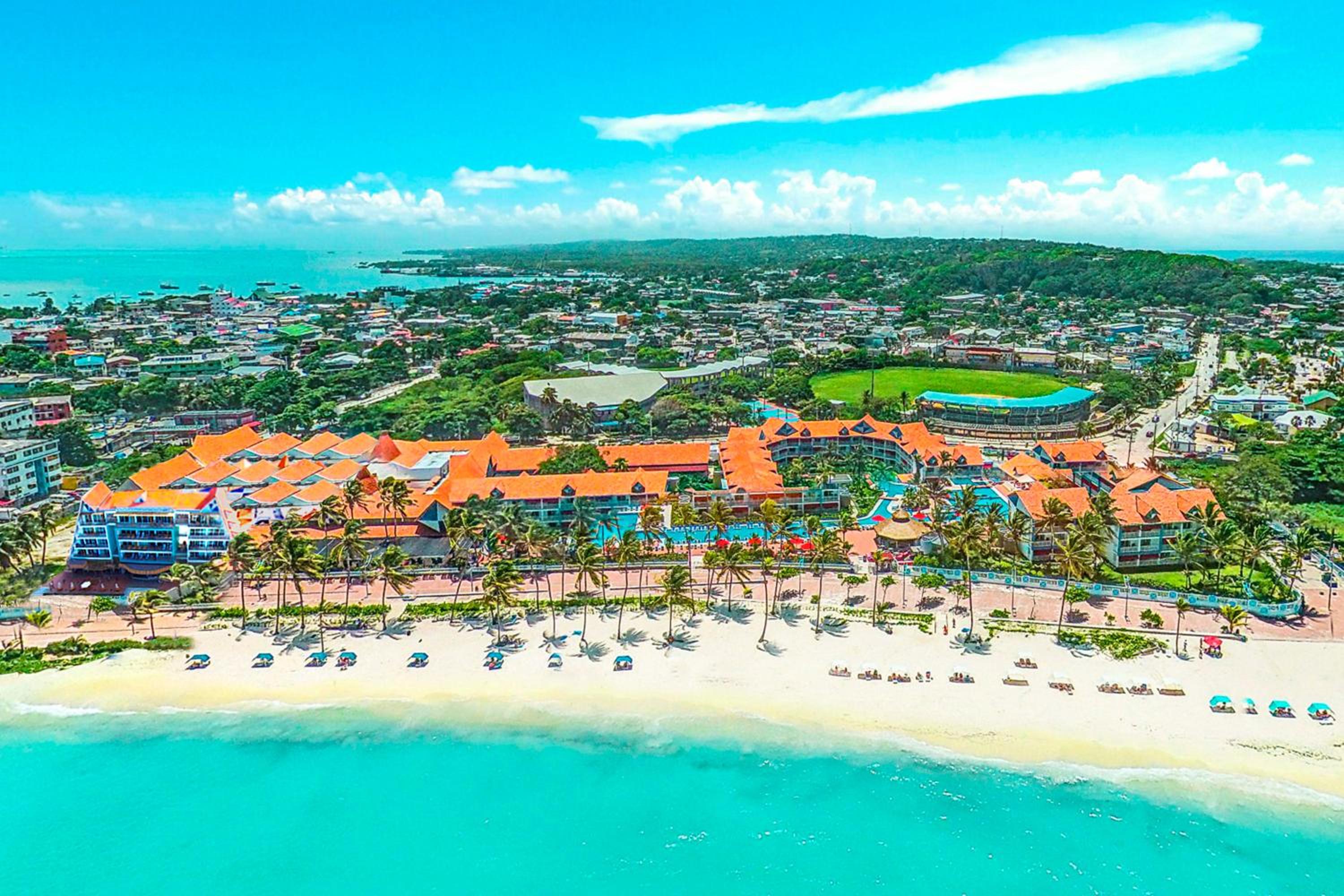
Decameron Isleño - All Inclusive
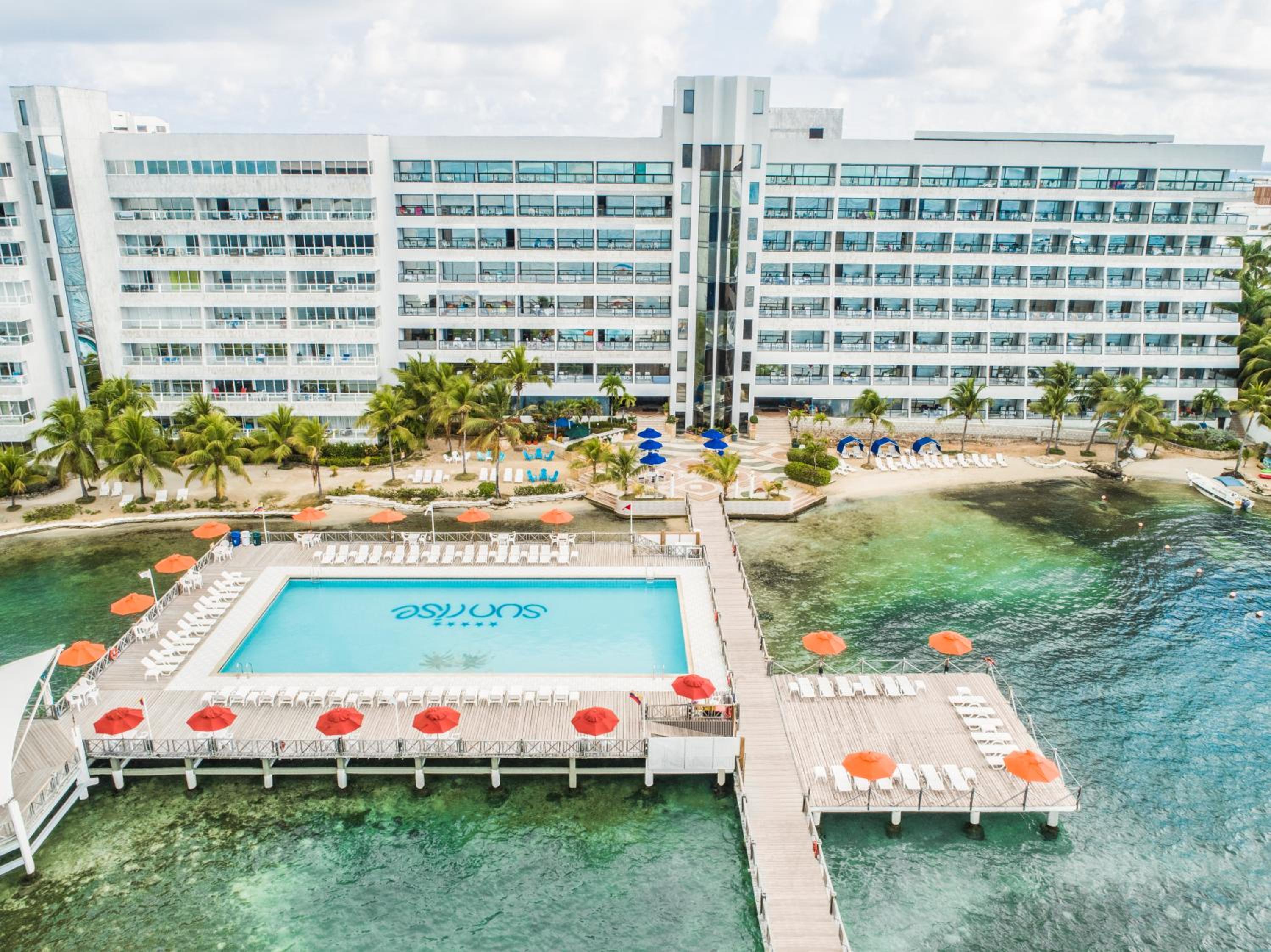
GHL Hotel Sunrise
Top Restaurants in San Andrés and Providencia
Popular dining spots near San Andrés and Providencia
No restaurants available for San Andrés and Providencia yet.
Weather in San Andrés and Providencia
Average Temperature
75°F to 85°F (24°C to 29°C)
Rainy Season
May to November
Hurricane Season
June to November
Best Time to Visit
January to April
Travel Tips
- Spanish is the official language, but English and Creole are widely spoken
- Colombian Peso is the currency, but US dollars may be accepted in tourist areas
- Driving is on the right side of the road
- A valid passport and tourist card are required for entry
- Flights connect San Andrés to mainland Colombia and Providencia
- The islands have a 'no more than 4 days' tourist tax exemption policy
Get San Andrés and Providencia Travel Tips
Subscribe for curated tips, deals, and inspiration for your San Andrés and Providencia trip.