St. Croix
The Garden of the Antilles
About St. Croix
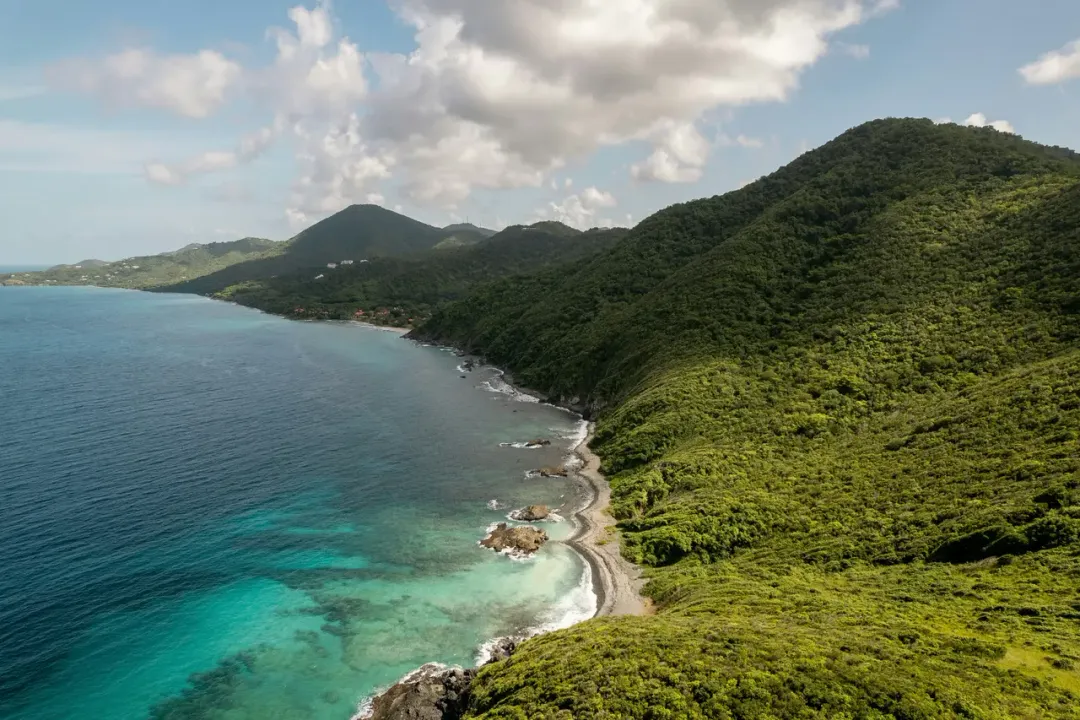
St. Croix, spanning 84 square miles, is the largest of the US Virgin Islands and differs significantly from its sister islands in both geography and character. Located 40 miles south of St. Thomas and St. John, St. Croix is geologically distinct, sitting on a different tectonic plate, and features a varied landscape ranging from lush rainforest in the west to near-desert conditions in the east, with rolling hills and fertile valleys throughout. The island's two main towns reflect its rich colonial history: Christiansted, the former capital of the Danish West Indies, showcases well-preserved 18th and 19th-century architecture within its historic district, including Fort Christiansvaern, a Danish fortress now part of the Christiansted National Historic Site; and Frederiksted on the west coast, known for its Victorian architecture and deep-water pier that serves as a cruise ship port. St. Croix's cultural heritage is particularly diverse, with influences from indigenous Taíno and Carib peoples, European colonizers (Spanish, French, Knights of Malta, and primarily Danish), enslaved Africans, and post-emancipation immigrants from other Caribbean islands, creating a distinct Crucian identity expressed through traditions like the Christmas festival Crucian Christmas Carnival, the agricultural fair, and the St. Croix Food & Wine Experience. The island played significant roles in both Caribbean and American history, including being the site of the first successful slave revolt in the Danish West Indies in 1848 and the childhood home of Alexander Hamilton, whose experiences there influenced his later opposition to slavery. Today, St. Croix offers visitors a range of experiences, from exploring historic sites and diving the Buck Island Reef National Monument, the only underwater national monument in the United States, to touring the Cruzan and Captain Morgan rum distilleries, which continue the island's centuries-old tradition of rum production. The island's culinary scene has gained recognition for farm-to-table dining utilizing local produce, tropical fruits, and seafood, complemented by a growing number of local breweries and distilleries. With its own international airport, St. Croix is directly accessible from the US mainland yet receives fewer tourists than St. Thomas, allowing for a more authentic experience of Virgin Islands culture and a slower pace of life that has attracted a community of artists, chefs, and entrepreneurs contributing to the island's renaissance following decades of economic challenges after the closure of the Hovensa oil refinery, once the island's largest employer.
Size
84 sq mi (218 km²)
Population
50,000
Language
English
Currency
US Dollar (USD)
Time Zone
UTC-4 (Atlantic Time)
Best Time to Visit
December to April
Highlights
Best Things to Do in St. Croix
St. Croix is the US Virgin Island that rewards the curious traveler - the one who wants more than a beach chair and a rum punch, though it delivers those beautifully too. Start in Christiansted, the former capital of the Danish West Indies, where a waterfront boardwalk runs past Fort Christiansvaern, a mustard-yellow Danish fortress built in 1749 that still guards the harbor with its cannons and thick stone walls. The fort is part of the Christiansted National Historic Site, and the $7 entrance covers several surrounding buildings including the Danish Customs House and the Scale House where sugar and rum were once weighed for export. Walk the town's narrow streets lined with 18th-century arcaded buildings now housing restaurants, boutiques, and art galleries - Christiansted has one of the best-preserved Danish colonial cores in the Caribbean.
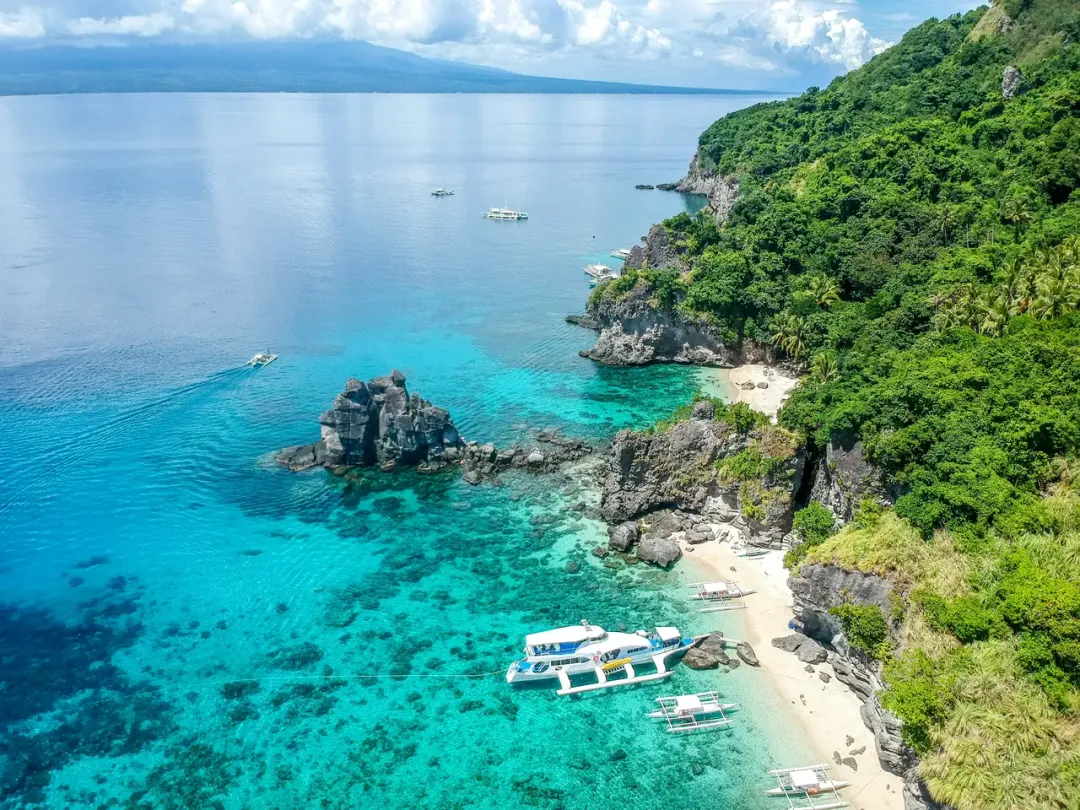
Buck Island Reef National Monument, a half-hour boat ride offshore, is the crown jewel of St. Croix's natural attractions and the only underwater national monument in the United States. The marked snorkeling trail passes through an elkhorn coral barrier reef teeming with blue tang, parrotfish, and hawksbill turtles - half-day catamaran trips run about $65 to $85 per person and include gear and a beach stop on Buck Island's white sand.
On the island's west end, the landscape shifts dramatically. The rainforest canopy around the Scenic Road gives way to rolling mahogany groves, and the Cruzan Rum Distillery offers tours and tastings for $10 that walk you through a working distillery producing rum since 1760. Frederiksted, the west coast town, has a quieter, more Caribbean feel than Christiansted, with Victorian gingerbread architecture and a deep-water pier that is one of the best shore dives in the Caribbean - seahorses, frogfish, and octopus cling to the pier's pylons, and night dives here are legendary.
At the island's eastern tip, Point Udall marks the easternmost point of the United States, with a sundial monument and views of the open Atlantic that are spectacular at sunrise. Salt River Bay National Historical Park preserves the only documented site where Columbus's men encountered armed Carib resistance in 1493, and the bioluminescent bay here glows blue-green on moonless nights during kayak tours.
For hikers, the Jack and Isaac Bay Preserve on the southeast coast protects a pristine stretch of coastline with trails to two secluded beaches where leatherback sea turtles nest from March through July.
Snorkel Buck Island Reef National Monument
The only underwater national monument in the United States, with a marked snorkeling trail through elkhorn coral gardens. Half-day catamaran trips from Christiansted cost $65 to $85 and include gear, a guided snorkel, and a beach stop. Hawksbill turtles are frequently spotted along the trail.
Dive the Frederiksted Pier
One of the Caribbean's top shore dives, the pier's pylons host seahorses, frogfish, octopus, and juvenile reef fish. Night dives are particularly spectacular, with bioluminescent creatures and hunting tarpon. Dive shops in Frederiksted rent gear and offer guided dives from about $75.
Tour the Cruzan Rum Distillery
This working distillery has produced rum since 1760, making it one of the oldest in the Caribbean. The $10 tour walks through the fermentation, distillation, and aging process, ending with a tasting of multiple varieties. The gift shop sells distillery-only bottlings unavailable elsewhere.
Kayak the Bioluminescent Bay at Salt River
On moonless nights, microorganisms in Salt River Bay create an electric blue-green glow with every paddle stroke and hand movement. Guided kayak tours run about $55 per person and last two hours. Book during a new moon for the most dramatic effect.
Explore Christiansted National Historic Site
Fort Christiansvaern and its surrounding buildings preserve the heart of Danish colonial St. Croix. The $7 admission covers the fort, Customs House, Scale House, and Steeple Building museum. Allow 90 minutes to explore the full complex and walk the town's arcaded streets.
Hike to Jack and Isaac Bays
A 20-minute trail from Point Udall leads to two pristine, undeveloped beaches where leatherback sea turtles nest from March through July. The Nature Conservancy manages the preserve. Bring water and sun protection - there are no facilities or shade structures.
Watch the Sunrise at Point Udall
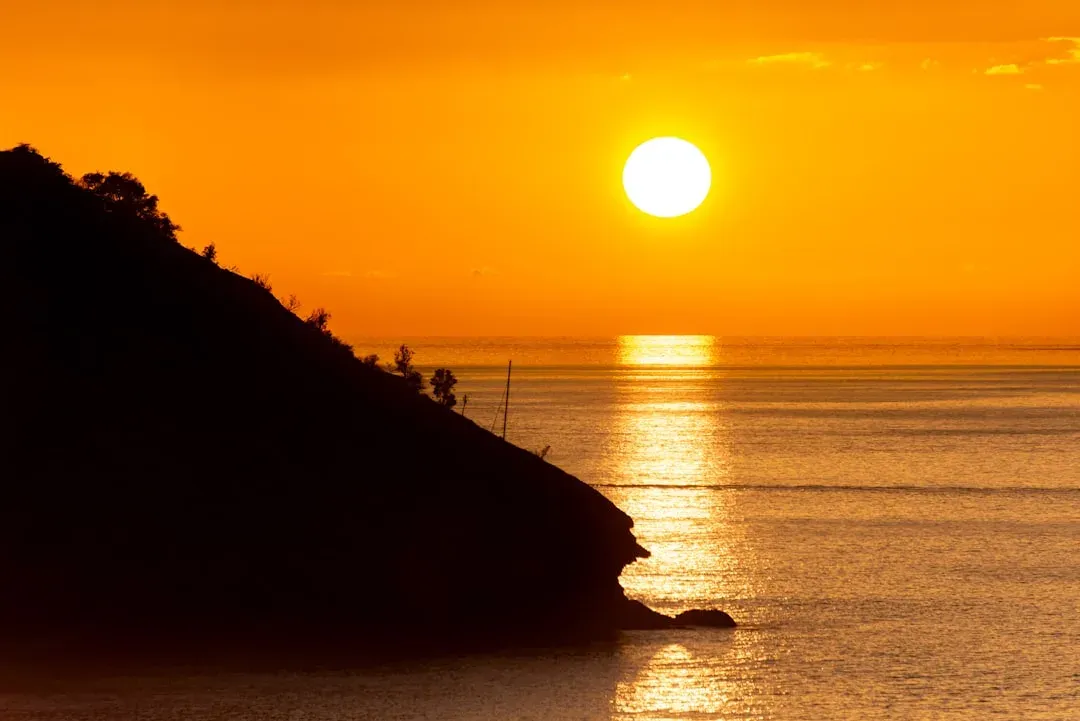
As the easternmost point of the United States, Point Udall is where the first rays of sun touch US soil each morning. A Millennium Monument sundial marks the spot. Arrive 15 minutes before sunrise for the full experience - the drive from Christiansted takes about 25 minutes.
Walk the Frederiksted Heritage Trail
A self-guided walking tour through Frederiksted's Victorian gingerbread district, passing the 1878 Fort Frederik where the emancipation of enslaved people in the Danish West Indies was proclaimed in 1848. The fort museum is free, and the surrounding streets showcase colorful restored buildings.
Where to Stay in St. Croix
St. Croix's accommodations reflect the island's dual character - historic and beachy, town and countryside. In Christiansted, Hotel Caravelle sits right on the boardwalk with harbor-view rooms from $175 to $300 a night, walking distance to every restaurant and bar in town. The Buccaneer Resort, a family-owned property since 1947 spread across 340 acres east of Christiansted, is the island's signature resort, with three beaches, a golf course, and rooms from $300 to $600.
Company House Hotel, a restored 18th-century townhouse in the center of Christiansted, offers boutique charm from $150 to $250. The Palms at Pelican Cove on the north shore provides an intimate beachfront experience with a pool and on-site restaurant, rates from $200 to $400. On the west end, the Renaissance St. Croix Carambola Beach Resort occupies a secluded valley surrounded by rainforest, with a half-mile beach and rates from $250 to $500 - it feels like a different island from Christiansted.
For budget travelers, guesthouses in Christiansted and Frederiksted start around $100 to $140. Villa rentals are increasingly popular, particularly in the hillside neighborhoods above Christiansted and along the north shore, with one-bedroom units from $150 and larger properties with pools from $300 to $800. A rental car is essential on St. Croix - the island is 28 miles long and public transit is minimal.
Where to Eat in St. Croix
St. Croix has quietly become the culinary capital of the US Virgin Islands, driven by a farm-to-table movement that takes advantage of the island's fertile soil and ranching tradition. Balter, in Christiansted's waterfront district, is the island's most talked-about restaurant, serving locally sourced dishes like braised Crucian goat, roasted breadfruit, and fresh-caught snapper in a stylish industrial-chic space - dinner for two runs $90 to $130 with drinks. 40 Strand Eatery, also in Christiansted, does elevated Caribbean comfort food with an emphasis on local seafood and seasonal produce.
For authentic Crucian cooking, seek out roadside stands and local spots serving kallaloo (a thick stew of greens, okra, and crab), stewed oxtail, and johnnycakes - La Reine Chicken Shack on the road between the two towns is a local institution where a plate of barbecue chicken with rice, beans, and coleslaw costs under $12. In Frederiksted, Polly's at the Pier serves fresh fish and cocktails with a sunset view that rivals any restaurant in the territory.
The Galleon, perched over Christiansted's harbor at Green Cay Marina, has been a special-occasion destination for decades, specializing in steaks and seafood with white-tablecloth service from $35 to $55 per entree. For a unique experience, the Montpellier Domino Club in the rainforest hills above Frederiksted is famous for its beer-drinking pigs and casual atmosphere - order a rum punch and watch the show.
Breakers, on the north shore at Cane Bay, is the go-to for post-dive burgers, fish tacos, and cold Presidentes beer right on the beach. The Christiansted farmers market on Saturday mornings sells local produce, hot sauces, bush teas, and baked goods.
Best Time to Visit St. Croix
St. Croix's dry season runs mid-December through April, with daily highs in the low to mid-80s Fahrenheit and steady trade winds. This is peak tourist season, with the highest rates and the most activity around Christiansted. The Crucian Christmas Festival, the island's biggest cultural event, runs from early December through Three Kings Day (January 6) and features parades, food fairs, and quelbe music performances. The St. Croix Food and Wine Experience in April draws culinary travelers from the mainland.
May and June offer warm weather with noticeably fewer visitors and hotel discounts of 20 to 35 percent. Hurricane season runs June through November, peaking in September and October when some businesses reduce hours.
Buck Island trips run year-round, but the calmest seas and best snorkeling visibility occur from January through April. For the bioluminescent bay at Salt River, plan around a new moon between March and October for the most vivid glow.
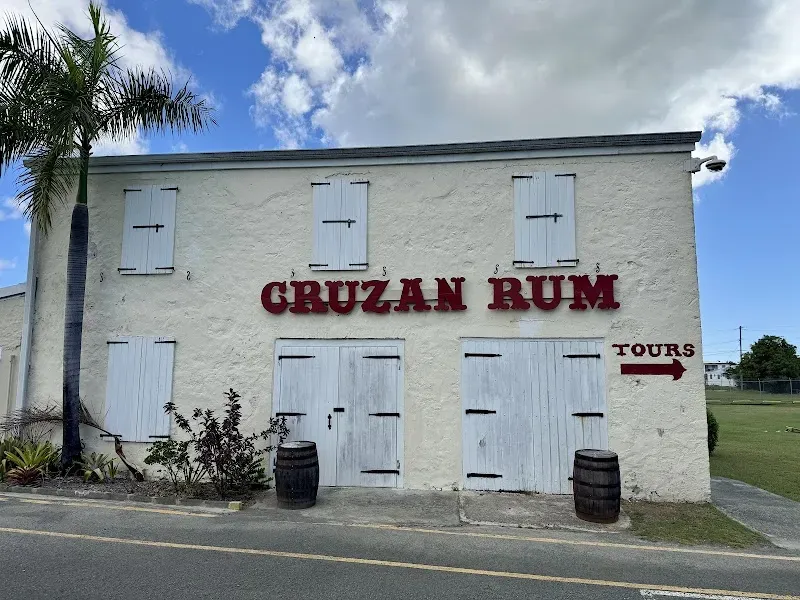
Cruzan Rum Distillery
One of the Caribbean's longest-running distilleries, producing rum at Estate Diamond in St. Croix since 1760. The guided tour winds through the historic Great House, aging warehouses holding over 80,000 gallons of maturing rum in charred white oak barrels, and the bottling line. Tastings cover the full Cruzan range from the light aged white to the rich Single Barrel Estate expression.
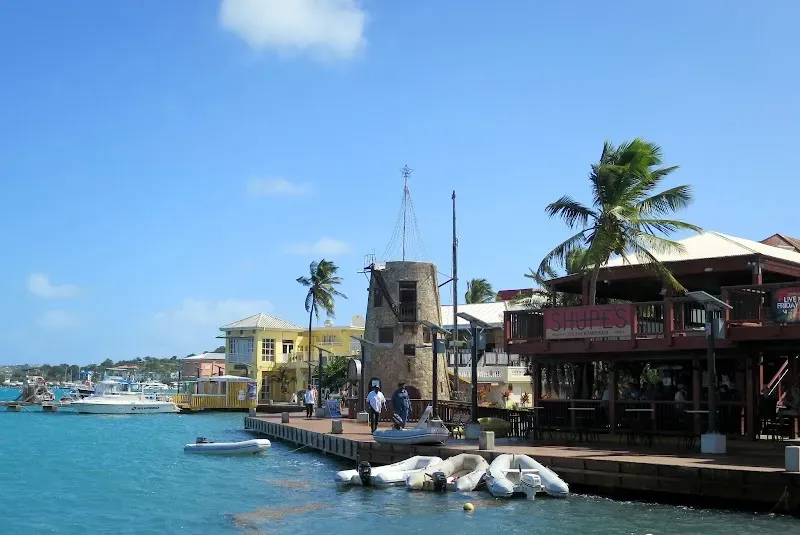
Christiansted Boardwalk
Christiansted Boardwalk is a nature attraction on St. Croix. This natural area showcases the lush tropical landscapes and diverse ecosystems that St. Croix is known for. Visitors can explore the local flora and fauna in a serene setting.
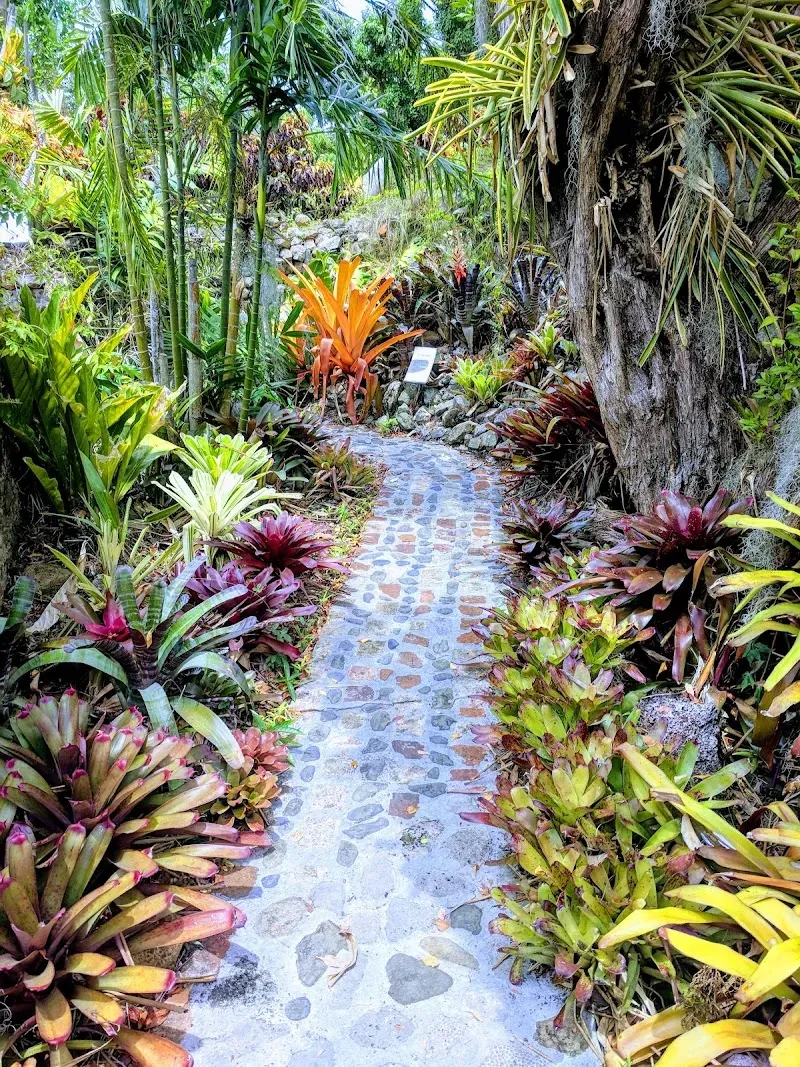
St George Village Botanical Gardens
St George Village Botanical Gardens is a nature attraction on St. Croix. This natural area showcases the lush tropical landscapes and diverse ecosystems that St. Croix is known for. Visitors can explore the local flora and fauna in a serene setting.
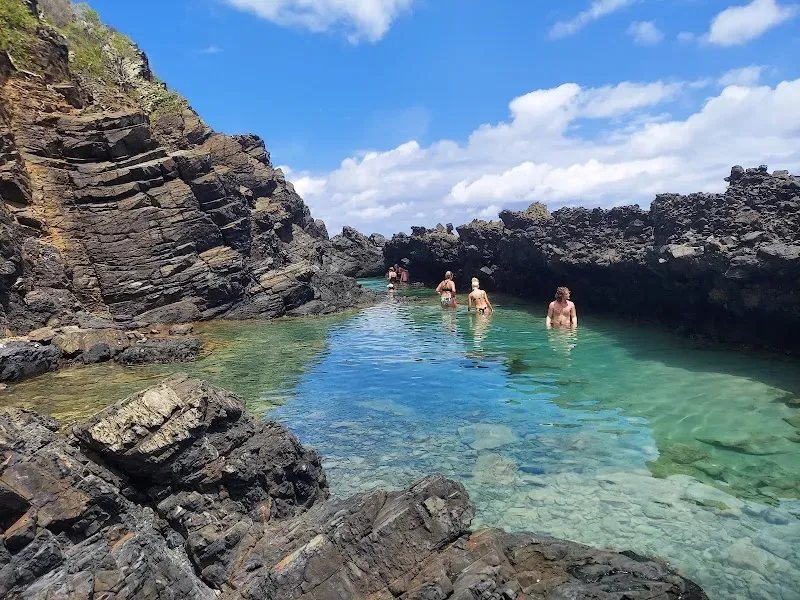
Annaly Bay / Carambola Tide Pools Trailhead
Annaly Bay / Carambola Tide Pools Trailhead is a nature attraction on St. Croix. This natural area showcases the lush tropical landscapes and diverse ecosystems that St. Croix is known for. Visitors can explore the local flora and fauna in a serene setting.
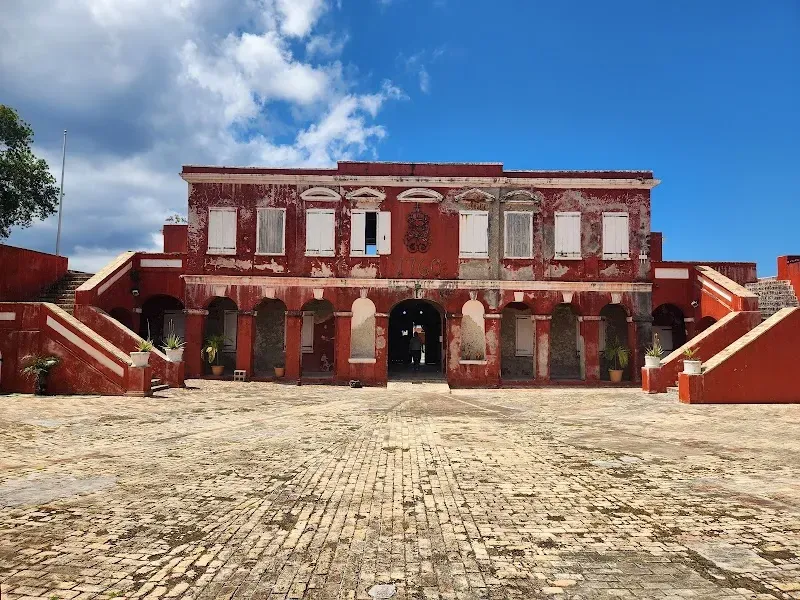
Fort Frederik
Vibrant European fort from the mid-18th century, featuring an art gallery, museum & waterfront park.
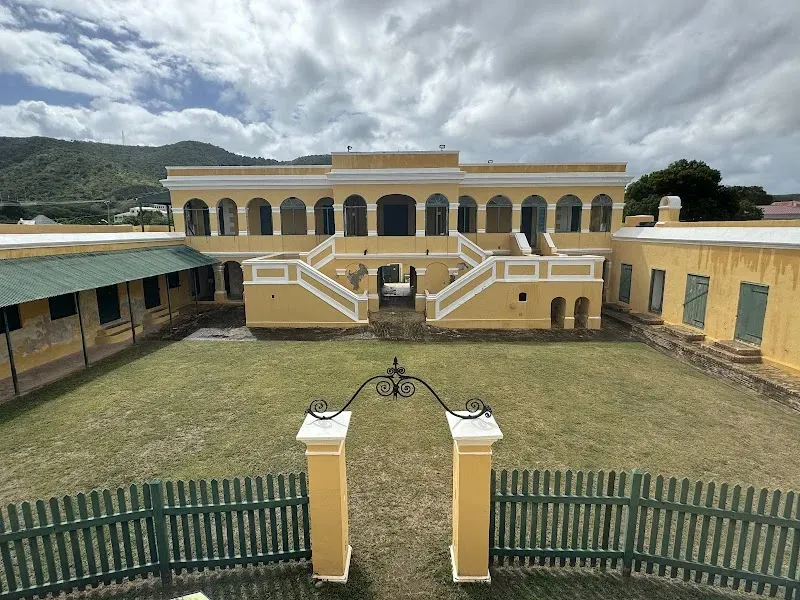
Christiansted National Historic Site
Serene park on the bay featuring a historic fort & a marked, self-guided walking tour.
Hotels in St. Croix
Search for available rates by selecting your travel dates
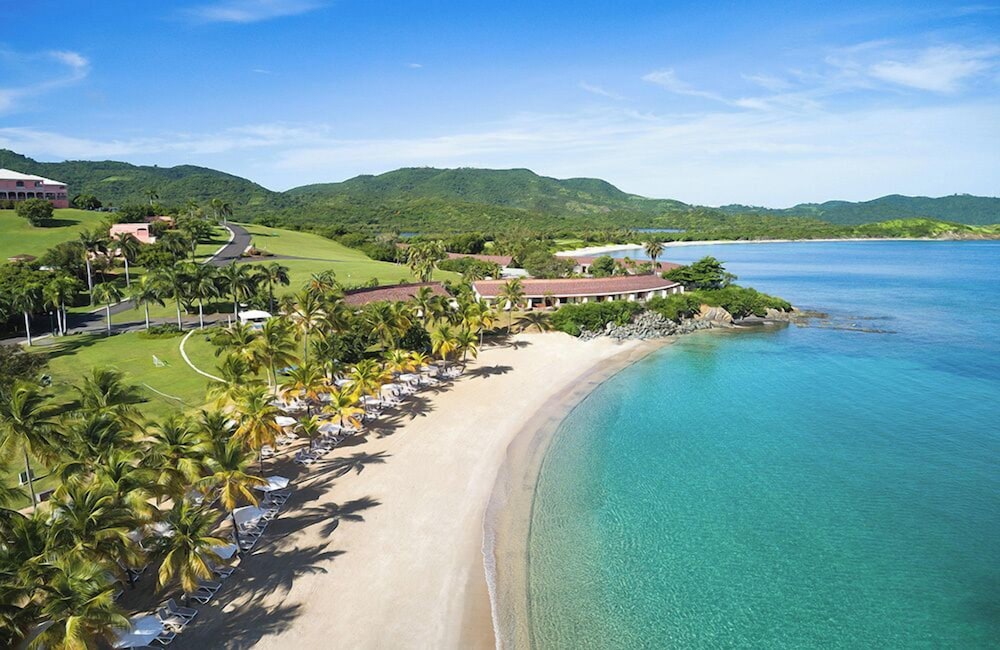
The Buccaneer Beach & Golf Resort
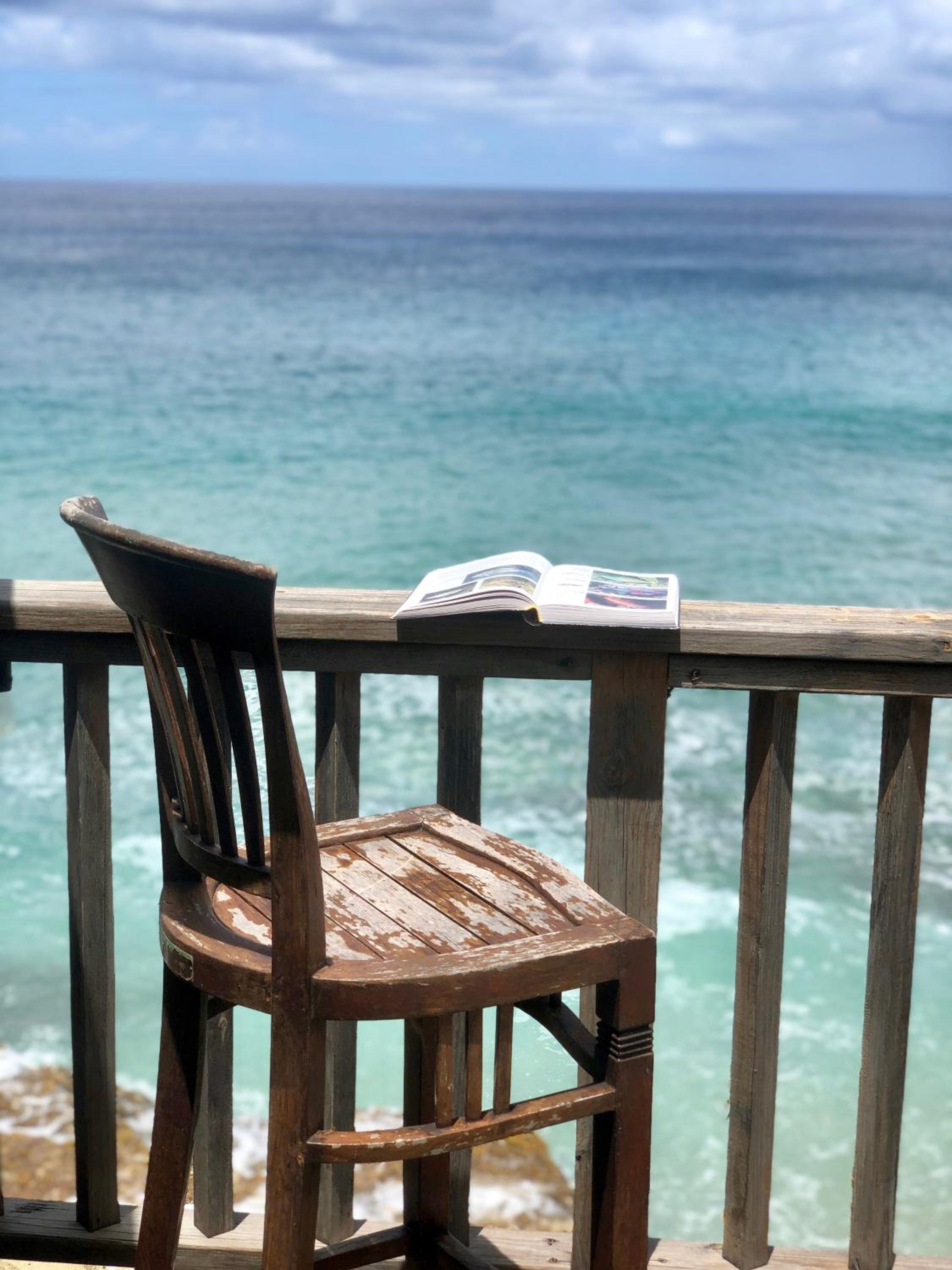
The Waves at Cane Bay

King Christian Hotel
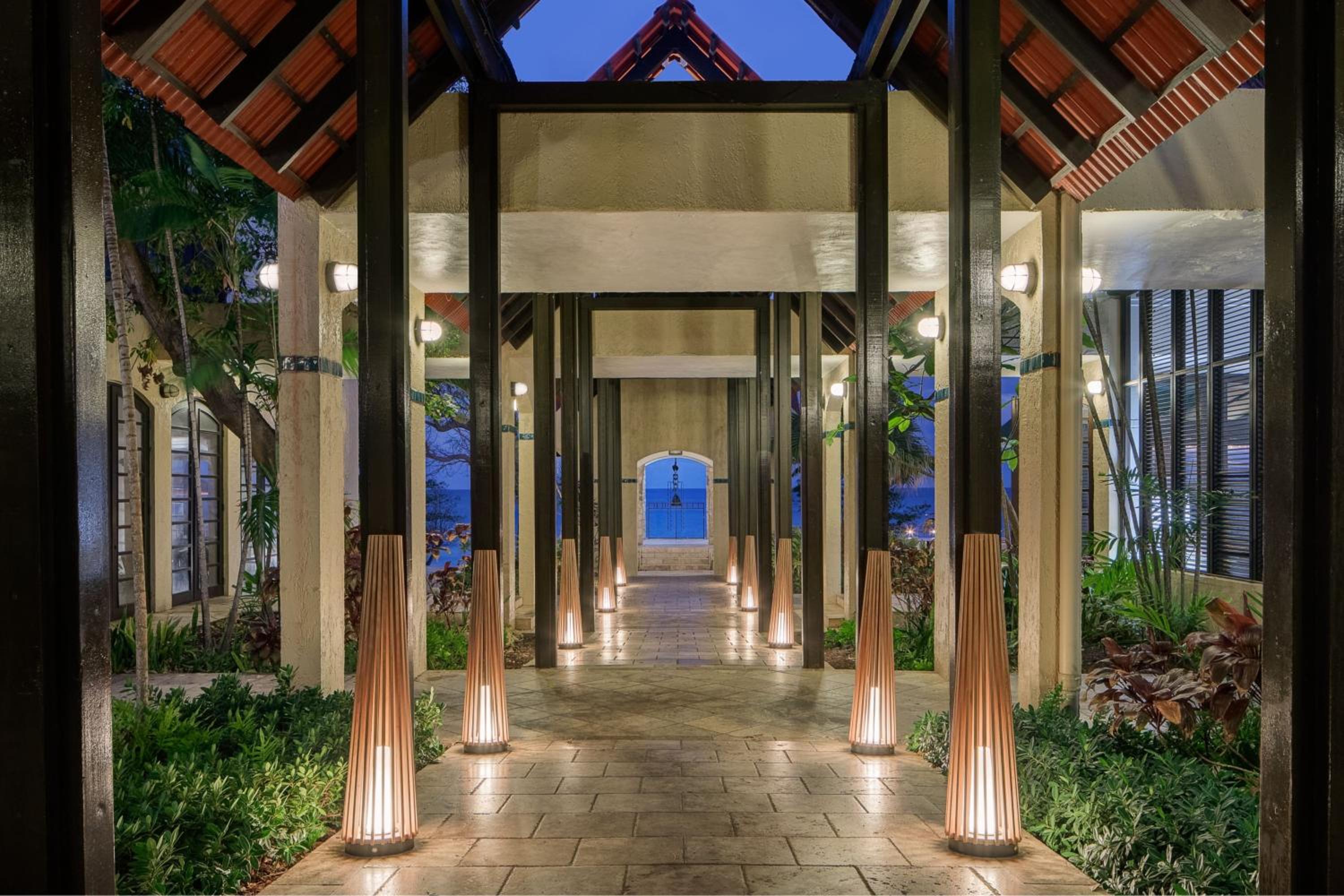
Carambola Beach Resort St. Croix, US Virgin Islands
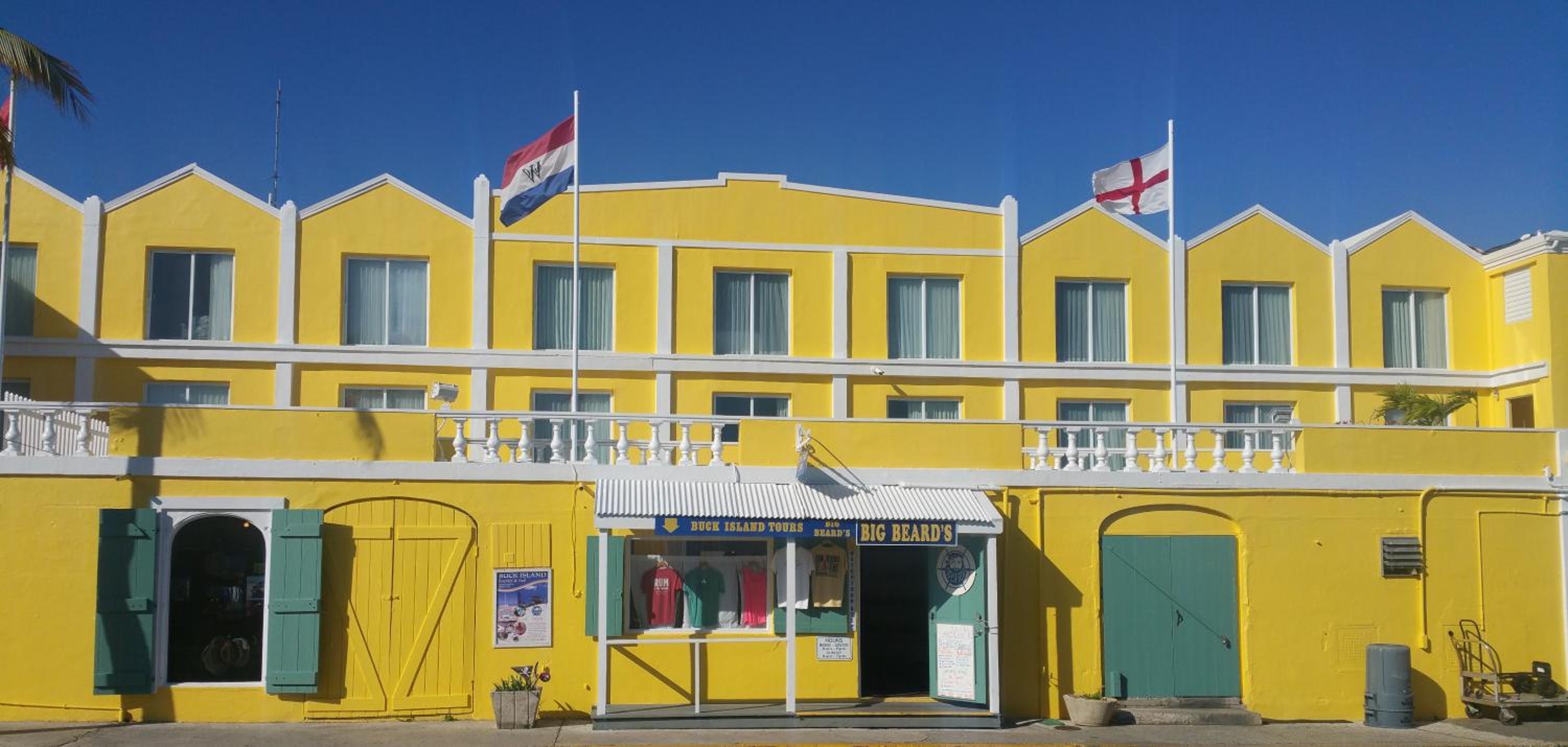
Caravelle Hotel St Croix
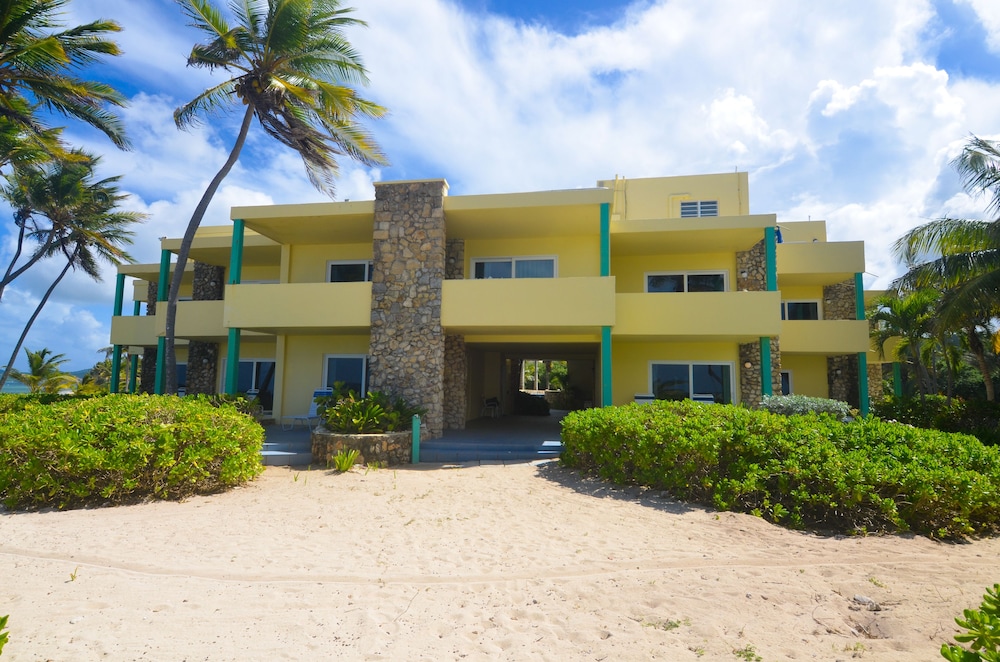
The Palms at Pelican Cove
Top Restaurants in St. Croix
Popular dining spots near St. Croix
No restaurants available for St. Croix yet.
Weather in St. Croix
Average Temperature
75°F to 85°F (24°C to 29°C)
Rainy Season
August to November
Hurricane Season
June to November
Best Time to Visit
December to April
Travel Tips
- English is the official language
- US Dollar is the currency
- Driving is on the left side of the road
- No passport required for US citizens
- Has its own international airport with direct flights from the US mainland
- Renting a car is essential for exploring the island
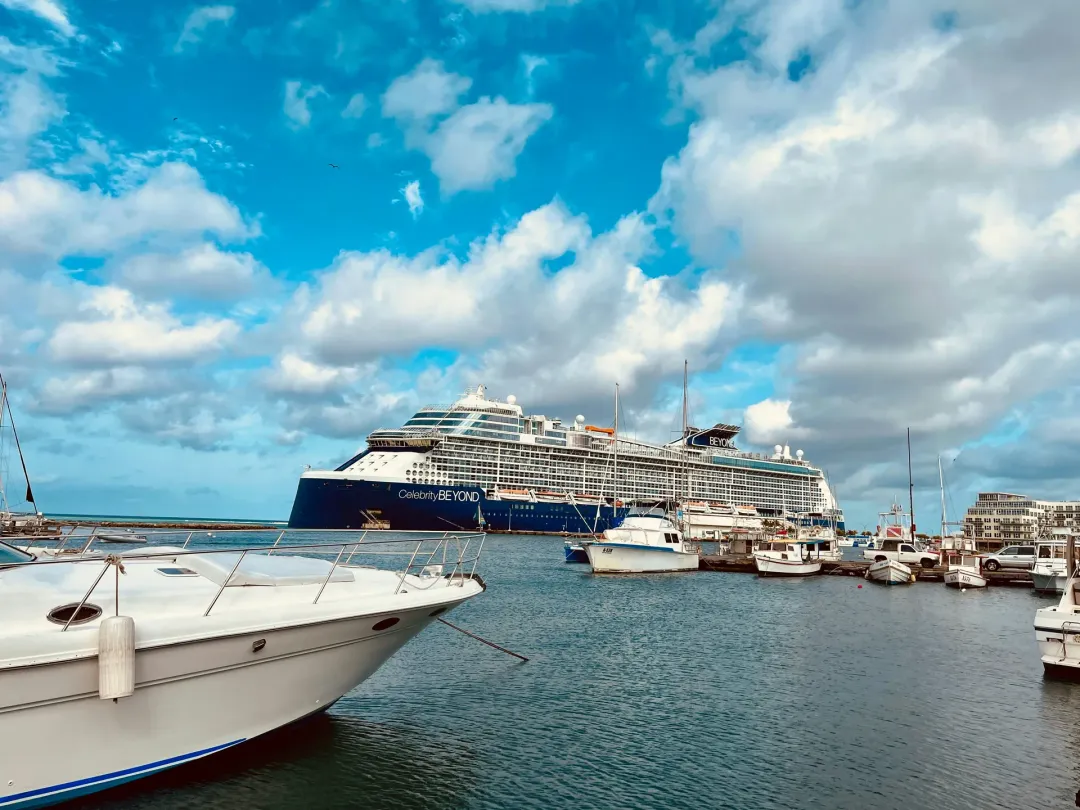
- Check cruise ship schedules if planning to visit Frederiksted
Get St. Croix Travel Tips
Subscribe for curated tips, deals, and inspiration for your St. Croix trip.