St. Eustatius
The Historic Gem of the Caribbean
About St. Eustatius
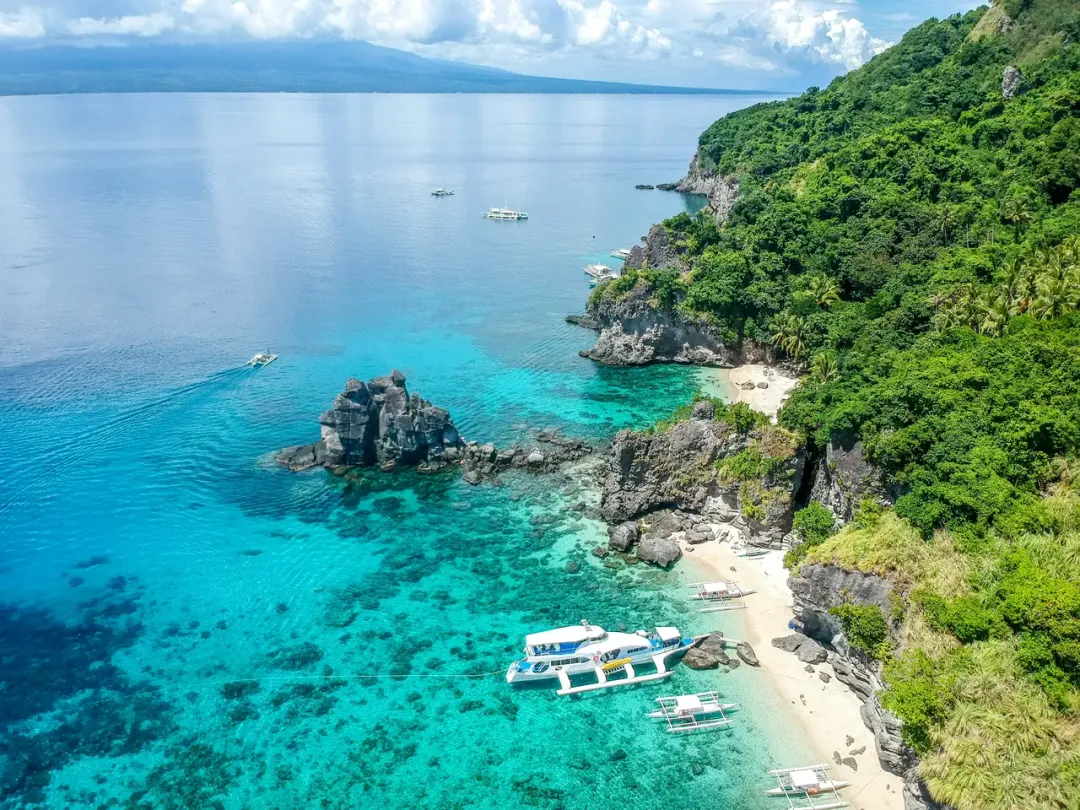
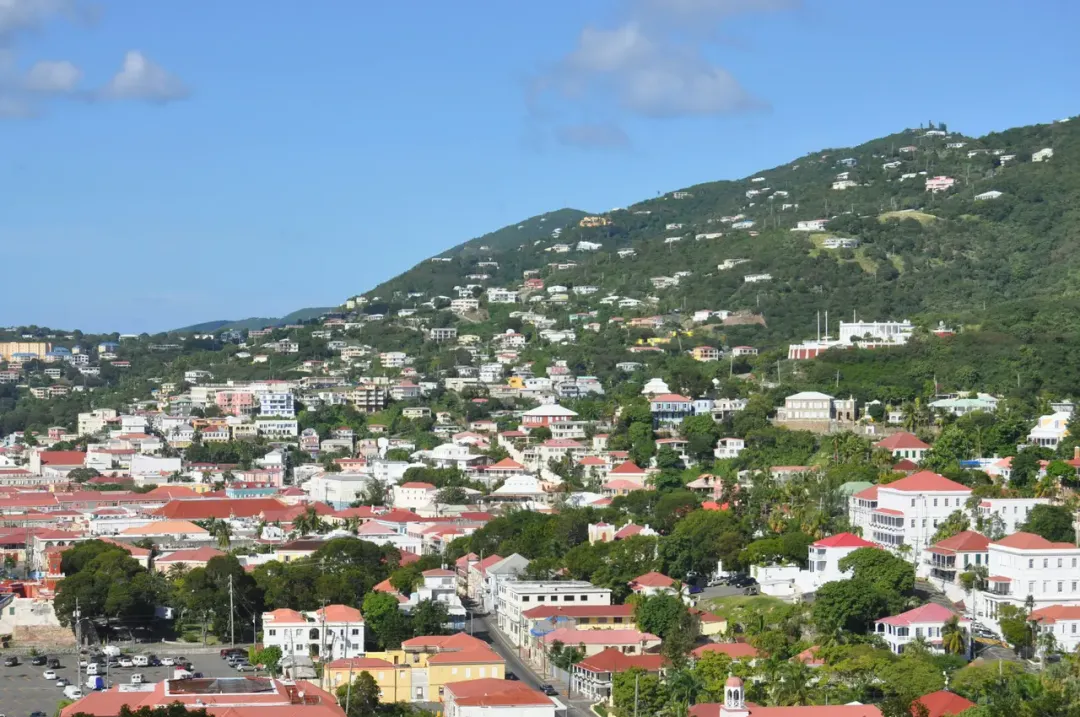
St. Eustatius, commonly known as Statia, is a special municipality of the Netherlands located in the northeastern Caribbean. This small island, just 8 square miles in size, played an outsized role in American and Caribbean history as a major trading center in the 18th century, earning the nickname 'The Golden Rock.' Its capital, Oranjestad, is divided into Upper Town, containing the modern administrative and residential areas, and Lower Town, where the ruins of hundreds of warehouses and merchant homes line the bay, now partially submerged and creating a unique diving experience. The island's most prominent landmark is the dormant volcano The Quill, which rises to 1,970 feet and features a tropical forest growing within its crater, accessible via hiking trails that offer varying levels of difficulty. St. Eustatius National Marine Park surrounds the entire island, protecting diverse coral reefs, seagrass beds, and underwater volcanic formations that support abundant marine life, making it a paradise for divers and snorkelers seeking uncrowded sites. The island's historical significance is preserved in sites like Fort Oranje, a well-maintained 17th-century fort offering panoramic views; the ruins of the second-oldest synagogue in the Western Hemisphere; and the St. Eustatius Historical Foundation Museum, which houses artifacts spanning the island's complex history. With a population of just 3,200, Statia offers visitors an authentic, unhurried Caribbean experience focused on history, nature, and diving rather than commercial tourism development.
Size
8 sq mi (21 km²)
Population
3,200
Language
Dutch, English
Currency
US Dollar (USD)
Time Zone
UTC-4 (Atlantic Time)
Best Time to Visit
December to April
Highlights
Best Things to Do in St. Eustatius
St. Eustatius is an island that history forgot, and visiting it feels like discovering a secret. In the 18th century, Statia was one of the busiest ports in the Caribbean - a duty-free warehouse for sugar, rum, and arms that served every colonial power and the American revolutionaries alike.
The Dutch, British, and French fought over it 22 times. Today, fewer than 100 tourists visit on any given week, and the island's extraordinary historical layers sit largely unmarked and unexplored. Start in Upper Town at Fort Oranje, the best-preserved Dutch colonial fort in the Caribbean, where on November 16, 1776, the garrison fired an 11-gun salute to the American brig Andrew Doria - the first international recognition of the United States flag.
A plaque commemorates the event, and the fort's ramparts provide views across Oranjestad's rooftops to the sea. The St. Eustatius Historical Foundation Museum, housed in the restored De Graaff House on Kerkweg, displays artifacts from the island's Amerindian, colonial, and slave trade eras, including blue beads that were a currency of the enslaved and have become a symbol of Statian identity.
Walk downhill to Lower Town, where the ruins of over 600 18th-century warehouses line the waterfront - most are just foundation walls and crumbling arches now, but their sheer number conveys the scale of commerce that once flowed through this tiny harbor. Some of the ruins extend underwater, creating unique snorkeling and diving opportunities where you swim among submerged colonial architecture. The Honen Dalim synagogue ruins in Upper Town mark the second-oldest Jewish house of worship in the Western Hemisphere, built in 1739 by Sephardic merchants who were part of Statia's cosmopolitan trading community.
The Quill, the island's dormant volcano, dominates the southern half and offers the best hiking. The Quill Trail from the parking area off Rosemary Lane climbs through dry forest to the crater rim in about 45 minutes, where you can peer into a tropical rainforest growing inside the caldera. The more demanding Crater Trail descends into the interior, where massive silk cotton trees and giant elephant ears create a primeval atmosphere. Birders come for the Quill's forest, which shelters the bridled quail-dove and red-bellied woodpecker among other species. On the island's northern end, Boven National Park has exposed volcanic landscapes, cactus-studded hillsides, and the Venus Bay Trail leading to a dramatic rocky shoreline. Zeelandia Beach, Statia's only significant stretch of sand on the Atlantic coast, is too rough for swimming but excellent for solitary walks, beachcombing for blue beads, and watching hawksbill and leatherback turtles nest from April through August.
Hike Into The Quill's Crater
The Quill Trail climbs to the rim of this dormant volcano in about 45 minutes, passing through dry forest into lush greenery. From the rim, the Crater Trail descends into a primeval tropical rainforest filling the caldera, with towering silk cotton trees, giant ferns, and birdlife including bridled quail-doves. Trails can be slippery after rain - bring sturdy footwear.
Dive the Underwater Ruins of Lower Town
Statia's 18th-century warehouse district extends beneath the waterline, and diving among submerged colonial walls and foundations is an experience unique in the Caribbean. The marine park also features healthy reefs, volcanic rock formations, and sites like The Ledges and Hangover, where turtles, rays, and barracuda are regular visitors. Scubaqua Dive Center is the island's primary operator.
Explore Fort Oranje and the First Salute
This 17th-century Dutch fort is where the first foreign salute to the American flag was fired on November 16, 1776. The well-preserved ramparts offer panoramic views of Oranjestad and the harbor. A plaque and monument mark the historic event. Entry is free.
Visit the Historical Foundation Museum
Housed in the restored De Graaff House, this small but excellent museum traces Statia's Amerindian origins, Dutch colonial peak, slave trade history, and decline. The blue bead collection is particularly significant - these beads, used as currency during the slave era, wash up on Zeelandia Beach and have become a symbol of Statian identity.
Walk Zeelandia Beach for Blue Beads
This long Atlantic-facing beach is too rough for swimming but perfect for solitary walks and beachcombing. The famous blue beads, remnants of the 18th-century slave trade, still wash ashore after storms. From April through August, hawksbill and leatherback sea turtles nest on the beach, and STENAPA organizes guided turtle watches.
Hike Boven National Park
The island's northern hills offer dry, cactus-studded volcanic landscapes that contrast sharply with The Quill's lush forest. The Venus Bay Trail leads to dramatic cliff-edge viewpoints over the rocky Atlantic coast. Signal Hill provides panoramic views of St. Kitts and Saba on clear days.
See the Honen Dalim Synagogue Ruins
The second-oldest Jewish synagogue in the Western Hemisphere, built in 1739 by Sephardic merchants during Statia's trading peak. Only the walls and courtyard remain, but the site powerfully conveys the island's multicultural commercial history. Located in Upper Town within walking distance of Fort Oranje.
Where to Stay in St. Eustatius
Statia has no resorts and no international hotel chains, and the total room count on the island is probably under 100. The Old Gin House in Lower Town, built into a restored 18th-century cotton gin warehouse on the waterfront, is the island's most atmospheric property, with rooms from around $150 to $250 a night and a terrace restaurant overlooking the harbor and the old warehouse ruins. Statia Lodge, on the hillside above Oranjestad, offers modern bungalows with kitchenettes and volcano views starting around $130.
The Golden Era Hotel in Upper Town is the budget-friendly default at $80 to $120 a night, basic but clean and centrally located. A handful of guesthouses, apartments, and vacation rentals round out the options, mostly in the $70 to $150 range. Dive packages through Scubaqua Dive Center that bundle accommodation with daily diving offer the best value for divers.
There is no Airbnb surplus here - inventory is thin and during peak events like Statia Day (November 16, commemorating the First Salute) the island can book up entirely. For the December through April high season, reserve at least two months ahead. Expect clean, simple rooms with basic amenities. Air conditioning, pools, and room service are the exception, not the rule. The tradeoff is staying on an island where you can walk to a 17th-century fort, dive a reef, and hike into a volcanic crater all in a single day.
Where to Eat in St. Eustatius
Dining on Statia is casual, limited, and surprisingly good when you find the right spots. The Old Gin House restaurant in Lower Town is the island's most polished option, serving Caribbean-international dishes on a waterfront terrace with mains from $18 to $35 - the grilled catch of the day with creole sauce is reliable, and the setting overlooking the old warehouse ruins is memorable.
In Upper Town, Superburger is a local institution despite its modest name, serving goat stew, bull foot soup, oxtail, and other Statian comfort food alongside the actual burgers, with most plates under $15. The Cool Corner, near Fort Oranje, is a relaxed spot for cold drinks and simple meals.
The Smoke Alley Bar & Grill on the waterfront does grilled seafood and ribs on weekends with live music. For breakfast and coffee, the Blue Bead Bar & Restaurant at the Old Gin House opens early and serves decent coffee and American-style breakfasts.
Statian cuisine reflects the island's Dutch Caribbean heritage - expect goat stew (a local staple), fried fish with johnnycakes, rice and beans, and funchi (a cornmeal side similar to polenta). The island has two small supermarkets, Duggins and the other on the main road, with limited but adequate supplies for self-catering. Prices are reasonable by Caribbean standards since Statia has no tourism markup. Most restaurants close early and some only open on certain days, so check hours locally. On Statia Day in November, the island throws a party with outdoor food stalls, local music, and flowing drinks celebrating the anniversary of the First Salute.
Best Time to Visit St. Eustatius
The dry season from December through April is the most comfortable period, with temperatures in the upper 70s to mid-80s Fahrenheit, low humidity, and calm seas for diving. Visibility on Statia's dive sites typically peaks from January through March, often reaching 80 to 100 feet.
The rainy season from August through November brings brief but heavy afternoon showers that can make The Quill's trails slippery. Hurricane season runs June through November, with September and October carrying the highest risk.
Statia Day on November 16 is the island's biggest celebration and worth planning around if you want to experience local culture at its most vibrant. Sea turtle nesting season runs April through August, with STENAPA offering guided night walks on Zeelandia Beach. Summer is warm and humid but brings the fewest visitors - you may be one of only a handful of tourists on the entire island.
Getting Around St. Eustatius
The island is small enough to walk around the main town of Oranjestad. Rental cars and taxis are available for reaching The Quill trailheads and Zeelandia Beach.
Statia is accessible by Winair flights from St. Maarten (20 minutes).
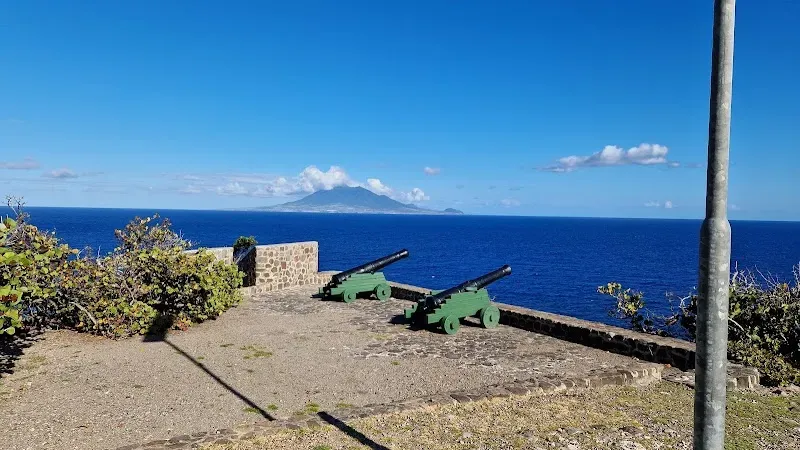
Fort de Windt
Fort de Windt is a historical site on St. Eustatius. This historic site reflects the rich cultural heritage and storied past of St. Eustatius. It offers a glimpse into the events and traditions that have shaped the island over centuries.
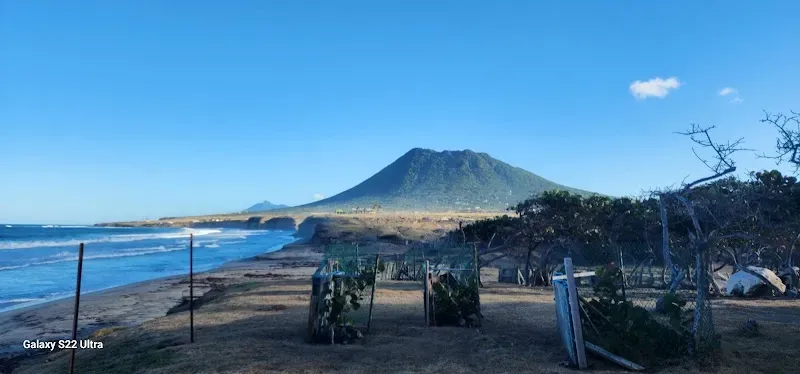
Zeelandia Beach
Zeelandia Beach is a nature attraction on St. Eustatius. This natural area showcases the lush tropical landscapes and diverse ecosystems that St. Eustatius is known for. Visitors can explore the local flora and fauna in a serene setting.
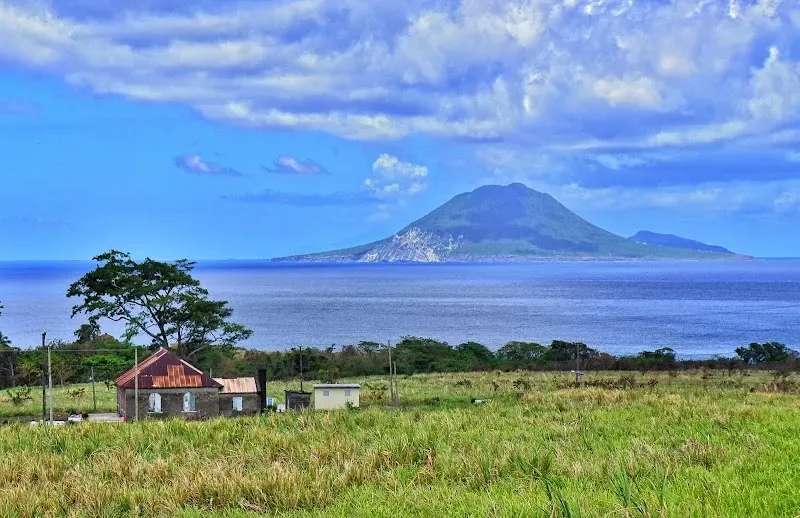
Quill National Park
Quill National Park is a nature attraction on St. Eustatius. This natural area showcases the lush tropical landscapes and diverse ecosystems that St. Eustatius is known for. Visitors can explore the local flora and fauna in a serene setting.
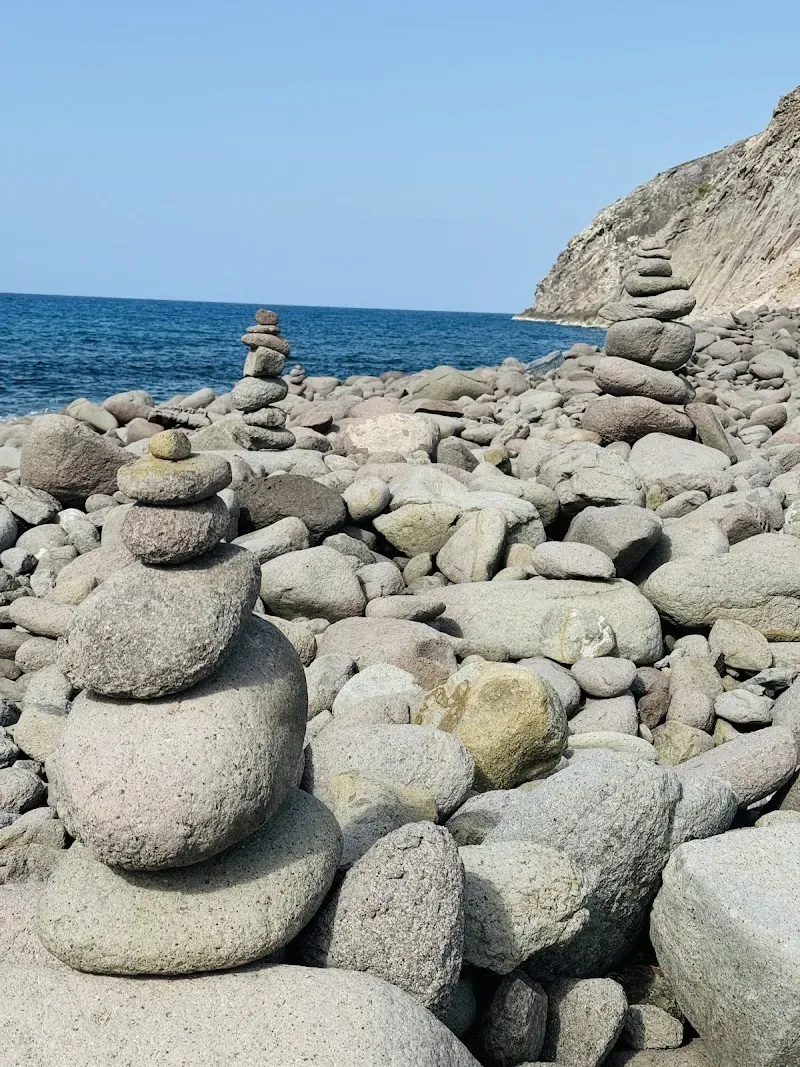
Venus Bay
Venus Bay is a nature attraction on St. Eustatius. This natural area showcases the lush tropical landscapes and diverse ecosystems that St. Eustatius is known for. Visitors can explore the local flora and fauna in a serene setting.
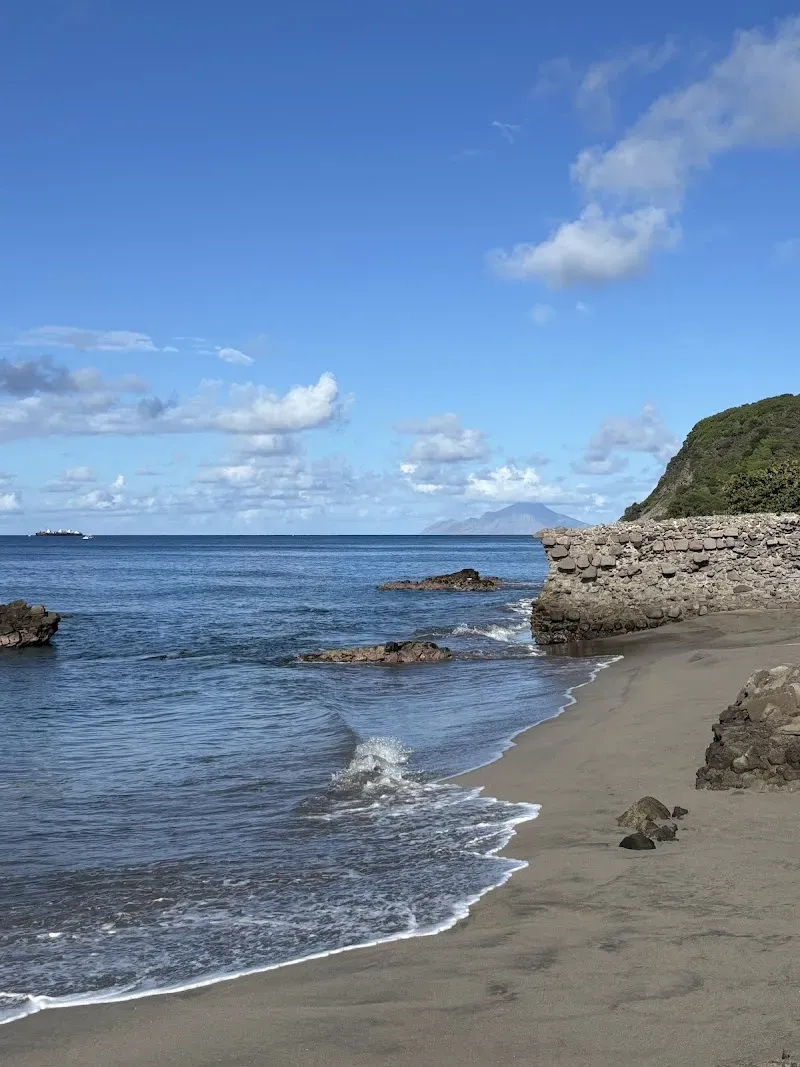
Gallows Bay
Gallows Bay is a nature attraction on St. Eustatius. This natural area showcases the lush tropical landscapes and diverse ecosystems that St. Eustatius is known for. Visitors can explore the local flora and fauna in a serene setting.
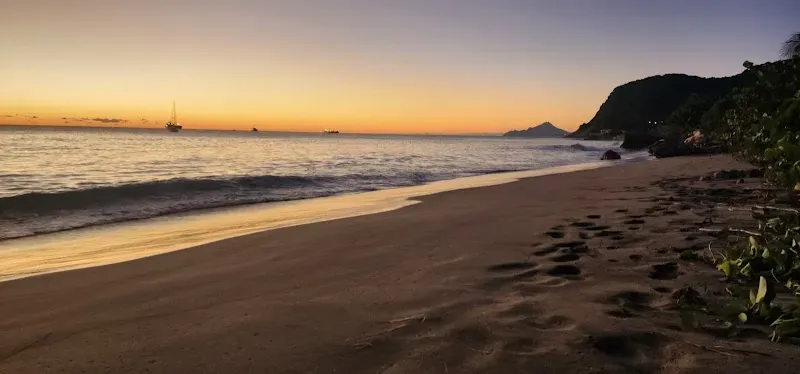
Baby Beach
Baby Beach is a nature attraction on St. Eustatius. This natural area showcases the lush tropical landscapes and diverse ecosystems that St. Eustatius is known for. Visitors can explore the local flora and fauna in a serene setting.
Hotels in St. Eustatius
Search for available rates by selecting your travel dates
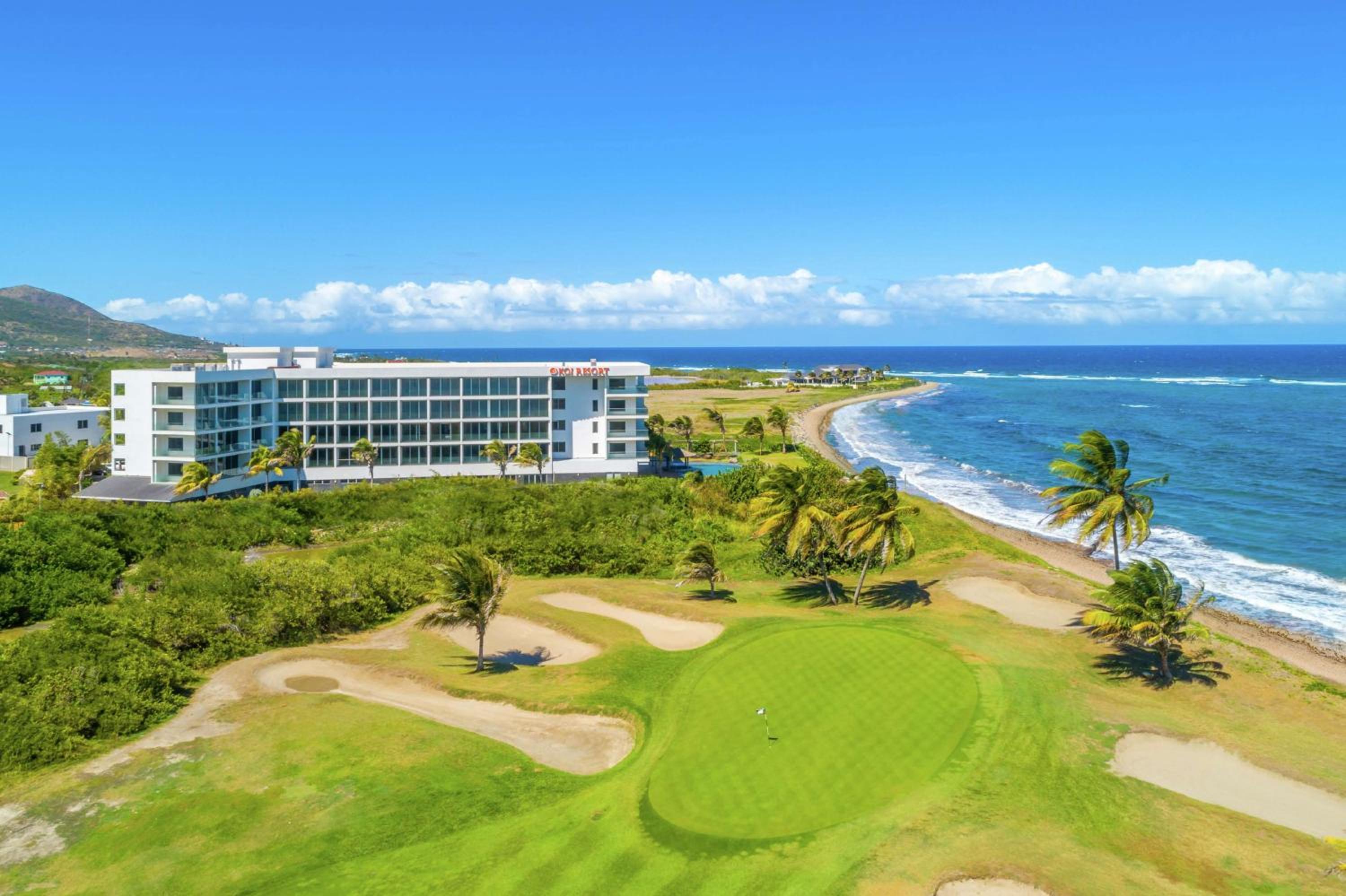
Koi Resort Saint Kitts, Curio Collection by Hilton
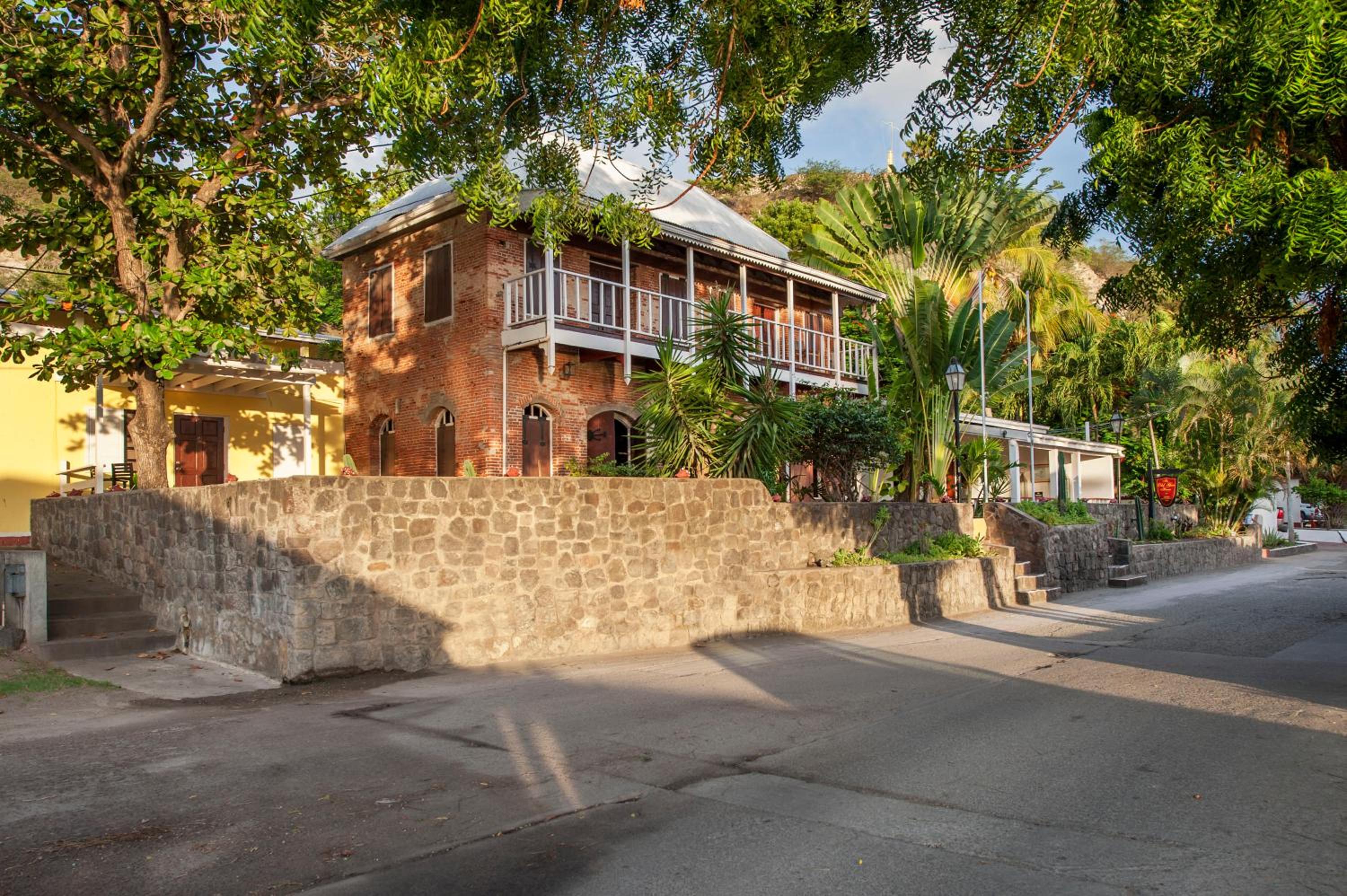
The Old Gin House
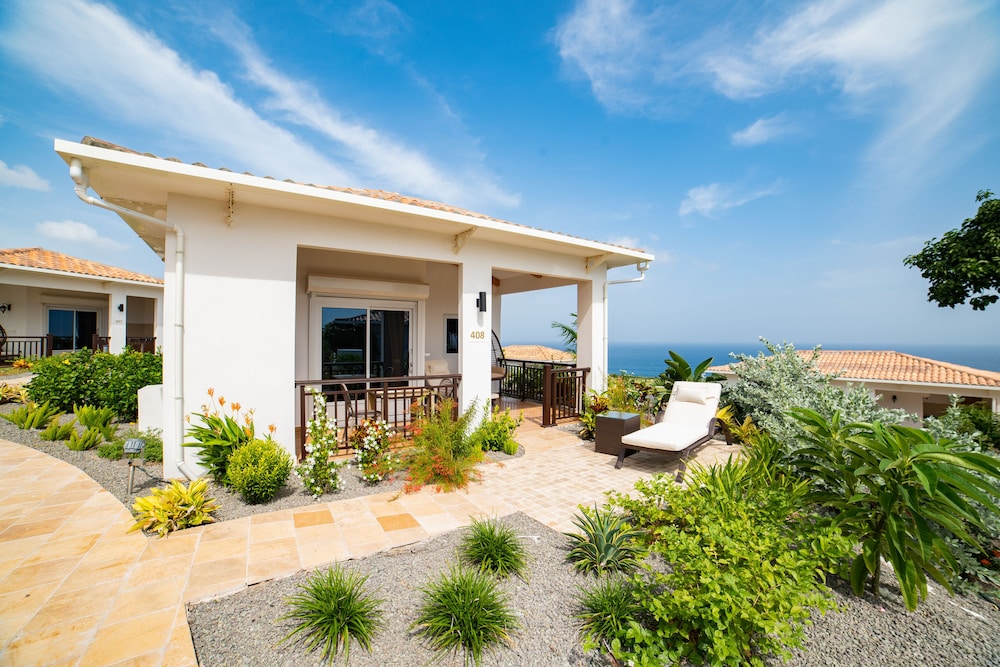
Golden Rock Dive And Nature Resort
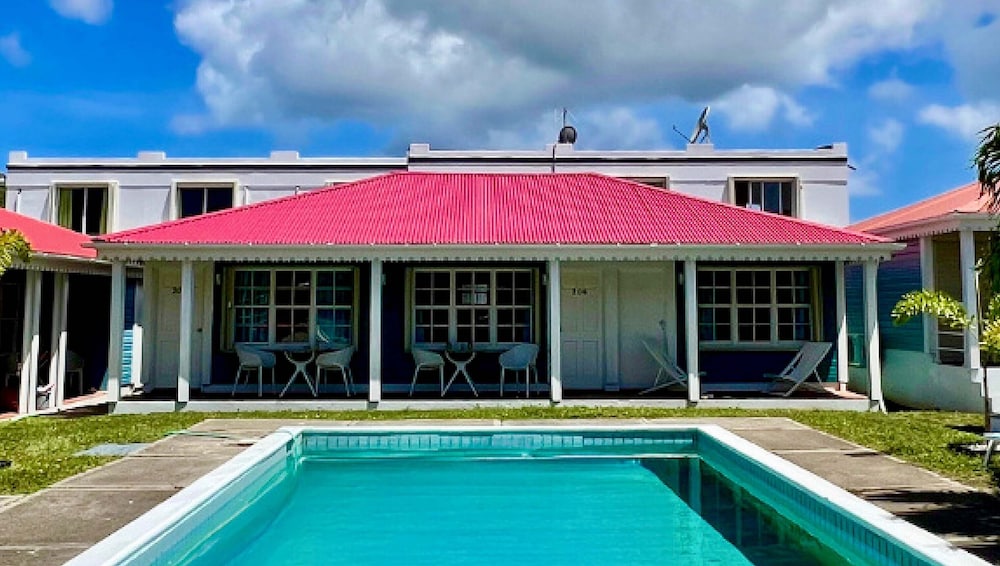
Talk of the Town Inn & Suites
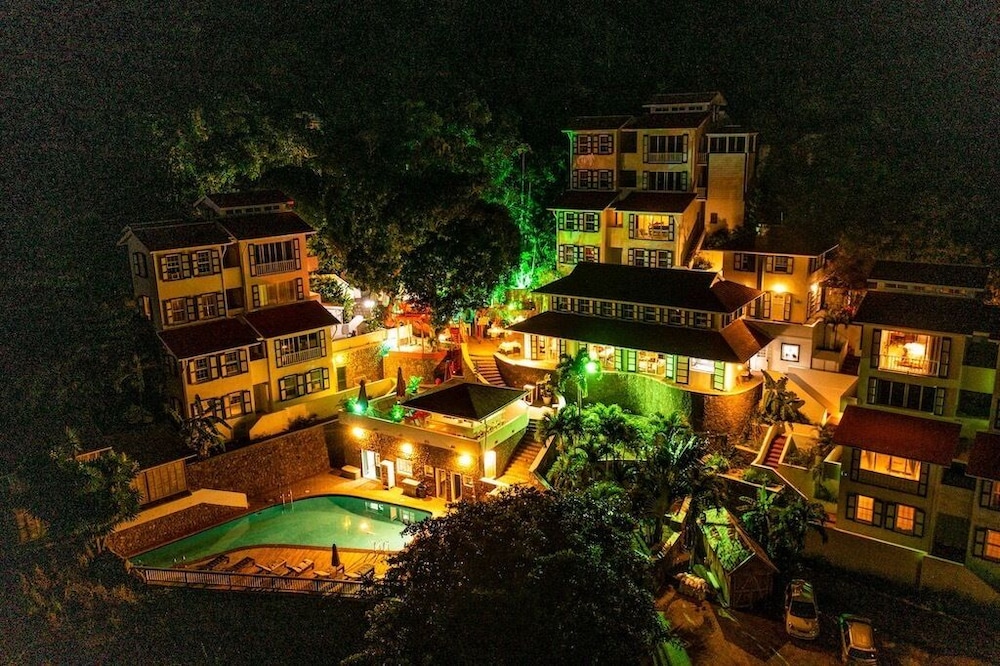
Queen’s Hotel Saba
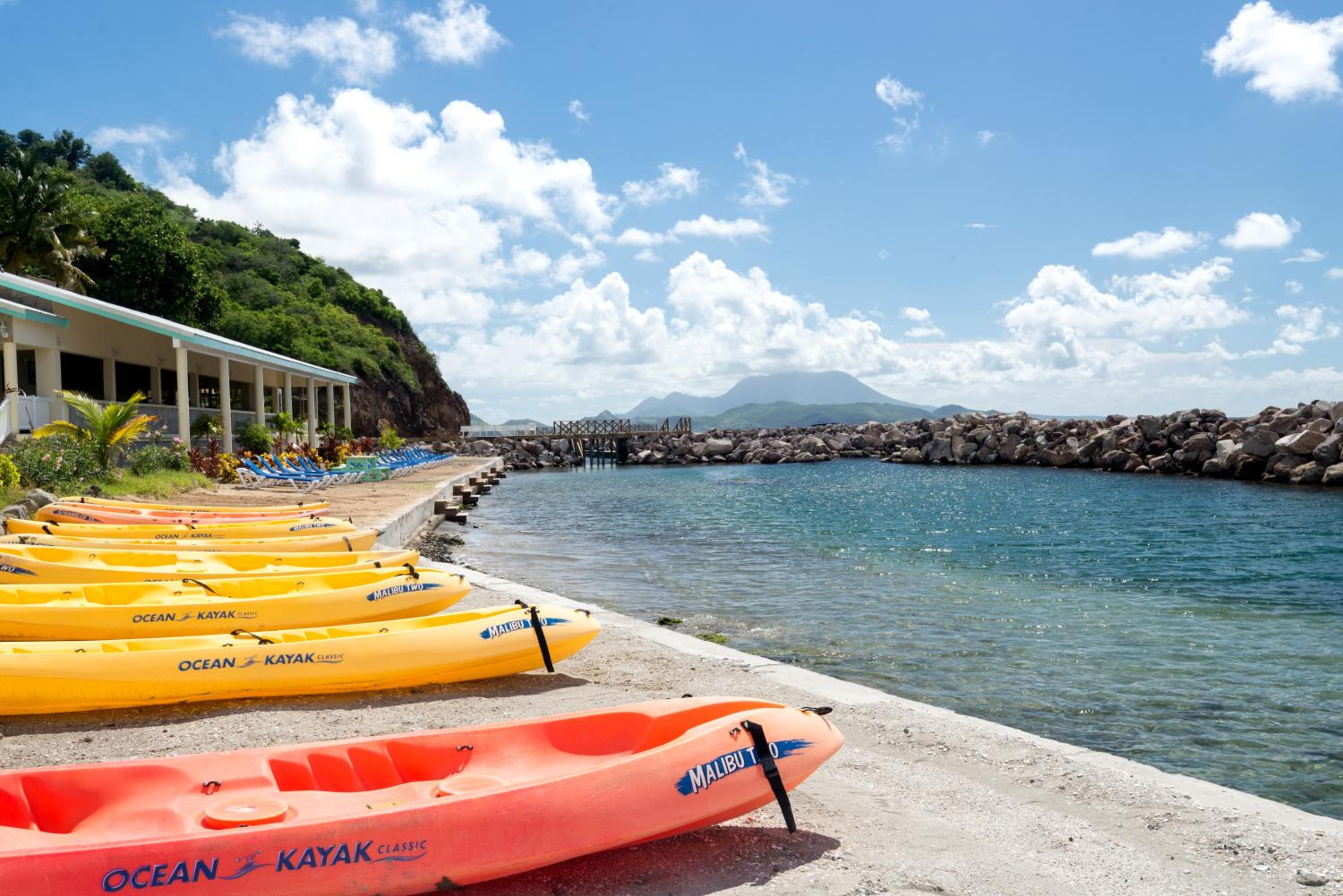
Bird Rock Beach Hotel
Top Restaurants in St. Eustatius
Popular dining spots near St. Eustatius
No restaurants available for St. Eustatius yet.
Weather in St. Eustatius
Average Temperature
75°F to 85°F (24°C to 29°C)
Rainy Season
August to November
Hurricane Season
June to November
Best Time to Visit
December to April
Travel Tips
- Dutch is the official language, but English is widely spoken
- US Dollar is the official currency
- Driving is on the right side of the road
- A valid passport is required for entry
- The island is accessible by small aircraft from St. Maarten
- Bring hiking boots for exploring The Quill
Daily Budget (USD)
Visa Requirements
EU and Dutch citizens need a valid national ID. US, UK, and Canadian citizens require a valid passport. No visa needed for stays up to 90 days.
Safety
Statia is extremely safe with virtually no crime. The main hazards are natural: The Quill trails can be slippery after rain, and currents at Zeelandia Beach on the Atlantic side are dangerous for swimming. Stick to the calmer waters at Lower Town.
Getting Around
The island is small enough to walk around the main town of Oranjestad. Rental cars and taxis are available for reaching The Quill trailheads and Zeelandia Beach. Statia is accessible by Winair flights from St. Maarten (20 minutes).
Popular Activities
Best For
Get St. Eustatius Travel Tips
Subscribe for curated tips, deals, and inspiration for your St. Eustatius trip.