
Things to Do in St. Eustatius
The Historic Gem of the Caribbean. Explore 14 attractions across the island.
St. Eustatius is an island that history forgot, and visiting it feels like discovering a secret. In the 18th century, Statia was one of the busiest ports in the Caribbean - a duty-free warehouse for sugar, rum, and arms that served every colonial power and the American revolutionaries alike.
The Dutch, British, and French fought over it 22 times. Today, fewer than 100 tourists visit on any given week, and the island's extraordinary historical layers sit largely unmarked and unexplored. Start in Upper Town at Fort Oranje, the best-preserved Dutch colonial fort in the Caribbean, where on November 16, 1776, the garrison fired an 11-gun salute to the American brig Andrew Doria - the first international recognition of the United States flag.
A plaque commemorates the event, and the fort's ramparts provide views across Oranjestad's rooftops to the sea. The St. Eustatius Historical Foundation Museum, housed in the restored De Graaff House on Kerkweg, displays artifacts from the island's Amerindian, colonial, and slave trade eras, including blue beads that were a currency of the enslaved and have become a symbol of Statian identity.
Walk downhill to Lower Town, where the ruins of over 600 18th-century warehouses line the waterfront - most are just foundation walls and crumbling arches now, but their sheer number conveys the scale of commerce that once flowed through this tiny harbor. Some of the ruins extend underwater, creating unique snorkeling and diving opportunities where you swim among submerged colonial architecture. The Honen Dalim synagogue ruins in Upper Town mark the second-oldest Jewish house of worship in the Western Hemisphere, built in 1739 by Sephardic merchants who were part of Statia's cosmopolitan trading community.
The Quill, the island's dormant volcano, dominates the southern half and offers the best hiking. The Quill Trail from the parking area off Rosemary Lane climbs through dry forest to the crater rim in about 45 minutes, where you can peer into a tropical rainforest growing inside the caldera. The more demanding Crater Trail descends into the interior, where massive silk cotton trees and giant elephant ears create a primeval atmosphere. Birders come for the Quill's forest, which shelters the bridled quail-dove and red-bellied woodpecker among other species. On the island's northern end, Boven National Park has exposed volcanic landscapes, cactus-studded hillsides, and the Venus Bay Trail leading to a dramatic rocky shoreline. Zeelandia Beach, Statia's only significant stretch of sand on the Atlantic coast, is too rough for swimming but excellent for solitary walks, beachcombing for blue beads, and watching hawksbill and leatherback turtles nest from April through August.
Top Activities
Hike Into The Quill's Crater
The Quill Trail climbs to the rim of this dormant volcano in about 45 minutes, passing through dry forest into lush greenery. From the rim, the Crater Trail descends into a primeval tropical rainforest filling the caldera, with towering silk cotton trees, giant ferns, and birdlife including bridled quail-doves. Trails can be slippery after rain - bring sturdy footwear.
Dive the Underwater Ruins of Lower Town
Statia's 18th-century warehouse district extends beneath the waterline, and diving among submerged colonial walls and foundations is an experience unique in the Caribbean. The marine park also features healthy reefs, volcanic rock formations, and sites like The Ledges and Hangover, where turtles, rays, and barracuda are regular visitors. Scubaqua Dive Center is the island's primary operator.
Explore Fort Oranje and the First Salute
This 17th-century Dutch fort is where the first foreign salute to the American flag was fired on November 16, 1776. The well-preserved ramparts offer panoramic views of Oranjestad and the harbor. A plaque and monument mark the historic event. Entry is free.
Visit the Historical Foundation Museum
Housed in the restored De Graaff House, this small but excellent museum traces Statia's Amerindian origins, Dutch colonial peak, slave trade history, and decline. The blue bead collection is particularly significant - these beads, used as currency during the slave era, wash up on Zeelandia Beach and have become a symbol of Statian identity.
Walk Zeelandia Beach for Blue Beads
This long Atlantic-facing beach is too rough for swimming but perfect for solitary walks and beachcombing. The famous blue beads, remnants of the 18th-century slave trade, still wash ashore after storms. From April through August, hawksbill and leatherback sea turtles nest on the beach, and STENAPA organizes guided turtle watches.
Hike Boven National Park
The island's northern hills offer dry, cactus-studded volcanic landscapes that contrast sharply with The Quill's lush forest. The Venus Bay Trail leads to dramatic cliff-edge viewpoints over the rocky Atlantic coast. Signal Hill provides panoramic views of St. Kitts and Saba on clear days.
See the Honen Dalim Synagogue Ruins
The second-oldest Jewish synagogue in the Western Hemisphere, built in 1739 by Sephardic merchants during Statia's trading peak. Only the walls and courtyard remain, but the site powerfully conveys the island's multicultural commercial history. Located in Upper Town within walking distance of Fort Oranje.
Attractions in St. Eustatius
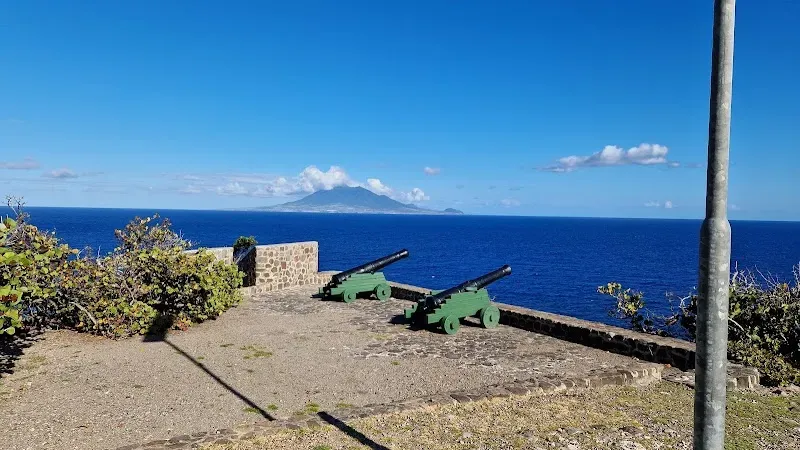
Fort de Windt
Fort de Windt is a historical site on St. Eustatius. This historic site reflects the rich cultural heritage and storied past of St. Eustatius. It offers a glimpse into the events and traditions that have shaped the island over centuries.
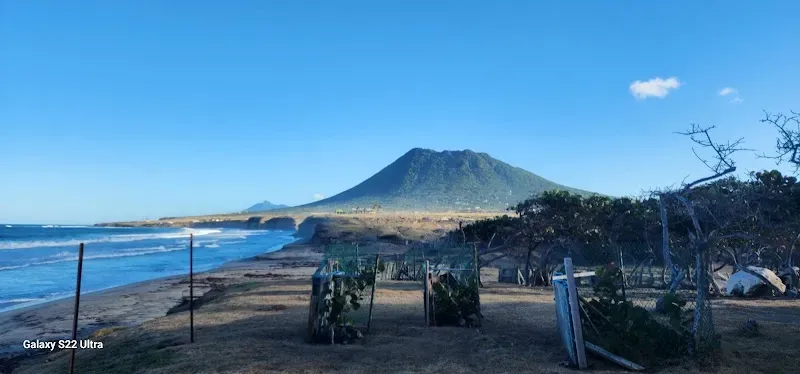
Zeelandia Beach
Zeelandia Beach is a nature attraction on St. Eustatius. This natural area showcases the lush tropical landscapes and diverse ecosystems that St. Eustatius is known for. Visitors can explore the local flora and fauna in a serene setting.
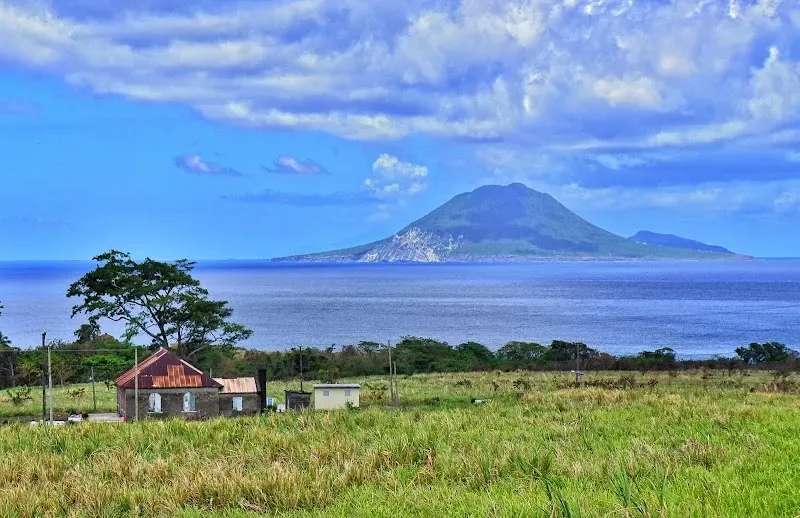
Quill National Park
Quill National Park is a nature attraction on St. Eustatius. This natural area showcases the lush tropical landscapes and diverse ecosystems that St. Eustatius is known for. Visitors can explore the local flora and fauna in a serene setting.
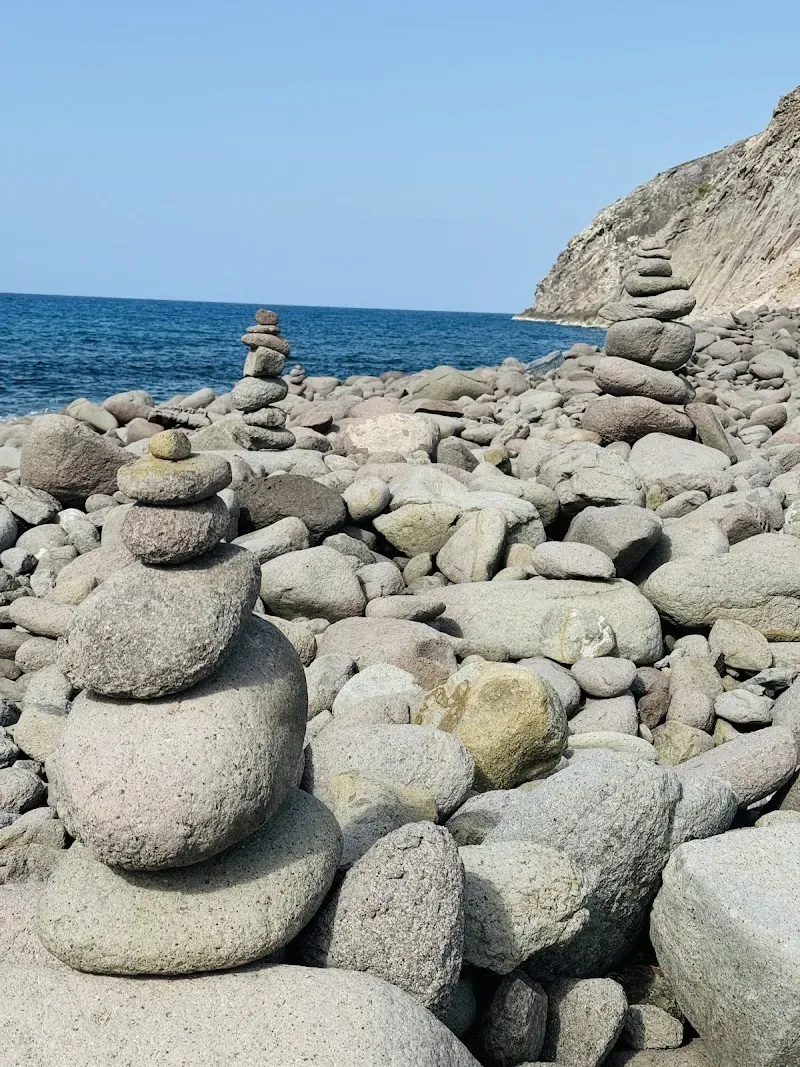
Venus Bay
Venus Bay is a nature attraction on St. Eustatius. This natural area showcases the lush tropical landscapes and diverse ecosystems that St. Eustatius is known for. Visitors can explore the local flora and fauna in a serene setting.
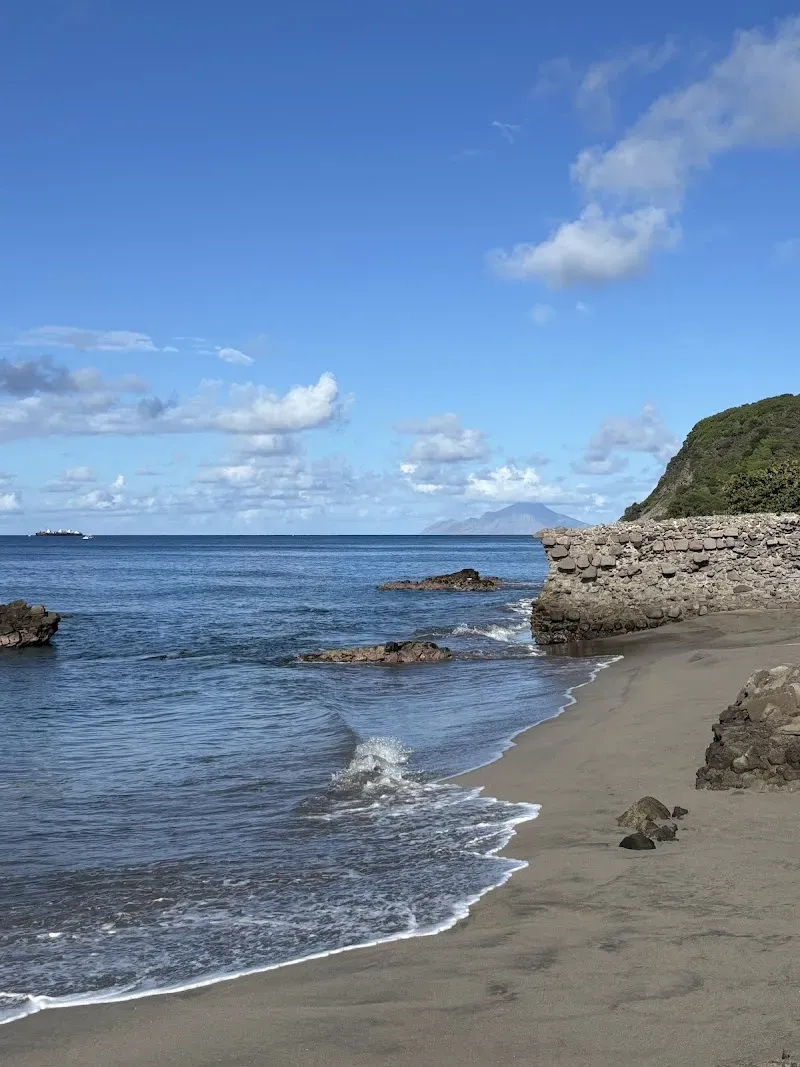
Gallows Bay
Gallows Bay is a nature attraction on St. Eustatius. This natural area showcases the lush tropical landscapes and diverse ecosystems that St. Eustatius is known for. Visitors can explore the local flora and fauna in a serene setting.
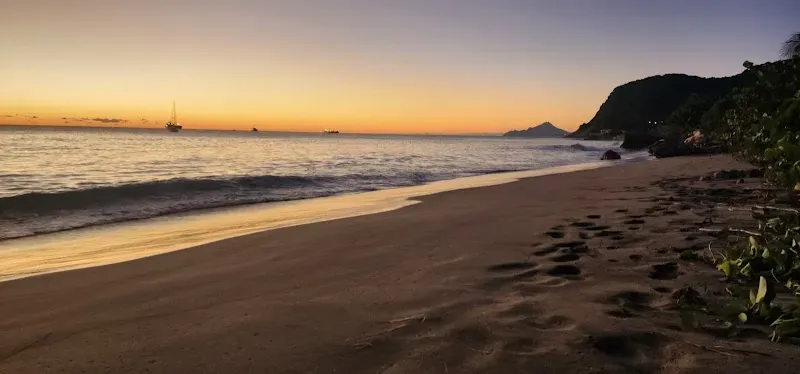
Baby Beach
Baby Beach is a nature attraction on St. Eustatius. This natural area showcases the lush tropical landscapes and diverse ecosystems that St. Eustatius is known for. Visitors can explore the local flora and fauna in a serene setting.

Crook's Castle - Dive Site
Crook's Castle - Dive Site is a nature attraction on St. Eustatius. This natural area showcases the lush tropical landscapes and diverse ecosystems that St. Eustatius is known for. Visitors can explore the local flora and fauna in a serene setting.
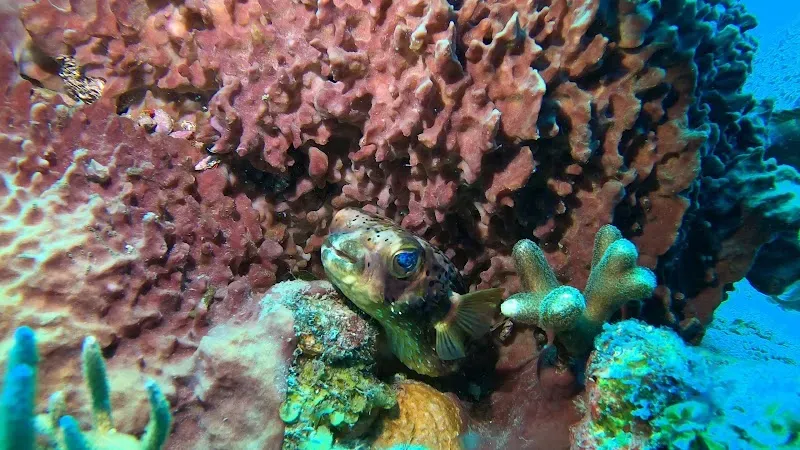
STENAPA Reef - Dive Site
STENAPA Reef - Dive Site is a nature attraction on St. Eustatius. This natural area showcases the lush tropical landscapes and diverse ecosystems that St. Eustatius is known for. Visitors can explore the local flora and fauna in a serene setting.

Double Wreck
Double Wreck is a nature attraction on St. Eustatius. This natural area showcases the lush tropical landscapes and diverse ecosystems that St. Eustatius is known for. Visitors can explore the local flora and fauna in a serene setting.

Blair's Reef - Dive Site
Blair's Reef - Dive Site is a nature attraction on St. Eustatius. This natural area showcases the lush tropical landscapes and diverse ecosystems that St. Eustatius is known for. Visitors can explore the local flora and fauna in a serene setting.

Twin Peaks - Dive Site
Twin Peaks - Dive Site is a nature attraction on St. Eustatius. This natural area showcases the lush tropical landscapes and diverse ecosystems that St. Eustatius is known for. Visitors can explore the local flora and fauna in a serene setting.

Charles L. Brown - Dive Site
Charles L. Brown - Dive Site is a nature attraction on St. Eustatius. This natural area showcases the lush tropical landscapes and diverse ecosystems that St. Eustatius is known for. Visitors can explore the local flora and fauna in a serene setting.
Explore More of St. Eustatius
Find hotels, restaurants, and bookable experiences on our full island page.