Tortola
Heart of the British Virgin Islands
About Tortola
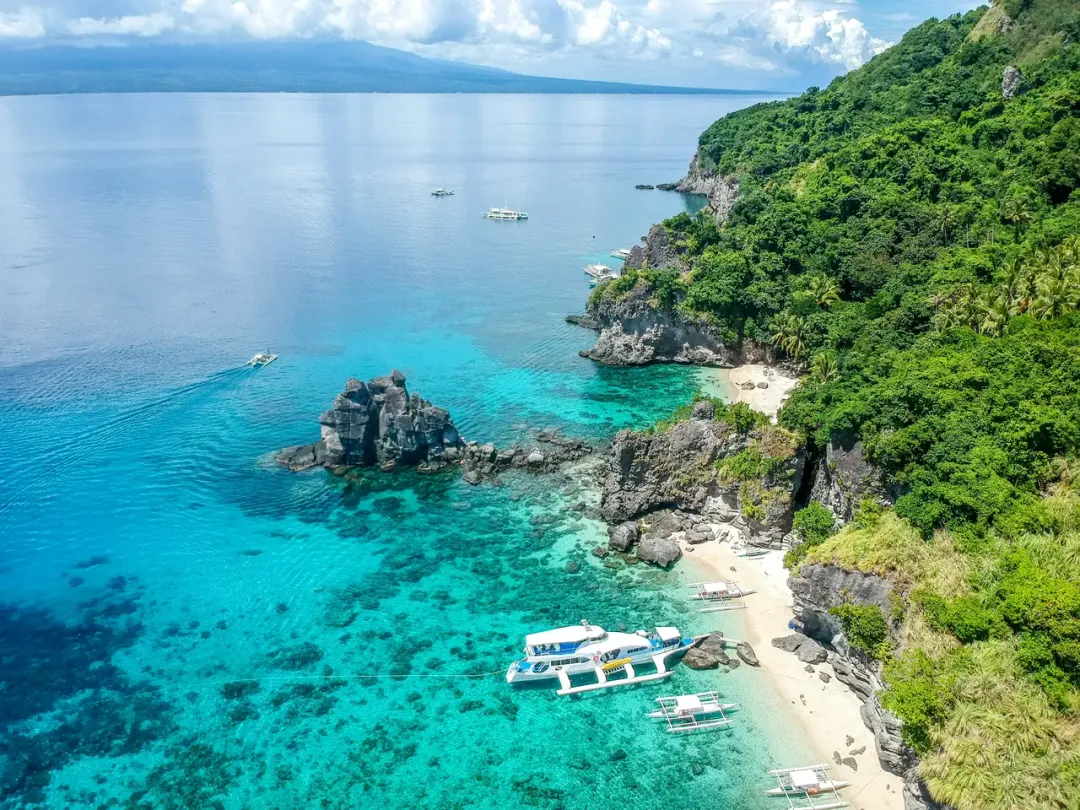
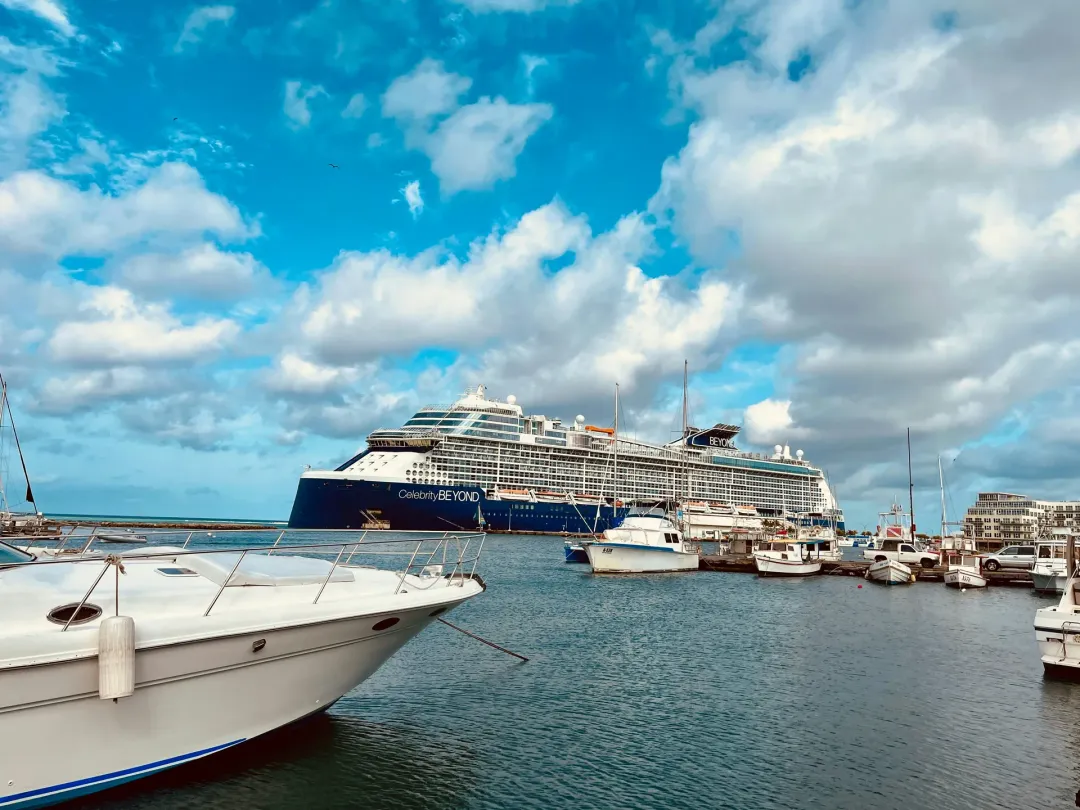
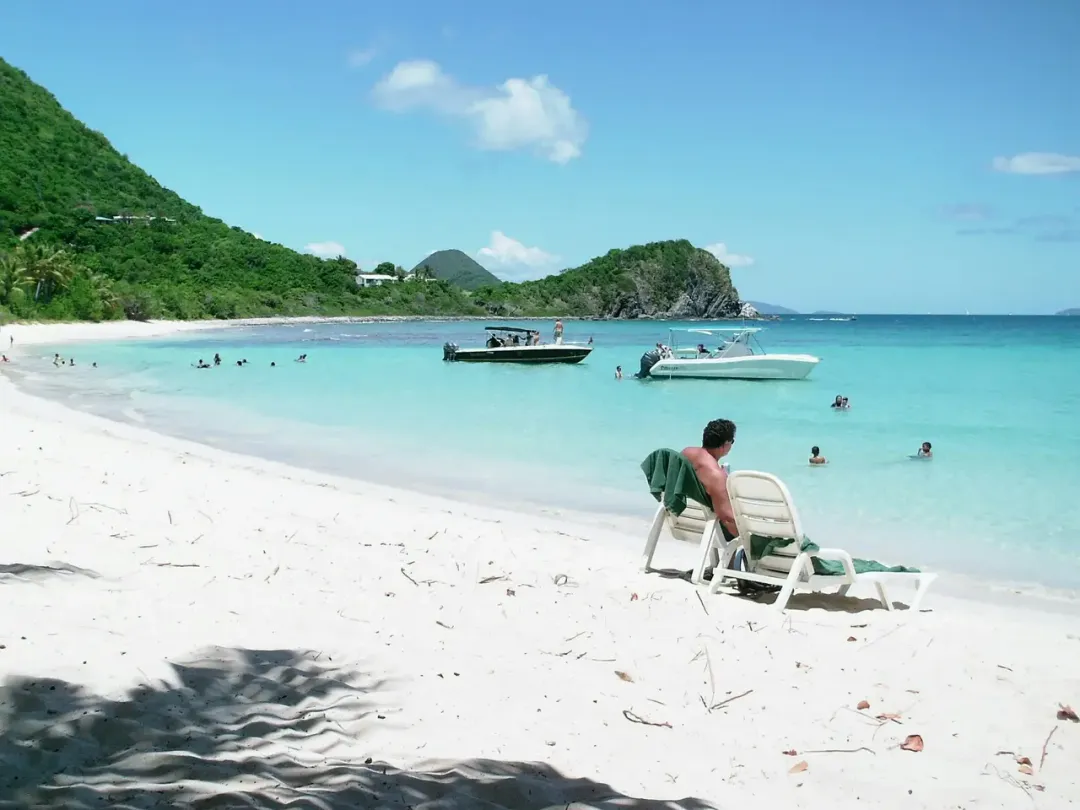
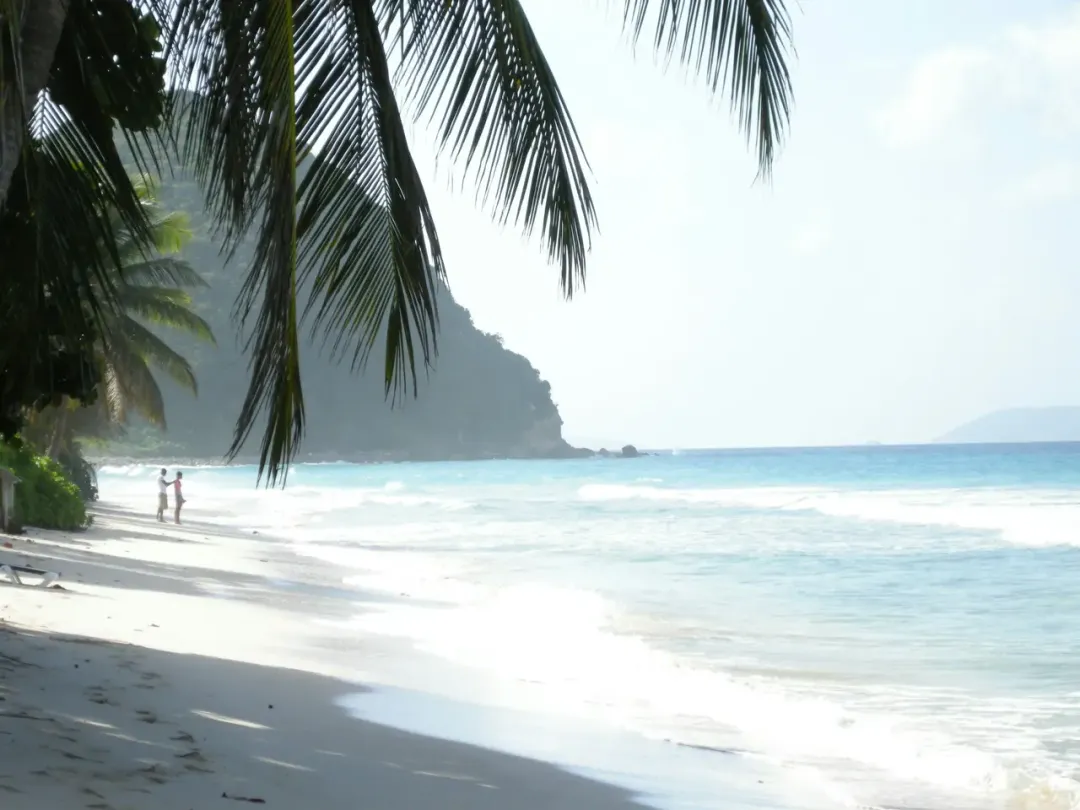
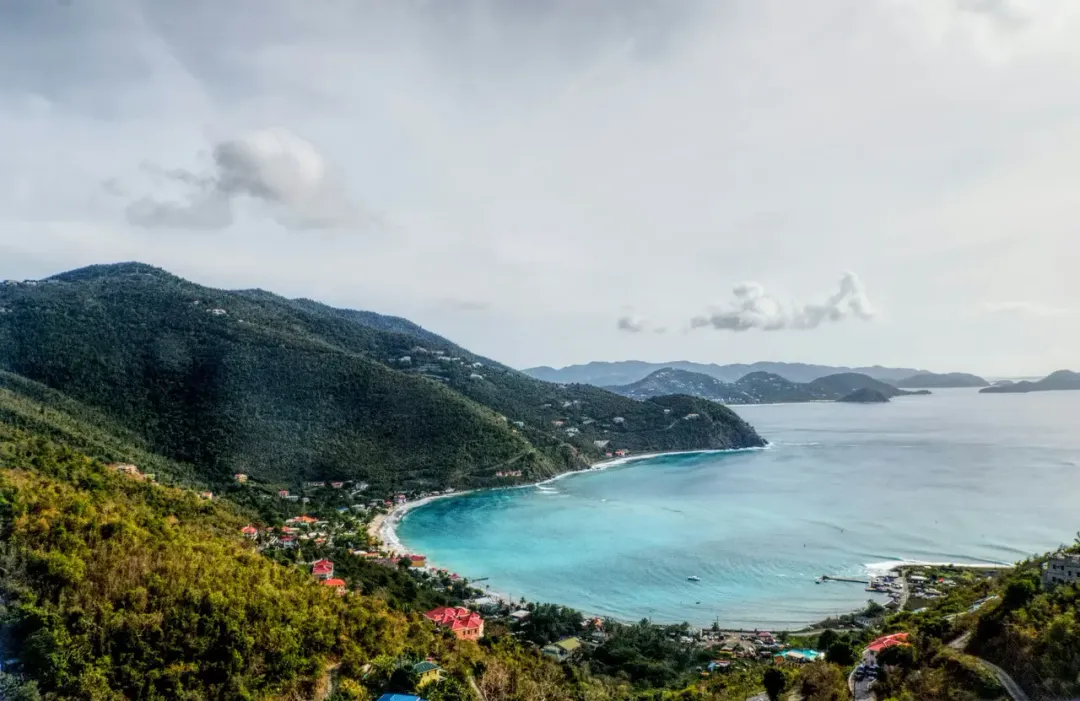
Tortola, spanning 21 square miles, is the largest and most populous island in the British Virgin Islands, serving as the territory's commercial and governmental center. The island's name, derived from the Spanish word for 'turtle dove,' reflects its natural beauty, characterized by a mountainous spine running its length, with Sage Mountain, the highest point at 1,750 feet, offering panoramic views of the surrounding islands and cays. Tortola's coastline features numerous bays and beaches, including the famous Cane Garden Bay with its crescent of white sand lined with palm trees and beach bars, and Apple Bay, known for its surfing opportunities when winter swells arrive. Road Town, the capital of the British Virgin Islands located on Tortola's southern coast, centers around a horseshoe-shaped harbor filled with sailboats and yachts, reflecting the island's importance as a sailing destination and charter boat base. The town features a mix of colonial architecture, government buildings, shops, restaurants, and the J.R. O'Neal Botanic Gardens, which showcase the island's diverse flora. Tortola's history is evident in sites such as the 1780 Lower Estate Sugar Works Museum, Fort Recovery dating from the early Dutch settlement period, and the African Church (officially St. Phillips Anglican Church), built by freed slaves. The island's culture reflects its diverse heritage, with influences from African, British, and other Caribbean traditions evident in its music, particularly fungi (pronounced 'foon-gee'), a traditional style featuring a scratch band, as well as its cuisine, which emphasizes fresh seafood, tropical fruits, and root vegetables. As a sailing hub, Tortola serves as the starting point for many yacht charters exploring the British Virgin Islands, with marinas at Nanny Cay, Soper's Hole, and Road Harbour offering services for boaters. Despite significant development compared to other British Virgin Islands, Tortola maintains areas of natural beauty, including Sage Mountain National Park and the northern coast's less developed beaches, providing visitors with a balance of amenities and authentic Caribbean experiences.
Size
21 sq mi (55 km²)
Population
24,000
Language
English
Currency
US Dollar (USD)
Time Zone
UTC-4 (Atlantic Time)
Best Time to Visit
December to April
Highlights
Best Things to Do in Tortola
Tortola moves at two speeds: the busy harbor life of Road Town and the unhurried rhythm of the north shore beaches. Most visitors pass through quickly on their way to a charter yacht or a ferry, but spending a few days on Tortola itself rewards you with the most authentic slice of BVI culture. Start in Road Town at the J.R. O'Neal Botanic Gardens, a four-acre tropical garden tucked behind the government buildings with palm groves, an orchid house, and a lily pond - a surprisingly peaceful escape from the surrounding streets. Walk east along Waterfront Drive past the cruise pier to Crafts Alive Market, where local vendors sell handmade jewelry, hot sauces, and spice blends. The real draw of Tortola is its coastline.
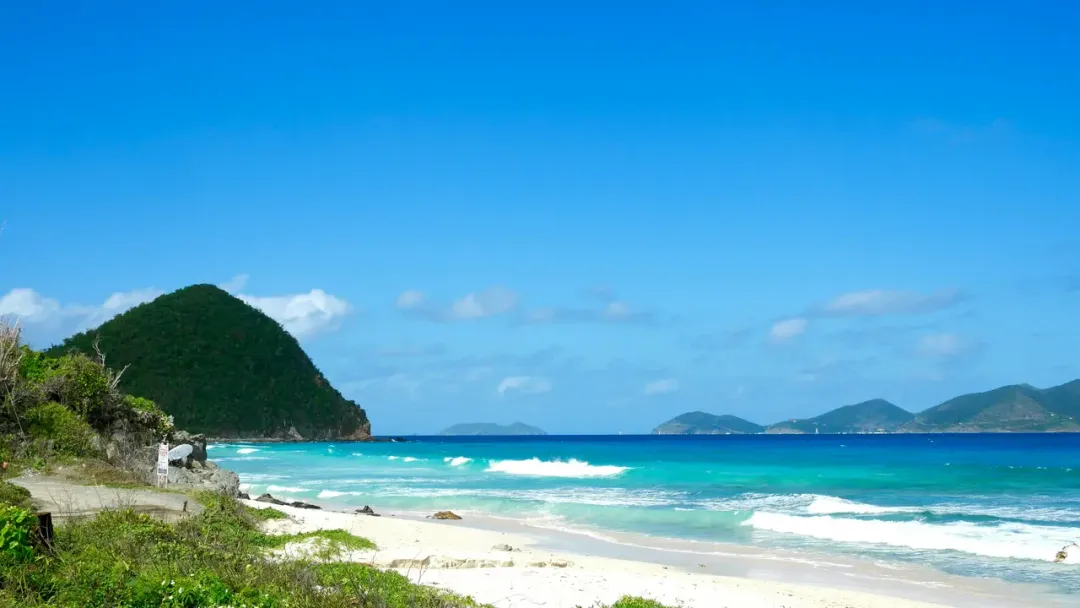
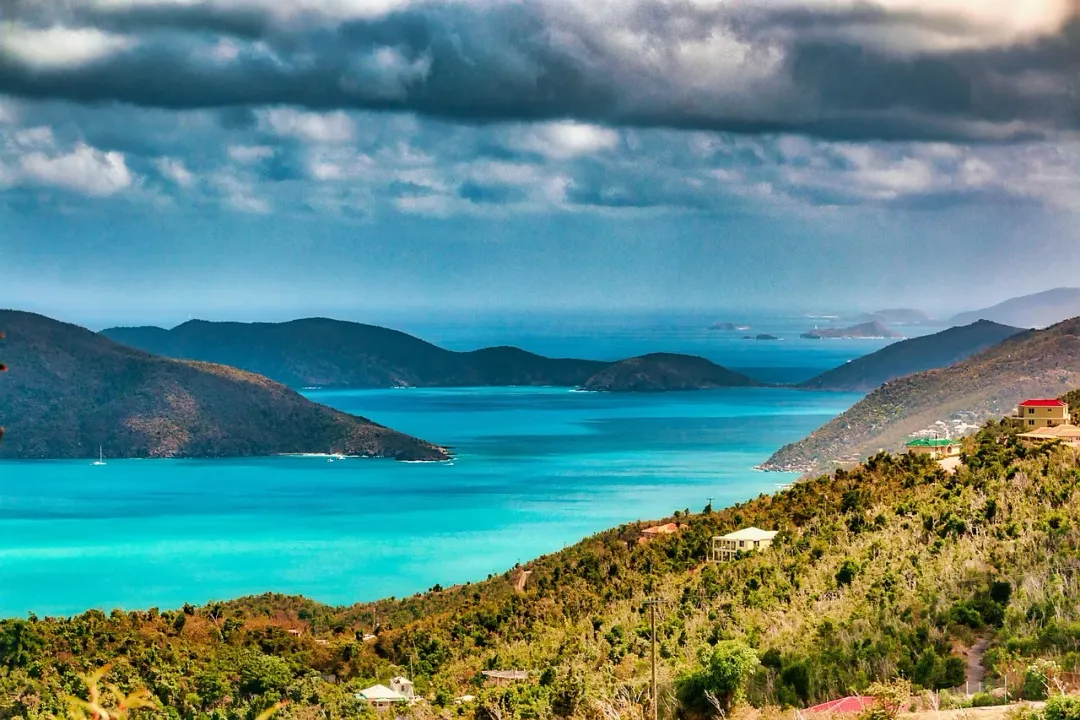
Cane Garden Bay on the north shore is the island's most famous beach, a wide crescent of sand backed by palm trees and a row of beach bars where live music plays most evenings. Myett's is the liveliest, but the real local experience is Quito's Gazebo, where BVI legend Quito Rymer performs his own calypso and reggae compositions several nights a week. Drive west from Cane Garden Bay along the steep, winding Ridge Road - the views from up top are staggering, with the entire Sir Francis Drake Channel and the islands of Norman, Peter, Salt, and Cooper spread below you.
The road eventually drops down to Apple Bay, where Bomba's Surfside Shack, festooned in driftwood and graffiti, is the most famous bar in the BVI and hosts legendary full-moon parties. At the island's western tip, Smuggler's Cove is a secluded beach reached by a rough dirt road that keeps the crowds thin. The sand is coarse, the water is clear, and there is usually a local vendor selling cold drinks from a cooler. For hiking, Sage Mountain National Park protects the highest point in the BVI at 1,750 feet, with a short loop trail through tropical rainforest that feels like a different climate entirely. The Callwood Rum Distillery in Cane Garden Bay has been producing rum since the 1800s and offers free tastings in a stone building that looks barely changed since the colonial era - their aged rum is rough but authentic. History buffs should visit the Lower Estate Sugar Works Museum near Road Town, which preserves the ruins of an 18th-century sugar plantation with original copper pots and a working rum still.
Beach Day at Cane Garden Bay
Tortola's signature beach is a wide sweep of sand with calm water, palm shade, and beach bars serving food and drinks. Quito's Gazebo hosts live calypso performances most evenings. The bay also has decent snorkeling near the rocks on the eastern end.
Hike Sage Mountain National Park
The highest point in the BVI at 1,750 feet, with a well-marked loop trail through lush tropical forest featuring mahogany, white cedar, and giant elephant ear plants. Views extend across the Sir Francis Drake Channel to the surrounding islands. The hike takes about 45 minutes to an hour.
Drive the Ridge Road
The narrow road connecting Cane Garden Bay to Road Town runs along the mountainous spine of the island with jaw-dropping views of the channel and neighboring islands. Pull over at the designated lookout points. Not for nervous drivers - the road is steep, winding, and driven on the left.
Visit Callwood Rum Distillery
One of the oldest operating rum distilleries in the Caribbean, housed in a stone building in Cane Garden Bay that dates to the 1800s. Free tastings let you sample their cane-based spirits. The aged rum has a rough, authentic character. Buy a bottle for around $15.
Snorkel Smuggler's Cove
A secluded beach at Tortola's western tip reached by a bumpy dirt road. The sheltered cove has clear water with reef patches along the rocks on both sides. Bring your own gear and water, as facilities are minimal. A local vendor usually sells cold drinks from a cooler.
Full Moon Party at Bomba's Shack
Bomba's Surfside Shack at Apple Bay hosts the BVI's most legendary parties on full-moon nights, with loud music, dancing, and Bomba's infamous mushroom tea. The shack itself, covered in driftwood and graffiti, is worth a daytime visit even if you skip the party.
Ferry to Jost Van Dyke
A 25-minute ferry ride from West End brings you to Jost Van Dyke's Great Harbour, from where you can taxi to White Bay for the Soggy Dollar Bar and Painkillers. Day trips work well - catch the morning ferry out and the late afternoon return. Check the schedule as it varies by season.
Explore Road Town and the Botanic Gardens
The J.R. O'Neal Botanic Gardens offer a quiet four-acre retreat with tropical plants, a fern house, and a lily pond. Nearby, Crafts Alive Market sells local handmade goods. The surrounding streets have a handful of West Indian restaurants and shops worth browsing.
Where to Stay in Tortola
Tortola offers the widest range of accommodation in the BVI, though it still skews toward mid-range and above. On the north shore, Long Bay Beach Resort spreads along one of the island's best beaches with rooms, suites, and hillside villas from around $250 to $600 per night.
It is the closest thing to a full-service beach resort on Tortola. Sebastian's on the Beach at Apple Bay is a more modest beachfront option popular with surfers, with rooms from $150 to $250.
Nanny Cay Resort and Marina on the south coast is the go-to for sailors, with clean rooms from around $200 and full marina services including provisioning, fuel, and charter companies. In Road Town, Village Cay Hotel and Marina sits right on the harbor and is functional and convenient at $180 to $250 per night - you are steps from ferries and restaurants but not on a swimmable beach.
For something with more character, Heritage Inn near Carrot Bay sits on a hilltop with panoramic views and serves one of the better dinners on the island, with rooms from $175. Villa rentals are increasingly popular and offer the best value for families and groups. Two- to three-bedroom villas with pools and ocean views range from $250 to $800 per night through agencies like Areana Villas and McLaughlin Anderson. Budget travelers should look at guesthouses in Road Town, where basic rooms start around $100 to $130, though they lack the beach setting that makes Tortola special. Shoulder-season rates (May through early July, November) drop 25 to 35 percent across the board.
Where to Eat in Tortola
Tortola's dining scene mixes casual beach bars with a handful of restaurants that take their food seriously. Brandywine Estate on the south coast is widely regarded as the best restaurant in the BVI - chef David Pugliese serves Mediterranean-Caribbean dishes like rack of lamb with guava glaze and fresh pasta with local lobster on a candlelit terrace overlooking the Sir Francis Drake Channel.
Dinner for two with wine runs $120 to $180, and reservations are strongly recommended. The Dove in Road Town offers refined Caribbean-French cuisine in a restored West Indian cottage, with dishes like pan-seared wahoo and duck confit at around $30 to $45 per plate.
For everyday local food, D'Best Cup in Road Town is where BVI residents eat - plates of oxtail, stewed chicken, curried goat, and fungi (cornmeal pudding) run $12 to $18 and are deeply satisfying. Rite Bite at Wickham's Cay serves excellent rotis and local lunches for similar prices.
On the north shore, Myett's at Cane Garden Bay is the beach bar that also happens to serve good food - their jerk chicken and grilled mahi-mahi are reliable, and the oceanfront tables make even a simple lunch feel like an event. Sebastian's at Apple Bay does a popular Sunday brunch. Soper's Hole at the West End has Pusser's Road Town Pub, which serves their signature Painkiller alongside pub fare and marina views. For a local experience off the tourist track, the food vendors at Road Town's market on Saturday mornings sell fresh fish cakes, saltfish and johnnycakes, and coconut bread that represents Tortola's genuine home cooking.
Best Time to Visit Tortola
Tortola's high season runs mid-December through April, matching the BVI-wide pattern of warm days in the low 80s Fahrenheit, minimal rainfall, and steady trade winds that keep the air comfortable and the sailing ideal. This is when charter boats fill the harbors and hotel rates peak, particularly during the Christmas and New Year's period.
The BVI Spring Regatta in late March or early April transforms Road Town and the surrounding waters into a racing carnival, with boats competing by day and parties ashore by night. May and early June offer a sweet spot with warm weather, calmer seas, and noticeably fewer visitors.
Summer brings higher humidity and occasional rain showers, typically brief afternoon squalls. Surfers should note that Apple Bay gets its best swells from November through March, when north Atlantic weather systems push waves into Tortola's north shore. Hurricane season runs June through November, with peak risk in September and October.
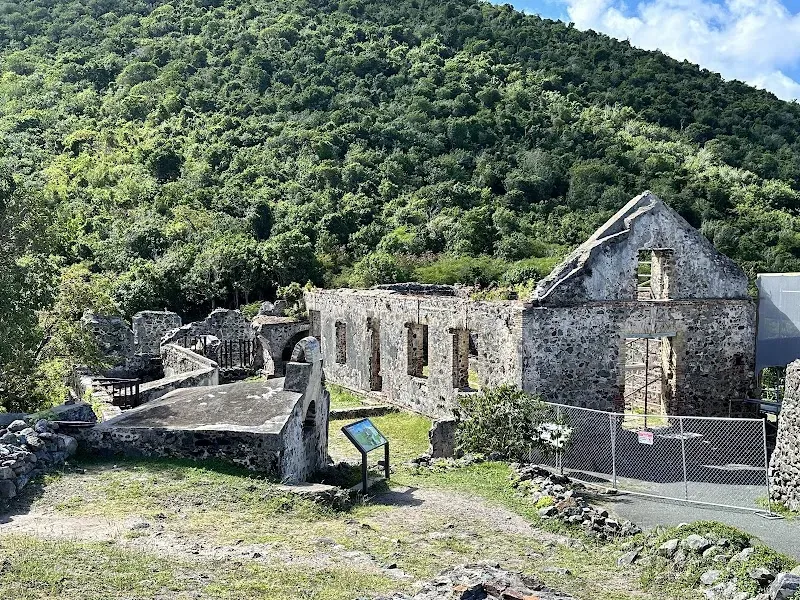
Annaberg Sugar Plantation
Ruins of an 18th-century sugar planation, including a windmill tower & factory, with ocean views.
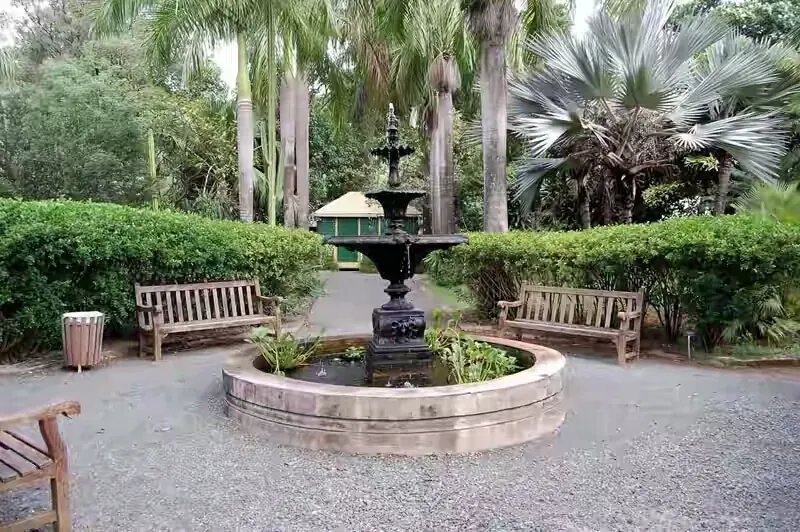
J.R. O'Neal Botanical Gardens
Compact oasis with tropical plants plus a greenhouse for orchids, a lily pond & a scenic pergola.
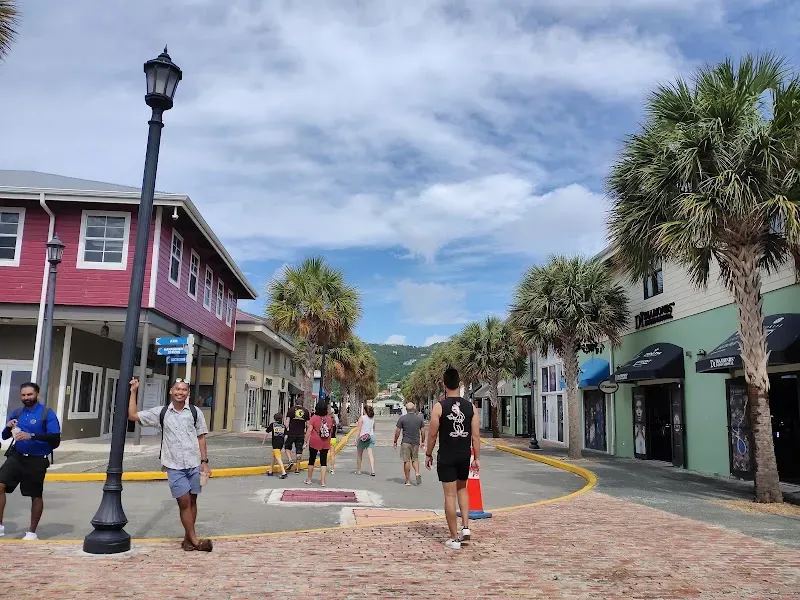
Cyril B. Romney Tortola Pier Park
Easygoing park known for its scenic bay views & proximity to local boutiques & eateries.
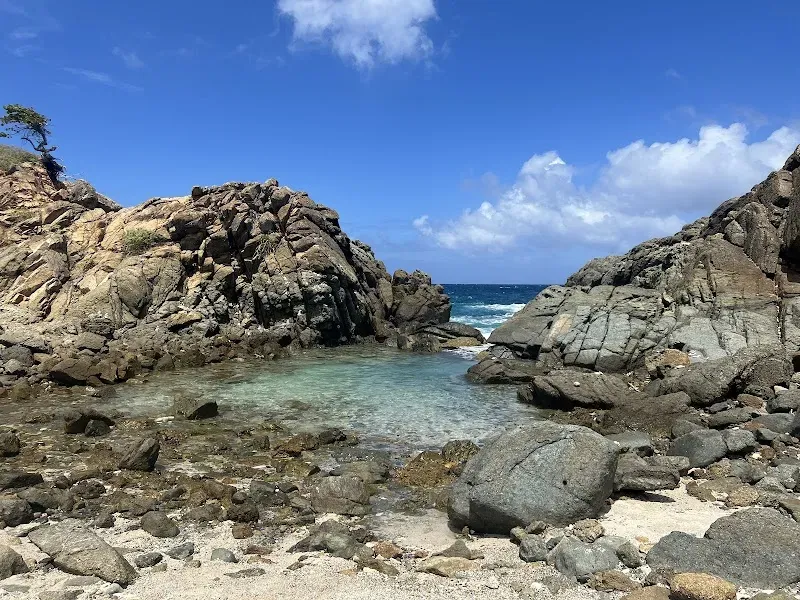
Bubbly Pool
Bubbly Pool is a nature attraction on Tortola. This natural area showcases the lush tropical landscapes and diverse ecosystems that Tortola is known for. Visitors can explore the local flora and fauna in a serene setting.
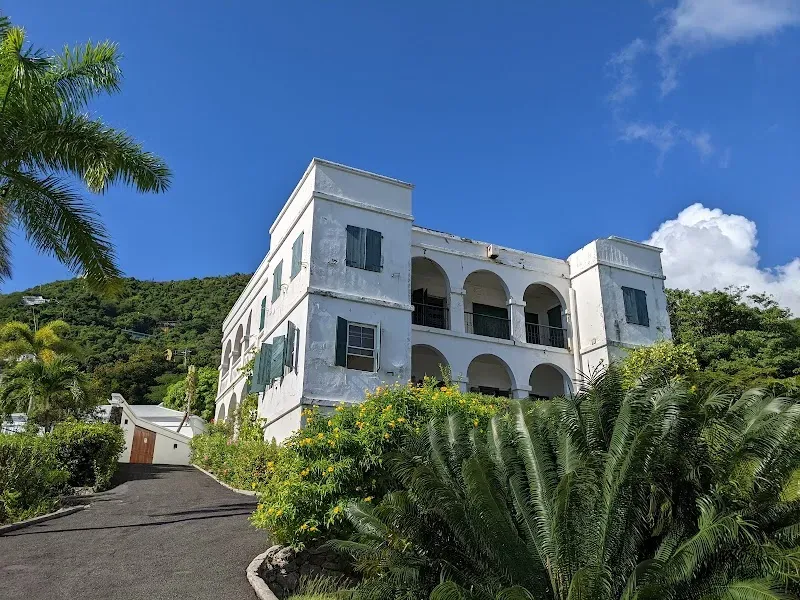
Old Government House Museum
Old Government House Museum is a nature attraction on Tortola. This natural area showcases the lush tropical landscapes and diverse ecosystems that Tortola is known for. Visitors can explore the local flora and fauna in a serene setting.
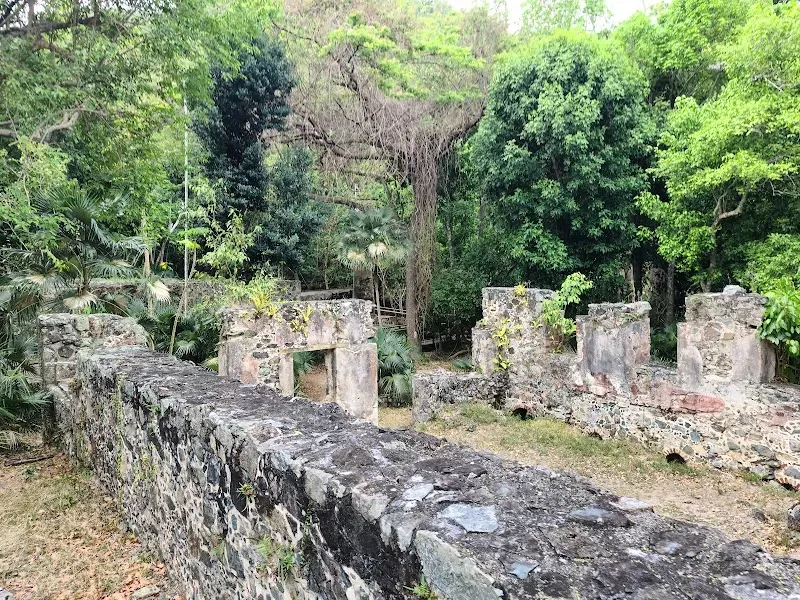
Cinnamon Bay Plantation Ruins
Cinnamon Bay Plantation Ruins is a nature attraction on Tortola. This natural area showcases the lush tropical landscapes and diverse ecosystems that Tortola is known for. Visitors can explore the local flora and fauna in a serene setting.
Hotels in Tortola
Search for available rates by selecting your travel dates
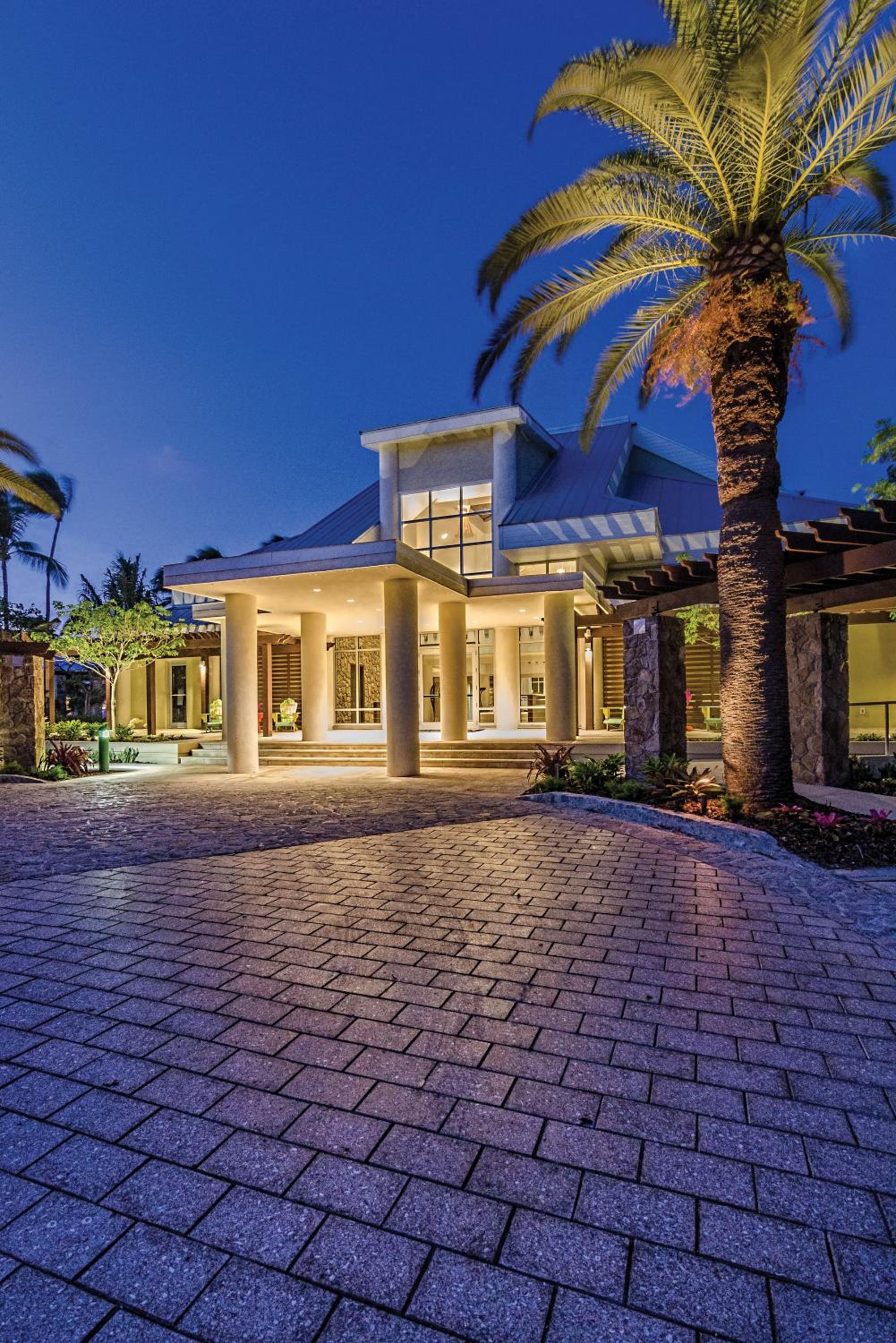
Margaritaville Vacation Club - St Thomas
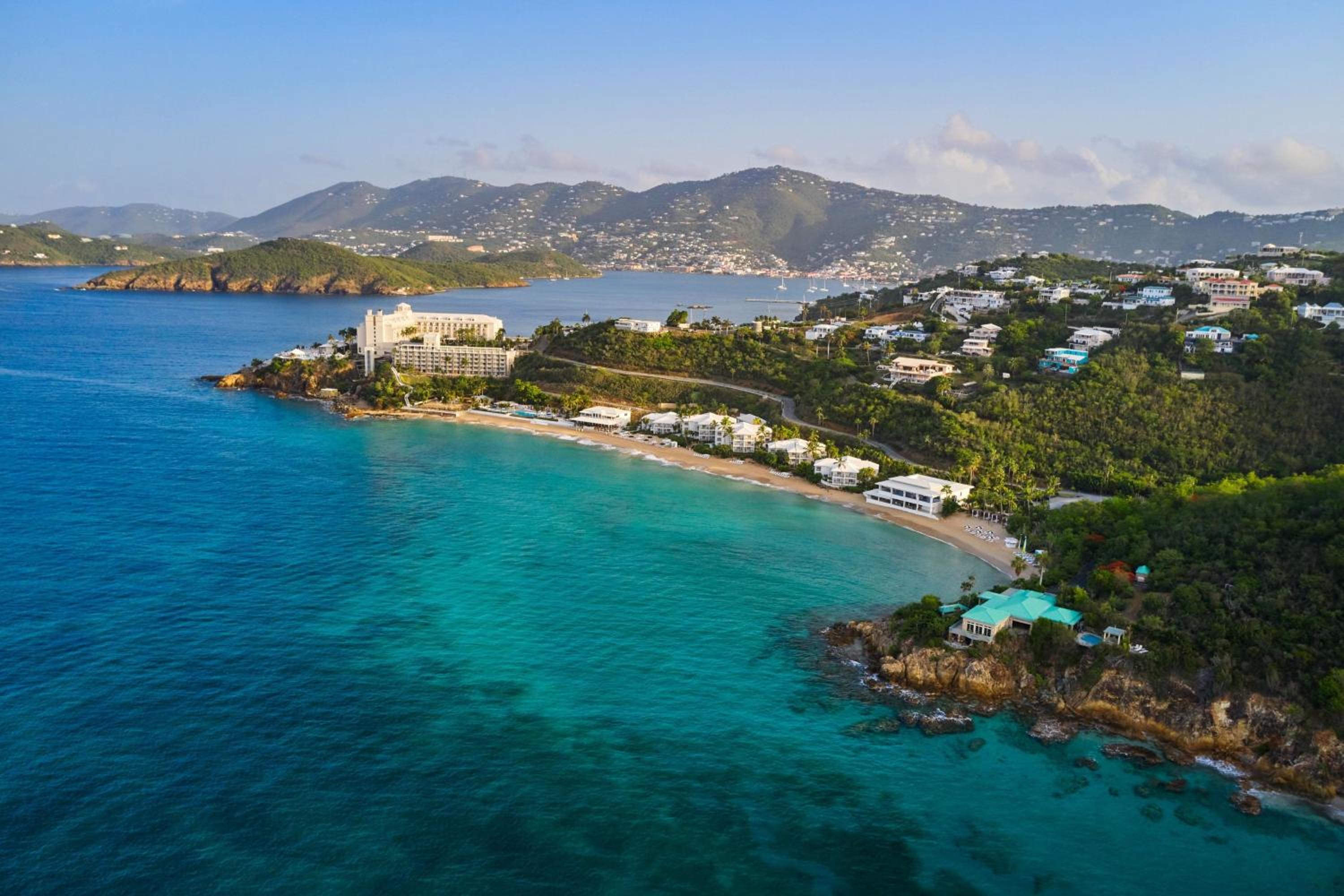
The Westin St Thomas Beach Resort & Spa
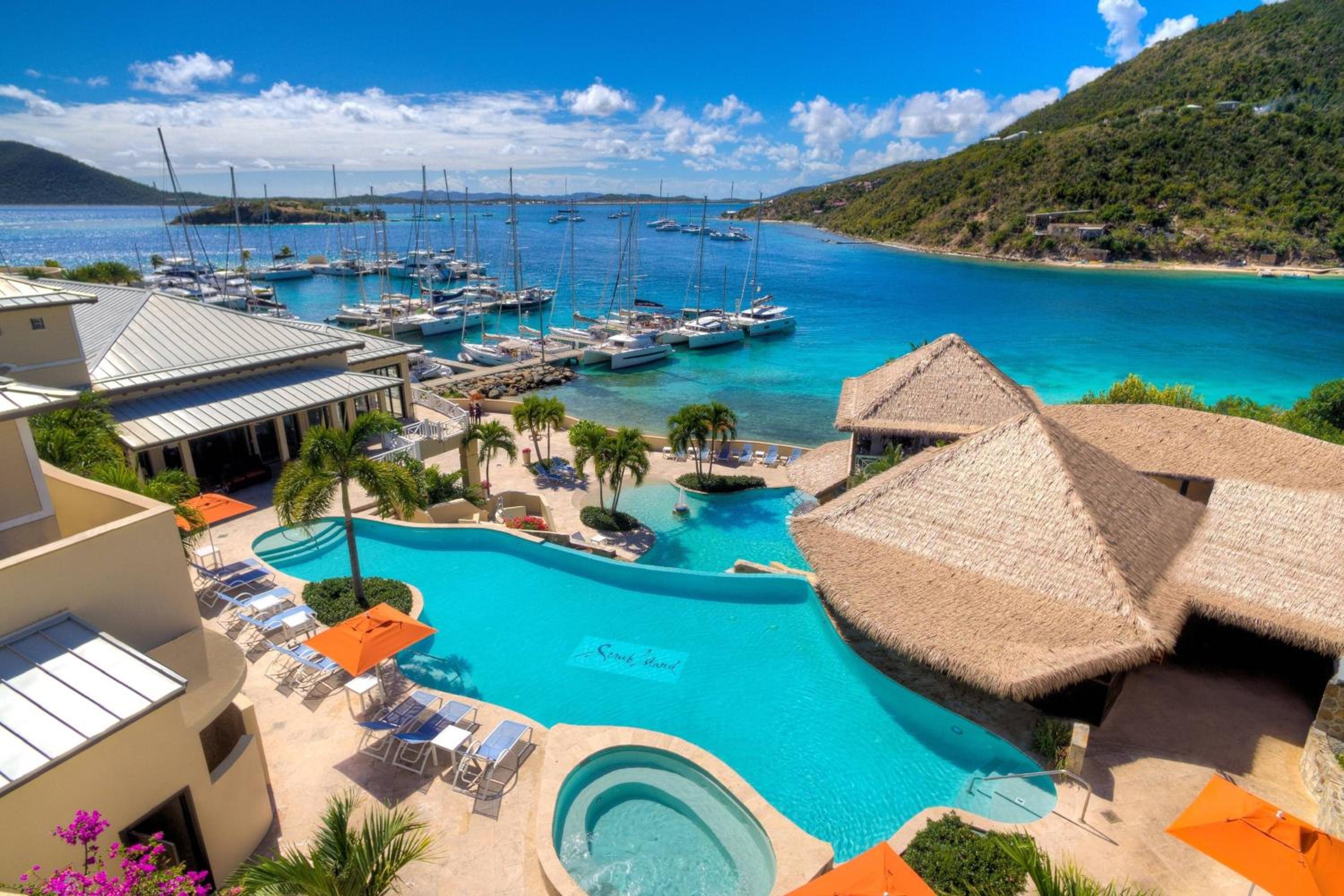
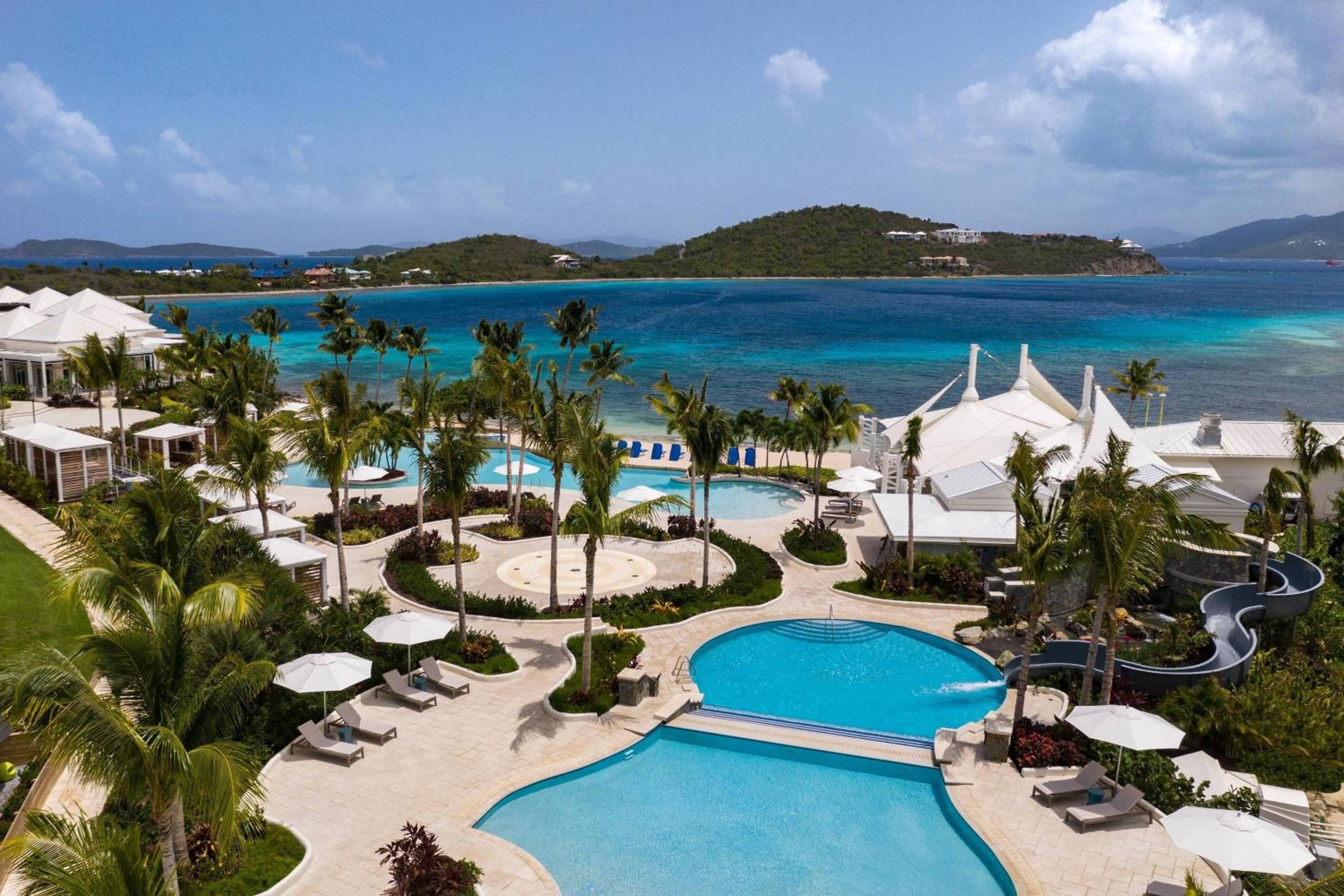
Scrub Island Resort, Spa & Marina
The Ritz-Carlton St. Thomas
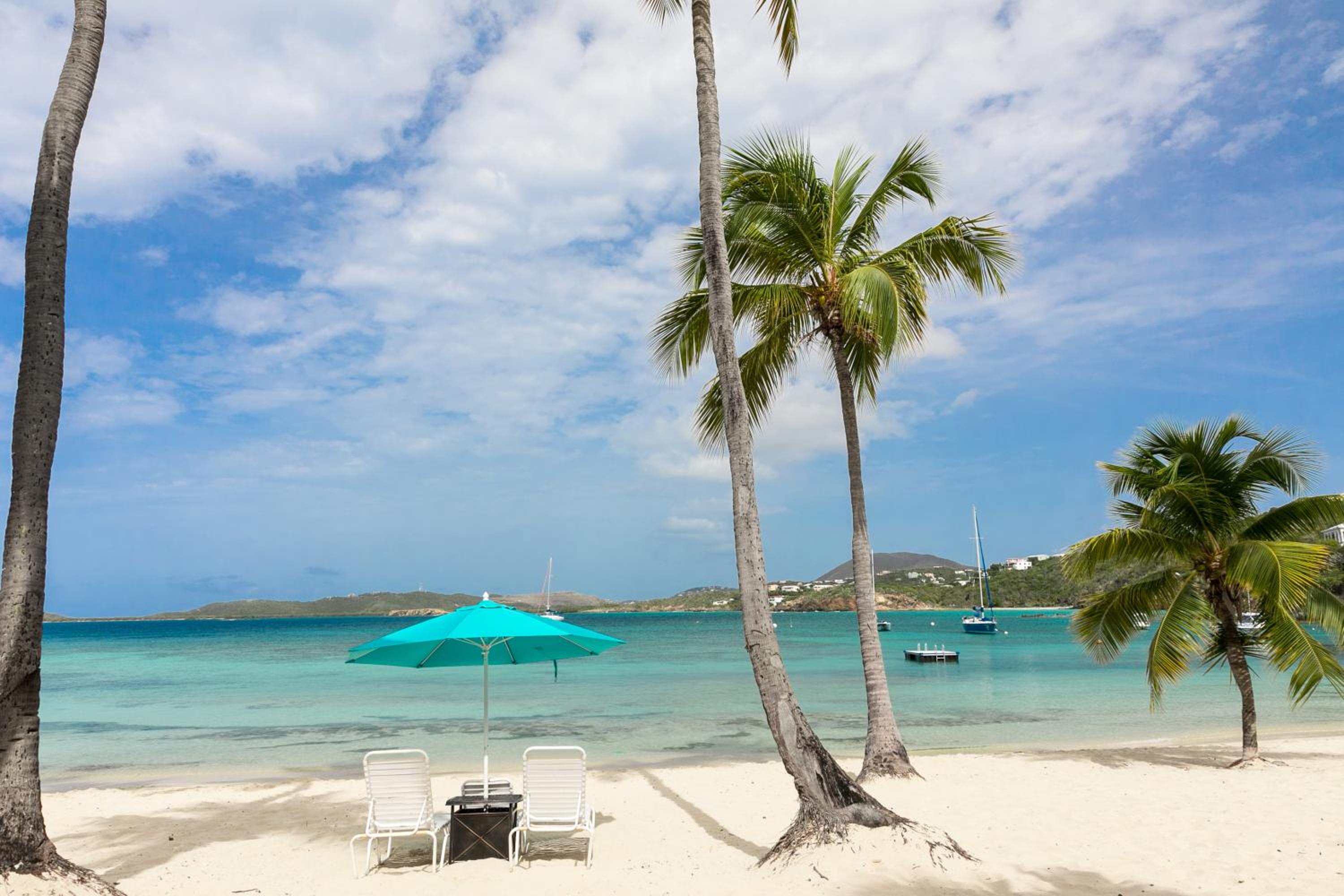
Secret Harbour Beach Resort
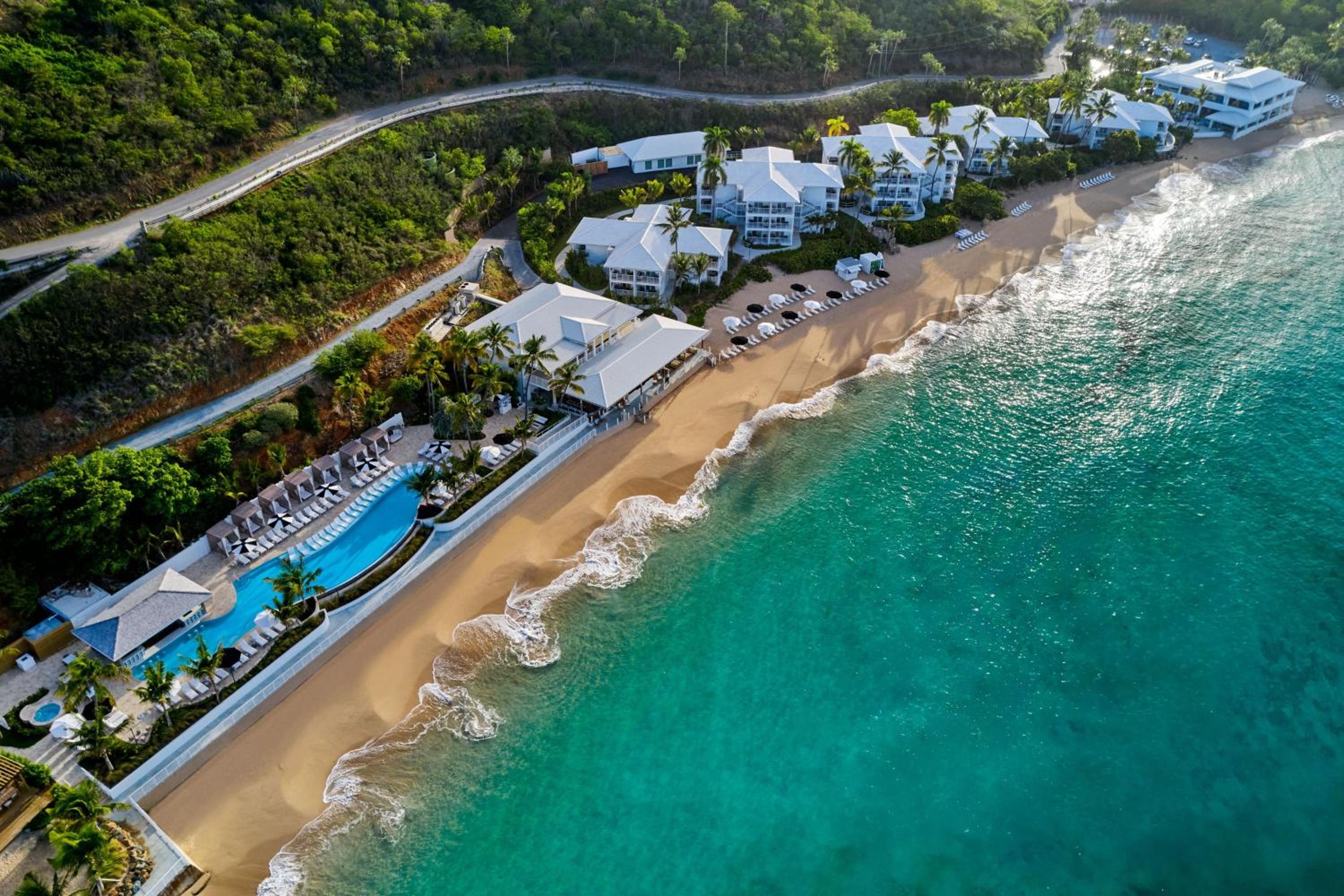
Buoy Haus Beach Resort St Thomas Autograph Collection
Top Restaurants in Tortola
Popular dining spots near Tortola
No restaurants available for Tortola yet.
Weather in Tortola
Average Temperature
75°F to 85°F (24°C to 29°C)
Rainy Season
September to November
Hurricane Season
June to November
Best Time to Visit
December to April
Travel Tips
- English is the official language
- US Dollar is the official currency
- Driving is on the left side of the road
- A valid passport is required for entry
- Ferries connect Tortola to other British Virgin Islands and the US Virgin Islands
- Renting a car is the best way to explore the island
- No direct international flights; connect through San Juan, St. Thomas, or Antigua
Get Tortola Travel Tips
Subscribe for curated tips, deals, and inspiration for your Tortola trip.