About Trinidad & Tobago
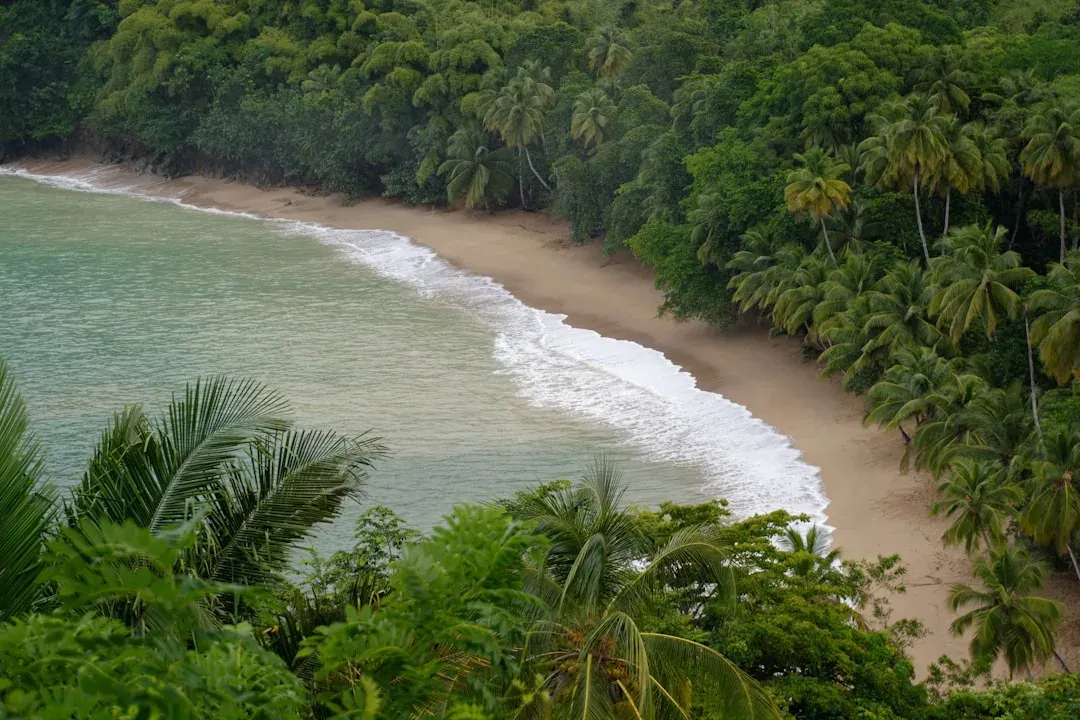
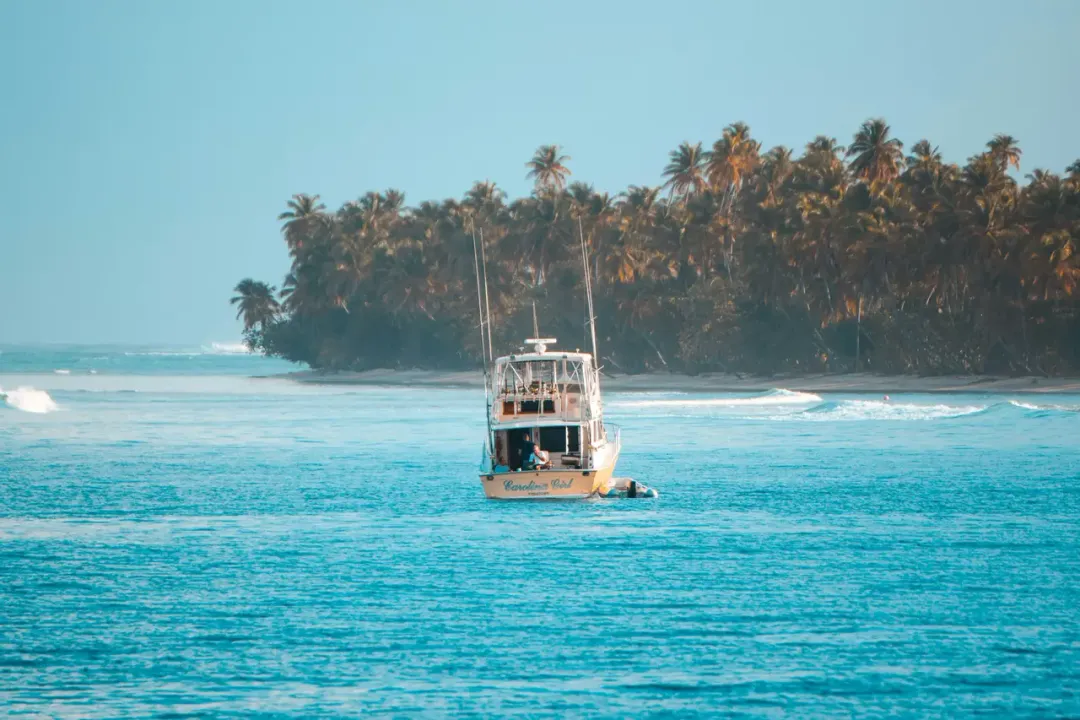
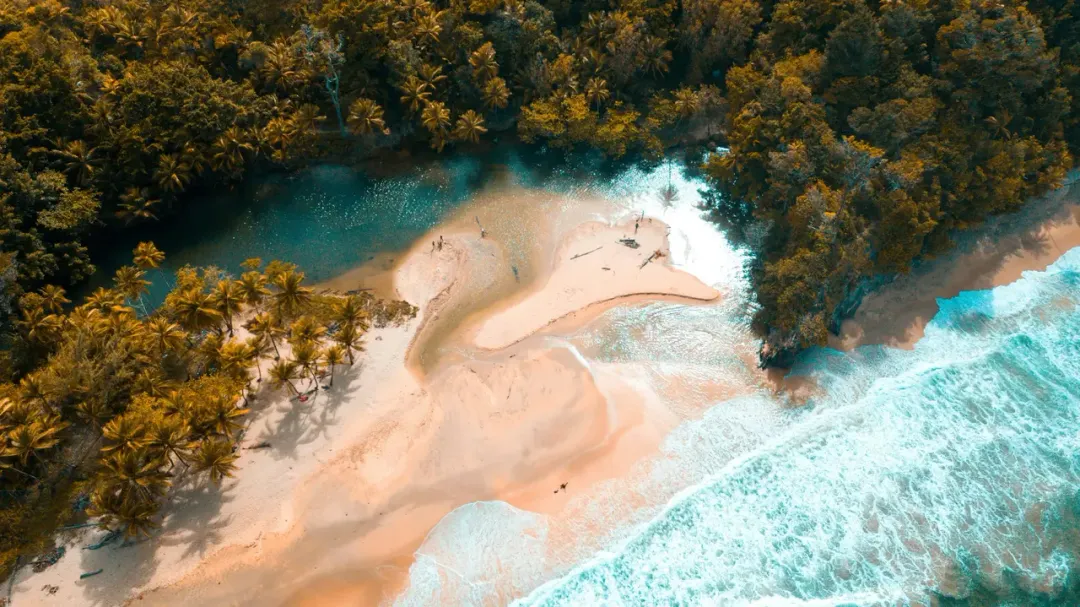
Trinidad and Tobago, a twin-island republic in the southern Caribbean, offers visitors a unique blend of cultural diversity, natural beauty, and authentic Caribbean experiences. Trinidad, the larger and more industrialized island, is known for its vibrant culture, particularly its world-famous Carnival celebration, considered one of the greatest street parties on earth with elaborate costumes, calypso and soca music, and energetic dancing. The island's diverse population, with influences from African, Indian, European, Chinese, and Middle Eastern heritage, is reflected in its cuisine, festivals, and traditions. Port of Spain, the capital, features colonial architecture, bustling markets, and a lively nightlife scene. Tobago, in contrast, offers a more laid-back atmosphere with pristine beaches, the oldest protected rainforest in the Western Hemisphere, and world-class diving and snorkeling opportunities at Buccoo Reef. The island is known for its natural beauty, including the Nylon Pool, a meter-deep natural swimming pool in the middle of the ocean with crystal-clear waters. Unlike many Caribbean destinations, Trinidad and Tobago's economy is not primarily dependent on tourism, allowing for a more authentic cultural experience away from the typical resort atmosphere.
Size
1,980 sq mi (5,130 km²)
Population
1.4 million
Language
English, Trinidad and Tobago English Creole
Currency
Trinidad and Tobago Dollar (TTD)
Time Zone
UTC-4 (Atlantic Time)
Best Time to Visit
January to May, avoiding the rainy season
Highlights
Best Things to Do in Trinidad & Tobago
Trinidad and Tobago are two radically different islands that happen to share a passport. Trinidad is the cultural powerhouse - an industrial, multicultural nation of 1.4 million people where African, East Indian, Chinese, Syrian, and European traditions collide in food, music, religion, and daily life. It is not a beach vacation island in the traditional Caribbean sense; it is where you come to eat doubles on the roadside at 2 AM, watch leatherback sea turtles haul themselves onto Matura Beach to lay eggs, and lose yourself in the sensory overload of Carnival.
Port of Spain's Carnival, held on the Monday and Tuesday before Ash Wednesday, is the mother of all Caribbean celebrations - two days of mas bands in feathered and bejeweled costumes parading through the streets to soca trucks blasting music so loud it vibrates your ribcage. J'ouvert, the pre-dawn Monday morning celebration, is the raw, paint-and-mud-covered counterpart to the polished Tuesday parade, and many consider it the more authentic experience.
Beyond Carnival, Trinidad's natural attractions are world-class. The Asa Wright Nature Centre in the Northern Range rainforest is one of the Caribbean's premier birding destinations, with over 170 species recorded on the property including the oilbird, found in only a handful of locations worldwide. Guided walks along the trails reveal toucans, trogons, honeycreepers, and hummingbirds in startling density. Caroni Swamp, a mangrove wetland south of Port of Spain, is home to the scarlet ibis, Trinidad's national bird - boat tours at dusk watch thousands of these vivid red birds return to roost in the mangroves, and the sight of them streaming across the sunset sky is genuinely breathtaking. La Brea Pitch Lake, the world's largest natural asphalt deposit, is one of those only-in-Trinidad experiences - a 100-acre lake of warm, bubbling pitch that you walk across with a guide while learning about its geological significance and the Amerindian legends surrounding it.
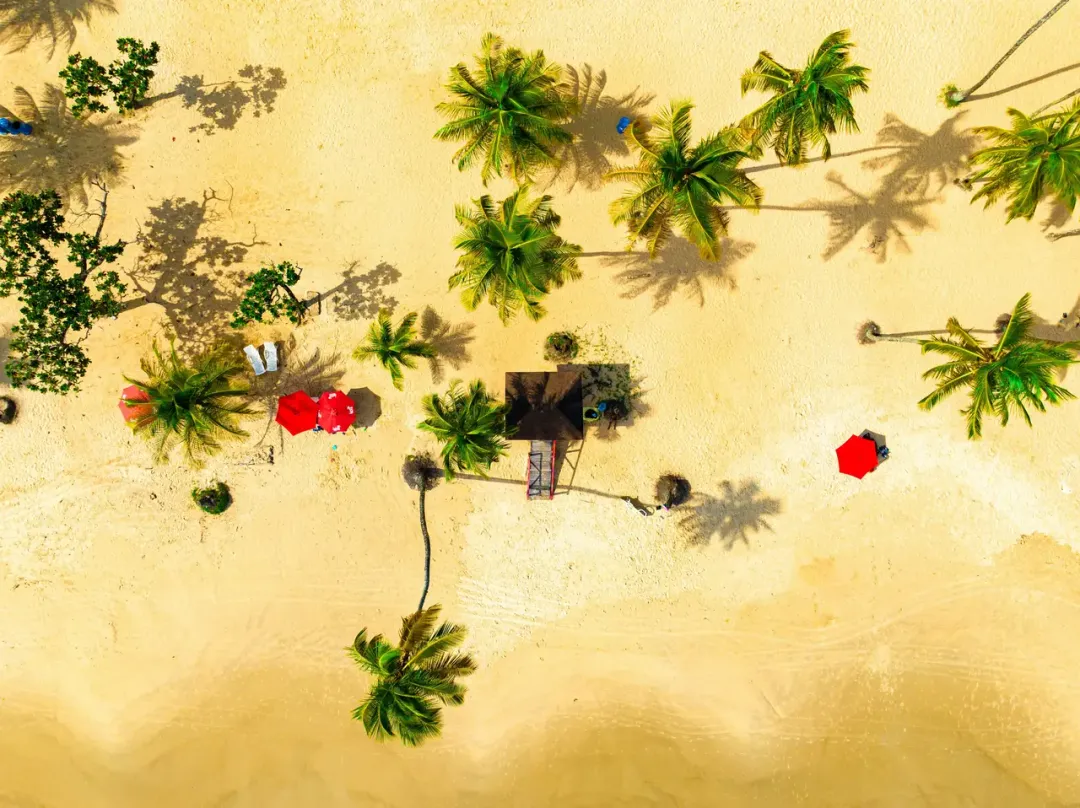
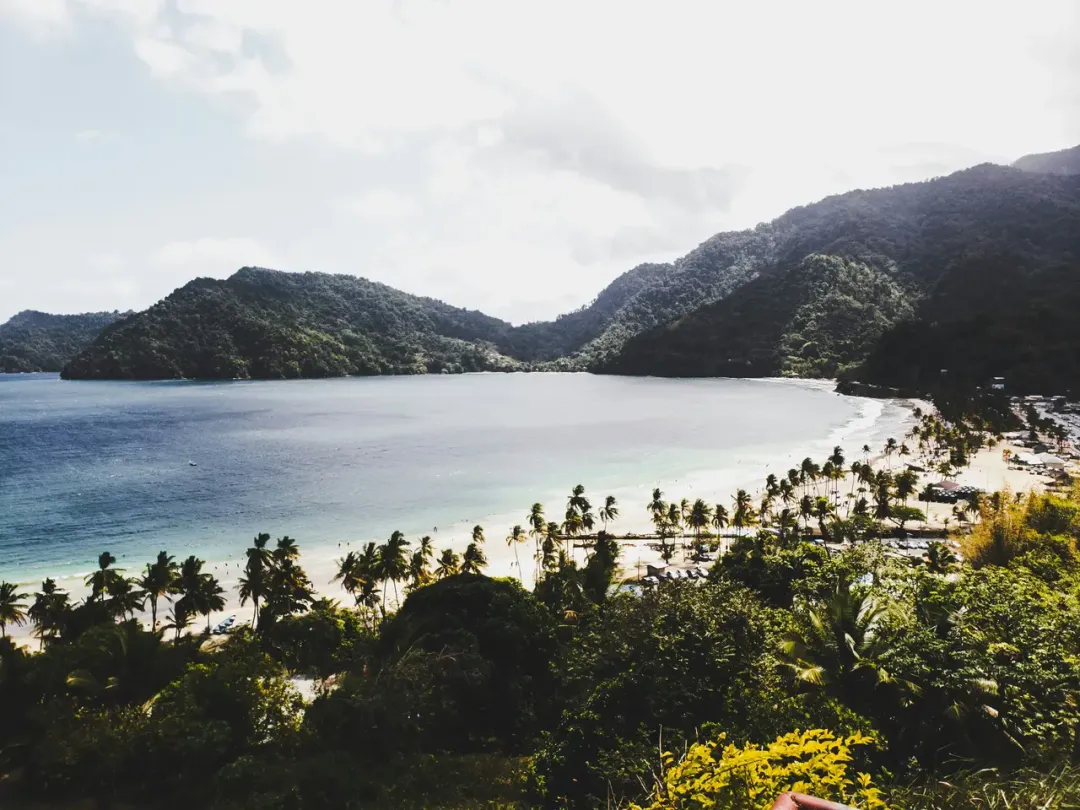
For beaches on Trinidad, Maracas Bay on the north coast is the island's most popular, reached by a winding mountain road from Port of Spain with spectacular views of the coast below. Tobago is the resort island, small and lush with the oldest protected rainforest in the Western Hemisphere. The Main Ridge Forest Reserve, designated in 1776, offers trails through primary rainforest where blue-backed manakins and rufous-vented chachalacas are common. Pigeon Point Beach, with its thatched jetty extending over turquoise water, is Tobago's postcard image. Buccoo Reef is a shallow coral reef accessible by glass-bottom boat, and the Nylon Pool - a shallow sandbar in the middle of the reef system with waist-deep crystal water - is one of those places that seems almost too perfect to be natural.
Experience Trinidad Carnival
The biggest street party in the Caribbean takes over Port of Spain on the Monday and Tuesday before Ash Wednesday. Register with a mas band months in advance to join a costumed section. J'ouvert, the pre-dawn Monday celebration in paint and mud, is the raw, ecstatic heart of the festival. Plan accommodations at least six months ahead.
Birdwatch at Asa Wright Nature Centre
Set in a former cocoa-coffee plantation in the Northern Range rainforest, this nature center records over 170 bird species including the rare oilbird. Guided trail walks start from the veranda where hummingbirds hover inches away. Day visits cost about $10 and overnight stays are available in simple lodge rooms.
Watch Scarlet Ibis at Caroni Swamp
Guided boat tours through the mangrove channels of Caroni Swamp time the trip so you arrive at the roosting islands at dusk, when thousands of scarlet ibis stream in against the sunset sky. The vivid red birds against green mangroves and gold sky is one of Trinidad's most iconic sights. Tours cost about $15 and depart around 4 PM.
Snorkel Buccoo Reef and the Nylon Pool
Glass-bottom boat tours from Pigeon Point take you over the shallow coral gardens of Buccoo Reef before stopping at the Nylon Pool, a waist-deep sandbar in the middle of the ocean with crystal-clear water. Sunday is the busiest day, coinciding with the "Sunday School" beach party at Buccoo. Go midweek for a quieter experience.
Hike the Main Ridge Forest Reserve on Tobago
The oldest legally protected forest in the Western Hemisphere, designated in 1776. The Gilpin Trace trail is the most popular route, a moderate loop through primary rainforest with chances to spot blue-backed manakins, white-tailed sabrewings, and armadillos. Hire a guide from the forestry division at the trailhead for about $20.
Watch Leatherback Turtles Nest at Matura Beach
From March through August, giant leatherback sea turtles - the world's largest, weighing up to 1,500 pounds - crawl onto Matura Beach on Trinidad's northeast coast to lay eggs. The Nature Seekers community group runs guided night patrols. The experience of watching a six-foot turtle dig her nest by moonlight is unforgettable.
Walk La Brea Pitch Lake
The world's largest natural asphalt deposit covers 100 acres in southern Trinidad. A local guide walks you across the warm, rubbery surface, pointing out bubbling pools and explaining the geology. It sounds bizarre, and it is - in the best possible way. Entry with guide costs about $5.
Eat Doubles on Ariapita Avenue
Doubles - two soft bara (fried dough) filled with curried chickpeas and topped with pepper sauce, chutney, and cucumber - is Trinidad's national street food. George Street in Port of Spain and Ariapita Avenue have multiple vendors, but the lines at Sauce Doubles on the Avenue speak for themselves. A doubles costs about $1 TTD equivalent.
Where to Stay in Trinidad & Tobago
Trinidad and Tobago have fundamentally different accommodation scenes. On Trinidad, the hotel inventory caters more to business travelers than beach tourists. The Hyatt Regency Trinidad in Port of Spain is the flagship business hotel, with harbor views and rates from around $200 a night. The Hilton Trinidad sits on a hill above the Queen's Park Savannah with colonial-era grounds and rates from $175. For Carnival, many visitors rent apartments or houses through local agencies - expect to pay three to five times normal rates during the Carnival week, and book months in advance.
Guesthouses and smaller hotels in Woodbrook and St. Ann's neighborhoods start around $60 to $90 and put you in the heart of the nightlife and dining scene. Tobago is where the resort stays happen. Magdalena Grand Beach and Golf Resort on the Atlantic coast is the largest full-service property, with rates from $200 to $350. Coco Reef Resort on the southwest coast near Crown Point is popular with couples, starting around $180. For a boutique experience, Castara Retreats on the quieter north coast offers eco-cottages set into the hillside above a fishing village from $120 a night.
Budget travelers will find Tobago far more affordable than most Caribbean islands - guesthouses in Crown Point and Buccoo start at $45 to $70. Mount Plaisir Estate Hotel in Grande Riviere, Trinidad, is the unique pick for turtle watchers, sitting directly on the nesting beach with rooms from $100.
Where to Eat in Trinidad & Tobago
Trinidad and Tobago has the most diverse food scene in the Caribbean, a direct result of the islands' multi-ethnic population. The street food alone justifies the trip. Doubles, the undisputed national snack, is a pocket of soft fried dough filled with curried channa (chickpeas), topped with chadon beni (culantro) chutney, tamarind sauce, cucumber, and a ladle of pepper sauce calibrated to your spice tolerance. You will find doubles vendors on nearly every street corner in Port of Spain from early morning until late at night, each with their own loyal following.
Bake and shark at Maracas Bay is the other essential - a fried shark fillet in a puffy fried bake (bread), dressed at a condiment bar with garlic sauce, chadon beni, coleslaw, pineapple chutney, and pepper. Richard's Bake and Shark at Maracas is the most famous stand, though locals debate endlessly whether Natalie's next door is better. Roti - a large, thin flatbread wrapped around curried fillings - reflects the island's large East Indian population. Hott Shoppe on Maraval Road does excellent dhalpuri roti stuffed with curried goat, chicken, or shrimp for $5 to $8. For Chinese-Trinidadian food, a unique fusion you will not find anywhere else, try any of the roadside Chinese restaurants in Chaguanas.
The fine dining scene centers on Port of Spain's Woodbrook neighborhood, where Chaud on Ariapita Avenue serves modern Caribbean cuisine with local ingredients at about $30 to $50 for a main course. Aioli on the Avenue does Italian-Caribbean fusion. On Tobago, Jemma's Seaview Kitchen in Speyside is a treehouse restaurant over the water serving Creole fish and provision plates for $12 to $18. The Sunday School beach party at Buccoo is a weekly lime with food stalls, drinks, and music that runs from afternoon into the night.
Best Time to Visit Trinidad & Tobago
Trinidad and Tobago sit south of the hurricane belt and almost never take direct hits, which makes them a safer bet during the June-to-November Caribbean hurricane season than islands farther north. The dry season runs January through May, with Carnival typically falling in February or March - this is the peak period, and Port of Spain hotels sell out months in advance at inflated rates.
The wet season from June through December brings afternoon rain showers, typically lasting an hour before clearing, and lush, green landscapes. Hotel rates drop noticeably outside of Carnival season. For turtle watching on Trinidad, the nesting season is March through August, with peak activity in May and June.
Tobago's diving is best from January through May when visibility peaks. The Tobago Heritage Festival in late July celebrates the island's folk traditions with village-based events across two weeks.
Getting Around Trinidad & Tobago
Maxi-taxis (shared minibuses) and route taxis are the main public transport. Rental cars available on both islands. Ferries and flights connect Trinidad to Tobago.
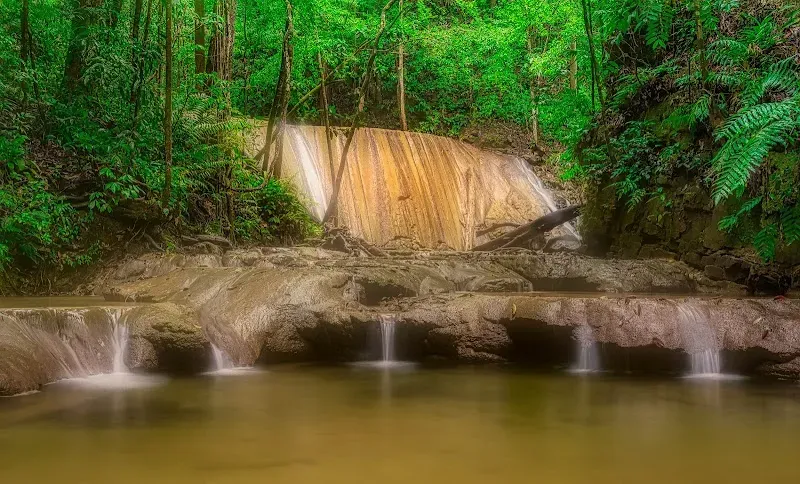
Cumaca Falls (Turure Watersteps)
Cumaca Falls (Turure Watersteps) is a nature attraction on Trinidad and Tobago. This natural area showcases the lush tropical landscapes and diverse ecosystems that Trinidad and Tobago is known for. Visitors can explore the local flora and fauna in a serene setting.
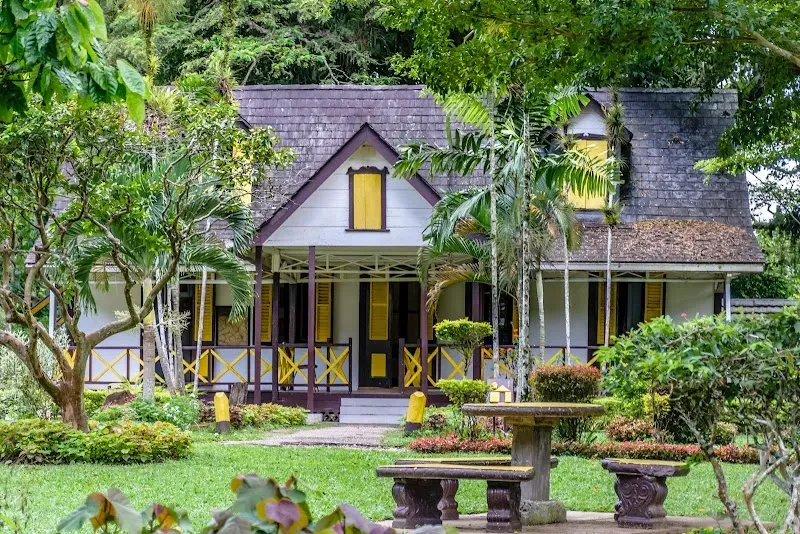
Lopinot Historical Complex
Lopinot Historical Complex is a nature attraction on Trinidad and Tobago. This natural area showcases the lush tropical landscapes and diverse ecosystems that Trinidad and Tobago is known for. Visitors can explore the local flora and fauna in a serene setting.
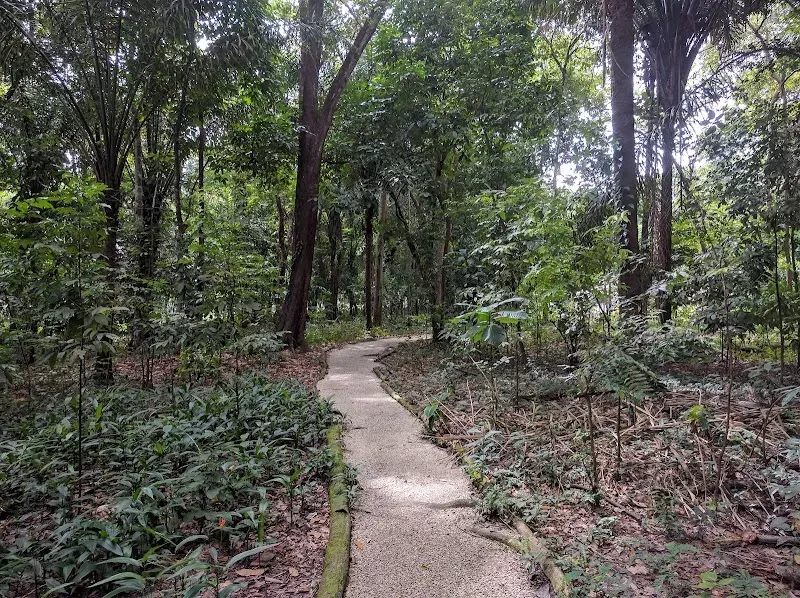
Cleaver Woods Park
Cleaver Woods Park is a nature attraction on Trinidad and Tobago. This natural area showcases the lush tropical landscapes and diverse ecosystems that Trinidad and Tobago is known for. Visitors can explore the local flora and fauna in a serene setting.
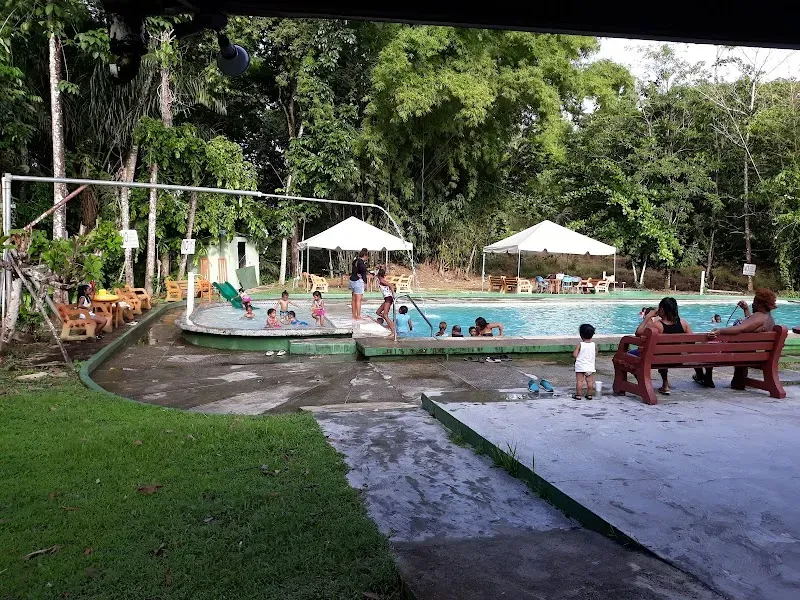
Valencia Eco Resort
Valencia Eco Resort is a nature attraction on Trinidad and Tobago. This natural area showcases the lush tropical landscapes and diverse ecosystems that Trinidad and Tobago is known for. Visitors can explore the local flora and fauna in a serene setting.
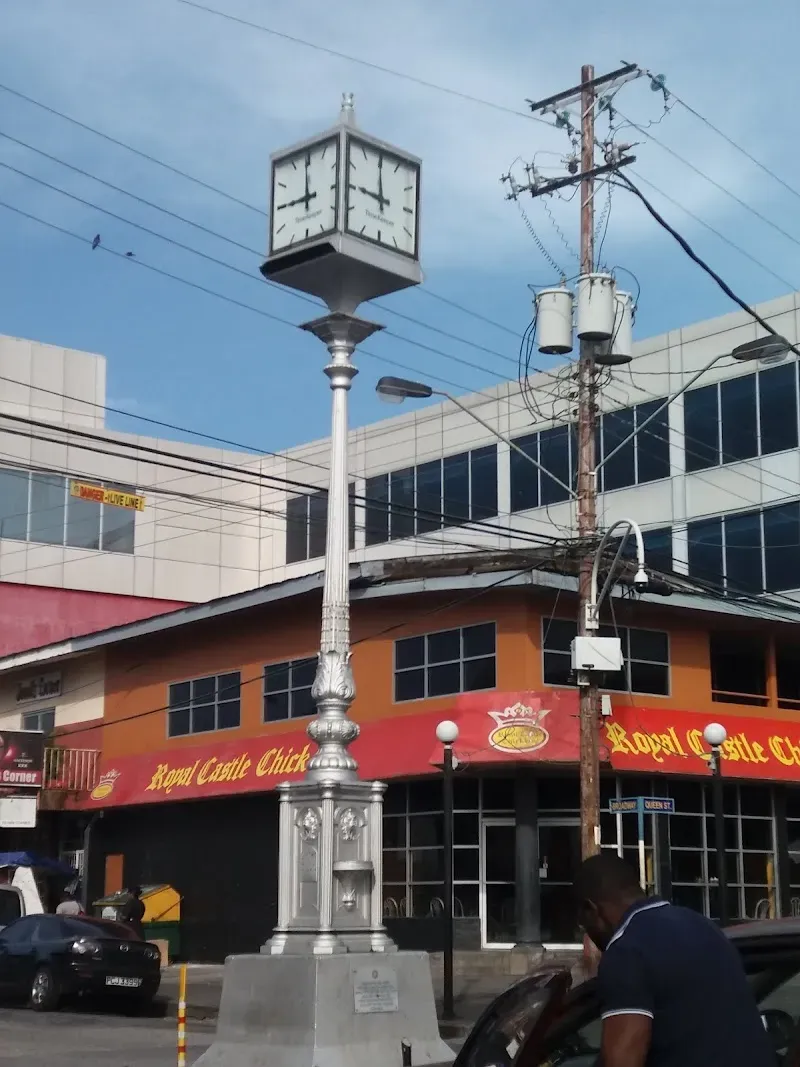
Arima Dial
Arima Dial is a historical site on Trinidad and Tobago. This historic site reflects the rich cultural heritage and storied past of Trinidad and Tobago. It offers a glimpse into the events and traditions that have shaped the island over centuries.
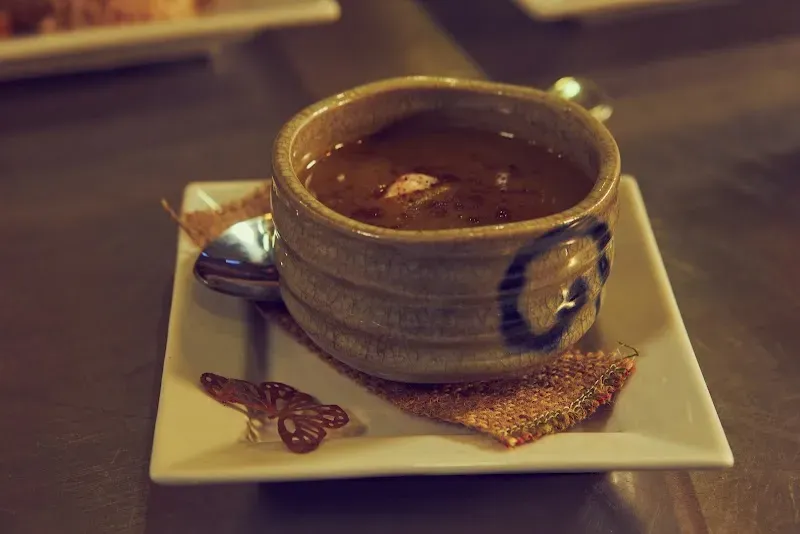
Café Mariposa Gardens
Café Mariposa Gardens is a nature attraction on Trinidad and Tobago. This natural area showcases the lush tropical landscapes and diverse ecosystems that Trinidad and Tobago is known for. Visitors can explore the local flora and fauna in a serene setting.
Hotels in Trinidad & Tobago
Search for available rates by selecting your travel dates
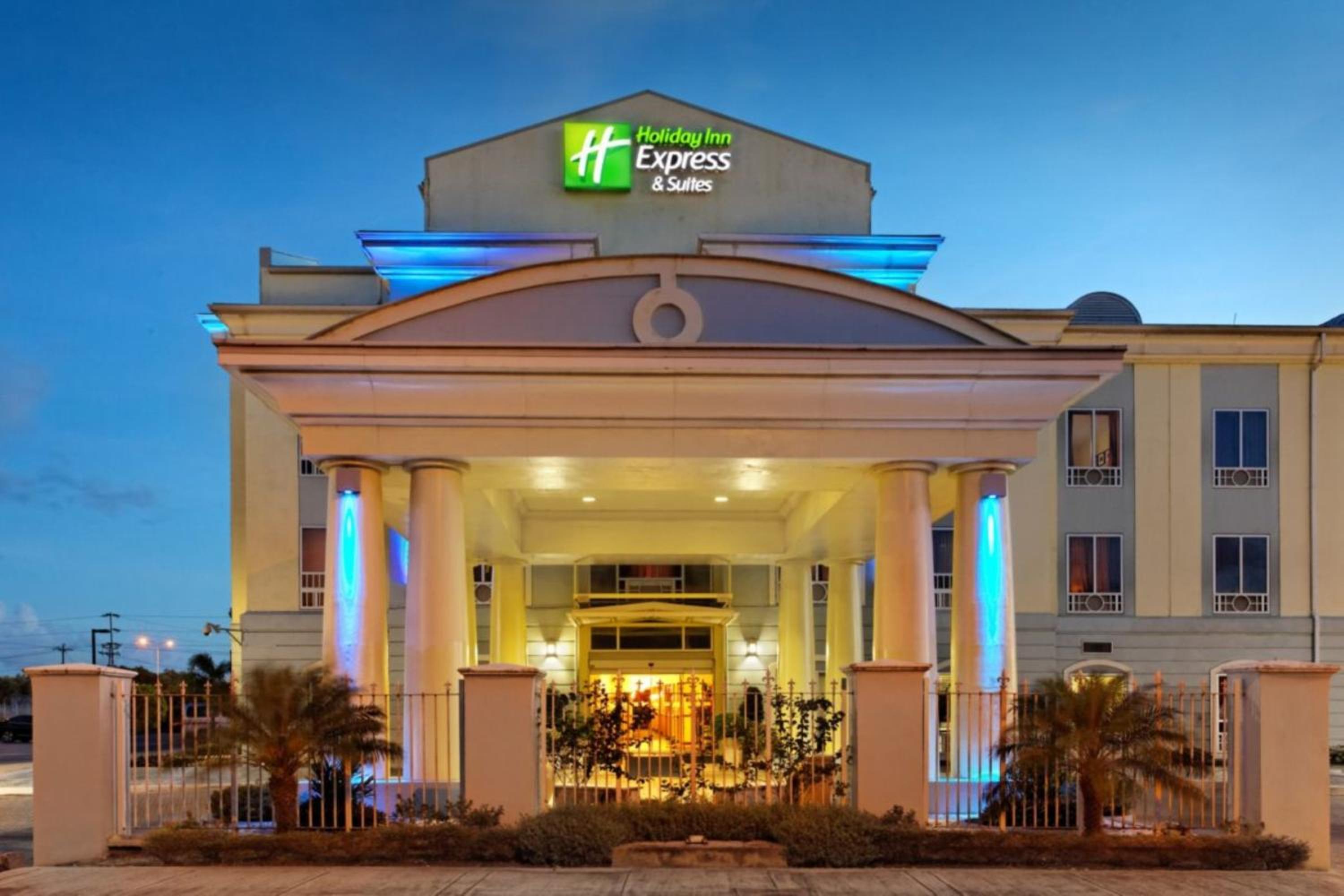
Holiday Inn Express Trincity by IHG
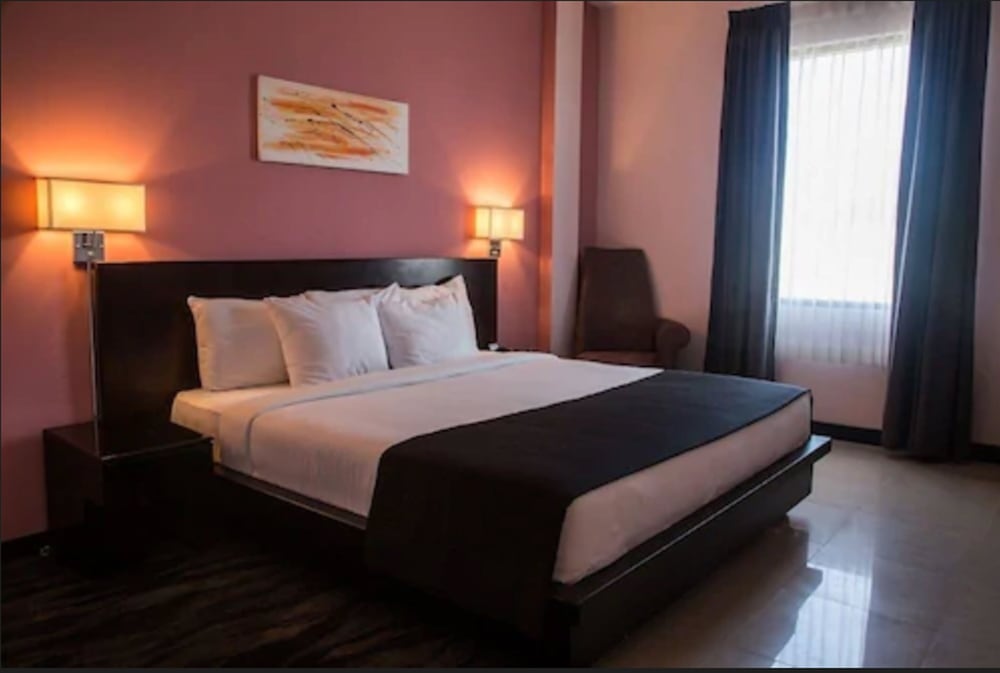
Regent Star Hotel
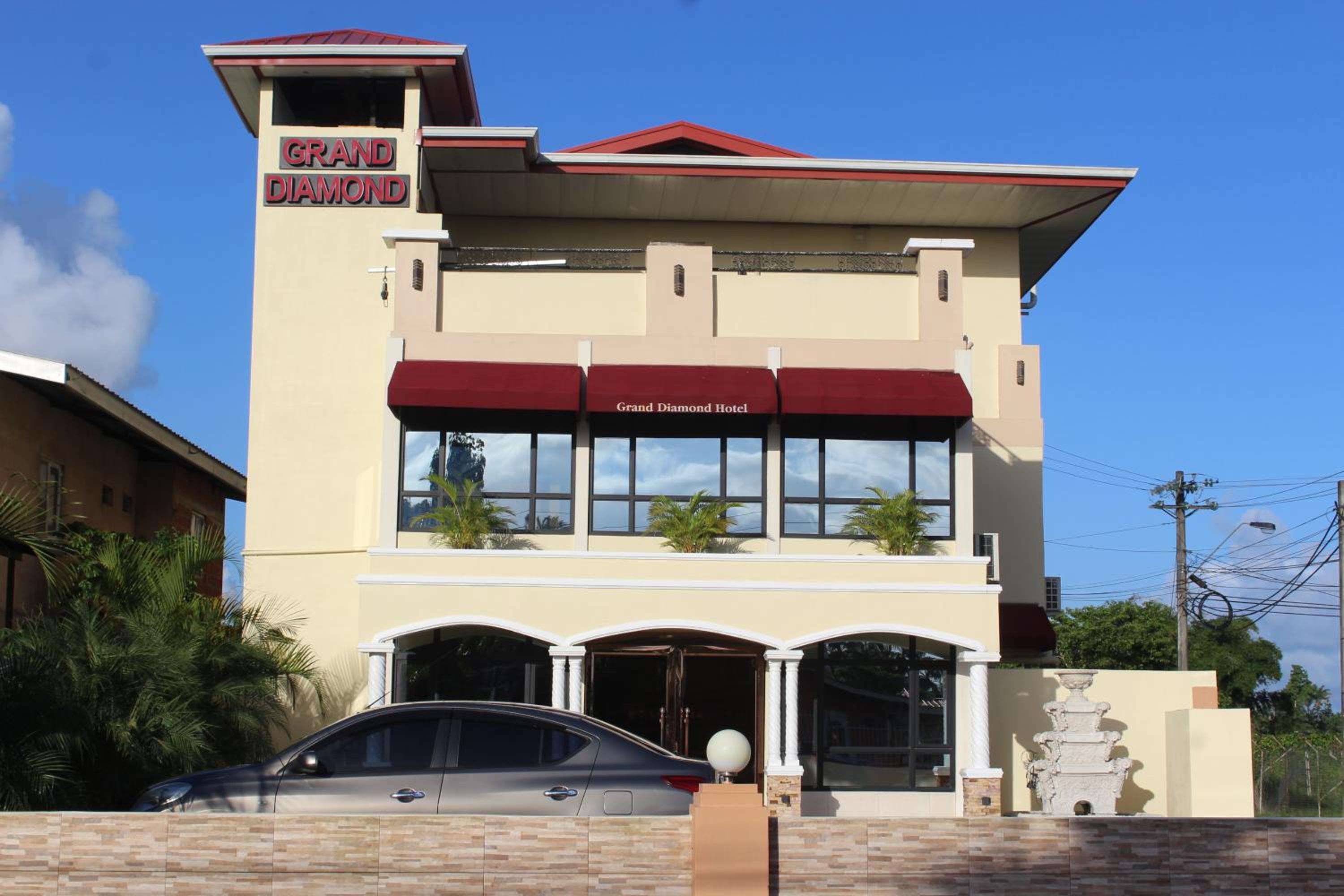
Grand Diamond Hotel Trinidad
 0
0Airport Suites Hotel
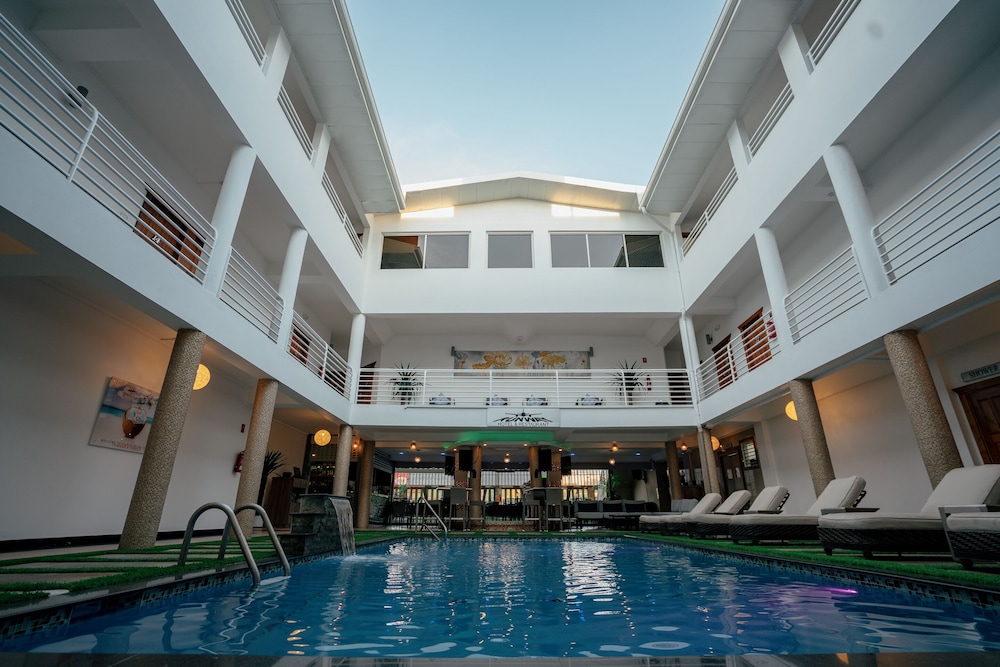
Runway Hotel
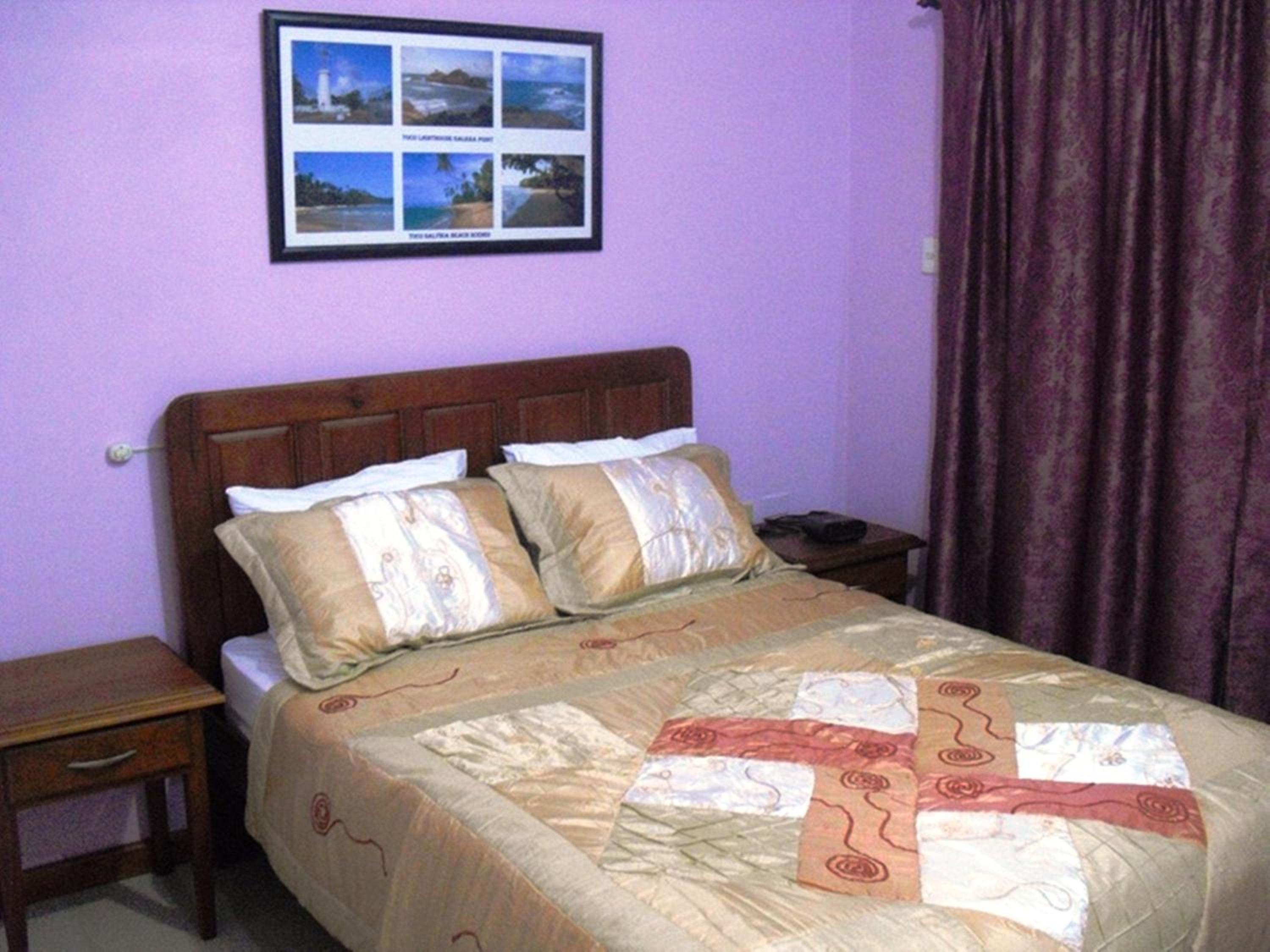
Piarco Village Suites
Top Restaurants in Trinidad & Tobago
Popular dining spots near Trinidad & Tobago
No restaurants available for Trinidad & Tobago yet.
Frequently Asked Questions About Trinidad & Tobago
Weather in Trinidad & Tobago
Average Temperature
75°F to 88°F (24°C to 31°C)
Rainy Season
June to December
Hurricane Season
June to November (though rarely affected)
Best Time to Visit
January to May, avoiding the rainy season
Travel Tips
- Trinidad and Tobago are outside the hurricane belt and rarely affected by major storms
- The islands offer a more authentic Caribbean experience with fewer all-inclusive resorts
- Book well in advance if visiting during Carnival season
- Try local specialties like doubles, roti, and bake and shark
- Driving is on the left side of the road
Daily Budget (USD)
Visa Requirements
US, UK, EU, and Canadian citizens need a valid passport. No visa required for stays up to 90 days.
Safety
Tobago is very safe for tourists. In Trinidad, exercise caution in Port of Spain at night. Carnival season (February) draws large crowds - plan ahead.
Getting Around
Maxi-taxis (shared minibuses) and route taxis are the main public transport. Rental cars available on both islands. Ferries and flights connect Trinidad to Tobago.
Popular Activities
Best For
Get Trinidad & Tobago Travel Tips
Subscribe for curated tips, deals, and inspiration for your Trinidad & Tobago trip.
Read More About Trinidad & Tobago

The Ultimate Caribbean Food Guide: Must-Try Dishes on Each Island
Explore the diverse culinary traditions of the Caribbean, from jerk chicken to doubles.
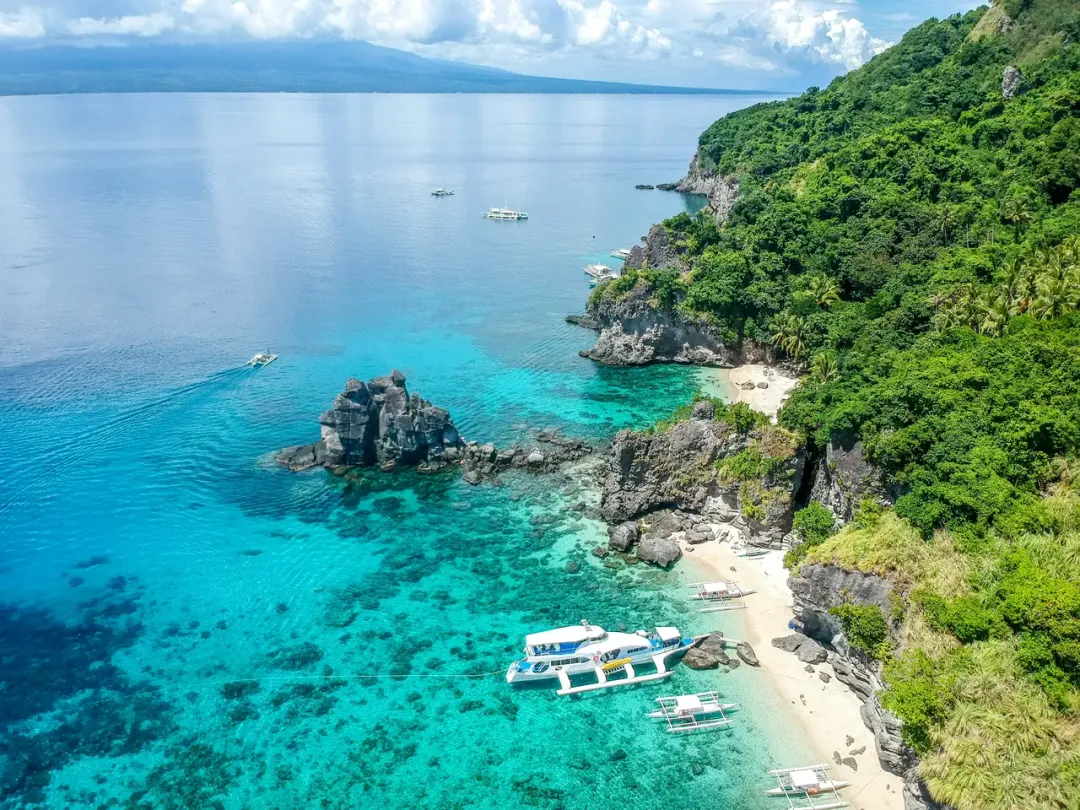
The Ultimate Caribbean Packing Guide for Every Season
Everything you need for beach days, rainforest hikes, and evening outings.
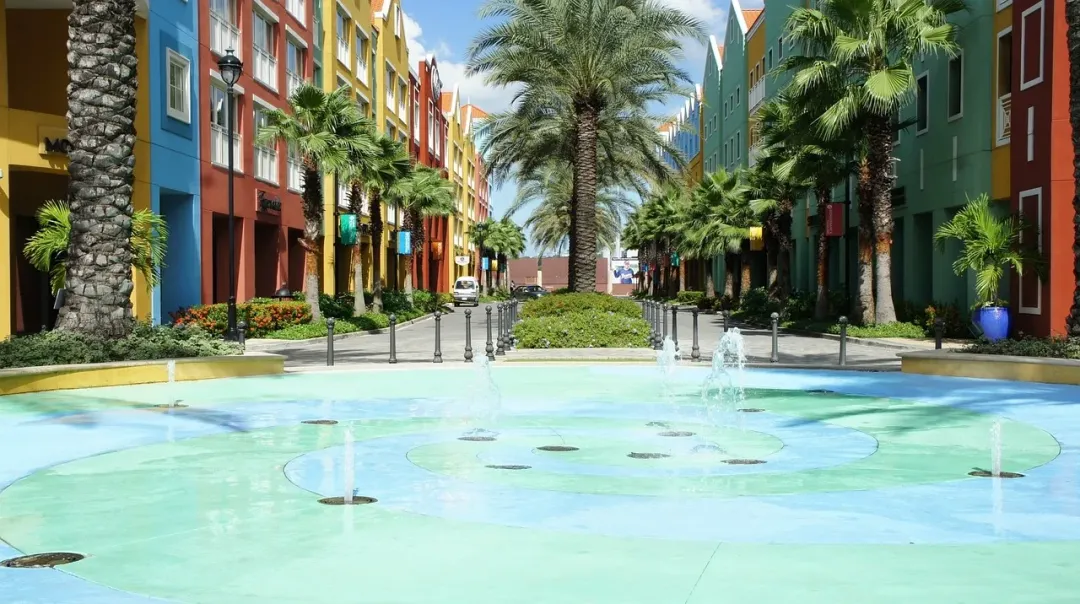
Caribbean Festivals: A Year-Round Celebration Guide
From Trinidad's Carnival to Jamaica's Reggae Sumfest, plan your trip around these events.