Water Island
The Fourth Virgin
About Water Island
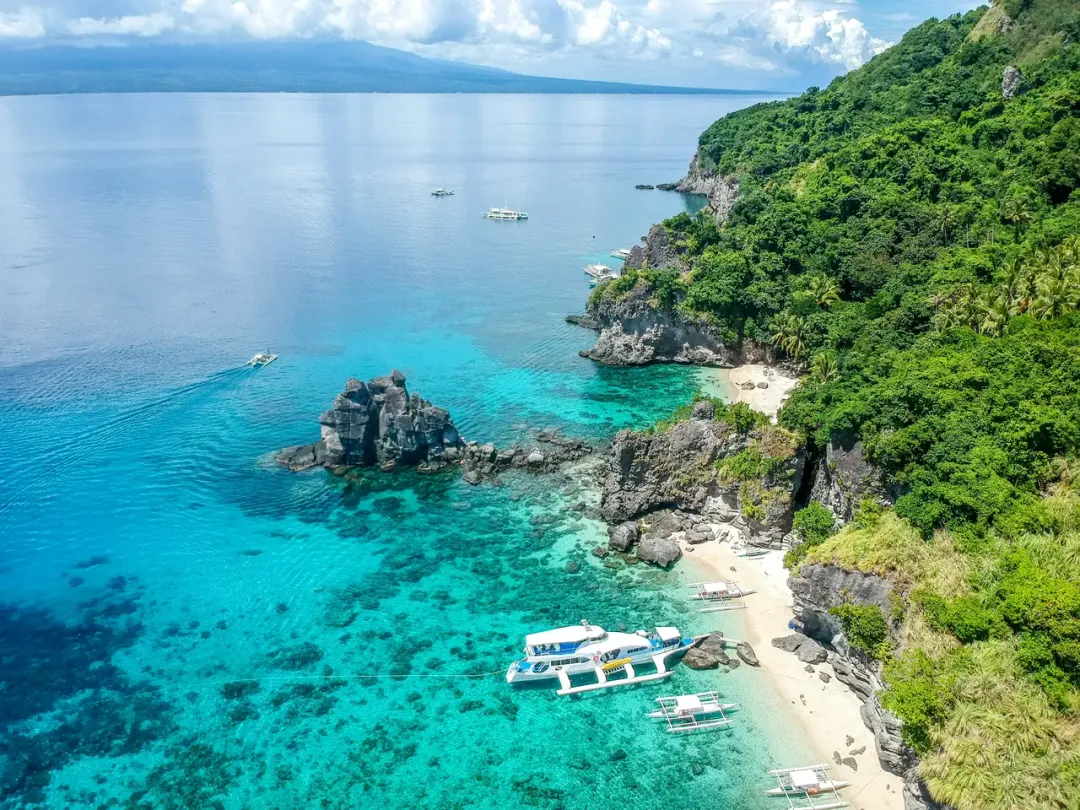
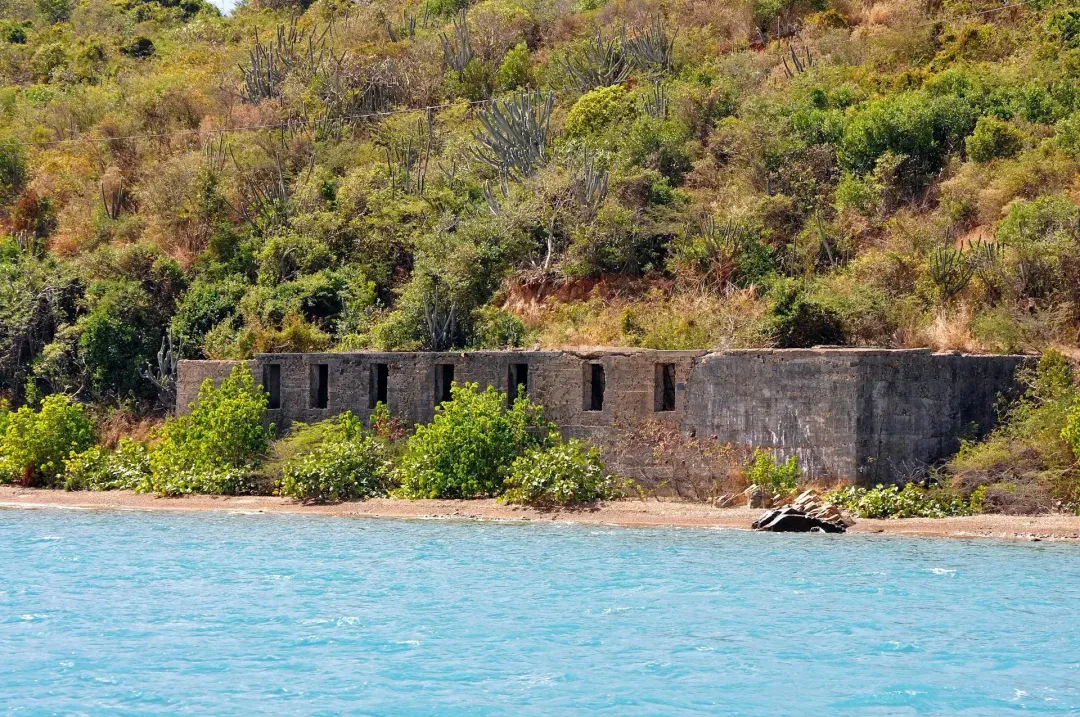
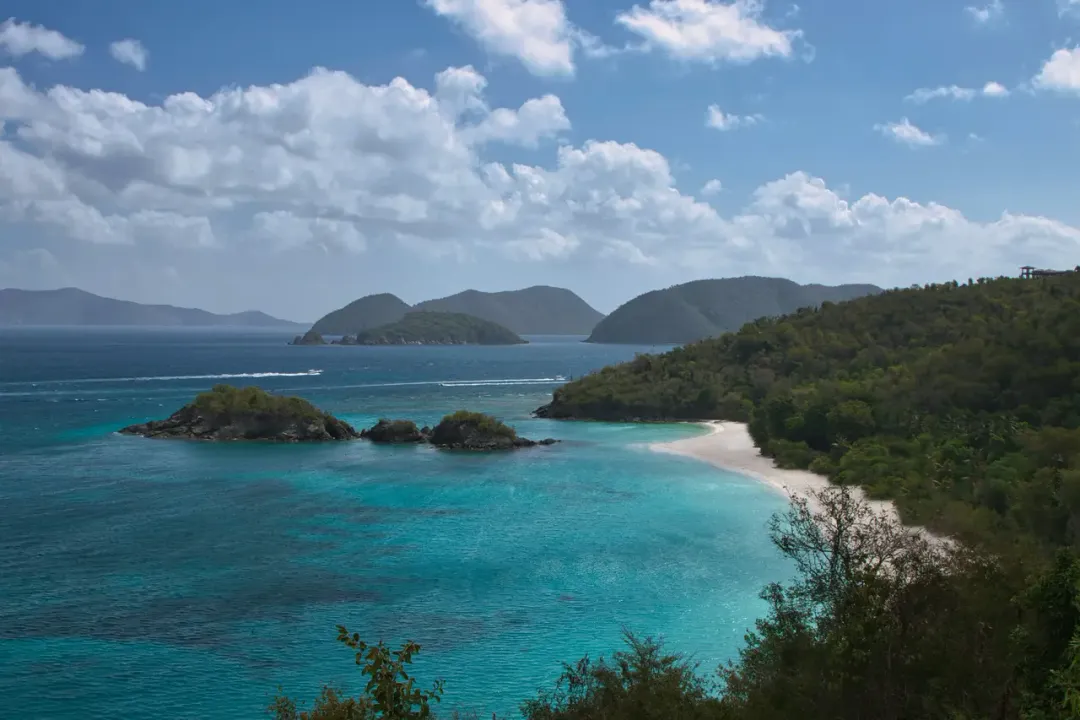
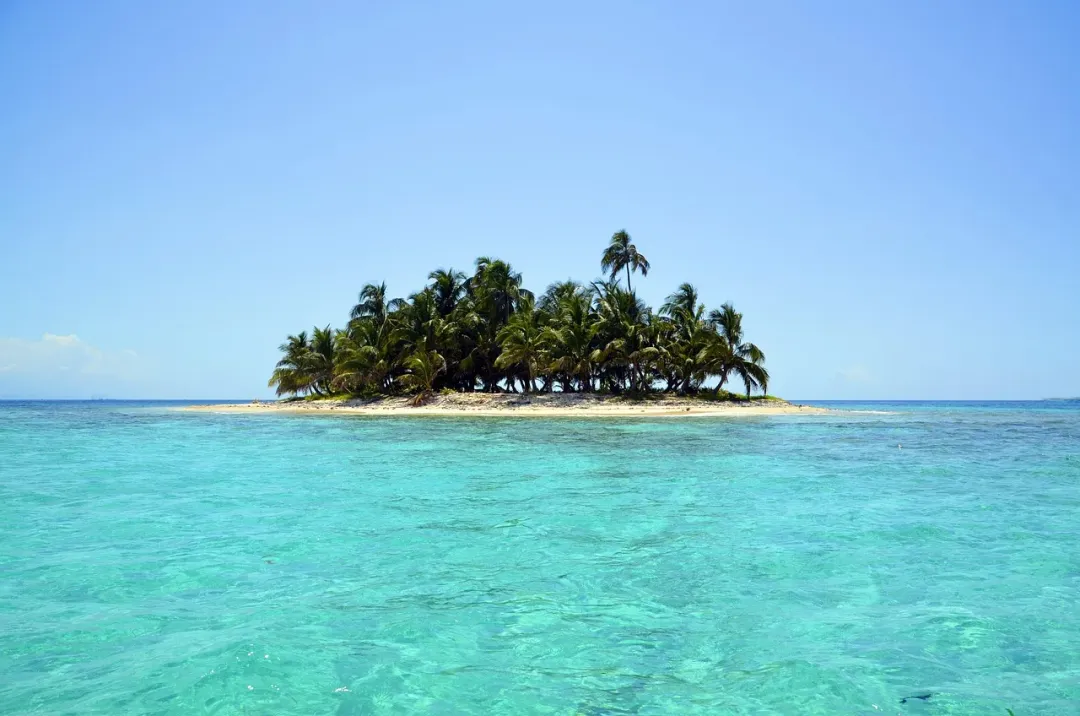
Water Island, covering just 491.5 acres (0.77 square miles), is the smallest of the four main US Virgin Islands and the most recent addition, having been transferred from the federal government to the territorial government in 1996, earning it the nickname 'The Fourth Virgin.' Located just half a mile south of St. Thomas in Charlotte Amalie harbor, the island is accessible via a short 10-minute ferry ride, yet feels worlds away from the bustle of its larger neighbor. Water Island's name reportedly derives from its natural ponds of fresh water that made it a valuable stopping point for European sailing ships in the 17th and 18th centuries. The island has a unique history, having been used as a defensive outpost during World War II when the U.S. military built Fort Segarra, an underground facility intended to protect the submarine base in St. Thomas, though it was never completed and now stands as a historical ruin open for exploration. In the 1950s and 1960s, the island was leased to a private developer who established the Water Island Colony Club, a small resort community, though the main hotel was destroyed by Hurricane Hugo in 1989 and subsequently by fire. Today, Water Island has no hotels, restaurants, or shops, only about 200 permanent residents, and a small number of vacation villas and apartments available for rent. The island's main attraction is Honeymoon Beach, a pristine crescent of white sand with clear turquoise waters ideal for swimming and snorkeling, where a few beach concessions operate during the day offering food, drinks, and water sports equipment rentals. Carolina Point, at the western end of Honeymoon Beach, provides excellent snorkeling around rocky outcroppings. Limestone Beach on the south side offers a more secluded experience, while Phillips Landing on the east side serves as the ferry dock and provides views of St. Thomas. Despite its small size, Water Island offers several hiking and biking trails that wind through its hilly terrain, providing access to historical sites, scenic viewpoints, and Sprat Bay Beach. The island has no public transportation, with residents and visitors getting around via golf carts, the primary mode of transportation. Water Island's charm lies in its peaceful atmosphere, lack of development, and community feel, where residents gather for movie nights on the beach and other informal events. For visitors, it offers a day-trip opportunity from St. Thomas or an off-the-beaten-path accommodation option for those seeking tranquility while still having easy access to the amenities of St. Thomas.
Size
0.77 sq mi (2 km²)
Population
200
Language
English
Currency
US Dollar (USD)
Time Zone
UTC-4 (Atlantic Time)
Best Time to Visit
December to April
Highlights
Best Things to Do in Water Island
Water Island is the kind of place most visitors to St. Thomas never hear about, and that is precisely what makes it special. Just a 10-minute ferry ride from the Crown Bay Marina in Charlotte Amalie, this half-square-mile island feels like stepping into a quieter decade. The ferry ($12 round trip) drops you at Phillips Landing on the east side, from where a single paved road winds uphill through a residential neighborhood of modest homes and vacation villas.
The main destination is Honeymoon Beach on the island's northwest side, about a 15-minute walk from the dock or a short golf cart ride. The beach is a gentle crescent of white sand with calm, clear water that is ideal for swimming, and a small concession stand operates most days serving rum punches, beer, and simple food like burgers and fish sandwiches. The snorkeling around Carolina Point, the rocky headland at the western end of Honeymoon Beach, is surprisingly good - expect to see parrotfish, sergeant majors, spotted eagle rays, and the occasional nurse shark resting under a ledge. Bring your own gear, as rentals are not always available.
From Honeymoon Beach, follow the trail south through scrubby hillside vegetation to Fort Segarra, the most intriguing historical site on the island. The US military began construction during World War II to defend the submarine base at St. Thomas, blasting tunnels and gun emplacements into the rock, but the war ended before the fort was completed. Today you can walk into the unfinished concrete tunnels - bring a flashlight and watch your footing, as the site is not maintained or lit. The tunnel complex opens to dramatic views of the harbor and Hassel Island.
For a quieter beach, continue past the fort to Limestone Beach on the south side, which sees very few visitors and has a rocky entry but excellent snorkeling once you are in the water. Sprat Bay, near the ferry dock, is a small sandy beach suitable for a quick dip while waiting for the return ferry. The island has no cars - everyone gets around by golf cart or on foot, and the total road network is about two miles. This makes Water Island ideal for families with young children or anyone who simply wants to unplug. Residents organize informal events like beach movie nights and potluck dinners, and visitors who stay in a rental villa quickly feel like part of the community. The entire island can be explored in a few hours on foot, but the pace here encourages you to slow down, plant yourself on Honeymoon Beach, and let the afternoon dissolve.
Spend the Day at Honeymoon Beach
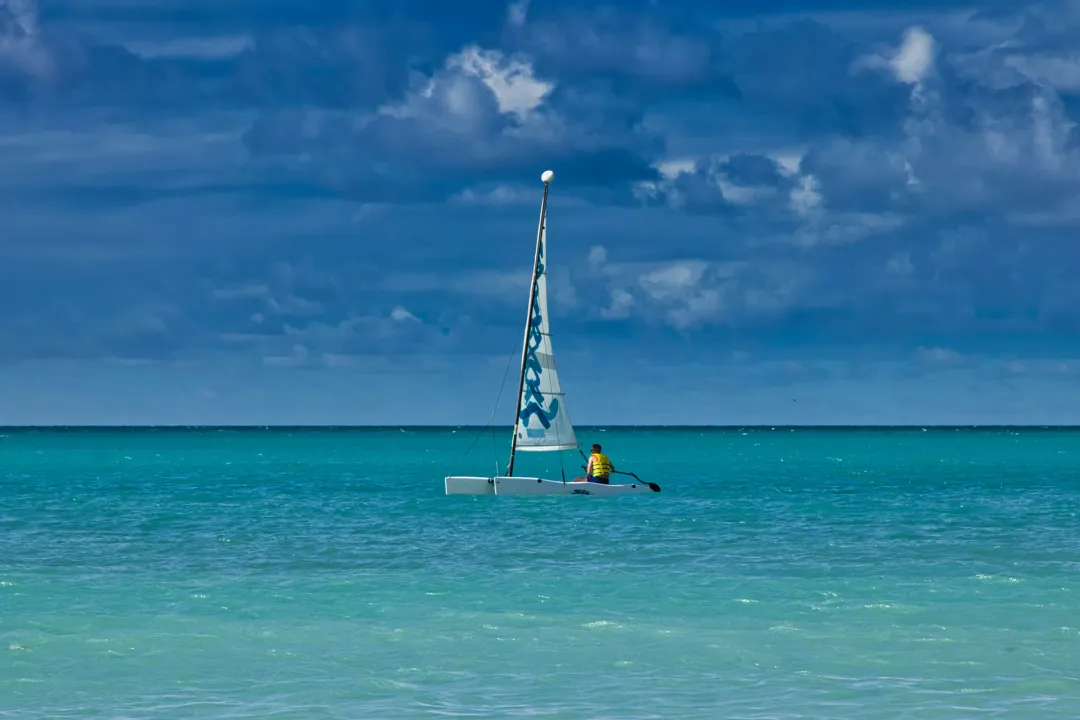
The island's main beach offers calm turquoise water, white sand, and a laid-back concession stand serving drinks and simple food. The water is shallow enough for young children, and the beach rarely feels crowded even when St. Thomas is overrun with cruise ship passengers.
Snorkel Carolina Point
The rocky headland at the west end of Honeymoon Beach drops off into deeper water with healthy coral, parrotfish, spotted eagle rays, and occasional nurse sharks. Bring your own snorkel gear as rentals are not guaranteed. Best visibility in the morning before afternoon winds pick up.
Explore Fort Segarra's WWII Tunnels
Walk into unfinished military tunnels blasted into the rock during World War II. The fort was never completed, leaving a haunting concrete shell that opens to harbor views. Bring a flashlight and sturdy shoes - the tunnels are unlit and the ground is uneven. Free to explore.
Hike the Island Loop Trail
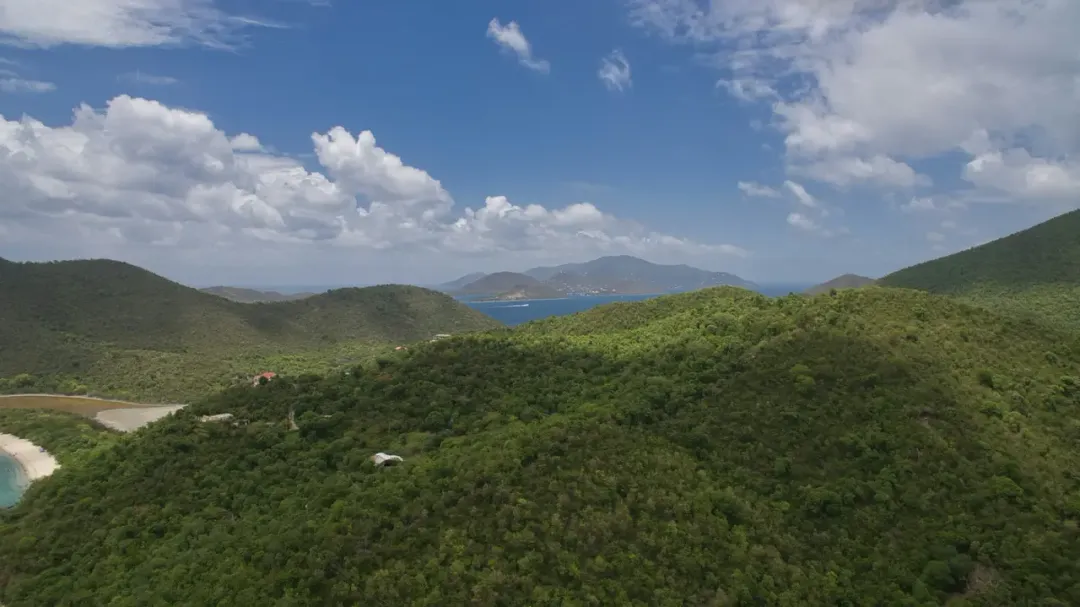
A network of trails and roads lets you circumnavigate the island in about two hours on foot, passing through residential areas, scrub forest, and multiple viewpoints overlooking St. Thomas, Hassel Island, and the harbor. The terrain is hilly but manageable for moderate fitness levels.
Swim at Limestone Beach
On the island's south side, this secluded beach sees very few visitors. The entry is rocky, so water shoes help, but once in the water the snorkeling is excellent with minimal boat traffic. A short trail from Fort Segarra leads down to the beach.
Take the Sunset Ferry for Golden Hour Views
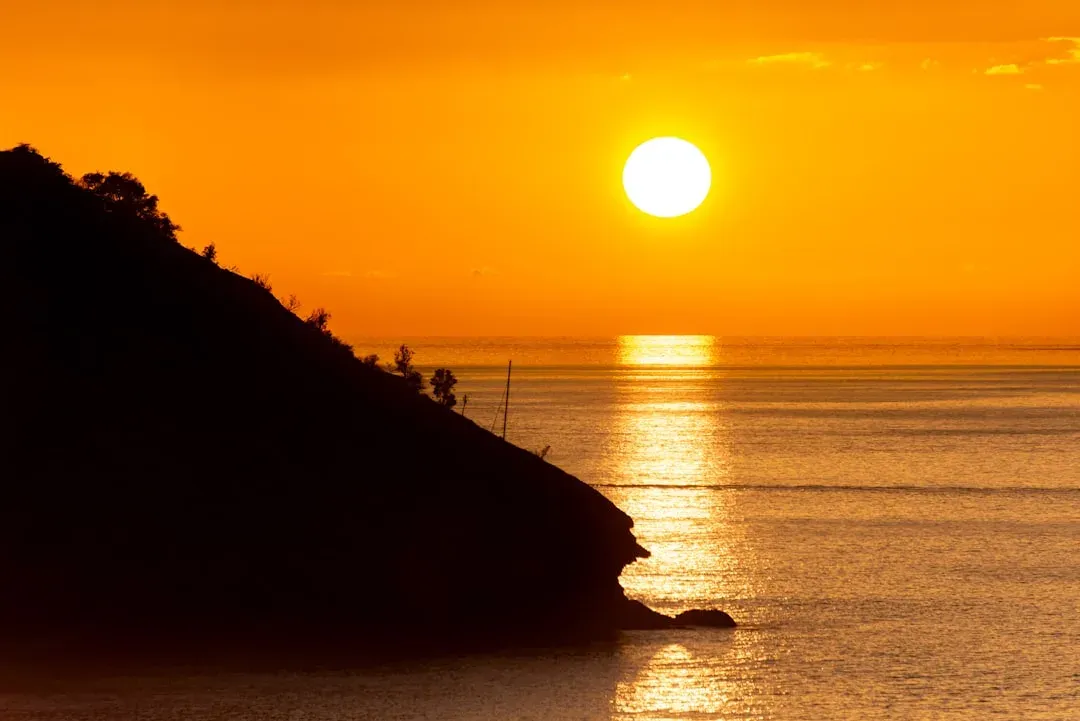
The late afternoon ferry from Phillips Landing back to Crown Bay offers spectacular views of Charlotte Amalie and the surrounding hills bathed in golden light. Sit on the upper deck and bring a camera - it is one of the best free sunset experiences in the US Virgin Islands.
Where to Stay in Water Island
Water Island has no hotels, resorts, or commercial lodging in the traditional sense - accommodations consist entirely of privately owned vacation rental villas and cottages, which is part of the island's appeal. Most properties are listed through VRBO, Airbnb, or local rental agencies. A simple one-bedroom cottage with a kitchen and outdoor deck starts around $150 to $200 a night, while larger two- and three-bedroom villas with pools and panoramic harbor views range from $300 to $600.
A handful of premium properties on the hilltops offer sweeping views of St. Thomas, Hassel Island, and the Caribbean from private infinity pools, with rates from $500 to $900 in high season. Because the island has no restaurants, shops, or grocery stores, a kitchen is essential. Most property owners provide a welcome package with basic supplies and a golf cart for getting around (included in the rental or available for about $50 to $75 a day). Bring groceries from St. Thomas - the Pueblo supermarket near Crown Bay Marina is the last stop before the ferry.
Electricity and water are expensive on the island, and some properties use cistern water and solar power, so expect to conserve. Cell service is adequate but internet can be spotty. Book well in advance for the December through April high season, as the total inventory of rentable properties on the island is only about 20 to 30 units.
Where to Eat in Water Island
This is the most important thing to understand about Water Island: there are no restaurants. The only food service on the island is the concession stand at Honeymoon Beach, which operates most days during the season (roughly November through May) and serves a limited menu of burgers, hot dogs, grilled fish sandwiches, and cold drinks including rum punches and local beer. Prices are reasonable for the Virgin Islands - expect to pay $10 to $15 for a sandwich and $7 to $10 for a cocktail. Outside of high season, the stand may operate on reduced hours or close entirely, so do not count on it.
The practical reality is that Water Island is a self-catering destination. Stock up on groceries at the Pueblo supermarket or Cost-U-Less near Crown Bay Marina on St. Thomas before catching the ferry. Most rental villas have full kitchens and grills, and cooking your own meals while watching the sunset from a hilltop deck is honestly one of the best dining experiences in the Virgin Islands.
For restaurant meals, the 10-minute ferry back to St. Thomas gives you access to the full range of Charlotte Amalie's dining scene. Tickles Dockside Pub at Crown Bay Marina, right at the ferry dock, is a convenient spot for a meal before or after the crossing, serving pub fare and seafood from $12 to $25. Residents occasionally host potluck dinners and beach barbecues that visitors staying on the island may be invited to - these informal gatherings are part of Water Island's community charm.
Best Time to Visit Water Island
Water Island follows the same seasonal pattern as St. Thomas: the dry, comfortable peak runs mid-December through April with temperatures in the upper 70s to mid-80s Fahrenheit and consistent trade winds. This is when the Honeymoon Beach concession stand operates most reliably and the rental villa inventory is tightest - book two to three months ahead.
May and June are warm but quieter, with rates dropping 20 to 30 percent. Hurricane season runs June through November, with September and October the riskiest months. During the low season, some villa owners take their properties offline for maintenance, reducing available inventory further. The ferry runs year-round but may reduce frequency during the slowest months.
For the best snorkeling at Carolina Point, visit between January and April when seas are calmest and visibility is highest.
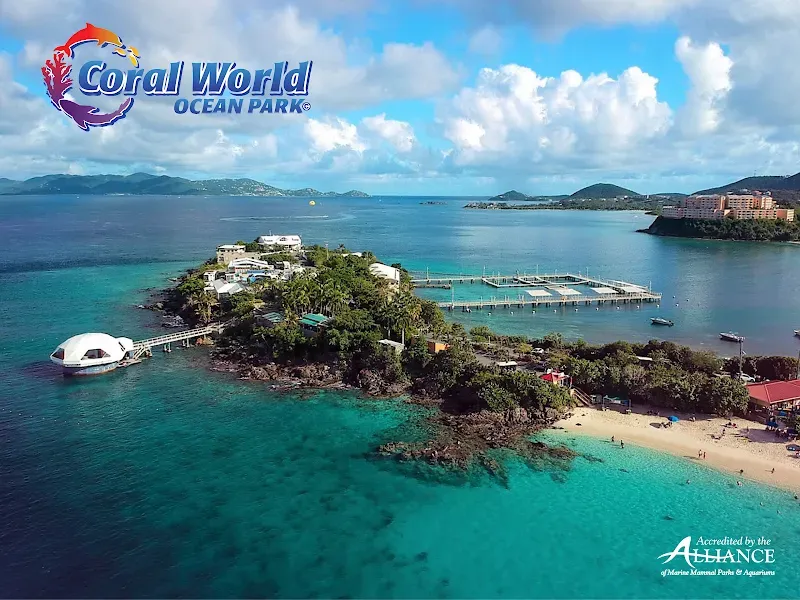
Coral World Ocean Park
Marine park with 5 acres of activities such as a touch pool, undersea observatory tower & aquariums.
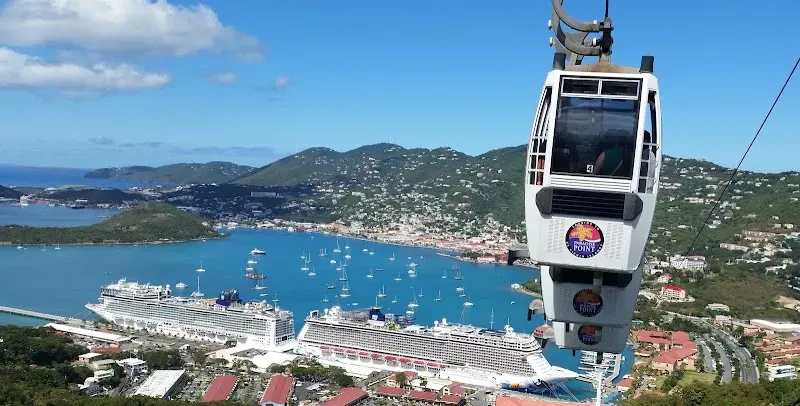
Skyride to Paradise Point
Gondola rides 700 ft. up to an observation area with scenic views of the bay & a restaurant/bar.
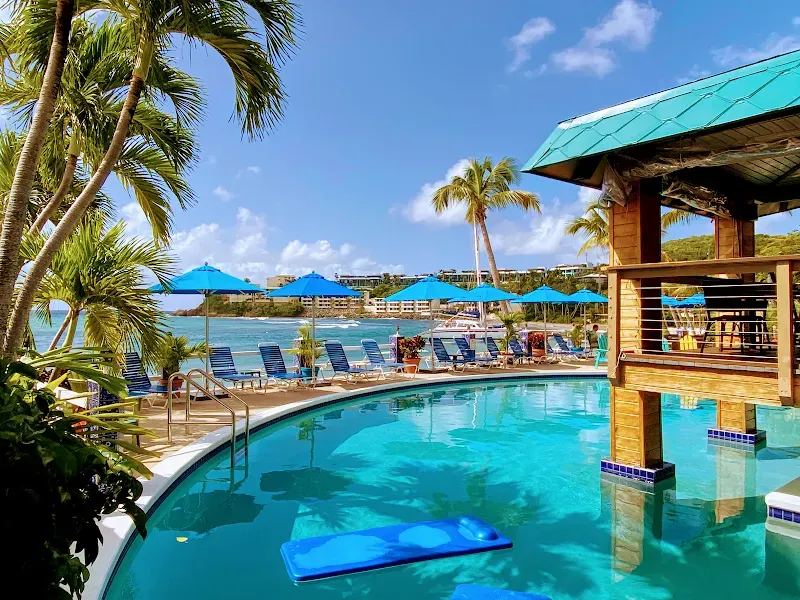
Bolongo Bay Beach Resort
Polished rooms, most with beach access, in a casual seafront resort with an outdoor pool & dining.
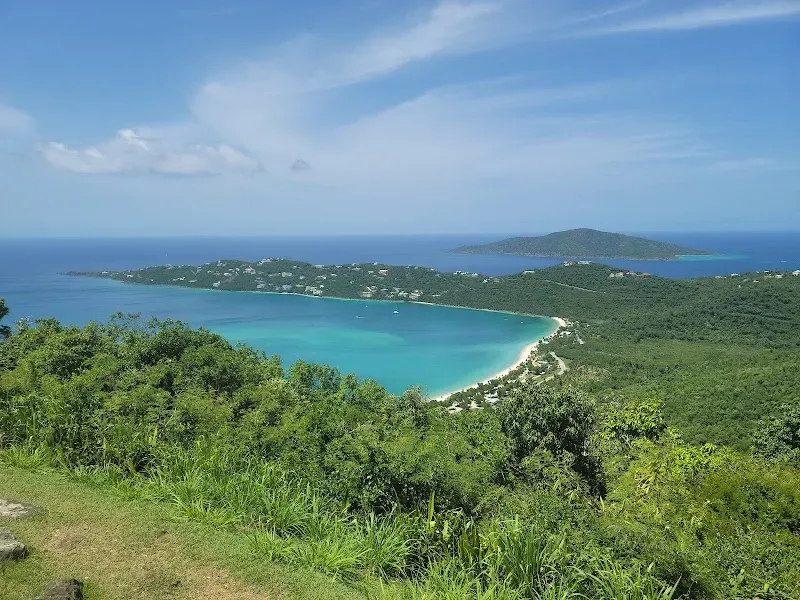
Drake's Seat
Parking is available at this popular lookout point with panoramic views of Magens Bay & the islands.
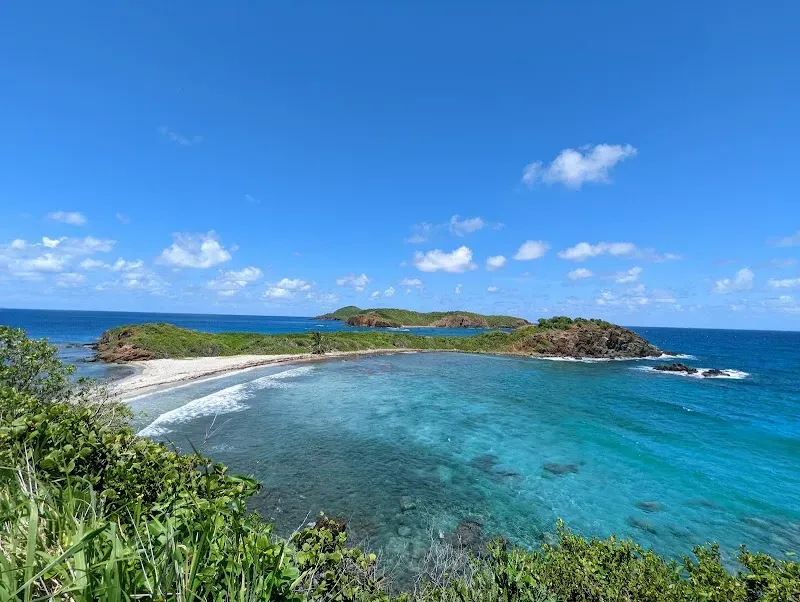
Mermaid's Chair
Mermaid's Chair is a nature attraction on Water Island. This natural area showcases the lush tropical landscapes and diverse ecosystems that Water Island is known for. Visitors can explore the local flora and fauna in a serene setting.
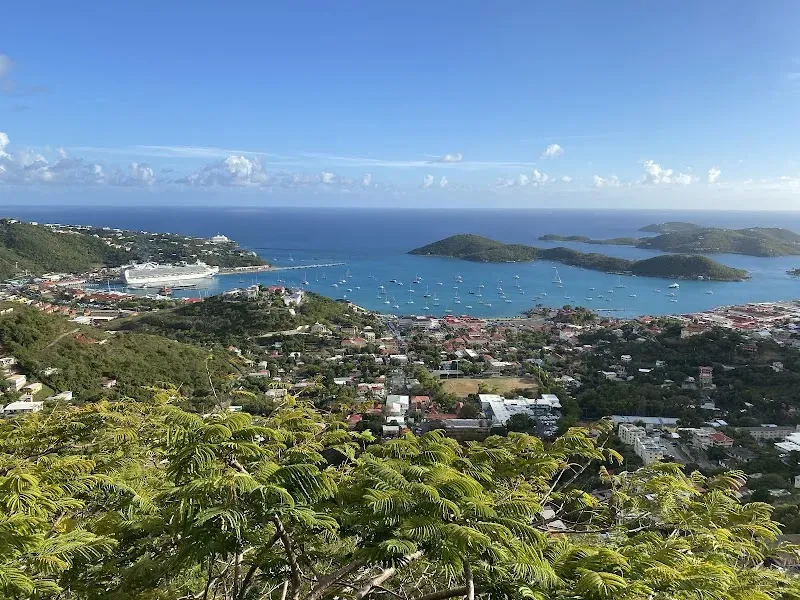
Charlotte Amalie Overlook
Charlotte Amalie Overlook is a nature attraction on Water Island. This natural area showcases the lush tropical landscapes and diverse ecosystems that Water Island is known for. Visitors can explore the local flora and fauna in a serene setting.
Hotels in Water Island
Search for available rates by selecting your travel dates
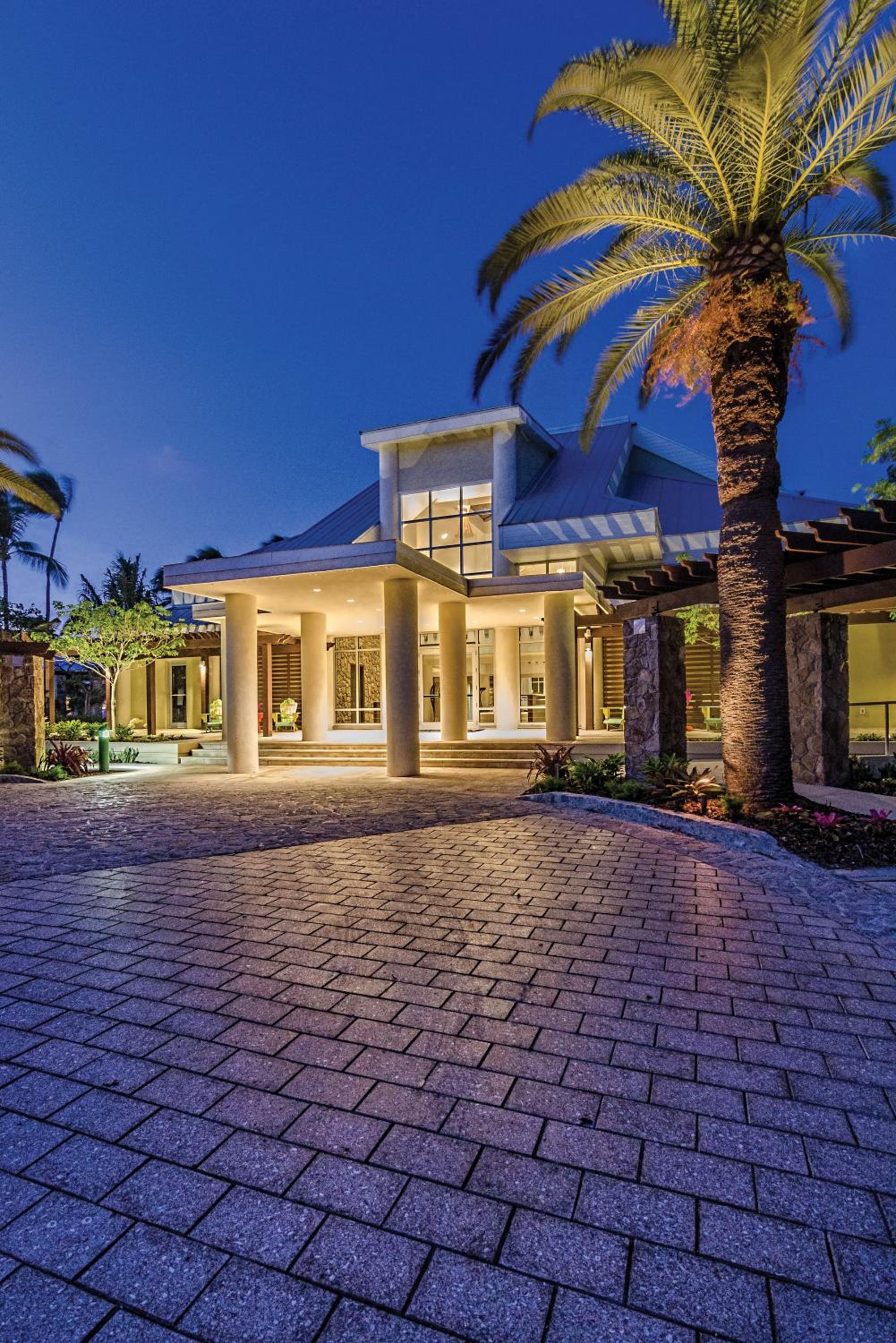
Margaritaville Vacation Club - St Thomas
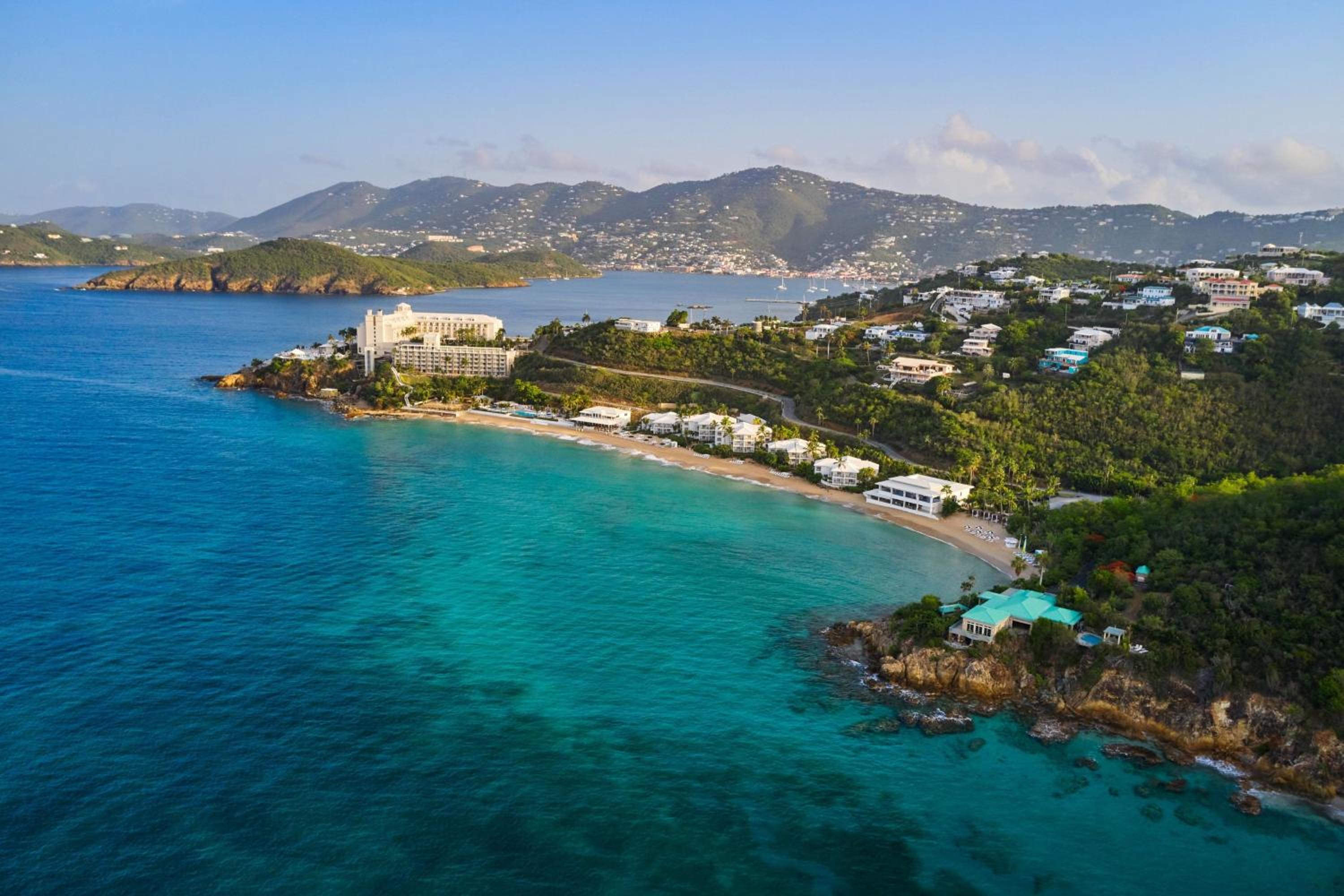
The Westin St Thomas Beach Resort & Spa
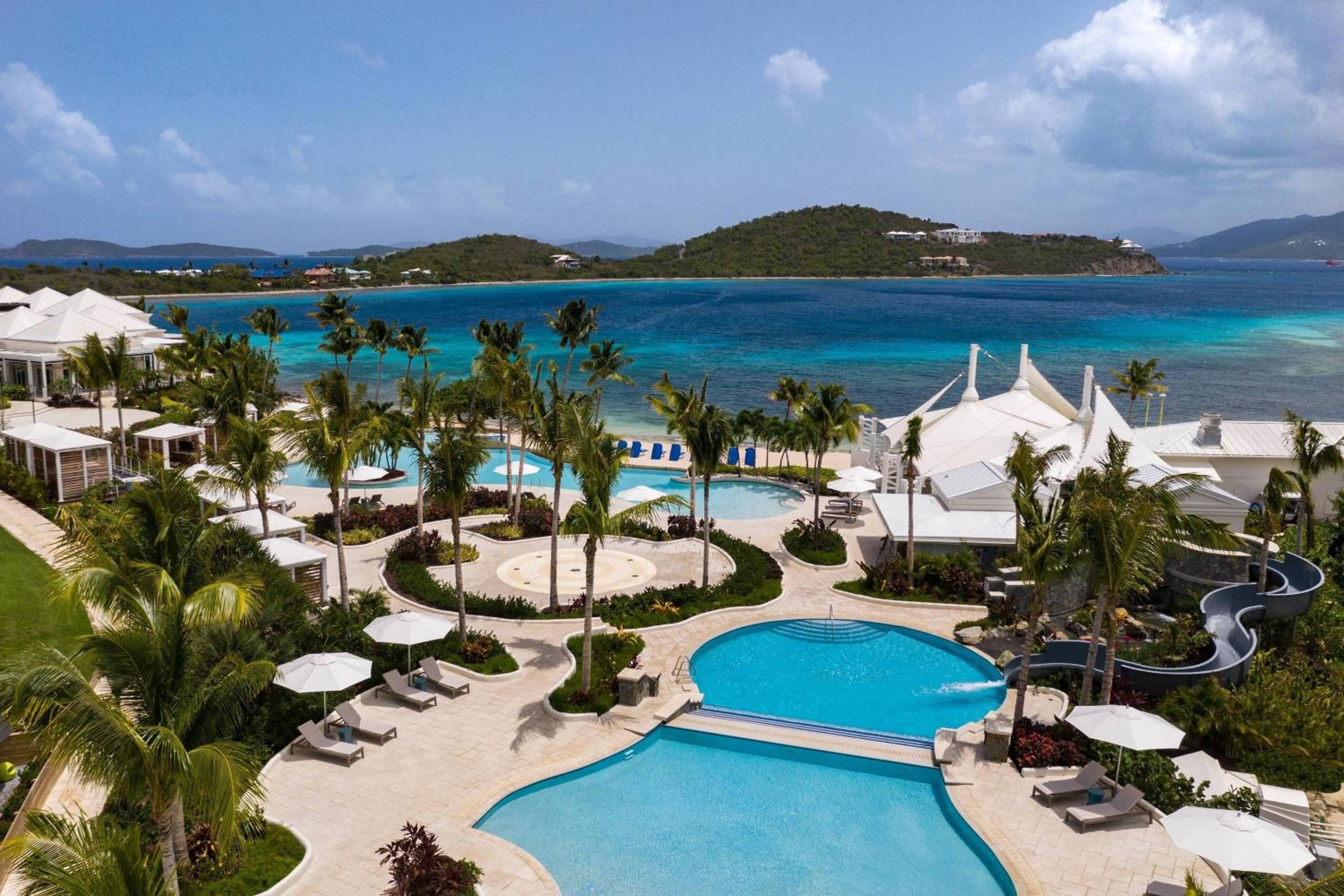
The Ritz-Carlton St. Thomas
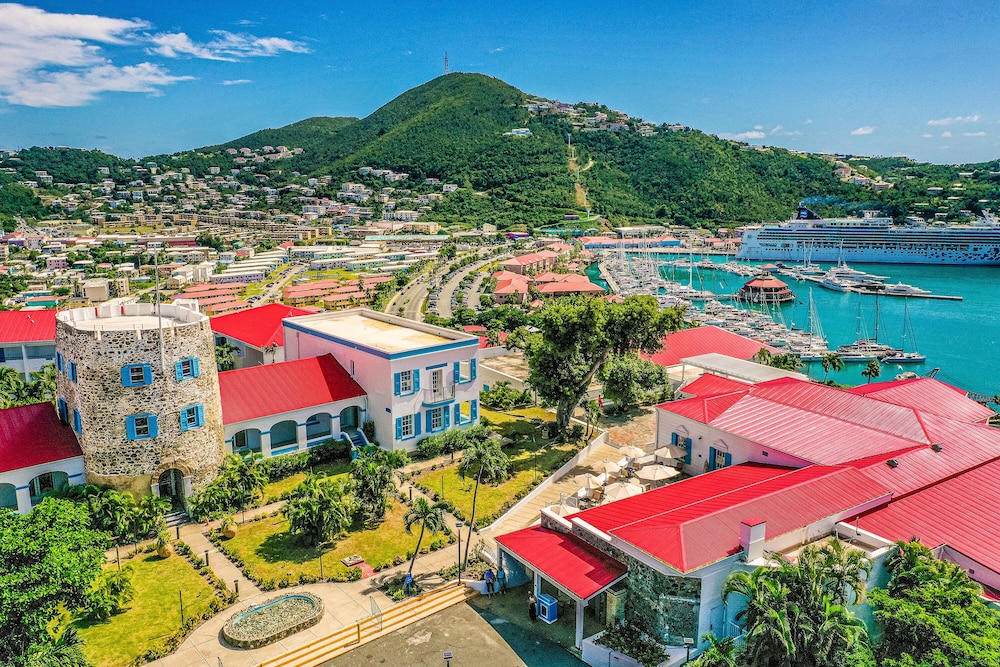
Castle Villas at Bluebeard's

Emerald Beach Resort
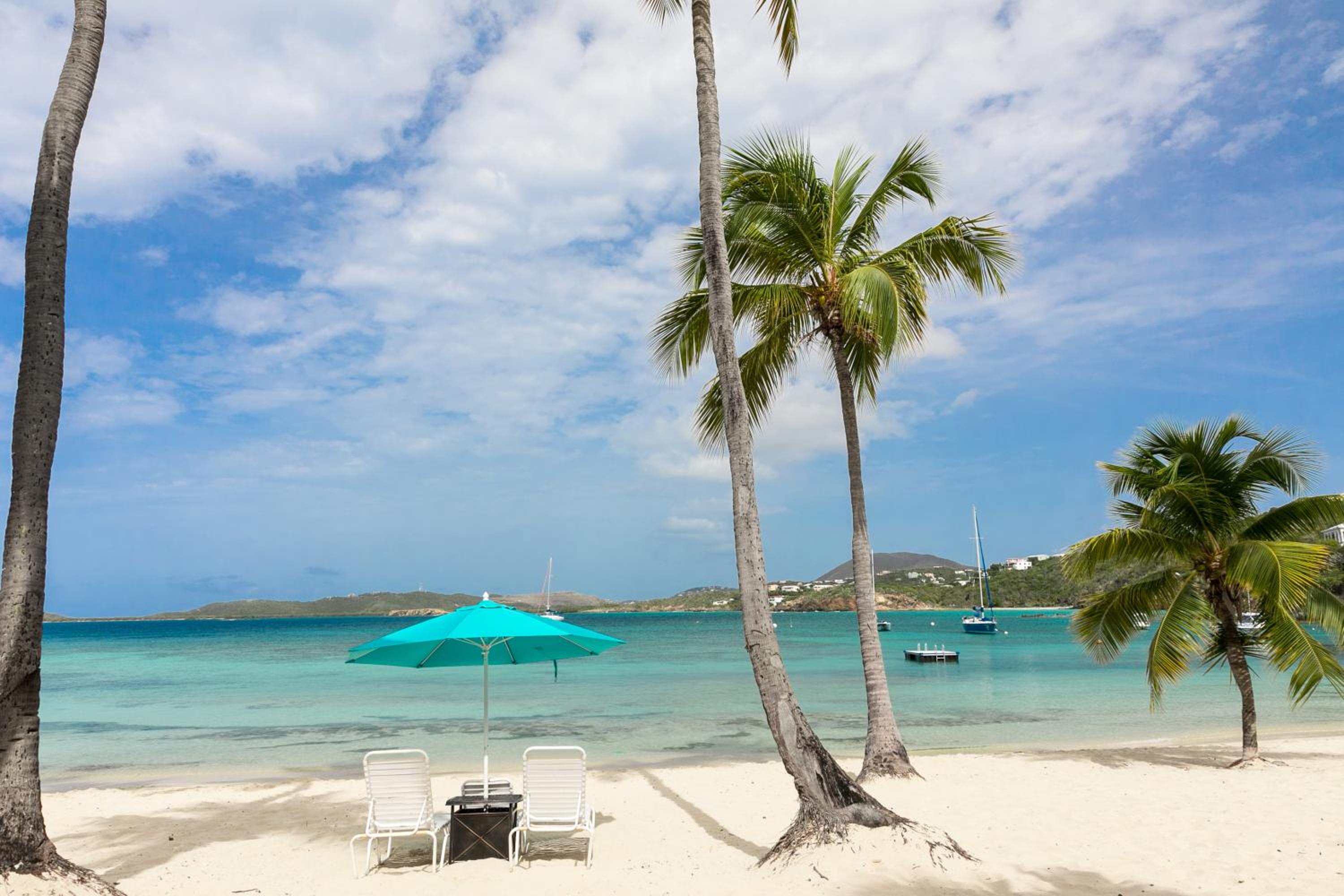
Secret Harbour Beach Resort
Top Restaurants in Water Island
Popular dining spots near Water Island
No restaurants available for Water Island yet.
Weather in Water Island
Average Temperature
75°F to 85°F (24°C to 29°C)
Rainy Season
August to November
Hurricane Season
June to November
Best Time to Visit
December to April
Travel Tips
- English is the official language
- US Dollar is the currency
- No passport required for US citizens
- Only accessible by ferry from St. Thomas
- No hotels, restaurants, or shops on the island
- Golf carts are the main form of transportation
- Bring supplies if staying overnight
Get Water Island Travel Tips
Subscribe for curated tips, deals, and inspiration for your Water Island trip.