About Cuba
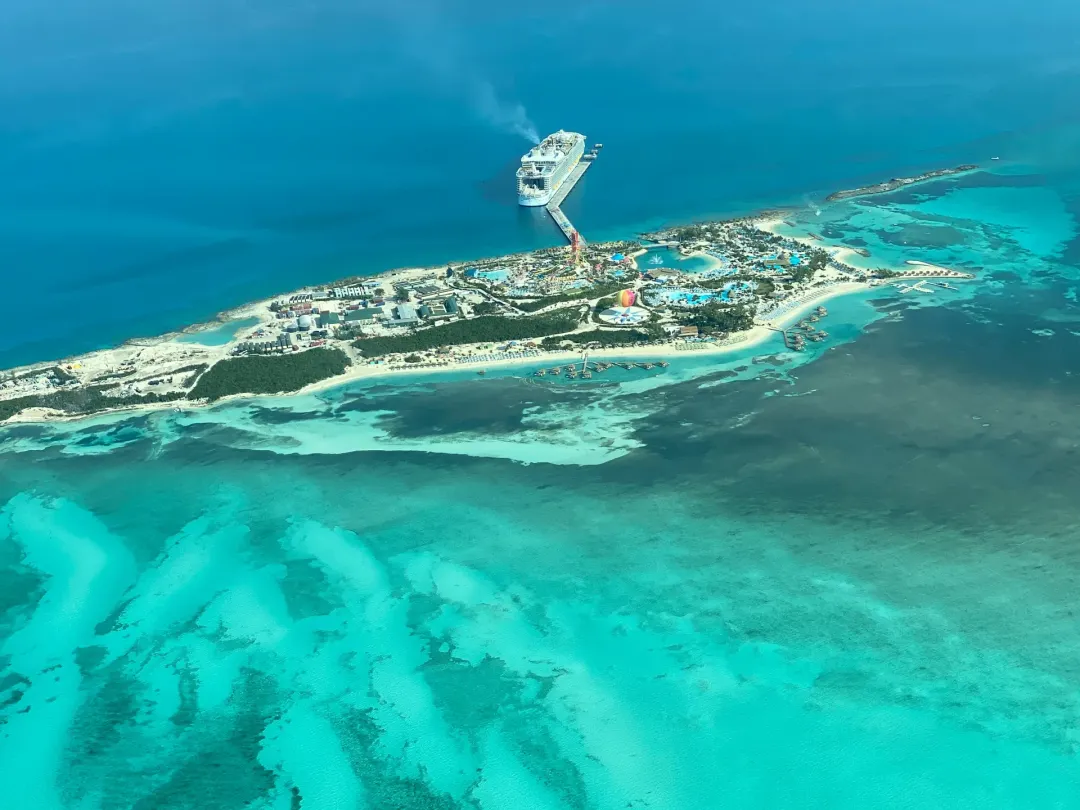
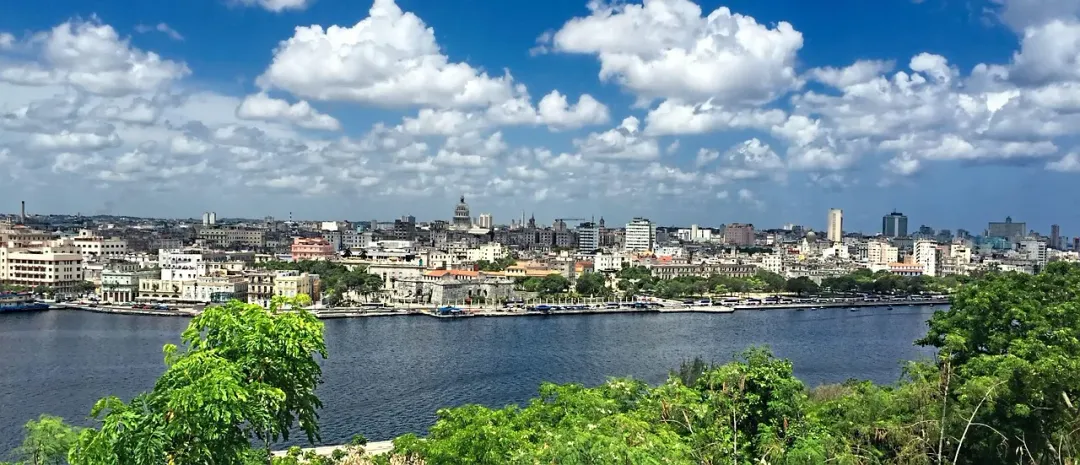
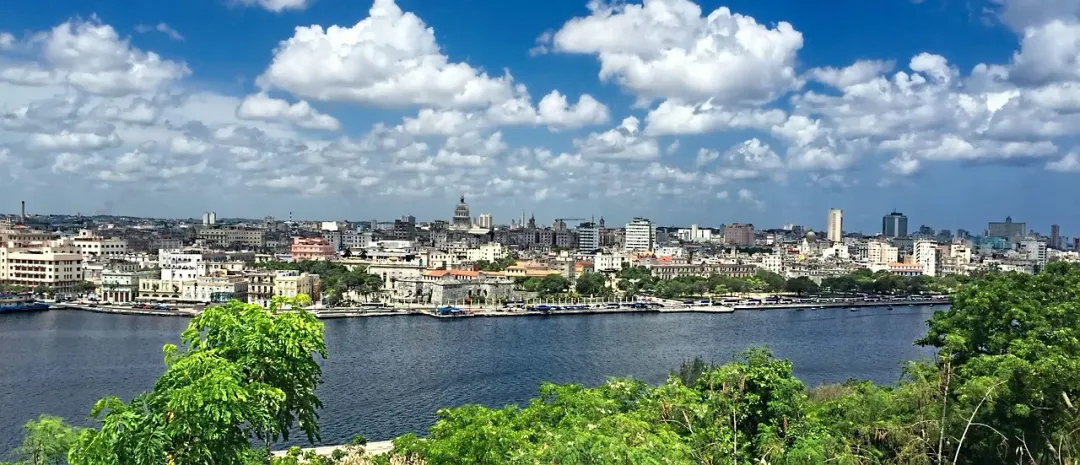
Cuba, the largest island in the Caribbean, is a country where time seems to have stood still, yet life moves to a vibrant rhythm. Known for its vintage American cars, Spanish colonial architecture, and revolutionary history, Cuba offers a travel experience unlike any other in the Caribbean. Havana, the capital, captivates visitors with its crumbling yet beautiful buildings, lively squares, and the famous Malecón seawall. Beyond Havana, Cuba boasts diverse landscapes, from the tobacco fields of Viñales Valley to the pristine beaches of Varadero and the historic city of Trinidad, a UNESCO World Heritage site. Cuban culture is a rich blend of Spanish, African, and Caribbean influences, expressed through its music (son, rumba, salsa), dance, art, and literature. The island is also known for its world-class cigars, rum, and coffee. Despite economic challenges, Cubans are known for their resilience, creativity, and warmth, making visitors feel welcome as they navigate this complex and fascinating country.
Size
42,426 sq mi (109,884 km²)
Population
11.3 million
Language
Spanish
Currency
Cuban Peso (CUP), Cuban Convertible Peso (CUC)
Time Zone
UTC-5 (Eastern Time)
Best Time to Visit
December to May
Highlights
Best Things to Do in Cuba
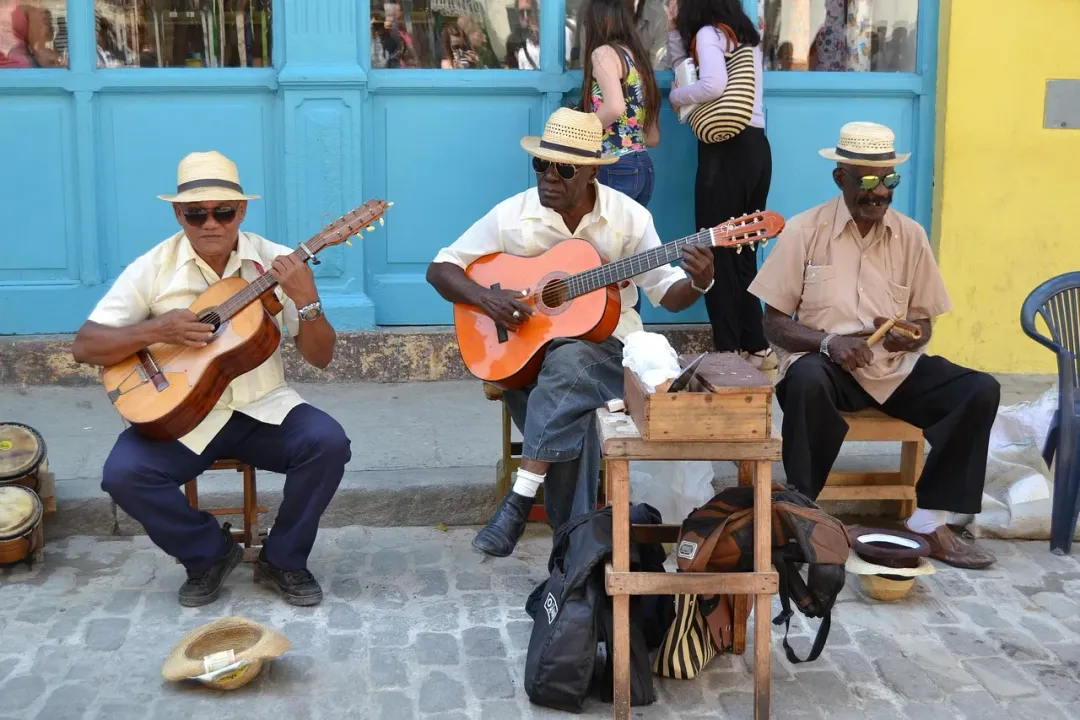
Cuba is not a place you visit - it is a place that rearranges how you see the world. Start in Havana, where the crumbling grandeur of Habana Vieja hits you the moment you step onto Calle Obispo, a pedestrian boulevard lined with bookshops, galleries, and hole-in-the-wall bars where musicians play son cubano for tips and the sheer joy of it. Plaza de la Catedral and Plaza Vieja are the postcard stops, but the real texture of Old Havana lives in the side streets: peer into open doorways and you will see boxing gyms, domino games, and living rooms where families have occupied the same colonial building for four generations. Walk the Malecón at sunset when half of Havana gathers on the seawall - fishermen, couples, rum sellers, kids diving into the surf - and you will understand why this stretch of concrete is called the world's longest sofa. Cross the harbor by the one-centavo ferry to Regla, a working-class neighborhood with deep Afro-Cuban spiritual roots and a church dedicated to the Black Madonna that doubles as a Santería shrine.
Outside Havana, the Viñales Valley in Pinar del Río province is where Cuba grows its famous tobacco. The valley floor, dotted with limestone mogotes and red-earth fields, looks like a painting. Visit a veguero tobacco farm where farmers still dry leaves in thatched barns called casas de tabaco and will roll you a cigar on the spot. Trinidad, a UNESCO World Heritage town on the south coast, is a pastel-colored time capsule from the sugar baron era. Climb the bell tower of the Museo de la Lucha Contra Bandidos for a panoramic view, then hike to the Topes de Collantes waterfalls in the nearby Escambray Mountains.
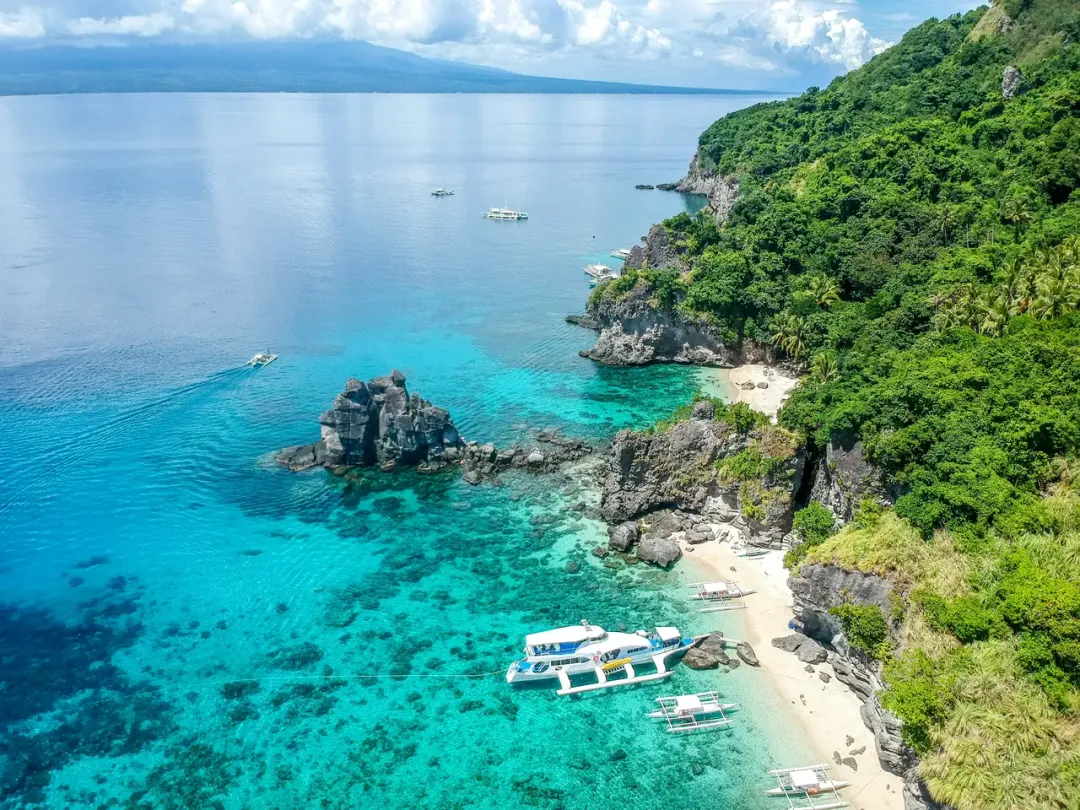
For beaches, skip the resort sprawl of Varadero and head to Playa Ancón near Trinidad or the virgin keys of Jardines de la Reina, Cuba's answer to the Galápagos, accessible only by liveaboard boat and home to sharks, crocodiles, and untouched coral. In eastern Cuba, Santiago de Cuba pulses with Afro-Caribbean energy - this is where son music was born, where the Moncada Barracks launched the revolution, and where the Castillo del Morro guards the harbor entrance with views that stretch to Haiti on a clear day.
Walk the Malecón at Sunset
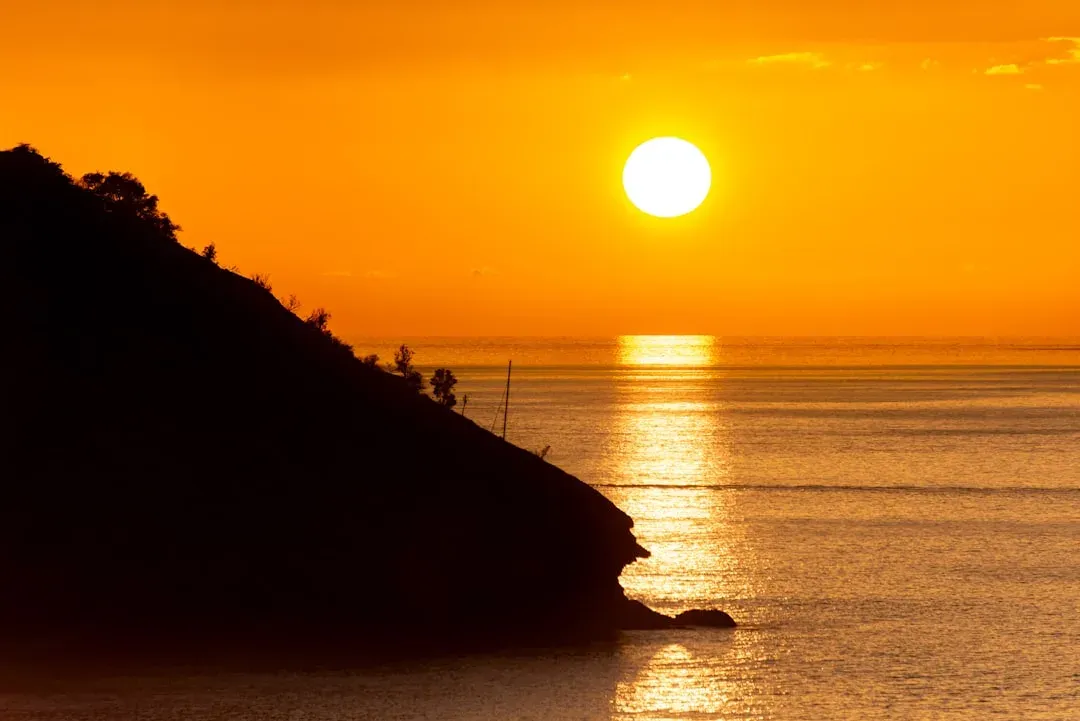
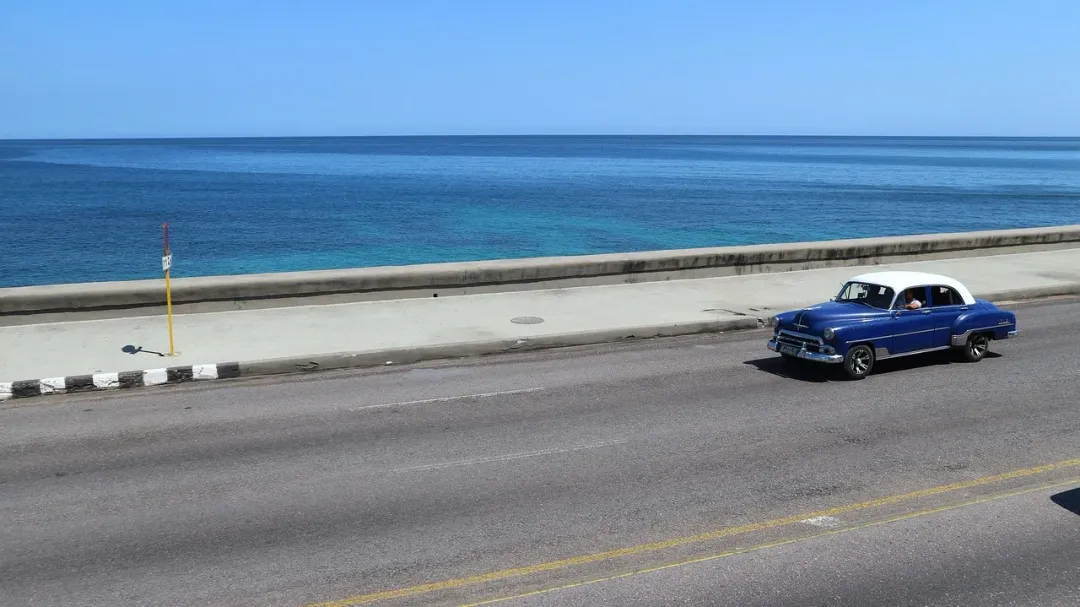
Havana's five-mile seawall is the city's living room. Join locals fishing, socializing, and playing music as the sun drops behind the Hotel Nacional. The stretch between Calle G and the Almendares River is the most atmospheric. Bring a bottle of Havana Club and blend in.
Tour a Tobacco Farm in Viñales
Visit a working veguero farm in the Viñales Valley where tobacco is still grown, dried, and rolled by hand. Farmers will explain the difference between wrapper, filler, and binder leaves and roll you a fresh cigar. Most tours cost around 5 CUC and include a horseback ride through the mogotes.
Explore Trinidad's Cobblestone Streets
This UNESCO World Heritage town feels frozen in 1850. Visit the Museo Histórico Municipal in the Cantero Palace for views from its tower, browse the handicraft market on Plaza Mayor, then join the nightly open-air music scene at Casa de la Música, where salsa bands play on the steps until the small hours.
Dive Jardines de la Reina
Cuba's most pristine marine environment sits 60 miles off the south coast, accessible only by liveaboard. The archipelago is home to healthy populations of Caribbean reef sharks, silky sharks, saltwater crocodiles, and massive grouper. Visibility regularly exceeds 100 feet. Avalon Fleet operates the exclusive concession.
Ride a Classic American Car Through Havana
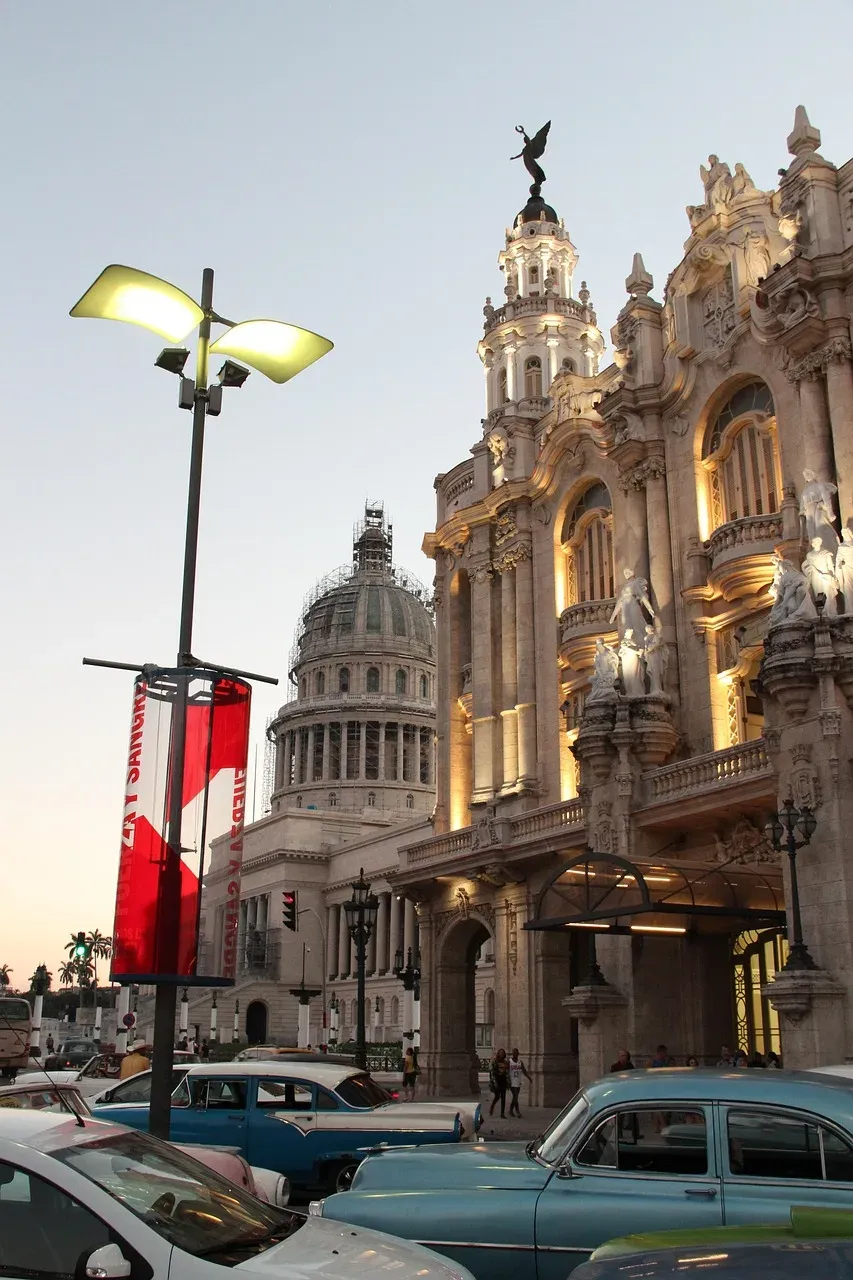
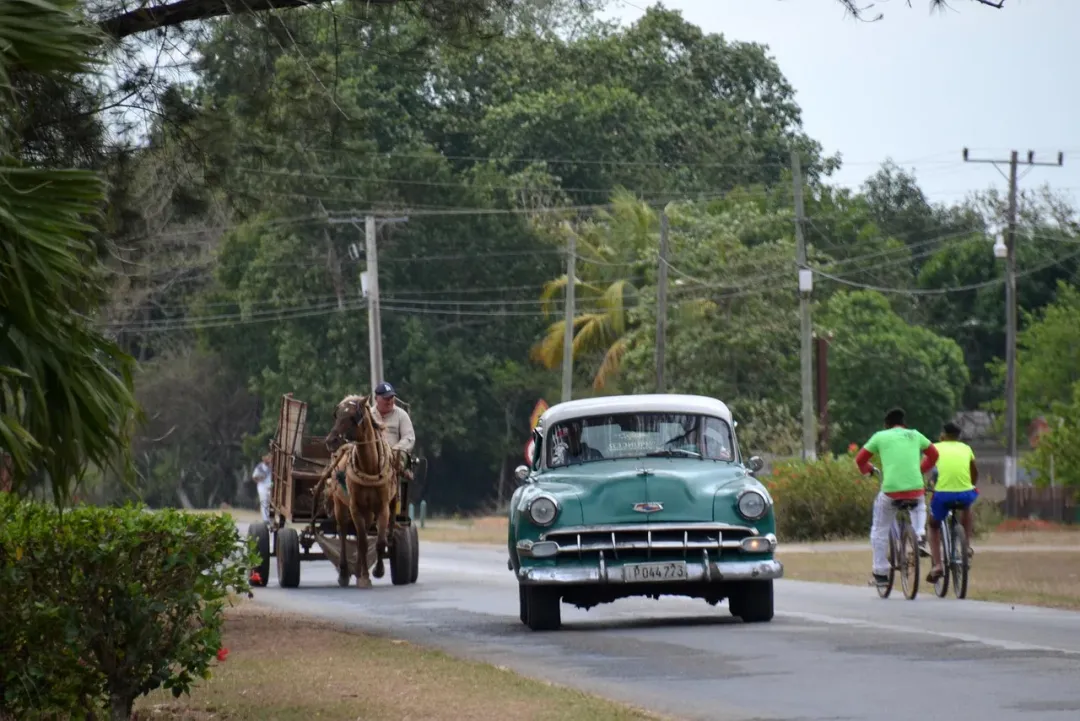
The 1950s Chevrolets, Buicks, and Fords that cruise Havana's streets are not props - they are daily transportation kept alive by ingenious Cuban mechanics. Hire one for an hour-long loop through Vedado, past Revolution Square, and along the Malecón. Negotiate the price before you get in - expect to pay $30 to $50 for an hour.
Visit the Afro-Cuban Neighborhood of Regla
Take the small ferry from Old Havana across the harbor to Regla, a neighborhood deeply connected to Santería and Afro-Cuban spiritual traditions. The Church of Our Lady of Regla houses a Black Madonna figure venerated in both Catholic and Yoruba traditions. The ferry costs one Cuban peso and takes five minutes.
Hike to Salto del Caburni Waterfall
In the Escambray Mountains above Trinidad, the Topes de Collantes nature reserve offers several waterfall hikes. The trail to Salto del Caburni drops through coffee plantations and tropical forest to a 200-foot cascade with a swimming hole at the base. The round trip takes about three hours. Bring water shoes for the slippery rocks.
Experience Live Son Music in Santiago de Cuba
Santiago is the birthplace of son cubano, the musical foundation of salsa. Casa de la Trova on Calle Heredia has hosted live performances since 1968 and the quality of musicianship is extraordinary. Cover charges are nominal - a few dollars at most - and the rum flows freely.
Where to Stay in Cuba
Cuba's accommodation landscape is unlike anywhere else in the Caribbean. The most authentic and affordable option is the casa particular, a licensed private homestay where Cuban families rent out rooms in their homes. In Havana, a clean, well-located casa in Centro Habana or Habana Vieja runs $25 to $60 a night for a private room with air conditioning and breakfast, and your host becomes your personal concierge, arranging taxis, restaurant reservations, and local tips.
For luxury, Havana has improved considerably: the Gran Hotel Manzana Kempinski on Parque Central was Cuba's first true five-star property, with rooftop pool views over the Capitol Building and rates from $300 to $600. The Hotel Nacional de Cuba, perched on a bluff above the Malecón, offers faded glamour and history - Winston Churchill, Frank Sinatra, and Nat King Cole all stayed here - at $150 to $250 a night.
In Trinidad, casas particulares are plentiful and excellent, often in restored colonial houses with rooftop terraces overlooking the Escambray Mountains for $30 to $50. Viñales has its own style of casa, often on the edge of the valley with views of the mogotes, from $20 to $40. In Varadero, all-inclusive resorts line the peninsula with rates from $100 to $300 for international-standard properties run by Meliá and Iberostar. Budget travelers can manage on $40 a day using casas, eating at private restaurants, and traveling by Viazul bus. Mid-range travelers spending $100 to $150 a day will eat well at top paladares and stay in the best casas or modest hotels.
Where to Eat in Cuba
Cuban food has undergone a quiet revolution. The old joke about bad Cuban restaurants no longer holds, especially in Havana and Trinidad where privately owned paladares have transformed the dining scene. In Havana, La Guarida remains the most famous paladar - set in a crumbling Centro Habana tenement that appeared in the film Fresa y Chocolate, with a rooftop bar and creative Cuban cuisine running $15 to $30 per main course. For something less touristy, Donya Eutimia on Plaza de la Catedral serves what many consider the best ropa vieja in Havana - slow-braised shredded beef in tomato sofrito - for under $10. San Cristóbal, the paladar where Obama famously dined in 2016, packs every inch with vintage memorabilia and serves generous portions of grilled lobster and lamb.
Street food is where Cuba shines on a budget: peso pizza (a thin, cheesy flatbread sold from walk-up windows for the equivalent of a few cents), croquetas, and pan con lechon are everywhere. In Trinidad, the best meal might be at Sol Ananda, where a young chef serves inventive plates on a rooftop overlooking the colonial center, or at the open-air tables along Plaza Mayor where grilled lobster tails cost $8 to $12.
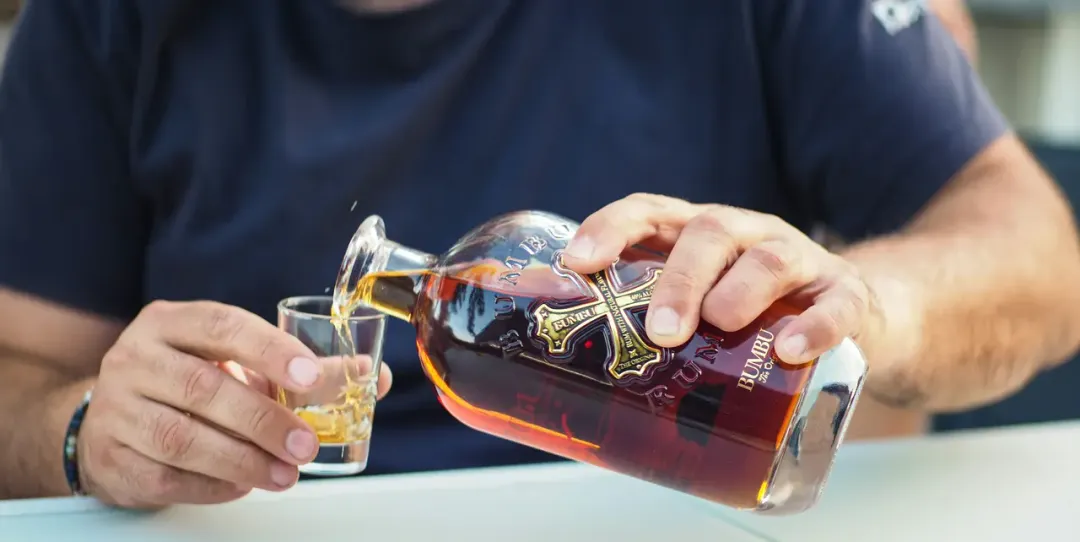
Cuban coffee is strong, sweet, and served in thimble-sized cups - order a cafecito at any street window. Rum is the national drink: Havana Club 7 Años for sipping, Havana Club 3 Años for mojitos. Do not leave without trying a proper daiquiri at El Floridita, Hemingway's old haunt, though be warned the prices there are aimed at tourists.
Best Time to Visit Cuba
Cuba's dry season from December through May offers the most comfortable travel conditions, with temperatures in the mid-70s to low 80s Fahrenheit and low humidity. January and February are the coolest months and coincide with peak tourist season, meaning higher casa particular prices and crowded attractions in Havana and Trinidad.
The sweet spot is March and April, when weather remains excellent but crowds thin. Hurricane season runs June through November, with September and October carrying the highest storm risk.
Summer months bring intense heat and humidity, particularly in Havana and Santiago, but also bring cultural festivals including Carnival in Santiago de Cuba in July, one of the Caribbean's most electric celebrations. Budget travelers will find the best deals from May through early June and again in November, when prices drop but the weather remains manageable.
Getting Around Cuba
Classic car taxis and Coco-taxis are available in Havana. Viazul buses connect major cities. Rental cars are limited and expensive. Domestic flights link Havana to Santiago and Varadero.

Jardín Botánico Nacional
Guided tours are offered at this botanical garden with native & exotic plants, plus an eatery.
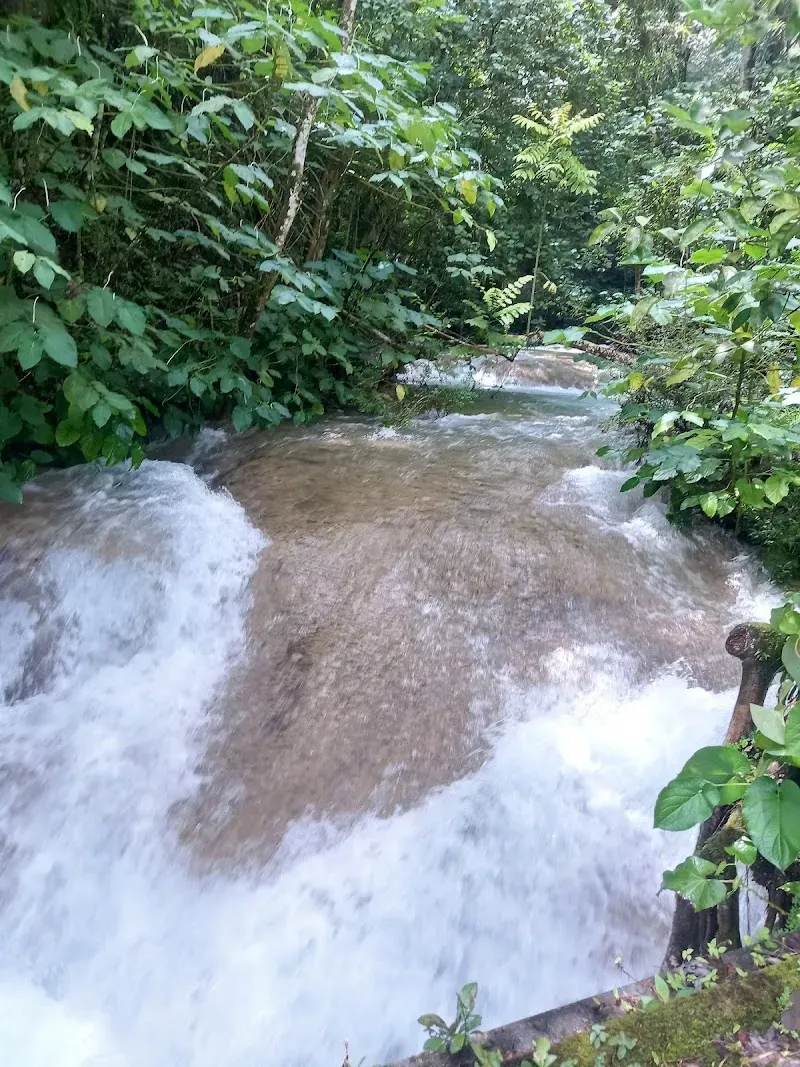
El Nicho
El Nicho is a nature attraction on Cuba. This natural area showcases the lush tropical landscapes and diverse ecosystems that Cuba is known for. Visitors can explore the local flora and fauna in a serene setting.

San Jose de las lajas
San Jose de las lajas is a nature attraction on Cuba. This natural area showcases the lush tropical landscapes and diverse ecosystems that Cuba is known for. Visitors can explore the local flora and fauna in a serene setting.

Camarquey
Camarquey is a nature attraction on Cuba. This natural area showcases the lush tropical landscapes and diverse ecosystems that Cuba is known for. Visitors can explore the local flora and fauna in a serene setting.
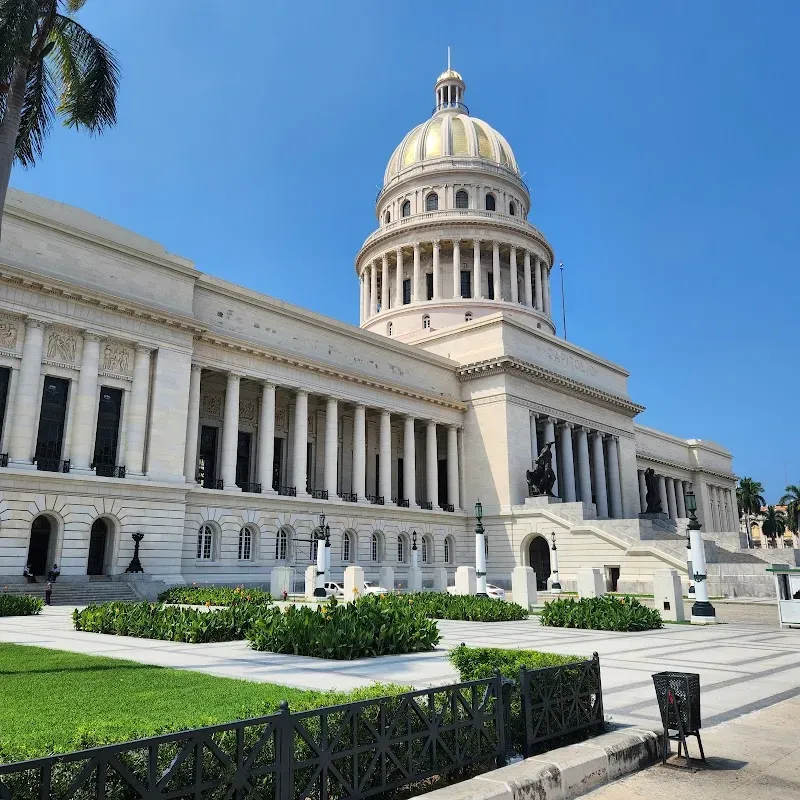
National Capitol of Cuba
Built in 1929, this elegant municipal building features a sizable, domed cupola & a central portico.
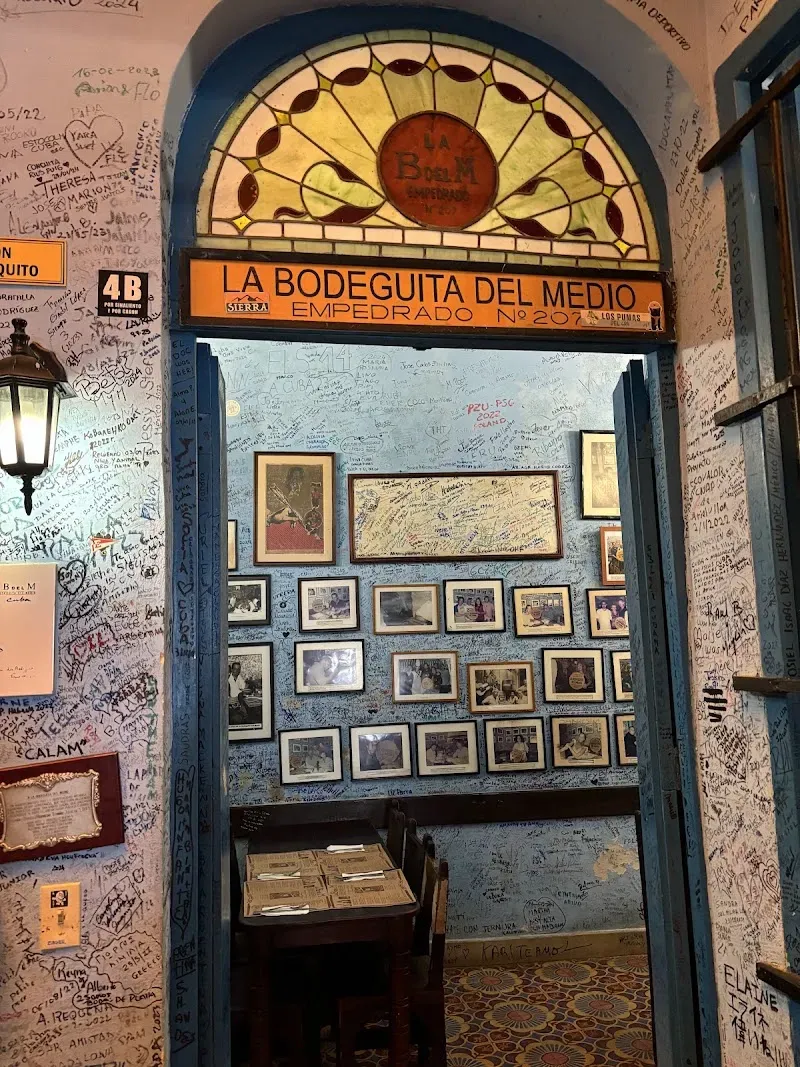
La Bodeguita Del Medio
La Bodeguita Del Medio is a nature attraction on Cuba. This natural area showcases the lush tropical landscapes and diverse ecosystems that Cuba is known for. Visitors can explore the local flora and fauna in a serene setting.
Hotels in Cuba
Search for available rates by selecting your travel dates
No hotels found near Cuba.
Top Restaurants in Cuba
Popular dining spots near Cuba
No restaurants available for Cuba yet.
Frequently Asked Questions About Cuba
Weather in Cuba
Average Temperature
70°F to 81°F (21°C to 27°C)
Rainy Season
May to October
Hurricane Season
June to November
Best Time to Visit
December to May
Travel Tips
- Check current US travel restrictions before planning your trip
- Bring cash as US credit/debit cards don't work in Cuba
- Stay in casa particulares (private homestays) for an authentic experience
- Internet access is limited and expensive
- Learn some basic Spanish phrases as English is not widely spoken outside tourist areas
Daily Budget (USD)
Visa Requirements
All visitors need a passport and a tourist visa (tourist card), obtainable through airlines or embassies. US citizens must travel under an authorized OFAC category.
Safety
Cuba is one of the safest Caribbean destinations. Petty theft can occur in tourist areas. Tap water is not recommended for drinking. Medical facilities are basic outside Havana.
Getting Around
Classic car taxis and Coco-taxis are available in Havana. Viazul buses connect major cities. Rental cars are limited and expensive. Domestic flights link Havana to Santiago and Varadero.
Popular Activities
Best For
Get Cuba Travel Tips
Subscribe for curated tips, deals, and inspiration for your Cuba trip.