Isla de la Juventud
Cuba's Isle of Youth
About Isla de la Juventud
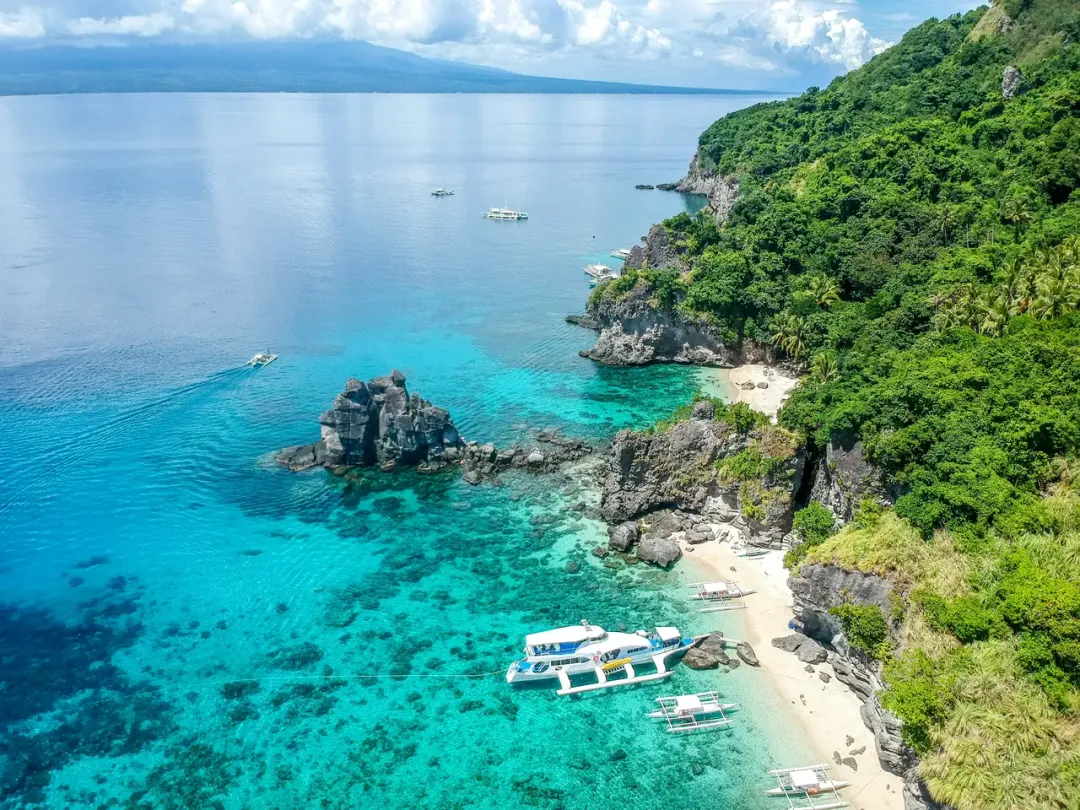
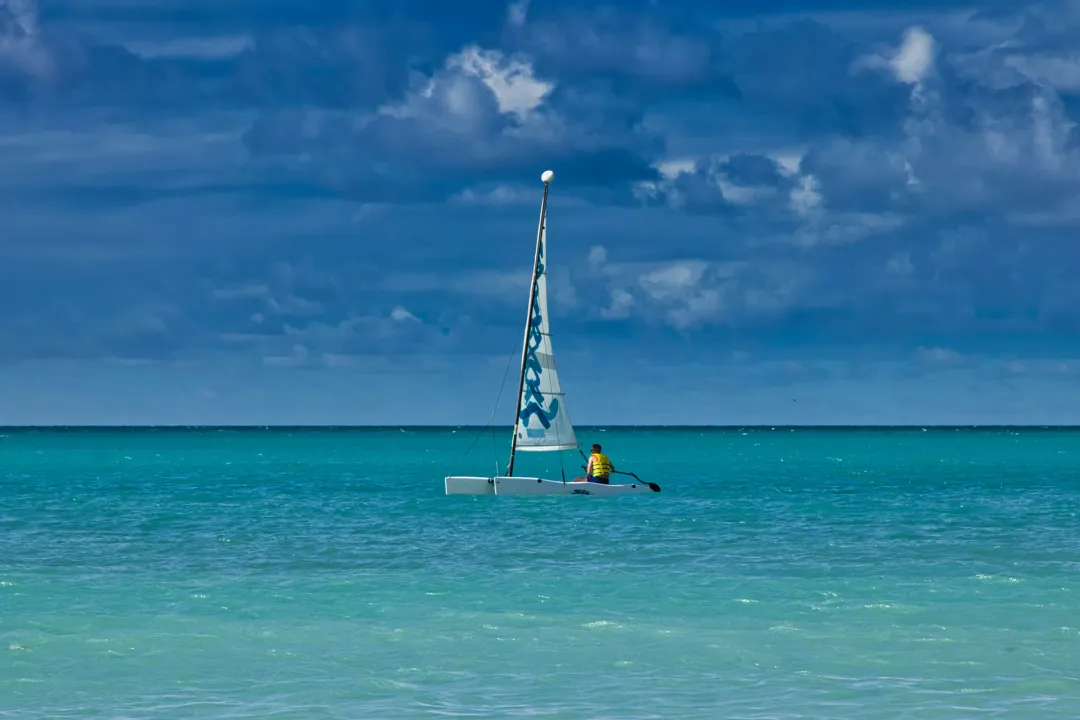
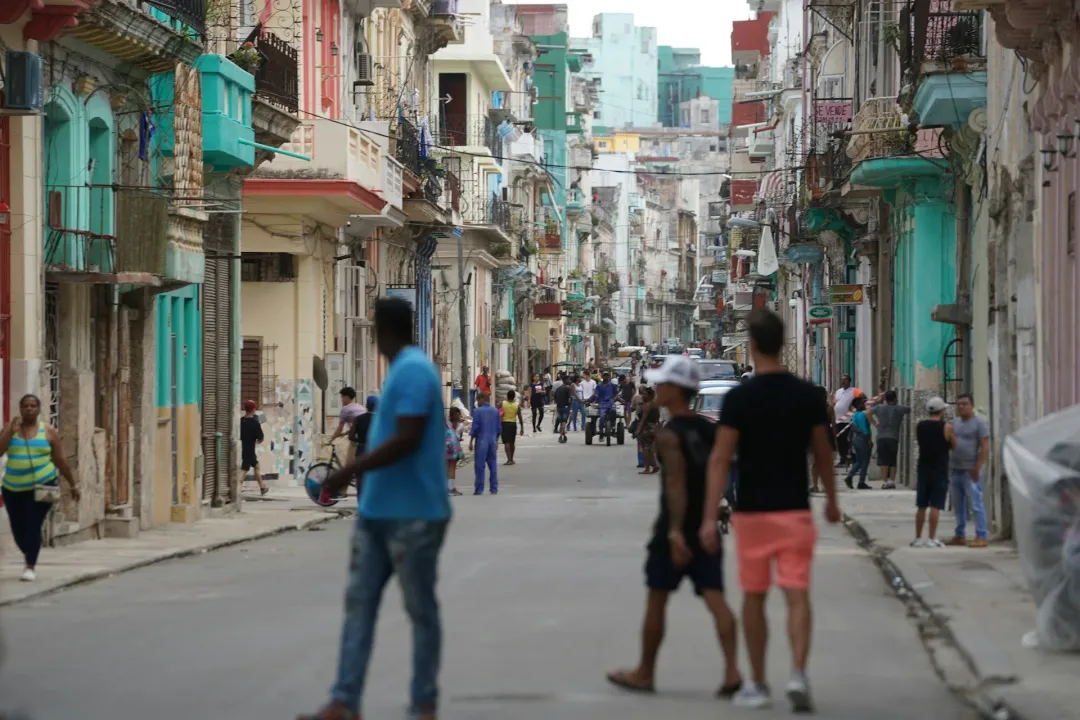
Isla de la Juventud (Isle of Youth), formerly known as Isla de Pinos (Isle of Pines), is Cuba's second-largest island, located about 60 miles south of the mainland. This island has a fascinating history, having been a haven for pirates in the 17th and 18th centuries, including reportedly Henry Morgan and Francis Drake, and later becoming known for its prisons, including one where Fidel Castro was imprisoned from 1953 to 1955 following his failed attack on the Moncada Barracks. The island was renamed in 1978 to reflect its role as an educational center where thousands of international students studied. Today, Isla de la Juventud remains largely undeveloped compared to mainland Cuba and other Caribbean destinations, offering visitors an authentic experience away from mass tourism. The main town, Nueva Gerona, features colonial architecture, local markets, and the modest Museo Municipal highlighting the island's history. The island's natural attractions include pine forests that gave it its original name, beautiful beaches such as Playa Paraíso with its white sand and clear waters, and exceptional diving and snorkeling sites, particularly around the western coast and nearby Los Canarreos Archipelago, where the marine reserve Punta Francés offers pristine coral reefs and abundant marine life. Cultural points of interest include the Presidio Modelo, the now-abandoned panopticon-style prison where Castro was held, which functions as a museum; Finca El Abra, where Cuban national hero José Martí was once imprisoned; and the small community of Cocodrilo (formerly Jacksonville), founded by American settlers in the early 20th century. The island also features prehistoric cave paintings at Punta del Este, often called the 'Sistine Chapel of Caribbean prehistoric art.' With limited tourism infrastructure but genuine hospitality, Isla de la Juventud provides visitors with a glimpse of Cuban life away from the more developed tourist centers of the main island.
Size
910 sq mi (2,357 km²)
Population
86,000
Language
Spanish
Currency
Cuban Peso (CUP), Cuban Convertible Peso (CUC)
Time Zone
UTC-5 (Cuban Time)
Best Time to Visit
November to April
Highlights
Best Things to Do in Isla de la Juventud
Isla de la Juventud is one of those places that rewards the traveler willing to deal with Cuba's logistical quirks. Start in Nueva Gerona, the island's only real town, where the Parque Central anchors daily life and the Museo Municipal on Calle 30 gives a compressed overview of the island's pirate-to-prison history. The must-see attraction is Presidio Modelo, about four kilometers east of town - Fidel Castro's former prison is a haunting, photogenic complex of four circular panopticon buildings that you can walk through freely. The hospital ward where Castro was held in isolation still has his bookshelf and bed frame, and the silence of the place is genuinely unsettling.
From Nueva Gerona, arrange a day trip south to Punta del Este, where a series of caves contain over 200 pre-Columbian pictographs painted by the Ciboney people - concentric circles, arrows, and abstract forms in red and black pigment that some researchers have linked to astronomical calendars. You will need a guide and a vehicle with decent clearance, as the road deteriorates significantly in the final stretch.
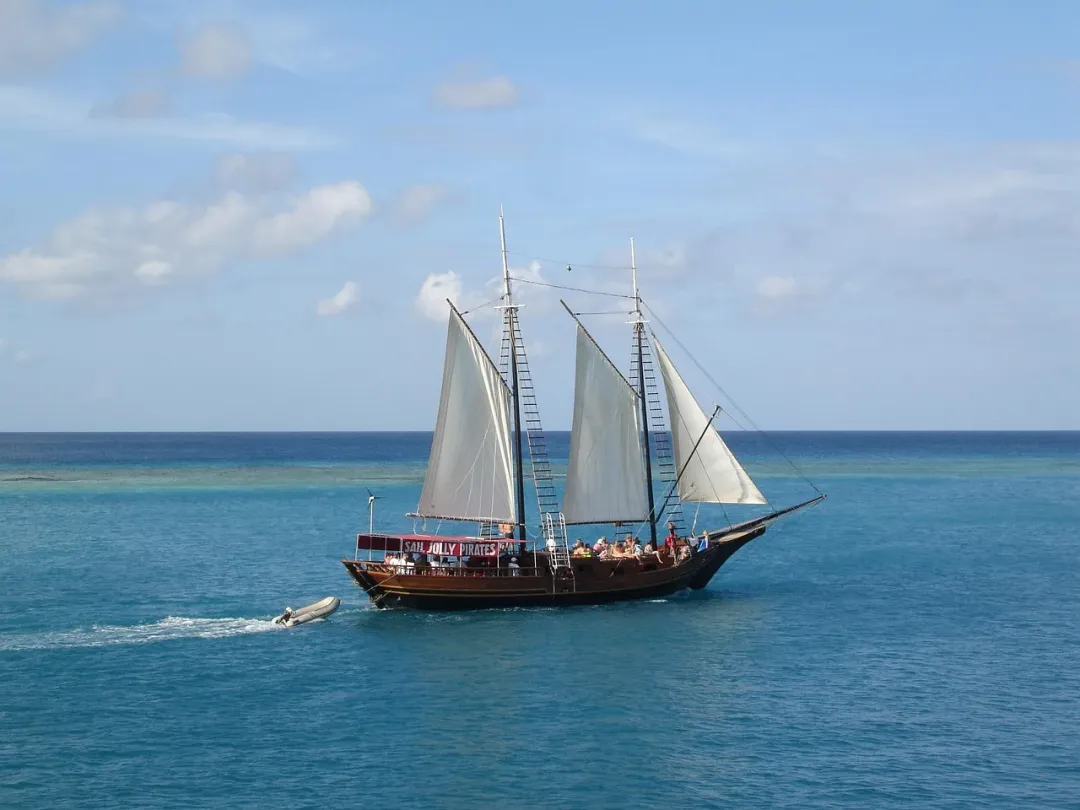
The diving at Punta Francés on the island's southwestern tip is the real draw for many visitors - the marine reserve here features wall dives dropping to 40 meters with black coral, sponge gardens, and visibility that routinely exceeds 30 meters. The International Diving Center at the Hotel Colony organizes trips and rents equipment, though bringing your own regulators is wise given the age of some rental gear. Bibijagua Beach, famous for its dark sand created by marble deposits, sits about eight kilometers east of town and is a popular local hangout on weekends but often deserted midweek.
For a cultural detour, drive south to the tiny community of Cocodrilo on the southern coast - a settlement founded by Cayman Islanders in the early 1900s whose descendants still speak a Creole-inflected English alongside Spanish. The Finca El Abra, a former hacienda where José Martí was held under house arrest in 1870, sits in the foothills west of Nueva Gerona surrounded by citrus groves and offers a quiet, contemplative stop.
Explore Presidio Modelo
Walk through the abandoned panopticon prison where Fidel Castro was held from 1953 to 1955. The four circular cellblocks are architecturally striking, and the hospital wing where Castro read and organized his defense has been preserved as a small museum. Free entry, though a small tip for the caretaker is customary.
Dive the Punta Francés Marine Reserve
The western coast features 56 marked dive sites along a protected wall reef. Highlights include the Cathedral, a swim-through cavern at 25 meters, and the Pirate Coast, where coral-encrusted anchor chains hint at the island's buccaneering past. The International Diving Center at Hotel Colony runs daily boats.
Visit the Punta del Este Cave Paintings
Seven caves on the island's southeastern coast contain pre-Columbian Ciboney pictographs dating back over 1,000 years. The main cave has concentric circle designs that researchers believe represent a solar calendar. Access requires a guide and a vehicle, arranged through Ecotur in Nueva Gerona.
Swim at Bibijagua Beach
This unusual beach gets its dark sand from eroded marble deposits rather than volcanic rock. The water is calm and clear, and you will likely have much of the beach to yourself on a weekday. Located about eight kilometers east of Nueva Gerona, reachable by bicycle or taxi.
Visit the Community of Cocodrilo
This small fishing village on the southern coast was founded by Cayman Islander settlers in the early 20th century. Descendants still maintain some English-speaking traditions alongside Cuban culture. The drive south passes through pine forests and farmland that feel nothing like the rest of Cuba.
Tour Finca El Abra
This 19th-century hacienda west of Nueva Gerona is where Cuban national hero José Martí was confined at age 17 in 1870. The small museum displays period artifacts and letters. The surrounding citrus groves and rolling hills make the setting peaceful and worth lingering over.
Snorkel at Playa Paraíso
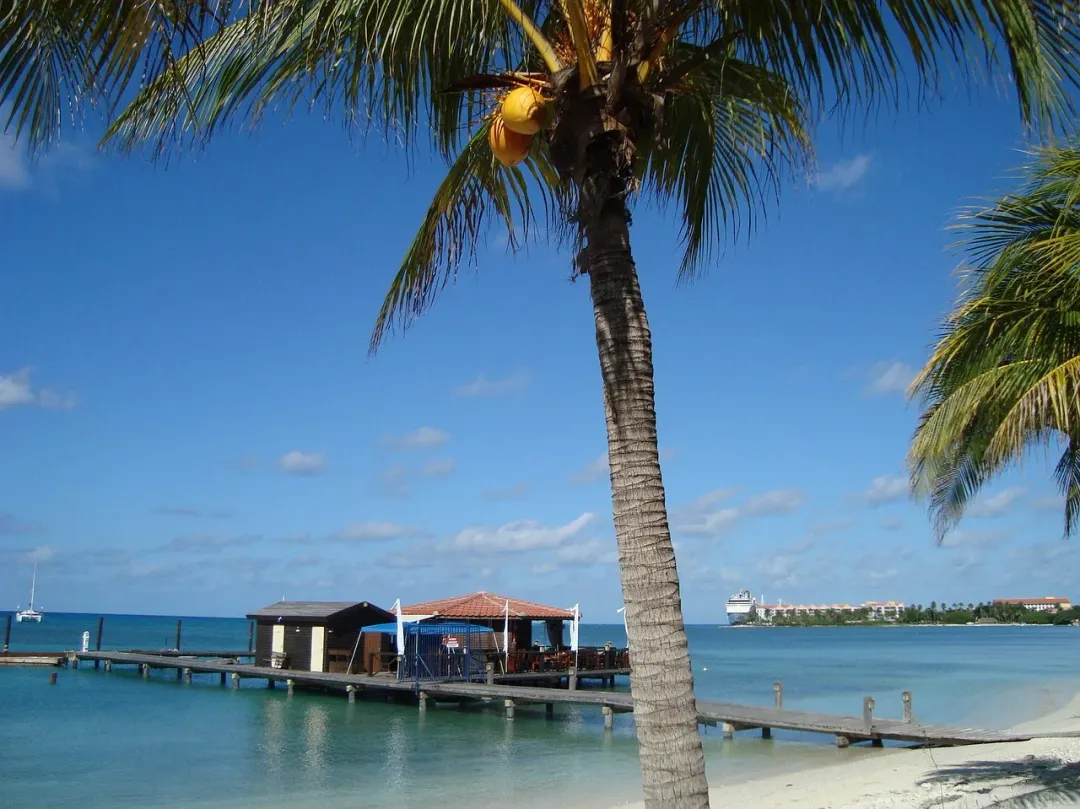
On the island's southern coast, this white-sand beach lives up to its name with shallow turquoise water and scattered coral heads close to shore. Bring your own gear - there are no rental facilities at the beach itself.
Where to Stay in Isla de la Juventud
Accommodation on Isla de la Juventud is limited and basic by Caribbean standards, reflecting the island's position outside mainstream tourism. The Hotel Colony, built in the 1950s and showing its age, is the main tourist hotel and the base for diving operations at Punta Francés. Expect functional rooms with air conditioning, a pool, and a restaurant serving standard Cuban hotel fare. Rates run around $60 to $90 per night for foreigners, typically booked as part of a dive package.
In Nueva Gerona itself, casas particulares (private homestays) are the best option and the most rewarding way to experience the island. Families rent out rooms with private bathrooms and often include breakfast and dinner for $25 to $40 per night. The food in casas is almost always better than the hotel restaurants - your host will cook fresh fish, rice and beans, fried plantains, and whatever fruit is in season. Look for casas near Calle 39 and the Parque Central area for walking access to the town center.
Villa Isla de la Juventud, a small state-run hotel on the edge of town, offers another mid-range option at around $40 to $60 per night with simple but clean rooms. There are no luxury resorts, no all-inclusives, and no international hotel chains - this is Cuba at its most unfiltered. Book casas through local contacts or Cuban travel agencies, as online booking platforms have limited reach here.
Where to Eat in Isla de la Juventud
Dining on Isla de la Juventud is an exercise in Cuban reality - state restaurants that range from adequate to disappointing, a handful of private paladares that are genuinely good, and the casas particulares where many visitors eat their best meals. In Nueva Gerona, El Cochinito on Calle 39 is a reliable paladar serving roast pork, grilled fish, and rice and beans at prices around $5 to $10 per plate. Restaurante El Río near the Río Las Casas offers outdoor seating and a menu heavy on fresh river shrimp when available.
The pizza joints along Calle 39 are a local institution - Cuban pizza is its own genre, with thick doughy crusts and creative toppings, served for a few pesos. For something more upscale by island standards, the Hotel Colony restaurant serves seafood and international dishes, though the quality varies by the day and the chef's mood.
The real revelation is eating in casas particulares, where home cooks prepare lobster (when in season, typically available for an extra $5 to $8), grilled snapper, shredded beef ropa vieja, and fresh tropical fruit plates. The local beer is Cristal or Bucanero, both perfectly drinkable cold, and if your host has a bottle of homemade aguardiente, try it - carefully. Fresh fruit juices made from mango, guava, and papaya are abundant and usually included with meals. Street food is sparse compared to Havana, but you can find empanadas and croquetas near the Parque Central.
Best Time to Visit Isla de la Juventud
The dry season from November through April is the ideal window for visiting Isla de la Juventud. December through March brings the most comfortable temperatures, with highs in the upper 70s and low humidity that makes the diving conditions at Punta Francés exceptional - visibility peaks during these months.
The wet season from May through October brings afternoon downpours, higher humidity, and mosquitoes, particularly near the southern coast and caves. Hurricane season peaks September through October, and the island's low elevation makes it vulnerable to storm surge.
The ferry from Batabanó can be cancelled in rough weather, potentially stranding you for a day or two - build flexibility into your schedule. January and February see the most foreign visitors, primarily divers, but even peak season never feels crowded here.

Pinar del Cine
Pinar del Cine is a nature attraction on Isla de la Juventud. This natural area showcases the lush tropical landscapes and diverse ecosystems that Isla de la Juventud is known for. Visitors can explore the local flora and fauna in a serene setting.

Finca Renacer
Finca Renacer is a nature attraction on Isla de la Juventud. This natural area showcases the lush tropical landscapes and diverse ecosystems that Isla de la Juventud is known for. Visitors can explore the local flora and fauna in a serene setting.
Hotels in Isla de la Juventud
Search for available rates by selecting your travel dates
No hotels found near Isla de la Juventud.
Top Restaurants in Isla de la Juventud
Popular dining spots near Isla de la Juventud
No restaurants available for Isla de la Juventud yet.
Weather in Isla de la Juventud
Average Temperature
75°F to 85°F (24°C to 29°C)
Rainy Season
May to October
Hurricane Season
June to November
Best Time to Visit
November to April
Travel Tips
- Spanish is the official language
- Cuban Convertible Peso (CUC) is the tourist currency
- Driving is on the right side of the road
- A valid passport and tourist card are required for entry
- The island is accessible by plane from Havana or by ferry from Batabanó
- Internet access is limited
Get Isla de la Juventud Travel Tips
Subscribe for curated tips, deals, and inspiration for your Isla de la Juventud trip.