
Things to Do in Isla Mona
Puerto Rico's Galapagos. Explore 2 attractions across the island.
Isla Mona is not a casual day trip - it is a multi-day wilderness expedition that requires serious planning and a tolerance for discomfort. But for those who make the crossing, the reward is one of the last truly wild places in the Caribbean. The journey begins with a permit application to Puerto Rico's Departamento de Recursos Naturales y Ambientales (DRNA), which can take weeks to process and limits visitors to small groups. Most chartered boats depart from Joyuda or Boqueron on Puerto Rico's west coast, and the crossing of the Mona Passage takes three to five hours depending on seas - this stretch of water is notoriously rough, so seasickness medication is not optional.
Once ashore at Playa Sardinera, the island's main landing beach on the western coast, you set up camp at the designated camping area near the ranger station. From here, the island unfolds on foot. The coastal cliffs on the southern and eastern sides rise up to 200 feet straight from the sea, creating a dramatic limestone wall riddled with caves.
The cave systems are Isla Mona's hidden treasure - over 200 mapped caves contain Taino petroglyphs, stalactite formations, and evidence of 19th-century guano mining operations. Cueva del Lirio and Cueva Negra are among the most impressive, with pre-Columbian drawings etched into the walls. Above ground, the flat plateau interior is covered in dry forest and cactus scrub, home to the Mona ground iguana, a hefty endemic reptile that can reach four feet in length and shows little fear of humans.
The snorkeling directly off Playa Sardinera and Playa Pajaros is extraordinary - the isolation means the reefs are in pristine condition, with visibility regularly exceeding 40 meters and encounters with hawksbill turtles, nurse sharks, and eagle rays. Divers who arrange tanks (brought from the mainland) can explore wall dives along the southern cliffs where the drop-off is sheer and the coral growth undisturbed. The old lighthouse, Faro de Isla de Mona, sits on the southeastern plateau and is worth the hot hike for the views alone.
Top Activities
Explore the Cave Systems
Over 200 caves perforate Isla Mona's limestone plateau. The most significant contain Taino petroglyphs and pictographs dating back centuries. Rangers can guide you to accessible caves near the camping area. Bring a reliable headlamp and closed-toe shoes - the cave floors are uneven and sharp.
Snorkel at Playa Sardinera
The main landing beach offers some of the Caribbean's clearest water, with visibility exceeding 40 meters on calm days. The reef starts just offshore, with elkhorn coral, brain coral, and dense schools of tropical fish. Bring all your own gear - nothing is available on the island.
Observe the Mona Ground Iguana
This endemic species, Cyclura stejnegeri, is found only on Isla Mona. Adults can exceed four feet in length and are remarkably unbothered by human presence. You will spot them throughout the plateau interior and near the camping area, especially in the early morning when they bask in the sun.
Hike to Faro de Isla de Mona
The lighthouse on the southeastern plateau was built in the 1900s and offers sweeping views of the cliffs and open ocean. The hike from camp is about three miles each way across exposed terrain with no shade - start at dawn and carry at least two liters of water per person.
Dive the Southern Wall
The southern cliff face continues underwater as a dramatic wall dive dropping well past 30 meters. Black coral, sponge gardens, and large pelagics are common. You must bring all dive equipment and tanks from the mainland, and conditions require advanced certification due to currents.
Camp Under the Stars
With zero light pollution, Isla Mona offers some of the best stargazing in the Caribbean. The Milky Way is clearly visible on moonless nights. Camping is at the designated area near Playa Sardinera, with basic pit toilets but no other facilities.
Attractions in Isla Mona
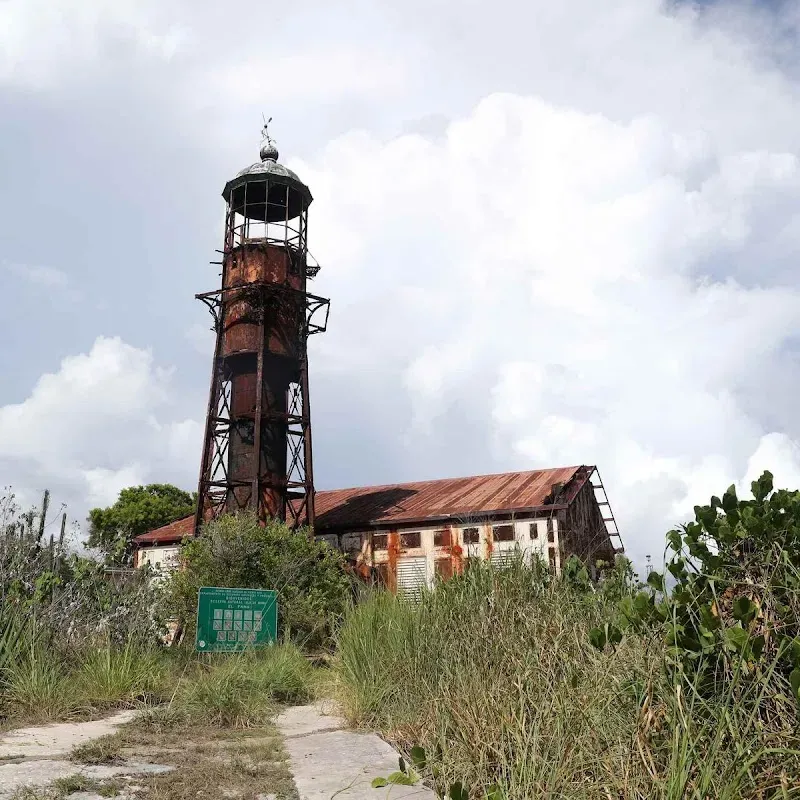
Mona Island Lighthouse
Mona Island Lighthouse is a historical site on Isla Mona. This historic site reflects the rich cultural heritage and storied past of Isla Mona. It offers a glimpse into the events and traditions that have shaped the island over centuries.

Punto más al Oeste de PR
Punto más al Oeste de PR is a nature attraction on Isla Mona. This natural area showcases the lush tropical landscapes and diverse ecosystems that Isla Mona is known for. Visitors can explore the local flora and fauna in a serene setting.
Explore More of Isla Mona
Find hotels, restaurants, and bookable experiences on our full island page.