La Désirade
The Geological Treasure of the French Antilles
About La Désirade
La Désirade, meaning 'The Desired One' in French, is a small island located about 10 kilometers east of Grande-Terre, Guadeloupe. This narrow, table-shaped island stretches approximately 11 kilometers long and 2 kilometers wide, with a distinctive plateau rising dramatically from the sea on its northeastern coast.
Geologically, La Désirade is the oldest island in the Lesser Antilles, formed around 145 million years ago. This ancient origin has earned it the distinction of being France's first geological reserve in the Caribbean, protecting its unique rock formations, fossils, and mineral deposits that provide valuable insights into the region's geological history.
The island's main settlement, Beauséjour, is a small village with colorful houses, a church, and a few local restaurants serving fresh seafood and traditional Creole cuisine. The pace of life here is slow and relaxed, offering visitors a glimpse into authentic Caribbean living untouched by mass tourism.
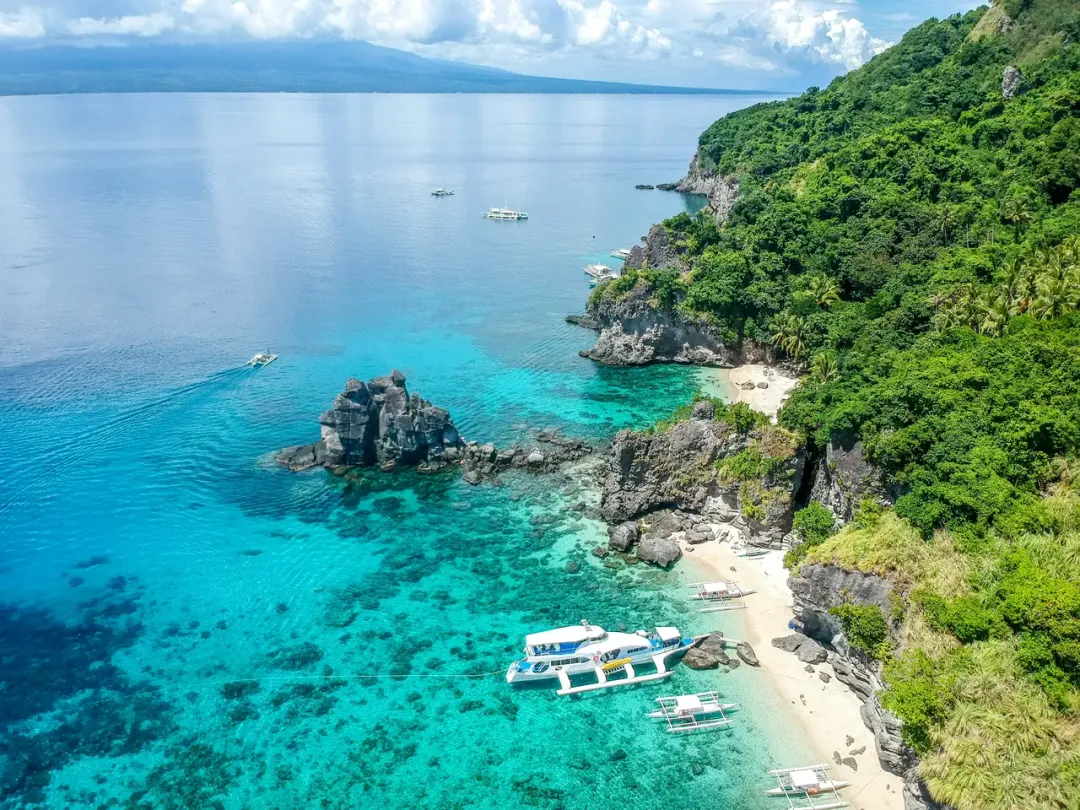
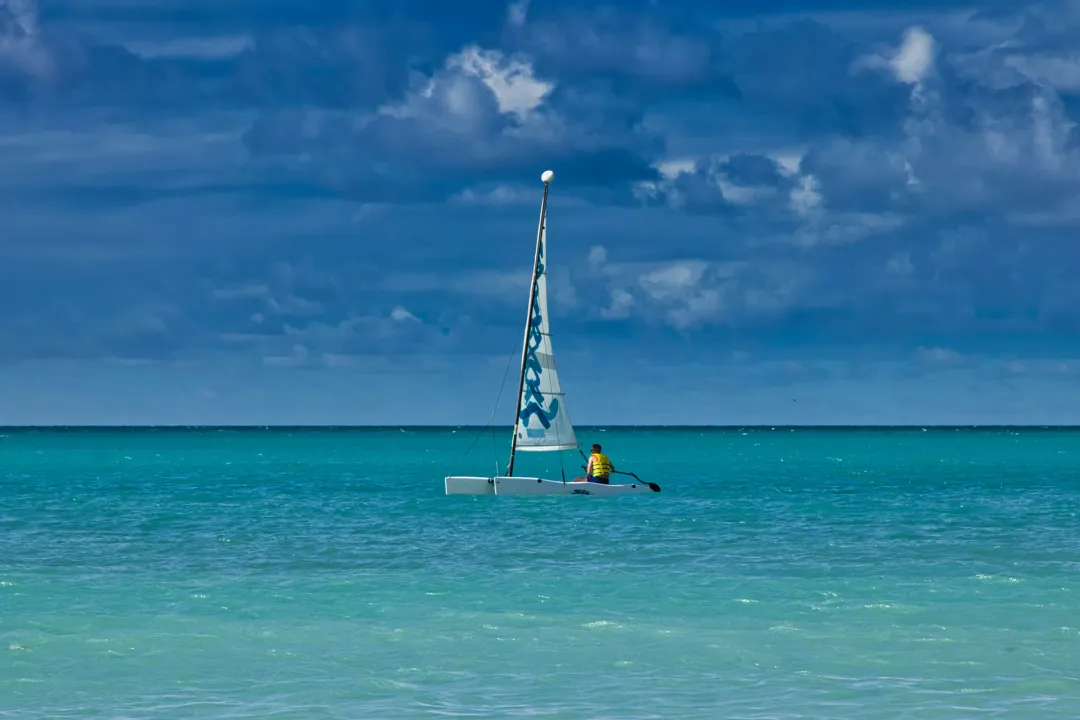
La Désirade boasts several pristine beaches with crystal-clear waters. The most popular is Souffleur Beach (Plage du Souffleur) on the southern coast, featuring white sand, calm turquoise waters, and shade provided by sea grape trees. Fifi Beach and Baie Mahault offer more secluded options for those seeking solitude.
Atop the central plateau sits Notre-Dame du Calvaire, a small chapel offering panoramic views of Guadeloupe and neighboring islands on clear days. The historic Le Phare lighthouse at the eastern tip of the island is another notable landmark, though it's no longer in operation.
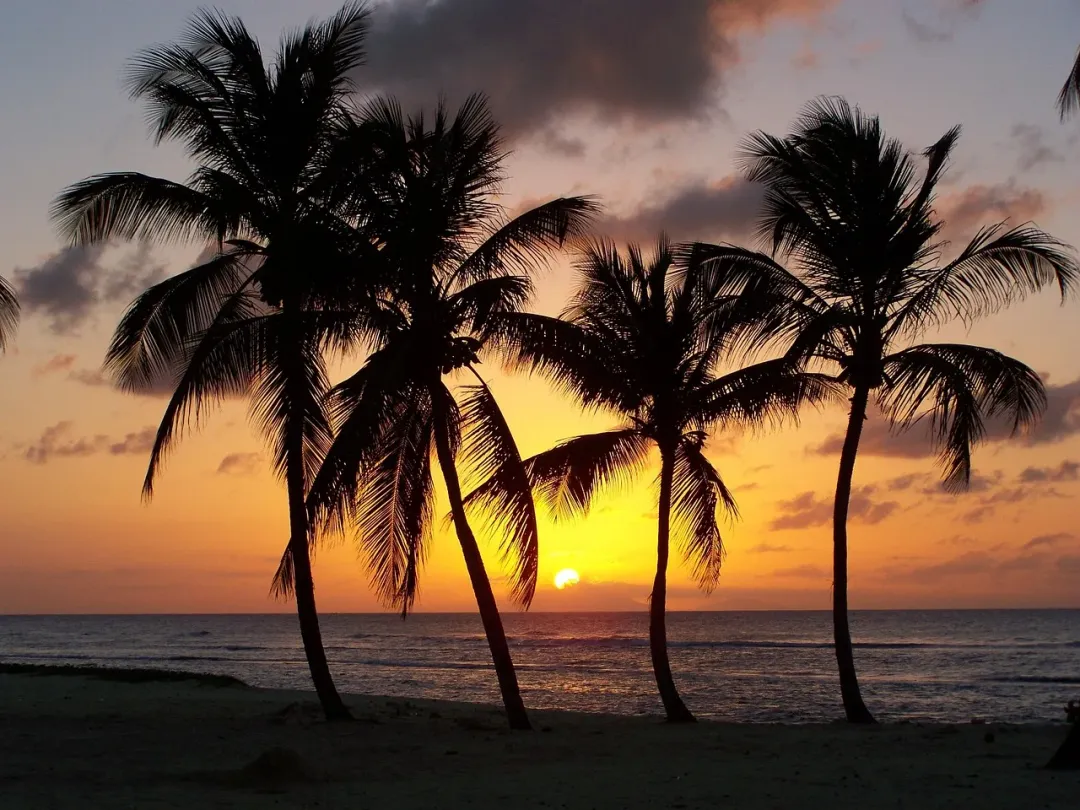
The island's natural environment remains largely unspoiled, with dry forest vegetation, cacti, and diverse bird species. The surrounding waters are protected as part of a marine reserve, making it an excellent spot for snorkeling and diving to explore vibrant coral reefs and abundant marine life.
With fewer than 1,500 residents, most of whom are fishermen or farmers, La Désirade offers an authentic experience far removed from the tourist crowds. It's the perfect destination for travelers seeking tranquility, natural beauty, and a slower pace of life.
Size
21 km²
Population
1,500
Language
French
Currency
Euro (€)
Time Zone
Atlantic Standard Time (UTC-4)
Best Time to Visit
December to April for dry weather and optimal conditions for outdoor activities.


Highlights
Best Things to Do in La Désirade
La Désirade is the kind of place that makes you wonder why more people do not come here, and then you realize the answer is precisely why it is so good. This narrow, table-shaped island - 11 kilometers long and only 2 wide - sits east of Grande-Terre and receives a tiny fraction of Guadeloupe's tourist traffic. The ferry from Saint-François takes 45 minutes and arrives at Beauséjour, the island's only real settlement, where a single main road runs the length of the southern coast.
Start at Plage du Souffleur, a stunning white-sand beach on the southern shore about two kilometers east of the dock. The water is calm, turquoise, and shallow, with sea grape trees providing natural shade - it regularly appears on lists of the best beaches in Guadeloupe, yet on a weekday you might share it with fewer than a dozen people. From the beach, follow the main road east toward the Pointe des Châteaux end of the island, where the landscape becomes increasingly arid and cactus-studded, looking more like a Mediterranean garrigue than a Caribbean island.
The geological reserve along the northern coast is the island's most distinctive feature - La Désirade is the oldest exposed rock formation in the Lesser Antilles, dating back 145 million years to the Jurassic period, and the reserve protects rare pillow basalts, radiolarian cherts, and fossil-bearing limestone that geologists travel from around the world to study. A trail runs along the plateau edge with views of the Atlantic crashing against cliffs on the windward side, and interpretive panels explain the formations in French. The hike up to Notre-Dame du Calvaire, a small chapel on the central plateau, rewards with a 360-degree panorama: Guadeloupe's green peaks to the west, the flat expanse of Petite Terre to the south, and open ocean in every other direction.
The old lighthouse, Le Phare, at the eastern tip of the island is a pleasant walk along an increasingly wild and windswept path. Baie Mahault, on the more sheltered western end, is a quieter beach alternative with rock pools and good snorkeling along the edges. La Désirade was historically used as a quarantine station for lepers, and traces of the old hospital and isolation buildings near Baie Mahault add a somber historical layer to the landscape.
Swim at Plage du Souffleur
The island's finest beach stretches along the southern coast with white sand, calm turquoise water, and natural shade from sea grape trees. A small beach bar operates during the day. The swimming is safe and the water shallow for a long way out, making it ideal for families. Often nearly deserted on weekdays.
Explore the Geological Reserve
La Désirade's northern coast contains rock formations dating back 145 million years - the oldest exposed geology in the Lesser Antilles. A marked trail along the plateau edge passes pillow basalts and fossil-bearing limestone with interpretive panels. The views of the Atlantic from the cliff edge are dramatic.
Hike to Notre-Dame du Calvaire
The chapel on the central plateau offers a 360-degree panorama that is the best viewpoint on the island. On a clear day you can see Guadeloupe, Marie-Galante, Petite Terre, and Montserrat. The hike from Beauséjour takes about 40 minutes each way along a moderate trail. Bring water and sun protection.
Walk to Le Phare Lighthouse
The old lighthouse at the island's eastern tip sits on an exposed, windswept point. The walk from the main road passes through increasingly arid landscape of cactus and dry scrub. The lighthouse itself is not open for climbing, but the setting and the views of open Atlantic are worth the trek.
Snorkel at Baie Mahault
This sheltered bay on the western end of the island has rocky edges with coral growth and clear water. Small fish, sea urchins, and occasional turtles can be spotted close to shore. Bring your own gear - there are no rental facilities on the island. The ruins of the old leper colony are nearby.
Cycle the Island
La Désirade's single main road runs 11 kilometers from west to east along the southern coast, with minimal traffic and gentle grades. A round trip with stops at beaches, the chapel, and the lighthouse takes a half day. Bicycles can sometimes be arranged through guesthouses, though bringing your own from Guadeloupe is more reliable.
Where to Stay in La Désirade
La Désirade has no hotels in the conventional sense - accommodation is limited to a handful of small guesthouses and vacation rentals, which is part of the island's appeal. Le Mirage and Le Desert are two of the few chambres d'hôtes, offering simple rooms with breakfast from about 50 to 80 euros per night.
Several gîtes (self-catering cottages) are listed on French vacation platforms like Gîtes de France and Airbnb, ranging from 40 to 100 euros per night for a studio or small house. Oualiri Beach, near Plage du Souffleur, offers beachside bungalows that are the closest thing to a resort experience on the island, at 70 to 120 euros per night.
Accommodation is limited in quantity, and during holiday weekends or the August vacation period, everything can fill up - book in advance. Most hosts are welcoming and happy to share local knowledge, recommend restaurants, and arrange bicycles or island tours. If La Désirade's options feel too sparse, you can treat the island as a day trip from Saint-François on Grande-Terre, where a wider range of hotels is available, though staying overnight is strongly recommended to experience the island's exceptional quiet after the last ferry departs.
Where to Eat in La Désirade
Dining on La Désirade is simple, limited, and excellent if you appreciate fresh seafood and Creole home cooking. Beauséjour has a few small restaurants along the main road. Chez Nou-Nou is the best known, serving grilled fish caught that morning, langouste when in season, and generous plates of colombo and court-bouillon at 12 to 20 euros per main.
The daily catch determines the menu - if the boats brought in marlin or tuna, that is what you eat. La Case de la Plage near Souffleur Beach serves casual lunches of grilled chicken, accras, and salads with your feet practically in the sand. A couple of snack bars (the local term for casual eateries) in Beauséjour offer sandwiches, bokits, and crepes for a few euros.
Dining hours follow island logic: lunch service runs from noon to about 2 PM, and dinner starts at 7 PM, with most kitchens closing by 9. Calling ahead to confirm a restaurant is open is wise, especially in the low season when some close for days at a time. If you are staying in a gîte, the small grocery in Beauséjour stocks basics for self-catering, but selection is limited and prices are higher than the mainland. Bring specialty items from Guadeloupe. The fishermen on the dock sometimes sell their catch directly - a whole snapper for a few euros that you grill at your rental is one of the great simple pleasures of a Désirade stay.
Best Time to Visit La Désirade
December through April is the ideal window, with dry conditions, steady trade winds, and temperatures in the upper 70s to mid-80s Fahrenheit. La Désirade sits fully exposed to the Atlantic, so it is consistently breezier than mainland Guadeloupe, which keeps the heat manageable but also means the ferry crossing from Saint-François can get choppy even in good season. January through March offers the best snorkeling visibility.
The wet season from July through November brings more rain and rougher seas, and the ferry is occasionally cancelled during tropical weather. Hurricane risk peaks September through October. The island is busiest during French school holidays (February, Easter week, August, and Christmas), but even at peak times it never feels crowded.
Getting Around La Désirade
The island is small enough to explore by bicycle, which can be rented in Beauséjour. Scooters are also available for rent. Some locals offer taxi services for getting around the island.
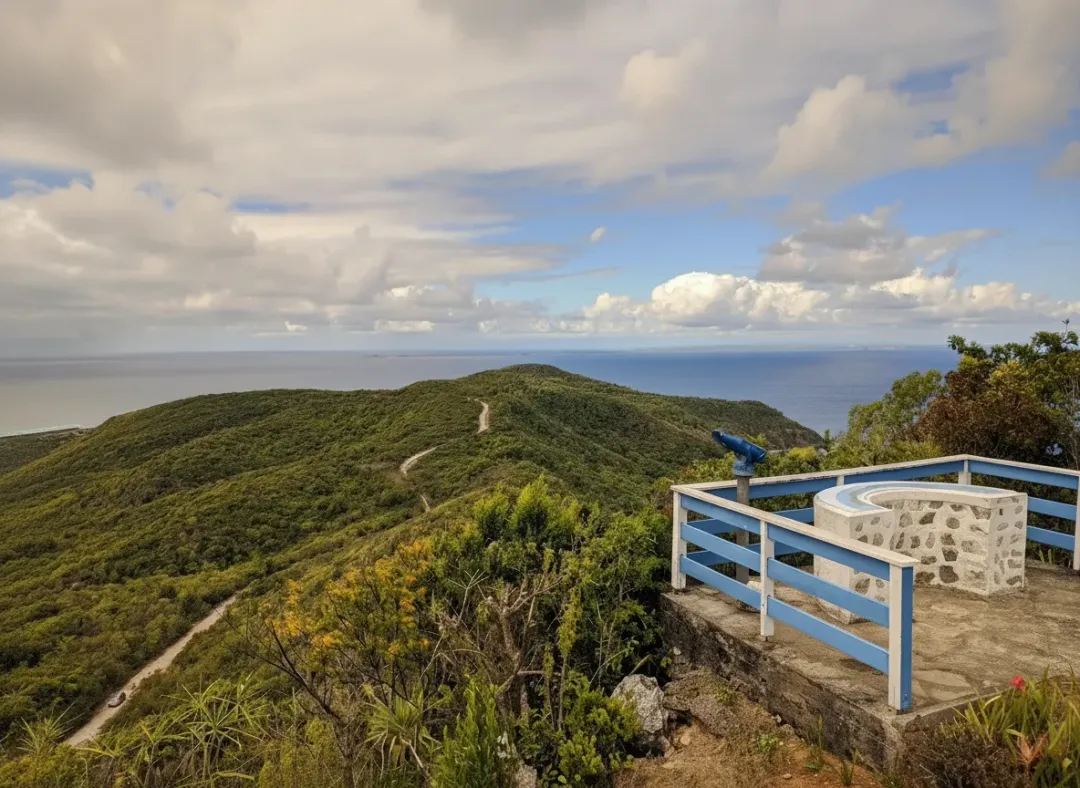
Réserve Géologique de la Grande Montagne
A geological reserve protecting some of the oldest rocks in the Lesser Antilles, dating back 150 million years. The trail to the 275m summit passes through dry forest and cactus scrub with sweeping views over the Atlantic.
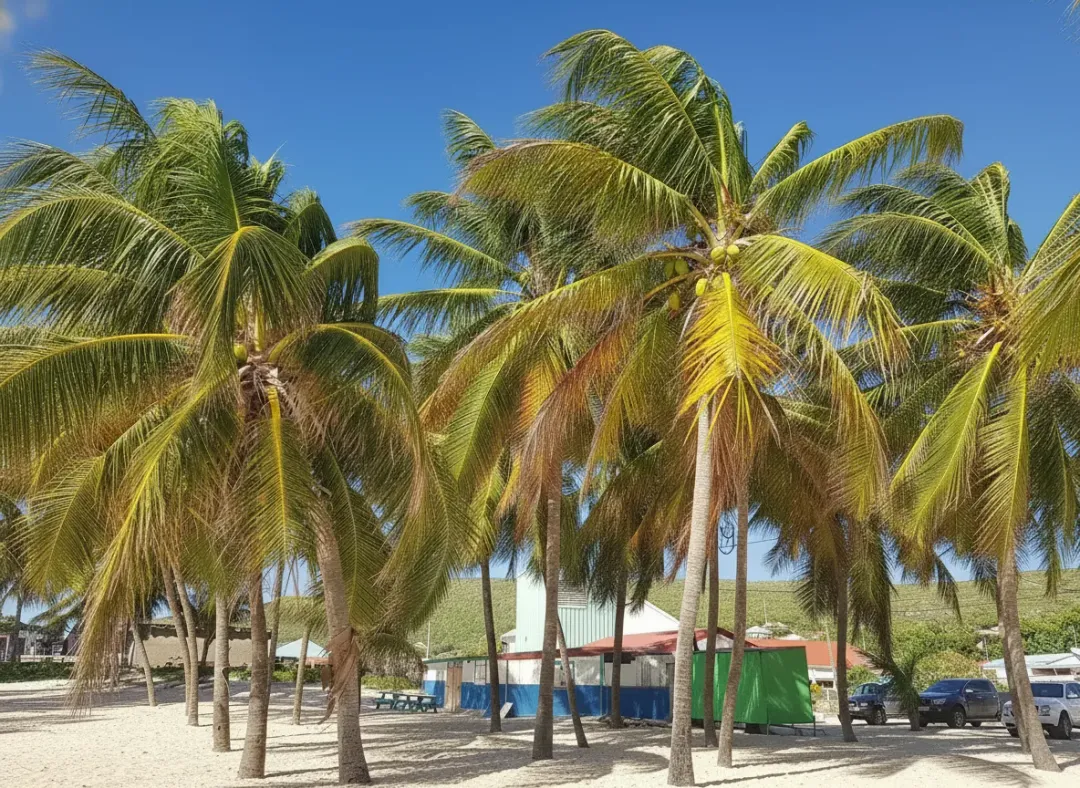
Plage de Fifi
A sheltered white-sand beach on the southern coast backed by sea grape trees. The calm, shallow waters and lack of crowds make it one of the most tranquil beaches in the Guadeloupe archipelago.
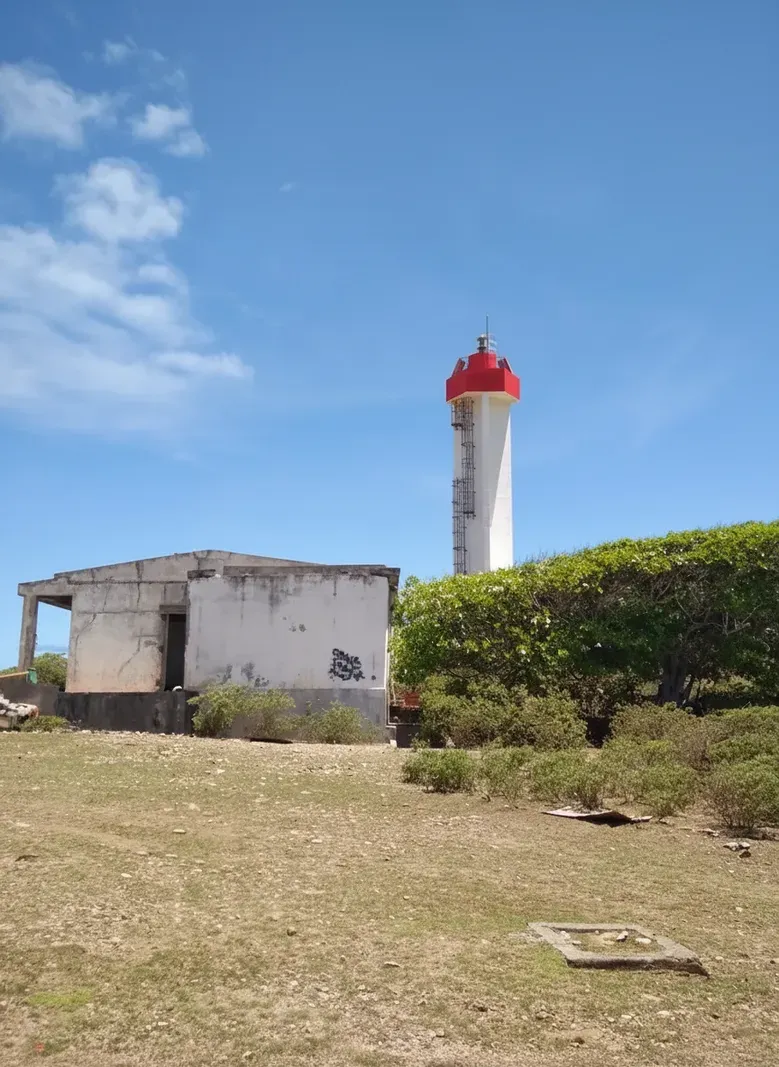
Phare de la Pointe Doublé
A historic lighthouse at the eastern tip of La Désirade, marking the first land sailors would sight when crossing from Africa. The windswept headland offers views of Petite Terre and the open Atlantic.
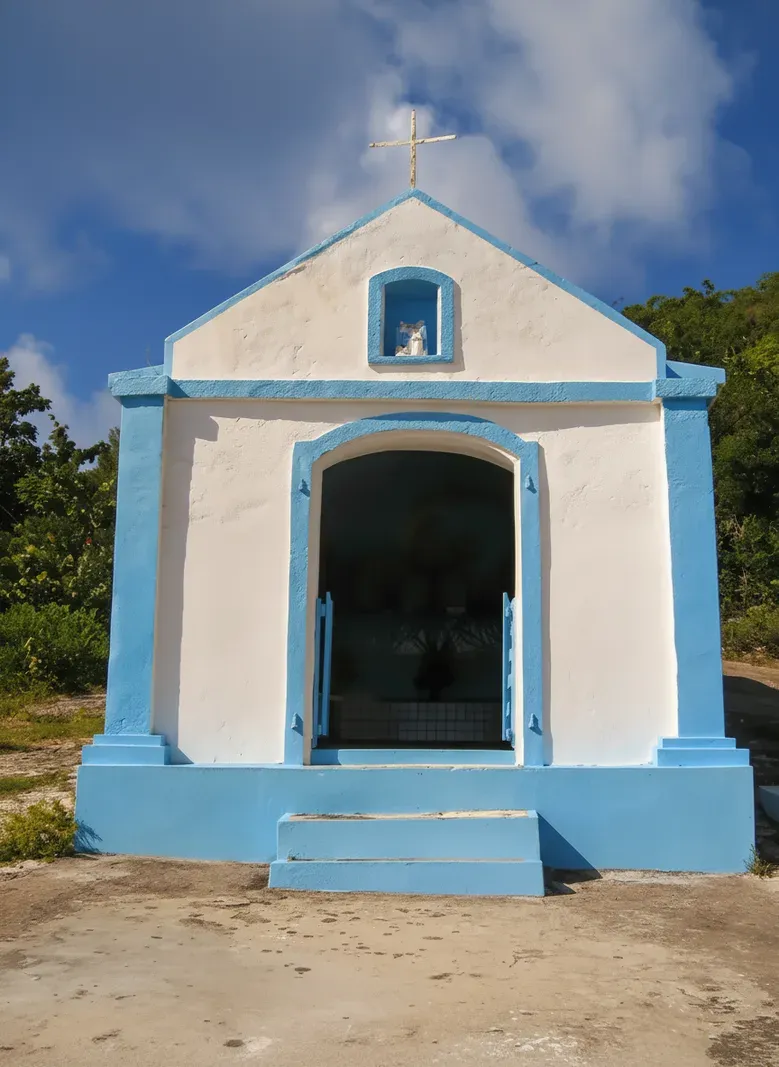
Chapelle Notre-Dame du Calvaire
A small whitewashed chapel perched on a cliff above Beauséjour, built by sailors grateful for safe passage. The panoramic viewpoint encompasses the village, the coast, and Guadeloupe's mountains on the horizon.
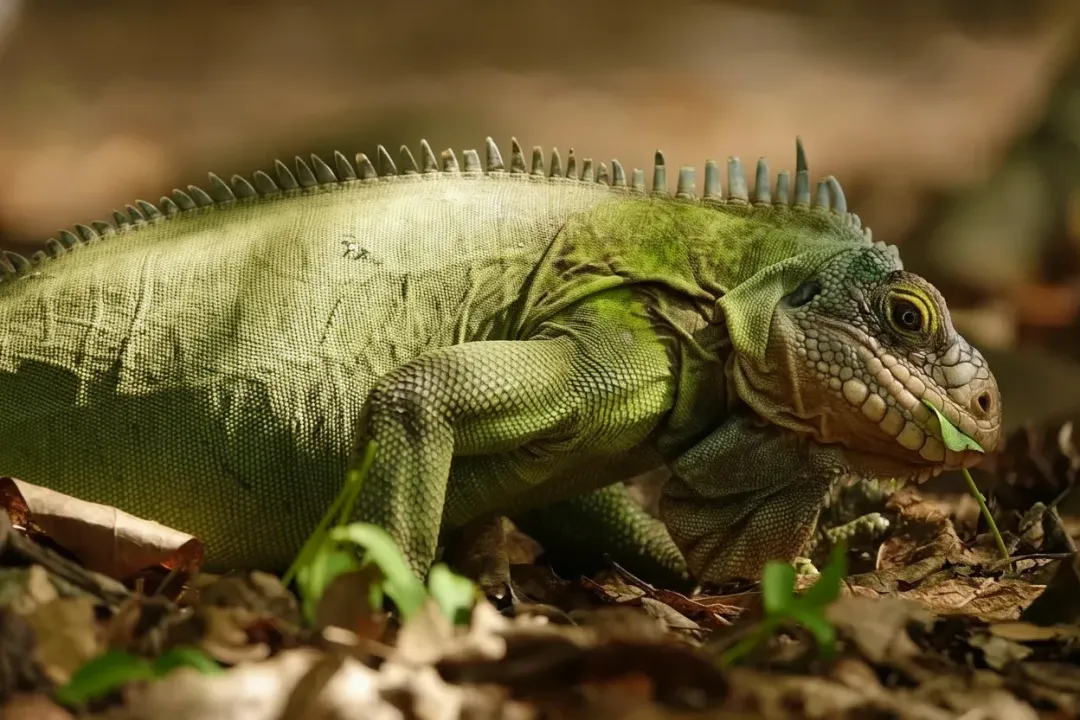
Sentier des Iguanes
A coastal trail along the southern shore where the endangered Lesser Antillean iguana (Iguana delicatissima) can be observed in its natural habitat. La Désirade is one of the last strongholds for this species.
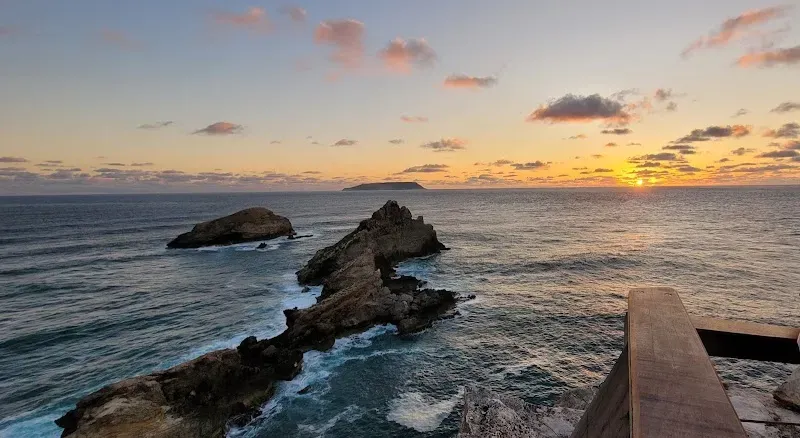
Pointes des colibris
Pointes des colibris is a nature attraction on La Désirade. This natural area showcases the lush tropical landscapes and diverse ecosystems that La Désirade is known for. Visitors can explore the local flora and fauna in a serene setting.
Hotels in La Désirade
Search for available rates by selecting your travel dates
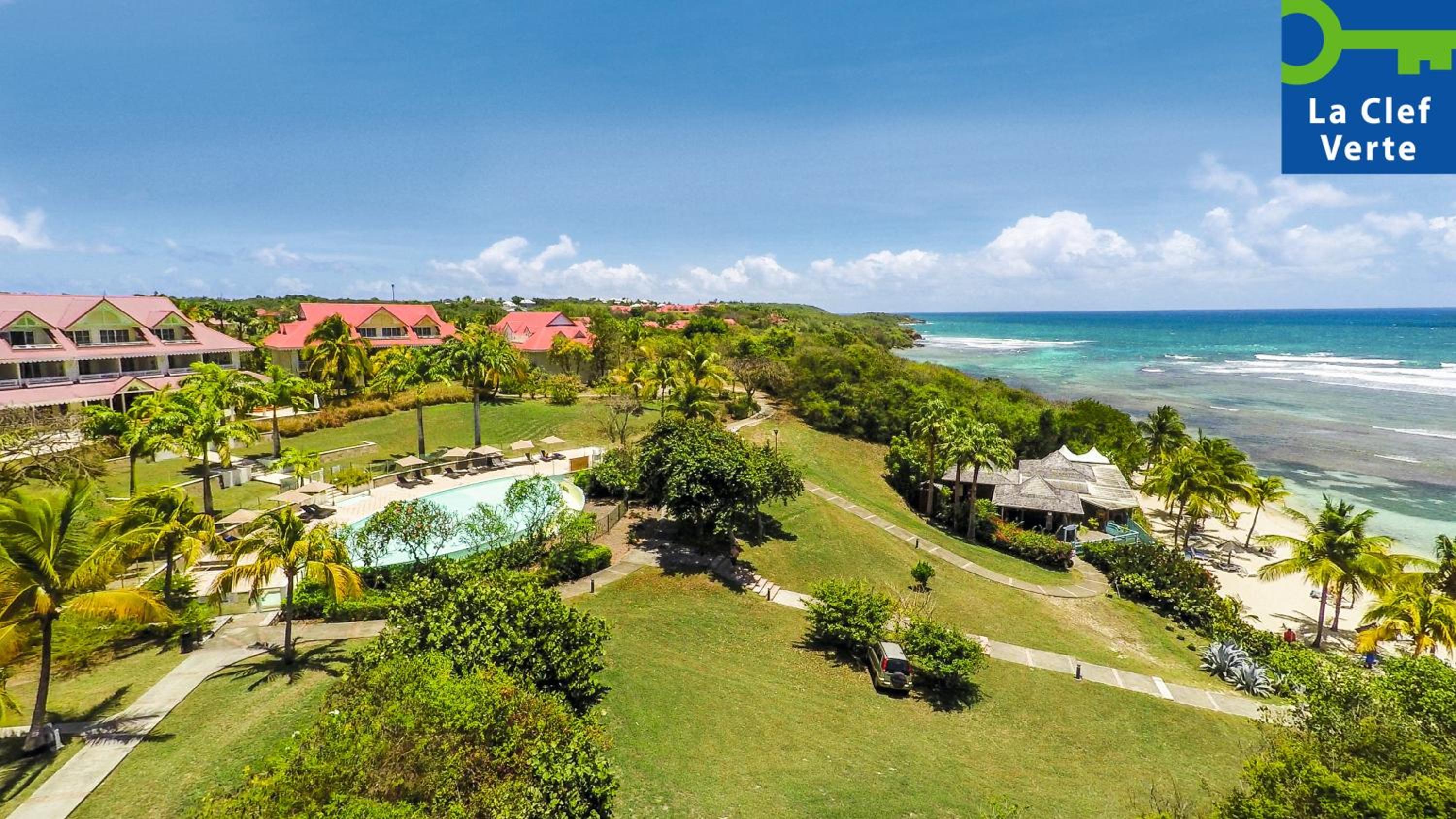
Résidence Pierre & Vacances Premium Les Tamarins
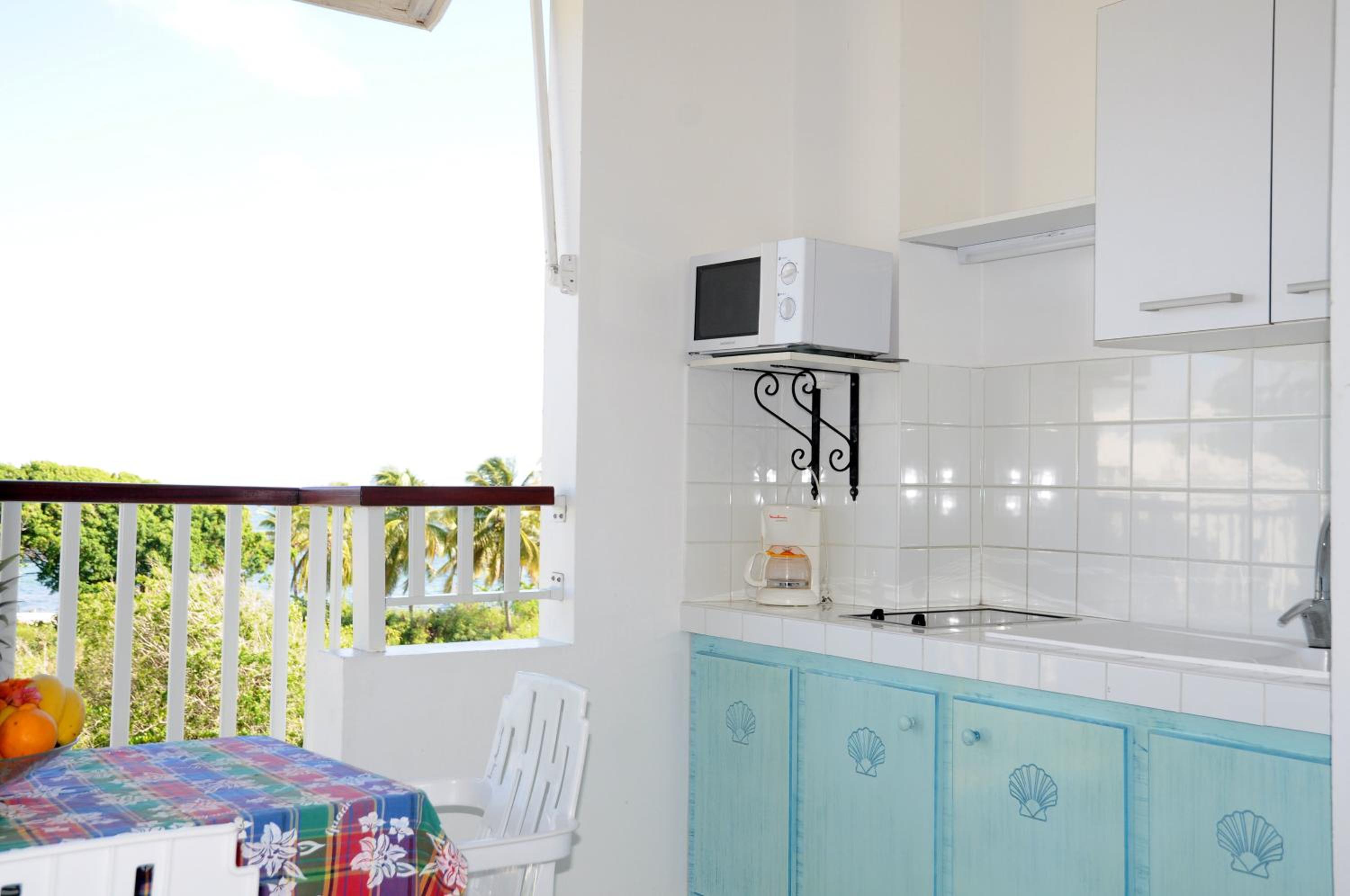
Résidence Tropicale
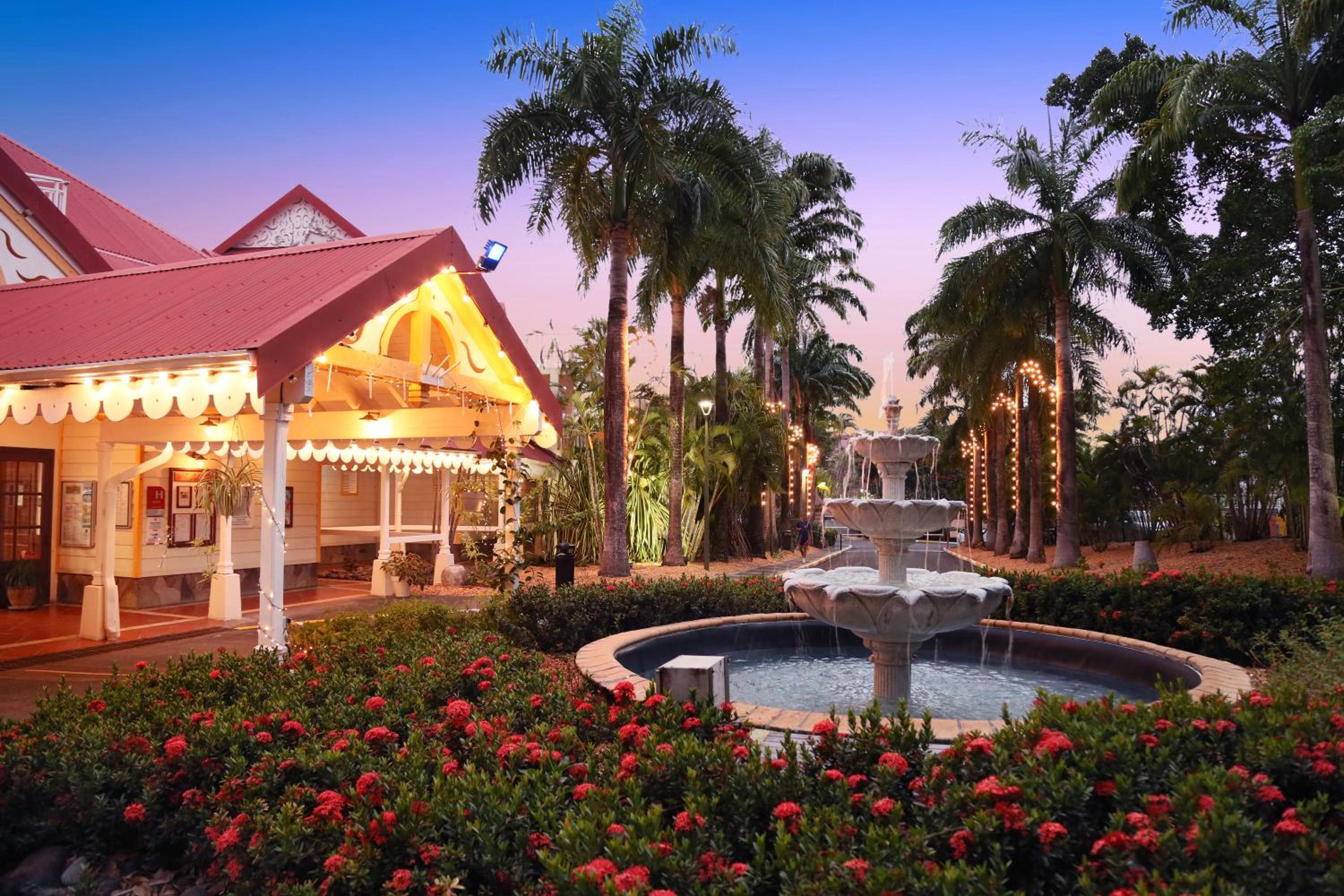
Village Pierre & Vacances Sainte Anne
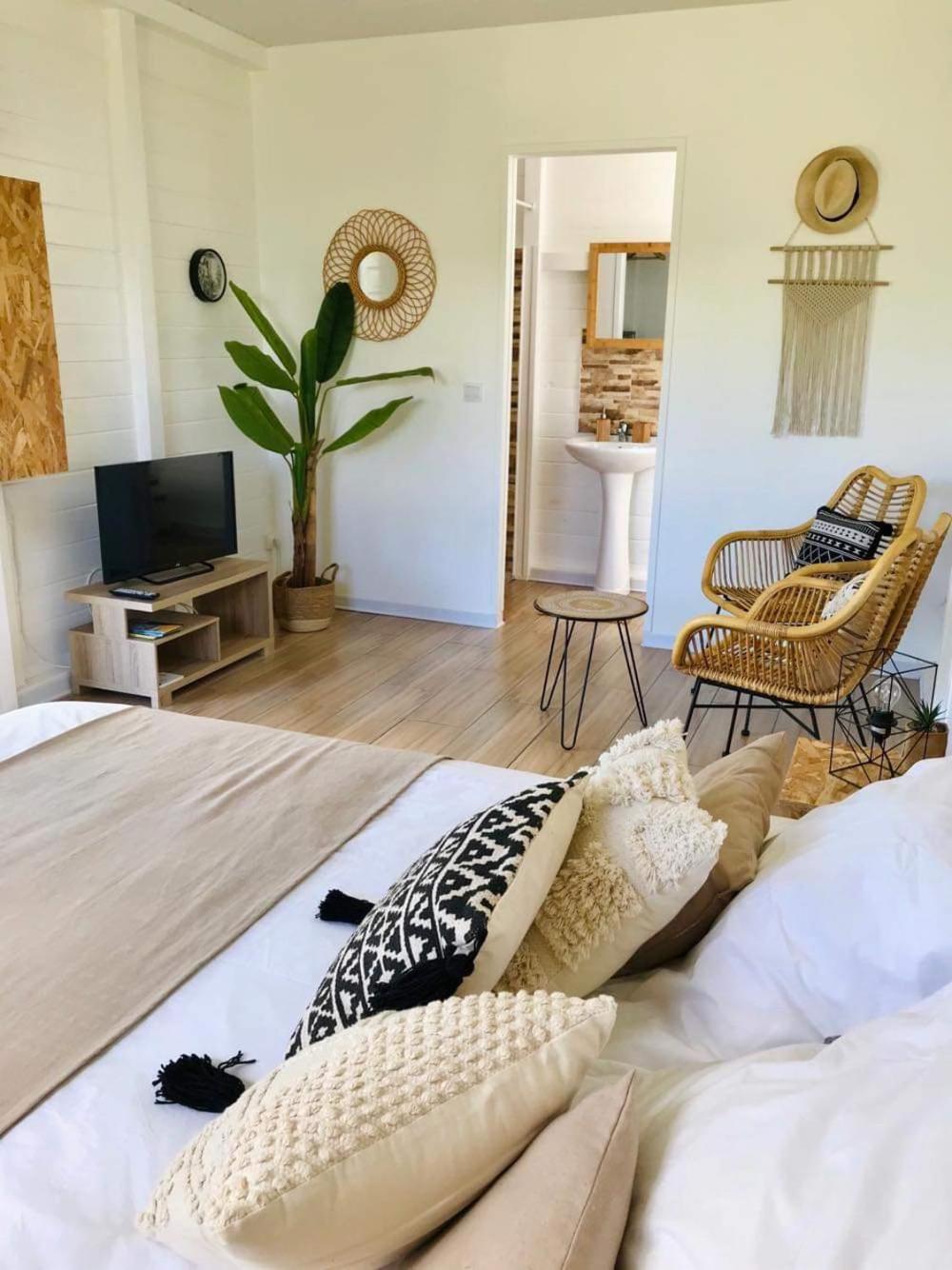
Kaz et Palmiers
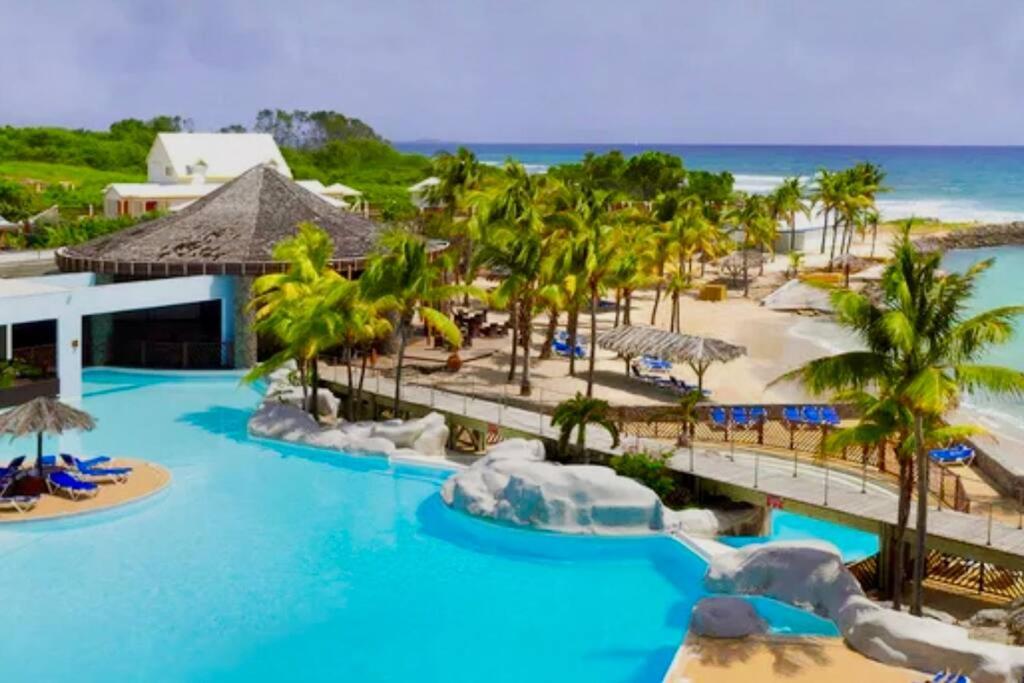 0
0Studio paisible
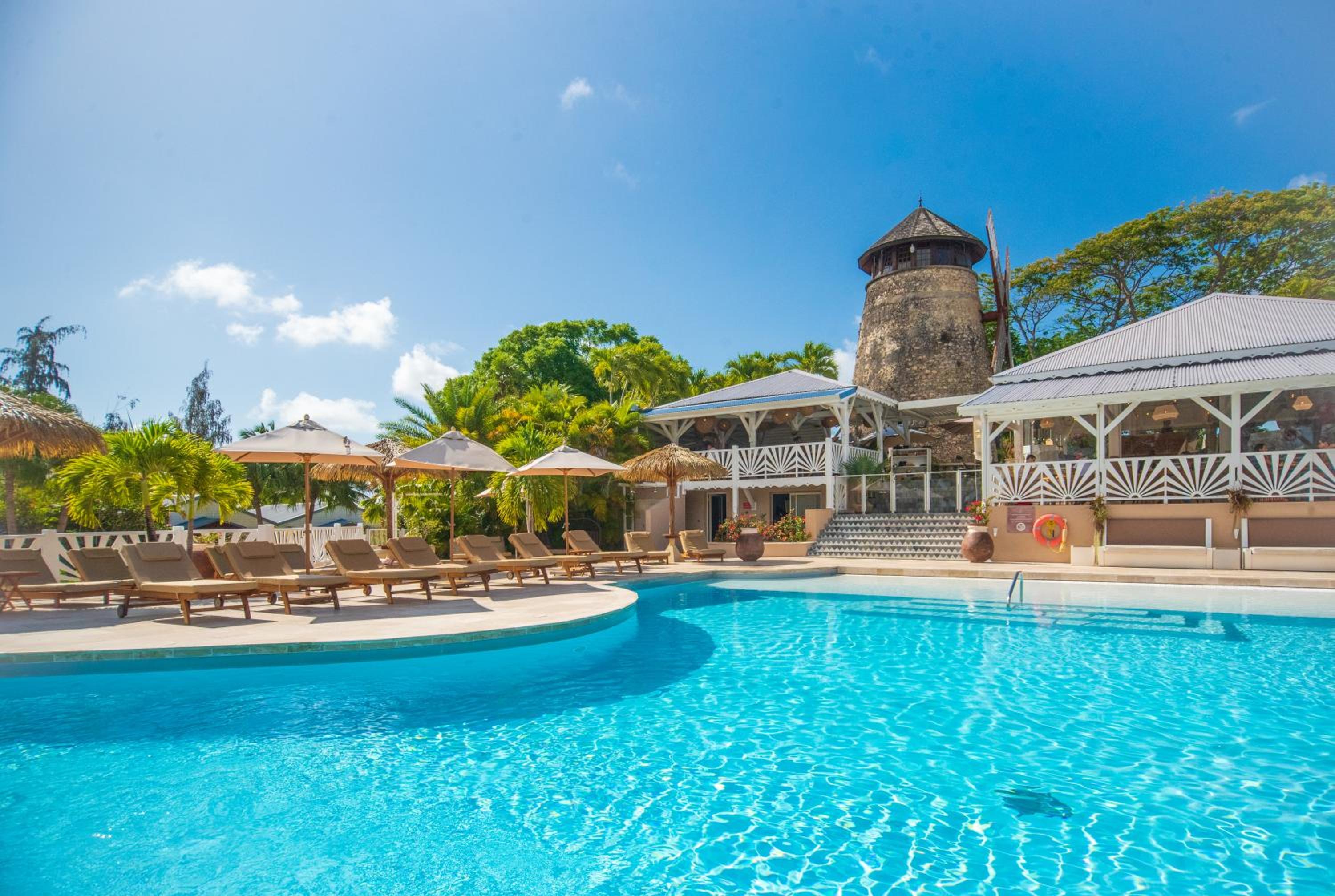
Le Relais du Moulin - Hôtel de Charme & Spa Adult Only
Top Restaurants in La Désirade
Popular dining spots near La Désirade
No restaurants available for La Désirade yet.
Weather in La Désirade
Average Temperature
75°F to 85°F (24°C to 29°C)
Rainy Season
May to November
Hurricane Season
June to November
Best Time to Visit
December to April for dry weather and optimal conditions for outdoor activities.
Travel Tips
- Book ferry tickets in advance during high season
- Bring cash as there are limited ATMs on the island
- Pack all essentials including medications as shopping options are limited
- Bring reef-safe sunscreen and insect repellent
- Consider renting a bicycle to explore the island
- Learn basic French phrases as English is not widely spoken
- Check the ferry schedule carefully for your return trip
Daily Budget (EUR)
Visa Requirements
As part of France, visitors need to follow French/Schengen visa requirements. Citizens of the EU, US, Canada, and many other countries can visit without a visa for up to 90 days.
Safety
La Désirade is generally very safe with minimal crime. The main concerns are sun exposure and dehydration due to the dry climate. Medical facilities are basic, with more comprehensive care available in Guadeloupe.
Getting Around
The island is small enough to explore by bicycle, which can be rented in Beauséjour. Scooters are also available for rent. Some locals offer taxi services for getting around the island.
Popular Activities
Best For
Get La Désirade Travel Tips
Subscribe for curated tips, deals, and inspiration for your La Désirade trip.