
Things to Do in La Désirade
The Geological Treasure of the French Antilles. Explore 24 attractions across the island.
La Désirade is the kind of place that makes you wonder why more people do not come here, and then you realize the answer is precisely why it is so good. This narrow, table-shaped island - 11 kilometers long and only 2 wide - sits east of Grande-Terre and receives a tiny fraction of Guadeloupe's tourist traffic. The ferry from Saint-François takes 45 minutes and arrives at Beauséjour, the island's only real settlement, where a single main road runs the length of the southern coast.
Start at Plage du Souffleur, a stunning white-sand beach on the southern shore about two kilometers east of the dock. The water is calm, turquoise, and shallow, with sea grape trees providing natural shade - it regularly appears on lists of the best beaches in Guadeloupe, yet on a weekday you might share it with fewer than a dozen people. From the beach, follow the main road east toward the Pointe des Châteaux end of the island, where the landscape becomes increasingly arid and cactus-studded, looking more like a Mediterranean garrigue than a Caribbean island.
The geological reserve along the northern coast is the island's most distinctive feature - La Désirade is the oldest exposed rock formation in the Lesser Antilles, dating back 145 million years to the Jurassic period, and the reserve protects rare pillow basalts, radiolarian cherts, and fossil-bearing limestone that geologists travel from around the world to study. A trail runs along the plateau edge with views of the Atlantic crashing against cliffs on the windward side, and interpretive panels explain the formations in French. The hike up to Notre-Dame du Calvaire, a small chapel on the central plateau, rewards with a 360-degree panorama: Guadeloupe's green peaks to the west, the flat expanse of Petite Terre to the south, and open ocean in every other direction.
The old lighthouse, Le Phare, at the eastern tip of the island is a pleasant walk along an increasingly wild and windswept path. Baie Mahault, on the more sheltered western end, is a quieter beach alternative with rock pools and good snorkeling along the edges. La Désirade was historically used as a quarantine station for lepers, and traces of the old hospital and isolation buildings near Baie Mahault add a somber historical layer to the landscape.
Top Activities
Swim at Plage du Souffleur
The island's finest beach stretches along the southern coast with white sand, calm turquoise water, and natural shade from sea grape trees. A small beach bar operates during the day. The swimming is safe and the water shallow for a long way out, making it ideal for families. Often nearly deserted on weekdays.
Explore the Geological Reserve
La Désirade's northern coast contains rock formations dating back 145 million years - the oldest exposed geology in the Lesser Antilles. A marked trail along the plateau edge passes pillow basalts and fossil-bearing limestone with interpretive panels. The views of the Atlantic from the cliff edge are dramatic.
Hike to Notre-Dame du Calvaire
The chapel on the central plateau offers a 360-degree panorama that is the best viewpoint on the island. On a clear day you can see Guadeloupe, Marie-Galante, Petite Terre, and Montserrat. The hike from Beauséjour takes about 40 minutes each way along a moderate trail. Bring water and sun protection.
Walk to Le Phare Lighthouse
The old lighthouse at the island's eastern tip sits on an exposed, windswept point. The walk from the main road passes through increasingly arid landscape of cactus and dry scrub. The lighthouse itself is not open for climbing, but the setting and the views of open Atlantic are worth the trek.
Snorkel at Baie Mahault
This sheltered bay on the western end of the island has rocky edges with coral growth and clear water. Small fish, sea urchins, and occasional turtles can be spotted close to shore. Bring your own gear - there are no rental facilities on the island. The ruins of the old leper colony are nearby.
Cycle the Island
La Désirade's single main road runs 11 kilometers from west to east along the southern coast, with minimal traffic and gentle grades. A round trip with stops at beaches, the chapel, and the lighthouse takes a half day. Bicycles can sometimes be arranged through guesthouses, though bringing your own from Guadeloupe is more reliable.
Attractions in La Désirade
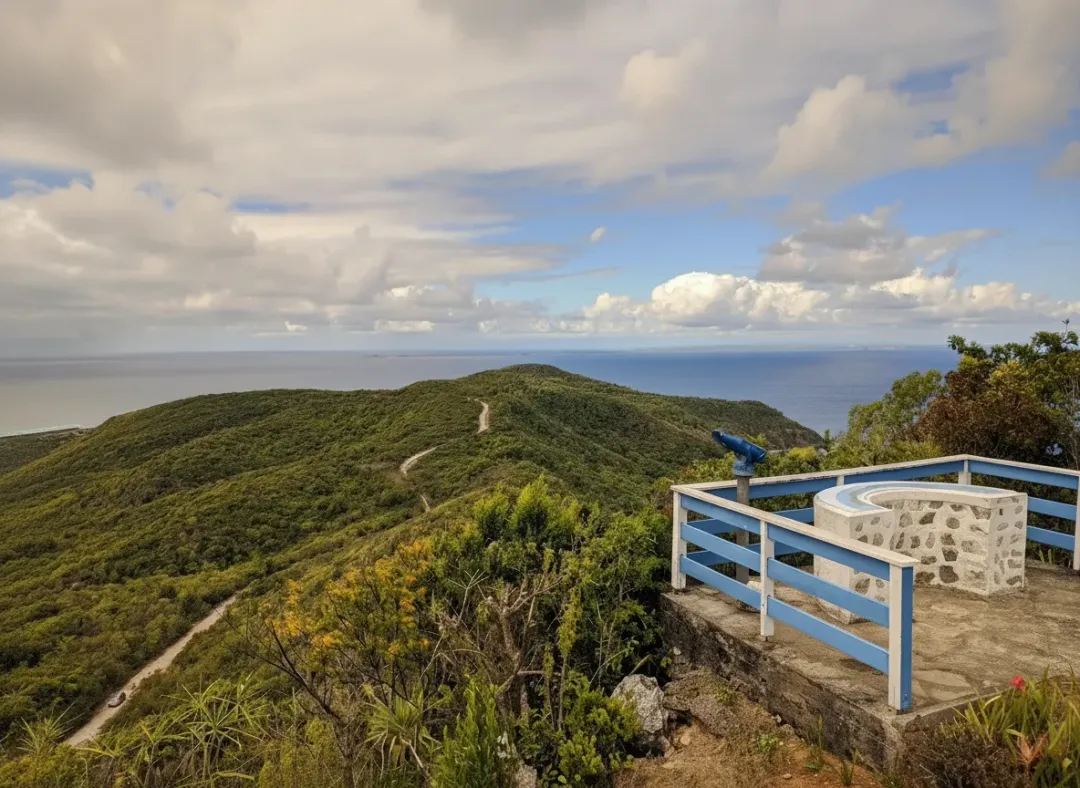
Réserve Géologique de la Grande Montagne
A geological reserve protecting some of the oldest rocks in the Lesser Antilles, dating back 150 million years. The trail to the 275m summit passes through dry forest and cactus scrub with sweeping views over the Atlantic.
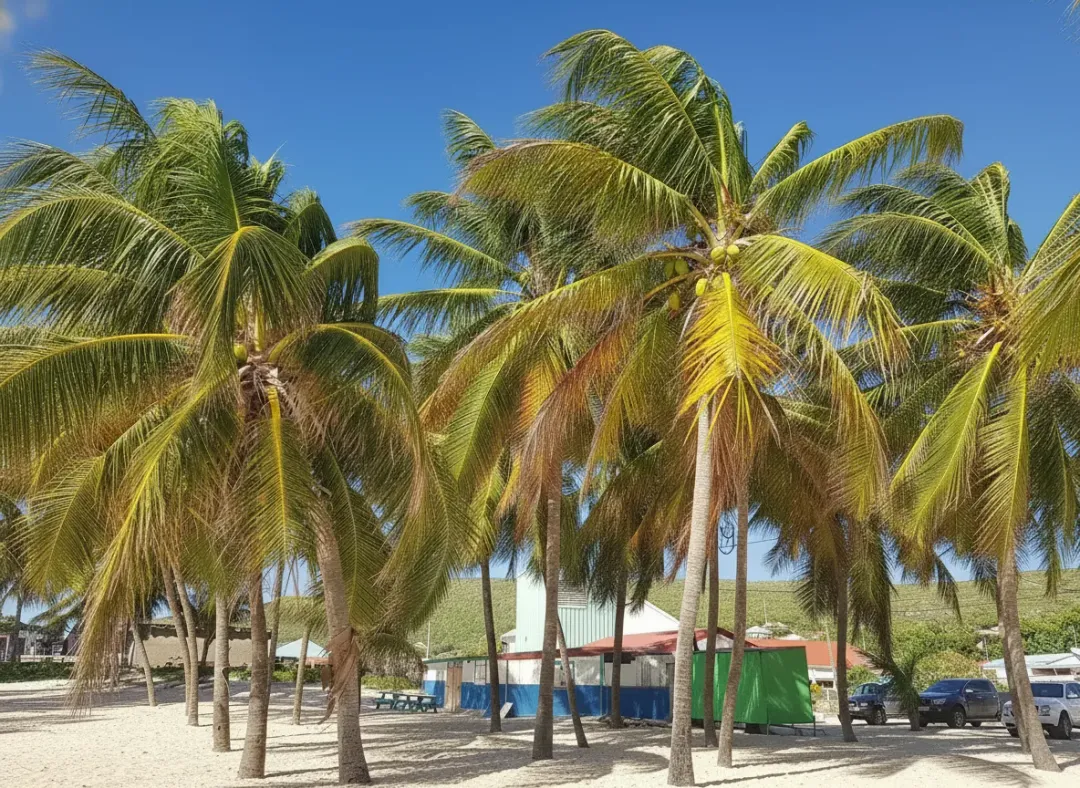
Plage de Fifi
A sheltered white-sand beach on the southern coast backed by sea grape trees. The calm, shallow waters and lack of crowds make it one of the most tranquil beaches in the Guadeloupe archipelago.
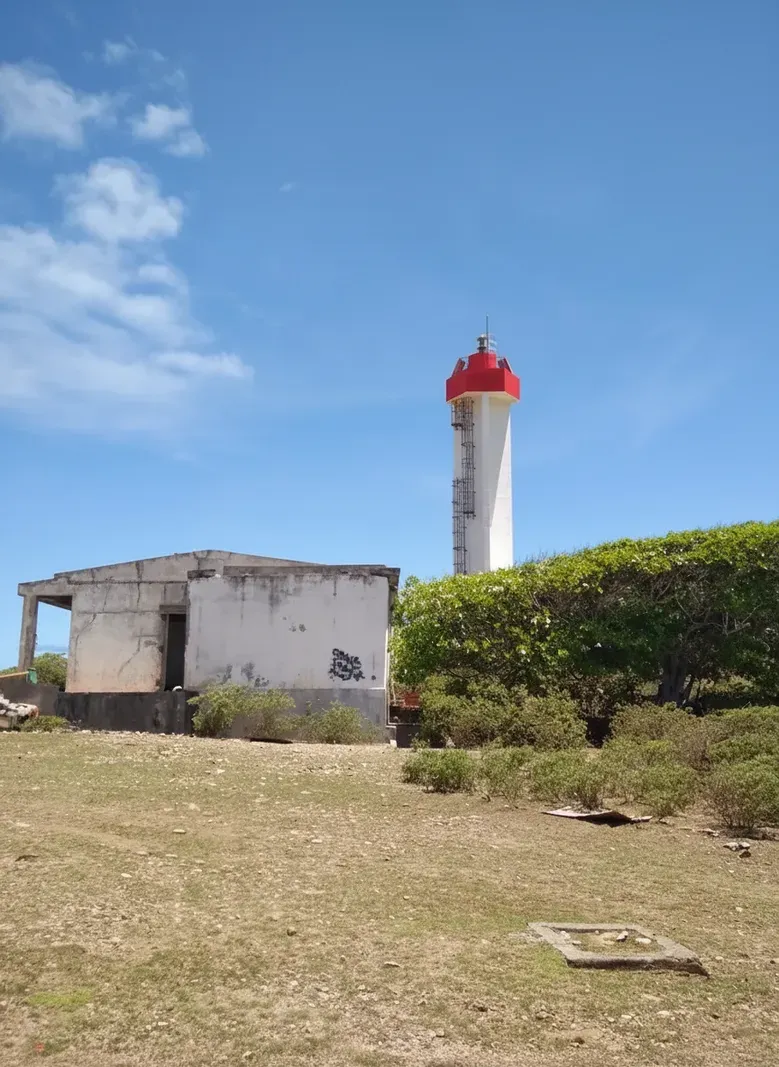
Phare de la Pointe Doublé
A historic lighthouse at the eastern tip of La Désirade, marking the first land sailors would sight when crossing from Africa. The windswept headland offers views of Petite Terre and the open Atlantic.
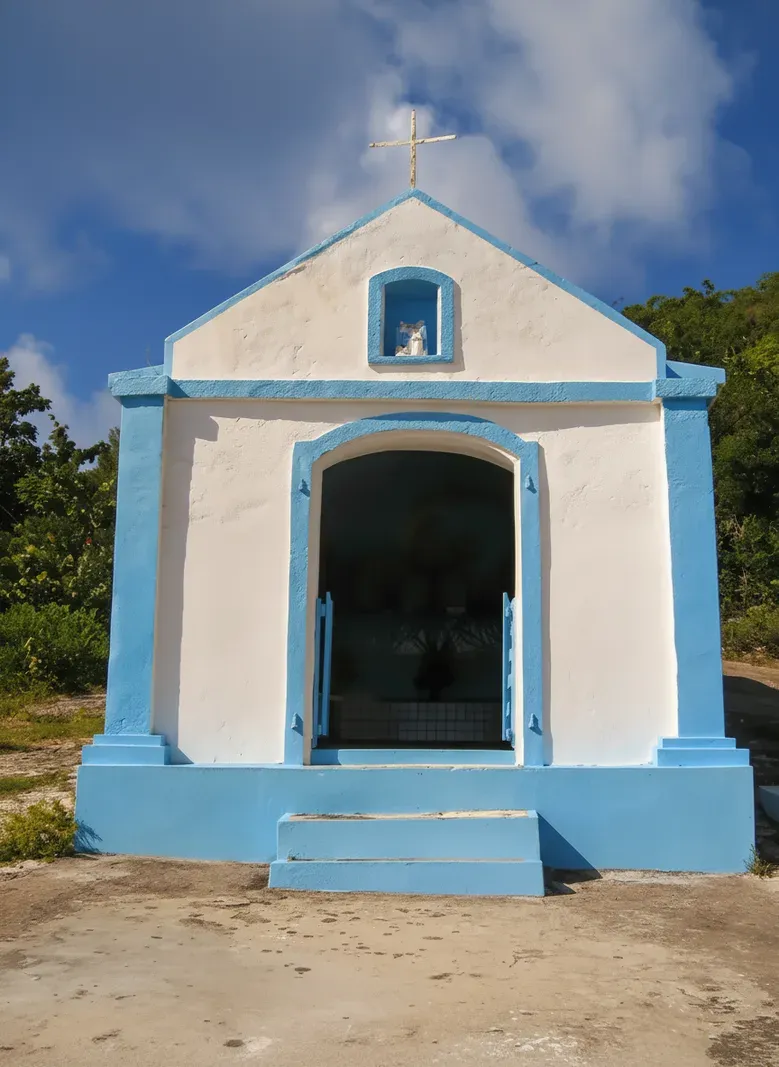
Chapelle Notre-Dame du Calvaire
A small whitewashed chapel perched on a cliff above Beauséjour, built by sailors grateful for safe passage. The panoramic viewpoint encompasses the village, the coast, and Guadeloupe's mountains on the horizon.
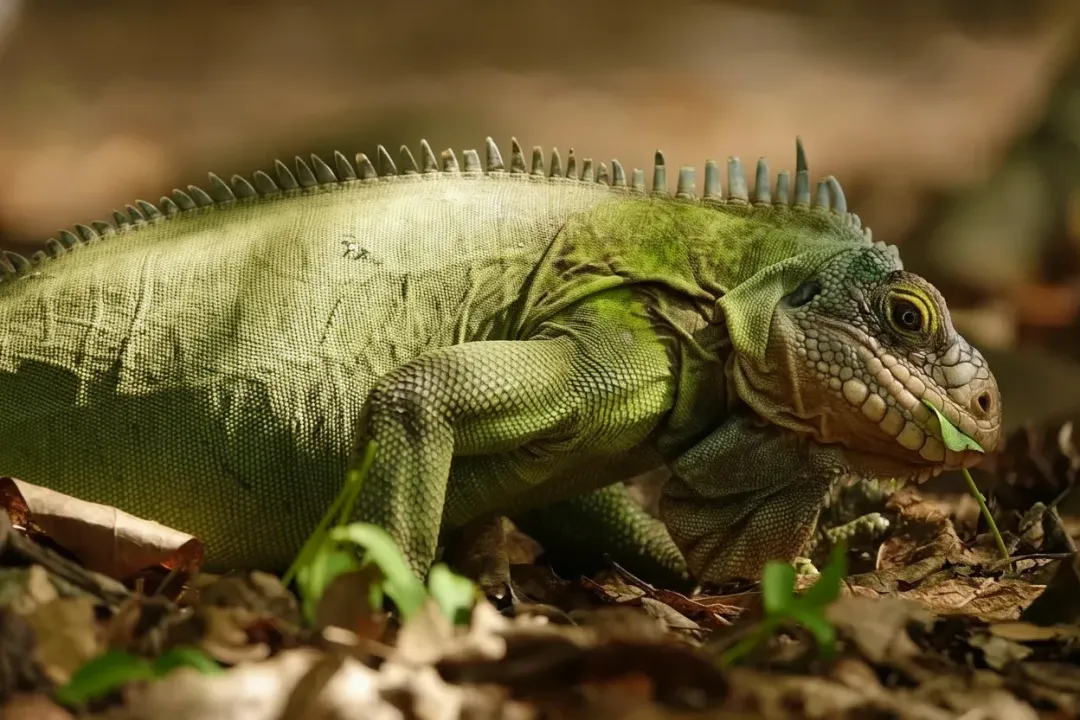
Sentier des Iguanes
A coastal trail along the southern shore where the endangered Lesser Antillean iguana (Iguana delicatissima) can be observed in its natural habitat. La Désirade is one of the last strongholds for this species.
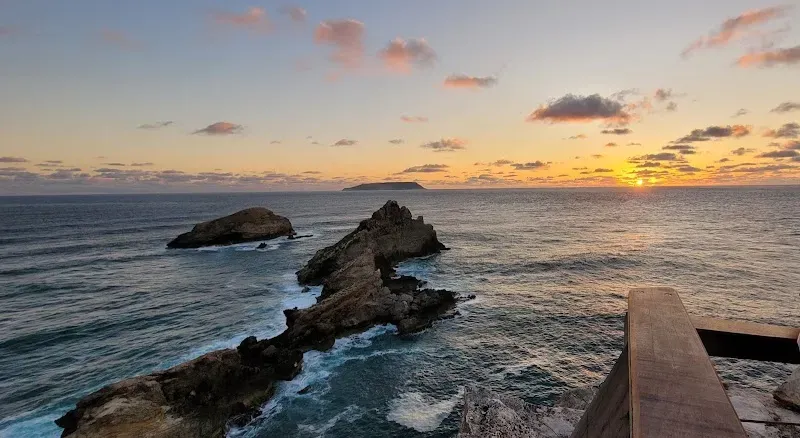
Pointes des colibris
Pointes des colibris is a nature attraction on La Désirade. This natural area showcases the lush tropical landscapes and diverse ecosystems that La Désirade is known for. Visitors can explore the local flora and fauna in a serene setting.
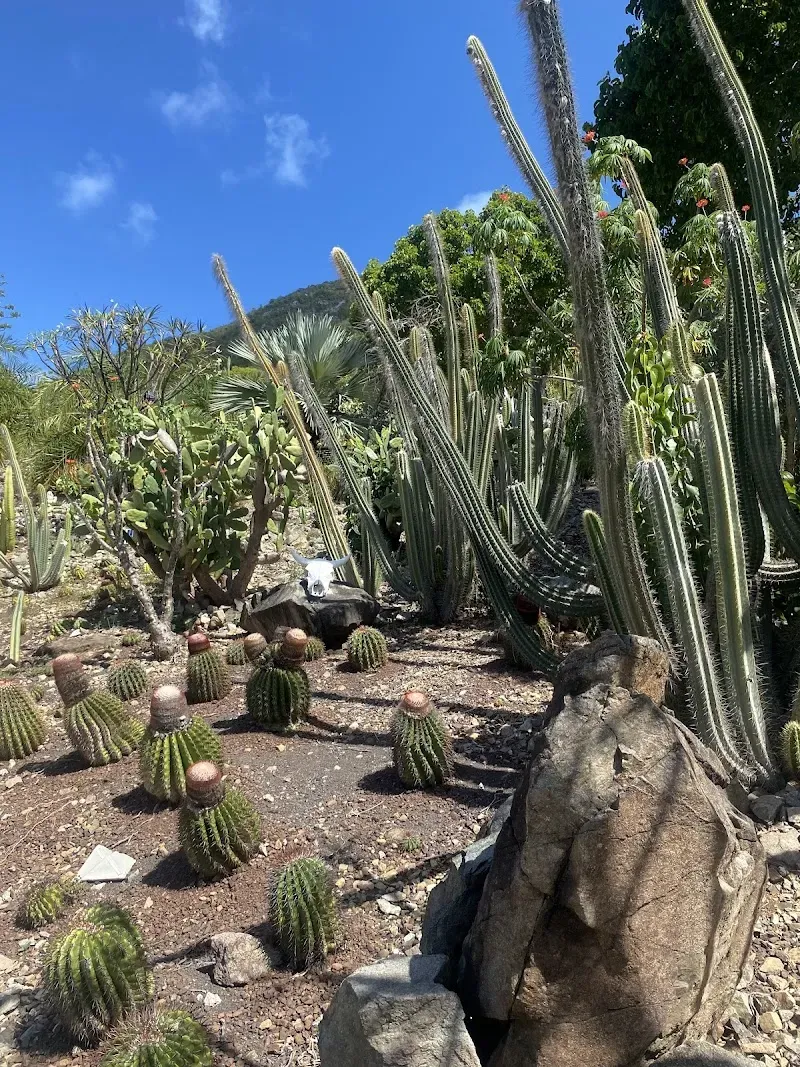
du Désert, La Désirade Botanical Garden
du Désert, La Désirade Botanical Garden is a nature attraction on La Désirade. This natural area showcases the lush tropical landscapes and diverse ecosystems that La Désirade is known for. Visitors can explore the local flora and fauna in a serene setting.
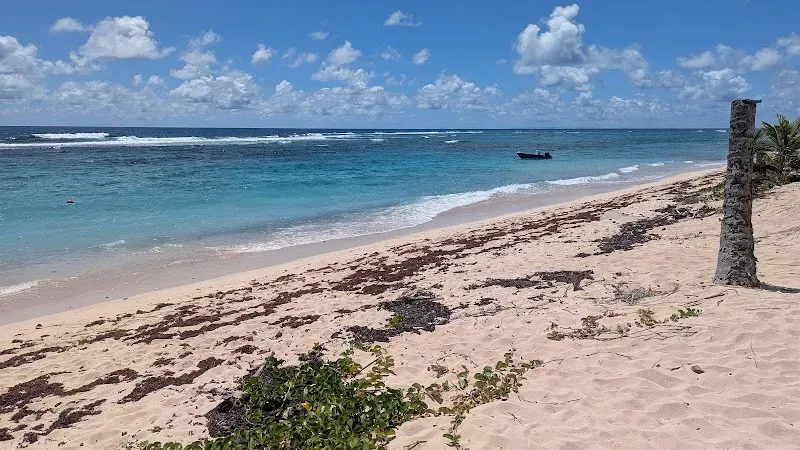
Plage de l’Anse du Souffleur
Plage de l’Anse du Souffleur is a nature attraction on La Désirade. This natural area showcases the lush tropical landscapes and diverse ecosystems that La Désirade is known for. Visitors can explore the local flora and fauna in a serene setting.
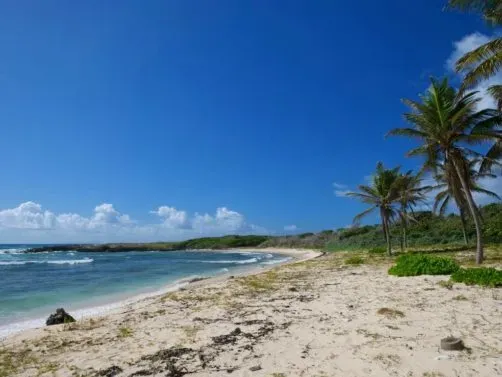
Plage des Galets
Plage des Galets is a nature attraction on La Désirade. This natural area showcases the lush tropical landscapes and diverse ecosystems that La Désirade is known for. Visitors can explore the local flora and fauna in a serene setting.
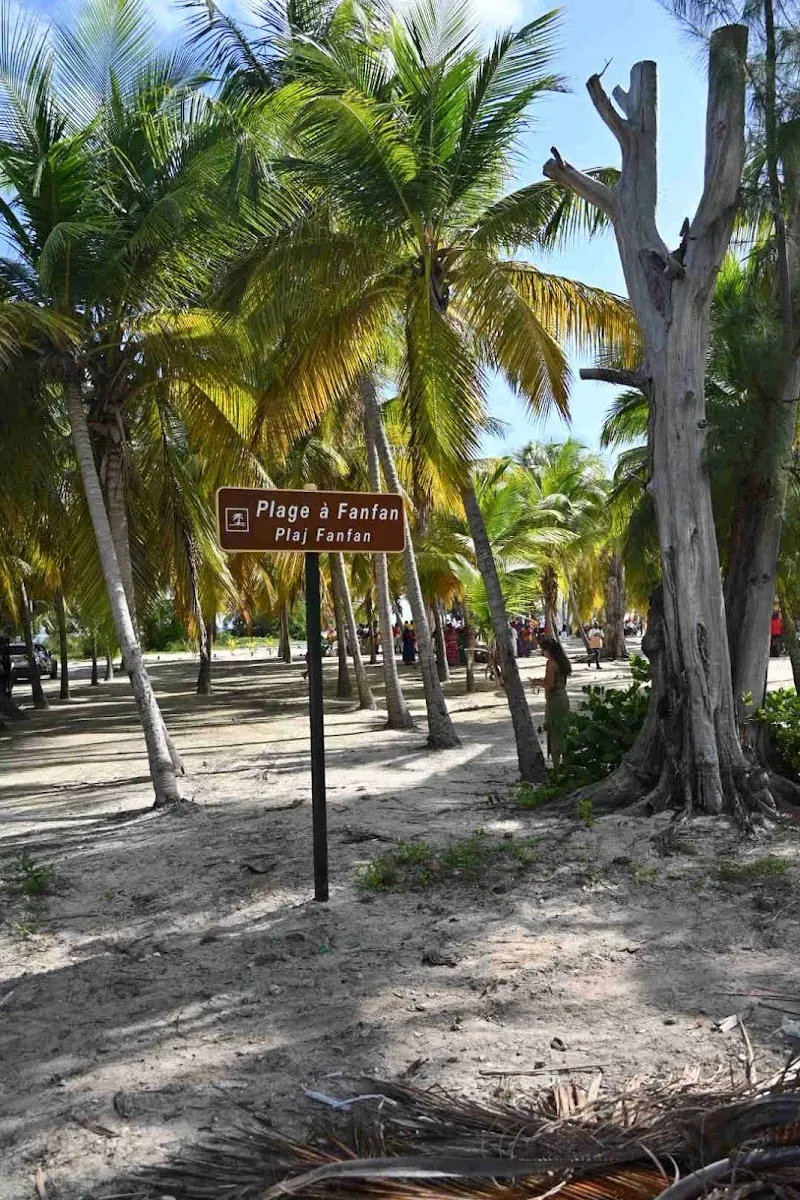
Plage à fanfan
Plage à fanfan is a nature attraction on La Désirade. This natural area showcases the lush tropical landscapes and diverse ecosystems that La Désirade is known for. Visitors can explore the local flora and fauna in a serene setting.
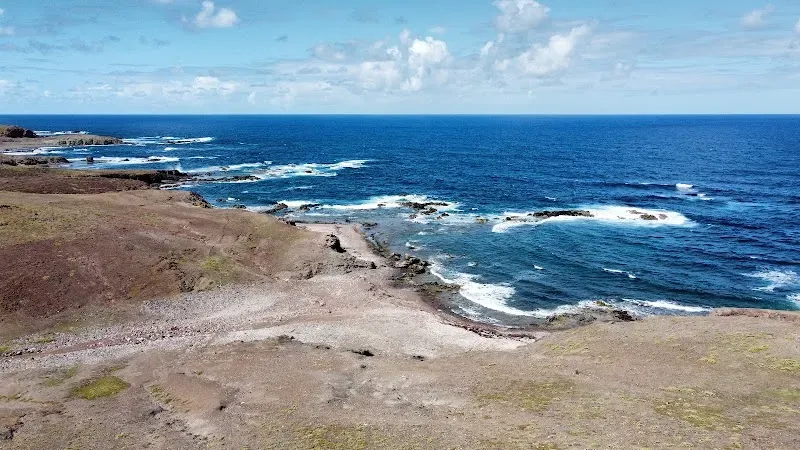
Ancienne station météorologique
Ancienne station météorologique is a nature attraction on La Désirade. This natural area showcases the lush tropical landscapes and diverse ecosystems that La Désirade is known for. Visitors can explore the local flora and fauna in a serene setting.
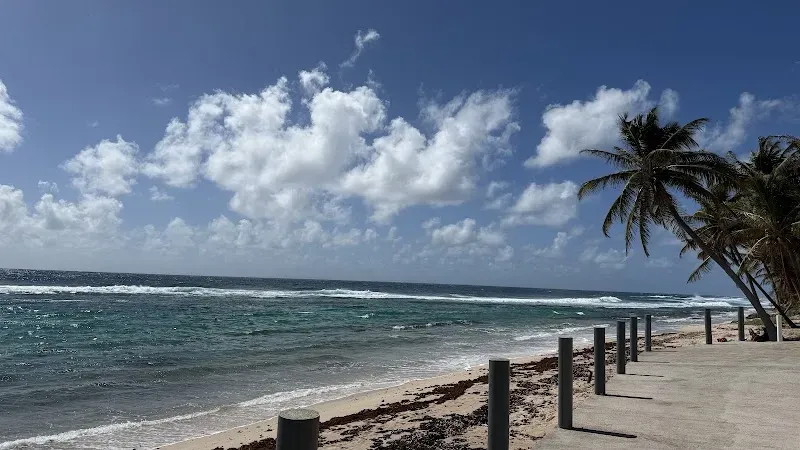
Plage de l'Anse Rivière
Plage de l'Anse Rivière is a nature attraction on La Désirade. This natural area showcases the lush tropical landscapes and diverse ecosystems that La Désirade is known for. Visitors can explore the local flora and fauna in a serene setting.
Explore More of La Désirade
Find hotels, restaurants, and bookable experiences on our full island page.