
Things to Do in Martinique
The Flower Island of the Caribbean. Explore 48 attractions and 57 bookable experiences across the island.
Martinique is the most culturally layered island in the Caribbean, a place where the volcanic north feels like a different country from the beach-lined south, and where French, African, and Creole traditions have fused into something entirely original. Begin in Saint-Pierre on the northwest coast, once known as the Paris of the Caribbean before Mont Pelée's 1902 eruption killed 30,000 people in minutes and buried the city under volcanic debris. The Musée Volcanologique Frank Perret displays scorched household objects, melted church bells, and the cell of the eruption's sole survivor - a prisoner named Louis-Auguste Cyparis whose thick-walled dungeon saved his life.
The ruins of the old theater and warehouses are still visible along the waterfront, and the snorkeling over the submerged ruins in the harbor is haunting and unique. From Saint-Pierre, the hike up Mont Pelée takes four to five hours round trip from the Aileron trailhead, climbing through cloud forest before emerging above the treeline into a lunar landscape of sulfur vents and volcanic rock. Clear summit days are rare - start before 7 a.m. for the best chance of views before clouds close in.
South of Fort-de-France, the energy shifts to Caribbean leisure. Les Salines near Sainte-Anne is the island's most famous beach, a long crescent of white sand backed by coconut palms that gets crowded on weekends with families grilling and playing music. For more solitude, drive past Les Salines to Anse Trabaud, a wilder, windswept beach reached by a 15-minute walk from the parking area.
The Presqu'île de la Caravelle, a peninsula on the Atlantic coast, offers excellent hiking through dry coastal forest to the ruins of Château Dubuc, a 17th-century plantation with views across the Atlantic to the islands of Dominica and Marie-Galante. Martinique's rum heritage is not just a tourist attraction - it is a genuine appellation d'origine contrôlée, the only rum in the world with AOC status. Distillery visits are essential.
Habitation Clément in Le François has the most polished visitor experience, set in a beautifully restored plantation house surrounded by contemporary art installations. Distillerie JM in Macouba, on the northern tip of the island, produces some of the finest aged rhum agricole in Martinique and the setting - steep hillsides dropping to the Atlantic - is dramatic. Rhum Neisson in Le Carbet is smaller and more artisanal, with tastings that let you compare blanc, élevé sous bois, and aged expressions side by side.
Top Activities
Hike Mont Pelée to the Summit
The 4,583-foot active volcano dominates the island's northern skyline. The main trail from Aileron takes four to five hours round trip through cloud forest and volcanic rock. Start before 7 a.m. to beat the clouds. Proper hiking boots, rain gear, and a liter of water per person are essential. The trail is well-marked but steep.
Tour the Ruins of Saint-Pierre
The 1902 eruption of Mont Pelée destroyed this thriving colonial city in under two minutes. Visit the Musée Volcanologique to see artifacts from the disaster, walk among the ruins of the old theater and prison, and snorkel the harbor where ships sunk by the pyroclastic flow now shelter tropical fish.
Visit Habitation Clément Rum Distillery
Set in a restored 18th-century plantation house in Le François, this distillery combines rum production, Creole architecture, and a world-class contemporary art collection. The tasting room offers flights of aged rhum agricole. Allow two hours for the full visit. Entry is around 14 euros.
Snorkel îlet Chancel with the Iguanas
A short boat ride from Le Robert on the Atlantic coast reaches this small islet that is home to a large colony of lesser Antillean iguanas, an endangered species found nowhere else. Guided kayak tours combine paddling through mangroves with snorkeling and an island walk among the iguanas.
Hike the Presqu'île de la Caravelle Trail
This three-hour loop trail on the Atlantic coast peninsula passes through dry tropical forest, mangroves, and coastal cliffs before reaching the ruins of Château Dubuc, a 17th-century sugar plantation. Views stretch to Dominica on a clear day. The trail is exposed - bring sun protection and water.
Spend a Day at Les Salines Beach
Martinique's most iconic beach near Sainte-Anne is a long arc of white sand backed by leaning coconut palms. The water is shallow and calm, ideal for families. Arrive early on weekends when local families set up grills and sound systems. Food vendors sell accras, bokits, and fresh coconut along the access road.
Explore the Jardin de Balata
This private botanical garden in the hills above Fort-de-France showcases over 3,000 tropical plant species including heliconias, anthuriums, and bromeliads, set among towering trees connected by wooden suspension bridges. Hummingbirds are everywhere. The treetop walkway offers aerial views of the garden canopy. Entry is about 15 euros.
Taste Rhum Agricole at Distillerie JM
Tucked into the steep hills of Macouba on the island's northern tip, Distillerie JM produces some of the finest aged rhum in the French Caribbean. The self-guided tour walks through the production process from cane pressing to barrel aging, and the tasting room pours expressions you cannot find off-island.
Attractions in Martinique
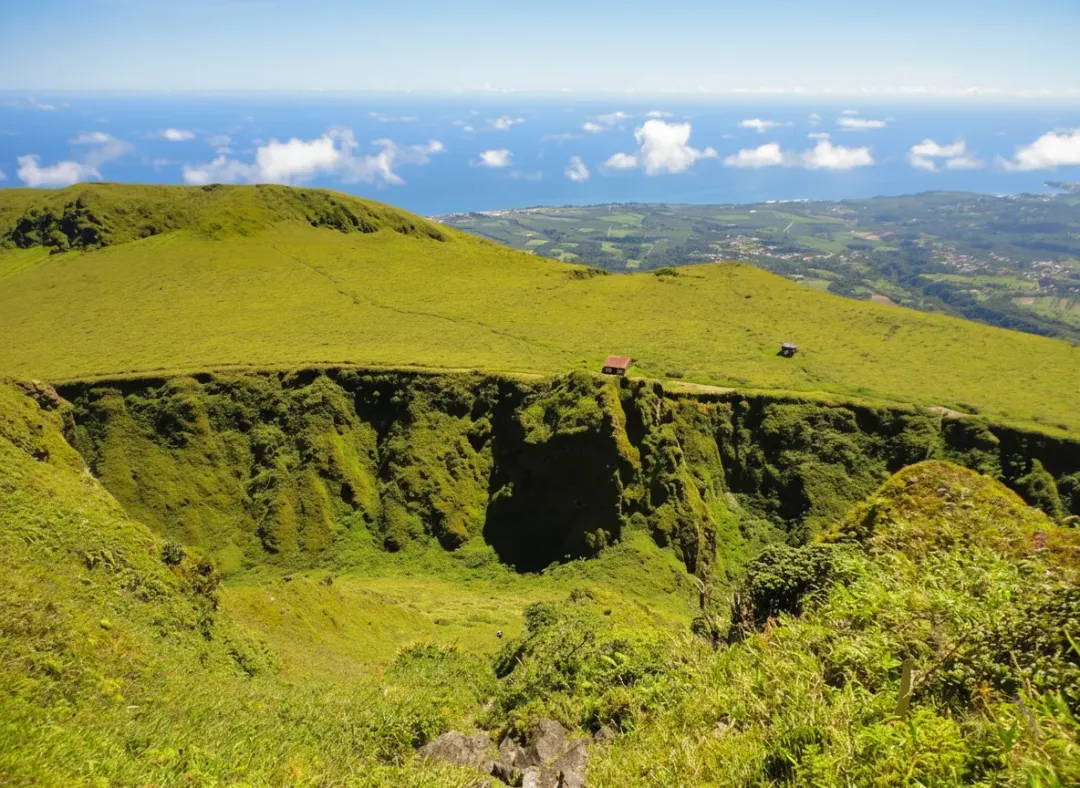
Mont Pelée
The volcano that destroyed the city of Saint-Pierre in 1902, killing 30,000 people in minutes. Today hikers can summit the 1,397m peak through cloud forest for stunning views, while the ruins of Saint-Pierre below tell the story of the Caribbean's Pompeii.
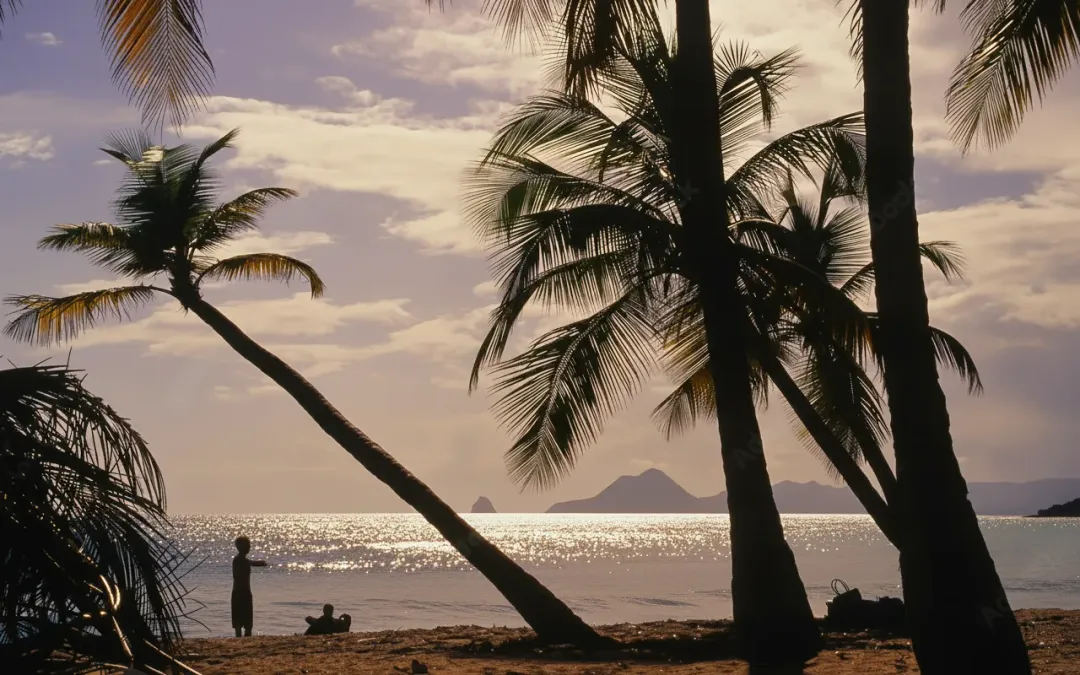
Anse des Salines
The most famous beach in Martinique, a long arc of white sand backed by coconut palms at the island's southern tip. Calm, shallow turquoise waters and nearby mangrove trails make it perfect for a full day out.
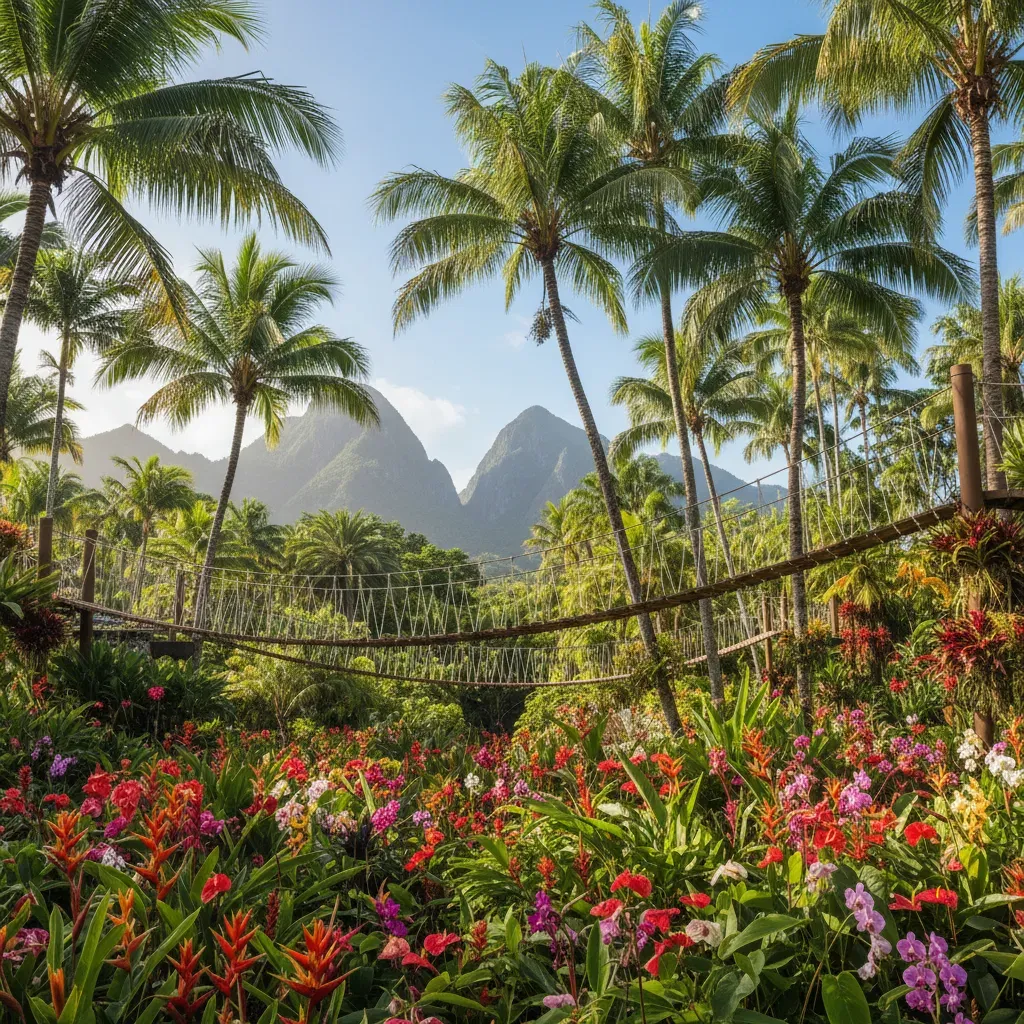
Jardin de Balata
A lush botanical garden perched in the hills above Fort-de-France with over 3,000 tropical plant species. Suspended walkways through the tree canopy offer eye-level views of hummingbirds, heliconias, and bromeliads.
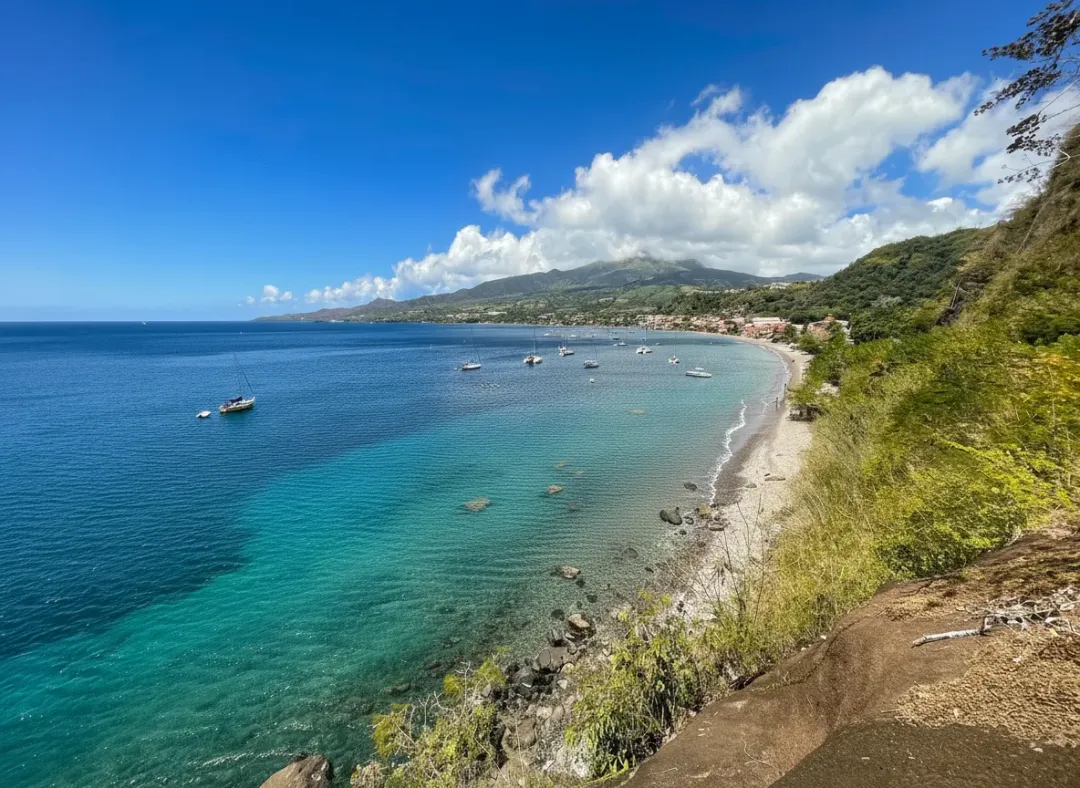
Saint-Pierre
Once the cultural capital of the French Antilles, destroyed by Mont Pelée's eruption in 1902. The ruins, volcano museum, and underwater dive site among sunken ships make this an essential historical and cultural stop.
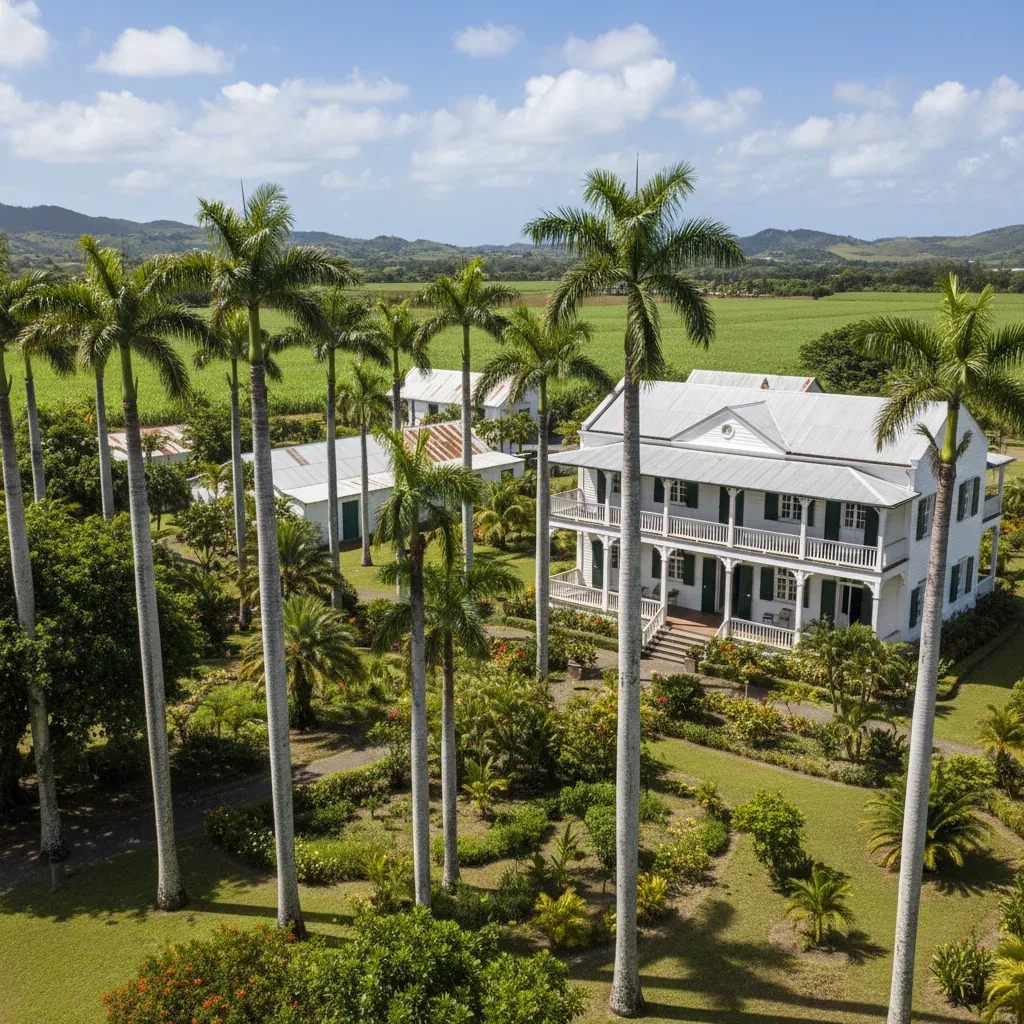
Habitation Clément
A beautifully restored 18th-century sugar plantation and rhum agricole estate in Le François, one of the most prestigious domaines in Martinique. Tour the historic Creole great house where US President George H.W. Bush and French President François Mitterrand held the 1991 Martinique Summit, stroll sculpture-filled tropical gardens, and taste award-winning aged rums in the historic chai.
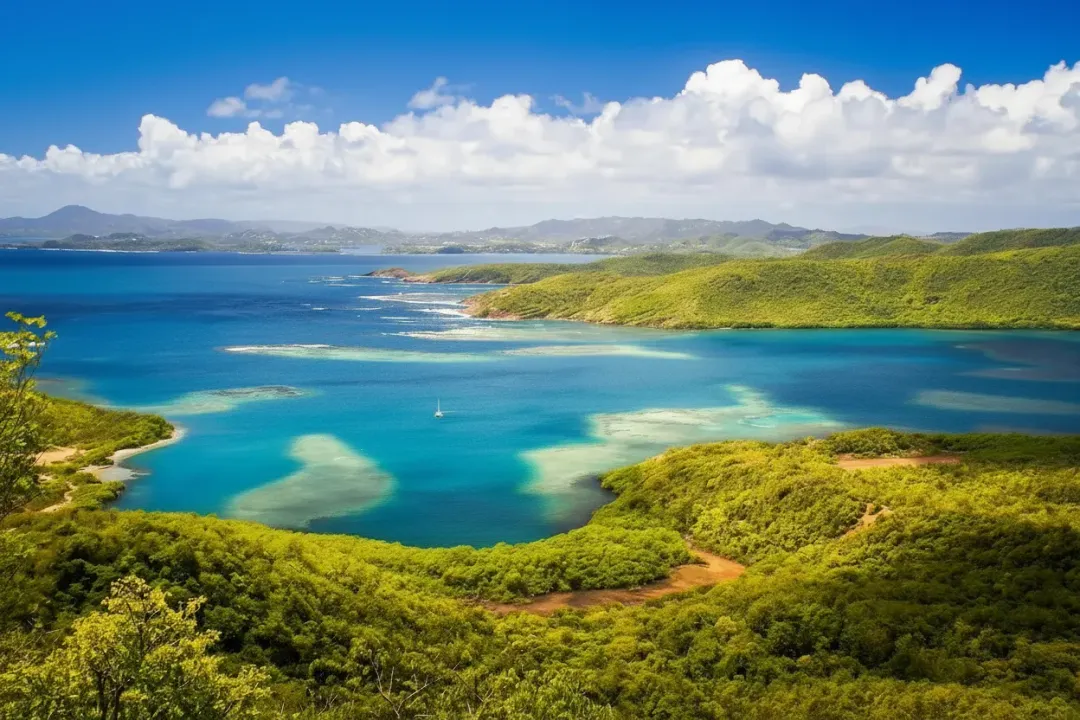
Presqu'île de la Caravelle
A wild peninsula jutting into the Atlantic with a nature reserve, mangrove forest, and the ruins of Château Dubuc. The hiking trail to the lighthouse offers dramatic coastal views and excellent birdwatching.
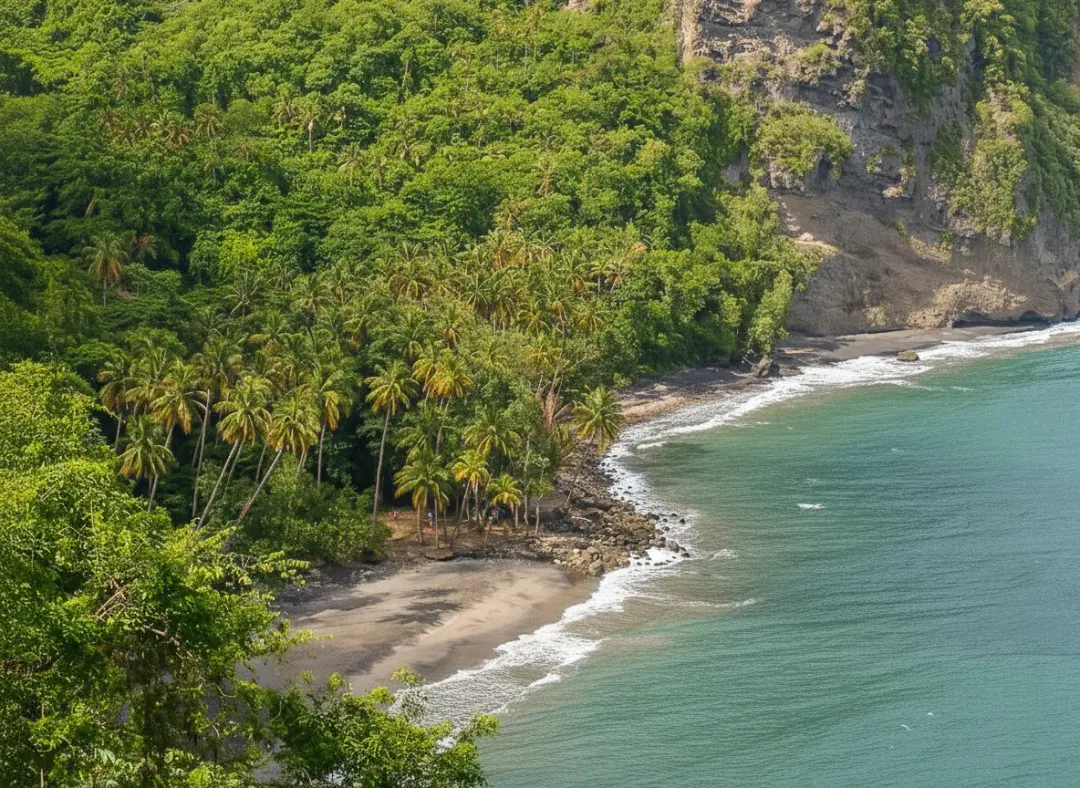
Anse Couleuvre
A secluded black-sand beach at the northern tip of Martinique, reached by a winding coastal road and a short forest trail. Surrounded by lush cliffs and the remnants of an old sugar plantation, it feels completely untouched.
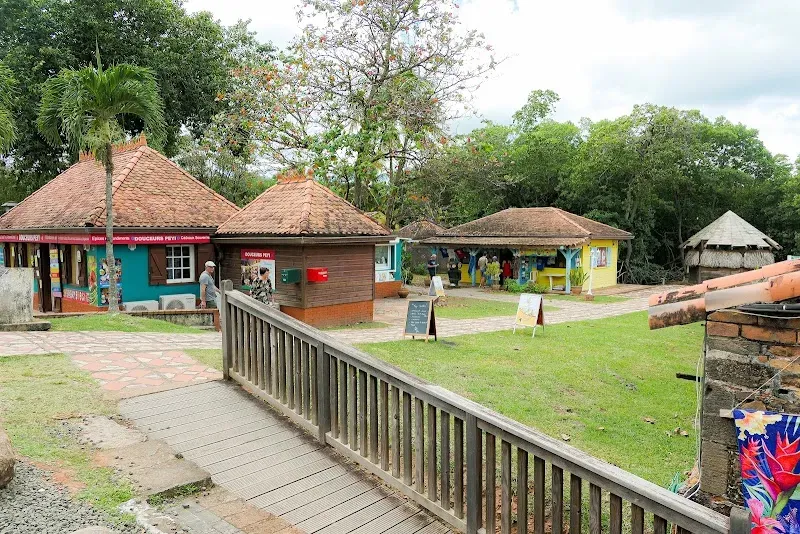
Village de la poterie
Village de la poterie is a nature attraction on Martinique. This natural area showcases the lush tropical landscapes and diverse ecosystems that Martinique is known for. Visitors can explore the local flora and fauna in a serene setting.
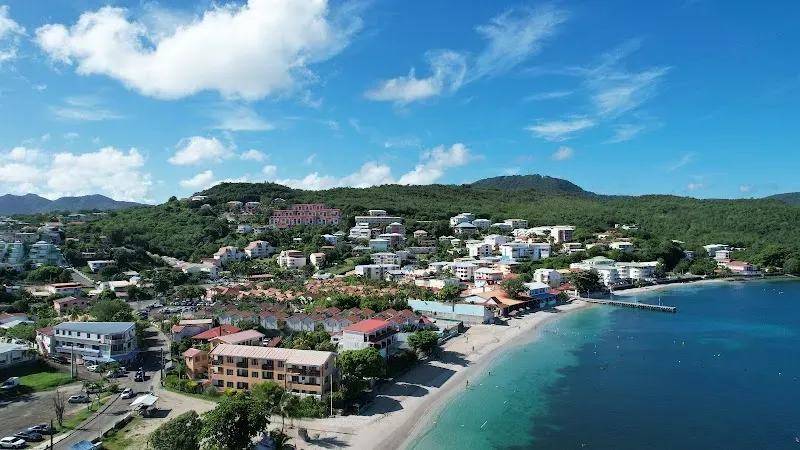
Plage de l'Anse Mitan
Plage de l'Anse Mitan is a nature attraction on Martinique. This natural area showcases the lush tropical landscapes and diverse ecosystems that Martinique is known for. Visitors can explore the local flora and fauna in a serene setting.
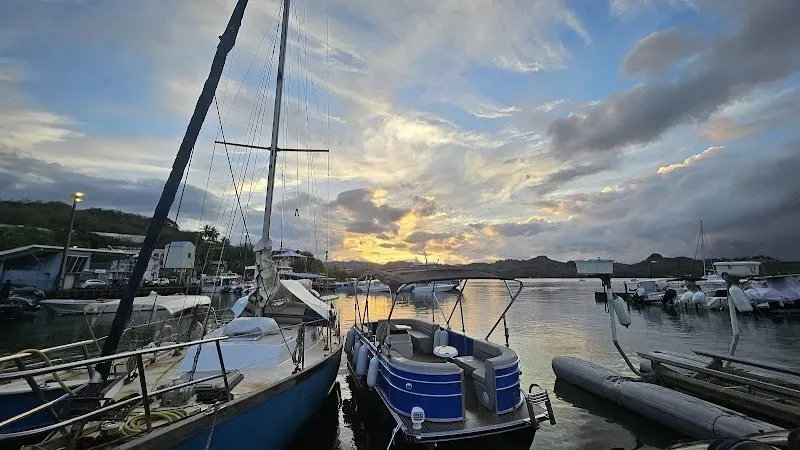
Port de pêche du François
Port de pêche du François is a nature attraction on Martinique. This natural area showcases the lush tropical landscapes and diverse ecosystems that Martinique is known for. Visitors can explore the local flora and fauna in a serene setting.
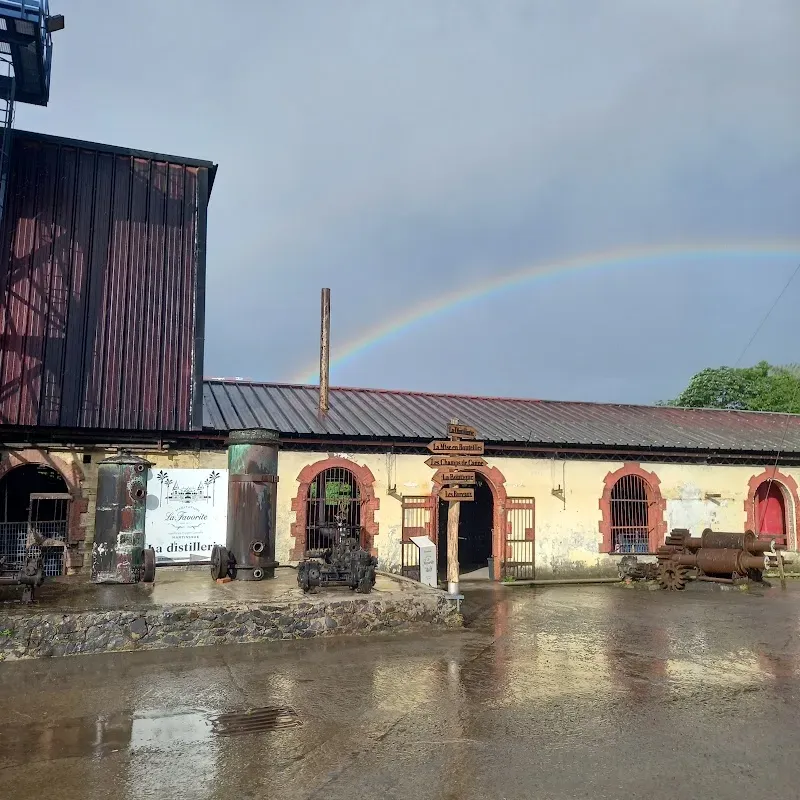
La Favorite Distillery
A family-owned rhum agricole distillery in Le Lamentin, one of the few in Martinique that still operates vintage equipment from the early 20th century. Free guided visits walk you through the fermentation vats bubbling with fresh cane juice, copper column stills, and barrel-aging cellars. The tasting room pours La Favorite Cœur de Canne blanc and their exceptional aged Vieux expressions.
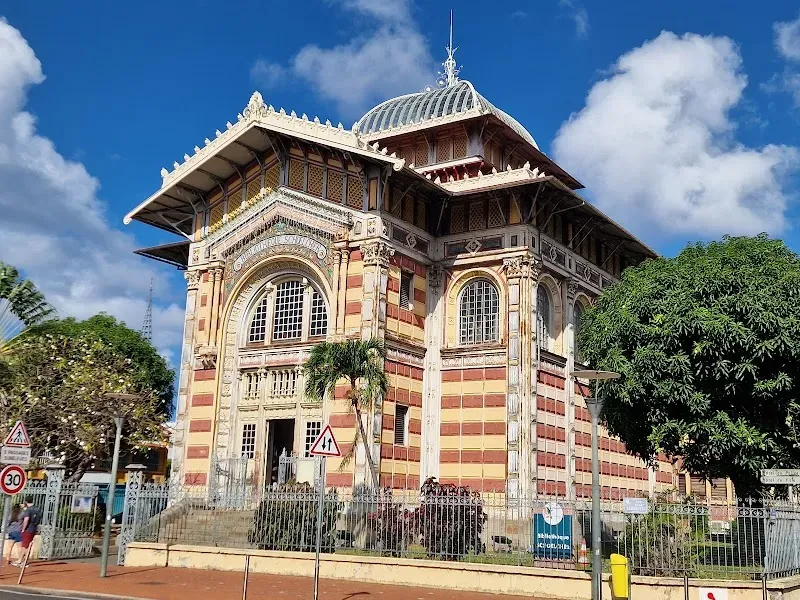
Bibliothèque Schœlcher
Bibliothèque Schœlcher is a nature attraction on Martinique. This natural area showcases the lush tropical landscapes and diverse ecosystems that Martinique is known for. Visitors can explore the local flora and fauna in a serene setting.
Explore More of Martinique
Find hotels, restaurants, and bookable experiences on our full island page.