Dominica
The Nature Island of the Caribbean
About Dominica
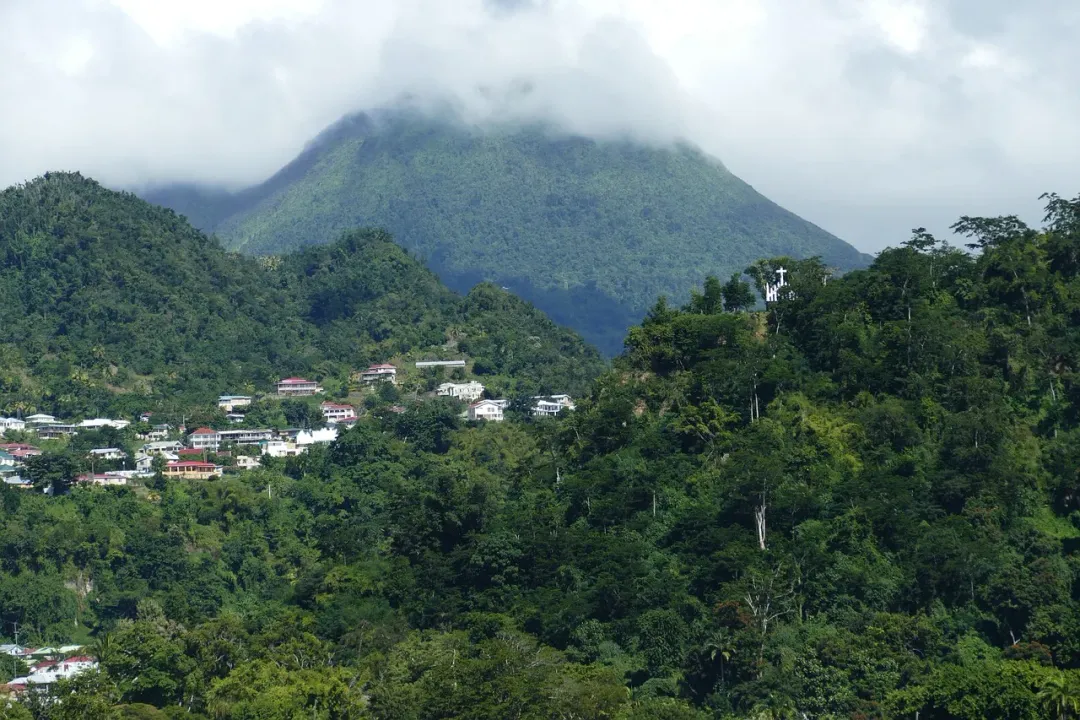
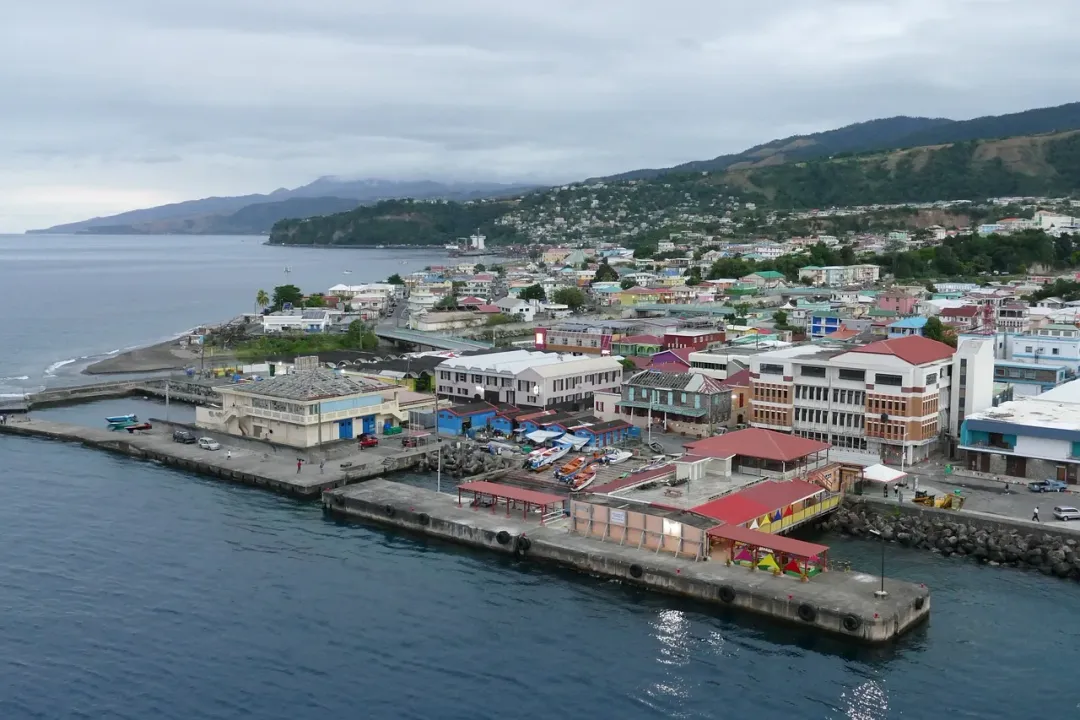
Dominica, officially the Commonwealth of Dominica, stands apart from other Caribbean destinations with its dramatic mountainous landscape, pristine rainforests, and minimal development focused on eco-tourism rather than mass tourism. This volcanic island features the Morne Trois Pitons National Park, a UNESCO World Heritage site, which encompasses sulfur springs, the second-largest boiling lake in the world, freshwater lakes, five volcanoes, and countless rivers and waterfalls. Dominica's rich biodiversity includes rare birds like the Sisserou parrot (the national bird), extensive marine life, and well-preserved coral reefs, making it a haven for nature enthusiasts, hikers, and divers. The island's indigenous Kalinago people maintain their traditions on a 3,700-acre territory, offering insights into pre-Columbian Caribbean culture. Dominica's wellness offerings include natural hot springs, mud baths, and sulphur pools, particularly around the town of Soufrière. The capital, Roseau, though small, displays a mix of colonial and modern architecture and vibrant markets. Despite being hit hard by Hurricane Maria in 2017, Dominica has rebuilt with a focus on climate resilience and sustainable development, aiming to become the world's first climate-resilient nation. With its commitment to conservation and sustainable tourism, Dominica provides an authentic Caribbean experience centered on natural wonders and outdoor adventures.
Size
290 sq mi (751 km²)
Population
72,000
Language
English, Dominican Creole
Currency
Eastern Caribbean Dollar (XCD)
Time Zone
UTC-4 (Atlantic Time)
Best Time to Visit
December to April
Highlights
Best Things to Do in Dominica
Dominica is the Caribbean's great anomaly - an island that traded beach tourism for cloud forests, boiling volcanic lakes, and rivers you can actually drink from. The headline hike is the Boiling Lake trail, a grueling six-hour round trip from Laudat that crosses the Valley of Desolation, a lunar landscape of sulfur vents, hot streams, and mineral-stained earth, before arriving at the second-largest thermally active lake in the world, perpetually shrouded in steam. This is not a casual walk: you need a certified guide (legally required), solid hiking boots, and at least two liters of water per person. The reward is one of the most otherworldly sights in the Caribbean.
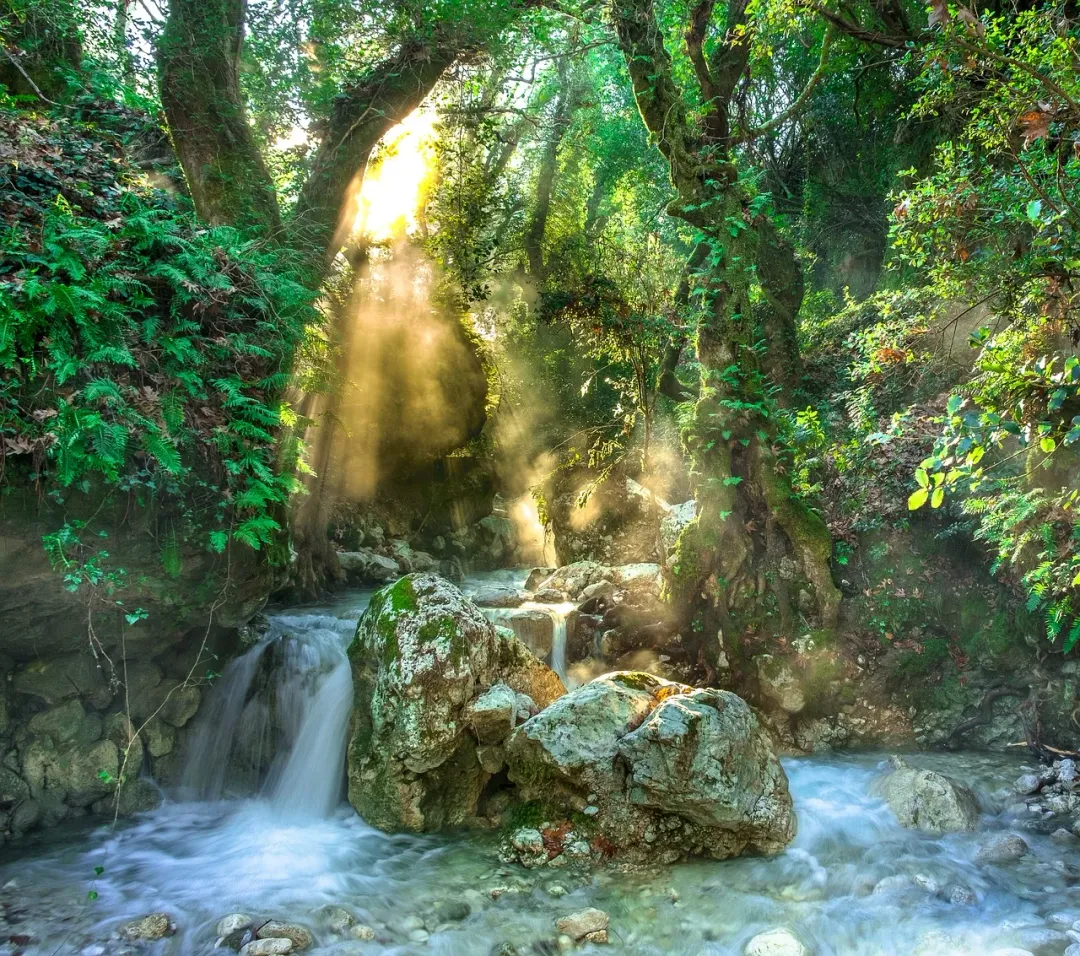
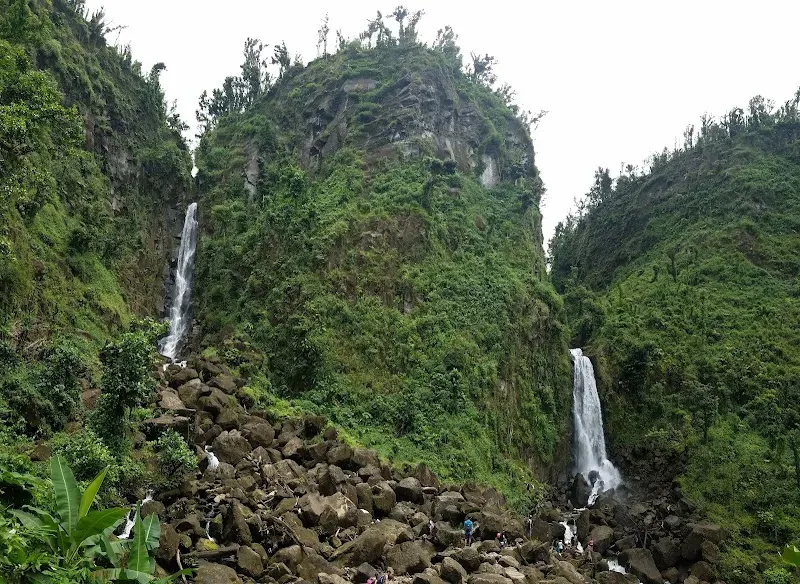
For something more accessible, Trafalgar Falls is a 15-minute walk from the road - twin waterfalls called Father and Mother, where the hot and cold streams mix in pools at the base. Scramble over the boulders to reach the hot spring pool beneath the taller fall, where the water temperature is perfect. Titou Gorge, a narrow volcanic canyon near Laudat, was a filming location for Pirates of the Caribbean: Dead Man's Chest. You swim through a slot canyon of sheer rock walls to reach a waterfall at the end - bring a waterproof headlamp for the darker sections.
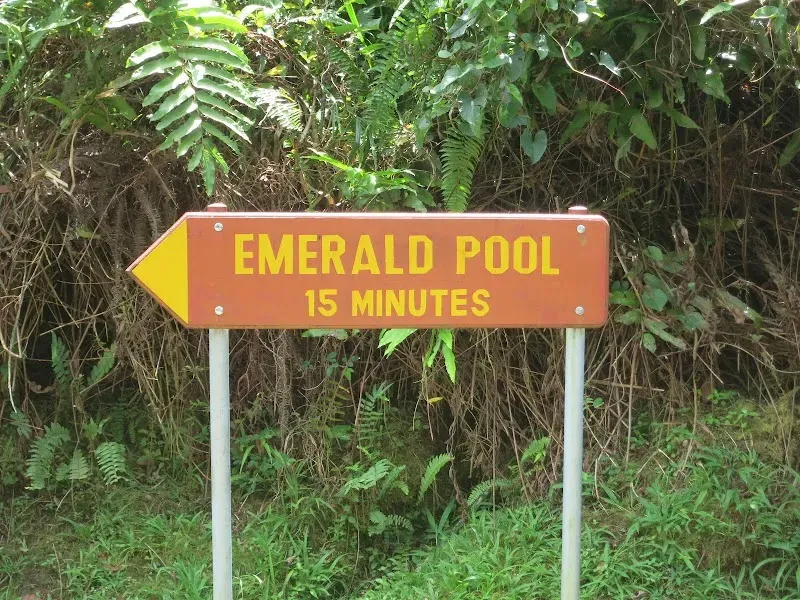
Emerald Pool, inside Morne Trois Pitons National Park, is the gentlest of Dominica's natural attractions and good for families with children. Below the water, Dominica is equally extraordinary. Champagne Reef near Soufriere gets its name from volcanic gases that bubble up through the seafloor, creating the sensation of snorkeling in a glass of champagne.
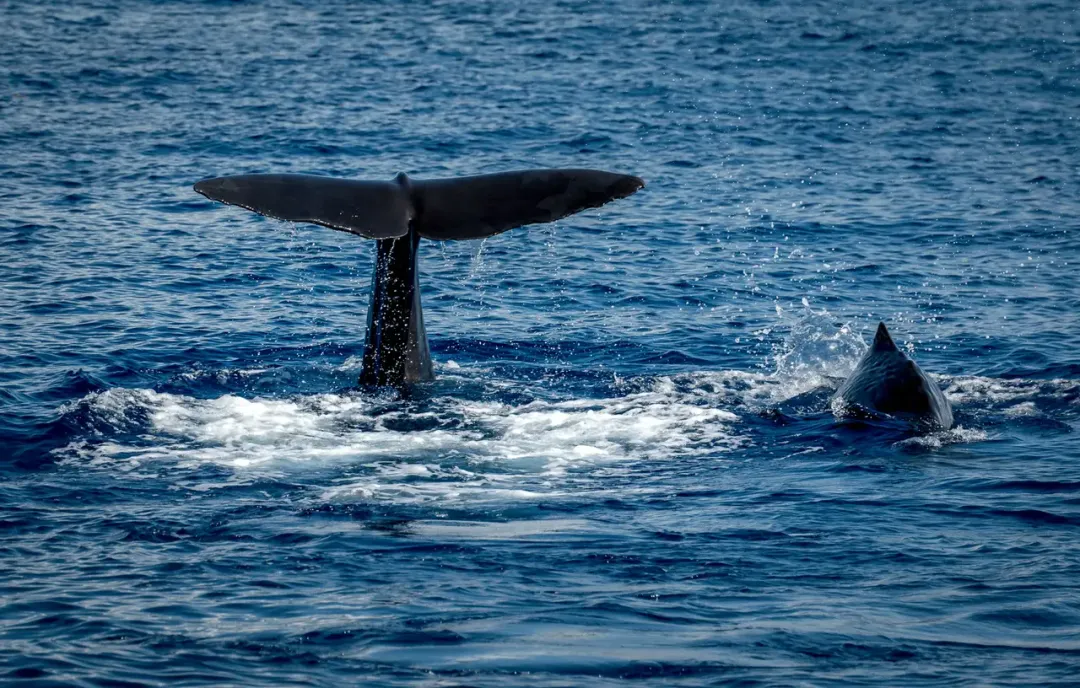
Scotts Head, at the island's southern tip where the Caribbean meets the Atlantic, offers a pinnacle dive dropping from 15 to 140 feet along a volcanic wall encrusted with sponges and frequented by seahorses. Between November and March, sperm whales are resident in Dominica's deep offshore waters, and whale-watching trips from Roseau have a roughly 90 percent sighting rate.
The Kalinago Territory on the northeast coast is home to the last remaining indigenous Carib community in the Caribbean, with a cultural center, basket-weaving demonstrations, and cassava bread baked on traditional coal pits.
Hike to the Boiling Lake
A demanding six-hour round trip from Laudat through the Valley of Desolation to the world's second-largest thermally active lake. A certified guide is required by law. The trail crosses sulfur vents, hot streams, and razor-edge ridges before the lake appears through a wall of steam. Start early to avoid afternoon clouds.
Swim Through Titou Gorge
A narrow volcanic canyon near Laudat where you swim between sheer rock walls to reach a hidden waterfall. The water is cool and the current gentle, but a waterproof headlamp helps in the darker middle section. This was a filming location for Pirates of the Caribbean: Dead Man's Chest. Entry costs about $5 EC.
Snorkel Champagne Reef
Volcanic gases bubble up through the sandy seafloor near Soufriere, creating thousands of tiny bubbles that rise around you like swimming in champagne. The reef is shallow and calm, making it accessible to beginners. Seahorses, frogfish, and flying gurnards are common residents. Guided snorkel trips cost around $35.
Watch Sperm Whales Off Roseau
Dominica is one of the few places in the world where sperm whales are resident year-round, with peak sighting season from November to March. Half-day whale-watching trips from Roseau have roughly a 90 percent success rate. Operators use hydrophones to locate the whales by their clicks before approaching.
Soak at Screw's Sulphur Spa
Near the village of Wotten Waven, a series of hot sulphur pools are carved into the hillside at various temperatures. Screw's is the most popular, with pools ranging from warm to genuinely hot, plus a cold plunge option. Entry is about $10 EC. The mineral-rich water leaves your skin feeling impossibly soft.
Dive Scotts Head Pinnacle
At Dominica's southern tip where the Caribbean Sea meets the Atlantic Ocean, an underwater pinnacle rises from 140 feet to within 15 feet of the surface. The wall is covered in barrel sponges, black coral, and gorgonians. Seahorses, frogfish, and the occasional nurse shark patrol the site. Visibility regularly exceeds 80 feet.
Hike Segment 5 of the Waitukubuli National Trail
The Caribbean's longest hiking trail spans 115 miles across Dominica in 14 segments. Segment 5, from Pont Cassé to Castle Bruce, is one of the most rewarding day hikes, passing through primary rainforest, across river crossings, and into the Kalinago Territory. Allow five to six hours and carry rain gear regardless of the forecast.
Visit the Kalinago Territory
The 3,700-acre territory on Dominica's northeast coast is home to the last remaining indigenous Carib community in the Caribbean. The Kalinago Barana Auté cultural center demonstrates traditional basket weaving, canoe building, and cassava bread preparation. Buying directly from artisans here supports the community meaningfully.
Where to Stay in Dominica
Dominica is not an island of mega-resorts - its accommodations reflect its eco-tourism identity. The most luxurious option is Secret Bay, a Luxury Collection property perched on a cliff above the Caribbean with treehouse-style villas starting around $700 a night, consistently ranked among the best small hotels in the Caribbean. Rosalie Bay Resort on the windward coast offers an eco-wellness experience with ocean-view rooms from $200 to $350, a full spa, and turtle-nesting beach in season.
Fort Young Hotel in downtown Roseau is built into the walls of an 18th-century fort overlooking the harbor, with rooms from $120 to $200 and the most convenient location for accessing restaurants, the ferry terminal, and whale-watching tours. For budget-conscious travelers, guesthouses and eco-lodges dot the island. Pagua Bay House on the northeast coast has cabana-style rooms from $80 to $130 with one of the best restaurant kitchens on the island.
In the Roseau Valley near the trailheads for Boiling Lake, Trafalgar Falls, and Titou Gorge, Cocoa Cottages offers wooden cabins nestled in a cacao plantation from $60 to $90 a night. Calibishie on the north coast is a charming village with several small guesthouses from $50 to $80, dramatic red cliff coastline, and the closest base for exploring the Kalinago Territory. Airbnb and VRBO have expanded options across the island, with many properties in the $40 to $70 range offering kitchen facilities that help manage food costs.
Where to Eat in Dominica
Dominican cuisine leans hearty and Creole, built on provisions (root vegetables like dasheen, yam, and sweet potato), fresh seafood, and the island's signature ingredient: the mountain chicken, which is actually a large frog called the crapaud, now critically endangered and rarely served. The national dish is callaloo soup, made from the leaves of the dasheen plant simmered with coconut milk, okra, and crab - rich, earthy, and deeply comforting.
In Roseau, the Old Stone Grill at Fort Young Hotel serves the most polished plates on the island, with grilled mahi-mahi and creole shrimp in the $15 to $25 range. Pearl's Cuisine, a no-frills local favorite on King George V Street, dishes out massive portions of stewed chicken, oxtail, and provision plates for $5 to $8 - get there early for lunch as items sell out. Along the waterfront, Cocorico Café is a reliable breakfast and lunch spot with espresso, fresh juices, and crepes.
At Pagua Bay House on the northeast coast, the restaurant sources fish from local boats and herbs from its own garden, producing some of the island's most creative cooking in a stunning cliffside setting. In Portsmouth, the second-largest town, the Indian River boat operators often include a stop at a riverside bar where you can try Dynamite, a potent rum punch made with local herbs.
Fresh tropical juices are everywhere - grapefruit, passionfruit, soursop, and golden apple - and Dominica's Kubuli beer, brewed on the island, is a clean, light lager perfect after a long hike. For a genuine cultural experience, visit the Saturday morning market in Roseau where vendors sell bakes (fried dough), accras (salt fish fritters), and cocoa tea, a rich hot chocolate made from locally grown cacao.
Best Time to Visit Dominica
Dominica's dry season from December through April is the prime window, with lower humidity, less rain, and the best trail conditions for hiking to Boiling Lake and other mountain destinations. January and February are peak months. Whale watching peaks from November through March when sperm whale sightings are most frequent.
The wet season from June through October brings heavy daily rainfall that can make mountain trails treacherous and trigger river flash floods - the Boiling Lake trail is sometimes closed after heavy rains. However, the wet season also means lusher vegetation, fuller waterfalls, and significantly lower prices. Dominica sits in the hurricane belt, and September and October carry the highest storm risk.
For diving, visibility is best from December through May. The Waitukubuli National Trail is hikeable year-round but requires more caution and waterproof gear during the wet months.
Getting Around Dominica
Rental cars or hired drivers are the main options. Roads are narrow, steep, and winding.
Minibuses run between Roseau and major villages on weekday schedules. No ride-hailing apps. Driving is on the left.
Trafalgar Falls
Twin waterfalls, 1 with a cold-water pool, 1 with hot spring water, reachable by a short trail.
Emerald Pool
Relaxed natural pool with a rocky ledge & a small waterfall in a serene rainforest.
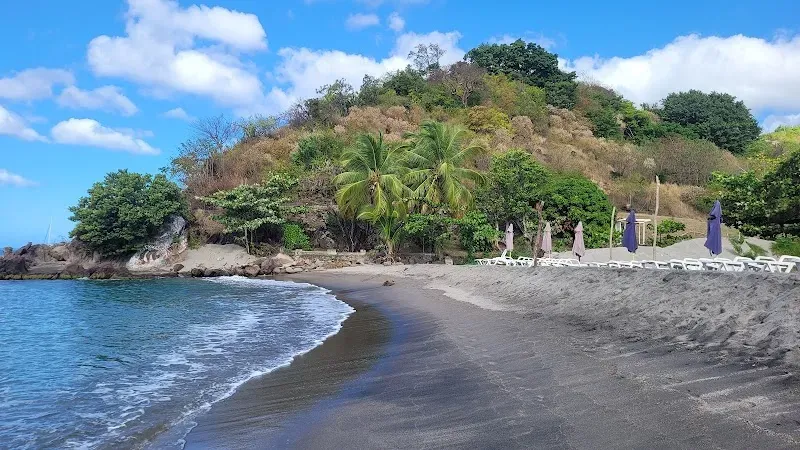
Mero Beach
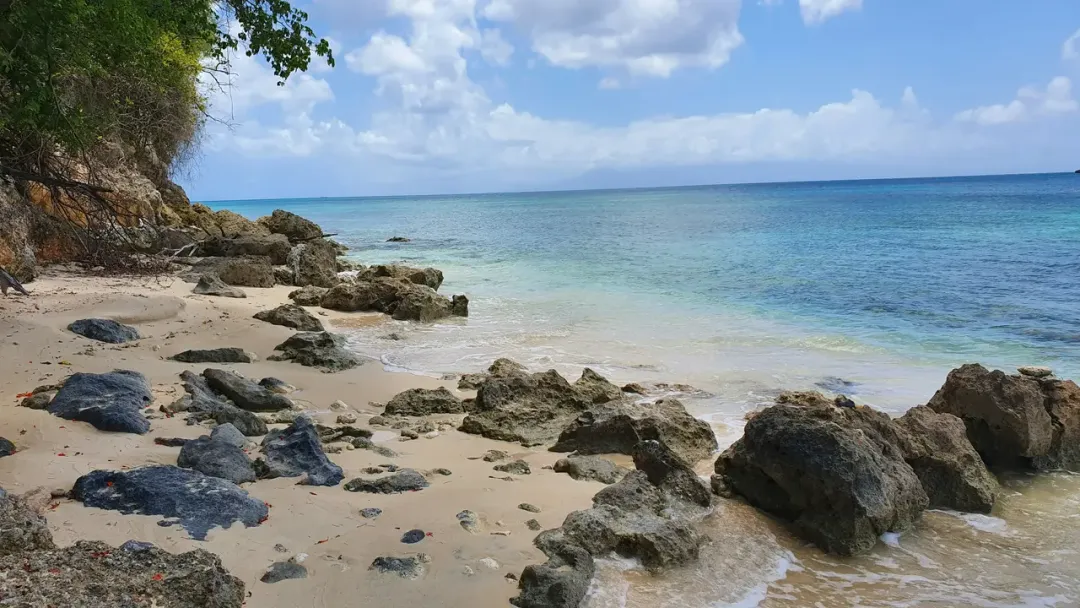
Mero Beach is a nature attraction on Dominica. This natural area showcases the lush tropical landscapes and diverse ecosystems that Dominica is known for. Visitors can explore the local flora and fauna in a serene setting.
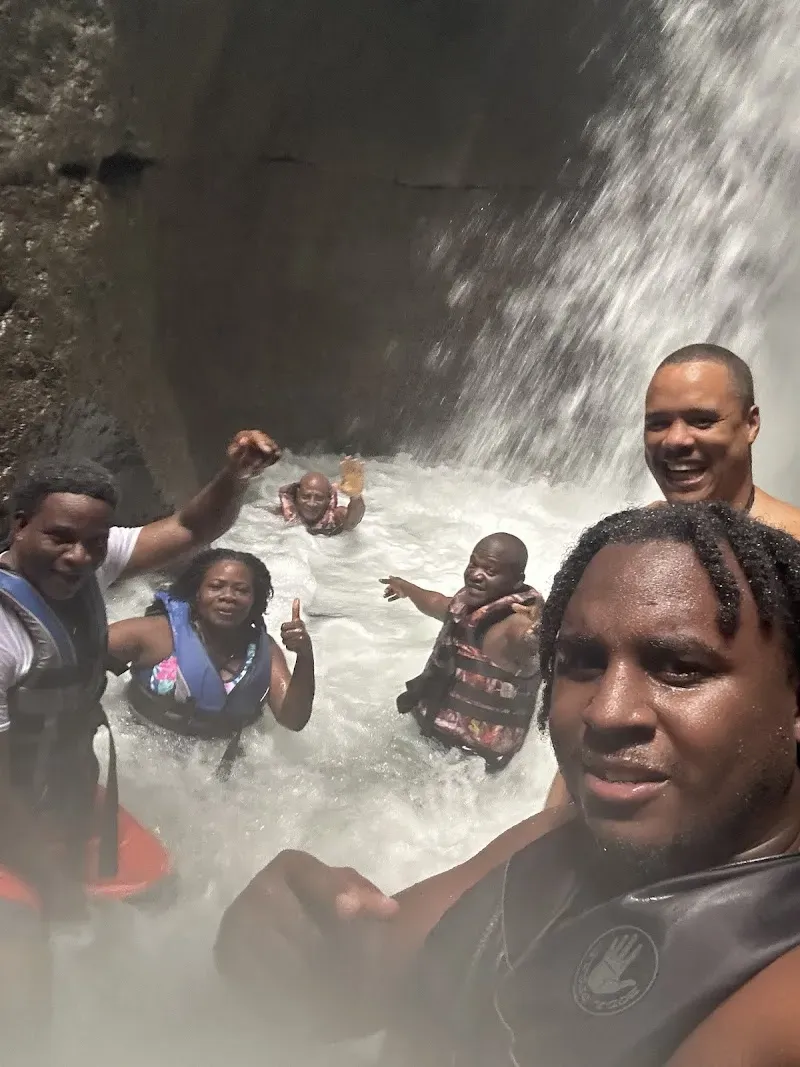
Titou Gorge
Light filters down high cliff walls of this narrow, scenic gorge & popular swimming destination.
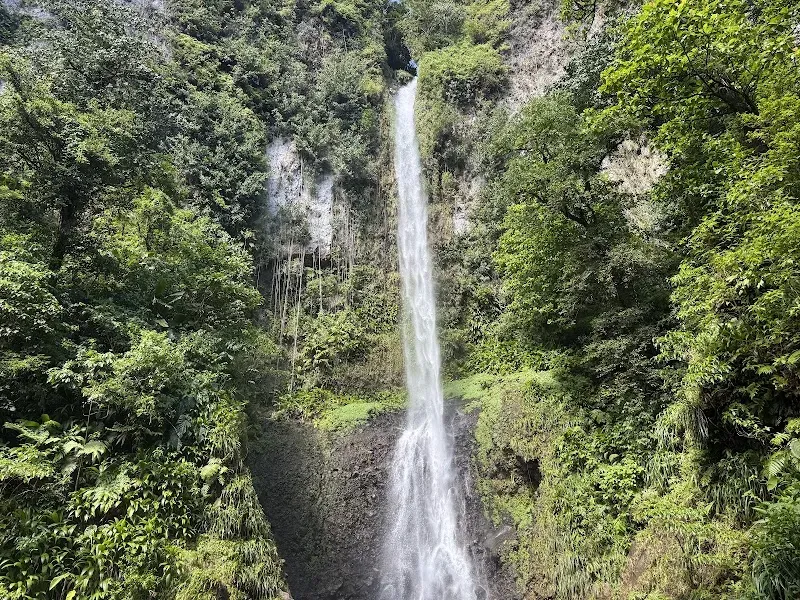
Middleham Falls
A mid-level hike leads through a national park with rainforest vegetation to a 200-ft. falls & pool.
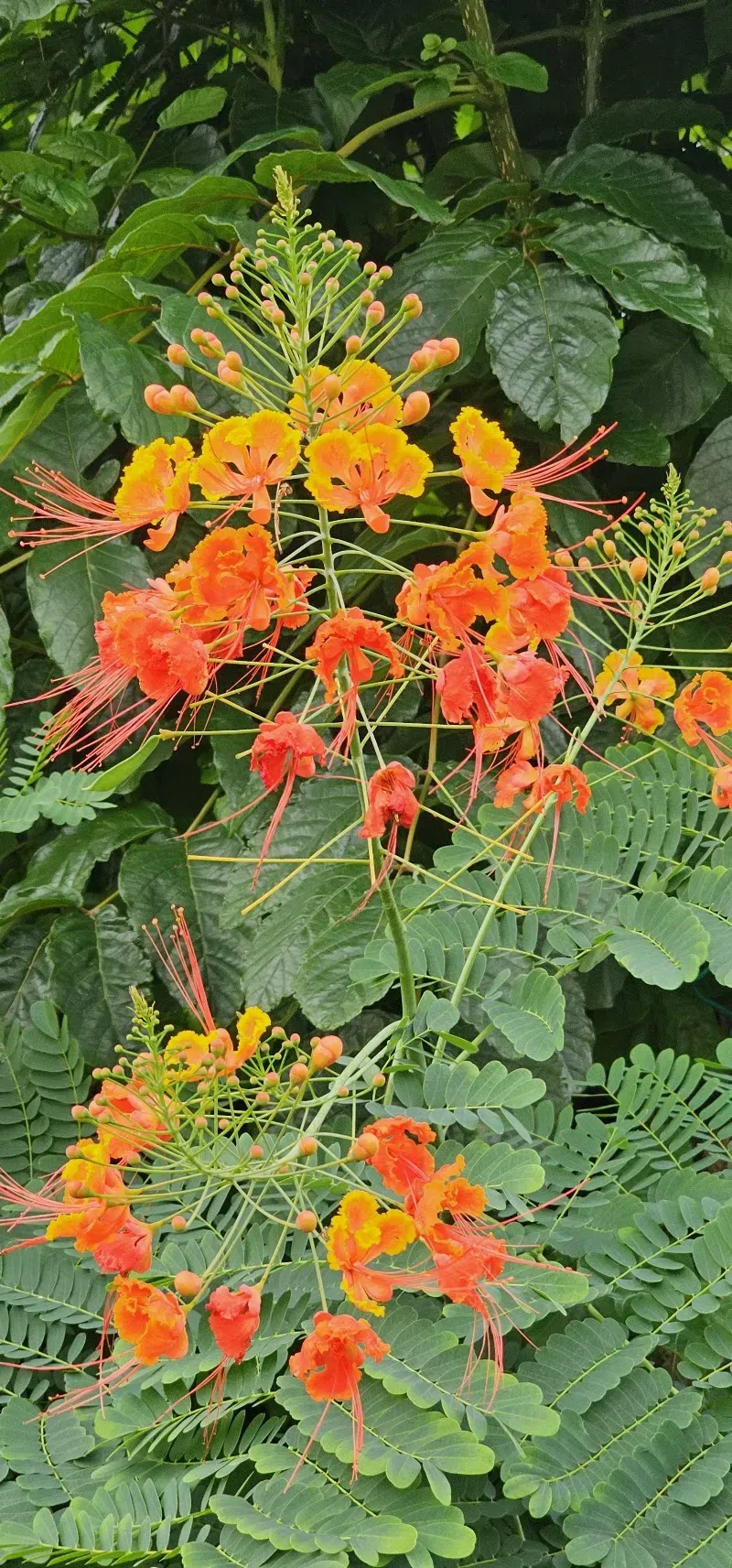
Dominica Botanic Gardens
Dominica Botanic Gardens is a nature attraction on Dominica. This natural area showcases the lush tropical landscapes and diverse ecosystems that Dominica is known for. Visitors can explore the local flora and fauna in a serene setting.
Hotels in Dominica
Search for available rates by selecting your travel dates
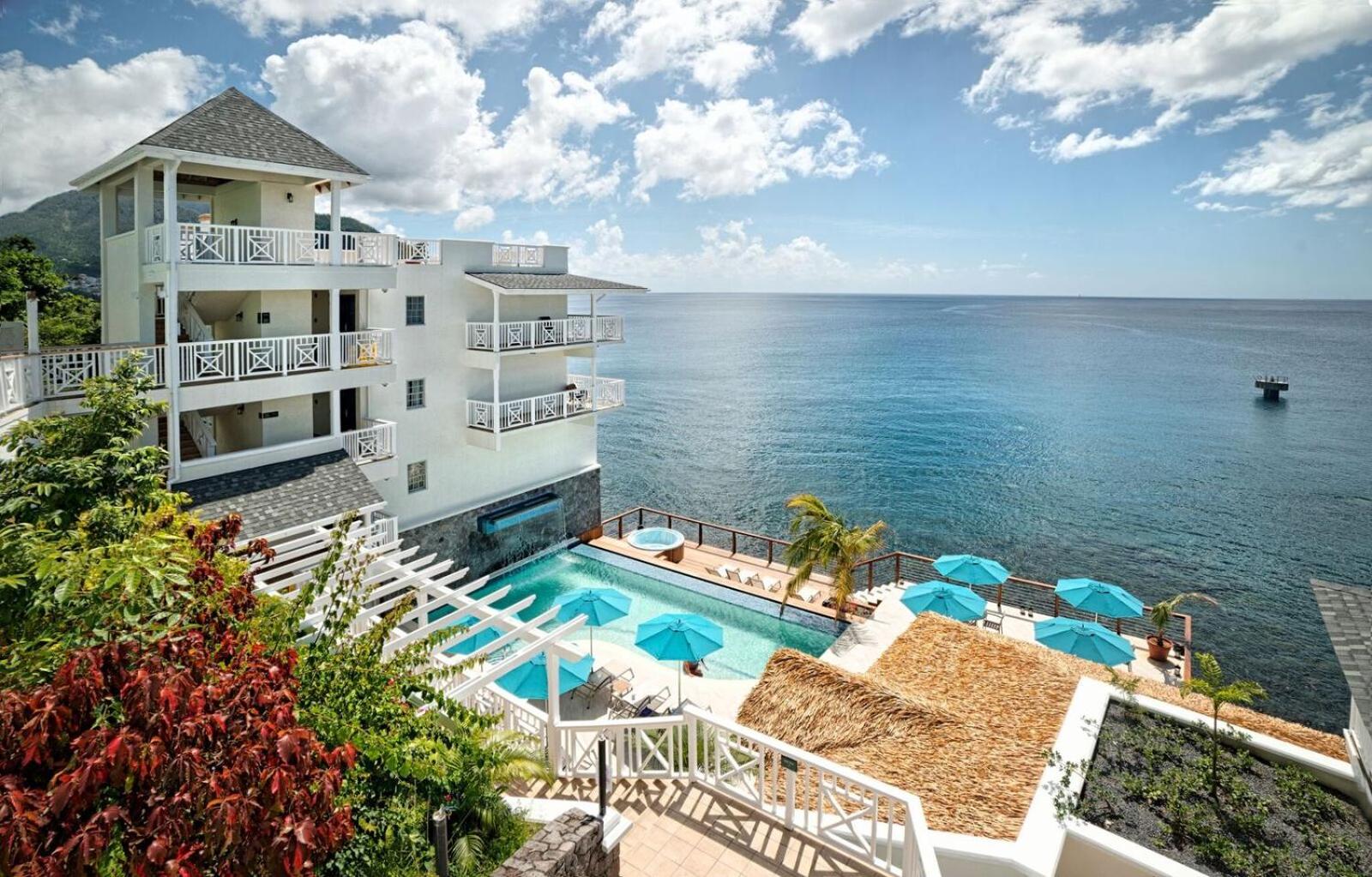
Fort Young Hotel
 0
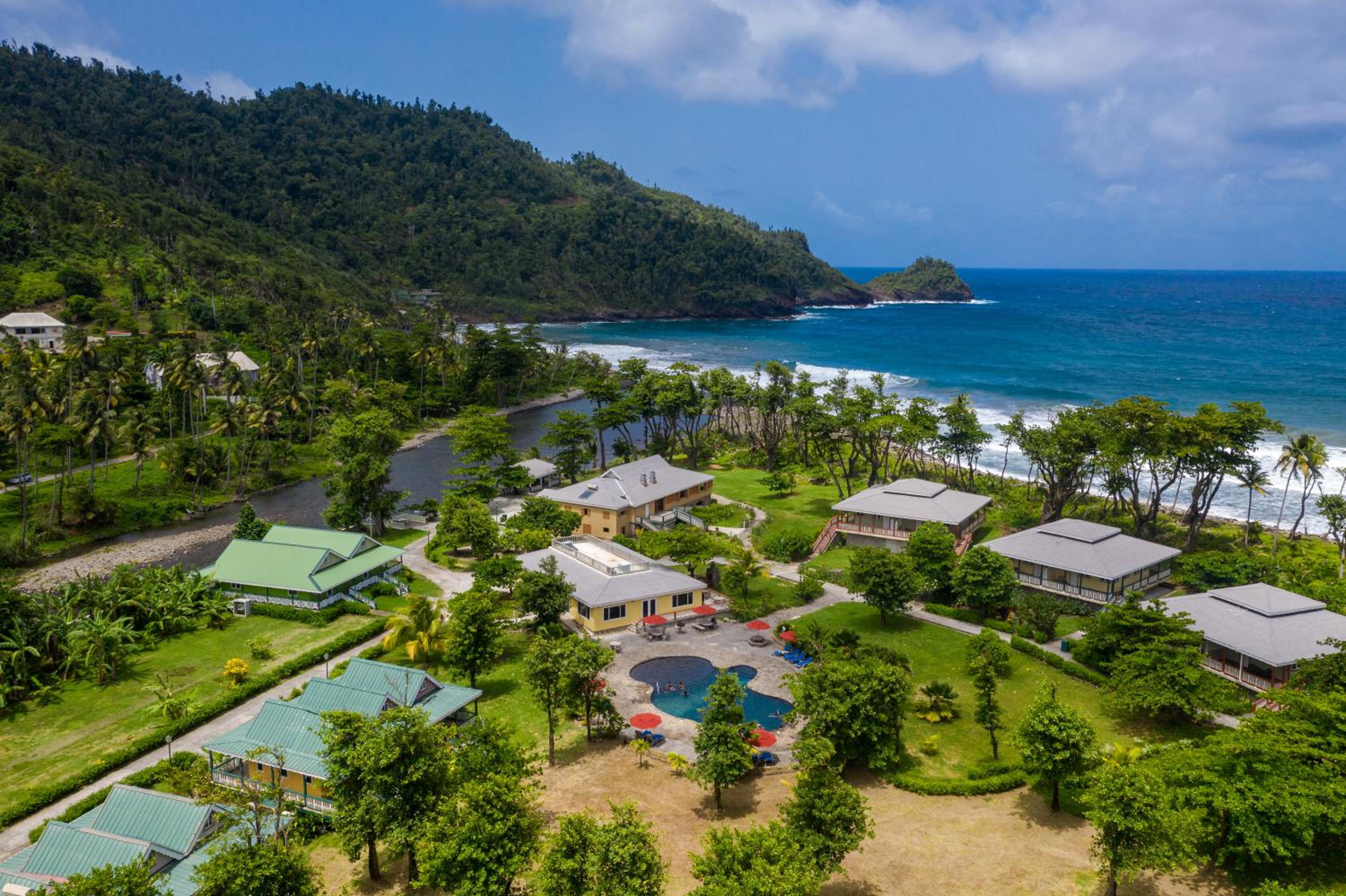
0Rosalie Bay Eco Resort & Spa
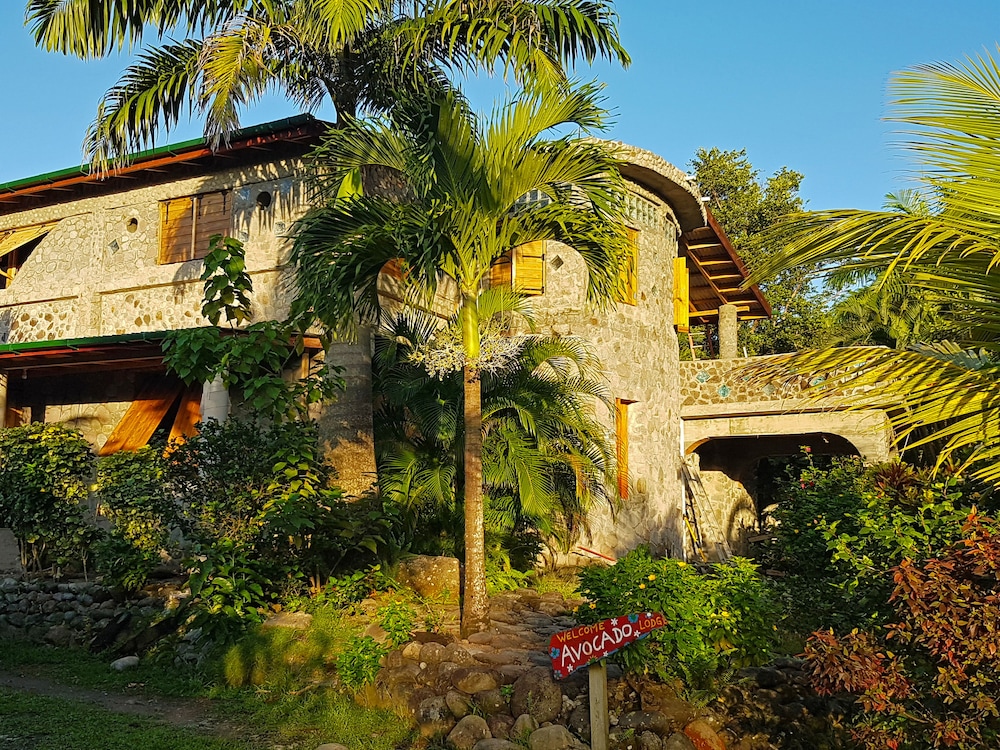
Citrus Creek Plantation
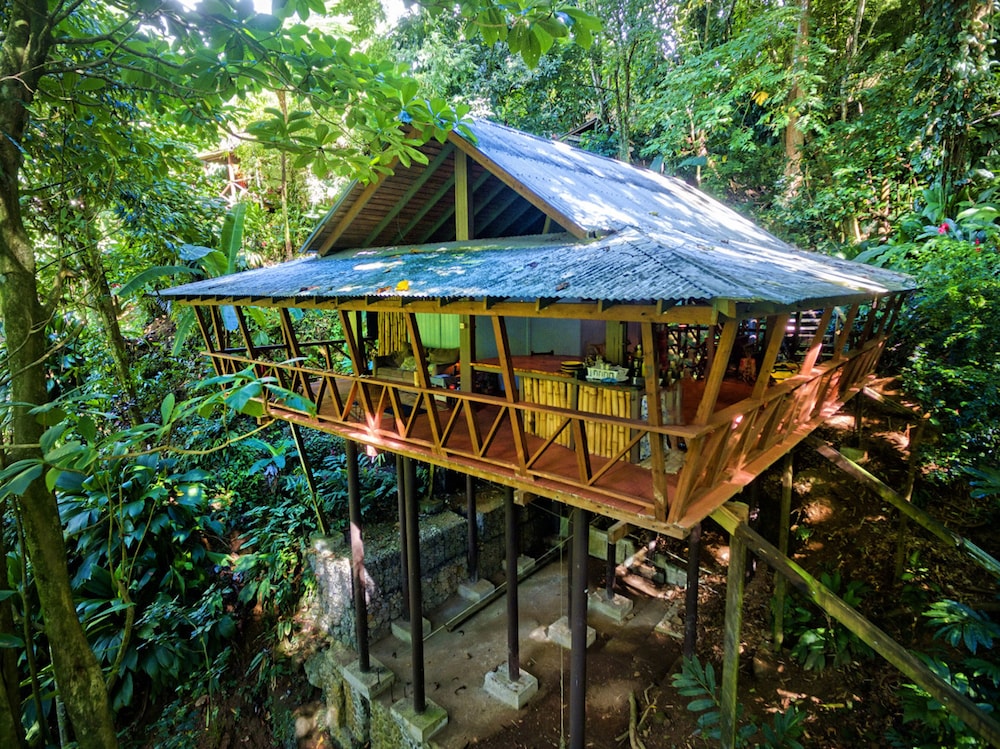
Cocoa Cottages
 0
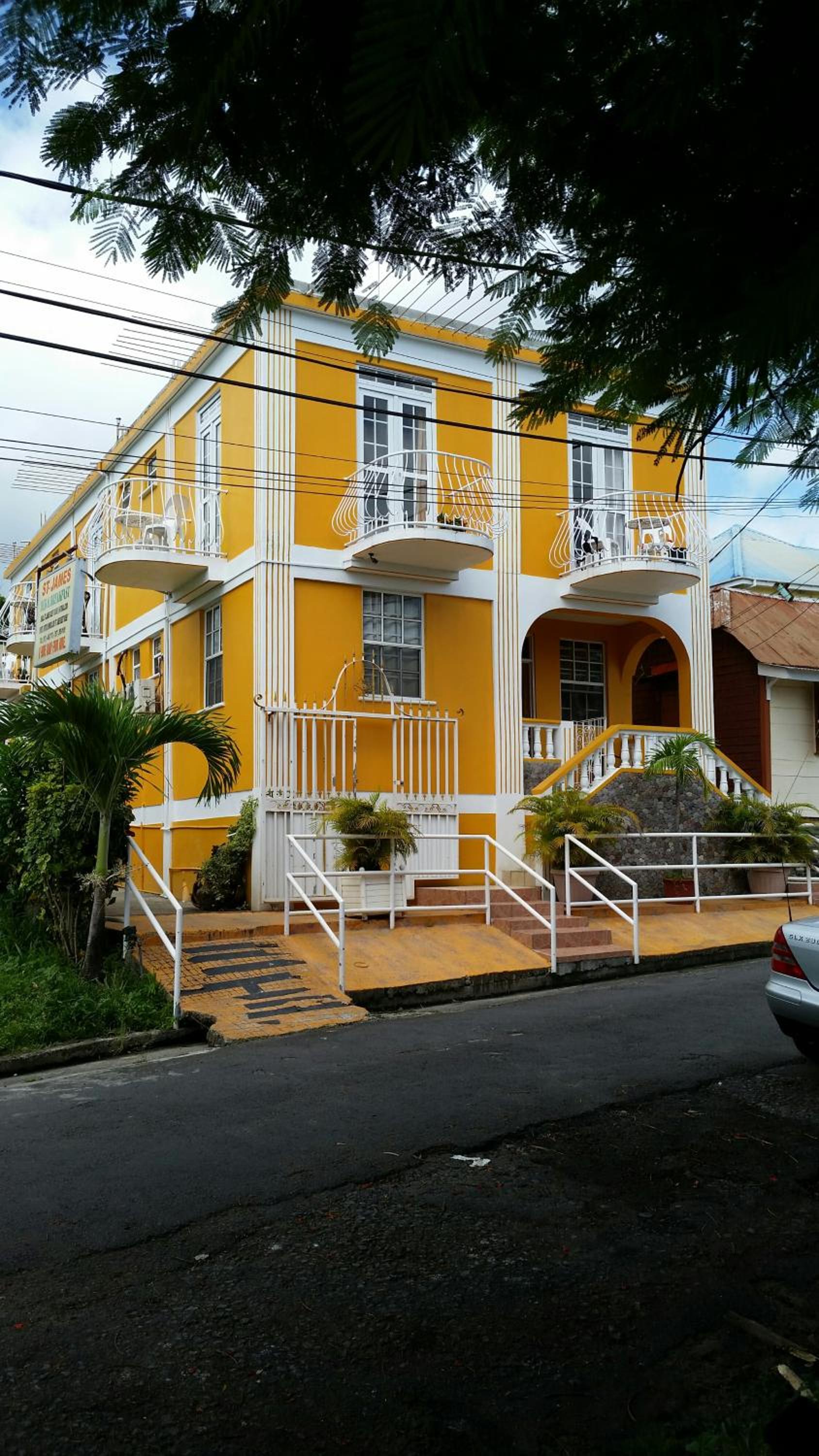
0St. James Guesthouse
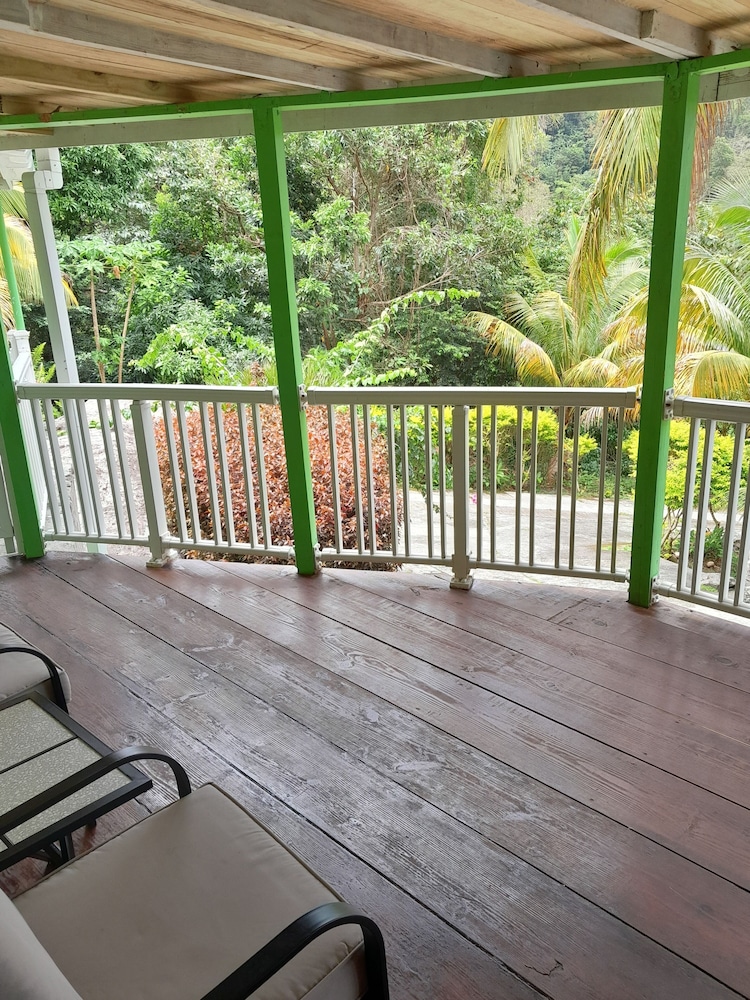
Pinard's Mountain Resort - Cottage 5
Top Restaurants in Dominica
Popular dining spots near Dominica
No restaurants available for Dominica yet.
Frequently Asked Questions About Dominica
Weather in Dominica
Average Temperature
75°F to 85°F (24°C to 29°C)
Rainy Season
June to October
Hurricane Season
June to November
Best Time to Visit
December to April
Travel Tips
- English is the official language
- Eastern Caribbean Dollar is the currency, but US dollars are accepted in tourist areas
- Driving is on the left side of the road
- A valid passport is required for entry
- Hiking boots and rain gear are essential for exploring
Daily Budget (USD)
Visa Requirements
US, UK, EU, and Canadian citizens need a valid passport. No visa required for stays up to 21 days, extendable to 6 months.
Safety
Dominica is very safe with low crime rates. The main hazards are natural: river flash floods during heavy rain, slippery trail conditions, and rough seas on the windward coast. Always hike with a guide for remote trails.
Getting Around
Rental cars or hired drivers are the main options. Roads are narrow, steep, and winding. Minibuses run between Roseau and major villages on weekday schedules. No ride-hailing apps. Driving is on the left.
Popular Activities
Best For
Get Dominica Travel Tips
Subscribe for curated tips, deals, and inspiration for your Dominica trip.
Read More About Dominica
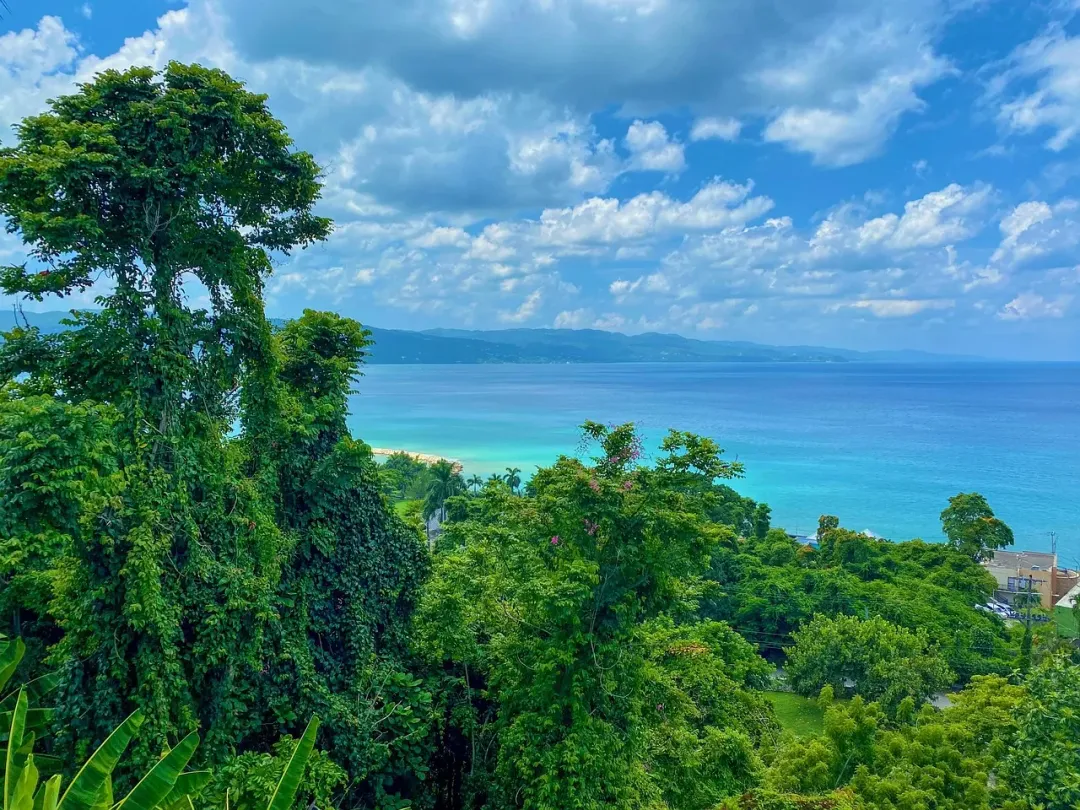
Sustainable Travel in the Caribbean: How to Minimize Your Impact
Enjoy the Caribbean while preserving it for future generations.
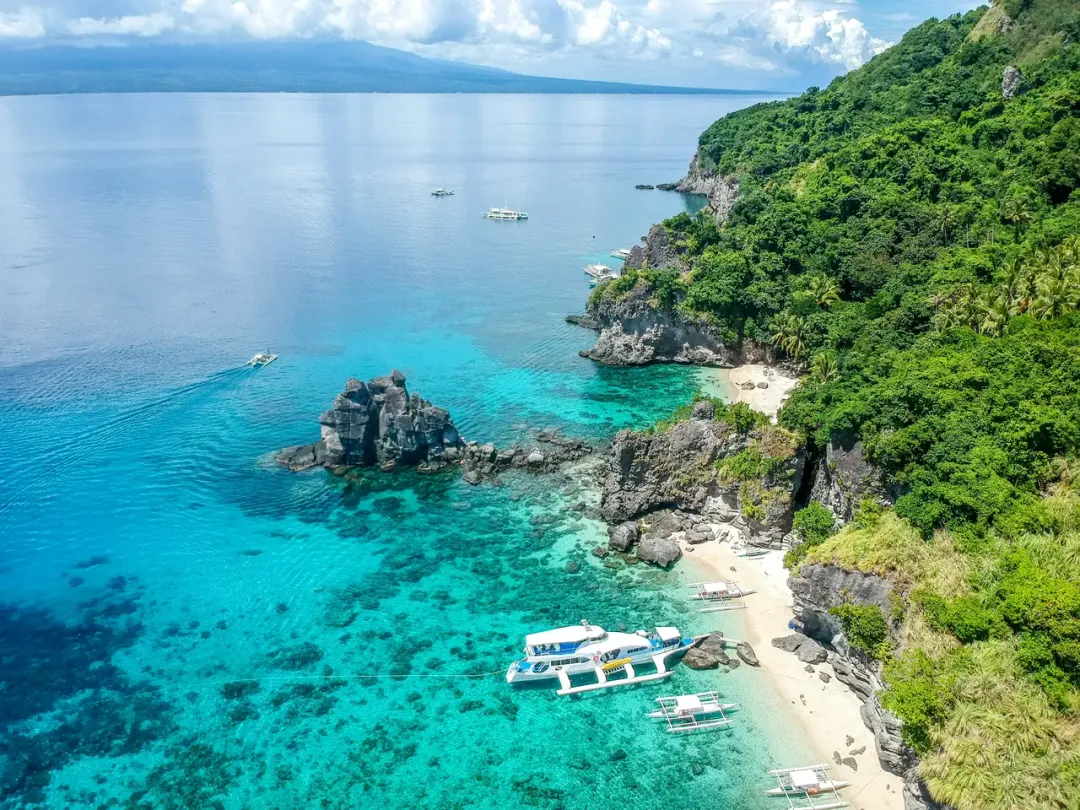
The Ultimate Caribbean Packing Guide for Every Season
Everything you need for beach days, rainforest hikes, and evening outings.
Beyond the Resort: Hidden Gems in the Caribbean
Discover lesser-known treasures and authentic experiences away from the crowds.