Saint Barthélemy
The Luxurious Gem of the French Caribbean
About Saint Barthélemy
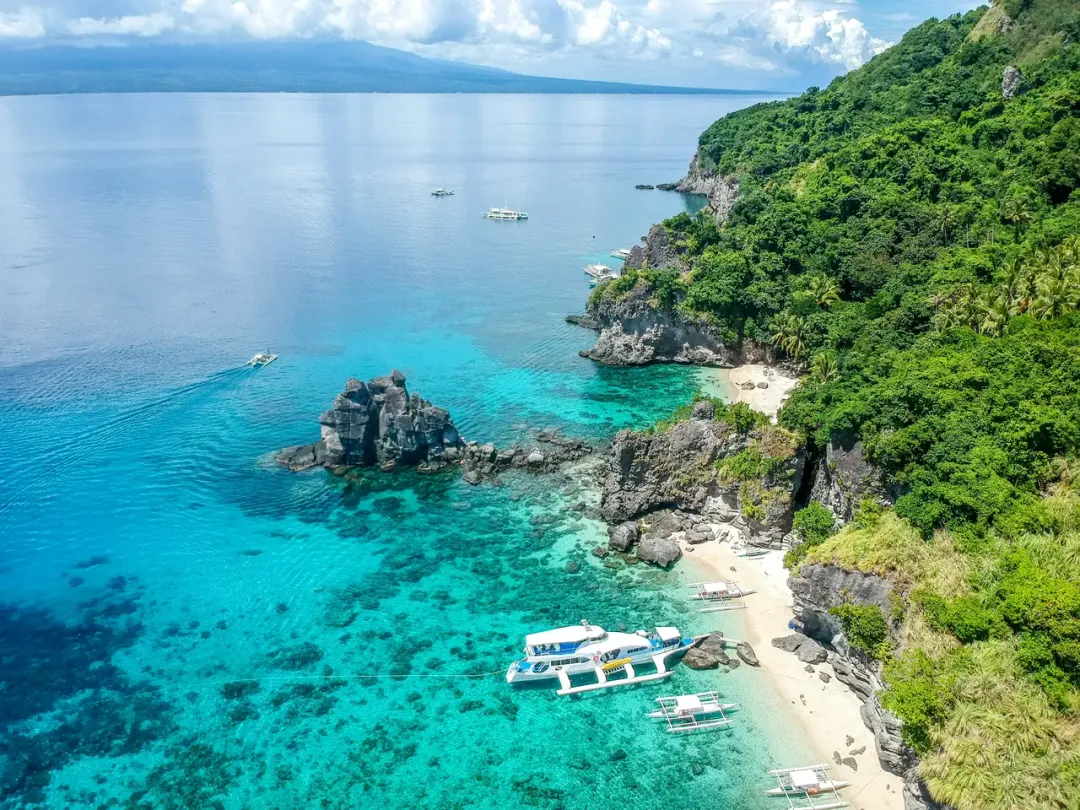
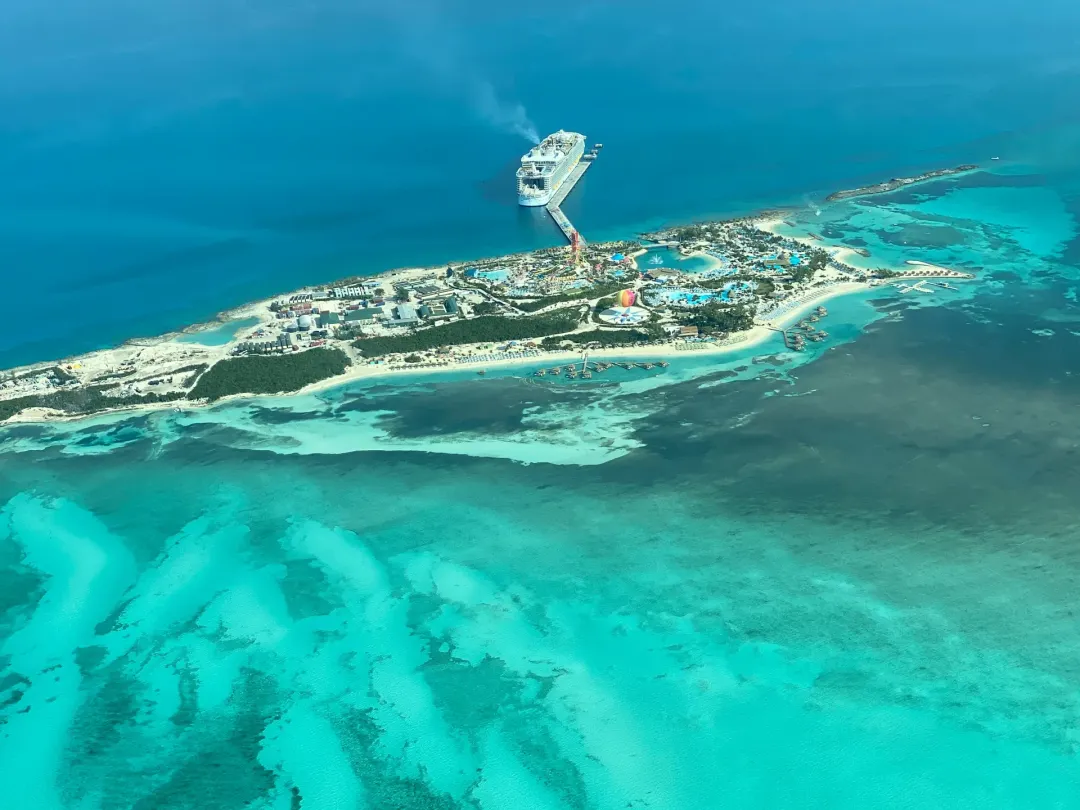
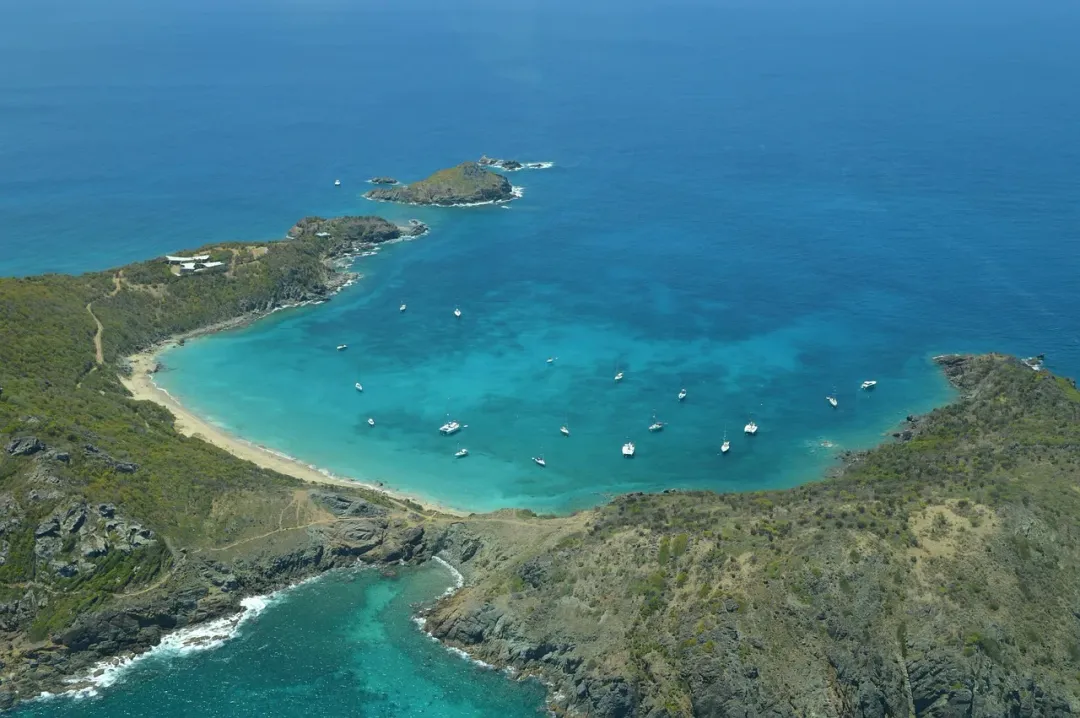
Saint Barthélemy, commonly known as St. Barts, is a small volcanic island in the French West Indies that has earned a reputation as one of the most exclusive and luxurious destinations in the Caribbean. Covering just 9.7 square miles, this overseas collectivity of France combines the sophistication of the French Riviera with the relaxed charm of the Caribbean. The island features 22 stunning beaches, each with its own character, from the popular St. Jean Beach with its beachfront restaurants and water sports to the more secluded Colombier Beach, accessible only by boat or hiking trail. The capital, Gustavia, wraps around a yacht-filled harbor and offers high-end boutiques, gourmet restaurants, and elegant colonial architecture. St. Barts is known for attracting celebrities and the jet-set crowd, particularly during the winter season and the New Year's celebrations. Despite its luxurious reputation, the island maintains a laid-back atmosphere and a commitment to preserving its natural beauty and cultural heritage. The local cuisine reflects its French heritage with a Caribbean twist, featuring fresh seafood, local spices, and French techniques. With its perfect blend of natural beauty, cultural sophistication, and exclusive amenities, St. Barts offers a unique Caribbean experience that caters to travelers seeking both luxury and authenticity.
Size
9.7 sq mi (25 km²)
Population
10,000
Language
French
Currency
Euro (EUR)
Time Zone
UTC-4 (Atlantic Time)
Best Time to Visit
November to June
Highlights
Best Things to Do in Saint Barthélemy
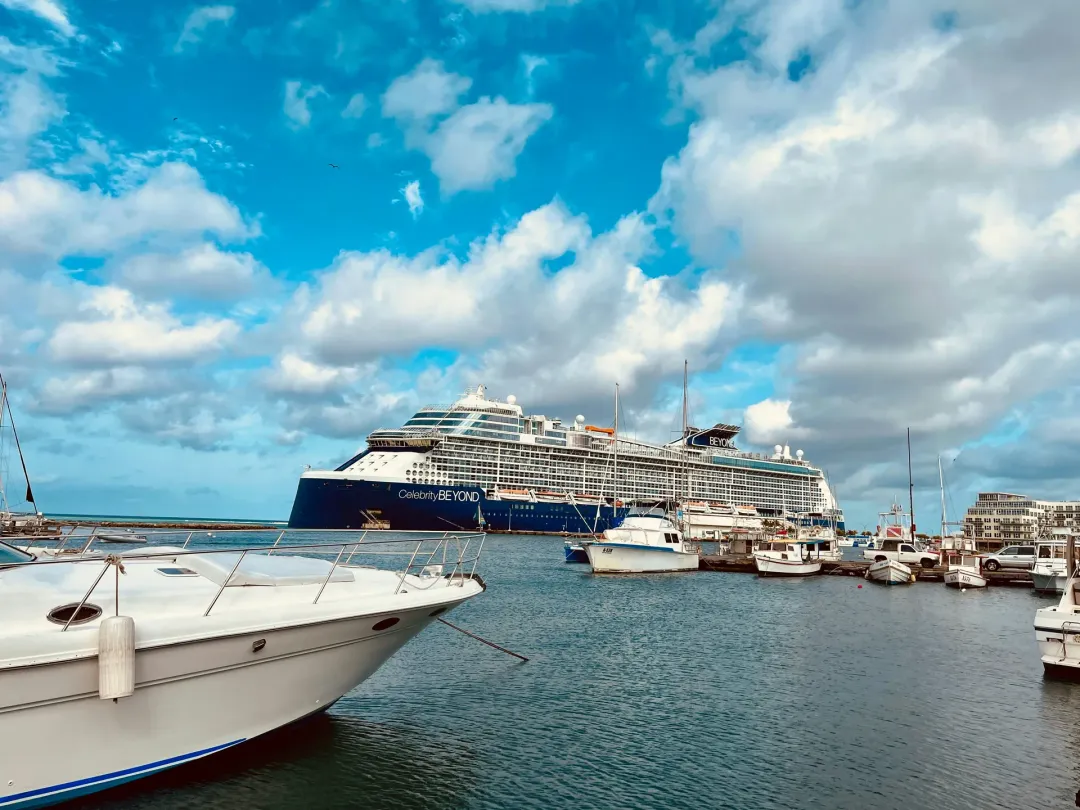
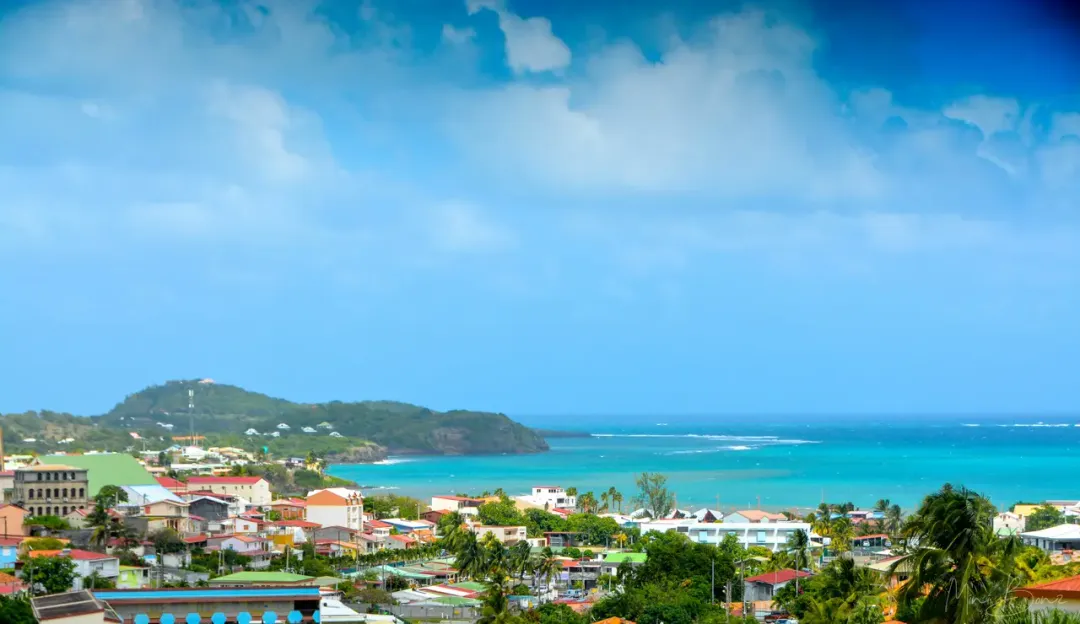
St. Barts packs an extraordinary amount of beauty into fewer than ten square miles. Start in Gustavia, the pocket-sized capital that wraps around one of the prettiest natural harbors in the Caribbean - during high season the megayachts anchored here rival anything you would see in Monaco.
Walk along Rue de la République past Swedish-era stone warehouses that now house Cartier and Hermès boutiques, then climb to the ruins of Fort Karl for a sunset view over the harbor that costs nothing except the short uphill effort. Shell Beach, just around the corner from the harbor, is a small crescent of crushed shells where you can swim and then dry off over cocktails at Shellona, one of several beach restaurants right on the sand. The real star beaches are elsewhere on the island.
Colombier Beach, on the northwest tip, is reachable only by a 25-minute hike from the trailhead at the end of the road past Flamands, or by boat - the trail drops through dry scrub with views of neighboring islands before revealing a protected cove with gin-clear water and excellent snorkeling along the rocky edges. Gouverneur Beach, on the south coast, is framed by steep green hills and has no commercial development at all - bring your own water and shade, and arrive by mid-morning for parking. Saline Beach, the favorite of longtime visitors, requires a short walk through salt ponds and sea grape trees before opening onto a wide stretch of golden sand with reliable waves for bodysurfing.
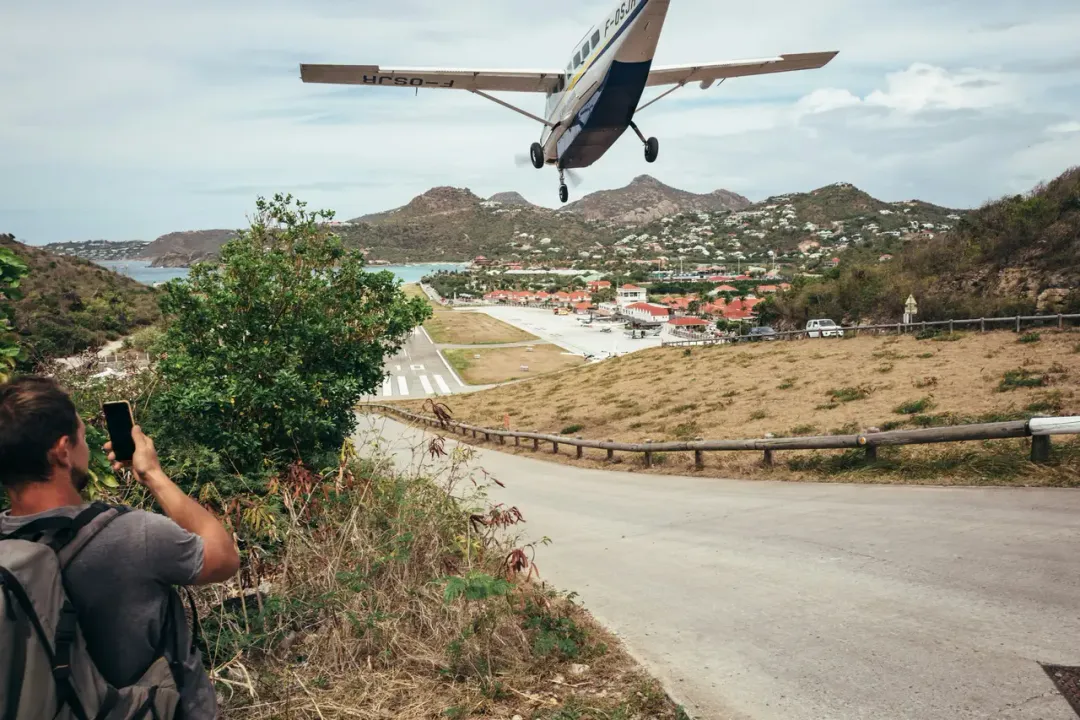
For a different perspective on the island, rent a car and drive the vertiginous roads that connect the hilltop neighborhoods - the descent into St. Jean from the airport side is legendary, passing directly over the tiny runway where small planes seem close enough to touch. The Tuesday and Friday morning market at Marigot in nearby St. Martin (reachable by ferry from Gustavia) is worth a half-day trip for spices, tropical produce, and Creole prepared foods, but on St. Barts itself the shopping leans decidedly upscale, with Ligne St. Barth producing island-made skincare products using local ingredients like roucou oil and green papaya.
Hike to Colombier Beach
A 25-minute trail from the end of the road past Flamands descends through dry tropical scrub to a secluded cove with pristine snorkeling. No facilities exist at the beach, so bring water, snorkel gear, and sun protection. The trail is rocky but manageable in sturdy sandals.
Watch Planes Land at St. Jean Beach
The short runway at Gustaf III Airport ends directly at St. Jean Beach. Small propeller planes pass dramatically low over sunbathers on approach. The eastern end of the beach near Eden Rock offers the best vantage point - and the phenomenon is far more charming than the similar scene at Maho Beach in St. Maarten.
Snorkel the Rocks at Gouverneur Beach
The rocky headlands on either side of Gouverneur Beach shelter colorful reef fish, sea turtles, and occasional spotted eagle rays. The southern exposure means calm conditions most of the year. This beach has zero development and limited parking, keeping crowds manageable even in peak season.
Sunset Cocktails at Fort Karl Ruins
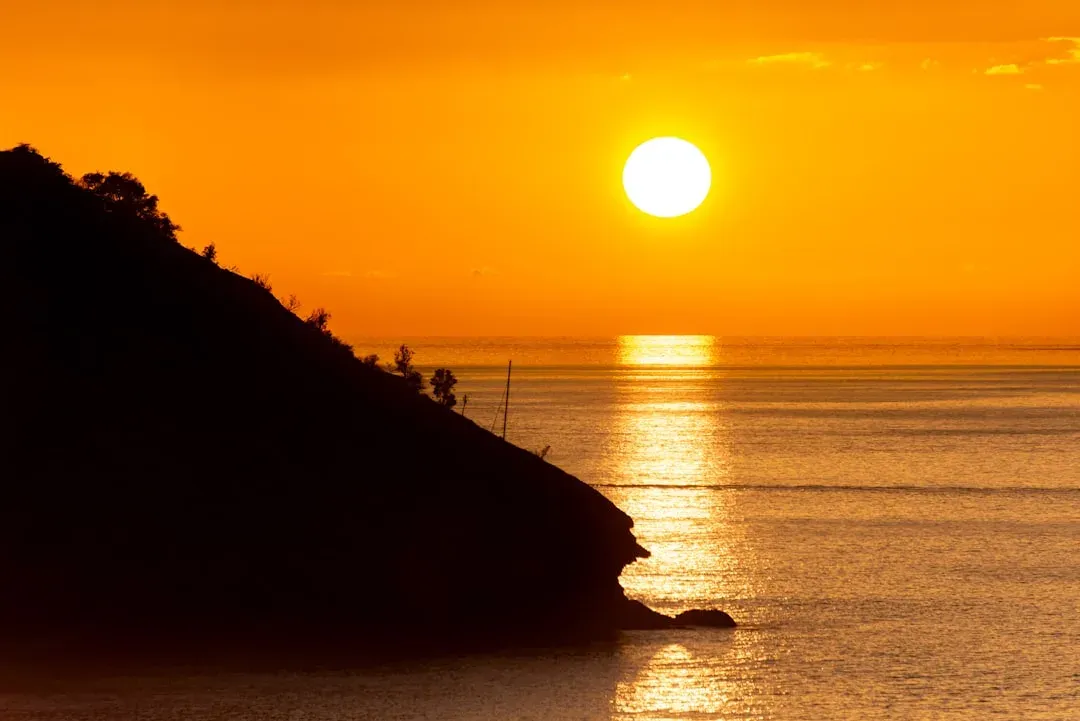
A short climb above Gustavia harbor leads to the remains of an 18th-century Swedish fortification with panoramic views. Bring your own sundowner - there are no vendors - and watch the harbor lights come on as the sky turns pink over neighboring Saba and St. Eustatius.
Day Trip to Île Fourchue
This uninhabited rocky island north of St. Barts is a popular boat excursion destination with excellent snorkeling in deep blue water. Several charter operators in Gustavia offer half-day trips that include lunch and open bar on board. The volcanic rock formations above water are dramatic.
Spend a Morning at Saline Beach
Walk past the salt ponds and through a corridor of sea grape trees to reach this wide, undeveloped beach on the southern coast. A gentle shore break makes it ideal for bodysurfing. The far eastern end tends to be clothing-optional. No facilities, no vendors - just sand, surf, and solitude.
Explore Gustavia Harbor and Its Boutiques
The tiny harbor capital blends Swedish colonial history with French luxury shopping. Browse high-end boutiques on Rue de la République, visit the Wall House Museum for island history, and linger at Le Select bar - the laid-back gathering spot that inspired Jimmy Buffett's Cheeseburger in Paradise.
Where to Stay in Saint Barthélemy
St. Barts does not do budget accommodation. The island's limited size and zoning restrictions mean there are no high-rise resorts and no all-inclusives - instead, you choose between boutique hotels and private villa rentals.
Eden Rock, perched on a rocky promontory that divides St. Jean Beach, is the island's most iconic property, with rates starting around $1,200 a night in high season and climbing steeply for its signature suites carved into the rock itself. Le Barthélemy Hotel & Spa in Grand Cul-de-Sac offers waterfront luxury with a Michelin-affiliated restaurant from around $900.
Chéval Blanc St-Barth Île de France, the LVMH property on Flamands Beach, is the choice for guests who want a large, swimmable beach with five-star service - expect $1,500 and up. For something more personal, Hôtel Le Toiny in the hills above the southeast coast has just 22 private villa suites, each with a plunge pool, starting around $800. Villa rentals are the preferred option for groups and families, and they can actually represent better value than hotels.
A well-located two-bedroom villa in Lurin or St. Jean runs $500 to $1,000 a night in season, while larger properties in Gouverneur or Pointe Milou with infinity pools and ocean views command $2,000 to $5,000 per night. Agencies like St. Barth Properties and Wimco Villas have the deepest inventories. Low season (mid-August through October) brings discounts of 30 to 50 percent, but some restaurants and hotels close during September. Book December through March at least six months ahead, especially over New Year's when the island hits full capacity.
Where to Eat in Saint Barthélemy
Dining on St. Barts operates at a level unmatched anywhere else in the Caribbean. The French culinary DNA is everywhere, but the island has developed its own identity that folds in Caribbean ingredients and beachside informality. For a signature lunch, L'Isoletta at the western end of St.
Jean Beach serves thin-crust pizza and Italian seafood dishes with your feet in the sand - arrive by noon for a table. Maya's, tucked beside the harbor in Gustavia, has been the island's go-to for Creole-Caribbean cooking for decades: grilled mahi-mahi with plantains, accras de morue (salt cod fritters), and rum punch served on a waterfront terrace. Bonito, overlooking Gustavia harbor, does inventive French-Asian-Latin fusion with ceviches, tartares, and wagyu tataki - it draws a lively crowd from 7 p.m. onward. For a blowout dinner, La Case de l'Île at Chéval Blanc on Flamands Beach delivers refined French cuisine in a candlelit setting right on the sand.
Expect to spend $150 to $250 per person at these top-tier spots. On the more casual end, Orega in St. Jean turns out excellent poke bowls and acai for $15 to $25, and the Rôtisserie at the JoJo Burger counter in Lorient serves loaded burgers and rotisserie chicken that locals swear by. For breakfast pastries, stop at Boulangerie Choisy in St.
Jean for croissants and pain au chocolat that rival anything in Paris. Grocery shopping at Marché U in St. Jean is essential for villa stays - the cheese, wine, and charcuterie selection reflects that this is, after all, France. Budget around $80 to $100 per person per day for eating out, or half that if you mix in some villa cooking.
Best Time to Visit Saint Barthélemy
The peak season on St. Barts runs from mid-December through April, when the weather is dry, breezy, and warm with temperatures in the upper 70s to mid-80s Fahrenheit.
This is also the most expensive window - hotel rates and villa rentals peak sharply over Christmas and New Year's, when the island becomes a global gathering point for celebrities and high-net-worth travelers. Carnival in February or March brings local parades and music.
The shoulder months of November and May offer excellent weather, noticeably thinner crowds, and rates 20 to 30 percent below peak. Hurricane season runs June through November, with September and October carrying the highest risk - the island was severely impacted by Hurricane Irma in 2017 but has fully rebuilt. Many hotels and restaurants close during September. Summer can be hot and humid but rewards travelers willing to take the weather risk with significant savings and an uncrowded island.
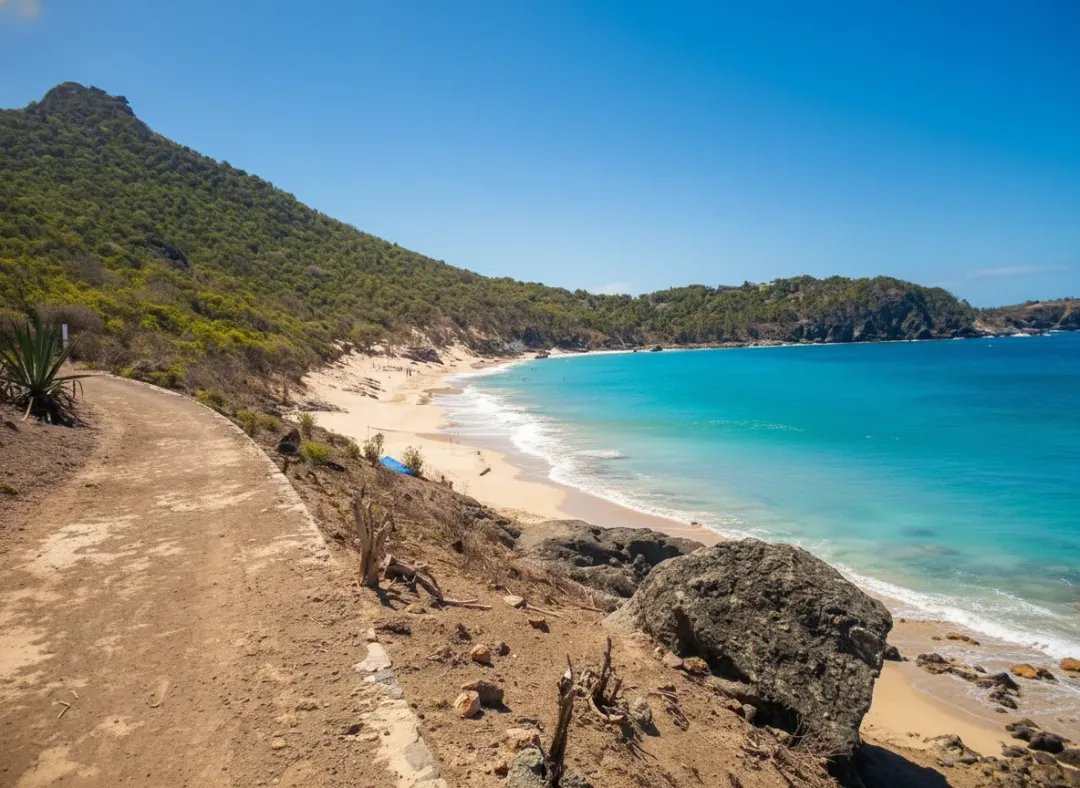
Anse de Colombier
The most secluded beach on St Barths, accessible only by boat or a 30-minute hillside trail from Flamands. The pristine white-sand cove with crystal-clear snorkeling and no development is often called the island's best-kept secret.
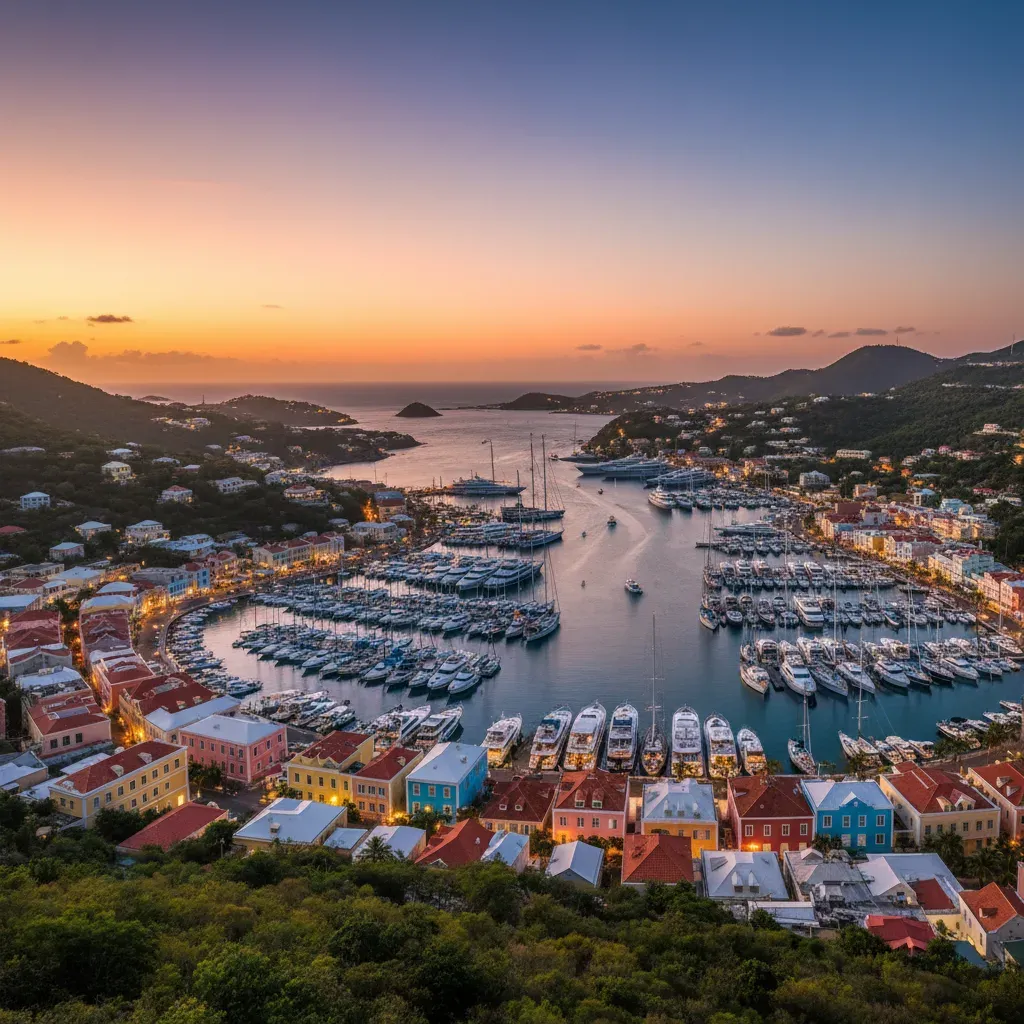
Gustavia Harbor
The picturesque capital with a natural deep-water harbor lined with luxury yachts, red-roofed Swedish colonial buildings, and upscale boutiques. Named after King Gustav III of Sweden who once owned the island.
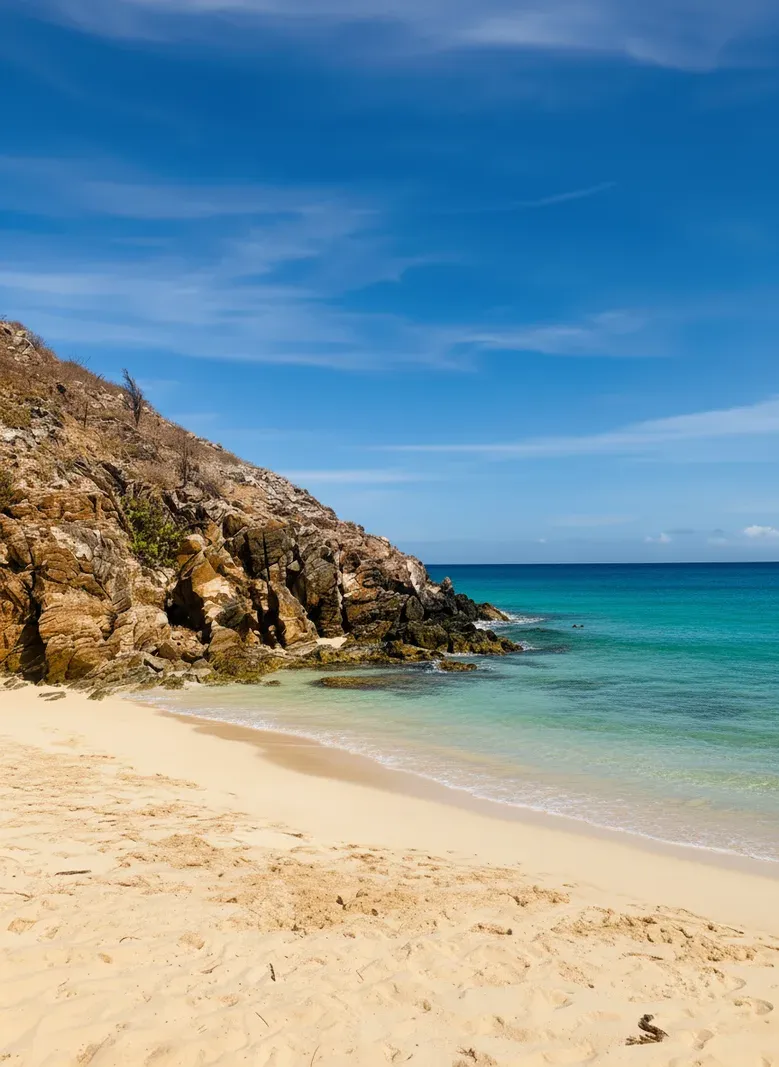
Anse du Gouverneur
A dramatic crescent of golden sand framed by green hills, with no buildings in sight. Reached by a steep road from Gustavia, this south-facing beach offers calm swimming conditions and striking beauty.
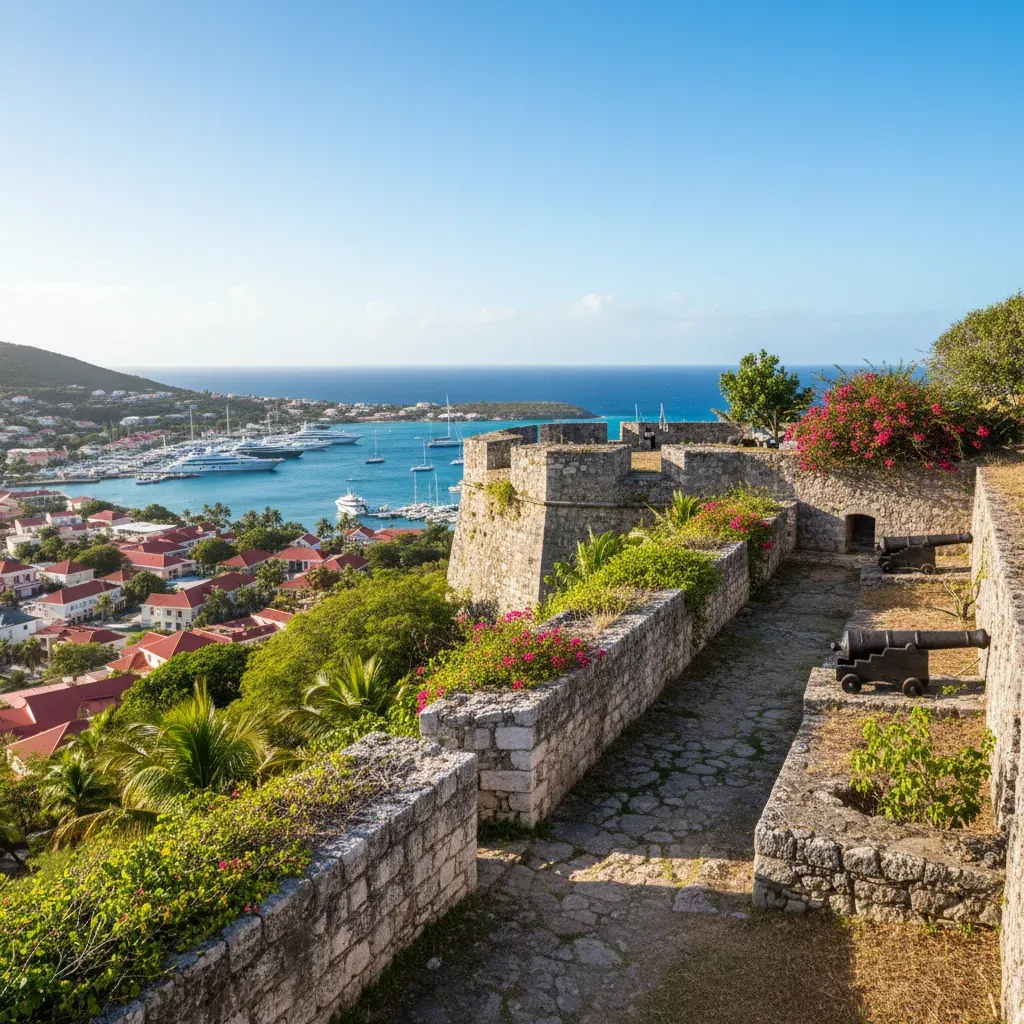
Fort Karl
The ruins of an 18th-century Swedish fort perched on the hill above Gustavia's Shell Beach. A short climb leads to panoramic views of the harbor, the town's red rooftops, and the islands of Saba and St Eustatius on the horizon.
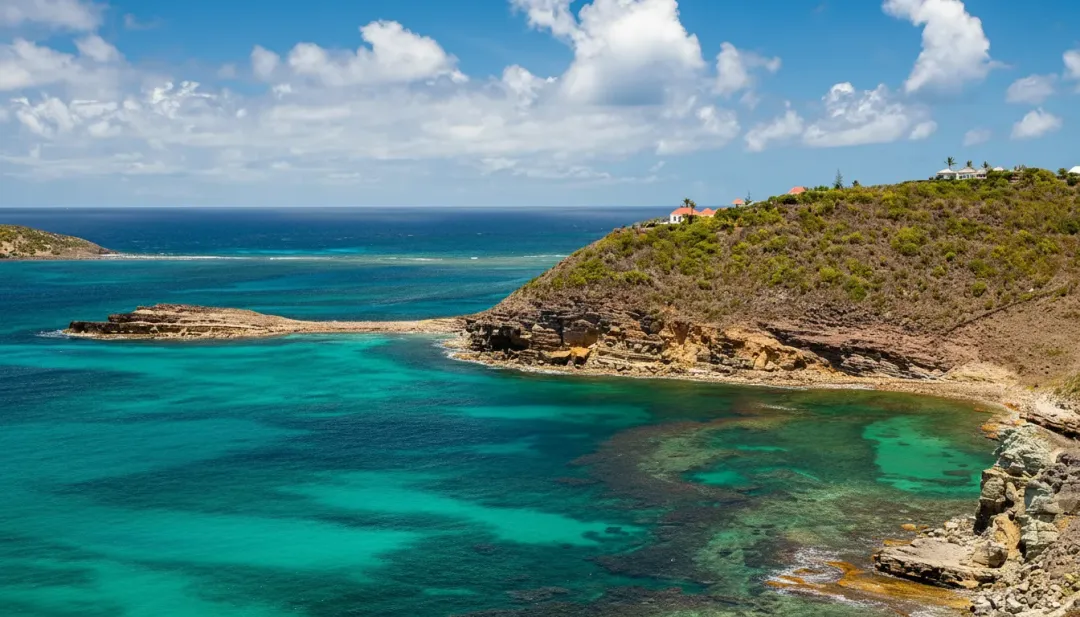
Grand Cul-de-Sac
A shallow lagoon protected by a coral reef on the island's northeast coast, ideal for kitesurfing, windsurfing, and paddleboarding. The calm turquoise waters and surrounding nature reserve make it a haven for water sports and wildlife.
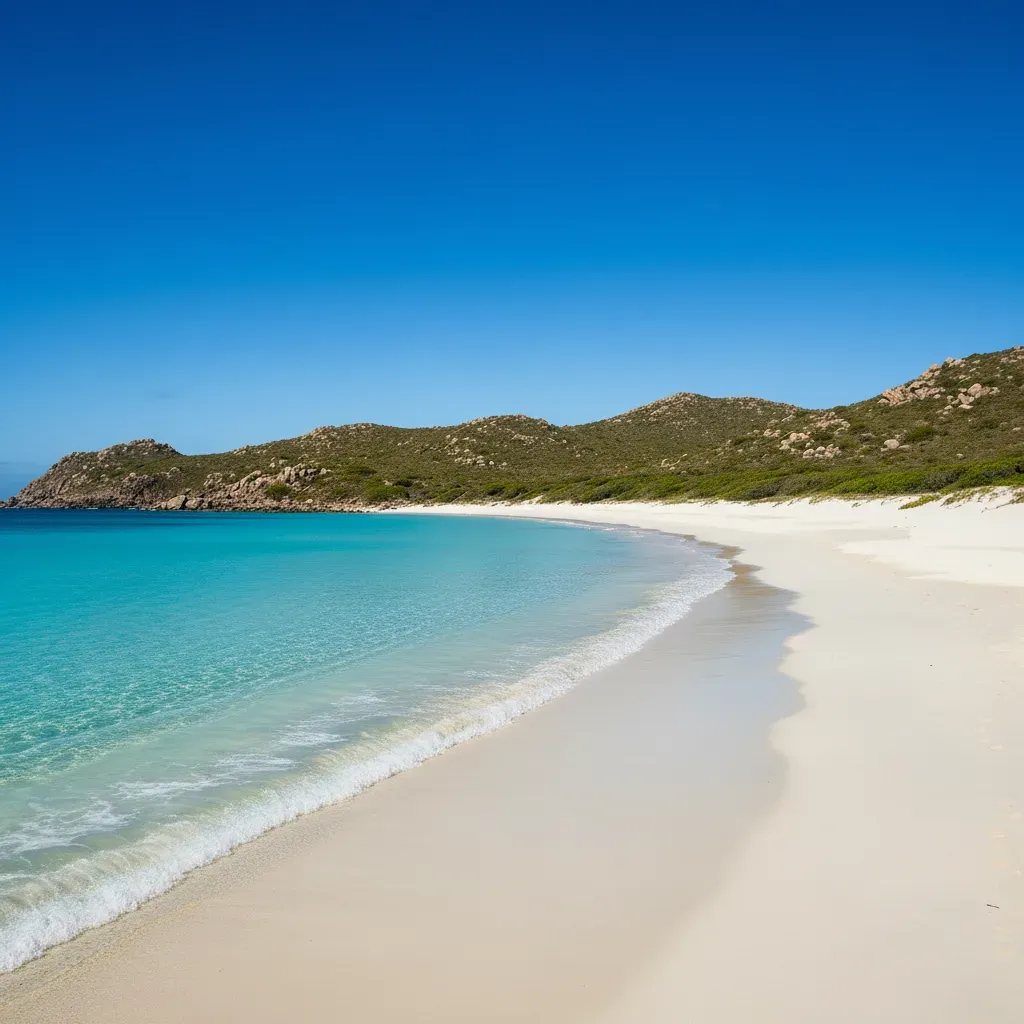
Anse de Grande Saline
A long, wild beach behind the island's historic salt ponds, reached by a short trail through sand dunes. Minimal development, no shade structures, and powerful Atlantic waves give it an untamed, natural character.
Hotels in Saint Barthélemy
Search for available rates by selecting your travel dates
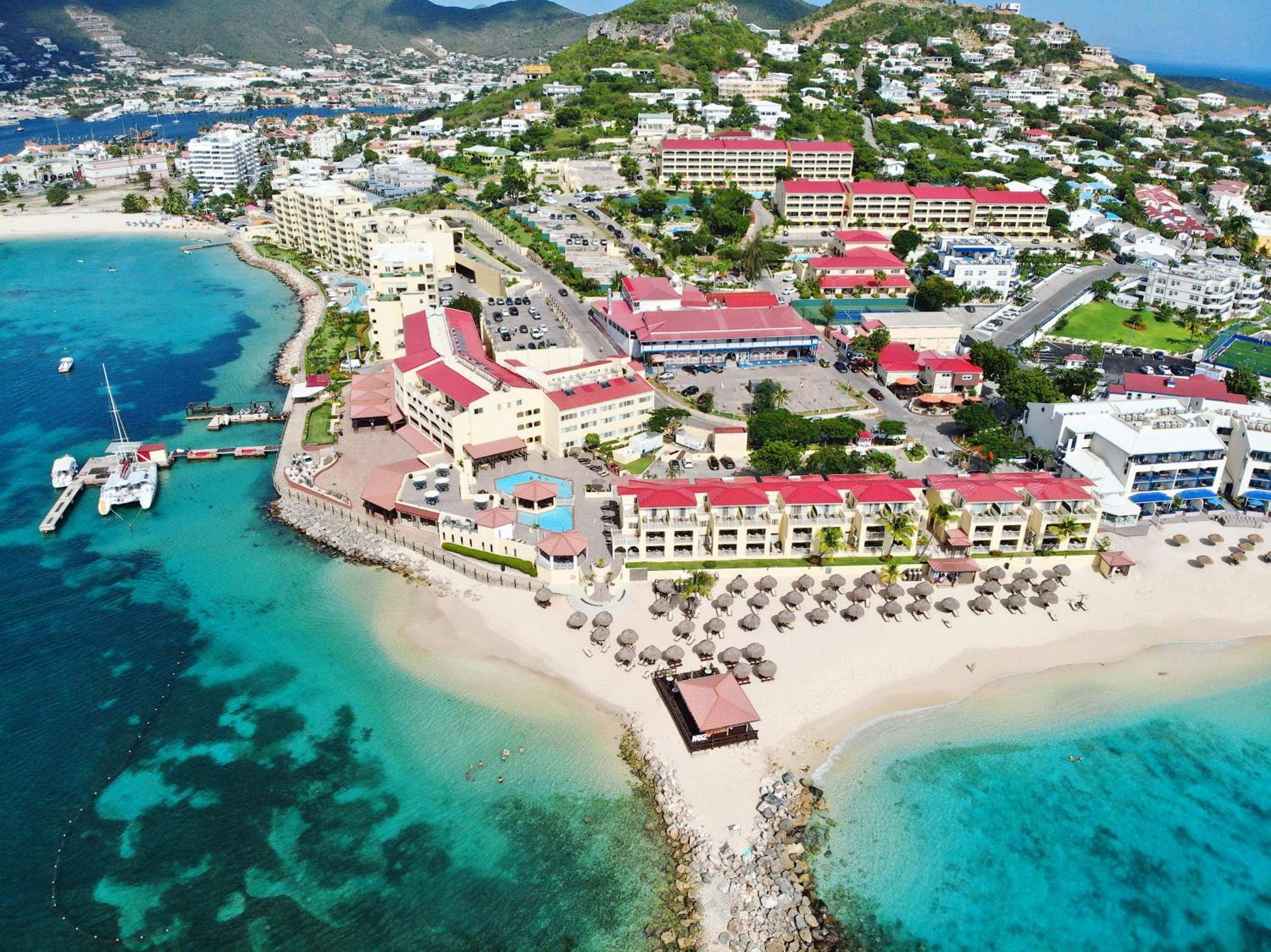
Simpson Bay Resort Marina & Spa
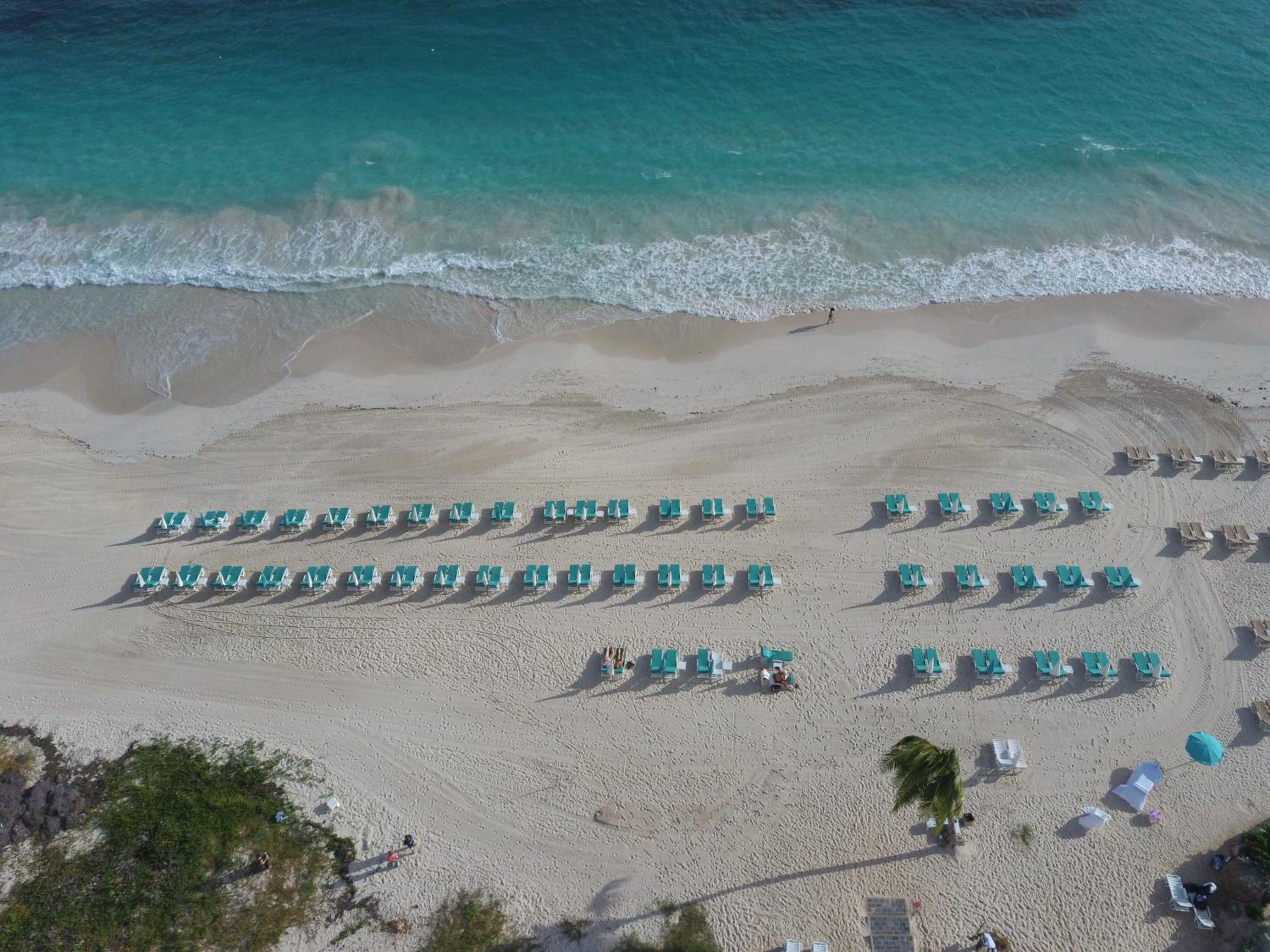
La Playa Orient Bay
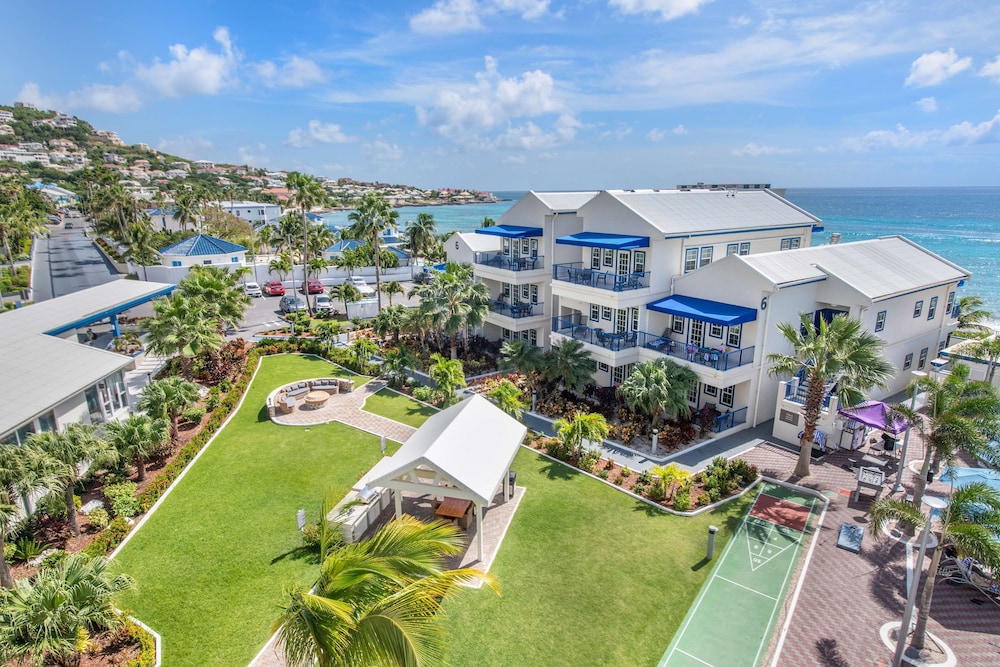
Hilton Vacation Club Flamingo Beach St. Maarten
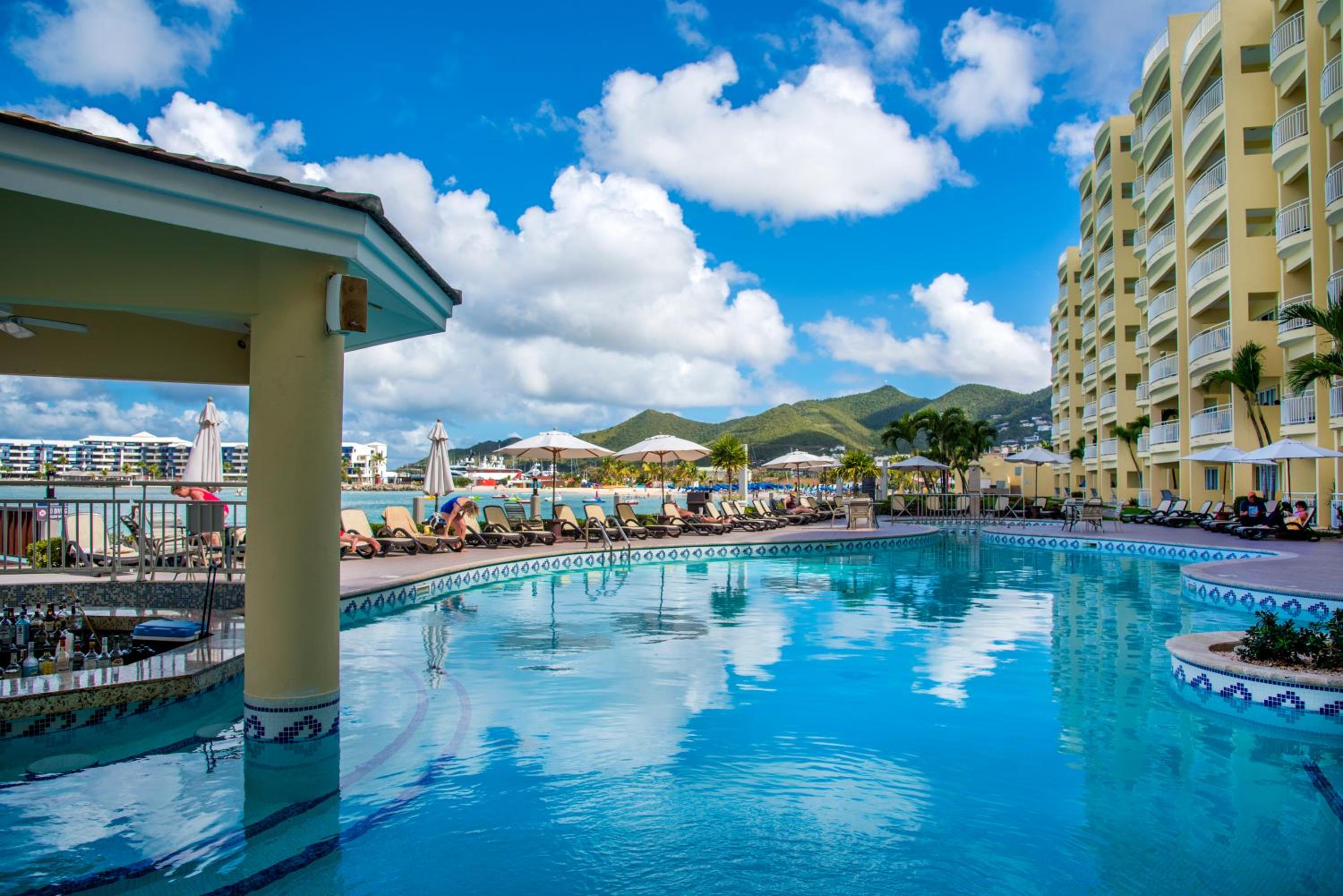
The Villas at Simpson Bay Resort
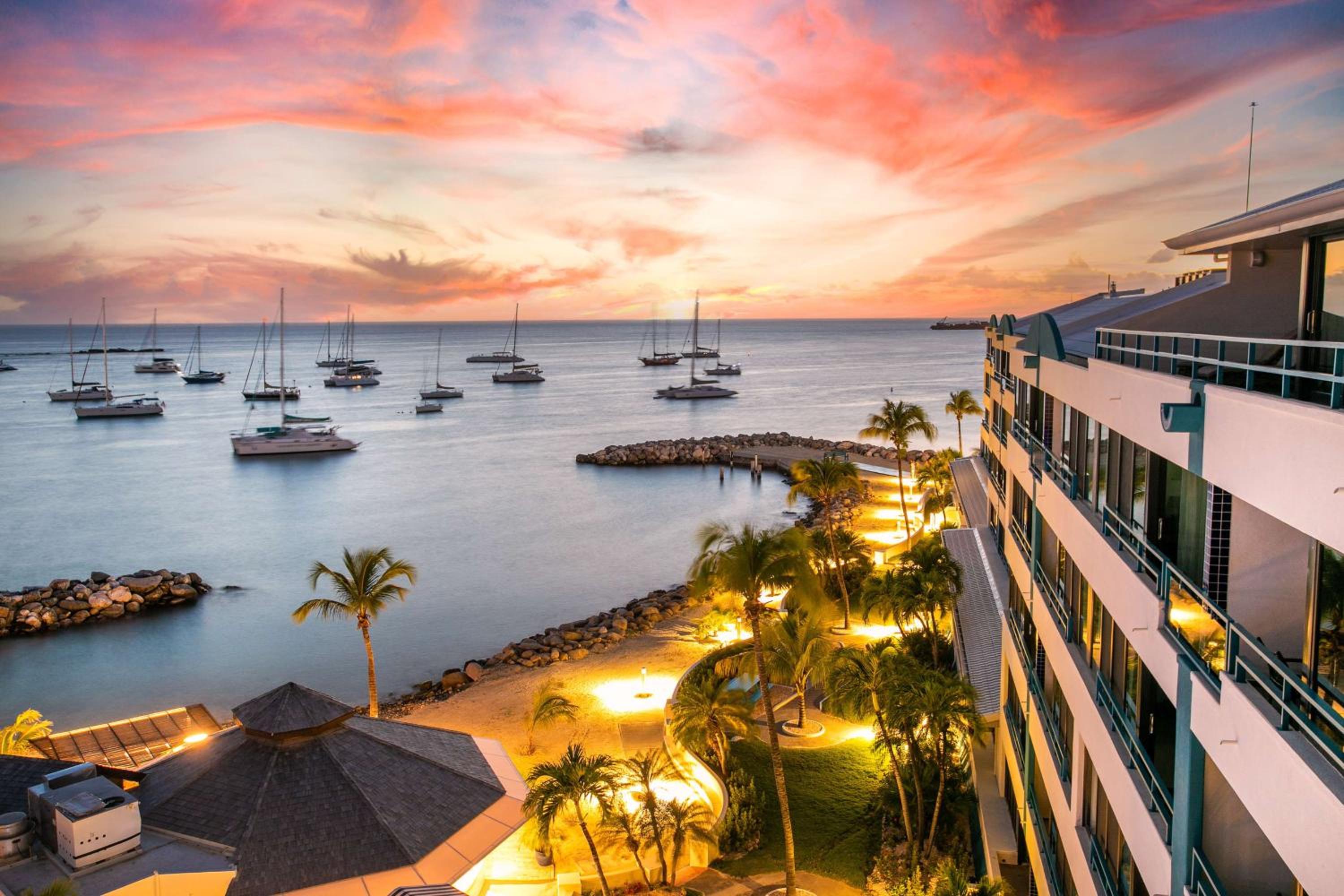
Hilton Vacation Club Royal Palm St Maarten
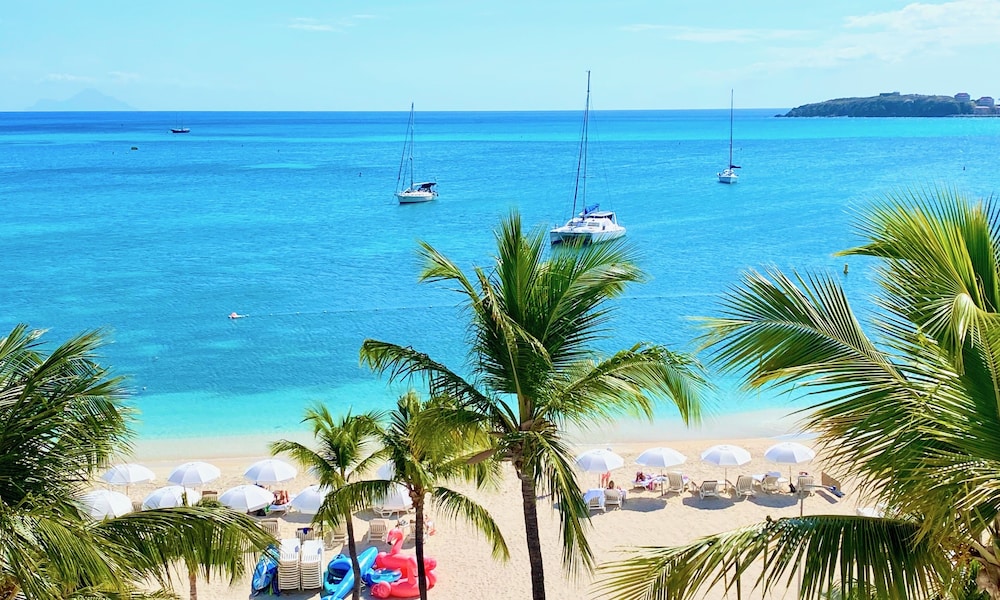
Holland House Beach Hotel
Top Restaurants in Saint Barthélemy
Popular dining spots near Saint Barthélemy
No restaurants available for Saint Barthélemy yet.
Weather in Saint Barthélemy
Average Temperature
75°F to 85°F (24°C to 29°C)
Rainy Season
September to November
Hurricane Season
June to November
Best Time to Visit
November to June
Travel Tips
- French is the official language, though English is widely spoken in tourist areas
- The Euro is the official currency
- Driving is on the right side of the road
- A valid passport is required for entry
- The island is expensive compared to other Caribbean destinations
- Renting a car is the best way to explore the island
Get Saint Barthélemy Travel Tips
Subscribe for curated tips, deals, and inspiration for your Saint Barthélemy trip.