St. Martin (French side)
The Friendly Island's French Flair
About St. Martin (French side)
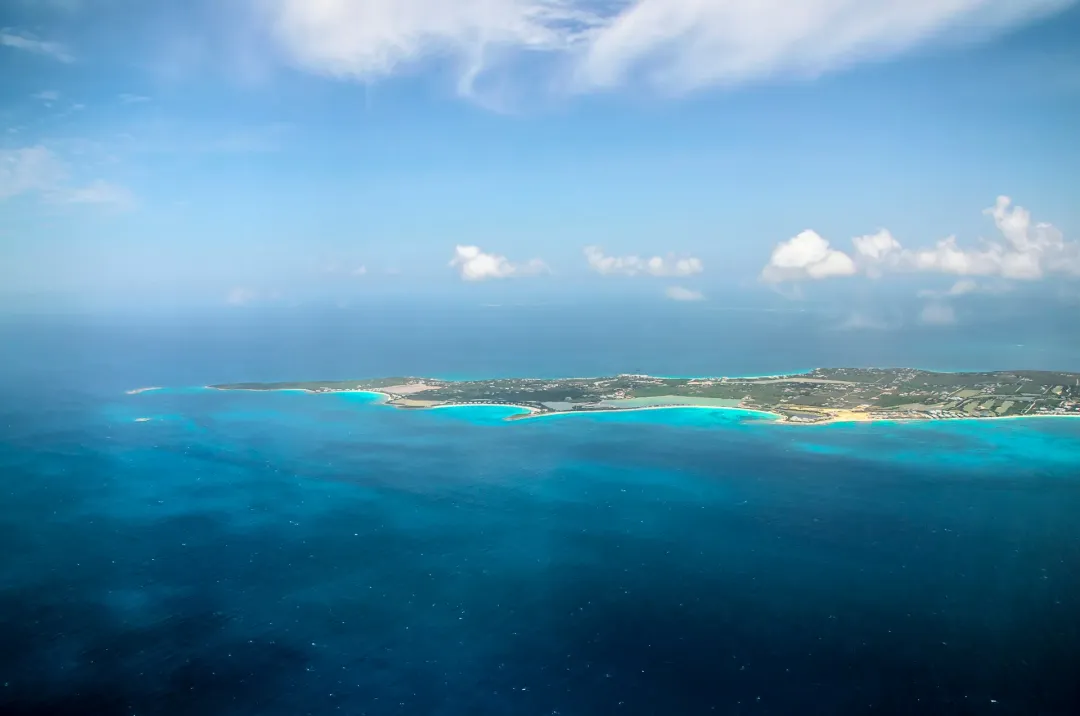
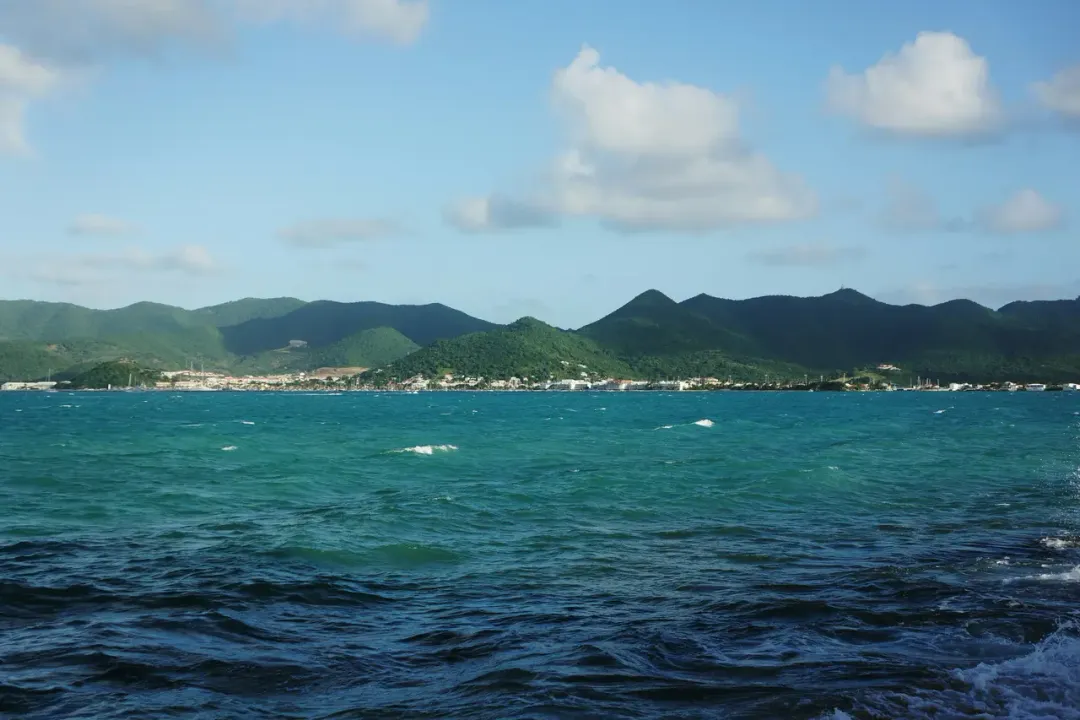
St. Martin constitutes the northern 60% of the island of Saint Martin/Sint Maarten, which has the distinction of being the smallest landmass in the world shared by two sovereign nations-France and the Kingdom of the Netherlands. As an overseas collectivity of France, St. Martin embodies a unique blend of Caribbean charm and French sophistication. The capital, Marigot, features a waterfront market, colonial architecture, and Fort Louis overlooking the bay, while Grand Case has earned a reputation as the 'Gourmet Capital of the Caribbean' for its exceptional restaurants serving French and Creole cuisine. The island's coastline is dotted with 37 beaches, each with its own character, from the family-friendly shores of Friar's Bay to the clothing-optional Orient Bay and the secluded Pinel Island accessible only by boat. Beyond beach activities, visitors can explore Loterie Farm, a private nature reserve offering hiking, zip-lining, and a treetop lounge; the Butterfly Farm, home to hundreds of exotic butterfly species; and various art galleries showcasing local and international artists. The island's culture reflects its diverse heritage, with influences from Africa, Europe, and other Caribbean islands evident in its music, dance, and festivals, particularly the colorful Carnival celebrations. Despite being part of France, St. Martin maintains its own distinct identity while offering visitors European amenities such as excellent infrastructure, high-quality healthcare, and the use of the Euro, combined with the relaxed pace and natural beauty characteristic of the Caribbean.
Size
21 sq mi (53 km²) - French side only
Population
32,000
Language
French, English, Creole
Currency
Euro (EUR)
Time Zone
UTC-4 (Atlantic Time)
Best Time to Visit
December to May
Highlights
Best Things to Do in St. Martin (French side)
St. Martin is an island that punches absurdly above its weight. The French side alone packs 37 beaches, a world-class dining scene, nature reserves, and a cultural identity that blends Parisian sophistication with deep Caribbean roots into just 21 square miles. Start in Grand Case, a single-street fishing village on the northeast coast that has become the undisputed culinary capital of the Caribbean.
By day, it is a sleepy strip of colorful Creole cottages. By evening, the street transforms into an open-air restaurant row where French-trained chefs and local cooks serve everything from foie gras to ribs at the beachfront barbecue stands called lolos. Walk the strip, read the menus posted outside, and choose whatever catches your eye - the quality floor is remarkably high. For beaches, Orient Bay is the headline - a wide crescent of golden sand backed by restaurants, water sports operators, and a clothing-optional section at the southern end.
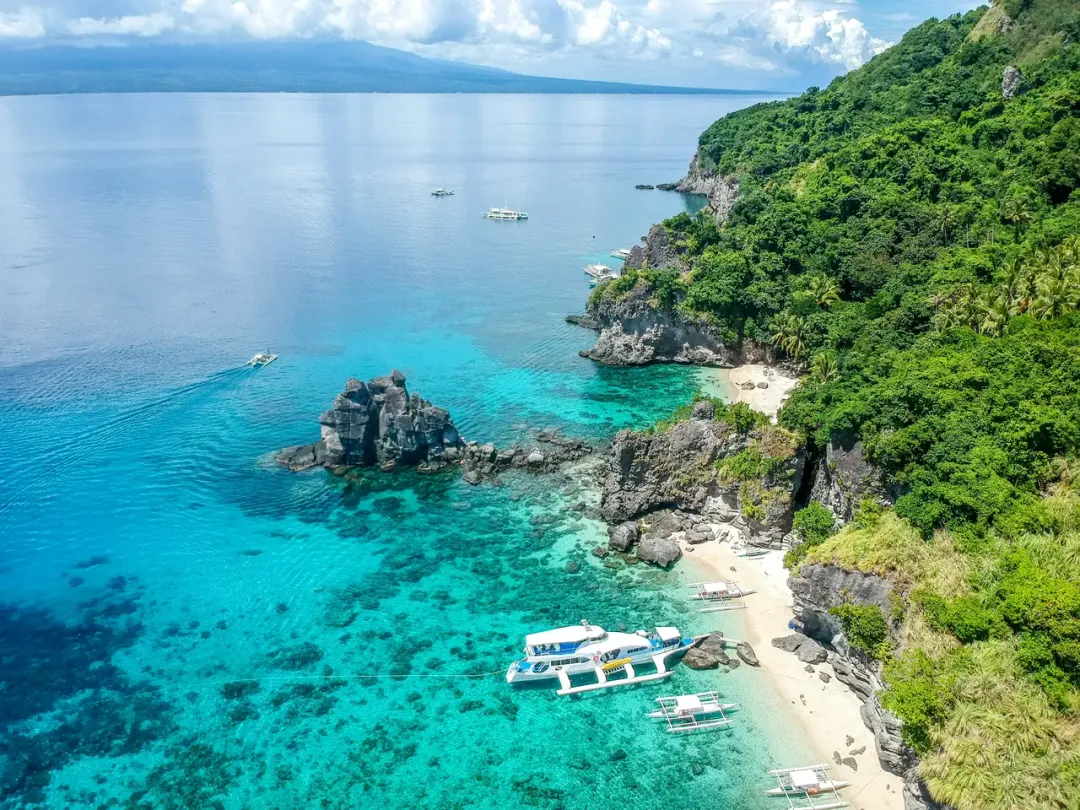
But the real finds are elsewhere. Friar's Bay, on the northwest coast, has a single beach bar (Friar's Bay Beach Cafe) under sea grape trees where you can eat lobster with your feet in the sand while watching pelicans dive. Happy Bay, accessible by a 10-minute trail from Friar's Bay, is a secluded arc of sand with no development and some of the clearest water on the island. Pinel Island, a five-minute water taxi ride from Cul-de-Sac, is a tiny islet with two beach restaurants and snorkeling off a rocky point where you can spot spotted eagle rays and juvenile reef sharks.
For a more active day, Loterie Farm is a former sugar plantation on the slopes of Pic Paradis that has been converted into a nature reserve with hiking trails through secondary forest, a zip-line course through the canopy, and a spring-fed pool bar called the Hidden Forest Cafe. The hike to the summit of Pic Paradis at 1,391 feet is the island's highest point and offers views of Anguilla, Saba, and St. Barths on a clear day. In Marigot, the Wednesday and Saturday morning market along the waterfront is the best place to buy spices, hot sauce, fresh tropical fruit, and handmade jewelry. Fort Louis, a short climb above the market, provides a sweeping view of Marigot Bay and the island of Anguilla. On the cultural calendar, Carnival in February and March is the French side's biggest celebration, with weeks of music, parades, and queen competitions culminating in the burning of Vaval, the carnival king effigy.
Dine Along the Grand Case Strip
The 'Gourmet Capital of the Caribbean' is a single beachfront road lined with French, Creole, and fusion restaurants. For fine dining, try L'Auberge Gourmande or Le Pressoir. For a more local experience, head to the lolos - open-air barbecue stalls at the south end of the strip serving ribs, grilled lobster, and johnnycakes for a fraction of restaurant prices.
Snorkel Pinel Island
A five-minute water taxi from Cul-de-Sac brings you to this small islet with two beach restaurants and excellent snorkeling off the rocky east side. Spotted eagle rays, sea turtles, and reef fish are common. Bring your own gear for the best experience, as rentals on the island are limited.
Hike Pic Paradis via Loterie Farm
The island's highest point at 1,391 feet offers panoramic views of neighboring islands on clear days. Loterie Farm, a private nature reserve on the mountain's slopes, charges a small entry fee and offers well-marked trails through tropical forest, plus zip-lining and a spring-fed pool bar.
Spend a Day at Friar's Bay and Happy Bay
Friar's Bay is a laid-back local favorite with a single beach cafe serving French-Caribbean food under sea grape trees. From the north end, a 10-minute footpath leads over a headland to Happy Bay, a secluded beach with no facilities and some of the island's clearest swimming water.
Watch Planes Land at Maho Beach (Dutch Side)
Just across the border on the Dutch side, jets pass barely 50 feet above the beach on approach to Princess Juliana Airport. The Sunset Bar tracks incoming flights on a board. While technically on the Dutch side, there is no border checkpoint and it is a 15-minute drive from Marigot.
Explore Marigot Market and Fort Louis
The waterfront market on Wednesday and Saturday mornings sells spices, rum punch, tropical fruit, and local crafts. Afterward, climb the steps to Fort Louis for sweeping views of Marigot Bay, Simpson Bay Lagoon, and Anguilla in the distance.
Sail to Tintamarre Island
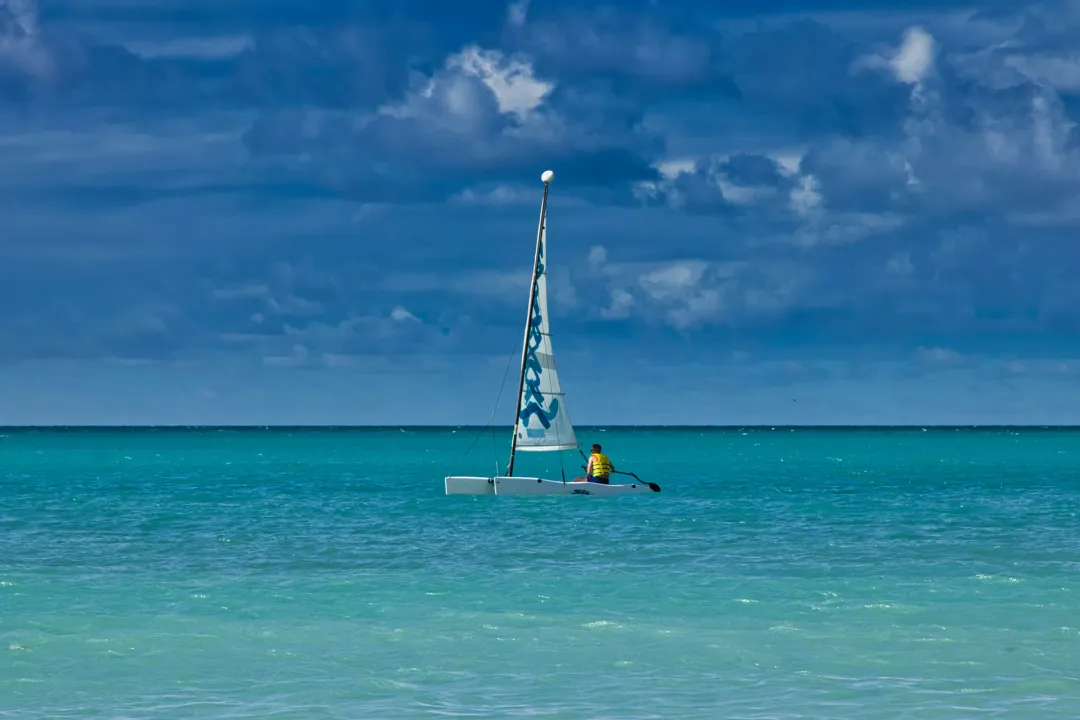
This uninhabited nature reserve off the northeast coast has a white-sand beach, excellent snorkeling along rocky shelves, and the ruins of an old airstrip. Half-day catamaran trips depart from Grand Case or Orient Bay and typically include lunch and open bar.
Swim at Orient Bay Beach
The island's most famous beach is a long stretch of golden sand with beach clubs renting loungers and umbrellas, water sports from jet skis to parasailing, and several restaurants. The southern end is clothing-optional. Club Orient was rebuilt after Hurricane Irma and draws a European crowd.
Where to Stay in St. Martin (French side)
St. Martin's French side has no mega-resorts, which is part of its appeal.
The accommodation landscape leans toward boutique hotels, apart-hotels, and villa rentals. In Grand Case, Hotel L'Esplanade sits on a bluff above the village with infinity-pool views of Anguilla and rooms from around €250 a night in high season - its location puts the restaurant strip within a five-minute walk.
Le Petit Hotel, also in Grand Case, offers intimate creole-style rooms starting around €180. Orient Bay has the highest concentration of beachfront options, including the Palm Court Hotel and several apart-hotel complexes with kitchenettes in the €150 to €300 range.
Villa rentals are the sweet spot for families and groups - properties with private pools in the hills above Orient Bay or Terres Basses start around €200 a night for a two-bedroom and can exceed €1,000 for luxury estates with ocean views. The Terres Basses (Lowlands) area on the western tip has some of the island's most exclusive villas and two beautiful beaches, Baie Rouge and Baie Longue. For budget travelers, apart-hotels in the Nettle Bay and Sandy Ground areas start around €80 to €120 and offer kitchenettes that help offset the island's generally high food costs. Marigot itself has limited hotel options but is convenient for the market and ferry to Anguilla. Book early for the December through April high season - the best properties fill up months ahead, especially over Christmas and New Year when the island draws a heavy European crowd.
Where to Eat in St. Martin (French side)
St. Martin's French side has the densest concentration of quality restaurants per square mile in the Caribbean, and it is not even close. Grand Case is the epicenter.
L'Auberge Gourmande serves classic French cuisine in a restored Creole house with entrees from €25 to €45. Le Pressoir, in another historic cottage, pairs refined French technique with Caribbean ingredients - the lobster medallions and duck breast are standouts. Le Cottage offers more casual French-Creole fare at slightly lower prices.
But the soul of Grand Case's food scene lives at the lolos, the open-air barbecue stalls at the south end of the strip where Talk of the Town and Sky's the Limit serve grilled ribs, lobster, conch fritters, and johnnycakes with sides of plantain and coleslaw for €10 to €20 a plate - bring cash. In Marigot, the market stalls on Wednesday and Saturday serve accras (salt cod fritters) and fresh fruit juices. Enoch's Place on the waterfront does excellent Creole lunches at local prices.
At Friar's Bay, the beach cafe is a destination in itself, especially for a long Sunday lunch of grilled fish with a bottle of rosé and nowhere to be. For breakfast, Sarafina's in Grand Case bakes French pastries and serves strong espresso. Across the island in Orient Bay, Kakao Beach and Waikiki Beach offer beachfront dining with Mediterranean and Asian-fusion menus. The French side uses the Euro and prices reflect European standards - expect to spend €30 to €50 per person for a proper dinner with wine, or €10 to €15 at a lolo for an equally satisfying meal.
Best Time to Visit St. Martin (French side)
The peak season from mid-December through April delivers the best weather, with temperatures in the upper 70s to mid-80s Fahrenheit, low humidity, and minimal rainfall. This is also the most expensive and busiest period, when European and North American visitors fill the island's hotels and restaurants.
Carnival festivities in February and March add energy and color. May and June offer a genuine sweet spot - warm weather, thinned crowds, and shoulder-season rates that can be 25 to 40 percent below peak.
The hurricane season runs June through November, with September and October posing the highest risk. Hurricane Irma devastated the island in September 2017, and rebuilding took years, so storm season is taken seriously here. Summer temperatures reach the upper 80s with higher humidity but afternoon trade winds provide relief.
Getting Around St. Martin (French side)
Rental cars are the best way to explore and drive on the right. There is no border control between the French and Dutch sides.
Taxis are available but expensive. Water taxis connect to Pinel Island and Tintamarre.
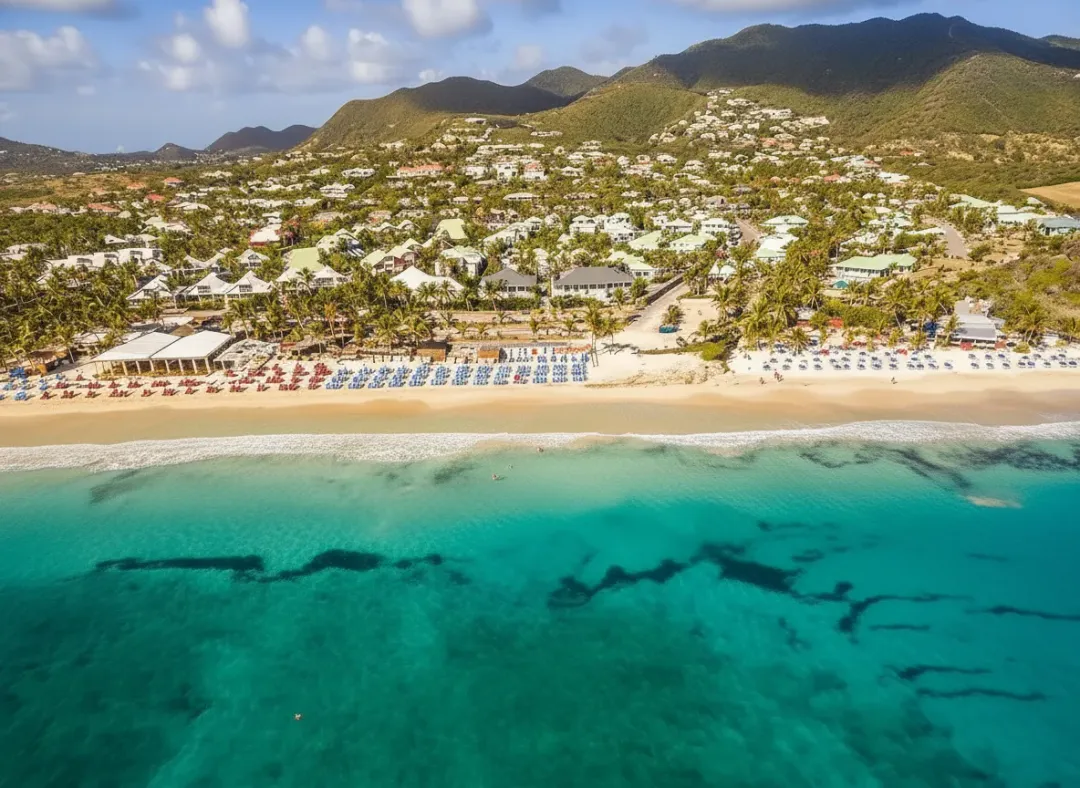
Orient Bay
A stunning 2km stretch of white sand on the French side, known as the 'Saint-Tropez of the Caribbean.' Lined with beach clubs, water sports operators, and restaurants, it offers vibrant energy with turquoise waters and views of Île Tintamarre.
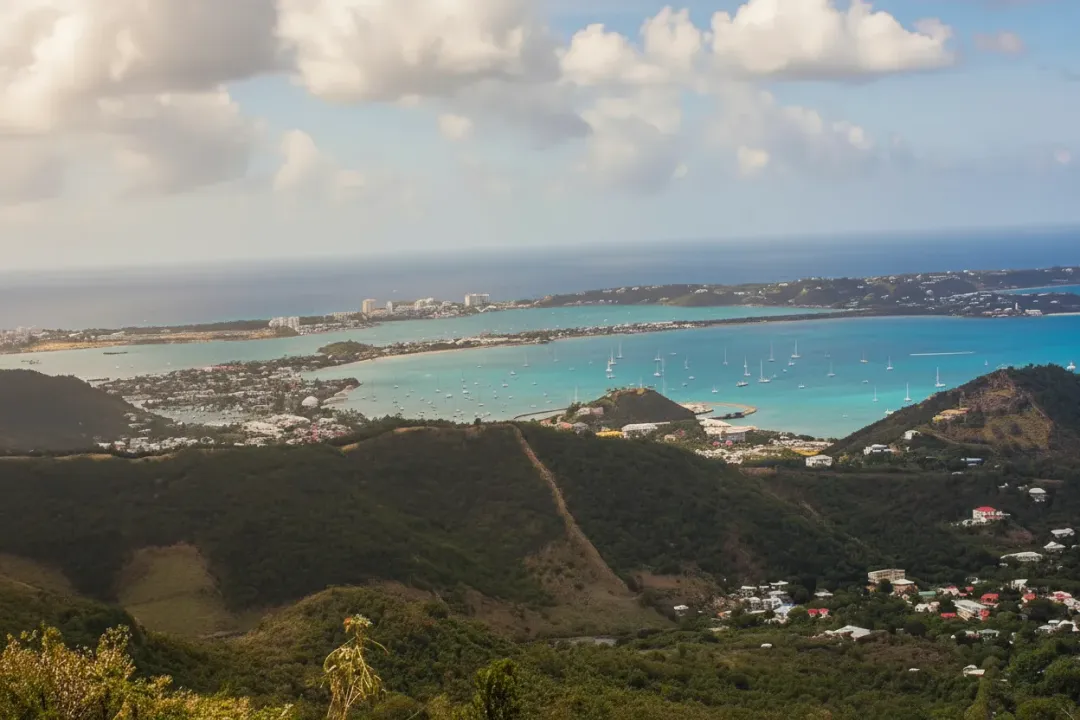
Pic Paradis
The highest point on the island at 424m, offering panoramic 360° views of both the French and Dutch sides, neighboring islands, and the Atlantic and Caribbean coasts. The trail passes through secondary tropical forest.
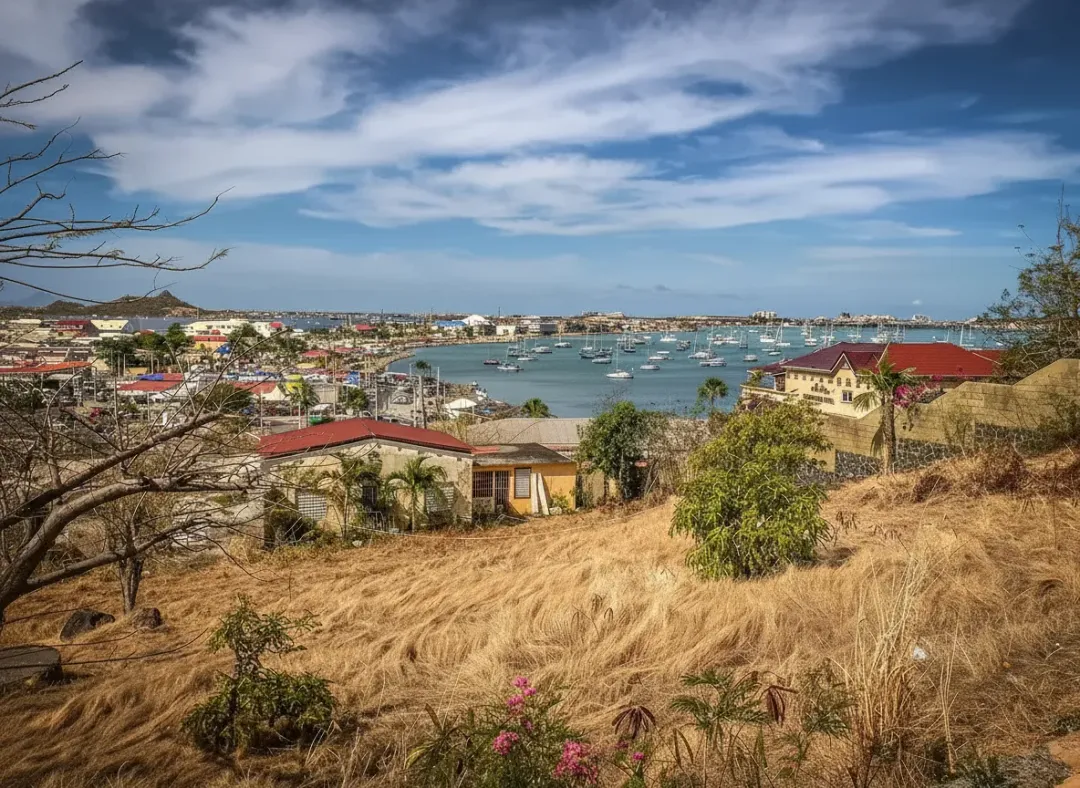
Marigot Waterfront
The charming French capital with a bustling open-air market, pastel-colored Creole buildings, and waterfront restaurants. The Wednesday and Saturday markets offer spices, crafts, and Creole cuisine from vendors across the Caribbean.
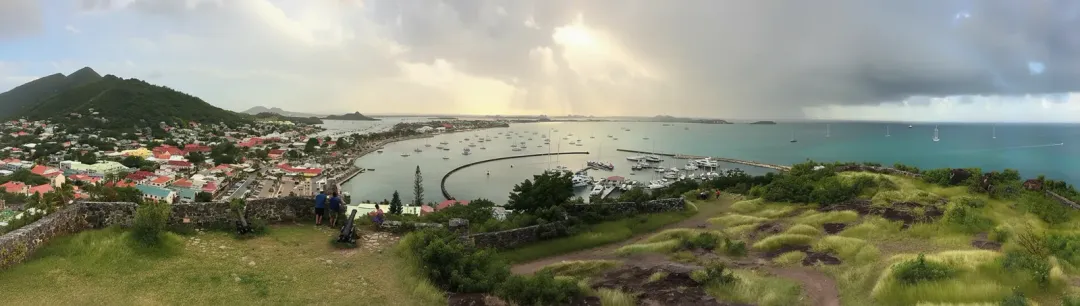
Fort Louis
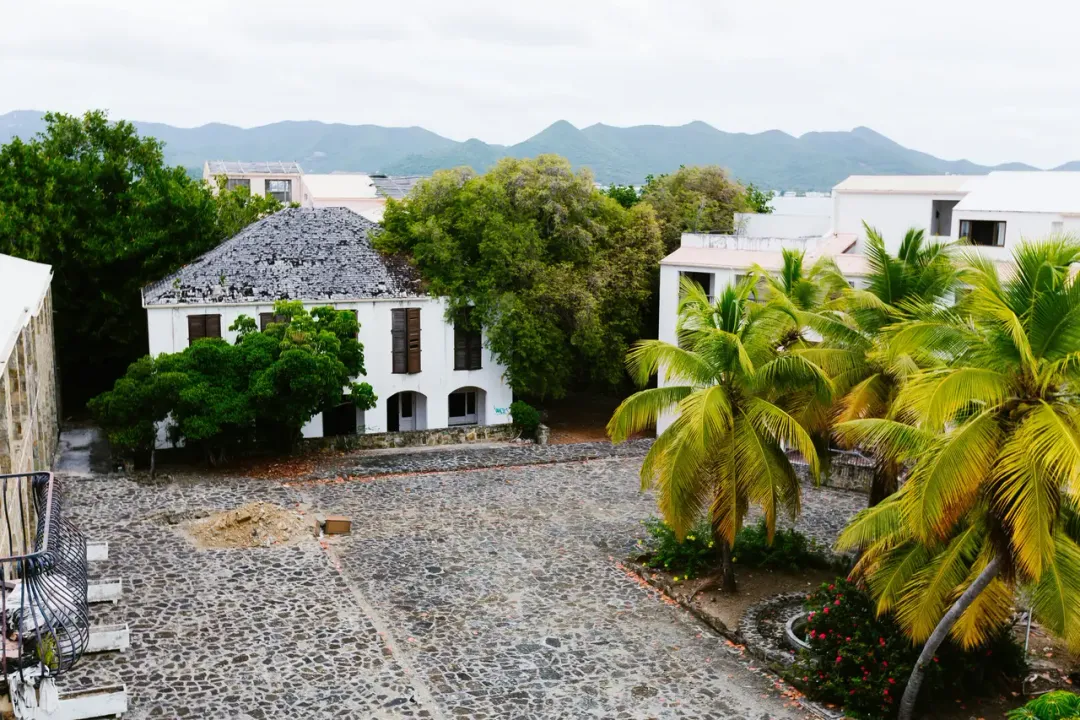
An 18th-century hilltop fort overlooking Marigot Bay, built to protect the town's warehouses from raids. The short climb rewards with sweeping views of the harbor, Anguilla on the horizon, and the surrounding hillsides.
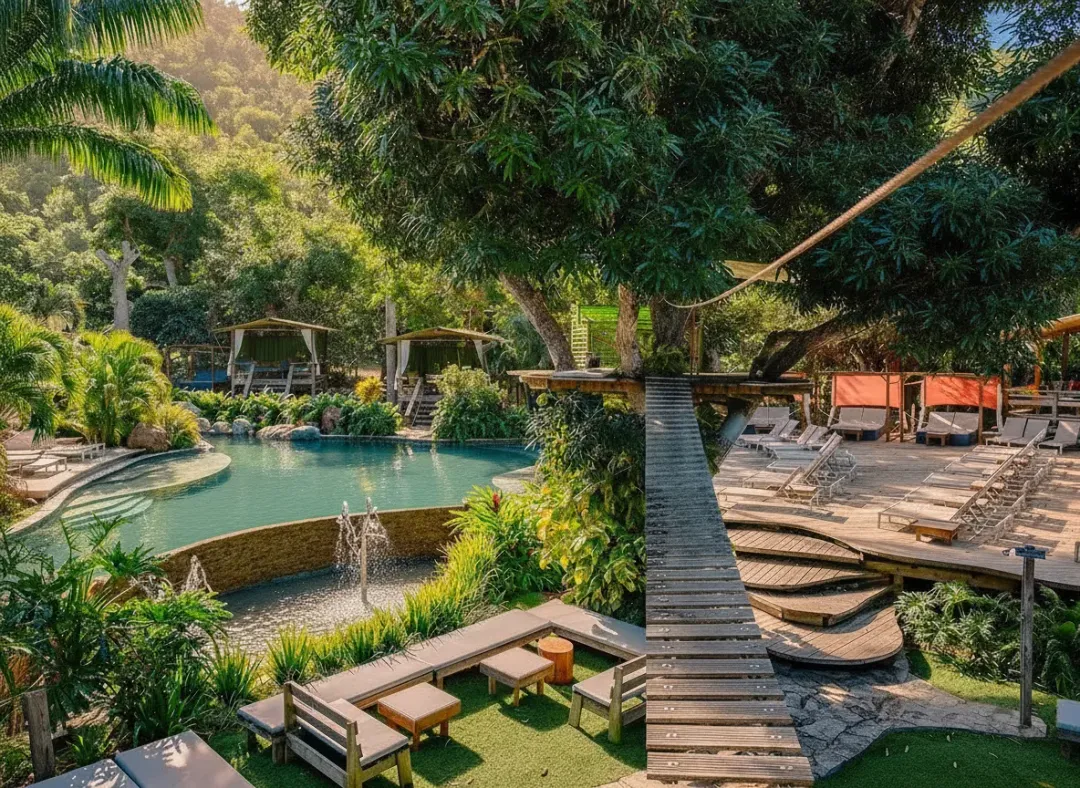
Loterie Farm
A former sugar plantation turned nature reserve on the slopes of Pic Paradis. Explore tropical forest trails, swim in a spring-fed pool, and zipline through the canopy - a unique blend of adventure and natural beauty.
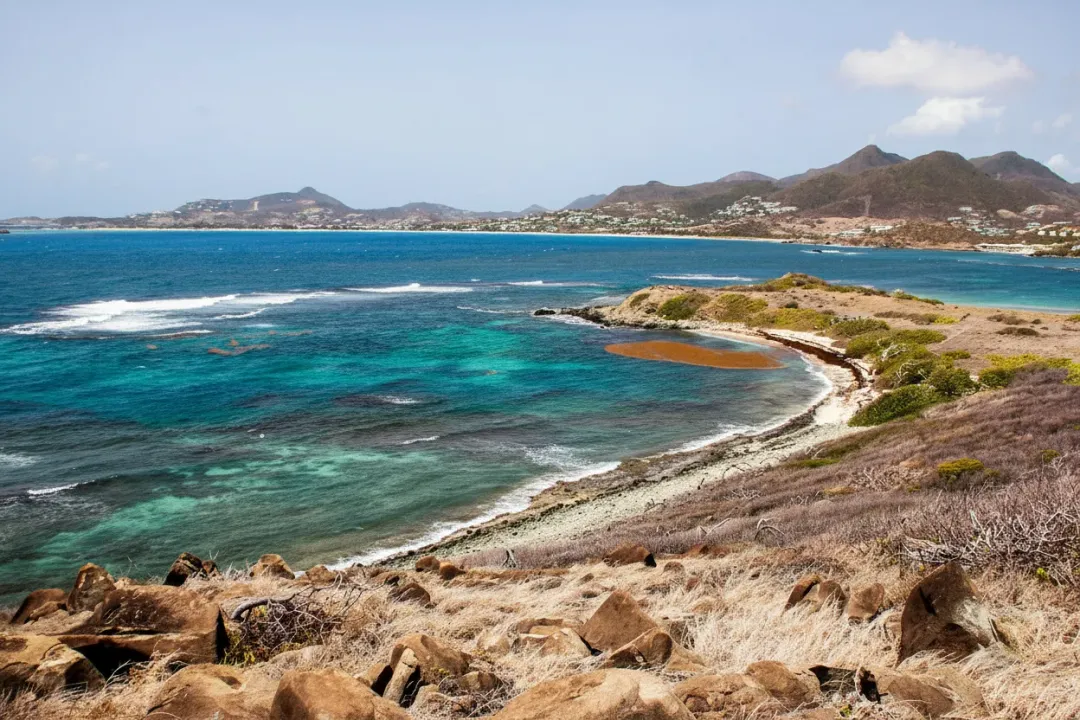
Île Pinel
A tiny uninhabited island just off the northeast coast, reached by a 5-minute boat ride from Cul-de-Sac. Two small beaches with beach bars, excellent snorkeling over seagrass beds where turtles feed, and a trail to a hilltop viewpoint.
Hotels in St. Martin (French side)
Search for available rates by selecting your travel dates
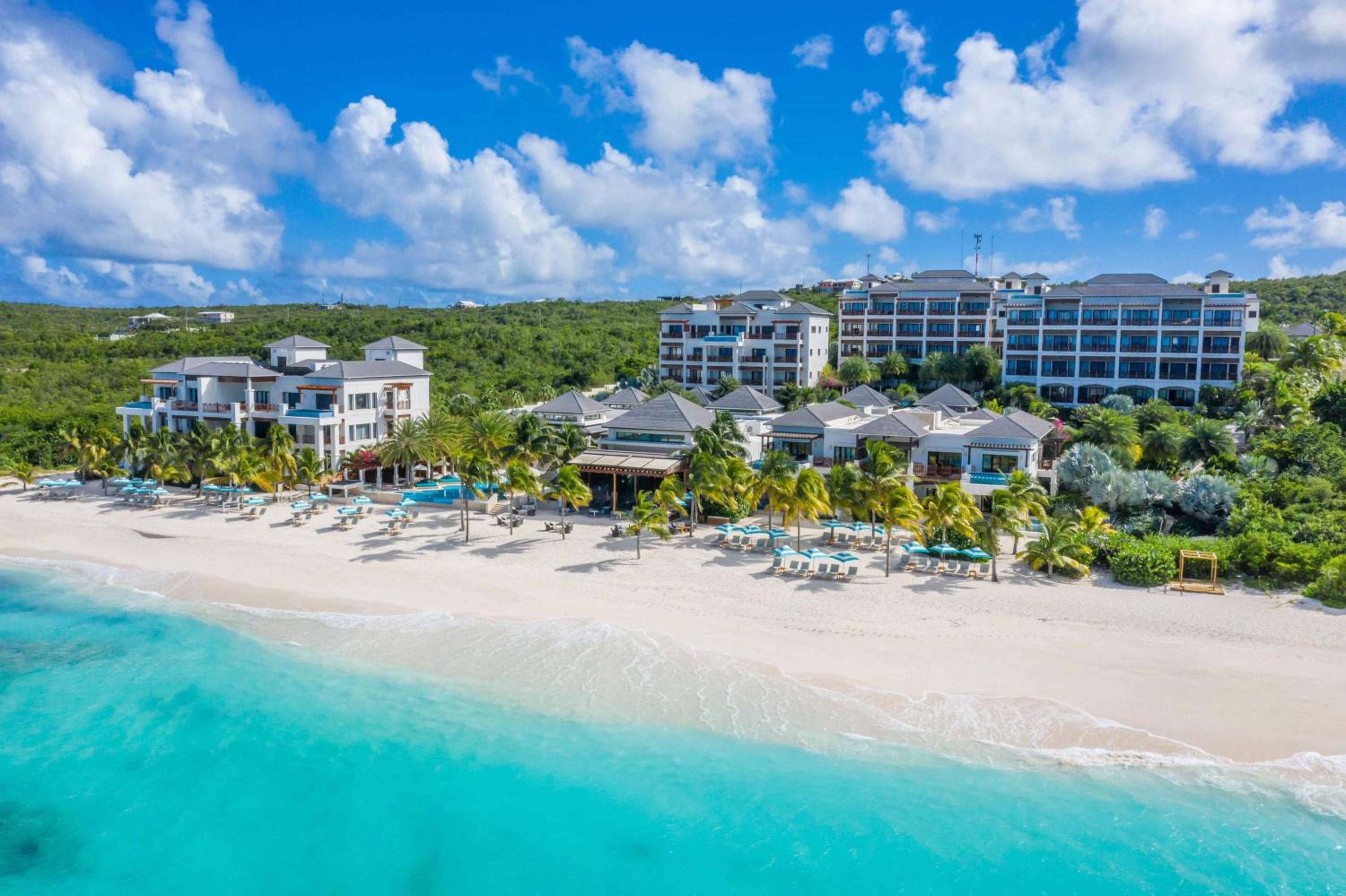
Zemi Beach House, LXR Hotels & Resorts
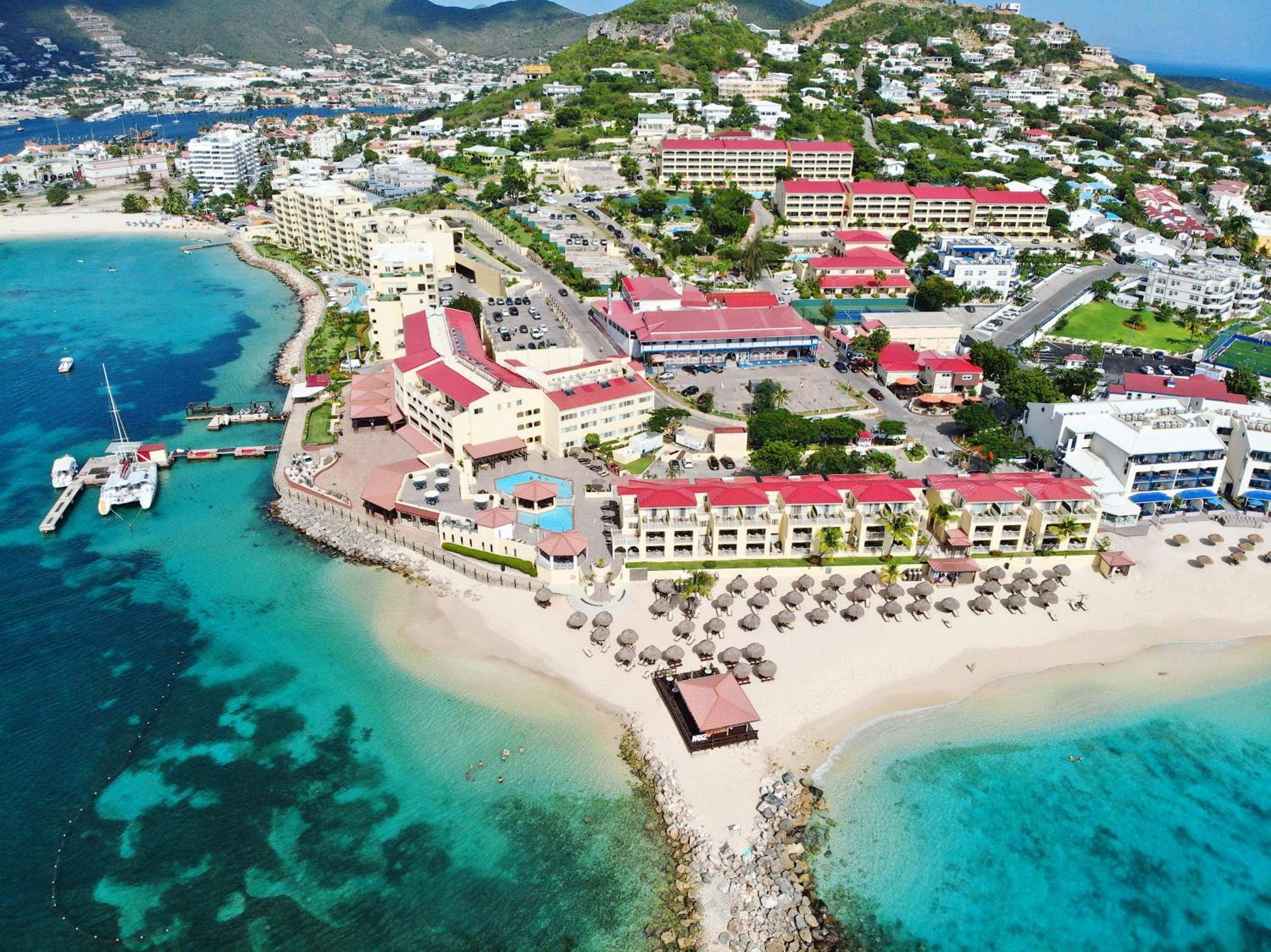
Simpson Bay Resort Marina & Spa
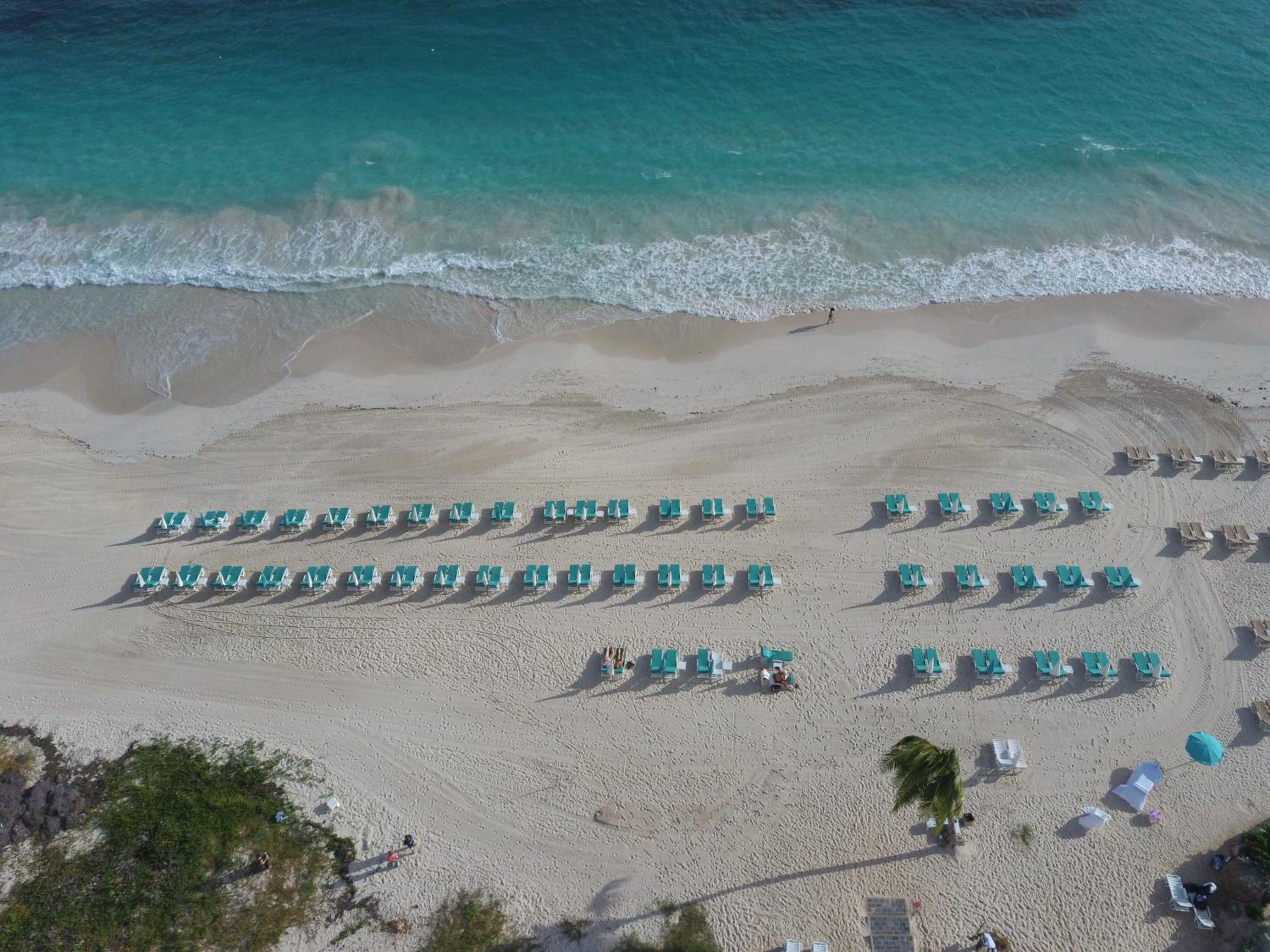
La Playa Orient Bay
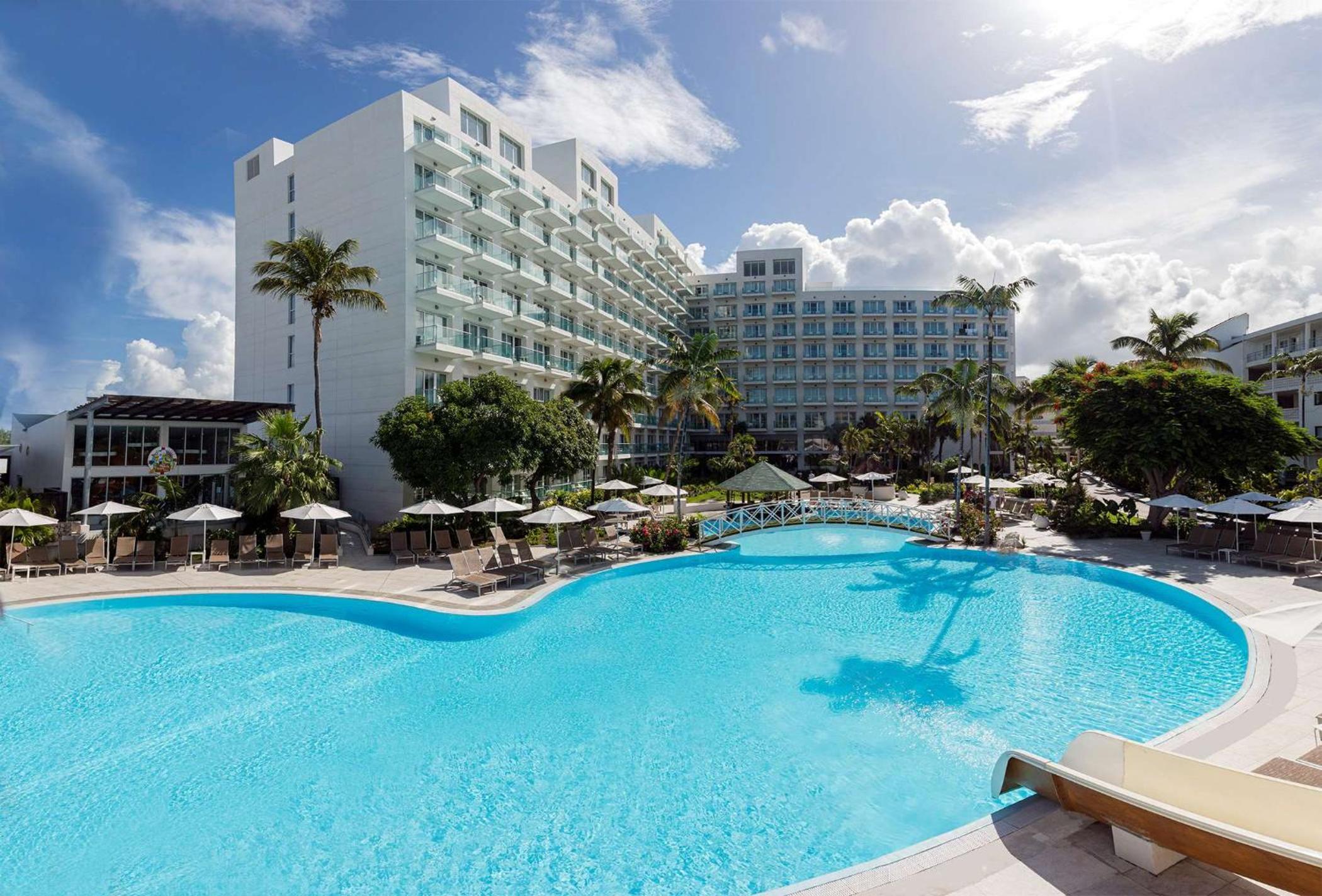
Sonesta Maho Beach All Inclusive Resort Casino & Spa
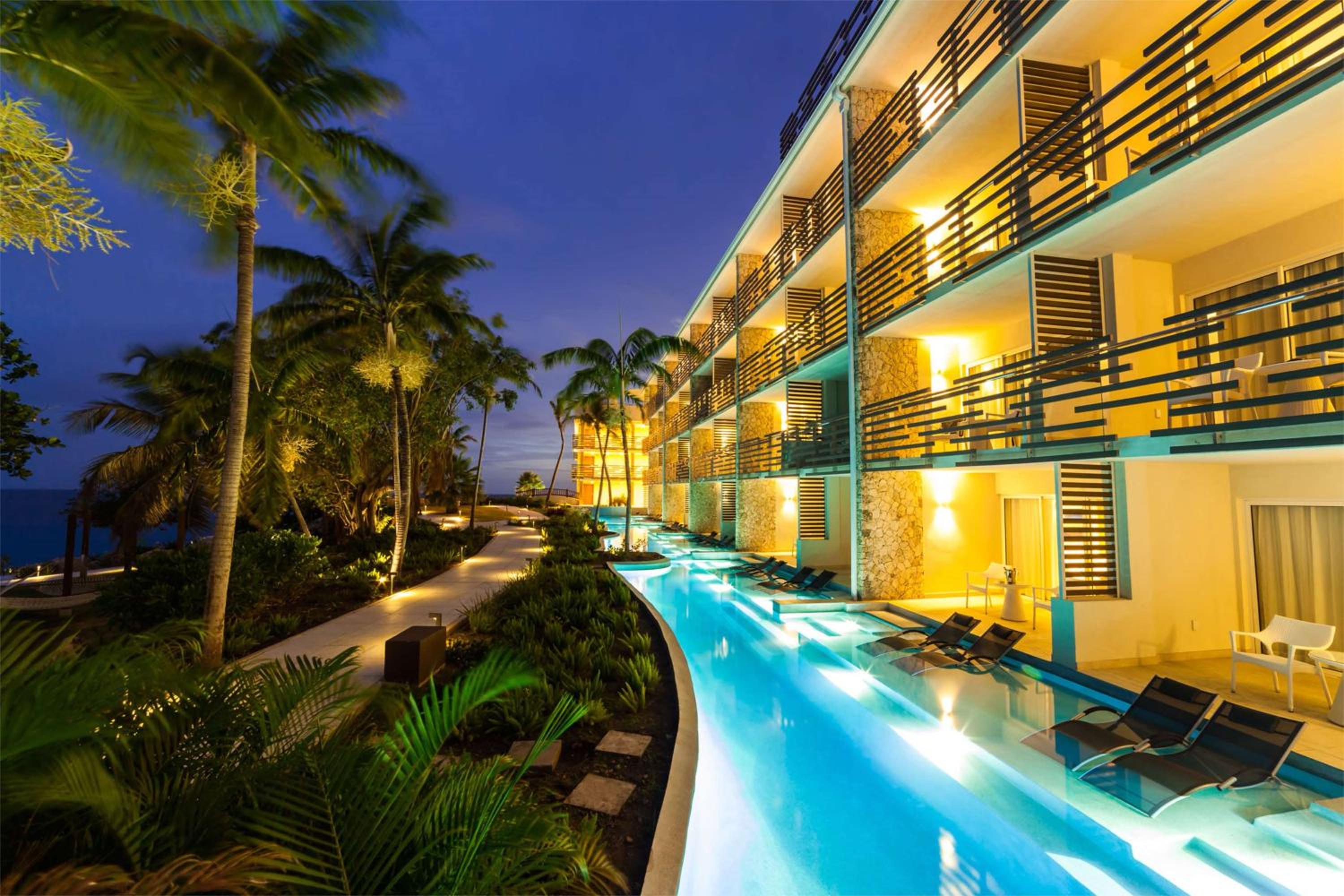
Sonesta Ocean Point Resort- All Inclusive - Adults Only
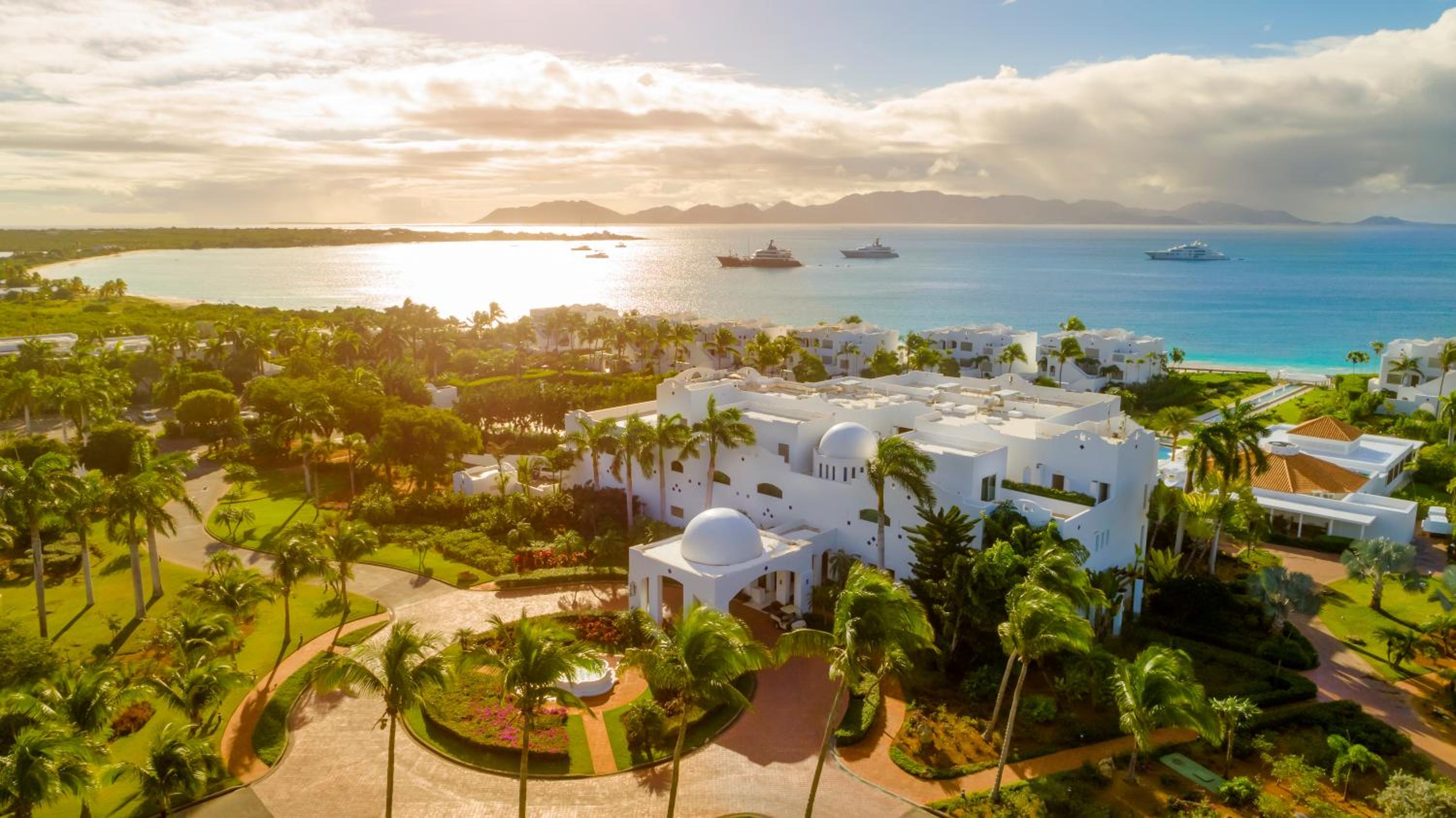
Aurora Anguilla Resort & Golf Club
Top Restaurants in St. Martin (French side)
Popular dining spots near St. Martin (French side)
No restaurants available for St. Martin (French side) yet.
Weather in St. Martin (French side)
Average Temperature
75°F to 85°F (24°C to 29°C)
Rainy Season
August to November
Hurricane Season
June to November
Best Time to Visit
December to May
Travel Tips
- French is the official language, but English is widely spoken
- Euro is the official currency
- Driving is on the right side of the road
- A valid passport is required for entry
- The island is easily accessible from the Dutch side's international airport
- No border controls exist between the French and Dutch sides
Daily Budget (EUR)
Visa Requirements
EU citizens need only a valid national ID card. US, UK, and Canadian citizens require a valid passport. No visa needed for stays up to 90 days.
Safety
St. Martin is generally safe for tourists. Exercise normal precautions in Marigot and avoid walking alone on isolated beaches after dark. Lock rental cars and do not leave valuables visible.
Getting Around
Rental cars are the best way to explore and drive on the right. There is no border control between the French and Dutch sides. Taxis are available but expensive. Water taxis connect to Pinel Island and Tintamarre.
Popular Activities
Best For
Get St. Martin (French side) Travel Tips
Subscribe for curated tips, deals, and inspiration for your St. Martin (French side) trip.