St. John
The Emerald of the Caribbean
About St. John
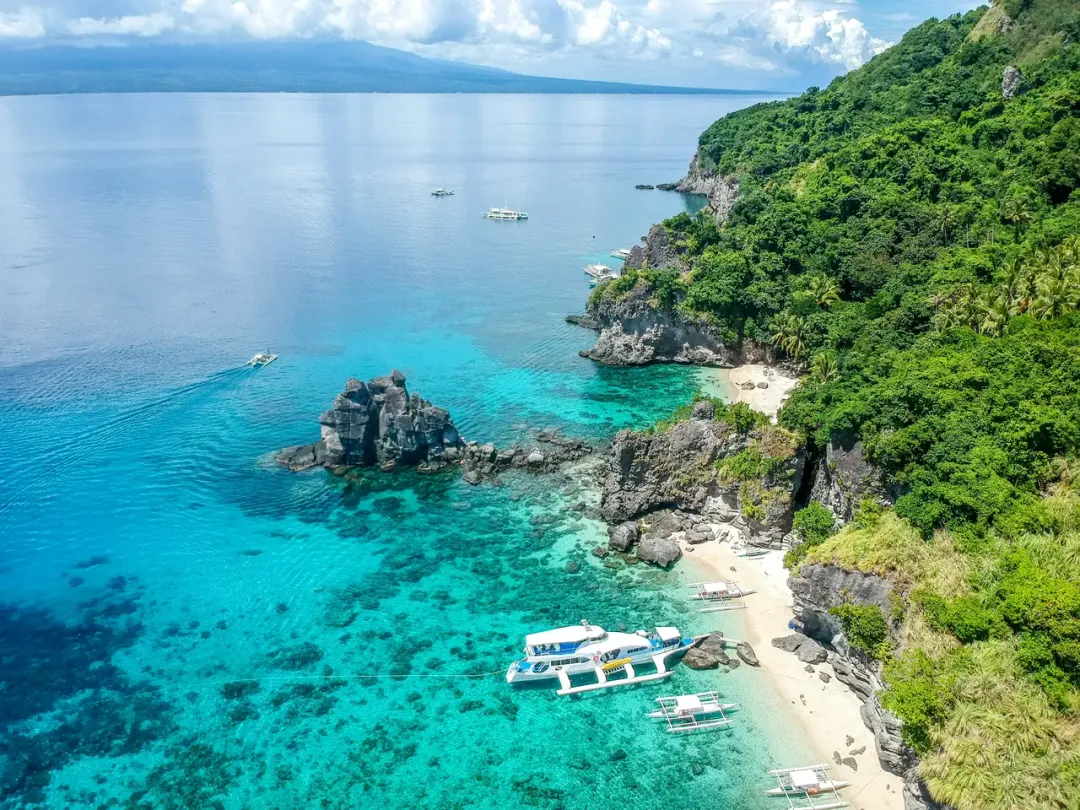
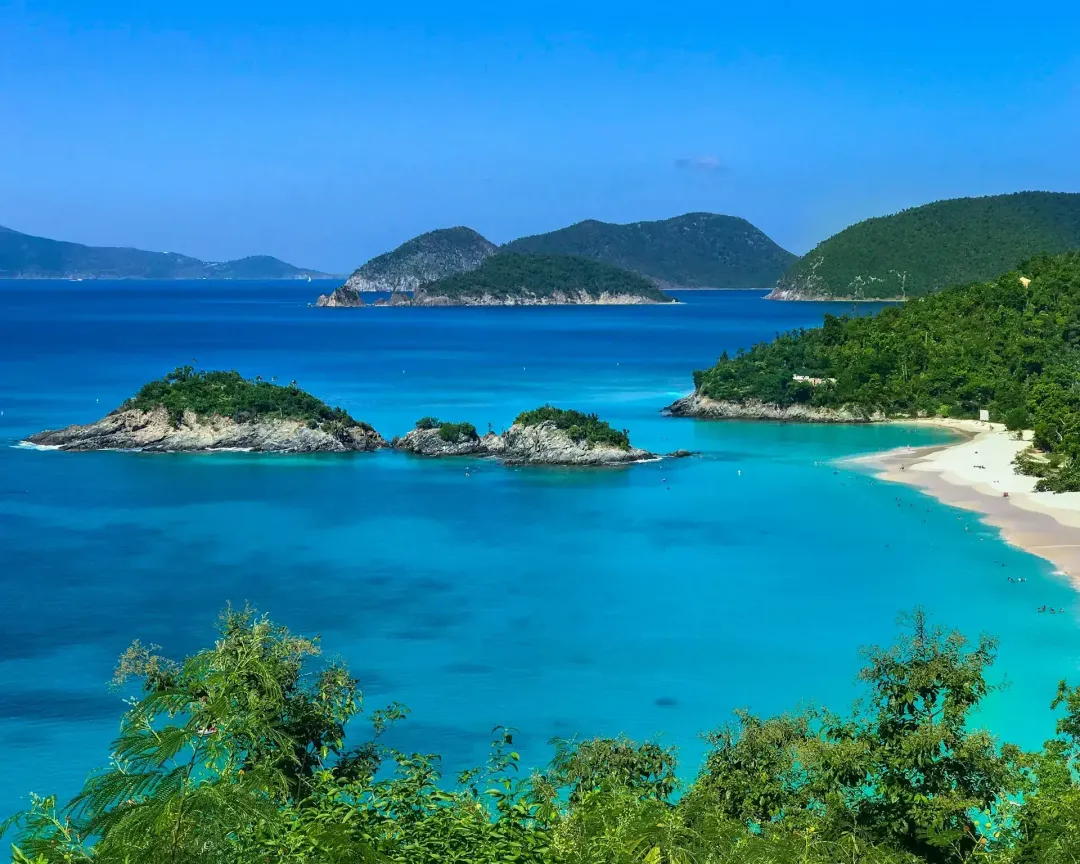
St. John, covering just 20 square miles, is the smallest of the three main US Virgin Islands and widely considered the most beautiful, with approximately two-thirds of its land area protected as the Virgin Islands National Park, established in 1956 through a donation from philanthropist Laurance Rockefeller. This protected status has preserved the island's natural beauty, including lush tropical forests, historic ruins of sugar plantations, and pristine beaches like Trunk Bay, which features an underwater snorkeling trail with informational plaques, and Cinnamon Bay, the longest beach on the island. The national park also encompasses offshore areas, protecting coral reefs and seagrass beds that support diverse marine life, making St. John a premier destination for snorkeling and diving. Cruz Bay, the island's main town located on the western coast, serves as the ferry terminal connecting to St. Thomas (just four miles away) and houses most of the island's restaurants, shops, and accommodations, all maintaining a low-key, village atmosphere with no high-rise buildings or large resorts. Coral Bay, a smaller settlement on the eastern side, offers an even more laid-back environment popular with sailors and those seeking to escape modern development. The island's rugged interior features more than 20 hiking trails maintained by the National Park Service, ranging from easy walks to challenging treks, such as the Reef Bay Trail, which descends from the island's central ridge to the south shore, passing pre-Columbian petroglyphs and sugar mill ruins. St. John's cultural heritage reflects its diverse history, having been inhabited by indigenous Taíno and Carib peoples before European colonization, primarily by the Danish, who established sugar plantations worked by enslaved Africans. This history is preserved in sites like the Annaberg Sugar Plantation ruins and celebrated during events like the annual St. John Festival in late June, featuring music, food, and a carnival parade. With no airport, St. John remains accessible only by boat, primarily via frequent ferry service from St. Thomas, which has helped maintain its tranquil character and focus on eco-tourism, attracting visitors seeking natural beauty, outdoor activities, and a respite from the more developed Caribbean destinations.
Size
20 sq mi (52 km²)
Population
4,000
Language
English
Currency
US Dollar (USD)
Time Zone
UTC-4 (Atlantic Time)
Best Time to Visit
December to April
Highlights
Best Things to Do in St. John
St. John is the island that proves the best things in the Caribbean are not the ones you pay for. Two-thirds of this 20-square-mile gem is protected as the Virgin Islands National Park, donated by Laurance Rockefeller in 1956, and the result is an island where hiking trails outnumber hotel lobbies and the reefs are healthier than anywhere else in the territory. Start at Trunk Bay, the most photographed beach in the Virgin Islands and home to an underwater snorkeling trail with informational plaques mounted along a 225-yard reef path. The trail is beginner-friendly and passes brain corals, sea fans, and schools of yellowtail snapper. Entrance is $5, and gear rental is available at the beach shack.
From there, drive the North Shore Road to Cinnamon Bay, the longest beach on the island, where the National Park Service runs a campground right on the sand - one of the only places in the Caribbean where you can camp steps from the water. The Reef Bay Trail is the island's premier hike: a 2.2-mile descent from Centerline Road through moist tropical forest to the south shore, passing pre-Columbian Taino petroglyphs carved into streambed rocks and the ruins of a 19th-century sugar mill with its factory walls still standing. The National Park Service leads ranger-guided hikes down the trail (check the schedule at the Cruz Bay Visitor Center), and a boat picks you up at the bottom so you do not have to hike back uphill - reserve early as these fill up fast.
For more remote beaches, hike the Ram Head Trail from Salt Pond Bay, a 1.8-mile round trip that ends on a rocky promontory with views stretching to St. Croix on clear days. Leinster Bay, reached by a flat, easy trail from the Annaberg parking area, offers some of the best snorkeling on the island with minimal crowds.
The Annaberg Sugar Plantation ruins themselves are worth an hour - the Park Service has preserved the windmill tower, horse mill, and factory buildings with interpretive signs explaining the brutal history of sugar production and enslaved labor. In Cruz Bay, the main town, the pace is unhurried despite being the island's commercial center. Wharfside Village has shops and restaurants, and Mongoose Junction, a stone-and-wood shopping complex, houses local galleries and the best bookstore in the Virgin Islands. Coral Bay on the east side is even quieter - a scattering of bars and restaurants around a hurricane hole anchorage that feels decades removed from the tourist circuit.
Snorkel the Trunk Bay Underwater Trail
A marked 225-yard underwater path with informational plaques identifying coral species and marine life. The trail is ideal for beginners and passes brain corals, sea fans, and schools of tropical fish. Entrance is $5 per person, gear rental about $10. Go early before cruise ship day-trippers arrive.
Hike the Reef Bay Trail with a Park Ranger
A guided 2.2-mile descent through tropical forest to the south shore, passing Taino petroglyphs and sugar mill ruins. The Park Service arranges a boat pickup at the bottom so you avoid the steep return climb. Guided hikes run select days and cost about $30 - reserve at the Cruz Bay Visitor Center.
Explore the Annaberg Sugar Plantation Ruins
The best-preserved plantation ruins in the Virgin Islands, with standing windmill tower, factory walls, and slave quarters. Interpretive signs explain the full history of sugar production and the 1733 slave rebellion. Free entry with park pass. Allow one hour for the self-guided loop.
Hike Ram Head Trail from Salt Pond Bay
A 1.8-mile round-trip trail from Salt Pond Bay to a dramatic rocky headland with sweeping views of the Caribbean and, on clear days, St. Croix 40 miles to the south. The final stretch is exposed and rocky - bring water, sun protection, and sturdy shoes.
Snorkel Waterlemon Cay at Leinster Bay
A flat, easy trail from the Annaberg parking area leads to Leinster Bay, where you can swim 200 yards to Waterlemon Cay and snorkel a circumference of healthy coral teeming with turtles, spotted eagle rays, and barracuda. One of the island's best snorkeling spots with very few crowds.
Camp at Cinnamon Bay
The National Park campground sits directly on St. John's longest beach, offering tent sites and eco-tents from around $50 to $130 a night. Fall asleep to the sound of waves and wake up to one of the best sunrise views in the Caribbean. Reserve months ahead for peak season.
Kayak Around Hurricane Hole
Paddle through the mangrove-lined bays of Hurricane Hole on the island's east end, where coral grows on mangrove roots in an unusual ecosystem found almost nowhere else. Guided tours depart from Coral Bay and cost about $70 per person for a half-day trip.
Where to Stay in St. John
St. John has no large chain hotels or high-rise resorts, which is exactly the point. The island's marquee property is Caneel Bay Resort, Laurance Rockefeller's original eco-resort on a stunning seven-beach peninsula, though it has been closed for renovation following hurricane damage - check its status before planning around it. The Westin St. John, the island's largest resort at about 175 rooms, sits on Great Cruz Bay with a pool, beach, and water sports center, with rates from $400 to $800 in high season. Gallows Point Resort in Cruz Bay offers waterfront suites from $300 to $500 with kitchenettes and views of the harbor.
The bulk of St. John's accommodations are vacation villa rentals scattered across the hillsides, ranging from simple one-bedroom units at $150 to $250 a night to luxurious four-bedroom estates with infinity pools and full ocean views from $600 to $1,500. Caribbean Villas and Windspree are two well-established local rental agencies.
The Cinnamon Bay campground, run by the National Park Service, offers the most unique lodging on the island - tent sites and eco-tents right on the beach from about $50 to $130 a night. For budget travelers, a handful of guesthouses in Cruz Bay offer basic rooms from $100 to $175. Coral Bay has a smaller selection of rentals and a more remote, off-grid feel. A rental car is recommended regardless of where you stay, as taxis are expensive and public transit is limited.
Where to Eat in St. John
St. John's food scene punches well above its weight for an island of 4,000 residents. In Cruz Bay, The Longboard serves creative tacos, poke bowls, and craft cocktails in a stylish open-air setting - the blackened mahi-mahi tacos are the standout, and dinner for two runs about $60 to $80. Lime Inn, a Cruz Bay institution for decades, does excellent grilled fish and the all-you-can-eat shrimp night on Wednesdays draws a loyal crowd. For fine dining, La Tapa offers a Mediterranean-Caribbean fusion menu with small plates, Spanish wines, and a romantic courtyard atmosphere - reserve ahead in high season.
Morgan's Mango, at the edge of Cruz Bay overlooking the harbor, specializes in Caribbean-spiced dishes with a Creole influence, and their jerk chicken and mango-glazed ribs are worth the slightly higher prices. For an authentic local meal, head to the food trucks and stands near the ferry dock, where you can get pate (fried turnovers stuffed with saltfish or chicken), johnnycakes, and stewed oxtail for under $12.
In Coral Bay, Skinny Legs Bar and Restaurant is the island's most character-rich hangout - a corrugated-roof shack serving burgers, fish sandwiches, and cold beer to a crowd of sailors, expats, and national park volunteers. Aqua Bistro in Coral Bay does more refined seafood with waterfront views.
For groceries, Starfish Market in Cruz Bay's Marketplace is the best-stocked store on the island, though prices run 30 to 50 percent above mainland rates. The Saturday morning farmers market at the Cruz Bay park sells local produce, baked goods, and hot sauces.
Best Time to Visit St. John
St. John's peak season aligns with the dry months of mid-December through April, when temperatures hover in the upper 70s to mid-80s Fahrenheit and trade winds keep humidity manageable. This is when the island is busiest and villa rates peak - book three to six months ahead for popular properties.
The St. John Festival, a carnival celebration with parades, food fairs, and cultural events, runs through late June and early July, coinciding with warmer weather but offering a vibrant cultural experience. May and early June offer a sweet spot of warm weather, thinning crowds, and shoulder-season rates that can be 25 to 40 percent below peak.
Hurricane season runs June through November, with September and October carrying the highest risk. Hiking conditions are best from January through April when trails are drier and less muddy. Snorkeling visibility peaks between February and May when seas are calm and rain runoff is minimal.
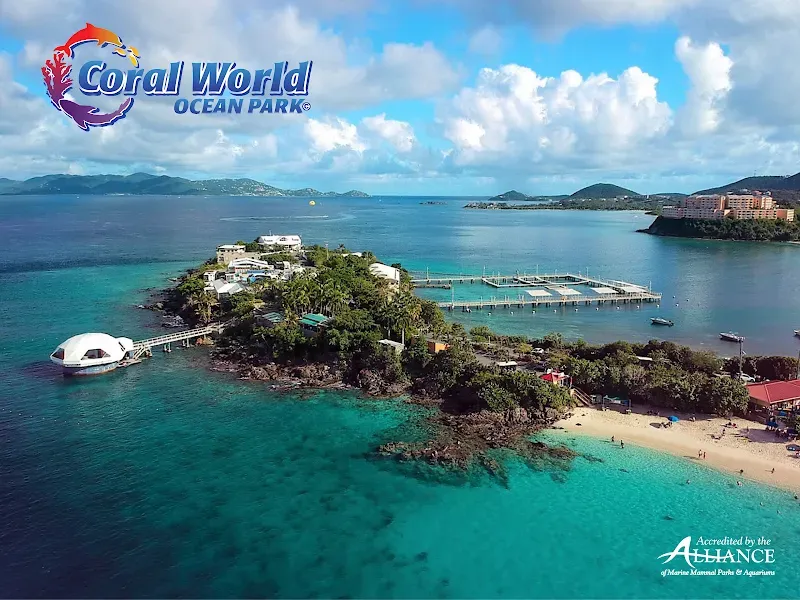
Coral World Ocean Park
Marine park with 5 acres of activities such as a touch pool, undersea observatory tower & aquariums.
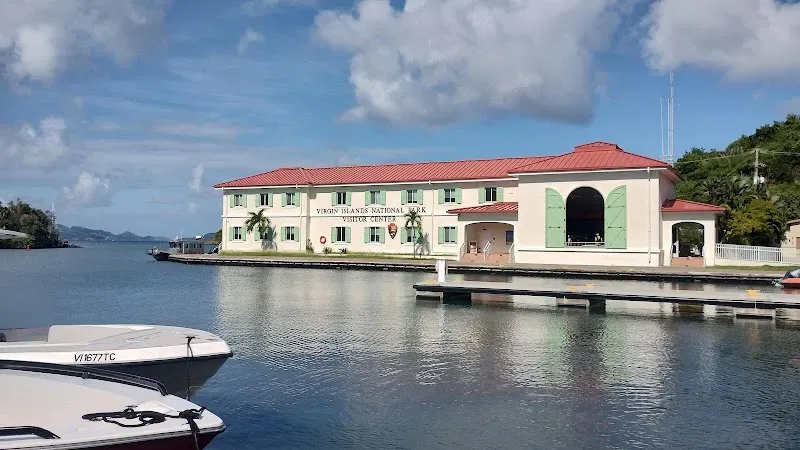
Cruz Bay Visitor Center
Cruz Bay Visitor Center is a nature attraction on St. John. This natural area showcases the lush tropical landscapes and diverse ecosystems that St. John is known for. Visitors can explore the local flora and fauna in a serene setting.
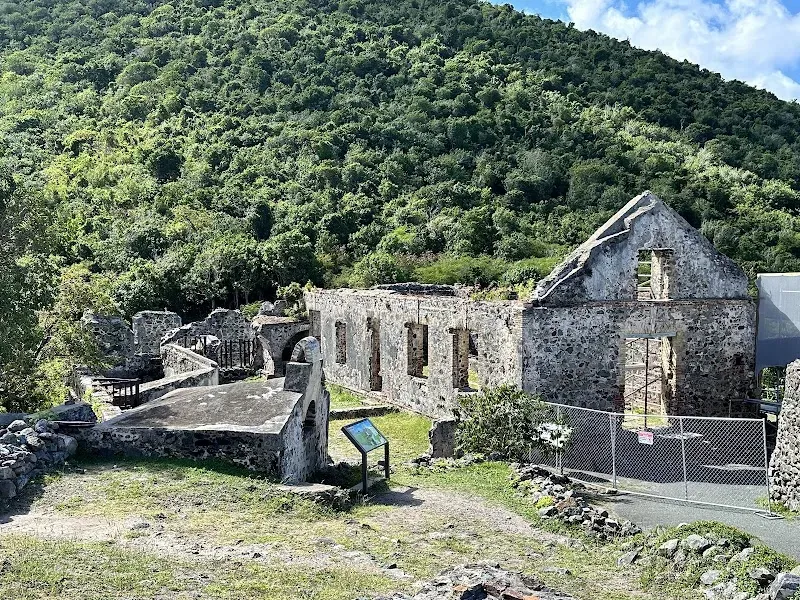
Annaberg Sugar Plantation
Ruins of an 18th-century sugar planation, including a windmill tower & factory, with ocean views.
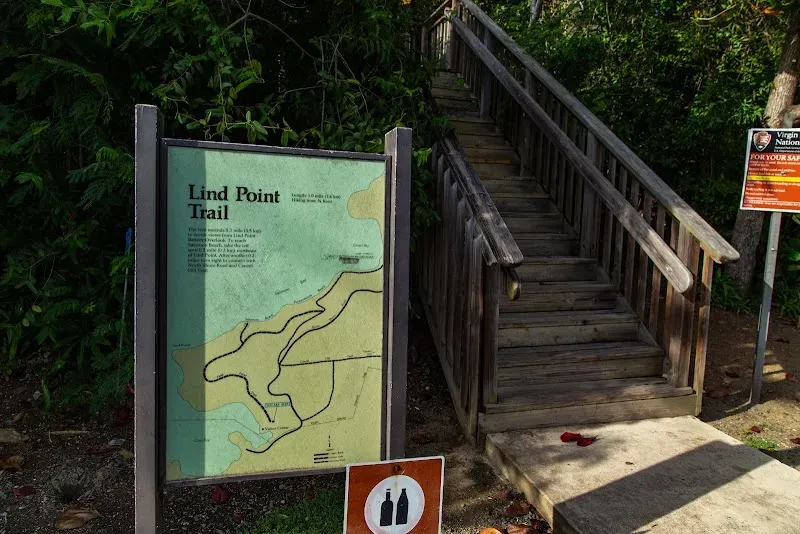
Lind Point Trail
Trail network in stunning surrounds featuring a range of native wildlife, lush flora & sea views.
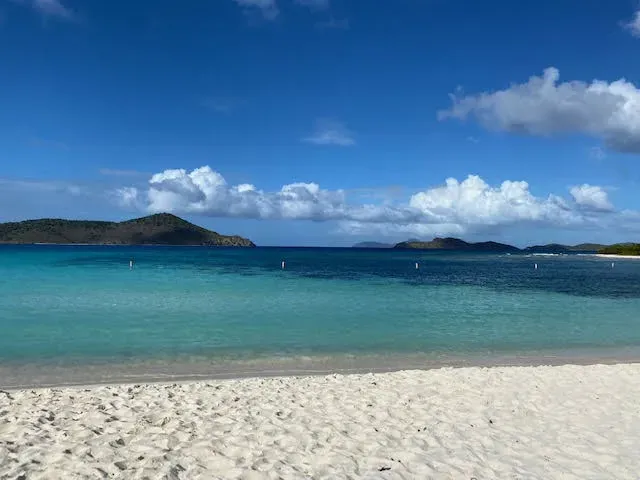
Smith Bay Beach
Smith Bay Beach is a nature attraction on St. John. This natural area showcases the lush tropical landscapes and diverse ecosystems that St. John is known for. Visitors can explore the local flora and fauna in a serene setting.
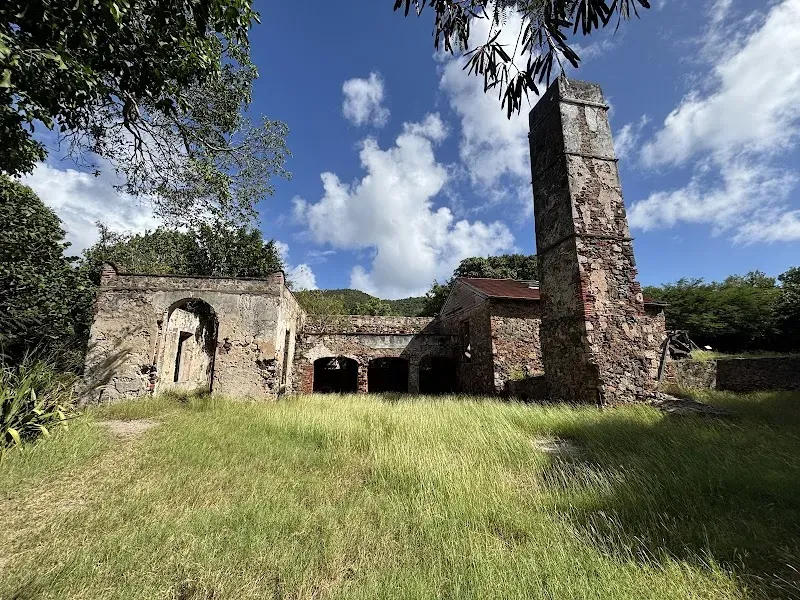
Reef Bay Sugar Mill Ruins
Reef Bay Sugar Mill Ruins is a nature attraction on St. John. This natural area showcases the lush tropical landscapes and diverse ecosystems that St. John is known for. Visitors can explore the local flora and fauna in a serene setting.
Hotels in St. John
Search for available rates by selecting your travel dates
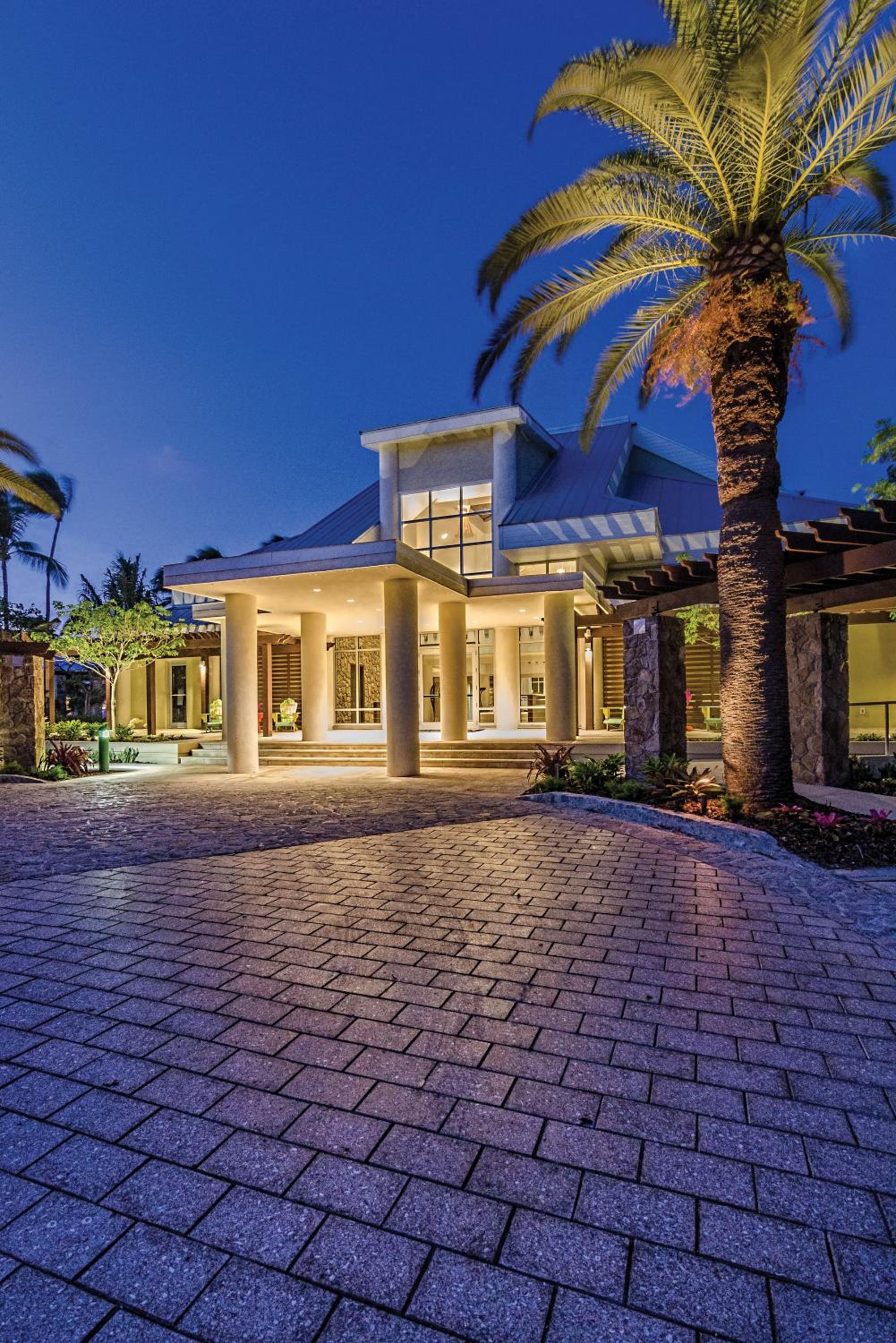
Margaritaville Vacation Club - St Thomas
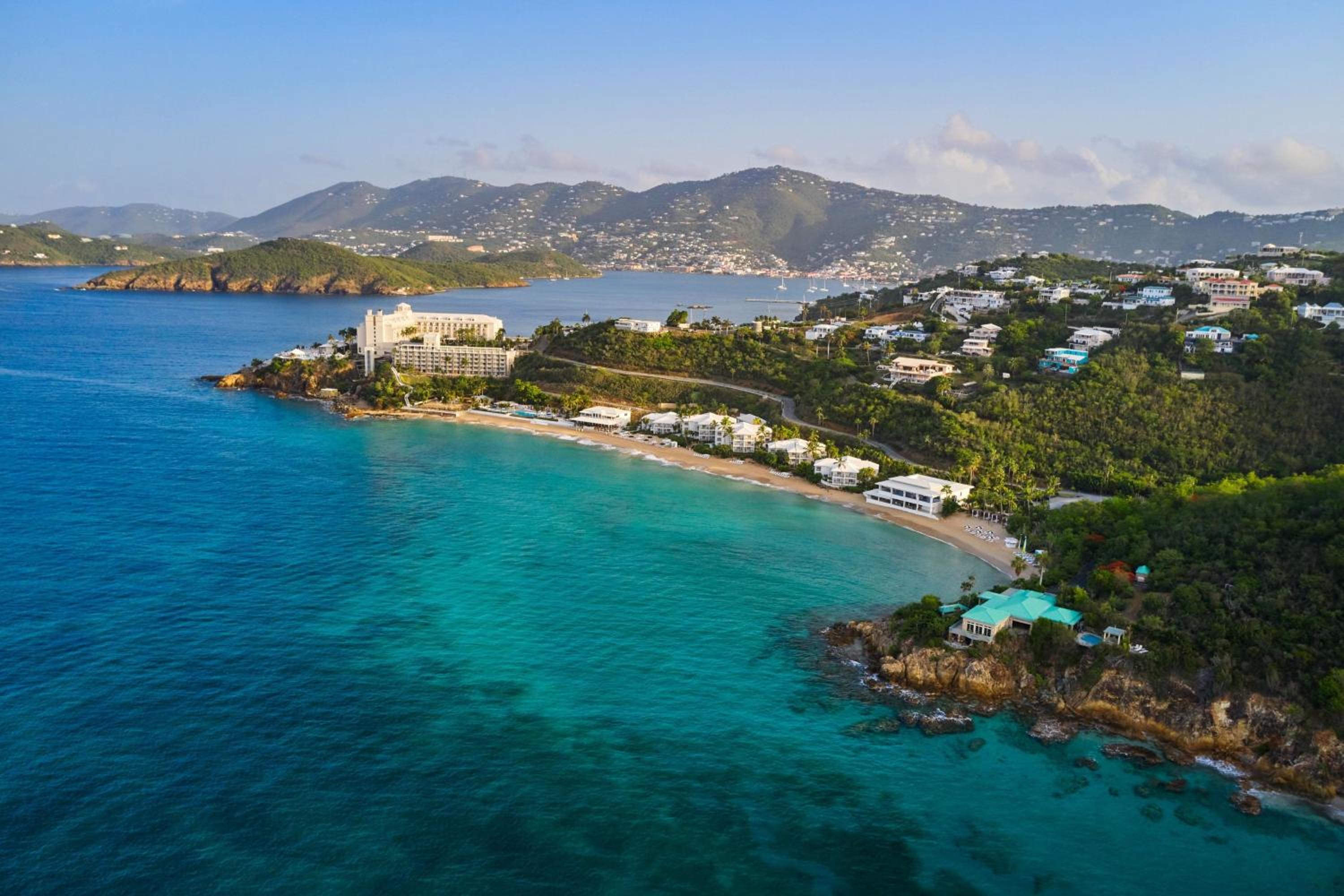
The Westin St Thomas Beach Resort & Spa
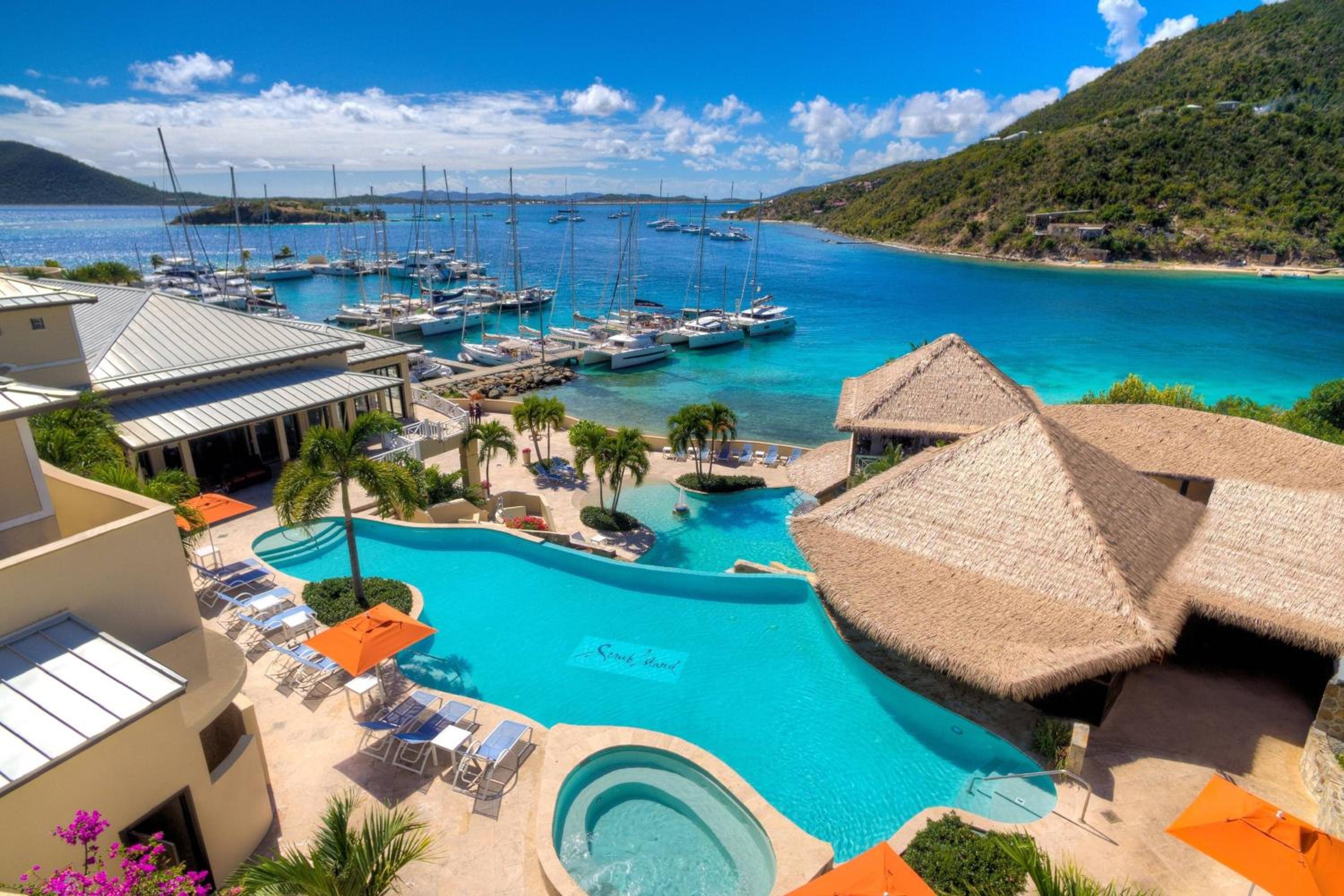
Scrub Island Resort, Spa & Marina
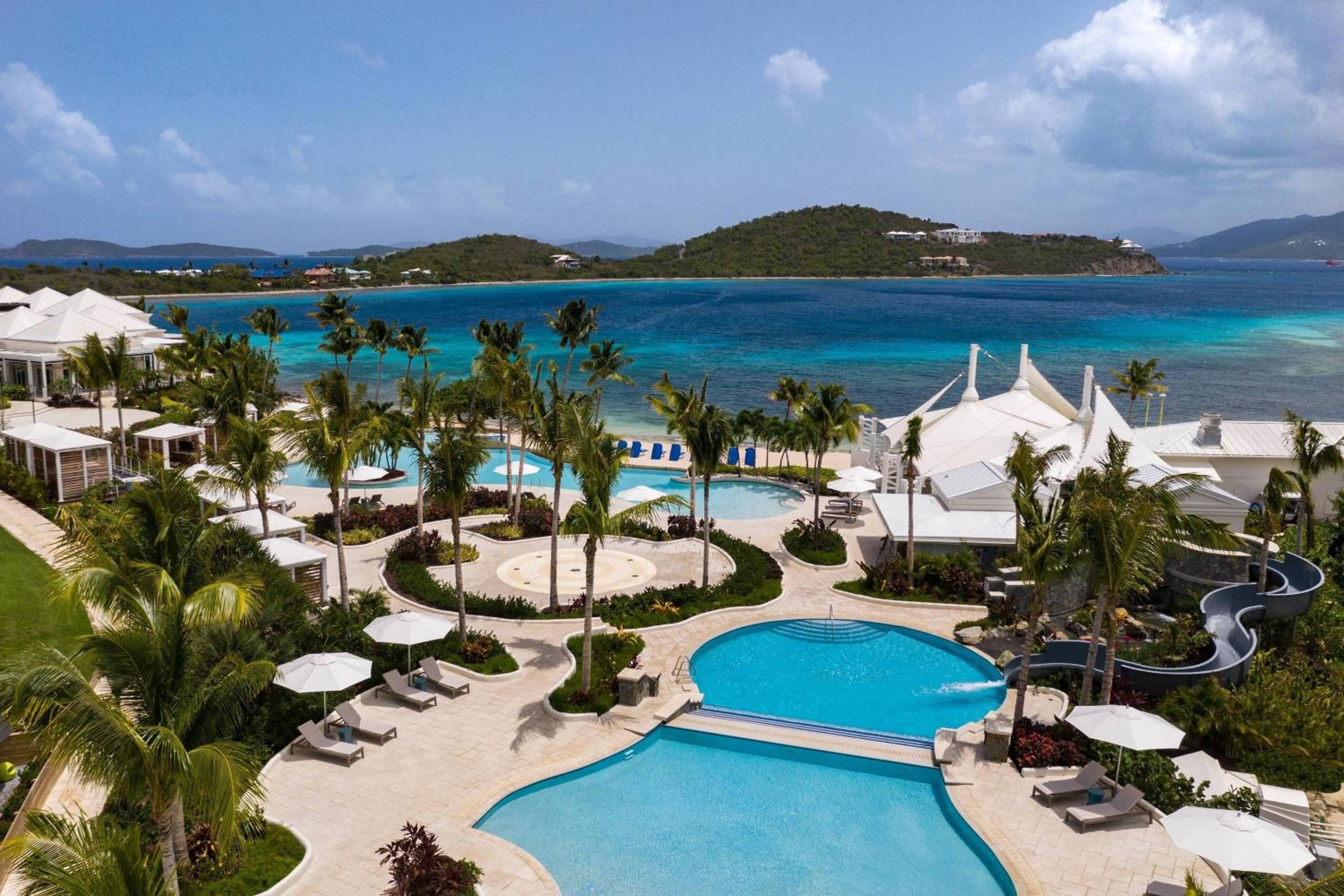
The Ritz-Carlton St. Thomas
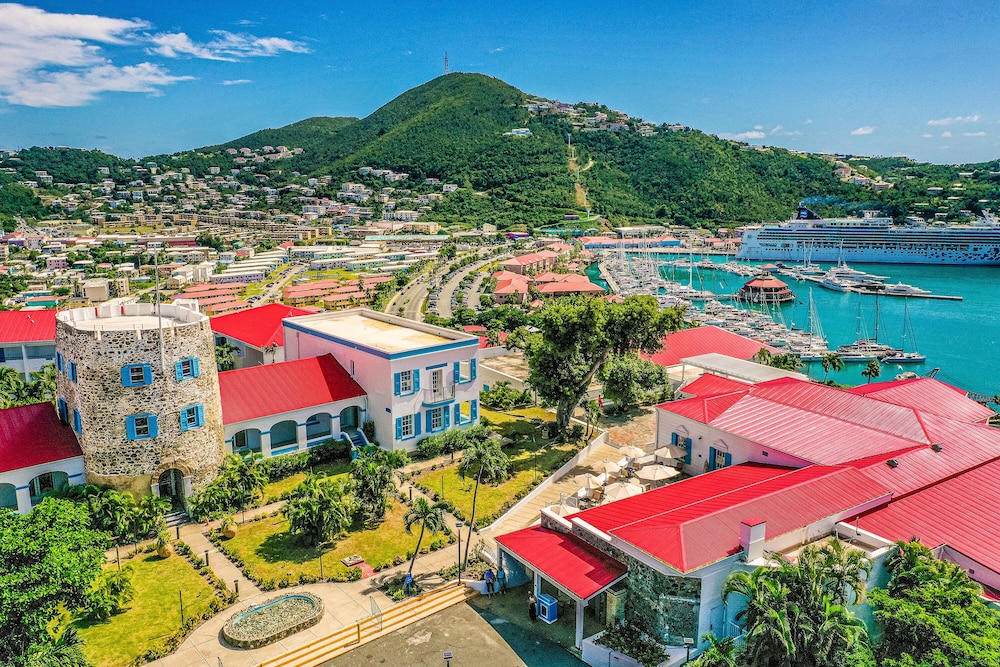
Castle Villas at Bluebeard's

Emerald Beach Resort
Top Restaurants in St. John
Popular dining spots near St. John
No restaurants available for St. John yet.
Weather in St. John
Average Temperature
75°F to 85°F (24°C to 29°C)
Rainy Season
August to November
Hurricane Season
June to November
Best Time to Visit
December to April
Travel Tips
- English is the official language
- US Dollar is the currency
- Driving is on the left side of the road
- No passport required for US citizens
- Only accessible by ferry from St. Thomas
- Renting a car is recommended for exploring the island
- Limited cell service in some areas of the national park
Get St. John Travel Tips
Subscribe for curated tips, deals, and inspiration for your St. John trip.