
Things to Do in St. John
The Emerald of the Caribbean. Explore 20 attractions across the island.
St. John is the island that proves the best things in the Caribbean are not the ones you pay for. Two-thirds of this 20-square-mile gem is protected as the Virgin Islands National Park, donated by Laurance Rockefeller in 1956, and the result is an island where hiking trails outnumber hotel lobbies and the reefs are healthier than anywhere else in the territory. Start at Trunk Bay, the most photographed beach in the Virgin Islands and home to an underwater snorkeling trail with informational plaques mounted along a 225-yard reef path. The trail is beginner-friendly and passes brain corals, sea fans, and schools of yellowtail snapper. Entrance is $5, and gear rental is available at the beach shack.
From there, drive the North Shore Road to Cinnamon Bay, the longest beach on the island, where the National Park Service runs a campground right on the sand - one of the only places in the Caribbean where you can camp steps from the water. The Reef Bay Trail is the island's premier hike: a 2.2-mile descent from Centerline Road through moist tropical forest to the south shore, passing pre-Columbian Taino petroglyphs carved into streambed rocks and the ruins of a 19th-century sugar mill with its factory walls still standing. The National Park Service leads ranger-guided hikes down the trail (check the schedule at the Cruz Bay Visitor Center), and a boat picks you up at the bottom so you do not have to hike back uphill - reserve early as these fill up fast.
For more remote beaches, hike the Ram Head Trail from Salt Pond Bay, a 1.8-mile round trip that ends on a rocky promontory with views stretching to St. Croix on clear days. Leinster Bay, reached by a flat, easy trail from the Annaberg parking area, offers some of the best snorkeling on the island with minimal crowds.
The Annaberg Sugar Plantation ruins themselves are worth an hour - the Park Service has preserved the windmill tower, horse mill, and factory buildings with interpretive signs explaining the brutal history of sugar production and enslaved labor. In Cruz Bay, the main town, the pace is unhurried despite being the island's commercial center. Wharfside Village has shops and restaurants, and Mongoose Junction, a stone-and-wood shopping complex, houses local galleries and the best bookstore in the Virgin Islands. Coral Bay on the east side is even quieter - a scattering of bars and restaurants around a hurricane hole anchorage that feels decades removed from the tourist circuit.
Top Activities
Snorkel the Trunk Bay Underwater Trail
A marked 225-yard underwater path with informational plaques identifying coral species and marine life. The trail is ideal for beginners and passes brain corals, sea fans, and schools of tropical fish. Entrance is $5 per person, gear rental about $10. Go early before cruise ship day-trippers arrive.
Hike the Reef Bay Trail with a Park Ranger
A guided 2.2-mile descent through tropical forest to the south shore, passing Taino petroglyphs and sugar mill ruins. The Park Service arranges a boat pickup at the bottom so you avoid the steep return climb. Guided hikes run select days and cost about $30 - reserve at the Cruz Bay Visitor Center.
Explore the Annaberg Sugar Plantation Ruins
The best-preserved plantation ruins in the Virgin Islands, with standing windmill tower, factory walls, and slave quarters. Interpretive signs explain the full history of sugar production and the 1733 slave rebellion. Free entry with park pass. Allow one hour for the self-guided loop.
Hike Ram Head Trail from Salt Pond Bay
A 1.8-mile round-trip trail from Salt Pond Bay to a dramatic rocky headland with sweeping views of the Caribbean and, on clear days, St. Croix 40 miles to the south. The final stretch is exposed and rocky - bring water, sun protection, and sturdy shoes.
Snorkel Waterlemon Cay at Leinster Bay
A flat, easy trail from the Annaberg parking area leads to Leinster Bay, where you can swim 200 yards to Waterlemon Cay and snorkel a circumference of healthy coral teeming with turtles, spotted eagle rays, and barracuda. One of the island's best snorkeling spots with very few crowds.
Camp at Cinnamon Bay
The National Park campground sits directly on St. John's longest beach, offering tent sites and eco-tents from around $50 to $130 a night. Fall asleep to the sound of waves and wake up to one of the best sunrise views in the Caribbean. Reserve months ahead for peak season.
Kayak Around Hurricane Hole
Paddle through the mangrove-lined bays of Hurricane Hole on the island's east end, where coral grows on mangrove roots in an unusual ecosystem found almost nowhere else. Guided tours depart from Coral Bay and cost about $70 per person for a half-day trip.
Attractions in St. John
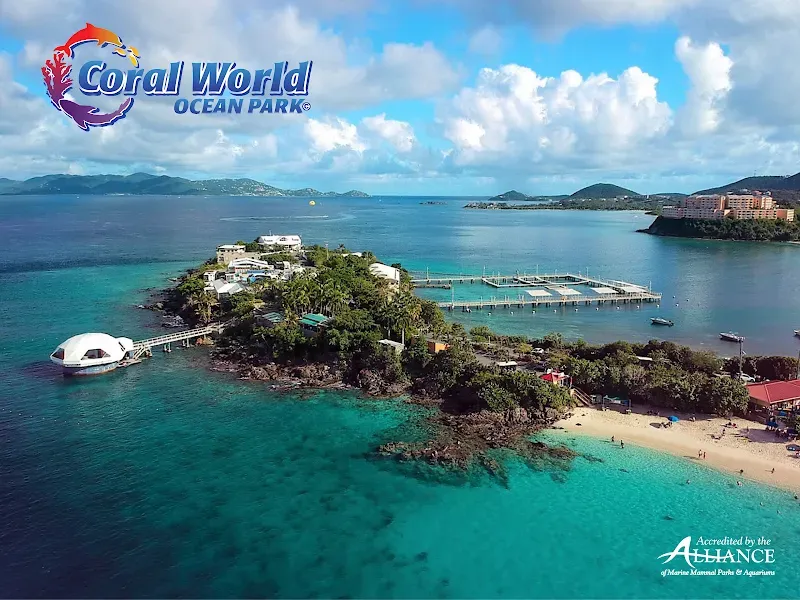
Coral World Ocean Park
Marine park with 5 acres of activities such as a touch pool, undersea observatory tower & aquariums.
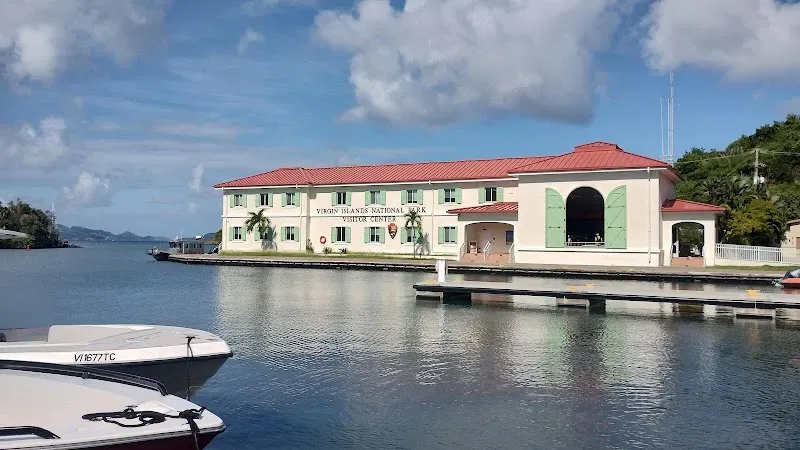
Cruz Bay Visitor Center
Cruz Bay Visitor Center is a nature attraction on St. John. This natural area showcases the lush tropical landscapes and diverse ecosystems that St. John is known for. Visitors can explore the local flora and fauna in a serene setting.
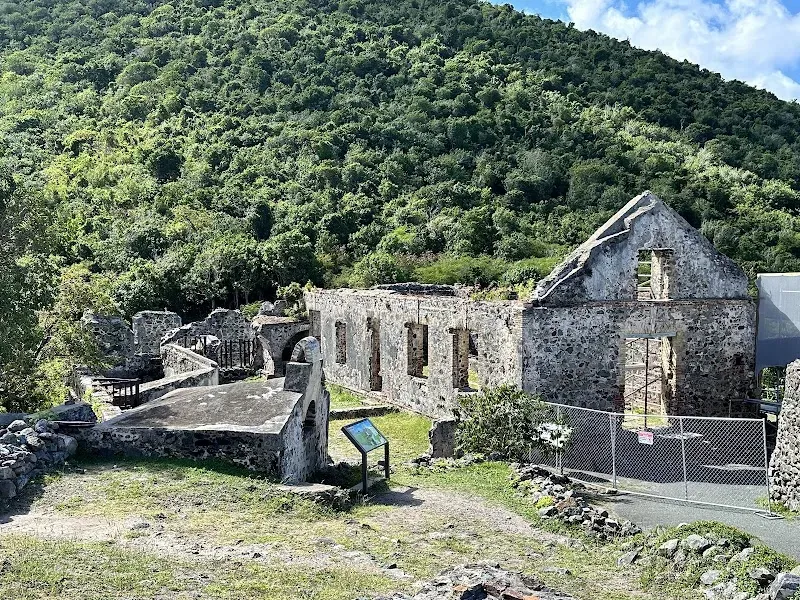
Annaberg Sugar Plantation
Ruins of an 18th-century sugar planation, including a windmill tower & factory, with ocean views.
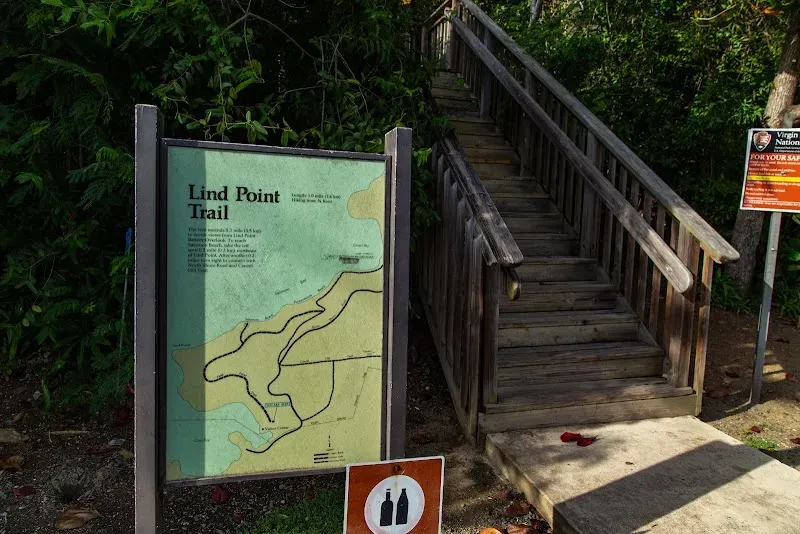
Lind Point Trail
Trail network in stunning surrounds featuring a range of native wildlife, lush flora & sea views.
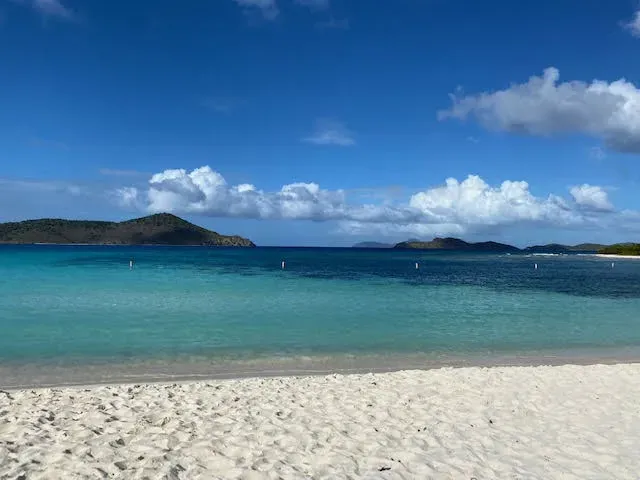
Smith Bay Beach
Smith Bay Beach is a nature attraction on St. John. This natural area showcases the lush tropical landscapes and diverse ecosystems that St. John is known for. Visitors can explore the local flora and fauna in a serene setting.
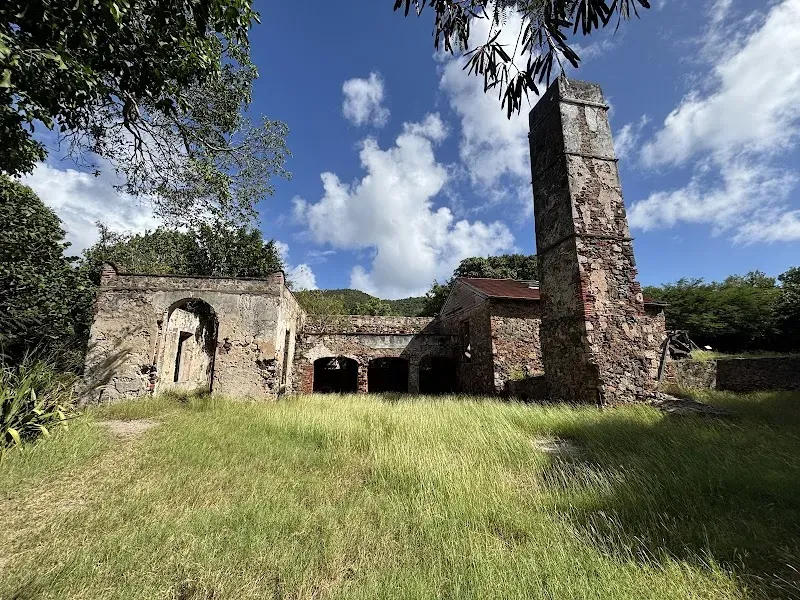
Reef Bay Sugar Mill Ruins
Reef Bay Sugar Mill Ruins is a nature attraction on St. John. This natural area showcases the lush tropical landscapes and diverse ecosystems that St. John is known for. Visitors can explore the local flora and fauna in a serene setting.
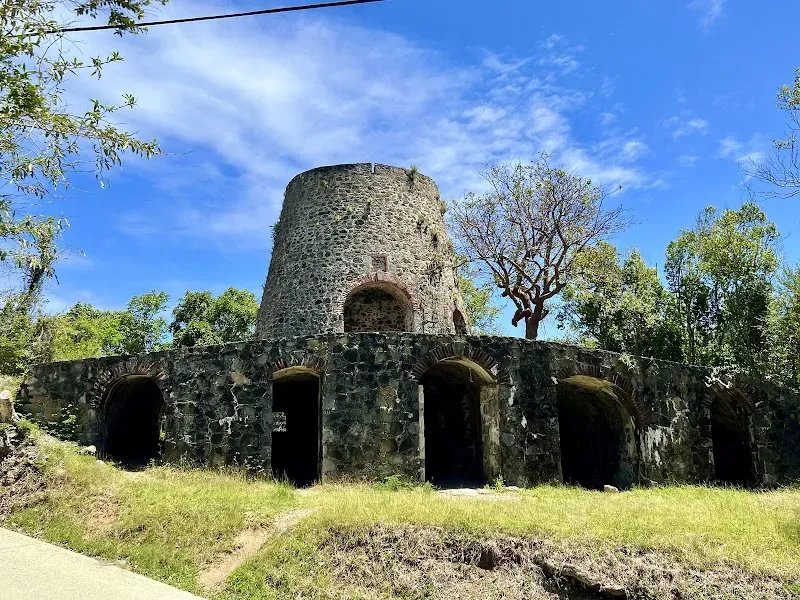
Catherineberg Estate Ruins
Catherineberg Estate Ruins is a nature attraction on St. John. This natural area showcases the lush tropical landscapes and diverse ecosystems that St. John is known for. Visitors can explore the local flora and fauna in a serene setting.
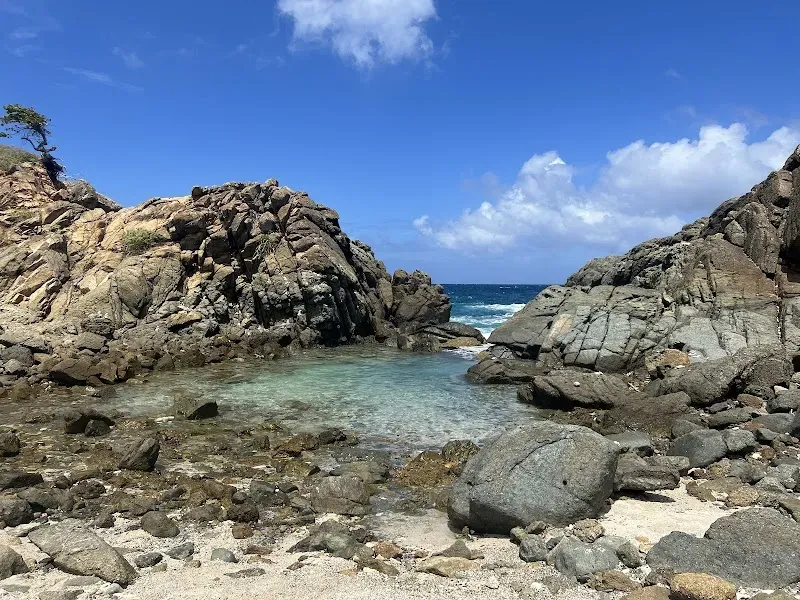
Bubbly Pool
Bubbly Pool is a nature attraction on St. John. This natural area showcases the lush tropical landscapes and diverse ecosystems that St. John is known for. Visitors can explore the local flora and fauna in a serene setting.
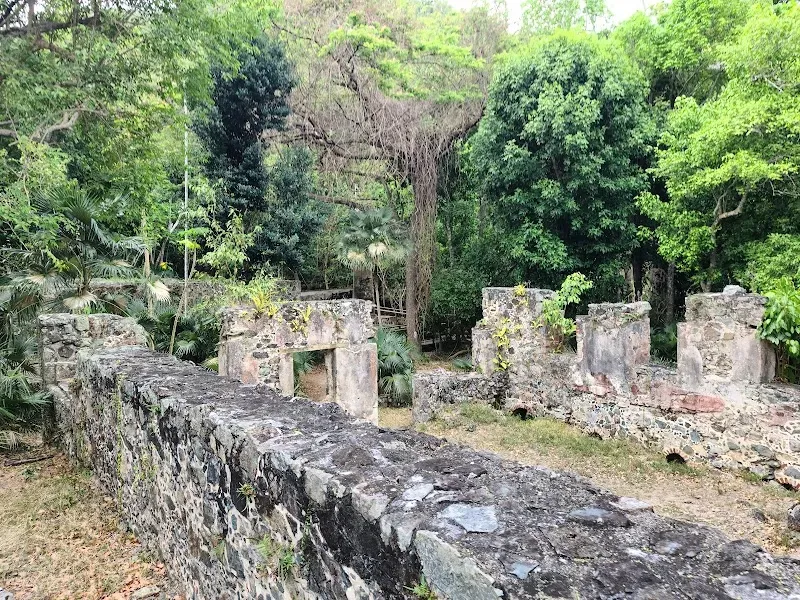
Cinnamon Bay Plantation Ruins
Cinnamon Bay Plantation Ruins is a nature attraction on St. John. This natural area showcases the lush tropical landscapes and diverse ecosystems that St. John is known for. Visitors can explore the local flora and fauna in a serene setting.
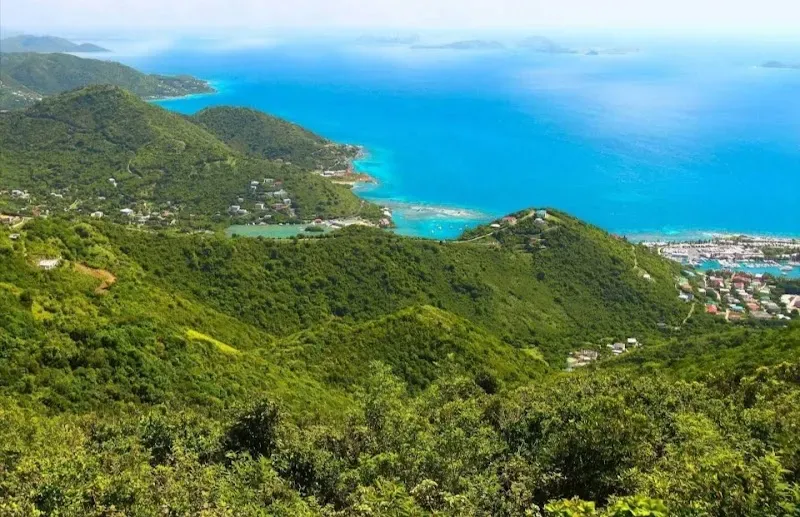
Sage Mountain National Park
Sage Mountain National Park is a nature attraction on St. John. This natural area showcases the lush tropical landscapes and diverse ecosystems that St. John is known for. Visitors can explore the local flora and fauna in a serene setting.
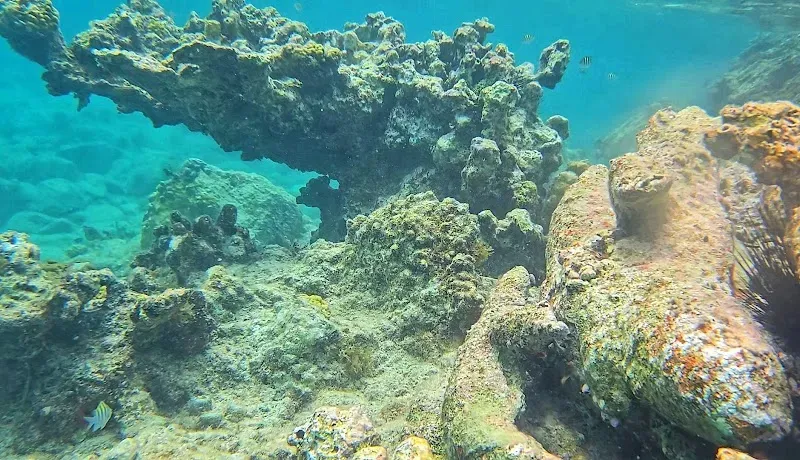
Coral Reef Underwater Park Trail
Coral Reef Underwater Park Trail is a nature attraction on St. John. This natural area showcases the lush tropical landscapes and diverse ecosystems that St. John is known for. Visitors can explore the local flora and fauna in a serene setting.
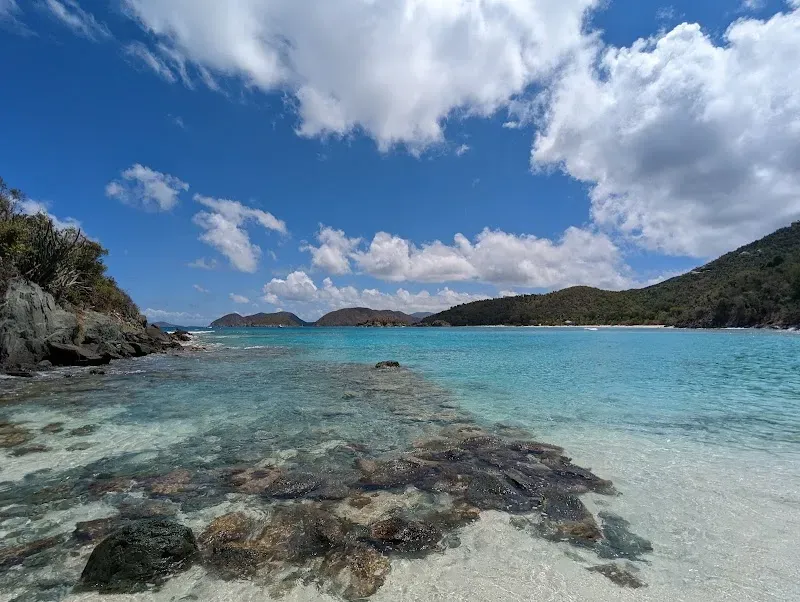
Jumbie Beach
Jumbie Beach is a nature attraction on St. John. This natural area showcases the lush tropical landscapes and diverse ecosystems that St. John is known for. Visitors can explore the local flora and fauna in a serene setting.
Explore More of St. John
Find hotels, restaurants, and bookable experiences on our full island page.