Vieques and Culebra
Puerto Rico's Pristine Island Escapes
About Vieques and Culebra
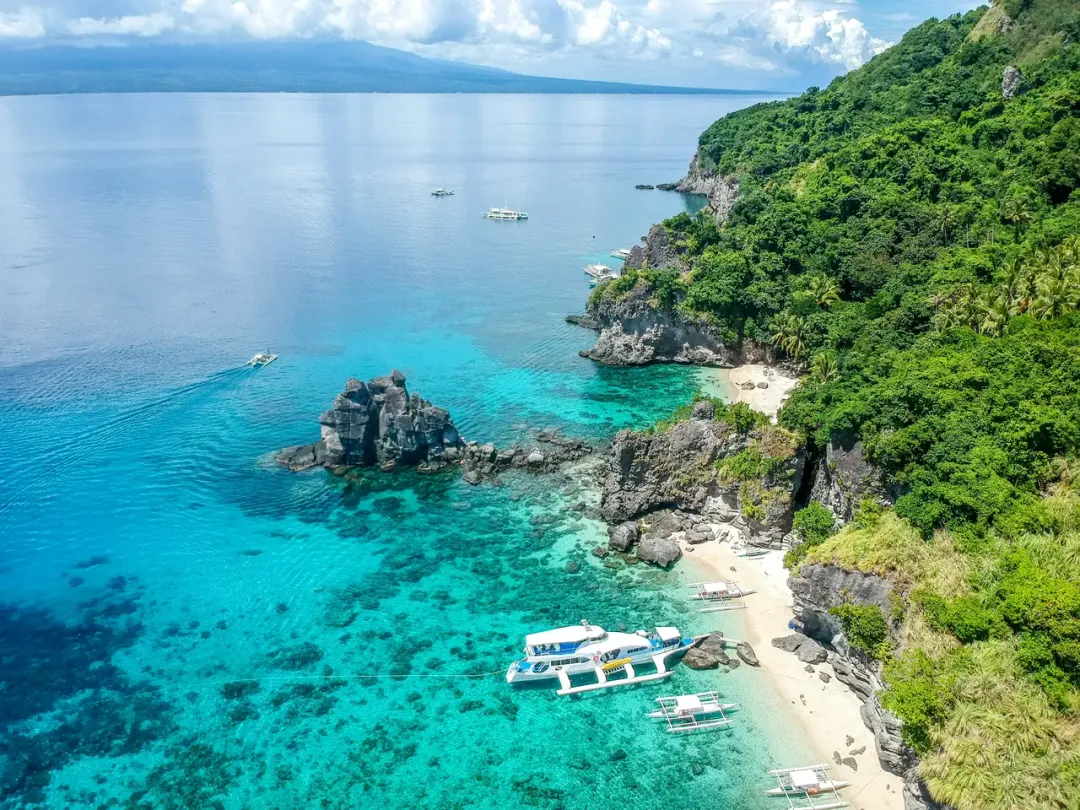
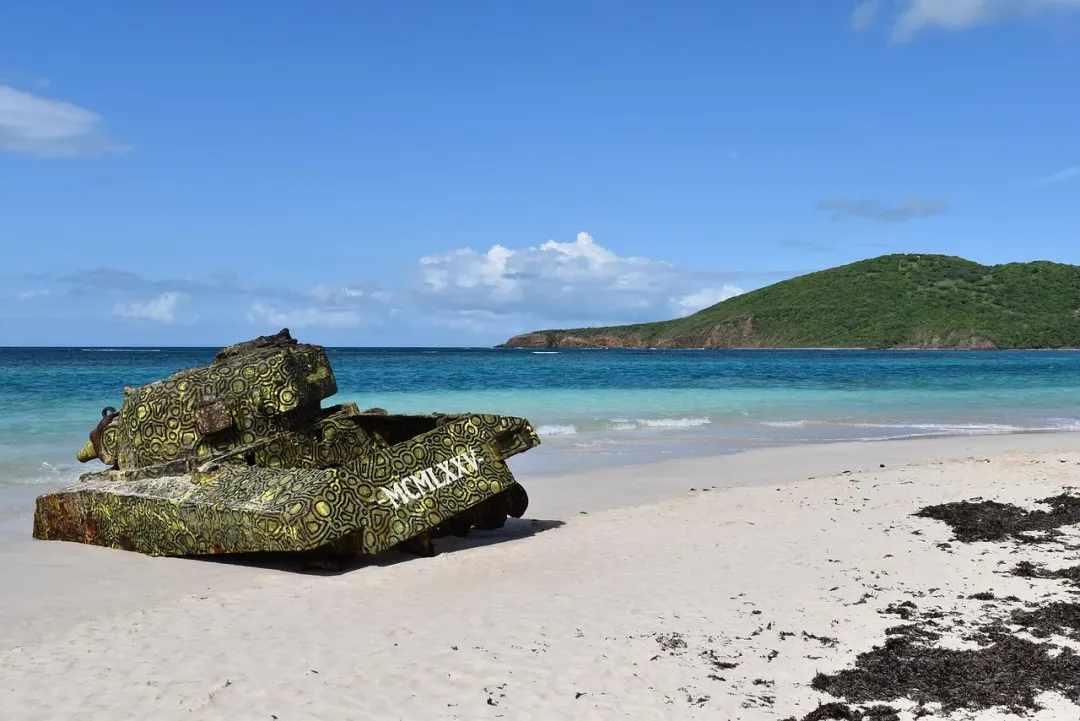
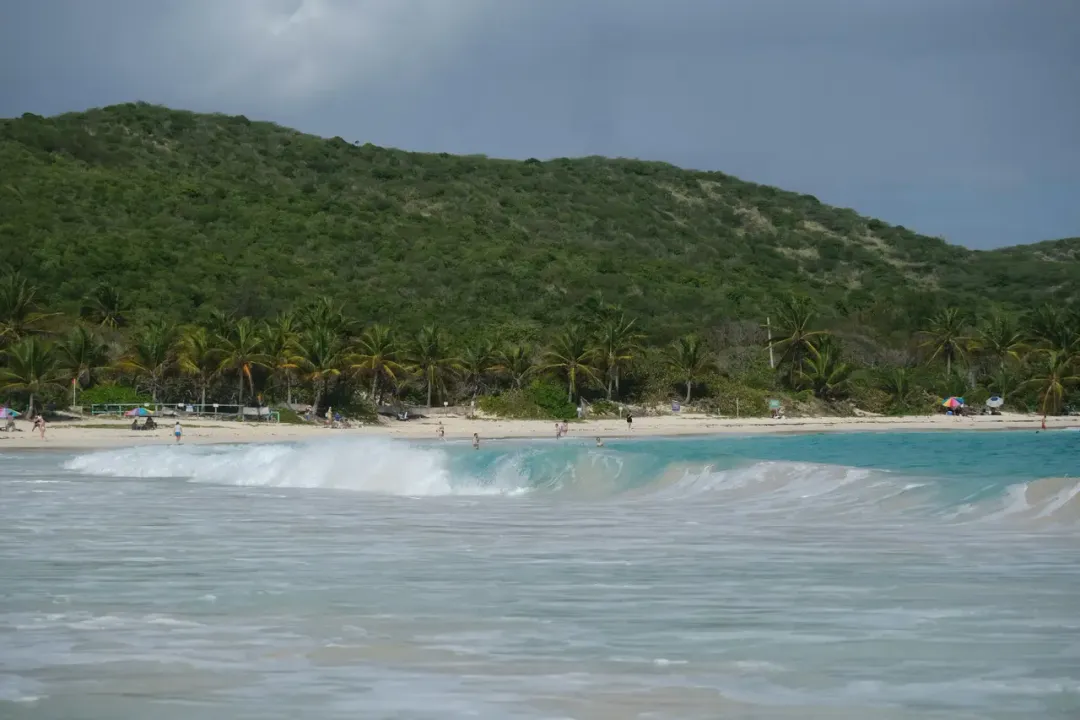
Vieques and Culebra are two island municipalities of Puerto Rico located off its eastern coast, each offering distinct experiences while sharing a commitment to preserving their natural beauty and laid-back atmosphere. Vieques, the larger island at 52 square miles, lies about 8 miles east of Puerto Rico's mainland and was used as a U.S. Navy testing ground until 2003, which inadvertently preserved much of its natural environment. Today, approximately 60% of the island is protected as the Vieques National Wildlife Refuge. The island is renowned for Mosquito Bay, the brightest bioluminescent bay in the world, where microorganisms called dinoflagellates emit a blue glow when disturbed, creating a magical nighttime experience for kayakers. Vieques features dozens of beaches, including the stunning Playa Caracas (Red Beach) and Playa La Chiva (Blue Beach), with their white sand and crystal-clear waters, as well as the unique black sand beach at Playa Negra. The island's main towns, Isabel Segunda on the north coast and Esperanza on the south, offer a selection of guesthouses, restaurants, and shops with a distinctly relaxed vibe. Culebra, smaller at 10 square miles and located about 17 miles east of Puerto Rico, is even more laid-back and undeveloped. The island is home to Flamenco Beach, consistently ranked among the world's best beaches, with its horseshoe bay of white sand, turquoise waters, and iconic rusting tanks left from military exercises, now colorfully painted. Culebra's Luis Peña Channel Natural Reserve protects extensive coral reefs, seagrass beds, and marine life, making it a paradise for snorkelers and divers. The island also serves as a nesting site for endangered sea turtles and hosts the Culebra National Wildlife Refuge. Both islands offer an escape from the hustle of modern life, with limited development, few cars, and a focus on eco-tourism. Accessible by small plane or ferry from mainland Puerto Rico, these islands provide visitors with an authentic Caribbean experience characterized by natural beauty, wildlife encounters, and a relaxed pace that feels worlds away from the more developed tourist destinations in the region.
Size
62 sq mi (161 km²) combined
Population
11,000
Language
Spanish, English
Currency
US Dollar (USD)
Time Zone
UTC-4 (Atlantic Time)
Best Time to Visit
December to April
Highlights
Best Things to Do in Vieques and Culebra
Vieques and Culebra are the antidote to overbuilt Caribbean tourism, and getting to them is half the adventure. The ferry from Ceiba takes about 30 minutes to Culebra and roughly an hour to Vieques, but schedules are famously unreliable - seasoned travelers book a morning Cape Air or Vieques Air Link puddle jumper from San Juan's Isla Grande airport instead.
On Vieques, the star attraction is Mosquito Bay, certified by Guinness as the brightest bioluminescent bay in the world. Book an electric-boat tour with Abe's Snorkeling & Bio Bay Tours or a kayak excursion with a licensed operator for a new-moon night, when the dinoflagellates glow most intensely - every paddle stroke ignites trails of blue-green light beneath the surface. During the day, rent a Jeep and head into the Vieques National Wildlife Refuge, which covers two-thirds of the island. The refuge roads are unpaved and sometimes brutal, but they lead to beaches that rival anything in the Caribbean. Playa La Chiva (Blue Beach) is a long crescent with calm, snorkel-friendly water and shaded picnic areas. Playa Caracas (Red Beach) has the best facilities and easiest access. For solitude, keep driving past the tank range to Playa La Plata or Playa Platita, where you may have the sand entirely to yourself.
In the refuge's western unit, Sun Bay is the only beach with a lifeguard and formal parking, and the adjacent Media Luna cove is ideal for small children with its shallow, protected water. On the cultural side, the hilltop Fortin Conde de Mirasol in Isabel Segunda is the last Spanish fort built in the Americas and now houses a small museum tracing the island's Taino, Spanish, and military history. The Esperanza waterfront malecon comes alive in the evening with open-air bars and the smell of mofongo drifting from restaurants.
Over on Culebra, Flamenco Beach is the headline act and deserves its reputation - a horseshoe bay with flour-white sand, clear turquoise water, and rusting military tanks on the beach that have become folk-art canvases. But do not stop at Flamenco. Rent a golf cart and drive to Zoni Beach on the island's east end for windswept beauty and sea turtle nesting habitat, or hire a water taxi from the town dock to Culebrita, an uninhabited islet with tide pools, nesting seabirds, and the ruins of a 19th-century lighthouse. The snorkeling off Tamarindo Beach is exceptional, with sea turtles regularly grazing in the seagrass beds just offshore.
Kayak Mosquito Bay on a New Moon Night
The brightest bioluminescent bay in the world glows most spectacularly during the new moon phase. Electric boat and kayak tours depart from the Esperanza side of Vieques. Book with licensed operators like Abe's Snorkeling & Bio Bay Tours and avoid swimming in the bay, as sunscreen damages the dinoflagellates.
Beach Hop the Vieques Wildlife Refuge
A Jeep or high-clearance SUV opens access to over a dozen beaches within the 18,000-acre refuge. Playa La Chiva (Blue Beach) has calm snorkeling water, Playa Caracas (Red Beach) is the most developed, and the remote eastern beaches like Playa La Plata offer true solitude. Gates close at sunset.
Snorkel with Sea Turtles at Tamarindo Beach
On Culebra's northwest coast, this rocky beach is less scenic for sunbathing but outstanding for snorkeling. Hawksbill and green sea turtles graze in the seagrass beds just 20 yards from shore. Bring your own gear - there are no rentals on site.
Day Trip to Culebrita Island
An uninhabited islet off Culebra's eastern tip, reachable by water taxi from the Dewey town dock. Hike to the ruins of the 1886 lighthouse for panoramic views, swim in natural tidal pools, and snorkel the reefs offshore. Bring water, food, and sun protection - there are no facilities.
Spend the Day at Flamenco Beach
Consistently ranked among the top beaches in the world, Flamenco is a wide horseshoe of white sand backed by low hills. The painted military tanks at the north end are a popular photo spot. Arrive early on weekends to claim shade under the few trees. Basic food vendors operate near the entrance.
Dive the Vieques and Culebra Reefs
Vieques has drift dives along its southern wall and wreck dives including a cargo barge at around 60 feet. Culebra's Luis Pena Channel Natural Reserve protects coral gardens teeming with parrotfish, barracuda, and nurse sharks. Culebra Divers and Blue Caribe Dive Center are the go-to shops.
Explore Fortin Conde de Mirasol
Perched on a hill above Isabel Segunda in Vieques, this is the last Spanish fort constructed in the Americas. The small museum inside covers Taino artifacts, the island's sugar plantation era, and the US Navy's controversial decades of weapons testing. Admission is a few dollars.
Horseback Ride through Vieques
Several operators offer rides through the countryside and along secluded beaches on the island's west end. Rides pass through former sugar cane fields where free-roaming Paso Fino horses graze, a legacy of the island's agricultural history.
Where to Stay in Vieques and Culebra
Vieques has a wider range of accommodations than Culebra, though neither island has large chain resorts. On Vieques, the W Retreat and Spa closed years ago but its replacement, the boutique-style properties along the south coast near Esperanza, fill the upscale niche. Hix Island House is the standout design hotel, with minimalist concrete lofts set into the hillside starting around $250 a night - there is no air conditioning by design, relying instead on trade winds and open architecture. Bravo Beach Hotel in Isabel Segunda offers clean, comfortable rooms with an ocean-facing pool from around $180. Budget travelers find guesthouses and Airbnb rentals starting at $80 to $120, particularly in the Esperanza area.
On Culebra, options are more limited and book up fast in high season. Club Seabourne is the island's closest thing to a boutique hotel, with rooms from around $200 and a small pool. Most visitors rent casitas or apartments through vacation rental platforms, with prices ranging from $100 to $250 a night depending on size and proximity to Dewey. Tamarindo Estates offers hillside villas with kitchens.
For both islands, book well ahead for December through April - inventory is thin and popular properties sell out months in advance. Many accommodations lack elevators, pools, or resort amenities, so adjust expectations accordingly. The tradeoff is waking up to roosters, walking to an empty beach, and experiencing the Caribbean as it was before the mega-resorts arrived.
Where to Eat in Vieques and Culebra
Dining on Vieques and Culebra is casual, flavorful, and rooted in Puerto Rican tradition with a few creative twists. On Vieques, the Esperanza waterfront is the dining hub. El Quenepo is the island's best restaurant, serving elevated Caribbean cuisine - think plantain-crusted mahi-mahi and churrasco with guava glaze - on a candlelit terrace overlooking the malecon, with entrees from $24 to $40. For something more laid-back, Duffy's serves strong cocktails and solid bar food right on the strip. Bili, on a side street in Esperanza, does excellent wood-fired pizzas and craft cocktails. In Isabel Segunda, Coqui Fire Cafe serves good breakfast and lunch with freshly roasted coffee.
The roadside kiosks scattered around the island are where you find the most authentic food - alcapurrias (meat-stuffed fritters), empanadillas, and pinchos (skewered meat) for just a few dollars each.
On Culebra, the options are more limited but the standouts are genuine. Zaco's Tacos near the ferry dock does fresh fish tacos that are worth the line. Susie's is a beloved local spot for comida criolla - rice and beans, pernil (slow-roasted pork shoulder), and tostones. Mamacita's, on the canal in Dewey, is the social center of the island, serving drinks and food in a colorful waterfront setting that draws everyone from fishermen to day-trippers. Dinghy Dock rounds out the scene with cold beers and casual seafood overlooking the harbor. Grocery options are limited on both islands and prices are higher than the mainland, so stock up if you have a kitchen.
Best Time to Visit Vieques and Culebra
The peak season from December through April brings the driest weather, with temperatures in the upper 70s to mid-80s Fahrenheit and steady trade winds that keep humidity manageable. This is also the most expensive window - expect accommodation rates 30 to 50 percent higher than summer and ferries that sell out on weekends.
May and June are excellent shoulder months with warm weather, fewer crowds, and better availability. The wet season runs from August through November, with September and October carrying the highest hurricane risk. Summer months are hot and humid but bring lower prices.
For the bioluminescent bay, plan around the lunar calendar - the five days surrounding the new moon produce the most dramatic glow. Flamenco Beach on Culebra is busiest on holiday weekends when mainland Puerto Rico visits, so weekdays offer a quieter experience year-round.
Getting Around Vieques and Culebra
Rental cars or jeeps are essential on Vieques, as roads to the best beaches in the Wildlife Refuge are unpaved. On Culebra, golf carts are the preferred transport. Both islands are reached by ferry from Ceiba or small planes from San Juan or Ceiba.
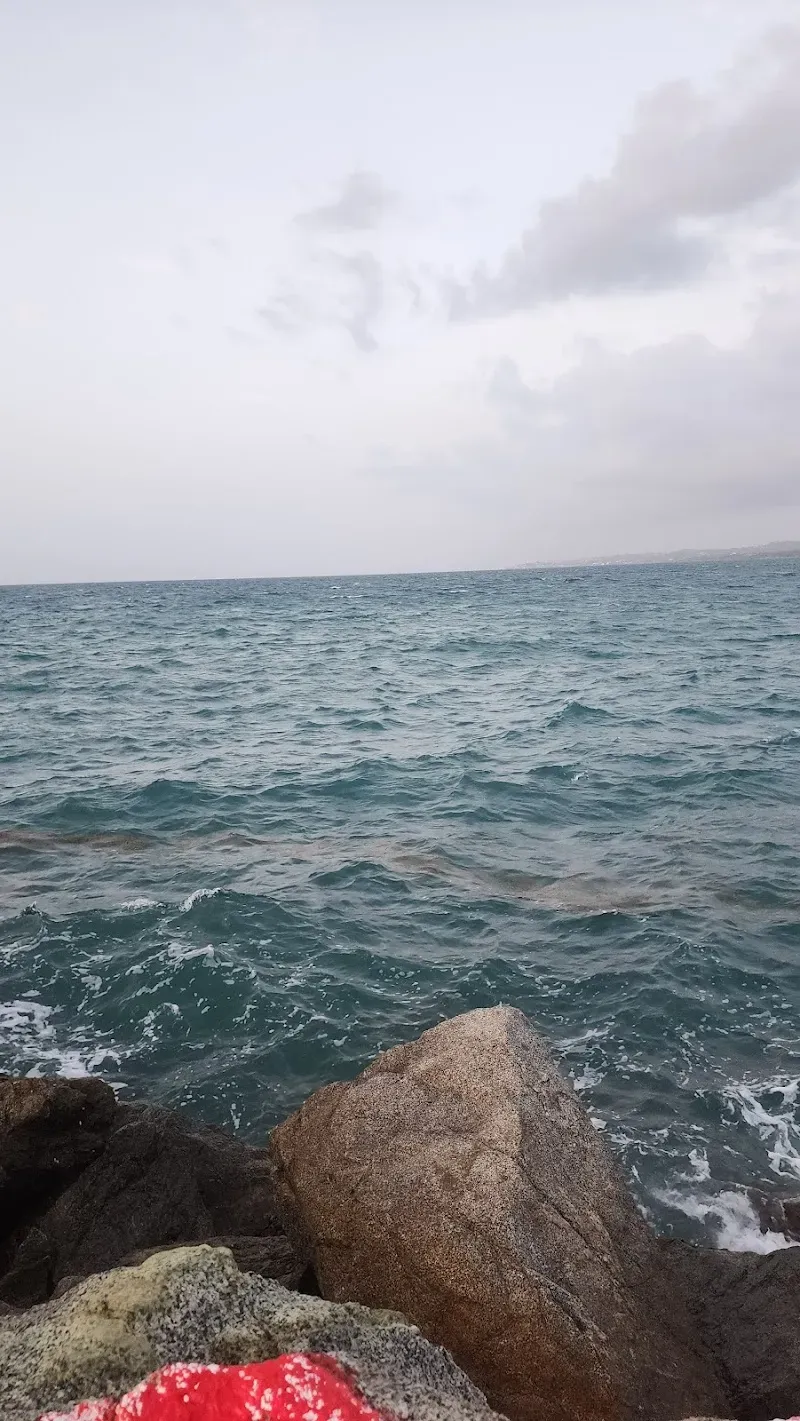
Mosquito Pier
Mosquito Pier is a nature attraction on Vieques & Culebra. This natural area showcases the lush tropical landscapes and diverse ecosystems that Vieques & Culebra is known for. Visitors can explore the local flora and fauna in a serene setting.
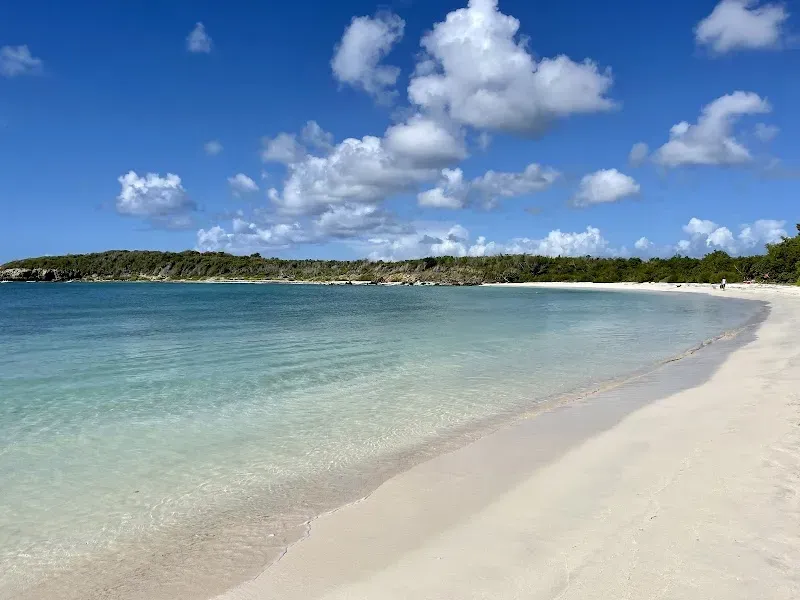
Playa Pata Prieta
Playa Pata Prieta is a nature attraction on Vieques & Culebra. This natural area showcases the lush tropical landscapes and diverse ecosystems that Vieques & Culebra is known for. Visitors can explore the local flora and fauna in a serene setting.
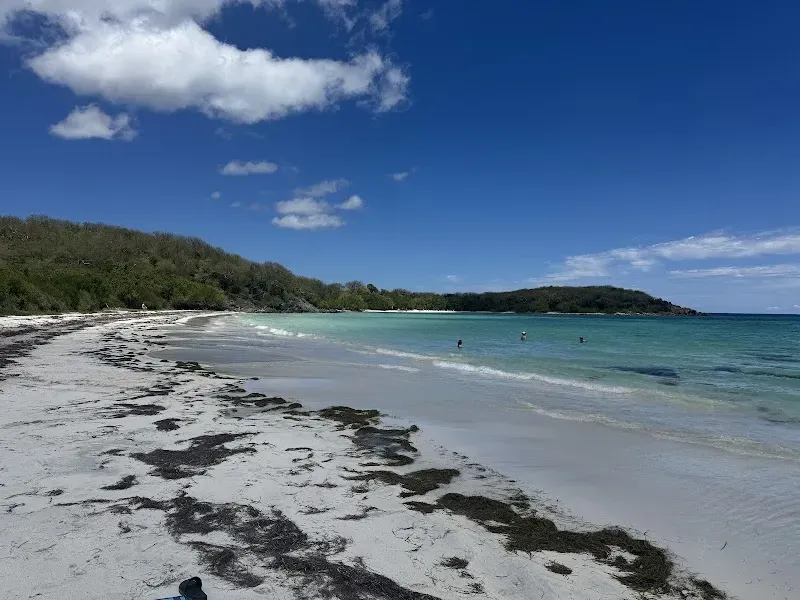
Playa La Plata
Playa La Plata is a nature attraction on Vieques & Culebra. This natural area showcases the lush tropical landscapes and diverse ecosystems that Vieques & Culebra is known for. Visitors can explore the local flora and fauna in a serene setting.
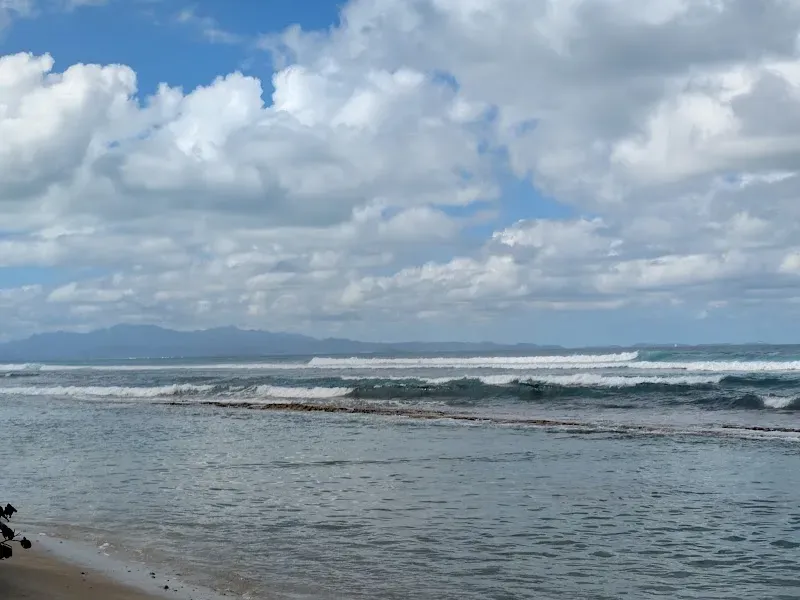
Playa Bastimento
Playa Bastimento is a nature attraction on Vieques & Culebra. This natural area showcases the lush tropical landscapes and diverse ecosystems that Vieques & Culebra is known for. Visitors can explore the local flora and fauna in a serene setting.
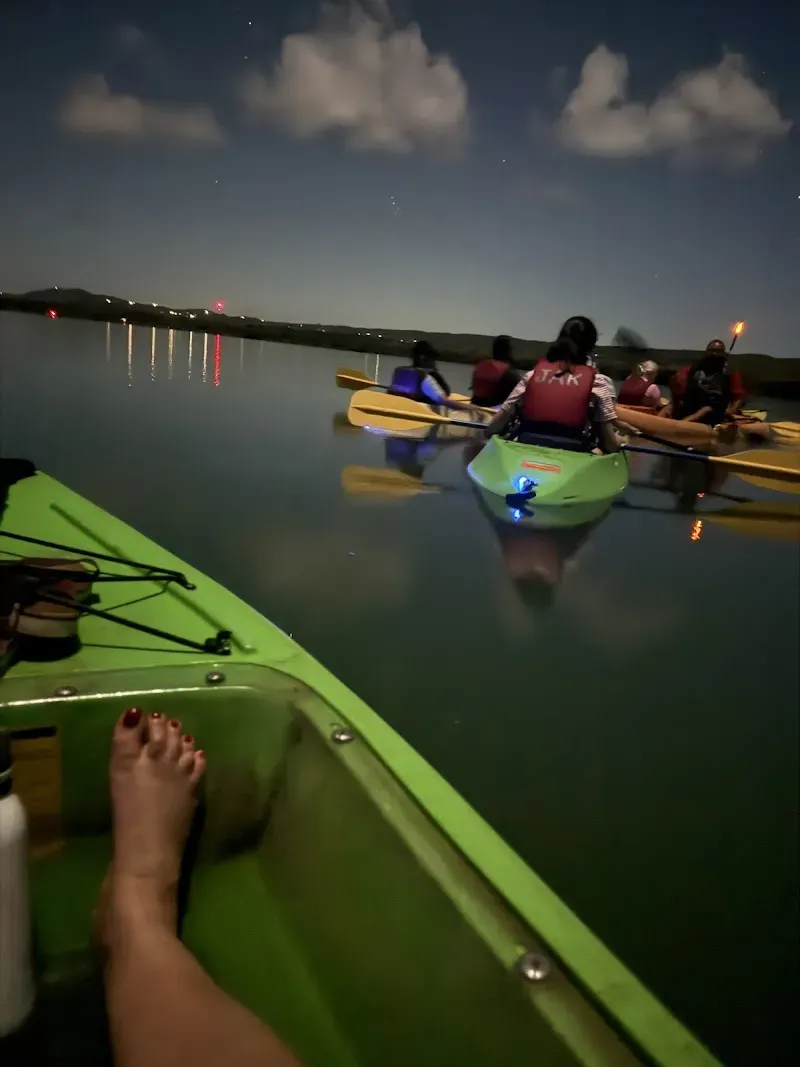
Jak Water Sports Bioluminescent Bay Tour & Rental
Jak Water Sports Bioluminescent Bay Tour & Rental is a nature attraction on Vieques & Culebra. This natural area showcases the lush tropical landscapes and diverse ecosystems that Vieques & Culebra is known for. Visitors can explore the local flora and fauna in a serene setting.
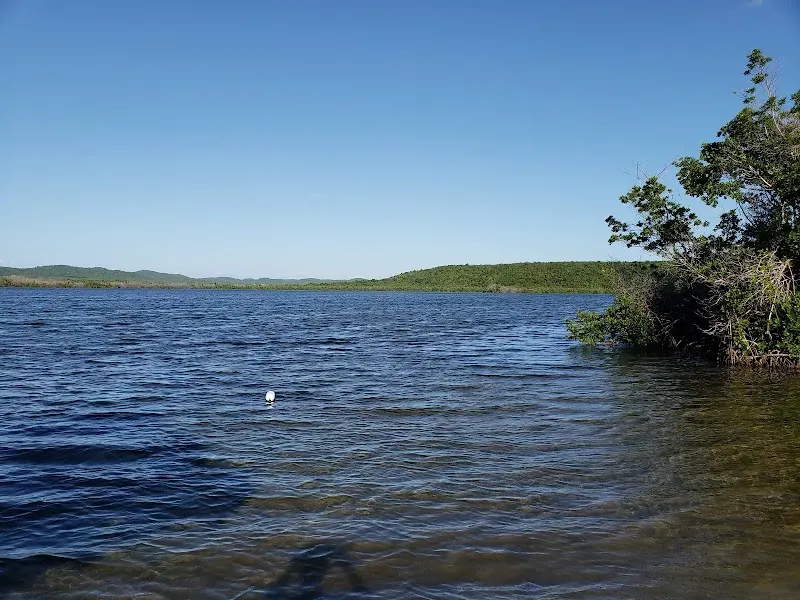
Puerto Mosquito Bioluminescent Bay
Puerto Mosquito Bioluminescent Bay is a nature attraction on Vieques & Culebra. This natural area showcases the lush tropical landscapes and diverse ecosystems that Vieques & Culebra is known for. Visitors can explore the local flora and fauna in a serene setting.
Hotels in Vieques and Culebra
Search for available rates by selecting your travel dates

El Conquistador Resort
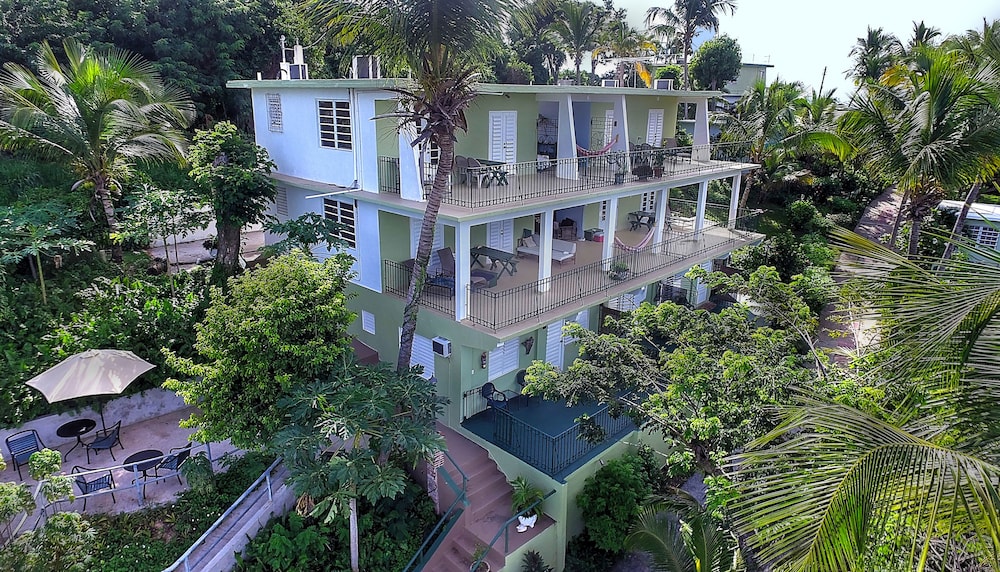
Sea Gate Hotel
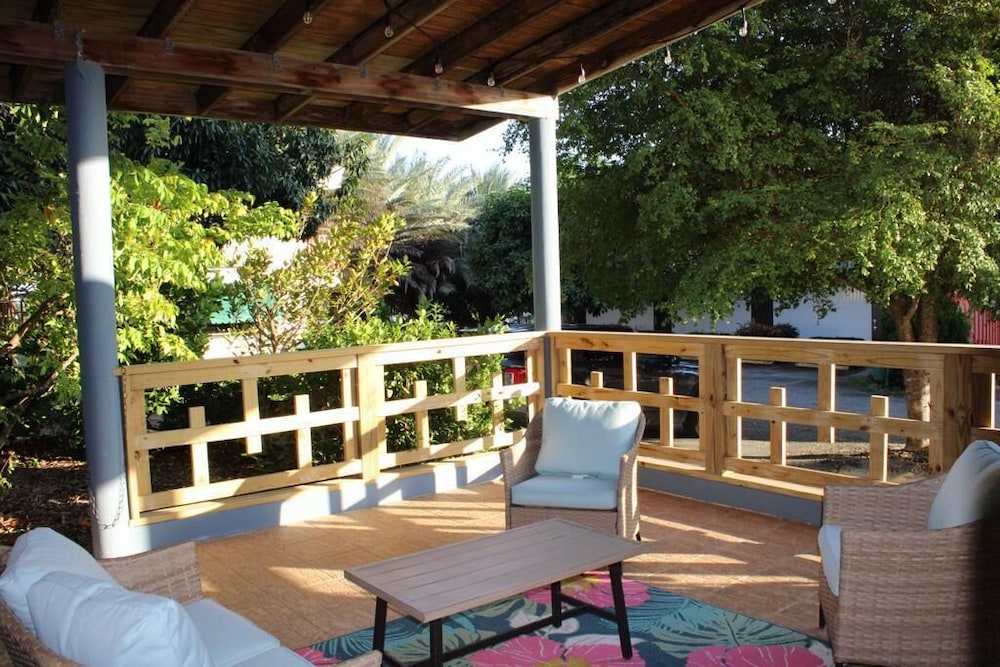
Fajardo Inn
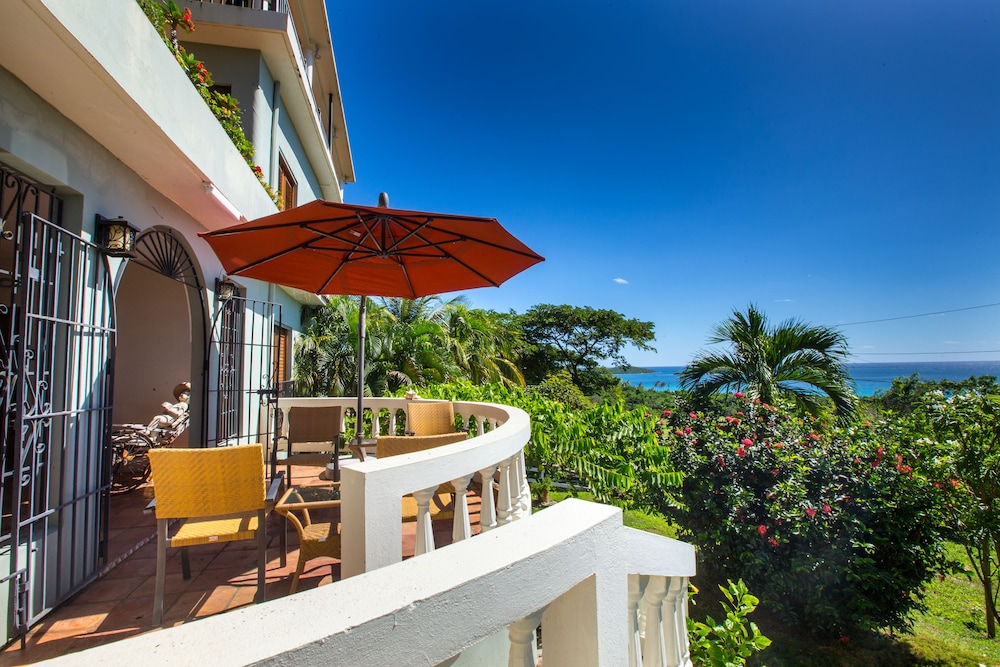
Hacienda Tamarindo

Hix Island House
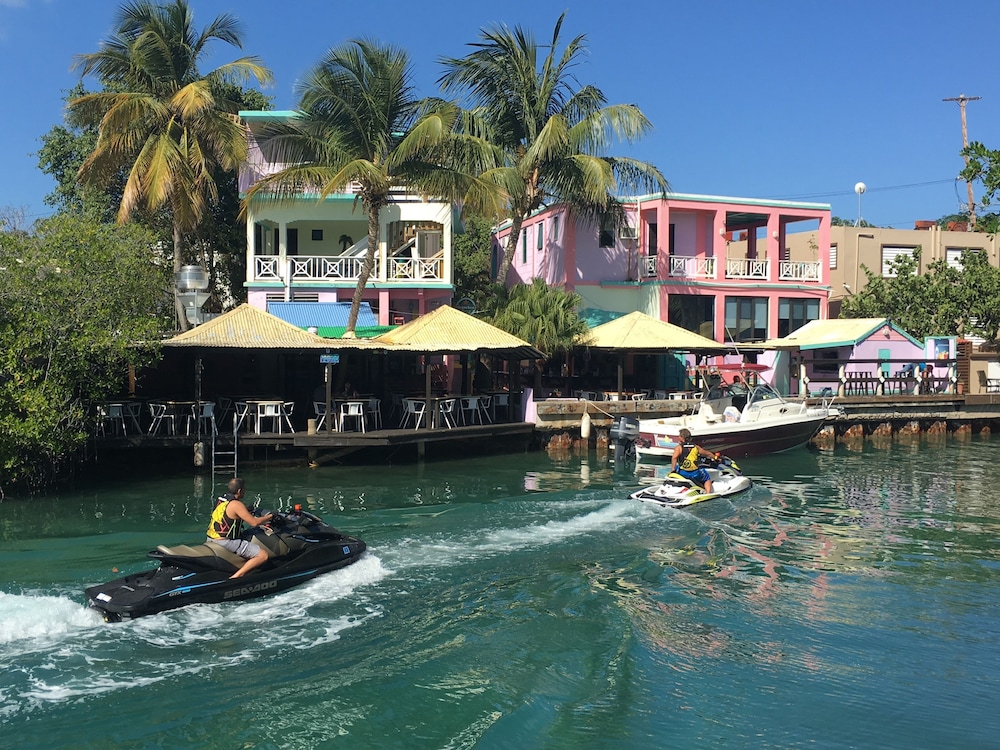
Mamacita's Guest House
Top Restaurants in Vieques and Culebra
Popular dining spots near Vieques and Culebra
No restaurants available for Vieques and Culebra yet.
Weather in Vieques and Culebra
Average Temperature
75°F to 85°F (24°C to 29°C)
Rainy Season
August to November
Hurricane Season
June to November
Best Time to Visit
December to April
Travel Tips
- Spanish and English are widely spoken
- US Dollar is the currency
- Driving is on the right side of the road
- A valid ID is required for US citizens, passport for non-US citizens
- Ferry services connect both islands to mainland Puerto Rico
- Rental cars, golf carts, or scooters are the best way to explore
- Book accommodations well in advance during high season
Daily Budget (USD)
Visa Requirements
US citizens need only a valid government-issued photo ID for travel from the mainland. Non-US citizens require a valid passport and any visa needed for US entry.
Safety
Both islands are generally very safe with low crime rates. Roads in the Wildlife Refuge on Vieques are rough and unlit at night. Watch for strong currents at some north-facing beaches on Culebra.
Getting Around
Rental cars or jeeps are essential on Vieques, as roads to the best beaches in the Wildlife Refuge are unpaved. On Culebra, golf carts are the preferred transport. Both islands are reached by ferry from Ceiba or small planes from San Juan or Ceiba.
Popular Activities
Best For
Get Vieques and Culebra Travel Tips
Subscribe for curated tips, deals, and inspiration for your Vieques and Culebra trip.