Virgin Gorda
Land of the Baths
About Virgin Gorda
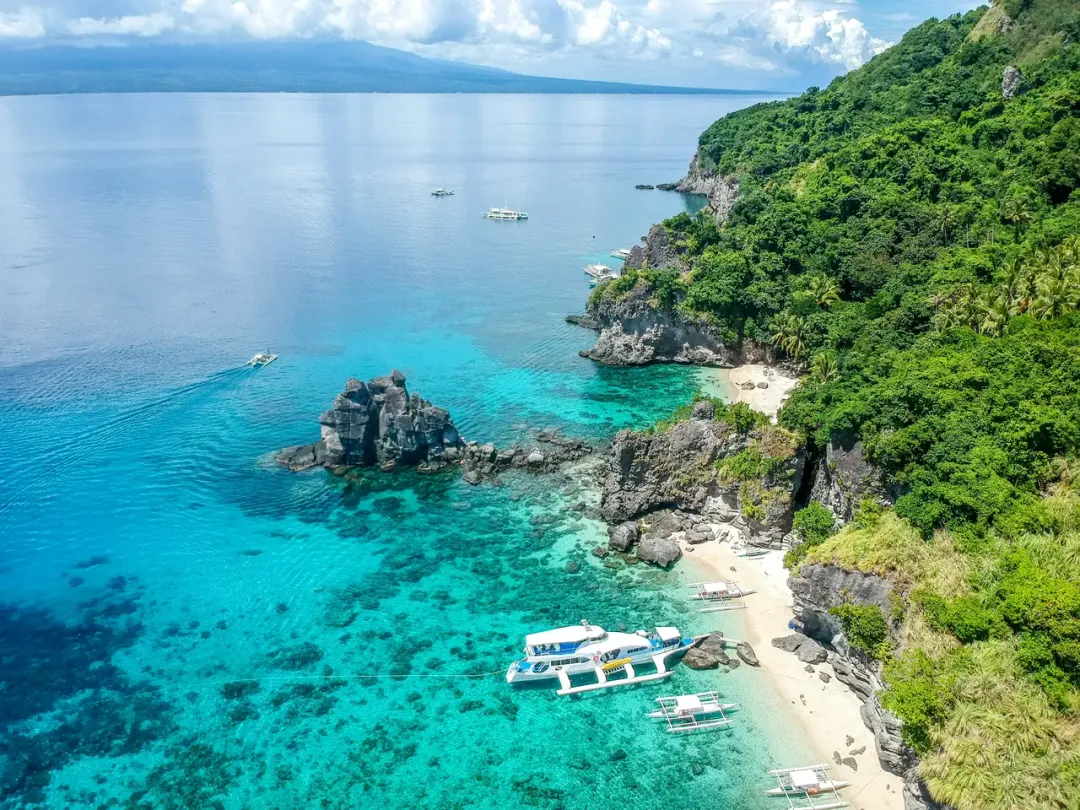
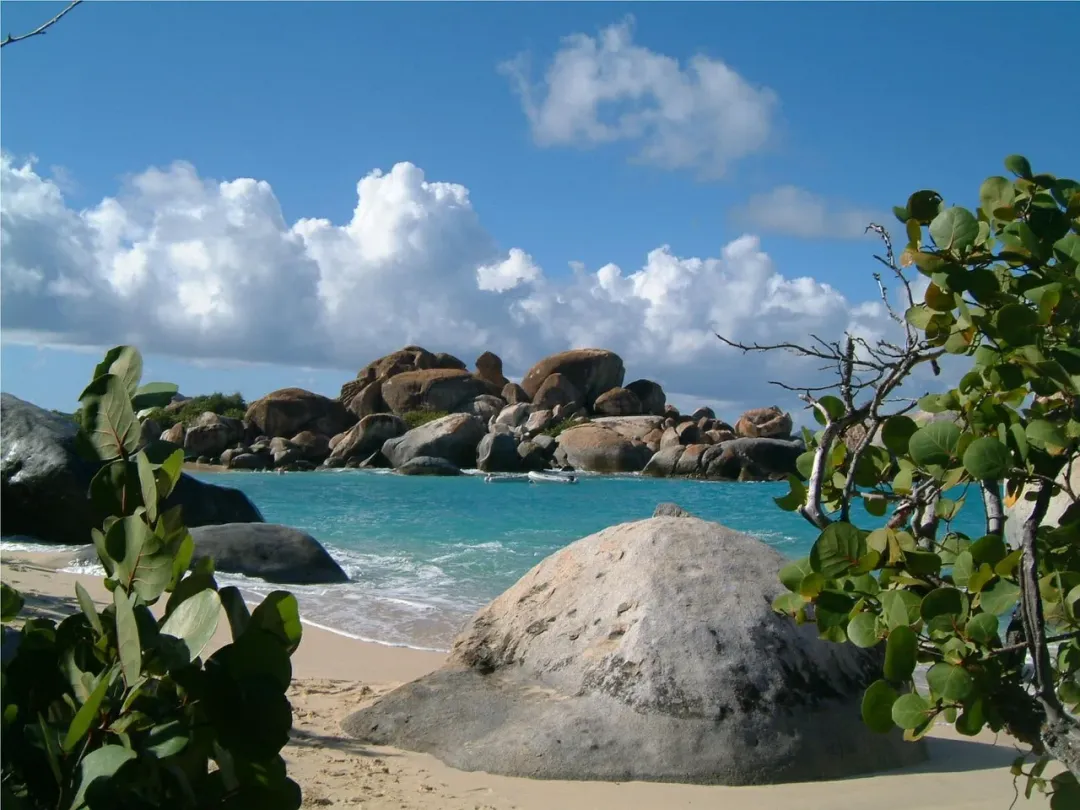
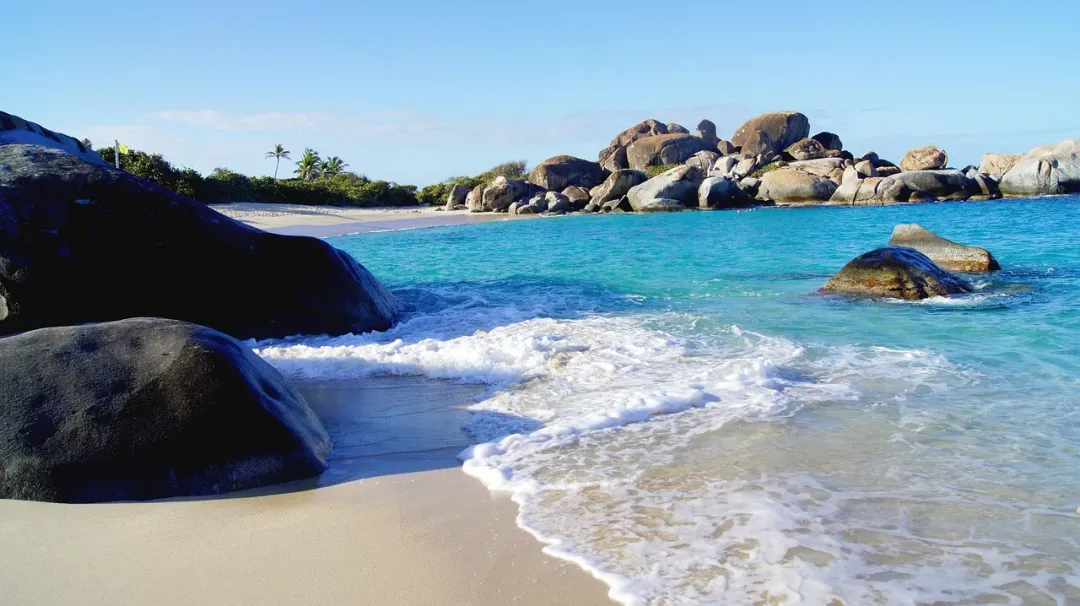
Virgin Gorda, whose name translates to 'Fat Virgin' due to the island's profile resembling a reclining woman when viewed from the sea, is the third-largest island in the British Virgin Islands, covering approximately 8 square miles. The island is renowned worldwide for its unique geological formation, The Baths, where massive granite boulders-some as large as 40 feet in diameter-form sheltered sea pools, caves, and scenic grottoes along the beach, creating one of the Caribbean's most photographed landscapes. Visitors can explore a marked trail through this natural wonder, navigating narrow passages between boulders to reach Devil's Bay, another pristine beach. Beyond The Baths, Virgin Gorda offers diverse attractions, including Gorda Peak National Park, which at 1,370 feet provides panoramic views of the surrounding islands; Copper Mine National Park, featuring ruins of a 19th-century copper mine operated by Cornish miners; and North Sound, a protected harbor area home to several exclusive resorts and yacht clubs, including the iconic Bitter End Yacht Club. The island's main settlement, Spanish Town (also called The Valley), provides basic services, shops, and restaurants with a laid-back atmosphere. Virgin Gorda's beaches are consistently ranked among the Caribbean's finest, with Spring Bay and Savannah Bay offering white sand and excellent snorkeling opportunities. The island attracts a mix of visitors, from luxury travelers staying at high-end resorts like Rosewood Little Dix Bay to sailing enthusiasts exploring the protected waters of North Sound. Despite development in certain areas, Virgin Gorda maintains a relatively unspoiled environment compared to many Caribbean destinations, with limited nightlife and a focus on natural beauty and water activities. The island is accessible by ferry from Tortola or by small aircraft to its modest airport, with many visitors also arriving by private or charter yacht, reflecting Virgin Gorda's status as a premier sailing destination within the British Virgin Islands.
Size
8 sq mi (21 km²)
Population
4,000
Language
English
Currency
US Dollar (USD)
Time Zone
UTC-4 (Atlantic Time)
Best Time to Visit
December to April
Highlights
Best Things to Do in Virgin Gorda
Virgin Gorda is the BVI island that makes the strongest first impression. The Baths, at the island's southern tip, are one of the most visually striking natural sites in the Caribbean - massive granite boulders, some 40 feet in diameter, piled along the beach creating a labyrinth of sea caves, tunnels, and crystal-clear tidal pools. The marked trail winds through narrow passages between boulders, with sections where you wade through knee-deep water and duck under rock overhangs before emerging at Devil's Bay, a pristine beach on the other side.
Go early, ideally arriving by 9 a.m. before the day-trip boats from Tortola arrive. The entry fee is $3 and the trail takes about 20 to 30 minutes one way. Just north of The Baths, Spring Bay offers a quieter beach experience with similar boulder formations but far fewer visitors - the snorkeling along the rock edges is excellent, with sergeant majors, parrotfish, and blue tang in just a few feet of water.
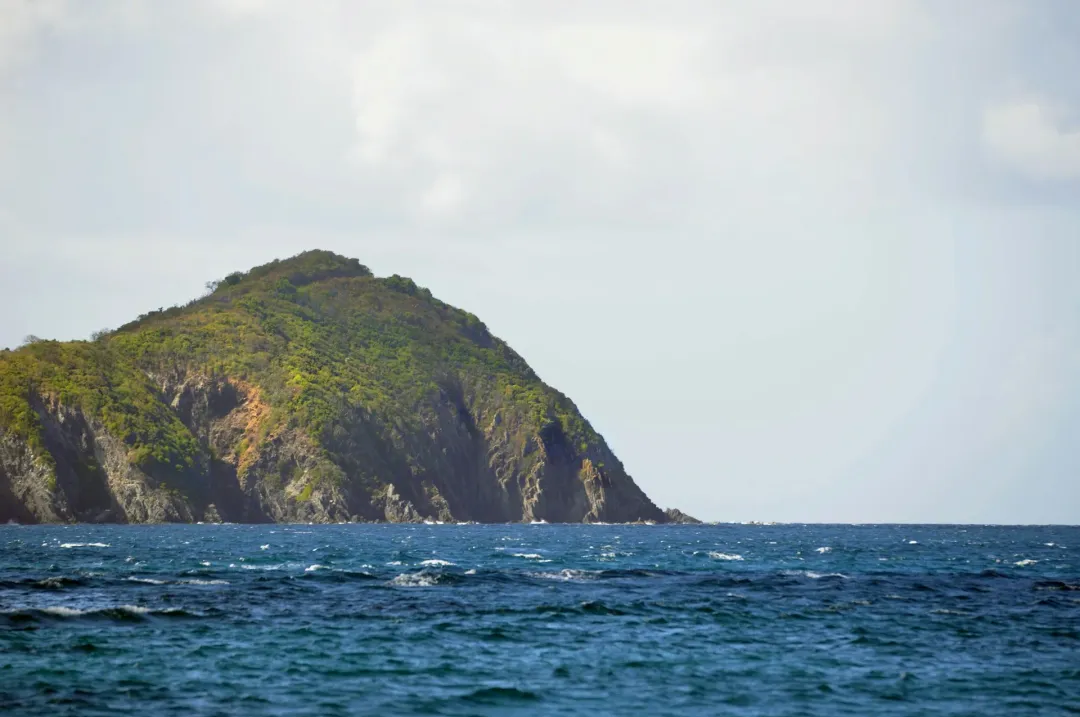
The Crawl, between Spring Bay and The Baths, is a protected natural swimming pool formed by the boulders that is ideal for children. Moving north through Spanish Town, the island's only real settlement, the landscape changes from dry coastal scrub to the greener hills around Gorda Peak. The Gorda Peak National Park at the summit protects one of the last remaining examples of Caribbean dry forest, with a short trail to the 1,370-foot peak and panoramic views across the entire BVI chain.
The hike is only about 30 minutes each way but the trail is steep in sections. North Sound, the large protected bay on the island's northeast side, is a sailing destination in its own right. Accessible primarily by boat, the sound shelters several small resorts and yacht clubs, including the Bitter End Yacht Club and Saba Rock, a tiny island bar and restaurant perched on a rock in the middle of the harbor. On the island's southeast coast, the Copper Mine ruins tell the story of 19th-century Cornish miners who extracted copper here under brutal conditions - the stone chimney and mine shaft ruins sit dramatically on a headland overlooking the sea. For diving, the Dogs, a group of small islands in the channel between Virgin Gorda and Tortola, offer wall dives and swim-throughs with impressive visibility and regular turtle sightings.
Explore The Baths
Giant granite boulders create a natural maze of sea pools, caves, and grottoes along the beach at Virgin Gorda's southern tip. Follow the marked trail through narrow passages to Devil's Bay. Entry is $3. Arrive before 10 a.m. to have the best experience with fewer crowds.
Snorkel at Spring Bay
Just north of The Baths, this beach has similar boulder formations with far fewer people. The snorkeling along the rock edges is excellent in shallow, calm water. Free access via a short path from the parking area. A perfect alternative when The Baths trail is crowded.
Hike Gorda Peak
A 30-minute trail climbs through Caribbean dry forest to the island's 1,370-foot summit, offering 360-degree views of the BVI chain and on clear days all the way to Anegada. The trail is steep in places but well-maintained. Bring water and mosquito repellent.
Drinks at Saba Rock
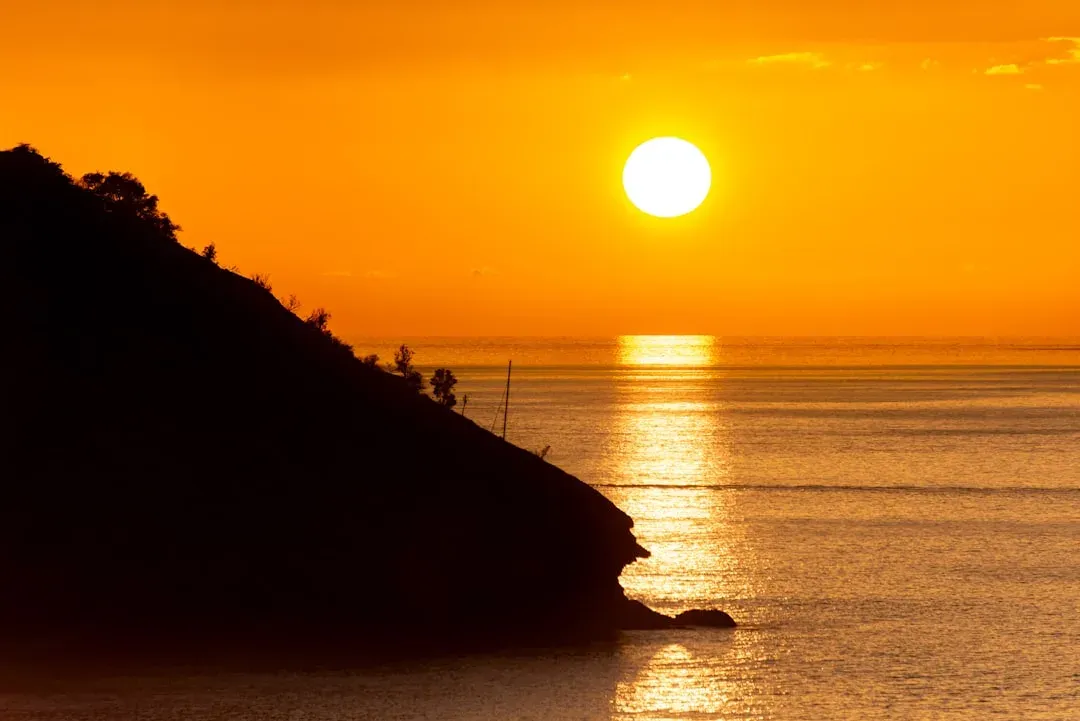
A tiny island in North Sound converted into a bar and restaurant, reachable by a short ferry ride from Gun Creek or by dinghy. Sunset here, watching the boats at anchor in the sound with a rum punch in hand, is one of the most atmospheric experiences in the BVI.
Visit Copper Mine Ruins
The remains of a 19th-century copper mine operated by Cornish miners sit on a dramatic headland on the southeast coast. Stone walls, a chimney, and a mine shaft are preserved in a national park with interpretive signs. The cliff-edge location and ocean views make it worth the stop.
Dive the Dogs
A cluster of small islands in the channel between Virgin Gorda and Tortola offering wall dives, swim-throughs, and coral gardens. Visibility regularly exceeds 60 feet. Hawksbill turtles are frequent visitors. Dive operators in Spanish Town and North Sound run morning trips.
Sail North Sound
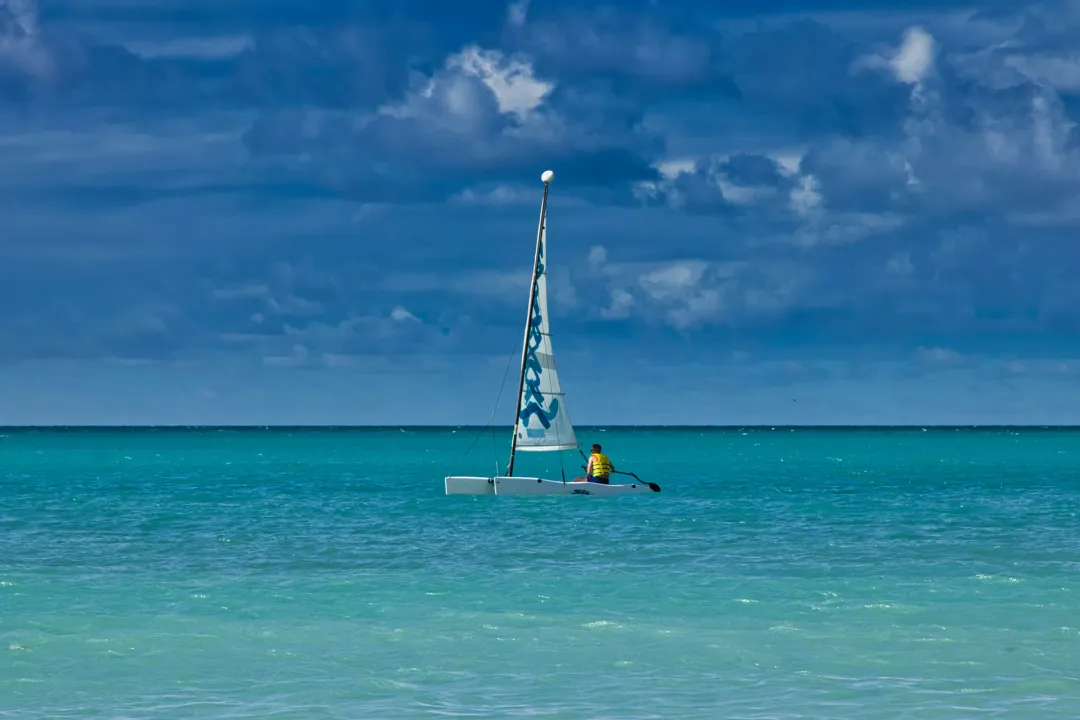
The large protected bay on the northeast side of the island is a premiere sailing ground with consistent trade winds and flat water. Rent a dinghy or small sailboat from one of the resorts, or arrange a day sail with a local captain for around $100 to $150 per person.
Where to Stay in Virgin Gorda
Virgin Gorda's accommodation scene tilts heavily toward luxury, reflecting the island's reputation as the upscale alternative to Tortola. Rosewood Little Dix Bay, originally opened by Laurence Rockefeller in 1964, is the island's most storied resort, set on a half-mile crescent of beach with rooms and suites starting around $800 per night in high season.
Oil Nut Bay, on the island's remote eastern tip, is a newer ultra-luxury development with private villas, a hilltop restaurant, and a marina, with rates starting around $1,500 per night. In North Sound, the Bitter End Yacht Club has been a sailing institution for decades and offers an all-inclusive experience with rooms, meals, and water sports from approximately $500 per night.
Saba Rock, the tiny island bar-restaurant in the middle of North Sound, also has a few guest rooms for an experience that is genuinely unique - rates from around $250. For mid-range options, Fischer's Cove Beach Hotel in The Valley puts you on the beach near the ferry dock with straightforward rooms from $180 to $300.
Mango Bay Resort near The Baths offers condos from around $250 with easy access to the island's star attraction. Villa rentals are the best option for groups and families, with two- to four-bedroom properties ranging from $300 to $1,500 per night depending on location and amenities. Leverick Bay Resort on North Sound offers rooms from around $200 with a pool, restaurant, and marina. Budget options are limited - a few guesthouses in Spanish Town offer basic rooms from $120 to $150 but lack beach access.
Where to Eat in Virgin Gorda
Dining on Virgin Gorda is concentrated around Spanish Town and North Sound, with a mix of resort restaurants and local spots. CocoMaya at Leverick Bay is one of the most popular restaurants on the island, blending Caribbean and Asian flavors - think coconut-crusted snapper and Thai green curry with local lobster - in a colorful beachside setting.
Dinner for two runs $80 to $140. The Restaurant at The Baths, also called Top of the Baths, sits above the national park and serves reliable seafood with sweeping views down to the boulders and the sea - the grilled mahi-mahi sandwich at lunch is excellent.
In Spanish Town, Bath and Turtle Pub is the island's longtime gathering spot, serving burgers, fish and chips, and cold Carib beers in a casual waterfront setting. Portions are generous and prices are reasonable for the BVI, around $15 to $25 for a main course.
For local food, LSL Bakery in The Valley does fresh-baked bread, meat patties, and johnnycakes in the morning. The Mine Shaft Cafe on the hilltop above The Baths serves pizza and pub food with panoramic views that make the winding drive worthwhile. In North Sound, Saba Rock's restaurant serves seafood and cocktails on a deck surrounded by water - watching the tarpon circle under the dock lights at night is free entertainment. The Bitter End Yacht Club's restaurant offers a more polished setting with a daily-changing menu focused on whatever came off the boats that morning. On quieter nights in Spanish Town, Chez Bamboo offers Caribbean-Creole dishes with a French accent in a garden setting, and Fischer's Cove beachside restaurant serves honest plates of grilled fish and lobster for $20 to $35.
Best Time to Visit Virgin Gorda
Virgin Gorda follows the same seasonal pattern as the broader BVI, with peak season running mid-December through April. Temperatures stay in the upper 70s to mid-80s Fahrenheit with low humidity and rare rainfall - ideal conditions for hiking Gorda Peak, exploring The Baths, and sailing North Sound.
Hotel rates peak sharply between Christmas and New Year's, when properties like Rosewood Little Dix Bay book out months in advance. February and March offer similarly good weather with slightly lighter demand.
The shoulder months of May and November deliver warm days, manageable humidity, and rates that drop 30 to 40 percent from peak pricing. Summer months are hotter and more humid, with brief afternoon rain showers and calmer winds that improve diving visibility. Hurricane season runs June through November, with September and October carrying the greatest risk. Water temperatures range from 78 degrees in winter to 84 degrees in summer, making snorkeling at Spring Bay and The Baths comfortable year-round.
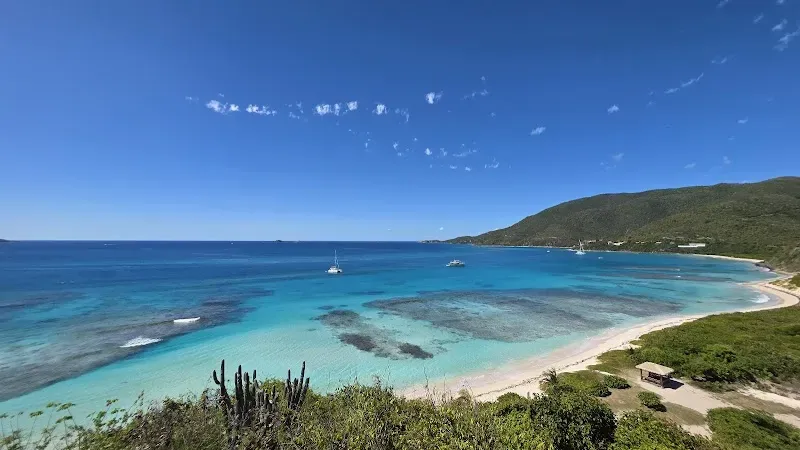
Savannah Bay Beach
Savannah Bay Beach is a nature attraction on Virgin Gorda. This natural area showcases the lush tropical landscapes and diverse ecosystems that Virgin Gorda is known for. Visitors can explore the local flora and fauna in a serene setting.
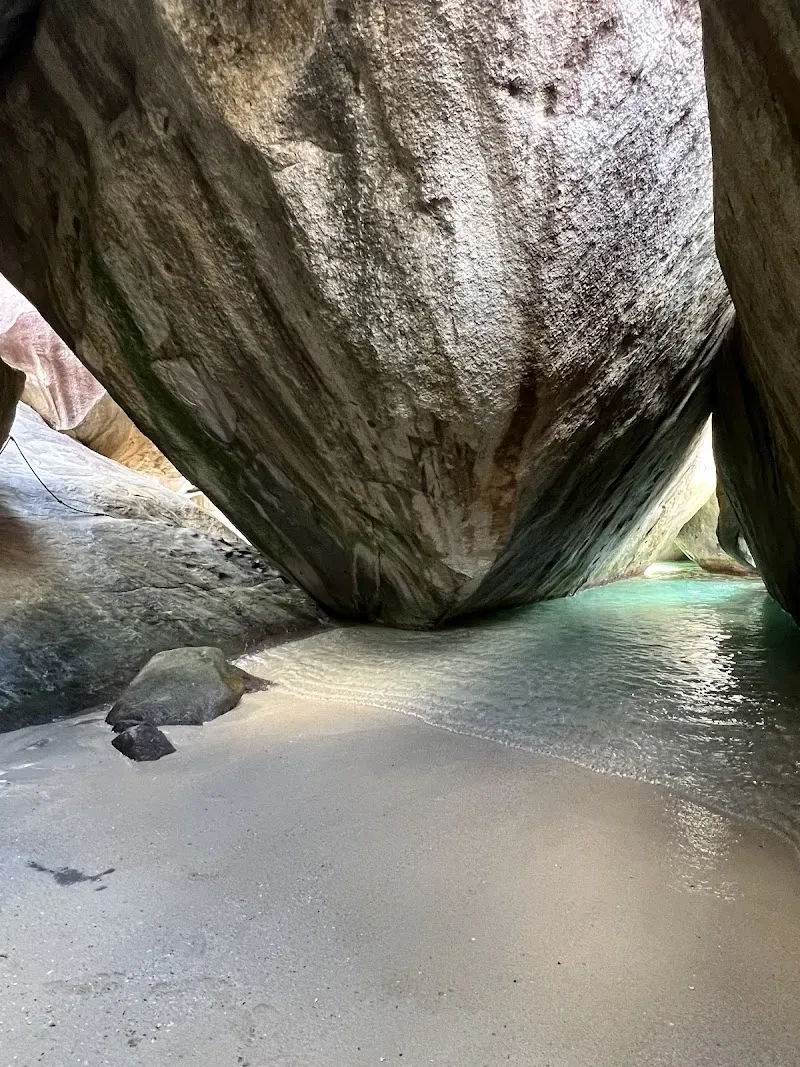
Devil's Bay National Park
Devil's Bay National Park is a nature attraction on Virgin Gorda. This natural area showcases the lush tropical landscapes and diverse ecosystems that Virgin Gorda is known for. Visitors can explore the local flora and fauna in a serene setting.
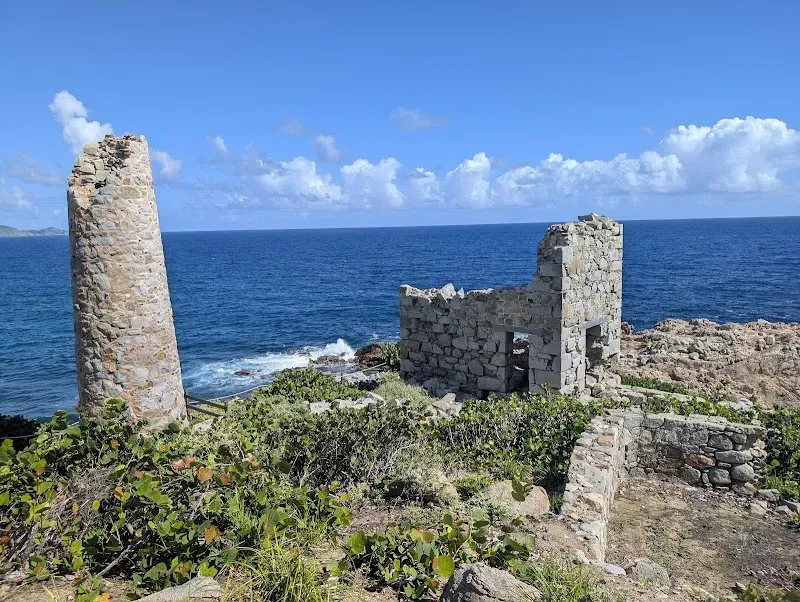
Copper Mine National Park, Virgin Gorda
Copper Mine National Park, Virgin Gorda is a nature attraction on Virgin Gorda. This natural area showcases the lush tropical landscapes and diverse ecosystems that Virgin Gorda is known for. Visitors can explore the local flora and fauna in a serene setting.
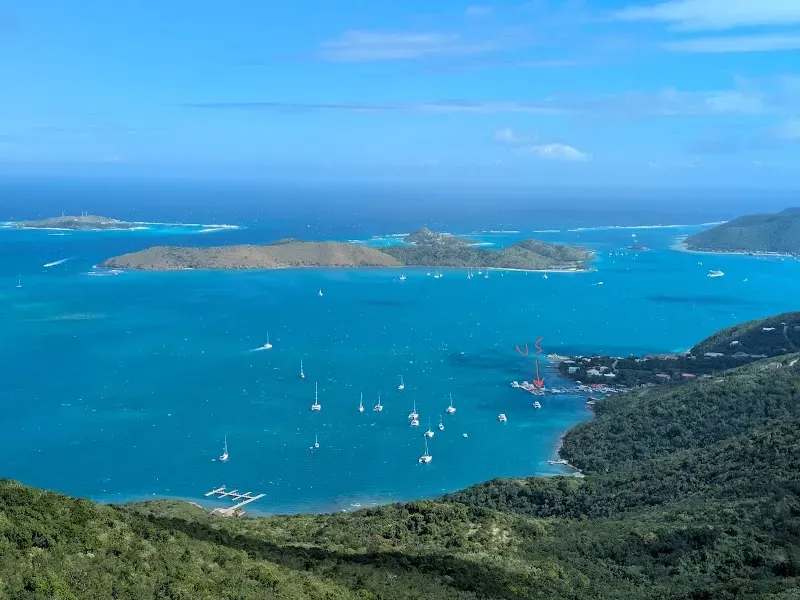
Gorda Peak National Park
Lush national park featuring a trail network leading to scenic views from the island's highest peak.
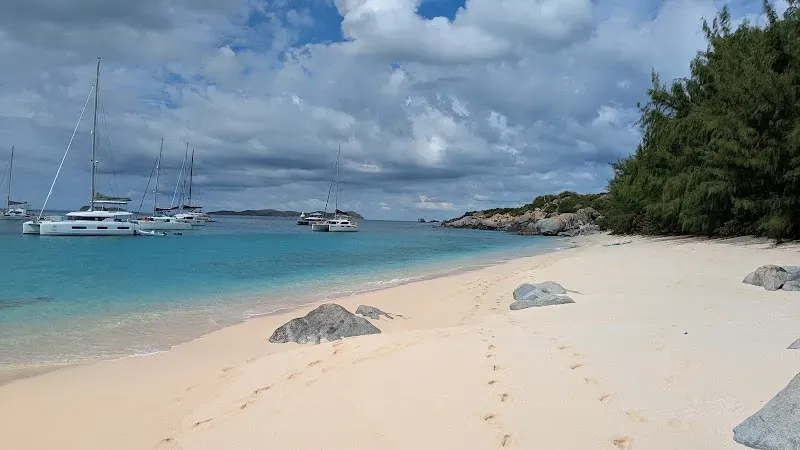
Valley Trunk Bay Beach
Valley Trunk Bay Beach is a nature attraction on Virgin Gorda. This natural area showcases the lush tropical landscapes and diverse ecosystems that Virgin Gorda is known for. Visitors can explore the local flora and fauna in a serene setting.
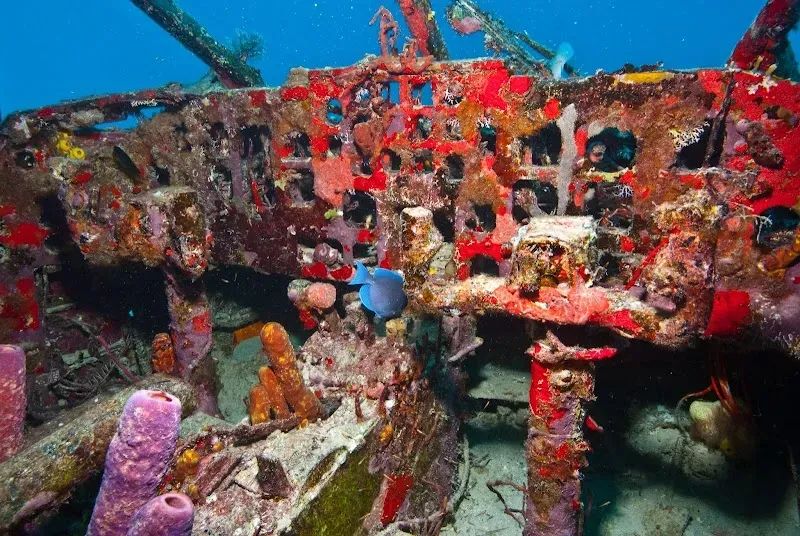
Dive BVI - Spanish Town
Dive BVI - Spanish Town is a nature attraction on Virgin Gorda. This natural area showcases the lush tropical landscapes and diverse ecosystems that Virgin Gorda is known for. Visitors can explore the local flora and fauna in a serene setting.
Hotels in Virgin Gorda
Search for available rates by selecting your travel dates
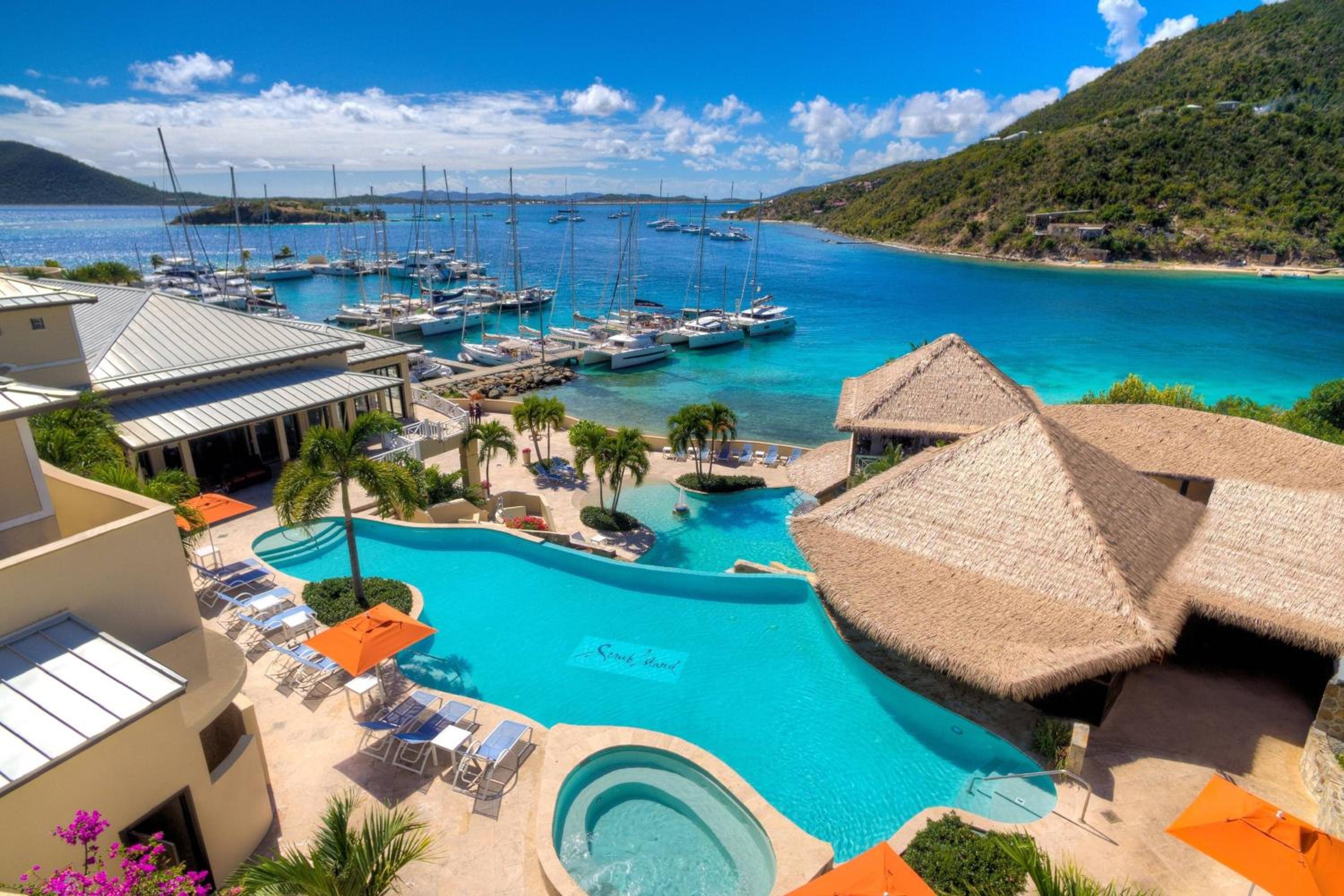
Scrub Island Resort, Spa & Marina
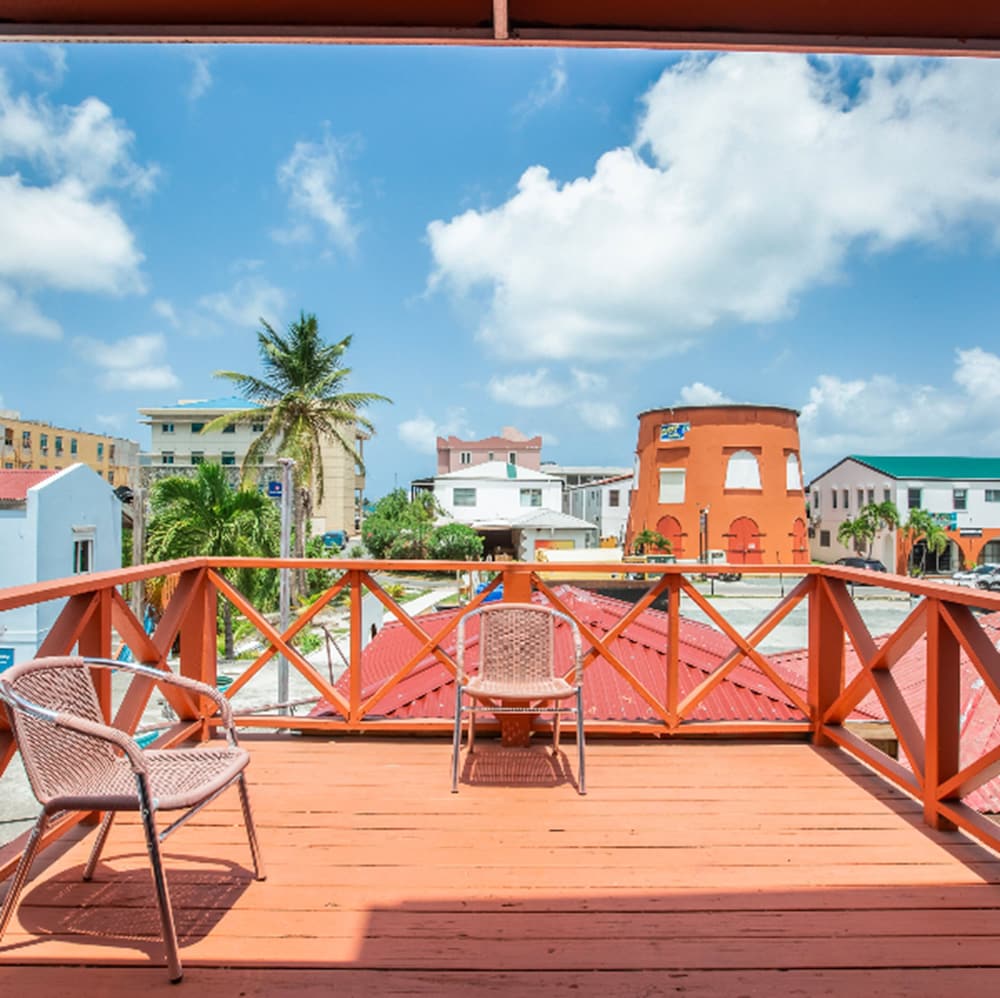
Village Cay Hotel and Marina
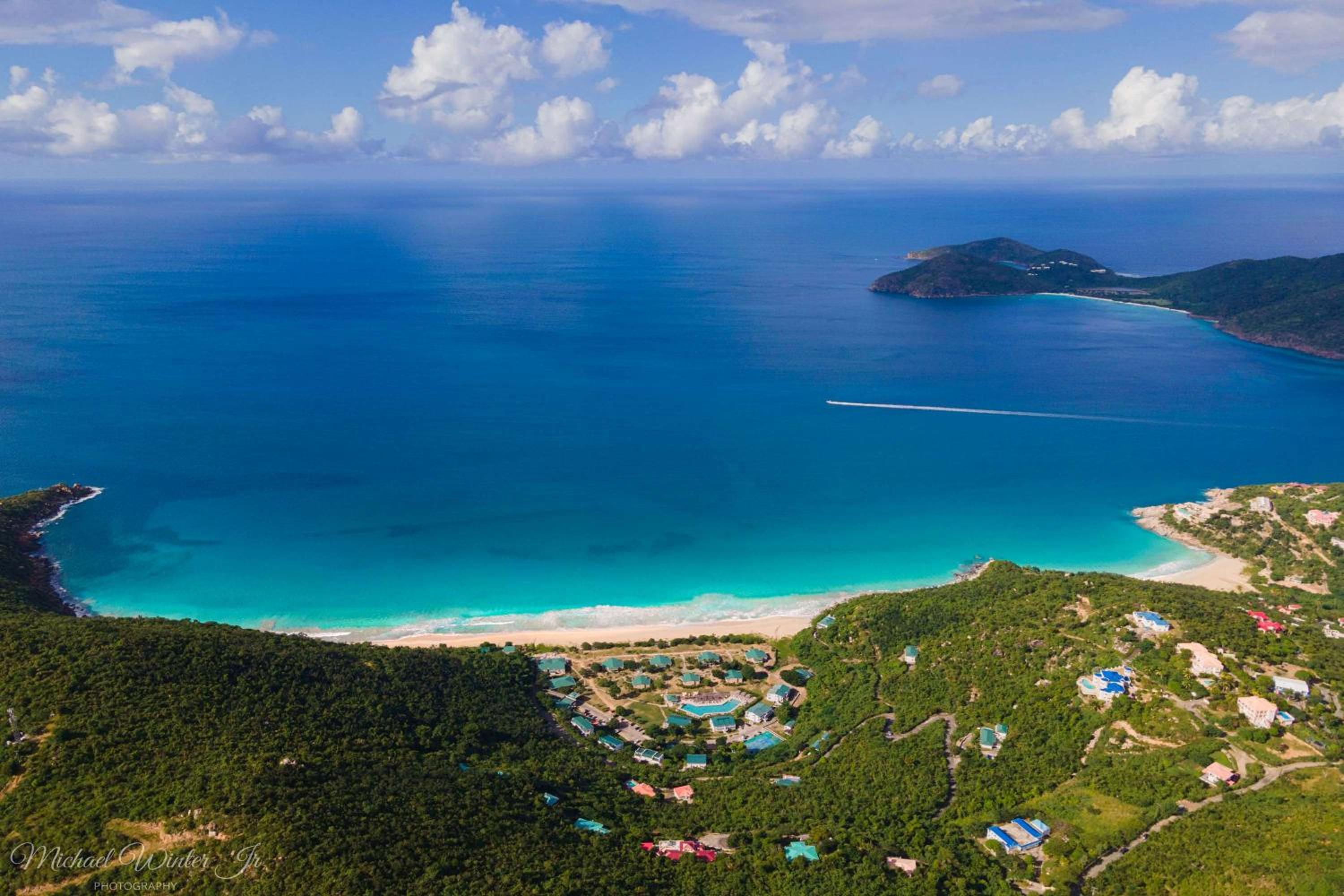
Wyndham Tortola BVI Lambert Beach Resort
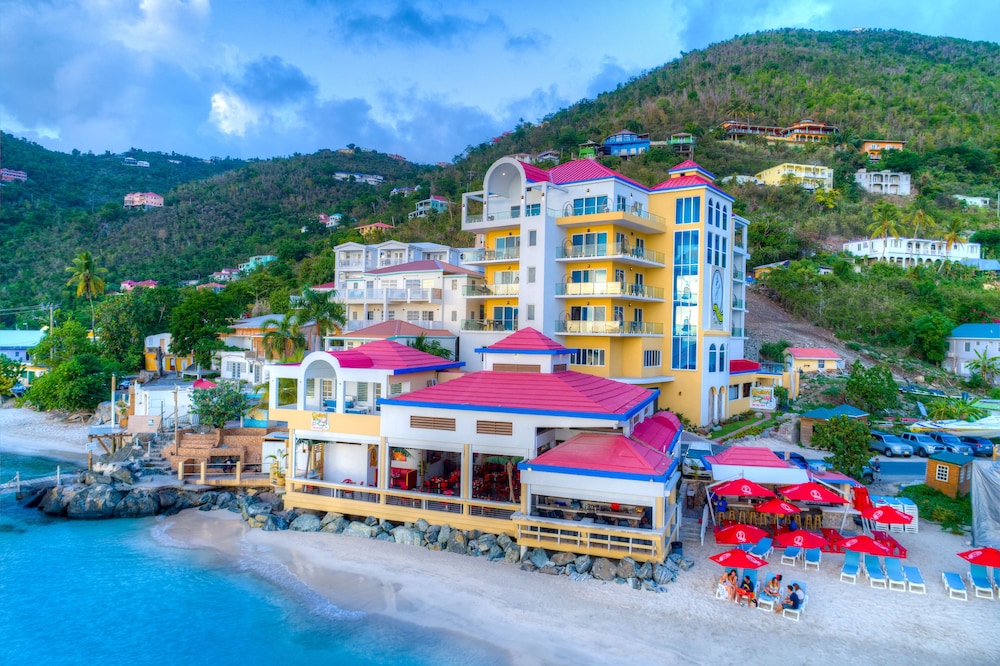
Cane Garden Bay Beach Hotel
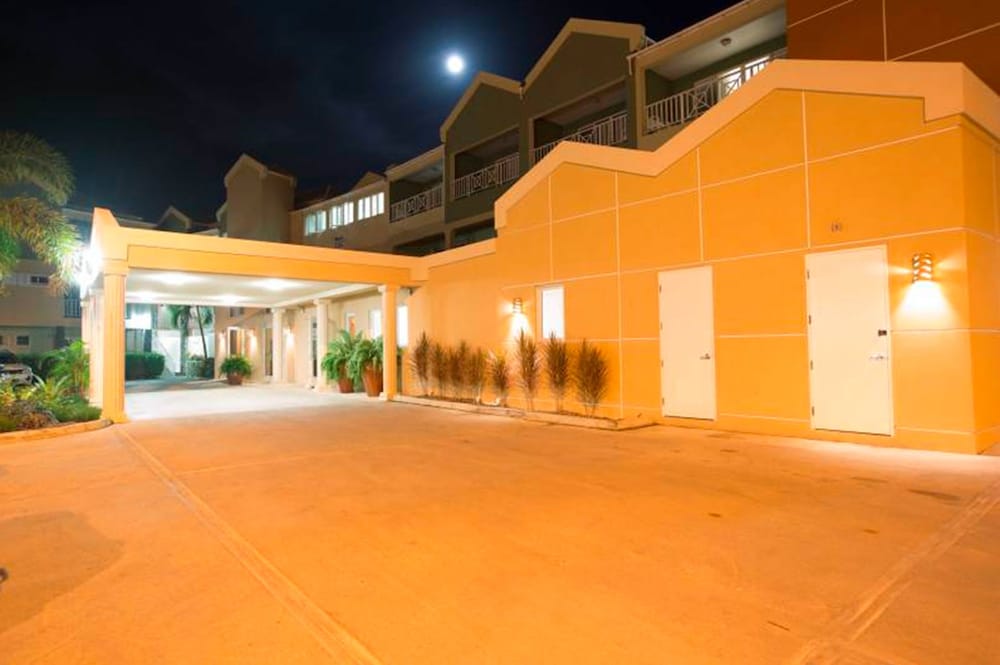
Maria's By the Sea Hotel
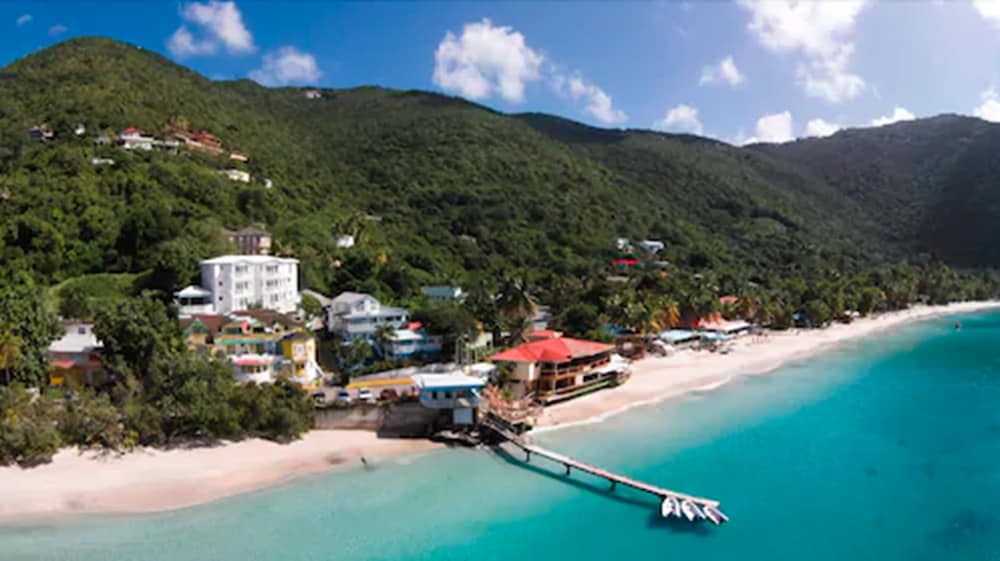
The Lighthouse Villas
Top Restaurants in Virgin Gorda
Popular dining spots near Virgin Gorda
No restaurants available for Virgin Gorda yet.
Weather in Virgin Gorda
Average Temperature
75°F to 85°F (24°C to 29°C)
Rainy Season
September to November
Hurricane Season
June to November
Best Time to Visit
December to April
Travel Tips
- English is the official language
- US Dollar is the official currency
- Driving is on the left side of the road
- A valid passport is required for entry
- Ferries connect Virgin Gorda to Tortola and other islands
- Renting a car or taking taxis is the best way to explore
- Visit The Baths early morning or late afternoon to avoid crowds
Get Virgin Gorda Travel Tips
Subscribe for curated tips, deals, and inspiration for your Virgin Gorda trip.