Anegada
The Drowned Land
About Anegada
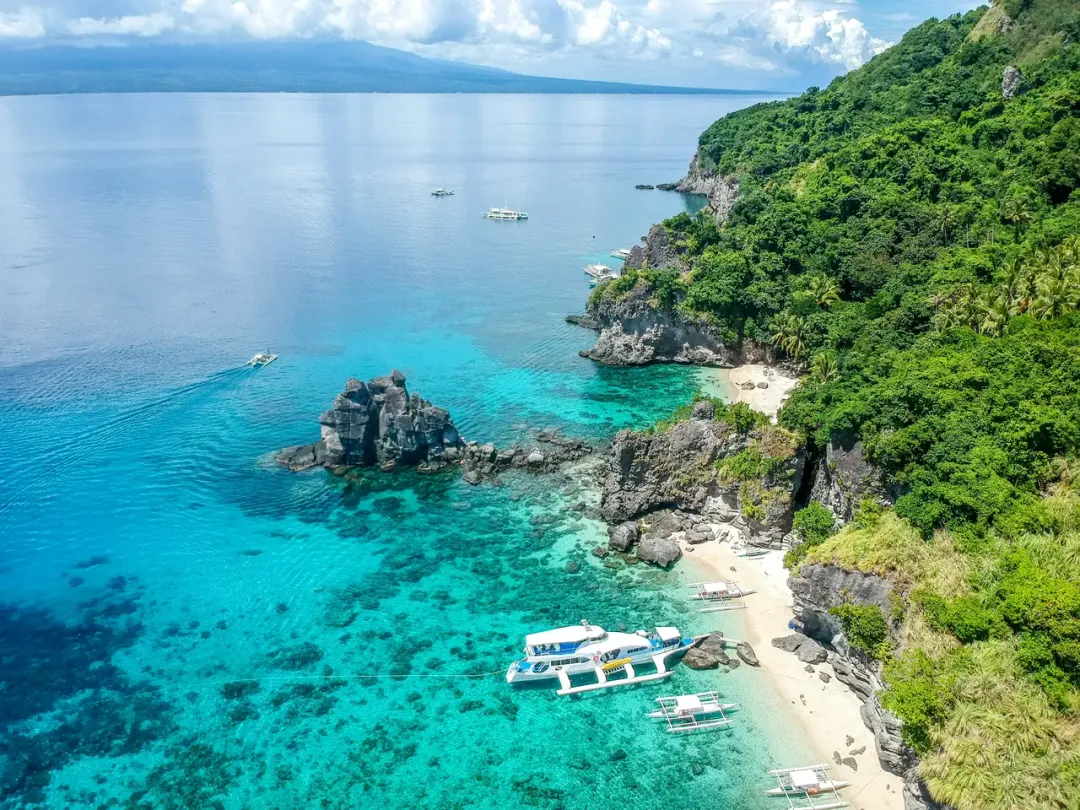
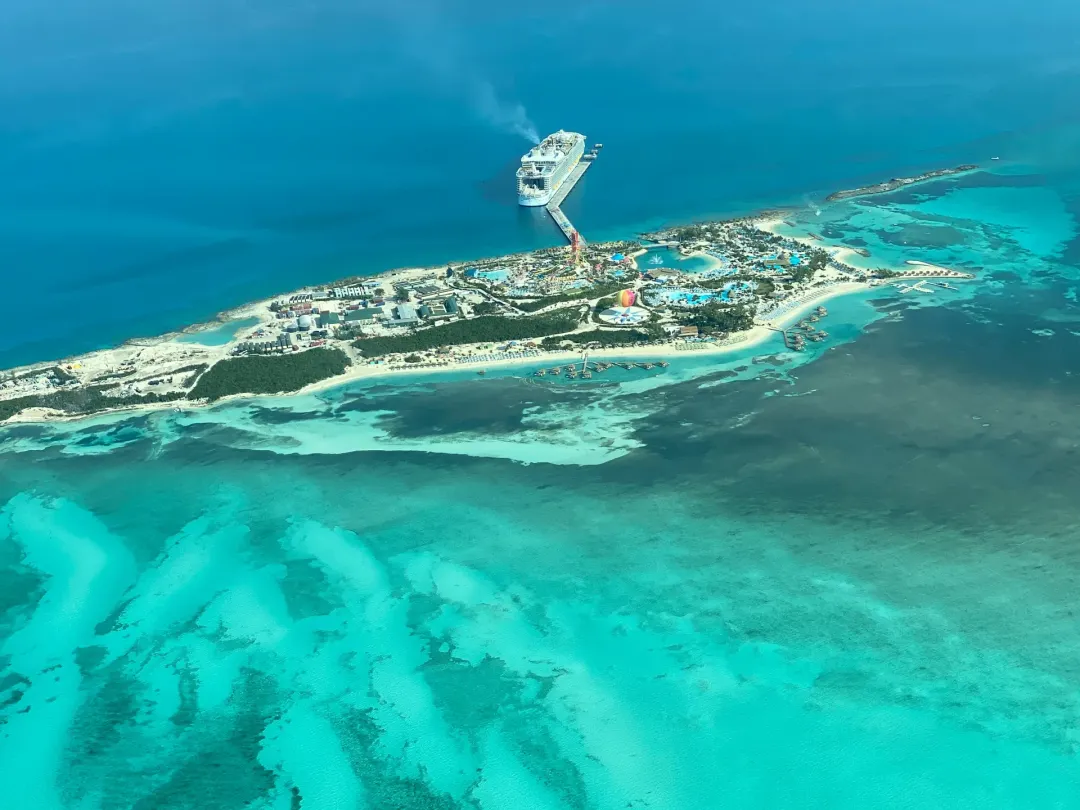
Anegada, whose name means 'drowned land' in Spanish, stands apart from the other British Virgin Islands as the only one formed from coral and limestone rather than volcanic activity. This geological distinction gives Anegada its unique flat profile, rising no more than 28 feet above sea level, making it barely visible on the horizon until approached closely-a characteristic that led to numerous shipwrecks on its surrounding reef, the fourth largest in the world at approximately 18 miles long. These shipwrecks, dating from the 18th and 19th centuries, now serve as diving attractions and historical sites. The island spans about 15 square miles, with much of its interior consisting of salt ponds that provide habitat for a variety of wildlife, most notably a colony of pink flamingos successfully reintroduced after disappearing from the island in the 1950s. These ponds also host other bird species, including rare roseate flamingos, making Anegada a destination for birdwatchers. The island's coastline features more than 11 miles of pristine white sand beaches, most notably Loblolly Bay and Cow Wreck Beach on the north shore, which offer powder-soft sand, excellent snorkeling among vibrant coral gardens, and beach bars serving the island's famous Anegada lobster. The western end of the island is home to The Settlement, the main (and only) village, where most of Anegada's approximately 300 residents live. The island's economy centers on tourism, fishing (particularly for the renowned Anegada lobster), and small-scale cattle raising, with the unique sight of free-roaming cows sometimes wandering the beaches. Unlike the more developed British Virgin Islands, Anegada has limited infrastructure, with no large resorts, shopping centers, or nightlife, offering instead a genuine escape focused on natural beauty and tranquility. Accessible primarily by ferry from Tortola or charter boat, with limited flights to its small airstrip, Anegada attracts visitors seeking a more secluded and authentic Caribbean experience, where activities center on beach relaxation, snorkeling, fishing, and exploring the island by rental car or scooter along its unpaved roads.
Size
15 sq mi (38 km²)
Population
300
Language
English
Currency
US Dollar (USD)
Time Zone
UTC-4 (Atlantic Time)
Best Time to Visit
December to April
Highlights
Best Things to Do in Anegada
Anegada is the BVI's outlier in every sense - geologically, geographically, and temperamentally. While the rest of the chain is volcanic, mountainous, and increasingly developed, Anegada is flat coral limestone that barely rises above the sea, located 15 miles north of Virgin Gorda and accessible only by ferry or small plane. The island rewards visitors who appreciate emptiness and simplicity over activity and stimulation.
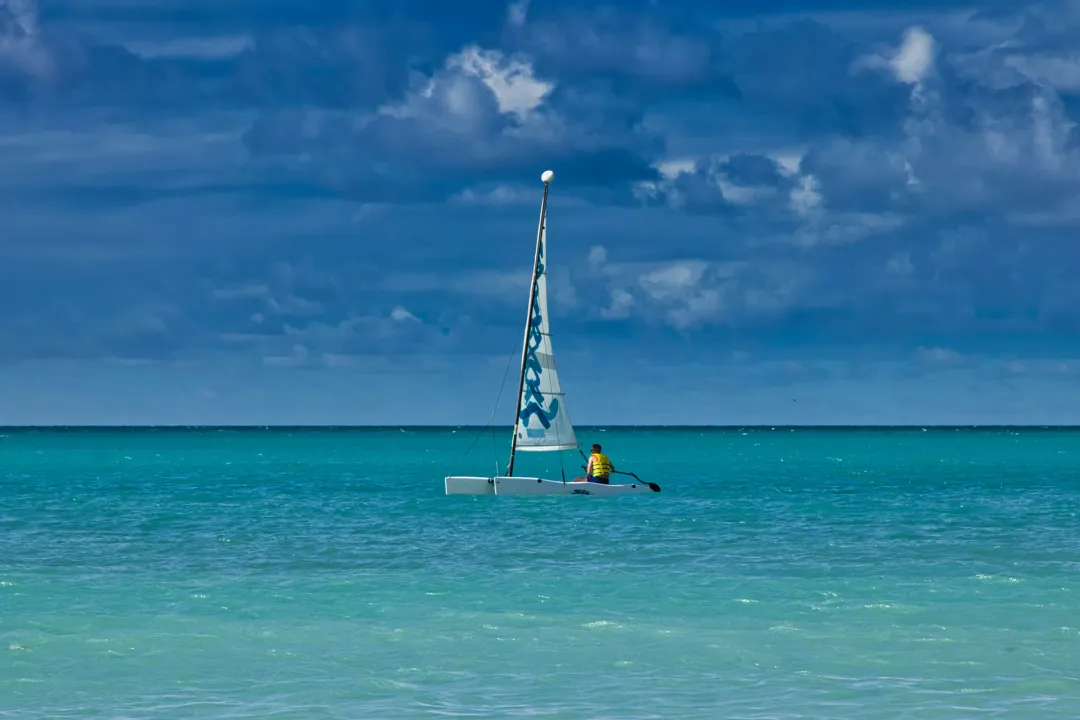
Start at Loblolly Bay on the north shore, a long stretch of blindingly white sand with water so clear you can see your shadow on the bottom in chest-deep water. The reef at Loblolly sits close to shore, making it arguably the best beach snorkeling in the entire BVI chain - brain coral heads, sea fans, and parrotfish are just a short swim out. Big Bamboo beach bar at the western end of Loblolly serves grilled lobster and cold drinks under a thatched roof, and the beach is usually empty enough that you can walk for twenty minutes without encountering another person. Cow Wreck Beach, farther west along the north shore, takes its name from the bones of cattle that washed ashore from a 19th-century shipwreck. The beach bar here has a similarly relaxed vibe and the snorkeling is equally good, with sea turtles a regular sighting.
The Anegada flamingo colony is one of the island's most unexpected attractions. After disappearing in the 1950s, Caribbean flamingos were reintroduced to the island's salt ponds, and the population has grown to several hundred birds. The best viewing spot is the salt pond behind The Settlement, where you can often see pink flamingos from the road without even leaving your car - the Flamingo Pond Lookout is the designated observation point. Birdwatchers will also spot roseate terns, herons, and ospreys around the ponds.
The Horseshoe Reef, the fourth largest barrier reef in the world at roughly 18 miles long, wraps around Anegada's south and east shores and has claimed more than 300 ships over the centuries. Wreck diving here is outstanding, though conditions can be challenging with currents and remote locations - arrange dives through operators in The Settlement. For a simpler historical encounter, the conch shell mounds near The Settlement are remnants of Arawak and Taino meals from centuries past, visible as large piles of bleached shells.
Rent a car or scooter and explore the island's unpaved roads, which wind through low scrub past free-roaming cows, wild donkeys, and the occasional iguana - the Anegada rock iguana is an endangered species found only here.
Snorkel Loblolly Bay
The best beach snorkeling in the BVI, with reef patches close to shore in crystal-clear water. Brain coral, sea fans, parrotfish, and occasionally nurse sharks are visible in waist-to-chest-deep water. Big Bamboo beach bar serves grilled lobster and drinks at the western end.
Lobster Dinner on the Beach
Anegada lobster is the BVI's most celebrated culinary experience. Whole grilled spiny lobster served with butter, rice, and coleslaw at beachside restaurants like the Anegada Reef Hotel, Big Bamboo, or Wonky Dog. Order by mid-afternoon so they can prepare your catch. Expect to pay $45 to $60 per plate.
Watch Flamingos at the Salt Ponds
Several hundred Caribbean flamingos inhabit the salt ponds behind The Settlement after a successful reintroduction program. Viewable from the road or from designated observation points. Early morning and late afternoon offer the best light and the most active birds.
Beach Day at Cow Wreck Beach
Named for cattle bones that washed ashore from a 19th-century shipwreck, this north shore beach has powdery white sand, calm turquoise water, and a laid-back beach bar. Sea turtles are regular visitors. The remoteness means you may have long stretches entirely to yourself.
Dive the Horseshoe Reef Wrecks
The 18-mile Horseshoe Reef has claimed over 300 ships since the colonial era. Wreck sites range from shallow to deep and include cargo vessels, warships, and schooners encrusted with coral. Visibility is often excellent. Arrange trips through dive operators in The Settlement.
Spot the Anegada Rock Iguana
The critically endangered Anegada rock iguana, found nowhere else on earth, inhabits the island's scrublands. Adults can reach four feet in length. The best sighting areas are along the roads in the island's interior, particularly in the morning when they bask in the sun.
Explore the Island by Scooter
Rent a scooter or jeep in The Settlement and explore Anegada's unpaved roads past salt ponds, free-roaming cows, and empty beaches. The island is flat and small enough to cover in a few hours. Stop at the conch shell mounds near The Settlement for a glimpse of pre-Columbian history.
Where to Stay in Anegada
Anegada's accommodation options are limited and that is entirely the point. There are no large resorts, no chain hotels, and no high-rise buildings - just a handful of small properties that match the island's off-the-grid character. The Anegada Reef Hotel is the most established property, sitting in The Settlement near the dock with simple rooms from around $180 to $250 per night. It is the social hub of the island, with a bar and restaurant that serve the famous lobster dinner at sunset, and the staff can arrange diving, snorkeling, and bonefishing trips.
Anegada Beach Club on the north shore is the island's newest and most upscale option, with beachfront glamping tents and palapa suites from $300 to $500 per night - it strikes a balance between comfort and the barefoot simplicity the island demands. Neptune's Treasure in The Settlement is a family-run guesthouse and restaurant with clean, no-frills rooms from $130 to $180 and a genuinely welcoming atmosphere. Keel Point Cottages offer self-catering beachfront cottages on a more remote stretch of coast from around $250 per night, ideal for visitors who want total seclusion. A handful of vacation rental houses are also available through local agencies, ranging from $150 to $400 per night.
The critical thing to know about Anegada accommodation is that you must book well in advance, especially in high season - there are only around 60 to 70 rooms on the entire island. Walk-in availability is rare and occasionally nonexistent. Day trips from Tortola or Virgin Gorda are common for visitors who cannot secure a room.
Where to Eat in Anegada
Eating on Anegada revolves around one magnificent thing: lobster. The island's restaurants serve Anegada spiny lobster grilled whole over an open flame, basted with butter and garlic, and accompanied by coleslaw and rice. It is the defining culinary experience of the BVI, and the freshness is unmatched because the lobsters come from the reef that morning. The key ritual is calling ahead - most restaurants need you to order your lobster by early to mid-afternoon so they can acquire and prepare it for your evening meal.
The Anegada Reef Hotel is the most established dinner spot, with tables set on a dock overlooking the water and a convivial atmosphere that draws every visitor on the island. Big Bamboo at Loblolly Bay serves lobster and fresh fish in a beachfront setting that feels like exactly what a Caribbean beach bar should be - thatched roof, sand floor, cold beer. The Wonky Dog, also at Loblolly Bay, is a newer addition with a creative menu that goes beyond lobster to include ceviche, fish tacos, and grilled snapper. Neptune's Treasure in The Settlement serves home-cooked meals from a family kitchen, including excellent conch fritters and fresh fish plates alongside the inevitable lobster, typically for $25 to $50 per person. Potter's by the Sea offers beachside lunches.
For breakfast and casual bites, Dotsy's Bakery in The Settlement makes fresh bread, pastries, and sandwiches. Dining on Anegada is not about variety or sophistication - it is about extraordinary ingredients prepared simply in settings where the sunset and the sound of the ocean are the only ambiance you need. Expect lobster dinners to run $45 to $65, with simpler fish plates around $20 to $30.
Best Time to Visit Anegada
Anegada's best visiting window mirrors the broader BVI season: mid-December through April, when temperatures hover in the low 80s Fahrenheit with low humidity and minimal rain. Because the island is flat and fully exposed to the elements, trade winds blow more consistently here than on the mountainous BVI islands, keeping conditions comfortable but occasionally making north shore waters choppy for snorkeling.
The ferry from Tortola runs a more limited schedule than other BVI routes, so plan around its timetable carefully, especially in the off-season when service may drop to just a few days per week. Lobster season runs November through June, and peak lobster quality is typically February through April - if lobster is a primary draw, time your visit accordingly.
The flamingo colony is viewable year-round but is most active during nesting season from March through July. Hurricane season runs June through November, and Anegada's low elevation makes it particularly vulnerable to storm surge. September and October carry the highest risk. Shoulder months of May and November offer good weather and lower rates.
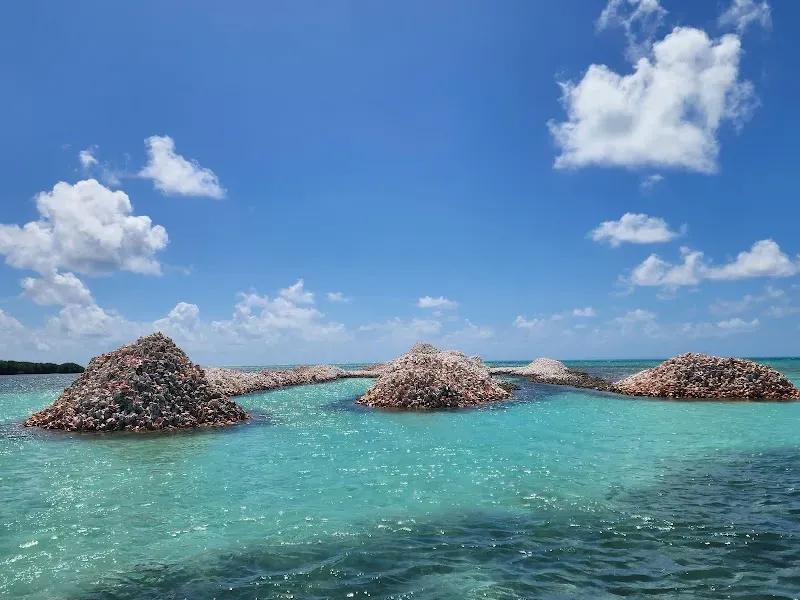
Anegada Conch Mound
Anegada Conch Mound is a nature attraction on Anegada. This natural area showcases the lush tropical landscapes and diverse ecosystems that Anegada is known for. Visitors can explore the local flora and fauna in a serene setting.
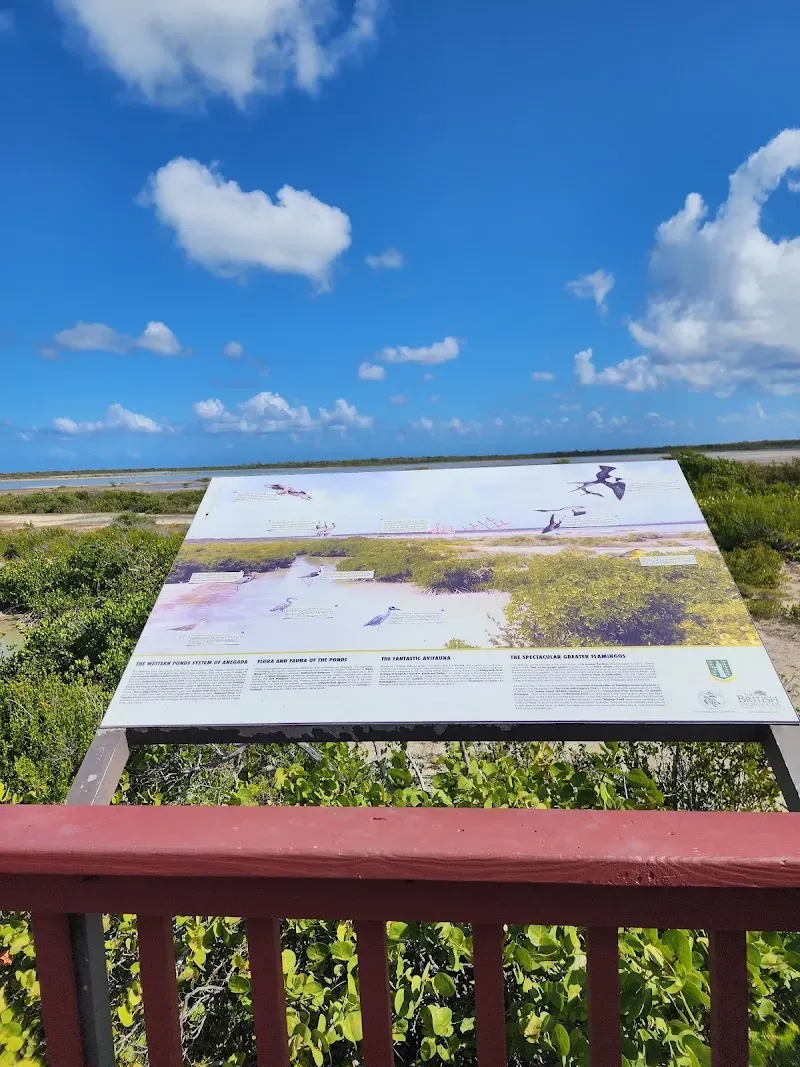
Flamingo Pond Lookout
Flamingo Pond Lookout is a nature attraction on Anegada. This natural area showcases the lush tropical landscapes and diverse ecosystems that Anegada is known for. Visitors can explore the local flora and fauna in a serene setting.
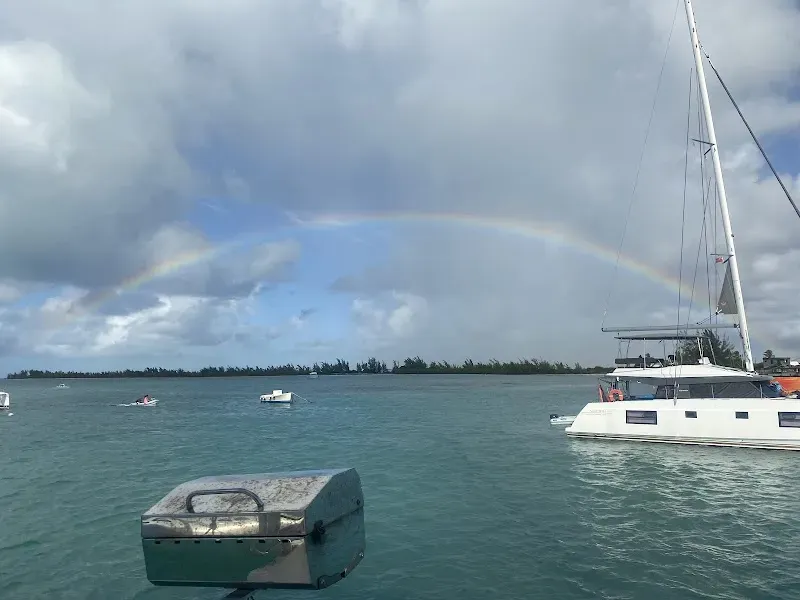
Setting Point
Setting Point is a nature attraction on Anegada. This natural area showcases the lush tropical landscapes and diverse ecosystems that Anegada is known for. Visitors can explore the local flora and fauna in a serene setting.
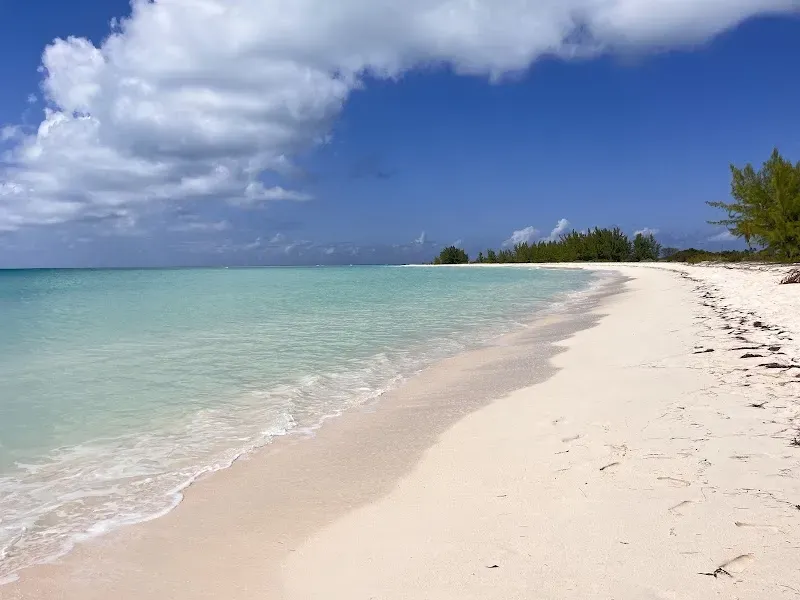
Pomato Point
Pomato Point is a nature attraction on Anegada. This natural area showcases the lush tropical landscapes and diverse ecosystems that Anegada is known for. Visitors can explore the local flora and fauna in a serene setting.

Fossilized Conch Shells
Fossilized Conch Shells is a nature attraction on Anegada. This natural area showcases the lush tropical landscapes and diverse ecosystems that Anegada is known for. Visitors can explore the local flora and fauna in a serene setting.
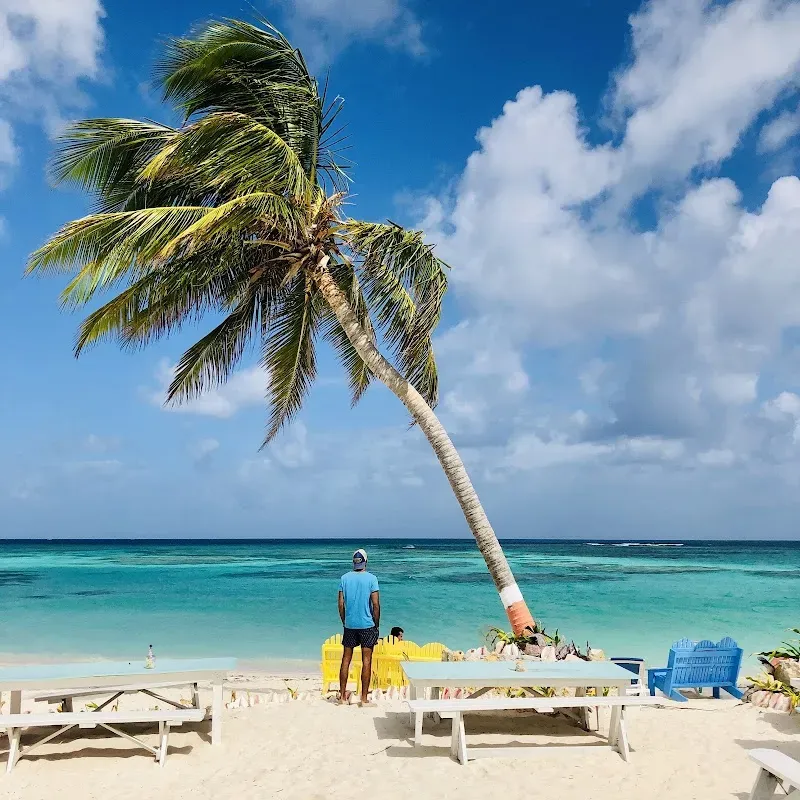
Jack Bay Point
Jack Bay Point is a nature attraction on Anegada. This natural area showcases the lush tropical landscapes and diverse ecosystems that Anegada is known for. Visitors can explore the local flora and fauna in a serene setting.
Hotels in Anegada
Search for available rates by selecting your travel dates
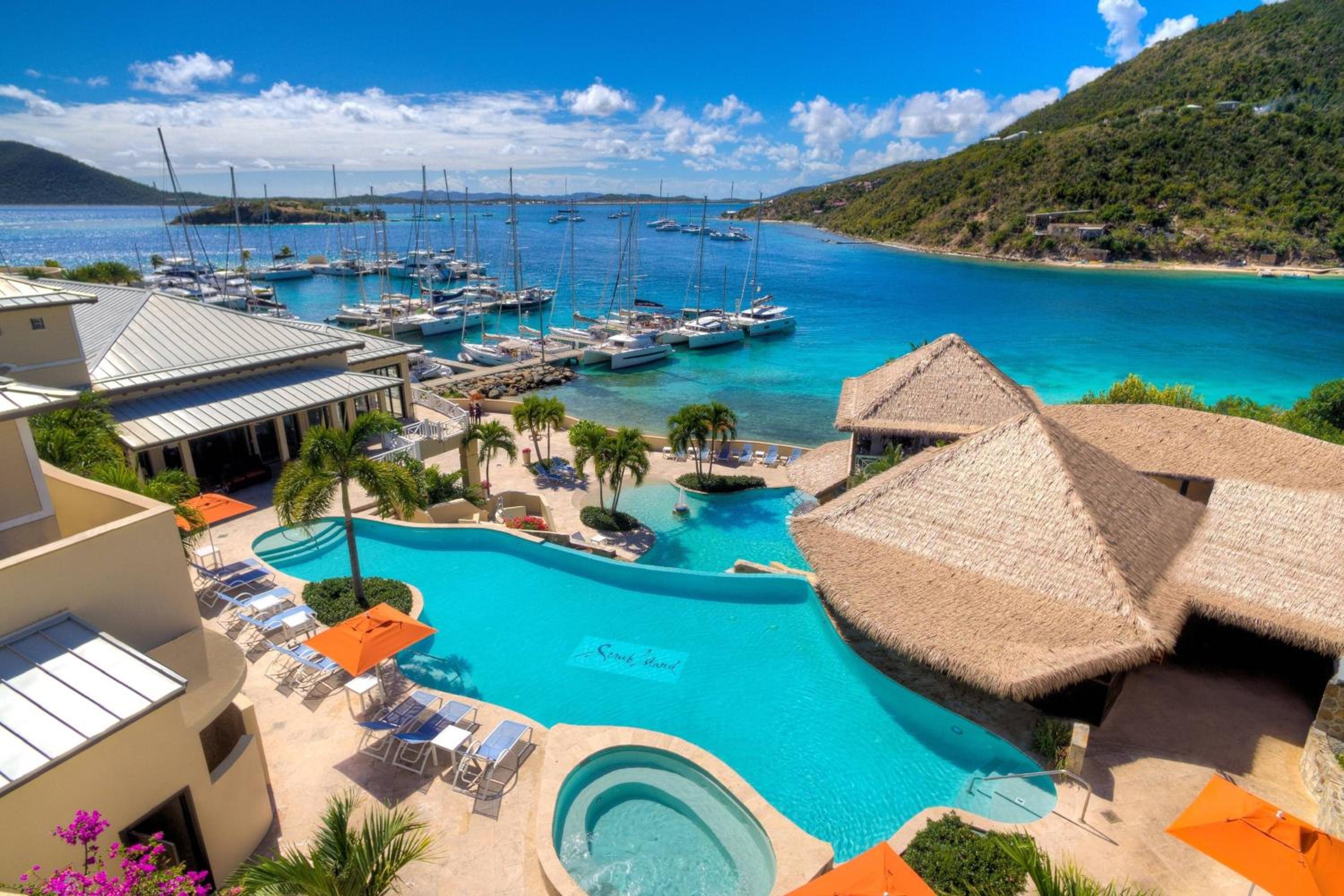
Scrub Island Resort, Spa & Marina
 0
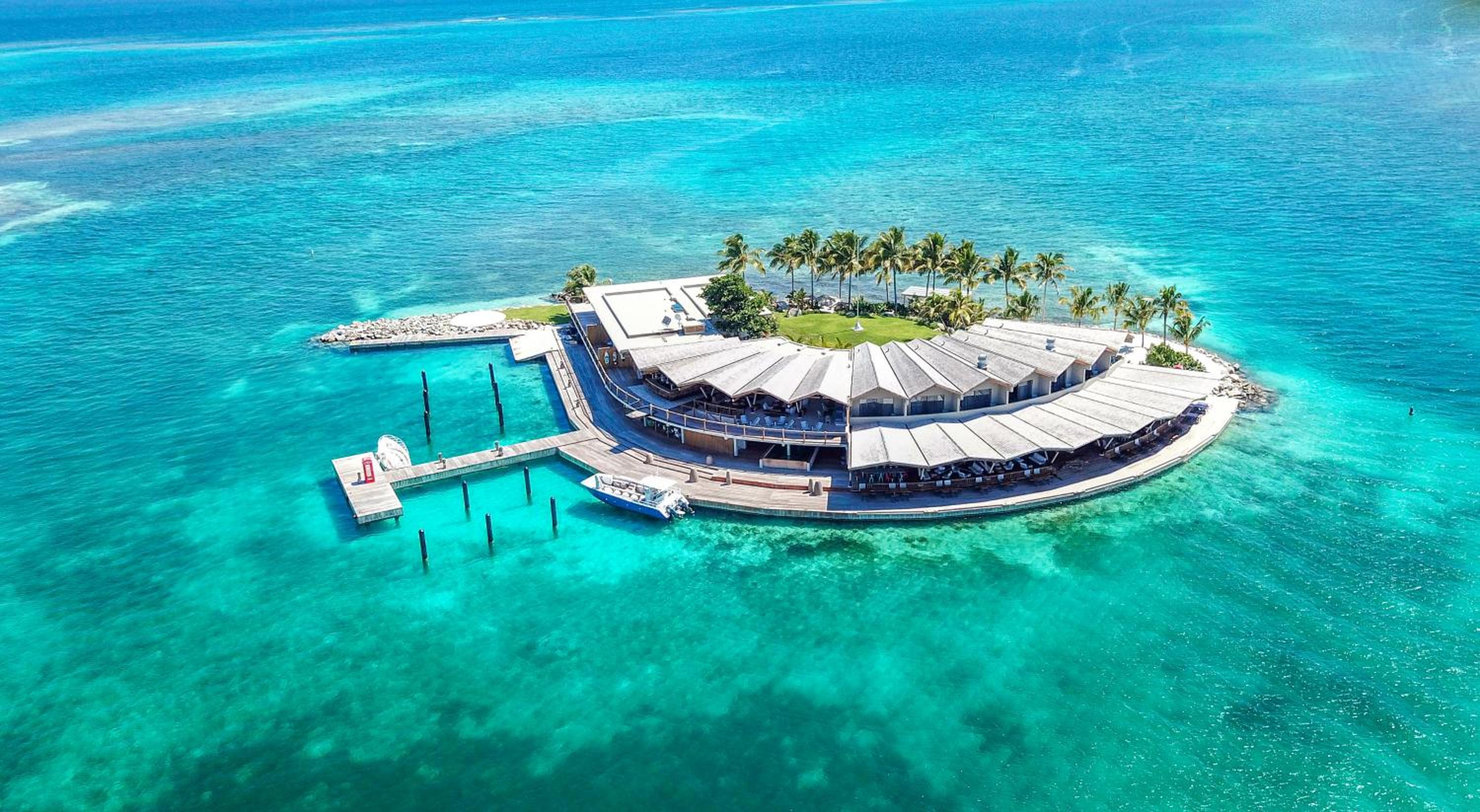
0Saba Rock Resort
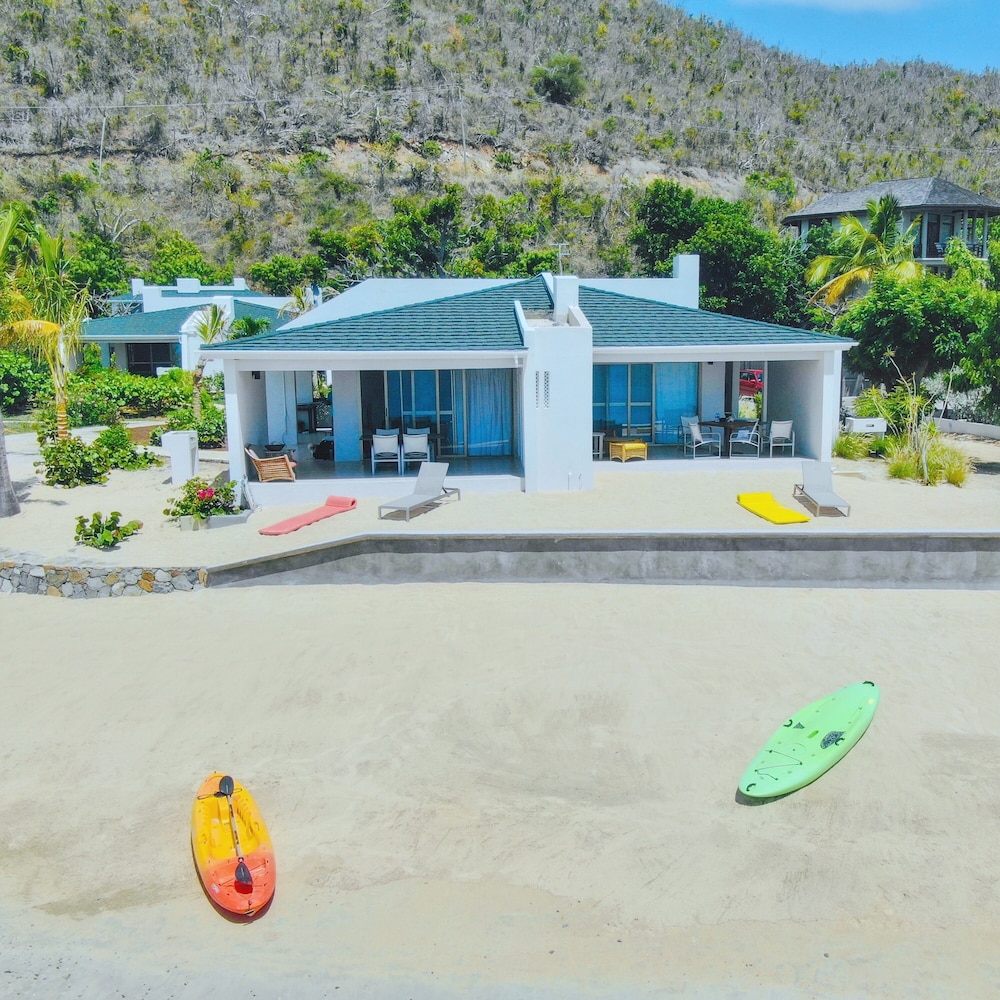
Mango Bay Resort
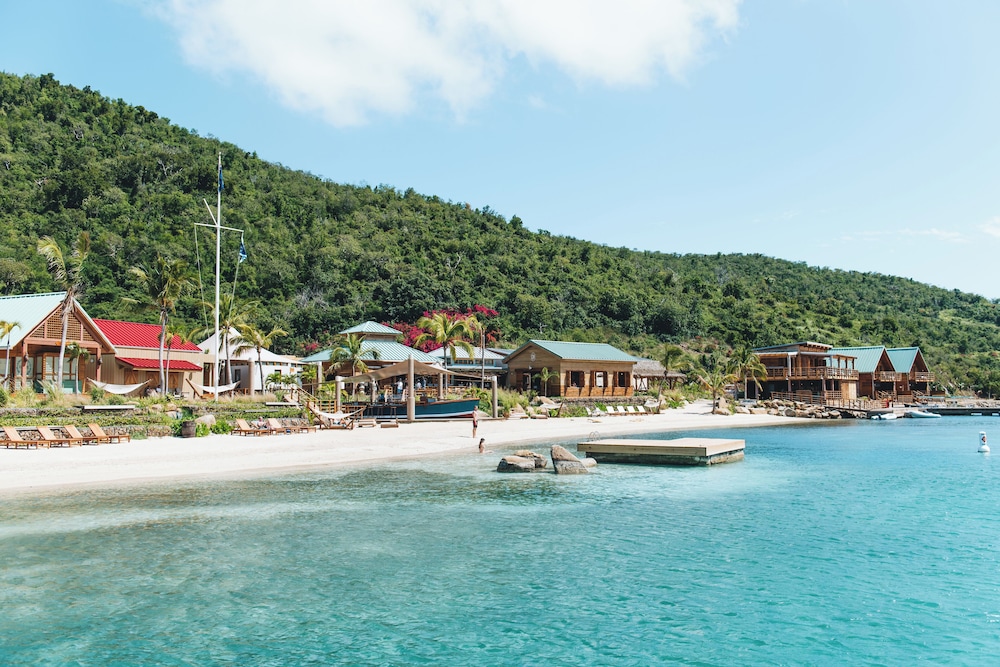
Bitter End Yacht Club
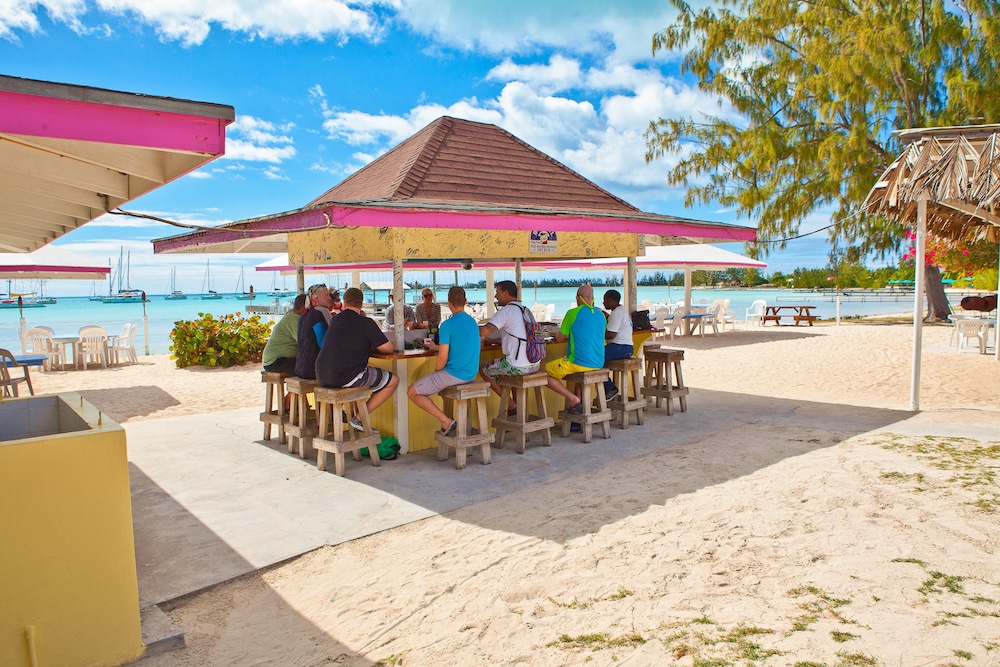
Anegada Reef Hotel
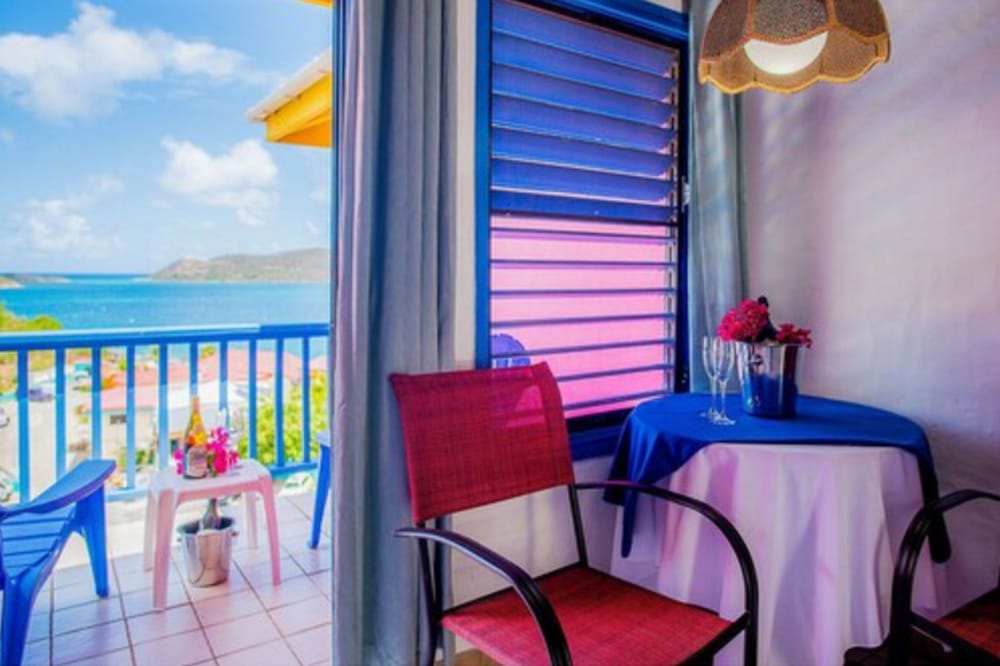
Leverick Bay Resort and Marina
Top Restaurants in Anegada
Popular dining spots near Anegada
No restaurants available for Anegada yet.
Weather in Anegada
Average Temperature
75°F to 85°F (24°C to 29°C)
Rainy Season
September to November
Hurricane Season
June to November
Best Time to Visit
December to April
Travel Tips
- English is the official language
- US Dollar is the official currency
- Driving is on the left side of the road
- A valid passport is required for entry
- Ferry service from Tortola is not daily; check schedules
- Book accommodations well in advance as options are limited
- Renting a car or scooter is essential for exploring the island
Get Anegada Travel Tips
Subscribe for curated tips, deals, and inspiration for your Anegada trip.