
Things to Do in Saba
The Unspoiled Queen. Explore 5 attractions across the island.
Saba is not for everyone, and that is precisely the point. This five-square-mile volcanic speck has no beaches, no cruise ship dock, no resorts, and no nightlife to speak of. What it has is a 2,910-foot cloud-forested peak, some of the Caribbean's healthiest reefs, and a population of around 2,000 people who seem genuinely happy you came.
The island's centerpiece hike is Mount Scenery, the highest point in the entire Kingdom of the Netherlands. The trail begins with 1,064 hand-laid stone steps behind the Trail Shop in Windwardside and climbs through four distinct ecosystems - dry secondary forest gives way to rainforest, then elfin forest draped in bromeliads and orchids, and finally a misty cloud forest at the summit. On a clear morning the views stretch to St. Barths, St. Kitts, and beyond. Start early, as clouds typically roll in by midday. The hike takes about 90 minutes up and an hour down, and the trail is well maintained but steep in places - bring good shoes and rain gear.
For a different perspective, the Sandy Cruz Trail descends from the road between Windwardside and The Bottom through thick tropical forest to a remote rocky shoreline. The Ladder, a historic staircase of over 800 steps carved into the cliff face, was the island's only access point before The Road was built in 1958 - today it is a dramatic hike from The Bottom down to the old harbor at Ladder Bay.
Below the waterline, Saba's diving is world-class and uncrowded. The Saba National Marine Park, established in 1987, encircles the entire island and its management has produced exceptionally healthy reefs. The pinnacle dive sites - submerged volcanic peaks rising from the deep - are what set Saba apart from other Caribbean diving. Third Encounter, Twilight Zone, and Eye of the Needle are underwater seamounts where nurse sharks, barracuda, giant grouper, and the occasional hammerhead cruise past walls crusted in orange cup corals and purple sponges. Saba Deep and Sea Saba are the two dive operators, both long-established and professional. Even non-divers should take a guided snorkel trip to Torrens Point or Well's Bay, where the shallow reefs are vibrant and protected.
Back on land, the villages themselves are attractions. Windwardside, the main tourist village, has the Saba Trail Shop for hiking information and gear, the Jo Bean Glass Art studio where Jobean creates blown glass using volcanic sand, and a handful of restaurants and bars that constitute the island's entire social scene. The Bottom, the capital, sits in a bowl-shaped valley and houses the government buildings, the island's medical school, and the charming Queen's Garden Resort.
Top Activities
Hike Mount Scenery to the Cloud Forest
The 1,064-step trail from Windwardside climbs through four ecosystems to the 2,910-foot summit, the highest point in the Kingdom of the Netherlands. Allow 90 minutes up and an hour down. Start before 9 AM for clear views, as cloud cover typically settles in by midday. The trail is well marked but steep - proper hiking shoes are essential.
Dive the Pinnacles
Saba's signature dive sites are submerged volcanic seamounts rising from deep water. Third Encounter, Twilight Zone, and Eye of the Needle feature walls covered in orange cup corals, giant barrel sponges, and encounters with nurse sharks, barracuda, and large grouper. Saba Deep and Sea Saba run daily boats for certified divers.
Walk The Ladder
This historic staircase of over 800 stone steps carved into the cliff was Saba's primary harbor access before The Road was completed in 1958. The trail descends from The Bottom to Ladder Bay, offering dramatic views of the sea and coastline. The return climb is strenuous but rewarding.
Snorkel at Torrens Point
Saba has no beaches, but the shallow reefs at Torrens Point near Fort Bay offer some of the best snorkeling in the Leeward Islands. Protected within the marine park, the site has healthy hard corals, abundant reef fish, and clear visibility. Both dive shops run guided snorkel trips on calm days.
Explore Windwardside Village
Saba's main village features white-painted cottages with green shutters and red roofs nestled among tropical gardens. Visit the Saba Trail Shop for hiking maps, Jo Bean Glass Art studio for hand-blown volcanic sand glass, and the Saba Museum in a restored sea captain's house. The village is small enough to explore on foot in an hour.
Swim the Tide Pools at Flat Point
Near the airport runway, natural rock pools fill with seawater and provide the closest thing Saba has to a swimming beach. The pools are calm enough for swimming when the sea is not too rough. Check conditions locally before visiting, as waves can surge over the rocks during swells.
Hike the Sandy Cruz Trail
This less-traveled trail descends from the road between Windwardside and The Bottom through dense tropical forest to a rocky shoreline. The path is steeper and less maintained than Mount Scenery, offering a wilder experience with fewer hikers. Allow two to three hours round trip.
Attractions in Saba
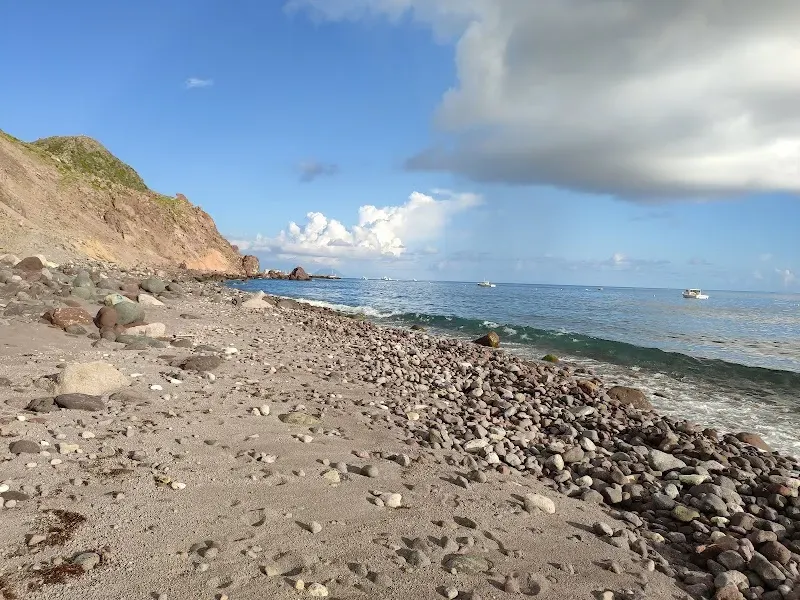
Tent Bay Beach
Tent Bay Beach is a nature attraction on Saba. This natural area showcases the lush tropical landscapes and diverse ecosystems that Saba is known for. Visitors can explore the local flora and fauna in a serene setting.
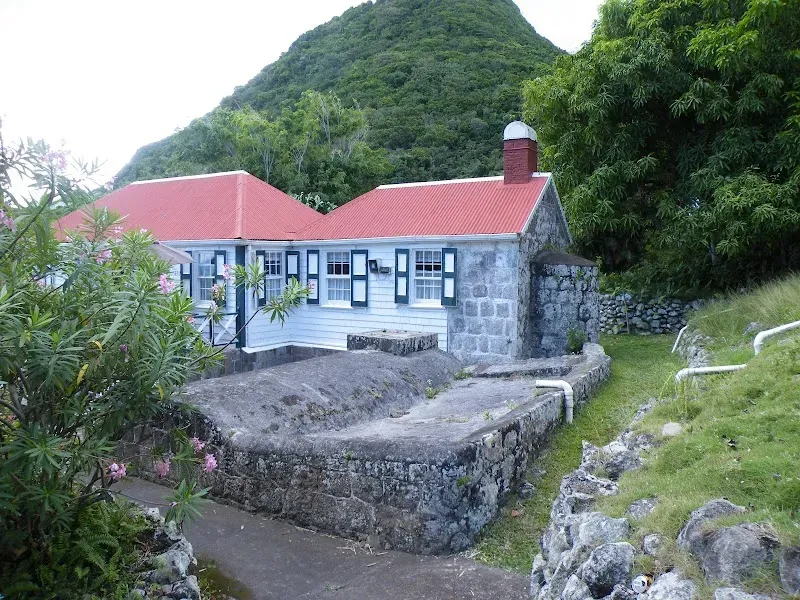
Harry L. Johnson Museum
Harry L. Johnson Museum is a nature attraction on Saba. This natural area showcases the lush tropical landscapes and diverse ecosystems that Saba is known for. Visitors can explore the local flora and fauna in a serene setting.
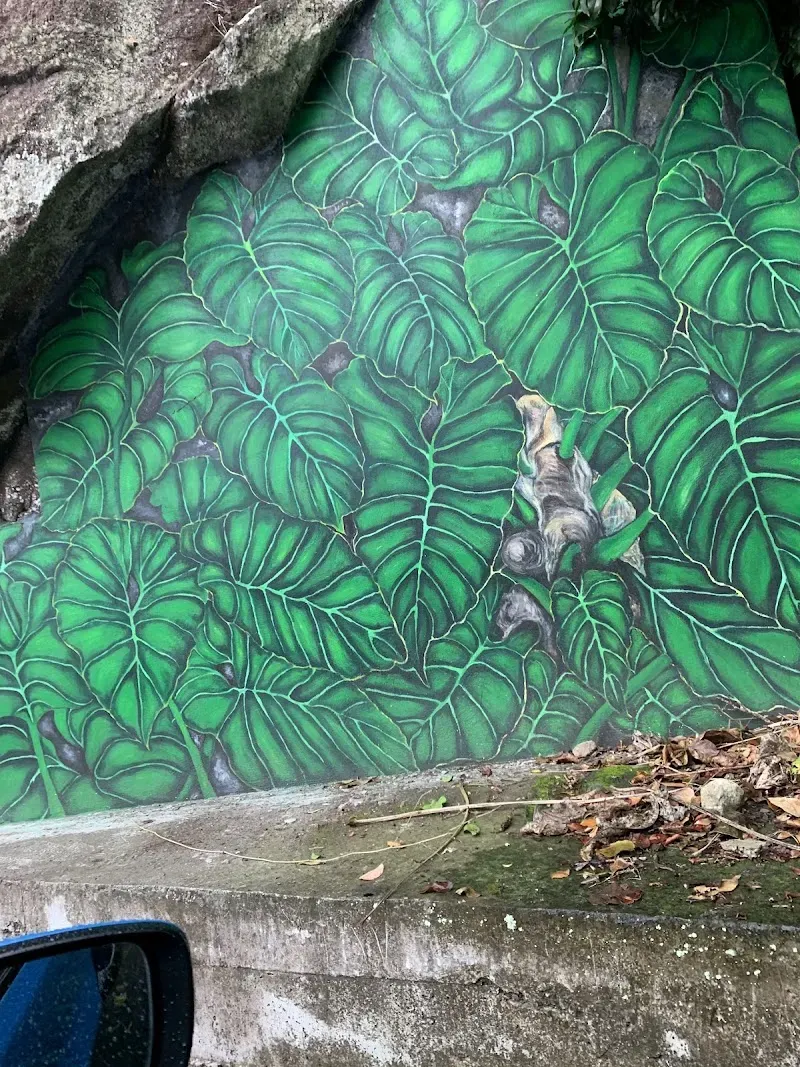
Elephant Ears Mural
Elephant Ears Mural is a nature attraction on Saba. This natural area showcases the lush tropical landscapes and diverse ecosystems that Saba is known for. Visitors can explore the local flora and fauna in a serene setting.

La pista más corta del mundo
La pista más corta del mundo is a nature attraction on Saba. This natural area showcases the lush tropical landscapes and diverse ecosystems that Saba is known for. Visitors can explore the local flora and fauna in a serene setting.

Saba
Saba is a nature attraction on Saba. This natural area showcases the lush tropical landscapes and diverse ecosystems that Saba is known for. Visitors can explore the local flora and fauna in a serene setting.
Explore More of Saba
Find hotels, restaurants, and bookable experiences on our full island page.