About Saba
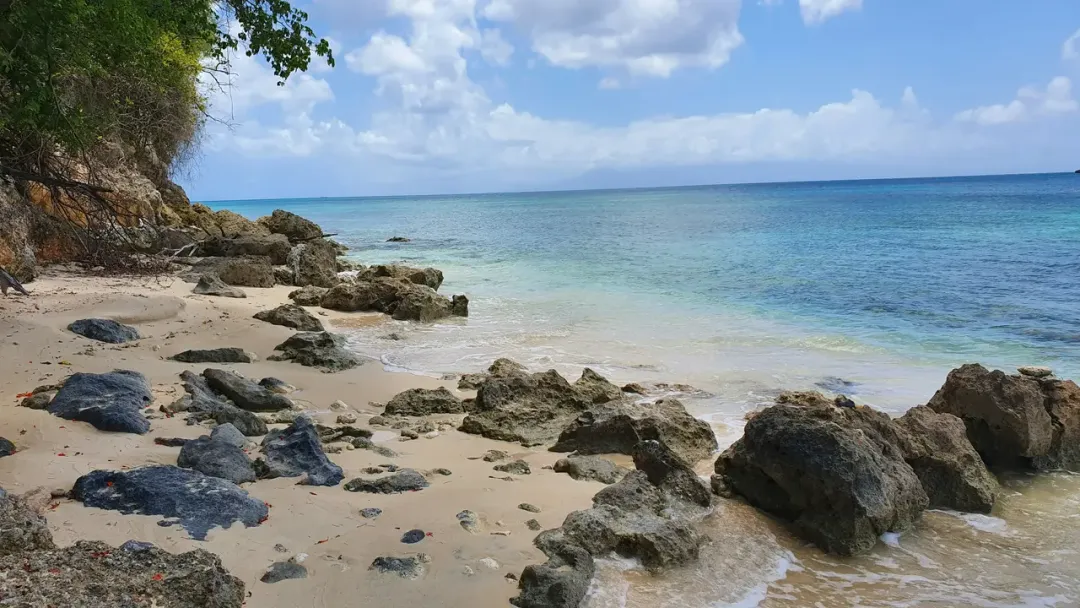
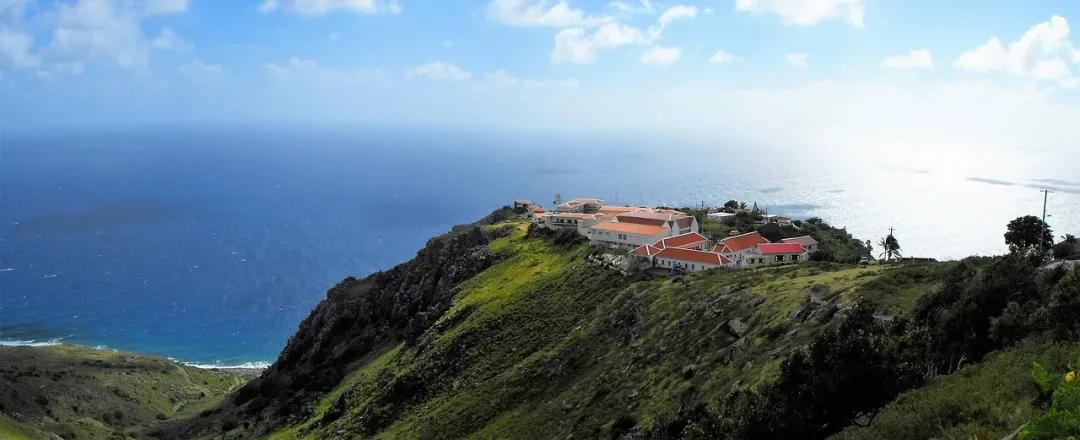
Saba, a special municipality of the Netherlands, is a tiny 5-square-mile volcanic island that rises dramatically from the Caribbean Sea, culminating in Mount Scenery, the highest point in the Kingdom of the Netherlands at 2,910 feet. Unlike most Caribbean destinations, Saba has no beaches, but compensates with spectacular underwater experiences, earning it recognition as one of the world's top diving destinations with pristine reefs, underwater mountains, and abundant marine life protected by the Saba National Marine Park. The island's terrestrial environment is equally impressive, with cloud forests, tropical rainforests, and diverse ecosystems accessible via well-maintained hiking trails. Saba's four small villages-The Bottom (the capital), Windwardside, Hell's Gate, and St. Johns-feature charming white cottages with green shutters and red roofs, giving the island its distinctive appearance often described as resembling a fairytale setting. The island's infrastructure includes the world's shortest commercial runway at Juancho E. Yrausquin Airport and a road once deemed impossible to build, aptly named 'The Road.' With a population of just 2,000, Saba maintains a strong sense of community and preserves its unique culture, which blends Dutch influences with Caribbean traditions. The island is known for its safety, cleanliness, and environmental consciousness, with no large resorts, chain stores, or mass tourism. Saba's small size and limited development make it ideal for travelers seeking tranquility, outdoor adventures, and an authentic experience away from the Caribbean's more commercialized destinations.
Size
5 sq mi (13 km²)
Population
2,000
Language
Dutch, English
Currency
US Dollar (USD)
Time Zone
UTC-4 (Atlantic Time)
Best Time to Visit
December to May
Highlights
Best Things to Do in Saba
Saba is not for everyone, and that is precisely the point. This five-square-mile volcanic speck has no beaches, no cruise ship dock, no resorts, and no nightlife to speak of. What it has is a 2,910-foot cloud-forested peak, some of the Caribbean's healthiest reefs, and a population of around 2,000 people who seem genuinely happy you came.
The island's centerpiece hike is Mount Scenery, the highest point in the entire Kingdom of the Netherlands. The trail begins with 1,064 hand-laid stone steps behind the Trail Shop in Windwardside and climbs through four distinct ecosystems - dry secondary forest gives way to rainforest, then elfin forest draped in bromeliads and orchids, and finally a misty cloud forest at the summit. On a clear morning the views stretch to St. Barths, St. Kitts, and beyond. Start early, as clouds typically roll in by midday. The hike takes about 90 minutes up and an hour down, and the trail is well maintained but steep in places - bring good shoes and rain gear.
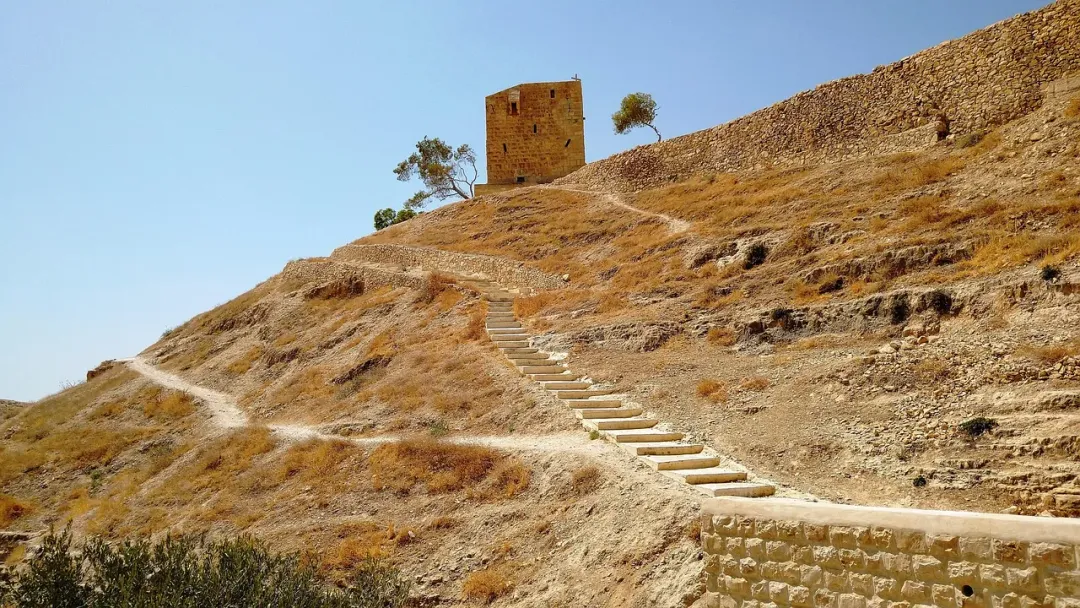
For a different perspective, the Sandy Cruz Trail descends from the road between Windwardside and The Bottom through thick tropical forest to a remote rocky shoreline. The Ladder, a historic staircase of over 800 steps carved into the cliff face, was the island's only access point before The Road was built in 1958 - today it is a dramatic hike from The Bottom down to the old harbor at Ladder Bay.
Below the waterline, Saba's diving is world-class and uncrowded. The Saba National Marine Park, established in 1987, encircles the entire island and its management has produced exceptionally healthy reefs. The pinnacle dive sites - submerged volcanic peaks rising from the deep - are what set Saba apart from other Caribbean diving. Third Encounter, Twilight Zone, and Eye of the Needle are underwater seamounts where nurse sharks, barracuda, giant grouper, and the occasional hammerhead cruise past walls crusted in orange cup corals and purple sponges. Saba Deep and Sea Saba are the two dive operators, both long-established and professional. Even non-divers should take a guided snorkel trip to Torrens Point or Well's Bay, where the shallow reefs are vibrant and protected.
Back on land, the villages themselves are attractions. Windwardside, the main tourist village, has the Saba Trail Shop for hiking information and gear, the Jo Bean Glass Art studio where Jobean creates blown glass using volcanic sand, and a handful of restaurants and bars that constitute the island's entire social scene. The Bottom, the capital, sits in a bowl-shaped valley and houses the government buildings, the island's medical school, and the charming Queen's Garden Resort.
Hike Mount Scenery to the Cloud Forest
The 1,064-step trail from Windwardside climbs through four ecosystems to the 2,910-foot summit, the highest point in the Kingdom of the Netherlands. Allow 90 minutes up and an hour down. Start before 9 AM for clear views, as cloud cover typically settles in by midday. The trail is well marked but steep - proper hiking shoes are essential.
Dive the Pinnacles
Saba's signature dive sites are submerged volcanic seamounts rising from deep water. Third Encounter, Twilight Zone, and Eye of the Needle feature walls covered in orange cup corals, giant barrel sponges, and encounters with nurse sharks, barracuda, and large grouper. Saba Deep and Sea Saba run daily boats for certified divers.
Walk The Ladder
This historic staircase of over 800 stone steps carved into the cliff was Saba's primary harbor access before The Road was completed in 1958. The trail descends from The Bottom to Ladder Bay, offering dramatic views of the sea and coastline. The return climb is strenuous but rewarding.
Snorkel at Torrens Point
Saba has no beaches, but the shallow reefs at Torrens Point near Fort Bay offer some of the best snorkeling in the Leeward Islands. Protected within the marine park, the site has healthy hard corals, abundant reef fish, and clear visibility. Both dive shops run guided snorkel trips on calm days.
Explore Windwardside Village
Saba's main village features white-painted cottages with green shutters and red roofs nestled among tropical gardens. Visit the Saba Trail Shop for hiking maps, Jo Bean Glass Art studio for hand-blown volcanic sand glass, and the Saba Museum in a restored sea captain's house. The village is small enough to explore on foot in an hour.
Swim the Tide Pools at Flat Point
Near the airport runway, natural rock pools fill with seawater and provide the closest thing Saba has to a swimming beach. The pools are calm enough for swimming when the sea is not too rough. Check conditions locally before visiting, as waves can surge over the rocks during swells.
Hike the Sandy Cruz Trail
This less-traveled trail descends from the road between Windwardside and The Bottom through dense tropical forest to a rocky shoreline. The path is steeper and less maintained than Mount Scenery, offering a wilder experience with fewer hikers. Allow two to three hours round trip.
Where to Stay in Saba
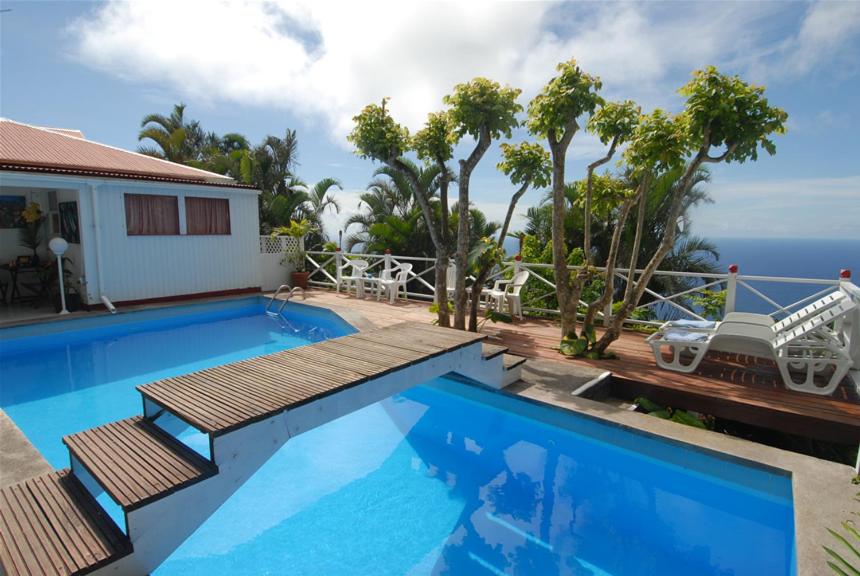
Saba has no large hotels or resorts, and that is by design. The island's accommodations are small, personal, and spread across the villages. In Windwardside, Juliana's Hotel is the most established option, with clean rooms, a small pool, and an on-site restaurant, with rates from around $150 to $250 a night. The neighboring Scout's Place, perched on the edge of the village with valley views, offers more character and slightly lower prices starting around $120.
Queen's Garden Resort in The Bottom occupies a beautifully restored building with a pool and garden setting, charging $180 to $350 depending on the room and season. For something more intimate, El Momo Cottages above Windwardside offers self-contained cottages with kitchens and sweeping views from around $175. Budget travelers find options in small guesthouses and apartment rentals from $80 to $120 a night, though inventory is very limited.
Dive packages that bundle accommodation with daily diving through Saba Deep or Sea Saba often represent the best value for divers, typically running $150 to $200 per person per day including two dives and a basic room. The island has no Airbnb-style surplus - there are perhaps 50 total rental units on Saba - so booking well ahead for the December through April high season is essential. Expect charming, clean, and simple accommodations rather than luxury amenities.
Where to Eat in Saba
Dining on Saba is intimate by necessity - the island has perhaps a dozen restaurants, and on any given night half of them might be closed. In Windwardside, Tropics Cafe at Juliana's Hotel is the most reliable dinner option, serving Caribbean-international dishes with mains from $18 to $30. Scout's Place serves solid comfort food - burgers, grilled fish, and stews - on a terrace with views down the valley. Bizzy B bakery is the morning essential, turning out fresh bread, pastries, and strong coffee from early morning. The Saba Coffee House, also in Windwardside, serves espresso drinks and light lunches.
For something more upscale, Queen's Garden Restaurant in The Bottom offers the island's most refined dining, with a changing menu that leans French-Caribbean and entrees from $25 to $40, best enjoyed on the garden terrace. Swinging Doors in Windwardside is the island's de facto bar and social hub, where locals and visitors mingle over cold Heineken and simple bar food. In The Bottom, the family-run restaurants serve Creole dishes like stewed chicken, fried plantain, and seasoned rice at lower prices.
Saba Spice, a rum-based liqueur flavored with spices, orange peel, and fennel - it is made in homes across the island and sold in unmarked bottles at shops and roadside stands. Grocery shopping is limited to a few small markets, and prices are high since everything arrives by boat. If your accommodation has a kitchen, stock up on St. Maarten before flying over.
Best Time to Visit Saba
The dry season from December through May offers the most comfortable conditions, with temperatures in the mid-70s to low 80s Fahrenheit, lower humidity, and the calmest seas for diving. January through March is peak season with the highest prices and best dive visibility, often exceeding 100 feet.
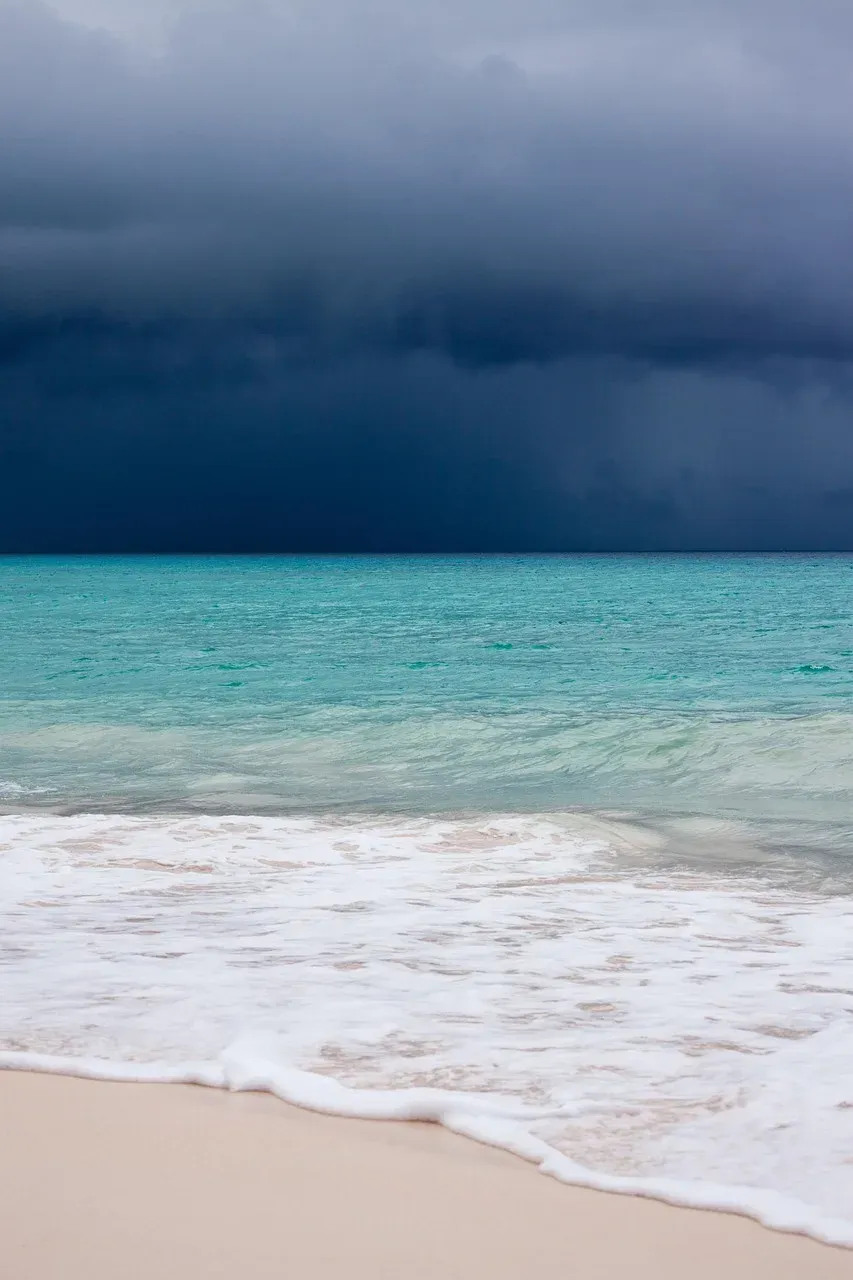
The rainy season from September through December brings afternoon showers and rougher seas that occasionally cancel dive boats and the Dawn II ferry from St. Maarten. Hurricane season runs June through November, with September and October carrying the highest risk.
Mount Scenery is best hiked in the early morning year-round, as the summit is often clouded by midday regardless of season. Summer brings warmer temperatures and slightly higher humidity but noticeably fewer visitors - you may have the dive sites and hiking trails almost entirely to yourself.
Getting Around Saba
The Road is the island's single main road connecting all four villages. Taxis and rental cars are available but many visitors walk between Windwardside and The Bottom.
The island is accessible by Winair flights from St. Maarten (12 minutes) or the Dawn II ferry.
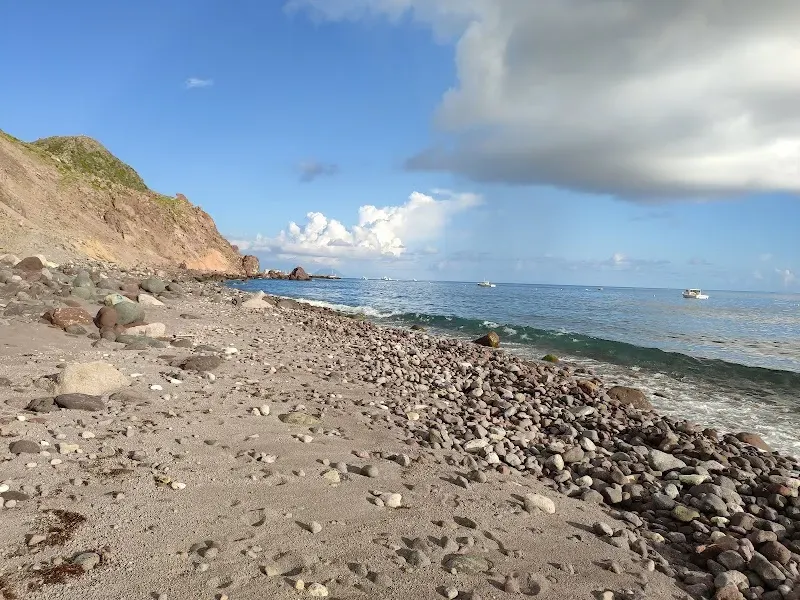
Tent Bay Beach
Tent Bay Beach is a nature attraction on Saba. This natural area showcases the lush tropical landscapes and diverse ecosystems that Saba is known for. Visitors can explore the local flora and fauna in a serene setting.
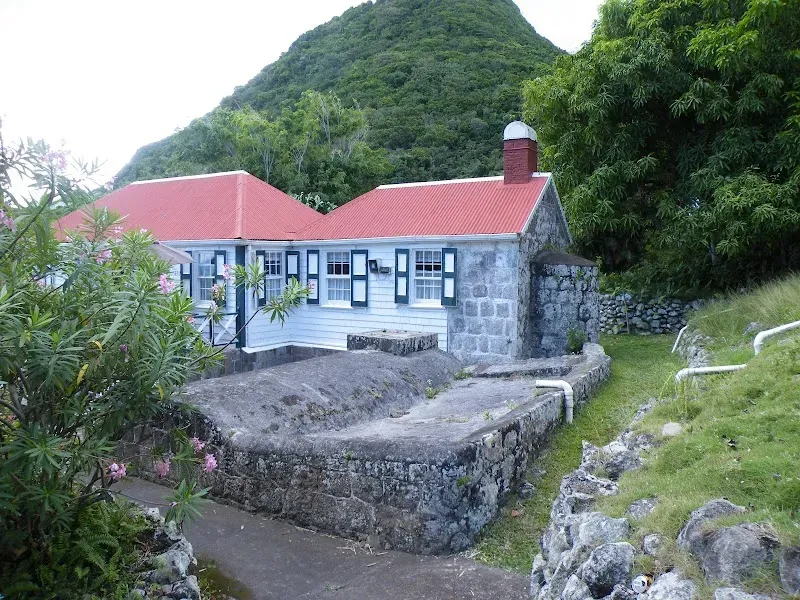
Harry L. Johnson Museum
Harry L. Johnson Museum is a nature attraction on Saba. This natural area showcases the lush tropical landscapes and diverse ecosystems that Saba is known for. Visitors can explore the local flora and fauna in a serene setting.
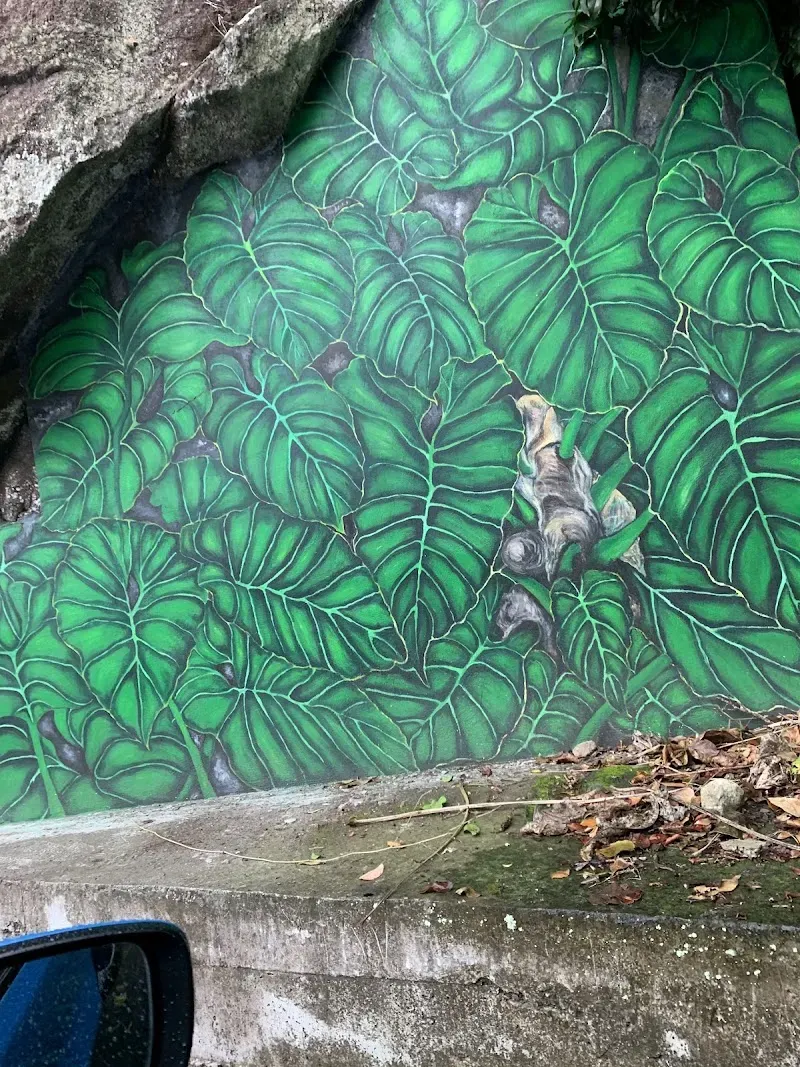
Elephant Ears Mural
Elephant Ears Mural is a nature attraction on Saba. This natural area showcases the lush tropical landscapes and diverse ecosystems that Saba is known for. Visitors can explore the local flora and fauna in a serene setting.

La pista más corta del mundo
La pista más corta del mundo is a nature attraction on Saba. This natural area showcases the lush tropical landscapes and diverse ecosystems that Saba is known for. Visitors can explore the local flora and fauna in a serene setting.

Saba
Saba is a nature attraction on Saba. This natural area showcases the lush tropical landscapes and diverse ecosystems that Saba is known for. Visitors can explore the local flora and fauna in a serene setting.
Hotels in Saba
Search for available rates by selecting your travel dates
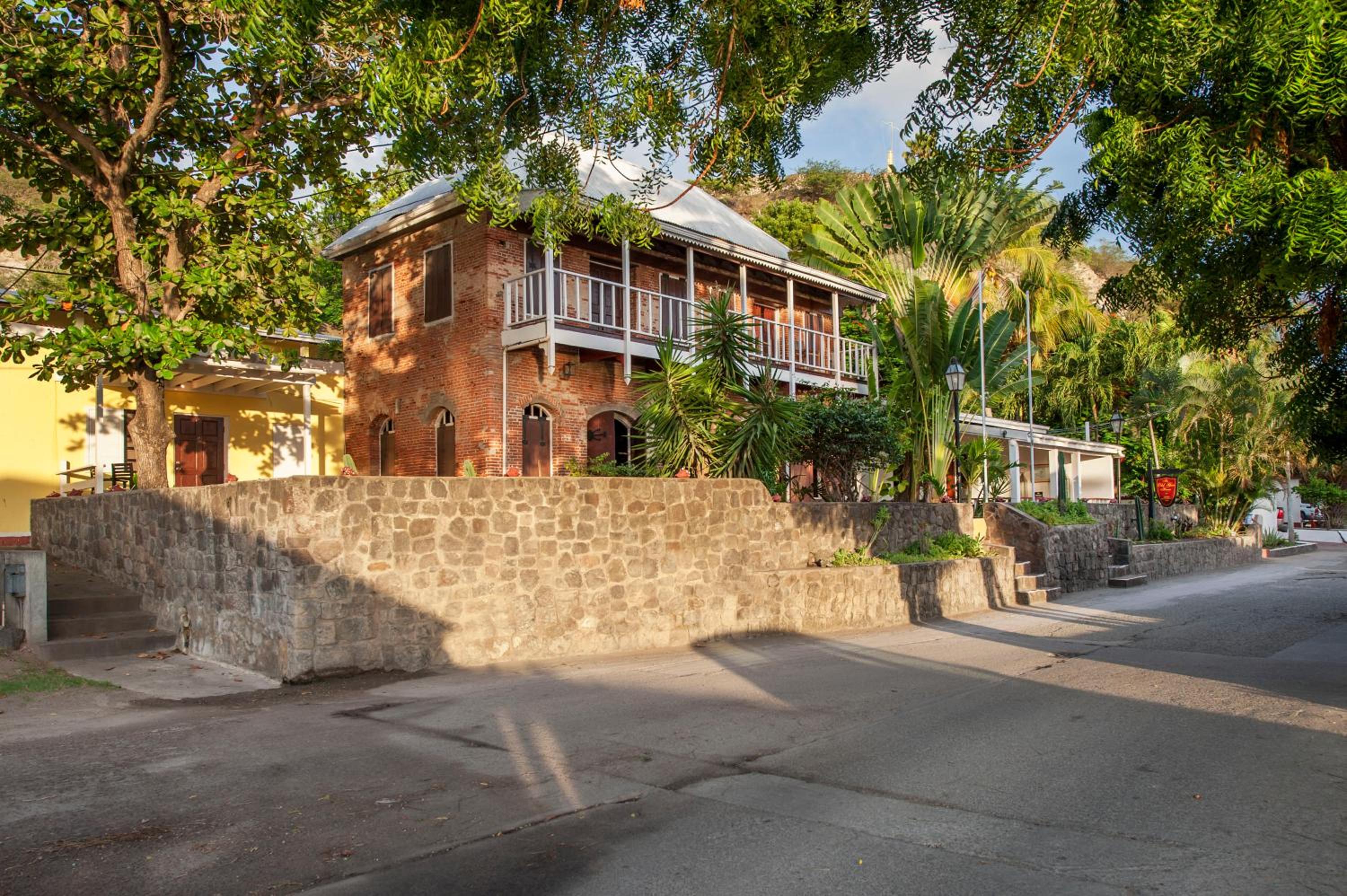
The Old Gin House
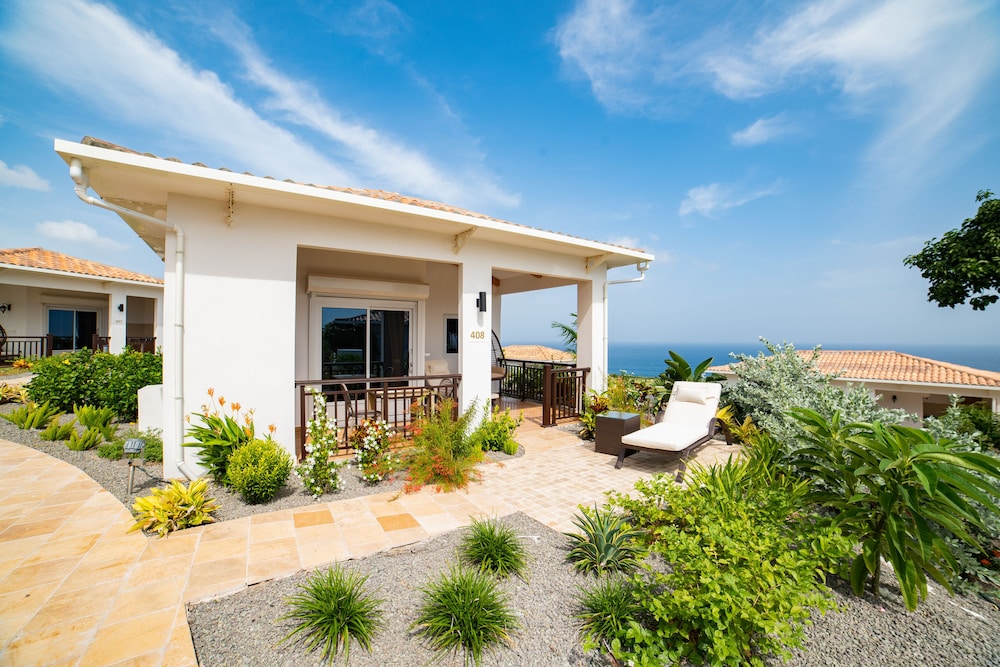
Golden Rock Dive And Nature Resort
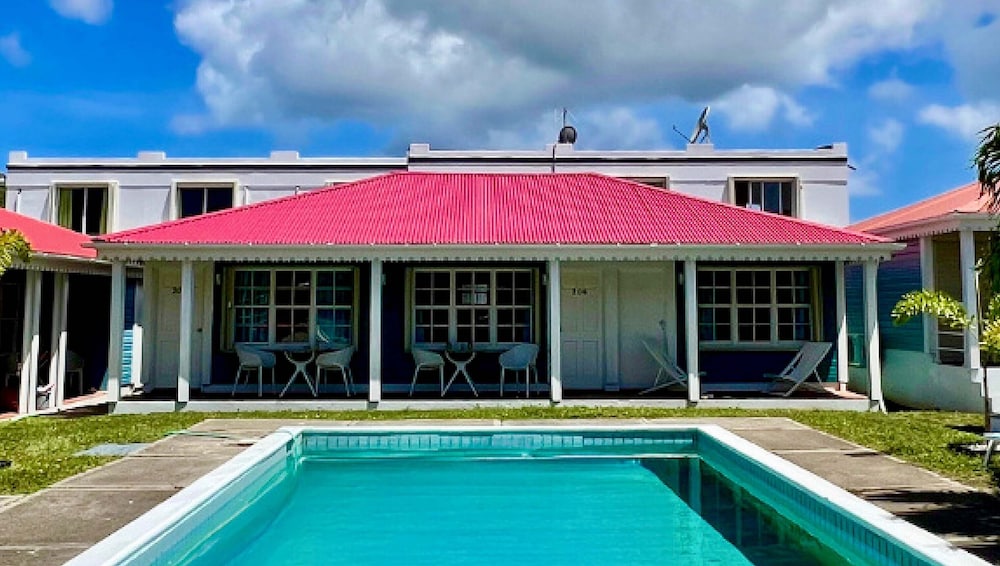
Talk of the Town Inn & Suites
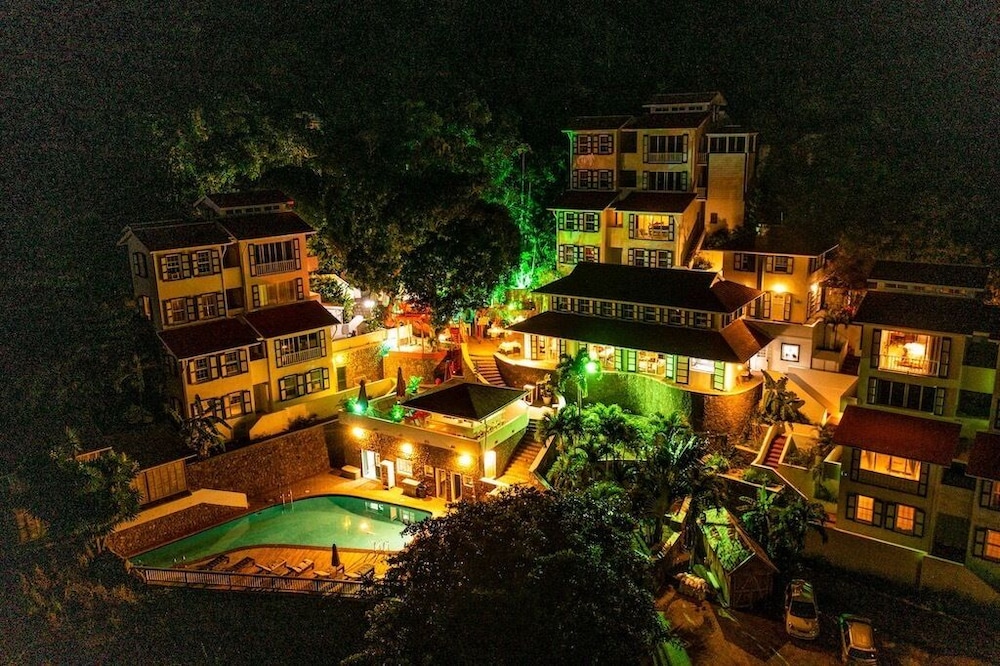
Queen’s Hotel Saba
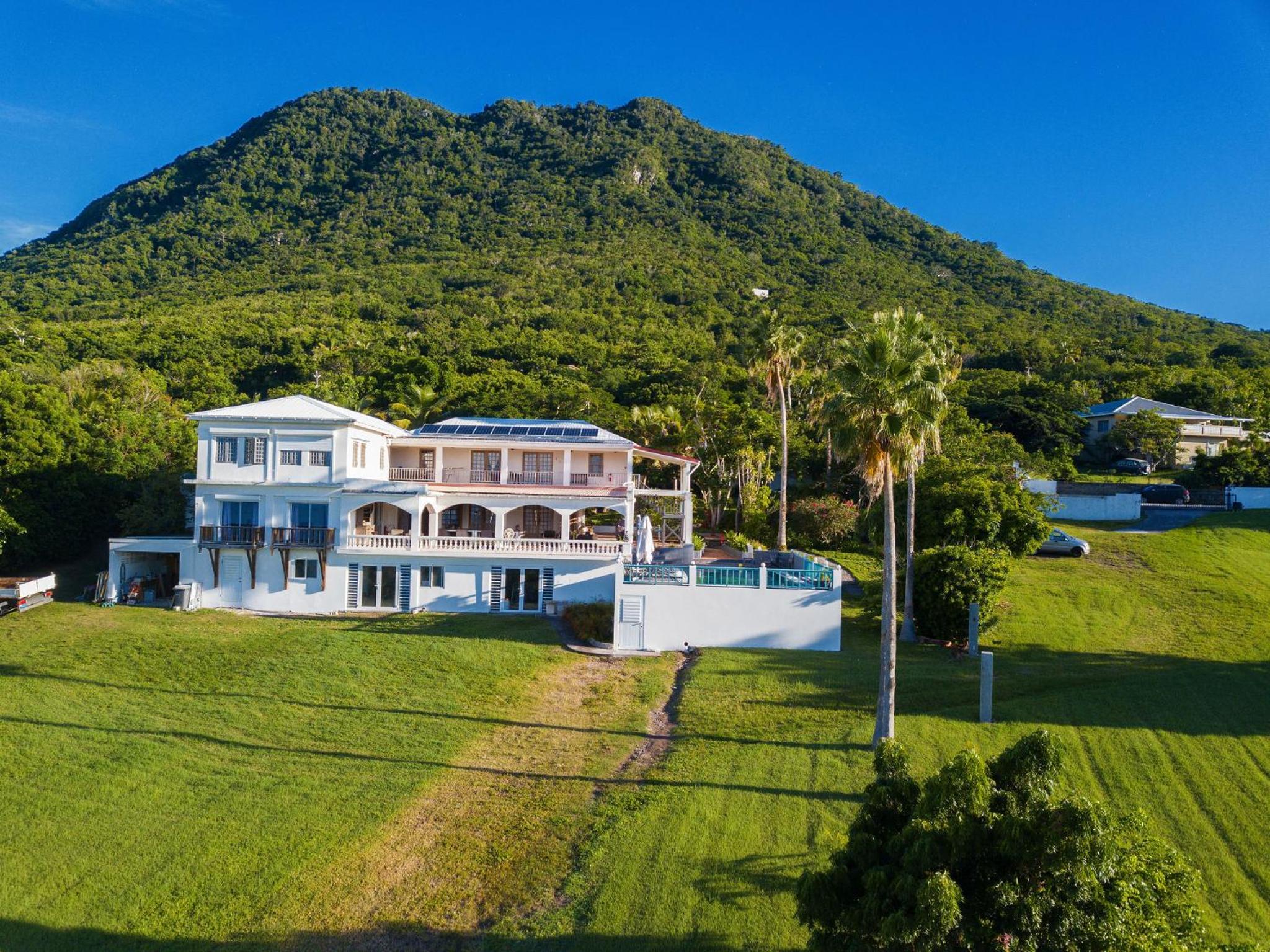
Quill Gardens Boutique Hotel
 0
0El Momo Cottages
Top Restaurants in Saba
Popular dining spots near Saba
No restaurants available for Saba yet.
Weather in Saba
Average Temperature
70°F to 80°F (21°C to 27°C)
Rainy Season
September to December
Hurricane Season
June to November
Best Time to Visit
December to May
Travel Tips
- Dutch is the official language, but English is widely spoken
- US Dollar is the official currency
- Driving is on the right side of the road
- A valid passport is required for entry
- The island is accessible by small aircraft from St. Maarten or by ferry
- Bring hiking boots for the excellent trails
Daily Budget (USD)
Visa Requirements
EU and Dutch citizens need a valid national ID. US, UK, and Canadian citizens require a valid passport. No visa needed for stays up to 90 days.
Safety
Saba is one of the safest islands in the Caribbean with virtually no crime. The main risks are natural: steep hiking trails require proper footwear, and the sea can be rough on the windward side. There are no beaches, so swimming is limited to tide pools and calm days at designated entry points.
Getting Around
**The Road** is the island's single main road connecting all four villages. Taxis and rental cars are available but many visitors walk between **Windwardside** and **The Bottom**. The island is accessible by **Winair** flights from [St. Maarten](/islands/st-maarten) (12 minutes) or the **Dawn II** ferry.
Popular Activities
Best For
Get Saba Travel Tips
Subscribe for curated tips, deals, and inspiration for your Saba trip.