
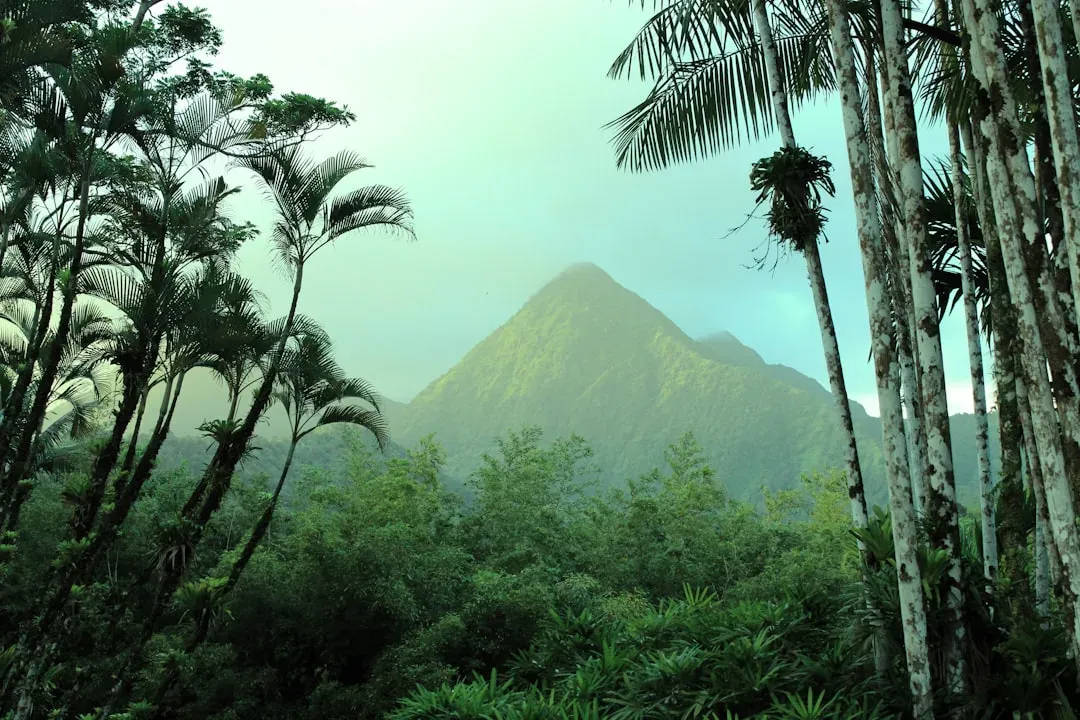
Martinique Travel Guide 2026
The Flower Island -volcanic history, world-class rum, Creole cuisine, and dramatic landscapes from black-sand beaches to cloud forests.
Martinique -"The Flower Island" -is where France meets the Caribbean in the most intoxicating way. This volcanic island packs extraordinary diversity into its 436 square miles: the haunted ruins of Saint-Pierre (destroyed by a volcanic eruption in 1902), the lush botanical wonderland of Jardin de Balata, black-sand beaches in the wild north, and the iconic white sand of Les Salines in the south.
What sets Martinique apart from other Caribbean destinations is its deep cultural identity. This is the birthplace of the Créolité literary movement, home to the world's finest rhum agricole (distilled from fresh sugarcane juice, not molasses), and a place where a midday meal at a beachside restaurant rivals anything in Provence. For English-speaking travelers, Martinique remains one of the Caribbean's great undiscovered destinations -rich in experience, thin on tourist crowds, and unlike anywhere else in the region.
Martinique at a Glance
French, Antillean Creole
Euro (EUR)
December to April
€70-€450
Top Attractions
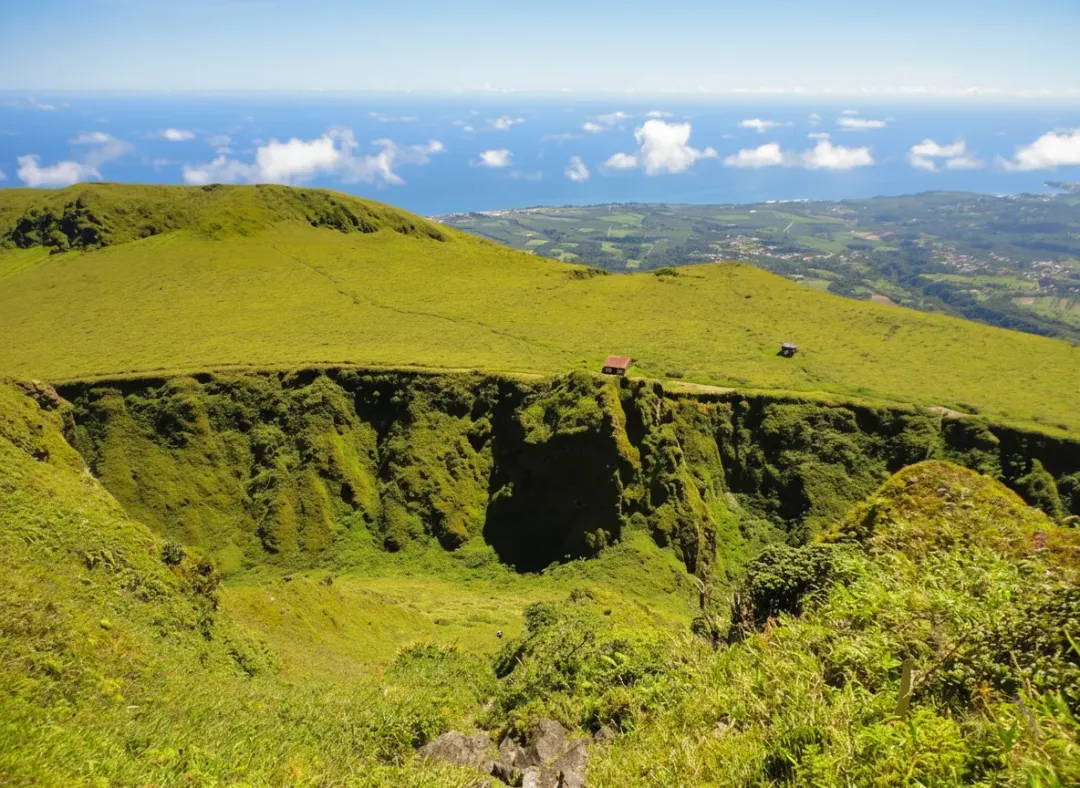
Mont Pelée
The volcano that destroyed the city of Saint-Pierre in 1902, killing 30,000 people in minutes. Today hikers can summit the 1,397m peak through cloud forest for stunning views, while the ruins of Saint-Pierre below tell the story of the Caribbean's Pompeii.
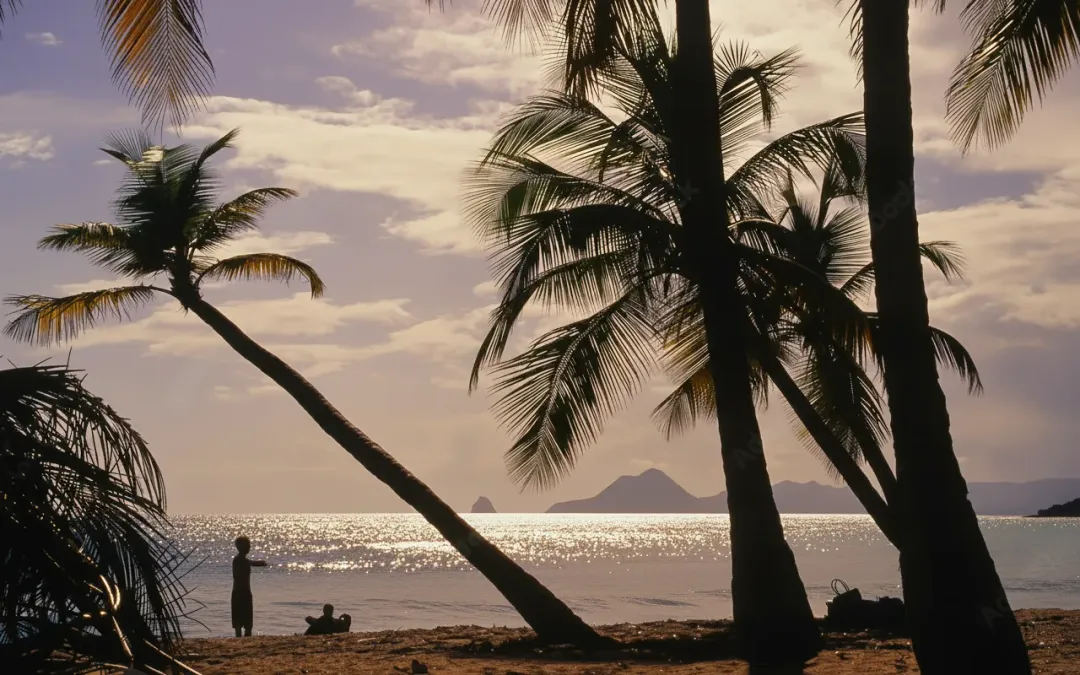
Anse des Salines
The most famous beach in Martinique, a long arc of white sand backed by coconut palms at the island's southern tip. Calm, shallow turquoise waters and nearby mangrove trails make it perfect for a full day out.
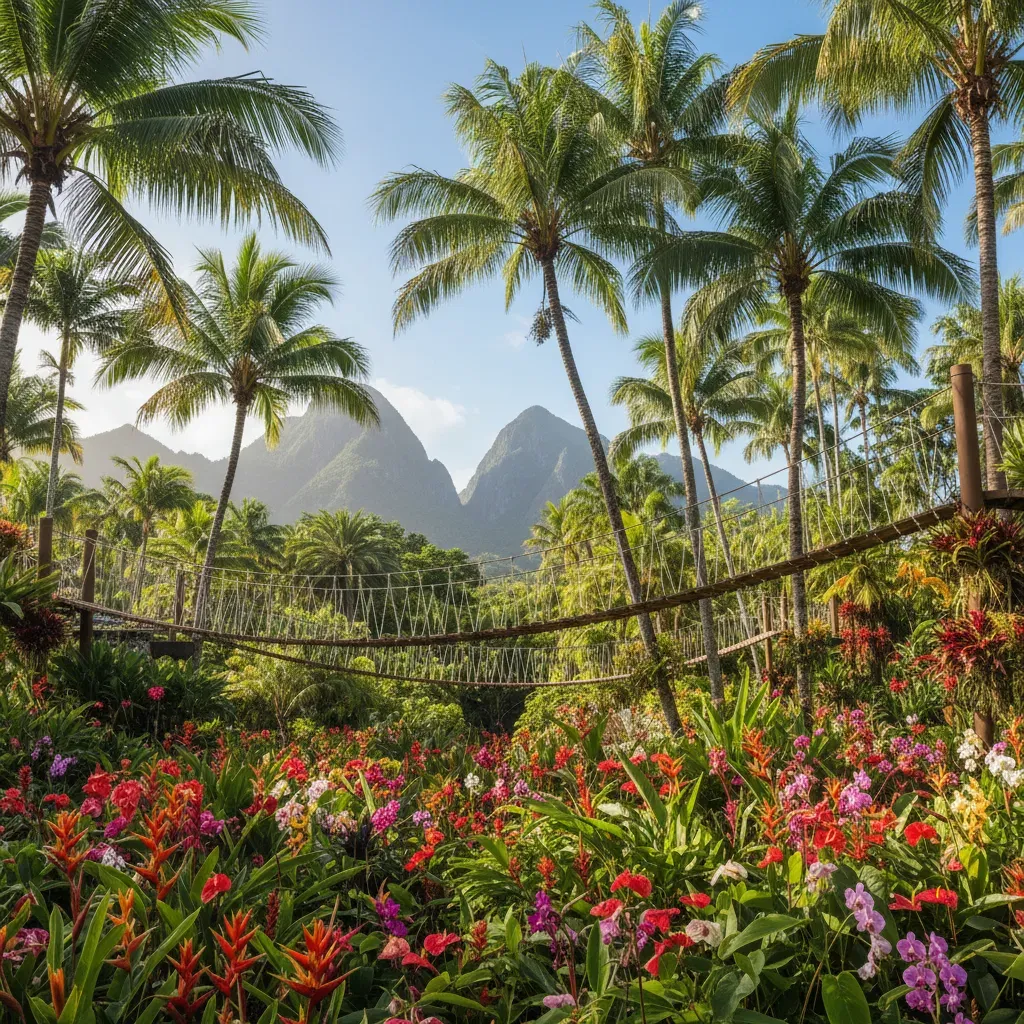
Jardin de Balata
A lush botanical garden perched in the hills above Fort-de-France with over 3,000 tropical plant species. Suspended walkways through the tree canopy offer eye-level views of hummingbirds, heliconias, and bromeliads.
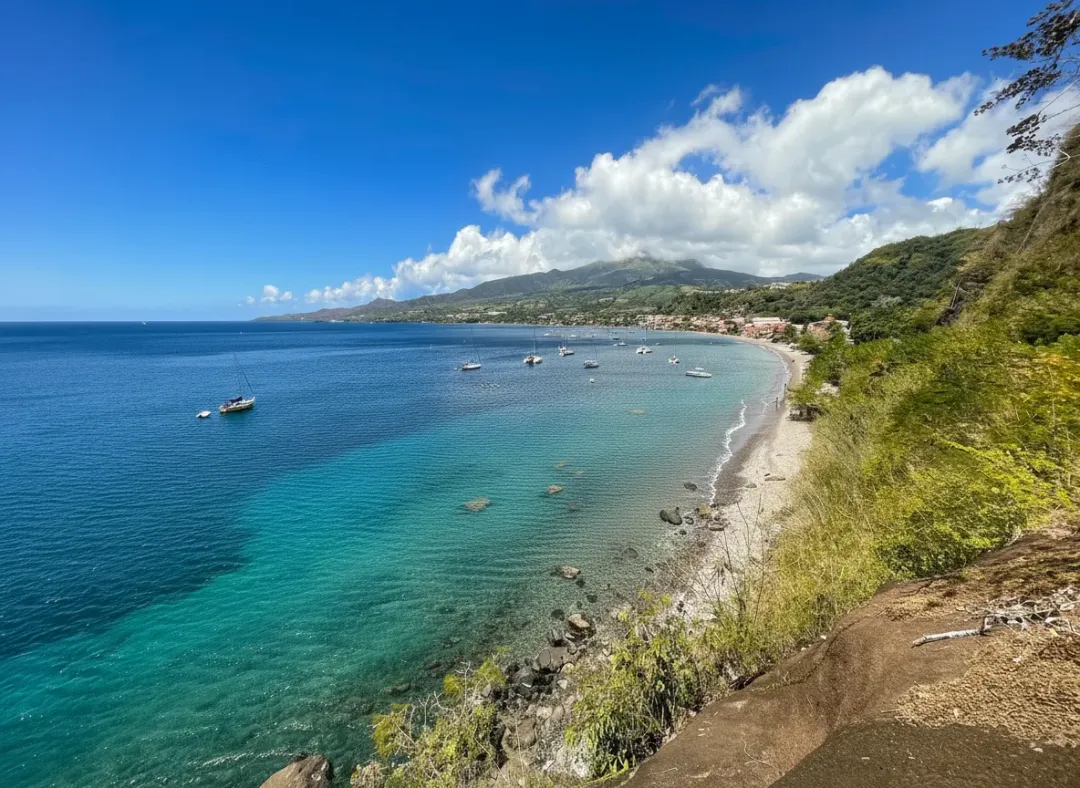
Saint-Pierre
Once the cultural capital of the French Antilles, destroyed by Mont Pelée's eruption in 1902. The ruins, volcano museum, and underwater dive site among sunken ships make this an essential historical and cultural stop.
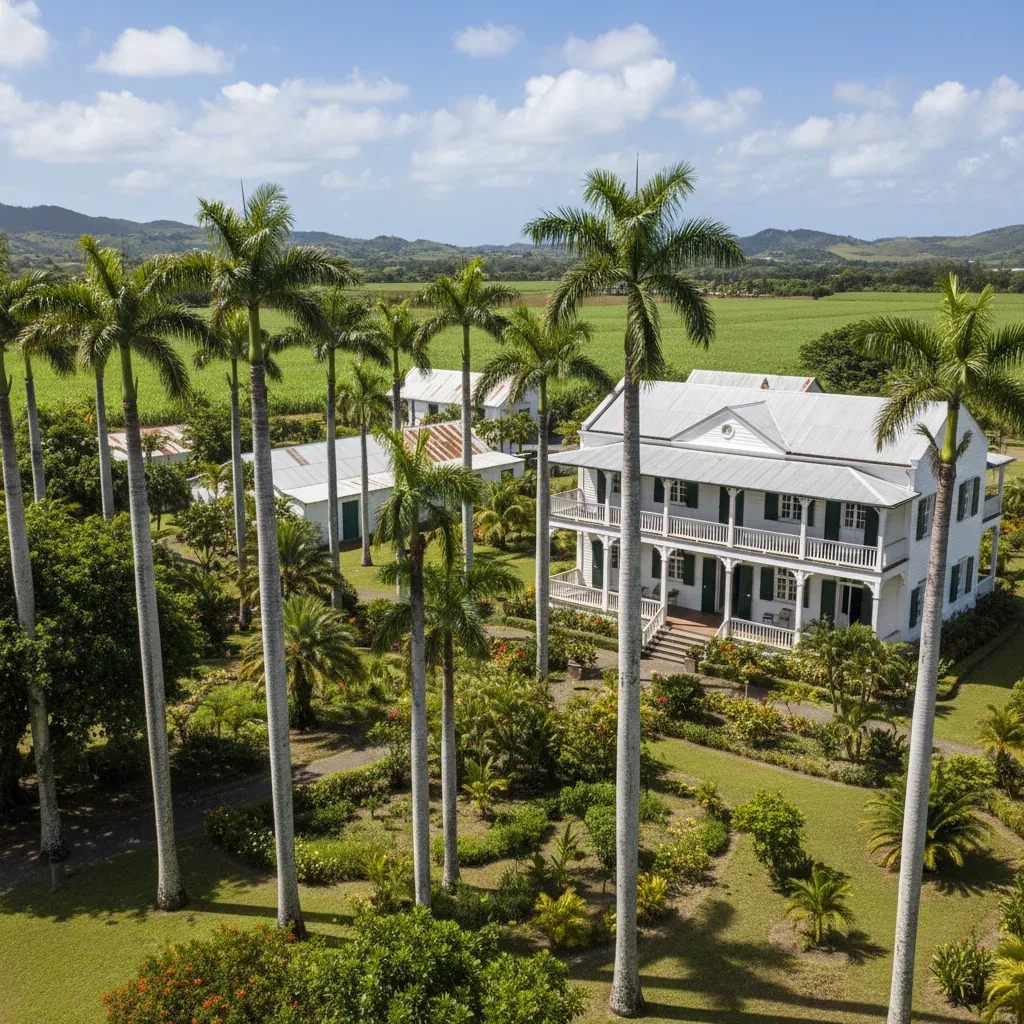
Habitation Clément
A beautifully restored 18th-century sugar plantation and rhum agricole estate in Le François, one of the most prestigious domaines in Martinique. Tour the historic Creole great house where US President George H.W. Bush and French President François Mitterrand held the 1991 Martinique Summit, stroll sculpture-filled tropical gardens, and taste award-winning aged rums in the historic chai.
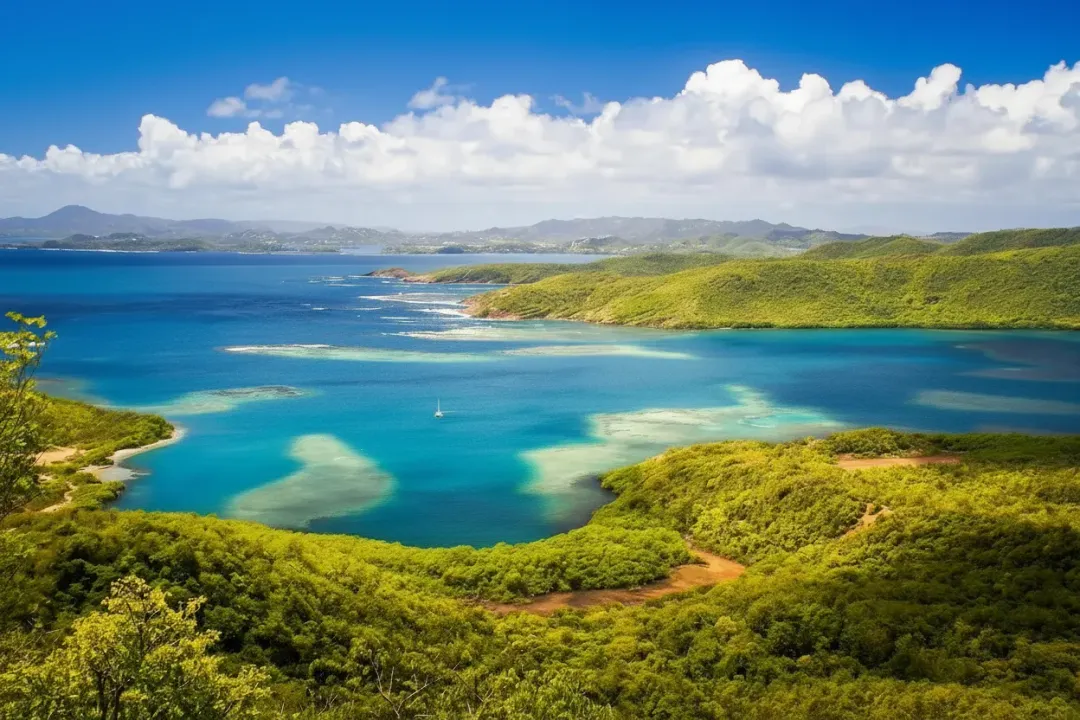
Presqu'île de la Caravelle
A wild peninsula jutting into the Atlantic with a nature reserve, mangrove forest, and the ruins of Château Dubuc. The hiking trail to the lighthouse offers dramatic coastal views and excellent birdwatching.
Things to Do in Martinique
Martinique is the most culturally layered island in the Caribbean, a place where the volcanic north feels like a different country from the beach-lined south, and where French, African, and Creole traditions have fused into something entirely original. Begin in Saint-Pierre on the northwest coast, once known as the Paris of the Caribbean before Mont Pelée's 1902 eruption killed 30,000 people in minutes and buried the city under volcanic debris. The Musée Volcanologique Frank Perret displays scorched household objects, melted church bells, and the cell of the eruption's sole survivor - a prisoner named Louis-Auguste Cyparis whose thick-walled dungeon saved his life.
The ruins of the old theater and warehouses are still visible along the waterfront, and the snorkeling over the submerged ruins in the harbor is haunting and unique. From Saint-Pierre, the hike up Mont Pelée takes four to five hours round trip from the Aileron trailhead, climbing through cloud forest before emerging above the treeline into a lunar landscape of sulfur vents and volcanic rock. Clear summit days are rare - start before 7 a.m. for the best chance of views before clouds close in.
South of Fort-de-France, the energy shifts to Caribbean leisure. Les Salines near Sainte-Anne is the island's most famous beach, a long crescent of white sand backed by coconut palms that gets crowded on weekends with families grilling and playing music. For more solitude, drive past Les Salines to Anse Trabaud, a wilder, windswept beach reached by a 15-minute walk from the parking area.
The Presqu'île de la Caravelle, a peninsula on the Atlantic coast, offers excellent hiking through dry coastal forest to the ruins of Château Dubuc, a 17th-century plantation with views across the Atlantic to the islands of Dominica and Marie-Galante. Martinique's rum heritage is not just a tourist attraction - it is a genuine appellation d'origine contrôlée, the only rum in the world with AOC status. Distillery visits are essential.
Habitation Clément in Le François has the most polished visitor experience, set in a beautifully restored plantation house surrounded by contemporary art installations. Distillerie JM in Macouba, on the northern tip of the island, produces some of the finest aged rhum agricole in Martinique and the setting - steep hillsides dropping to the Atlantic - is dramatic. Rhum Neisson in Le Carbet is smaller and more artisanal, with tastings that let you compare blanc, élevé sous bois, and aged expressions side by side.
1-Week Martinique Itinerary
A Perfect Week in Martinique
Days 1-2: Fort-de-France and the center -Arrive and explore the capital. Visit the vibrant Grand Marché Couvert for spices (especially colombo powder), hot sauces, and tropical fruit. Walk the Savane park and see the Bibliothèque Schoelcher. On day two, drive 15 minutes to Jardin de Balata -3,000+ tropical plant species, suspension bridges through the canopy, and hummingbirds everywhere. Entry is €15 and worth every cent.
Days 3-4: The wild north -Drive the Route de la Trace through the rainforest to Saint-Pierre, once called the "Paris of the Caribbean" before Mont Pelée's 1902 eruption killed 30,000 people in minutes. Visit the Musée Volcanologique, explore the ruins, then snorkel over submerged ships in the harbor. On day four, hike Mont Pelée itself -start at 7 AM from the Aileron trailhead, allow 4-5 hours round trip to the 4,583-foot summit.
Day 5: Rum trail -Martinique has 7 working distilleries, each producing distinctive rhum agricole protected by AOC status (the only rum in the world with this French designation). Visit Habitation Clément for its restored plantation house and contemporary art gallery (€14 entry), then drive north to Distillerie JM in Macouba for their exceptional aged expressions. End with a proper ti-punch -white rhum, a squeeze of lime, and cane syrup.
Day 6: Southern beaches -Drive to Anse des Salines, Martinique's most famous beach -a gentle curve of white sand, shallow turquoise water, and coconut palms. It's popular but rarely feels crowded. Alternatively, take a guided kayak tour to Îlet Chancel from Le Robert to see the endangered Martinique iguanas.
Day 7: Presqu'île de la Caravelle -Hike the Caravelle Peninsula trail (3-hour loop) through mangroves and dry forest to the ruins of Château Dubuc, with dramatic Atlantic coast views. Have lunch at Le Petibonum in Carbet -a legendary beach restaurant serving Creole dishes with your feet in the sand.
Where to Stay in Martinique
Martinique's accommodation landscape reflects its dual identity as a French department and a Caribbean island. The southern coast around Les Trois-Îlets, Sainte-Anne, and Le Diamant has the highest concentration of beach-oriented hotels. Club Med Les Boucaniers near Sainte-Anne is one of the chain's flagship Caribbean resorts, with all-inclusive rates from around 250 euros per night.
La Suite Villa in Les Trois-Îlets is a stylish boutique property with individual villas and a rooftop pool, starting around 180 euros. Cap Est Lagoon Resort & Spa on the Atlantic coast in Le François is the island's top luxury property, set on a private peninsula with suites from 350 to 600 euros. For mid-range travelers, the Karibea chain operates several properties across the island with rates from 90 to 140 euros.
Gîtes (self-catering vacation rentals) are deeply embedded in Martinican travel culture and represent the best value, particularly for families and longer stays - expect to pay 50 to 100 euros per night for a well-equipped one or two-bedroom property. The northern towns of Saint-Pierre and Le Carbet have smaller, more character-driven options that put you close to hiking and distilleries. Airbnb and gîte agencies like Gîtes de France Martinique have extensive listings.
High season runs mid-December through April, with rates 20 to 40 percent above low season. Book Christmas and Carnival weeks well ahead. Low season (June through November) brings meaningful discounts and fewer crowds, though humidity increases and brief afternoon showers are common.
Where to Eat in Martinique
Martinique has arguably the best food scene in the Caribbean, a product of its dual French and Creole culinary inheritance. In Fort-de-France, the Grand Marché Couvert is the essential first stop - vendors sell fresh spices, tropical fruits, colombo powder (Martinique's signature curry blend), and bottles of homemade shrub, a rum maceration with citrus peel and spices.
Upstairs, the market restaurants serve plates of grilled chicken, accras de morue (salt cod fritters), boudin créole (blood sausage), and court-bouillon de poisson (fish in spiced tomato broth) for 10 to 15 euros. La Table de Marcel in Les Trois-Îlets serves elevated Creole cuisine in an elegant garden setting - try the colombo de poulet or the grilled crayfish at around 30 to 50 euros per person.
Le Petibonum in Le Carbet, right on the black sand beach beneath Mont Pelée, is run by chef Guy Ferdinand and has become a destination restaurant for its inventive fish dishes, flamboyant presentation, and beachfront tables. Expect 25 to 45 euros for mains.
For the best bokit - a fried bread sandwich stuffed with saltfish, chicken, or lambi (conch) that is Martinique's supreme street food - seek out the trucks parked near beaches and town squares, particularly the vendors on the Sainte-Anne waterfront. Ti-Punch, the island's ritual aperitif of white rhum agricole, lime, and cane sugar, is served everywhere and by custom you mix your own at the table. Supermarkets like Carrefour and Leader Price stock excellent French cheeses, wines, and charcuterie for villa cooking. Budget 40 to 60 euros per person per day for restaurant dining, considerably less if you mix in market food and home cooking.
Best Time to Visit Martinique
Martinique's dry season runs from December through April, locally called Carême, when temperatures sit in the upper 70s to mid-80s Fahrenheit with low humidity and minimal rainfall. This is peak season for tourism and pricing.
Carnival, which culminates on Ash Wednesday with the burning of the Vaval effigy, is a multi-week celebration in February or March that is the cultural highlight of the year and worth planning around. The shoulder months of May and early December offer warm weather and thinner crowds.
The wet season, called hivernage, runs from June through November, with September and October carrying the highest hurricane risk. Rain during hivernage tends to come in brief, heavy afternoon showers that rarely wash out a full day. Hiking Mont Pelée is best attempted in the dry season when the summit is more likely to be clear of clouds. Water visibility for diving and snorkeling peaks from January through May.
Island Hopping from Martinique
Martinique is the southern anchor of the French Antilles island-hopping route. From Fort-de-France, you can easily reach:
- Guadeloupe -4-hour Express des Îles ferry or 30-minute flight. Combine both French islands for the ultimate Creole experience. See our Martinique vs. Guadeloupe comparison to plan your trip. - Dominica -2-hour ferry. The "Nature Island" offers boiling lakes, hot springs, and some of the Caribbean's best diving -a dramatic contrast to Martinique's refinement. - St. Lucia -3-hour ferry or 30-minute flight. The Pitons, chocolate plantations, and sulfur springs make a perfect add-on to a Martinique trip.
Martinique also has excellent air connections to Paris, Miami, and other Caribbean hubs via Aimé Césaire Airport (FDF), making it an ideal starting or ending point for a longer Caribbean journey.
Martinique Budget Guide
Budget
€70/day
Gîtes, local food, public transport
Mid-Range
€180/day
Boutique hotels, mixed dining, rental car
Luxury
€450/day
Resorts, fine dining, private tours
Ready to explore further? See hotels, experiences, and restaurants on our full island page.
Frequently Asked Questions About the Caribbean
More Caribbean Guides
Ready to Plan Your Caribbean Trip?
Explore all our islands, find the perfect hotel, and book unforgettable experiences.